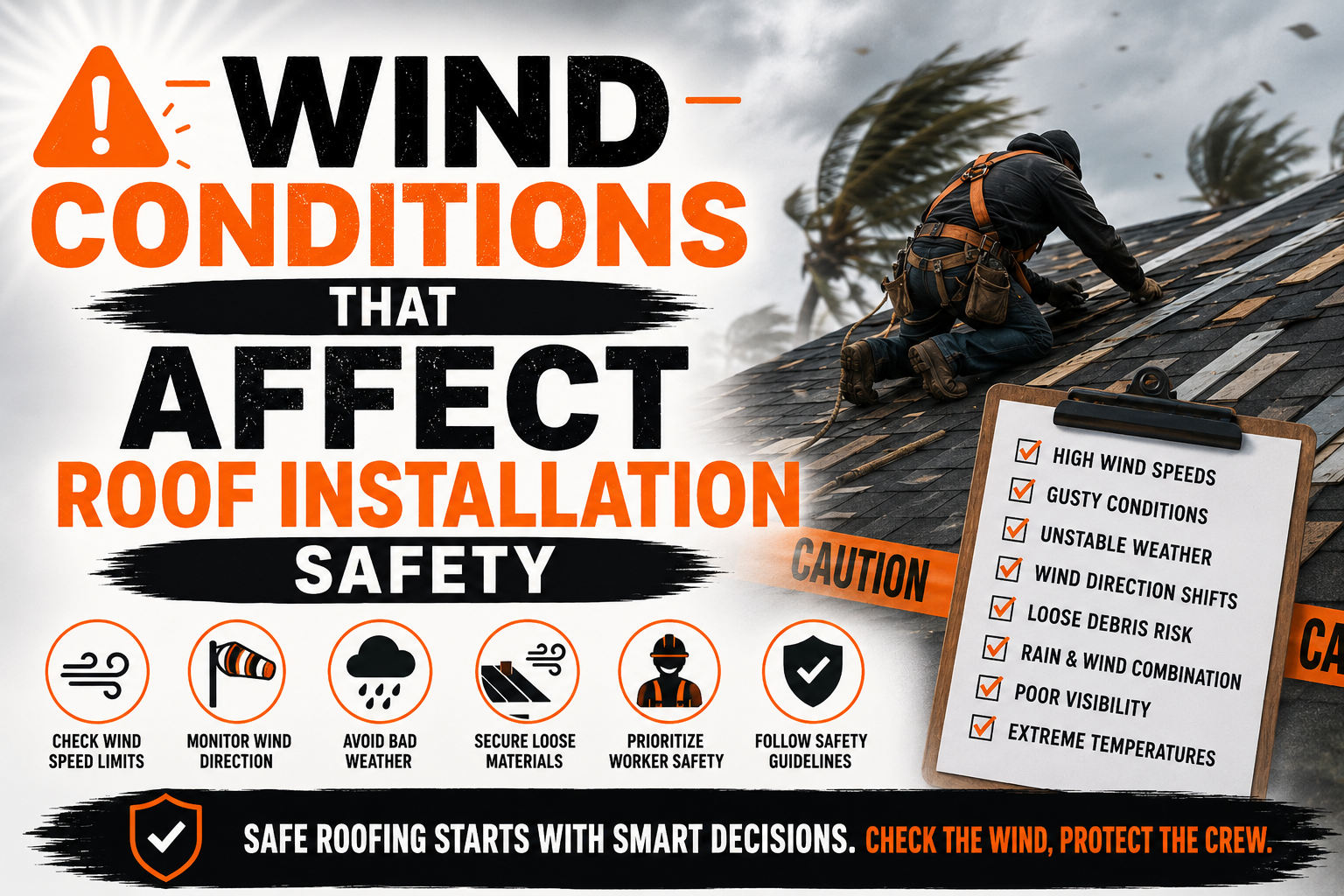
Wind Conditions That Affect Roof Installation Safety
Introduction
Wind is one of the most important weather conditions to consider when installing a new roof. Roofing work already involves elevated surfaces, sloped areas, ladders, tools, and heavy materials, and strong wind can make each of these conditions more difficult to manage. Even when the weather appears otherwise clear, changing wind conditions can create hazards for workers and affect the way roofing materials are handled.
Wind can influence both safety and installation quality. Lightweight materials can be lifted or displaced, large roofing panels can become difficult to control, and loose tools or debris can become dangerous when exposed to strong gusts. Workers may also have difficulty maintaining balance when operating near roof edges or on steep slopes.
The effect of wind depends on several factors rather than one specific measurement alone. Wind speed, gust strength, direction, roof height, roof slope, building design, surrounding structures, and the type of roofing materials being installed can all influence conditions. A wind speed that may be manageable at ground level can feel considerably stronger on an exposed roof.
Professional roofing contractors therefore need to evaluate wind conditions before and during installation. Weather forecasts can provide useful information, but actual conditions at the job site also need to be considered. If wind becomes too strong for safe work or for proper material installation, postponing the work may be necessary.
Understanding how wind affects different stages of roof installation can help homeowners better understand weather-related schedule changes. A contractor who stops work because of strong winds is generally making a safety and quality decision rather than simply avoiding difficult conditions. Careful planning helps reduce risks while protecting the roof, workers, property, and surrounding areas.
Why Wind Matters During Roof Installation
Wind becomes a significant concern during roof installation because workers and materials are exposed above ground. A roof does not provide the same protection from moving air as a ground-level work area, and wind can become stronger around roof edges, corners, and elevated sections. Gusts can also change direction quickly, making conditions difficult to predict.
One of the biggest concerns is worker stability. Roofing professionals need to move across sloped surfaces while carrying materials and operating tools. Strong or sudden gusts can affect their balance, particularly when they are working near roof edges or handling large objects.
Wind can also turn ordinary roofing materials into potential hazards. Loose shingles, underlayment, insulation, packaging, plastic sheets, and other lightweight items can be lifted or blown across the property. These materials can damage nearby structures or create hazards for workers and people on the ground.
Another concern is the effect of wind on unfinished sections of the roof. When roofing materials have been removed, the exposed roof may be temporarily protected with coverings or partially installed components. Strong winds can move or damage these materials if they are not properly secured.
Wind can affect roofing projects through several factors:
- Reduced worker stability on elevated surfaces
- Difficulty handling lightweight or oversized materials
- Increased risk of falling tools or debris
- Movement of temporary protective coverings
- Greater difficulty working around roof edges
- Potential damage to partially installed roofing systems
Wind can also interact with other weather conditions. Rain can make surfaces slippery, while high temperatures can increase worker fatigue. When strong winds occur together with rain, storms, or other severe conditions, the overall risk can increase significantly.
The direction of the wind matters as well. Wind blowing toward an open roof edge can create different conditions from wind moving across a roof surface. Corners and edges may experience increased wind pressure compared with more sheltered areas.
Roofing contractors should therefore avoid judging conditions based only on whether the weather feels comfortable at ground level. Conditions on the roof can be considerably different. A professional assessment should consider the actual work environment and the requirements of the roofing system.
Understanding Wind Speed and Roof Work
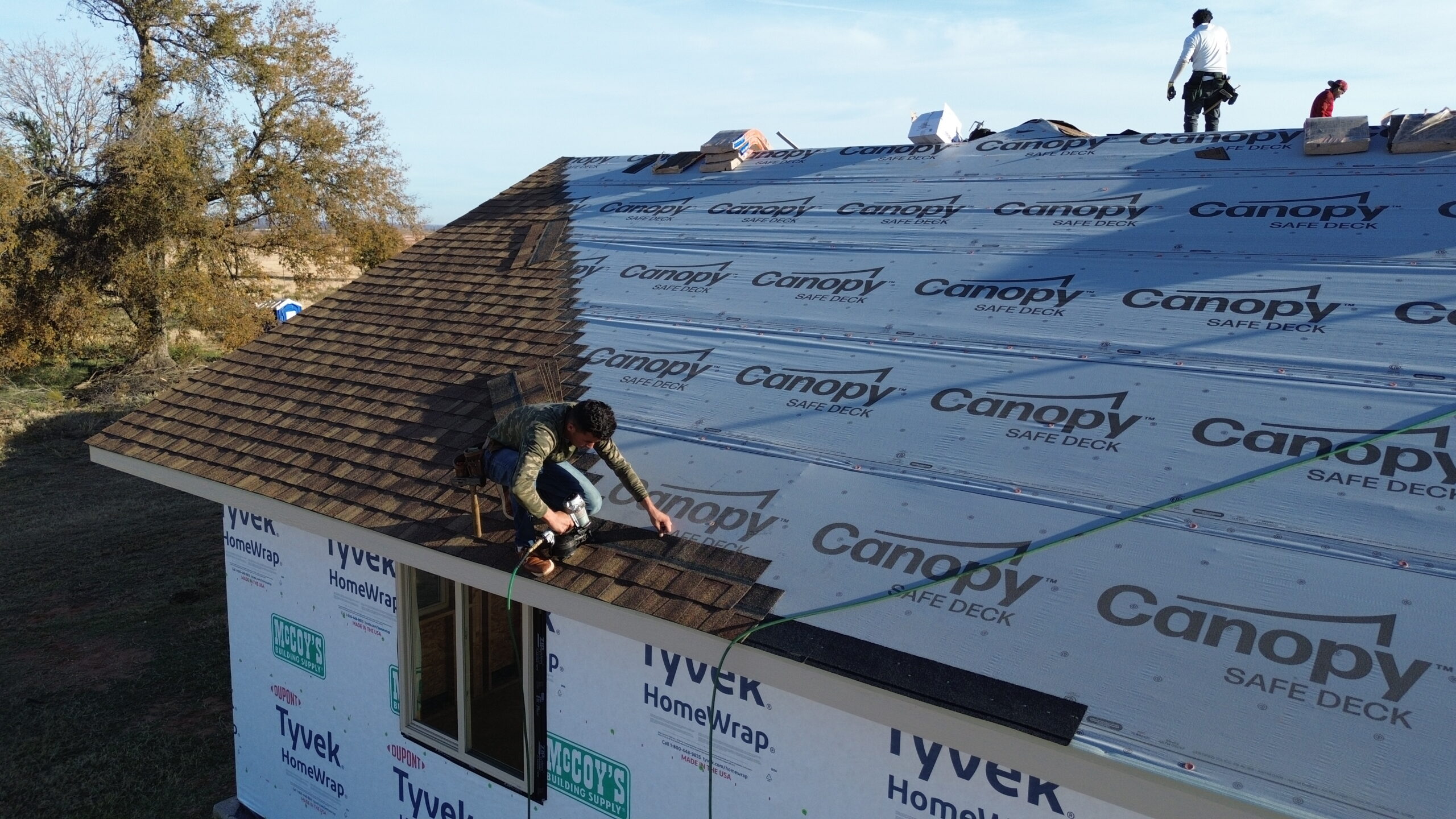
Wind speed is an important factor when deciding whether roofing work can continue, but there is no single wind speed that applies to every roof installation situation. Different roofing materials, roof designs, building heights, equipment, and manufacturer instructions can result in different limitations. Contractors should follow applicable safety procedures and product requirements rather than relying on one general number.
Wind gusts are particularly important because average wind speed does not always describe the strongest conditions workers may experience. A relatively moderate average wind can include sudden stronger gusts that affect balance and material handling. These changes can make roofing work more unpredictable.
Weather forecasts can help contractors anticipate periods of increased wind. Forecast information may include sustained wind speeds, gusts, direction, and the expected timing of stronger conditions. Contractors can use this information when planning the installation schedule, but they should also monitor actual conditions at the job site.
The height of the building can influence wind exposure. Wind speeds can be stronger and more noticeable at elevated locations, especially when the roof is exposed rather than surrounded by taller structures. A roof on a tall or isolated building may therefore experience more challenging conditions than a lower roof in a sheltered area.
Roof shape and orientation also matter. A steep roof presents different handling challenges from a low-slope roof, while open roof edges can increase exposure. Roofs with multiple levels, large open sections, or unusual shapes may require additional planning when wind is expected.
The type of work being performed should also be considered. Carrying small tools may be manageable under conditions where handling a large metal panel or sheet of underlayment would be unsafe. Wind limits can therefore vary according to the specific activity taking place.
Contractors should consider several questions before beginning work:
- What wind conditions are forecast during the planned installation period?
- Are stronger gusts expected during the workday?
- How exposed is the roof to surrounding wind?
- Which materials will need to be lifted, carried, or positioned?
- Do the manufacturer or workplace safety requirements specify weather limitations?
These considerations help contractors make better decisions than relying on temperature or general weather conditions alone. If wind increases unexpectedly, the work plan may need to change even if the original forecast appeared suitable.
How Wind Affects Roofing Materials
Roofing materials vary considerably in their response to wind. Some products are relatively heavy and stable, while others are lightweight and can be difficult to control in strong gusts. Materials may also become vulnerable when they are partially installed rather than fully secured.
Asphalt shingles are a common example. Individual shingles and bundles can be affected by strong winds during handling and placement. Before they are properly secured, loose shingles can be lifted or moved, creating hazards and potentially damaging the materials.
Underlayment and membranes can be particularly challenging because large sheets provide a broad surface for wind to catch. A sudden gust can lift an unsecured sheet, making it difficult for workers to control. Contractors may therefore need to adjust the sequence of installation or postpone work when wind conditions become unsuitable.
Metal roofing panels present another challenge because their large surface area can act like a sail. Even a relatively manageable panel can become difficult to control when exposed to a strong gust. Workers may need additional precautions when moving panels from the ground to the roof and positioning them for installation.
Insulation boards, protective sheets, flashing pieces, packaging, and other lightweight components can also be affected by wind. These materials should be stored and secured appropriately so that they do not become airborne. Loose debris can travel beyond the immediate work area and create risks for people, vehicles, windows, landscaping, and neighboring property.
Wind can also affect materials after they have been placed on the roof but before they are permanently secured. A contractor may need to work in smaller sections so that materials do not remain exposed unnecessarily. Proper fastening and temporary securing methods should follow the roofing system and manufacturer requirements.
Material storage should be considered before installation begins. Roofing bundles and equipment should be placed where they will remain stable and will not create unnecessary hazards. The roof structure must also be considered when distributing heavy materials because concentrating too much weight in one location can create additional concerns.
Strong wind can also damage materials through repeated movement. A sheet that repeatedly flaps against a surface may tear, while packaging can break apart and spread debris around the property. Inspecting materials after windy conditions can help determine whether any products have been compromised.
Wind should therefore be considered at every stage of material handling. Safe storage, controlled movement, appropriate fastening, and timely installation can reduce the possibility of wind-related damage.
Wind Risks for Roofing Workers
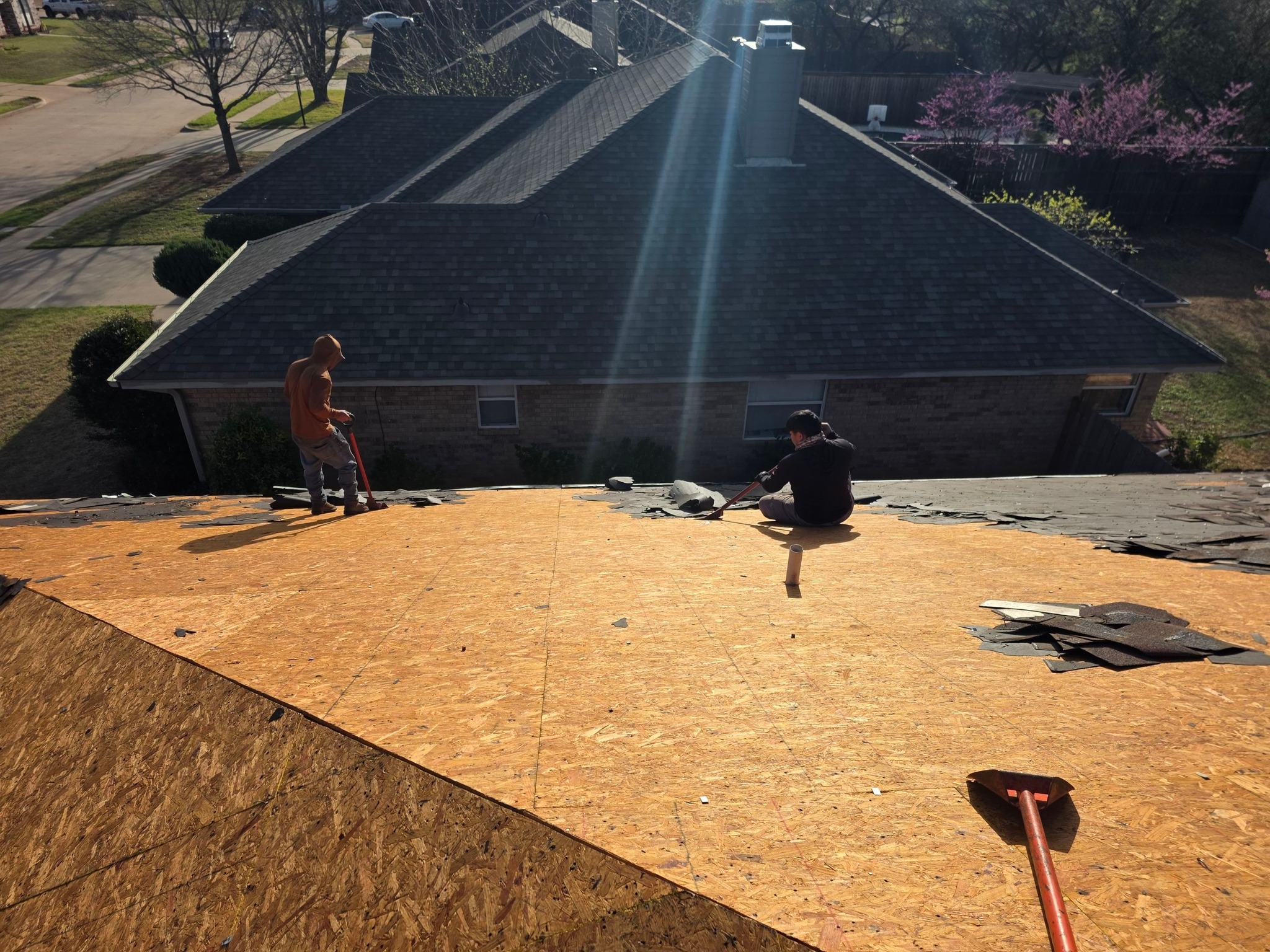
Worker safety is one of the most important reasons to monitor wind conditions during roof installation. Roofing professionals often work close to unprotected edges while carrying materials and using tools. Strong gusts can affect balance and make ordinary movements more difficult.
A sudden wind gust can be particularly dangerous when a worker is holding a large or lightweight object. The material can catch the wind and pull the worker off balance. This risk increases when the person is standing on a steep slope or near the edge of the roof.
Wind can also affect ladders and access equipment. A ladder may become unstable if exposed to strong gusts, especially when materials are being carried up or down. Contractors should follow appropriate procedures for securing access equipment and should stop using it when conditions become unsafe.
Loose tools create another hazard. A wrench, hammer, fastener container, or piece of equipment can be displaced by strong wind and fall from the roof. Falling objects can injure workers below or damage vehicles and property.
Personal protective equipment remains important during windy conditions. Fall-protection systems, appropriate footwear, eye protection, helmets, gloves, and other required equipment can help reduce risks. However, protective equipment does not make unsafe wind conditions automatically acceptable.
Workers should also be aware that wind can increase fatigue. Maintaining balance and controlling materials against repeated gusts requires additional physical effort. Fatigue can reduce concentration and increase the possibility of mistakes during tasks that require precision.
Supervisors should monitor workers for signs that conditions are becoming difficult to manage. If wind begins interfering with safe movement, material control, or communication, the work plan may need to be changed. Stopping or postponing work can be appropriate when conditions exceed the safe limits established for the project.
Homeowners should also stay away from active roofing areas during windy conditions. Materials and debris can fall or become displaced unexpectedly. Children, pets, vehicles, and outdoor furniture should be kept away from areas where roofing work is taking place.
How Roof Height and Slope Increase Wind Hazards
Roof height and slope can significantly influence how wind affects installation safety. As buildings become taller, roof surfaces can become more exposed to moving air. Roofs located in open areas may also experience stronger wind conditions because there are fewer structures nearby to reduce airflow.
Steep roofs create additional challenges because workers must maintain secure footing while moving across an inclined surface. Strong wind can make this more difficult, particularly when workers are carrying materials or working near the ridge and edges.
Roof edges deserve special attention because wind can move over and around the building in complex ways. Corners may experience strong localized forces, while open sections can be exposed to sudden gusts. Workers should use appropriate fall-protection measures and avoid assuming that a calm area at ground level means the roof is equally calm.
The building’s surroundings can change wind conditions as well. Nearby trees, walls, buildings, and other structures can block or redirect wind. This can create areas of shelter as well as sudden turbulence when air moves around obstacles.
Roof geometry is another factor. Multiple roof levels, dormers, valleys, ridges, and unusual shapes can create different airflow patterns across the structure. Contractors should consider the entire roof rather than assuming that wind conditions are identical everywhere.
These factors are particularly important when lifting materials onto the roof. A material that is manageable near ground level can become difficult to control once it reaches an exposed elevation. Contractors should plan material movement carefully and use appropriate equipment and procedures.
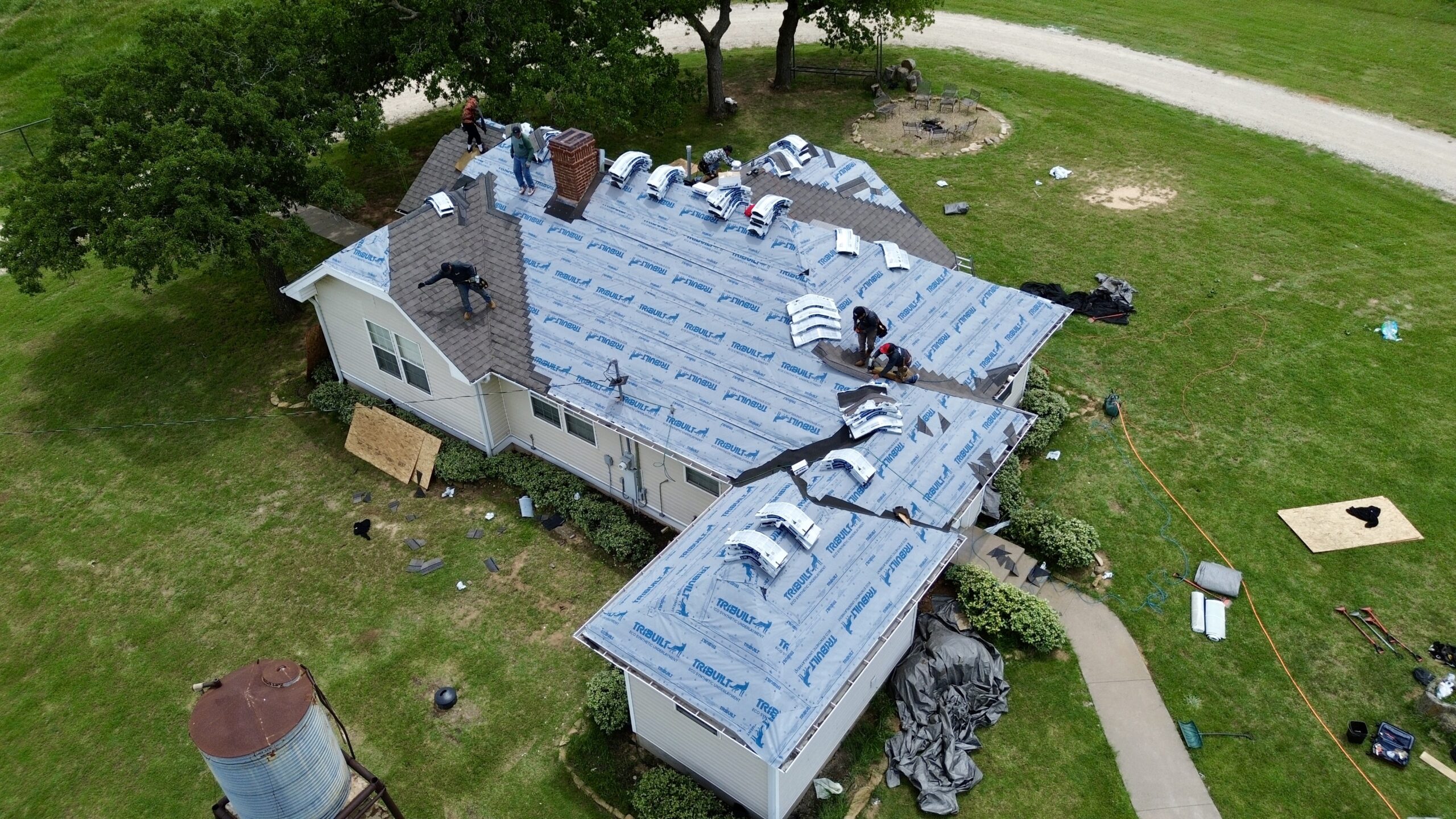
Planning Roof Installation Around Wind Forecasts
Planning around wind conditions can help reduce interruptions and improve safety. Contractors can review weather forecasts before scheduling major installation activities and identify periods when stronger winds are expected. This allows the project schedule to take advantage of safer weather windows.
Forecasts should be monitored throughout the project because conditions can change. A calm morning may develop into a windy afternoon, or unexpected gusts may occur earlier than predicted. Contractors should therefore remain prepared to modify the work schedule when actual conditions differ from the forecast.
Material deliveries can also be coordinated around expected wind conditions. Large panels, lightweight sheets, and other wind-sensitive products may be easier to handle when conditions are calmer. Delivering materials at an unsuitable time can create unnecessary handling risks.
The installation sequence can be planned to minimize exposure. Contractors may prioritize tasks that can be secured quickly when stronger winds are expected later. They can also avoid opening unnecessarily large areas of the roof when there is a significant possibility that weather conditions will deteriorate.
A flexible schedule is especially valuable for roofing projects because weather conditions are outside the contractor’s control. Homeowners should understand that moving an installation date may be necessary when wind conditions become unsafe. A short delay is generally preferable to exposing workers or roofing materials to unnecessary hazards.
Handling Shingles in Windy Conditions
Asphalt shingles can be challenging to handle when wind conditions become stronger. Individual shingles are relatively lightweight, and bundles can also be difficult to move safely when gusts are present. Before installation, contractors need to make sure that materials are stored securely and positioned in a way that does not create additional hazards.
Wind can affect shingles differently depending on whether they are still bundled, being carried, or already placed on the roof. Bundled materials have more weight, but they can still be difficult to move when workers are operating at an elevated location. Individual shingles are much easier for wind to lift before they are properly fastened.
Workers should avoid carrying large quantities of loose shingles across an exposed roof during strong winds. Maintaining balance becomes more difficult when a worker is carrying materials that can catch the wind. Organizing materials close to the work area can reduce unnecessary movement while still maintaining safe weight distribution on the roof.
Shingles should be installed and fastened according to the manufacturer’s requirements. Proper fastening helps prevent installed materials from being displaced before the roofing system is fully completed. Contractors should not rely on the weight of adjacent shingles or temporary placement when stronger winds are expected.
Wind can also interfere with alignment. A gust can move a shingle while a worker is positioning it, making it harder to maintain straight courses and consistent spacing. Rushing through this process can affect the appearance and performance of the finished roof.
Newly installed shingles may also require time and suitable conditions to develop their intended seal. The manufacturer’s instructions should determine how the shingles should be handled and whether additional sealing measures are needed under particular conditions. Windy weather should not be treated as a reason to skip required fastening or installation procedures.
Workers should also pay attention to roof edges and corners. These areas can experience more exposure to wind and may require careful installation according to the roofing system’s specifications. Proper edge treatment is important because wind can place additional stress on roofing materials in these locations.
If wind becomes strong enough to interfere with safe shingle handling, the contractor may need to pause installation. Protecting the materials and waiting for better conditions can prevent damage and reduce the risk of workers losing control of materials.
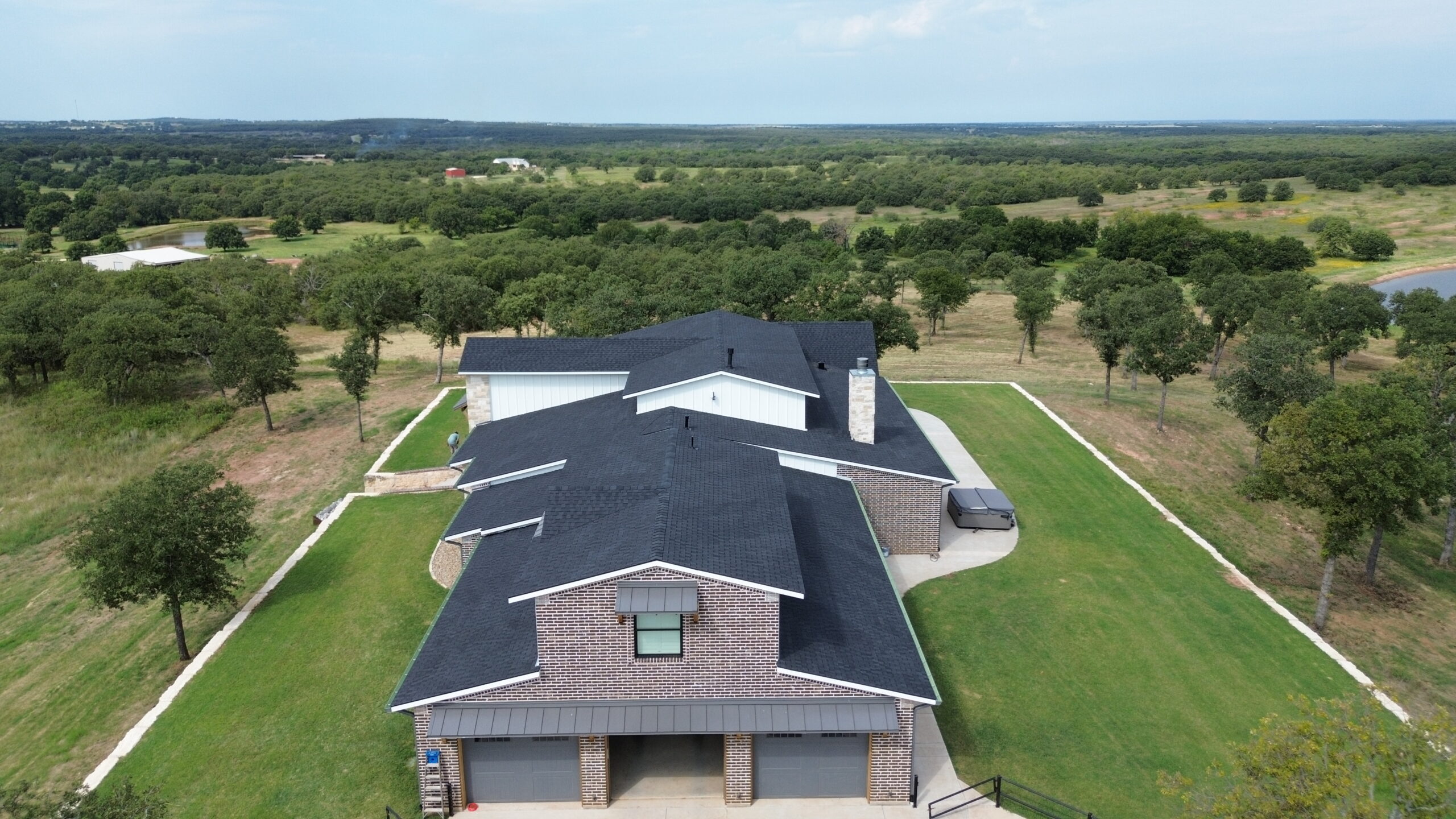
Managing Underlayment and Other Lightweight Materials
Underlayment, membranes, protective sheets, and similar materials can be particularly sensitive to wind because they often have a large surface area compared with their weight. A gust can catch an unsecured sheet and lift it from the roof. This can create a safety hazard for workers and may also damage the material.
Contractors should plan how lightweight materials will be moved from storage to the roof before installation begins. Carrying large sheets during windy conditions can be difficult, especially on steep or elevated roofs. Workers should use appropriate handling procedures and avoid attempting to control materials that cannot be safely managed.
Underlayment should be secured according to the roofing system’s installation requirements. Temporary placement should not be treated as permanent fastening when strong wind is expected. If the material is left unsecured, a sudden gust may lift, wrinkle, tear, or displace it.
The sequence of work can reduce wind exposure. Instead of placing a large amount of underlayment across the roof at once, contractors may work in manageable sections that can be properly secured. This limits the amount of loose material exposed to changing weather.
Large protective sheets can create additional hazards during roof preparation. A sheet that suddenly lifts can pull against a worker or obscure their view. Workers should therefore maintain appropriate spacing and communication when handling large materials.
Lightweight materials should also be stored carefully at ground level. Packaging, plastic coverings, insulation pieces, scraps, and other loose items can become airborne even before they reach the roof. Contractors should maintain a clean job site and secure materials whenever wind conditions increase.
Wind can also cause partially installed membranes to move against roof surfaces. Repeated movement can damage edges, fasteners, seams, or other components. Inspecting the material after a windy period can help identify problems before additional roofing layers are installed.
If the wind becomes unsuitable, the safest option may be to stop handling lightweight materials altogether. A temporary delay allows the contractor to secure the work area and resume when conditions are appropriate.
Wind Effects on Metal Roofing and Large Panels
Metal roofing panels require particular attention during windy conditions because their large surface area can make them difficult to control. A panel may behave like a sail when exposed to a strong gust, creating significant forces that can affect workers handling it.
Moving metal panels from the delivery area to the roof requires careful planning. Contractors may use equipment or specialized handling methods appropriate for the project. Workers should not attempt to manually control large panels when the wind makes them difficult to manage safely.
Once panels are placed on the roof, they should be positioned and secured according to the manufacturer’s requirements. Leaving multiple unsecured panels exposed during windy conditions can increase the risk of movement. A sudden gust can shift a panel, damage its edges, or create a hazard for workers.
Metal panels can also become difficult to align when wind is moving them during installation. Proper alignment is important for seams, fasteners, flashing, and overall roof appearance. If a panel cannot be controlled accurately, continuing installation may lead to defects.
Wind can also affect panels that are temporarily stacked on the roof. Materials should be placed in accordance with the structural requirements of the building and secured appropriately. Contractors should avoid creating concentrated loads or unstable stacks simply because the materials need to remain nearby.
The roof’s shape and height can influence how difficult panel installation becomes. Tall or highly exposed buildings may experience stronger wind conditions than sheltered low-rise structures. Steep slopes can also make it more difficult for workers to control large panels.
Fasteners and seams are particularly important for completed sections of metal roofing. The installation should follow the approved system and manufacturer’s instructions so that the roof can resist expected environmental conditions. Wind during construction should not result in skipped fasteners or incomplete connections.
If conditions become too windy for safe panel handling, work should stop rather than forcing the crew to complete the section. Metal roofing can be especially difficult to control once it catches a strong gust, making careful weather assessment essential.
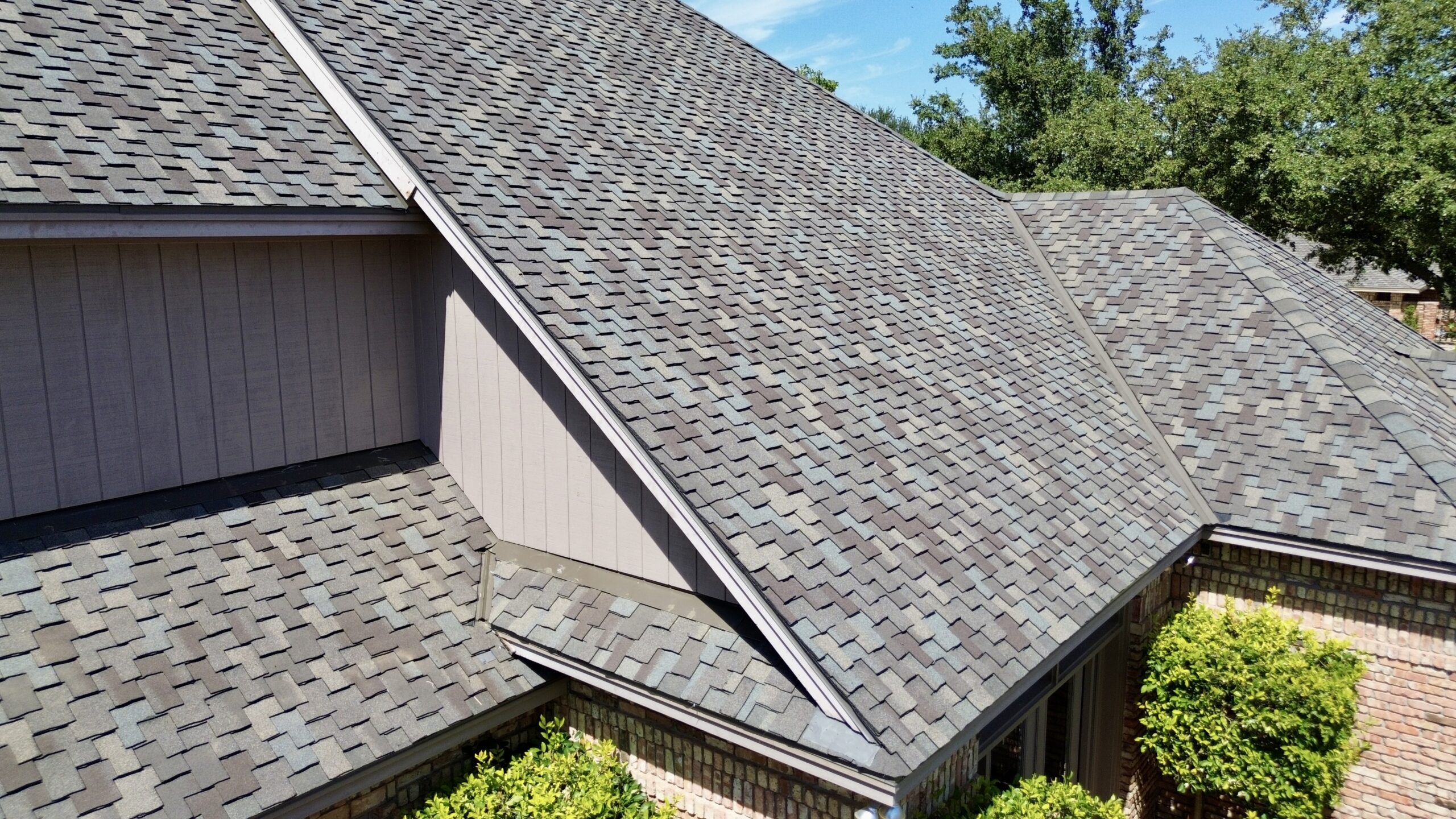
Securing Roofing Materials and Equipment
Properly securing roofing materials and equipment is essential when wind conditions are present. Materials that appear stable during calm weather may move unexpectedly when gusts increase. Contractors should therefore inspect the job site regularly and secure items that could become displaced.
Roofing bundles should be placed in stable locations and distributed appropriately across the roof. Their placement should consider both wind exposure and the structural capacity of the roof. Heavy materials should not simply be concentrated in one location for convenience.
Tools should also be secured when they are not being used. Hammers, drills, fasteners, measuring equipment, packaging, and other objects can become dangerous if they are blown from an elevated roof. Workers should keep the work area organized and remove unnecessary objects from exposed areas.
Temporary coverings require particular attention. Tarps, protective sheets, and other temporary materials can catch wind and become difficult to control. They should be installed and secured using methods appropriate for the weather conditions and should be inspected after stronger gusts.
Ground-level storage areas also need to be controlled. Loose packaging, insulation, plastic, and debris can travel across a property during windy conditions. A clean site reduces the possibility of materials reaching roads, neighboring properties, vehicles, or pedestrians.
Contractors should establish procedures for securing the site before leaving at the end of the workday. Wind conditions can change overnight, and materials that were stable during the afternoon may become vulnerable later. A final site inspection can identify loose items before the crew leaves.
Homeowners should not attempt to secure roofing materials themselves if the roof is exposed or windy. Even a small task can become dangerous when performed at height. The roofing contractor should handle roof-level materials and temporary protection.
Securing equipment is not only about preventing property damage. It also protects workers and other people who may enter the area. Good housekeeping and proper material control are essential parts of managing windy construction sites.
Wind Around Ladders, Scaffolding, and Roof Edges
Wind can make access equipment more challenging to use during roof installation. Ladders, scaffolding, lifts, and other equipment are exposed to changing weather conditions, and strong gusts can affect stability. Contractors should follow the equipment manufacturer’s requirements and applicable workplace safety procedures.
Ladders require particular attention because workers use them while carrying materials and tools. A worker may have difficulty maintaining balance when wind is pushing against the body or the material being carried. Strong wind can also affect the stability of a ladder if it is not properly positioned and secured.
Scaffolding and temporary platforms can also be affected by wind. Their stability depends on proper assembly, anchoring, and site conditions. Contractors should inspect these systems and follow the required procedures when wind conditions increase.
Roof edges present an especially important hazard. Workers operating near an edge have less room to recover their balance if a gust suddenly pushes them. Appropriate fall-protection systems should be used according to the requirements of the project and applicable safety regulations.
Wind can also affect workers differently depending on their position. A person near a roof ridge, corner, or edge may experience conditions that differ from someone working on a more sheltered section. Supervisors should consider these differences rather than treating the entire roof as having identical wind exposure.
Material handling near roof edges should be minimized when conditions are difficult. Large panels, sheets, or bundles can increase the forces acting on workers. If the material cannot be controlled safely, the task should be postponed until conditions improve.
Access routes should also remain clear. Wind can move packaging and debris onto ladders, walkways, or other areas used by workers. Keeping these routes clean helps reduce trip and access hazards.
If wind becomes severe, contractors may need to remove workers from exposed roof areas and secure the site. Returning to the roof should occur only after conditions have improved and the relevant safety checks have been completed.
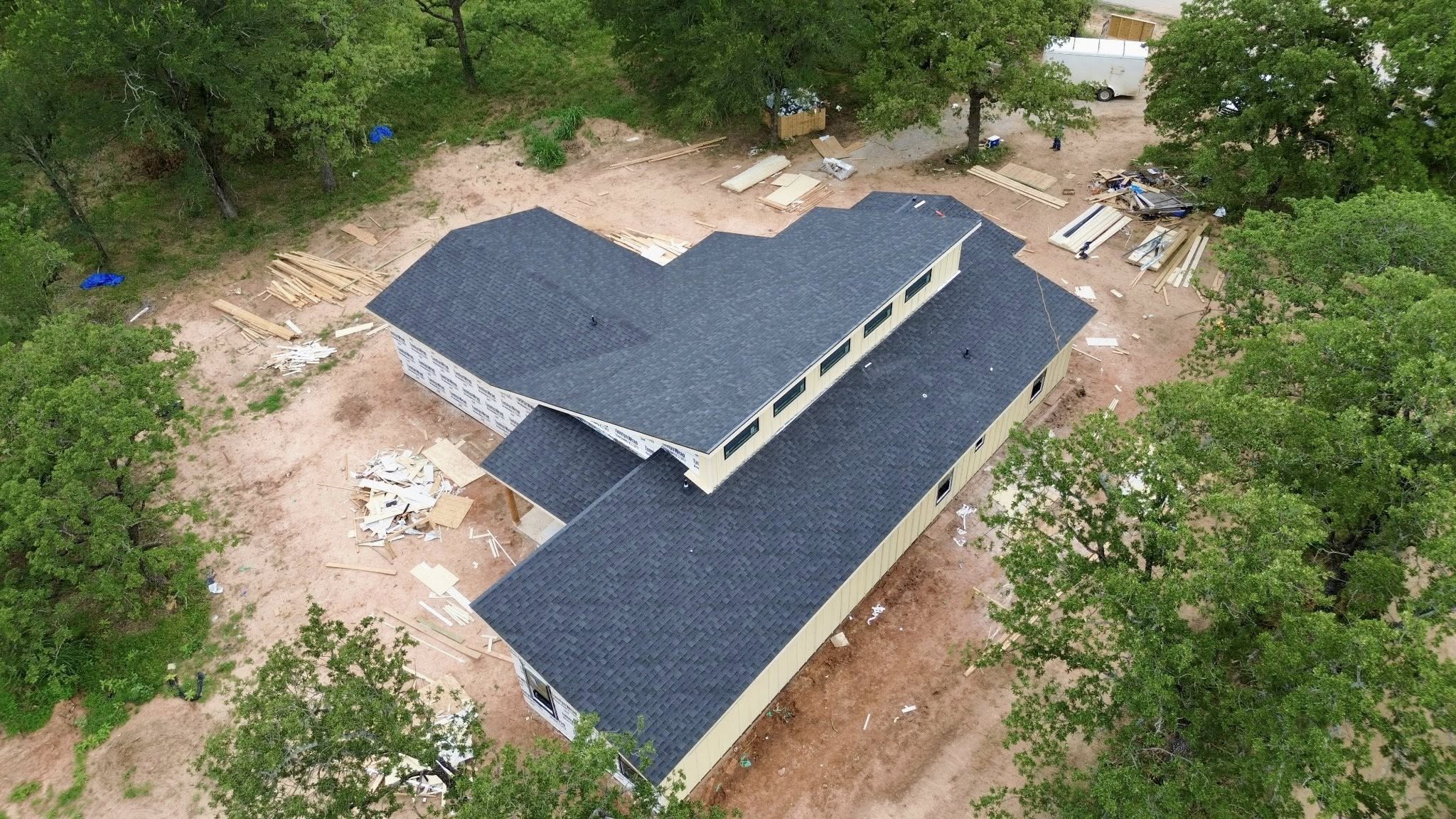
When Contractors Should Stop Roof Installation
There is no single wind speed that automatically determines whether every roofing project must stop. The appropriate limit can depend on the roofing material, roof height, slope, building design, equipment, manufacturer’s instructions, workplace safety requirements, and actual conditions at the site. Contractors should use the most restrictive applicable requirements rather than relying on a general rule.
One clear warning sign is when workers can no longer safely control materials. If shingles, underlayment, panels, or other components are repeatedly moving in the wind, continuing installation can increase the likelihood of accidents and material damage.
Work should also be reconsidered when workers have difficulty maintaining stable footing. A roof does not need to experience extremely strong winds for conditions to become unsafe. Sudden gusts, particularly near edges and elevated areas, can create significant hazards.
If tools or debris begin moving unexpectedly, the site should be secured. Loose objects can become dangerous projectiles when wind increases. Workers should have a clear procedure for stopping work and securing the area.
Contractors should also stop work when weather conditions exceed the limits established by the roofing material manufacturer. Some products have specific requirements concerning wind during installation. These instructions are important because the roof system may need particular conditions to achieve the intended performance.
Severe weather requires additional caution. Strong thunderstorms, lightning, heavy rain, or rapidly increasing winds may make roof work inappropriate even if the project could technically continue under less severe conditions. Worker safety should take priority over maintaining the original schedule.
A responsible contractor should communicate the reason for a wind-related delay to the homeowner. The homeowner should understand that stopping work can protect both the workers and the roof itself. A short delay is generally preferable to completing an installation under conditions that could cause injuries or defects.
When conditions improve, the contractor should inspect the work area before restarting. Materials, temporary protection, access equipment, and partially completed roof sections should be checked for movement or damage. The project can then resume when the site meets the necessary safety and installation requirements.
Inspecting the Roof After Strong Winds
Strong winds can affect a roof even when the roofing project has not yet reached completion. After a period of high winds, contractors should inspect the work area before continuing installation. This inspection helps identify displaced materials, damaged components, loose temporary protection, or other conditions that could affect safety and roof performance.
The inspection should begin with the roofing materials that were already installed or placed on the roof. Shingles, underlayment, membranes, metal panels, flashing, and other components should be checked for movement or visible damage. Materials that have shifted may need to be repositioned or replaced before additional layers are installed.
Temporary coverings deserve particular attention after strong wind. A covering may appear secure before a storm but become loose or torn after repeated gusts. If the covering has moved, water or debris may have entered underneath it, making further inspection necessary.
Roof edges and corners should also be examined carefully. These areas can experience greater wind exposure, and partially completed sections may be more vulnerable. Fasteners, edge components, flashing, and other details should be checked according to the requirements of the roofing system.
Ground-level areas should not be overlooked. Strong winds can move packaging, roofing scraps, tools, and other debris around the property. The contractor should inspect the surrounding area and remove anything that could create a hazard for homeowners, workers, vehicles, pedestrians, or neighboring properties.
If the roof was partially installed before the wind event, the contractor should determine whether the completed sections remain consistent with the installation requirements. A material that has been exposed to unusual movement may need closer examination before work continues.
The condition of access equipment should also be reviewed. Ladders, scaffolding, temporary platforms, and other equipment may have shifted or been affected by the weather. Workers should use these systems only after they have been checked and confirmed to be suitable for continued work.
A careful post-wind inspection can prevent small problems from becoming hidden beneath later roofing layers. If damaged or displaced materials are covered without being corrected, the issue may become more difficult and expensive to address later.
Common Wind-Related Roofing Installation Mistakes
One common mistake is continuing installation when wind conditions have already become difficult to control. Workers may feel pressure to maintain the schedule, but struggling to handle materials is a warning that conditions may no longer be suitable. Continuing under these circumstances can increase the risk of injury and installation errors.
Another mistake is leaving lightweight materials unsecured. Underlayment, protective sheets, packaging, insulation, and loose debris can quickly become airborne when gusts increase. Proper material control should be maintained throughout the workday, not only when a storm is approaching.
Improperly securing roofing bundles can also create problems. Bundles need to be positioned in a way that considers both wind exposure and the structural characteristics of the roof. Simply placing heavy materials near an edge or stacking too many bundles in one area can create additional hazards.
A further mistake is assuming that completed-looking materials are automatically secure. Some roofing components may require specific fastening patterns or installation sequences to achieve their intended wind resistance. Contractors should follow the manufacturer’s requirements rather than relying on appearance.
Ignoring roof edges and corners is another common problem. These areas can experience significant wind exposure, and incomplete edge details may be particularly vulnerable. Proper installation and inspection of these areas are essential to the overall performance of the roof.
Some crews may also underestimate the importance of ground-level housekeeping. Loose materials that fall or blow from the roof can damage property or injure people. Keeping the entire job site organized is therefore part of wind safety.
Another mistake is failing to inspect the roof after strong winds. Even if no obvious damage is visible from the ground, materials may have shifted or temporary protection may have been compromised. A professional inspection provides a better basis for deciding whether work can safely continue.
Finally, relying on a general wind-speed assumption can be misleading. Wind conditions vary according to roof height, building location, roof design, material type, and gust patterns. Contractors should consider the actual conditions and applicable requirements for the specific project.
How Wind Can Affect Installation Quality
Wind does not only create safety concerns. It can also affect the quality and accuracy of roofing installation. When workers are struggling to control materials, maintain alignment, or operate tools, the likelihood of mistakes can increase.
Shingles can shift during placement, making it harder to maintain consistent courses and spacing. If a worker has to repeatedly reposition a shingle because of wind, the installation may take longer and become more difficult to complete accurately.
Underlayment and membranes can develop wrinkles or become displaced when exposed to wind before they are properly secured. If these problems are not corrected before subsequent roofing layers are installed, they can affect the overall roof assembly.
Metal panels can also be difficult to align in windy conditions. Large panels may move while workers are attempting to position seams and fasteners. Even small alignment problems can become more noticeable as additional panels are installed.
Flashing requires precision as well. Wind can make it difficult to hold small components in place while they are being measured, bent, or fastened. Rushing these details can create openings where water may later enter the roof system.
Wind can also affect sealants and adhesives indirectly. Workers may have difficulty applying products accurately when materials are moving or when dust and debris are being blown across the work area. Contractors should follow the product requirements and avoid applying materials when conditions are unsuitable.
Quality control should therefore be continuous during windy conditions. Contractors can inspect completed sections before moving to the next stage and correct problems while the affected area remains accessible. This approach can prevent minor installation issues from becoming permanent defects.
A professional contractor should be willing to delay a task when wind prevents accurate installation. The goal of roofing is not simply to place materials on the building but to create a complete system that can provide reliable protection. Working under unsuitable conditions can undermine that goal.
Communication Between Homeowners and Roofing Contractors
Clear communication can make wind-related schedule changes much easier for homeowners to understand. A contractor should explain when wind conditions are affecting the project and why work may need to stop or be postponed. This helps the homeowner understand that the delay is related to safety or installation quality rather than poor planning.
Homeowners should ask what parts of the roof have been completed and how unfinished areas will be protected. If strong winds are expected overnight, the contractor should have a plan for securing materials and temporary coverings. Knowing that the property is protected can reduce unnecessary concern during the delay.
The contractor should also provide updates when conditions improve. However, an exact restart time may not always be possible because wind forecasts can change. A responsible contractor may provide an expected work window and confirm the schedule once conditions are more certain.
Written communication can be useful when a weather delay changes the project timeline. Messages or emails can document the reason for the delay and any revised expectations. This can help both parties keep track of schedule changes, particularly when the project is affected by several weather events.
Homeowners should avoid entering the active work area to inspect materials during windy conditions. Roofing materials, tools, ladders, and debris can create hazards even when workers are not present. If the homeowner is concerned about something they see, contacting the contractor is safer than attempting to investigate personally.
Communication should also cover any potential effect on the project cost. Most weather delays are handled according to the roofing agreement and the circumstances of the project. If additional work, materials, or protection becomes necessary, the contractor should explain the reason for the change before unexpected charges are incurred where possible.
Good communication allows the contractor to focus on managing the weather while keeping the homeowner informed. It also helps prevent misunderstandings about why the schedule has changed or when the project is expected to continue.
How Professional Contractors Manage Wind Conditions
Professional roofing contractors manage wind by combining weather monitoring, safe material handling, appropriate equipment, and careful scheduling. Before work begins, they can review forecast conditions and determine whether the planned activities are suitable for the expected wind. They can then adjust the schedule when stronger conditions are predicted.
Contractors should also monitor actual conditions throughout the day. Forecasts provide useful information, but wind can change quickly around buildings and elevated surfaces. Workers and supervisors should remain alert to changes that could affect material handling or roof safety.
The installation sequence can be planned to minimize the amount of unfinished roofing exposed to wind. Contractors may work in smaller sections and secure materials as they progress. This reduces the chance that large areas of loose material will be affected by sudden gusts.
Proper storage is another important strategy. Roofing bundles, panels, tools, packaging, and temporary coverings should be secured according to appropriate procedures. A clean and organized job site makes it easier to identify loose materials before they become airborne.
Professional contractors should also follow manufacturer instructions for the roofing system being installed. Wind limitations, fastening requirements, material handling instructions, and other product-specific guidance should be considered throughout the project.
If conditions become unsafe, experienced contractors should be prepared to stop work. Continuing simply to avoid a delay can create greater risks than postponing installation. The work can resume when wind conditions have improved and the roof and equipment have been inspected.
After a significant wind event, the contractor should inspect partially completed areas before returning to normal installation. This helps identify movement or damage that could otherwise be covered by later roofing layers. Proper inspection is an important part of maintaining installation quality.
Conclusion
Wind conditions can have a major effect on roof installation safety and quality. Strong winds and sudden gusts can affect workers, roofing materials, tools, ladders, temporary protection, and partially completed sections of the roof. Because conditions can change quickly, contractors need to monitor both weather forecasts and actual conditions at the job site.
Different roofing materials present different wind-related challenges. Lightweight underlayment can become difficult to control, large metal panels can act like sails, and unsecured shingles or debris can become airborne. Proper storage, controlled handling, appropriate fastening, and careful installation can reduce these risks.
Roof height, slope, building location, and roof design can also influence wind exposure. Conditions near roof edges and corners may be more difficult than conditions at ground level or in sheltered areas. Contractors should therefore evaluate the specific characteristics of the property rather than relying on a general assumption about whether the weather is suitable.
Worker safety should always take priority when wind conditions become hazardous. If materials cannot be controlled, workers cannot maintain stable footing, or equipment becomes difficult to use safely, postponing the work may be necessary. A short weather delay is preferable to risking an injury or installing roofing materials incorrectly.
After strong winds, inspection is equally important. Contractors should check installed materials, temporary protection, access equipment, roof edges, and surrounding areas before continuing. Any damage or movement should be corrected before additional roofing layers are installed.
Homeowners can help by maintaining communication with their roofing contractor and understanding that wind-related schedule changes may be necessary. A professional contractor should explain the reason for the delay, protect the property, and provide updates as conditions improve.
Ultimately, successful roof installation requires more than suitable materials and skilled workmanship. It also requires careful attention to weather conditions throughout the project. By monitoring wind, securing materials, protecting workers, and adjusting the schedule when necessary, roofing professionals can create a safer work environment and improve the likelihood of a durable, properly installed roof.