

Roof Maintenance Tips for Homeowners in Frisco, TX
Introduction
Your roof is one of the most important parts of your home because it protects your family, belongings, and property from changing weather conditions. In Frisco, TX, roofs experience intense summer sunshine, heavy rainfall, strong winds, hailstorms, and occasional winter freezes. Over time, these conditions can weaken roofing materials, loosen shingles, clog drainage systems, and create small problems that eventually lead to expensive repairs.
Following a regular roof maintenance routine can help homeowners identify early warning signs before they develop into major issues. Simple steps such as checking shingles, cleaning gutters, inspecting flashing, and looking for water stains can make a meaningful difference in your roof’s condition. Whether your home has asphalt shingles, metal roofing, or another roofing material, consistent maintenance helps protect its performance and extend its useful life.
This guide explains practical roof maintenance tips for homeowners in Frisco, TX, including how often to inspect your roof, what to check after severe weather, and how to reduce the risk of leaks. You will also learn which tasks you can handle yourself and when it makes sense to contact a professional roofing contractor.
🏠 Understanding Roof Maintenance in Frisco, TX
Roof maintenance involves regularly checking, cleaning, and caring for the different components that keep your roofing system functioning properly. It includes more than simply looking at the shingles from the ground. Gutters, flashing, vents, roof valleys, drainage paths, and attic conditions can all affect how well your roof protects your home.
Frisco’s weather makes preventive maintenance particularly important. Prolonged exposure to sunlight can cause some roofing materials to age, while hail and wind may crack, loosen, or displace shingles. Heavy rain can expose weak flashing or drainage problems, and sudden temperature changes may place additional stress on vulnerable areas.
A maintenance routine also helps homeowners distinguish between ordinary aging and signs of potential damage. For example, a few granules in a gutter may not automatically indicate a serious problem, but a noticeable increase in granule loss combined with curling shingles could suggest that the roof needs professional attention.
Here are some essential components to include in your maintenance routine:
- Shingles and roofing panels: Look for cracks, curling edges, missing sections, loose materials, and unusual discoloration.
- Flashing and roof penetrations: Check visible areas around chimneys, skylights, vents, and other openings for signs of separation or deterioration.
- Gutters and downspouts: Remove accumulated leaves and debris so rainwater can drain away from the roof and foundation.
- Roof valleys: Watch for debris buildup, damaged materials, or areas where water may collect instead of draining properly.
- Attic and ceilings: Look for damp insulation, musty odors, water stains, and visible daylight where it should not be present.
Keeping a basic record of inspections can make it easier to notice changes over time. Take photographs of visible concerns, note when maintenance was completed, and save invoices or inspection reports. These records may also be helpful when discussing repairs with a roofing contractor or reviewing possible storm damage with your insurance provider.
🔍 How Often Should You Inspect Your Roof?
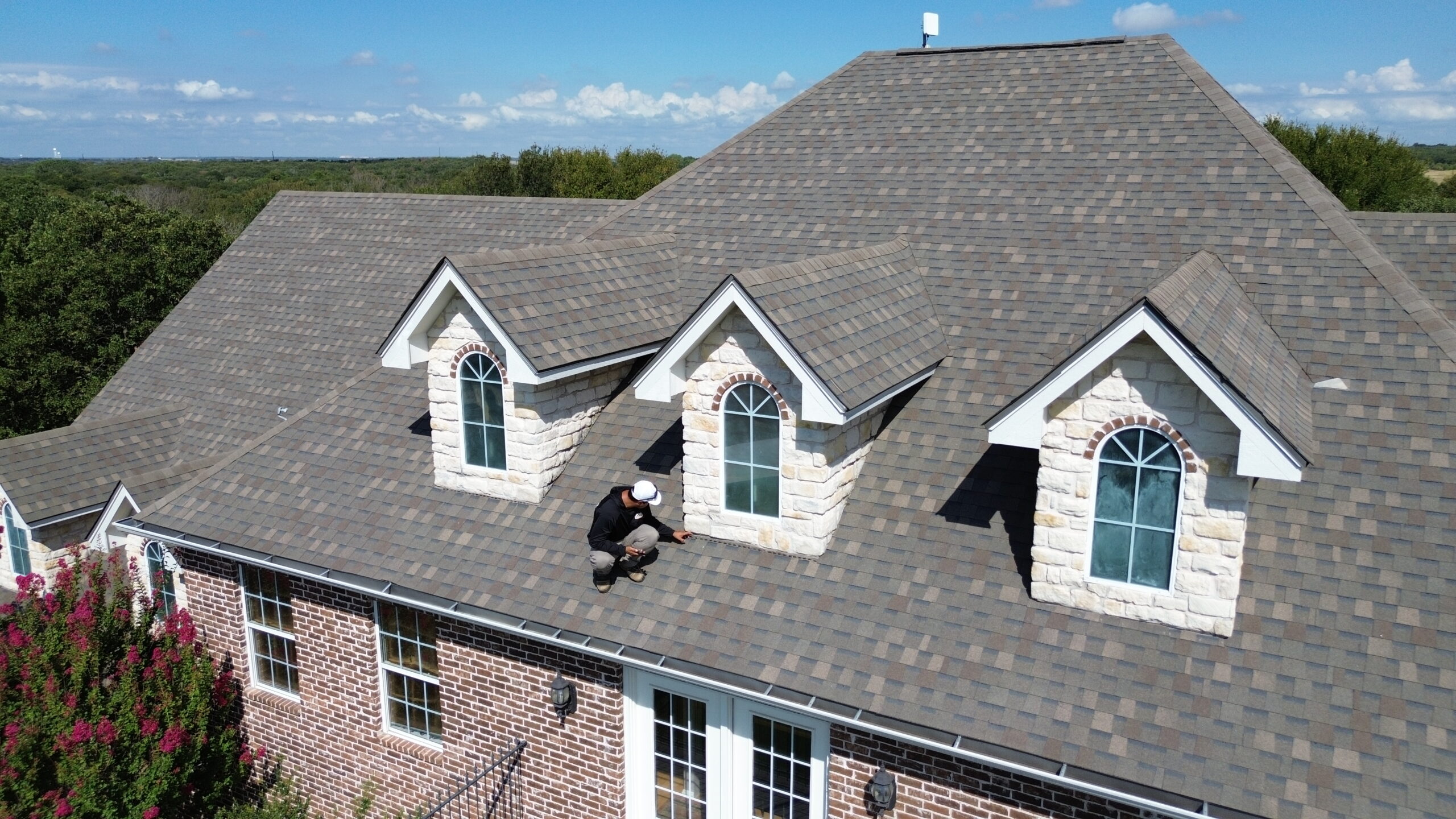
For most homeowners, checking the roof visually twice a year is a useful starting point. Spring and fall are practical times to review the roof’s condition, clear drainage systems, and identify maintenance needs before the next season arrives. However, the appropriate schedule depends on your roof’s age, material, surrounding trees, previous repairs, and exposure to severe weather.
A visual inspection does not require climbing onto the roof. In many cases, binoculars or a camera with a zoom function can help you examine visible roofing areas from the ground. You can also inspect accessible attic spaces and interior ceilings for signs of moisture or changes that may indicate a roofing problem.
Consider following this general inspection schedule:
| Inspection Time | What to Check | Why It Matters |
|---|---|---|
| Spring | Shingles, flashing, gutters, and attic moisture | Identifies damage that may have developed during winter weather |
| Fall | Leaves, drainage, roof valleys, and visible wear | Helps prepare the roofing system for colder temperatures and seasonal rain |
| After a major storm | Missing shingles, debris, dented metal, and leaks | Helps identify possible wind, hail, or rain damage |
| During routine home checks | Ceiling stains, peeling paint, and unusual odors | May reveal moisture problems before they become more extensive |
| Before buying or selling a home | Overall roof condition and available maintenance records | Provides a clearer understanding of potential repair needs |
The inspection schedule above is a general guideline rather than a substitute for manufacturer recommendations or a professional assessment. Older roofs, roofs with a history of leaks, and properties surrounded by mature trees may need more frequent attention.
You should also arrange a professional inspection if you notice recurring leaks, damaged flashing, widespread shingle deterioration, or signs of structural movement. A qualified roofing professional can evaluate areas that are difficult to see from the ground and recommend repairs based on the roof’s actual condition.
Avoid walking on your roof unless you have the appropriate training and safety equipment. Sloped surfaces, loose granules, wet shingles, and hidden damage can create serious fall hazards. Leave close-up inspections and repairs to trained professionals when safe access is uncertain.
🌩️ Inspecting Your Roof After Severe Weather
Severe weather can damage a roof even when the effects are not immediately visible from the ground. Frisco homeowners may experience thunderstorms, hail, strong winds, and heavy rainfall that place stress on roofing materials and drainage systems. Inspecting your property after a significant weather event can help you identify concerns before the next storm causes additional damage.
Start by walking around your property and observing the roof from a safe location. Look for shingles in the yard, branches resting against the roof, damaged gutters, bent metal components, and debris collected near roof edges. Check the ground for fallen roofing granules, but remember that granules alone cannot confirm the severity or cause of roof damage.
Hail damage can be particularly difficult to evaluate without professional experience. Hailstones may leave marks on metal vents and gutters, while asphalt shingles can sustain bruising or granule loss that is not obvious from a distance. Avoid assuming that a roof is undamaged simply because there are no missing shingles or visible holes.
Strong winds can lift shingle edges, loosen ridge caps, and damage flashing around roof penetrations. Heavy rainfall may then enter through weakened areas, causing damp insulation, ceiling discoloration, or moisture around windows and exterior walls. These symptoms sometimes appear hours or days after the storm rather than immediately.
After severe weather, follow these practical steps:
- Check for visible damage: Look for missing shingles, displaced roofing materials, broken branches, and damaged gutters from the ground.
- Inspect interior spaces: Examine ceilings, upper-floor walls, and accessible attic areas for new stains or dampness.
- Document the condition: Take photographs of visible damage and note when the storm occurred.
- Arrange a professional assessment: Contact a qualified roofer if you suspect hail damage, loose roofing materials, or a leak.
- Address urgent concerns safely: If water is entering your home, protect belongings and arrange appropriate professional assistance without climbing onto the roof.
If you plan to submit an insurance claim, document the damage before temporary cleanup or repairs whenever it is safe and practical to do so. Keep receipts for emergency mitigation work and communicate with your insurer about the required process. Coverage depends on your specific policy, the cause of the damage, and the insurer’s assessment, so avoid assuming that every storm-related roofing issue will be covered.
🍂 Keep Gutters and Downspouts Clean
Gutters are an essential part of your home’s drainage system because they collect rainwater and direct it away from the roofline and foundation. When gutters become clogged with leaves, twigs, roofing granules, and other debris, water may overflow onto siding, collect near the foundation, or back up along the roof’s edge. Persistent drainage problems can contribute to moisture damage and increase the risk of leaks in vulnerable areas.
In Frisco, falling leaves, spring storms, and windblown debris can cause gutters to fill more quickly than expected. Homes beneath mature trees may require cleaning more frequently than properties with fewer nearby branches. Checking gutters during spring and fall, as well as after major storms, helps you determine whether additional cleaning is necessary.
During a gutter inspection, look for sagging sections, loose fasteners, separated joints, visible rust, and downspouts that discharge water too close to the house. Make sure water can move freely through the system and that the outlets are not blocked by compacted debris. If you notice recurring overflow despite cleaning, the system may have a drainage, slope, or capacity problem that needs further evaluation.
Follow these gutter maintenance practices:
- Remove accumulated leaves and debris before they block water flow.
- Check that downspouts are securely attached and free of obstructions.
- Look for signs of water staining on siding and exterior walls below the gutters.
- Confirm that discharged water flows away from the foundation.
- Consider professionally installed gutter guards if debris buildup is frequent, while remembering that guards still require periodic inspection and cleaning.
Always prioritize safety when maintaining gutters. Use appropriate equipment and avoid working from ladders during windy, rainy, or otherwise unsafe conditions. If your home has multiple stories, steep rooflines, or difficult-to-reach gutters, hiring a qualified professional is generally the safer option.
Clean gutters cannot prevent every roof leak, but they help reduce avoidable moisture problems. By keeping the drainage system working properly, homeowners can protect vulnerable roof edges, exterior surfaces, and nearby foundations from unnecessary water exposure.
🧱 Check Shingles and Roofing Materials Regularly
Roofing materials gradually wear down as they are exposed to sunlight, wind, rain, and temperature changes. Regularly checking their visible condition can help you identify problems before water reaches the underlying roof structure. The type of material on your home determines which warning signs deserve the most attention.
Asphalt shingles are common in residential neighborhoods throughout North Texas. Look for missing shingles, curled edges, cracks, loose tabs, bald patches, or areas where granules have accumulated heavily in the gutters. A few loose granules may occur as shingles age, but widespread granule loss or exposed asphalt can indicate deterioration that warrants professional evaluation.
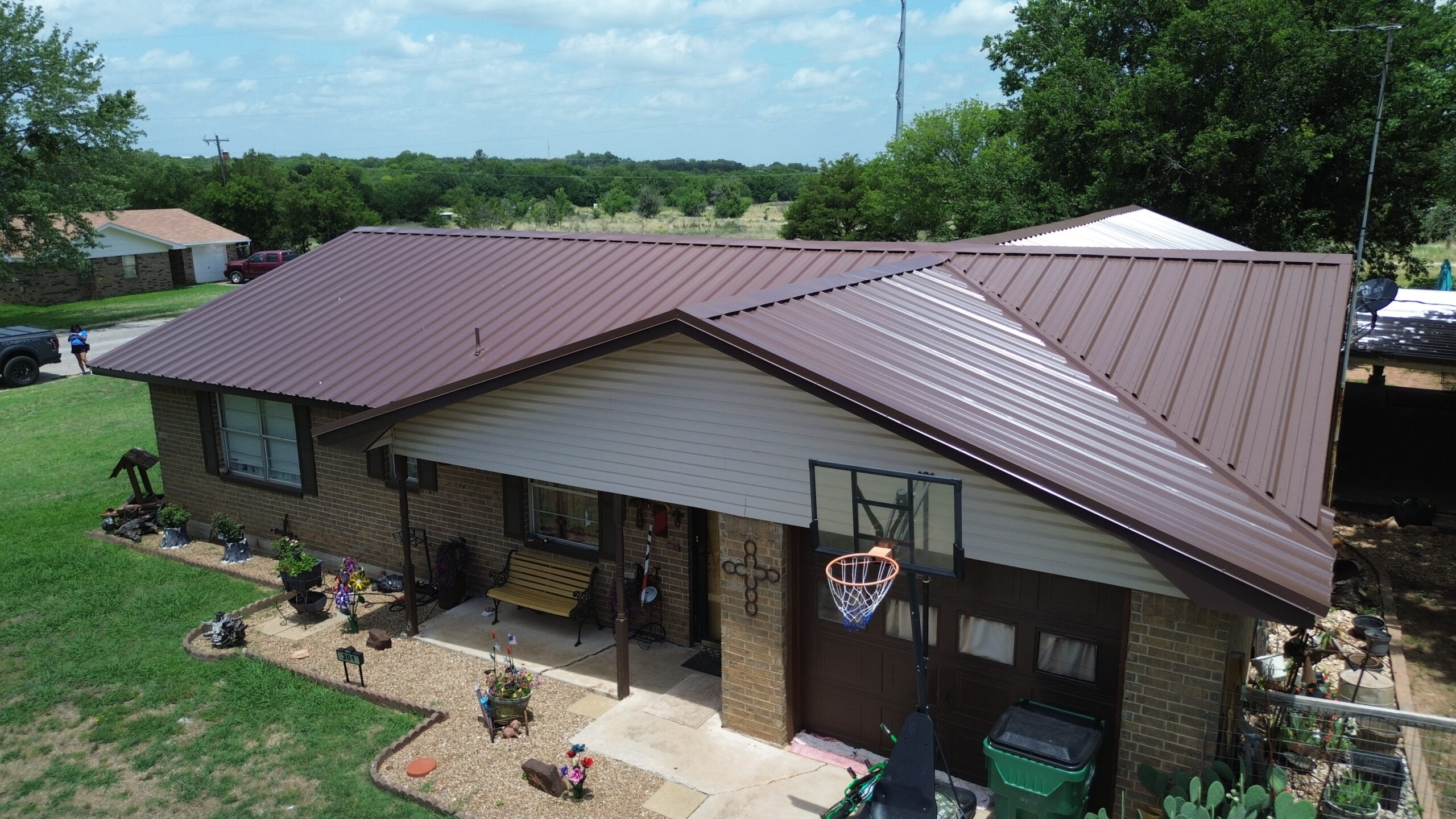
Metal roofs require a different type of inspection. Look for loose fasteners, damaged seams, areas of corrosion, and deteriorated sealant around roof penetrations. Metal roofing is often durable, but damaged connections and improperly sealed openings can still allow water to enter the building.
Tile and other specialty roofing materials also need periodic attention. Cracked, displaced, or broken tiles may expose the underlayment beneath them, even if the damage appears limited. Walking directly on many tile roofs can break additional tiles, so close-up assessments should be handled by professionals familiar with the material.
Pay attention to these warning signs:
- Missing or displaced materials: Open areas can expose vulnerable roof components to rain and wind.
- Curling or cracked shingles: These conditions may indicate aging, weather exposure, or installation concerns.
- Excessive granule loss: Significant loss can reduce the protective surface of asphalt shingles.
- Damaged ridge caps: Problems along the roof peak can create entry points for moisture.
- Loose or deteriorated flashing: Gaps around chimneys, vents, and skylights can lead to localized leaks.
- Uneven roof sections: Sagging or visible changes in the roofline may require prompt professional assessment.
Do not automatically replace an entire roof because you notice one damaged shingle. Depending on the roof’s age, the extent of deterioration, the availability of matching materials, and the condition of surrounding areas, a localized repair may be appropriate. A professional assessment can help determine whether a repair is sufficient or whether broader replacement planning makes more sense.
It is also important to avoid painting, sealing, or applying coatings to roofing materials without confirming that the product is compatible with your specific roof. An unsuitable product may interfere with drainage, ventilation, warranties, or the material’s intended performance. Follow manufacturer guidance and seek professional advice before attempting treatments that go beyond routine cleaning.
💧 Prevent Roof Leaks and Water Damage
Roof leaks often begin in small, vulnerable areas rather than through large openings. Damaged shingles, loose flashing, blocked drainage paths, and deteriorated seals around vents or skylights can allow water to enter gradually. Finding these problems early can reduce the chance of damage spreading to insulation, drywall, framing, flooring, and personal belongings.
One of the simplest ways to monitor for leaks is to inspect the ceilings and upper walls throughout your home. Look for yellow or brown stains, bubbling paint, peeling finishes, damp patches, and discoloration that returns after rainfall. A musty smell in an upstairs room or attic may also indicate moisture, although the source should be investigated rather than assumed to be the roof.
If your attic is safely accessible, check for damp insulation, water marks on wood, mold-like growth, and visible daylight around roof openings. Use caution around electrical equipment and do not enter an attic if the flooring is unsafe, the space is excessively hot, or there are other hazards. Moisture can sometimes travel along structural components, so the visible stain inside your home may not be directly below the actual entry point.
To reduce the risk of leaks, keep gutters clear, monitor visible flashing, remove debris from accessible drainage areas, and arrange repairs when roofing materials become damaged. Make sure that bathroom exhaust fans and other ventilation systems discharge as intended rather than releasing excessive moisture into the attic. Condensation from poor ventilation can resemble a roof leak and may require a different solution.
If water begins entering your home, protect people and belongings first. Move valuables away from the affected area, use containers to collect dripping water where appropriate, and contact a qualified professional to assess the problem. If water is near electrical fixtures or wiring, avoid the affected area and seek appropriate electrical assistance.
Temporary measures may help limit damage while professional repairs are arranged, but they should not be treated as a permanent solution. Avoid climbing onto a wet or storm-damaged roof to locate the leak yourself. Prompt assessment, accurate diagnosis, and suitable repairs are the most reliable ways to address the underlying cause and help prevent the same problem from returning.
🌬️ Maintain Proper Attic Ventilation and Insulation
Your attic plays an important role in protecting your roof and maintaining comfortable indoor temperatures. Proper ventilation allows excess heat and moisture to escape, while suitable insulation helps regulate heat transfer between your living space and the attic. When these systems do not work properly, your home may experience higher energy costs, moisture accumulation, and premature roofing deterioration.
Frisco’s hot summers can cause attic temperatures to rise significantly when ventilation is inadequate. Excessive heat may place additional stress on some roofing materials and make your cooling system work harder. During cooler months, trapped moisture can contribute to condensation, damp insulation, and conditions that encourage mold growth.
Start by checking your attic for obvious warning signs, including musty odors, damp insulation, water stains, and visible moisture on wooden surfaces. You can also look for blocked soffit vents or visible damage around attic ventilation openings. Do not block ventilation pathways with stored belongings or insulation, because doing so may prevent air from circulating as intended.
Here are several ways to maintain a healthier attic environment:
- Keep ventilation openings clear: Make sure accessible soffit and roof vents are not blocked by debris, insulation, or other obstructions.
- Check insulation condition: Look for compressed, damp, displaced, or deteriorating insulation that may no longer perform effectively.
- Watch for condensation: Moisture on attic surfaces can indicate ventilation issues, air leaks, or indoor humidity problems.
- Inspect exhaust systems: Confirm that bathroom and kitchen exhaust fans discharge outdoors as designed rather than releasing moisture into the attic.
- Address visible concerns early: Seek professional advice if you notice persistent dampness, damaged ventilation components, or unexplained temperature differences.
Adding more insulation is not always the right solution if ventilation or moisture problems already exist. A qualified professional can evaluate the attic’s overall condition and recommend improvements suited to your home’s construction. Proper ventilation and insulation work together, so addressing both systems can help protect your roof while improving indoor comfort.
🌳 Trim Trees and Remove Roof Debris
Trees provide shade and improve the appearance of residential properties, but branches that extend over your roof can create maintenance challenges. During strong winds, branches may scrape against shingles, break off, or fall onto the roof. Leaves and twigs can also collect in roof valleys and gutters, restricting drainage and allowing moisture to remain in vulnerable areas.
Inspect the trees around your home periodically, particularly before storm season. Look for dead limbs, branches touching roofing materials, and trees showing signs of instability. If a large branch hangs directly above your roof, consider consulting a qualified tree-care professional about safe trimming.
Removing roof debris is equally important. Leaves, pine needles, seed pods, and small branches can accumulate around chimneys, skylights, valleys, and other areas where roof sections meet. When debris blocks water flow, rain may move more slowly across the surface or collect near joints that are designed to drain efficiently.
Use these practical maintenance tips to protect your roof:
- Trim branches that rub against roofing materials or hang dangerously close to the house.
- Remove fallen leaves and twigs from accessible ground-level drainage areas.
- Check gutters after periods of heavy leaf fall or strong winds.
- Watch for moss or algae growth in shaded, damp areas where moisture lingers.
- Arrange professional cleaning if debris collects on steep or difficult-to-access roof sections.
Avoid using pressure washers or harsh cleaning chemicals on roofing materials without confirming that the method is suitable for your roof. Excessive pressure can damage shingles, loosen protective granules, or force water beneath roofing components. For persistent organic growth, a roofing professional can recommend an appropriate treatment that protects the material.
Tree maintenance should also account for safety and property boundaries. Cutting large limbs near electrical lines, buildings, or overhead structures can be hazardous without the right equipment and training. Professional tree trimming is often the safest option when branches are heavy, elevated, or positioned directly above the roof.
☀️ Prepare Your Roof for Frisco’s Seasonal Weather
Frisco homeowners should adjust their roof maintenance routines to account for seasonal weather changes. Hot summers, thunderstorms, hail, heavy rain, and occasional freezing conditions can place different types of stress on roofing materials. Preparing ahead of each season makes it easier to identify vulnerabilities and reduce preventable damage.
Summer Roof Maintenance
Summer temperatures can expose roofing materials to prolonged heat and sunlight. Although many roofing systems are designed to withstand normal seasonal conditions, existing cracks, deteriorated seals, and ventilation problems may become more noticeable over time.
Before and during summer, inspect visible shingles and flashing for deterioration. Make sure gutters and downspouts can handle heavy rainfall, and look for signs of excessive attic heat or moisture. If your cooling bills rise unexpectedly, consider checking attic insulation and ventilation rather than assuming the roof itself is the only possible cause.
Storm and Hail Preparation
Severe thunderstorms can bring strong winds, hail, and sudden downpours to North Texas. Before stormy periods, remove loose outdoor items that could become airborne, keep drainage paths clear, and check for roofing materials that already appear damaged.
After a major storm, look for fallen branches, missing shingles, damaged gutters, and signs of water intrusion. Schedule a professional inspection if you suspect hail damage or notice new leaks. Avoid climbing onto the roof to inspect it during or immediately after unsafe weather conditions.
Fall Roof Maintenance
Autumn is a useful time to prepare your roof and drainage system for cooler temperatures. Falling leaves can clog gutters, while accumulated debris may hide damaged materials or interfere with water flow.
Clean gutters and downspouts, check visible flashing, and inspect the roof from the ground for loose shingles. Remove debris from safe, accessible areas and arrange repairs before winter weather arrives. If your roof has a history of leaks, consider having a professional evaluate vulnerable areas before the colder months.
Winter Roof Maintenance
Although Frisco winters are generally less severe than those in colder regions, freezing temperatures, icy conditions, and sudden temperature changes can still create roofing concerns. Existing leaks may worsen when water enters damaged areas, while blocked drainage paths can complicate runoff during winter storms.
Before winter, address known roof damage and ensure that attic ventilation and insulation are functioning properly. After freezing weather, check ceilings and accessible attic areas for signs of moisture. Never climb onto an icy roof or attempt to remove hazardous ice yourself.
A seasonal maintenance calendar helps you organize these tasks without waiting until a problem appears. Keep inspection notes, photograph visible concerns, and schedule professional service when repairs exceed your comfort level or available equipment.
🧰 Roof Maintenance Tasks Homeowners Can Handle
Homeowners can complete several basic maintenance tasks without stepping onto the roof. These simple checks help you monitor the condition of your roofing system and recognize when professional attention may be necessary. The most important rule is to prioritize personal safety over attempting to inspect every area yourself.
Begin with a visual inspection from the ground. Walk around your property and look for missing shingles, uneven roof sections, loose-looking flashing, damaged gutters, and branches that may threaten the roof. A pair of binoculars can help you examine visible details without climbing a ladder.
Inside the home, check ceilings, upper walls, and accessible attic spaces for signs of moisture. Take photographs of new stains or visible deterioration and compare them with earlier inspection records. This makes it easier to recognize whether a concern is new, worsening, or recurring after rainfall.
Homeowners can also handle routine tasks such as clearing accessible ground-level debris, checking downspout discharge areas, and keeping records of roofing repairs. If gutters can only be reached by climbing a tall ladder, leave the work to a professional rather than risking a fall.
The following table separates common homeowner tasks from work that usually requires professional assistance.
| Maintenance Task | Homeowner Action | When to Call a Professional |
|---|---|---|
| Visual roof inspection | Observe the roof from the ground | When damage requires close examination |
| Gutter maintenance | Check accessible drainage areas | When gutters are high, unstable, or damaged |
| Attic inspection | Look for moisture and visible stains | When structural damage or unsafe conditions appear |
| Tree maintenance | Identify branches near the roof | When large or elevated limbs need trimming |
| Shingle damage | Photograph visible missing or curled shingles | When shingles need repair or replacement |
| Leak monitoring | Track stains and protect belongings | When water enters the home or the source is unclear |
| Roof cleaning | Remove debris from safe, accessible locations | When the roof is steep, slippery, or heavily contaminated |
Do not attempt repairs that require walking across roofing materials, using specialized tools, handling electrical components, or working at significant heights. Roofing work involves fall hazards, and seemingly minor mistakes can damage the roof or cause injury.
If you are unsure whether a task is safe, contact a qualified roofing contractor. Professional assistance can help ensure that maintenance is completed correctly without creating additional problems.
⚠️ Roof Maintenance Mistakes to Avoid
Even homeowners who regularly inspect their roofs can make mistakes that increase repair costs or allow damage to go unnoticed. Understanding these common issues helps you build a safer and more effective maintenance routine. Small changes in how you inspect, clean, and repair your roof can make a meaningful difference over time.
Ignoring Small Signs of Damage
A single missing shingle, loose flashing component, or minor ceiling stain may appear insignificant. However, these issues can allow moisture to enter the roofing system and damage materials beneath the visible surface. Address concerns promptly instead of waiting for a larger leak to develop.
Delaying Repairs After Storms
Storm damage is not always easy to identify from the ground. A roof may look normal while hidden damage affects shingles, flashing, or other components. Arrange a professional assessment when you suspect hail or wind damage, particularly if new leaks or unusual roofing conditions appear.
Walking on the Roof Without Proper Training
Climbing onto a roof can lead to falls, slips, and additional damage to roofing materials. Wet shingles, loose granules, steep slopes, and weakened areas make the risk even greater. Use ground-level inspections whenever possible and leave close-up assessments to trained professionals.
Using the Wrong Cleaning Methods
Aggressive scrubbing, pressure washing, and unsuitable chemical treatments can damage shingles or other roofing materials. Moss and algae should be addressed using methods appropriate for the specific roof type. Check manufacturer recommendations or consult a professional before applying a cleaning product.
Neglecting Gutters and Drainage
Blocked gutters can cause water to overflow near roof edges and exterior walls. Debris in roof valleys may also interfere with normal drainage during heavy rainfall. Regularly check these areas and arrange repairs if water continues to collect or overflow.
Choosing Repairs Based Only on Price
The lowest repair quote does not always represent the best long-term value. Incomplete repairs, unsuitable materials, and poor workmanship may lead to repeat problems. Compare the proposed scope of work, material specifications, warranty terms, and contractor qualifications before making a decision.
Assuming Every Leak Requires a New Roof
A leak can result from a localized issue, such as damaged flashing or a small area of deteriorated shingles. Replacing the entire roof may not be necessary when the remaining system is in suitable condition. A thorough assessment helps determine whether a targeted repair or broader replacement is appropriate.
💰 How Regular Roof Maintenance Saves Money
Routine roof maintenance can help homeowners manage expenses by identifying problems while they are still relatively small. Repairing damaged flashing or replacing a few compromised shingles may cost less than addressing widespread water damage later. Although maintenance cannot prevent every roofing problem, it can reduce the likelihood that minor concerns will remain unnoticed.
Water entering through a damaged roof may affect insulation, ceilings, drywall, framing, paint, and flooring. Depending on how long the moisture remains, homeowners may also need drying services or professional treatment for moisture-related growth. Addressing the source early can help limit the extent of these secondary repairs.
Maintenance may also help preserve the useful life of roofing materials. Removing debris, maintaining proper drainage, and arranging timely repairs reduce avoidable stress on vulnerable areas. The actual lifespan of a roof still depends on its materials, installation quality, weather exposure, ventilation, and maintenance history.
There are additional financial benefits to keeping accurate maintenance records. Documented inspections and repair invoices help you track recurring concerns, plan future work, and explain the roof’s condition when discussing the property with prospective buyers. Records may also assist with an insurance claim, although they do not guarantee coverage.
Homeowners should view maintenance as a preventive investment rather than a guarantee against repair costs. Set aside a reasonable budget for inspections, gutter cleaning, minor repairs, and unexpected storm damage. By combining regular visual checks with professional assessments when needed, you can make more informed decisions about protecting your home and planning future roofing expenses.
💵 Roof Maintenance Costs and Inspection Comparison
Understanding roof maintenance costs can help Frisco homeowners plan ahead and avoid unexpected expenses. The total cost depends on the roofing material, roof size, accessibility, age, and type of maintenance required. A simple visual assessment may reveal only minor concerns, while a professional inspection may identify hidden damage that requires additional investigation or repairs.
Routine maintenance tasks, such as clearing accessible debris and checking for visible damage, may involve little expense when homeowners can complete them safely. Professional gutter cleaning, roof inspections, flashing repairs, and shingle replacement typically involve service charges that vary by property and contractor. Extensive storm damage or widespread deterioration may require a more substantial repair budget.
The following table provides general planning ranges for common roofing services. These figures are estimates for budgeting purposes, not verified local quotes, and actual prices in Frisco can differ depending on the contractor and property.
| Roof Maintenance Service | Estimated Cost | Main Purpose |
|---|---|---|
| Basic professional roof inspection | $100 to $300 | Identify visible damage and maintenance concerns |
| Gutter cleaning | $100 to $300 | Improve drainage and reduce overflow |
| Minor shingle repair | $150 to $500 | Replace or secure a limited damaged area |
| Flashing repair | $200 to $600 | Address vulnerable joints and roof penetrations |
| Minor roof leak repair | $200 to $800 | Locate and repair a localized source of water intrusion |
| Extensive roof repairs | $500 to $2,000 or more | Address larger areas of damage or multiple problems |
These estimates are not guarantees, and complex repairs may exceed the ranges shown. Ask contractors for written estimates that explain labor, materials, the scope of work, and any additional charges before approving a project.
When comparing service providers, consider more than the initial price. Look at relevant experience, licensing requirements where applicable, insurance, customer feedback, written warranties, and the details included in the estimate. A clear maintenance plan can help you address immediate concerns while prioritizing other repairs according to their urgency and your budget.
🛠️ When to Call a Professional Roofing Contractor
Some roofing concerns can be monitored from the ground, but others require specialized knowledge and equipment. Knowing when to seek professional assistance can help prevent injuries and reduce the risk of making an existing problem worse. If you are uncertain about the severity of roof damage, a qualified contractor can assess the situation and explain the available options.
Contact a roofing professional if you notice any of the following warning signs:
- Persistent roof leaks: Water continues entering the home, or stains reappear after rainfall.
- Missing or damaged shingles: Multiple shingles are missing, curling, cracked, or visibly displaced.
- Suspected hail damage: Roofing materials, gutters, or metal components show possible storm-related impacts.
- Damaged flashing: Gaps or deterioration appear around chimneys, skylights, vents, or other roof openings.
- Sagging roof sections: Visible changes in the roofline may indicate a structural concern that needs prompt assessment.
- Widespread granule loss: Asphalt shingles appear unusually worn or expose underlying material.
- Recurring moisture problems: Damp insulation, musty attic odors, or repeated ceiling stains suggest an unresolved issue.
Some problems require faster attention than others. Active water intrusion, a visibly sagging roof, or substantial storm damage should be assessed promptly. If water is near electrical fixtures, stay clear of the affected area and seek appropriate professional help.
When selecting a roofing contractor in Frisco, ask whether the company has experience with your particular roofing material and the type of problem you are experiencing. Verify relevant credentials, insurance coverage, references, and written warranty details. You should also request a clear explanation of the findings, recommended repairs, and any alternatives that may be available.
Be cautious of contractors who pressure you into signing immediately, promise that insurance will cover every expense, or recommend complete roof replacement without explaining the evidence. If the damage may be covered by insurance, document the condition and contact your insurer to understand the claim requirements. Your contractor can provide repair information, but the insurer determines coverage according to your policy.
A professional inspection does not automatically mean that repairs or replacement are necessary. In some cases, the roof may need only a small repair or continued monitoring. The goal is to understand the actual condition of your roofing system and make a decision based on safety, performance, and long-term value.
🏆 Why Choose Small Town Roofing & Construction for Roof Maintenance in Frisco, TX?
Choosing a roofing contractor is an important step in maintaining your home’s protection and identifying problems before they become more expensive. Small Town Roofing & Construction can be considered by homeowners researching roofing services in the North Texas area. Before scheduling service, confirm the company’s current service area, available maintenance options, credentials, and experience with your particular roof type.
A dependable roofing service should explain the condition of your roof in straightforward language and help you understand which concerns need attention first. Rather than relying on vague recommendations, homeowners should look for clear inspection findings, photographs where appropriate, and written estimates outlining the proposed work.
Here are several qualities to look for when evaluating Small Town Roofing & Construction or any roofing contractor:
- Roofing experience: Ask about experience with asphalt shingles, metal roofing, flashing, storm damage, and other relevant roofing systems.
- Clear inspections: Look for a contractor who explains visible damage, potential concerns, and the reasoning behind recommended repairs.
- Written estimates: Request itemized details about labor, materials, project scope, and possible additional expenses.
- Safety practices: Confirm that the company follows appropriate procedures for roof access, inspections, and repair work.
- Communication: Choose a provider who answers questions, explains timelines, and communicates changes during the project.
- Warranty information: Review any workmanship or material warranties and understand their limitations before approving repairs.
Preventive maintenance can be especially useful for homeowners who want to plan repairs rather than wait for an emergency. Depending on the services currently offered, you can ask whether the company provides roof inspections, leak assessments, shingle repairs, storm damage evaluations, or other maintenance-related work.
Before hiring any contractor, review recent customer feedback and verify relevant licensing and insurance requirements. Compare written estimates when practical, and make sure you understand what the proposed service includes. Taking these steps can help you select a roofing professional whose services match your property’s needs and your budget.
The best maintenance strategy combines regular homeowner observations with professional attention when warning signs appear. By keeping records, responding to damage promptly, and choosing qualified help, Frisco homeowners can make more confident decisions about protecting their roofs over time.
❓ Frequently Asked Questions About Roof Maintenance in Frisco, TX
How often should homeowners in Frisco, TX, inspect their roofs?
Homeowners should generally check their roofs visually twice a year, ideally in spring and fall. Additional checks are advisable after significant hailstorms, strong winds, or heavy rainfall. Older roofs and homes with recurring leaks may need more frequent professional assessments. Avoid climbing onto the roof unless you have appropriate training and safety equipment.
What are the most common roof problems in Frisco, TX?
Common concerns include missing or damaged shingles, deteriorated flashing, clogged gutters, and leaks following severe weather. Hail and strong winds can also damage roofing materials without creating obvious openings. Poor attic ventilation and moisture buildup may contribute to additional problems over time. Regular inspections can help identify these issues before they become more extensive.
How much does a professional roof inspection cost in Frisco?
A basic professional roof inspection may cost approximately $100 to $300, although actual prices depend on the roof’s size, complexity, accessibility, and inspection requirements. More detailed assessments may cost more if specialized testing or additional documentation is needed. Ask the contractor what the inspection includes before scheduling the appointment. Request written pricing so you understand any extra charges.
Can I perform roof maintenance myself?
You can handle several basic tasks, such as checking the roof from the ground, observing interior ceilings, and monitoring accessible drainage areas. Cleaning high gutters, walking on steep roofing surfaces, and repairing damaged shingles can present significant safety risks. Leave work that requires roof access, specialized tools, or technical knowledge to qualified professionals. Regular ground-level observations can still help you identify problems that need attention.
How can I tell if my roof has hail damage?
Possible signs include damaged shingles, unusual granule loss, dents in metal vents, and marks on gutters or other exterior components. However, hail damage can be difficult to distinguish from normal wear without a trained assessment. Contact a qualified roofing contractor if a severe storm has passed through your area and you suspect damage. Photograph visible concerns and contact your insurer if you want to explore a potential claim.
Why are my gutters overflowing during heavy rain?
Overflowing gutters may be caused by accumulated leaves, compacted debris, blocked downspouts, improper slope, or a drainage system that cannot handle the water volume. Water spilling over the edges can contribute to moisture problems around the roofline, siding, and foundation. Inspect accessible areas for obstructions and check whether downspouts discharge water away from the home. If overflow continues after cleaning, consider having the drainage system professionally evaluated.
Does attic ventilation affect roof lifespan?
Proper attic ventilation helps manage heat and moisture, supporting the overall performance of the roofing system. Inadequate airflow can contribute to excessive attic temperatures and condensation under certain conditions. Ventilation should work together with appropriate insulation and air sealing rather than being treated as a standalone solution. A professional can assess your attic and recommend improvements based on your home’s construction.
When should I repair my roof instead of replacing it?
A localized repair may be appropriate when the roof is generally in good condition and the damage affects only a limited area. Replacement may deserve consideration when deterioration is widespread, recurring repairs are becoming costly, or the roofing system is approaching the end of its useful life. The decision depends on the material, roof age, installation quality, and extent of damage. A qualified contractor can explain the options and provide an estimate for each suitable approach.
How can I prevent roof leaks during storm season?
Inspect visible shingles, flashing, gutters, and downspouts before severe weather arrives. Remove debris from safe, accessible areas and arrange repairs for any existing damage. After a major storm, check for missing materials, water stains, and other changes that could indicate a problem. If you suspect damage, seek professional assistance instead of climbing onto the roof yourself.
How do I choose a reliable roofing contractor in Frisco, TX?
Look for relevant experience, appropriate insurance, verifiable customer feedback, and compliance with applicable local requirements. Ask for a written estimate that explains the work, materials, costs, timeline, and warranty terms. Be cautious of high-pressure sales tactics or unsupported promises about insurance coverage. Comparing several qualified contractors can help you make an informed decision.
✅ Conclusion
Maintaining your roof is an important part of protecting your home in Frisco, TX. Regular inspections, clean gutters, healthy attic ventilation, and timely repairs can help homeowners identify potential problems before they lead to more extensive damage. Paying attention to seasonal weather and checking the property after severe storms also helps you respond to concerns before they worsen.
You do not need to climb onto your roof to begin a useful maintenance routine. Ground-level observations, interior checks, and organized maintenance records can reveal warning signs that deserve further investigation. When damage requires close inspection or specialized repairs, working with a qualified roofing professional is the safer and more reliable approach.
By planning routine maintenance, understanding common roofing problems, and comparing professional services carefully, you can make better decisions about your property’s long-term protection. If you are researching roof maintenance in Frisco, TX, consider contacting Small Town Roofing & Construction to confirm its current services and discuss your roofing concerns. Taking action early can help you manage repair costs, protect your home’s interior, and maintain confidence in your roofing system.
Leave A Comment