

Roof Inspection in Denton, TX: When Should You Get One?
Introduction
Your roof protects your home from rain, wind, hail, extreme temperatures, and other outdoor elements. However, even a roof that looks perfectly fine from the ground can develop hidden problems that gradually affect its performance. Scheduling a professional roof inspection in Denton, TX, helps homeowners identify potential damage early, avoid expensive surprises, and keep their roofing systems in good condition throughout the year.
Denton experiences changing weather conditions, including hot summers, heavy rainfall, strong winds, and occasional hailstorms. These conditions can gradually wear down roofing materials, loosen shingles, damage flashing, and create openings where moisture can enter. A timely inspection helps identify these concerns before they develop into leaks, interior water damage, or costly roof repairs.
Many homeowners wait until they notice a ceiling stain, missing shingles, or water dripping into their home before contacting a roofing professional. Unfortunately, visible damage often appears after a roofing problem has already started. Regular inspections provide a clearer understanding of your roof’s condition and help you determine whether maintenance, repairs, or a more extensive evaluation may be necessary.
So, when should you schedule a roof inspection in Denton? The answer depends on your roof’s age, recent weather exposure, visible warning signs, and upcoming property transactions. This guide explains the best times to arrange an inspection, what professionals typically examine, how much an inspection may cost, and how Denton homeowners can protect their roofs over the long term.
What Is a Roof Inspection and Why Does It Matter?
A roof inspection is a systematic evaluation of your roofing system to identify damage, deterioration, installation issues, and conditions that could lead to future problems. A qualified roofing professional examines accessible roofing materials and related components to assess their current condition. Depending on the property and inspection scope, the evaluation may include shingles, flashing, roof penetrations, gutters, ventilation, and signs of moisture intrusion.
The purpose is not simply to find existing leaks. An inspection can also identify early warning signs, such as deteriorating sealant, loose roofing materials, damaged flashing, or areas where water may collect. Addressing these concerns promptly can help extend the useful life of your roof and reduce the likelihood of more extensive repairs.
Why Regular Roof Inspections Are Important
Your roof is exposed to changing weather every day, and small issues can develop without obvious symptoms. A cracked shingle or loose flashing component may not immediately cause a noticeable leak, but repeated rain and wind can make the problem worse. Inspections help homeowners understand which issues require attention now and which components should be monitored over time.
Another important benefit is budgeting for future maintenance. When a roofing professional documents the roof’s condition, you can better plan for repairs and prepare for eventual replacement instead of facing an unexpected expense. Inspection records can also provide useful documentation when selling a home or discussing possible storm damage with an insurance company.
What Can a Roof Inspection Reveal?
A professional inspection can uncover several types of roofing concerns, depending on the roof’s design, accessibility, and inspection method. Common findings include missing or damaged shingles, deteriorating flashing, clogged drainage paths, damaged roof penetrations, and visible signs of water intrusion. Inspectors may also identify ventilation concerns or areas where previous repairs appear incomplete.
The inspection may reveal problems that are not immediately visible inside the home. For example, moisture around roof decking or attic components can indicate a leak that has not yet created a ceiling stain. Although not every hidden issue can be identified during a standard inspection, a thorough evaluation can help determine whether additional testing or repair work is needed.
When Should You Get a Roof Inspection in Denton, TX?
There is no single inspection schedule that works for every home. A newer roof in good condition may need less attention than an older roof that has experienced repeated storms or previous leaks. Still, certain situations make a professional inspection particularly important for Denton homeowners.
After a Hailstorm or Severe Weather Event
Hailstorms and strong winds can damage roofing materials even when the damage is difficult to see from the ground. Hail may leave dents, granule loss, cracks, or other signs of impact, while strong winds can lift shingles, loosen ridge caps, and expose vulnerable sections of the roof. Heavy rainfall can also reveal weaknesses around flashing, valleys, skylights, and other roof openings.
Schedule an inspection after a significant storm if you suspect damage or notice signs such as debris in the yard, missing shingles, or water entering the home. Avoid climbing onto the roof yourself, particularly when surfaces may be wet or damaged. A roofing professional can evaluate accessible areas, document visible concerns, and explain whether repairs or further assessment are appropriate.
When Your Roof Is Getting Older
Roofing materials naturally deteriorate over time, although their lifespan varies according to material quality, installation, ventilation, maintenance, and weather exposure. Asphalt shingles, for example, may develop curling edges, cracks, granule loss, or weakened seals as they age. Other roofing materials have different maintenance requirements and may show different signs of wear.
If your roof is approaching the later part of its expected service life, more frequent monitoring can help you identify developing problems. An inspection does not automatically mean that your roof needs replacement. Instead, it provides an opportunity to understand its condition and make informed decisions about maintenance, repairs, or future replacement planning.
When You Notice Signs of a Leak
Water stains on ceilings, damp attic insulation, peeling paint near the ceiling, and musty odors can indicate moisture intrusion. Although roof leaks are a possible cause, water can also enter through plumbing, windows, exterior walls, or other building components. An inspection can help determine whether the roofing system may be contributing to the problem.
Do not wait for a small stain to become a large patch of damaged drywall. Water can affect insulation, wood components, and interior finishes, while persistent moisture may encourage mold growth under suitable conditions. If water is actively entering your home, arrange prompt professional assistance and take reasonable steps to protect belongings without approaching unsafe areas.
Before Buying or Selling a Home
A roof inspection can be useful when purchasing a house because the roof is an important part of the property’s overall condition. A general home inspection may identify visible roofing concerns, but a dedicated roofing evaluation can provide a more focused assessment when the roof is older, has a history of leaks, or shows signs of storm damage. Understanding the roof’s condition can help buyers plan maintenance costs and discuss significant findings during the transaction.
Sellers can also benefit from arranging an inspection before listing their property. Identifying roofing problems early gives you more time to obtain repair estimates, complete necessary work, and organize available documentation. An inspection cannot guarantee that a buyer will have no concerns, but it can help reduce uncertainty during the selling process.
After Roof Repairs or Installation
Consider an appropriate follow-up evaluation after major roof repairs or a new roof installation, particularly if you have concerns about the completed work. The timing and scope should depend on the project, the contractor’s process, and any applicable warranty or inspection requirements. Keep invoices, warranties, photographs, and other project records together for future reference.
A follow-up inspection can help document visible conditions and identify issues that may need correction. It is especially useful after extensive repairs involving flashing, roof penetrations, or areas that previously leaked. Be sure to clarify whether the inspection is included in the original project or requires a separate appointment.
How Denton Weather Affects Your Roof
Denton’s North Texas climate exposes roofs to a range of weather conditions throughout the year. High summer temperatures, sudden temperature changes, heavy rain, strong winds, and hail can place stress on roofing materials. Understanding these local conditions helps homeowners decide when inspections are most useful.
Summer Heat and Sun Exposure
Extended periods of intense sunlight can gradually affect roofing materials. Asphalt shingles may lose granules, become brittle, or show other signs of aging, depending on their quality and exposure. Heat can also increase attic temperatures, making adequate ventilation important for managing moisture and temperature conditions.
During an inspection, a roofing professional may look for visible deterioration, weakened seals, and signs of ventilation problems. Homeowners should also pay attention to recurring indoor temperature differences or unusually high attic heat, although these symptoms alone do not prove a roofing defect. Proper evaluation helps distinguish normal aging from problems that require corrective action.
Hail and Strong Winds
Hail is an important concern for homeowners in North Texas because impacts can damage shingles and other roofing components. The appearance of damage varies depending on hail size, wind direction, roofing material, and the condition of the roof before the storm. Some damage is obvious, while other concerns may require a closer professional assessment.
Strong winds can lift shingle edges, damage ridge caps, loosen flashing, and push branches or other debris onto the roof. Even when roofing materials remain in place, storm conditions can weaken vulnerable areas. If severe weather has passed through your neighborhood, look for visible changes from a safe location and arrange an inspection when damage is suspected.
Heavy Rain and Moisture
Heavy rainfall can expose drainage problems, damaged flashing, and weak points around chimneys, vents, skylights, and roof valleys. Gutters that are clogged or improperly draining may also contribute to water overflowing near the roof edge and foundation. Repeated moisture exposure can make existing roofing problems worse.
After periods of heavy rain, check interior ceilings and accessible attic areas for new stains, dampness, or unusual odors. Do not assume that the absence of a visible leak means the roof is completely free of problems. A professional evaluation may be appropriate if you have noticed recurring moisture, drainage issues, or previous leak repairs.
Seasonal Changes and Preventive Maintenance
Spring and fall can be practical times to arrange routine roof inspections because homeowners can assess the roof before or after periods of changing weather. A spring inspection may help identify winter wear or damage from earlier storms, while a fall evaluation can uncover issues that should be addressed before colder weather and seasonal rainfall. However, suspected storm damage or an active leak should be assessed promptly rather than postponed until a preferred season.
The best schedule depends on your property’s condition and recent weather exposure. Homes with older roofs, mature trees nearby, previous leak problems, or repeated storm damage may benefit from closer monitoring. Keeping a record of inspections and repairs makes it easier to track recurring concerns and plan future maintenance.
Warning Signs That Your Roof Needs an Inspection
You do not need to wait for a scheduled maintenance visit if your roof begins showing signs of trouble. Changes to roofing materials, unusual moisture indoors, and visible storm damage can all indicate that a closer evaluation is necessary. Recognizing these warning signs early may help limit damage and make repairs more manageable.
Missing, Cracked, or Curling Shingles
Shingles that are missing, cracked, curling, or visibly displaced can leave parts of the roof more vulnerable to rain and wind. You may notice exposed areas, uneven roof sections, or pieces of roofing material around your property after a storm. These signs warrant professional assessment, especially if the affected area is large or located near a roof valley or penetration.
Do not climb onto the roof to examine the damage yourself. A roofing professional can evaluate the affected area and determine whether individual repairs or a broader assessment may be necessary. The correct solution depends on the extent of damage, the condition of surrounding materials, and the roof’s overall age.
Water Stains and Interior Moisture
Brown ceiling marks, bubbling paint, peeling finishes, and damp insulation can indicate moisture intrusion. The location of a stain does not always match the exact point where water enters because moisture can travel along roof decking and other building components. A professional evaluation can help trace the likely source and determine what needs attention.
If the stain appears after rainfall or becomes larger over time, arrange an assessment without unnecessary delay. Persistent moisture can damage interior finishes and structural materials if left unresolved. If you notice sagging ceilings, substantial water entry, or other signs of immediate danger, keep people away from the affected area and seek appropriate emergency assistance.
Granules in Gutters or Downspouts
Asphalt shingles are coated with mineral granules that help protect them from weather exposure. Some granule loss can occur naturally as shingles age, but unusually heavy accumulation in gutters or downspouts may indicate deterioration or storm-related damage. Granule loss should be considered alongside other signs rather than used as the sole reason to decide whether a roof needs replacement.
An inspection can help determine whether the roof is experiencing ordinary wear or more significant deterioration. The professional may examine the shingles, drainage system, and other accessible components for related concerns. This information helps you decide whether monitoring, targeted repairs, or additional evaluation is appropriate.
Damaged Flashing or Roof Components
Flashing helps direct water away from vulnerable areas around chimneys, walls, skylights, vents, and other roof openings. If flashing becomes loose, corroded, cracked, or improperly sealed, water may find its way beneath nearby roofing materials. Problems around these transitions can be difficult to identify from the ground but may become apparent during a professional inspection.
Also watch for damaged ridge caps, sagging gutters, exposed fasteners, and debris collecting in roof valleys. These conditions do not all indicate the same level of risk, so they should be evaluated in context. Addressing vulnerable components early can help prevent avoidable water intrusion and further roofing damage.
What Does a Professional Roof Inspection Include?
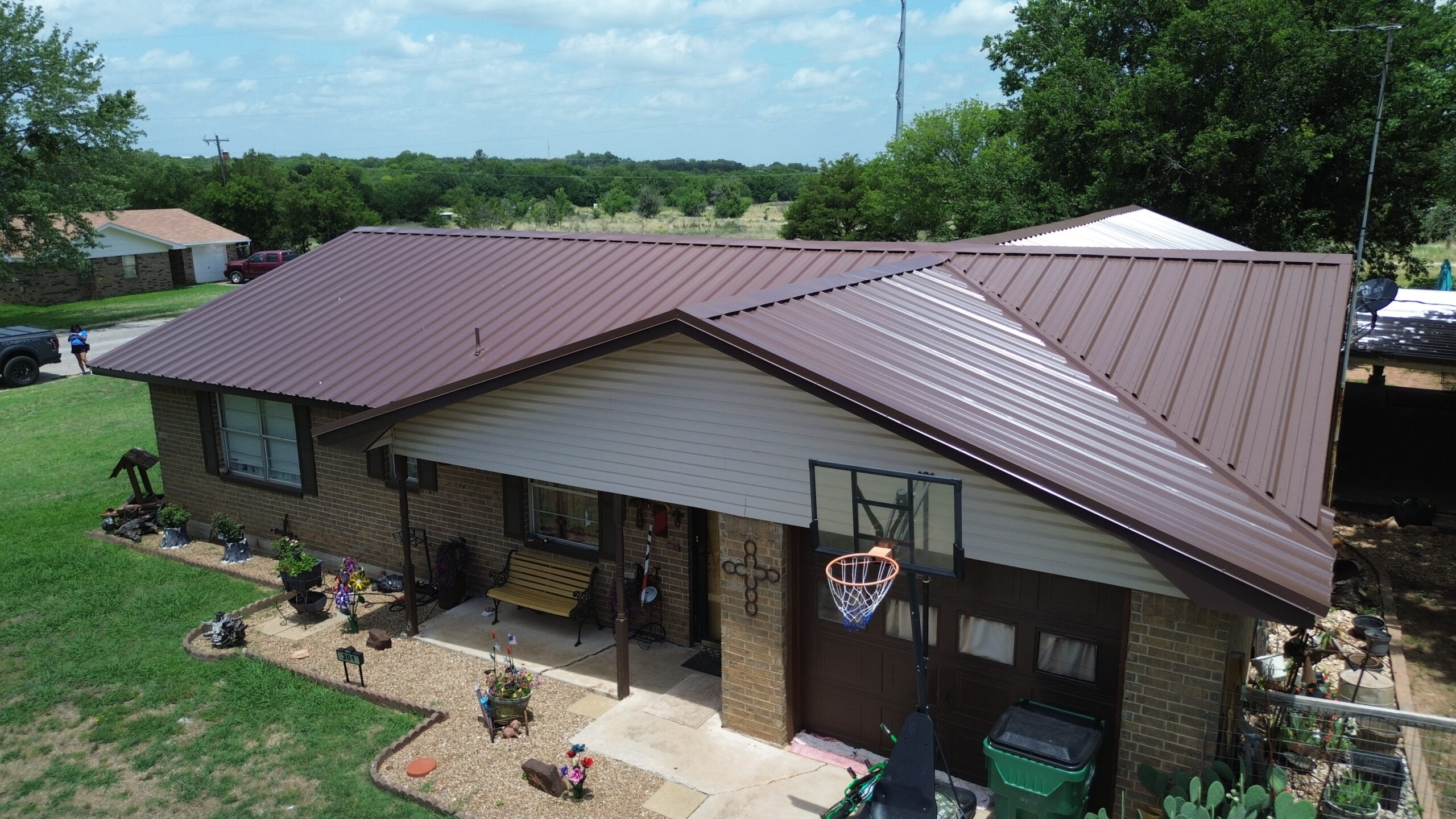
A professional roof inspection involves checking accessible roofing components for visible damage, deterioration, and conditions that may affect the roof’s ability to protect your home. The exact process depends on the roof’s design, pitch, material, accessibility, and the reason for the inspection. After the evaluation, the roofing professional can explain any findings and recommend suitable next steps.
Shingles and Other Roofing Materials
The inspector examines the roofing surface for missing, cracked, curling, loose, or deteriorating materials. For asphalt shingles, the evaluation may include checking for unusual granule loss, visible impact marks, and signs of aging. For metal, tile, or other roofing systems, the inspection focuses on material-specific concerns such as damaged panels, cracked tiles, loose fasteners, or deteriorated connections.
The condition of the surrounding roofing materials also matters. A small damaged section may be repairable, but widespread deterioration could indicate that the roof needs a more comprehensive evaluation. The inspector should explain the visible evidence behind any recommendation rather than relying on the roof’s age alone.
Flashing, Valleys, and Roof Penetrations
Flashing protects vulnerable transitions where roofing materials meet walls, chimneys, skylights, vents, and other structures. Inspectors look for visible gaps, corrosion, loose components, damaged sealant, or installation problems that could allow water to enter. Roof valleys also receive attention because they channel rainwater and may be vulnerable when materials are damaged or drainage is obstructed.
Penetrations such as plumbing vents and exhaust outlets can become potential leak points if their seals or surrounding materials deteriorate. Problems in these areas may not be obvious from the ground, especially on complex roofs. A professional evaluation can help identify concerns and determine whether localized repairs or additional investigation are needed.
Gutters, Drainage, and Roof Edges
A roof needs an effective drainage path to direct rainwater away from the building. During an inspection, the professional may examine accessible gutters, downspouts, roof edges, and drainage areas for visible damage, blockages, loose connections, or signs of overflow. The inspector may also look for water-related deterioration around the fascia and soffit.
Poor drainage can contribute to moisture problems around the roofline and may affect other parts of the property. Leaves, branches, and accumulated debris can obstruct water flow, particularly on homes surrounded by mature trees. Keeping gutters and drainage paths clear helps support the roofing system, although cleaning alone will not correct damaged or improperly installed components.
Attic, Ventilation, and Signs of Moisture
When attic access is available and safe, the inspection may include looking for water stains, damp insulation, visible mold-like growth, damaged wood, or other signs of moisture. The inspector may also evaluate accessible ventilation components and look for conditions that could contribute to excessive heat or moisture accumulation. Not every inspection includes an extensive attic evaluation, so homeowners should confirm the scope when scheduling.
Ventilation concerns can affect attic conditions and may contribute to roofing problems over time. However, signs of moisture or high temperatures can have several possible causes, and a visual inspection may not establish the exact source. If the inspector identifies a concern, further testing or assessment may be recommended.
Roof Inspection Checklist for Denton Homeowners
Homeowners can perform a basic visual check from the ground to identify warning signs before scheduling professional service. This should not involve climbing onto the roof, walking on shingles, or accessing steep or unstable areas. A professional inspection remains the safer and more reliable option when damage is suspected or a detailed assessment is needed.
Use the following checklist to organize your observations and decide whether to request an inspection.
| Roof area | What to look for | Why it matters |
|---|---|---|
| Shingles or roofing panels | Missing, cracked, curled, loose, or visibly damaged materials | May expose vulnerable areas to rain and wind |
| Gutters and downspouts | Sagging sections, blockages, or excessive debris | Can interfere with drainage and contribute to overflow |
| Ceilings and walls | New stains, bubbling paint, or peeling finishes | May indicate moisture intrusion |
| Attic, if safely accessible | Damp insulation, water marks, or unusual odors | May reveal signs of a leak or moisture problem |
| Flashing and roof edges | Visible gaps, displaced materials, or damaged components | Weak points can allow water to enter |
| Yard and surroundings | Roofing debris or fallen branches after a storm | May indicate possible impact or wind damage |
| Roofline | Noticeable sagging or unusual changes in shape | Could indicate a serious roofing or structural concern |
How to Use the Checklist Effectively
Check visible areas periodically and pay particular attention after severe weather. Take photographs from a safe location when you notice changes, and record the date, weather conditions, and location of the concern. These notes can help a roofing professional understand what you observed and compare conditions over time.
Do not treat this checklist as a substitute for professional evaluation. Some roof defects are hidden beneath roofing materials or occur in places that cannot be viewed safely from the ground. If you notice active leaks, substantial storm damage, or a visibly sagging roofline, arrange prompt professional assistance rather than waiting for the next routine inspection.
How Much Does a Roof Inspection Cost in Denton, TX?
The cost of a roof inspection in Denton depends on the property’s size, roof design, accessibility, inspection purpose, and the level of documentation requested. A straightforward visual evaluation may cost less than a detailed inspection involving extensive reporting, specialized equipment, or additional testing. Prices also vary among roofing companies, so homeowners should request a clear estimate before scheduling.
Some roofing contractors offer a basic inspection at no charge when the visit relates to a repair estimate or potential roofing project. However, a complimentary inspection may have a different scope from an independent evaluation or a detailed report prepared for a property transaction. Ask what the service includes instead of assuming that every inspection provides the same level of detail.
Factors That Affect Inspection Pricing
Roof size is one of the main considerations because larger roofs generally require more time to evaluate. Complex designs with multiple slopes, valleys, chimneys, skylights, or other penetrations may also take longer to inspect than simple roof layouts. Steep pitches and limited access can increase the difficulty of the work and may affect pricing.
The reason for the inspection can also influence the cost. A routine maintenance check may involve a visual review of accessible components, while a storm-damage assessment or real estate inspection may require more detailed photographs and written documentation. Additional services, such as moisture testing or specialized evaluations, may carry separate charges.
What to Ask Before Booking
Before scheduling an inspection, ask whether the service is free or paid and whether the quoted price covers the full visit. Confirm which areas will be examined, whether attic access is included, and whether you will receive photographs or a written summary. It is also helpful to ask whether any recommended testing or follow-up assessment would involve additional fees.
A low price does not necessarily mean poor service, and a higher price does not automatically guarantee a better inspection. Compare the scope, experience, reporting process, and clarity of recommendations rather than choosing solely on cost. A useful inspection should help you understand your roof’s condition and make informed decisions about maintenance or repairs.
Roof Inspection vs. Roof Repair: Understanding the Difference
A roof inspection and a roof repair serve different purposes, although they are often part of the same process. An inspection evaluates the condition of the roofing system and identifies visible concerns, while a repair involves correcting a specific problem. Understanding this difference helps homeowners avoid assuming that an inspection automatically includes repair work.
What Happens During an Inspection?
During an inspection, a roofing professional examines accessible areas and looks for signs of damage, wear, moisture intrusion, and potential trouble spots. The findings may include issues that require immediate attention, items that should be monitored, or components that appear to be in satisfactory condition. Depending on the scope, the professional may provide photographs, written observations, and recommendations.
An inspection does not necessarily mean that any work will be performed during the visit. If damage is found, the contractor may provide a separate estimate describing the proposed repairs and associated costs. You can then review the findings and decide how to proceed.
When Are Roof Repairs Necessary?
Repairs may be recommended when the inspection identifies specific defects that can be corrected without replacing the entire roofing system. Examples include replacing damaged shingles, securing loose components, correcting certain flashing problems, or addressing localized leaks. The appropriate solution depends on the cause of the damage and the condition of the surrounding materials.
Some roofing problems require more than a simple patch. If damage is extensive, the roofing materials have deteriorated significantly, or previous repairs have repeatedly failed, a broader evaluation may be necessary. A qualified professional should explain the available options and why a particular approach may be suitable for your roof.
Can an Inspection Prevent Expensive Repairs?
An inspection cannot prevent every roofing problem, especially when severe weather causes sudden damage. However, identifying deterioration early can allow homeowners to address certain issues before they spread or lead to interior damage. Routine evaluations also provide an opportunity to correct minor maintenance concerns and plan for future roofing expenses.
The most effective approach combines timely inspections with appropriate maintenance and prompt attention to warning signs. Homeowners should keep records of previous repairs and communicate any recurring problems to the roofing professional. This information can help identify patterns and support better decisions about the roof’s long-term condition.
Roof Inspections When Buying or Selling a Home
The roof can affect a home’s maintenance costs, buyer confidence, and overall condition. Whether you are purchasing a property or preparing to sell one in Denton, understanding the roof’s condition can help you make better-informed decisions. A dedicated roof inspection can be especially useful when the roof is older, has visible damage, or has a history of leaks.
For Homebuyers
A homebuyer should consider the roof’s age, visible condition, repair history, and any known storm damage. A general home inspection may identify concerns, but a roofing specialist can provide a more focused assessment when the findings suggest further investigation is needed. This additional information can help you estimate near-term maintenance needs and determine whether repairs should be discussed before closing.
Ask the seller for available roofing invoices, warranty information, permits where applicable, and records of previous repairs. These documents may help clarify when work was performed and whether recurring issues have been reported. Remember that a roof inspection reflects the conditions observed during the evaluation and cannot guarantee that future problems will not develop.
For Home Sellers
Arranging a roof inspection before listing your property can help uncover concerns that might otherwise arise late in the transaction. If the inspection identifies repair needs, you can explore estimates and decide whether to complete the work or disclose the findings as required. Having organized maintenance records can also make it easier to answer questions from prospective buyers.
A pre-listing inspection does not guarantee a higher selling price or eliminate every negotiation. Its main advantage is that it gives you more information before buyers begin their own evaluations. With a clearer understanding of the roof’s condition, you can plan next steps and reduce the risk of being caught unprepared by an unexpected finding.
What Should You Do With the Inspection Report?
Review the report carefully and ask for clarification if a finding is unclear. Separate urgent concerns from routine maintenance recommendations and request written estimates when repair work is proposed. If a major issue is identified, consider whether a second professional opinion would help you understand the available options.
Keep the report with other property documents so it can be referenced during future maintenance or negotiations. If the inspection was conducted as part of a real estate transaction, discuss significant findings with your real estate professional and other relevant advisers. Decisions should be based on the property’s actual condition, transaction terms, and applicable disclosure requirements.
Roof Inspections for Insurance and Storm Damage Claims
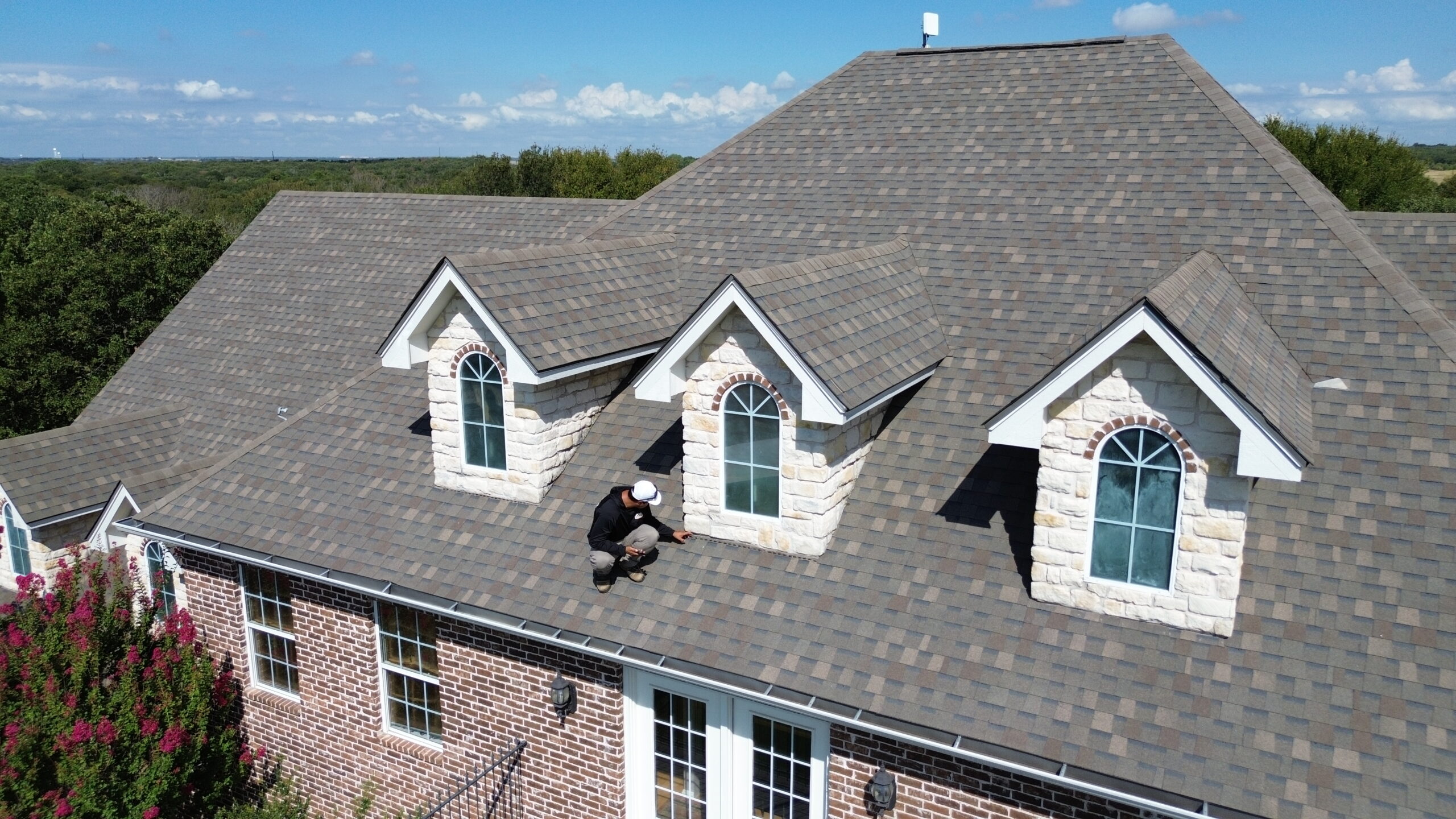
Severe weather can damage roofing materials without leaving obvious signs from the ground. If your Denton home has experienced hail, strong winds, or falling branches, a professional roof inspection can help document visible damage and identify areas that may need further attention. This information can be useful when discussing a potential homeowners insurance claim.
Why Storm Damage Documentation Matters
After a storm, take photographs of visible damage from a safe location and note the approximate date of the weather event. Avoid climbing onto the roof or handling loose roofing materials, as damaged surfaces can be unstable. A roofing professional may provide photographs and written observations that help explain the condition of the roof.
Keep any inspection reports, repair estimates, invoices, and relevant insurance correspondence together. Clear documentation can make it easier to communicate with your insurance company and track the progress of repairs. However, a roofing inspection does not guarantee that an insurance claim will be approved or that the insurer will cover every identified issue.
Does Homeowners Insurance Cover Roof Inspections?
Coverage depends on your policy, the circumstances surrounding the damage, and the insurer’s claim procedures. Some homeowners arrange an inspection independently, while others contact their insurance company first to understand the required process. Review your policy and ask your insurer whether a professional assessment or particular documentation is needed.
Insurance generally distinguishes between sudden covered damage and deterioration caused by age, neglect, or ordinary wear, although the precise terms vary by policy. An inspection can help document the roof’s observed condition, but the insurer determines coverage under the applicable policy. Avoid assuming that every roof problem discovered after a storm was necessarily caused by that event.
When Should You Contact Your Insurance Company?
If you suspect significant storm damage, review your policy and contact your insurer promptly to understand the next steps and any applicable reporting deadlines. You can also arrange a qualified roofing professional to assess visible damage and provide documentation. If water is entering the home, prioritize protecting occupants and belongings while seeking appropriate assistance.
Be cautious of contractors who promise guaranteed claim approval or pressure you into signing an agreement immediately after a storm. Review estimates, understand any contractual obligations, and ask questions before authorizing work. A documented inspection and clear communication can help you make informed decisions throughout the process.
How Often Should You Schedule a Roof Inspection?
The right inspection frequency depends on the roof’s age, material, condition, and exposure to weather. Many homeowners benefit from arranging a professional evaluation approximately once a year, along with additional inspections after significant storms or when warning signs appear. Your roofing professional may recommend a different schedule based on the property’s specific needs.
Inspection Schedules for Different Roof Conditions
A newer roof in good condition may need routine monitoring and periodic professional inspections rather than frequent evaluations. An older roof, however, may require closer attention because roofing materials and protective components can deteriorate with age. Homes with previous leaks, recurring repair needs, or extensive tree coverage may also benefit from more frequent checks.
Use the following guide as a starting point rather than a strict rule.
| Roof condition or situation | Suggested inspection timing |
|---|---|
| Newer roof in good condition | Periodically, based on maintenance guidance |
| Typical residential roof | Approximately once a year |
| Older roof showing wear | More frequent monitoring as recommended by a professional |
| After hail or severe wind | As soon as practical when damage is suspected |
| Following a leak or major repair | Promptly, with follow-up based on the issue |
| Before buying or selling a property | During the property evaluation process |
| After visible changes or unusual damage | Prompt professional assessment |
Why Annual Inspections Can Help
An annual inspection gives you an opportunity to review the roof’s condition before small concerns develop into more extensive problems. It can help identify deteriorating materials, drainage issues, loose components, and visible signs of moisture intrusion. Regular evaluations also create a record of the roof’s condition over time.
Annual inspections do not replace the need for an additional evaluation after severe weather or an unexpected leak. A roof that appeared satisfactory during a spring inspection could still sustain damage during a later storm. Responding to new warning signs promptly is just as important as following a routine maintenance schedule.
How to Prepare for a Roof Inspection
Preparing for an inspection can help the roofing professional work efficiently and understand the property’s history. You do not need to access the roof or move heavy equipment to get ready. A few simple steps can make the appointment more productive and help ensure that important concerns are discussed.
Gather Previous Roofing Records
Collect available invoices, warranties, repair reports, and documentation from previous inspections. If you know when the roof was installed or replaced, share that information with the inspector. Records of previous leaks and repairs can also help the professional identify recurring concerns.
If you recently experienced severe weather, make a note of the approximate date and any visible changes you observed afterward. Photographs taken from the ground can provide useful context, particularly if the damage was noticed immediately after a storm. Do not delay a necessary inspection simply because you cannot locate every document.
Identify Areas of Concern
Before the appointment, write down any issues you have noticed, such as ceiling stains, missing shingles, overflowing gutters, or unusual odors in the attic. Explain when the symptoms began and whether they appear after rain or windy weather. This information can help the inspector focus on relevant areas during the evaluation.
If you have noticed multiple leaks or repeated repair failures, point these out rather than mentioning only the most recent problem. A recurring issue may require a broader assessment to identify its underlying cause. Clear communication helps ensure that your concerns are included in the inspection process.
Make Inspection Areas Accessible
If the inspection includes an attic evaluation, make sure the access point can be reached safely. Keep pets secured and move items away from the entrance if necessary. Tell the roofing professional about any known access limitations or safety concerns before the inspection begins.
Do not climb ladders, remove roofing materials, or attempt repairs to prepare for the appointment. Leave roof access and any potentially hazardous work to qualified professionals. If weather conditions are unsafe, the appointment may need to be adjusted to protect everyone involved.
Common Roof Inspection Mistakes to Avoid
Even homeowners who maintain their properties carefully can overlook important roofing concerns. Understanding common mistakes helps you make better decisions about inspection timing, repair recommendations, and ongoing maintenance. The goal is to identify problems early without putting yourself at risk or spending money on unnecessary work.
Waiting Until a Leak Becomes Visible
One of the most common mistakes is assuming that a roof needs attention only when water enters the living space. Some roofing defects develop gradually and may remain unnoticed until moisture reaches the ceiling or walls. By that point, repairs may involve both the roofing materials and affected interior components.
Schedule inspections based on the roof’s condition and weather exposure rather than waiting for obvious symptoms. If you notice missing shingles, damaged flashing, or signs of moisture, arrange an assessment promptly. Early attention can help prevent certain problems from becoming more extensive.
Inspecting the Roof Without Proper Safety Equipment
Walking on a roof can be dangerous because of steep slopes, loose materials, slippery surfaces, and hidden damage. A roof that appears stable from the ground may contain weak sections or areas that cannot safely support a person’s weight. Falls can cause serious injuries, so homeowners should avoid climbing onto roofing surfaces to perform their own inspections.
Instead, use ground-level observations to identify visible warning signs and contact a qualified roofing professional for a closer assessment. Do not use ladders during wet or windy conditions or attempt to inspect storm-damaged areas yourself. Professional inspection methods should be selected according to the roof’s accessibility and safety requirements.
Choosing a Contractor Based Only on Price
The cheapest inspection may not provide the level of detail you need, while a higher price does not automatically guarantee better service. Before booking, ask about the inspector’s experience, the areas included in the evaluation, and whether a written report or photographs will be provided. Confirm whether the quoted price covers any additional testing or follow-up services.
You should also be cautious of recommendations that immediately push for a complete roof replacement without explaining the observed damage. Ask for a clear description of the problem and the reasons behind the proposed solution. For significant repairs, obtaining another qualified opinion may help you compare options.
Ignoring Inspection Findings
An inspection is most useful when you understand the findings and act on important recommendations. Leaving damaged shingles, deteriorating flashing, or recurring leaks unaddressed can allow certain problems to worsen. Review the report and ask the roofing professional to distinguish urgent repairs from routine maintenance.
Keep a record of completed work and schedule follow-up evaluations when recommended. If the report identifies a possible hidden issue that requires additional testing, ask what the next step involves and whether it carries an extra cost. Taking action based on clear information helps you manage maintenance more effectively.
How to Maintain Your Roof Between Inspections
Professional inspections are important, but everyday maintenance also plays a role in protecting your roofing system. Simple preventive steps can help homeowners identify visible changes, support proper drainage, and reduce avoidable wear. Maintenance should always be performed from a safe location or by a qualified professional when roof access is required.
Keep Gutters and Drainage Paths Clear
Gutters and downspouts help carry rainwater away from the roof and foundation. Leaves, twigs, and other debris can obstruct drainage and cause water to overflow near the roofline. Check for visible blockages and signs of sagging, and arrange professional cleaning or repairs when necessary.
Homes surrounded by mature trees may need more frequent gutter maintenance, particularly during seasons when leaves and branches accumulate. Do not lean over gutters or climb onto a roof to clear debris without appropriate safety measures. If the system is difficult to access, use a qualified service provider.
Trim Overhanging Branches
Branches that hang close to the roof can scrape roofing materials, drop debris into valleys, and contribute to gutter blockages. During storms, weakened limbs may break and strike the roof. Keeping nearby trees appropriately maintained can reduce some of these risks.
Tree trimming should be performed carefully, especially when branches are large or near electrical lines. Hire a qualified tree-care professional when the work involves significant height or hazardous conditions. After a branch falls or strikes the roof, arrange an inspection if damage is suspected.
Watch for Changes After Severe Weather
After strong winds, hail, or heavy rain, look for visible changes from the ground. Check for roofing debris in the yard, missing shingles, damaged gutters, and new interior stains. If you notice potential damage, document it safely and arrange an inspection when appropriate.
Do not assume that a roof is undamaged simply because no leak appeared during the storm. Some problems may become noticeable only after additional rainfall or closer evaluation. Prompt attention to warning signs can help reduce the risk of prolonged moisture exposure.
Keep Roofing Records Organized
Maintain a file containing inspection reports, photographs, repair invoices, warranty documents, and relevant insurance information. Record the dates of significant storms and any changes you observe around the property. These details can help you track recurring concerns and explain the roof’s history to future contractors.
Organized records can also be useful when selling your home or planning future maintenance. They provide a practical reference for understanding previous work and identifying areas that may need additional attention. While documentation cannot prevent damage, it supports more informed decisions about the roof’s care.
Why Choose Small Town Roofing & Construction for Roof Inspection in Denton, TX?
Choosing a roofing professional who understands the conditions common to Denton and the surrounding North Texas area can make the inspection process easier. Small Town Roofing & Construction is a local roofing service option for homeowners seeking help evaluating their roofs and understanding potential maintenance or repair needs. When contacting the company, ask about its inspection process, service coverage, and the documentation provided after an evaluation.
Focus on Identifying Roofing Concerns
A useful inspection should help you understand the condition of accessible roofing materials and identify areas that may need attention. Ask the roofing professional to explain visible damage, possible moisture entry points, and any concerns involving flashing, drainage, or ventilation. Clear explanations help you distinguish immediate repair needs from issues that can be monitored over time.
If repairs are recommended, request details about the affected areas and the proposed work. A written estimate can help you understand the scope of the project and compare available options. The best decision should be based on the roof’s actual condition, the extent of damage, and your property’s maintenance needs.
Get Clear Information Before Making Decisions
Homeowners should be able to ask questions and understand why a particular repair or maintenance step is being recommended. Before authorizing work, confirm the estimated cost, expected timeline, materials involved, and any applicable workmanship or product warranties. You should also understand whether additional services or inspections could result in extra charges.
For storm-related concerns, ask whether photographs and written findings can be provided for your records. If you plan to contact your insurance company, clarify that the inspection documents observed conditions but does not guarantee claim approval. Keeping the process transparent can help you make confident, well-informed choices.
Support Long-Term Roof Maintenance
A roof inspection should be part of a broader plan to protect your home rather than a one-time response to visible damage. Ask about a suitable inspection schedule based on your roof’s age, materials, repair history, and exposure to severe weather. Keeping track of maintenance recommendations can help you plan future work and avoid overlooking developing problems.
To discuss your roof’s condition, contact Small Town Roofing & Construction and ask about inspection options in Denton, TX. Explain any recent storms, leaks, or visible damage so the company can better understand your concerns. Confirm the service scope and any associated costs before scheduling.
Frequently Asked Questions About Roof Inspection in Denton, TX
How often should I get my roof inspected in Denton, TX?
Many homeowners benefit from having their roofs professionally inspected approximately once a year. Additional inspections may be appropriate after hailstorms, strong winds, significant leaks, or other events that could cause damage. Older roofs and properties with recurring problems may need closer monitoring based on a roofing professional’s recommendations.
How much does a roof inspection cost in Denton?
The price depends on the roof’s size, design, accessibility, and the type of inspection required. Some roofing companies offer complimentary visual inspections, while detailed evaluations or specialized reports may involve a fee. Ask for a clear explanation of the inspection scope and any additional charges before booking.
Should I inspect my roof after a hailstorm?
Yes, arranging an inspection is sensible when hail may have affected your property. Hail can damage shingles and other roofing components even when the damage is not obvious from the ground. A qualified roofing professional can document visible concerns and explain whether further assessment or repairs may be necessary.
How long does a professional roof inspection take?
The time required depends on the roof’s size, slope, complexity, accessibility, and the scope of the evaluation. A straightforward inspection may take less time than an assessment involving multiple roof sections, attic access, or detailed documentation. Ask the provider for an estimated appointment length when scheduling.
What does a roof inspector look for?
A roof inspector typically checks accessible roofing materials, flashing, roof penetrations, valleys, drainage components, and visible signs of deterioration. When the inspection includes attic access, the professional may also look for moisture stains, damp insulation, or ventilation concerns. The exact scope varies according to the property and the type of inspection requested.
Can a roof inspection detect hidden leaks?
An inspection may identify signs of a hidden leak, such as water stains, damp insulation, deteriorated materials, or moisture around vulnerable roof areas. However, some leaks are difficult to locate during a visual evaluation and may require additional testing. If the source remains unclear, ask the professional what further investigation is appropriate.
Do I need a roof inspection when buying a house?
A roof inspection can help buyers understand the roofing system’s condition before completing a property purchase. It may identify visible damage, maintenance needs, or concerns that deserve a closer assessment. Buyers should review the findings with their real estate professional and consider the inspection alongside other property evaluations.
Will homeowners insurance pay for a roof inspection?
Coverage depends on the terms of your policy and the circumstances that led to the inspection. Some homeowners arrange and pay for an inspection independently, while storm-related claims may involve specific documentation requirements. Contact your insurer to confirm its procedures, and remember that an inspection does not guarantee claim approval.
Can a roof inspection determine whether I need a replacement?
An inspection can help assess the roof’s visible condition and identify whether damage or deterioration may justify considering replacement. The recommendation depends on factors such as the roofing material, extent of damage, repair history, and remaining service life. Ask the roofing professional to explain whether targeted repairs remain practical or a broader replacement evaluation is warranted.
Can I inspect my roof myself instead of hiring a professional?
You can look for basic warning signs from the ground, such as missing shingles, debris, damaged gutters, or new ceiling stains. However, climbing onto the roof can be dangerous, and many defects require a closer professional evaluation. If you suspect damage or notice a leak, contact a qualified roofing professional rather than attempting an unsafe inspection.
Conclusion
Scheduling a roof inspection in Denton, TX, at the right time can help you identify potential problems, plan maintenance, and protect your home from avoidable damage. Annual inspections provide a useful starting point for many homeowners, while severe weather, visible deterioration, leaks, and property transactions may require additional evaluations. Because Denton’s weather can expose roofs to heat, heavy rain, hail, and strong winds, paying attention to changes in your roofing system is especially important.
Do not wait until a minor roofing concern becomes a major repair project. Watch for warning signs, maintain gutters and drainage paths, keep records of previous work, and arrange a professional assessment whenever damage is suspected. Small Town Roofing & Construction is an option to contact when you need to discuss roofing concerns in Denton, TX. A clear inspection report and practical recommendations can help you make informed decisions about maintaining your roof and planning for its long-term care.
Leave A Comment