
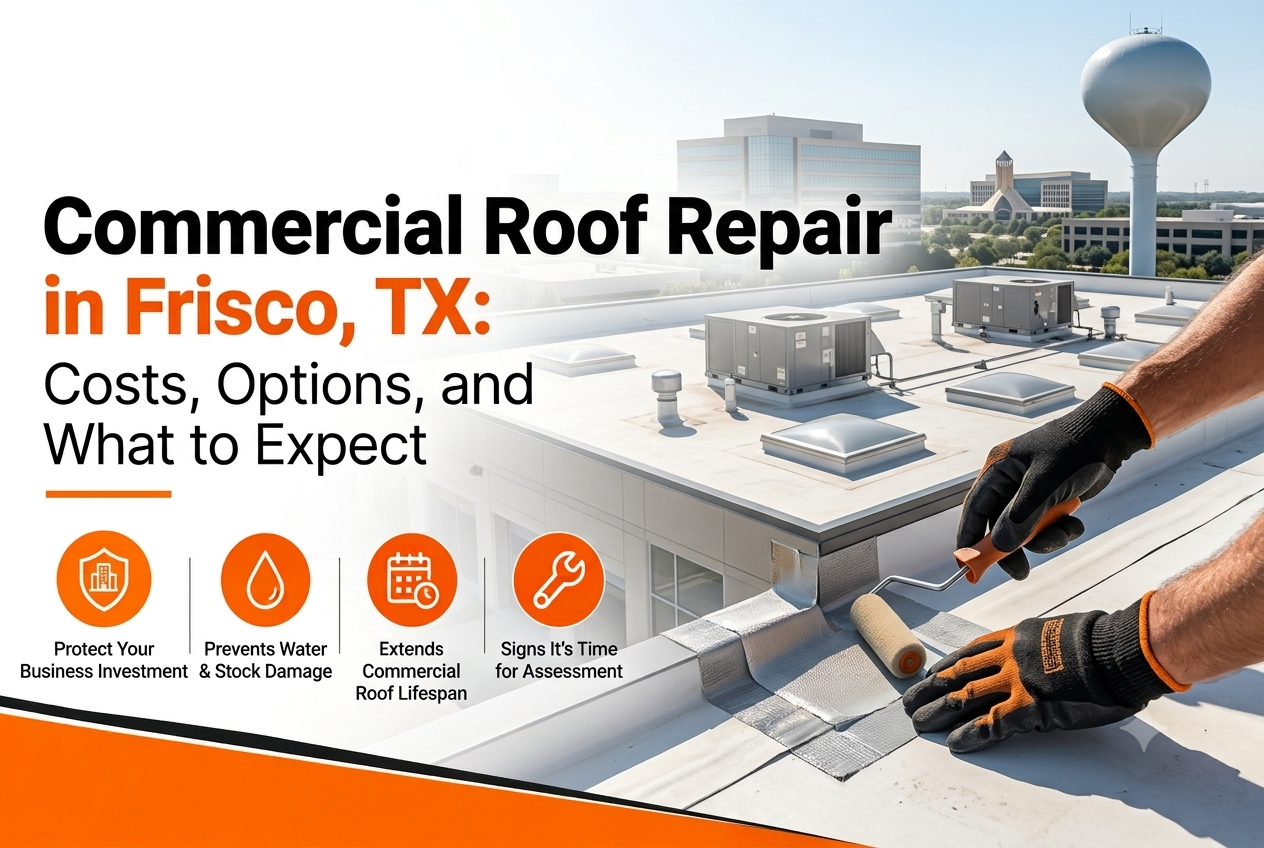
Commercial Roof Repair in Frisco, TX: Costs, Options, and What to Expect
Introduction
A commercial roofing system plays a critical role in protecting business operations, employees, equipment, inventory, and the overall structure of a commercial property. For business owners in Frisco, TX, maintaining a dependable roof is especially important because North Texas weather can bring intense summer heat, strong winds, heavy rainfall, and damaging hailstorms. Even a small roofing problem can eventually lead to interior water damage, business interruptions, higher maintenance expenses, and costly repairs if it is not addressed promptly.
Commercial roof repair involves more than fixing visible leaks or replacing damaged roofing materials. Depending on the condition of the building, the work may include restoring membrane seams, repairing flashing, improving drainage, replacing damaged insulation, or addressing moisture trapped beneath the roof surface. Understanding the available repair options, expected costs, and professional repair process helps commercial property owners make informed decisions while protecting their investment.
The cost of commercial roof repair in Frisco depends on several factors, including the roofing system, the extent of the damage, roof accessibility, labor requirements, and the materials needed to complete the work. Minor repairs may require a relatively modest investment, while extensive storm damage or hidden moisture problems can increase the total expense considerably. This guide explains what commercial property owners should know about roofing costs, repair methods, maintenance, and choosing a suitable roofing contractor.
💰 Average Commercial Roof Repair Costs in Frisco, TX
Commercial roof repair costs in Frisco, TX, can range from a few hundred dollars for a minor repair to several thousand dollars for extensive damage affecting larger areas of the roofing system. A straightforward leak repair may involve sealing a small opening or restoring a damaged flashing connection, while more complicated work could require membrane replacement, insulation repairs, drainage improvements, or specialized equipment. These prices are general budgeting estimates rather than guaranteed local rates, so an on-site inspection is necessary to determine the actual cost for a particular building.
Commercial roofing projects often differ significantly from residential repairs because commercial properties may have larger roof areas, specialized membranes, rooftop mechanical equipment, and more complicated drainage systems. Warehouses, shopping centers, office buildings, restaurants, and industrial facilities also have different operational requirements that can affect the repair process. A contractor must evaluate these conditions before recommending a repair method or preparing a reliable estimate.
Typical Commercial Roof Repair Price Ranges
Minor commercial roofing repairs generally cost less when the damage is isolated and the surrounding roofing materials remain in good condition. For example, a contractor may be able to repair a small puncture, replace a limited section of flashing, or reseal a vulnerable roof penetration without disturbing the entire roofing system. However, repairs involving extensive moisture damage, multiple leaks, difficult access, or specialized roofing materials can require substantially more labor and materials.
The following table provides general estimates for common commercial roofing projects. Actual costs depend on the roofing system, repair area, building height, material availability, and whether additional damage is discovered during the inspection.
| Commercial Roofing Service | Estimated Cost Range |
|---|---|
| Minor leak or localized sealant repair | $250 to $750 |
| Small membrane patch repair | $300 to $1,000 |
| Flashing repair around roof penetrations | $300 to $1,200 |
| Repair of damaged membrane seams | $400 to $1,500 |
| Localized storm damage repair | $500 to $2,500 |
| Drainage or ponding water corrections | $500 to $3,000 |
| Localized insulation and roof deck repairs | $750 to $4,000 |
| Extensive commercial roof restoration | $3,000 to $15,000 or more |
These ranges are intended for preliminary planning and should not be treated as fixed quotations. A small repair on a low, easily accessible roof may cost less than the same repair on a tall building requiring special access equipment and additional safety measures. The amount of concealed moisture damage can also affect the final price, especially when insulation or roof decking must be replaced.
Factors That Influence the Final Repair Estimate
The roofing material is one of the first considerations when estimating commercial repair costs. Thermoplastic polyolefin, commonly known as TPO, and ethylene propylene diene monomer, known as EPDM, require different repair materials and installation techniques, while metal roofing may need specialized fasteners, panel repairs, or replacement flashing. Contractors must use compatible products and appropriate procedures to create repairs that integrate properly with the existing system.
Labor and accessibility can also influence the total price. A low-slope roof with straightforward access may be relatively easy to inspect, while a high roof with rooftop equipment, restricted access points, or multiple levels can require additional planning and safety equipment. Emergency scheduling, material availability, and the need to coordinate work around business hours may add to the expense.
Hidden damage is another important consideration when budgeting for commercial roof repairs. Water can travel beneath a roofing membrane and affect insulation or decking beyond the location where a leak becomes visible inside the building. A contractor may need to investigate a larger area than expected before identifying the source and determining the full scope of the repair.
Minor Repairs Compared With Major Restoration
Minor repairs generally address isolated problems that have not significantly affected the surrounding roofing system. Examples include sealing a small penetration, repairing a short section of a damaged seam, or replacing deteriorated flashing around a vent. When the remaining roof is in good condition, these targeted repairs may extend its useful service life without requiring a major financial commitment.
Major restoration becomes more likely when the roof has widespread deterioration, repeated leaks, extensive membrane separation, or moisture affecting multiple sections. Restoration may involve replacing damaged materials, improving drainage, applying a compatible protective coating, or repairing several vulnerable areas. A professional inspection can help determine whether these measures are appropriate or whether a complete roof replacement should also be considered.
🏢 Common Types of Commercial Roofing Systems
Commercial properties in Frisco use several roofing systems, each designed for different building requirements, budgets, and performance expectations. Some systems rely on flexible membranes, while others use layered asphalt materials, metal panels, or specialized foam and coating assemblies. Understanding the existing roof type is essential because the correct repair method depends on the materials, installation details, and condition of the system.
A repair that works well on one roofing material may not be suitable for another. For example, an EPDM membrane generally requires repair products compatible with its rubber composition, while TPO and PVC systems often use heat-welded seams. Before work begins, the contractor should identify the roofing system and determine which repair materials are appropriate for the existing installation.
TPO Roofing Systems
Thermoplastic polyolefin roofing is a common choice for commercial buildings with flat or low-slope roofs. TPO membranes are typically installed in large sheets with seams joined using heat-welding equipment, creating a continuous surface designed to resist water penetration. Their relatively lightweight construction and reflective surface make them an attractive option for many warehouses, offices, and retail properties.
Common TPO problems include punctures, damaged seams, loose flashing, and deterioration around rooftop equipment or drainage points. Repairs may involve cleaning the affected area, restoring the membrane, and heat-welding compatible patch material where appropriate. The condition of the surrounding membrane must also be evaluated because a damaged section may indicate a broader installation or maintenance problem.
EPDM Rubber Roofing
EPDM is a synthetic rubber roofing membrane commonly used on low-slope commercial buildings. It is valued for its flexibility and resistance to outdoor exposure, although performance depends on installation quality, maintenance, and the condition of seams and flashing. EPDM is typically black, but other product variations may be available depending on the system.
Leaks can develop when seams separate, flashing deteriorates, punctures occur, or rooftop equipment creates vulnerable connection points. Repairs generally require compatible cleaning products, primers, adhesives, tapes, or patch materials according to the membrane manufacturer’s requirements. Proper surface preparation is important because contamination or moisture can interfere with adhesion and reduce the reliability of the repair.
PVC Membrane Roofing
Polyvinyl chloride, or PVC, roofing is another thermoplastic membrane used on commercial properties. It is commonly selected for its welded seams and resistance to certain chemicals, making it suitable for some restaurants, industrial facilities, and buildings with specialized operational needs. Its suitability depends on the building’s conditions, the chemical exposure involved, and the specifications of the particular roofing product.
PVC roofing may develop punctures, seam problems, or flashing failures as the system ages or experiences mechanical damage. Qualified contractors can often repair compatible membrane sections by preparing the surface and heat-welding appropriate patch material. The repair should account for the condition of the existing membrane and any deterioration around rooftop equipment or drainage components.
Modified Bitumen Roofing
Modified bitumen roofing uses asphalt-based materials reinforced with modifiers and installed in one or more layers. It is commonly found on low-slope commercial buildings and can provide a durable roofing surface when installed and maintained properly. Depending on the system, installation may involve self-adhered materials, cold-applied adhesives, or heat-based application methods.
Common problems include cracks, blistering, damaged seams, and deterioration around flashing or roof penetrations. Repair methods vary according to the specific system and may include compatible patch materials, seam restoration, or replacement of damaged sections. Contractors should evaluate the roof carefully before selecting a repair method, especially if moisture has penetrated beneath the visible surface.
Built-Up Roofing Systems
Built-up roofing, often called BUR, consists of multiple layers of bitumen and reinforcing materials, usually finished with a protective surface. This layered construction has been used on commercial roofs for many years and can provide reliable protection when the components remain in good condition. The actual performance depends on the quality of the installation, drainage, maintenance history, and exposure to weather.
Typical BUR problems include surface cracking, blisters, exposed reinforcement, deteriorated flashing, and water infiltration around seams or penetrations. Depending on the extent of damage, repairs may involve compatible bituminous materials, localized patching, or replacement of affected roof sections. If moisture has spread beneath multiple layers, the contractor may need to investigate a larger area before deciding whether repairs will be sufficient.
Metal Commercial Roofing
Metal roofing is used on various commercial buildings, including industrial facilities, warehouses, agricultural structures, and some retail properties. Metal panels can provide long-lasting protection, but their performance depends on secure fasteners, sound panel connections, effective flashing, and suitable drainage. Changes in temperature can also cause metal components to expand and contract, placing stress on certain connections over time.
Common metal roofing issues include loose or deteriorated fasteners, corrosion, damaged panel seams, and leaks around roof penetrations. Repairs may require replacing fasteners, restoring flashing, treating localized corrosion, or repairing or replacing damaged panels. Contractors should also assess whether water is entering through a failed connection or traveling from another section of the roof.
Spray Polyurethane Foam Roofing
Spray polyurethane foam roofing creates a continuous insulating layer that can be shaped to accommodate different roof surfaces and drainage requirements. A protective coating is generally applied over the foam to help shield it from moisture and ultraviolet exposure. The system can be useful for some commercial properties, but it requires appropriate installation, inspection, and maintenance to preserve its performance.
Damage may occur when the protective coating deteriorates, the foam becomes exposed, or mechanical activity punctures the surface. Repairs typically involve assessing the affected area, addressing moisture or damaged foam where necessary, and restoring the protective coating with compatible materials. The contractor should confirm that the surrounding system remains sound before recommending a localized repair.
Commercial Roofing System Comparison
The following table summarizes common commercial roofing systems and their general repair considerations.
| Roofing System | Common Repair Needs | Important Considerations |
|---|---|---|
| TPO membrane | Punctures, seams, flashing | Compatible materials and proper heat-welding |
| EPDM membrane | Seam separation, tears, leaks | Surface preparation and compatible adhesives |
| PVC membrane | Punctures, seam damage, flashing | Chemical exposure and membrane compatibility |
| Modified bitumen | Cracks, blisters, damaged seams | Existing layer condition and moisture intrusion |
| Built-up roofing | Surface deterioration, leaks, blisters | Multiple layers and concealed moisture |
| Metal roofing | Loose fasteners, corrosion, panel leaks | Expansion, panel connections, and flashing |
| Spray foam roofing | Coating damage, exposed foam, punctures | Moisture assessment and coating restoration |
The best repair method depends on the roof’s current condition, the cause of the damage, and the manufacturer’s requirements. A commercial roofing contractor should identify the system before selecting materials or proposing a repair. This helps prevent incompatible products from being used and reduces the risk of recurring problems.
🔍 Common Commercial Roof Problems in Frisco
Commercial roofs in Frisco face a combination of weather exposure, mechanical activity, drainage demands, and normal material aging. Even a well-installed roof can develop problems over time, particularly when routine maintenance is neglected or severe weather damages vulnerable components. Recognizing these issues early can help building owners arrange repairs before the damage spreads to insulation, ceilings, equipment, or other interior areas.
Roof Leaks and Water Intrusion
Roof leaks are among the most common problems affecting commercial properties. Water may enter through damaged membranes, deteriorated flashing, failed seams, loose fasteners, or openings around rooftop equipment. The leak may become visible as a ceiling stain or dripping water, but the actual entry point can be several feet away from the affected interior area.
Water intrusion should be investigated promptly because moisture can damage insulation, corrode building components, and disrupt business operations. Simply sealing the location where water appears indoors may not solve the underlying problem. A professional inspection can trace the likely entry point, evaluate the surrounding roof, and recommend a repair that addresses the cause rather than only the visible symptoms.
Hail and Wind Damage
North Texas thunderstorms can produce hail and strong winds capable of damaging commercial roofing materials. Hail may puncture certain membranes, damage protective coatings, dent metal panels, or weaken vulnerable roof components. Wind can lift flashing, loosen edge details, separate seams, and move debris across the roof surface.
Storm damage is not always obvious from the ground, especially on large commercial buildings. A professional inspection after severe weather can identify affected sections and document the observed conditions. Prompt repairs may help prevent additional water intrusion and provide useful information if the property owner needs to evaluate a potential insurance claim.
Ponding Water and Drainage Problems
Ponding occurs when water remains on a roof longer than the drainage system and roofing design are intended to accommodate. It may result from blocked drains, insufficient drainage capacity, low areas in the roof surface, or changes in the underlying structure. Persistent standing water can place additional stress on certain roofing systems and may increase the risk of leaks where seams or flashing are already compromised.
Commercial roof drainage should be assessed whenever ponding is persistent or appears in new locations. Repairs may involve clearing blocked drains, correcting drainage details, improving water flow, or investigating a depression in the roof surface. The appropriate solution depends on the roof design and whether the problem is caused by maintenance issues or a more significant structural concern.
Damaged Seams and Membrane Separation
Membrane roofing relies on properly connected seams to create a continuous protective surface. Over time, installation defects, mechanical stress, weather exposure, or incompatible repairs can contribute to seam separation and membrane movement. Once a seam opens, water can enter beneath the roofing material and affect the underlying insulation or deck.
Repairing a damaged seam requires identifying the membrane type and preparing the surface according to the system’s specifications. A contractor may restore the connection or install a compatible patch if the surrounding material remains suitable for repair. If separation occurs across numerous areas, the roof may require a broader condition assessment to determine whether localized repairs will provide reliable protection.
Cracked Flashing and Deteriorated Sealants
Flashing protects vulnerable roof transitions and penetrations, including areas around vents, pipes, walls, skylights, and rooftop equipment. If flashing becomes loose, cracked, corroded, or improperly sealed, water can enter even when the main roofing membrane appears to be in good condition. Sealants can also deteriorate with age and exposure, leaving gaps around connections that were previously watertight.
Commercial properties often have many rooftop penetrations because of ventilation systems, electrical equipment, plumbing, and other building services. These areas should be inspected carefully during routine maintenance and after severe weather. Repairs may involve replacing damaged flashing, restoring compatible seals, or correcting the way a roof penetration connects with the surrounding roofing system.
Roof Punctures and Surface Deterioration
Foot traffic, dropped tools, maintenance work, and equipment movement can puncture or damage certain commercial roofing materials. Even a small opening may allow water to reach the underlying layers, especially during periods of heavy rainfall. Protective coatings can also deteriorate over time, exposing underlying materials to sunlight and environmental wear.
Building managers should establish clear procedures for workers who access the roof to service air-conditioning units, ventilation systems, antennas, or other equipment. Appropriate walkways and protective measures may help reduce accidental damage, depending on the roofing system. When a puncture or damaged area is discovered, prompt professional assessment can help determine whether a patch or more extensive repair is needed.
Moisture Damage and Insulation Problems
Water trapped beneath a roofing membrane can damage insulation and reduce its effectiveness. Because the outer roof surface may hide the affected area, the visible leak does not always reveal the full extent of the problem. Prolonged moisture exposure can also contribute to deterioration of the roof deck and other building components.
A contractor may recommend additional inspection methods when there is reason to suspect concealed moisture. Depending on the findings, repairs could involve removing damaged roofing materials, replacing wet insulation, restoring the affected membrane, and addressing the original source of water entry. Resolving both the moisture damage and its cause is essential to avoid trapping the problem beneath a newly repaired surface.
🌩️ How North Texas Weather Affects Commercial Roofs
Frisco’s weather conditions can create several challenges for commercial roofing systems throughout the year. Hot summers, intense sunlight, thunderstorms, strong winds, and occasional hail can gradually weaken exposed materials or cause sudden damage. Understanding these local conditions helps building owners develop maintenance plans that respond to the most likely risks.
Hailstorms and Severe Thunderstorms
Hail can affect commercial roofs in different ways depending on the size and force of the hailstones, the roofing material, and the condition of the existing system. Some impacts may leave visible dents or punctures, while other damage may require a closer inspection to identify. Storms can also carry branches and other debris that strike roof surfaces, block drainage systems, or damage rooftop equipment.
After a significant storm, property managers should check for visible damage from a safe location and arrange a professional inspection when concerns arise. Photographing accessible signs of damage and recording the storm date can help maintain useful property records. If water begins entering the building, temporary protective measures and prompt repairs may be necessary to limit further damage.
Strong Winds and Heavy Rainfall
Strong winds can place pressure on roof edges, flashing, membrane seams, and metal panel connections. Heavy rain can then exploit any openings created by loose or damaged components, allowing moisture to reach the building interior. Drainage problems may make the situation worse if water collects around vulnerable roof sections.
Regularly inspecting roof edges, drains, flashing, and exposed connections can help identify developing problems. After severe weather, contractors can assess whether repairs are needed to restore the roofing system’s protective function. Prompt attention is particularly important for commercial buildings that store valuable inventory, house sensitive equipment, or depend on uninterrupted operations.
Summer Heat and Ultraviolet Exposure
Extended periods of heat and sunlight can accelerate aging in certain roofing materials and protective coatings. Repeated temperature changes can also place stress on seams, fasteners, and connections as roofing components expand and contract. Over time, this exposure may contribute to cracking, surface deterioration, or reduced flexibility in some systems.
The best response depends on the existing roofing material and the manufacturer’s maintenance recommendations. Periodic inspections can help identify coating deterioration, loose components, or vulnerable connections before they become more serious. Where appropriate, compatible protective coatings or restoration measures may help maintain the roof, provided the existing system is suitable for that treatment.
Temperature Fluctuations and Material Movement
Commercial roofing materials respond differently to changes in temperature. Metal panels can expand and contract, while flexible membranes and asphalt-based systems may experience different forms of stress depending on their construction and installation. Poorly designed or deteriorated connections can become vulnerable as these changes occur repeatedly over time.
Professional inspections should pay attention to seams, flashing, fasteners, roof penetrations, and other transition points where movement may affect performance. Repairs should account for the roofing system’s material properties rather than relying on a generic sealant or patch. Using compatible products and appropriate installation techniques can help maintain the integrity of the roof through changing weather conditions.
Building a Weather-Ready Roofing Maintenance Plan
A practical maintenance plan should include routine inspections, drainage checks, documentation of repairs, and additional evaluations after significant storms. Property managers should also keep records of roofing materials, warranties, previous leaks, and completed maintenance so recurring issues can be identified more easily. These records help contractors understand the roof’s history and make better recommendations when new problems appear.
Commercial roofs should be inspected at intervals appropriate to their age, condition, and exposure, with additional attention after severe weather. Addressing small problems early may help prevent larger repair bills and reduce the risk of interior disruption. By combining professional inspections with timely repairs, Frisco businesses can improve the reliability of their roofing systems and better protect their commercial properties.
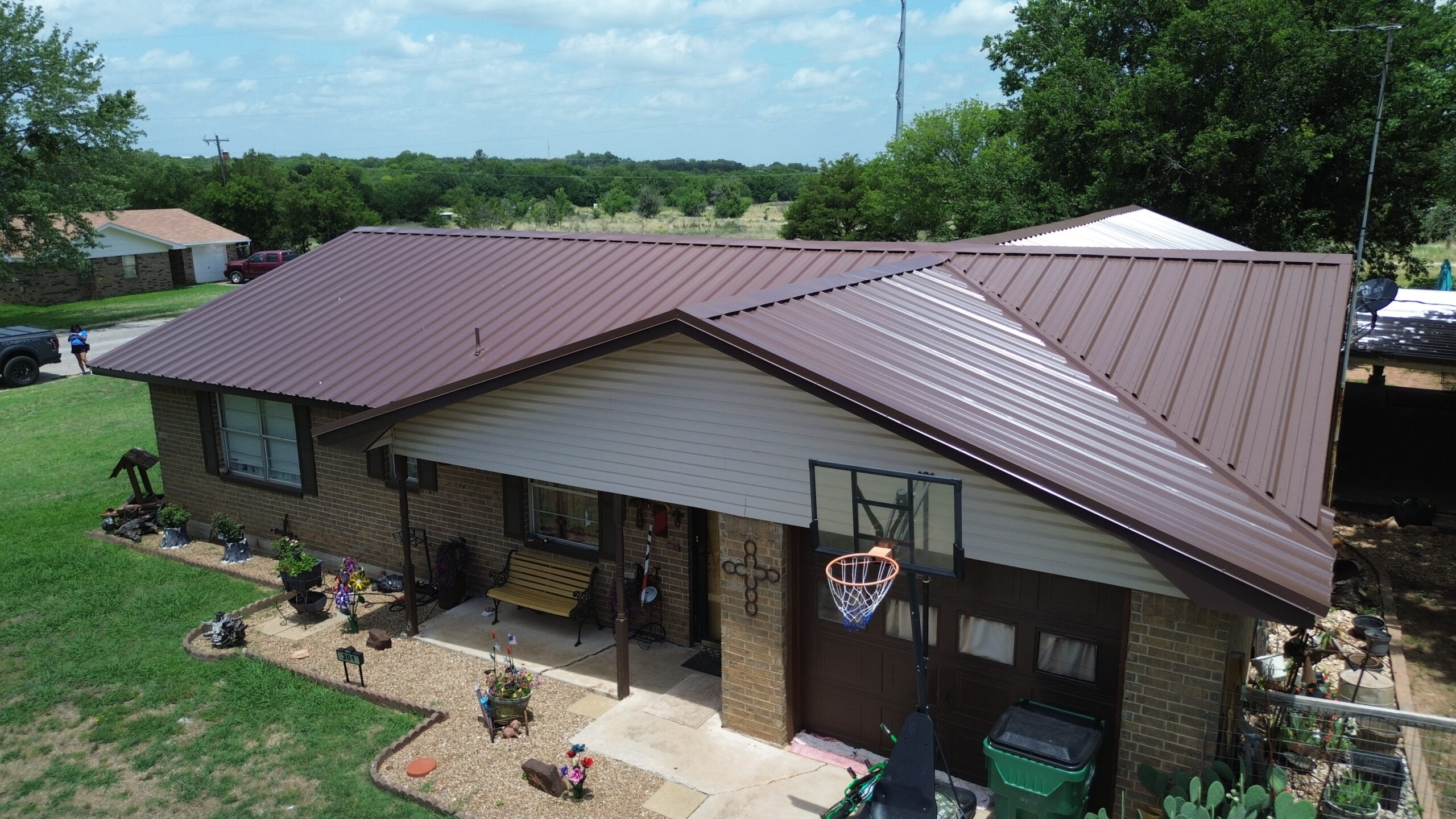
🛠️ Commercial Roof Repair Options and Solutions
Choosing the right commercial roof repair method depends on the type of roofing system, the location of the damage, and the overall condition of the roof. In Frisco, TX, commercial buildings may require anything from a small leak repair to more extensive restoration following hailstorms, wind damage, or prolonged moisture exposure. A professional assessment helps identify the underlying problem and determine the most practical solution for the property’s needs.
Leak Detection and Repair
Commercial roof leaks can originate from damaged membranes, deteriorated flashing, loose fasteners, failed seams, or openings around rooftop equipment. Because water can travel beneath roofing materials before entering the building, the location of an interior stain may not match the actual entry point. Contractors inspect the roof surface and vulnerable connections to determine where moisture is entering and what needs to be repaired.
Depending on the findings, the solution may involve patching the membrane, restoring a seam, replacing damaged flashing, or correcting a drainage issue. The contractor should also evaluate surrounding materials to check for hidden moisture or deterioration. Addressing the source of the leak rather than simply covering the visible damage helps reduce the likelihood of recurring problems.
Membrane Patching and Seam Restoration
TPO, EPDM, and PVC roofing systems can develop punctures, tears, or separated seams because of weather exposure, foot traffic, aging, or installation problems. When the surrounding membrane remains in suitable condition, a localized patch or seam repair may restore the roof’s ability to resist water intrusion. The repair materials and installation procedure must match the existing roofing system.
Before patching, the damaged area generally needs to be inspected and prepared according to the manufacturer’s requirements. A contractor may need to remove loose or deteriorated material, clean the surface, and install a compatible patch or restore the seam. If damage appears across multiple areas, a broader assessment can help determine whether isolated repairs will be sufficient.
Flashing and Roof Penetration Repairs
Commercial roofs contain numerous openings and transitions for ventilation systems, plumbing, electrical equipment, skylights, and rooftop mechanical units. These locations require effective flashing to prevent water from entering around the connections. Over time, flashing can become loose, corroded, cracked, or separated from the surrounding roofing material.
Repairing these areas may involve replacing damaged flashing, restoring compatible seals, or correcting an improperly installed connection. The contractor should examine the surrounding roof surface to ensure the repair integrates with the existing system. Careful attention to penetrations and transitions can help protect commercial buildings from leaks during heavy rainfall.
Drainage Improvements
Proper drainage is essential for commercial roofs, particularly flat and low-slope systems. Blocked drains, damaged drain components, poorly directed runoff, and low areas in the roof can contribute to persistent ponding water. If the problem continues, it may increase stress on roofing materials and expose existing weaknesses.
Depending on the cause, drainage repairs may include clearing debris, restoring drain connections, improving water flow, or correcting localized depressions where feasible. If ponding appears to result from structural movement or deflection, additional evaluation may be necessary before work proceeds. The goal is to address the underlying drainage issue rather than repeatedly treating the symptoms.
Metal Panel and Fastener Repairs
Metal commercial roofing may develop leaks when fasteners loosen, washers deteriorate, panel connections fail, or flashing becomes damaged. Weather-related movement can also place stress on joints and connections over time. A contractor can inspect the affected sections and determine whether the solution requires new fasteners, localized panel repairs, flashing replacement, or corrosion treatment.
Not every leak in a metal roof requires replacing an entire panel or roofing section. However, extensive corrosion, widespread connection failures, or repeated leaks may indicate that a larger area needs attention. The repair plan should consider the condition of the existing metal, the source of water entry, and the compatibility of replacement components.
Roof Coatings and Restoration
Roof coatings can be an option for certain commercial roofing systems when the existing roof remains structurally sound and is suitable for restoration. Depending on the product and roof condition, a coating may provide an additional protective surface, improve resistance to weather exposure, or help extend the service life of the system. Coatings are not appropriate for every roof and should not be used to conceal unresolved moisture or widespread deterioration.
Before recommending restoration, a contractor should inspect the existing membrane or roof surface, identify damaged sections, and determine whether the system can support the proposed treatment. Necessary repairs and preparation generally need to be completed before the coating is applied. A suitable restoration plan should also account for drainage, compatibility, application conditions, and the product’s maintenance requirements.
Partial Roof Replacement
When damage is too extensive for a simple patch but does not affect the entire roof, partial replacement may be worth considering. This approach involves removing and replacing a defined section of the roofing system while retaining areas that remain in acceptable condition. It may be appropriate when storm damage is concentrated in one area or when localized deterioration has affected specific roof sections.
Partial replacement requires careful planning to ensure the new materials connect properly with the existing roof. The contractor should evaluate the condition of the insulation, decking, seams, and surrounding materials before defining the replacement area. If damage is widespread or the roof has reached the end of its useful life, a complete replacement assessment may provide a better long-term perspective.
📋 What to Expect During Commercial Roof Repair
Understanding the commercial roof repair process helps property owners prepare their buildings, coordinate with tenants, and minimize disruption to daily operations. The exact process depends on the size of the roof, the type of repair, weather conditions, and the complexity of the building. However, most professional projects follow a series of steps designed to identify the problem, complete the necessary work, and verify the repair.
Initial Inspection and Damage Assessment
The process usually begins with an inspection of the roof and the affected areas. The contractor looks for visible damage, water entry points, deteriorated seams, flashing problems, drainage issues, and signs of moisture intrusion. Depending on the situation, the inspection may also include reviewing previous repair records and examining interior areas where leaks have appeared.
The purpose of this assessment is to establish the likely cause and extent of the problem. A leak may require a simple localized repair, but the contractor should investigate whether the surrounding materials have also been affected. If additional testing or access is needed, the contractor should explain why it may be necessary.
Written Estimate and Repair Recommendations
After evaluating the roof, the contractor should provide a written estimate that explains the proposed work and its expected cost. The estimate should identify the affected areas, materials, labor, and any additional services that may be required. If multiple repair options are available, the property owner should receive a clear explanation of their differences.
It is also useful to confirm whether the estimate includes cleanup, disposal of damaged materials, access equipment, and any required follow-up inspection. Property owners should ask how unexpected damage will be handled if it is discovered after work begins. Clear documentation helps prevent confusion about the agreed scope and makes it easier to compare proposals from different contractors.
Scheduling and Site Preparation
Once the repair is approved, the contractor coordinates a suitable work schedule. Some commercial repairs can be completed during regular business hours, while others may require evening, weekend, or phased scheduling to limit disruption. The building’s use, security requirements, rooftop equipment, and tenant activities can all influence the timing.
Before work begins, the property manager may need to notify employees, tenants, or maintenance personnel. Access routes should be established, and areas beneath the repair zone may need temporary protection if materials or debris could fall. The contractor should also explain any expected noise, temporary access restrictions, or interruptions to rooftop equipment.
Repair Work and Quality Checks
The repair team completes the approved work using materials and methods suitable for the existing roofing system. Depending on the project, this may involve patching a membrane, replacing flashing, restoring seams, repairing metal panels, or removing and replacing damaged insulation. If hidden problems are discovered, the contractor should communicate the findings and obtain approval for additional work when required by the agreement.
After completing the repair, the contractor should review the affected area and check that the work has been installed properly. The appropriate verification method depends on the roofing system and the type of repair performed. Property owners should request documentation of completed work, details about applicable warranties, and recommendations for any remaining maintenance concerns.
⚖️ Commercial Roof Repair Cost Comparison
Commercial roof repair prices vary according to the roofing material, damage severity, building layout, and work involved. A small repair on an accessible roof may require limited labor, while repairs involving specialized equipment, concealed moisture, or several damaged sections can cost significantly more. Comparing repair types helps property owners understand which factors may influence their budget.
| Repair Type | General Cost Estimate | Typical Scope |
|---|---|---|
| Minor leak repair | $250 to $750 | Sealing or repairing an isolated leak |
| Membrane patching | $300 to $1,000 | Repairing a localized puncture or tear |
| Flashing restoration | $300 to $1,200 | Repairing vulnerable roof transitions |
| Seam repair | $400 to $1,500 | Restoring separated or damaged seams |
| Storm damage repair | $500 to $2,500 | Addressing localized wind or hail damage |
| Drainage corrections | $500 to $3,000 | Resolving certain drainage problems |
| Insulation or deck repair | $750 to $4,000 | Replacing localized damaged materials |
| Extensive roof restoration | $3,000 to $15,000 or more | Repairing and restoring larger roof areas |
These figures are broad budgeting estimates, not guaranteed Frisco contractor prices. The final amount depends on the roof’s size and condition, the accessibility of the work area, material requirements, and whether additional damage is uncovered. Requesting a written inspection-based estimate is the most reliable way to understand the expected investment.
Understanding the Value of a Repair
The lowest estimate does not always provide the best value. A proposal that covers only a visible leak may leave the actual source of water intrusion unresolved, potentially leading to additional service calls and interior damage. Property owners should compare the scope of work, materials, repair methods, warranties, and exclusions rather than judging proposals on price alone.
A well-planned repair should address the identified problem and consider the condition of the surrounding roof. If the contractor recommends additional work, ask whether it is essential for completing the repair or whether it can be scheduled separately. This helps property owners prioritize urgent problems while planning for future maintenance expenses.
💵 Factors That Affect Commercial Roof Repair Costs
Several variables determine how much a commercial roofing project will cost. Even buildings with similar roof areas can have very different repair expenses because their materials, access conditions, damage patterns, and operational requirements may differ. Understanding these factors helps business owners prepare a realistic budget and ask more informed questions when reviewing estimates.
Roofing Material and Repair Complexity
Different roofing systems require different products, equipment, and installation techniques. Repairing a TPO membrane may involve heat-welding, while an EPDM repair may require compatible adhesives or repair tapes. Metal roofs may need replacement fasteners or panel components, and built-up roofing can involve several layers that require careful evaluation.
The complexity of the repair also affects labor costs. A simple surface patch may be relatively straightforward, while a repair involving multiple roof layers, deteriorated insulation, or difficult flashing connections can take considerably longer. Contractors should explain why the selected repair method is appropriate for the material and condition of the roof.
Roof Size and Extent of Damage
The size of the affected area is an important cost factor, but the entire roof area does not necessarily determine the price of a localized repair. A small leak may require limited work, whereas several separate leaks can involve additional inspection, preparation, and labor. If the damage extends beneath the visible surface, the repair area may need to be enlarged.
Widespread deterioration can also change the most practical approach. Rather than repeatedly patching separate areas, the property owner may benefit from an assessment of the overall roofing system. This makes it easier to compare localized repairs, broader restoration, and replacement where appropriate.
Accessibility and Building Height
Commercial roofs vary considerably in height, layout, and accessibility. Some buildings have convenient access points, while others require lifts, specialized equipment, additional fall protection, or carefully planned material handling. Rooftop air-conditioning units, solar installations, vents, and other equipment can also make it harder for repair crews to reach affected areas.
These conditions may increase labor time and equipment costs. Property owners should provide information about access restrictions and building operations before work is scheduled. Planning ahead can help contractors prepare appropriate equipment and reduce delays once the project begins.
Labor, Materials, and Scheduling
The repair estimate may reflect the availability and cost of suitable materials, the number of workers required, and the time needed to complete the work safely. Specialized materials may take longer to obtain, particularly when the existing roofing system uses a specific product or manufacturer. Emergency repairs may also cost more than planned maintenance because they can require urgent scheduling outside normal working hours.
Where practical, property owners can reduce scheduling pressure by addressing known problems before severe weather causes further damage. However, active leaks and significant storm damage should not be left unresolved simply to wait for a more convenient schedule. Discussing urgency and available options with the contractor helps establish an appropriate repair timeline.
Hidden Moisture and Structural Conditions
One of the most difficult cost variables is damage that cannot be fully assessed from the roof’s surface. Water may have affected insulation, decking, or other components beneath the membrane. If these materials remain wet or deteriorated, simply covering the area may leave the underlying problem unresolved.
When concealed damage is discovered, additional work may be necessary to restore the affected section properly. Property owners should ask how the contractor will document unexpected findings and obtain approval before proceeding with work outside the original scope. A clear process for handling additional repairs helps maintain control over the project budget.
Permits, Safety, and Project Requirements
Some commercial roofing projects may require permits, additional inspections, or compliance with specific building requirements, depending on the scope of work and applicable local rules. Work on taller buildings or complex industrial facilities may also require additional safety planning. These requirements can affect the schedule and overall project cost.
Property owners should confirm which approvals and safety arrangements apply to their project before work starts. A professional contractor can explain the expected requirements and identify any responsibilities that remain with the building owner or property manager. Including these considerations in the initial plan helps reduce the risk of unexpected delays.
🔄 Commercial Roof Repair vs. Roof Replacement
Deciding whether to repair or replace a commercial roof requires looking beyond the immediate leak or damaged area. A targeted repair may be the most economical choice when the roofing system is generally sound and the damage is limited. Replacement may deserve consideration when the roof has widespread deterioration, repeated leaks, extensive moisture damage, or repair needs that are becoming increasingly frequent.
When Commercial Roof Repair Makes Sense
Repair is often appropriate when the roof is still within its expected service life and most of the system remains in good condition. Isolated punctures, a damaged flashing connection, a limited seam failure, or localized storm damage may be corrected without removing the entire roof. Targeted repairs can help protect the building while allowing the owner to plan future maintenance costs.
Repair may also be preferable when the property owner needs to resolve a specific issue quickly without undertaking a larger construction project. However, the contractor should verify that the damage is genuinely localized and that the surrounding materials can continue to perform as intended. Repeatedly repairing the same area without addressing the underlying cause may create higher long-term costs.
When Replacement Should Be Considered
Replacement may be worth evaluating when the roof has reached the end of its useful life or when deterioration affects a large portion of the system. Widespread membrane failure, extensive moisture beneath the roof, recurring leaks in several locations, and significant damage to underlying components can make repeated repairs less practical. A replacement assessment can clarify whether restoring individual sections will provide sufficient long-term value.
The age of the roof alone does not automatically mean replacement is necessary. Its maintenance history, material condition, previous repairs, and exposure to severe weather should also be considered. A qualified contractor can explain the current condition, outline available options, and help the owner compare the likely costs and benefits of repair and replacement.
Comparing the Two Options
| Consideration | Commercial Roof Repair | Commercial Roof Replacement |
|---|---|---|
| Initial expense | Usually lower for localized damage | Generally higher |
| Project duration | Often shorter for minor repairs | Usually requires more planning and labor |
| Disruption to operations | May be limited to the affected area | May affect a larger portion of the property |
| Best suited for | Isolated damage and serviceable roofs | Widespread deterioration or end-of-life systems |
| Long-term outlook | Depends on overall roof condition | Can provide a renewed roofing system |
| Main consideration | Whether the underlying roof remains sound | Budget, building requirements, and long-term value |
A useful decision should account for both the immediate repair expense and the roof’s likely future needs. A less expensive patch may be reasonable if the system is sound, but it may offer limited value when widespread deterioration is already present. Reviewing a written condition assessment and comparing realistic alternatives helps commercial property owners make a more informed choice.
🏬 Special Considerations for Different Commercial Properties
Commercial buildings have different roofing requirements based on their use, equipment, occupancy, and operational schedules. A repair plan that works for a warehouse may not be appropriate for a restaurant or a multi-tenant office building. Understanding these differences helps contractors coordinate the work while protecting people, equipment, inventory, and business activities.
Warehouses and Industrial Facilities
Warehouses and industrial buildings often have large roof areas that can contain numerous seams, drains, skylights, and mechanical penetrations. Even a localized leak can affect stored products, machinery, electrical equipment, or inventory. Roof access may also need to be coordinated with loading operations, forklifts, and other activities.
Repair planning should prioritize vulnerable areas and account for the potential consequences of water entering the building. Where appropriate, the property manager may need to move inventory or protect sensitive equipment beneath the affected roof section. A maintenance plan that includes inspections, drainage checks, and prompt attention to leaks can help limit operational disruption.
Retail Stores and Shopping Centers
Retail properties need dependable roofs to protect merchandise, customers, employees, and interior finishes. A leak near a sales floor, stockroom, or electrical system can create safety concerns and interfere with normal business operations. Shopping centers may also have several tenants whose schedules and access requirements need to be considered.
Contractors should coordinate repair timing with property management and affected tenants where necessary. Depending on the location of the damage, work may be phased to reduce disruption or scheduled outside peak business hours. Clear communication about noise, access, and temporary precautions helps everyone prepare for the repair.
Restaurants and Food Service Buildings
Restaurants often have rooftop exhaust systems, ventilation equipment, plumbing penetrations, and other components that create additional roof maintenance needs. Grease-related exhaust systems and frequent rooftop servicing may also require careful inspection of nearby roofing materials. Leaks can affect kitchens, food storage areas, ceilings, and electrical equipment.
Repairs should account for the roofing system and the building’s operational requirements. The contractor may need to coordinate access around exhaust equipment and ensure that any work near ventilation components is handled appropriately. Resolving leaks quickly helps reduce the risk of interior damage and avoidable business interruptions.
Office Buildings and Multi-Tenant Properties
Office buildings may contain sensitive equipment, communication systems, meeting spaces, and occupied work areas beneath the roof. Water intrusion can damage ceilings, flooring, documents, and electrical components while disrupting employees and tenants. In multi-tenant properties, repair work may also require communication with several occupants.
Property managers should identify affected areas, arrange access, and notify tenants when repairs could create noise or temporary restrictions. Contractors can then plan the work around building operations where feasible. Keeping accurate records of inspections and completed repairs can also support budgeting and maintenance planning across the property.
🧰 Preventive Maintenance for Commercial Roofs
Preventive maintenance helps commercial property owners identify developing problems before they lead to more expensive repairs. A maintenance program does not eliminate every roofing issue, particularly when severe weather causes sudden damage, but it can improve the chances of finding deterioration early. Consistent inspections and timely repairs are especially useful for large buildings where small defects may otherwise go unnoticed.
Schedule Routine Roof Inspections
Commercial roofs should be inspected at intervals appropriate to their age, materials, condition, and exposure. Inspections are also advisable after significant storms or when building occupants report signs of water intrusion. A professional can evaluate seams, flashing, drains, roof edges, penetrations, and other vulnerable components.
Inspection records should document observed damage, recommended repairs, and completed work. Photographs can help property managers compare conditions over time and recognize recurring problems. Keeping these records also makes it easier to plan maintenance budgets and provide useful information to future contractors.
Keep Drains and Gutters Clear
Blocked drains and gutters can prevent water from leaving the roof efficiently. Leaves, dirt, packaging, and other debris may collect around drainage points, particularly after storms or during periods of increased outdoor activity. Persistent blockages can contribute to ponding and increase the risk of water reaching vulnerable roof connections.
Routine maintenance should include checking drainage areas and removing debris using safe, appropriate procedures. Property managers should also investigate recurring blockages or standing water rather than treating them as routine cleaning issues. If water continues to collect after drains are cleared, the roof may need a more detailed drainage assessment.
Address Small Problems Promptly
A small opening, loose fastener, or deteriorated seal can become a larger problem when exposed to repeated rainfall and wind. Delaying repairs may allow moisture to spread into insulation or interior materials, increasing the amount of work eventually required. Prompt attention can help prevent minor defects from becoming more disruptive roofing failures.
Property managers should establish a straightforward process for reporting leaks and visible damage. Employees and tenants should know whom to contact when they notice water stains, ceiling damage, or unusual moisture inside the building. Quick reporting helps the maintenance team arrange an inspection before the issue affects additional areas.
Maintain Rooftop Equipment and Access Areas
HVAC technicians, electricians, and other service providers may need to access commercial roofs regularly. Uncontrolled foot traffic, dropped tools, and poorly managed equipment work can damage membranes, coatings, or flashing. Clear access procedures can help reduce these risks.
Where suitable for the roofing system, designated walkways or protective measures may help prevent damage in frequently accessed areas. Contractors servicing rooftop equipment should also be made aware of the roof material and any restrictions on where they can walk or place tools. Coordinating maintenance activities helps protect both the roofing system and the equipment it supports.
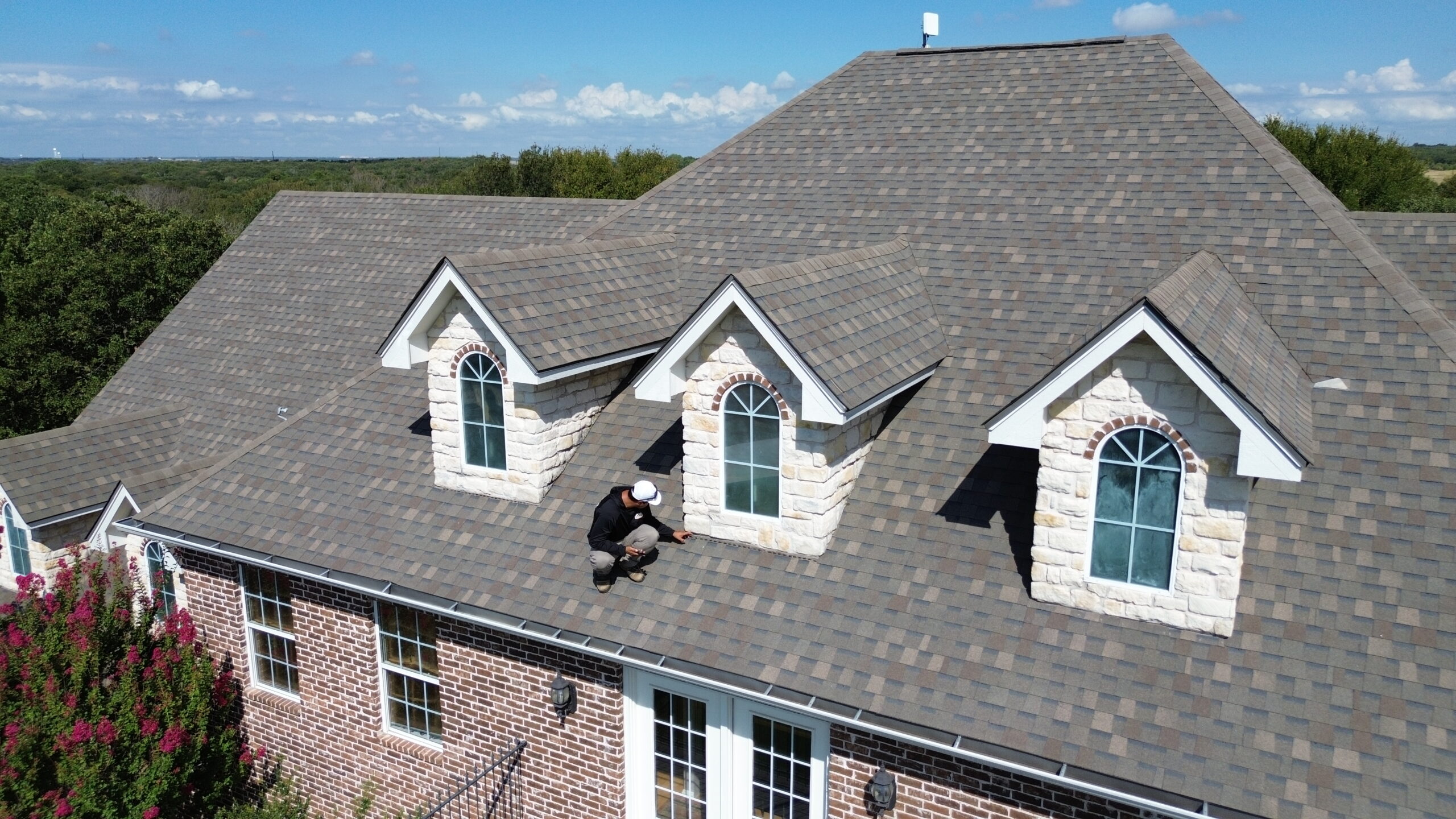
🛡️ Commercial Roof Repair and Insurance Claims
Commercial roof damage can create unexpected expenses for property owners, especially after hailstorms, strong winds, or severe thunderstorms in Frisco, TX. Depending on the policy, the cause of damage, and the applicable exclusions, commercial property insurance may cover certain roof repairs. However, coverage is not automatic, and owners should review their policy before assuming that the insurer will pay for the work.
When Commercial Roof Repairs May Be Covered
Some commercial property insurance policies cover qualifying roof damage caused by sudden events, such as certain wind or hail incidents. Coverage depends on the policy’s terms, deductibles, exclusions, roof age provisions, and other conditions. Damage caused by gradual deterioration, poor maintenance, or normal wear may be excluded.
Property owners should review the policy and contact their insurance representative when a potentially covered event occurs. The insurer can explain reporting requirements, deadlines, documentation needs, and applicable deductibles. Understanding these details early helps property managers decide how to proceed with inspections and repairs.
Documenting Roof Damage
Good documentation can make the claims process easier to manage. Property owners should record the date the damage was discovered, photograph visible damage from safe locations, and keep copies of relevant maintenance records. Invoices, previous inspection reports, and details about earlier repairs may also help establish the roof’s condition before the incident.
A professional roofing inspection can identify visible damage and provide a written assessment of the affected areas. If an insurance claim is being considered, the report may help the owner communicate the condition of the roof to the insurer. Any documentation should accurately describe the observed conditions without assuming that every defect resulted from the same storm.
Coordinating Repairs With the Insurance Process
When a roof is actively leaking, immediate steps may be necessary to protect the building and limit additional damage. Temporary protective measures should be taken safely and documented where possible, while the property owner follows the insurer’s reporting instructions. Emergency mitigation does not automatically mean that the resulting expenses will be covered, so owners should retain records and confirm applicable policy requirements.
Before approving extensive permanent repairs, property owners should clarify whether the insurer requires an inspection or other documentation. Contractors can help describe the roofing conditions and prepare estimates, but the insurer determines coverage under the policy. Keeping communication organized can reduce misunderstandings and help the project move forward more efficiently.
💡 How to Reduce Commercial Roof Repair Costs
Commercial roof repairs can place pressure on a maintenance budget, particularly when a problem is discovered unexpectedly. Although some costs are unavoidable, property owners can take practical steps to reduce the likelihood of expensive damage and make better decisions about the work required. The most effective approach combines preventive maintenance, prompt repairs, careful budgeting, and clear communication with the roofing contractor.
Invest in Preventive Maintenance
Regular inspections can help identify loose flashing, damaged seams, blocked drains, and deteriorating roof surfaces before these problems become more serious. Small repairs are often less disruptive than extensive work involving multiple roof sections or damaged insulation. A planned maintenance budget also makes it easier to schedule work before minor defects develop into urgent issues.
Property managers should maintain records of inspections, repair dates, materials used, and recommendations that still need attention. These records help identify recurring problems and provide a useful overview of the roof’s condition. A maintenance plan should be adjusted as the roofing system ages or the building’s operational needs change.
Address Leaks as Soon as Possible
Delaying a repair can allow water to move beneath roofing materials and damage insulation, decking, ceilings, or interior finishes. The longer moisture remains unresolved, the greater the possibility that the repair will involve more than the original leak. Prompt professional assessment can help determine whether the issue is localized or requires a broader investigation.
Property owners should not rely solely on interior patches or temporary sealants to resolve recurring roof leaks. Water may enter through a distant seam, flashing connection, or damaged roof penetration. Identifying the actual entry point helps avoid repeated service calls that treat visible symptoms without correcting the underlying problem.
Compare Detailed Written Estimates
Obtaining estimates from qualified commercial roofing contractors can help property owners understand the scope and cost of recommended repairs. Each estimate should describe the affected areas, materials, labor, preparation, cleanup, and any additional work that may be necessary. Comparing equivalent scopes makes it easier to identify meaningful differences between proposals.
The cheapest estimate may not represent the best overall value if it excludes important repairs or uses materials that are unsuitable for the existing roof. Owners should also ask about workmanship warranties, manufacturer requirements, payment terms, and how unexpected damage will be handled. A clear agreement helps prevent misunderstandings and supports better financial planning.
Prioritize Repairs According to Risk
Not every roofing issue has the same level of urgency. An active leak near electrical equipment or valuable inventory may require immediate attention, while a minor surface defect on an otherwise sound roof may be suitable for scheduled maintenance. Prioritizing problems according to safety, water intrusion, and potential property damage helps owners allocate their budgets responsibly.
A contractor can help categorize repairs by urgency and explain the risks of postponing particular items. This allows the property manager to distinguish essential work from improvements that may be planned for a later date. However, safety hazards and active leaks should not be delayed simply to reduce short-term expenses.
Avoid Unnecessary Repairs and Incompatible Materials
Commercial roofing systems require repair products that are compatible with the existing materials. Using an unsuitable sealant, patch, or coating may lead to adhesion problems, further deterioration, or complications with warranty requirements. The correct solution should address the actual damage while preserving the performance of the surrounding roof.
Property owners should ask contractors to explain why a particular repair method is recommended and whether the materials comply with the roofing system’s requirements. A documented scope of work can help prevent unnecessary additions or unsuitable substitutions. Choosing an appropriate repair the first time may reduce the likelihood of repeat expenses.
⏱️ How Long Does Commercial Roof Repair Take?
The time required to repair a commercial roof depends on the size of the affected area, the type of roofing system, weather conditions, material availability, and the extent of any hidden damage. Some minor repairs may be completed within a few hours, while more involved projects can take several days or longer. A reliable contractor should provide a realistic schedule after inspecting the roof and defining the required work.
Minor Repairs and Small Leaks
A straightforward repair involving a small puncture, isolated seam issue, or limited flashing defect may take only a few hours under suitable conditions. The actual time depends on how easily the damaged area can be accessed and whether additional preparation is necessary. The contractor may also need time to inspect the surrounding roof before completing the repair.
Even when the physical repair is brief, scheduling, safety preparation, and material selection can affect the overall turnaround. Property managers should ask whether the estimate refers to the time spent on-site or the full period from approval to completion. This distinction helps set appropriate expectations for business operations.
Moderate Repairs and Storm Damage
Repairs involving several damaged sections, multiple roof penetrations, drainage components, or localized insulation replacement may take one or more days. Storm-related projects can require additional inspections because damage may be spread across the roof rather than concentrated in one location. Material availability and the need to coordinate access may also affect the schedule.
If the contractor discovers concealed moisture or deteriorated decking, the original timeline may need to be revised. Property owners should receive an explanation of the additional work and its expected effect on the schedule. Written updates help keep building managers informed and allow them to coordinate any necessary precautions inside the property.
Extensive Repairs and Restoration
Large-scale commercial repairs or restoration projects can take several days to multiple weeks, depending on the roof area, work complexity, and site conditions. These projects may involve removing damaged materials, replacing insulation, restoring multiple roof sections, or applying a compatible protective coating. Work may also need to be divided into phases to protect the building and maintain access for occupants.
Weather is an important consideration because some roofing materials and coatings require suitable conditions for installation. Rain, strong winds, or other unfavorable conditions may delay work or require temporary protection. The contractor should explain how the schedule will be managed and what measures will be used to protect exposed areas if conditions change.
Minimizing Business Disruptions
Commercial roof repair can often be coordinated to reduce the impact on daily operations. Depending on the project, the contractor may be able to schedule noisy work outside peak business hours, complete repairs in phases, or coordinate around tenant activities. Warehouses, restaurants, medical facilities, and retail buildings may have specific access or operating requirements that need to be considered.
Before work begins, property owners should communicate any restrictions involving deliveries, customer access, sensitive equipment, or employee schedules. The contractor should explain which areas may be affected and whether temporary closures or protective measures are necessary. Planning these details in advance can help keep the project organized while maintaining a safe environment.
🔎 How to Choose a Commercial Roofing Contractor in Frisco, TX
Selecting the right contractor is an important part of protecting a commercial property’s roof and controlling repair expenses. Commercial roofing involves specialized materials, safety requirements, and installation methods that can differ from residential roofing work. Property owners should evaluate a contractor’s relevant experience, communication practices, proposed repair methods, and written documentation before approving a project.
Look for Commercial Roofing Experience
A contractor with commercial roofing experience should understand the systems commonly used on warehouses, retail centers, office buildings, and industrial facilities. Experience with the specific roof material is particularly valuable because TPO, EPDM, PVC, metal, and built-up roofing require different repair procedures. Ask whether the contractor has completed comparable projects and can explain the approach proposed for your building.
The contractor should also be able to discuss the likely cause of the damage and the options available. A recommendation should be based on the roof’s observed condition rather than a standard solution applied to every property. Clear explanations help owners understand the scope of work and make informed decisions.
Verify Insurance and Applicable Credentials
Before work begins, confirm that the contractor maintains appropriate business insurance and any licenses, registrations, or other credentials required for the project under applicable rules. Ask for documentation rather than relying only on verbal assurances. Property owners may also want to confirm whether subcontractors will be involved and how their work will be managed.
Commercial roofing projects can involve working at height, moving materials, and accessing occupied properties. Appropriate safety procedures and insurance protections are important considerations for the owner as well as the contractor. Taking time to verify these details helps reduce avoidable project risks.
Request a Detailed Written Proposal
A professional proposal should describe the damage, the proposed repair method, the materials to be used, and the areas included in the work. It should also explain the expected schedule, cleanup arrangements, payment terms, and any exclusions or conditions that could affect the final cost. If multiple options are available, the contractor should outline their advantages and limitations.
Property owners should ask questions about unclear items before signing an agreement. It is particularly important to understand how additional damage will be documented and approved if it is discovered during the repair. A detailed proposal creates a shared understanding of the work and helps prevent disputes.
Review Warranties and Communication Practices
Ask what warranty, if any, applies to the repair and whether it covers workmanship, materials, or both. Warranty terms can vary depending on the roofing system, the materials used, and the type of work performed. Property owners should obtain the applicable terms in writing and understand any maintenance or inspection requirements.
Communication is equally important, especially when repairs affect tenants, inventory, or business operations. A reliable contractor should explain the work clearly, provide updates when circumstances change, and respond to reasonable questions. Consistent communication helps property managers coordinate the project and maintain useful records for future roofing decisions.
Consider Long-Term Value, Not Just Price
A low initial estimate may be attractive, but the quality and suitability of the repair matter just as much as the price. A proposal that leaves the underlying cause unresolved may result in recurring leaks and additional expenses. Comparing the recommended scope, materials, warranty terms, and relevant experience provides a more complete picture of value.
Property owners should choose a contractor who can explain both the immediate repair and any longer-term concerns affecting the roof. The goal is not to purchase unnecessary work but to restore reliable protection and understand future maintenance needs. A balanced decision can help protect the building while keeping repair spending under control.
🏆 Why Choose Small Town Roofing & Construction?
Commercial property owners in Frisco, TX, need roofing support that takes the condition of the building, the cause of the damage, and the requirements of daily operations into account. Small Town Roofing & Construction can be considered when evaluating contractors for commercial roofing concerns, provided its current services, qualifications, and project availability meet the property’s needs. Before hiring any contractor, confirm the specific commercial roofing services offered and request a written estimate for the proposed work.
Repair Recommendations Based on the Roof’s Condition
A suitable commercial roofing plan begins with understanding the existing system and identifying the source of the problem. Rather than assuming that every leak requires the same solution, the contractor should assess the affected area, surrounding materials, drainage, and signs of moisture intrusion. This helps the property owner evaluate whether a localized repair, broader restoration, or additional assessment is appropriate.
Ask for a clear explanation of the findings and the reasons behind the recommended work. If more than one option is viable, request details about the cost, expected benefits, and limitations of each approach. This information helps you select a solution that matches the building’s condition and budget.
Clear Estimates and Practical Project Planning
Commercial roofing repairs should be supported by a written proposal that outlines the expected work, materials, costs, and schedule. Property owners should know what is included in the estimate and how unexpected damage will be addressed if it is uncovered during the project. Clear documentation makes it easier to coordinate with tenants, building managers, and other service providers.
Scheduling should also reflect the property’s operational needs. Depending on the project, the repair may need to be coordinated around deliveries, customer traffic, rooftop equipment maintenance, or occupied work areas. Discussing these requirements in advance helps establish realistic expectations and supports an organized repair process.
Focus on Roof Protection and Maintenance
Repairing the immediate damage is important, but property owners should also understand what caused the problem and whether similar issues could develop elsewhere. A thorough assessment may identify blocked drainage, deteriorated flashing, damaged seams, or other conditions that require attention. Addressing these issues appropriately can help reduce the likelihood of recurring leaks.
After the repair, ask for recommendations on inspection intervals, maintenance priorities, and any signs that should be monitored. Keep copies of the estimate, invoices, inspection findings, and applicable warranty information. These records can support future maintenance decisions and help manage the roofing system throughout its service life.
❓ Frequently Asked Questions About Commercial Roof Repair in Frisco, TX
How much does commercial roof repair cost in Frisco, TX?
Commercial roof repair in Frisco can cost a few hundred dollars for a minor issue or several thousand dollars for extensive damage. The final price depends on the roofing material, affected area, labor, accessibility, and whether hidden moisture damage is present. A professional inspection helps identify the work required and establish a more accurate estimate. Request a written proposal that clearly explains the repair scope and any additional costs that may arise.
What are the most common commercial roof problems in North Texas?
Common commercial roofing problems include leaks, damaged membrane seams, deteriorated flashing, loose metal fasteners, and drainage issues. Hail, strong winds, heavy rain, and prolonged summer heat can contribute to roof damage or accelerate the deterioration of vulnerable materials. Problems may also develop because of foot traffic, aging components, or insufficient maintenance. Routine inspections and prompt repairs help identify these issues before they cause more extensive damage.
Can a commercial roof be repaired without replacing the entire system?
Yes, many commercial roofs can be repaired without replacing the entire system when the damage is localized and the surrounding materials remain in suitable condition. Contractors may be able to patch a membrane, restore flashing, repair seams, or replace a damaged section of metal roofing. However, widespread deterioration, extensive moisture damage, or recurring leaks may indicate that a larger restoration or replacement assessment is needed. The best approach depends on the roof’s condition, maintenance history, and expected future performance.
How quickly should a commercial roof leak be repaired?
A commercial roof leak should be assessed as soon as possible, particularly when water threatens electrical equipment, inventory, ceilings, or occupied areas. Prompt action can help limit additional damage and reduce disruption to business operations. If permanent repairs cannot be completed immediately, safe temporary measures may be needed to protect the building. A qualified roofing contractor can investigate the source of the leak and recommend an appropriate repair plan.
Which commercial roofing system is best for Frisco weather?
There is no single roofing system that is best for every commercial building in Frisco. TPO, EPDM, PVC, modified bitumen, metal, and other systems have different advantages depending on the building design, budget, drainage requirements, and operational needs. Performance also depends on proper installation, material quality, maintenance, and resistance to the property’s specific weather exposure. A commercial roofing professional can compare suitable systems based on the building’s requirements and long-term plans.
How long does a commercial roof repair usually take?
A minor commercial roof repair may take only a few hours, while more involved repairs can require several days or longer. The timeline depends on the extent of damage, roof accessibility, material availability, weather, and whether concealed moisture or damaged insulation is discovered. Larger restoration projects may need to be completed in phases to protect the building and reduce operational disruption. Your contractor should provide a schedule after inspecting the roof and defining the repair scope.
Does commercial property insurance cover roof repairs?
Commercial property insurance may cover certain roof repairs when damage results from a covered event, such as qualifying wind or hail damage. Coverage depends on the policy wording, exclusions, deductibles, roof age provisions, and the circumstances surrounding the damage. Normal wear, neglected maintenance, and gradual deterioration may not be covered under many policies. Review your policy, document the damage, and contact your insurer to understand the applicable requirements before assuming that a repair will be reimbursed.
How often should a commercial roof be inspected?
Commercial roofs should be inspected according to their age, material, condition, maintenance history, and exposure to weather. Many property managers arrange professional inspections at least twice a year, with additional inspections after significant storms or when leaks appear. Regular checks can identify damaged flashing, blocked drains, deteriorating seams, and other developing issues. A contractor can recommend an inspection schedule appropriate for the specific roofing system and property.
When should a commercial roof be repaired instead of replaced?
Repair is often suitable when damage is limited and the remaining roofing system is in good condition. Examples include isolated punctures, localized flashing failures, or small areas of storm damage that have not affected the wider roof. Replacement may deserve consideration when deterioration is widespread, moisture damage is extensive, or recurring repairs are becoming increasingly costly. A professional condition assessment helps compare the immediate repair expense with the longer-term value of restoration or replacement.
How can I find a reliable commercial roofing contractor in Frisco?
Start by looking for contractors with relevant commercial roofing experience and familiarity with your building’s roofing system. Verify appropriate insurance and applicable credentials, request detailed written estimates, and ask about repair methods, warranties, and project scheduling. Compare the scope of work and materials rather than choosing solely on the lowest price. Before hiring Small Town Roofing & Construction or another provider, confirm its current commercial roofing services, qualifications, availability, and written project terms.
✅ Conclusion
Commercial roof repair in Frisco, TX, is an important part of protecting a business property from water intrusion, severe weather, and avoidable maintenance expenses. Understanding common roofing problems, available repair methods, and typical cost factors helps property owners recognize when professional attention is needed. While a localized repair may be sufficient for isolated damage, roofs with widespread deterioration or repeated leaks may require a more comprehensive evaluation.
The most effective way to manage commercial roofing costs is to combine regular inspections with timely repairs and careful contractor selection. Property owners should request clear written estimates, verify that recommended materials are compatible with the existing system, and maintain records of completed work. They should also review insurance requirements after storm damage and prioritize issues that threaten building safety, equipment, inventory, or business operations.
If your commercial property has a leak, damaged flashing, ponding water, or suspected storm damage, arranging a professional roof inspection is a sensible first step. Small Town Roofing & Construction is one provider you can evaluate for your roofing needs after confirming its commercial services and project availability. With an informed repair plan and consistent maintenance, you can make better decisions about your roof, manage costs more effectively, and help protect your commercial property for the years ahead.
Leave A Comment