

Does Homeowners Insurance Cover Roof Repair in Frisco, TX?
Introduction
A damaged roof can quickly become a major concern for homeowners in Frisco, TX, especially when severe weather, hailstorms, strong winds, or heavy rainfall affect the area. Even a small roof problem can lead to water leaks, damaged insulation, ceiling stains, and costly interior repairs if it is not addressed promptly. When unexpected roof damage occurs, one of the first questions homeowners ask is whether their homeowners insurance will cover the repair costs.
Homeowners insurance may help pay for roof repairs when the damage results from a covered event, such as a sudden hailstorm or windstorm. However, coverage is not automatic, and the outcome depends on the specific policy, the cause of the damage, applicable exclusions, the deductible, and the insurance company’s claim assessment. Damage caused by normal aging, neglect, or long-term deterioration is generally treated differently from sudden storm-related damage.
For homeowners in Frisco, understanding how roof insurance coverage works can make the repair process less stressful and help prevent unexpected expenses. Knowing what documentation to collect, when to contact your insurance company, and how to work with a qualified roofing contractor can help you make informed decisions after roof damage occurs. This guide explains how homeowners insurance may apply to roof repairs, which situations commonly qualify for coverage, and what steps you can take to protect your property.
Understanding Homeowners Insurance for Roof Repairs
Homeowners insurance is designed to provide financial protection against certain types of unexpected damage to your home. Depending on your policy, this protection may include damage to the roof caused by covered events such as hail, wind, fire, or falling objects. The roof is an important part of your home’s structure, so damage to it may be considered under the dwelling coverage section of your policy.
However, not every roofing problem qualifies for an insurance payment. Insurance companies generally evaluate how the damage happened, whether the event is covered, and whether any policy exclusions apply. A roof that develops a leak because of a sudden storm may receive a different assessment from one that leaks because its shingles have deteriorated over many years.
Before assuming that your insurance will pay for a repair, review your policy documents and understand the coverage limits, deductible, exclusions, and claim requirements. Some policies may also include special terms for roofs based on age, materials, or settlement methods. If the policy language is unclear, contact your insurance representative and ask for an explanation of the provisions that apply to roof damage.
What Does Roof Insurance Coverage Usually Include?
Coverage varies by policy, but homeowners insurance may help pay for repairs when a covered event causes physical damage to the roof. For example, if a strong windstorm tears off shingles or hail damages roofing materials, the policy may cover eligible repair expenses after the insurer evaluates the claim and applies the deductible. The insurer may also assess related interior damage if water entered the home because of a covered roof opening.
The amount paid depends on the terms of the policy and the insurer’s findings. Some policies settle covered damage based on replacement cost, while others may apply actual cash value, which accounts for depreciation. These differences can significantly affect the amount a homeowner receives, particularly when the roof is older.
Homeowners should also understand that insurance coverage does not necessarily mean every recommended repair or upgrade will be paid for. The insurer may approve only the work necessary to address covered damage, subject to policy conditions. Improvements unrelated to the covered event, routine maintenance, and upgrades selected by the homeowner may remain out-of-pocket expenses.
Replacement Cost Value vs. Actual Cash Value
Two terms that commonly affect roof insurance claims are replacement cost value and actual cash value. Replacement cost value generally refers to the reasonable cost of replacing covered damaged property with comparable materials, subject to the policy’s conditions and limits. Actual cash value typically considers depreciation, meaning the roof’s age and condition may reduce the amount payable.
For example, suppose a hailstorm damages an older roof and the approved replacement cost is $14,000. Under an actual cash value arrangement, the insurer may subtract depreciation before applying the deductible, which could leave the homeowner responsible for a larger share of the total cost. Under a replacement cost policy, the insurer may initially pay an amount based on the depreciated value and release eligible recoverable depreciation after the required work and documentation are completed.
These figures are only illustrative because policies, deductibles, depreciation calculations, and payment procedures vary. Homeowners should confirm whether their policy covers the roof on a replacement cost or actual cash value basis before making financial decisions. Understanding this distinction can help you estimate your potential expenses and avoid surprises during the claims process.
Common Types of Roof Damage Covered by Insurance
In Frisco, TX, roof damage can occur during hailstorms, strong winds, thunderstorms, and other severe weather events. Homeowners insurance may cover certain forms of sudden and accidental damage caused by these events, provided the policy includes the relevant protection and no exclusion applies. The insurer will generally review the evidence to determine whether the reported damage is consistent with a covered event.
Hail Damage
Hail can damage asphalt shingles, crack certain roofing materials, loosen protective granules, and affect roof vents or other exposed components. Depending on the size of the hailstones and the condition of the roof, the damage may be visible immediately or require a closer inspection to identify. If a covered hailstorm causes qualifying damage, your insurance policy may help pay for eligible repairs or replacement.
Not every mark on a roof proves that an insurance claim is justified. Existing wear, manufacturing issues, and damage from earlier events may complicate the assessment. A professional inspection can help document the roof’s condition and identify areas that may need further evaluation by the insurance adjuster.
Wind Damage
Strong winds can lift shingles, loosen flashing, damage ridge caps, or pull roofing materials away from vulnerable areas. When wind creates an opening in the roof, rainwater may enter the attic or living space and cause additional damage. If the event is covered under the policy, the insurer may consider the necessary roof repairs and eligible related damage.
After a windstorm, homeowners should check for visible signs of damage from the ground without climbing onto the roof. Missing shingles, roofing debris, displaced gutters, and water stains may indicate that a professional assessment is needed. Prompt documentation can help establish when the damage occurred and support a clearer insurance review.
Damage From Falling Trees or Objects
A tree branch, fallen tree, or other object can strike the roof during a storm and damage shingles, decking, vents, or structural components. Depending on the policy and circumstances, sudden impact damage may qualify for coverage. The insurer will assess the cause of the incident, the extent of the damage, and any relevant exclusions before determining payment.
If a tree or heavy object has damaged your roof, prioritize safety and stay away from unstable structures or downed electrical lines. Take photographs from a safe location and contact the appropriate professionals to address immediate hazards. Temporary protection may be necessary to prevent further water intrusion while the claim is being reviewed.
Fire and Other Covered Events
Fire can cause severe roof damage, even when the flames do not directly reach every roofing component. Smoke, heat, and emergency response activities may also affect parts of the roof or surrounding structure. Depending on the policy terms, covered fire damage may qualify for repair or replacement benefits.
Other events may receive different treatment depending on the circumstances and policy wording. For example, damage from a sudden accidental event may be evaluated differently from damage caused by gradual deterioration or a maintenance problem. Homeowners should report the incident accurately and allow the insurer to determine how the applicable coverage provisions affect the claim.
Roof Problems That Homeowners Insurance May Not Cover
Although homeowners insurance can provide important protection, it is not intended to pay for every roofing expense. Many policies exclude problems caused by routine aging, gradual deterioration, poor maintenance, or defects that develop over time. Understanding these limitations can help homeowners in Frisco avoid filing claims that are unlikely to qualify and focus on the most appropriate repair options.
Normal Wear and Tear
Roofing materials naturally deteriorate as they age. Shingles may lose granules, sealant can weaken, flashing may become worn, and repeated exposure to sunlight and changing temperatures can reduce a roof’s effectiveness. Repairs needed solely because of normal aging are generally considered maintenance expenses rather than covered storm damage.
An older roof can still experience covered damage from a sudden event, but the insurer may examine its previous condition when evaluating the claim. If the evidence indicates that a leak began because materials had deteriorated before a storm, coverage may be limited or denied. Regular inspections and timely maintenance can help identify aging components before they lead to more expensive problems.
Poor Maintenance and Neglected Repairs
Small roof issues can become serious when homeowners delay necessary maintenance. Loose shingles, cracked flashing, damaged sealant, and blocked drainage areas may allow water to enter the home over time. If the resulting damage is attributed to neglect or a failure to maintain the property, insurance may not cover the associated repair costs.
This does not mean every leak involving an older or poorly maintained roof will automatically be excluded. The insurer must assess the facts and apply the actual policy wording to the reported damage. Keeping maintenance records, arranging periodic inspections, and addressing minor problems promptly can help demonstrate that reasonable care has been taken.
Installation Defects and Faulty Workmanship
Roofing problems can sometimes result from improper installation, unsuitable materials, or defective workmanship. Examples include incorrectly installed flashing, poorly secured shingles, and improperly sealed roof penetrations. These problems may be the responsibility of the installer, manufacturer, or another party, depending on the circumstances and any applicable warranty.
Homeowners insurance generally does not function as a warranty for poor construction or faulty workmanship. However, a resulting loss may receive separate consideration if the policy provides coverage for that type of damage and the relevant conditions are satisfied. Homeowners should review their policy and any contractor warranties to understand which options may apply.
Flooding and Certain Water-Related Damage
Water damage can be complicated because coverage often depends on how the water entered the property. Rain entering through a roof opening created by a covered storm may be treated differently from water entering because of long-term leakage, groundwater, or flooding. Standard homeowners policies often exclude flood damage, which may require separate flood insurance depending on the situation.
If water appears inside your home after severe weather, document the affected areas and identify the likely source without putting yourself at risk. Avoid assuming that every water-related repair will be covered simply because the damage occurred during a storm. Your insurance company can explain which policy provisions apply once the cause and extent of the damage have been evaluated.
Why the Cause of Damage Matters
The distinction between sudden damage and gradual deterioration is often central to a roof insurance claim. Two roofs may show similar symptoms, such as missing shingles or water stains, but the causes may be different. One may have been damaged by a recent storm, while the other may have developed problems through years of exposure and inadequate maintenance.
Accurate documentation can help clarify what happened and when. Photographs, inspection findings, maintenance records, and the date of the reported weather event may all help the insurer evaluate the claim. A qualified roofing professional can explain the observed condition, but the insurance company determines coverage under the policy.
Roof Repair Insurance Coverage at a Glance
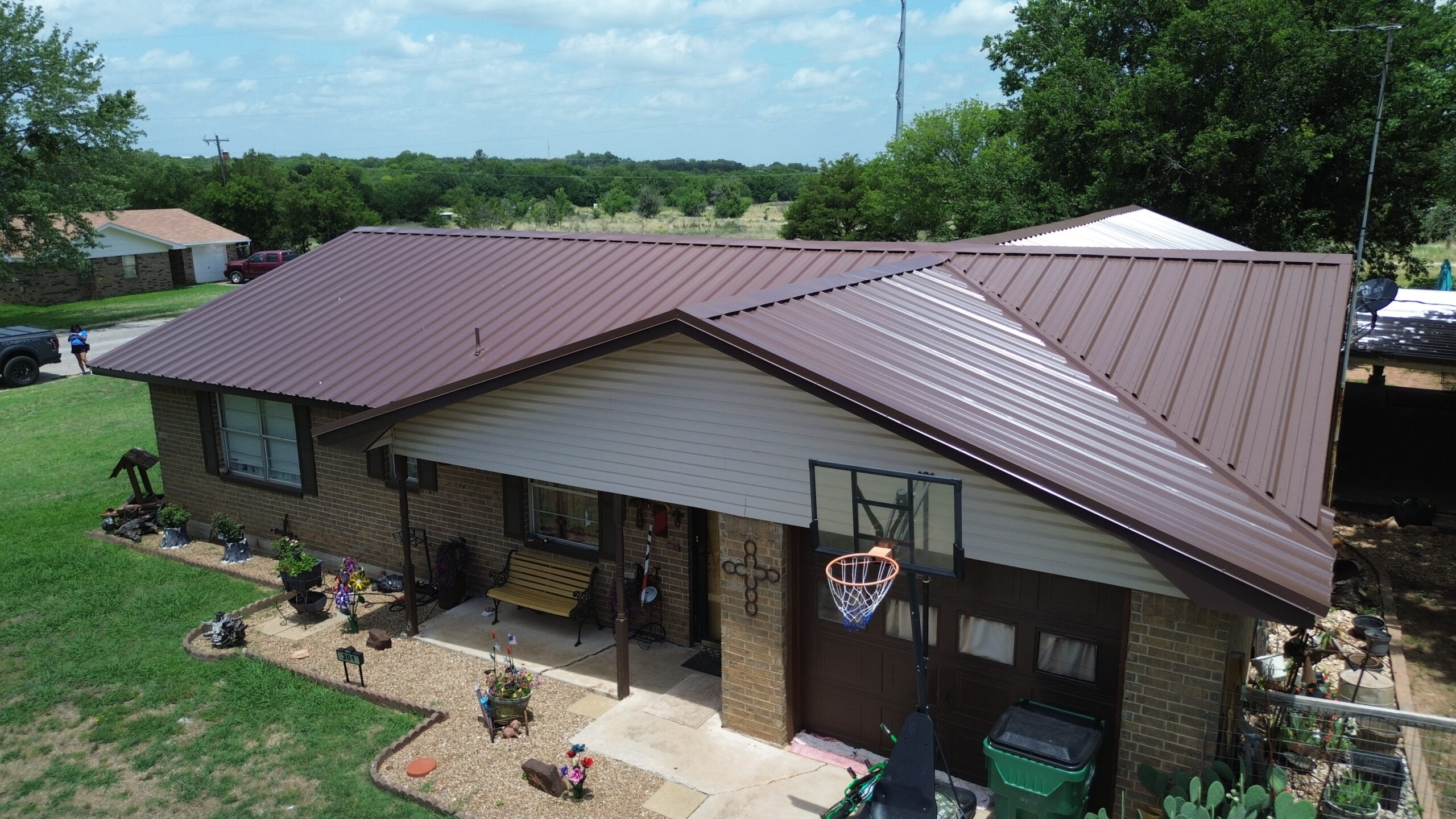
Homeowners in Frisco, TX, can benefit from understanding how different roof problems may be handled under a typical homeowners insurance policy. Although sudden damage caused by covered events may qualify for payment, issues related to aging, maintenance, and faulty installation are often treated differently. The table below provides a general overview of common situations, but your actual coverage depends on your policy terms and the insurer’s assessment.
| Roof Damage or Problem | Potential Insurance Coverage | Important Consideration |
|---|---|---|
| Hail damage | May be covered | The insurer evaluates the damage, policy exclusions, and deductible. |
| Wind damage | May be covered | Evidence should connect the damage to a covered wind event. |
| Damage from a fallen tree | May be covered | Coverage depends on the cause and applicable policy terms. |
| Fire damage | Often covered under standard policies | Limits, exclusions, and claim conditions still apply. |
| Sudden roof opening followed by rain intrusion | May be covered | The cause of the opening and resulting water damage matter. |
| Roof deterioration due to age | Generally not covered | Normal wear and tear is commonly excluded. |
| Damage from neglected maintenance | Often excluded | The insurer may examine whether the problem developed gradually. |
| Faulty installation or defective workmanship | Generally not covered as a repair expense | A contractor warranty or other remedy may be relevant. |
| Flood-related water damage | Often excluded under standard homeowners insurance | Separate flood insurance may be necessary. |
| Cosmetic damage without functional impact | Depends on the policy | Some policies contain specific cosmetic damage exclusions or limitations. |
This comparison is a starting point rather than a guarantee of coverage. Before arranging major repairs or expecting reimbursement, review your policy and ask your insurance company how the relevant provisions apply to your situation.
How Frisco Weather Affects Roof Insurance Claims
Frisco experiences weather conditions that can put residential roofs under considerable stress. Hail, strong winds, thunderstorms, intense summer heat, and heavy rainfall can affect shingles, flashing, gutters, and other roofing components. Understanding these local weather risks can help homeowners recognize potential damage and respond appropriately after a storm.
Hailstorms and Roof Damage
Hail can strike roofing materials with enough force to damage shingles, dent metal components, and affect roof accessories. The severity depends on factors such as hailstone size, wind conditions, roofing material, and the roof’s existing condition. Damage may not always be obvious from the ground, so a professional inspection can help identify areas that need closer attention.
If a hailstorm recently passed through your neighborhood, record the date and take photographs of any visible property damage from a safe location. Check for damaged screens, dented gutters, or other signs of impact that may help establish the storm’s effects on your property. Avoid climbing onto the roof because loose materials and hidden damage can make the surface unsafe.
Strong Winds and Severe Thunderstorms
Thunderstorms can produce powerful wind gusts that loosen shingles, damage ridge caps, and expose vulnerable areas around roof edges. Wind-driven rain may then enter through damaged sections and affect ceilings, insulation, walls, and personal belongings. When a covered storm causes the damage, homeowners insurance may help pay for eligible repairs under the policy’s terms.
After severe weather, inspect your property from the ground and look for missing roofing materials or debris. If you notice a leak or an opening in the roof, arrange for professional assistance to reduce the risk of additional damage. Keep records of the incident, including photographs and any temporary measures taken to protect your home.
Heat, Sunlight, and Roof Aging
North Texas summers can expose roofs to prolonged heat and strong sunlight. Over time, these conditions can contribute to material deterioration, weakened sealants, and changes in the condition of shingles and other roofing components. Problems that develop gradually from weather exposure and aging are generally treated differently from sudden damage caused by a covered storm.
Regular roof maintenance is particularly important when a home has an older roofing system. An inspection can identify deteriorating materials, damaged flashing, and other concerns before they lead to leaks. Although maintenance may not prevent every weather-related problem, it can help homeowners address predictable issues before they become more expensive.
Heavy Rain and Water Intrusion
Heavy rainfall can reveal existing weaknesses in a roof, especially around valleys, vents, skylights, chimneys, and flashing. Water stains on ceilings, damp attic insulation, and peeling paint may indicate that moisture is entering the home. The presence of a leak alone does not establish whether the resulting damage is covered by insurance.
The key question is often why the water entered the property. If a covered storm damaged the roof and allowed rainwater inside, the insurer may consider eligible repairs and related damage. If the leak developed because of long-term deterioration or neglected maintenance, coverage may be restricted under the policy.
Signs Your Roof May Qualify for an Insurance Claim
After a storm, homeowners may be unsure whether the roof damage is serious enough to report to their insurance company. Certain warning signs can indicate that a professional inspection and possible claim review are appropriate. However, visible damage does not automatically mean a claim will be approved, so the cause and extent of the problem should be documented carefully.
Missing, Lifted, or Broken Shingles
Shingles that are missing, cracked, lifted, or displaced may indicate wind damage or another roofing problem. These areas can expose the underlying roof structure to rain and increase the likelihood of leaks. If the condition appeared after a recent storm, document what you can see and arrange a professional inspection.
Do not attempt to walk across the roof to check individual shingles. A roofing contractor can inspect the affected areas safely and explain whether the damage appears consistent with a recent weather event. The insurer will make its coverage decision after reviewing the available evidence and policy terms.
Dents or Impact Marks on Roofing Components
Hail may leave visible dents on metal vents, flashing, gutters, and other exposed components. Shingle damage can be less obvious and may require a trained professional to assess. If you suspect hail damage, record the date of the storm and photograph visible impact marks from a safe position.
Avoid treating every dent or mark as proof of an insurance-covered loss. Existing damage, ordinary deterioration, and cosmetic issues may be considered differently depending on the policy. A thorough inspection can help identify the actual condition of the roof and provide useful documentation for the claim review.
Water Stains and Interior Leaks
Brown ceiling stains, peeling paint, damp drywall, or water collecting in the attic can indicate that moisture has entered the home. These signs should be addressed quickly because prolonged moisture can damage building materials and encourage mold growth. Even if the cause is uncertain, prompt attention can help reduce further property damage.
Take photographs of the affected rooms and record when the problem first appeared. If water is actively entering the home, contact a qualified professional to arrange safe temporary protection and necessary repairs. Notify your insurer when appropriate, particularly if you suspect the leak resulted from a covered event.
Damaged Gutters, Flashing, or Roof Edges
Roofing systems depend on properly installed flashing, functioning drainage components, and secure roof edges. Storms can loosen these elements or damage the surrounding roofing materials, creating entry points for water. Visible problems with gutters or flashing may therefore justify a closer inspection of the roof.
Keep photographs and inspection records that show the condition of the affected areas. If the damage appeared immediately after severe weather, include that timing when describing the incident to your insurer. A professional can help document the physical condition, while the insurer evaluates whether the damage qualifies under the policy.
How to File a Roof Repair Insurance Claim in Frisco, TX
Filing a roof insurance claim can feel overwhelming, particularly when a storm has damaged your property and you are worried about repair costs. Following a clear process can help you organize the evidence, understand your responsibilities, and communicate effectively with your insurance company. The exact steps and deadlines may vary by policy, so review your documents and ask your insurer what is required.
Step 1: Check Your Property for Visible Damage
After the storm has passed and it is safe to go outside, look for signs of roof or exterior damage from the ground. Missing shingles, damaged gutters, fallen branches, and water stains may indicate that further inspection is necessary. Do not climb onto the roof or enter an unsafe attic to investigate the damage yourself.
Make a note of the date and approximate time the damage occurred, if known. Photograph visible damage from several safe angles and save any relevant weather information you can access. These records may help you explain the circumstances when you contact your insurance company.
Step 2: Take Reasonable Steps to Prevent Further Damage
If water is entering your home, take reasonable steps to protect the property and belongings without putting yourself at risk. You may need a professional to install a temporary tarp, secure an exposed area, or address another immediate hazard. Keep receipts for reasonable emergency measures and document the condition before and after the work whenever it is safe to do so.
Many policies require homeowners to take reasonable steps to prevent additional damage after a loss. However, emergency measures should not involve unsafe roof access or extensive permanent repairs before the insurer has had a reasonable opportunity to assess the damage. Ask your insurance company how to proceed if immediate work is necessary.
Step 3: Review Your Policy and Deductible
Before deciding whether to submit a claim, review your policy’s roof coverage, deductible, exclusions, and claim requirements. Your deductible is the amount you generally pay toward a covered loss before the insurer contributes, subject to the policy terms. Some policies use a separate deductible for certain weather-related events, so do not assume every claim has the same deductible.
Consider the estimated repair cost in relation to the deductible and the potential insurance payment. For example, if approved repairs cost $4,000 and your applicable deductible is $2,000, the insurer’s potential payment may be approximately $2,000, assuming the entire amount is eligible and no other limits apply. This is an illustration only, and your actual payment may differ.
Step 4: Contact Your Insurance Company
If you believe a covered event caused the damage, contact your insurer or insurance agent to understand the claim process. Provide a clear description of what happened, when you noticed the damage, and which areas of the property appear affected. Ask about documentation requirements, inspection arrangements, deadlines, and whether temporary repairs need prior approval.
Keep a record of your conversations, including dates, names, claim numbers, and any instructions you receive. Submit the requested photographs, receipts, inspection reports, and other relevant information in an organized manner. Accurate and consistent communication can help prevent confusion as the claim moves forward.
Step 5: Arrange a Professional Roof Inspection
A qualified roofing contractor can inspect the roof, identify visible damage, and prepare an estimate for the work that may be needed. Choose a contractor with appropriate experience, insurance, and knowledge of residential roofing systems in the Frisco area. Ask for written findings and photographs that explain the observed condition rather than relying only on a verbal estimate.
A contractor’s assessment can support your understanding of the roof’s condition, but it does not guarantee insurance approval. The insurance company may conduct its own inspection and determine which repairs qualify under the policy. Keep the contractor’s report available so you can share it if requested.
Step 6: Meet With the Insurance Adjuster
The insurance company may assign an adjuster to inspect the damage and evaluate the claim. The adjuster may review the roof, inspect affected interior areas, photograph damage, and ask questions about the timing and circumstances of the incident. If possible, arrange for your roofing contractor to be available during the inspection so any observed concerns can be explained.
Be truthful when describing what happened and avoid presenting old damage as if it resulted from a recent storm. Ask questions if you do not understand the adjuster’s observations or proposed scope of work. After the inspection, review the insurer’s written estimate and ask for clarification about any items you believe have been overlooked.
Step 7: Review the Claim Decision and Payment
Once the insurer evaluates the evidence, it will communicate its decision and explain the payment or denial under the applicable policy terms. If the claim is approved, review the covered repair scope, deductible, depreciation, payment schedule, and any documentation needed for additional payments. Do not assume the first payment will necessarily cover the entire project cost.
If you disagree with the assessment, ask the insurer to explain its findings and provide the supporting policy language. You may submit additional photographs, inspection findings, or contractor estimates for consideration. Keep copies of all documents and follow the insurer’s stated process for requesting a review or disputing a decision.
Roof Repair Costs, Deductibles, and Insurance Payments
Roof repair costs in Frisco vary according to the roofing material, the location and severity of the damage, the accessibility of the roof, and the amount of labor required. A minor repair may cost substantially less than replacing large sections of roofing or addressing damage to the underlying decking. Insurance may help with eligible expenses when the cause is covered, but homeowners should understand their likely out-of-pocket costs before committing to major work.
Understanding Your Insurance Deductible
Your deductible is the amount you are generally responsible for paying toward a covered claim. If the approved cost of repairs is close to or below the deductible, an insurance payment may be small or unavailable. For larger covered losses, the insurer may pay the eligible amount above the deductible, subject to policy limits, depreciation, exclusions, and other conditions.
For example, assume a covered roof repair is approved for $7,500 and the applicable deductible is $2,500. If the full approved amount is eligible for payment and no other adjustments apply, the potential insurer contribution would be $5,000. This example is simplified and does not represent a guaranteed payment or a typical deductible for every Frisco homeowner.
Factors That Affect Roof Repair Expenses
The total cost of repairing a roof depends on more than the number of damaged shingles. Contractors may need to replace flashing, repair underlayment, address damaged decking, or correct related issues to restore the roof properly. Material availability, roof pitch, access restrictions, and the need for emergency protection can also influence the final estimate.
Homeowners should request a written estimate that clearly describes the proposed work and materials. If insurance is involved, compare the contractor’s scope with the insurer’s estimate and ask questions about differences before authorizing substantial work. Any additional items should be documented and submitted to the insurer for review when appropriate.
Depreciation and Supplemental Payments
Some policies account for depreciation when calculating an initial payment for covered roof damage. Under certain replacement cost policies, the insurer may release recoverable depreciation after the homeowner completes the approved repairs and submits the required documentation. The exact process depends on the policy and the insurer’s claim procedures.
If your initial payment appears lower than expected, check whether depreciation, the deductible, or excluded items explain the difference. Ask the claims representative to identify any outstanding requirements before assuming the claim is complete. Keep invoices, proof of payment, photographs, and completion records so you can provide them if further payment is available under your policy.
Avoiding Unexpected Expenses
Before signing a roofing contract, make sure you understand the total project price, payment schedule, warranty terms, and the work included in the estimate. Do not rely on verbal promises that insurance will cover every expense. The insurer’s written decision and your signed agreement are important documents for understanding your respective financial responsibilities.
Be cautious of contractors who guarantee claim approval, pressure you to sign immediately, or suggest exaggerating the damage. A reliable contractor should explain the work honestly and allow you time to review the details. If you are uncertain about coverage, ask your insurer for clarification before making financial commitments based on an expected payment.
Roof Repair vs. Roof Replacement After Storm Damage
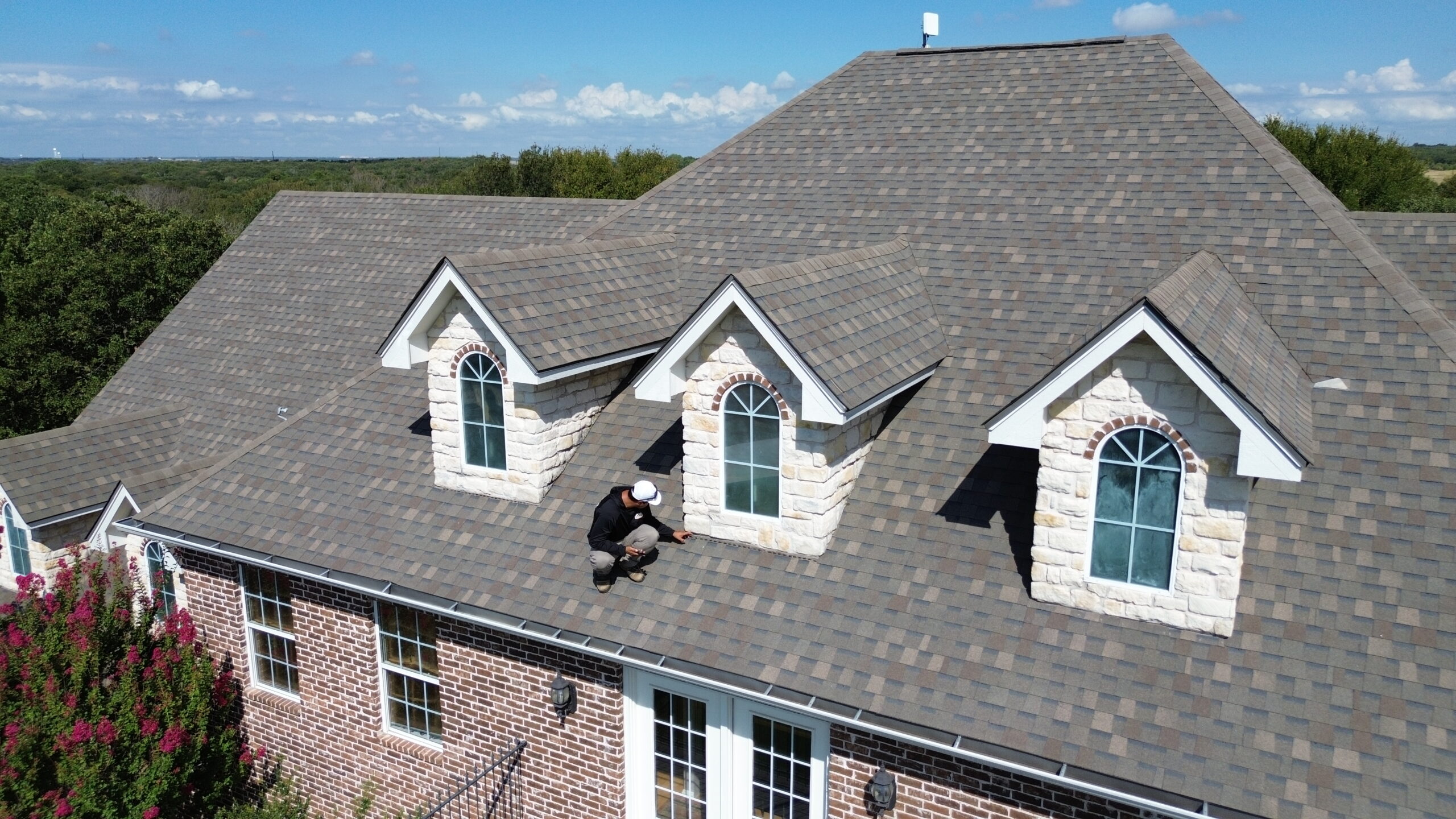
After a severe storm in Frisco, TX, homeowners may wonder whether their roof needs a repair or a complete replacement. The right solution depends on the extent of the damage, the roof’s age, the condition of the underlying structure, and the roofing materials involved. Insurance coverage also plays an important role because the insurer generally evaluates which work is necessary to address the covered damage under the policy.
When Roof Repair May Be Enough
Roof repair may be appropriate when damage is limited to a small section of the roof and the surrounding materials remain in good condition. Examples include a few missing shingles, localized flashing damage, or a minor opening caused by a storm. Targeted repairs can help restore protection without the expense of replacing the entire roofing system.
A professional inspection can determine whether the affected area can be repaired safely and effectively. If the roof is already deteriorating in several places, however, a small repair may not address the larger problem. Discuss the available options with your contractor and ask the insurer whether the proposed work falls within the approved claim.
When Roof Replacement May Be Necessary
A roof replacement may be appropriate when storm damage affects a large portion of the roof, compromises important components, or makes localized repairs impractical. Extensive hail damage, widespread wind damage, and significant structural problems may require a more comprehensive solution. The contractor should explain the condition of the roof and provide documentation supporting the recommended work.
An insurance company does not automatically approve a full replacement simply because a roof has been damaged. The decision depends on the policy, the covered cause of loss, the extent of qualifying damage, and the insurer’s assessment of the necessary repairs. Review the written claim estimate carefully and request clarification if the approved scope appears inconsistent with the documented damage.
Comparing Repair and Replacement Options
| Factor | Roof Repair | Roof Replacement |
|---|---|---|
| Extent of damage | Usually suitable for localized problems | May be appropriate for widespread or severe damage |
| Typical project cost | Generally lower | Generally higher |
| Project duration | Often shorter | Usually requires more time |
| Existing roof condition | More suitable when surrounding materials remain sound | May be considered when the roof is extensively damaged or deteriorated |
| Insurance consideration | Depends on covered damage and policy terms | Requires support for the replacement scope under the policy |
| Long-term planning | Addresses specific damaged areas | Provides a new roofing system when replacement is warranted |
The least expensive option is not always the most appropriate one. A professional assessment can help you understand the condition of the roof, while your insurer determines what it will pay for under the policy. Make sure the final decision considers safety, durability, documented damage, and your financial responsibilities.
What to Do If Your Roof Has an Active Leak
An active roof leak requires prompt attention because water can damage insulation, drywall, flooring, electrical components, and personal belongings. Even a small leak may become more serious if rain continues or moisture remains trapped inside the structure. Homeowners should focus first on safety and limiting further damage while arranging professional assistance.
Protect People and Belongings
If water is dripping into a room, move furniture, electronics, and valuables away from the affected area when it is safe to do so. Place a container under the leak if practical and avoid standing water near electrical outlets, light fixtures, or electrical equipment. If you suspect an electrical hazard, stay away from the affected area and contact a qualified professional.
Do not climb onto a wet roof or attempt repairs during a storm. Slippery surfaces, unstable materials, and strong winds can create serious risks. If part of the ceiling is bulging or sagging, keep people away from the area and seek professional help.
Document the Damage
Take photographs and videos of the leak, water stains, damaged belongings, and any visible roof damage that can be observed safely. Record when the leak began and whether it followed a particular weather event. Keep receipts for emergency supplies, temporary protection, and other reasonable expenses related to preventing additional damage.
Documentation can help you explain the situation to your insurer and track how the problem develops. Avoid removing damaged materials before photographing them, unless immediate action is necessary for safety or to prevent further loss. Keep any removed materials or repair records if they may help establish the cause of the damage.
Arrange Temporary Protection and Professional Repairs
A qualified roofing contractor can assess the source of the leak and recommend safe temporary measures. Depending on the circumstances, this may involve securing an exposed section, installing temporary protection, or making an urgent repair. Contact your insurer promptly to ask about documentation and any requirements that apply before permanent repairs begin.
If the leak appears connected to a covered event, explain the circumstances to your insurance company and follow its claim instructions. Keep copies of estimates, invoices, inspection reports, and photographs. Temporary protection may help reduce further damage, but permanent repairs should address the underlying problem rather than only the visible interior symptoms.
How to Avoid Roof Insurance Claim Problems
A roof insurance claim can become complicated when the cause of damage is unclear, documentation is incomplete, or repair work begins without a clear understanding of the policy requirements. Homeowners in Frisco can reduce confusion by keeping accurate records and communicating carefully with both the insurer and the roofing contractor. Although no process guarantees claim approval, good preparation can make it easier to address questions and resolve disagreements.
Report Damage Promptly
Review your policy for claim reporting deadlines and notify your insurer as soon as reasonably possible after discovering suspected covered damage. Delays may make it harder to establish when the damage occurred or allow additional deterioration to develop. If you need time to gather documents, ask the insurer which information is required initially and what can be submitted later.
Describe the damage accurately and avoid guessing about its cause. If you are unsure whether a problem resulted from hail, wind, or an older roofing issue, explain what you observed and when you noticed it. Let the insurer evaluate the available evidence rather than making unsupported statements.
Keep Organized Records
Save photographs, inspection reports, repair estimates, invoices, maintenance records, and correspondence related to the claim. A simple record of dates, conversations, and decisions can help you track the process and respond to requests. These documents may also be useful if the insurer asks for additional information or you need to challenge part of an assessment.
Keep copies of the original policy and any relevant endorsements. If your insurer issues a written estimate or coverage decision, compare it with the documents you already have and note any questions. Organized records make it easier to identify missing items and understand how the final payment was calculated.
Be Careful With Contractor Agreements
Read the entire roofing contract before signing and make sure the scope of work, pricing, payment schedule, warranties, and cancellation terms are clearly explained. Be cautious of anyone who promises guaranteed insurance approval or encourages you to exaggerate damage. Insurance decisions belong to the insurer, not the contractor.
Do not agree to financial arrangements you do not understand or sign blank documents. Ask for time to review the agreement and consult a qualified professional if you have questions about your obligations. A reputable roofing company should be willing to explain its estimate and give you the information needed to make a considered decision.
Understand Your Options if a Claim Is Denied
If your insurer denies a roof claim or approves less work than expected, request a written explanation identifying the policy provisions and findings behind the decision. Review the explanation alongside your inspection report, photographs, and contractor estimate. If relevant evidence was overlooked, ask the insurer about submitting additional documentation or requesting another review.
You may also consider contacting the Texas Department of Insurance for information about your rights and available complaint procedures. If the dispute involves significant costs or complicated policy language, an attorney who handles insurance matters may be able to explain your options. Follow the deadlines and procedures that apply to your policy and circumstances.
How to Choose a Roofing Contractor for Insurance-Related Repairs
Selecting the right roofing contractor is important when your roof has been damaged by hail, wind, or another unexpected event. A qualified professional can assess the roof’s condition, explain the repair options, and prepare a clear estimate for the work. For homeowners in Frisco, choosing a contractor who communicates honestly and understands local roofing conditions can make the process more manageable.
Check Experience and Credentials
Look for a contractor with relevant residential roofing experience and familiarity with the roofing materials used on your property. Ask whether the company carries appropriate liability insurance and workers’ compensation coverage where applicable. You can also request references, examples of completed projects, and details about any relevant manufacturer training or certifications.
Verify the information rather than relying solely on advertising or verbal assurances. A professional company should be able to explain its qualifications and answer reasonable questions about the proposed work. Taking time to evaluate contractors can help you avoid rushed decisions after a storm.
Request a Detailed Written Estimate
A useful estimate should identify the affected areas, proposed repairs, materials, labor, and any additional work that may be necessary. If the contractor recommends replacing the entire roof, ask for an explanation of why a repair would not be sufficient. Clear documentation makes it easier to compare proposals and discuss differences with your insurance company.
Review the estimate alongside the insurer’s approved scope of work, if one has been provided. If the documents differ, ask the contractor and insurer to explain the differences before authorizing additional work. Any request for supplemental payment should be supported by relevant findings and submitted through the insurer’s established process.
Review Warranties and Contract Terms
Ask what warranties apply to the workmanship and roofing materials. Understand the duration, exclusions, maintenance requirements, and process for requesting warranty service. Make sure the contract explains who will perform the work and how changes to the original scope will be handled.
Do not select a contractor based on price alone. The quality of installation, durability of materials, communication, and after-service support can affect the long-term performance of your roof. A well-documented agreement helps both parties understand the project and reduces the chance of misunderstandings.
Watch for Storm-Chasing Scams
After major storms, some contractors travel between affected neighborhoods looking for urgent roofing work. While not every out-of-area contractor is untrustworthy, homeowners should be cautious about high-pressure sales tactics, requests for large upfront payments, and promises that insurance will cover every expense. Be especially careful if someone asks you to sign a contract before the roof has been properly inspected.
Research the company, verify its contact information, and read the agreement before making a commitment. Avoid providing misleading information to an insurer or agreeing to inflate an estimate. Choosing a contractor based on verifiable experience and transparent business practices can help protect your property and finances.
Ways to Protect Your Roof and Reduce Future Expenses
Preventive maintenance can help homeowners identify roofing problems before they lead to costly interior damage. Although maintenance cannot prevent every storm-related loss, it can improve roof performance and help distinguish existing issues from damage caused by a new event. A proactive approach is particularly useful in Frisco, where roofs may experience hail, strong winds, heavy rain, and prolonged summer heat.
Schedule Periodic Roof Inspections
Arrange inspections at appropriate intervals and after significant storms when damage is suspected. A professional can look for loose shingles, deteriorated flashing, damaged seals, drainage problems, and other issues that may not be obvious from the ground. Addressing minor concerns early can reduce the chance of water intrusion and more extensive repairs.
Keep copies of inspection reports and records of completed maintenance. These documents can help you understand the roof’s condition over time and may be useful when discussing a later insurance claim. Remember that maintenance records do not guarantee coverage, but they can help clarify the history of the property.
Maintain Gutters and Drainage
Blocked gutters and downspouts can interfere with water drainage and contribute to moisture problems around the roofline. Remove debris when it is safe to do so and check that water can flow away from the home’s foundation. If gutters are damaged or difficult to reach, consider hiring a qualified professional.
Pay attention to areas where branches or debris collect on the roof. Do not walk on the roof to remove them, particularly after severe weather. Proper drainage and safe upkeep can help reduce preventable problems and protect the surrounding structure.
Review Your Homeowners Insurance Regularly
Your insurance needs may change as your roof ages or you make improvements to your property. Review your policy periodically to understand the roof settlement method, deductibles, coverage limits, exclusions, and claim reporting requirements. Ask your insurance representative whether any endorsements or policy changes affect your roof coverage.
Do not assume that a policy covering your home will pay the full cost of every roof replacement. Understanding the financial terms before damage occurs gives you time to plan for deductibles and potential out-of-pocket expenses. Keep a current copy of your policy and store important documents where you can access them after an emergency.
Address Small Problems Before They Grow
Loose shingles, cracked flashing, and minor leaks can become larger problems when ignored. Arrange repairs promptly and keep invoices showing what work was completed. If you notice a recurring leak, ask the contractor to identify and address the underlying cause rather than repeatedly treating only the visible symptoms.
Avoid delaying necessary maintenance because you are uncertain whether insurance will pay. Routine upkeep is generally a homeowner responsibility, while qualifying storm damage may be evaluated separately under the policy. Knowing the difference can help you make sensible decisions about repairs and future expenses.
Why Choose Small Town Roofing & Construction for Roof Repair in Frisco, TX?
When your roof has been damaged, you need clear information, dependable workmanship, and a repair plan that addresses the actual problem. Small Town Roofing & Construction can be considered by Frisco homeowners looking for roofing assistance with inspections, repairs, and storm-related concerns. Before hiring any contractor, confirm the company’s current service area, credentials, insurance, availability, and the specific services it offers.
Professional Roof Inspections
A careful inspection can help identify missing shingles, damaged flashing, signs of moisture intrusion, and other roofing concerns. Understanding the condition of your roof makes it easier to decide whether localized repairs or a more extensive solution may be appropriate. Ask for photographs and written findings so you can review the recommendations and keep a record of the work needed.
Help Understanding Repair Options
Roof damage does not always require a complete replacement. A qualified contractor should explain the condition of the affected areas, the available repair options, and the reasons for recommending particular work. Clear estimates can also help homeowners compare the proposed repairs with an insurance company’s assessment.
Storm Damage Repair Support
After hail or wind damage, timely attention can help prevent further deterioration and water intrusion. A roofing professional can assess visible damage, recommend reasonable temporary protection, and provide documentation describing the roof’s condition. Insurance coverage remains subject to your policy and the insurer’s decision, so avoid relying on promises that a claim will be approved.
Clear Communication and Workmanship
Homeowners should expect a clear written estimate, a defined project scope, and an explanation of applicable warranties. Before beginning work, confirm the materials, payment terms, project timeline, and process for handling unexpected issues. These details help establish realistic expectations and make it easier to manage the repair project.
If you are considering Small Town Roofing & Construction for your Frisco property, contact the company directly to confirm its current services and arrange an assessment if available. Compare the estimate with your needs and insurance documentation before committing to major work. The goal is to restore your roof’s protection with an appropriate solution, transparent costs, and workmanship that meets your expectations.
Frequently Asked Questions
Does homeowners insurance cover roof repairs in Frisco, TX?
Homeowners insurance may cover roof repairs when damage results from a covered event, such as qualifying hail or wind damage. Coverage depends on the policy terms, exclusions, deductible, and the insurer’s assessment of the loss. Normal wear and tear and many maintenance-related problems are generally excluded. Review your policy and contact your insurer to understand your specific coverage.
Is hail damage to my roof covered by homeowners insurance?
Hail damage may be covered when the policy includes protection for the event and no applicable exclusion prevents payment. The insurer may inspect the roof to determine the extent and cause of the damage. Your deductible and the policy’s roof settlement terms can affect the amount paid. Photograph visible damage safely and follow your insurer’s instructions for reporting the incident.
Will insurance pay for a roof leak?
Insurance may cover a roof leak if it results from a covered event, such as a storm that damages the roofing materials. Leaks caused by gradual deterioration, neglected maintenance, or other excluded conditions may not qualify. The insurer may also assess related interior damage under the policy. Document the leak, take reasonable steps to prevent further damage, and contact your insurer if you suspect a covered loss.
Does homeowners insurance cover an old or worn-out roof?
Homeowners insurance generally does not pay to replace a roof solely because it has reached the end of its useful life. However, an older roof may still qualify for coverage if it sustains damage from a covered event. The policy may calculate payment differently based on the roof’s age, condition, and settlement method. Check your policy to understand how depreciation and roof-specific provisions may affect a claim.
How much is the deductible for a roof insurance claim?
The deductible varies according to your policy and the type of loss being claimed. Some policies use a fixed dollar amount, while others may apply a separate deductible for certain weather-related events. You are generally responsible for the applicable deductible on an approved claim. Review your policy or ask your insurance representative to confirm the amount before estimating your potential payment.
Should I call a roofing contractor or my insurance company first?
If your roof has been damaged, prioritize safety and take reasonable steps to prevent further damage. You can contact your insurance company promptly to report the incident and learn its claim requirements. A qualified roofing contractor can inspect the roof and document the visible damage. Coordinating with both parties can help you understand the repair needs and the insurer’s assessment process.
Can insurance pay for a full roof replacement after a storm?
A full roof replacement may be covered when a covered event causes sufficient damage and replacement is supported under the policy. The insurer will evaluate the extent of the damage, applicable exclusions, roof settlement terms, and necessary work. Not every storm-damaged roof qualifies for complete replacement, even when some repairs are approved. Ask for a written explanation of the insurer’s decision and provide additional evidence if you believe relevant damage was overlooked.
What happens if my roof insurance claim is denied?
If your claim is denied, request a written explanation identifying the reasons and relevant policy provisions. Review the decision alongside photographs, inspection reports, maintenance records, and contractor findings. If you believe important evidence was missed, ask the insurer about submitting additional documentation or requesting a review. You may also contact the Texas Department of Insurance for information about complaint procedures and available consumer resources.
How long do I have to file a roof damage insurance claim?
The deadline depends on your policy, the type of loss, and any applicable legal requirements. Reporting damage promptly is generally advisable because delays can complicate the investigation and allow additional damage to occur. Check your policy for specific reporting requirements and ask your insurer to clarify any deadline you do not understand. Keep records of when the damage occurred, when you discovered it, and when you notified the insurer.
Can I repair my roof before the insurance adjuster visits?
Emergency measures may be necessary to protect your home from additional damage, especially when rain is entering the property. Photograph the damage first when it is safe, keep receipts, and contact your insurer to ask about its requirements. Avoid completing extensive permanent repairs before the insurer has had a reasonable opportunity to inspect, unless immediate circumstances make them necessary. If urgent work cannot wait, document what was done and retain relevant invoices and materials records.
Conclusion
Homeowners insurance can help Frisco, TX, residents manage the cost of roof repairs when damage results from a covered event. Hailstorms, strong winds, and other sudden incidents may qualify for coverage, but normal aging, deterioration, and neglected maintenance are generally treated differently. Your policy’s deductible, exclusions, settlement method, and coverage limits will determine how much financial assistance may be available.
If you suspect storm damage, document the affected areas safely, take reasonable steps to prevent further damage, and contact your insurance company promptly. A qualified roofing contractor can inspect the roof, explain the repair options, and prepare a written estimate to support your decision-making. Keep all inspection reports, photographs, invoices, and insurance correspondence organized throughout the process.
Regular maintenance and timely repairs can also help protect your home and reduce the risk of preventable roofing problems. If you need professional assistance, consider contacting Small Town Roofing & Construction to confirm its services and discuss your roofing concerns in Frisco. Make decisions based on a clear inspection, transparent estimates, and the actual terms of your insurance policy so you can restore your roof with greater confidence.
Leave A Comment