
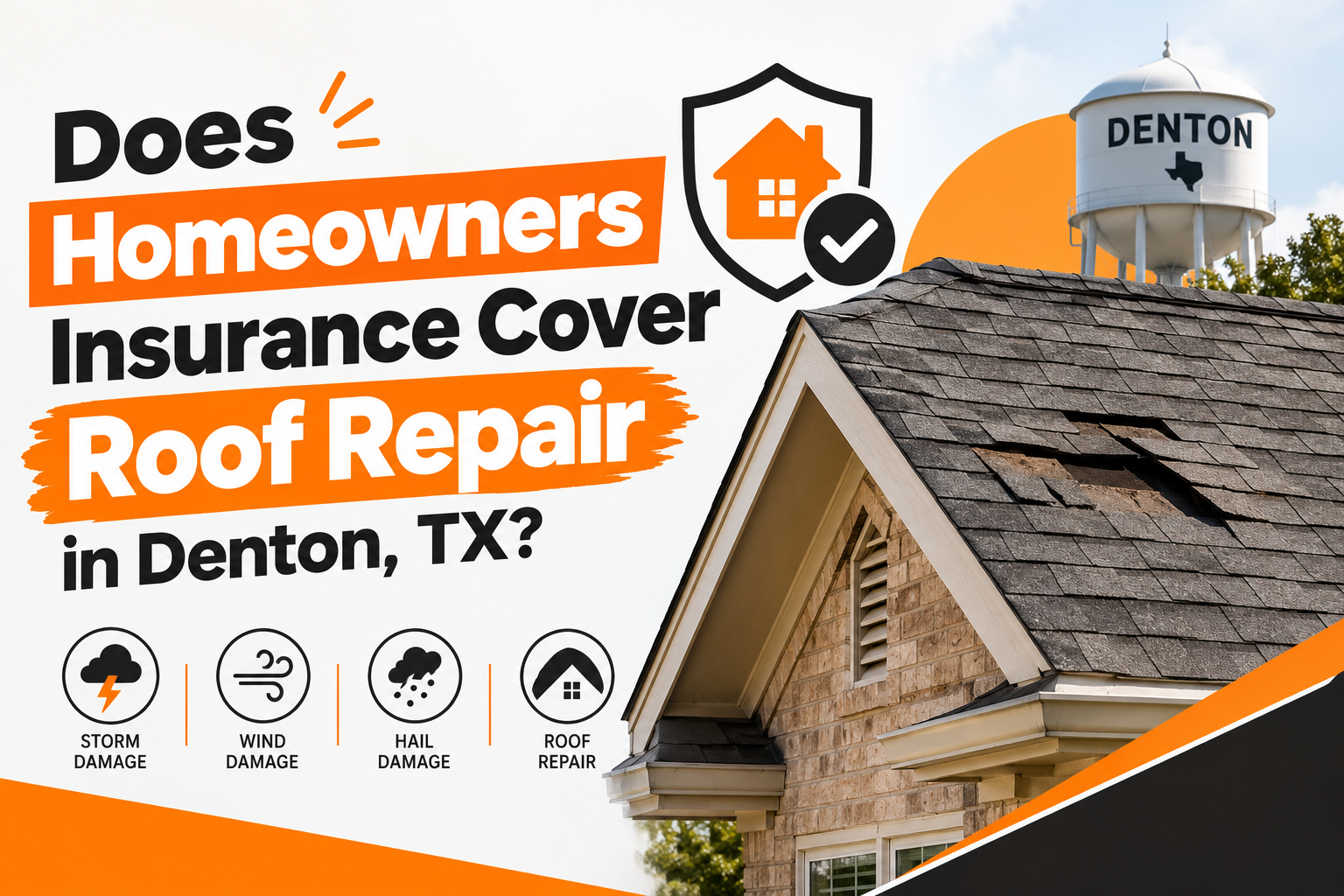
Does Homeowners Insurance Cover Roof Repair in Denton, TX?
Introduction
Your roof protects your home from heavy rain, strong winds, hail, and the changing weather conditions common in Denton, Texas. When shingles become damaged or water begins leaking through the ceiling, roof repairs can quickly become an unexpected expense. Before paying for the work yourself, it is worth understanding whether your homeowners insurance policy may cover the damage and what steps you should take next.
Homeowners insurance can help pay for certain roof repairs when the damage results from a covered event, such as a hailstorm, windstorm, or fallen tree. However, coverage is not automatic, and your insurer will review the cause of the damage, your policy terms, deductible, and roof condition before deciding whether to approve a claim. Knowing how these factors work can help you make informed decisions and avoid unnecessary delays.
For homeowners in Denton, prompt roof inspections are especially important because North Texas weather can change quickly and severe storms may leave damage that is difficult to spot from the ground. A qualified roofing contractor can examine your roof, document visible problems, and explain which repairs may be necessary. This guide explores how homeowners insurance applies to roof repair in Denton, TX, including covered damage, common exclusions, policy details, and typical repair costs.
🏠 Does Homeowners Insurance Cover Roof Repair in Denton, TX?
Yes, homeowners insurance may cover roof repairs in Denton, TX, when the damage is caused by a covered event listed in your policy. Examples often include hail, wind, lightning, or a tree falling onto the roof during a storm. The insurer generally evaluates the circumstances surrounding the damage before determining whether the repair or replacement qualifies for coverage.
The most important factor is usually the cause of the roof problem rather than the repair itself. For example, if a sudden windstorm tears off shingles and exposes part of your home to rain, your policy may cover the resulting damage, depending on its terms and exclusions. If those shingles have deteriorated over many years because of age or poor maintenance, the insurer may consider the repair a homeowner responsibility instead.
Texas homeowners should also understand that policies differ in how they handle roof damage. Some policies provide replacement cost coverage, while others use actual cash value for certain roof claims. Replacement cost generally considers the reasonable cost of replacing damaged property with comparable materials, subject to policy conditions, while actual cash value typically accounts for depreciation.
Your deductible also affects how much you receive from an approved claim. If the covered repair costs less than or only slightly more than your deductible, filing a claim may not provide much financial benefit. Reviewing your policy and obtaining a professional assessment can help you understand the potential costs before deciding how to proceed.
Common Situations Where Roof Insurance May Apply
Several types of sudden and accidental damage may qualify for coverage, depending on the specific policy.
- Hail damage: Hailstones may crack shingles, damage protective granules, or leave dents on metal roofing components.
- Wind damage: Strong gusts can lift shingles, loosen flashing, or expose vulnerable areas around roof edges.
- Fallen trees: A tree or large branch may strike the roof during a storm and damage the roofing structure.
- Lightning and fire: Covered lightning strikes or fires may damage roofing materials and related parts of the home.
- Resulting interior damage: Water entering through a roof opening caused by a covered event may also qualify, subject to policy conditions and exclusions.
Not every incident involving these conditions will result in an approved claim. The insurer may consider the severity of the damage, the condition of the roof before the event, and whether an exclusion applies.
Why a Professional Roof Inspection Matters
Roof damage is not always obvious from the ground, particularly after hail or wind. Shingles may appear intact while their protective surfaces have been damaged, and flashing around vents or chimneys may have loosened without creating an immediate indoor leak. A professional inspection can help identify these issues before they lead to more serious problems.
A roofing contractor can also photograph visible damage and prepare an assessment describing the affected areas and recommended repairs. This documentation may help you explain the situation to your insurance company, although the insurer makes the final coverage decision. Avoid climbing onto a damaged roof yourself, especially when the surface is wet, unstable, or affected by storm debris.
🌩️ Types of Roof Damage Homeowners Insurance May Cover
Denton experiences weather conditions that can place considerable stress on residential roofing systems. Hailstorms, strong winds, heavy rainfall, and occasional severe thunderstorms can damage shingles, flashing, gutters, and other roofing components. When damage results from a covered event, homeowners insurance may help pay for eligible repairs or replacement.
Understanding the different types of roof damage can help you recognize when an inspection may be necessary. However, visible damage alone does not guarantee that your insurance company will approve a claim. The cause, timing, policy language, deductible, and evidence provided all play a role in the decision.
Hail Damage to Shingles and Roofing Materials
Hail is an important concern for homeowners throughout North Texas because even a relatively short storm can affect exposed roofing materials. Depending on the size and force of the hailstones, impact may crack shingles, remove protective granules, damage roof vents, or leave marks on metal components. Some damage can be difficult to recognize without a close inspection.
If hail causes sudden damage and your policy covers hailstorms, your insurer may pay for eligible repairs after applying the deductible and other policy conditions. The roofing professional should document the affected areas and distinguish storm-related damage from normal aging or pre-existing deterioration. This distinction can be important when the insurer reviews the claim.
Wind Damage and Missing Shingles
Strong winds can lift shingle edges, break weakened roofing materials, or pull shingles away from the roof entirely. These openings may allow rainwater to enter the roof system and damage the attic, insulation, ceilings, or walls. Even when there is no immediate indoor leak, exposed roofing areas should be assessed promptly.
Wind-related damage may qualify for coverage when the event is covered by your policy. However, shingles that detach because they were already deteriorated or improperly installed may be evaluated differently. Photographs, inspection findings, and information about the storm can help clarify what happened.
Damage from Fallen Trees and Branches
During severe weather, a falling tree or large branch can puncture roofing materials, break roof decking, damage gutters, or affect the supporting structure. This type of incident can create an immediate opening that exposes the interior to rain. Depending on the circumstances and policy language, insurance may cover eligible repairs to the home.
After a tree strikes your roof, keep away from damaged sections and contact emergency services if there is an immediate safety concern. Do not attempt to remove heavy branches or climb onto the roof yourself. Once the area is safe, document the damage from the ground and contact your insurer about the next steps.
Water Damage Following a Covered Roof Event
Water damage may be covered when rain enters the home through an opening created by a covered event, such as a storm that damages the roof. For instance, if wind tears off shingles and rain subsequently damages an interior ceiling, the policy may cover some of the resulting damage. The exact decision depends on the policy’s wording and the circumstances of the loss.
Insurance usually treats gradual leaks differently from sudden storm-related water intrusion. A leak that develops over months because of deteriorated flashing or neglected maintenance may not qualify for coverage. If water enters your home, arrange temporary protection when it is safe, move belongings away from the affected area, and document the damage.
Fire and Lightning Damage
Lightning strikes and fires can damage shingles, underlayment, roof decking, and structural components. A lightning-related electrical event may also affect nearby equipment or parts of the home, while a fire can require extensive repairs beyond the roofing system. Coverage depends on the insured event and the conditions stated in your policy.
After a fire or suspected lightning strike, prioritize safety and follow instructions from emergency responders. Do not enter areas where the roof structure may be unstable. Your insurance company can explain its documentation requirements and coordinate the claim assessment once the property is safe to inspect.
🚫 When Homeowners Insurance May Not Cover Roof Repairs
Although insurance can provide valuable protection, it does not generally pay for every roof repair. Policies commonly distinguish sudden, accidental damage from problems that develop through normal wear, neglect, or long-term exposure to the elements. Understanding these exclusions can help Denton homeowners set realistic expectations and plan for maintenance expenses.
A claim may also be limited when the damage existed before the reported storm or when the evidence does not support the stated cause. Insurers may request inspection photographs, maintenance records, contractor estimates, or other information to assess the loss. If the decision is unclear, ask the insurer to explain the specific policy provision behind its determination.
Normal Wear and Tear
Roofing materials gradually deteriorate as they age. Shingles can become brittle, lose protective granules, curl at the edges, and become less effective at keeping water out. These changes usually occur over time rather than from a single covered incident.
Because normal deterioration is commonly excluded, insurance generally should not be treated as a substitute for routine roof maintenance or eventual replacement. If an older roof develops a leak because its materials have reached the end of their useful life, the repair may be your responsibility. A roofing inspection can help identify aging materials before they cause more expensive damage.
Poor Maintenance and Neglected Repairs
Homeowners are generally expected to take reasonable care of their property. Leaving damaged shingles unrepaired, allowing gutters to remain clogged, or ignoring repeated leaks can contribute to further deterioration. Depending on the policy, damage associated with neglect or a failure to maintain the roof may be excluded.
For example, a small opening that remains exposed for an extended period may allow water to damage insulation, wood framing, and interior finishes. An insurer may examine whether the damage resulted from a covered storm or developed because an existing problem was not addressed. Keeping inspection reports, repair receipts, and maintenance records can help demonstrate the steps you have taken to care for your roof.
Improper Installation or Construction Defects
Roof problems sometimes occur because materials were installed incorrectly or because of defects in the roofing system. Poor flashing details, improperly secured shingles, and inadequate sealing can allow water to enter even without a severe storm. Standard homeowners insurance policies may exclude the cost of correcting defective workmanship or faulty construction.
Coverage for separate damage caused by a resulting incident can depend on the exact policy language and circumstances. If you suspect an installation problem, request a detailed assessment and keep any available contracts, warranties, and invoices. These records may help you determine whether the issue should be discussed with the original contractor, a warranty provider, or your insurer.
Long-Term Leaks and Moisture Problems
A roof leak that develops gradually may be treated differently from water intrusion following sudden storm damage. Persistent moisture can stain ceilings, damage drywall, weaken wood, and encourage mold growth. When the underlying cause is deterioration or a known maintenance issue, insurance may not cover the roof repair or all related interior damage.
It is important to address leaks as soon as they appear rather than waiting until the next major storm. Take photographs, note when the problem was first noticed, and arrange a professional inspection. Early action can reduce further damage and provide a clearer record of the problem’s development.
Damage Below Your Deductible
Even when a roof problem qualifies as a covered loss, insurance may not provide a payment if the eligible repair cost does not exceed your deductible. The deductible is the amount you are responsible for under the applicable policy terms before insurance pays its share. For example, if eligible repairs total $2,000 and your deductible is $2,500, the claim may result in no payment.
Before filing, compare the estimated repair cost with your deductible and confirm whether a separate wind or hail deductible applies. Some Texas policies use percentage-based deductibles for certain storm events, which can be calculated differently from a flat-dollar deductible. Your declarations page or insurance representative can clarify the amount that applies to your property.
📋 Understanding Your Homeowners Insurance Policy
Your insurance policy is the most important document to review when determining whether roof repairs may be covered. It explains which events are insured, what exclusions apply, how losses are valued, and what responsibilities you have after discovering damage. Reading these details before a storm occurs can make the claims process less confusing.
Start with your policy declarations page, which typically summarizes your coverage limits, deductible amounts, policy dates, and insured property details. Then review the sections describing covered perils, exclusions, roof settlement provisions, and claim procedures. If any wording is difficult to understand, contact your insurance representative and ask for a clear explanation of how it applies to roof damage.
Replacement Cost vs. Actual Cash Value
One of the most important distinctions is how the policy values damaged roofing materials. Replacement cost coverage generally considers the cost of replacing covered damaged property with comparable materials, subject to the policy’s conditions and limits. Actual cash value typically accounts for depreciation, meaning the payment may reflect the age and condition of the damaged roof.
Consider an example in which replacing damaged roofing materials costs $12,000. If the applicable actual cash value is $7,500, the insurer may calculate its payment using that lower amount before applying the deductible and other terms. Under replacement cost coverage, the eligible amount may be higher, but payment rules, depreciation holdbacks, and proof-of-repair requirements can still apply.
| Policy factor | What it means for roof repairs |
|---|---|
| Replacement cost coverage | May pay eligible replacement expenses without deducting depreciation, subject to policy requirements |
| Actual cash value coverage | Usually accounts for depreciation based on age and condition |
| Standard deductible | The amount you pay toward a covered loss before insurance contributes |
| Wind or hail deductible | A separate deductible may apply to certain storm-related claims |
| Coverage exclusions | Identify damage or circumstances that the policy does not cover |
| Claim deadlines | Explain when and how you must report a loss under the policy |
This table provides a general overview rather than a guarantee of payment. Insurance policies vary, so confirm the specific provisions and settlement rules that apply to your home.
Check Your Roof’s Age and Condition Requirements
Some policies contain specific provisions for older roofs or use different settlement methods depending on roofing material and age. As a result, a roof that is several years old may not receive the same treatment as a newer roof under every policy. Certain conditions, endorsements, or limitations may also affect coverage.
If your roof is aging, ask your insurer whether any special restrictions apply and whether the policy uses replacement cost or actual cash value for roof claims. Keep records of the installation date, repairs, upgrades, and professional inspections whenever possible. These details can help establish the roof’s condition before a future loss.
Understand Your Deductible Before Filing a Claim
Your deductible directly affects the amount you may receive after a covered roof loss. A flat-dollar deductible is a fixed amount, while a percentage-based deductible is usually calculated using a policy coverage limit specified in the contract. A percentage deductible can represent a substantial expense, so it is important to understand the calculation in advance.
For example, a 2% deductible applied to a $300,000 dwelling coverage limit would equal $6,000. This is an illustration only, and your policy may calculate the deductible differently or use another coverage amount. Review your declarations page and ask your insurer which deductible applies to the specific event.
Know Your Claim Reporting Responsibilities
Insurance policies generally require homeowners to report damage within the timeframes and according to the procedures stated in the contract. You may also be expected to take reasonable steps to prevent additional damage and cooperate with the investigation. Delaying notification or failing to document the loss can complicate the process.
After discovering possible storm damage, record the date you noticed it, take photographs when safe, and contact your insurance company for guidance. Keep copies of emails, claim numbers, estimates, invoices, and inspection reports in one place. Organized records can make it easier to answer questions and track the progress of your claim.
💰 How Much Does Roof Repair Cost in Denton, TX?
Roof repair costs in Denton depend on the type of damage, the roofing material, the affected area, roof accessibility, and the amount of labor required. A minor shingle repair may cost a few hundred dollars, while extensive storm damage or structural repairs can cost several thousand dollars. These figures are broad planning estimates rather than current quotes, and actual prices should be confirmed through an inspection and written estimate.
The cost of repairing a roof after hail or wind damage may also differ from the price of fixing an ordinary leak. Storm damage can affect several parts of the roofing system, including shingles, flashing, vents, gutters, and underlayment. If water has reached the attic or interior rooms, additional work may be needed beyond the visible roof repair.
Typical Roof Repair Cost Estimates
The following table gives homeowners a general idea of common repair expenses. Actual pricing varies by property and contractor, so use these ranges as a starting point rather than a guaranteed local price.
| Roof repair type | Estimated cost |
|---|---|
| Minor shingle replacement | $150 to $500 |
| Small roof leak repair | $200 to $800 |
| Flashing repair | $200 to $700 |
| Roof vent repair or replacement | $150 to $600 |
| Localized hail damage repair | $300 to $1,500 |
| Wind-damaged roofing repairs | $250 to $1,500 |
| Roof decking repair | $500 to $2,000 or more |
| Extensive storm damage | $1,000 to several thousand dollars |
These estimates may not include every expense, such as emergency tarping, disposal, specialized materials, or interior repairs. Roof size, pitch, access, and the availability of matching materials can also affect the final quote. Ask for an itemized estimate that explains the work required and identifies any additional costs.
Factors That Affect Roof Repair Pricing
The roofing material is one of the main factors influencing repair costs. Asphalt shingles are common on Denton homes and may be relatively straightforward to repair when matching materials are available. Metal roofing, tile, and specialty systems can require different installation techniques, materials, and labor.
The extent of the damage matters as well. Replacing a few missing shingles is usually less expensive than repairing damaged decking, underlayment, and flashing across a large section of the roof. Steep roof slopes, limited access, and the need for protective equipment may also increase labor costs.
Storm timing can influence the urgency and complexity of the work. If a damaged roof is allowing water into the home, temporary protection may be necessary before permanent repairs can be completed. Discuss the immediate protection needed, the permanent repair plan, and the expected schedule with your contractor.
How Insurance Can Affect Your Out-of-Pocket Cost
When an insurer approves a covered roof repair, its payment generally depends on the eligible damage, policy valuation method, deductible, and applicable limits. Homeowners remain responsible for the deductible and for expenses that are not covered by the policy. If only part of the reported damage is approved, you may also need to pay for excluded work.
For example, imagine an insurer approves $8,000 in eligible repairs and your applicable deductible is $2,000. Under a simplified calculation, the insurer’s share would be $6,000, assuming no other adjustments or payment conditions apply. The actual settlement may differ if depreciation, coverage limits, partial approval, or other policy provisions affect the claim.
Get a Written Roof Repair Estimate
Before committing to substantial repairs, ask a qualified roofing contractor for a written estimate that describes the damaged areas, recommended work, materials, labor, and any additional charges. If you are pursuing an insurance claim, request photographs and a clear explanation of the observed damage to help you understand the proposed scope of work. Compare the contractor’s findings with the insurer’s assessment and ask questions about any differences.
A reliable estimate should explain what needs immediate attention and what can reasonably wait. Be cautious of anyone who promises guaranteed insurance approval or pressures you to sign a contract before you understand the scope and terms. The insurance company determines coverage, while you should make the final decision about hiring a contractor after reviewing the available information.
Understanding the likely repair costs, your deductible, and your policy provisions can help you decide how to handle roof damage without unnecessary financial surprises. In Part 2, we will cover how to assess possible insurance damage, file a roof claim in Denton, prepare for an insurer’s inspection, and understand whether repair or replacement may be appropriate.
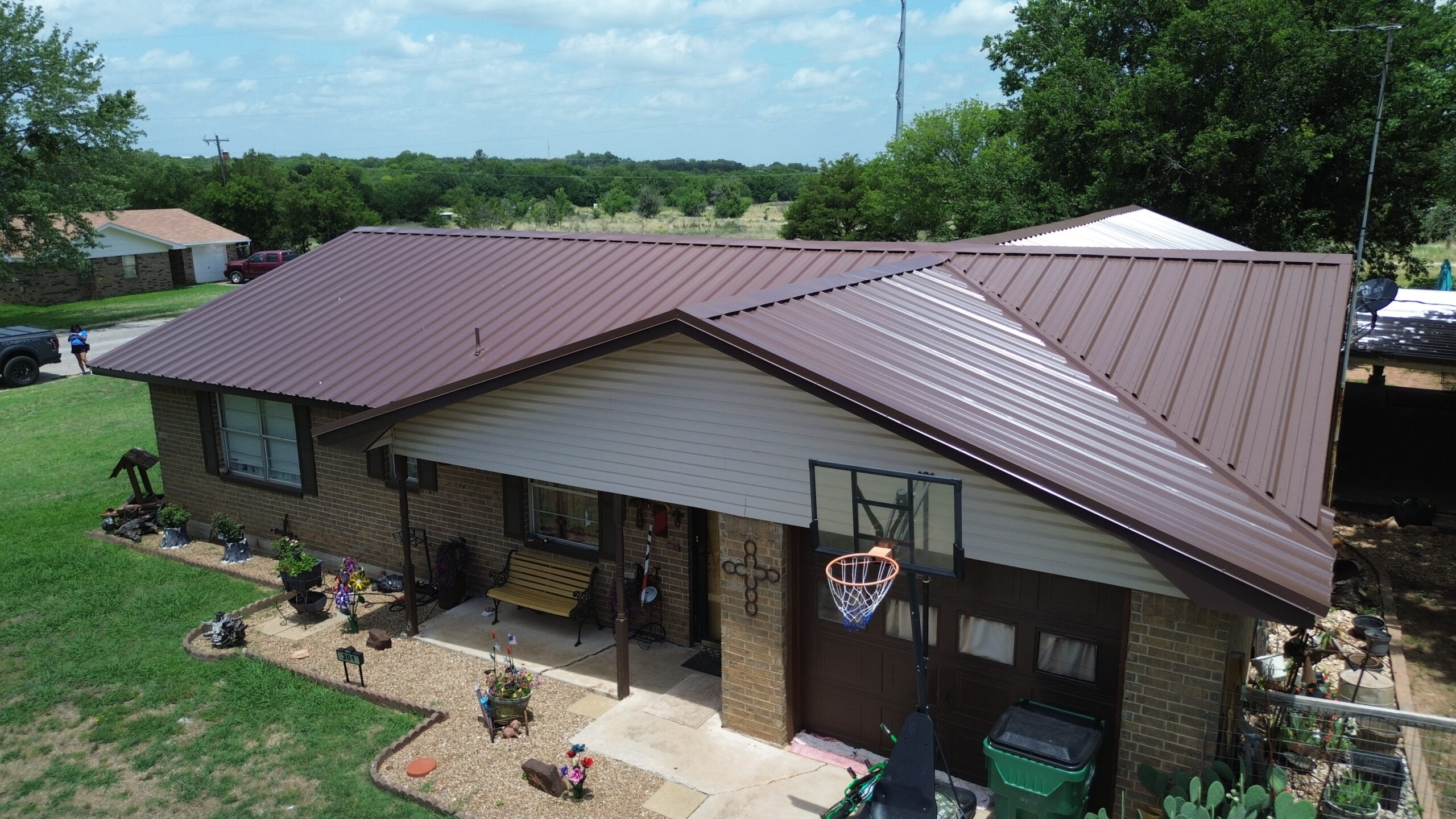
🔍 How to Tell If Your Roof Damage Qualifies for Insurance Coverage
After a hailstorm, windstorm, or period of severe weather in Denton, it is important to determine whether your roof has sustained damage that may qualify for homeowners insurance coverage. However, not every roofing problem is caused by a covered event, and some damage may be hidden beneath shingles or around roof penetrations. A professional inspection can help identify potential problems and establish whether further investigation is necessary.
Start by looking for visible warning signs from the ground or from inside your home. You might notice missing shingles, damaged gutters, debris on the roof, water stains on ceilings, or damp spots in the attic. These signs do not automatically establish insurance coverage, but they can indicate that your roof needs prompt attention.
Look for Signs of Recent Storm Damage
Following severe weather, check the property for changes that may have occurred during the storm. Look for shingles in the yard, damaged downspouts, broken tree branches, dents on accessible metal surfaces, or debris around the home’s exterior. Take photographs of visible damage without climbing onto the roof or entering unsafe areas.
Inside your home, examine ceilings, upper walls, and attic spaces for water stains or signs of moisture. If you notice new damage after a storm, record when it appeared and whether rain or wind was occurring at the time. This information can help your contractor and insurance company understand the possible connection between the weather event and the reported damage.
Review the Timing and Cause of the Damage
Insurance companies generally evaluate whether a reported loss resulted from a covered event or from an excluded condition. If shingles were intact before a storm but became damaged immediately afterward, the timing may support further investigation. However, the insurer will still need to consider the roof’s condition, the available evidence, and the policy language.
Older roofing materials may have pre-existing wear that complicates the assessment. A storm could cause new damage to an aging roof, but the insurer may distinguish between storm-related damage and deterioration that occurred beforehand. Photographs taken before the incident, previous repair invoices, and maintenance records can help establish the roof’s condition.
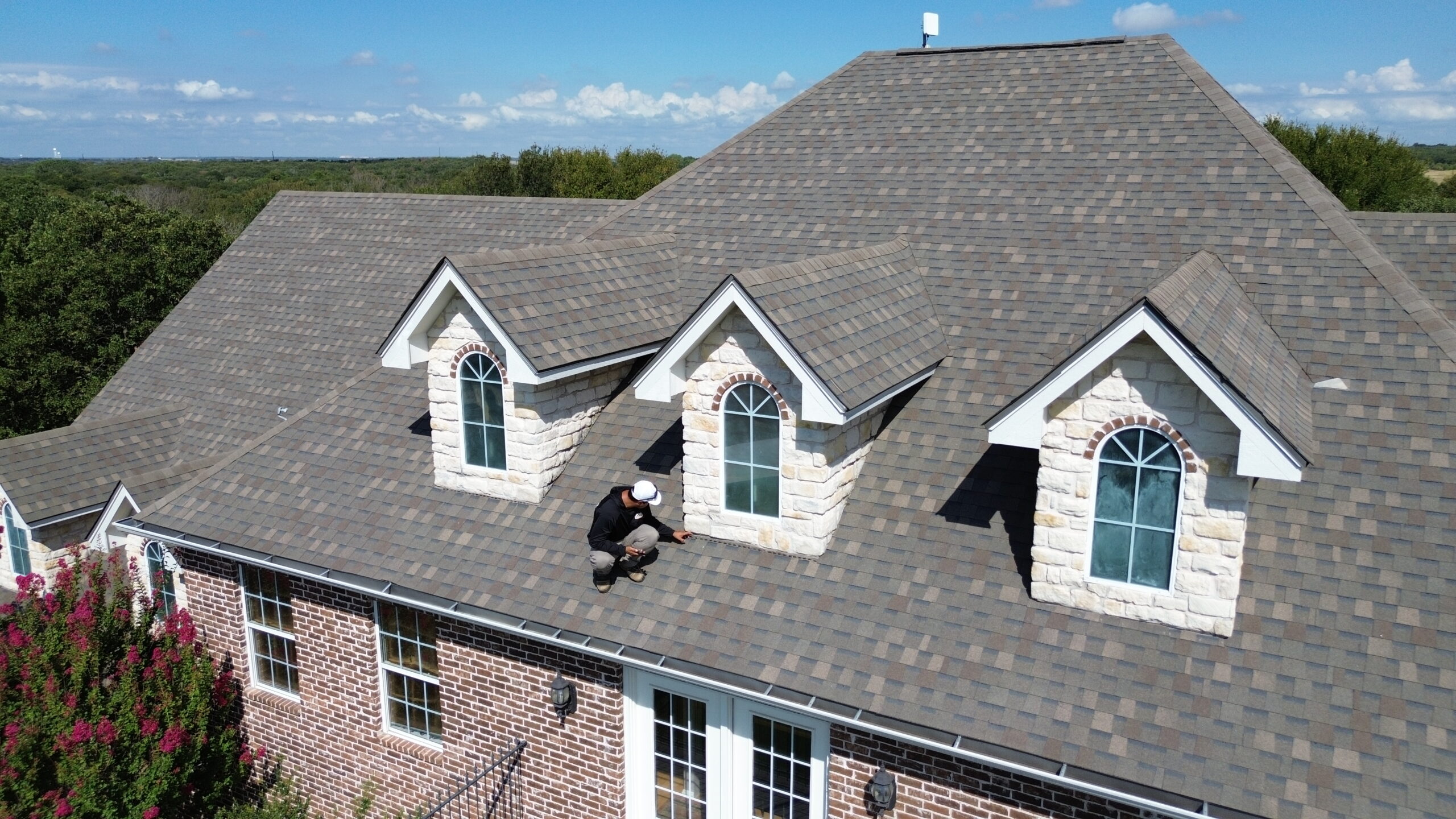
Arrange a Professional Roof Inspection
A qualified roofing contractor can examine the roof’s surface, flashing, vents, gutters, and other components for signs of damage. The inspection may also identify concerns involving the underlayment, roof decking, or attic ventilation. Ask for photographs and a written report describing the findings and recommended repairs.
A contractor can provide useful technical information, but cannot guarantee that an insurer will approve your claim. The insurance company evaluates coverage under your policy and may arrange its own inspection. Comparing the documented findings can help you understand whether the assessments agree and what questions need clarification.
Keep Evidence Organized
Good documentation makes it easier to explain what happened and track the progress of your claim. Keep photographs, videos, inspection reports, repair estimates, receipts, and communications with your insurer in one organized folder. Include the date each item was created and make notes about when you first noticed the damage.
Do not discard damaged materials or begin extensive permanent repairs before discussing documentation requirements with your insurer, unless immediate work is necessary to protect the property. If emergency work is required, photograph the affected area first when safe and keep receipts for reasonable temporary protection measures. These records may be useful when the insurer reviews the claim.
📝 How to File a Roof Repair Insurance Claim in Denton
Filing a roof damage claim can feel overwhelming, especially when a storm has affected multiple parts of your home. Following a clear process can help you submit accurate information, understand the insurer’s requirements, and avoid preventable delays. Your policy will determine the precise reporting procedures and deadlines, so contact your insurance company promptly after discovering possible covered damage.
You do not need to know the final repair cost before reporting a potential loss. The initial purpose is to explain what happened, identify the affected property, and ask the insurer how to proceed. Be accurate when describing the event and avoid making assumptions about the cause or extent of damage before an inspection.
Step One: Review Your Policy and Deductible
Before moving forward, check your policy declarations page and the sections covering roof damage. Identify your deductible, whether a separate wind or hail deductible applies, and whether roof repairs are settled using replacement cost or actual cash value. Understanding these details can help you estimate your potential out-of-pocket expenses.
If any provision is unclear, contact your insurance representative for an explanation. Ask whether there are specific reporting deadlines, documentation requirements, or restrictions on emergency repairs. Keep a record of the answers so you can refer to them throughout the claim process.
Step Two: Document the Damage
Take photographs and videos of visible roof damage, fallen branches, damaged gutters, ceiling stains, and affected belongings. Record the approximate date and time of the storm, when you first noticed the problem, and any steps you took to prevent further damage. Never put yourself at risk to capture images from a roof or an unstable structure.
If water has entered your home, move furniture and personal belongings away from the affected area when it is safe. Use suitable temporary protection to limit additional damage, and keep receipts for emergency supplies or professional services. Your insurer may request this documentation when assessing the claim.
Step Three: Notify Your Insurance Company
Contact your insurance company through its approved claims channel, such as its telephone service, website, or mobile application. Provide the policy details, property address, date of the incident, and a straightforward description of the damage you observed. Ask for a claim number and confirm what information you should submit next.
Report the issue promptly rather than waiting until the full extent of the damage is known. Some problems become more visible over time, especially when water enters concealed areas. If additional damage appears later, inform your insurer and ask how to update the existing claim.
Step Four: Arrange a Roofing Inspection
A professional roofing contractor can assess the condition of the roof and identify repairs that may be necessary. Request a written estimate, photographs, and an explanation of whether the observed damage appears consistent with a recent weather event. This information can help you discuss the condition of the roof with the insurance adjuster.
Choose a contractor based on experience, communication, and clear written terms rather than promises of claim approval. The contractor should explain the recommended work and answer questions about materials, labor, and safety. Remember that an inspection does not guarantee coverage or determine the final insurance payment.
Step Five: Cooperate With the Insurance Adjuster
Your insurance company may assign an adjuster to inspect the property, review the submitted evidence, and evaluate the reported loss. The adjuster may examine the roofing materials, interior damage, and surrounding areas to determine the likely cause and extent of the problem. You can ask your roofing contractor to be present during the inspection if the insurer permits it.
Share your photographs, repair estimates, and relevant maintenance records when requested. If the contractor identifies damage that is not included in the adjuster’s assessment, ask for the differences to be reviewed and documented. Keep communication factual and request written explanations for important decisions.
Step Six: Review the Claim Decision and Payment
After reviewing the available information, the insurer will explain which repairs are approved, which items are excluded, and how the payment has been calculated. Read the estimate carefully and compare it with the contractor’s proposed scope of work. Check the deductible, depreciation, coverage limits, and any conditions that must be met before additional funds are released.
If you believe important damage has been overlooked, request clarification and provide supporting documentation. Ask whether the insurer has a process for reviewing supplemental information or reconsidering the assessment. Do not assume that the first estimate includes every necessary repair, but avoid authorizing major work without understanding your financial responsibilities.
🛠️ What Happens During the Insurance Roof Inspection?
An insurance roof inspection helps the insurer assess the reported damage and determine whether the condition may qualify for coverage under the policy. The inspection may take place after hail, wind, fallen trees, or another event that could have affected the property. The adjuster typically reviews visible evidence, considers the reported circumstances, and documents the areas relevant to the claim.
The inspection is not simply a decision about whether the roof looks old or damaged. The insurer may evaluate the type of damage, its likely cause, the roof’s condition before the incident, and the scope of work needed to address the loss. The final coverage decision also depends on policy wording, exclusions, deductibles, and other applicable provisions.
Exterior and Roofing Material Assessment
During the inspection, the adjuster may examine shingles, flashing, roof edges, valleys, vents, and other components. They may look for missing or lifted shingles, hail impact marks, damaged metal surfaces, or evidence of water entry. The inspection method depends on roof accessibility, weather conditions, safety considerations, and the type of roofing system.
Some roof surfaces cannot be inspected safely by walking on them, so the adjuster may use ground-level observations, ladders, photographs, or other appropriate methods. You should never pressure anyone to enter an unsafe area. If your contractor has documented concerns that were not observed during the initial assessment, ask how those findings can be submitted for review.
Interior and Attic Inspection
The adjuster may also examine the attic, ceilings, upper walls, and other interior areas for signs of water intrusion. Water stains, damp insulation, damaged drywall, and visible moisture can help establish the extent of the reported problem. However, these signs alone may not show exactly when the leak began or whether its cause is covered.
If the roof damage has affected electrical components or caused structural concerns, avoid the affected area until it can be assessed safely. Share any photographs of the interior taken soon after the incident and explain when the damage was first noticed. Detailed documentation can help the insurer evaluate the relationship between the roof condition and the interior loss.
Reviewing Estimates and Scope of Work
After inspecting the property, the adjuster may prepare an estimate describing the repairs considered eligible under the policy. This may include quantities of roofing materials, labor, disposal, and other covered items. The estimate may differ from a contractor’s proposal because the two assessments may use different measurements, assumptions, or repair scopes.
Review both documents carefully rather than focusing only on the total price. If an important repair is missing, ask your contractor to explain the difference and provide photographs, measurements, or other supporting evidence. Submit the additional information through the insurer’s approved process and request a written response.
How Long Does the Inspection Process Take?
The timing varies according to storm severity, claim volume, roof accessibility, and the complexity of the damage. After a widespread hailstorm or wind event, insurers and contractors may experience a high number of requests. Missing documentation or the need for additional inspections can extend the process.
You can help reduce avoidable delays by responding promptly to information requests and keeping all records organized. Ask your claims representative about the next expected milestone and how to check the status of the claim. If temporary repairs are needed while you wait, follow the insurer’s instructions and retain the relevant receipts.
⚖️ Roof Repair vs. Roof Replacement Through Insurance
One of the most common questions homeowners ask after a severe storm is whether insurance will pay to repair the damaged section or replace the entire roof. The answer depends on the extent of the covered damage, the condition of the existing roof, the policy terms, and the applicable building requirements. A damaged roof does not automatically qualify for complete replacement.
If the damage is limited to a small area and a suitable repair can restore the roof’s function, the insurer may approve localized repairs. If a covered event has damaged a substantial portion of the roofing system, replacement may be considered when supported by the inspection findings and policy provisions. The final decision rests with the insurer, subject to the terms of the contract and any applicable requirements.
When Roof Repair May Be Sufficient
Localized repairs may be appropriate when only a limited number of shingles, flashing sections, or other roofing components have been damaged. Replacing those components can restore protection without removing the entire roofing system. This approach may also be practical when compatible materials are available and the surrounding roof remains in serviceable condition.
The repair estimate should identify the affected areas and explain how the proposed work will address the problem. If the existing materials are brittle or difficult to match, ask the contractor to document those concerns. The insurer can then consider the evidence when determining the appropriate covered scope.
When Roof Replacement May Be Necessary
A full or partial roof replacement may be appropriate when damage is widespread, the roofing system can no longer be repaired effectively, or a qualified assessment identifies significant underlying damage. Extensive hail impacts, severe wind damage, or structural problems can sometimes make replacement the more practical option. However, the need for replacement must be supported by the actual damage and applicable coverage terms.
Roof age alone does not necessarily establish eligibility for an insurance-funded replacement. An old roof with gradual deterioration may remain the homeowner’s responsibility, even if replacement is eventually needed. When a covered storm damages an older roof, the insurer may assess the new damage separately from pre-existing wear and apply the policy’s valuation rules.
Matching Materials and Building Requirements
A repair may require shingles or other materials that match the existing roof in appearance, type, or performance. Availability can be a concern when the original roofing product has been discontinued or the existing materials have weathered over time. Whether an insurer must pay for broader replacement because of matching concerns depends on the policy and applicable requirements.
Local building requirements may also influence the work needed to complete a roof repair or replacement. Ask your contractor whether permits, inspections, or additional code-related work may be necessary for your project. Confirm with the insurer how any related costs will be handled before assuming they are included in the approved claim.
Compare the Approved Scope With the Contractor’s Estimate
Once the insurer issues its estimate, compare it with the contractor’s written proposal. Check the quantities, materials, labor, damaged areas, and any work involving roof decking or other components. Differences do not automatically mean that either estimate is incorrect, but they should be explained before the project begins.
If the contractor finds additional covered damage during repairs, document it and contact the insurer about submitting a supplement. Follow the insurer’s procedures for additional evidence and approval. This can help prevent misunderstandings about which expenses may be reimbursed and which costs remain your responsibility.
🌧️ How Denton Weather Affects Roof Insurance Claims
Denton’s North Texas climate exposes roofs to a variety of weather conditions throughout the year. Hail, high winds, heavy rainfall, intense summer heat, and sudden temperature changes can affect roofing materials in different ways. Understanding these local weather risks can help homeowners recognize potential damage and take appropriate action after a severe weather event.
Weather conditions may contribute to a claim, but they do not determine coverage by themselves. The insurer must evaluate whether the reported damage resulted from an insured event and whether any exclusions or limitations apply. Good documentation and timely repairs can help clarify the circumstances surrounding the loss.
Hailstorms and Impact Damage
Hail can strike shingles, metal roof components, vents, and gutters with enough force to cause visible or concealed damage. Shingles may lose protective granules or develop impact marks, while metal surfaces can show dents. The severity depends on factors such as hail size, wind conditions, roofing material, and the angle of impact.
After a hailstorm, inspect your property from a safe location and arrange a professional assessment if damage is suspected. Avoid assuming that every mark on a roof was caused by hail, because normal wear and other conditions may produce similar signs. Photographs and inspection findings can help distinguish possible storm damage from existing deterioration.
Strong Winds and Severe Thunderstorms
Strong winds can lift shingles, damage roof edges, loosen flashing, and send branches or other debris into the roofing system. Even when shingles remain attached, wind may create vulnerable areas that allow rainwater to enter during a later storm. Prompt inspection can identify damage before it becomes more extensive.
If you notice missing shingles or an active leak, contact a qualified contractor about safe temporary protection and permanent repairs. Document the damage and notify your insurer if a covered event may be involved. Keep receipts for emergency measures and follow the claim instructions provided by your insurance company.
Heavy Rain and Water Intrusion
Heavy rainfall can expose existing weaknesses around flashing, vents, skylights, valleys, and roof penetrations. If water begins entering the home during a storm, the source may be a new opening or a pre-existing defect that has worsened. An inspection can help identify the likely entry point and the work required to stop the leak.
Do not assume that a leak occurring during rainfall is automatically covered. The insurer may investigate whether the water entered because of covered storm damage or a gradual maintenance problem. Record when the leak began, take photographs of the interior damage, and address the issue promptly to limit additional moisture.
Heat, Aging, and Seasonal Changes
Hot summers and repeated exposure to sunlight can gradually affect roofing materials. Shingles may become brittle, sealant can deteriorate, and flashing may weaken over time. These changes are typically maintenance concerns rather than sudden insured losses, although a separate covered event may cause additional damage.
Regular inspections can help identify worn materials before they fail during severe weather. Keep gutters clear, maintain appropriate attic ventilation, and address minor defects as soon as possible. These steps can reduce the likelihood of preventable leaks and help you maintain a clearer record of your roof’s condition.
💡 Ways to Protect Your Roof and Reduce Repair Expenses
Preventive maintenance is one of the most practical ways to reduce avoidable roofing problems and protect your home from water damage. Although homeowners cannot control hailstorms or strong winds, they can address common weaknesses that make roofs more vulnerable. Routine inspections and timely repairs may also help distinguish maintenance issues from damage caused by a sudden weather event.
A simple maintenance plan does not need to be complicated. Schedule periodic inspections, check accessible areas after severe weather, and keep records of completed work. If you notice loose shingles, damaged flashing, or recurring leaks, arrange a professional assessment rather than waiting for the issue to become more expensive.
Schedule Regular Roof Inspections
A professional inspection can identify loose shingles, deteriorated sealant, damaged flashing, and other problems before they lead to interior damage. Inspections are especially useful after a significant storm or when a roof is approaching the later stages of its expected service life. The contractor should explain any concerns and prioritize repairs based on their condition and urgency.
Keep a copy of the inspection report along with photographs, invoices, and maintenance notes. These records can help you track changes over time and provide useful background if you later need to report storm damage. An inspection does not guarantee insurance coverage, but it can give you a clearer picture of the roof’s condition.
Maintain Gutters and Drainage
Clogged gutters can prevent water from draining properly and may contribute to moisture problems around roof edges and the home’s exterior. Leaves, twigs, and storm debris should be removed safely, and downspouts should direct water away from the foundation where appropriate. If gutters are loose or damaged, have them repaired before the next period of heavy rainfall.
Pay attention to areas where water collects or overflows during rain. Persistent drainage problems may indicate a blockage, an improperly positioned downspout, or another maintenance issue. Addressing these concerns can reduce preventable water-related damage.
Trim Nearby Trees and Remove Loose Debris
Branches that hang close to the roof may scrape roofing materials or fall during strong winds. Regular tree maintenance can reduce the risk of branches striking shingles, gutters, and roof edges. For large limbs or trees near power lines, use a qualified professional rather than attempting the work yourself.
After a storm, check the yard for fallen branches and visible damage around the property. Avoid approaching downed power lines or areas where a tree may be unstable. Document any damage from a safe distance and arrange professional assistance when needed.
Address Small Problems Promptly
A loose shingle or minor flashing issue can allow water to enter and damage materials beneath the roof surface. Delaying a repair may turn a relatively simple problem into a larger project involving insulation, decking, drywall, or other components. Prompt attention can help reduce the risk of additional damage and unnecessary expense.
If you suspect the problem resulted from a recent storm, document it and contact your insurer before undertaking extensive permanent work when practical. Do not delay emergency measures needed to protect the property. Follow your policy’s instructions and retain records of temporary repairs and related costs.
Review Your Insurance Coverage Annually
Insurance needs can change as your roof ages, repair costs increase, or you make improvements to your home. Reviewing the policy each year can help you understand the current deductible, coverage limits, roof settlement provisions, and exclusions. Ask your insurer whether any endorsements or restrictions apply to your roofing materials or the age of the roof.
It is also useful to keep an updated record of the roof’s installation date and major repairs. If you replace the roof, save the contract, warranty information, permits when applicable, and final invoice. These documents can help establish the work performed and support future maintenance planning.
Taking preventive steps cannot eliminate every roofing risk, but it can help you identify issues earlier and manage repair expenses more effectively. When storm damage does occur, timely documentation and a clear understanding of your policy can make the next steps easier to navigate.
🚨 What to Do If Your Roof Is Damaged During a Storm
Severe weather can damage a roof with little warning, leaving Denton homeowners concerned about leaks, property damage, and unexpected repair expenses. When a storm passes, your first priority should be keeping everyone safe and preventing additional damage where possible. Taking the right steps early can also help you document the incident and communicate more effectively with your insurance company.
Avoid climbing onto the roof immediately after a storm, particularly when shingles are loose, surfaces are wet, or debris is present. Hidden structural damage, downed power lines, and unstable branches can create serious hazards. If you suspect structural instability, stay away from the affected area and contact the appropriate emergency professionals.
Protect Your Family and Property
If water is entering your home, move people, furniture, electronics, and other belongings away from the affected area when it is safe. Place containers beneath minor leaks if doing so does not expose you to electrical hazards or falling materials. If water is near electrical outlets, light fixtures, or wiring, avoid touching the affected area and seek qualified assistance.
For significant roof damage, consider whether temporary professional tarping or other protective measures are necessary. Emergency protection may help prevent additional rainwater from entering while permanent repairs are arranged. Photograph the damage beforehand when safe, and keep receipts for reasonable emergency expenses.
Document the Storm Damage
Take clear photographs of visible roof damage, fallen branches, damaged gutters, ceiling stains, and affected belongings from safe locations. Record the approximate date of the storm and when you first noticed the problem. If you have photographs showing the roof’s previous condition, keep them available for comparison.
Avoid altering or discarding damaged materials unnecessarily before the insurer has had an opportunity to review the evidence, unless removal is required for safety or emergency protection. Keep copies of inspection reports, contractor estimates, repair invoices, and communications with your insurance company. Organized documentation can help support a more complete assessment of the damage.
Contact Your Insurance Company and a Roofing Professional
Notify your insurer promptly if you suspect the storm caused damage that may be covered by your policy. Ask about claim reporting requirements, inspection arrangements, temporary repairs, and any documentation you should provide. At the same time, arrange an assessment with a qualified roofing contractor who can explain the damage and recommend appropriate repairs.
Do not rely on promises that a contractor can guarantee insurance approval or eliminate your deductible. The insurer determines coverage according to the policy, and you remain responsible for understanding the financial terms of your repair agreement. Review estimates carefully before authorizing permanent work.
🧾 What to Do If Your Roof Repair Insurance Claim Is Denied
Receiving a roof insurance claim denial can be frustrating, particularly when you believe a recent storm caused the damage. However, a denial does not always mean that the matter is finished or that no further explanation is available. The first step is to understand the insurer’s stated reason and determine whether additional documentation or a formal review may be appropriate.
Insurance companies may deny claims because the damage falls under a policy exclusion, the evidence does not establish a covered event, the reported problem involves gradual deterioration, or the claim does not meet particular policy requirements. In other cases, the insurer may approve only part of the requested repair work. Reviewing the decision carefully can help you identify the next practical step.
Read the Denial Letter Carefully
Your insurer should explain the decision and identify the relevant policy provisions. Read the letter closely to determine whether the denial concerns the cause of damage, the age or condition of the roof, an exclusion, a deductible, or another issue. If the explanation is unclear, ask the claims representative to clarify the specific facts and policy language involved.
Keep a copy of the denial letter with your claim documents and make notes about any conversations with the insurer. Ask whether the decision applies to the entire claim or only certain items in the estimate. Understanding this distinction can help you avoid overlooking repairs that may still be eligible for payment.
Request Additional Information or a Review
If you believe the assessment missed relevant damage, ask the insurer how to submit additional evidence or request reconsideration. Useful information may include new photographs, a detailed contractor report, repair estimates, maintenance records, or documentation showing when the damage occurred. Make sure the evidence addresses the insurer’s stated reason for denying the claim.
A second inspection may be helpful when there are clear differences between the contractor’s findings and the adjuster’s report. Ask the insurer whether another inspection or review is available under its procedures. Keep your request factual and focus on the specific evidence that supports your position.
Understand Your Options if the Disagreement Continues
If the insurer maintains its decision and you believe it conflicts with the policy or the available evidence, consider seeking guidance from the appropriate Texas insurance consumer assistance agency or a qualified insurance professional. Depending on the circumstances, you may also wish to consult an attorney who handles property insurance disputes. Review any applicable deadlines before deciding how to proceed.
Do not assume that every denial can be reversed, because coverage depends on the contract and the facts of the loss. At the same time, avoid accepting an unclear explanation without asking reasonable questions. A careful review of the policy, evidence, and insurer’s decision can help you understand whether further action is worthwhile.
🏡 Why Choose Small Town Roofing & Construction for Roof Repair in Denton, TX?
When your roof has been affected by hail, strong winds, heavy rain, or an unexpected leak, choosing an experienced roofing contractor can make the repair process easier to understand. Small Town Roofing & Construction helps homeowners address roofing concerns by assessing visible damage, explaining recommended work, and providing information about available repair options. A clear assessment can help you make informed decisions about protecting your home and planning your next steps.
Professional Roof Inspections and Damage Assessments
Identifying the source and extent of roof damage is an important first step toward finding the right solution. A thorough inspection can examine shingles, flashing, roof penetrations, gutters, and other areas that may be affected by severe weather. Clear photographs and a written explanation of the findings can help you understand which issues require attention.
If you are considering an insurance claim, documentation from a roofing inspection may also help you communicate the condition of your roof to your insurer. Small Town Roofing & Construction can help explain observed roofing concerns and recommended repairs, while the insurance company remains responsible for determining coverage under your policy. This distinction helps set realistic expectations throughout the process.
Roof Repair Solutions for North Texas Weather
Homes in Denton face changing weather conditions that can put stress on roofing materials throughout the year. Hail impacts, wind-lifted shingles, deteriorated flashing, and storm-related leaks may require different repair approaches depending on the roof’s condition. Choosing the appropriate solution starts with understanding the damage rather than assuming every problem requires a full replacement.
Small Town Roofing & Construction can help homeowners evaluate roofing issues and understand the work needed to restore protection. Recommendations should reflect the roof’s actual condition, the materials involved, and the severity of the damage. Addressing problems promptly may help prevent additional moisture intrusion and more extensive repairs.
Clear Estimates and Practical Recommendations
Roofing work can involve several expenses, from replacement shingles and flashing to labor, disposal, and repairs to damaged decking. A written estimate helps homeowners understand the proposed scope of work and identify questions before the project begins. Ask for clarification whenever a recommendation or cost is unclear.
When insurance is involved, compare the contractor’s estimate with the insurer’s assessment to identify any differences that may require explanation. Additional documentation may be useful if the proposed repair scope does not address all observed damage. Coverage and payment decisions remain subject to the policy and the insurer’s review.
Support From Inspection Through Repair
Dealing with roof damage can involve several steps, including inspection, temporary protection, insurance communication, and permanent repairs. Working with a contractor who explains the process clearly can make it easier to understand what needs to happen and when. Good communication also helps homeowners plan around access, materials, scheduling, and repair priorities.
Small Town Roofing & Construction is a local option for homeowners seeking roofing assistance in Denton, TX. If your roof may have been damaged by a storm or has developed a leak, arrange an assessment to discuss the condition of the roofing system and the available repair options. Taking action early can help you address potential problems before they lead to further damage.
❓ Frequently Asked Questions About Roof Repair Insurance in Denton, TX
Does homeowners insurance cover roof leaks in Denton?
Homeowners insurance may cover a roof leak when it results from a covered event, such as a storm that damages shingles or flashing. Leaks caused by gradual deterioration, poor maintenance, or long-term wear are commonly excluded. Your insurer will review the cause of the leak and the terms of your policy before deciding whether to approve payment. Document the damage and arrange an inspection as soon as you discover the problem.
Will insurance pay for hail damage to my roof?
Insurance may cover hail damage when your policy includes the applicable coverage and no exclusion prevents payment. Hail can damage shingles, vents, flashing, and metal roofing components, sometimes leaving marks that are difficult to recognize from the ground. A professional inspection and clear photographs can help document the damage for the insurer. Your deductible and the policy’s roof settlement provisions will affect the amount you may receive.
Does homeowners insurance cover missing shingles?
Missing shingles may qualify for coverage if they were torn away by a covered windstorm or another insured event. If the shingles detached because of age, deterioration, or an installation problem, the insurer may determine that the repair is not covered. Have the roof inspected to establish the likely cause and identify any areas exposed to water. Temporary protection may be necessary to prevent further damage while you discuss the issue with your insurer.
Will insurance replace an old roof?
An older roof is not automatically eligible for a complete insurance-funded replacement. Coverage generally depends on whether a covered event caused sufficient damage to justify the proposed work under the policy. The insurer may also consider depreciation, roof age, material condition, exclusions, and whether the policy uses replacement cost or actual cash value. A professional inspection and careful review of your policy can help clarify the available options.
Do I have to pay a deductible for roof repairs?
Most covered roof claims require the homeowner to pay the applicable deductible before insurance contributes to eligible expenses. Some policies use a separate wind or hail deductible, which may be calculated as a percentage of a specified coverage limit. If the approved repair amount does not exceed the deductible, you may receive no insurance payment. Review your policy declarations page to confirm the deductible that applies to your claim.
Can I choose my own roofing contractor for an insurance claim?
Homeowners can generally select their own roofing contractor, although you should check your policy and ask your insurer about any applicable procedures. Choose a qualified professional who provides clear estimates, documents the damage, and explains the recommended repairs. The contractor can assist with technical information, but cannot guarantee that the insurer will approve a claim. Review the contract carefully and understand your financial responsibilities before authorizing work.
How long do I have to file a roof damage claim in Texas?
The applicable deadline depends on your policy, the circumstances of the loss, and any relevant legal requirements. You should report suspected storm damage promptly and avoid assuming that you have a particular number of months or years to file. Delays can make it harder to document the original condition and may affect your ability to obtain coverage. Contact your insurer as soon as possible and request clarification of the reporting deadline that applies to your policy.
What happens if my roof repair claim is denied?
If your claim is denied, read the insurer’s explanation and identify the policy provision or evidence supporting the decision. You can ask for clarification and submit additional photographs, inspection findings, estimates, or other relevant documentation if appropriate. If you disagree with the outcome, ask about the insurer’s review process and consider contacting a suitable Texas insurance consumer assistance agency. Keep records of all communications and check any applicable deadlines before pursuing further action.
Does homeowners insurance cover water damage caused by a roof leak?
Insurance may cover resulting water damage when the leak follows a covered event, such as wind damage that creates an opening in the roof. Damage caused by a gradual leak, neglected maintenance, or deterioration may be excluded, depending on the policy. The insurer may assess both the source of the leak and the resulting damage inside the home. Photograph affected areas, take reasonable steps to prevent further damage, and report the incident promptly.
Should I contact a roofing contractor before filing an insurance claim?
Contacting a qualified roofing contractor can help you understand the condition of your roof and the likely extent of the damage. You can also notify your insurer promptly and ask what inspections or documentation are required before permanent repairs begin. Avoid relying on anyone who promises guaranteed claim approval or suggests misrepresenting the cause of the damage. The best approach is to document the problem accurately, review your deductible, and follow the procedures outlined by your insurance company.
Conclusion
Homeowners insurance can help Denton residents manage the cost of roof repairs when damage results from a covered event, including certain hailstorms, windstorms, and other sudden incidents. However, coverage depends on the policy, the cause of the damage, the roof’s condition, the deductible, and the insurer’s assessment. Normal wear, gradual deterioration, and neglected maintenance are commonly excluded, making it important to understand your policy before a problem occurs.
If you suspect storm damage, prioritize safety, document the affected areas, contact your insurer promptly, and arrange a professional roof inspection. Keep copies of photographs, estimates, repair receipts, and claim communications so you can explain the situation clearly. If the insurer’s assessment differs from your contractor’s findings, ask questions and provide relevant evidence through the appropriate review process.
For homeowners seeking roof repair assistance in Denton, TX, Small Town Roofing & Construction can help assess roofing concerns and explain potential repair solutions. A professional evaluation can help you understand the condition of your roof and decide which steps to take next. Addressing damage promptly and maintaining accurate records can help protect your property and make the repair process more manageable.
Leave A Comment