
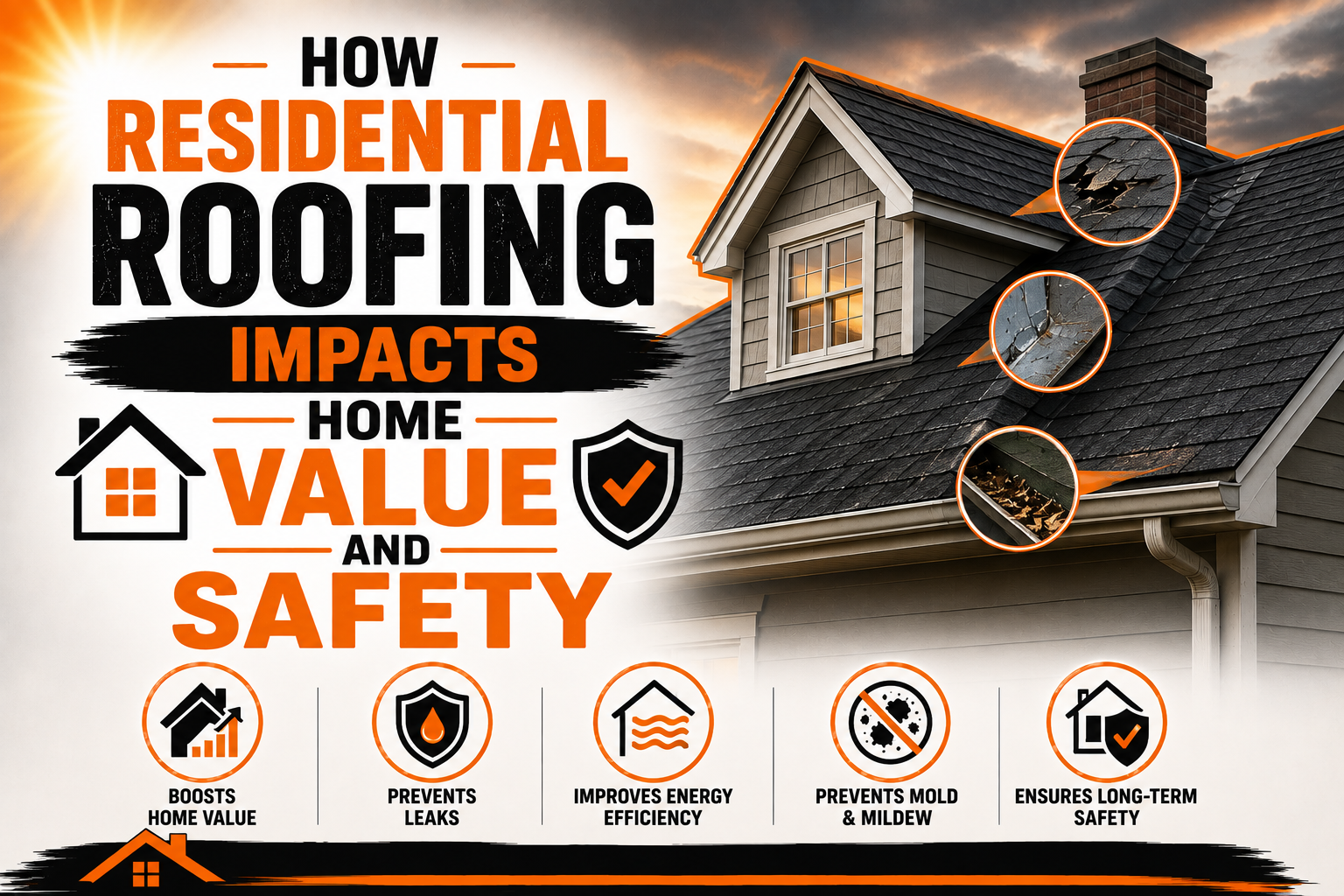
How Residential Roofing Impacts Home Value and Safety
Introduction
A residential roof is one of the most important parts of a home because it protects the property from weather while also contributing to its appearance, comfort, and overall condition. Although homeowners often think about roofing mainly when repairs or replacement are needed, the quality and condition of a roof can influence much more than the top of the building. A well-maintained roofing system can support property value and create a safer environment for the people living inside.
The roof acts as a barrier between the interior of the home and outdoor conditions such as rain, wind, sunlight, temperature changes, and debris. When this barrier performs properly, it helps protect ceilings, walls, insulation, electrical components, and other parts of the building. When roofing problems are ignored, moisture and structural damage can gradually spread beyond the roof itself.
Roof condition can also affect how a property is viewed by potential buyers. A roof that looks neglected, damaged, or near the end of its service life may create concerns about future repair costs. In contrast, a properly installed and maintained roof can give buyers greater confidence that the home has been cared for.
The relationship between roofing and home value is not based on appearance alone. Material quality, installation workmanship, maintenance history, remaining service life, energy performance, and resistance to local weather conditions can all influence how a roof contributes to the property. These factors become particularly important when a homeowner is preparing to sell or refinance a property.
Safety is equally important. Loose roofing materials, water intrusion, damaged flashing, deteriorated decking, and poor drainage can create risks that affect both the building and its occupants. Addressing these issues early can reduce the likelihood of more serious damage.
A roofing system should therefore be viewed as a long-term investment in the property. Understanding how roof condition, materials, installation, and maintenance influence both value and safety can help homeowners make better decisions throughout the life of their homes.
How Roofing Condition Influences Property Value
The condition of a roof can strongly influence a home’s overall appearance and perceived condition. Because the roof covers such a large and visible portion of many properties, deterioration can be noticeable from the street. Missing shingles, damaged tiles, stained surfaces, sagging areas, or visibly worn materials can make a property appear less maintained.
Potential buyers often consider the roof when evaluating whether a home is worth purchasing. A roof that appears to require immediate attention may cause buyers to anticipate additional expenses after moving into the property. This can influence their willingness to make an offer or affect how they negotiate the purchase price.
A newer or well-maintained roof can provide a different impression. It may suggest that the homeowner has invested in maintaining important parts of the property. While a good roof does not guarantee that every part of a home is in excellent condition, it can contribute positively to the property’s overall presentation.
Remaining service life is another important consideration. Buyers may be more comfortable purchasing a property when they have a reasonable understanding of how long the roofing system is expected to remain functional. Documentation about installation, maintenance, repairs, and materials can make this information easier to establish.
Roof condition can become especially important during property inspections. An inspector may identify damaged roofing materials, drainage concerns, flashing problems, moisture evidence, or other conditions that require further evaluation. Significant findings can affect negotiations and may lead buyers to request repairs or other concessions.
The roof can also affect the condition of other parts of the property. A leaking roof may allow water to reach ceilings, walls, insulation, or structural components. If this damage becomes extensive, the property’s overall condition may decline beyond the original roofing problem.
Curb appeal is another factor. A clean, properly maintained roof can complement the exterior walls, windows, doors, landscaping, and architectural style of the home. An aging or visibly damaged roof can have the opposite effect, even when some of its underlying components remain functional.
Homeowners should therefore avoid thinking about roofing value only when they are preparing to sell. Regular maintenance and timely repairs can help preserve the roof’s condition throughout its service life. This can make future property decisions easier and reduce the likelihood of an urgent replacement becoming necessary at an inconvenient time.
A roof does not automatically add value simply because it is expensive. The greatest benefit comes from having a suitable, properly installed, well-maintained roofing system that provides reliable protection and complements the property.
Roofing Materials and Their Effect on Home Value
The roofing material selected for a home can influence its appearance, durability, maintenance requirements, and long-term appeal. Different materials provide different combinations of cost, service characteristics, and architectural style, so homeowners should select products based on the property’s actual requirements.
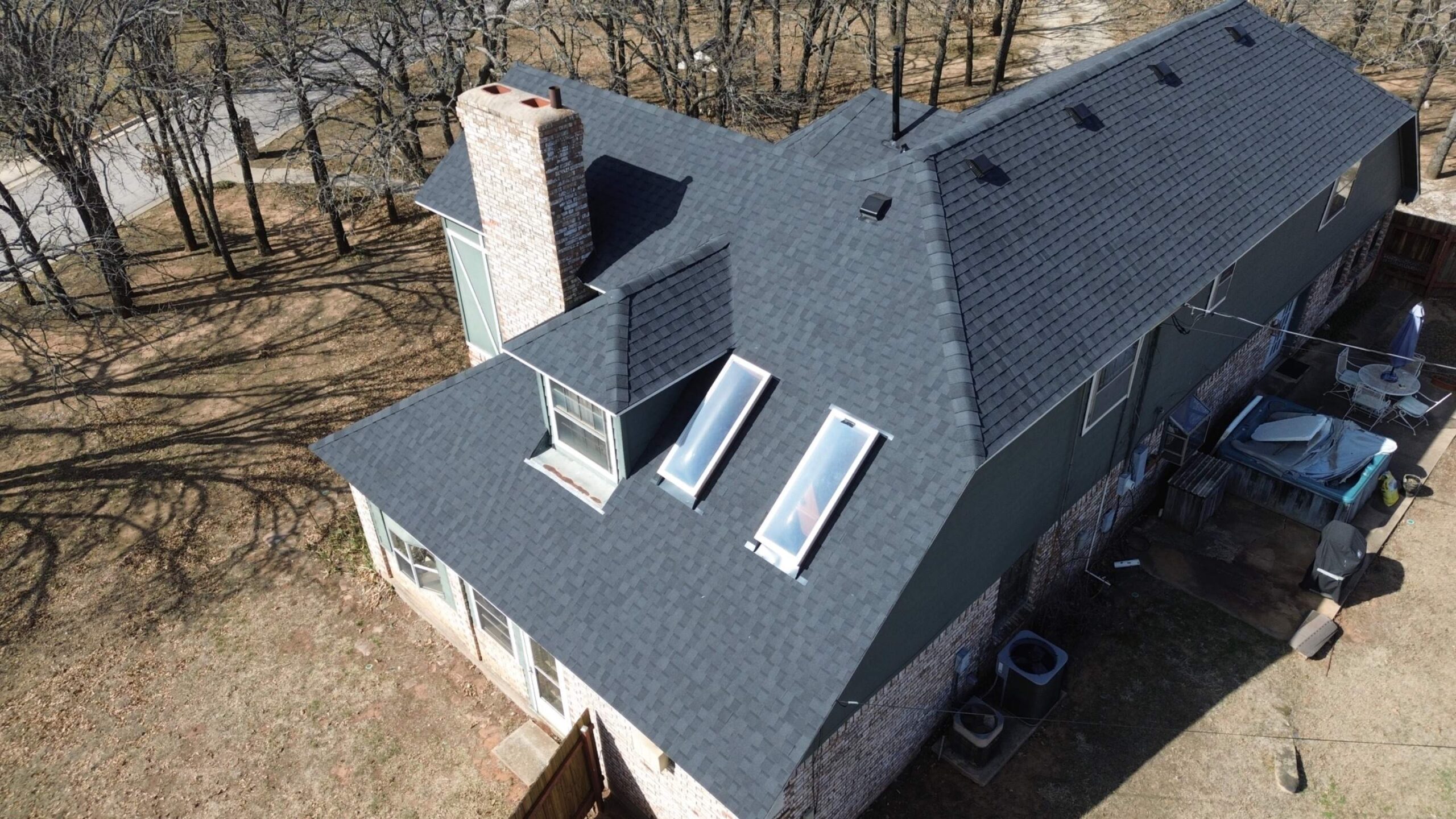
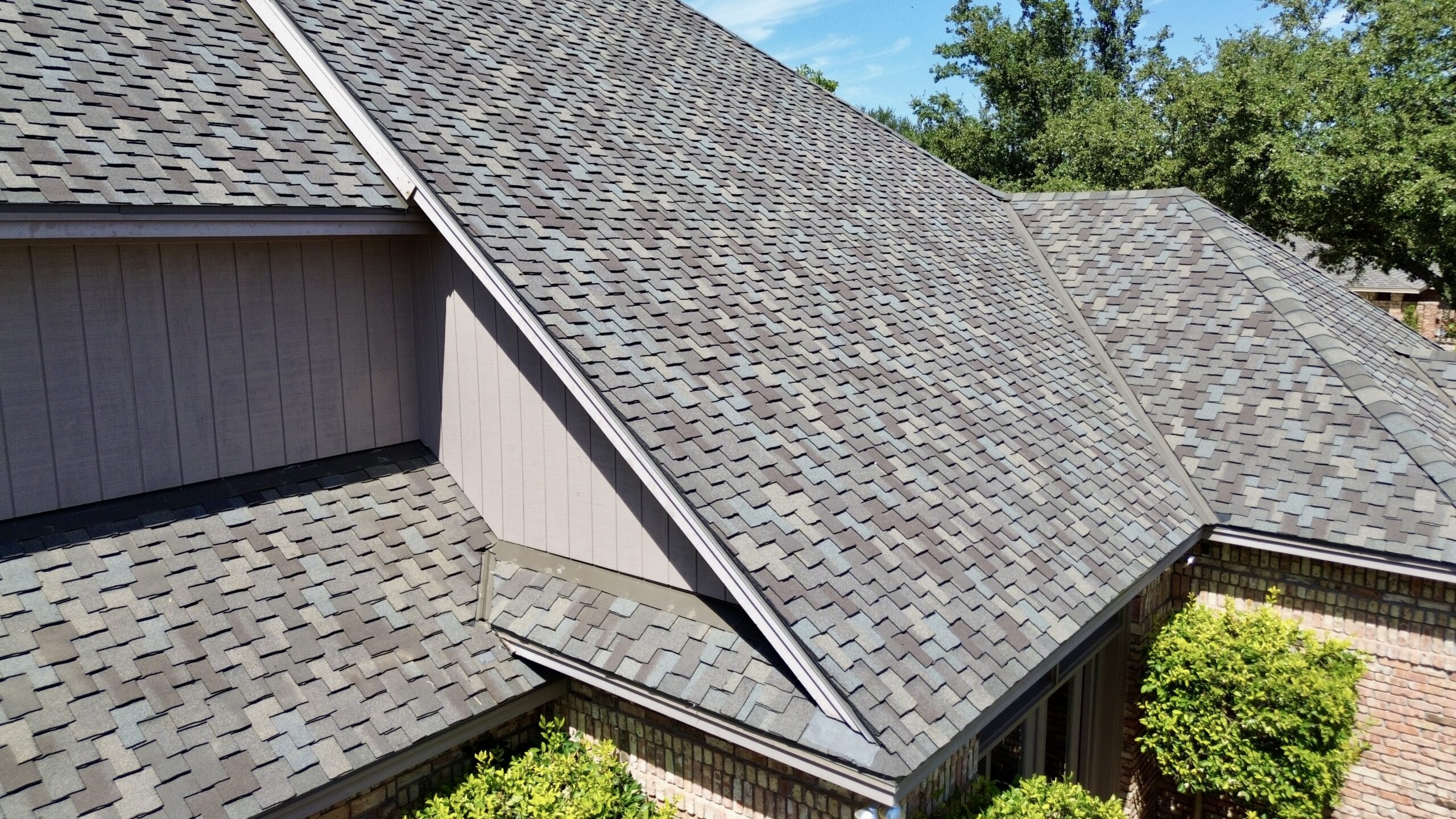
Asphalt shingles are widely used in residential construction because they are available in many styles and price ranges. They can complement a broad range of home designs and are relatively familiar to many roofing contractors. Proper installation and maintenance are important for achieving the expected performance.
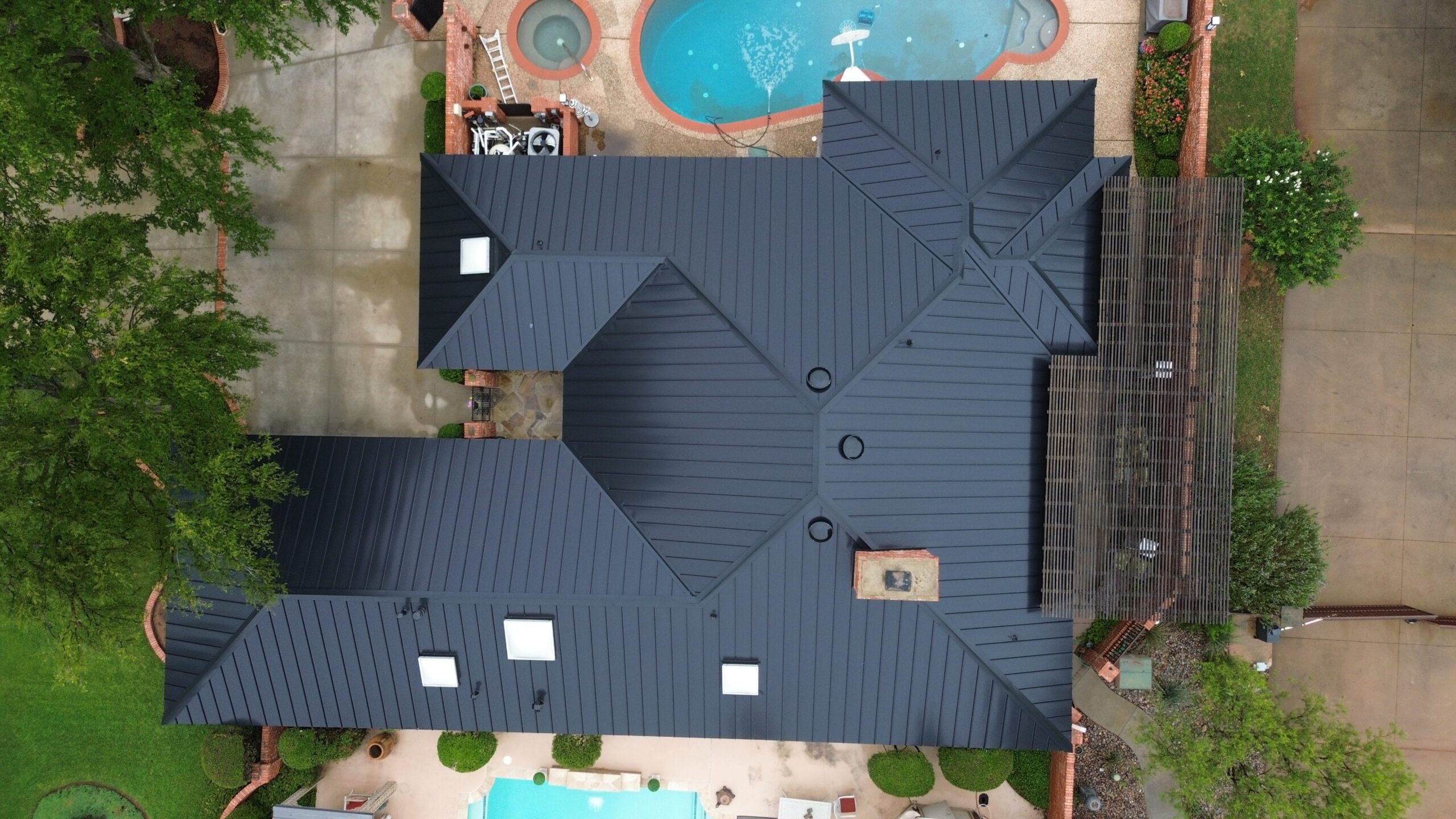
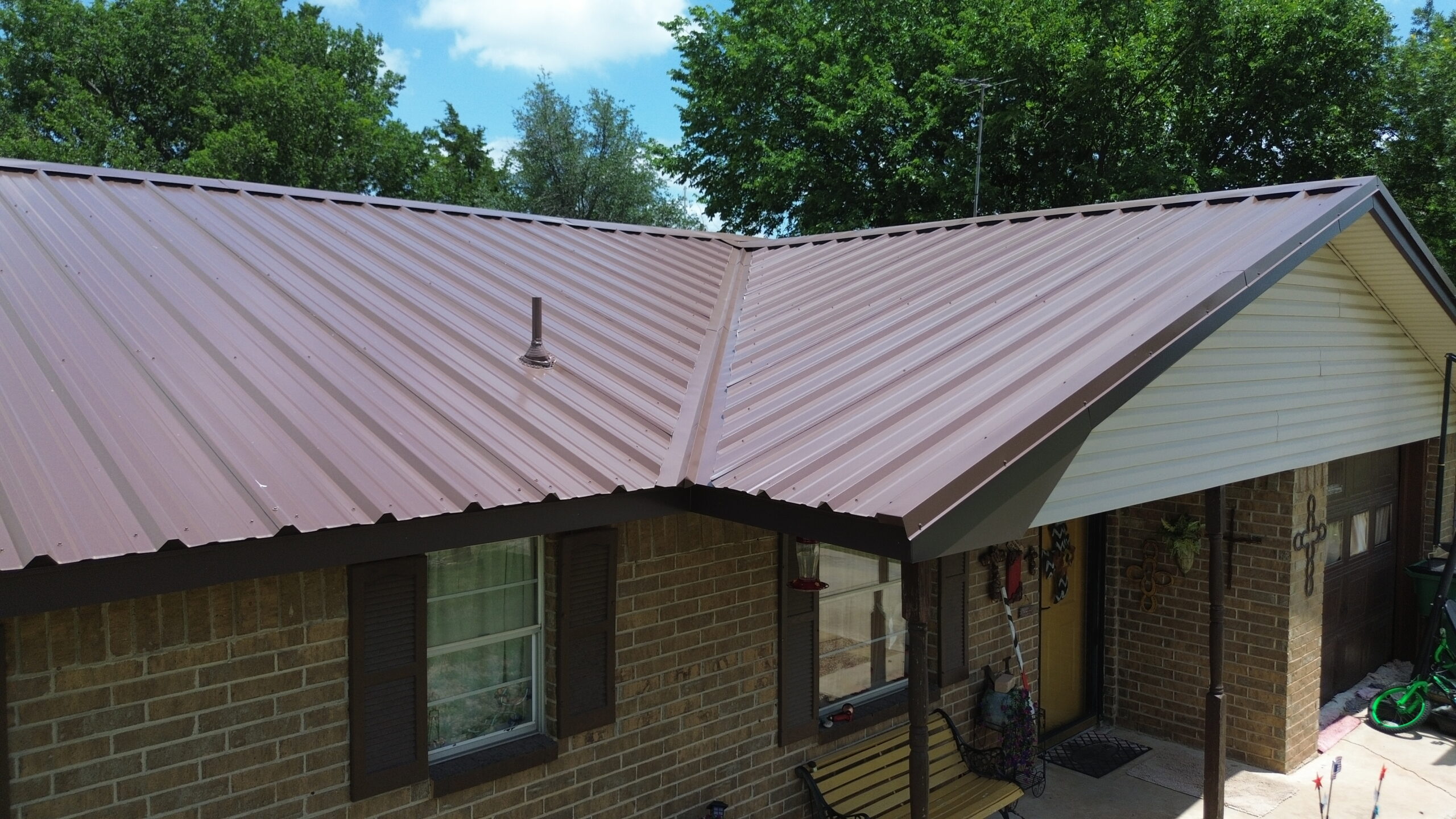
Metal roofing can provide a distinctive appearance while offering durability and a variety of design options. Standing seam panels and other metal profiles can suit modern homes, while some products are designed to resemble traditional roofing materials. The quality of the installation is particularly important around seams, fasteners, edges, and penetrations.
Clay and concrete tiles can provide strong architectural appeal. Their distinctive shapes and textures can complement certain home styles and may contribute to a premium appearance. However, their weight needs to be considered because the structure must be capable of supporting the roofing system.
Natural slate can offer a high-end appearance and potentially very long service life when properly installed and maintained. It is heavier and more specialized than many common roofing materials, so the building structure and availability of experienced installers should be considered before selection.
Synthetic and composite roofing products can provide alternatives for homeowners who want the appearance of slate, wood, or other materials. Some products are designed to reduce weight or maintenance requirements while maintaining a particular architectural appearance.
Material selection can influence property value, but homeowners should not assume that the most expensive option will always provide the greatest return. A material that suits the home’s architecture, climate, structure, and maintenance expectations can be more valuable than a premium product that is poorly matched to the property.
The quality of the roofing material also matters. Homeowners should compare product specifications, expected service characteristics, warranty terms, and installation requirements. Two products within the same general category may have significantly different characteristics.
Climate should be considered alongside material choice. A roof exposed to heavy rain, strong winds, intense sunlight, hail, or other demanding conditions needs materials and installation methods appropriate for that environment. Local weather exposure can affect how the roof ages and how much maintenance it requires.
A well-selected roofing material can support both property appearance and long-term performance. However, the material is only one part of the equation. Its value depends heavily on correct installation, proper maintenance, and compatibility with the home.
How a Strong Roof Protects Home Occupants
One of the primary purposes of a residential roofing system is to protect the people and belongings inside the home. The roof creates a barrier against rain, wind, sunlight, temperature changes, and falling debris. When the system is properly designed and maintained, it helps create a more secure and comfortable living environment.
Water protection is one of the roof’s most important functions. Rainwater needs to move across the roofing surface and toward valleys, gutters, drains, and downspouts without entering the building. Proper roofing materials, underlayment, flashing, and drainage components work together to control this movement.
A strong roof can also help protect the building during windy conditions. Proper fastening keeps roofing materials attached to the supporting structure, while appropriate edge and flashing details protect vulnerable areas. This becomes particularly important in regions that experience strong storms.
The roof also helps protect interior spaces from temperature extremes. Roofing materials, insulation, ventilation, and air control work together to influence how heat moves through the upper part of the building. A properly functioning system can contribute to more stable indoor conditions.
Moisture protection is closely connected to occupant safety. Persistent water intrusion can affect ceilings, walls, insulation, and other building materials. If moisture problems remain unresolved, they may create additional indoor environmental concerns and contribute to deterioration.
The structural condition of the roof is also important. A roof deck or supporting component that has been weakened by long-term moisture may not provide the same level of reliability as a sound structure. Regular professional inspections can help identify conditions that are difficult for homeowners to observe.
Falling debris is another potential hazard. Branches and other objects can damage roofing materials during storms. Maintaining nearby trees and addressing vulnerable branches can reduce the likelihood of impact damage.
Roof safety also depends on avoiding unnecessary risks during maintenance. Homeowners should not walk on roofs simply to perform routine checks, especially when the surface is steep, wet, fragile, or unfamiliar. Professional roofers have the appropriate equipment and experience for detailed inspections and repairs.
A strong roof therefore provides more than weather protection. It supports the safety and integrity of the entire building. When the roofing system performs correctly, it helps keep water, wind, heat, and other external hazards from creating problems inside the home.
Roof Installation Quality and Long Term Safety
Installation quality has a direct influence on both roofing performance and residential safety. Even high-quality materials can fail prematurely when they are installed incorrectly. The contractor’s workmanship determines how effectively the different roofing components work together after the project is complete.
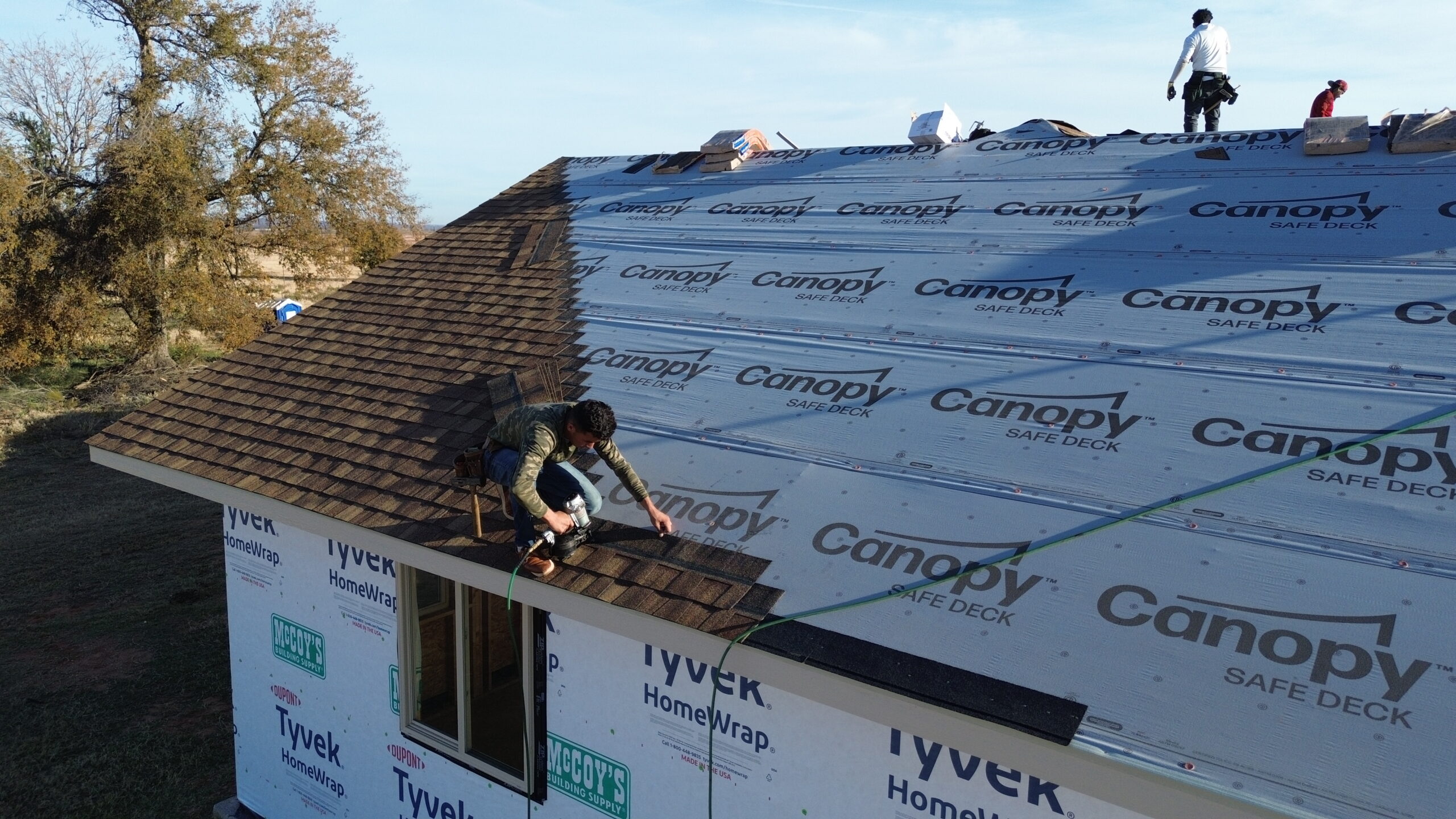
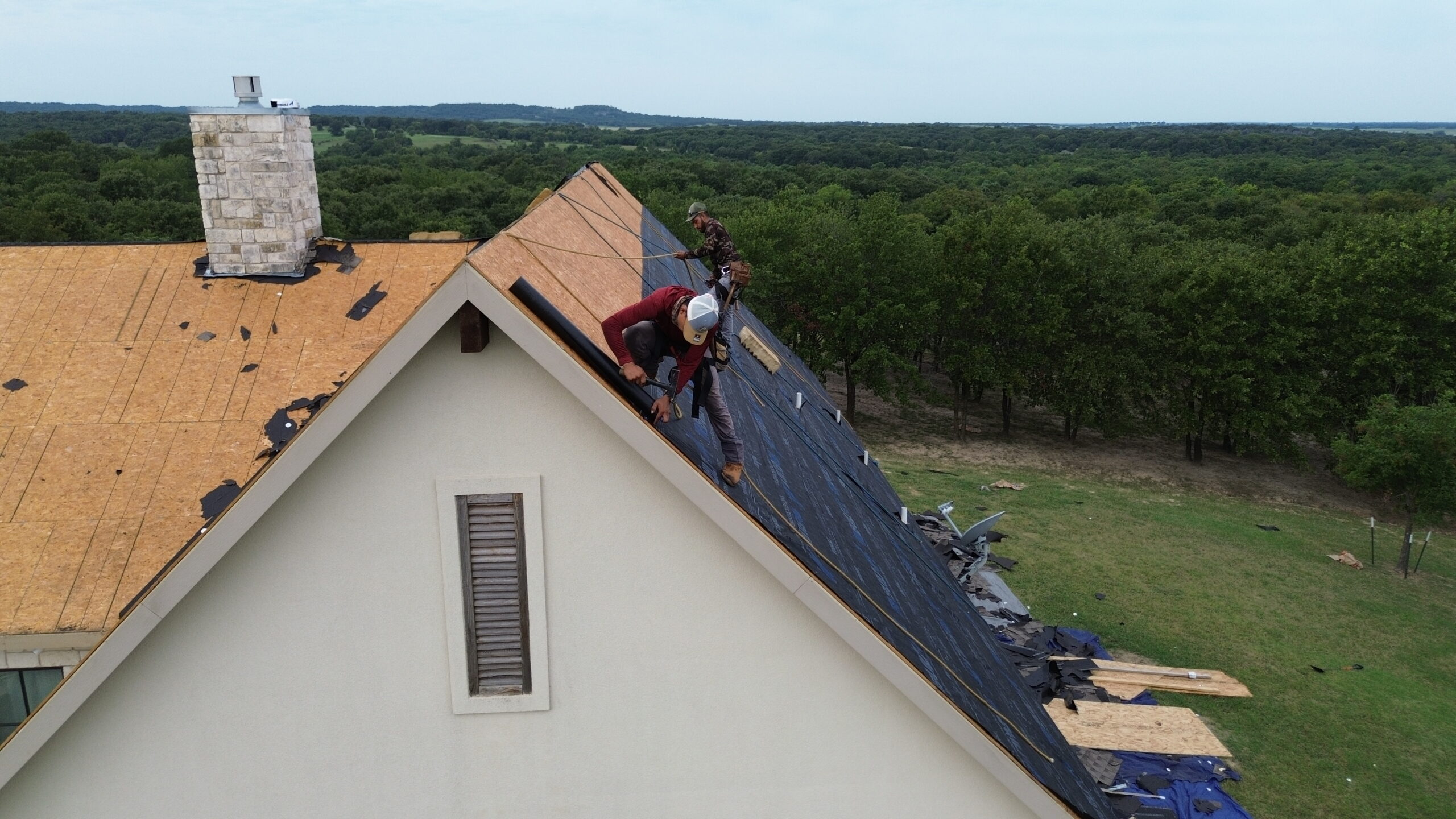
The roof deck should be inspected and properly prepared before new materials are installed. Damaged or deteriorated sections may need replacement so the new roofing system has a stable foundation. Covering damaged decking without addressing the underlying problem can create future performance issues.
Underlayment provides secondary protection against moisture and needs to be installed according to the roofing system’s requirements. Proper overlaps, fastening, and integration with flashing are important for maintaining the intended protective layers.
Flashing requires particular attention because it protects transitions around chimneys, skylights, vents, pipes, walls, valleys, and other penetrations. Poorly installed flashing can create leak pathways even when the primary roofing material appears to be in good condition.
Fasteners must also be appropriate for the material and correctly positioned. Underdriven, overdriven, misplaced, or insufficient fasteners can reduce attachment strength and create potential weaknesses. Proper fastening is especially important when the roof needs to resist strong winds.
Ventilation and drainage should be integrated into the installation rather than treated as separate concerns. Ventilation openings need to remain functional, while valleys, gutters, downspouts, and roof edges must provide clear routes for water.
A professional contractor should perform quality checks throughout installation and conduct a final inspection when the work is complete. Any visible defects, damaged materials, incomplete flashing, or drainage problems should be corrected before the project is considered finished.
Good installation creates a stronger foundation for the roof’s entire lifecycle. It can reduce the likelihood of premature leaks, material movement, moisture intrusion, and other problems that could affect both property value and occupant safety.
For homeowners, choosing a qualified contractor is therefore one of the most important roofing decisions. Relevant experience, insurance, applicable licensing, references, written project details, and familiarity with the selected roofing system can help reduce installation-related risks.
The connection between installation quality, safety, and property value becomes clear over time. A properly installed roof is better positioned to protect the building, maintain its appearance, and provide reliable performance as it ages. When installation is combined with regular maintenance and timely repairs, the roofing system can contribute to both a safer home and stronger long-term property condition.
Roofing Maintenance and Property Value
Regular roofing maintenance plays an important role in protecting both the physical condition and financial value of a residential property. A roof is continuously exposed to weather, and even minor issues can become more serious when they remain unaddressed. Routine inspections and maintenance help homeowners preserve the roof’s appearance, performance, and remaining service life.
One of the simplest maintenance responsibilities is keeping gutters and downspouts clear. Leaves, branches, dirt, and other debris can restrict water flow and cause rainwater to overflow around roof edges. Repeated overflow can affect fascia, exterior walls, roof decking, and other building components.
Roofing materials should also be checked periodically for visible damage. Depending on the system, homeowners may notice missing shingles, cracked tiles, loose panels, deteriorated wood components, or other changes. Detailed inspections should be performed by qualified professionals when roof access is necessary.
Flashing is another important maintenance area. Components around chimneys, skylights, vents, pipes, valleys, and walls can deteriorate over time. Damaged flashing may allow water to enter the roofing assembly and create problems that extend beyond the original location.
Vegetation management can also protect the roof. Branches hanging over the roof may fall during storms, while leaves and organic debris can accumulate on roofing surfaces and in drainage pathways. Keeping nearby trees appropriately maintained can reduce these risks.
Regular maintenance can also preserve curb appeal. A roof with excessive debris, visible damage, or neglected drainage can make the entire property appear poorly maintained. A clean and properly functioning roofing system supports a more attractive exterior.
Maintenance records can provide additional value when a homeowner eventually sells the property. Documentation showing inspections, repairs, material information, and professional maintenance can give potential buyers a clearer understanding of the roof’s history.
A roof does not need to be replaced simply because it has reached a particular age. Proper maintenance can help homeowners identify whether the existing system remains serviceable or whether certain components require attention. This allows decisions to be based on actual condition rather than assumptions.
Ignoring maintenance can have the opposite effect. Small leaks, blocked drainage, damaged flashing, and minor material defects can expose the building to increasing moisture and weather damage. As repair needs become more extensive, the financial impact can also increase.
Homeowners should therefore view maintenance as a form of property protection. Spending time and money on appropriate preventive care can help preserve the roof and reduce the likelihood of unexpected problems that could affect both safety and property value.
How Roofing Affects Energy Efficiency and Comfort
A residential roofing system can influence indoor comfort and the amount of energy required to maintain suitable temperatures. Although roofing materials are only one part of the building envelope, the roof works together with insulation, ventilation, air sealing, and attic design to control heat movement.
During hot weather, the roof is exposed to direct sunlight and can absorb substantial heat. Some of this heat can move into the attic and eventually affect indoor spaces. Appropriate roofing materials, insulation, ventilation, and building-envelope design can help manage these conditions.
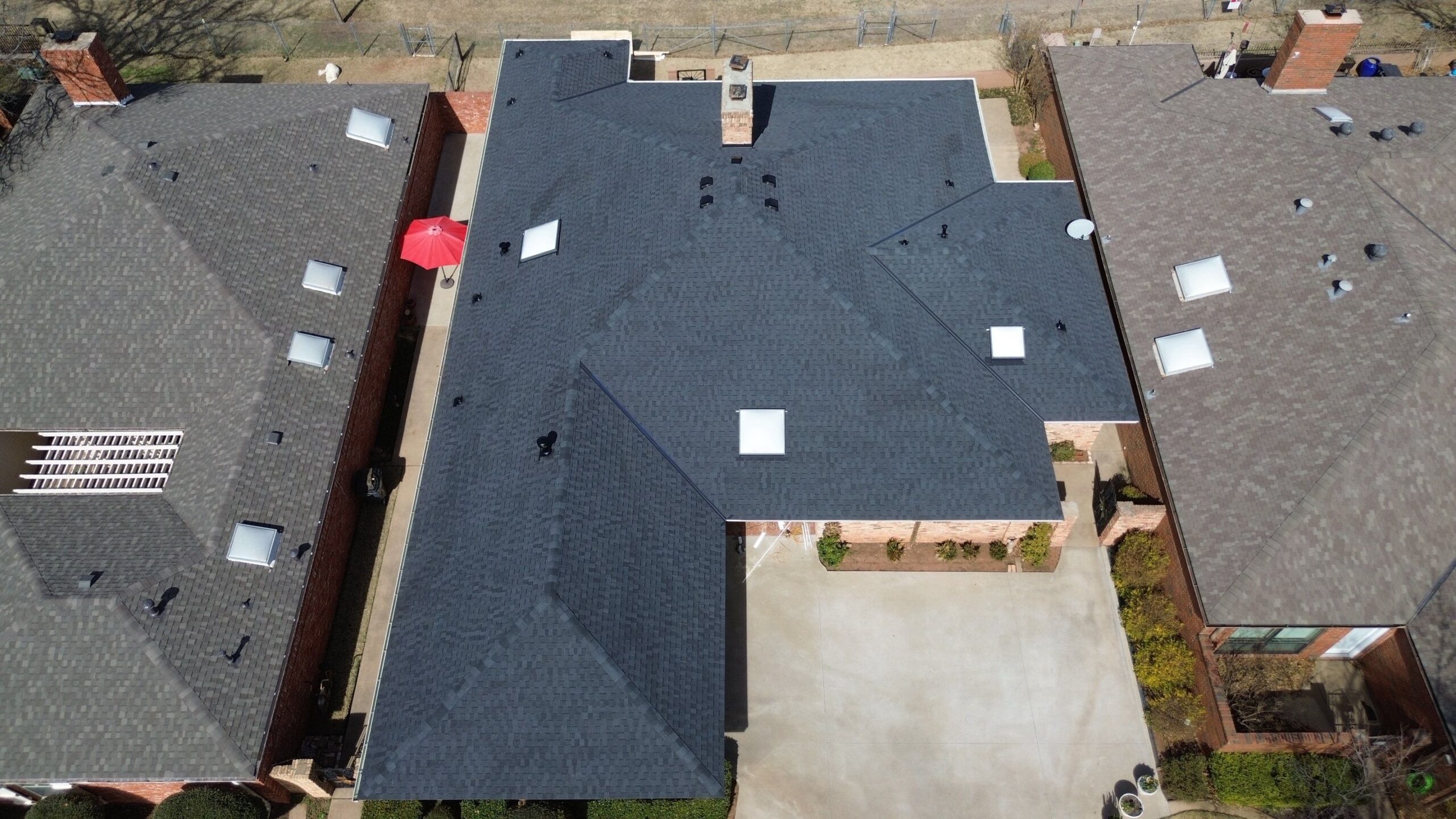
Ventilation can help move warm air out of certain attic spaces when the system is properly designed. Intake vents and exhaust vents need to work together to support airflow. However, ventilation should not be treated as a replacement for adequate insulation or proper air sealing.
Insulation helps reduce heat transfer between the living area and the roof or attic. When insulation is insufficient, more heat may move between indoor and outdoor spaces. Improving insulation can therefore support more consistent indoor temperatures when it is compatible with the existing building design.
Air leakage is another important factor. Gaps around pipes, electrical fixtures, attic access points, and other penetrations can allow conditioned air to move into attic spaces. In some circumstances, this air can carry moisture that contributes to condensation.
Moisture management is closely connected to comfort and building condition. A roof that allows water intrusion can affect insulation and other materials, potentially reducing their effectiveness. Correcting the source of moisture is more important than simply treating the visible interior symptom.
Roof color and material characteristics can also influence how much solar energy is absorbed. However, homeowners should avoid selecting materials based solely on color because roof performance depends on the complete assembly and local conditions.
The roof’s design can also affect indoor comfort. Low-slope systems, vaulted ceilings, vented attics, and conditioned roof assemblies all behave differently. The appropriate insulation and ventilation approach depends on the building’s construction.
Energy efficiency can indirectly support property value because buyers may consider the condition and performance of the building envelope when evaluating a home. A well-maintained roofing system with appropriate insulation and ventilation can contribute to a more comfortable property.
Homeowners should be careful when making modifications intended to improve energy performance. Adding insulation without considering existing ventilation can block airflow, while changing ventilation without understanding the building envelope may not solve the underlying problem.
A roofing professional or qualified building professional can help evaluate how the roof, insulation, ventilation, and air control interact. Taking a complete approach can improve comfort while reducing the likelihood of creating new moisture or ventilation problems.
Weather Resistance and Residential Safety
A roof must withstand the environmental conditions experienced by the property throughout the year. Rain, wind, hail, sunlight, temperature changes, and other weather conditions can gradually affect roofing materials and supporting components. The ability of the roofing system to respond to these conditions is closely connected to residential safety.
Heavy rainfall places significant demands on the roof’s water-management system. Roofing materials need to shed water while valleys, flashing, gutters, downspouts, and other drainage components direct it away from the building. Poor drainage can allow moisture to reach vulnerable areas.
Strong winds can place substantial forces on roofing materials. Proper fastening is important because loose or inadequately attached materials can become displaced during storms. Roof edges and corners may require particular attention because they can experience significant wind exposure.
Hail can damage many types of roofing materials. The severity of damage depends on factors such as hail size, impact location, roofing material, and storm conditions. Some damage may be difficult to identify from the ground, making professional inspection useful after severe hail events.
Falling branches can create another risk during storms. Trees near the home should be maintained so that weak or hazardous branches are less likely to fall onto the roof. Preventive tree maintenance can reduce the possibility of damage to roofing materials, gutters, and other exterior components.
Extreme heat and repeated temperature changes can contribute to long-term material aging. Roofing materials expand and contract as temperatures change, while prolonged sunlight can affect certain surfaces. Appropriate product selection and installation can help the system accommodate normal environmental exposure.
Cold conditions can create different challenges in areas that experience freezing temperatures or snow. Moisture management, insulation, ventilation, roof design, and drainage can influence how the roofing assembly responds to cold conditions. Local requirements and product recommendations should guide installation.
Coastal properties may experience additional exposure to moisture, salt, and strong winds. Metal components and fasteners may require appropriate corrosion resistance, while the overall roofing system should be selected according to local environmental conditions.
Severe weather can affect even a relatively new roof. Homeowners should therefore avoid assuming that age alone determines whether an inspection is necessary after a major storm. A professional assessment can identify damage before it develops into a significant leak or structural problem.
A weather-resistant roof protects more than the roofing surface. By keeping water and wind outside the building, it helps protect ceilings, walls, insulation, electrical components, and structural materials. This makes weather resistance an important part of both property protection and occupant safety.
Roof Age and Its Effect on Home Value
Roof age is an important consideration when evaluating a property’s condition, but it should not be treated as the only measure of roofing quality. A roof’s actual performance depends on material type, installation workmanship, maintenance, climate, and exposure to severe weather.
Potential buyers may pay close attention to the age of the roof because replacement can represent a significant future expense. A home with an older roof may require more careful evaluation, particularly when there is limited documentation about its maintenance or repair history.
A relatively newer roof can provide greater confidence when its installation records and maintenance history are available. However, age alone does not guarantee good performance. Poor installation or neglected maintenance can cause problems even during the earlier stages of a roof’s lifecycle.
The remaining service life is often more useful than the installation date alone. A professional inspection can evaluate the condition of the roofing materials, flashing, drainage, roof edges, and other components. This can provide homeowners with a better understanding of whether the system remains functional.
Material type also influences how age should be interpreted. Different roofing systems have different expected service characteristics and maintenance requirements. Homeowners should compare the actual product and installation history rather than relying on a general lifespan associated with an entire category.
Weather exposure can accelerate deterioration. A roof that has experienced repeated severe storms may be in a different condition from another roof of the same age that has experienced milder conditions. Post-storm inspections and timely repairs can therefore influence the long-term condition of the system.
Maintenance history is another valuable factor. Regular inspections and documented repairs demonstrate that the roof has been actively managed. When buyers can review these records, they may have a clearer understanding of the property’s roofing condition.
An aging roof does not automatically reduce property value significantly if it remains in good condition and has adequate remaining service life. However, visible deterioration or uncertainty about future replacement can create concerns during a property transaction.
Homeowners approaching a sale should consider having the roof professionally inspected. Understanding its current condition allows them to decide whether repairs, maintenance, documentation, or replacement should be considered before listing the property.
Roof age should therefore be viewed as one part of a larger assessment. Condition, material, maintenance, installation quality, weather exposure, and remaining service potential provide a more complete picture of how the roof affects property value.
Roof Repairs and Their Impact on Property Decisions
Roof repairs are a normal part of maintaining many residential roofing systems, particularly as materials become older and weather exposure accumulates. A well-managed repair can preserve the existing roof and prevent localized damage from spreading. However, repeated or poorly documented repairs can also become a concern when evaluating a property’s long-term condition.
Minor repairs may involve replacing damaged shingles, correcting flashing, repairing a small section of metal roofing, or addressing a localized drainage problem. These repairs can be practical when the surrounding roofing system remains in good condition.
The cause of the problem should always be identified before repair work begins. A visible leak may originate from flashing, a roof penetration, a valley, or another area away from where water appears inside the home. Treating only the visible symptom may allow the underlying issue to continue.
Professional repairs can also help preserve safety. Correcting loose roofing materials, damaged flashing, or water intrusion reduces the likelihood of additional deterioration. Prompt action is particularly important when damage could expose the roof deck or interior spaces to moisture.
The repair history can also provide important information about property condition. A few isolated repairs are not necessarily concerning, but frequent repairs across different parts of the roof may indicate broader deterioration. Potential buyers may want to understand why repairs have been repeatedly necessary.
Documentation can make repaired roofing systems easier to evaluate. Homeowners should retain invoices, photographs, contractor information, material details, and descriptions of completed work. This creates evidence that problems were addressed professionally.
There is also a point when continuing repairs may no longer provide good value. If the roof requires frequent attention and major components are deteriorating, replacement may offer a more predictable long-term solution.
Repair decisions should therefore consider the roof’s overall condition, not just the immediate cost. A small repair can be highly worthwhile when it extends the useful life of a healthy system, while repeated repairs on a severely deteriorated roof may simply postpone an inevitable replacement.
For homeowners considering selling, unresolved roofing problems can complicate the transaction. Addressing legitimate defects and maintaining clear records can make it easier to explain the roof’s condition to inspectors and prospective buyers.
The best approach is to treat repairs as part of the roofing lifecycle. Timely, appropriate repairs help protect the property and occupants while also providing information about how the roof is aging. When repair requirements become widespread, homeowners can use that history to make a more informed replacement decision.
Balancing Roofing Cost, Value, and Safety
Roofing decisions often involve balancing three major considerations: cost, property value, and safety. Homeowners naturally want to control expenses, but choosing the lowest initial price may not always produce the best long-term result. A roofing system should provide appropriate protection while remaining financially practical for the property.
Initial cost includes more than the primary roofing material. Labor, removal, disposal, roof deck preparation, underlayment, flashing, ventilation, drainage, and other components can significantly affect the total project price. Homeowners should compare complete project estimates rather than focusing on one material price.
Long-term costs should also be considered. A roofing system may require repairs, inspections, cleaning, or specialized maintenance throughout its service life. Comparing expected maintenance and repair requirements can provide a better understanding of the overall investment.
Quality installation should not be sacrificed simply to reduce the project price. Poor workmanship can lead to leaks, material movement, flashing failures, and premature deterioration. These problems may create additional expenses that outweigh the initial savings.
Safety should remain a central priority. A roof protects the building from weather and helps prevent moisture from reaching structural and interior components. Choosing appropriate materials and professional installation supports this protective function.
Property value should be considered alongside safety rather than separately. A roof that protects the home effectively and remains visually well maintained can support overall property condition. However, homeowners should avoid assuming that every expensive roofing upgrade will produce an equivalent increase in resale value.
The most sensible decision is usually one that matches the roofing system to the home’s actual needs. Climate, structure, material characteristics, installation quality, maintenance requirements, and expected time in the property should all be considered.
A professional contractor can help homeowners compare these factors and explain the practical differences between available options. Multiple written estimates can also make it easier to understand differences in materials, scope, and installation methods.
By balancing cost, value, and safety, homeowners can avoid decisions based solely on short-term savings or appearance. A carefully planned roofing investment can protect the property, support occupant safety, and contribute to reliable long-term performance.
Roof Replacement and Long Term Property Value
Roof replacement can become an important investment when an existing roofing system is no longer providing reliable protection. A replacement does more than improve the appearance of a property because it can address aging materials, recurring leaks, damaged decking, outdated components, and other problems affecting the home’s condition. When properly planned and installed, a new roof can provide homeowners with greater confidence in the property’s long-term performance.
The decision to replace a roof should be based on its overall condition rather than age alone. Widespread deterioration, repeated leaks, extensive storm damage, damaged roof decking, and frequent repair requirements can indicate that continued maintenance may no longer be the most practical solution. A professional inspection can help determine whether replacement is justified.
Choosing suitable materials is an important part of the replacement process. Homeowners can compare asphalt shingles, metal roofing, tile, slate, synthetic products, and other systems according to the home’s structure, climate, architectural style, budget, and maintenance expectations. The most expensive material is not necessarily the best option if it does not suit the property.
A replacement roof can also improve curb appeal. New roofing materials can create a cleaner and more consistent appearance that complements the home’s exterior. Color, texture, profile, and material selection should be considered together so the roof works naturally with the property’s architectural style.
Property value can benefit from a roof that is in good condition and has a clear maintenance history. Potential buyers may feel more comfortable when they know the roof has been recently installed or professionally maintained. Installation documents, warranties, inspection reports, and repair records can provide useful evidence of responsible property care.
A new roof may also address problems that could otherwise affect other parts of the building. Correcting damaged flashing, drainage, ventilation, or roof decking during replacement can help protect walls, ceilings, insulation, and structural components from future moisture exposure.
However, homeowners should have realistic expectations about resale value. Roofing improvements can contribute to marketability and property condition, but the cost of a replacement does not necessarily translate into an equal increase in selling price. The greatest benefit often comes from reducing concerns about major near-term roofing expenses.
Replacement can also improve safety by restoring the roof’s ability to resist weather exposure. Proper fastening, flashing, underlayment, drainage, and structural preparation can create a stronger protective barrier around the home.
A well-planned replacement therefore supports several goals at once. It can improve appearance, restore weather protection, reduce recurring repair concerns, and give homeowners a more predictable roofing system for the next stage of the property’s lifecycle.
Roofing Features That Improve Home Safety
A safe residential roof depends on the performance of several components rather than the primary roofing material alone. Drainage, flashing, ventilation, fastening, roof edges, underlayment, and structural support all contribute to how effectively the roof protects the people and property inside the building.
Effective drainage is one of the most important safety features. Rainwater should move across the roof and toward gutters, downspouts, drains, or other designated outlets without becoming trapped. Proper drainage reduces prolonged moisture exposure and helps protect the roof deck and surrounding building materials.
Flashing provides another important layer of protection. It is installed around chimneys, skylights, vents, pipes, valleys, walls, and other transitions where the roof surface is interrupted. Properly installed flashing directs water away from vulnerable areas and reduces the possibility of hidden leaks.
Strong fastening helps keep roofing materials attached to the structure during normal weather and high winds. The correct nails, screws, clips, or other fasteners should be selected for the roofing system and installed according to manufacturer requirements. Poor fastening can increase the risk of loose or displaced materials during storms.
Underlayment provides secondary moisture protection beneath many roofing systems. If wind-driven rain or moisture gets beneath the primary roof covering, properly installed underlayment can provide an additional barrier before water reaches the roof deck.
Ventilation can contribute to safer building conditions by helping manage heat and moisture in appropriate attic spaces. Intake and exhaust ventilation should be properly coordinated, and insulation should not block intended airflow pathways.
Roof edges also deserve attention because they can experience significant wind and water exposure. Drip edges, fascia, gutters, and related components should be correctly installed and maintained to prevent water from reaching vulnerable areas.
The roof deck itself must remain structurally sound. Long-term moisture intrusion can weaken wood-based decking and potentially affect the attachment of roofing materials. During installation or replacement, damaged decking should be evaluated and repaired rather than simply covered.
Roof penetrations require additional care. Solar panels, antennas, vents, skylights, and other equipment can create openings or attachment points. These features should be installed without compromising the existing waterproofing or structural integrity of the roof.
Safety also includes maintenance practices. Homeowners should avoid walking on roofs without appropriate training and equipment. Professional inspections are preferable for steep, fragile, wet, or otherwise difficult-to-access surfaces.
When these features are correctly designed, installed, and maintained, they create multiple layers of protection. The result is a roofing system that does more than keep rain outside. It helps protect the structure, interior spaces, belongings, and occupants from a wide range of environmental hazards.
How Homeowners Can Protect Roofing Value and Safety
Homeowners play an important role in maintaining the condition and safety of their roofing systems after professional installation. Although roofing contractors handle installation and major repairs, routine observation and preventive maintenance can help identify problems before they become extensive.
Regular inspections should form the foundation of a roofing maintenance plan. Homeowners can perform basic visual observations from safe areas and arrange professional inspections when needed. The frequency of professional inspections depends on the roof’s age, material, climate, maintenance history, and exposure to severe weather.
Gutters and downspouts should be kept clear of leaves, branches, and accumulated debris. Blocked drainage can cause water to overflow around roof edges and create unnecessary moisture exposure. Properties surrounded by trees may require more frequent gutter maintenance.
Vegetation around the roof should also be managed. Overhanging branches can damage roofing materials during storms, while leaves and organic debris can collect on the roof. Keeping trees appropriately trimmed can reduce both impact and moisture-related risks.
Homeowners should pay attention to changes inside the house. Water stains, damp areas, peeling ceiling finishes, unusual odors, or damaged insulation may indicate a roofing or moisture problem. Interior signs should be investigated promptly because water can travel away from the actual point where it enters.
After severe weather, homeowners should check the property from a safe location for obvious damage. Strong winds, hail, heavy rain, and falling branches can affect roofing materials even when the damage is not immediately visible. A professional inspection may be appropriate after significant storms.
Repairs should be addressed promptly once a problem is identified. A small flashing defect or damaged roofing material may be relatively simple to correct when discovered early. Delaying the repair can expose additional components to water and environmental conditions.
Homeowners should also keep roofing documentation organized. Installation contracts, material specifications, warranties, inspection reports, invoices, and photographs can help establish the history of the roofing system. These records can be valuable when planning repairs, filing warranty claims, or preparing to sell the property.
Maintenance should always be appropriate for the roofing material. Different systems have different cleaning and repair requirements. Aggressive pressure washing, unsuitable chemicals, unnecessary roof traffic, or incorrect sealants can damage certain materials.
Professional contractors should be used for work that requires roof access, specialized knowledge, or structural evaluation. Homeowners should not attempt repairs simply to save money if the work could create a safety hazard or worsen the roofing problem.
A consistent maintenance routine protects more than the roof itself. By preserving drainage, flashing, roofing materials, and underlying components, homeowners can help maintain property condition and reduce the possibility of safety-related problems.
Common Roofing Mistakes That Reduce Value and Safety
Certain roofing mistakes can affect both the protective function of a roof and the value of the property. Some problems originate during installation, while others develop because of poor maintenance or delayed repairs. Recognizing these mistakes can help homeowners avoid unnecessary risks.
One major mistake is choosing a roofing material without considering the home’s structure and environment. Heavy materials may require structural evaluation, while certain products may not be suitable for particular slopes or weather conditions. Material selection should be based on the complete property rather than appearance alone.
Poor installation is another significant concern. Incorrect fastening, inadequate underlayment, poorly installed flashing, blocked ventilation, and improper drainage can cause premature problems. Even high-quality roofing materials may perform poorly when installation requirements are ignored.
Ignoring small leaks is also risky. A minor leak can expose the roof deck, insulation, walls, and ceilings to moisture. The visible damage may initially appear limited, but continued water intrusion can create more extensive deterioration.
Neglecting gutters and drainage pathways can create similar problems. Water that cannot leave the roof efficiently may overflow or remain around vulnerable areas. Regular cleaning and inspection can help prevent avoidable drainage issues.
Using unqualified contractors for repairs can reduce the quality and reliability of the roofing system. A repair that appears inexpensive may become costly if it is performed incorrectly and causes additional damage. Contractors should have relevant experience with the roofing material and type of work required.
Improper DIY roof work can also create safety concerns. Roof surfaces can be steep, slippery, fragile, or difficult to access safely. Homeowners may accidentally damage roofing materials or injure themselves while attempting repairs without appropriate equipment.
Another mistake is relying too heavily on sealants as a solution for roofing problems. Sealant can be useful in specific applications, but it cannot replace properly designed flashing or correct damaged roofing components. Covering a problem without addressing its source may only provide temporary results.
Homeowners should also avoid selecting contractors based solely on the lowest quotation. Significant price differences may reflect differences in materials, preparation, labor, project scope, or workmanship. Comparing complete written proposals provides a better basis for decision-making.
Ignoring documentation is another missed opportunity. Without records of installation, repairs, and inspections, it can become difficult to determine the roof’s history. Good documentation supports maintenance planning and can provide useful information during a property sale.
Avoiding these mistakes helps preserve both roofing performance and property condition. Careful material selection, professional installation, regular maintenance, prompt repairs, and appropriate documentation create a stronger foundation for long-term safety and value.
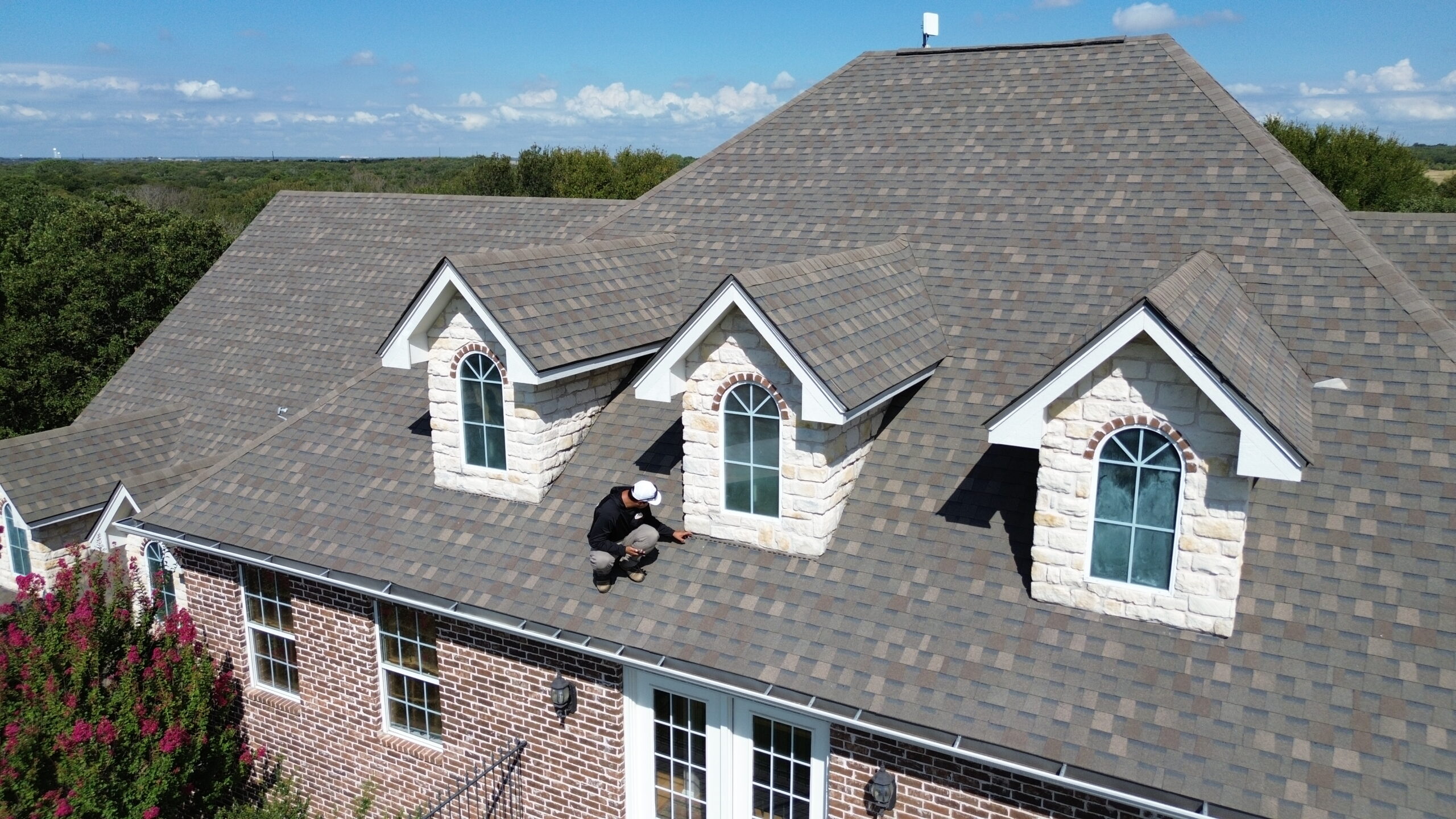
Balancing Roofing Cost, Value, and Safety
Roofing decisions often require homeowners to balance immediate expenses with long-term benefits. The cheapest option may reduce the initial cost, but it may not always provide the best combination of durability, safety, maintenance, and property value. A better approach is to evaluate the complete cost and expected performance of the roofing system.
The initial project price should include more than the visible roofing material. Underlayment, flashing, fasteners, ventilation, drainage, labor, removal, disposal, and potential roof deck repairs can all contribute to the total investment.
Long-term maintenance should also be considered. Some roofing systems may require specialized inspections or repairs, while others may have simpler maintenance needs. Understanding these requirements before installation helps homeowners plan future expenses.
Installation quality should remain a priority even when working with a limited budget. Reducing costs by using unsuitable materials or inexperienced labor can create problems that become more expensive later. Proper installation is an investment in both safety and long-term property condition.
Homeowners should compare contractors based on more than price. Relevant experience, insurance, applicable licensing, references, written estimates, warranties, and familiarity with the selected roofing material can help identify a suitable professional.
Climate should also influence spending decisions. A property exposed to strong winds, heavy rainfall, intense sunlight, hail, or other demanding conditions may benefit from materials and installation details specifically suited to those conditions.
The expected time in the property can also influence the decision. Homeowners planning to remain in the house for many years may place greater value on long-term durability and predictable maintenance. Those preparing to sell may focus more heavily on condition, appearance, documentation, and avoiding major buyer concerns.
A professional inspection can help homeowners determine where their money will have the greatest impact. Sometimes a targeted repair can preserve a healthy roof, while in other cases replacement may be the more economical long-term choice.
The goal should be to achieve an appropriate balance rather than maximizing one factor. A roofing system that is extremely inexpensive but unreliable may create safety and property-value concerns, while an unnecessarily expensive system may not provide proportional benefits.
Careful planning allows homeowners to invest in the features that matter most. Quality materials, correct installation, effective drainage and ventilation, regular maintenance, and timely repairs can provide meaningful benefits throughout the roof’s lifecycle.
Conclusion
Residential roofing has a direct relationship with both home value and safety. The roof protects the building from weather, supports the condition of interior spaces, contributes to exterior appearance, and can influence how potential buyers view the property. Its importance extends far beyond the visible surface.
A well-maintained roof can support property value by improving curb appeal, reducing concerns about immediate replacement costs, and demonstrating that important parts of the home have been properly cared for. Installation records, inspection reports, warranties, and repair documentation can further strengthen confidence in the roofing system.
Safety depends on the roof’s ability to manage water, withstand weather, and remain securely attached to the structure. Flashing, underlayment, drainage, ventilation, fastening, roof edges, and the roof deck all contribute to this protective function. When these components work together correctly, they help protect occupants and the building itself.
Maintenance is essential throughout the roof’s service life. Clearing drainage systems, controlling vegetation, monitoring visible damage, arranging professional inspections, and addressing leaks promptly can help prevent minor problems from becoming major failures. Homeowners should also avoid unsafe DIY work and use qualified professionals for specialized repairs.
Roofing mistakes can have consequences for both safety and property value. Poor installation, unsuitable materials, neglected leaks, blocked drainage, unqualified repairs, and insufficient maintenance can shorten the useful life of a roof and increase future expenses.
When replacement becomes necessary, homeowners should consider the complete roofing system rather than simply choosing a new exterior material. Climate, structural requirements, budget, installation quality, maintenance, appearance, and long-term property plans should all influence the decision.
Ultimately, a residential roof is a long-term investment in the protection and condition of a home. By selecting suitable materials, using qualified contractors, maintaining the system consistently, and responding promptly to problems, homeowners can improve safety while preserving the property’s long-term value. A strong roof provides more than shelter from the weather. It contributes to a safer, better-maintained, and more valuable home throughout its lifecycle.