
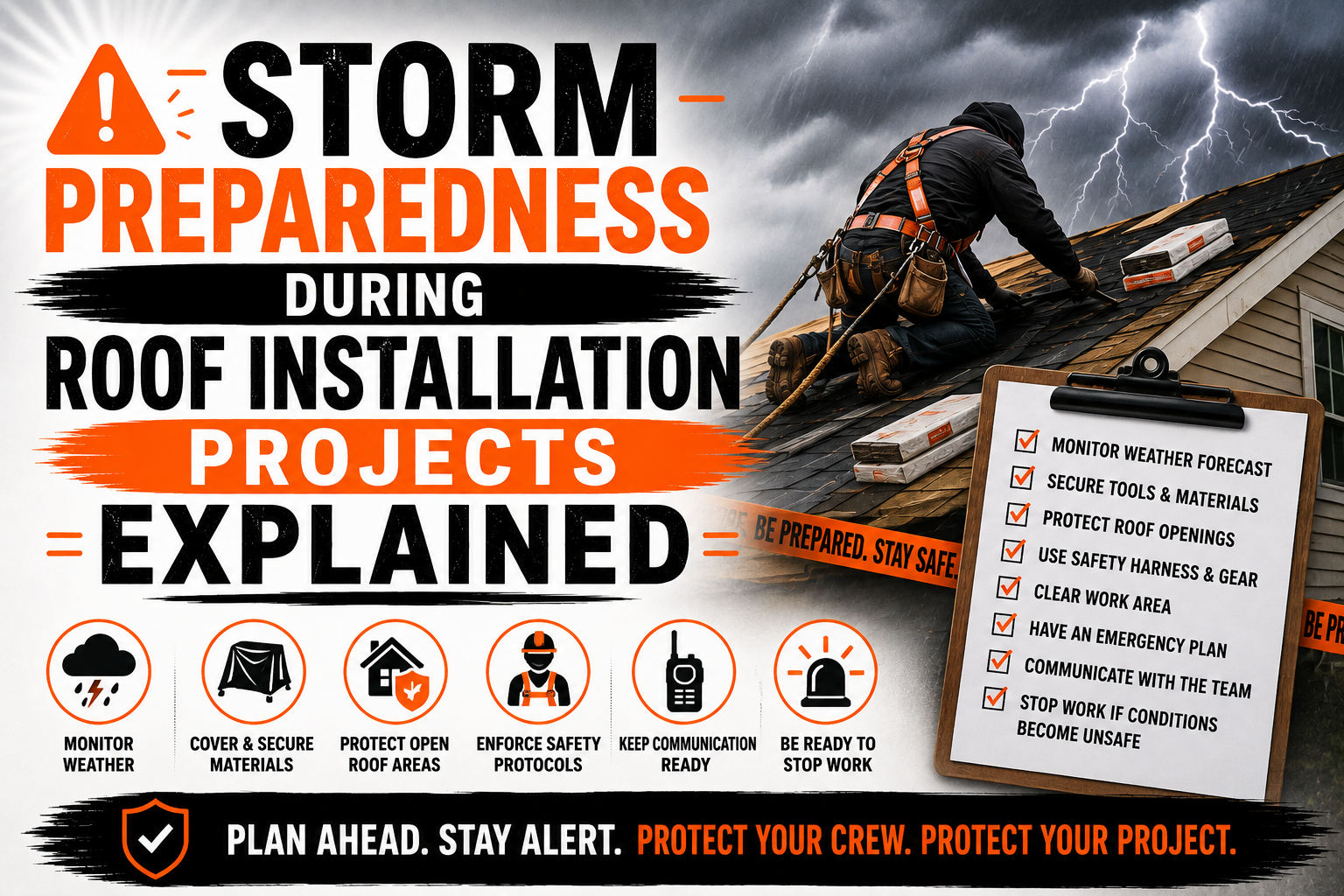
Storm Preparedness During Roof Installation Projects Explained
Introduction
Roof installation projects require careful planning because the roof can become especially vulnerable when existing materials have been removed or when only part of the new roofing system has been installed. A completed roof is designed to protect the building from rain, wind, and other weather conditions, but an unfinished roof may have exposed decking, underlayment, insulation, or structural components. If a storm arrives unexpectedly, these exposed areas can be damaged quickly.
Storm preparedness is therefore an important part of responsible roof installation. Contractors need to consider local weather patterns, monitor forecasts, secure materials, protect exposed sections, and establish procedures for stopping work when conditions become unsafe. Preparing for storms before installation begins can reduce property damage, material losses, project delays, and risks to workers.
Storm conditions can vary significantly from one location to another. Some areas frequently experience thunderstorms and heavy rainfall, while others face hurricanes, tornadoes, strong straight-line winds, hail, or seasonal storms. A roofing project should be planned around the weather risks most likely to affect the property.
Good preparation does not mean that every storm can be prevented from causing problems. Instead, it gives the roofing team a clear plan for reducing exposure and protecting the building when severe weather develops. The goal is to make weather management part of the installation process rather than treating it as an emergency only after a storm arrives.
Understanding Storm Risks During Roof Installation
A roof installation project can expose different parts of a building at different stages. During tear-off, the existing roof covering may be removed while the roof deck remains exposed. During installation, some areas may have underlayment while others are waiting for shingles, panels, tiles, or another final covering.
Each stage creates different risks. Heavy rain can enter through exposed decking or openings, while strong winds can lift loose materials and damage partially installed roofing components. Hail can also damage exposed materials, equipment, skylights, siding, windows, and other parts of the property.
Wind is particularly concerning because roofing materials can become loose or airborne when they are not fully secured. Loose shingles, metal panels, insulation, packaging, tools, and debris can become hazards for workers and surrounding property. Even materials that are normally heavy may be moved by strong gusts when they are stacked or positioned improperly.
Rain presents another major concern because water can enter areas that would normally be protected by the completed roofing system. If moisture reaches insulation, interior finishes, electrical components, or structural materials, the project can become more complicated and expensive.
Storm preparation should therefore account for the main risks associated with unfinished roofing work:
- Wind uplift and flying debris
- Heavy rainfall and water intrusion
- Hail and impact damage
- Lightning and electrical hazards
- Sudden temperature changes
- Worker exposure to dangerous conditions
Understanding these risks allows contractors to create practical procedures for protecting the building and workers at each stage of installation.
Why Storm Preparedness Matters Before Roofing Begins
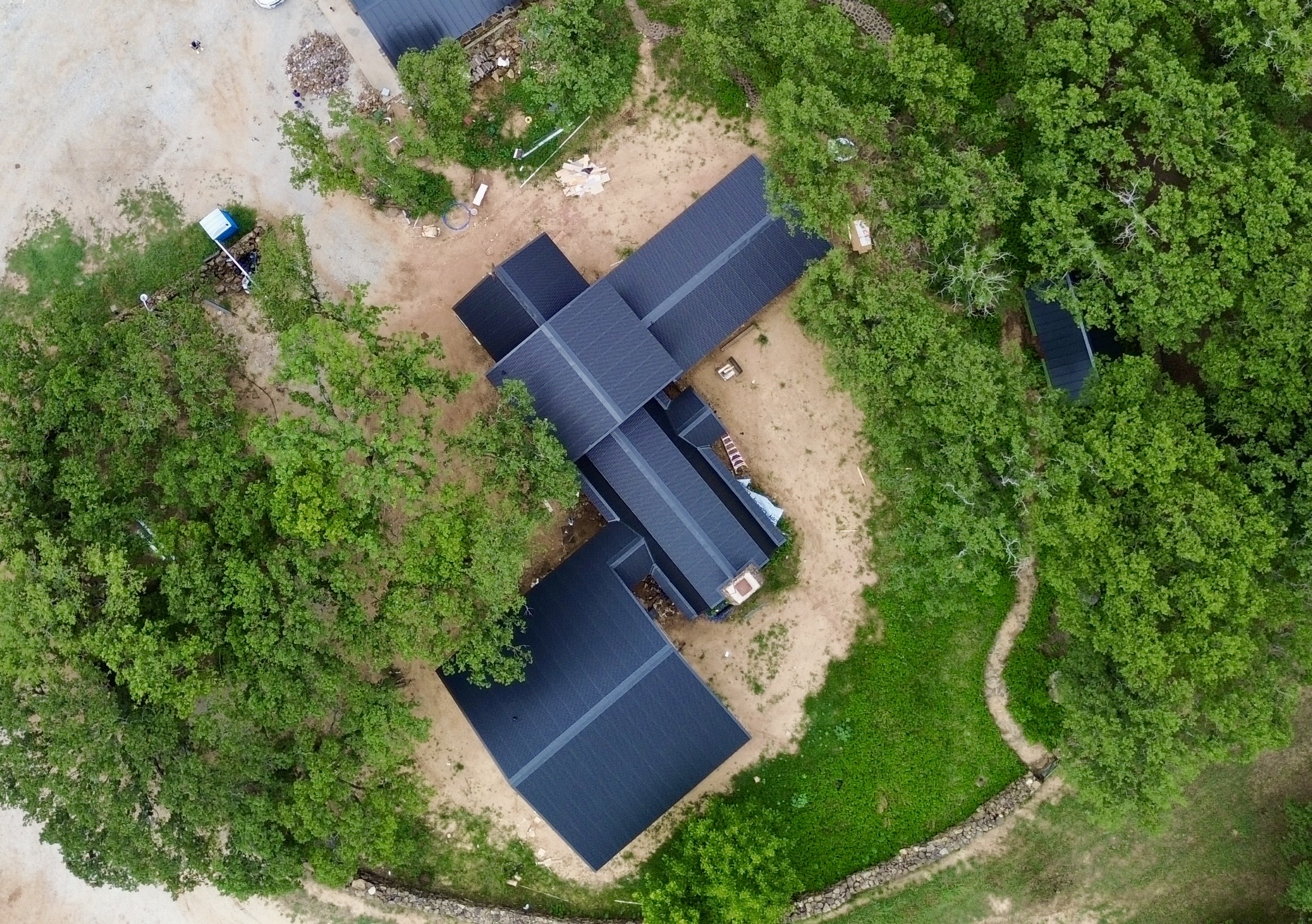
Storm preparedness should begin before roofing materials are delivered to the property. A contractor can reduce many potential problems by reviewing the project schedule alongside the expected weather conditions. If severe weather is likely, the installation sequence may need to be adjusted to avoid leaving vulnerable sections exposed.
The condition of the existing roof should also be considered. Older roofing materials may already have weak areas that become more vulnerable during the removal process. Once the old covering is removed, the contractor needs to have a plan for protecting the exposed roof deck if work cannot be completed before changing weather arrives.
Planning also helps determine which materials should be delivered and when. Bringing large quantities of roofing products to a property shortly before a severe weather system could create unnecessary exposure. Materials should be stored in secure locations and protected from moisture when required.
A storm preparedness plan should establish clear responsibilities. Workers should know who monitors weather conditions, who makes the decision to stop work, how materials will be secured, and what steps should be taken to protect the building.
Good preparation can also reduce delays. When a storm arrives, a team with a predefined procedure can respond more quickly instead of trying to determine what to do while weather conditions are deteriorating.
Monitoring Weather Conditions Before Installation
Weather monitoring is one of the most important elements of storm preparedness. Roofing teams should review reliable forecasts before starting work and continue monitoring conditions throughout the project. Weather can change rapidly, especially during warmer months when thunderstorms can develop with limited warning.
The forecast should be considered alongside the expected duration of the day’s work. A clear morning does not necessarily mean the entire work period will remain safe. If severe weather is expected later in the day, contractors may need to adjust the work schedule or postpone activities that would leave the roof exposed.
Wind forecasts deserve particular attention because roofing materials and equipment can become difficult to control during strong gusts. Rain probability, storm movement, lightning activity, hail potential, and temperature should also be considered when relevant to the project.
Weather monitoring should not rely on a single observation. Conditions at the property may differ from a general forecast, particularly in areas where storms develop locally. Roofing teams should remain alert to changing skies, increasing wind, thunder, lightning, and other signs that conditions may be deteriorating.
A practical approach is to establish weather checkpoints before and during the workday. This allows the team to make decisions early rather than waiting until a storm is already approaching the property.
Protecting the Roof Deck Before a Storm
The roof deck becomes particularly important when the existing roofing material has been removed. It provides the structural base for the new roofing system, but exposed decking may not provide the same level of weather protection as a completed roof.
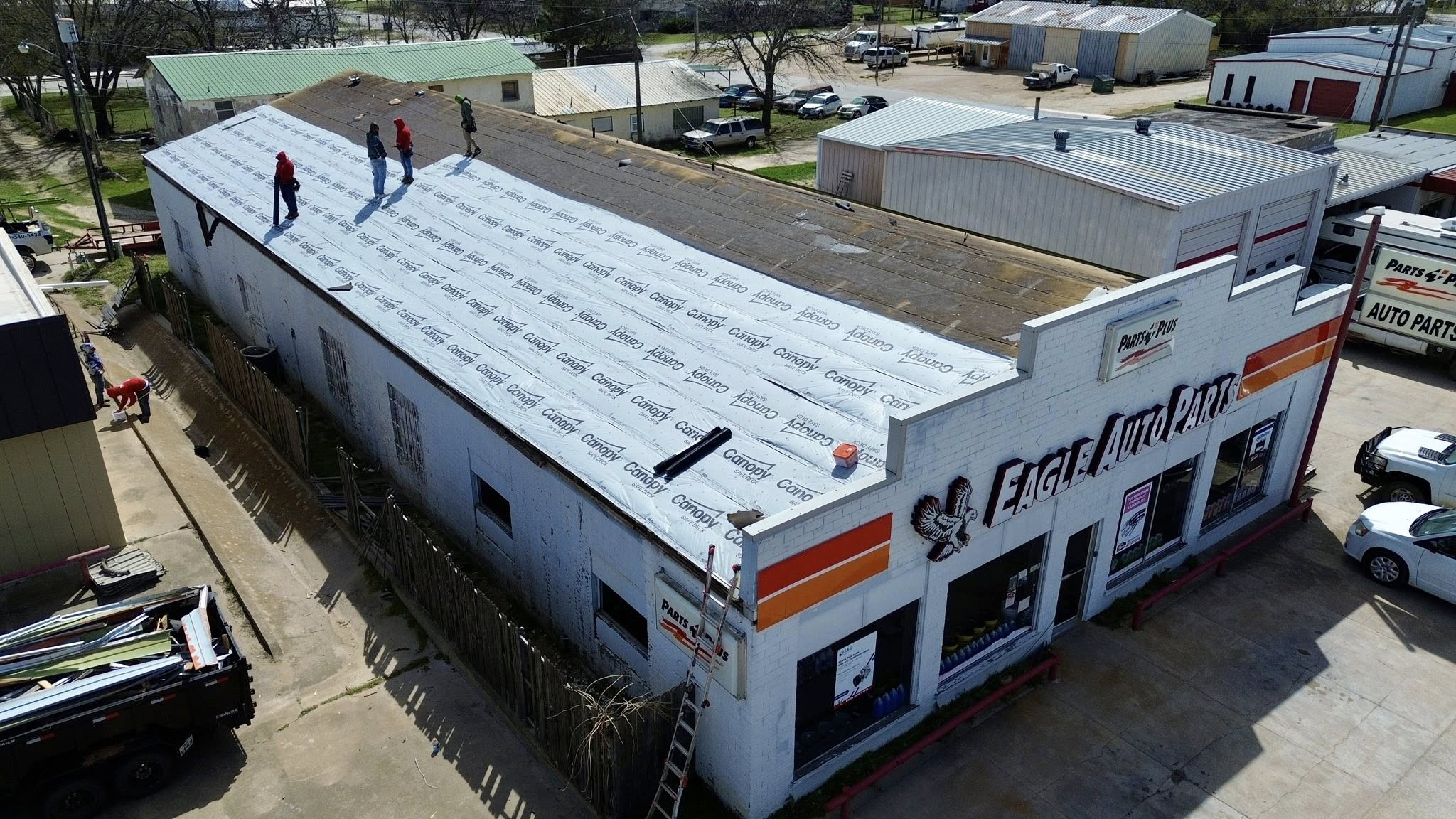
If rain is expected before permanent roofing can be installed, temporary protection may be required. Appropriate temporary coverings can help limit water exposure while the installation is paused. These coverings need to be secured properly so they do not become loose during wind or create additional hazards.
The roof deck should also be inspected during the installation process. Damaged, deteriorated, or wet sections may require attention before the final roofing material is installed. Covering a damaged area without addressing the underlying problem can create future complications.
Water should not be allowed to remain trapped beneath temporary protection. Once weather conditions improve, the roofing team should inspect the covered areas and determine whether moisture entered the assembly. Any affected materials should be allowed to dry or replaced as appropriate before permanent installation continues.
Temporary protection is not intended to replace the finished roofing system. It is a short-term measure used to reduce exposure while work is paused or delayed.
Securing Roofing Materials and Equipment
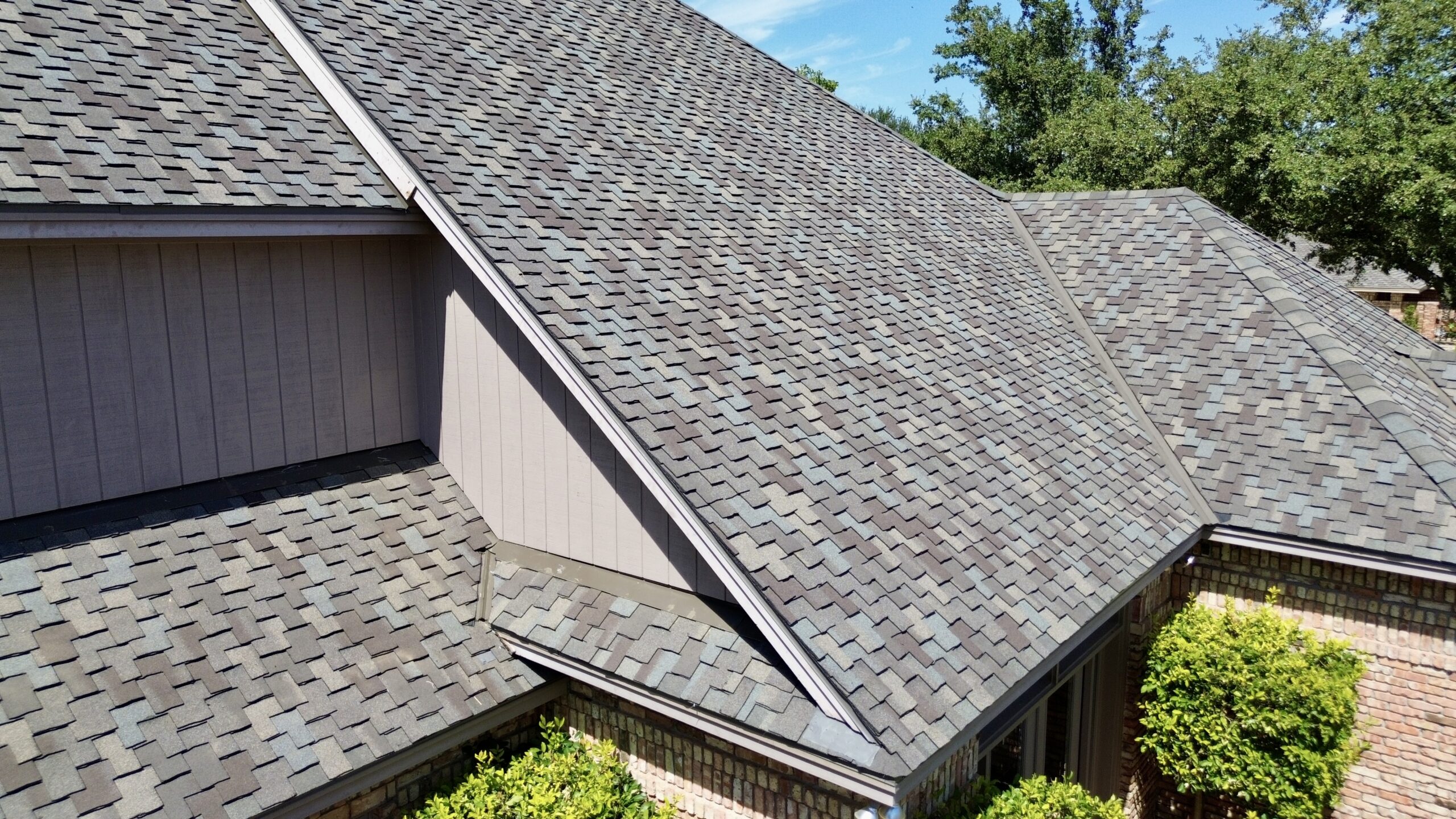
Loose materials can become dangerous during storms, especially when strong winds are present. Roofing projects commonly involve bundles of shingles, metal panels, tiles, underlayment rolls, flashing, insulation, tools, ladders, packaging, and other equipment. Every item placed on or around the property should be considered in terms of how it could respond to strong wind.
Materials should be stored according to manufacturer recommendations and secured appropriately. Lightweight materials and packaging require particular attention because they can become airborne more easily. Items should not be left scattered across the roof or ground when severe weather is approaching.
Tools and equipment should also be secured or moved to protected locations. Ladders should be positioned safely and secured when necessary, while temporary structures and equipment should be checked for stability.
Roofing materials should be arranged in a way that does not create unnecessary hazards. Stacking materials too high or placing them near roof edges can increase the risk of movement during strong winds. Storage practices should also account for the roof’s structural capacity.
A final site check before a storm can help identify loose objects that may have been overlooked. This simple step can prevent materials from becoming projectiles and reduce potential damage to the property or neighboring structures.
Temporary Weather Protection During Installation
Temporary weather protection becomes essential when a roofing project cannot be completed before a storm. The type of protection required depends on how much of the roof has been opened and which components are exposed.
Protective coverings can be used over vulnerable sections when appropriate, but they must be installed and secured carefully. A covering that is not properly anchored may move in strong wind, allowing water beneath it or creating additional hazards.
Roof penetrations and exposed openings require particular attention. Areas around vents, chimneys, skylights, and other structures may provide pathways for water if they are not adequately protected during an installation pause.
The temporary protection should also account for water runoff. Simply covering an area does not guarantee that water will be directed away from the building. Improperly positioned coverings can allow water to collect or drain toward vulnerable sections.
Once the storm has passed, temporary protection should be inspected before it is removed. The contractor should look for signs of movement, tearing, water entry, or damage beneath the covering. This inspection helps determine whether additional repairs or drying are necessary before permanent roofing work resumes.
Temporary weather protection works best when it is incorporated into the project plan from the beginning. Contractors who know how they will protect exposed areas can respond more efficiently when weather conditions change unexpectedly.
Planning the Installation Schedule Around Storm Risks
The timing of roofing work can influence how vulnerable the project becomes during severe weather. Contractors should consider the expected weather pattern when deciding which sections of the roof to open and how much work to complete during a particular period.
Large sections should not necessarily be exposed simply because there is enough time available to remove the existing roof. If weather conditions may deteriorate before the new covering can be installed, limiting the exposed area can reduce potential damage.
The installation sequence should also prioritize vulnerable areas. Completing weather-sensitive sections and establishing protective layers before moving to another area can help reduce the amount of exposed roof at any given time.
Scheduling decisions may also need to account for seasonal weather patterns. Projects undertaken during periods of frequent thunderstorms, hurricanes, or heavy rainfall may require additional flexibility. Building extra time into the schedule can make it easier to pause work safely without creating pressure to continue under unsuitable conditions.
A realistic schedule recognizes that weather delays are sometimes unavoidable. Attempting to maintain a strict timeline despite dangerous conditions can increase the risk of injury and property damage.
Preparing Workers for Sudden Weather Changes
Every roofing crew should understand the procedures for responding when weather conditions change unexpectedly. Workers need to know when work should stop and where they should move for safety. Clear communication is particularly important when multiple people are working across a large roof.
Workers should be alert to warning signs such as increasing wind, approaching lightning, heavy rain, or rapidly developing storm clouds. They should not wait until conditions become severe before beginning the process of securing the site.
Emergency procedures should also identify how equipment and materials will be handled when work is stopped. The priority should always be worker safety, followed by reasonable efforts to protect the building and secure materials when conditions allow.
Roofing work during active lightning or severe wind conditions can create significant hazards. Workers may be exposed to slippery surfaces, falling objects, unstable materials, and electrical risks. Stopping work early is often safer than attempting to finish a small remaining task while a storm approaches.
Clear preparation gives workers confidence about what to do when conditions change. It also helps ensure that storm decisions are made consistently rather than based on individual judgment at the last moment.
Managing Wind Risks During Roof Installation
Wind is one of the most serious weather risks during roof installation because an unfinished roof contains many components that may not yet be fully secured. Strong gusts can move roofing materials, damage temporary coverings, and create dangerous conditions for workers. Wind can also carry loose objects away from the property, potentially damaging vehicles, neighboring structures, or landscaping.
Before work begins, the roofing team should consider expected wind conditions and the stage of installation. A roof that has only partially received its final covering may be more vulnerable than a completed section. Materials should be secured according to appropriate installation requirements, and unnecessary objects should not be left exposed on the roof.
Roof edges deserve particular attention because wind forces can be stronger around exposed edges and corners. Temporary materials placed near these areas should be secured carefully or moved to protected locations. Contractors should also avoid continuing work when wind conditions make it difficult to safely handle roofing panels, shingles, tools, ladders, or other equipment.
Wind preparedness should include both the roof and the surrounding property. Loose packaging, discarded materials, insulation pieces, and construction debris can become airborne during a storm. A thorough site inspection before severe weather can identify these potential hazards and allow the crew to secure or remove them.
Preparing for Heavy Rainfall
Heavy rainfall can create immediate problems when a roof is partially completed. Water may enter through exposed decking, unfinished valleys, roof penetrations, or sections where the final covering has not yet been installed. If the water reaches insulation, ceilings, walls, electrical components, or structural materials, additional repairs may be required.
The amount of exposed roofing should therefore be controlled according to the expected weather. Contractors may choose to complete or temporarily protect vulnerable sections before moving to another part of the roof. This reduces the amount of building surface that remains exposed if rain arrives unexpectedly.
Temporary weather barriers can provide short-term protection when permanent roofing cannot be installed before rainfall. However, these coverings need to be properly positioned and secured so that water is directed away from vulnerable areas. They should not create pockets where rainwater can collect and remain against the roof structure.
After heavy rain, the roofing team should inspect the exposed areas before continuing work. Moisture may not always be visible immediately, so the inspection should include the roof deck, underlayment, insulation, and other accessible components. Any wet or damaged materials should be addressed before the roof is closed.
Protecting Exposed Roofing Structures
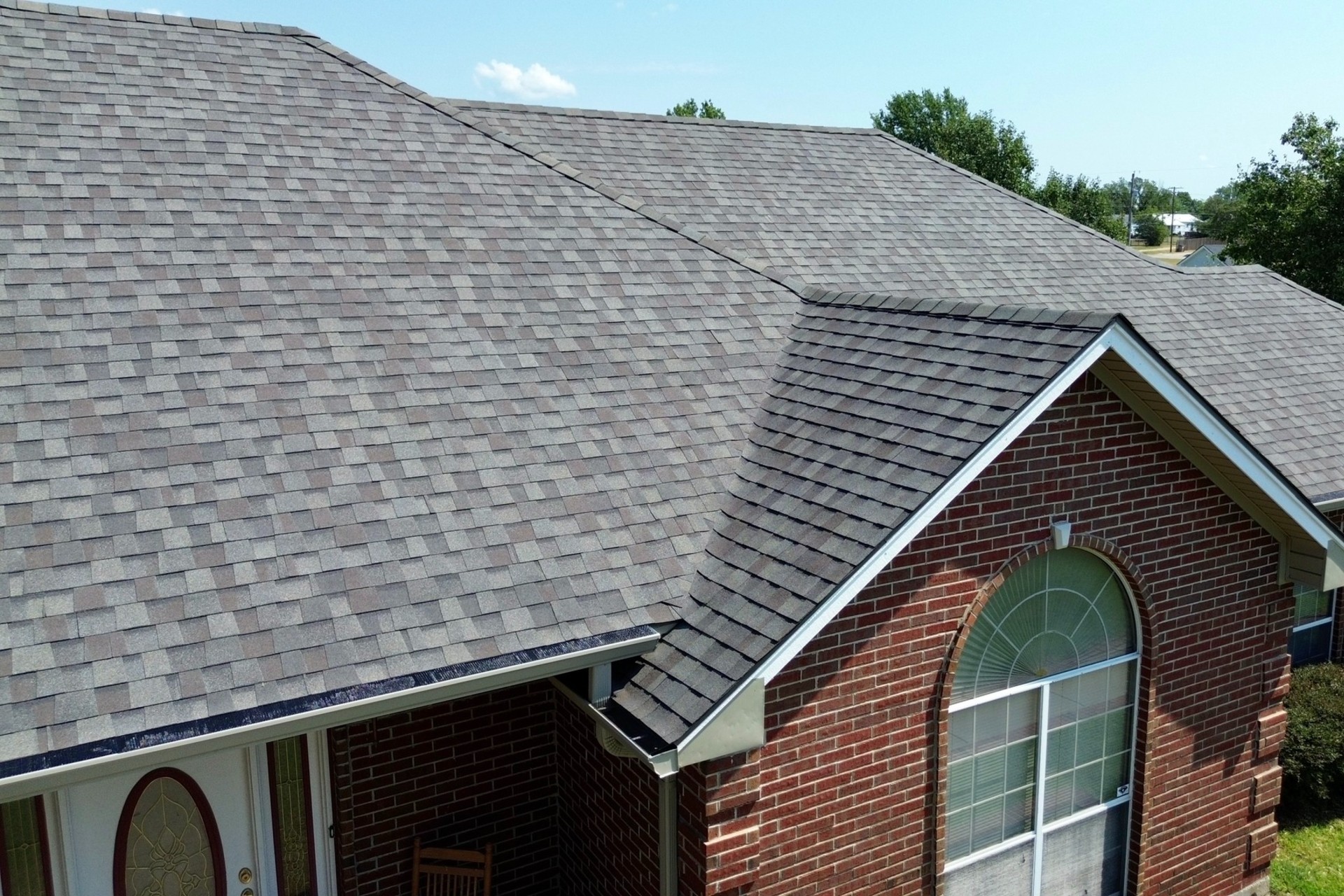
Roof installation frequently involves periods when part of the building is exposed. During tear-off, the old roofing material may be removed before the replacement system is installed. This creates a temporary condition in which the roof deck becomes more dependent on protective measures.
The roof deck should be kept as protected as reasonably possible during weather delays. Temporary coverings, appropriately installed underlayment, or other approved protective methods may help reduce water exposure depending on the stage of the project.
Special attention should be given to roof penetrations. Chimneys, vents, skylights, pipes, and other openings can create pathways for water when surrounding roofing materials have not yet been completed. These areas should be protected according to the roofing system’s installation requirements.
Roofing contractors should also consider the condition of the existing structure before beginning a major tear-off. If the deck already contains deteriorated areas, severe weather can make those weaknesses more problematic. Identifying structural concerns early allows the crew to plan repairs before the final roofing materials are installed.
Protecting the exposed structure is not only about preventing immediate leaks. Moisture entering the roof assembly can create longer-term concerns involving wood deterioration, mold growth, insulation performance, and interior damage. Early protection can therefore reduce the likelihood of more complicated repairs later.
Handling Roofing Materials During Severe Weather
Roofing materials need careful handling throughout an installation project, particularly when severe weather is possible. Bundles, panels, rolls, tiles, flashing, tools, and other supplies can become unstable when exposed to strong wind or heavy rain. Their location and storage method should be considered before a storm develops.
Materials should be stored on stable surfaces and protected according to manufacturer recommendations. Heavy products should not automatically be treated as impossible to move because wind can affect packaging, partially installed materials, and individual components. Lightweight materials require even greater attention because they can become airborne quickly.
Moisture-sensitive products should be kept protected from unnecessary exposure. Underlayment, insulation, adhesives, sealants, and other materials may have specific storage requirements. Following these instructions can help prevent damage before the products are installed.
When a storm approaches, the crew should perform a material inventory and site check. Items that can be safely secured should be secured before conditions become dangerous. If weather has already deteriorated, workers should not put themselves at risk simply to retrieve or move materials.
Good material management also reduces waste. Materials damaged by wind or rain may need to be replaced, increasing project costs and potentially delaying completion. Planning storage carefully can therefore support both storm preparedness and overall project efficiency.
Storm Preparedness for Asphalt Shingle Installation
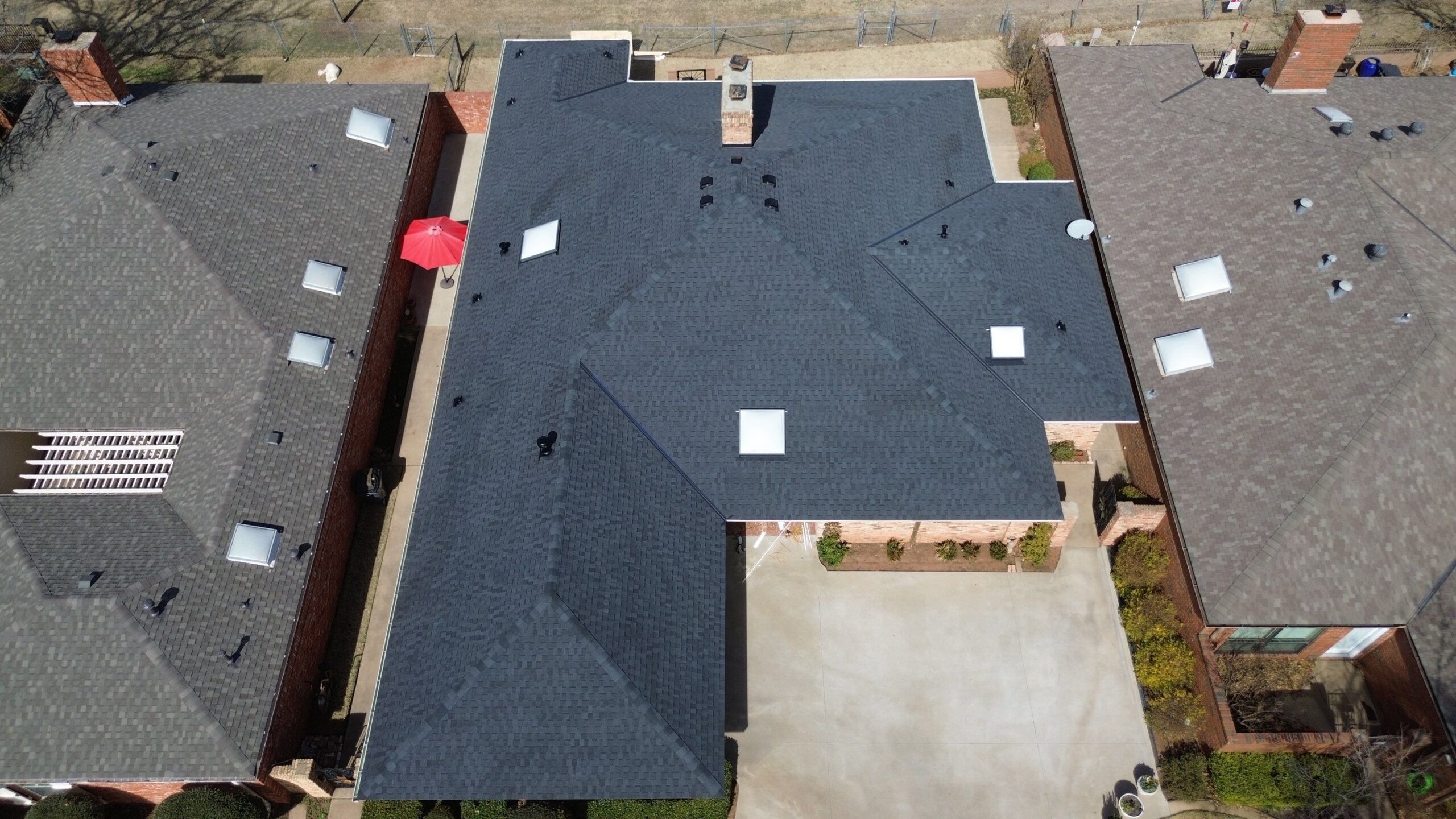
Asphalt shingle projects can become vulnerable when shingles have been removed from a section of the roof but the replacement shingles have not yet been fully installed. Strong wind and rainfall can affect exposed underlayment, roof decking, and partially completed sections.
Contractors should follow the manufacturer’s fastening and installation requirements once shingles are placed. Proper fastening is particularly important in regions where strong winds are common. Loose or improperly secured shingles can become damaged or displaced during storms.
Underlayment can provide an additional layer of protection, but it should not be considered a permanent substitute for the finished roof covering. If severe weather is expected, the contractor should evaluate whether additional temporary protection is necessary.
Shingle bundles should also be stored securely. Their weight can help keep materials stable, but proper storage remains necessary because packaging and individual shingles can be affected by wind. Materials should not be placed where they could obstruct drainage or create hazards near roof edges.
Storm Preparedness for Metal Roofing Installation
Metal roofing projects require particular attention to wind because individual panels can have large surface areas. An unsecured panel can act like a sail when exposed to strong gusts, making it difficult and dangerous to handle.
Panels should be stored flat or according to manufacturer recommendations and protected from unnecessary moisture exposure. During installation, panels should be secured progressively rather than left loosely positioned for extended periods.
Fasteners and seams are important to the final wind performance of a metal roof. The correct fastening pattern and connection method should be followed throughout installation. Skipping or delaying required fasteners can leave panels vulnerable if a storm develops before the work is complete.
Metal panels can also become slippery when wet. Roofing crews should avoid working on wet surfaces when conditions create an unsafe risk of slipping or losing control of materials. Worker safety should take priority over maintaining the planned installation schedule.
Storm Preparedness for Tile and Slate Roofing
Tile and slate roofing materials can be durable, but they still require careful protection during installation. Individual tiles or slate pieces may be displaced or broken if they are improperly stored or exposed to severe weather before they are fully secured.
The supporting structure should be capable of carrying the selected material. Storm preparedness should therefore include consideration of the roof deck and framing as well as the individual roofing pieces.
Tiles should be handled carefully because impact from other materials or equipment can cause cracking. Loose pieces should not be left in locations where wind or rain could move them toward roof edges.
Slate requires particular care because it can be brittle and may be damaged through improper handling. Installation should follow appropriate methods, with secure storage and protection during weather delays.
Storm preparedness for tile and slate systems should focus on securing unfinished areas, preventing material movement, protecting vulnerable roof openings, and inspecting the system after severe weather.
Protecting Tools, Ladders, and Equipment
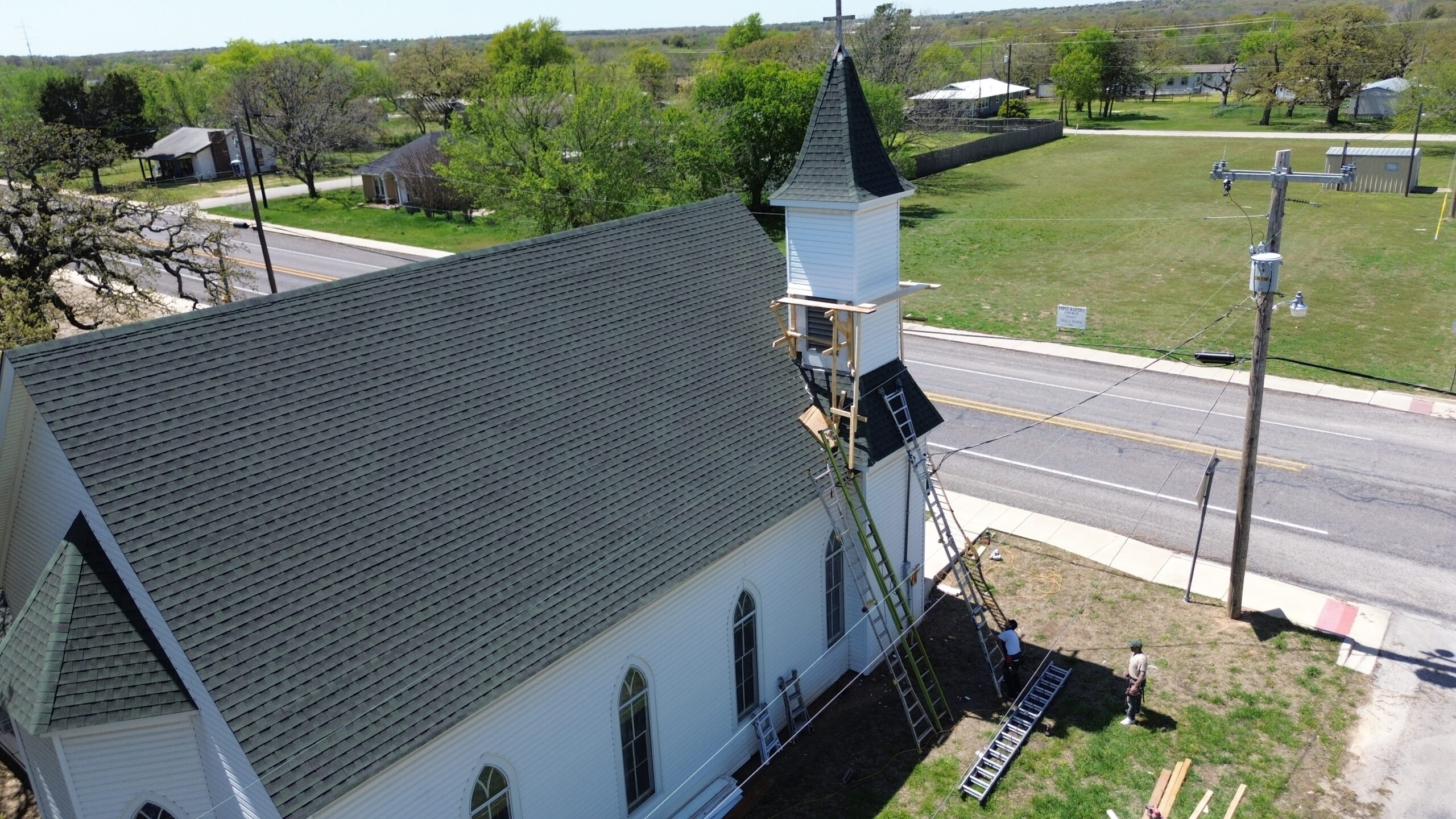
Roofing projects involve equipment that can create additional hazards during storms. Ladders, power tools, compressors, temporary platforms, scaffolding, generators, and other equipment should be secured or moved to appropriate protected areas when severe weather is approaching.
Ladders should not be left unsecured where strong wind could move them. Tools should also be collected rather than left scattered around the work area. Small objects can become dangerous projectiles during high winds.
Electrical equipment requires additional attention during wet conditions. Power cords, tools, generators, and temporary electrical connections should be protected and managed according to appropriate safety procedures. Water exposure can increase electrical hazards, particularly when equipment is not designed for wet environments.
Equipment should never be secured in a way that creates a new hazard. Workers should have sufficient time and safe access to move or secure equipment before conditions become dangerous. If the storm has already arrived, the priority should be getting workers to a safe location rather than attempting to protect every piece of equipment.
Worker Safety During Unexpected Storms
Worker safety must remain the highest priority during changing weather conditions. Roofing already involves elevated work surfaces, and rain, wind, lightning, and reduced visibility can make those conditions significantly more dangerous.
A wet roof can become slippery, increasing the risk of falls. Strong winds can make it difficult to maintain balance or control roofing materials. Lightning creates additional hazards for workers on exposed structures, especially when metal components, ladders, and tools are present.
The crew should have a clear procedure for stopping work. Everyone should understand who communicates the decision, where workers should go, and what equipment should be left behind when conditions become unsafe.
Workers should never feel pressured to finish a small task simply because only a few minutes of work remain. Weather can deteriorate rapidly, and attempting to continue under unsafe conditions can create much greater consequences than a short project delay.
Once workers are in a safe location, the contractor can assess the property and determine whether additional protective actions are possible without exposing anyone to unnecessary danger.
What to Do When a Storm Develops During Installation
Sometimes severe weather develops faster than expected, leaving the roofing team with limited time to respond. In this situation, the first step should be to stop unsafe activities and communicate clearly with everyone on the site.
The crew should move away from dangerous roof areas and follow the established emergency procedure. Workers should not remain on an exposed roof during lightning, severe wind, or other hazardous conditions simply to protect materials.
Once workers are safe, the project manager or responsible contractor can evaluate whether the building needs immediate temporary protection. If conditions allow safe action, vulnerable openings or exposed areas can be protected using appropriate temporary measures.
After the storm passes, the roof should not automatically be assumed to be ready for continued installation. The contractor should inspect the roof deck, underlayment, temporary coverings, installed roofing materials, flashing, equipment, and surrounding property.
Any storm-related damage should be documented and evaluated before work resumes. This creates a clear record of the condition of the property and helps determine whether materials need replacement or additional repairs are required.
Communication Between Contractors and Property Owners
Clear communication between the roofing contractor and property owner can make storm preparedness more effective. Both parties should understand what will happen if severe weather delays the project and how the building will be protected during the interruption.
The contractor should explain the expected installation sequence and identify circumstances that could require work to stop. Property owners should also know whether temporary protection will be used and what areas of the building may be inaccessible during a weather delay.
Communication is especially important when homeowners remain in the property during installation. They should understand how to report signs of water intrusion and whom to contact if they notice leaks or other problems after a storm.
If weather causes a significant delay, the contractor should provide an updated schedule when practical. This helps manage expectations and allows the property owner to plan around the revised installation timeline.
Strong communication reduces confusion during stressful weather events. It also helps ensure that safety decisions are understood and that storm-related issues are addressed promptly.
Planning for Weather Delays Without Rushing Installation
Weather delays are an unavoidable part of some roofing projects. Attempting to recover lost time by rushing installation can lead to mistakes involving fastening, flashing, underlayment, material handling, and other critical details.
A safer approach is to build reasonable flexibility into the project schedule. Contractors can prioritize tasks that can be completed safely before expected storms and leave less weather-sensitive activities for periods with better conditions.
The installation schedule should also allow time for inspections after weather events. If rain or wind affects an unfinished roof, the contractor may need to evaluate the condition of the materials before continuing.
Taking additional time can protect the quality of the final roofing system. A roof that is installed carefully after a weather delay is generally preferable to one completed quickly with inadequate attention to moisture, fastening, or storm-related damage.
Preparedness therefore includes accepting that weather may change the original schedule. The objective should be safe and durable installation rather than completing the project at any cost.
Keeping a Storm Response Plan Ready
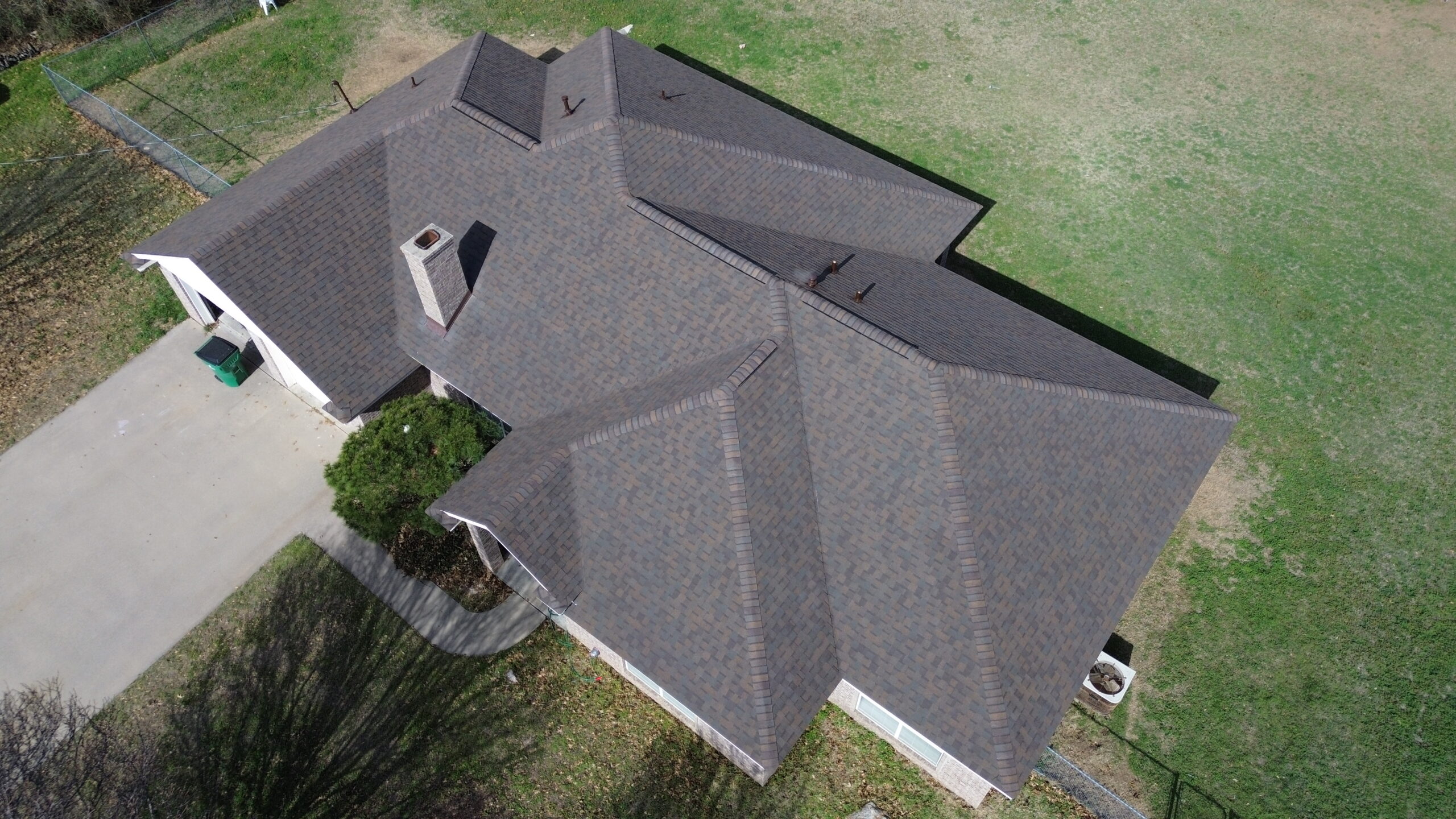
A written or clearly communicated storm response plan can help roofing crews act quickly when conditions change. The plan should identify how weather will be monitored, when work will stop, how materials will be secured, and where workers should go during dangerous conditions.
The plan should also include procedures for protecting exposed roof sections when it is safe to do so. This can reduce confusion when a storm develops and help the team focus on the most vulnerable areas.
After the weather event, the same plan can guide inspection and documentation. The contractor can evaluate damage, identify areas requiring temporary protection, and determine when permanent installation can safely continue.
A storm response plan is most effective when it is discussed before work begins. Workers who understand the procedure are more likely to respond consistently rather than making individual decisions during an emergency.
By incorporating weather monitoring, material security, temporary protection, worker safety, and post-storm inspection into the project plan, roofing teams can reduce many of the risks associated with severe weather.
Inspecting the Roof After a Storm
A storm should never be followed by an immediate return to normal roofing work without first inspecting the project area. Even when there is no obvious damage from the ground, wind and rain may have affected temporary coverings, underlayment, roof decking, fasteners, or partially installed roofing materials. A careful inspection helps determine whether the roof remains suitable for continued installation.
The inspection should begin only when weather conditions are safe. Workers should not climb onto a wet, unstable, or damaged roof simply because the storm has ended. Once safe access is available, the roofing team can examine exposed sections and compare the condition of the property with its pre-storm state.
Particular attention should be given to areas where materials were temporarily secured. Tarps, protective coverings, loose underlayment, and partially installed roofing products may have shifted during strong winds. Any movement can expose the roof deck to moisture or create installation problems that need to be corrected before work resumes.
The surrounding property should also be checked for storm-related debris. Branches, broken materials, damaged equipment, and other objects may have fallen onto the roof or entered drainage areas. Removing debris carefully can help prevent additional damage and make the site safer for the next stage of installation.
Identifying Storm-Related Damage During Installation
Storm damage can take several forms depending on the severity and type of weather. Strong wind may loosen roofing materials, while heavy rainfall can cause water intrusion. Hail may damage shingles, panels, skylights, or other exposed components, and falling debris can cause punctures or structural damage.
The roof deck deserves particular attention because moisture entering through temporary openings can affect wood or other structural materials. Discoloration, swelling, soft areas, or visible deterioration may indicate that moisture has reached the deck. These issues should be evaluated before the final roofing material covers the area.
Underlayment should also be inspected for tears, displacement, or water exposure. Underlayment provides secondary protection, but it cannot perform properly if it has been damaged or improperly positioned. Any compromised sections may need to be repaired or replaced according to the roofing system requirements.
Installed roofing materials should be checked for movement or impact. Shingles may be lifted, metal panels can shift, and tiles or slate can crack if exposed to severe weather before the installation is complete. Identifying these problems early helps prevent damaged components from becoming part of the finished roof.
Temporary Repairs and Emergency Protection
When a storm damages an unfinished roof, temporary protection may be necessary before permanent repairs can be completed. The purpose of temporary protection is to reduce additional exposure while the contractor evaluates the damage and prepares the next stage of work.
The type of temporary protection depends on the condition of the roof. Vulnerable openings may require appropriate coverings, while damaged or displaced materials may need to be secured when it is safe to do so. Temporary measures should be installed carefully because an improperly secured covering can become another source of damage during subsequent wind or rain.
Water management is especially important during emergency protection. A covering should not simply block rain from entering one location while directing it toward another vulnerable part of the building. The temporary system should encourage water to move away from exposed areas and prevent unnecessary accumulation.
Temporary repairs should not be treated as a substitute for permanent roofing work. Once conditions are stable, the contractor should determine whether the affected components can remain or need replacement. This assessment helps ensure that the final roof does not contain hidden storm damage.
Documenting Storm Damage
Documentation can be useful when a storm affects an active roofing project. Photographs, written observations, material records, and notes about the timing of the event can provide a clear record of what occurred. This information can help the property owner and contractor understand which conditions existed before and after the storm.
Documentation should focus on relevant areas of the project. Damaged roofing materials, exposed decking, displaced coverings, broken components, water entry, and damaged equipment should be recorded where possible. The condition of surrounding property may also be documented if storm debris caused additional damage.
A clear record can support repair planning and communication between everyone involved in the project. It can also help distinguish storm-related damage from pre-existing conditions or installation issues.
Documentation should not delay necessary safety measures. If an area requires immediate temporary protection, securing the property should take priority over extensive photography or inspection. Records can be completed once the site is stable and safe.
Resuming Roof Installation After Severe Weather
Roof installation should resume only after the contractor has determined that the site is safe and the roofing system is suitable for continued work. Weather conditions may improve before the roof itself is ready, particularly if moisture entered the assembly or materials were damaged.
The roof deck should be dry and structurally sound before permanent roofing materials are installed where applicable. Installing roofing over wet or compromised materials can trap moisture and create problems that may not become visible until much later.
Underlayment and flashing should also be checked before the next stage begins. Any storm-damaged components should be repaired or replaced according to the roofing system’s requirements. The contractor should not simply cover damaged areas because doing so may conceal problems beneath the finished roof.
Materials that were exposed to severe weather should also be evaluated. Some products may remain usable after limited exposure, while others may need replacement depending on their condition and manufacturer requirements. The contractor should make these decisions based on product specifications and actual material condition.
Resuming work carefully may add time to the project, but it helps protect the quality and durability of the final installation. Rushing back to work without completing the necessary inspection can create larger problems later.
Common Storm Preparedness Mistakes
One of the most common mistakes is assuming that a storm will not affect the project because the forecast appears favorable at the beginning of the day. Weather conditions can change quickly, particularly during periods when thunderstorms or severe weather are common. Continuous monitoring is therefore more reliable than relying on a single morning forecast.
Another mistake is leaving loose materials on the roof or around the property. Construction materials, packaging, tools, and debris can become dangerous during strong winds. A pre-storm site inspection can help identify and secure these objects.
Failing to protect an exposed roof deck is another serious problem. Once the existing roof covering has been removed, the building may have less protection from rainfall. Temporary weather protection should be planned before tear-off begins rather than improvised after a storm develops.
Some crews may also continue working too long because they are trying to maintain the original schedule. Roofing during lightning, severe wind, or unsafe rainfall conditions can put workers at significant risk. A project delay is preferable to exposing workers to dangerous conditions.
Another mistake is neglecting the post-storm inspection. A roof may look acceptable from a distance while containing displaced materials, damaged underlayment, wet decking, or other problems. Inspecting the project before continuing helps ensure that storm damage is not hidden beneath the finished roof.
Professional Planning for Storm-Prone Roofing Projects
Projects in areas with frequent severe weather require more detailed planning than installations in regions with relatively stable conditions. Contractors should consider the local storm season, common wind speeds, rainfall patterns, hail risks, and other environmental factors before developing the installation schedule.
Material delivery can also be planned around expected weather. Bringing materials to the site too early may expose them to unnecessary moisture or wind. Delivering products closer to the installation period, while still allowing adequate preparation time, can reduce unnecessary exposure.
The project schedule should also allow for possible interruptions. A roofing contractor who plans every available workday without considering weather delays may be forced to rush when a storm disrupts the schedule. Building reasonable flexibility into the timeline can help preserve installation quality.
Communication should be established before work starts. Property owners should understand that severe weather may change the schedule and that temporary protection may be necessary. Contractors should also explain how storm-related inspections and repairs will be handled.
Storm preparedness should ultimately be treated as part of project management. Weather is an external factor that cannot be controlled, but its potential impact can be anticipated and managed.
Long-Term Benefits of Storm-Ready Roof Installation
Storm preparedness provides benefits beyond the immediate installation period. A roofing project that is carefully protected from severe weather is less likely to experience moisture intrusion, damaged materials, unnecessary waste, or installation complications.
Protecting the roof during construction can also support the long-term performance of the finished system. Preventing moisture from becoming trapped beneath the roofing layers helps reduce the possibility of future deterioration. Similarly, replacing storm-damaged materials before completion helps ensure that compromised components are not incorporated into the final roof.
Good storm preparation can also improve worker safety. Clear procedures reduce uncertainty when severe weather develops and help crews make decisions before conditions become dangerous. This creates a more organized working environment throughout the project.
Property owners can benefit financially as well. Although weather delays may sometimes increase the project timeline, preventing major water damage or material loss can avoid much more expensive repairs. Careful preparation is therefore an investment in the overall success of the roofing project.
Building a Practical Storm Preparedness Checklist
A storm preparedness plan does not need to be complicated to be effective. It should provide clear steps that the roofing team can follow before, during, and after severe weather.
Before a storm, the team should review the forecast, evaluate the amount of exposed roofing, secure materials, organize equipment, and protect vulnerable areas. Workers should also understand where to go if conditions become unsafe.
During changing weather, the priority should be worker safety. Work should stop when conditions create unacceptable risks, and the crew should move to a safe location rather than attempting to complete exposed tasks.
After the storm, the roof and surrounding property should be inspected before installation resumes. Damaged materials, wet areas, displaced coverings, and structural concerns should be addressed before the final roofing system is installed.
A practical storm response can be summarized through these stages:
- Monitor weather conditions before and during the workday.
- Stop roofing activities when conditions become unsafe.
- Secure materials and equipment when it can be done safely.
- Protect exposed roofing areas using appropriate temporary measures.
- Inspect the property after the storm has passed.
- Repair or replace damaged components before continuing.
- Resume installation only when the roof and working conditions are suitable.
These steps can be adapted to the size of the project and the types of storms common in the region.
Coordinating Storm Preparedness With Roof Installation Quality
Storm preparedness should never be separated from installation quality. A contractor may successfully prevent water from entering during a storm but still create problems if the permanent roof is installed too quickly afterward. Every stage should meet the appropriate installation requirements once work resumes.
For example, replacing damaged underlayment should include proper overlaps and securement. Replacing shingles should involve correct fastening, while metal panels should be installed according to their specified seam and attachment requirements. Flashing and penetrations should receive the same attention after a weather delay as they would during uninterrupted installation.
Quality control becomes particularly important when a project has experienced multiple weather interruptions. Each restart creates an opportunity to overlook a small detail if the crew is focused only on catching up. A brief inspection before restarting each major stage can help maintain consistency.
The contractor should also communicate any changes to the original installation plan. If storm damage requires additional repairs or a different installation sequence, the property owner should understand what has changed and why.
Conclusion
Storm preparedness is an essential part of successful roof installation, particularly when projects take place during seasons or in regions affected by severe weather. An unfinished roof can be vulnerable to wind, rainfall, hail, lightning, and debris, making preparation necessary from the first stage of tear-off through final installation.
Effective preparation begins with weather monitoring and continues through material storage, worker safety, temporary roof protection, equipment security, and careful scheduling. When severe weather approaches, the priority should be protecting people and reducing unnecessary exposure to the building and materials.
Post-storm inspection is equally important. Contractors should examine the roof deck, underlayment, installed roofing materials, flashing, temporary coverings, and surrounding property before deciding whether work can continue. Any damage or moisture intrusion should be addressed before the final roofing system is completed.
A storm-ready roofing project also benefits from clear communication. Property owners and contractors should understand the procedures for weather delays, temporary protection, inspections, repairs, and schedule changes. This helps reduce confusion when unexpected conditions affect the project.
Most importantly, storm preparedness should never encourage workers to take unnecessary risks. No roofing deadline is more important than worker safety, and stopping work when severe conditions develop is a responsible part of professional installation.
By combining accurate weather monitoring, secure material handling, temporary protection, safe work procedures, post-storm inspections, and careful quality control, roofing contractors can reduce the impact of severe weather on installation projects. A well-prepared project is better positioned to withstand unexpected storms while maintaining the quality, durability, and protective performance expected from the completed roof.