


Residential Roofing Inspection Checklist for Homeowners
Introduction
A residential roof is one of the most important protective systems in a home. It shields the structure, belongings, and occupants from rain, wind, sunlight, hail, snow, and changing outdoor temperatures. Because the roof is constantly exposed to weather, small problems can develop gradually and become expensive repairs if they are not identified early.
Homeowners do not need to be roofing professionals to perform a basic visual inspection. A careful inspection from safe locations can help identify missing shingles, damaged flashing, clogged gutters, visible moisture, sagging areas, and other warning signs. Regular checks also make it easier to recognize changes in the roof before a minor issue develops into widespread damage.
A homeowner roof inspection should focus on visible conditions rather than attempting complicated repairs or climbing onto a steep or unstable roof. Safety should always come first, especially when the roof is wet, damaged, unusually steep, or difficult to access. When serious concerns are found, a qualified roofing professional should perform a closer assessment.
This residential roofing inspection checklist explains what homeowners should look for during a basic inspection. It covers the exterior roof, drainage components, visible roofing materials, flashing, and common signs of damage so homeowners can make more informed decisions about maintenance and professional repairs.
Why Regular Roof Inspections Matter
Roof damage does not always appear as an obvious hole or major leak. Some problems begin with a single cracked shingle, loose flashing component, blocked drainage path, or small area where water can enter beneath the roofing material. Over time, repeated exposure to moisture and changing weather can cause these small defects to spread.
Regular inspections give homeowners an opportunity to identify problems while they are still manageable. Finding a damaged shingle early may require a relatively simple repair, while ignoring the same problem for months could allow water to reach the roof deck, insulation, walls, or ceilings.
Routine inspections can also help homeowners understand the overall condition of their roofing system. A roof that appears normal from a distance may have aging materials, exposed fasteners, deteriorated sealants, or drainage issues that deserve attention. Keeping track of these conditions can help homeowners plan maintenance instead of reacting to unexpected emergencies.
Homeowners should consider checking the roof at least twice a year, commonly during spring and fall. An additional inspection is useful after severe weather, especially when the property has experienced strong winds, hail, heavy rainfall, or falling branches.
A basic inspection can help homeowners look for:
- Missing, cracked, curled, or damaged roofing materials
- Visible water stains or signs of moisture
- Loose or damaged flashing around roof openings
- Clogged or overflowing gutters
- Damaged vents, pipes, or other roof penetrations
- Sagging areas or visible changes in the roof surface
These observations do not automatically determine the exact cause or severity of a roofing problem. Instead, they provide useful information that can help homeowners decide whether further evaluation is necessary.
Safety Precautions Before Inspecting the Roof
Roof inspection should never begin without considering personal safety. Many roofing accidents happen when people attempt to walk across surfaces that are wet, unstable, steep, or damaged. A homeowner can perform a valuable inspection without physically climbing onto the roof.
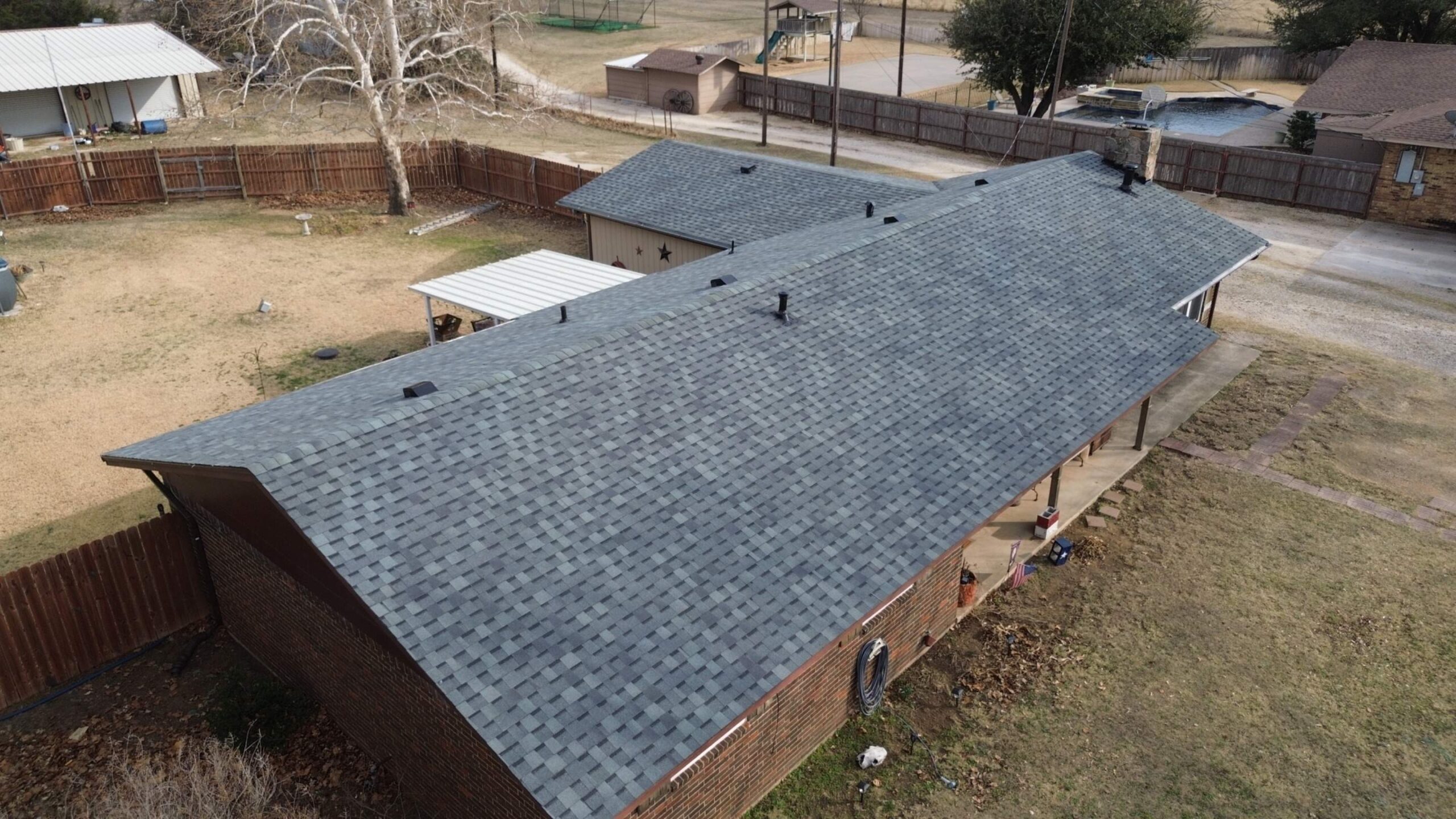
Whenever possible, inspect the roof from the ground using a safe viewing position. Binoculars can help homeowners examine shingles, flashing, vents, and roof edges without putting themselves at unnecessary risk. Looking through accessible attic areas can also provide useful information about the underside of the roofing system.
Avoid climbing onto the roof after rain or when moisture, ice, or debris makes the surface slippery. Windy conditions can also make ladders and roof surfaces dangerous. If the roof has visible structural damage, sagging, large missing sections, or other serious defects, professional assessment is a safer choice.
Homeowners should also avoid walking on damaged areas. A section that appears solid may have weakened decking underneath, particularly when long-term moisture exposure has occurred. Stepping on a weakened area can increase damage and create a serious fall hazard.
Before beginning an inspection, check the surrounding area for additional risks. Look for overhead electrical lines, unstable branches, loose debris, and other hazards that could interfere with safe observation. If safe access is not available, document what can be seen from the ground and contact a roofing professional.
What to Check From the Ground
A ground-level inspection is one of the safest ways to identify visible roofing problems. Start by walking around the exterior of the home and looking at the roof from different angles. Changes in lighting and viewing direction can make certain defects easier to notice.
Pay close attention to the overall shape of the roof. A healthy roof should generally maintain consistent lines and slopes. Areas that appear to sag, dip, or change shape may indicate problems involving the roof deck, framing, or long-term moisture exposure.
Next, examine the visible roofing materials. Asphalt shingles should generally appear secure and relatively uniform. Look for shingles that are missing, broken, cracked, curled at the edges, or visibly displaced. If many shingles show similar deterioration, the issue may relate to the age or overall condition of the roofing system rather than one isolated defect.
Granules from asphalt shingles can also provide useful clues. A small amount of granule loss can occur naturally as shingles age, but excessive granules collecting in gutters or downspouts may indicate significant surface wear. Homeowners should consider the age of the roof when evaluating this type of observation.
The roof edges should receive particular attention because wind can place significant stress on these areas. Look for visibly lifted or displaced materials along eaves, rakes, and other exposed edges. Damaged edges may allow water to enter beneath roofing materials and can become more vulnerable during future storms.
Homeowners should also look for debris on the roof or around the property. Branches, leaves, and other objects can damage roofing materials or block drainage pathways. After severe weather, inspect the yard as well because fallen shingles or fragments can sometimes indicate that the roof experienced wind damage.
Do not focus only on the center of the roof. Valleys, edges, penetrations, and transitions are important areas because water naturally moves toward or around these locations. Visible deterioration in these areas deserves closer attention.

Inspecting Shingles, Flashing, and Roof Penetrations
Shingles are among the most visible components of many residential roofing systems, making them an important part of a homeowner’s inspection. Look for obvious defects such as cracks, splits, missing pieces, curling, blistering, or shingles that appear lifted from the roof surface.
Wind damage can cause shingles to lift or become displaced, while repeated exposure to sunlight and temperature changes can contribute to aging and deterioration. Hail may leave dents, bruising, or other marks that are difficult to identify without professional experience. When damage is suspected but cannot be clearly confirmed, photographs can help a roofing professional evaluate the area.
Flashing is another critical component to inspect. Flashing helps direct water away from vulnerable areas where different surfaces meet, such as roof edges, walls, chimneys, skylights, and other penetrations. Damaged, loose, corroded, or improperly sealed flashing can create pathways for water intrusion.
Look carefully around plumbing vents, exhaust vents, skylights, chimneys, and other structures that extend through the roof. These locations involve openings or transitions that require proper weatherproofing. Cracked sealant, damaged components, loose flashing, or visible gaps should be treated as potential warning signs.
Roof penetrations should not be inspected only for the condition of the roofing material around them. The penetration components themselves can deteriorate over time. For example, a damaged vent boot or cracked seal around a pipe may allow water to enter even when the surrounding shingles appear to be in good condition.
When inspecting these areas from the ground, use binoculars rather than climbing onto the roof if the area cannot be safely accessed. If something appears loose, cracked, or displaced, avoid attempting a repair without the appropriate knowledge and equipment.
Checking Gutters, Downspouts, and Drainage
A roofing system depends on effective drainage to move water away from the structure. Gutters and downspouts collect runoff and direct it away from walls, foundations, landscaping, and other vulnerable areas. When drainage components become blocked or damaged, water can accumulate where it should not.
Start by looking for gutters that appear sagging, separated, or unusually tilted. Gutters should maintain a functional slope that allows water to move toward the downspouts. Sections that remain filled with water after rainfall may indicate a drainage problem.
Leaves, twigs, roofing granules, and other debris can collect inside gutters. Excessive buildup can restrict water flow and contribute to overflow during heavy rain. Homeowners should inspect gutters regularly, particularly when the property is surrounded by trees.
Downspouts should also be checked for blockages, separation, or visible damage. Water should be directed away from the home’s foundation rather than discharged immediately beside exterior walls. Poor drainage can contribute to moisture problems around the structure even when the roof itself is not leaking.
Pay attention to signs that gutters have recently overflowed. Water stains, streaks, damaged landscaping, soil erosion, or moisture marks around exterior walls can indicate that runoff is not being controlled effectively. These signs should be considered alongside the condition of the roof and drainage system.
A simple inspection of the roof surface, gutters, and downspouts can reveal important maintenance needs before they become larger problems. Homeowners should document visible concerns and monitor them over time, particularly after heavy storms. If water continues to enter the home, structural areas appear damaged, or roofing materials show extensive deterioration, professional evaluation is recommended.
Inspecting the Attic and Interior Areas
A roof inspection should not be limited to the exterior because some roofing problems are easier to identify from inside the home. The attic, upper ceilings, and walls can provide valuable clues about moisture intrusion, ventilation problems, insulation concerns, and changes affecting the roof structure. Homeowners should inspect these areas from a safe and accessible position without disturbing electrical wiring, insulation, or structural components.
Begin by looking at the underside of the roof deck in the attic. Search for dark stains, water marks, damp wood, mold-like growth, or areas that appear different from the surrounding roof structure. Fresh moisture may be easier to identify after rainfall, while older water intrusion can leave permanent discoloration even when the area is currently dry.
Pay attention to daylight that may be visible through unexpected gaps in the roof deck. Small amounts of light can sometimes be normal around certain roof features, but visible openings or gaps should be investigated. Water can enter through small openings and gradually affect insulation, framing, and interior finishes.
The attic should also be checked for unusual odors. A persistent damp or musty smell may indicate moisture accumulation, especially when it occurs alongside stains or condensation. Odors alone do not establish that the roof is leaking, but they can provide an additional reason to investigate the area more carefully.
Look at the condition of insulation near the roof and ceiling. Wet, compressed, or discolored insulation can indicate moisture exposure or ventilation problems. Homeowners should avoid handling potentially contaminated materials and should seek professional assistance when extensive moisture or suspected mold is present.
From inside the living areas, inspect ceilings and upper walls for stains, bubbling paint, peeling finishes, or discoloration. These signs can sometimes appear below a roof leak, although the visible mark may not be directly beneath the actual entry point. Water can travel along roof decking, framing, insulation, and other surfaces before becoming visible inside the home.
Checking for Roof Leaks and Moisture Damage
Water intrusion is one of the most important problems homeowners should look for during a roofing inspection. A roof does not necessarily need to have a large visible hole for water to enter the home. Damaged shingles, failed flashing, deteriorated seals, blocked drainage, and aging roofing materials can all contribute to moisture problems.
One useful approach is to compare interior observations with exterior conditions. If a ceiling stain appears near a chimney, skylight, vent, or roof valley, inspect the corresponding exterior area when it can be viewed safely. However, the location of an interior stain should not be treated as proof of where the roof is leaking because water can travel considerable distances before appearing indoors.
After heavy rainfall, check accessible attic spaces for damp areas or new water marks. A flashlight can make stains and moisture easier to identify. Avoid touching wet electrical components, exposed wiring, or areas where water may have reached electrical equipment.
Homeowners should also watch for recurring stains. A mark that becomes darker or larger after rain may indicate an active or recurring moisture problem. Even if the ceiling eventually dries, repeated water exposure can gradually damage building materials.
Water damage can affect more than the roof covering. Continued moisture may contribute to deterioration of roof decking, insulation, drywall, framing, and interior finishes. In some cases, prolonged dampness can also create conditions that support unwanted biological growth.
When a leak is discovered, do not assume that applying sealant to the visible interior stain will solve the problem. The source needs to be identified and corrected at the roofing system or another exterior location. If the cause cannot be determined safely, a qualified roofing professional should evaluate the property.
Identifying Structural Problems and Roof Ventilation Issues
The structural condition of a roof is another important part of a residential inspection. Homeowners should look for visible sagging, uneven roof lines, or areas that appear to have changed shape. These conditions can sometimes be associated with damaged decking, framing problems, excessive moisture, or other structural concerns.
A roof should generally maintain a consistent appearance across its slopes. One localized depression or sagging section deserves attention, particularly when it has become more noticeable over time. Structural concerns should not be treated as ordinary cosmetic defects because they may affect the stability and performance of the roofing system.
Homeowners should also inspect the attic for visibly damaged or weakened structural components. Cracked, split, heavily stained, or deteriorated wood can indicate a problem requiring professional assessment. Do not attempt to reinforce, cut, remove, or modify structural members without appropriate expertise.
Ventilation is closely connected to roof performance. Proper attic ventilation helps manage heat and moisture that can accumulate beneath the roof. Poor ventilation can contribute to excessive heat, condensation, premature material deterioration, and uncomfortable conditions inside the home.
Look for visible signs of condensation around the underside of the roof deck, particularly during periods of significant temperature differences. Moisture around nails, roof decking, or ventilation areas can indicate that attic humidity is not being controlled effectively. These signs should be evaluated together with the home’s insulation and ventilation arrangement.
A simple inspection cannot determine whether an attic has the correct ventilation design for a particular roofing system. Homeowners should avoid blocking vents or making ventilation changes without professional guidance. If condensation, excessive heat, or persistent moisture is observed, a roofing or building professional can assess the system and recommend appropriate improvements.
Examining Chimneys, Skylights, Vents, and Other Penetrations
Roof penetrations deserve special attention because they interrupt the continuous surface of the roofing system. Chimneys, skylights, plumbing vents, exhaust vents, satellite equipment, and other structures require properly installed flashing and weather-resistant connections. Even a well-maintained roof can develop a leak when one of these components deteriorates.
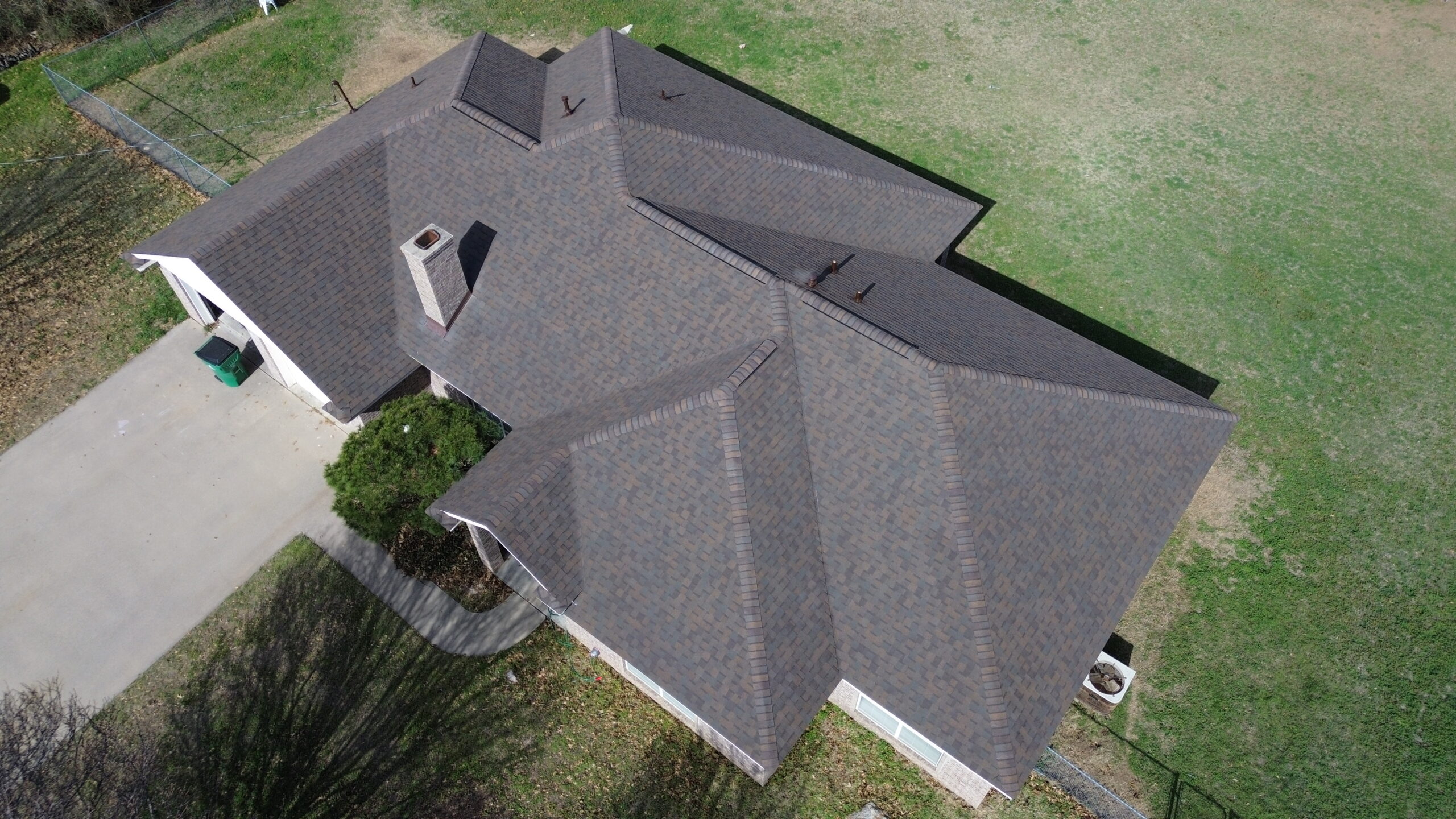
Start by checking areas around chimneys for visibly damaged flashing, loose materials, cracked masonry, or deteriorated sealants. Water can enter where the chimney meets the roof if flashing is damaged or improperly installed. Masonry problems can also contribute to moisture intrusion and should be evaluated when cracks or deterioration are visible.
Skylights should be inspected for damaged seals, cracked components, condensation, or signs of water staining around the interior frame. A skylight leak may appear as a ceiling or wall stain rather than an obvious problem around the skylight itself. Look for changes in the surrounding interior finishes after rainfall.
Plumbing vent pipes should also be examined. The roofing material around a pipe may appear intact while the surrounding boot or sealing component has deteriorated. Cracked rubber, damaged flashing, loose materials, or visible gaps can create potential entry points for water.
Exhaust vents should remain unobstructed and properly connected. A damaged vent cover or loose connection can affect both moisture control and the performance of the ventilation system. Homeowners should not seal ventilation openings simply because they appear to allow air movement.
Other roof-mounted equipment should be included in the inspection. Solar equipment, antennas, satellite dishes, and similar installations may involve attachments that penetrate or interact with the roofing system. Any visible damage around these areas should be documented and evaluated by an appropriate professional.
Because penetrations involve several components working together, homeowners should avoid making temporary repairs with unsuitable materials. A professional can determine whether the issue involves flashing, sealant, the penetration itself, or an underlying roofing problem.
Understanding Weather-Related Roof Damage
Weather can affect roofing materials in different ways, and homeowners should consider recent conditions when inspecting their property. Strong winds can lift or remove shingles, hail can damage roofing surfaces, and heavy rainfall can expose weaknesses in flashing and drainage systems. Repeated exposure to intense sunlight can also accelerate aging and deterioration.
After a windstorm, inspect the property for missing or displaced shingles and roofing debris. Pay particular attention to roof edges, corners, and exposed sections because these areas can experience significant wind pressure. If shingles are found in the yard, do not automatically assume that the entire roof requires replacement, but arrange for an appropriate evaluation.
Hail damage may be more difficult to recognize from the ground. Small impacts can affect roofing materials without creating an obvious opening. Dents, bruised areas, exposed substrate, damaged metal components, and excessive granule loss may warrant closer professional inspection.
Heavy rain can reveal problems that were not noticeable during dry conditions. Check ceilings and attic spaces after significant rainfall for new stains or moisture. Also inspect gutters and downspouts for overflow because poor drainage can contribute to water accumulation around the roof.
Fallen branches can create both obvious and hidden damage. A branch may break shingles, damage flashing, or affect the roof deck even when the visible damage appears limited. Do not climb onto the roof to inspect an impact area after a storm if the structure may be unstable.
Temperature changes can also affect roofing systems over time. Repeated expansion and contraction may contribute to aging around seals, flashing, and other components. Homeowners should consider the roof’s age and previous weather exposure when deciding how frequently it should receive professional evaluation.
The timing of an inspection can therefore be important. A roof that appears acceptable during normal conditions may reveal problems after severe weather. Documenting the condition before and after major storms can help homeowners recognize changes and provide useful information to a roofing professional.
Documenting Problems and Knowing When to Call a Professional
Good documentation can make a roof inspection much more useful. Homeowners should take clear photographs of visible damage from safe locations and record the approximate area where each problem was found. Photos taken from several angles can help show whether an issue is isolated or part of a larger pattern.
Keep notes about the inspection date, recent weather conditions, visible defects, and any changes noticed since the previous inspection. If a ceiling stain appeared after a storm, record when it was first observed and whether it changed after additional rainfall. This information can help professionals understand the history of the problem.
A simple inspection record can include the following details:
- Location of the suspected problem
- Type of visible damage or concern
- Date the issue was discovered
- Recent weather conditions
- Photographs showing the affected area
- Whether the condition appears to be changing
Not every roofing concern requires an emergency response, but certain conditions should receive prompt professional attention. Active leaks, major structural sagging, large areas of missing roofing material, extensive storm damage, and exposed roof decking should not be ignored. Electrical hazards or water near electrical systems require additional caution and should be addressed appropriately.
Homeowners should also seek professional assistance when the roof is difficult or unsafe to access. Steep slopes, fragile materials, severe deterioration, unstable surfaces, and significant storm damage can make a DIY inspection dangerous. A professional roofing inspector has the equipment and experience needed to assess areas that cannot be safely evaluated from the ground or attic.
The goal of a homeowner inspection is not to diagnose every roofing problem or perform repairs independently. Its purpose is to identify visible warning signs, monitor changes, maintain awareness of the roof’s condition, and recognize when expert evaluation is necessary. Regular observation combined with timely professional inspections can help homeowners address roofing concerns before they develop into more extensive property damage.
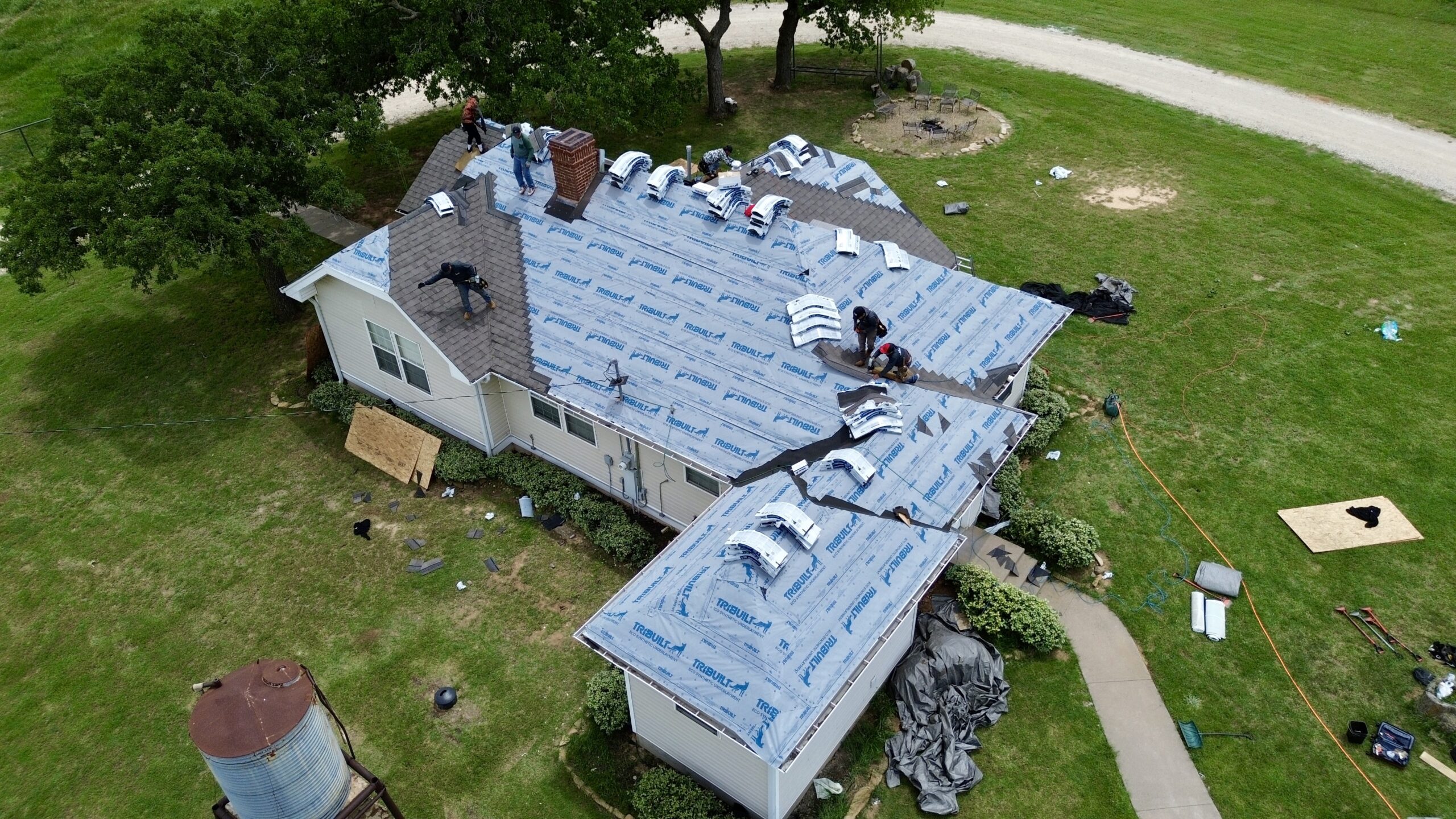
Documenting and Prioritizing Roofing Inspection Findings
Once a homeowner has completed a basic roof inspection, the next step is to organize the findings clearly. Good documentation makes it easier to track changes over time and communicate concerns to a roofing professional. Instead of relying on memory, homeowners should record the location, appearance, and approximate size of each visible problem.
Take photographs from safe positions and include both close-up and wider views when possible. A close-up can show a cracked shingle or damaged flashing, while a wider photograph can show where the issue is located on the roof. Avoid putting yourself at risk simply to obtain a better photograph, especially when the roof is steep, wet, unstable, or severely damaged.
It is also helpful to compare current photographs with images from previous inspections. Changes such as increasing stains, additional missing shingles, worsening curling, or growing areas of deterioration can indicate that a problem is progressing. Keeping inspection records can also help homeowners understand maintenance patterns and prepare for future repair decisions.
Not every roofing problem has the same level of urgency, so homeowners should prioritize findings based on their potential effect on the home. Active water intrusion, major structural concerns, and extensive storm damage generally deserve faster attention than minor cosmetic deterioration.
A useful way to organize findings is to separate them into three general categories:
- Immediate concerns: Active leaks, major structural sagging, extensive storm damage, exposed decking, or conditions that may allow significant water entry.
- Maintenance concerns: Damaged flashing, clogged gutters, deteriorated sealants, isolated shingle damage, or ventilation issues that should be addressed before they become more serious.
- Monitoring concerns: Early signs of aging, minor surface wear, or conditions that are not currently causing damage but should be checked during future inspections.
This approach helps homeowners avoid both extremes of ignoring important damage and assuming every minor defect requires a complete roof replacement. A professional can provide a more accurate assessment when the severity or cause of a problem is uncertain.
Temporary Protection and Common Inspection Mistakes
When roofing damage is discovered, homeowners may need to take reasonable temporary steps while waiting for professional service. The appropriate action depends on the type and severity of the damage, but protecting the interior from additional water exposure can sometimes reduce further property damage. Buckets or containers can be used beneath active interior drips, while valuable belongings can be moved away from affected areas when it is safe to do so.
Homeowners should avoid climbing onto the roof to place temporary materials when conditions are unsafe. Tarps, plastic sheets, or other temporary coverings can be difficult to install correctly and may create additional hazards if placed improperly. Temporary protection is not a substitute for repairing the underlying roofing problem.
After a major storm, it is also important to avoid disturbing damaged areas unnecessarily. Moving broken roofing materials or attempting to straighten displaced components can make it harder to determine what happened. Photographs should generally be taken before cleanup or repair work when doing so can be done safely.
Several common mistakes can make a homeowner inspection less useful. One mistake is inspecting only the visible center of the roof while ignoring valleys, edges, flashing, gutters, and penetrations. Another is assuming that a ceiling stain always identifies the exact location of a roof leak.
Homeowners should also avoid using household sealants as a universal roofing solution. Applying material over a visible problem may hide the symptom without correcting the underlying cause. In some situations, an unsuitable repair can make professional diagnosis more difficult or interfere with proper repairs.
Another mistake is treating an old roof as automatically defective or assuming that a relatively new roof cannot have problems. Roofing performance depends on materials, installation quality, weather exposure, maintenance, and many other factors. Regular inspection is therefore more useful than relying only on the roof’s age.
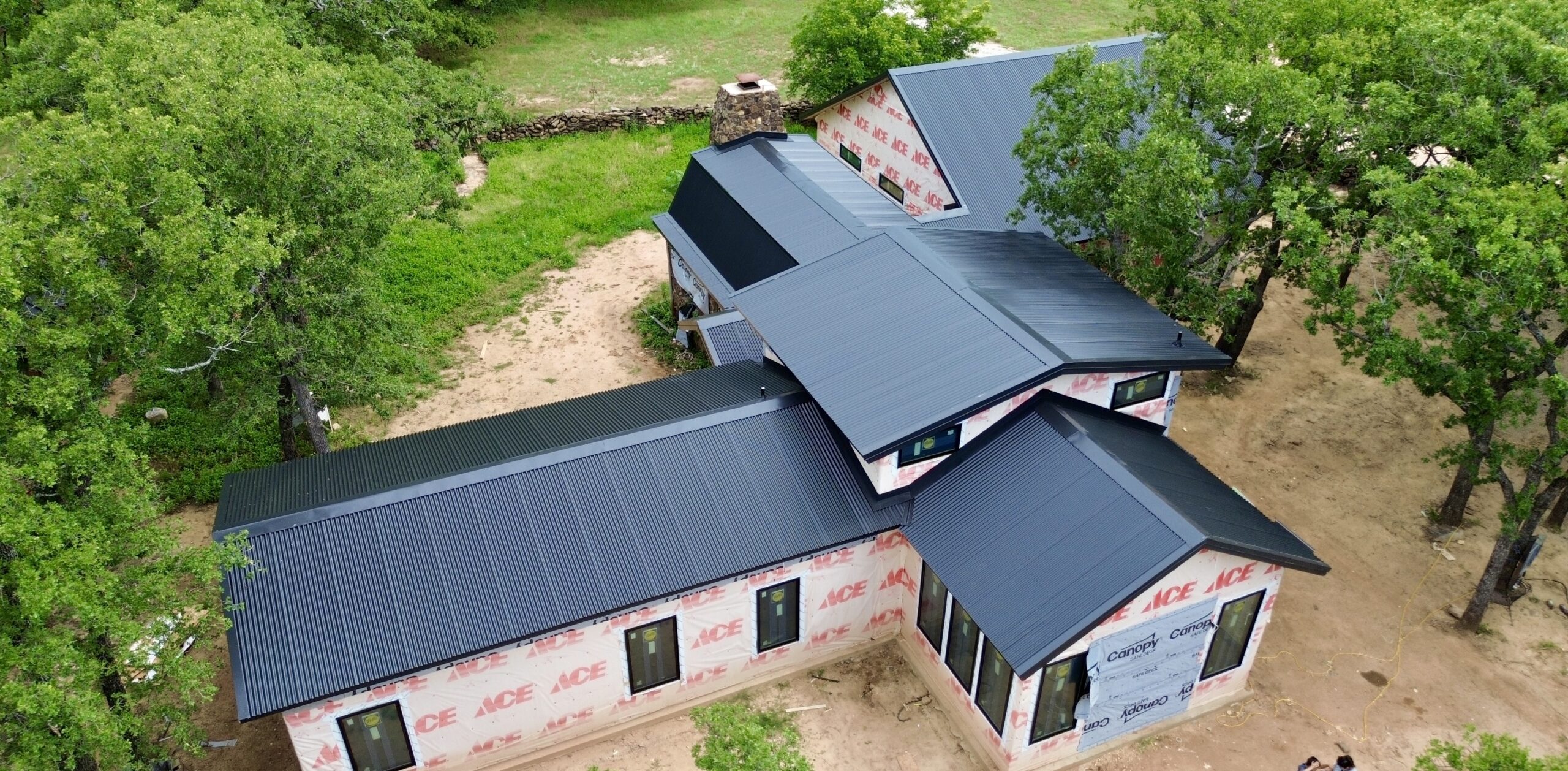
Knowing When Professional Roof Inspection Is Necessary
A homeowner inspection is useful for identifying visible warning signs, but it cannot replace a professional assessment when significant concerns are present. Roofing professionals can evaluate areas that may not be safely accessible to homeowners and can determine whether visible symptoms are connected to deeper problems. Professional inspections are particularly valuable when damage is widespread, difficult to identify, or potentially structural.
An active leak should receive timely attention, even when the amount of visible water seems small. Continued moisture can affect roofing materials and interior building components, while repeated exposure can increase the cost and complexity of repairs. A professional can investigate the source and determine the appropriate corrective work.
Major sagging is another condition that should not be ignored. A visibly uneven roofline may indicate problems involving decking, framing, moisture, or other structural components. Homeowners should avoid walking on such areas and should arrange for professional evaluation.
Professional assistance is also recommended after severe weather when there are signs of substantial damage. Missing roofing materials, fallen trees, large branches, extensive hail impacts, damaged flashing, or exposed roof decking can leave vulnerable areas open to additional weather exposure. Prompt assessment can help determine whether temporary protection or permanent repairs are needed.
There are several situations where professional evaluation becomes especially important:
- The roof has an active or recurring leak. Repeated water intrusion can cause damage beyond the visible stain and may have multiple possible entry points.
- The roof appears structurally compromised. Sagging, major depressions, or visibly damaged framing should be assessed by someone qualified to evaluate structural conditions.
- Severe weather has caused widespread damage. A professional can assess whether the damage is limited to individual components or affects larger sections of the roofing system.
- The homeowner cannot safely access important areas. Steep, fragile, wet, or heavily damaged roofs should not be inspected by walking on them.
Professional inspections can also be useful when a roof is approaching the later portion of its expected service life. An inspection does not automatically mean replacement is necessary. Instead, it can help homeowners understand remaining serviceability, maintenance needs, and potential future repair requirements.
How Often Homeowners Should Inspect Their Roof
Regular inspections are an important part of residential roof maintenance. A practical schedule is to perform basic visual checks around twice a year, such as during spring and fall. These inspections allow homeowners to identify changes following seasonal weather and before periods of potentially severe conditions.
Additional checks are recommended after significant weather events. Strong winds, hail, heavy rainfall, hurricanes, severe thunderstorms, and falling trees or branches can all affect roofing systems. Even when no damage is obvious from the ground, an inspection can help identify changes that developed during the event.
The age and condition of the roof can also influence inspection frequency. Older roofing systems may benefit from more frequent professional attention because materials naturally experience wear over time. Roofs with a history of leaks, previous storm damage, or recurring maintenance problems may also require closer monitoring.
Homeowners should consider the surrounding environment as well. Properties surrounded by large trees may experience more debris accumulation and a greater risk of falling branches. Homes exposed to strong winds or frequent severe weather may also require additional checks.
Regular inspection should be combined with routine maintenance. Gutters should be kept clear, visible debris should be removed when it can be done safely, and damaged components should be addressed before they create larger problems. Good maintenance does not guarantee that a roof will never fail, but it can reduce avoidable risks and help extend the useful performance of the roofing system.
A professional inspection schedule can vary depending on the roof’s age, material, condition, local weather, and previous repair history. Homeowners should ask a qualified roofing professional how frequently the property should receive a detailed inspection based on its specific circumstances.

Final Residential Roofing Inspection Checklist
A complete homeowner inspection should bring together observations from the roof exterior, attic, interior rooms, and drainage system. The purpose is to create a clear picture of the roof’s condition without taking unnecessary safety risks. Homeowners should remember that the checklist is designed for observation and maintenance planning rather than advanced diagnosis or roof repair.
Before finishing an inspection, review the main areas that were checked. Confirm that visible roofing materials were examined, roof edges and valleys were considered, drainage components were reviewed, and accessible attic and interior areas were checked for signs of moisture.
The following checklist can serve as a simple reference for future inspections:
- Check the roof from several safe ground-level viewpoints.
- Look for missing, cracked, curled, or displaced shingles.
- Check visible roof edges, ridges, valleys, and transitions.
- Look for damaged or loose flashing around vulnerable areas.
- Inspect visible chimneys, skylights, vents, and plumbing penetrations.
- Check gutters for leaves, granules, standing water, and excessive debris.
- Check downspouts for blockages, separation, and poor drainage.
- Look for sagging or unusual changes in the roofline.
- Inspect accessible attic areas for stains, dampness, or condensation.
- Check ceilings and upper walls for unexplained water marks.
- Photograph visible damage from safe locations.
- Record the date and conditions of the inspection.
- Compare findings with previous inspection records.
- Arrange professional evaluation for serious or uncertain problems.
After completing the checklist, homeowners should decide which findings need immediate attention and which can be monitored as part of routine maintenance. Keeping a record of repairs and inspections can make future evaluations more efficient and provide useful information when discussing the roof with contractors.
The most important principle is to avoid taking unnecessary risks. A roof inspection is valuable because it helps homeowners recognize potential problems, not because homeowners are expected to perform every inspection task themselves. If an area cannot be reached safely, it is better to leave it for a qualified professional.
Conclusion
A residential roofing inspection is an important part of responsible home maintenance. Regular checks can help homeowners recognize visible damage, drainage problems, moisture intrusion, deteriorating materials, and other warning signs before they develop into more extensive issues. A simple inspection can also provide valuable information about when professional evaluation or maintenance may be appropriate.
Homeowners should begin with safe ground-level observations and then examine accessible attic and interior areas for signs that may not be visible from outside. Shingles, flashing, roof penetrations, gutters, downspouts, ventilation, and roof structure all contribute to the overall performance of a roofing system. Looking at these components together provides a more useful understanding of the roof than focusing on a single damaged area.
Weather events deserve special attention because wind, hail, heavy rain, falling branches, and prolonged exposure to sunlight can affect roofing materials in different ways. Inspecting the property after significant weather can help identify problems early, while photographs and written records make it easier to monitor changes over time. Homeowners should never put themselves at risk by climbing onto an unsafe roof simply to complete a checklist.
Professional roofing inspections remain important when serious damage, active leaks, structural concerns, or difficult-to-identify problems are present. A qualified roofing professional can assess conditions that are beyond the scope of a basic homeowner inspection and recommend appropriate maintenance or repair options. Early professional attention can help prevent a manageable roofing concern from becoming a more extensive property problem.
Ultimately, the best roof maintenance strategy combines regular observation, timely maintenance, safe inspection practices, and professional evaluation when necessary. By following a consistent residential roofing inspection checklist, homeowners can stay informed about the condition of one of the home’s most important protective systems and make better decisions about its long-term care.
Leave A Comment