
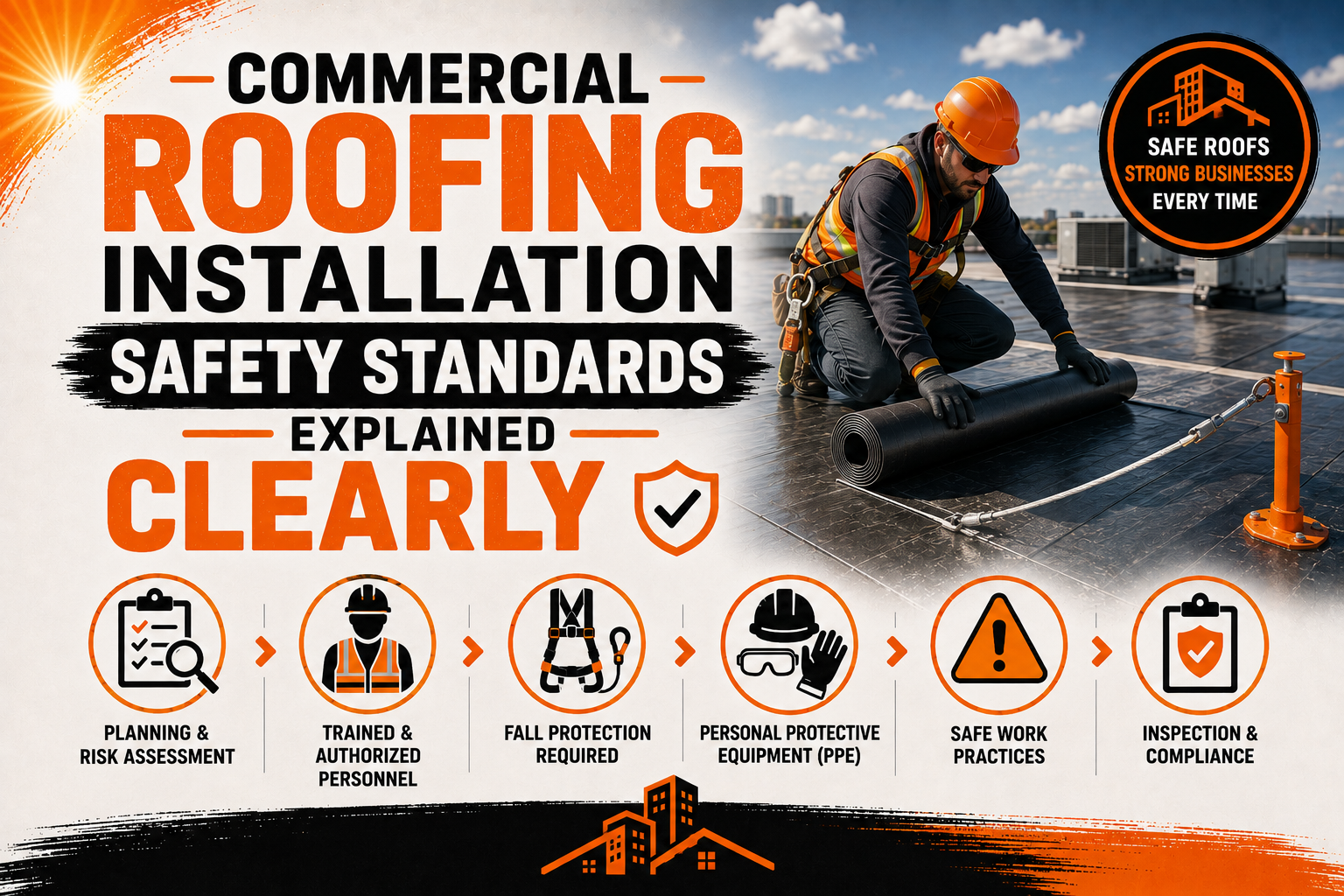
Commercial Roofing Installation Safety Standards Explained Clearly
Introduction
Commercial roofing installation involves working at height, handling heavy materials, operating equipment, moving around unfinished roof surfaces, and working near electrical and mechanical systems. These conditions can create serious hazards when proper safety procedures are not followed. A strong safety program protects roofing workers while also helping protect building occupants, customers, equipment, property, and the business itself.
Safety standards provide a structured approach for identifying and controlling these hazards. In the United States, OSHA’s construction requirements under 29 CFR Part 1926 include specific fall protection provisions in Subpart M, including requirements for unprotected edges, low-slope roofing work, fall protection systems, and worker training.
The exact regulations applicable to a roofing project can depend on the location, type of work, building conditions, and jurisdiction. Businesses operating outside the United States should follow the occupational safety requirements that apply in their own country or region. Safety requirements should always be confirmed with qualified safety professionals and the relevant regulatory authority rather than relying on a general online guide.
Commercial roofing safety should begin before workers arrive on the roof. The contractor needs to evaluate the work area, identify hazards, establish access routes, select appropriate protective systems, train workers, and coordinate the construction activities. Safety should then continue throughout installation because roof conditions can change as old materials are removed and new systems are installed.
A safe roofing project is not simply one where workers wear protective equipment. It is a coordinated process involving planning, training, fall protection, equipment inspection, material handling, weather monitoring, communication, emergency preparation, and continuous supervision. Each element contributes to reducing the likelihood of accidents.
Understanding Commercial Roofing Safety Requirements
Commercial roofing safety requirements establish minimum expectations for protecting workers from hazards associated with construction activities. OSHA’s construction standards include requirements covering fall protection, scaffolds, ladders, aerial lifts, personal protective equipment, electrical hazards, material handling, and other construction risks.
One of the most important concepts is that employers have responsibilities for providing appropriate protection when workers are exposed to recognized hazards covered by applicable standards. For example, OSHA’s fall protection provisions require protection for workers on walking or working surfaces with certain unprotected edges and elevations.
The contractor should determine which requirements apply before installation begins. This assessment should consider the roof’s height, slope, edges, openings, access points, equipment, work activities, and the specific roofing system being installed. Different activities may trigger different safety requirements, so the project should not rely on one general safety measure for every situation.
A written safety plan can help organize these requirements. The plan may identify hazards, protective systems, responsible personnel, emergency procedures, access routes, equipment requirements, and methods for controlling workers and other people around the construction area. The exact documentation required will depend on applicable regulations and the project.
Safety responsibilities should also be clearly communicated between the property owner and roofing contractor. The business should inform the contractor about known building hazards, restricted areas, sensitive equipment, operating requirements, and other site conditions. The contractor should then explain the safety controls that will be used during the roofing work.
Safety requirements can also change as the project progresses. Removing an existing roof may expose openings, damaged decking, unstable areas, or unexpected structural conditions. The safety plan should therefore be treated as an active process that can be adjusted when new hazards are identified.
Following applicable standards is the baseline for a safe project, but responsible contractors should also evaluate site-specific risks. A roofing installation should be organized around the actual conditions of the building rather than simply applying generic procedures.
Fall Protection Requirements for Commercial Roofing
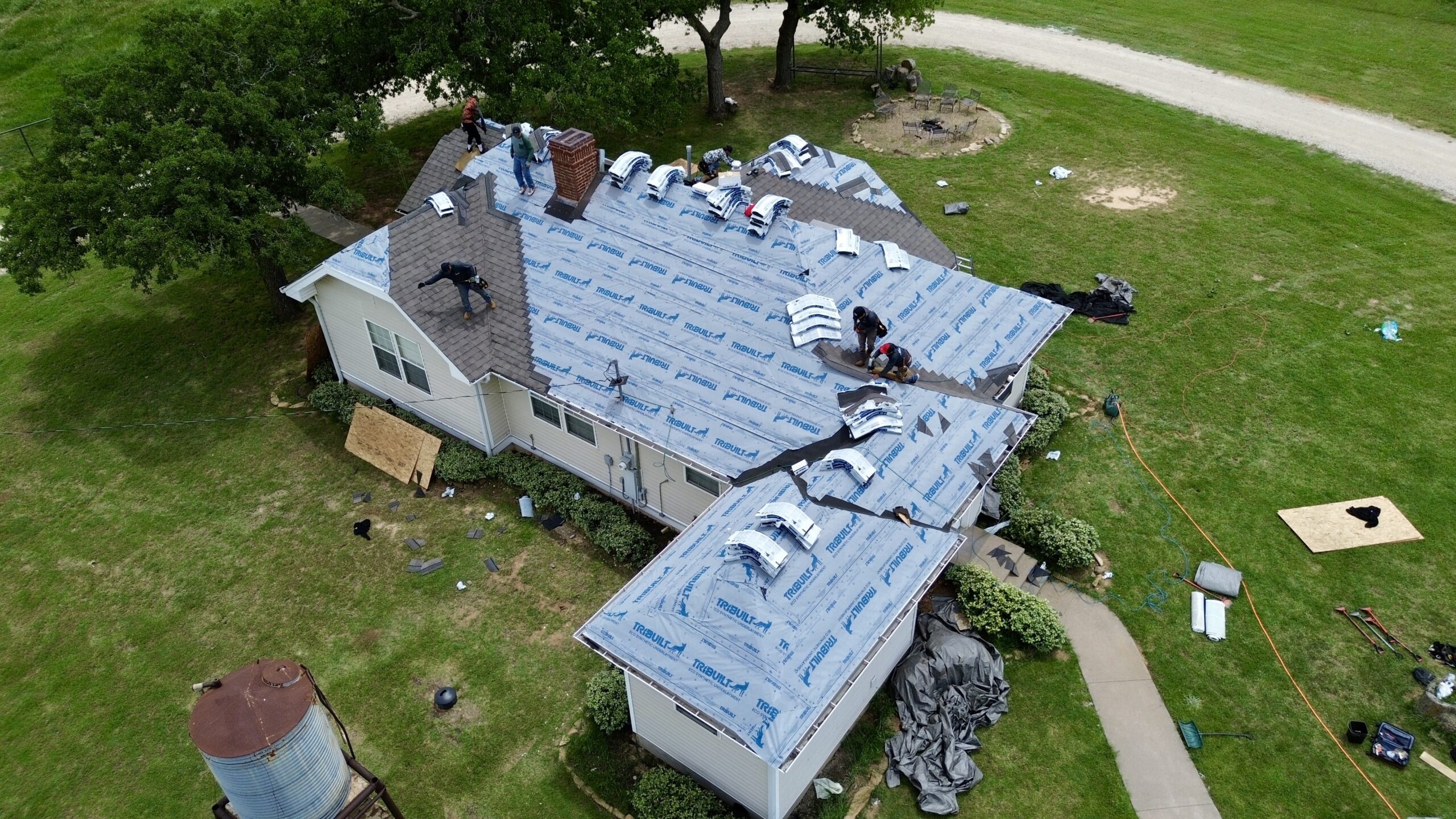
Fall protection is one of the most important safety considerations in commercial roofing. Workers may operate near roof edges, openings, skylights, equipment areas, and other locations where a fall could result in serious injury. OSHA’s construction fall protection requirements generally address unprotected sides and edges at elevations of 6 feet or more above lower levels, subject to the specific provisions and exceptions in the standard.
For low-slope roofing work, OSHA provides specific fall protection options under 29 CFR 1926.501(b)(10). Depending on the circumstances, these can include guardrail systems, safety nets, personal fall arrest systems, or specified combinations involving warning lines and other systems. A safety monitoring system alone is permitted in the specific situation described by the regulation for low-slope roofs 50 feet or less in width.
This does not mean that every commercial roof can simply use a warning line instead of other protection. The applicable requirements depend on the type of work, roof characteristics, and regulatory conditions. Contractors should evaluate the specific project and use protection methods that comply with the applicable rules.
Guardrails can provide physical protection by creating a barrier between workers and an unprotected edge. Personal fall arrest systems can provide another form of protection when properly selected, installed, connected, inspected, and used. Safety nets and other permitted systems may also apply depending on the circumstances.
Fall protection should be established before workers begin exposed roofing activities. Waiting until workers are already working near an edge creates an unnecessary hazard. The protective system should be planned around the work area so that workers can perform their tasks without having to bypass or remove the protection.
Fall protection equipment also needs inspection and proper use. A harness, lanyard, lifeline, or anchor system should not simply be available on the job site; workers need to understand how the system works and how to use it correctly. OSHA’s Subpart M includes training requirements related to recognizing fall hazards and the procedures workers need to follow.
The roof’s layout should also be considered. Irregular shapes, multiple levels, equipment zones, parapets, skylights, and roof openings can make fall protection more complicated. A system that works for one section of a building may not automatically protect another section.
Fall protection is therefore one of the first safety issues that should be addressed during project planning. Proper preparation helps workers complete their tasks without being unnecessarily exposed to one of the most serious hazards associated with commercial roofing.
Roof Access and Safe Movement
Workers need a safe and controlled way to reach the roof before they can begin installation. Access may involve permanent stairs, ladders, scaffolds, aerial equipment, or other approved methods depending on the building. The selected access method should be appropriate for the height, work conditions, equipment, and materials involved.
Access points should be identified before construction begins. Workers should not have to improvise routes onto the roof because the planned access point is blocked or unsuitable. A poorly selected access route can create additional fall, trip, material-handling, or traffic hazards.
Ladders should be appropriate for the work and positioned securely. Workers should also follow the applicable requirements for ladder use, including maintaining safe climbing practices and avoiding unsafe positioning. The specific ladder requirements can vary according to the type of ladder and construction activity.
Scaffolds and aerial lifts may provide access or working platforms in some projects, but they introduce their own safety requirements. OSHA’s construction standards include separate provisions addressing scaffolds and aerial lifts.
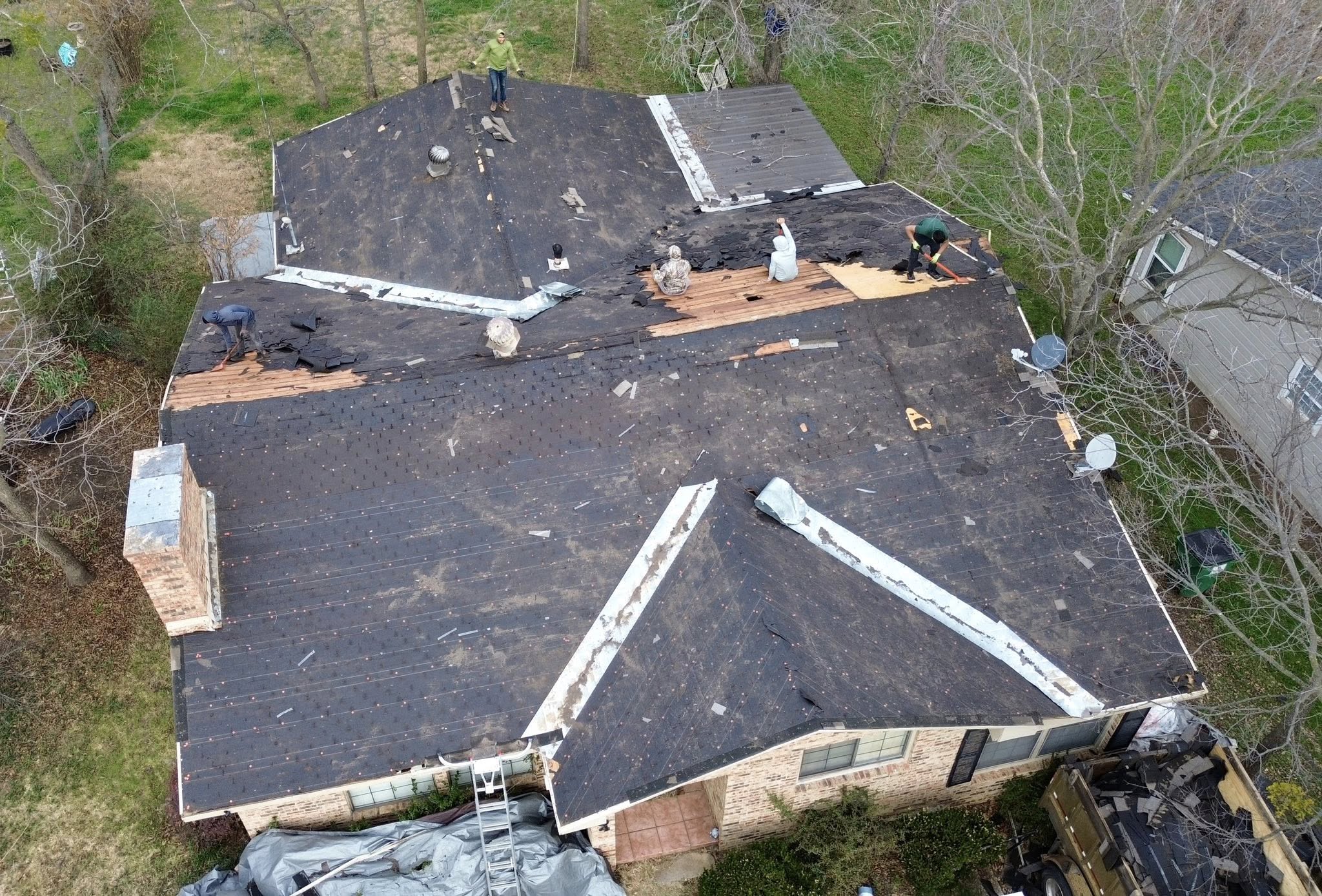
Once workers reach the roof, movement across the surface should also be controlled. Roofing materials, tools, cords, debris, equipment, uneven surfaces, and unfinished sections can create trip hazards. Clear walking paths can help workers move between work areas without unnecessarily crossing hazardous zones.
Access routes should remain available throughout the project. As materials are installed and sections of the roof change, the original route may become unsuitable. Supervisors should monitor these changes and establish alternative routes when necessary.
Unauthorized access is another concern. Building employees, visitors, customers, and other contractors should not enter active roofing areas without appropriate authorization and protection. Barriers, signs, controlled access points, and communication procedures can help keep people away from hazardous areas.
Safe roof access also supports emergency response. Workers should know how to leave the roof quickly if severe weather, fire, equipment failure, or another emergency occurs. Access planning should therefore consider both normal work and unexpected situations.
Roof Surface and Structural Safety
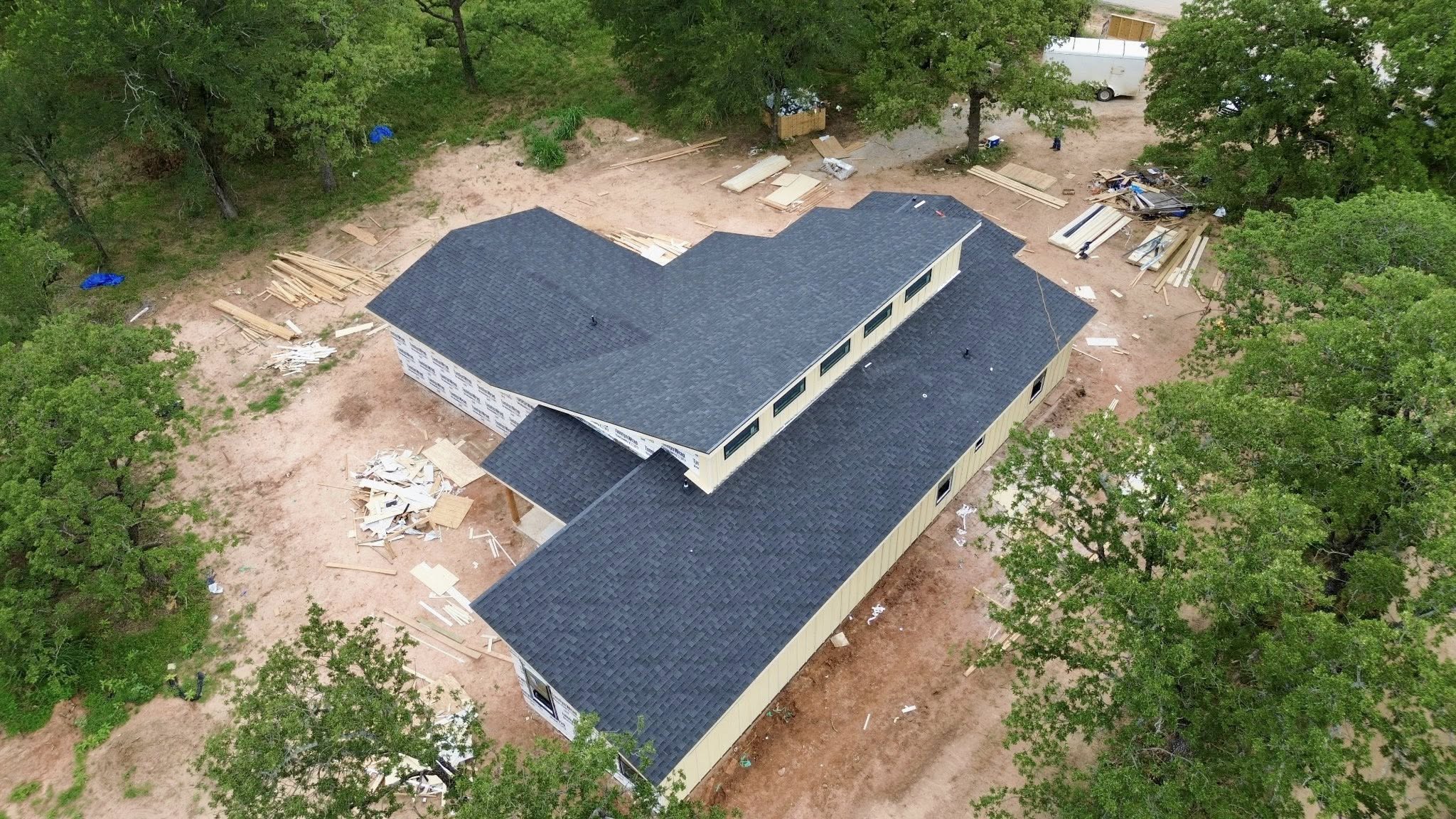
Before workers begin installation, the roof surface and underlying structure should be evaluated for safe working conditions. OSHA’s fall protection requirements state that employers must determine whether walking and working surfaces have sufficient strength and structural integrity to safely support employees.
This is particularly important during roof replacement because removing existing materials can expose areas that were previously hidden. Damaged decking, deteriorated materials, moisture-affected areas, holes, or other weaknesses may create unsafe walking conditions.
Skylights and roof openings require special attention. Some openings may not be obvious, especially when covered by old materials, temporary coverings, or accumulated debris. Workers should know where these hazards are located and ensure that appropriate protection is in place.
The roof surface can also become slippery due to rain, condensation, adhesives, coatings, or other materials. Workers should monitor surface conditions and use appropriate precautions when conditions change. A surface that was safe in the morning may become hazardous after weather or construction activity alters its condition.
Housekeeping contributes directly to surface safety. Loose fasteners, scraps of metal, membrane pieces, packaging, cords, and tools can create trip or puncture hazards. Keeping work areas organized reduces these risks and allows workers to move more safely.
Structural safety should also be considered when storing roofing materials. Heavy materials should not simply be concentrated in one area without considering the roof structure and project requirements. Material placement should follow the project’s engineering and safety considerations.
A roof should never be assumed to be safe simply because it supported the previous roofing system. The condition can change as materials are removed, equipment is positioned, and construction progresses. Ongoing assessment is therefore essential.
Personal Protective Equipment for Roofing Workers
Personal protective equipment provides an additional layer of protection when workers face hazards that cannot be completely eliminated through engineering or administrative controls. The exact PPE required depends on the work being performed and the hazards present on the site.
Common roofing PPE may include hard hats, protective footwear, gloves, eye protection, hearing protection, high-visibility clothing, and other equipment appropriate to the task. Workers using certain tools or materials may need additional protection based on the associated hazards.
Fall protection equipment is especially important when required by the applicable safety program. Personal fall arrest systems can include components such as a full-body harness, connecting device, and appropriate anchorage. The equipment must be selected and used according to the applicable requirements and manufacturer instructions.
PPE should be inspected before use. Damaged, worn, contaminated, or otherwise defective equipment should not be used when it cannot provide the required protection. Workers should also understand how to properly wear, adjust, store, and maintain their equipment.
Different roofing activities can require different PPE. Cutting materials may create eye or respiratory hazards, loud equipment can create hearing concerns, and certain hot-work activities may require additional protective equipment. The safety assessment should therefore consider the actual task rather than assigning identical PPE to every worker regardless of activity.
PPE should also fit the worker properly. Equipment that is uncomfortable, poorly adjusted, or unsuitable for the task may be used incorrectly or ignored. Proper selection and training can improve compliance and effectiveness.
However, PPE should not be considered the entire safety program. It works best as part of a broader approach that includes hazard elimination, engineering controls, safe work procedures, training, supervision, and emergency planning.
Worker Training and Safety Communication
Training is essential because safety equipment and procedures are only effective when workers understand how to use them. Roofing workers should receive training appropriate to the hazards they may encounter and the tasks they are expected to perform.
Fall protection training is particularly important. OSHA’s Subpart M includes requirements for training employees who may be exposed to fall hazards, including recognition of fall hazards and procedures for using applicable protection systems.
Workers should also understand the specific conditions of the project. A general roofing safety course cannot replace site-specific communication about roof openings, access routes, electrical equipment, mechanical systems, restricted areas, emergency procedures, and changing construction conditions.
Daily safety discussions can help keep hazards visible throughout the project. Supervisors can review the day’s work, expected weather, equipment movement, material deliveries, changes to access routes, and other conditions that may affect worker safety.
Communication should continue when conditions change. If workers discover damaged decking, an unexpected opening, exposed electrical equipment, or another hazard, they should know how to report it and what to do until the condition is controlled.
Supervision is also important. Workers should have access to competent personnel who can recognize hazards and ensure that required protective measures are being used correctly. Safety should be monitored throughout the installation rather than assumed after the initial training session.
A strong safety culture encourages workers to report hazards without hesitation. Employees should understand that stopping to address an unsafe condition is part of responsible roofing work, not an unnecessary interruption.
The safest commercial roofing projects are built around preparation, communication, and consistent enforcement of safe work practices. By establishing these foundations before and during installation, businesses and contractors can reduce exposure to serious hazards and create a more controlled working environment.
Safe Handling of Roofing Materials and Equipment
Commercial roofing installation involves moving large quantities of insulation, membrane, metal components, fasteners, tools, adhesives, and other materials to elevated work areas. Improper handling can result in strains, crushed fingers, falling objects, damaged materials, or loss of control while workers are operating near roof edges. Safe material handling should therefore be planned before deliveries and installation activities begin.
Materials should be delivered and positioned using equipment and procedures appropriate for their size and weight. Workers should understand how materials will be lifted, transported, staged, and distributed across the roof. OSHA’s construction safety approach emphasizes planning work, providing appropriate equipment, and training workers to use that equipment safely.
Roof storage areas also need careful consideration. Materials should not be placed randomly across the roof because concentrated loads may affect the structure or interfere with access routes and drainage. Materials should be positioned according to the project plan and kept away from areas where they could create unnecessary fall or falling-object hazards.
Hoisting operations require additional attention because loads can swing, shift, or fall during movement. Workers should stay clear of suspended loads and should not stand beneath materials being lifted. Where lifting operations occur near scaffolds or other elevated work platforms, additional controls may be required to prevent loads from striking the structure or workers.
Tools should also be transported securely. Small hand tools, fasteners, and other objects can become dangerous when dropped from a roof. Tool storage systems, controlled movement, and appropriate falling-object protection can help reduce this risk.
Material handling should not be rushed simply because a delivery has arrived. Workers should have enough space to receive and organize materials safely. A well-planned material handling process reduces unnecessary movement and allows workers to concentrate on installation instead of constantly relocating supplies.
Ladder, Scaffold, and Mechanical Equipment Safety
Ladders and scaffolds are frequently used during commercial roofing projects for access, edge work, material installation, inspections, and related activities. Because these systems place workers above ground level, they must be selected, installed, inspected, and used appropriately. OSHA construction standards contain specific requirements for ladders and scaffolds, including separate provisions under Subparts X and L.
Ladders should be inspected before use and removed from service when defective. Workers should use the correct type and size of ladder for the task instead of improvising with unsuitable equipment. OSHA guidance also emphasizes maintaining safe climbing practices and avoiding unsafe positioning or use of damaged ladders.
Scaffolds require similar attention. Their supporting surfaces, components, access points, platforms, guardrails, and fall protection should meet the requirements applicable to the particular scaffold. OSHA’s construction standards include capacity, fall protection, access, and other requirements for scaffold systems.
Mechanical equipment such as aerial lifts can also introduce hazards. Operators should receive appropriate training and understand the equipment’s operating limitations, controls, load capacity, and work-area conditions. The equipment should be inspected before use and positioned on suitable surfaces.
Electrical hazards around equipment must also be considered. Scaffolds, lifts, long materials, and other conductive objects can create risks when operated near overhead electrical lines. OSHA advises maintaining appropriate clearance and using protective measures when work must occur near power lines.
Equipment should never be treated as safe simply because workers have used it before. Conditions can change from one day to another, especially on a busy commercial construction site. Regular inspections and communication help identify equipment problems before they become accidents.
Electrical Safety During Roof Installation
Commercial roofs often contain electrical equipment, rooftop HVAC units, conduits, lighting systems, communication equipment, and other installations. Roofing crews may also use electrically powered tools and temporary electrical systems during construction. These conditions create potential risks of electric shock, electrocution, fire, and equipment damage.
Before roofing work begins, the contractor should identify electrical hazards around the building and work area. Overhead power lines deserve particular attention when materials, ladders, scaffolds, cranes, lifts, or other tall equipment are being used. OSHA construction guidance highlights the need to identify power lines and maintain safe clearances.
Workers should never assume that an electrical line is harmless because it appears insulated or inactive. Electrical systems should be handled by qualified personnel, and appropriate procedures should be followed when equipment or roofing work must occur near energized systems.
Temporary electrical equipment should also be maintained properly. Damaged cords, exposed conductors, defective tools, or unsuitable connections can create serious hazards. Equipment should be inspected before use and protected according to applicable electrical safety requirements.
Rooftop HVAC systems can create additional concerns. Workers may need to work around energized equipment, moving components, or electrical connections while installing roofing materials. Coordination with building maintenance personnel and qualified electrical or mechanical professionals can help control these hazards.
Metal materials can increase concern around electrical exposure because they can conduct electricity. Workers handling long metal components should understand nearby electrical hazards and maintain appropriate clearance.
Electrical safety should also be incorporated into the project’s emergency planning. Workers need to know how to respond if someone comes into contact with an electrical source or if electrical equipment becomes damaged. Emergency procedures should be communicated before work begins.
Fire and Hot Work Safety
Some commercial roofing systems involve hot work or heat-producing equipment during installation. Activities involving torches, welding, cutting, or other sources of ignition can create fire hazards, particularly when performed near combustible construction materials, insulation, roof assemblies, or building contents.
Fire prevention should therefore be part of the project safety plan from the beginning. OSHA’s construction standard requires employers to establish and maintain an effective fire protection and prevention program throughout construction, repair, alteration, and demolition activities.
The work area should be evaluated before hot work begins. Combustible materials should be identified and controlled, and appropriate fire protection equipment should be available. Workers should also understand how to respond if smoke, flames, unusual heat, or another warning sign appears.
Hot-work equipment should be inspected before use. Damaged hoses, connections, regulators, electrical equipment, or other components should not be used when they create a safety concern. Workers should be trained for the equipment and processes involved.
The building’s interior should also be considered. Heat or sparks from roof work can potentially affect concealed spaces, penetrations, or materials below the roofing assembly. The contractor should evaluate whether additional precautions or monitoring are appropriate for the particular building.
Fire extinguishers and other required fire protection equipment should be accessible to workers. Employees should know where this equipment is located and how emergency procedures work.
Hot work should never be treated as routine simply because the crew performs it regularly. Every building presents different conditions, and combustible materials may be hidden or located near the work area. Careful planning reduces the chance that a small ignition source becomes a major incident.
Weather and Environmental Safety
Weather conditions can change the safety of commercial roofing work quickly. Wind, rain, extreme heat, lightning, and other environmental conditions can affect worker stability, material control, visibility, roof traction, and equipment operation. The crew should monitor conditions throughout the workday rather than relying only on the forecast made before the shift.
Strong wind is particularly important when handling lightweight roofing materials. Membranes, insulation boards, sheets, packaging, and other materials can be difficult to control when wind speeds increase. Loose materials can also become falling objects or be blown from the roof.
Rain can create slippery surfaces and interfere with certain installation activities. OSHA guidance recognizes adverse weather such as high winds, rain, snow, or sleet as conditions that can create hazards requiring roofing operations to be suspended until conditions are safe.
Extreme heat can create additional concerns for workers. Long periods of physical activity on exposed roofs can increase heat stress, particularly when workers have limited shade and are surrounded by heat-reflective surfaces. Employers should implement appropriate measures based on the conditions and applicable safety requirements.
Lightning presents another serious hazard because workers are exposed on elevated surfaces. Roofing activities should be stopped when weather creates an unacceptable risk, and workers should follow the site’s emergency procedures.
Weather can also affect unfinished roofing areas. When work stops unexpectedly, the contractor should have procedures for securing materials and protecting exposed portions of the building.
A weather delay should not automatically be considered poor project management. Continuing unsafe work simply to maintain a schedule can increase the chance of injury and damage to the roofing system. A responsible schedule includes flexibility for changing environmental conditions.
Falling Objects and Material Control
Commercial roofing work creates hazards not only for people on the roof but also for anyone below. Tools, fasteners, materials, debris, and equipment can fall from elevated work areas and cause serious injuries. Controlling objects at height is therefore an important part of the overall safety program.
The first step is to limit unnecessary materials near roof edges. Materials should be stored in planned locations that reduce the likelihood of them being knocked or blown from the roof. OSHA guidance has specific provisions addressing the location and control of materials around roof edges in certain roofing situations.
Workers should also secure tools and materials when appropriate. Small objects can become dangerous when dropped from a significant height, even if they are not particularly heavy. Tool organization and controlled handling help reduce this risk.
Ground-level exclusion zones can be useful when roofing activities create falling-object exposure. Barriers, warning signs, controlled access, and designated pathways can keep employees, customers, visitors, and delivery personnel away from hazardous areas.
Vehicles and equipment may also need protection. If roofing work occurs above parking spaces, loading areas, entrances, or delivery routes, the contractor should coordinate with the business to control traffic below the active work area.
Housekeeping contributes directly to falling-object prevention. Loose debris should not be allowed to accumulate near edges or work areas. Materials that are no longer required should be removed or stored securely.
Falling-object protection should remain in place for as long as the hazard exists. It should not be removed simply because most roofing work has been completed if other elevated activities are still taking place.
Daily Site Inspections and Safety Monitoring
A commercial roofing safety program should include regular inspections throughout installation. A site that was safe at the beginning of the project can become hazardous later as materials are removed, equipment moves, weather changes, and new roof sections are exposed.
A pre-work inspection can identify immediate concerns before workers begin. The supervisor should review access points, fall protection systems, roof openings, equipment, ladders, scaffolds, material storage, weather conditions, and other hazards relevant to that day’s activities.
The inspection should reflect the actual work planned for the day. If workers will be installing materials near a roof edge, fall protection should receive particular attention. If a crane or lift will be used, the surrounding work area and electrical hazards should also be reviewed.
Safety monitoring should continue while work is underway. Supervisors should watch for changes in worker behavior, equipment condition, weather, material placement, and site organization. Unsafe conditions should be corrected promptly rather than waiting for the end of the shift.
Workers should also participate in hazard identification. They are often the people closest to the work and may notice problems that are not obvious from a distance. Employees should have a clear process for reporting hazards and should understand that reporting a concern is an important part of maintaining a safe workplace.
Documentation can help demonstrate that inspections and corrective actions are being performed. The level of documentation should reflect the project requirements and applicable regulations.
Continuous monitoring is especially important during long commercial roofing projects. As the roof changes from one stage to another, the safety controls may need to change as well. A strong safety program therefore treats inspections as an ongoing activity rather than a one-time checklist.
Commercial roofing safety depends on controlling hazards throughout the entire installation process. Material handling, access equipment, electrical systems, hot work, weather, falling objects, and daily inspections all require attention alongside fall protection.
Safe Roof Edge, Opening, and Penetration Protection
Roof edges, openings, skylights, and penetrations require special attention because they can create fall hazards during commercial roofing installation. Workers may need to move around these areas while installing membranes, insulation, flashing, HVAC components, or other materials. Without appropriate protection, even a short period of exposure can create a serious accident risk.
Roof openings should be identified before work begins and monitored throughout construction. Temporary covers, guardrails, or other appropriate protection may be required depending on the opening and applicable safety requirements. OSHA’s construction standards contain specific requirements for protecting workers around holes and openings, including requirements for covers and guardrail systems in applicable situations.
Skylights deserve particular attention because they may appear to be solid walking surfaces even when they cannot safely support a worker. Workers should know where skylights are located and should never assume that an older skylight can safely carry body weight or equipment.
Roof penetrations create additional hazards because they interrupt the normal roof surface. Pipes, vents, ducts, electrical conduits, and equipment supports may require workers to maneuver around narrow spaces. These areas should be incorporated into the work plan so that employees do not have to work in unstable positions or bypass established fall protection.
Guardrails can provide a physical barrier around certain edges and openings. Where personal fall protection is used, the equipment must be appropriate for the application and properly connected to an acceptable anchorage or system. The specific protection method should be selected according to the applicable safety requirements and site conditions.
Temporary protection should remain in place until the hazard has been permanently eliminated or otherwise controlled. Removing a cover or guardrail temporarily for construction access without establishing an appropriate alternative can expose workers to unnecessary risk.
Roof protection should also be inspected after severe weather, material movement, or other construction changes. A barrier or cover that was properly positioned in the morning may become loose or damaged later.
Careful protection of roof edges and openings is therefore an ongoing responsibility. These areas should be treated as critical safety zones throughout the project rather than as minor details that only require attention during the initial setup.
Emergency Response and Rescue Planning
A commercial roofing safety program should include an emergency response plan before workers begin elevated activities. Accidents, severe weather, fires, equipment failures, medical emergencies, and falls can happen despite preventive measures. Preparing for these situations helps workers respond quickly instead of trying to develop a plan during a crisis.
Fall rescue deserves particular attention when personal fall arrest systems are used. OSHA’s construction fall protection requirements include provisions addressing prompt rescue or self-rescue after a fall, depending on the applicable situation.
A rescue plan should identify how emergency assistance will reach the worker and who is responsible for coordinating the response. Simply having fall arrest equipment available is not the same as having a complete rescue procedure. Workers and supervisors should understand what happens after a fall occurs.
Emergency contact information should be readily available. Workers should know how to contact site supervision, emergency services, building management, and other necessary personnel. The location of the project should also be clearly understood so emergency responders can reach the appropriate access point.
First-aid resources should be accessible according to the project’s requirements. Workers should know where emergency supplies are located and who is responsible for providing assistance when an injury occurs.
The emergency plan should account for the building’s normal operations. A commercial facility may have customers, employees, tenants, delivery drivers, or visitors nearby. Emergency procedures should explain how these people will be protected and where they should move if an incident occurs.
Severe weather should also be included in emergency planning. High winds, lightning, heavy rain, and other conditions may require workers to leave the roof quickly. A safe route from the work area to a protected location should be established before construction begins.
Emergency planning should be reviewed when project conditions change. New roof sections, different access routes, additional equipment, or changes in building operations can affect how an emergency would be handled.
The goal of emergency planning is not to expect an accident. It is to ensure that everyone knows what to do if prevention measures fail or an unexpected event occurs.
Protecting Building Occupants and the Public
Commercial roofing projects often take place while the building remains operational. Employees, customers, tenants, suppliers, and visitors may continue using entrances, parking areas, sidewalks, loading zones, and other parts of the property. Their safety must therefore be considered alongside the safety of roofing workers.
Construction areas should be clearly separated from public areas when necessary. Barricades, warning signs, controlled access points, and designated routes can help prevent unauthorized people from entering areas where roofing activities create hazards.
Ground-level areas beneath active roofing work require particular attention. Tools, debris, equipment, or materials could fall from elevated work areas. The contractor should identify these risks and establish appropriate exclusion zones or protective measures.
Business operations may also need temporary adjustments. A particular entrance may need to close, deliveries may need to use another route, or parking spaces may need to be restricted. These changes should be communicated before they affect employees and customers.
The business should also communicate important building information to the roofing contractor. This may include sensitive equipment, restricted rooms, security requirements, hazardous areas, or operational activities that could affect construction.
Noise and vibration can create additional concerns in certain facilities. Hospitals, schools, manufacturing plants, offices, and other properties may have specific operational requirements that influence when certain work can occur.
Fire and emergency access routes should remain available. Roofing equipment, dumpsters, materials, or temporary barriers should not block required emergency pathways.
Protecting occupants is ultimately part of protecting the business. A roofing project should improve the building without creating avoidable hazards for the people who continue using it during construction.
Housekeeping and Job Site Organization
Good housekeeping is one of the simplest and most effective ways to reduce roofing hazards. Commercial roofing produces scraps, fasteners, packaging, insulation pieces, tools, adhesives, and other materials that can create slips, trips, punctures, or falling-object risks when they are not controlled.
Work areas should be kept organized throughout the installation rather than cleaned only at the end of each day. Materials that are no longer needed should be removed or stored properly, while tools should remain in controlled locations.
Loose fasteners are particularly dangerous on roofing projects. They can puncture roofing membranes, damage tires, create foot hazards, or become falling objects when located near roof edges. Regular collection of these materials helps protect workers and the finished roof.
Roof drains and scuppers should also remain clear. Construction debris can collect around drainage points and prevent water from leaving the roof properly. Cleaning these areas throughout installation reduces the chance of water accumulation.
Ground-level areas require housekeeping as well. Scrap metal, packaging, temporary materials, and other debris should not be allowed to accumulate around entrances, walkways, parking areas, or delivery routes.
Tools and equipment should be stored securely when not in use. This is particularly important at the end of a work shift when changing weather conditions could move unsecured materials.
Good housekeeping also makes hazards easier to identify. A clean work area allows workers and supervisors to see openings, cords, equipment, damaged surfaces, and other hazards more clearly.
A well-organized site demonstrates that safety is being managed continuously. It also helps the project move more efficiently because workers spend less time searching for tools or moving unnecessary materials out of their way.
Final Safety Inspection Before Project Handover
Before a commercial roofing project is formally completed, the contractor should conduct a final safety review. The purpose is to confirm that temporary construction hazards have been removed or controlled and that the completed roof can be accessed safely for future maintenance.
Temporary guardrails, warning systems, barriers, covers, access equipment, and other construction controls should be reviewed. Some temporary systems may need to remain in place if they provide protection for ongoing building operations or maintenance activities, while others can be removed after the construction hazard no longer exists.
The completed roof should also be checked for loose materials, sharp debris, exposed fasteners, damaged surfaces, or other hazards. Drainage areas should be clear, and designated access routes should be identified.
Rooftop equipment should be reviewed as well. HVAC units, electrical equipment, vents, and other installations should remain accessible without requiring workers to enter unnecessary hazardous areas.
The business owner or property manager should receive information about safe roof access and any areas requiring special precautions. Future maintenance contractors need to understand where they can safely walk and where additional protection may be required.
Emergency access should also remain practical after construction ends. The building should not be left with temporary conditions that create confusion during a future emergency.
The final inspection provides a transition from construction safety to long-term building safety. It ensures that the property is not simply visually complete but is also organized for safe operation and maintenance.
Common Commercial Roofing Safety Mistakes to Avoid
Many roofing accidents occur because basic safety measures are ignored or applied inconsistently. One common mistake is beginning work without properly assessing fall hazards. Roof edges, skylights, openings, and changing roof levels should be evaluated before workers are exposed to them.
Another mistake is treating PPE as a substitute for proper hazard control. Hard hats, gloves, safety footwear, and fall protection equipment are important, but they work as part of a larger safety system. Employers should also use appropriate engineering and administrative controls to reduce exposure to hazards.
Skipping equipment inspections can create additional risks. Ladders, scaffolds, lifts, fall protection equipment, electrical tools, and other equipment should be checked according to applicable requirements before use.
Poor communication is another recurring problem. Workers should understand changing access routes, weather conditions, material locations, electrical hazards, emergency procedures, and other site-specific concerns.
Rushing work can also undermine safety. When workers are pressured to complete tasks quickly, they may bypass protective systems, move materials improperly, or overlook changing conditions. A realistic schedule should provide enough time to perform work safely.
Ignoring weather is equally dangerous. Wind, rain, lightning, and extreme temperatures can change the risk level of roofing work. Supervisors should be prepared to stop or modify work when conditions become unsafe.
Finally, failing to investigate reported hazards can weaken the entire safety culture. Workers should be encouraged to report unsafe conditions, and supervisors should respond promptly. A strong safety program depends on consistent action rather than simply having written rules.
Conclusion
Commercial roofing installation requires much more than installing a durable roofing material. Because the work occurs at height and often involves heavy materials, equipment, electrical systems, weather exposure, and active business environments, safety must be integrated into every stage of the project.
Fall protection should receive particular attention because falls remain one of the most serious hazards associated with construction work. Proper planning around roof edges, openings, skylights, access points, and elevated work areas can significantly reduce exposure to these hazards when implemented according to applicable requirements.
Safety also depends on everyday practices. Proper material handling, equipment inspections, housekeeping, electrical awareness, weather monitoring, worker training, and communication all contribute to a controlled work environment.
Emergency planning is equally important. A project should have procedures for responding to falls, injuries, fires, severe weather, and other emergencies before workers begin the most hazardous activities. A rescue plan should be practical, communicated to workers, and appropriate for the actual building and work conditions.
Businesses also have an important role in maintaining a safe roofing project. Property owners and managers should communicate building conditions, coordinate with contractors, protect employees and customers, and support reasonable safety procedures. Roofing contractors should provide qualified workers, appropriate equipment, training, supervision, and controls required by applicable regulations.
The safest commercial roofing projects are not created by one safety measure. They result from multiple layers of protection working together throughout planning, installation, inspection, and project closeout.
Ultimately, safety standards should be viewed as an essential part of successful commercial roofing rather than an obstacle to completing the work. When contractors and businesses make safety a consistent priority, they can reduce preventable hazards, protect workers and occupants, maintain smoother operations, and create a stronger foundation for long-term roof performance.