

How Contractors Manage Large Scale Roof Installation Projects
Introduction
Large scale roof installation projects involve far more than simply placing roofing materials on top of a building. These projects require careful planning, skilled coordination, effective communication, and continuous management from the initial assessment to the final inspection. Whether the project involves a commercial office complex, an industrial warehouse, a manufacturing facility, a shopping center, or an educational institution, contractors must balance quality, safety, budgets, and deadlines while ensuring the roofing system meets long-term performance expectations.
Unlike smaller roofing jobs, large projects often involve hundreds of workers, multiple suppliers, specialized equipment, and strict project schedules. Every stage depends on the successful completion of the previous one, making project management a critical factor in overall success. A single delay in material delivery, equipment availability, or weather planning can affect the entire installation timeline if not managed properly.
Contractors also face the challenge of maintaining normal building operations while construction takes place. Many commercial buildings remain occupied during roof installation, requiring roofing teams to minimize disruptions to employees, customers, tenants, and business activities. This adds another layer of complexity because roofing work must be coordinated with the building’s daily operations.
Safety remains a constant priority throughout large roofing projects. Workers operate at significant heights while handling heavy materials, power tools, cranes, and lifting equipment. Contractors must establish comprehensive safety procedures before installation begins and continuously monitor compliance throughout the project.
Modern technology has transformed the way contractors manage complex roofing installations. Digital scheduling software, drones, cloud-based documentation, and real-time communication tools allow project managers to track progress more accurately than ever before. These technologies improve coordination between project teams while helping identify potential issues before they become major delays.
Successful contractors understand that every roofing project is unique. Differences in building design, climate, roofing materials, access limitations, and customer requirements all influence how the project should be managed. Instead of relying on a standard approach, experienced contractors develop customized project plans that reflect the specific conditions of each installation.
Another important aspect of project management is balancing speed with quality. Completing a roof installation quickly may appear beneficial, but rushing the work can increase safety risks and reduce installation quality. Professional contractors focus on maintaining steady progress while ensuring every installation stage meets manufacturer specifications and industry standards.
Effective management also extends beyond the construction phase. Contractors document project activities, coordinate inspections, manage warranties, and provide maintenance recommendations that help property owners protect their roofing investment long after installation is complete.
In this guide, we will explore how contractors successfully manage large scale roof installation projects. From initial planning and team organization to daily operations and long-term project success, each phase demonstrates why careful management is essential for delivering reliable, durable, and high-quality commercial roofing systems.
Understanding Large Scale Roof Installation Projects
Large scale roof installation projects differ significantly from standard residential or small commercial roofing jobs. They involve larger roof areas, more complex structural systems, longer construction schedules, and greater coordination among multiple professionals. Understanding what makes these projects unique helps explain why detailed planning is so important.
A project is generally considered large scale when it involves extensive roof coverage, multiple building sections, specialized roofing systems, or significant logistical requirements. These projects often require weeks or months to complete rather than a few days.
Commercial office buildings frequently fall into this category because they contain expansive roof surfaces supporting HVAC systems, communication equipment, and other rooftop installations. Contractors must coordinate roofing activities without interrupting essential building services.
Industrial facilities present even greater complexity. Manufacturing plants often operate around the clock, requiring roofing crews to work around production schedules while protecting sensitive machinery from weather exposure and construction debris.
Distribution centers and warehouses also require specialized project management. Their large roof spans demand efficient material handling, careful scheduling, and continuous quality control to maintain waterproof protection across thousands of square meters or square feet of roofing.
Educational campuses may involve multiple buildings completed in phases. Contractors often coordinate installation work during school breaks or holidays to minimize disruptions for students and staff.
Healthcare facilities require particularly careful planning because hospitals and medical centers cannot suspend essential services during construction. Roofing activities must be scheduled to minimize noise, maintain emergency access, and protect patients from unnecessary disruption.
Large retail developments also create unique project management challenges. Shopping centers often remain open throughout construction, requiring contractors to maintain safe customer access while coordinating deliveries, equipment movement, and roofing activities.
Beyond building size, project complexity also depends on roofing system selection. Some installations involve traditional membrane systems, while others incorporate metal roofing, green roofing systems, solar panels, or advanced insulation assemblies. Each roofing system introduces different installation requirements that influence project planning.
Environmental conditions further increase project complexity. Contractors working in regions with heavy rainfall, extreme temperatures, or strong winds must incorporate weather contingency planning into every stage of the project. Failure to account for changing weather conditions can delay construction and increase project costs.
Many large roofing projects also involve strict regulatory requirements. Contractors must comply with building codes, safety regulations, environmental standards, and manufacturer installation specifications while coordinating inspections throughout construction.
Because so many variables influence project success, experienced contractors begin every large roofing project with a thorough understanding of building requirements, operational needs, technical challenges, and client expectations.
Initial Project Assessment and Site Evaluation
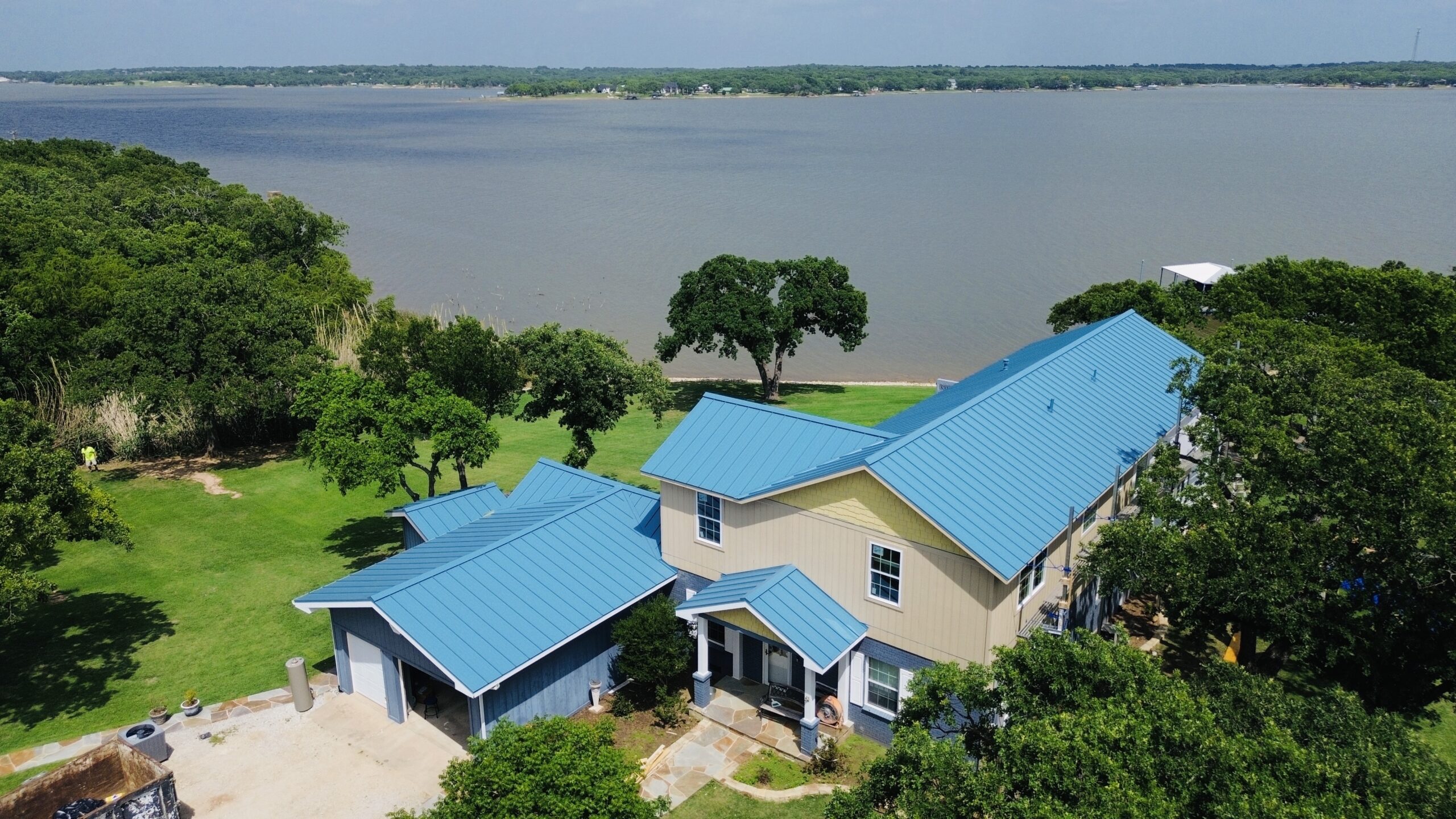
Every successful roofing project begins with a comprehensive site evaluation. Before creating schedules or ordering materials, contractors gather detailed information about the building, existing roof conditions, and potential project challenges. This assessment forms the foundation for every decision made throughout the installation process.
The first step usually involves inspecting the existing roofing system. Contractors evaluate membrane condition, drainage performance, flashing details, insulation quality, roof penetrations, and visible signs of deterioration. Understanding the current roof condition helps determine whether repairs, partial replacement, or complete replacement is necessary.
Structural evaluation follows the initial roof inspection. Engineers or qualified specialists verify that the building can safely support the selected roofing system and any additional equipment required during installation. Older buildings may require reinforcement before new roofing materials can be installed.
Roof access plays a significant role in project planning. Contractors identify how workers, equipment, and materials will safely reach the roof while minimizing disruption to building occupants. Buildings located in busy urban environments often require additional planning because space for cranes, lifts, or material storage may be limited.
The surrounding property also influences project logistics. Parking areas, loading docks, landscaping, neighboring buildings, and public roadways all affect equipment placement and material delivery schedules. Contractors carefully study these factors to avoid unnecessary congestion during construction.
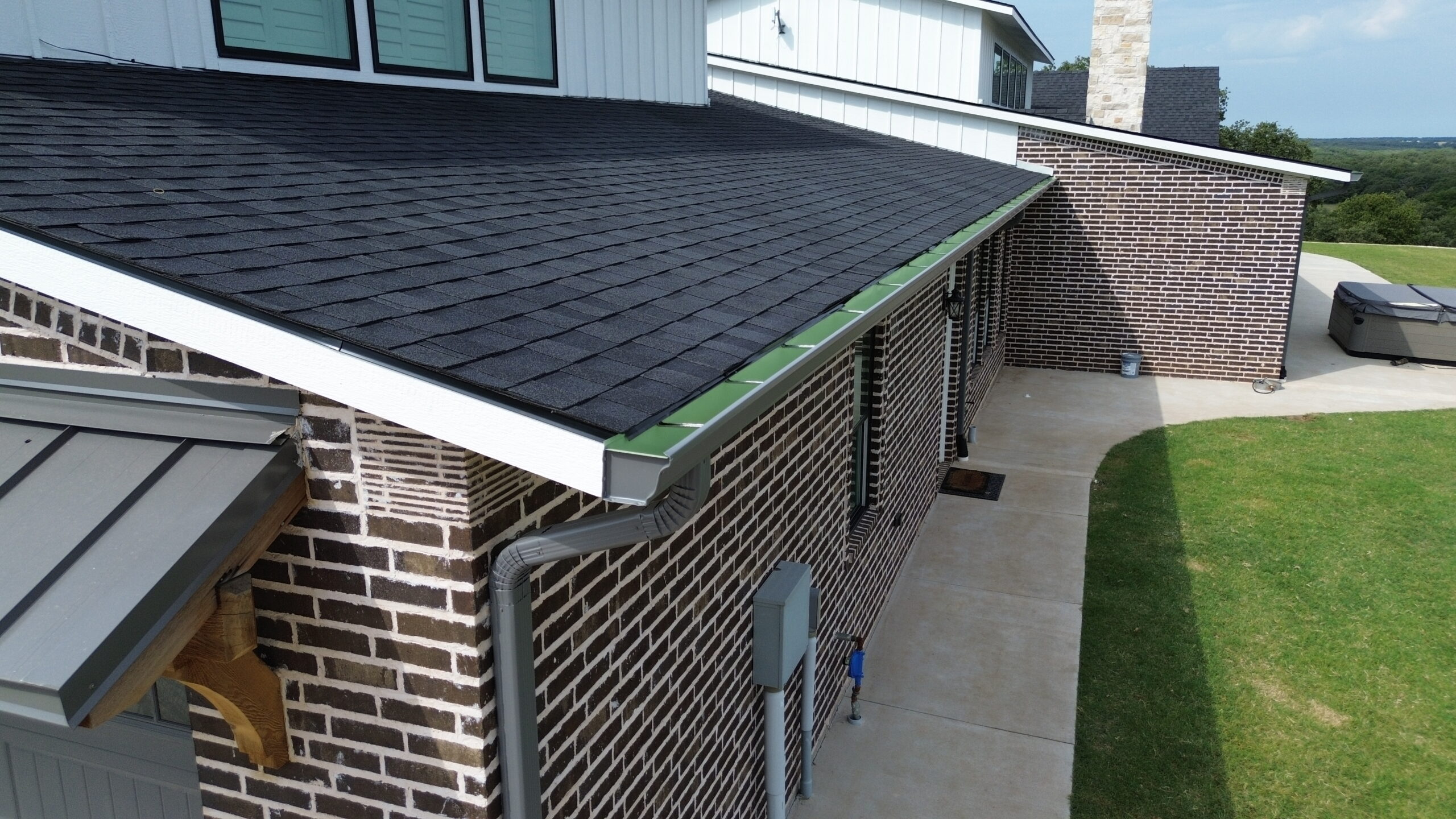
Drainage systems receive detailed attention during the assessment because proper water management remains essential throughout installation. Contractors examine roof slopes, drains, gutters, and downspouts to identify potential drainage concerns before construction begins.
Mechanical equipment located on the roof must also be evaluated carefully. HVAC units, ventilation systems, solar panels, satellite equipment, and communication devices often remain operational during installation. Roofing activities must be coordinated to protect these systems while maintaining building functionality.
Safety assessments identify potential hazards before work begins. Contractors evaluate fall risks, electrical hazards, restricted access areas, overhead utilities, and emergency evacuation routes. Addressing these issues early helps reduce accidents throughout the project.
Environmental conditions are another important part of site evaluation. Local weather patterns, seasonal rainfall, prevailing winds, and temperature variations all influence installation schedules and material selection. Contractors use this information to develop realistic construction timelines.
Risk assessment also includes identifying factors that could affect project progress. Material availability, permit requirements, neighboring construction projects, and operational constraints all receive careful consideration during planning.
The site assessment process generally focuses on several critical areas:
- Existing roof condition and structural integrity.
- Building access for workers and equipment.
- Material storage and staging locations.
- Rooftop mechanical and electrical systems.
- Safety hazards and emergency access.
- Environmental and weather-related risks.
Gathering this information before construction begins reduces uncertainty and allows contractors to prepare effective solutions before problems develop.
Developing a Comprehensive Project Plan
Once the site assessment is complete, contractors begin developing a detailed project plan. This document serves as the roadmap for the entire roofing installation and guides every major decision from project start to completion.
The first objective is clearly defining the project scope. Contractors identify which roofing sections will be replaced, what materials will be installed, which systems require modification, and what work falls outside the project boundaries. A clearly defined scope reduces misunderstandings while helping clients understand exactly what the project includes.
After defining the scope, contractors establish a realistic project timeline. Instead of estimating only a completion date, they divide the installation into manageable phases with specific milestones. This phased approach allows progress to be monitored more effectively while simplifying schedule adjustments when unexpected situations occur.
Material procurement is integrated into the planning process as well. Contractors coordinate with manufacturers and suppliers to ensure roofing materials arrive when needed rather than occupying valuable storage space for extended periods. Proper procurement planning also reduces delays caused by supply shortages.
Budget planning extends beyond labor and material costs. Contractors estimate equipment rental, transportation, permits, inspections, waste disposal, safety equipment, subcontractor services, and contingency expenses. Comprehensive budgeting helps prevent unexpected financial challenges during construction.
Risk management becomes a major component of the project plan. Experienced contractors anticipate potential challenges rather than simply reacting when problems arise. Weather delays, equipment breakdowns, labor shortages, and structural discoveries are all considered during planning.
Communication planning is equally important. Contractors establish procedures for progress meetings, daily reports, client updates, inspection scheduling, and issue resolution. Clear communication keeps every stakeholder informed throughout the project.
Quality management is incorporated into every project plan. Contractors identify inspection points throughout installation rather than waiting until the roof is complete. This approach allows workmanship to be verified continuously while reducing costly rework.
Scheduling flexibility is another important consideration. Large roofing projects rarely proceed exactly as planned because weather conditions, delivery schedules, or building operations occasionally require adjustments. Building contingency time into the schedule allows contractors to respond without affecting overall project success.
Documentation requirements are also established early. Contractors determine how project activities, inspections, safety reports, material deliveries, and change orders will be recorded throughout construction. Organized documentation supports quality control while simplifying warranty administration after project completion.
Successful project plans balance efficiency with flexibility. They provide enough structure to guide daily operations while allowing contractors to adapt when circumstances change unexpectedly.
Building the Right Project Team
Even the most carefully designed project plan cannot succeed without the right people to implement it. Large scale roof installation depends on experienced professionals who understand their individual responsibilities while working together toward common project goals.
Project managers oversee every aspect of the roofing installation. They coordinate schedules, monitor budgets, communicate with clients, manage suppliers, and ensure project milestones are achieved. Acting as the central point of communication, project managers keep all teams aligned while resolving issues that arise during construction.
Roofing supervisors manage daily field operations. They assign work to installation crews, monitor productivity, verify workmanship quality, and ensure safety procedures are followed consistently. Their leadership helps maintain steady progress while ensuring installation standards remain high.
Installation crews perform the physical roofing work. Depending on project size, multiple crews may work simultaneously on different sections of the roof. Each crew typically specializes in specific installation tasks, allowing work to progress efficiently while maintaining quality.
Safety officers play an essential role throughout large projects. They conduct safety inspections, monitor compliance with regulations, provide worker training, investigate potential hazards, and ensure protective equipment is used correctly. Their presence helps create a safer working environment for everyone on site.
Material coordinators manage deliveries, inventory, and storage throughout construction. They ensure roofing materials arrive according to schedule while maintaining organized staging areas that support efficient installation activities.
Subcontractors may also contribute specialized expertise. Electricians, HVAC technicians, crane operators, structural engineers, insulation specialists, and waterproofing experts often participate in complex commercial roofing projects depending on project requirements.
Strong teamwork depends on clearly defined responsibilities. Every team member should understand their role, reporting structure, and communication procedures before construction begins. This clarity reduces confusion while improving overall project efficiency.
Contractors also invest in ongoing training because roofing technology, installation methods, and safety regulations continue evolving. Well-trained teams adapt more effectively to changing project requirements while consistently delivering higher-quality workmanship.
Perhaps the most important characteristic of successful roofing teams is communication. Regular meetings, progress updates, and collaborative problem-solving allow project members to identify challenges early and respond quickly. When every team member shares information openly, the entire project benefits from improved coordination and reduced delays.
Coordinating Materials and Equipment
Material management is one of the most important responsibilities during a large roof installation project. Even the most skilled roofing crews cannot maintain productivity if essential materials are unavailable when required. Contractors therefore develop detailed procurement and delivery plans long before installation begins.
The first objective is ensuring that all roofing materials meet the project’s technical specifications. Contractors work closely with manufacturers and suppliers to confirm product availability, delivery schedules, and quality standards. Ordering materials early reduces the risk of delays caused by manufacturing lead times or supply chain disruptions.
Large commercial roofing projects often require substantial quantities of insulation boards, roofing membranes, fasteners, adhesives, flashing materials, sealants, edge components, and drainage accessories. Coordinating these materials efficiently prevents unnecessary storage problems while ensuring installation crews always have the products they need.
Rather than delivering every material at the beginning of the project, contractors frequently schedule deliveries in phases. This approach reduces site congestion while protecting roofing materials from unnecessary exposure to weather and construction traffic.
Inventory management also plays a significant role throughout construction. Project managers continuously monitor material usage, compare actual consumption with estimates, and adjust future deliveries when necessary. Careful inventory control minimizes waste while preventing shortages that could interrupt installation.
Material storage requires equal attention. Roofing products should be protected from moisture, excessive sunlight, contamination, and accidental damage before installation. Contractors establish organized storage areas that provide easy access while maintaining safe working conditions throughout the site.
Equipment coordination follows a similar planning process. Large roofing projects rely on cranes, forklifts, aerial lifts, hoists, compressors, welding equipment, generators, and specialized installation tools. Each piece of equipment must be available according to the construction schedule without creating unnecessary downtime.
Contractors also perform routine equipment inspections throughout the project. Preventive maintenance reduces the likelihood of mechanical failures that could interrupt installation or create safety concerns.
Transportation logistics become increasingly important on projects located in busy commercial districts or densely populated urban areas. Material deliveries must be coordinated carefully to avoid traffic congestion, maintain emergency access, and minimize inconvenience for building occupants.
Waste management is another essential component of material coordination. Contractors establish procedures for collecting, sorting, and removing old roofing materials, packaging, and construction debris throughout the project. Regular waste removal improves site safety while maintaining a professional appearance.
Successful material and equipment coordination depends on constant monitoring rather than one-time planning. Contractors review inventory levels, delivery schedules, and equipment availability regularly to ensure construction progresses without unnecessary interruptions.
Organizing Daily Roofing Operations
Once materials and equipment are available, contractors focus on organizing daily work activities. Large roofing projects involve numerous simultaneous tasks, making careful scheduling essential for maintaining productivity while ensuring each phase is completed safely and accurately.
Every workday typically begins with a planning meeting involving supervisors, crew leaders, and project managers. These meetings review completed work, establish daily objectives, discuss weather conditions, identify safety concerns, and coordinate upcoming activities. Starting each day with a clear plan helps reduce confusion while improving overall efficiency.
Workforce scheduling is carefully balanced according to project requirements. Contractors assign crews based on individual skills, experience, and the specific installation activities planned for each section of the roof. This organized approach allows specialized teams to focus on tasks where they perform most effectively.
Large roofing projects are commonly divided into work zones. Instead of allowing crews to move freely across the entire roof, contractors designate specific sections where particular activities will occur. This organization reduces congestion while improving safety and simplifying quality inspections.
Material movement between work zones is also planned carefully. Rather than transporting materials repeatedly across completed roof sections, contractors position supplies strategically to reduce unnecessary handling and improve installation efficiency.
Task sequencing is another important aspect of daily operations. Certain installation activities must occur in a specific order to ensure proper roofing performance. Insulation installation, membrane placement, flashing work, and final detailing each depend on previous tasks being completed correctly before work can continue.
Weather monitoring remains part of the daily routine. Roofing supervisors regularly evaluate changing conditions throughout the day and adjust work schedules when necessary. High winds, rain, excessive heat, or approaching storms may require temporary changes to protect both workers and roofing materials.
Maintaining organized access routes also supports efficient operations. Workers, equipment operators, inspectors, and delivery personnel should move safely throughout the project without interfering with ongoing installation activities. Clearly marked pathways improve both safety and productivity.
Daily housekeeping contributes significantly to project organization. Contractors remove debris, organize tools, secure unused materials, and clean work areas before each shift ends. A well-maintained construction site reduces hazards while allowing crews to begin work efficiently the following morning.
Progress tracking occurs continuously throughout installation. Supervisors compare completed work against planned milestones, allowing project managers to identify schedule variations early and implement corrective actions before delays become significant.
Successful daily operations are built on consistency. Contractors who maintain organized routines throughout the project are generally better prepared to respond when unexpected challenges arise.
Maintaining Safety Throughout the Project
Safety is one of the most critical responsibilities during any large scale roof installation project. Roofing work involves elevated work surfaces, heavy materials, specialized equipment, electrical systems, and constantly changing site conditions. Contractors must create a safety culture where protecting workers becomes part of every daily activity rather than an occasional priority.
Comprehensive safety planning begins before construction starts. Project managers identify potential hazards, establish emergency procedures, determine protective equipment requirements, and ensure every worker understands the project’s safety expectations.
Fall protection remains one of the most important aspects of roofing safety. Contractors install guardrails, warning lines, safety nets, anchor systems, and personal fall arrest equipment appropriate for the specific roofing project. These systems help reduce the risk of serious injuries while allowing crews to perform their work confidently.
Worker training is equally important. Every employee should understand equipment operation, hazard recognition, emergency response procedures, and safe material handling techniques before beginning installation activities. Regular refresher training reinforces these practices throughout the project.
Daily safety meetings help maintain awareness among roofing crews. Supervisors review planned work activities, discuss changing weather conditions, identify potential hazards, and remind workers about protective measures before each shift begins.
Hazard identification continues throughout construction because project conditions change constantly. New work zones, equipment movement, material deliveries, and weather changes all create situations requiring continuous evaluation.
Electrical safety requires particular attention during commercial roofing projects. Rooftop mechanical equipment, power supplies, communication systems, and nearby utility lines introduce additional risks that contractors must manage carefully throughout installation.
Material handling procedures also contribute significantly to worker safety. Heavy roofing rolls, insulation boards, metal panels, and construction equipment should be transported using appropriate lifting techniques and mechanical assistance whenever practical.
Emergency preparedness remains an essential part of every safety program. Contractors establish clear procedures for responding to medical emergencies, severe weather, equipment failures, fires, and other unexpected incidents. Workers should understand evacuation routes, emergency contacts, and reporting procedures before construction begins.
Compliance with regulatory requirements further strengthens workplace safety. Contractors regularly review applicable occupational safety standards and ensure project activities remain consistent with established regulations.
Effective roofing safety programs generally emphasize several important priorities:
- Conduct safety meetings before daily work begins.
- Inspect fall protection systems regularly.
- Monitor changing weather conditions continuously.
- Maintain organized work areas free from unnecessary hazards.
- Ensure workers receive ongoing safety training.
- Respond immediately to identified safety concerns.
Safety management requires continuous attention throughout the project. Contractors who consistently reinforce safe work practices not only reduce accident risks but also improve productivity by creating an organized and disciplined work environment.
Communication and Project Monitoring
Clear communication is essential for coordinating the many activities involved in a large roofing project. Contractors, clients, suppliers, inspectors, subcontractors, and installation crews must all remain informed about project progress, schedule adjustments, and emerging challenges.
Project managers typically establish communication procedures before construction begins. These procedures define how information will be shared, who receives updates, and how quickly important decisions should be communicated.
Regular progress meetings provide opportunities to review completed work, discuss upcoming milestones, identify concerns, and coordinate future activities. These meetings encourage collaboration while allowing issues to be addressed before they affect project schedules.
Client communication remains particularly important throughout installation. Property owners appreciate regular updates regarding project progress, expected completion dates, and any adjustments required because of weather or other circumstances. Transparent communication strengthens trust while reducing misunderstandings.
Digital project management software has significantly improved communication during commercial roofing projects. Contractors can now share schedules, photographs, inspection reports, daily logs, and material tracking information through cloud-based platforms accessible to authorized project participants.
Mobile communication tools also improve coordination between supervisors and installation crews. Instead of relying solely on face-to-face meetings, project managers can provide updates quickly while responding immediately to questions arising during construction.
Progress monitoring extends beyond simply measuring completed roof area. Contractors evaluate productivity, workmanship quality, material usage, equipment performance, safety compliance, and budget status throughout the project. Monitoring multiple performance indicators provides a more accurate understanding of overall project health.
Weather monitoring remains closely connected to project communication. Forecast updates allow contractors to adjust schedules proactively rather than reacting after severe weather interrupts construction. Sharing these updates with clients helps maintain realistic expectations regarding project timelines.
Documentation supports effective communication as well. Daily reports, inspection records, photographs, delivery confirmations, and change orders create a detailed project history that simplifies decision-making while supporting future warranty documentation.
When unexpected situations occur, strong communication becomes even more valuable. Rapid information sharing allows contractors to coordinate responses efficiently while minimizing impacts on project schedules and building operations.
Maintaining Productivity Without Sacrificing Quality
Large roofing projects require steady progress to meet deadlines, but experienced contractors understand that productivity should never come at the expense of installation quality. A roof installed quickly but incorrectly may require expensive repairs long before reaching its expected service life.
Workflow optimization helps maintain consistent productivity throughout construction. Contractors organize installation sequences so crews move efficiently between work areas while minimizing unnecessary delays caused by waiting for materials, equipment, or inspections.
Quality control begins during the earliest stages of installation rather than waiting until project completion. Supervisors inspect completed work regularly to verify compliance with manufacturer specifications, project drawings, and industry standards.
Inspection checkpoints are integrated throughout the construction process. Roofing insulation, membrane attachment, seam welding, flashing installation, drainage details, and edge treatments all receive detailed evaluation before subsequent work continues. This systematic approach reduces costly rework later.
Problem-solving also contributes to maintaining productivity. Experienced contractors encourage workers to report concerns immediately rather than allowing minor issues to develop into major construction delays. Early intervention often saves both time and money.
Performance measurements help contractors identify opportunities for improvement during the project. Productivity data, quality inspections, safety observations, and schedule comparisons provide valuable information for adjusting work methods when necessary.
Documentation remains an important part of quality management. Contractors maintain records of inspections, completed milestones, corrective actions, and material installations throughout construction. These records demonstrate compliance with project requirements while supporting future maintenance and warranty claims.
Perhaps most importantly, successful contractors foster a culture where quality becomes everyone’s responsibility. Project managers, supervisors, installers, inspectors, and subcontractors all contribute to achieving consistent installation standards. When every team member understands the importance of quality workmanship, productivity and reliability improve together rather than competing against one another.
Final Installation and System Testing
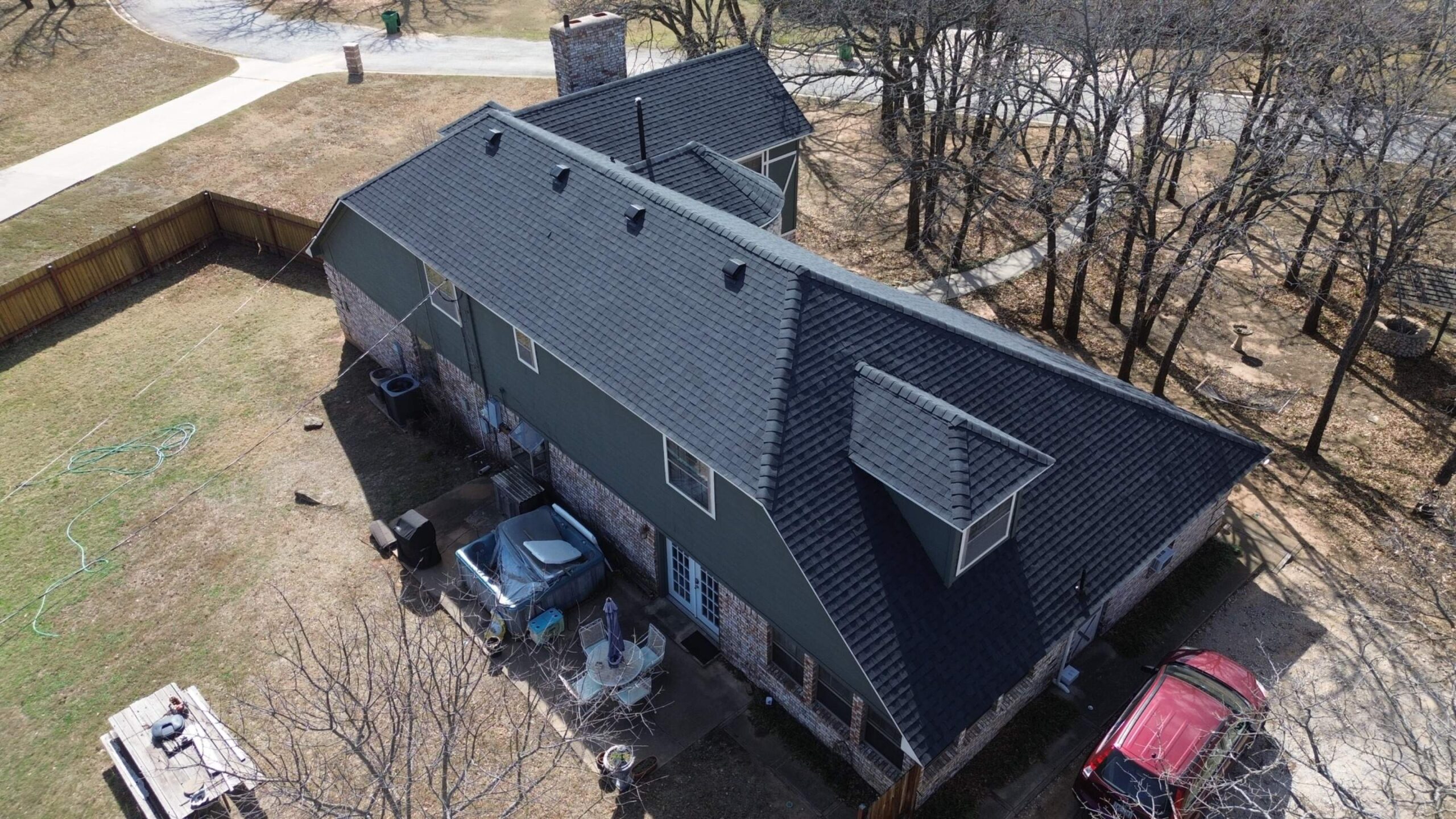
As a large scale roof installation project approaches completion, contractors shift their attention from active construction to verification and quality assurance. Completing the physical installation is only one part of the process. The roofing system must also be inspected, tested, and documented to ensure it performs as designed and complies with project specifications.
The first step is a comprehensive visual inspection of the completed roof. Project managers, supervisors, and quality control personnel examine every section of the roofing system to confirm that membranes, flashing, insulation, fasteners, drainage components, and edge details have been installed correctly. Careful inspections help identify any minor issues before the project is officially completed.
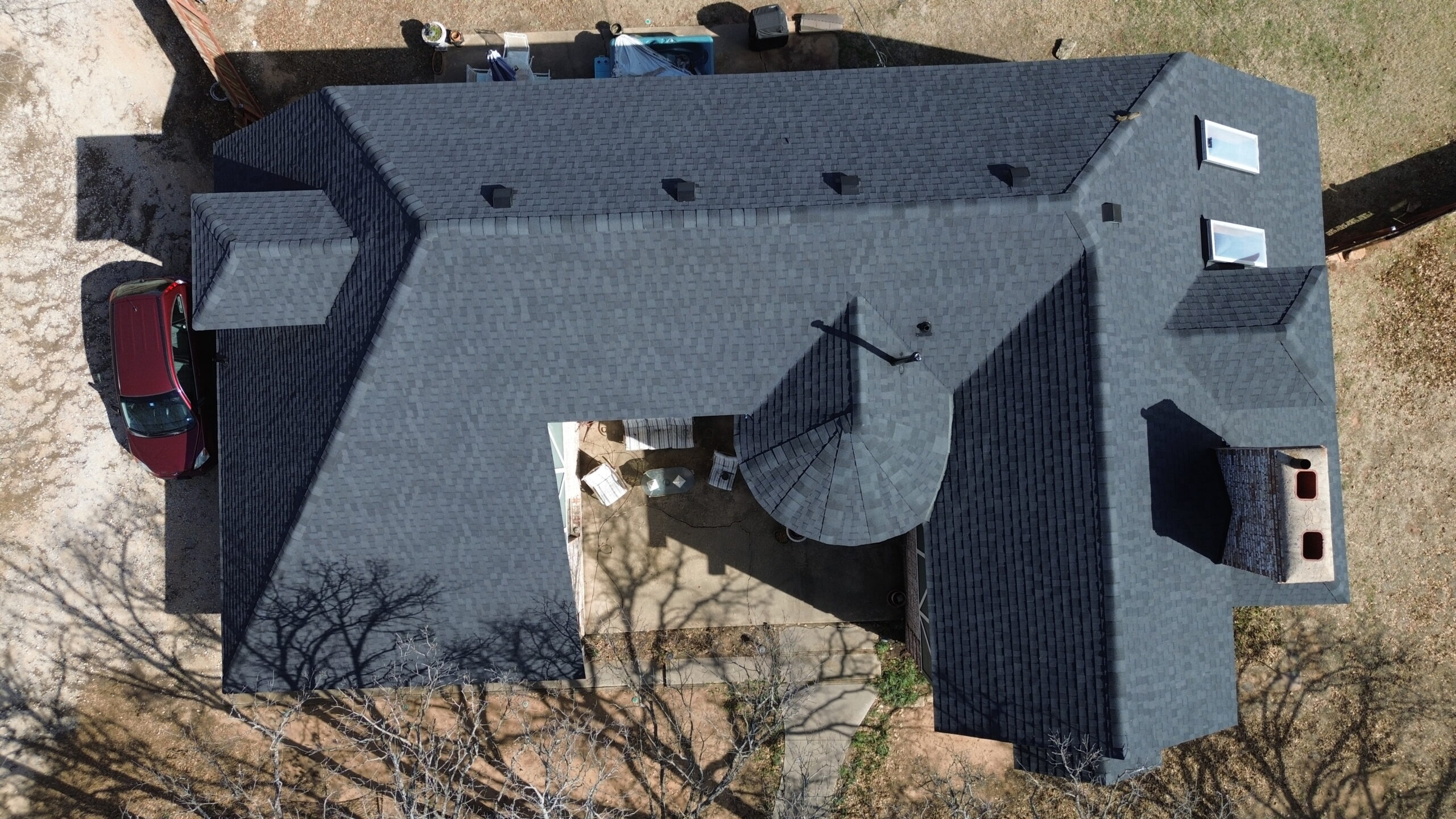
Particular attention is given to roof penetrations because these areas are often the most vulnerable to future leaks. HVAC units, vents, skylights, pipes, communication equipment, and exhaust systems must all be properly sealed and flashed according to manufacturer recommendations.
Drainage systems are also evaluated carefully. Contractors verify that roof drains, gutters, downspouts, and scuppers allow water to flow efficiently without creating standing water. Effective drainage protects the roofing system while reducing the risk of long-term moisture damage.
Many commercial roofing projects include leak testing before final approval. Depending on the roofing system and project requirements, contractors may perform controlled water testing or use electronic leak detection methods to confirm that the roof provides complete waterproof protection.
Inspection teams also evaluate workmanship quality across the entire roof surface. Seams, welds, adhesive applications, and fastening patterns are reviewed to ensure they meet project specifications and manufacturer standards. Correcting any deficiencies before project completion helps maximize the roof’s expected service life.
Manufacturer representatives may participate in final inspections for certain roofing systems. Their involvement helps verify that installation procedures comply with warranty requirements and product specifications. This additional review provides greater confidence in the completed roofing system.
A punch list is commonly created near the end of construction. This document identifies any remaining tasks that require completion before final acceptance. Most punch list items involve small adjustments rather than major corrections, allowing contractors to complete the project efficiently without delaying occupancy or business operations.
Documentation becomes especially important during the final stage. Contractors organize inspection reports, testing results, material certifications, warranty information, maintenance recommendations, and project photographs into a complete project record. These documents provide valuable reference information throughout the roof’s service life.
Successful contractors treat the final inspection as an opportunity to confirm the quality of their work rather than simply closing the project. Thorough verification ensures that the roofing system is ready to deliver dependable performance for many years.
Project Closeout and Client Handover
Completing construction does not automatically end a large roofing project. Contractors must also restore the property, deliver project documentation, and ensure the client understands how to maintain the new roofing system. A well-organized project closeout demonstrates professionalism while helping property owners protect their investment.
Site cleanup begins with removing unused materials, temporary equipment, protective barriers, and construction debris. Contractors inspect the surrounding property carefully to ensure parking areas, sidewalks, landscaping, loading zones, and building entrances have been restored to their original condition.
Roof surfaces should also be cleaned thoroughly before final handover. Loose materials, packaging, fasteners, and installation debris must be removed so the completed roofing system is ready for normal operation and future maintenance activities.
Project documentation is presented to the client during the closeout process. This package often includes warranty certificates, maintenance guidelines, inspection reports, as-built drawings, manufacturer information, and recommended inspection schedules. Keeping these records organized simplifies future maintenance and warranty claims.
Contractors also explain warranty coverage in detail. Property owners should understand what the warranty includes, what maintenance responsibilities they must perform, and which actions could affect warranty protection. Clear explanations help prevent misunderstandings later.
Maintenance recommendations form another important part of the handover process. Contractors explain inspection intervals, cleaning procedures, drainage maintenance, and the importance of repairing minor damage before it develops into larger problems.
Many contractors conduct a final walkthrough with the client before officially closing the project. This meeting provides an opportunity to review completed work, answer questions, and confirm that all project requirements have been satisfied.
Client training may also be appropriate for facilities with specialized roofing systems. Property managers and maintenance personnel should understand how to access the roof safely, recognize early signs of wear, and schedule professional inspections when necessary.
The closeout process concludes only after all documentation has been delivered, punch list items have been completed, and the client has formally accepted the project. A structured handover ensures a smooth transition from construction to long-term roof management.
Common Challenges in Large Scale Roof Installation Projects
Even the most carefully planned roofing projects encounter challenges during construction. Experienced contractors recognize these possibilities early and develop practical strategies that allow work to continue while minimizing delays and additional costs.
Weather remains one of the most unpredictable challenges. Heavy rain, strong winds, extreme temperatures, or unexpected storms may temporarily halt installation activities. Contractors reduce the impact of weather delays by monitoring forecasts closely and incorporating contingency time into project schedules.
Material shortages have become increasingly important in recent years. Supply chain disruptions, manufacturing delays, or transportation issues can affect delivery schedules for roofing membranes, insulation, metal components, and specialized equipment. Contractors who order materials early and maintain strong supplier relationships are generally better prepared to manage these situations.
Labor coordination also becomes more challenging as project size increases. Large roofing installations often involve multiple crews, subcontractors, inspectors, and equipment operators working simultaneously. Maintaining clear communication and organized scheduling helps prevent confusion while improving productivity.
Budget control requires constant attention throughout construction. Unexpected structural repairs, design changes, weather delays, or additional client requests can affect project costs. Contractors monitor expenses carefully while communicating any significant changes promptly to the client.
Maintaining project timelines becomes more difficult when multiple factors influence daily operations. Equipment breakdowns, permit delays, inspection scheduling, and building operational requirements all have the potential to affect construction progress. Flexible scheduling allows contractors to adapt without compromising quality.
Working around occupied buildings introduces another layer of complexity. Contractors must maintain safe access for employees, customers, tenants, and emergency services while continuing installation activities. Careful planning helps balance construction efficiency with normal business operations.
Quality consistency is another ongoing challenge. Large projects involve many workers performing similar tasks over extended periods. Regular inspections, standardized procedures, and experienced supervision help ensure workmanship remains consistent across the entire roofing system.
Environmental regulations may also affect project execution. Waste disposal, recycling requirements, noise restrictions, and air quality regulations vary by location and must be incorporated into project planning. Contractors who understand local requirements reduce the risk of compliance issues.
Although challenges are inevitable, experienced contractors focus on preparation rather than reaction. Anticipating potential problems allows them to implement effective solutions before project progress is significantly affected.
Best Practices Used by Successful Roofing Contractors
Contractors who consistently deliver successful large roofing projects often follow similar management principles regardless of project size or roofing material. These best practices improve efficiency while helping maintain quality and client satisfaction.
One of the most valuable practices is beginning project planning as early as possible. Early planning provides sufficient time to complete site assessments, coordinate suppliers, schedule inspections, and develop realistic timelines before construction begins.
Strong communication remains another defining characteristic of successful contractors. Regular meetings, progress updates, and clear reporting procedures keep every stakeholder informed while allowing concerns to be addressed quickly.
Preventive risk management also contributes significantly to project success. Rather than waiting for problems to occur, experienced contractors identify potential risks during planning and develop contingency strategies in advance.
Technology has become an increasingly important management tool. Many contractors now rely on digital scheduling software, cloud-based documentation, drone inspections, and mobile communication platforms to improve coordination throughout construction.
Continuous quality improvement supports long-term project success as well. Contractors review completed projects, analyze lessons learned, and refine installation procedures to improve future performance. This commitment to ongoing improvement strengthens both workmanship and project management.
Effective contractors also recognize the importance of teamwork. Every member of the project contributes to overall success, from project managers and supervisors to installation crews, suppliers, inspectors, and subcontractors. Encouraging collaboration helps create a more efficient and productive working environment.
Professional contractors generally focus on several core management principles throughout every project:
- Plan every project in detail before construction begins.
- Maintain open communication with clients and project teams.
- Prioritize safety during every stage of installation.
- Monitor quality continuously rather than only at project completion.
- Prepare contingency plans for weather, materials, and scheduling challenges.
- Document every major project activity and inspection.
- Review completed projects to improve future performance.
Following these practices helps contractors complete complex roofing installations efficiently while maintaining high standards of workmanship and customer satisfaction.
Future Trends in Large Scale Roofing Project Management
Commercial roofing continues evolving as new technologies improve planning, communication, and construction efficiency. Contractors increasingly adopt digital tools that support more accurate decision-making while reducing project risks.
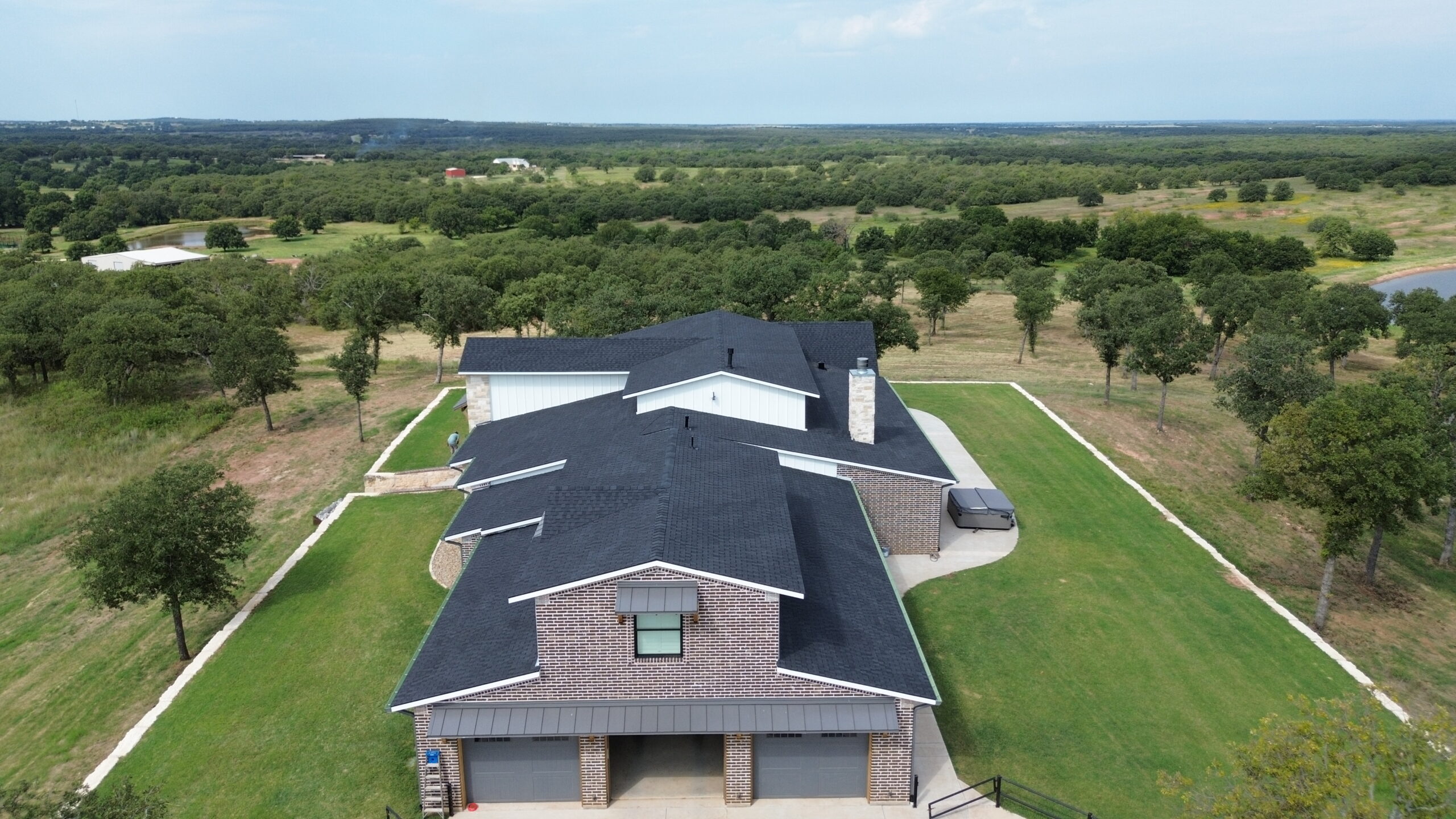
Drone technology has become one of the most valuable innovations in commercial roofing. Drones allow contractors to inspect roof conditions, document project progress, and evaluate completed work without exposing workers to unnecessary hazards. High-resolution aerial imagery also improves communication with clients by providing clear visual updates throughout construction.
Building Information Modeling, commonly known as BIM, is becoming more common in large construction projects. BIM allows contractors to visualize roofing systems alongside structural, mechanical, and electrical components before installation begins. This improved coordination reduces design conflicts while supporting more accurate project planning.
Sustainability continues influencing roofing project management. Contractors increasingly recommend recyclable materials, energy-efficient roofing systems, and environmentally responsible construction practices that reduce waste while supporting long-term environmental goals.
Smart project management software is replacing many traditional paper-based processes. Digital scheduling, cloud storage, electronic inspections, and automated reporting improve project organization while allowing managers to access current information from virtually any location.
Automation is also beginning to influence commercial roofing. Material lifting equipment, robotic measurement systems, and advanced cutting tools help improve installation accuracy while reducing physical demands on workers.
Artificial intelligence is expected to support future roofing management by analyzing project schedules, predicting maintenance requirements, estimating material usage, and identifying potential construction risks before work begins. While these technologies continue developing, they already demonstrate significant potential for improving project efficiency.
Thermal imaging and moisture detection technologies are becoming standard tools for inspections. These systems allow contractors to identify hidden moisture problems or insulation deficiencies more accurately than traditional visual inspections alone.
Although technology continues advancing rapidly, experienced contractors recognize that successful project management still depends on knowledgeable professionals, careful planning, strong leadership, and effective communication. Digital tools enhance these capabilities but do not replace the expertise required to manage complex roofing projects successfully.
Conclusion
Managing a large scale roof installation project requires much more than technical roofing knowledge. Successful contractors combine careful planning, skilled leadership, organized logistics, strong communication, and continuous quality control to guide every phase of the project from initial assessment to final handover.
Comprehensive planning establishes the foundation for success by identifying project requirements, evaluating site conditions, organizing resources, and preparing realistic schedules. As construction progresses, contractors coordinate materials, equipment, workforce activities, and safety procedures while adapting to changing weather conditions and unexpected challenges.
Consistent communication ensures that clients, suppliers, inspectors, and installation teams remain informed throughout the project. Combined with regular inspections and detailed documentation, this collaborative approach helps maintain quality while keeping construction on schedule.
The final stages of inspection, testing, documentation, and client handover are equally important because they confirm that the completed roofing system meets performance expectations and is prepared for long-term service. Providing maintenance guidance and complete project records further protects the client’s investment.
As commercial roofing technology continues advancing, contractors will increasingly benefit from digital project management tools, drone inspections, smart monitoring systems, and sustainable construction practices. Despite these innovations, the principles of successful project management remain unchanged. Careful preparation, experienced teamwork, commitment to safety, and unwavering attention to quality continue to define the contractors who consistently deliver reliable, durable, and high-performing roofing systems on even the most complex large scale installation projects.