Residential Roof Installation Cost Factors Explained Clearly
Introduction
Installing a new residential roof is one of the largest investments many homeowners make during the lifetime of their property. A new roof protects the home from weather, improves energy efficiency, enhances curb appeal, and adds long term value. Because of its importance, homeowners often want to understand exactly what determines the overall cost before committing to a roofing project.
Many people assume that roof installation costs depend only on the type of roofing material they choose. While materials certainly play a major role, they represent only one part of the total project cost. Roof size, design complexity, labor, structural repairs, permits, ventilation, weather conditions, and many other factors all contribute to the final price.
Every home is unique, which means no two roofing projects have exactly the same cost. A simple single story home with a straightforward roof design generally costs less to reroof than a large home featuring multiple roof slopes, dormers, skylights, and steep sections. Understanding these differences helps homeowners compare estimates more confidently.
Professional roofing contractors evaluate many details before preparing a quotation. They carefully inspect the existing roof, calculate material quantities, estimate labor requirements, identify potential structural concerns, and review local building regulations. This thorough planning ensures the estimate accurately reflects the work required to complete the project successfully.
Focusing only on the lowest price can sometimes lead to disappointment later. A lower estimate may exclude important components such as ventilation upgrades, flashing replacement, cleanup, or structural repairs that become necessary during construction. Looking beyond the total price allows homeowners to understand exactly what they are paying for.
This guide explains the major factors that influence residential roof installation costs. By understanding how contractors calculate project pricing, homeowners can make informed decisions, plan realistic budgets, and invest confidently in a roofing system that provides dependable protection for many years.
Why Residential Roof Installation Costs Vary
One of the first questions homeowners ask is why roofing estimates from different contractors are not always the same. The answer lies in the number of variables involved in every roofing project. Unlike products with fixed prices, roof installation is a customized service where costs are influenced by the specific characteristics of each home.
Every roofing system has different dimensions, structural conditions, architectural features, and material requirements. A contractor must evaluate all of these elements before determining the amount of labor, equipment, and materials needed. Even two neighboring homes with similar appearances may require different levels of work beneath the surface.
Regional factors also contribute to price differences. Labor rates, transportation costs, permit fees, weather conditions, and local building codes vary between locations. Contractors adjust their pricing to reflect these regional conditions while ensuring the project complies with applicable regulations.
The quality of materials selected by the homeowner has another significant influence. Premium roofing products generally cost more initially but often provide longer service lives, stronger warranties, and improved weather resistance. Lower cost materials may reduce the upfront investment but could require replacement sooner.
Installation quality is equally important. Experienced roofing contractors invest in skilled workers, ongoing training, quality control, insurance, and specialized equipment. These investments may increase project costs slightly, but they also contribute to better workmanship and greater long term value.
Understanding why costs vary helps homeowners evaluate estimates more effectively. Instead of focusing only on the total price, they can compare the services, materials, warranties, and installation methods included in each proposal.
The Main Factors That Influence Roof Installation Costs
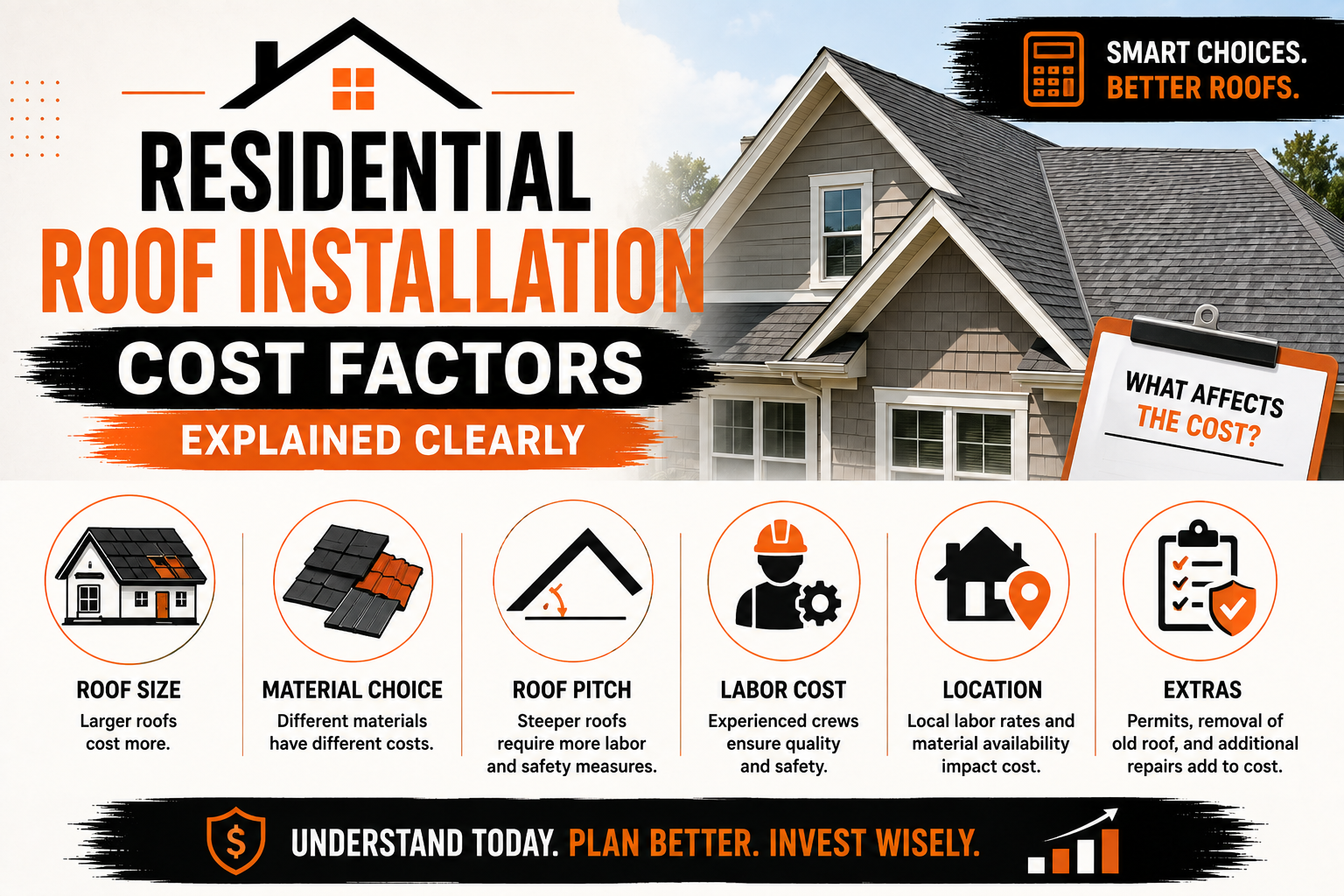
Roof installation pricing is determined by combining several different cost categories rather than relying on a single factor. Contractors evaluate every part of the roofing system before preparing an estimate. This comprehensive approach helps ensure that all necessary work is included from the beginning.
The most significant cost factors typically include:
- Roof size and total surface area.
- Roof pitch and architectural complexity.
- Roofing material selection.
- Existing roof removal.
- Structural repairs.
- Labor requirements.
- Ventilation improvements.
- Flashing and waterproofing.
- Permits and inspections.
- Cleanup and waste disposal.
Each factor contributes differently depending on the specific project. For some homes, material selection represents the largest expense, while for others structural repairs or labor requirements may account for a greater portion of the total cost.
Many of these factors are interconnected. For example, a steep roof often requires additional labor, specialized safety equipment, and more installation time. Similarly, replacing damaged roof decking increases both material and labor expenses simultaneously.
Professional roofing contractors evaluate all these elements together rather than individually. This approach produces a more accurate estimate while reducing the likelihood of unexpected expenses once construction begins.
Roof Size and Total Square Footage
Roof size is one of the most obvious factors affecting installation costs. Larger roofs require more roofing materials, additional labor hours, and increased disposal costs compared to smaller homes. Contractors calculate roof area carefully before estimating the amount of material needed.
The roof surface is not always equal to the home’s floor area. Sloped roofs have greater surface area than the building footprint because of their angle. This means a home with a steep roof generally requires more roofing material than a similar sized home with a lower roof pitch.
Accurate measurements are essential for preparing reliable estimates. Contractors calculate dimensions for every roof section, including valleys, dormers, overhangs, hips, ridges, and other architectural features. These measurements help determine exactly how much roofing material should be ordered.
Material waste is another consideration. Roofs with multiple angles or complex layouts require additional cutting, resulting in more leftover material. Contractors include this expected waste when calculating project costs to ensure sufficient materials remain available throughout installation.
Larger roofs also require longer installation times. Additional labor increases project costs because roofing crews spend more days completing the work. Equipment rentals and waste removal expenses may also rise as project duration increases.
Although homeowners cannot change the size of their roof, understanding its influence on project pricing helps explain why larger homes generally require higher roofing budgets.
Roof Pitch and Design Complexity
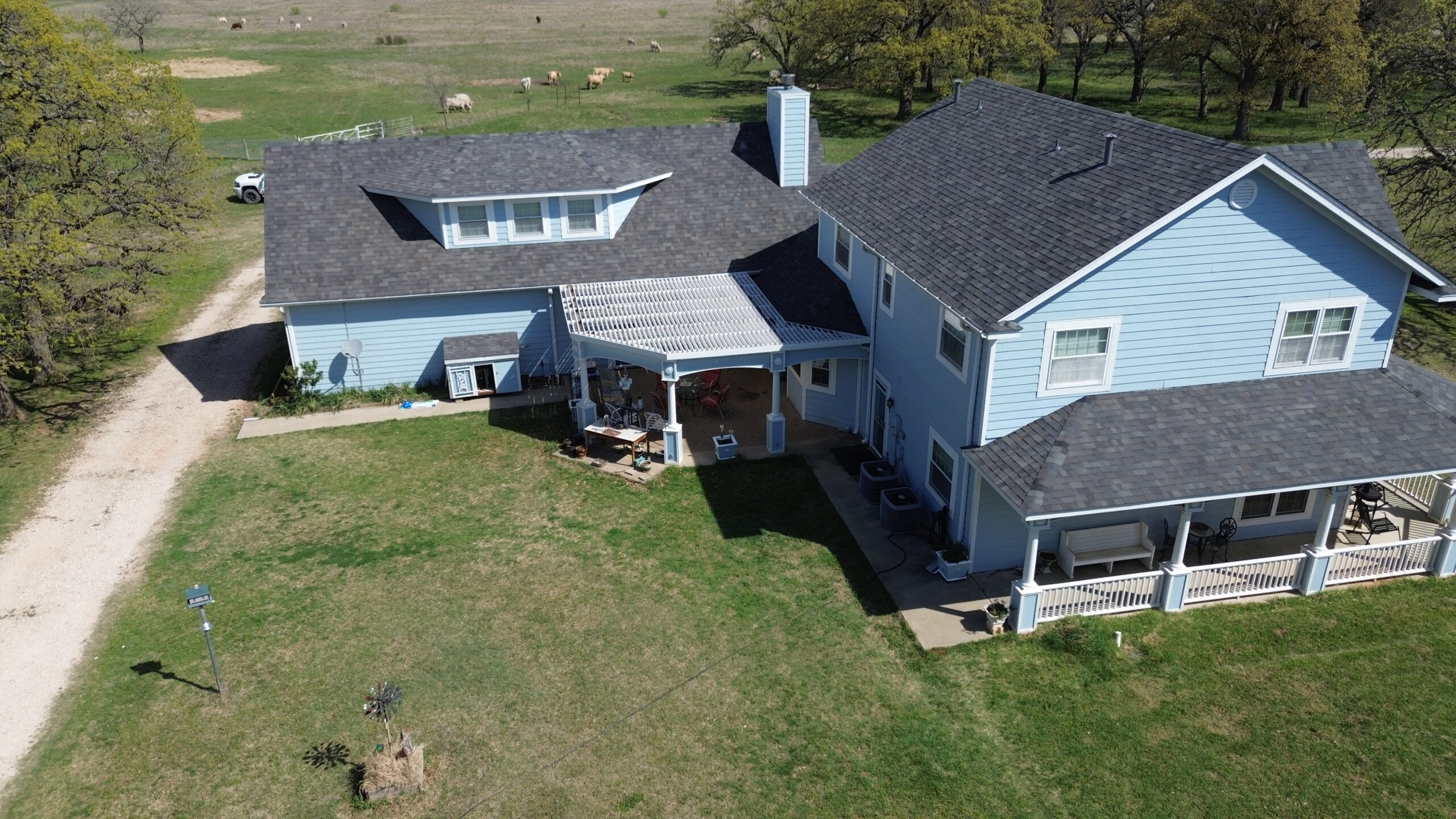
Roof design affects installation costs almost as much as roof size. A simple roof with two slopes is generally faster and easier to install than a roof featuring multiple peaks, valleys, dormers, skylights, chimneys, and intersecting roof sections. Greater complexity requires additional labor, planning, and specialized installation techniques.
Steeper roofs increase labor requirements because workers move more carefully while maintaining strict safety procedures. Safety harnesses, roof brackets, scaffolding, and additional equipment are often necessary on steep roofs, increasing both labor time and project expenses.
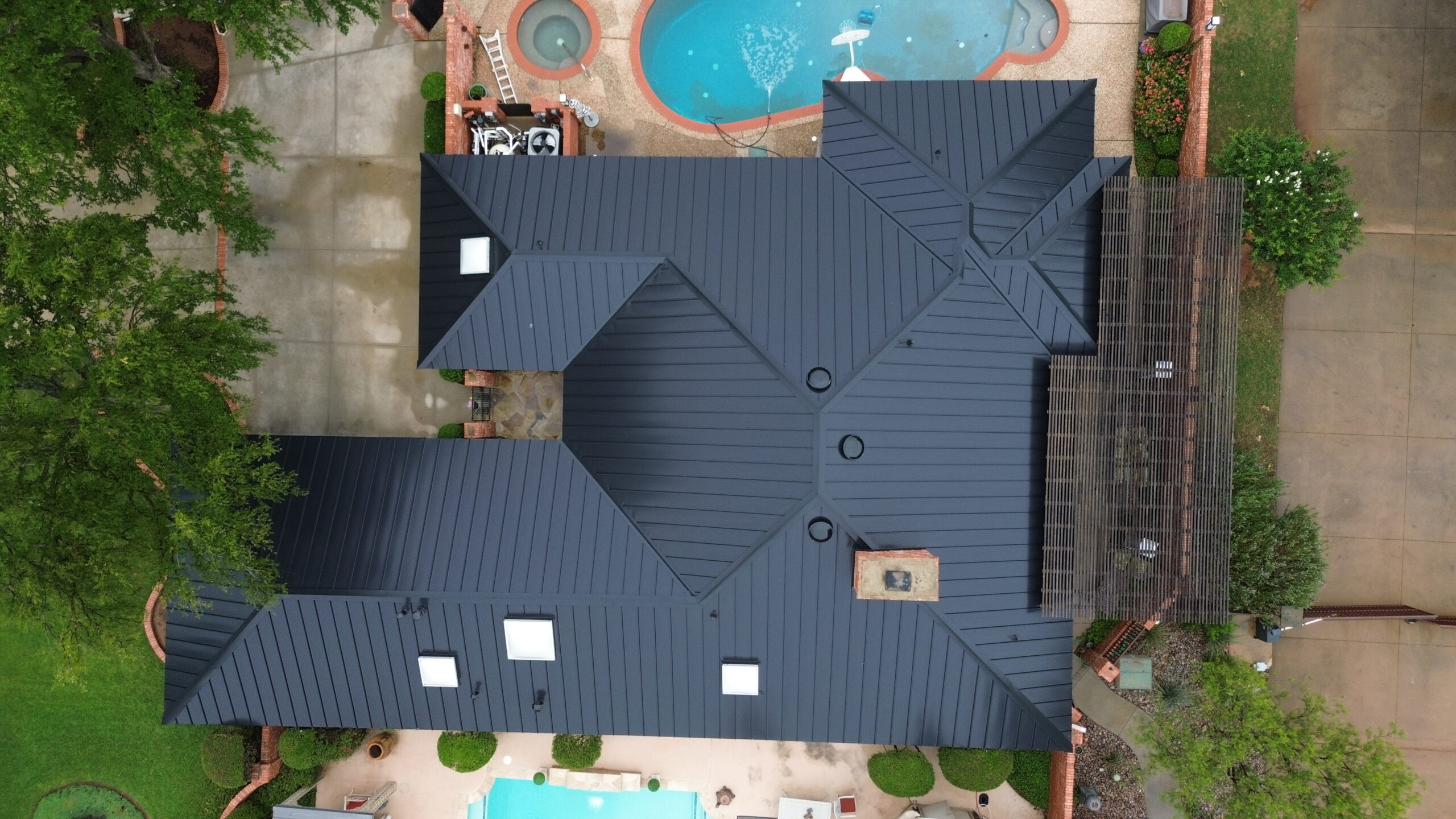
Architectural features also influence pricing. Skylights, chimneys, plumbing vents, solar panel mounts, and roof windows require careful flashing installation to prevent water intrusion. Each penetration adds additional labor while increasing the amount of flashing and waterproofing materials required.
Roof valleys deserve particular attention because they channel large amounts of rainwater during storms. Installing roofing materials accurately in these areas requires greater precision and more installation time. Complex valley systems naturally increase labor costs.
Multiple roof levels may also affect project efficiency. Roofing crews often spend additional time moving materials and equipment between different elevations, slowing overall progress. These logistical challenges contribute to higher installation costs on architecturally complex homes.
Although elaborate roof designs enhance a home’s appearance, homeowners should recognize that increased architectural complexity generally results in higher installation expenses due to the additional craftsmanship required.
Choice of Roofing Material
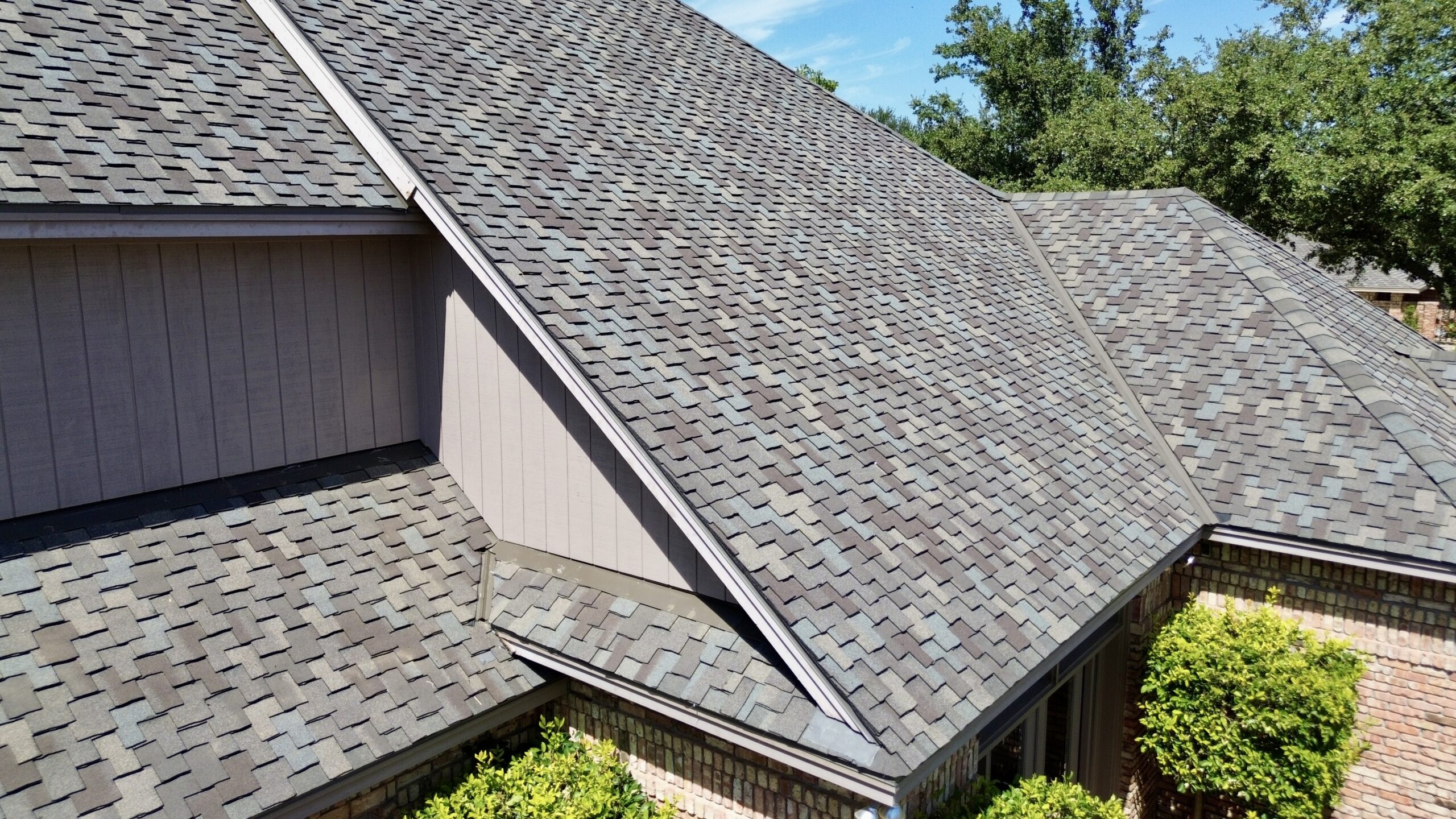
Roofing material selection has one of the greatest influences on overall project cost. Different materials vary widely in price, durability, maintenance requirements, installation complexity, and expected lifespan. Homeowners should evaluate these characteristics together rather than considering initial cost alone.
Asphalt shingles remain the most popular residential roofing material because they offer dependable performance at a relatively affordable price. They are available in many styles and colors while providing good weather resistance for a wide range of climates. Their straightforward installation also helps keep labor costs reasonable.
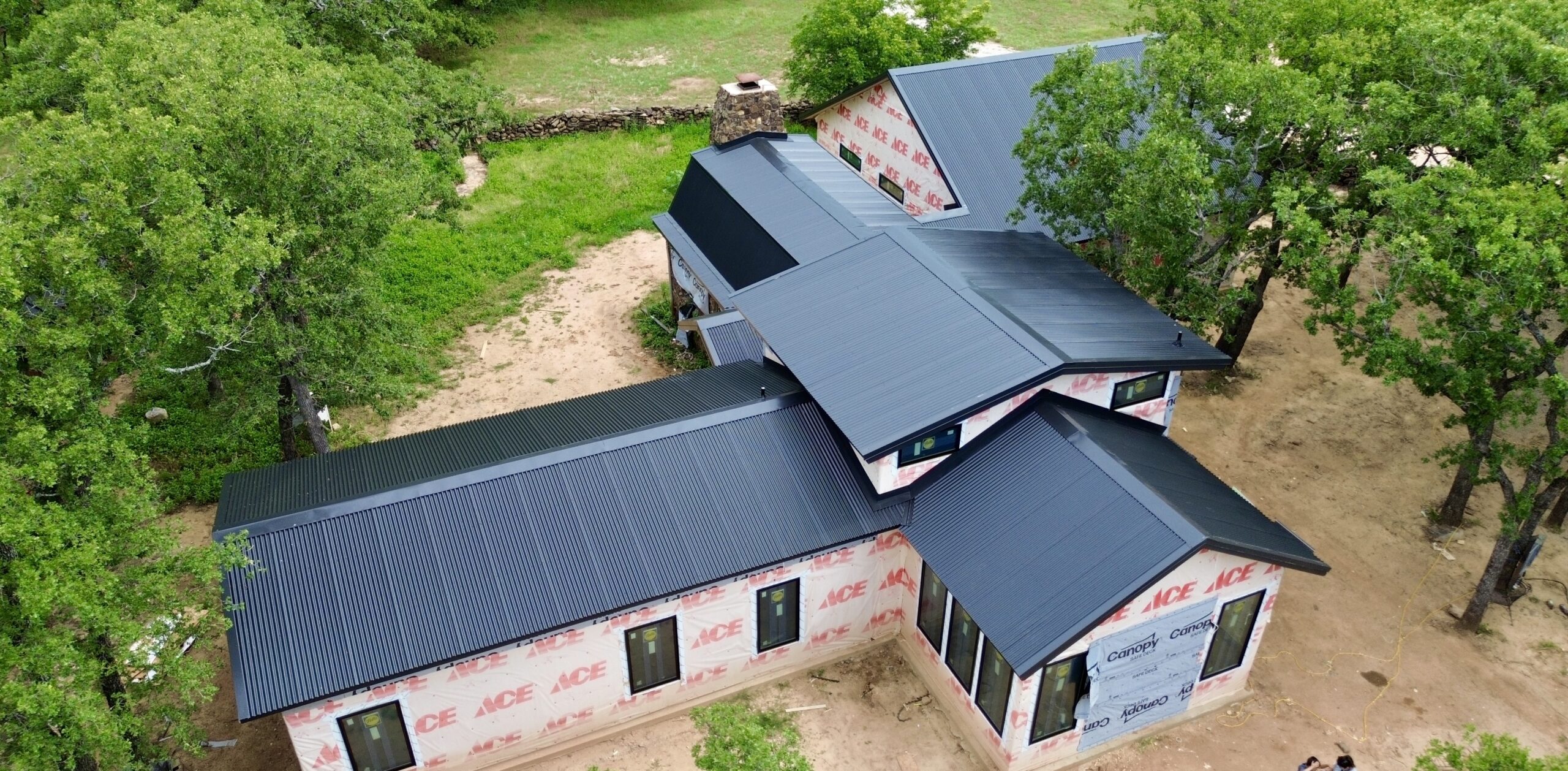
Metal roofing generally requires a higher initial investment than asphalt shingles, but it offers exceptional durability and energy efficiency. Many metal roofs last several decades with minimal maintenance, making them attractive for homeowners seeking long term value.
Clay tiles, concrete tiles, natural slate, and wood shakes typically occupy higher price ranges because of both material cost and specialized installation requirements. These products often require stronger structural support while demanding experienced installers familiar with their unique installation methods.
Synthetic roofing materials continue gaining popularity because they imitate the appearance of traditional products while offering lighter weight and reduced maintenance. Pricing varies depending on the specific product and manufacturer.
Selecting the most appropriate roofing material involves balancing upfront cost, maintenance expectations, appearance, local climate, and expected service life. Considering these factors together often produces better long term value than focusing only on the lowest purchase price.
Removing the Existing Roof
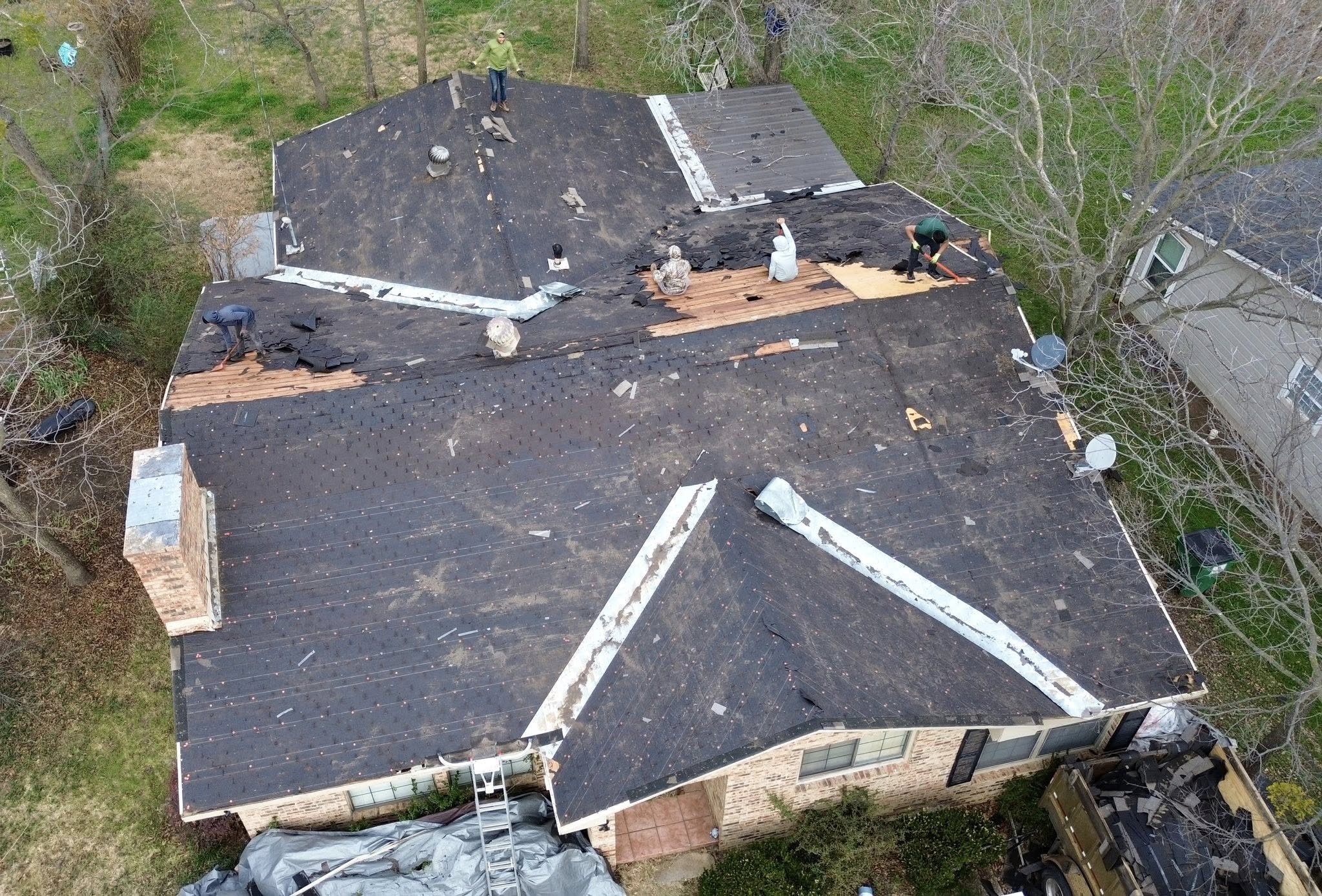
Before a new roofing system can be installed, contractors usually remove the existing roofing materials. This demolition stage represents an important portion of the overall project cost because it requires labor, equipment, waste disposal, and careful preparation before new materials can be installed.
The difficulty of roof removal depends on several factors. Older roofs with multiple existing layers require more labor than roofs containing only one layer of shingles. Removing several layers also generates significantly more construction debris that must be transported away from the property.
Waste disposal contributes to overall demolition expenses. Contractors arrange dumpsters or specialized waste containers before beginning work, and disposal fees are based partly on the amount of roofing material removed. Larger roofs naturally produce greater volumes of waste.
Roof accessibility also influences removal costs. Homes with limited driveway access, steep terrain, or landscaping obstacles may require additional effort to transport debris safely from the roof to disposal containers. These logistical challenges increase labor requirements.
Some roofing materials require more careful handling than others. Heavy tile roofs or fragile slate systems often demand specialized removal techniques that increase both labor time and equipment needs.
Although homeowners sometimes question demolition costs, complete removal allows contractors to inspect the roof deck thoroughly before installation begins. This inspection helps identify hidden structural problems that should be corrected before the new roofing system is installed.
Roof Deck Condition and Structural Repairs
One of the most unpredictable factors influencing roof installation cost is the condition of the roof deck beneath the existing roofing materials. Because the deck remains hidden until demolition has been completed, contractors cannot always determine whether repairs will be necessary during the initial inspection.
Water damage is the most common reason roof decking requires replacement. Long term leaks may weaken wood panels, causing soft spots, rot, or structural deterioration. Installing a new roof over damaged decking would reduce the performance and lifespan of the completed roofing system.
Roof framing may also require attention if structural movement, moisture, or insect damage has affected the supporting framework. Although these repairs are less common, they increase both material and labor costs whenever they become necessary.
Professional roofing contractors explain these possibilities before construction begins so homeowners understand that certain structural issues cannot be identified until the existing roof has been removed. Open communication helps reduce surprises if repairs become necessary.
Replacing damaged decking during installation is far more economical than postponing repairs until after the new roof has been completed. Addressing structural concerns immediately provides a stronger foundation while protecting the homeowner’s investment.
Although structural repairs increase project costs, they also improve safety, durability, and long term roof performance. Investing in these repairs ensures the new roofing system begins with a solid structural base.
Labor Costs and Contractor Experience
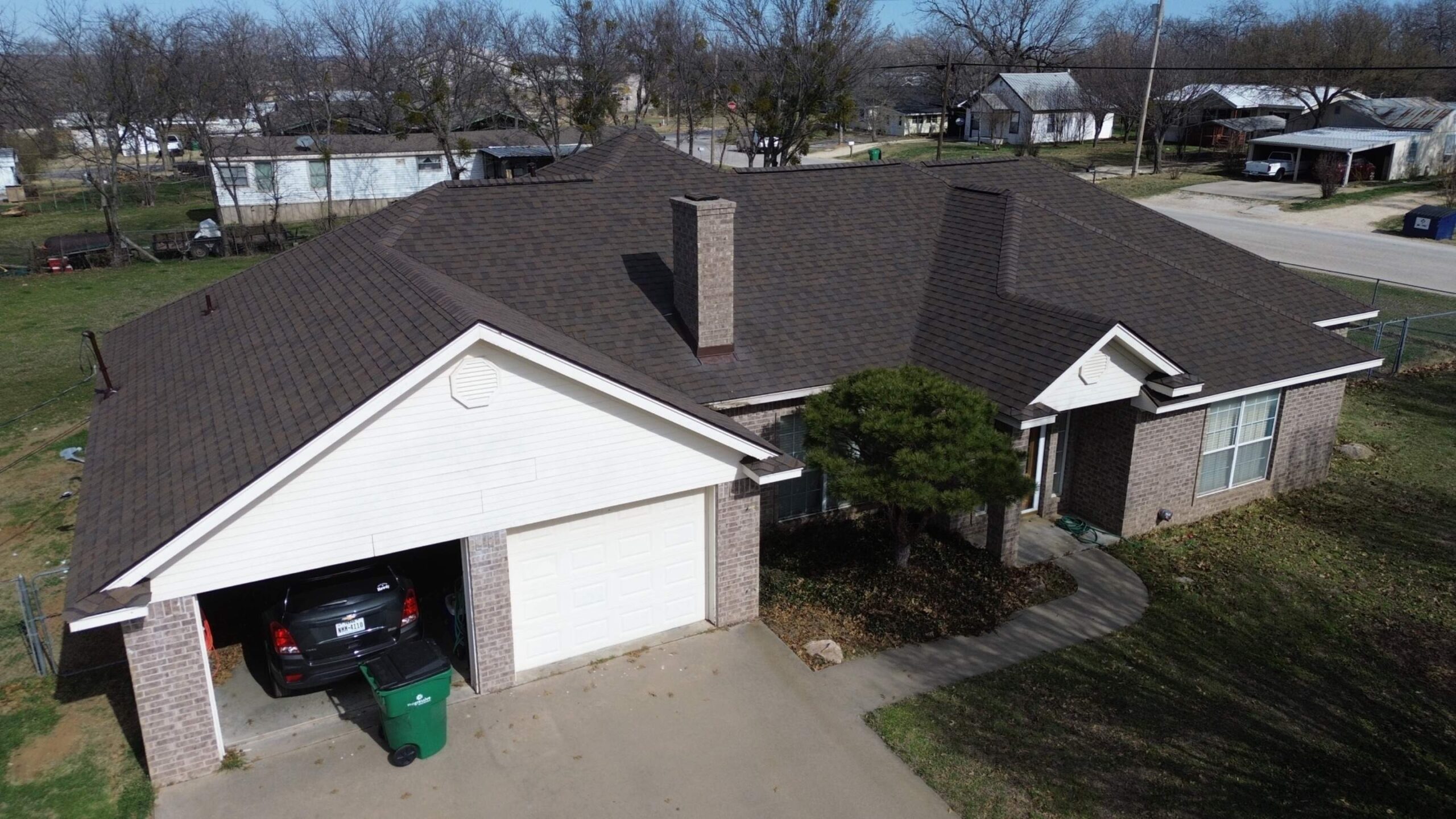
Labor is one of the largest components of any residential roof installation estimate. Skilled roofing requires technical knowledge, physical endurance, attention to detail, and strict adherence to safety procedures. Experienced installers bring valuable expertise that directly influences the quality of the finished roof.
Labor costs vary depending on roof size, complexity, material selection, and expected project duration. Steeper roofs, complex architectural designs, and specialty roofing products generally require more experienced workers and additional installation time.
Professional roofing companies invest heavily in employee training, safety programs, insurance, equipment, and quality control systems. These investments contribute to higher operating costs but also improve workmanship and reduce the likelihood of installation errors.
Choosing a contractor based solely on the lowest labor price may increase long term costs if poor workmanship leads to leaks or premature roof failure. Experienced contractors often provide better overall value by completing the installation correctly the first time.
Well organized roofing crews also improve efficiency through careful planning and teamwork. Their experience allows them to complete projects safely while maintaining consistent quality throughout every stage of the installation process.
Local Building Codes and Permit Costs
Every residential roofing project must comply with local building regulations designed to ensure safety and structural reliability. These requirements influence project costs because contractors must obtain permits, schedule inspections, and follow specific installation standards established by local authorities.
Permit fees vary by municipality and are generally based on project size or estimated construction value. Although permit costs represent a relatively small portion of the total budget, they are essential for ensuring the project meets current building requirements.
Building codes may also require specific ventilation standards, fastening methods, fire resistant materials, or wind resistant installation techniques depending on regional climate conditions. Complying with these requirements sometimes increases material or labor costs but contributes to a stronger and safer roofing system.
Most professional roofing contractors handle the permit application process on behalf of the homeowner. They coordinate inspections, submit required documentation, and ensure the completed installation satisfies all applicable regulations.
Obtaining permits and following building codes protects both current and future homeowners. Properly permitted roofing projects often simplify insurance claims, home sales, and future renovations while demonstrating that the installation was completed according to recognized construction standards.
Roof Ventilation and Insulation Costs
A residential roofing system does much more than keep rain out of the home. It also helps regulate attic temperature and moisture through proper ventilation and insulation. Although these components are often hidden from view, they can significantly influence the total cost of a roof installation project.
Many older homes do not have enough attic ventilation to meet current building standards. During a roof replacement, contractors may recommend installing additional intake vents, ridge vents, or exhaust vents to improve airflow. While these upgrades increase the initial project cost, they help extend the lifespan of the roofing materials and improve indoor energy efficiency.
Insulation may also require attention during the roofing project. If the attic insulation has been damaged by leaks or moisture, replacing it at the same time as the roof is often the most practical solution. Proper insulation works together with ventilation to maintain consistent indoor temperatures while reducing heating and cooling expenses.
Balanced ventilation also prevents excessive heat buildup during summer and reduces moisture accumulation during colder months. Without adequate airflow, trapped heat and humidity can shorten the lifespan of roofing materials while increasing the likelihood of mold growth and wood deterioration.
Although ventilation improvements represent an additional expense, they provide long term value by protecting both the roofing system and the home’s structural components. Many homeowners recover a portion of this investment through lower energy costs over time.
Flashing, Underlayment, and Waterproofing Materials
The visible roofing material is only one part of a complete roofing system. Beneath the shingles or metal panels are several protective layers that prevent water from reaching the roof deck. These hidden materials contribute to the total installation cost but play a vital role in the roof’s long term performance.
Underlayment serves as a secondary moisture barrier beneath the finished roofing material. It protects the roof deck if rainwater penetrates the outer roofing layer during severe weather. Higher quality synthetic underlayments generally cost more than traditional felt products but often provide greater durability and tear resistance.
Flashing is another important component that affects installation costs. Metal flashing is installed around chimneys, skylights, plumbing vents, roof valleys, and wall intersections to direct water away from vulnerable areas. The amount of flashing required depends largely on the roof’s design and the number of roof penetrations.
Some homes also require specialized waterproof membranes in areas that experience heavy water flow or ice dam formation. Valleys, roof edges, and low slope sections often receive additional moisture protection because they are more susceptible to leaks.
Contractors select waterproofing materials that are compatible with the chosen roofing system. Although premium products increase material costs, they often provide superior long term protection while reducing future maintenance requirements.
Homeowners rarely see these hidden components after installation is complete, yet they are among the most important investments within the entire roofing system.
Gutters and Drainage System Installation
A roofing project often includes work on the home’s drainage system because gutters and downspouts play an essential role in protecting both the roof and the foundation. Whether existing gutters are repaired, replaced, or upgraded influences the overall installation budget.
If the existing gutters remain in good condition, contractors may simply remove and reinstall them after the new roof has been completed. This option generally costs less than replacing the entire drainage system. However, older gutters showing signs of corrosion, leaks, or sagging may require complete replacement.
The size and style of gutters also influence pricing. Larger gutter systems designed to manage heavy rainfall typically cost more than standard residential gutters because they require additional materials and specialized installation.
Downspouts, splash blocks, and underground drainage systems may also be upgraded during the roofing project. Improving water management helps reduce soil erosion while protecting the home’s foundation from excessive moisture accumulation.
Some homeowners choose seamless gutters because they have fewer joints and require less maintenance than sectional systems. Although seamless products generally cost more initially, many homeowners appreciate their improved appearance and reduced leak potential.
Including drainage improvements during roof installation is often more cost effective than completing them as a separate project later.
Chimneys, Skylights, and Other Roof Features
Architectural features contribute character and functionality to a home, but they also increase roofing installation costs because they require additional materials and labor. Every roof penetration must be carefully integrated into the roofing system to prevent water intrusion while maintaining a finished appearance.
Chimneys are among the most labor intensive roof features because they require custom flashing installed along multiple sides. Contractors carefully shape and overlap flashing to create waterproof seals while allowing for normal expansion and contraction caused by temperature changes.
Skylights also require specialized installation techniques. Existing skylights may need new flashing or sealing components during roof replacement to ensure compatibility with the new roofing materials. If homeowners decide to install new skylights at the same time, both material and labor costs naturally increase.
Plumbing vents, attic fans, solar panel mounts, satellite dish brackets, and roof windows also affect project pricing. Although each individual feature may require only a modest amount of additional work, multiple roof penetrations increase installation time significantly.
Dormers, intersecting roof sections, and decorative architectural elements create additional valleys and transitions that require precise craftsmanship. These areas demand careful waterproofing and detailed installation to maintain long term weather resistance.
The more architectural features a roof contains, the greater the labor, flashing, and waterproofing requirements become. This explains why complex roof designs generally cost more than simpler roofing systems.
Seasonal Demand and Weather Conditions
The time of year when a roofing project is scheduled can influence overall installation costs. Seasonal demand affects contractor availability, labor scheduling, and sometimes even material pricing. Understanding these trends helps homeowners plan their projects more effectively.
Spring and autumn are often the busiest roofing seasons because moderate weather provides favorable working conditions. Higher demand during these periods may limit contractor availability, requiring homeowners to schedule projects several weeks or months in advance.
Summer offers longer daylight hours, allowing roofing crews to complete more work each day. However, extremely hot weather may require adjusted work schedules and additional safety precautions, slightly influencing labor costs depending on local climate conditions.
Winter roofing projects may experience occasional weather related delays caused by snow, ice, or freezing temperatures. While some contractors offer greater scheduling flexibility during slower seasons, changing weather conditions can affect project timelines.
Weather also influences material performance during installation. Certain roofing products require specific temperature ranges for proper sealing, making seasonal planning an important part of project management.
Although homeowners cannot control the weather, scheduling flexibility often allows contractors to choose the most suitable installation period for both efficiency and long term roof performance.
Material Availability and Supply Chain Factors
Material pricing is not always constant throughout the year. Manufacturing costs, transportation expenses, global supply chain conditions, and regional demand all influence the availability and price of roofing products. These market conditions occasionally affect residential roof installation estimates.
High demand following major storms often increases the need for roofing materials in affected regions. Contractors may experience temporary shortages of popular products, leading to longer delivery times or higher prices until supply stabilizes.
Transportation costs also influence roofing material pricing. Fuel prices, shipping distances, and distribution networks all contribute to the final cost of roofing products delivered to the job site. Homes located farther from major distribution centers may experience slightly higher transportation expenses.
Premium roofing materials sometimes require special ordering because they are not stocked locally. Custom colors, specialty metal panels, designer shingles, or imported roofing products may involve additional lead times and shipping charges.
Manufacturers occasionally introduce updated product lines that replace older materials. While these new products often provide improved performance, they may also affect project costs depending on market availability.
Experienced roofing contractors monitor supplier inventories closely and coordinate material deliveries carefully. Their planning helps reduce delays while ensuring the required products arrive before installation begins.
Roofing Warranties and Long Term Value
Roof installation costs should always be evaluated alongside the value provided over the roof’s expected lifespan. Higher quality materials and professional workmanship often include stronger warranties that provide additional protection for the homeowner’s investment.
Most roofing projects include two separate warranties. The manufacturer’s warranty covers defects in roofing materials, while the contractor’s workmanship warranty addresses installation quality. Together, these warranties contribute to the overall value of the roofing system.
Premium roofing products often carry longer manufacturer warranties because they are designed to provide extended durability under normal weather conditions. Although these materials increase initial project costs, they may reduce maintenance and replacement expenses over many years.
Experienced contractors also stand behind their workmanship with written guarantees. A strong workmanship warranty demonstrates confidence in installation quality while giving homeowners greater peace of mind after the project has been completed.
When comparing roofing estimates, homeowners should consider warranty coverage alongside material quality and installation practices. The lowest initial price does not always provide the greatest long term value if warranty protection is limited.
Investing in quality materials and professional installation often results in lower lifetime ownership costs, even if the initial project budget is somewhat higher.
Hidden Costs Homeowners Should Expect
Most roofing estimates are prepared carefully, but some project expenses cannot always be identified until construction has begun. Understanding these potential hidden costs helps homeowners prepare financially while reducing the likelihood of unexpected surprises during installation.
The most common additional expense involves structural repairs. Once the existing roof has been removed, contractors may discover water damaged decking, deteriorated framing, or weakened structural components that require replacement before installation can continue. These repairs are essential for creating a strong foundation for the new roofing system.
Additional ventilation improvements may also become necessary if the existing attic airflow does not meet current building standards. Contractors often recommend these upgrades after inspecting the roof structure more closely during construction.
Building code updates occasionally require modifications that were not part of the original roof installation. Changes to ventilation, fastening methods, fire resistance, or wind resistance may increase project costs when older roofing systems are replaced.
Waste disposal expenses can also vary depending on the number of roofing layers removed or the amount of damaged material discovered during demolition. Larger volumes of debris naturally increase disposal costs.
Unexpected repairs around chimneys, skylights, roof valleys, or flashing are also possible if hidden moisture damage becomes visible after demolition. Correcting these issues during installation helps prevent future leaks and protects the overall roofing investment.
Homeowners should discuss potential hidden costs with their contractor before construction begins. Understanding how additional work will be documented and approved creates transparency while maintaining trust throughout the project.
Transition to the Final Stage
By this point, it becomes clear that residential roof installation costs extend far beyond the visible roofing material itself. Ventilation systems, waterproofing layers, drainage improvements, architectural features, seasonal demand, material availability, warranties, and hidden structural repairs all contribute to the final project budget. Every one of these factors influences the quality, durability, and long term value of the finished roofing system.
Understanding these cost components allows homeowners to evaluate roofing estimates more effectively and recognize the importance of investing in quality workmanship rather than focusing only on the lowest price. A well planned roofing project balances immediate budget considerations with long term performance and reliability.
Ways to Reduce Roof Installation Costs Without Sacrificing Quality
Every homeowner wants to control project costs, but reducing expenses should never come at the expense of installation quality. A roof is expected to protect the home for decades, making it important to focus on long term value rather than the lowest possible upfront price. Fortunately, there are several ways to manage costs while still investing in a reliable roofing system.
One of the best strategies is obtaining multiple detailed estimates from reputable roofing contractors. Comparing proposals allows homeowners to understand differences in materials, warranties, labor, and included services rather than simply comparing total prices. A thorough estimate often provides better value than the lowest quote.
Scheduling the project well in advance can also help. Contractors with more scheduling flexibility may be able to plan labor and material deliveries more efficiently, reducing the likelihood of rushed work or unexpected delays. Early planning also provides homeowners with additional time to compare roofing options.
Selecting materials that balance affordability and durability is another effective approach. Premium products are not always necessary for every home, but choosing materials solely because they have the lowest purchase price may lead to higher maintenance and replacement costs in the future.
Routine roof maintenance also reduces long term expenses. Replacing a roof before severe structural damage develops helps prevent additional repair costs associated with deteriorated decking, insulation, or framing. Addressing problems early often saves money over the life of the home.
Working with an experienced contractor may involve a slightly higher initial investment, but quality workmanship reduces the likelihood of leaks, premature repairs, and warranty issues. In many cases, professional installation proves more economical over the roof’s full service life.
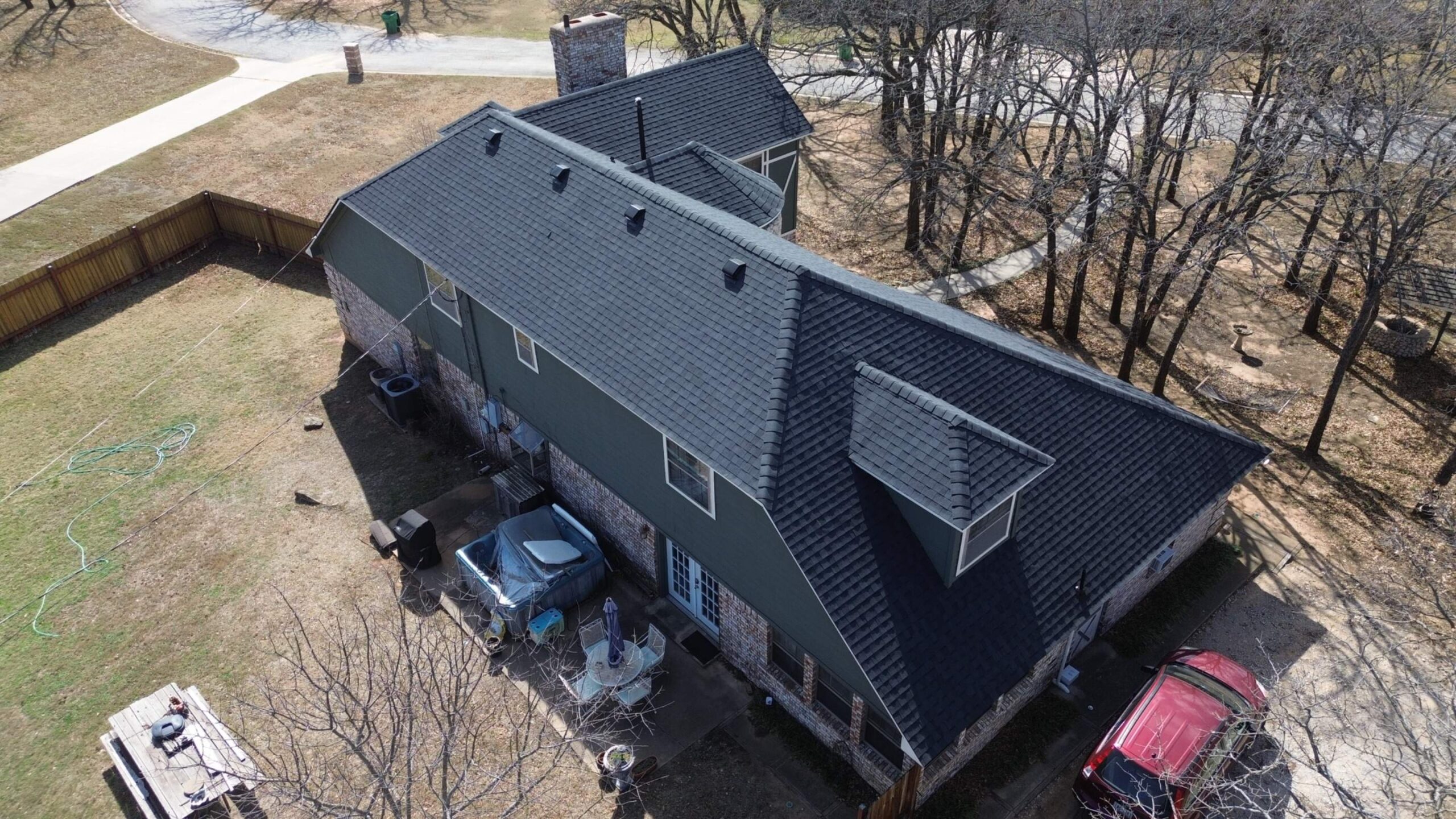
Comparing Roofing Material Costs
Roofing materials vary significantly in purchase price, installation complexity, expected lifespan, and maintenance requirements. Understanding these differences helps homeowners select a roofing system that matches both their budget and long term expectations.
Asphalt shingles remain the most economical option for many homeowners because they provide dependable protection while keeping installation costs relatively affordable. Their widespread availability and straightforward installation also help reduce labor expenses.
Metal roofing generally requires a higher upfront investment, but its exceptional durability and energy efficiency make it an attractive long term choice. Many homeowners appreciate the reduced maintenance requirements and extended service life that metal roofing provides.
Clay and concrete tiles typically cost more because of both the materials themselves and the structural support required to carry their additional weight. These products offer impressive longevity while creating a distinctive architectural appearance.
Natural slate represents one of the most premium residential roofing options. Although installation costs are higher, slate provides exceptional durability and timeless visual appeal when installed by experienced professionals.
Synthetic roofing products occupy a wide range of price points depending on the manufacturer and product design. Many modern synthetic materials successfully imitate the appearance of traditional roofing while offering lower maintenance requirements and lighter weight.
The best roofing material is not always the least expensive or the most expensive. Instead, it is the option that delivers the right balance of cost, durability, maintenance, appearance, and expected lifespan for the specific home.
Residential Roof Installation Cost Comparison Table
The following table provides a general comparison of common residential roofing materials. Actual prices vary by location, contractor, roof design, and product selection, but the comparison illustrates how different materials influence overall project costs.
| Roofing Material | Initial Cost | Expected Lifespan | Maintenance Level | Overall Value |
|---|---|---|---|---|
| Asphalt shingles | Low | 20 to 30 years | Low to moderate | Excellent for most homes |
| Metal roofing | Medium to high | 40 to 70 years | Low | Excellent long term investment |
| Concrete tiles | High | 40 to 50 years | Low | Very durable |
| Clay tiles | High | 50 years or more | Low | Premium appearance and durability |
| Natural slate | Very high | 75 to 100 years or more | Very low | Exceptional longevity |
| Synthetic roofing | Medium to high | 30 to 50 years | Low | Strong balance of durability and appearance |
Material selection should always be evaluated alongside installation quality. Even premium roofing products cannot achieve their expected lifespan if they are installed incorrectly or without proper waterproofing and ventilation.
Common Budgeting Mistakes to Avoid
Planning a roofing budget involves more than estimating the cost of shingles or metal panels. Many homeowners unintentionally overlook important expenses that influence the total project cost. Avoiding these common budgeting mistakes helps create more accurate financial expectations.
Some of the most frequent mistakes include:
- Choosing the lowest estimate without comparing the included services.
- Ignoring contractor experience and workmanship quality.
- Failing to budget for possible structural repairs.
- Overlooking ventilation and insulation improvements.
- Forgetting permit fees or inspection costs.
- Delaying roof replacement until significant damage develops.
- Assuming all warranties provide the same level of protection.
Another common mistake is focusing entirely on initial installation costs rather than lifetime ownership expenses. Roofing materials with longer service lives often reduce maintenance and replacement costs over several decades, providing better overall value.
Homeowners should also avoid making decisions based only on appearance. While curb appeal is important, durability, weather resistance, and maintenance requirements should receive equal consideration during material selection.
Careful budgeting begins with understanding the complete scope of the roofing project rather than concentrating on a single cost category.
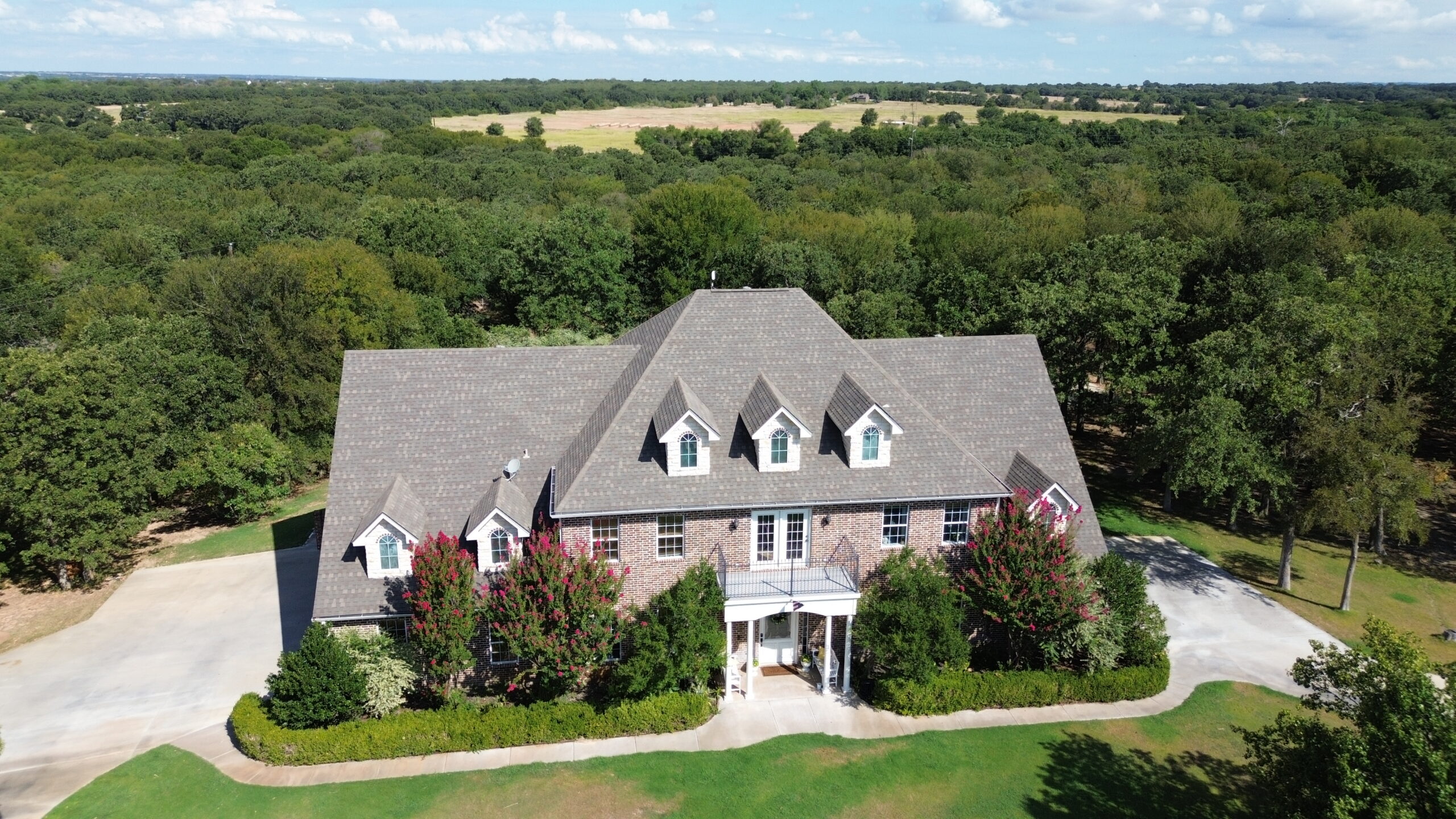
Homeowner Cost Planning Checklist
Preparing financially before roof installation helps homeowners approach the project with greater confidence. A simple planning checklist ensures important budget considerations have not been overlooked before signing a roofing contract.
- Obtain detailed estimates from multiple qualified contractors.
- Compare materials, warranties, and included services.
- Confirm permit and inspection costs.
- Discuss possible structural repair expenses.
- Review ventilation and insulation recommendations.
- Verify cleanup and waste disposal are included.
- Understand both manufacturer and workmanship warranties.
- Reserve a contingency budget for unexpected repairs.
Completing this checklist allows homeowners to evaluate roofing proposals more effectively while reducing the likelihood of unexpected financial surprises during construction.
A contingency fund is particularly valuable because certain structural conditions cannot be fully evaluated until the old roof has been removed. Setting aside additional funds helps ensure necessary repairs can be completed without delaying the project.
Frequently Asked Questions
Homeowners often have similar questions when comparing roofing estimates and planning installation budgets. Understanding these common concerns helps simplify the decision making process.
Why do roofing estimates from different contractors vary so much?
Every contractor may use different material brands, labor rates, warranty coverage, installation methods, and quality standards. Comparing the details of each estimate is more helpful than comparing total prices alone.
Should I choose the least expensive roofing material?
Not necessarily. Lower priced materials may reduce the initial investment, but products with longer lifespans and better weather resistance often provide greater long term value.
Can hidden structural damage increase the project cost?
Yes. Water damaged roof decking, deteriorated framing, or ventilation problems sometimes become visible only after the existing roof has been removed. Professional contractors discuss these possibilities before construction begins.
Are roofing warranties worth considering when comparing prices?
Absolutely. Strong manufacturer and workmanship warranties provide valuable protection that should be considered alongside installation costs and material quality.
How can I reduce roofing costs without lowering quality?
Planning ahead, comparing detailed estimates, selecting experienced contractors, and choosing materials that balance cost with durability are among the most effective ways to control expenses while maintaining installation quality.
Conclusion
Residential roof installation costs are influenced by far more than the visible roofing material. Roof size, architectural complexity, labor requirements, structural repairs, ventilation, waterproofing, drainage systems, permits, warranties, and local market conditions all contribute to the final project budget. Understanding these factors helps homeowners make informed financial decisions before construction begins.
Although roofing represents a significant investment, focusing only on the lowest initial price rarely produces the best long term outcome. High quality materials, experienced contractors, proper installation techniques, and comprehensive warranties often provide greater value by reducing maintenance costs and extending the lifespan of the roofing system. Investing wisely at the beginning frequently prevents larger expenses later.
Planning ahead also plays an important role in controlling project costs. Comparing detailed estimates, discussing potential hidden expenses, maintaining open communication with the contractor, and setting aside a reasonable contingency budget all contribute to a smoother roofing experience. These preparations help homeowners avoid unexpected surprises while keeping the project on schedule.
Ultimately, the true value of a residential roof extends beyond its installation cost. A professionally installed roofing system protects the home, improves energy efficiency, enhances curb appeal, and provides dependable performance through changing weather conditions for decades. By understanding the factors that influence roof installation costs, homeowners can confidently choose a roofing solution that balances quality, durability, and long term financial value.