
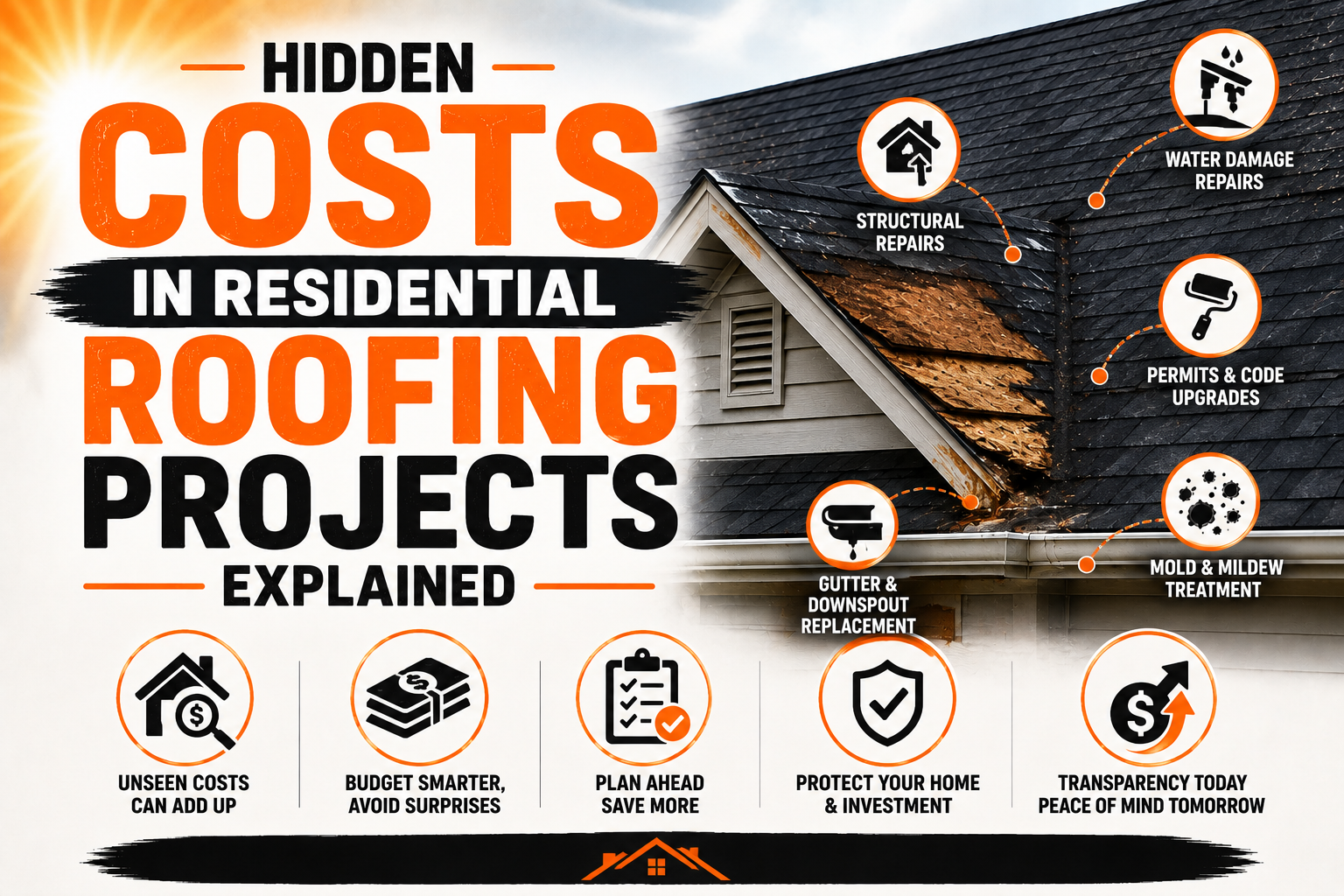
Hidden Costs in Residential Roofing Projects Explained
Introduction
A residential roofing project may appear straightforward when a homeowner first receives an estimate, but the final cost can sometimes be considerably higher than the original figure. A basic quote usually covers visible work such as roofing materials, installation labor, removal of old shingles, and standard cleanup. However, conditions hidden beneath the existing roof or requirements discovered during installation can introduce additional expenses that were not obvious during the initial planning stage.
Understanding these hidden costs is important because roofing is not simply a matter of placing new shingles over a house. A roof is a complete protective system that includes decking, underlayment, flashing, ventilation, drainage components, and other details that work together to keep moisture outside the home. If one of these components is damaged, outdated, or improperly installed, correcting the problem may become necessary before the new roofing system can be completed properly.
Homeowners can reduce financial surprises by understanding what may affect the final project price before work begins. A detailed inspection, realistic contingency budget, and clear communication with the roofing contractor can make it easier to prepare for unexpected expenses. Knowing where these costs usually come from also helps homeowners compare estimates more accurately instead of choosing a contractor based only on the lowest initial price.
Understanding the Difference Between a Roofing Quote and the Final Cost
A roofing estimate is generally based on the information available when the contractor evaluates the property. During an initial inspection, the contractor can measure the roof, identify the roofing material, examine visible areas, and estimate the labor required. Some problems, however, cannot be confirmed until existing roofing materials are removed, which means the initial estimate may not include every repair that eventually becomes necessary.
One of the most common reasons for a price increase is hidden damage beneath the old roofing material. The roof may look reasonably healthy from the outside while the decking underneath has areas of rot caused by long-term moisture exposure. Once the old shingles or other covering are removed, the contractor may discover weakened wood that cannot safely support the new roofing system.
The wording of a roofing estimate also matters. Some contractors provide a very detailed proposal that separates labor, materials, disposal, flashing, ventilation, and potential repairs, while others provide a basic total price. A low estimate may look attractive at first, but it can leave out important components that another contractor has already included.
Homeowners should therefore examine what each estimate actually covers rather than comparing only the final numbers. A useful estimate should explain the roofing materials, number of layers being removed, disposal arrangements, installation procedures, flashing work, ventilation requirements, cleanup, and possible additional charges. Asking about exclusions before signing a contract can prevent disagreements when unexpected conditions appear during the project.
Another factor is the difference between necessary repairs and optional upgrades. A contractor may recommend improved ventilation, premium underlayment, upgraded flashing, or stronger materials that can increase the project price. Some upgrades can provide meaningful long-term benefits, but homeowners should understand whether each recommendation is required for proper installation or simply an improvement they may choose to add.
A realistic roofing budget should account for both known and potentially unknown expenses. Homeowners should expect the possibility of additional work when replacing an older roof, especially when the existing system has experienced leaks, poor ventilation, storm damage, or years of deferred maintenance. Planning for these possibilities is generally safer than assuming the initial estimate will always represent the final amount.
Hidden Costs Caused by Roof Inspection and Preparation
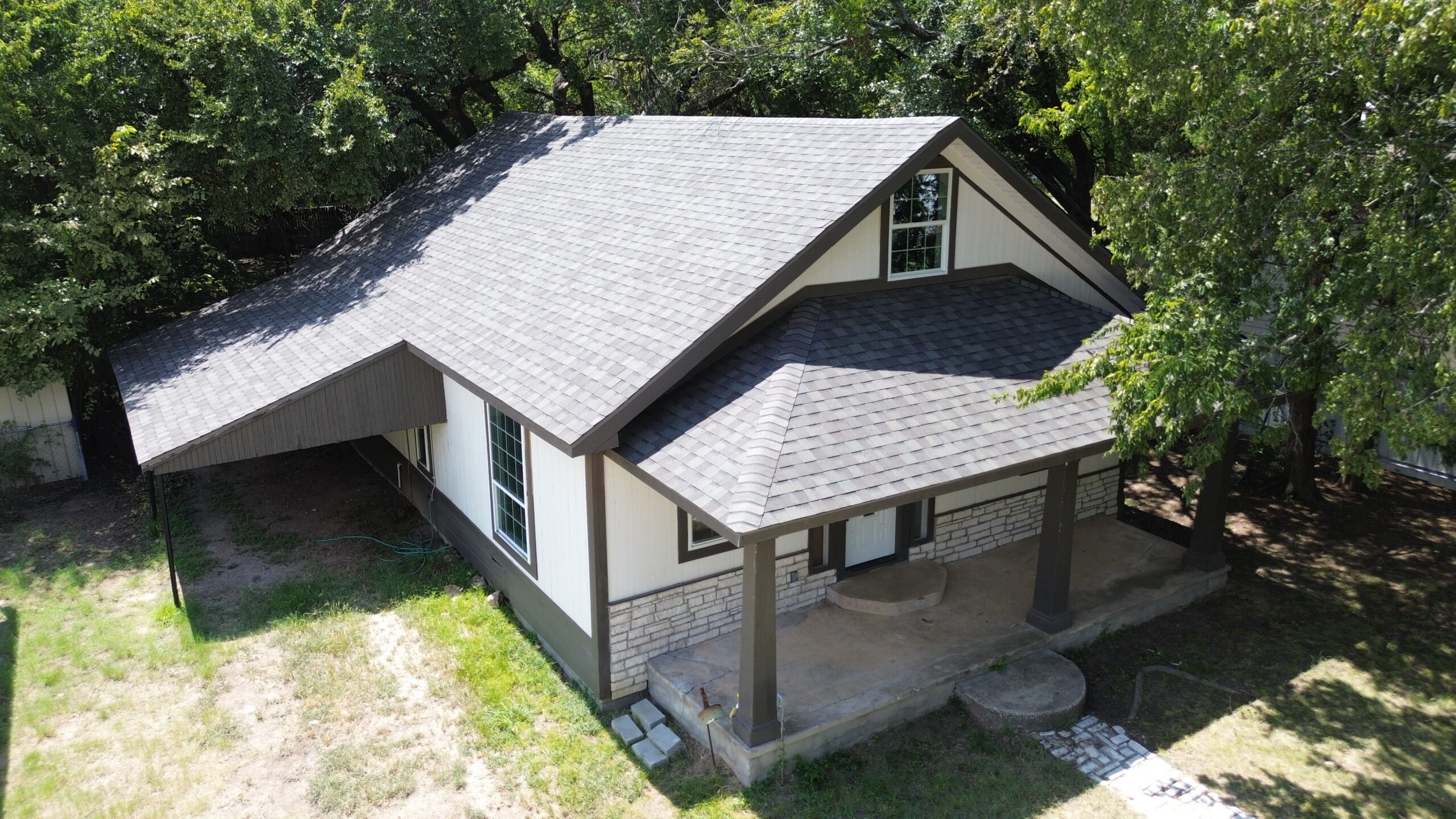
Roofing costs can begin increasing before the actual replacement work starts because proper preparation requires more than simply measuring the roof. An older or complicated roof may need a detailed inspection to identify moisture problems, damaged components, inadequate ventilation, or previous installation mistakes. Depending on the property, specialized inspection methods may also be necessary to understand conditions that cannot be identified through a basic visual assessment.
Roof preparation can involve checking areas around chimneys, skylights, vents, valleys, dormers, and roof edges. These locations are especially important because they contain transitions where water can enter if flashing or seals have deteriorated. A roof with several features generally requires more inspection and preparation than a simple roof with large uninterrupted slopes.
Homeowners may also discover that previous repairs have created additional work. Old patches, layers of roofing materials, improperly installed flashing, exposed fasteners, or unsuitable sealants can make the removal and replacement process more complicated. Correcting these issues may require additional labor and materials before the new roofing system can be installed correctly.
Another preparation cost can involve protecting the property during construction. Roofing contractors may need to use protective coverings around landscaping, windows, siding, doors, or outdoor equipment. While these measures may not appear as a separate charge on every estimate, more difficult properties can require additional time and equipment to protect surrounding areas.
Accessibility also affects preparation. A roof that is steep, unusually high, or surrounded by obstacles can require additional safety equipment and labor. Limited access may also make it harder to move materials and remove debris, increasing the time required for the project.
A thorough inspection before work begins can actually help control these costs. Identifying potential problems early gives homeowners an opportunity to understand the likely scope of work and budget accordingly. Although inspection and preparation may add to the initial expense, they can prevent larger problems caused by installing a new roof over unresolved structural or moisture-related issues.
Existing Roof Damage and Unexpected Structural Repairs
Hidden structural damage is one of the most significant sources of unexpected roofing expenses. The roof covering protects the underlying structure from weather, but prolonged exposure to moisture can gradually weaken wood components. Small leaks that remain unnoticed for months or years may cause deterioration that becomes visible only after the old roofing material has been removed.
Roof decking is particularly important because it provides the surface on which roofing materials are installed. If sections of decking are soft, cracked, warped, or rotten, they may need to be replaced before new shingles or other materials can be installed. The final cost depends on how much decking requires replacement and how difficult it is for workers to access the affected areas.
In some situations, the problem can extend beyond the decking. Rafters, trusses, fascia boards, or other structural components may have been affected by long-term water exposure or previous construction problems. These repairs can be substantially more expensive because they involve structural work rather than a simple replacement of roofing materials.
Moisture damage can also affect insulation and interior areas of the home. If water has entered through the roof for an extended period, insulation may become damaged or ineffective, while ceilings and walls may develop staining or deterioration. Although these repairs are not technically part of installing the roof covering, they can become part of the overall cost of resolving a roofing problem.
Homeowners should pay particular attention to warning signs before a project begins. Common indicators of possible hidden damage include ceiling stains, peeling paint, musty odors, sagging areas, damaged shingles, recurring leaks, and visible deterioration around roof penetrations. These signs do not always mean major structural repairs are required, but they justify closer investigation.
When structural repairs are necessary, homeowners should ask the contractor to document the affected areas and explain why replacement is required. Photographs can be useful because they provide a clear record of conditions discovered during the project. A written explanation also makes it easier to understand whether the additional work is essential for safety and proper roof installation.
Building a contingency amount into the roofing budget is especially important for older properties. A homeowner who reserves additional funds for possible decking or structural repairs is less likely to face financial stress when hidden damage is discovered. The exact contingency amount depends on the roof’s age, condition, size, and history, but expecting some uncertainty is a sensible part of planning.
Tear-Off, Disposal, and Cleanup Expenses
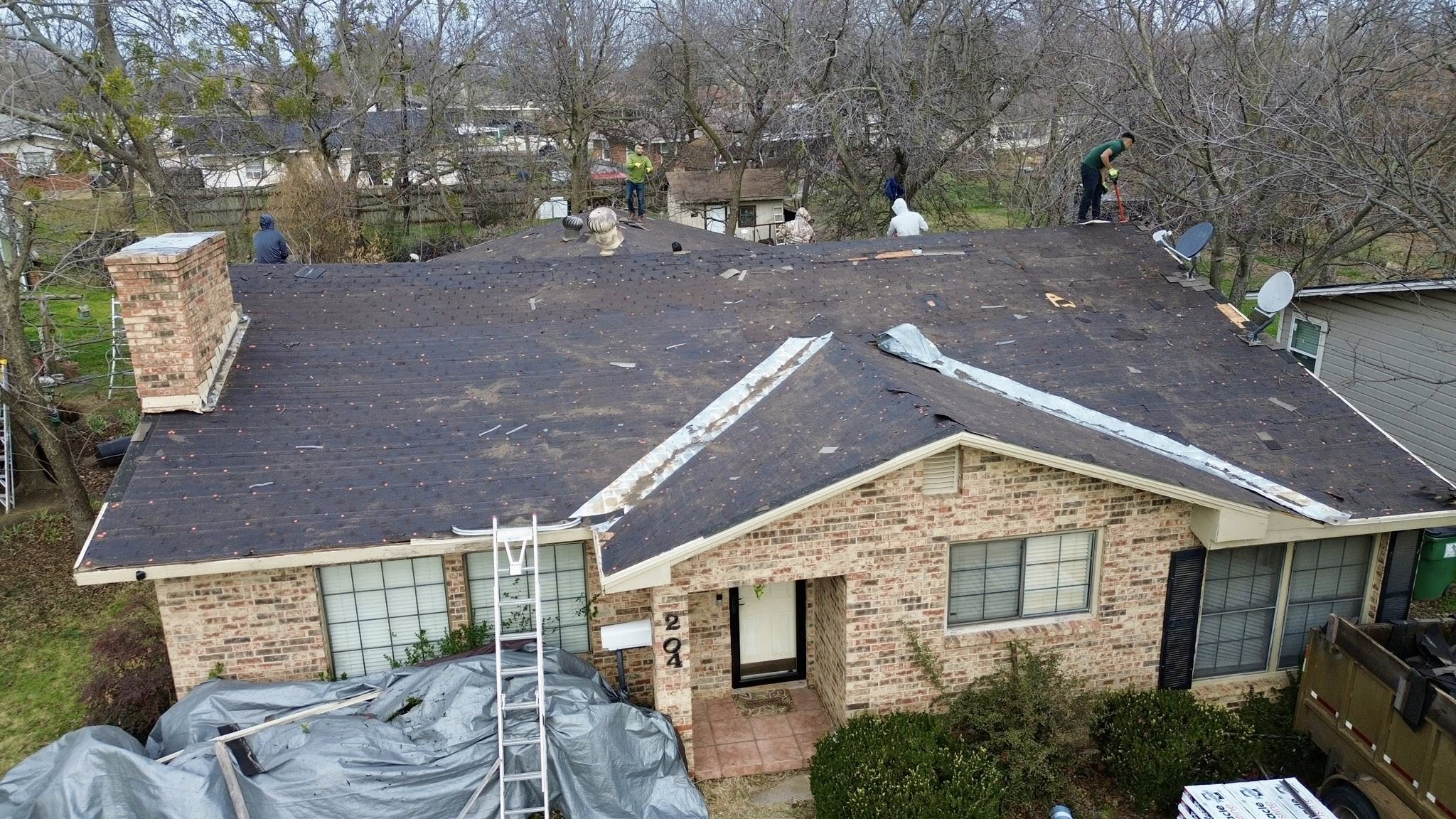
Removing an existing roof is another area where homeowners may underestimate the total project cost. The amount of labor involved depends on the number of existing roofing layers, the type of material being removed, and the condition of the roof. A simple single-layer shingle roof can be relatively straightforward to remove, while multiple layers or heavier materials may require considerably more time and effort.
Some roofing systems require specialized removal methods. Materials such as tile, metal, or other heavy coverings can involve additional handling requirements compared with standard asphalt shingles. The contractor may need extra workers, specialized equipment, or additional time to safely remove these materials without damaging the underlying structure.
Disposal costs can also affect the final bill. Removed roofing materials create a substantial amount of waste, and contractors need to transport that waste to an appropriate disposal facility. The project may require a dumpster or hauling service, and larger roofs naturally generate more debris.
The cost of disposal may be included in the original estimate, but homeowners should confirm this rather than assuming it is covered. If a contractor provides an unusually low quote, disposal charges may have been excluded or calculated separately. Clarifying this detail can help prevent an unexpected invoice after the work is completed.
Cleanup is another practical consideration. Roofing projects generate nails, shingle fragments, wood pieces, packaging, dust, and other debris around the property. Professional contractors generally use ground protection, magnetic tools, tarps, and other methods to reduce the mess, but extensive cleanup may require additional labor on larger or more complicated projects.
The following factors can influence tear-off and disposal expenses:
- Number and type of existing roofing layers
- Weight and condition of the old roofing material
- Roof size, pitch, and accessibility
- Dumpster or hauling requirements
- Amount of damaged material requiring removal
- Distance to the disposal facility
Homeowners should ask whether tear-off, disposal, daily cleanup, and final cleanup are included in the written estimate. This simple conversation can reveal differences between competing quotes and make the actual project cost easier to predict.
Roof Decking, Underlayment, Flashing, and Ventilation Costs
Several roofing components are easy to overlook because they are not always visible after installation. Decking, underlayment, flashing, and ventilation systems all contribute to the performance and durability of a residential roof. If these components need replacement or improvement, the project can cost more than the price of the visible roofing material alone.
Underlayment is installed beneath many roofing materials to provide an additional layer of protection against moisture. Depending on the roofing system and local requirements, the contractor may recommend or require a particular type of underlayment. Upgrading to a more durable product can increase the material cost, although it may provide additional protection in demanding conditions.
Flashing is another important component that can generate unexpected expenses. It is installed around areas where the roof meets walls, chimneys, skylights, vents, and other structures. Damaged or poorly installed flashing can allow water to enter the building, so replacing deteriorated flashing may be necessary rather than simply covering it with new roofing material.
Ventilation can also influence the project price. A properly designed attic ventilation system helps manage heat and moisture, but older homes may have inadequate or outdated ventilation. Correcting these problems may require additional vents, modifications, or labor that were not part of a basic roof replacement estimate.
The key issue is that these components should be evaluated as part of the entire roofing system. Installing attractive new shingles while leaving damaged flashing, inadequate ventilation, or deteriorated underlayment unresolved can reduce the effectiveness of the replacement. A slightly higher upfront investment may therefore be more practical when it addresses problems that could otherwise lead to future repairs.
Homeowners should request a clear explanation whenever a contractor recommends replacing or upgrading a hidden roofing component. The contractor should explain the condition of the existing component, why replacement is needed, and how the work affects the roof’s performance. This approach allows homeowners to make informed decisions rather than agreeing to unexpected additions without understanding their purpose.
By considering these hidden components during the planning stage, homeowners can create a much more realistic roofing budget. The visible price of shingles or other roofing materials is only one part of the overall investment. A properly planned project accounts for the complete roofing system, including the materials and construction details that protect the home long after installation is finished.
Labor-Related Costs Homeowners May Overlook
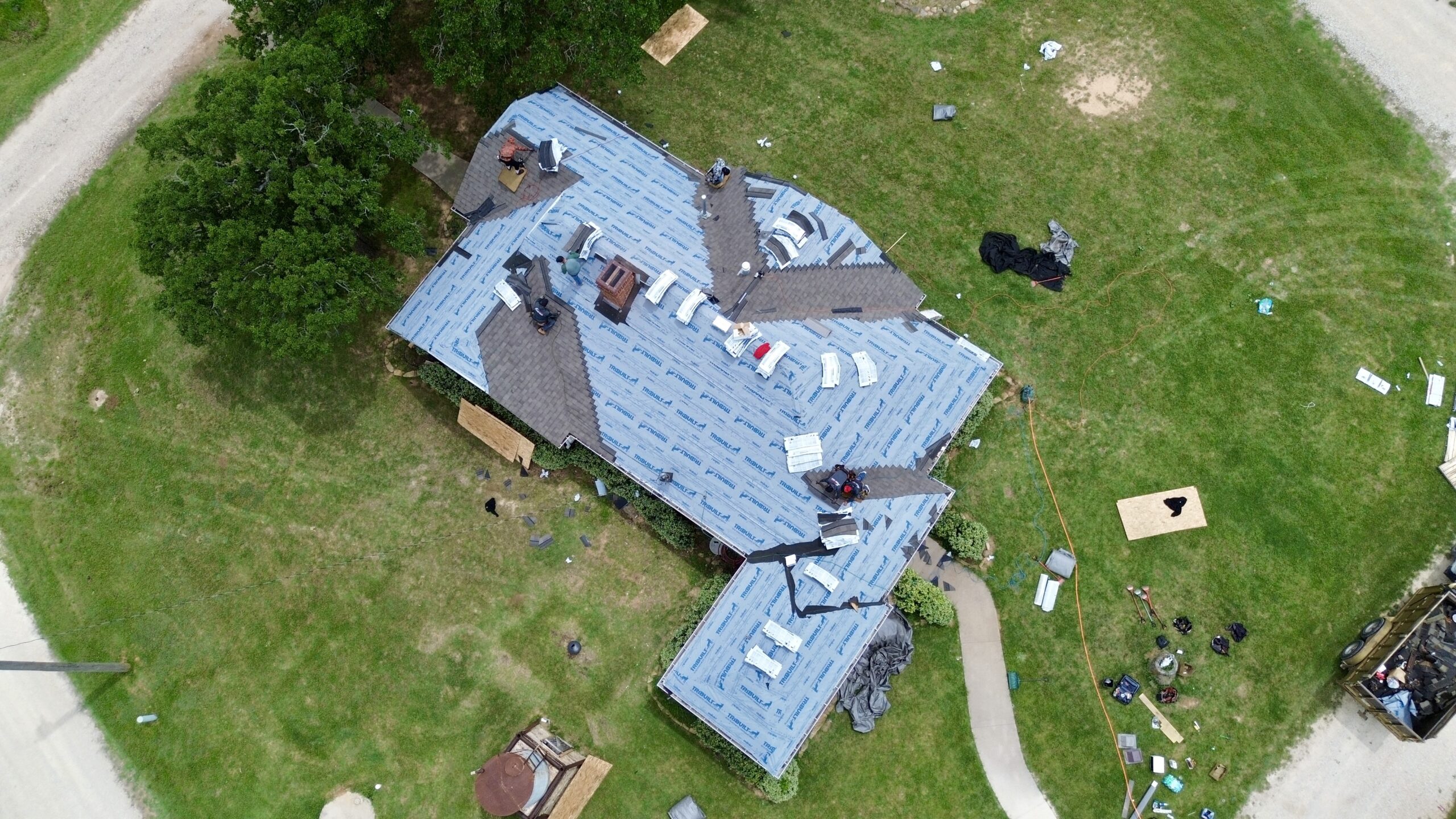
Labor is one of the largest components of a residential roofing project, but the amount of work required can vary significantly from one property to another. A basic estimate may assume normal installation conditions, yet steep slopes, multiple roof sections, difficult access, and extensive preparation can increase the number of labor hours required. When these conditions are discovered or become more apparent during construction, the final project cost may rise.
Roof pitch is particularly important because steep roofs require additional safety measures and often take longer to work on. Contractors may need specialized harnesses, staging, ladders, or other equipment to protect workers while maintaining an efficient workflow. Even when the roofing materials remain unchanged, the labor cost can be higher because installation becomes slower and more physically demanding.
The shape of the roof can also affect labor requirements. A simple roof with large, uninterrupted slopes is generally easier to install than a roof containing numerous valleys, dormers, intersecting sections, or changes in elevation. Each additional feature creates more cutting, fitting, flashing, and sealing work, which can increase installation time.
Accessibility is another factor that homeowners sometimes overlook. If materials cannot be delivered close to the work area, workers may have to carry shingles, underlayment, tools, and debris over longer distances. Limited driveway access, landscaping, fences, nearby structures, or narrow spaces can make material handling more difficult and add labor to the project.
Weather can also influence labor costs when conditions interrupt the planned schedule. Rain, strong winds, extreme temperatures, or other unfavorable conditions may prevent safe roof installation and require crews to return later. Extended schedules can increase labor and equipment expenses, especially when the project involves repeated setup and protection of the property.
Homeowners should therefore ask contractors how labor charges are calculated and what conditions could result in additional labor. A detailed proposal should explain whether normal preparation, tear-off, installation, flashing, cleanup, and standard material handling are included. Understanding these details before work begins can make it easier to distinguish legitimate additional labor from charges that were simply overlooked in the original estimate.
Permit, Inspection, and Code Compliance Expenses
Permits and inspections can add costs to a roofing project, depending on local regulations and the nature of the work. Requirements vary between municipalities and jurisdictions, so homeowners should not assume that a permit is unnecessary simply because the project involves replacing an existing roof. Some locations require permits for replacement work, while others may have different requirements depending on the extent of construction.
Permit fees are often relatively small compared with the overall roofing investment, but they can still affect the final budget. The contractor may include permit costs in the proposal or charge them separately. Homeowners should confirm who is responsible for obtaining the permit and whether the associated fees are already included.
Inspection requirements can also create additional scheduling and administrative costs. In some areas, an official inspection may be required during or after construction to confirm that the work meets applicable building requirements. If an inspection identifies an issue, correcting it may require additional labor or materials.
Building codes can influence the roofing system itself. Requirements may address areas such as ventilation, underlayment, flashing, fastening methods, roof drainage, or materials used in specific conditions. If an existing roof does not meet current requirements, the replacement project may require upgrades that were not necessary when the original roof was installed.
This is particularly relevant for older homes. A roof that was installed many years ago may have been built according to standards that have since changed. Replacing it may therefore involve bringing certain components into compliance with current requirements rather than simply reproducing the older installation.
Homeowners should ask these questions before approving a roofing contract:
- Is a permit required for this project?
- Are permit and inspection fees included in the estimate?
- Will the contractor handle the permit process?
- Could current building requirements require additional work?
- What happens if an inspection identifies a problem?
Clarifying these points can prevent unexpected administrative or construction expenses. It also helps homeowners understand whether a contractor’s estimate accounts for the regulatory requirements associated with the property.
Material Price Changes and Product Availability
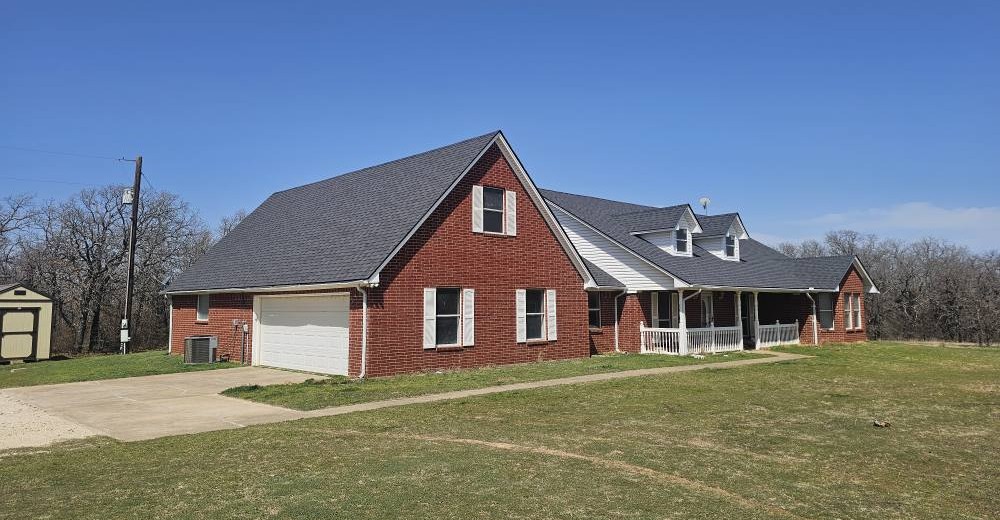
Roofing material prices can change because of manufacturing costs, transportation expenses, seasonal demand, and product availability. A contractor preparing an estimate may calculate material costs based on current supplier pricing, but a delay between accepting the estimate and ordering materials can create uncertainty. This becomes particularly important when a homeowner postpones the project or when a specific roofing product is temporarily difficult to obtain.
Material availability can also influence the final choice of products. A homeowner may select a particular shingle, tile, metal panel, or accessory based on an initial discussion, only to discover that the product has become unavailable or has a long delivery time. Switching to another product may change the total project price.
Special-order materials can create additional expenses as well. Certain colors, profiles, finishes, or specialty products may cost more than standard options. They may also require longer delivery times, which can affect scheduling and potentially increase project-related costs if crews or equipment need to be arranged around material delivery.
Waste is another material-related cost that should be considered. Roofing materials cannot always be used with perfect efficiency because workers must cut materials around valleys, roof edges, vents, chimneys, skylights, and other features. More complex roofs generally produce more material waste than simple designs.
A written estimate should identify the material type, manufacturer or product line where appropriate, expected quantity, and any relevant installation accessories. Homeowners should also ask whether the quoted material price is guaranteed for a particular period. This can be especially useful when the project is scheduled weeks or months after the estimate is prepared.
The lowest material price is not always the best value. Roofing products differ in durability, warranty coverage, installation requirements, and suitability for local weather conditions. Selecting a material solely because it has the lowest purchase price may result in higher long-term expenses if it requires earlier replacement or does not perform well under the home’s environmental conditions.
A clear contract can reduce uncertainty by establishing how material substitutions and price changes will be handled. If a product becomes unavailable, homeowners should know whether the contractor can substitute an equivalent product and whether the homeowner must approve any resulting price difference. This type of agreement can prevent unexpected decisions from being made during an active roofing project.
Unexpected Costs From Chimneys, Skylights, Gutters, and Roof Features
Roofing projects become more complicated when a roof contains structures and features that interrupt its surface. Chimneys, skylights, vents, satellite equipment, solar equipment, dormers, gutters, and multiple roof intersections all require additional attention. These features can create hidden expenses because the contractor must work around them while maintaining proper water protection.
Chimneys are a common example. The flashing around a chimney may be deteriorated even when the roofing material itself appears to be in acceptable condition. Replacing or repairing this flashing can involve additional materials and skilled labor, particularly if the chimney structure or surrounding masonry also requires attention.
Skylights can create similar issues. Older skylights may have worn seals, damaged flashing, or outdated components that make them vulnerable to leaks. During a roof replacement, the contractor may recommend replacing a deteriorated skylight rather than installing new roofing around an aging unit.
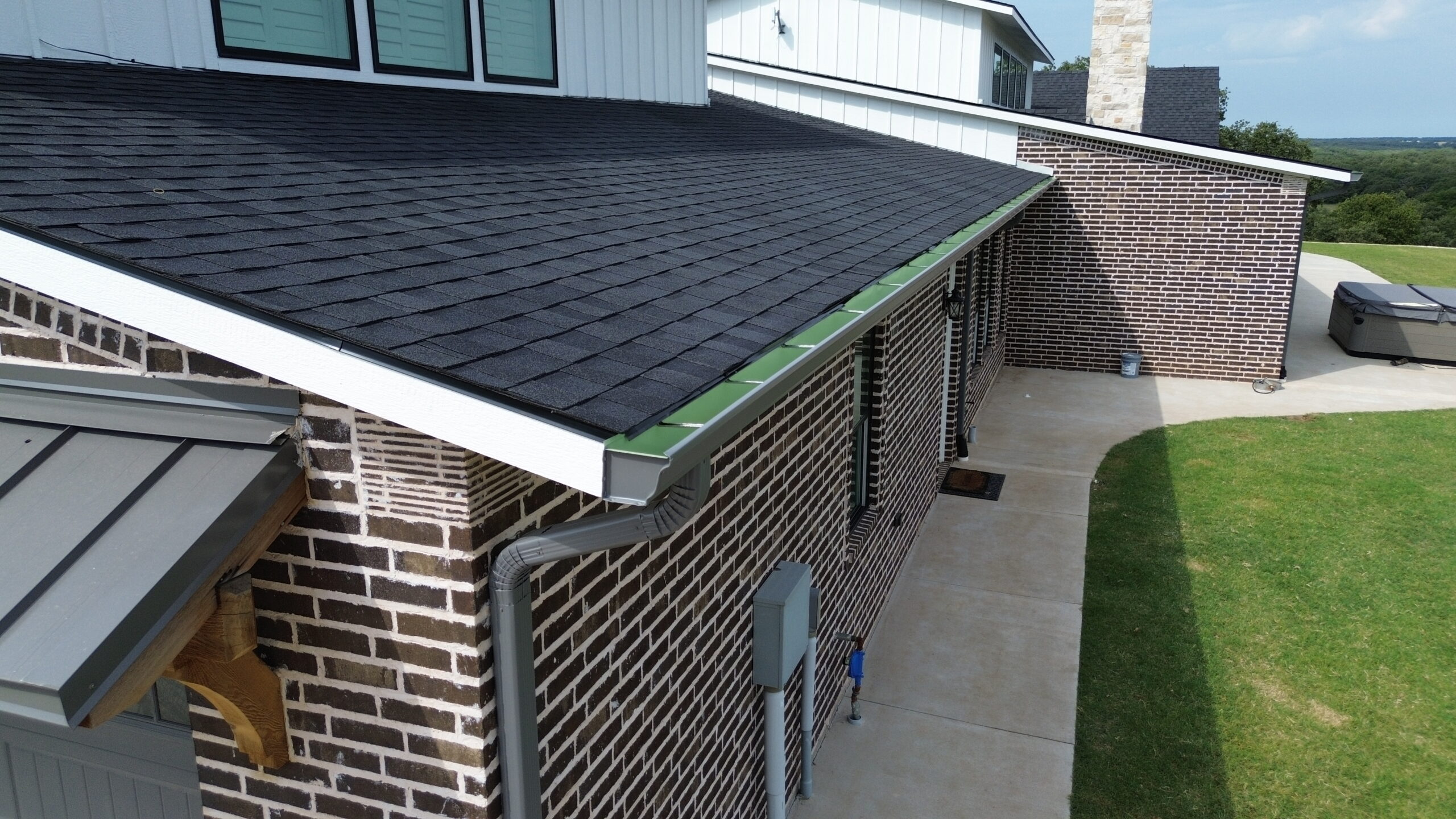
Gutters and drainage components can also become part of the project discussion. Removing and reinstalling gutters may be necessary when they interfere with roof-edge work, while damaged gutters or improperly positioned downspouts may need correction. Although these components are not part of the roof covering itself, their performance directly affects how water moves away from the building.
Solar panels and other rooftop equipment may create additional labor requirements. Panels may need to be removed before roofing work begins and reinstalled afterward, sometimes by a separate specialist. The coordination between roofing contractors and equipment installers can increase both project complexity and cost.
Roof penetrations should receive particular attention because every opening creates a potential pathway for water. Vents, pipes, ducts, and other penetrations require properly fitted flashing and sealing. If existing components are damaged or improperly installed, correcting them during the roof replacement may add to the total cost.
Homeowners should discuss every major roof feature with the contractor before signing the contract. A useful estimate should clarify which features are included in the roofing work and which may require separate services. This prevents situations where a homeowner assumes that all rooftop components will automatically be repaired or replaced as part of the main roofing price.
Water Damage, Mold, and Moisture-Related Repairs
Water damage is one of the most important hidden costs associated with residential roofing. A roof may have experienced small leaks for a long period without producing obvious interior damage. Once the roofing system is opened, however, contractors may find damp insulation, deteriorated wood, staining, or other evidence that moisture has moved beyond the original leak location.
The longer moisture remains in building materials, the greater the potential for deterioration. Wood can weaken, insulation can lose effectiveness, and surrounding materials may require repair or replacement. In some cases, moisture-related damage extends into attic spaces, ceilings, or wall assemblies.
Mold can also become a concern when persistent moisture has created favorable conditions for growth. Addressing mold-related problems may require specialized assessment and remediation rather than ordinary roofing labor. The cost depends on the extent of the affected area and the procedures required to safely address the problem.
It is important to understand that replacing the roof does not automatically repair interior water damage. A new roof can stop the source of future moisture entry, but damaged insulation, drywall, framing, or finishes may still require separate attention. Homeowners should therefore consider the condition of the attic and interior areas when creating the overall project budget.
Moisture problems can sometimes be traced to inadequate ventilation rather than a single roof leak. Poor attic airflow can contribute to condensation and moisture accumulation, particularly when warm indoor air reaches colder roof surfaces. Correcting the ventilation system may therefore be necessary alongside roof replacement.
The following warning signs deserve attention before a roofing project begins:
- Dark or discolored ceiling areas
- Musty smells in attic spaces
- Damp or compressed insulation
- Sagging roof or ceiling areas
- Repeated leaks after previous repairs
- Visible wood deterioration
Identifying moisture damage early can make the repair process more manageable. Homeowners should ask contractors to distinguish between active roof leaks, old damage, condensation problems, and unrelated interior issues. This distinction helps ensure that money is spent on repairs that address the actual source of the problem rather than simply treating visible symptoms.
Weather Delays, Warranty Issues, and Roofing Budget Overruns
Weather-related delays can create indirect costs that are easy to overlook when preparing a roofing budget. Roofing work generally requires suitable conditions for safe installation and proper material performance. When rain, high winds, extreme heat, or other unfavorable conditions interrupt the project, the schedule may need to change.
A delayed project can affect more than the installation date. Temporary protection may need to remain in place longer, equipment may need to stay on-site, and crews may need to return on a different day. If the homeowner has arranged other work around the roofing project, such as exterior painting or gutter replacement, delays can also affect those schedules.
Warranty considerations can create another type of unexpected expense. Roofing products often have manufacturer requirements regarding installation methods, ventilation, underlayment, fastening, and other components. If a homeowner chooses a cheaper installation method that does not satisfy the manufacturer’s requirements, warranty protection may be affected.
Contractor workmanship warranties should also be understood carefully. A warranty may cover certain installation defects but exclude damage caused by storms, poor maintenance, structural movement, or modifications made by other contractors. Homeowners should review what is actually covered rather than assuming every future roofing problem will be repaired without cost.
Budget overruns often occur when homeowners focus too heavily on the initial contract price. A better approach is to consider the complete financial picture, including potential repairs, permits, disposal, labor variations, material changes, and rooftop features. Comparing estimates line by line can reveal why one contractor appears cheaper and whether important services have been left out.
Before signing a roofing agreement, homeowners should request written clarification about how additional work will be approved. Ideally, unexpected repairs should be discussed with the homeowner before they are performed, except where immediate action is necessary to protect the property or workers. Clear communication creates a record of what was discovered, what work was recommended, and how the additional cost was calculated.
A well-planned roofing budget is therefore more than the amount printed at the bottom of an estimate. It should reflect the age and condition of the existing roof, the complexity of the property, local requirements, material choices, and the possibility of hidden damage. With these factors considered in advance, homeowners can approach the final stages of project planning with greater confidence and fewer financial surprises.
How to Identify Hidden Roofing Costs Before Work Begins
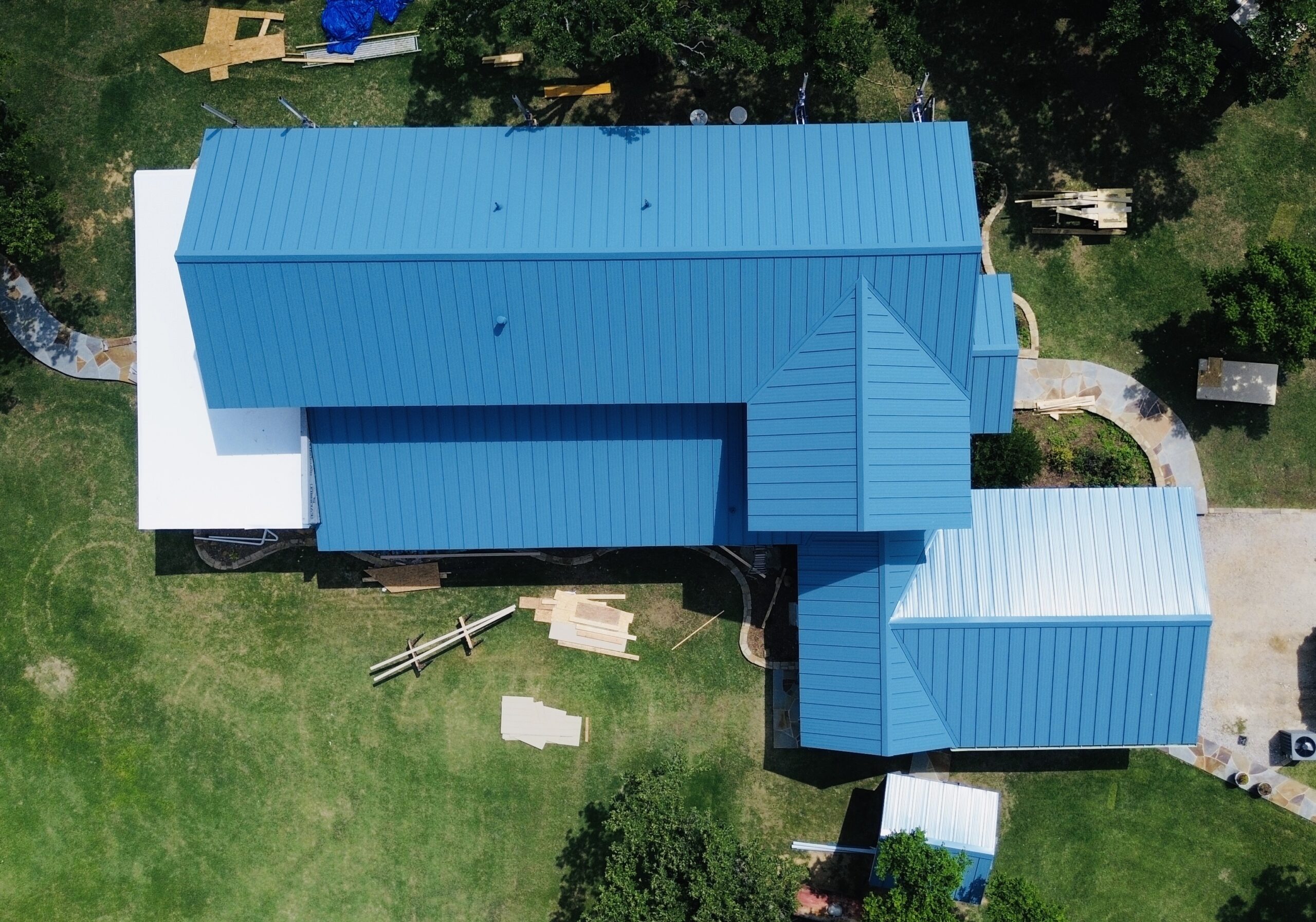
The best way to reduce unexpected roofing expenses is to identify as many potential problems as possible before construction starts. A detailed inspection should examine not only the visible roofing material but also the decking, flashing, underlayment, ventilation, drainage, and areas around roof penetrations. Understanding the existing condition of these components gives homeowners a stronger foundation for building a realistic project budget.
Homeowners should also review the written estimate carefully instead of focusing only on the total price. The proposal should explain what materials are included, how many roofing layers will be removed, whether disposal is covered, and how repairs will be handled if hidden damage is discovered. Clear documentation makes it easier to compare contractors and reduces the possibility of unexpected charges later.
It is also useful to distinguish between essential work and optional improvements. Some recommendations, such as replacing rotten decking or damaged flashing, may be necessary for a proper installation, while other upgrades may simply improve performance or appearance. Asking the contractor to identify which items are required and which are optional allows homeowners to make better financial decisions.
A roof inspection should also consider the home’s history. Previous leaks, storm damage, repeated repairs, poor attic ventilation, and long periods without maintenance can indicate a higher likelihood of hidden problems. Older roofs generally deserve additional attention because several components may have reached the end of their useful service life at the same time.
Homeowners should keep photographs and written records of existing damage before work begins. These records can be useful when discussing additional repairs and can help explain why certain costs appeared during the project. A documented condition assessment also creates a clearer reference point if questions arise about the scope of work.
Questions Homeowners Should Ask Roofing Contractors
Good communication with the roofing contractor can prevent many cost surprises. Homeowners should ask questions before signing the agreement rather than waiting until workers are already on the roof. A contractor who provides clear answers and detailed documentation makes it easier for the homeowner to understand the financial responsibilities associated with the project.
Important questions should cover both the visible work and the hidden components of the roofing system. Homeowners need to know what happens if damaged decking, flashing, insulation, or structural components are discovered after the old roof is removed. They should also understand how additional work will be priced and approved.
A useful conversation should cover several areas, including:
- Whether tear-off and disposal are included
- Whether damaged decking is included or charged separately
- How flashing and ventilation will be handled
- Whether permits and inspections are included
- How unexpected repairs will be documented
- Whether material substitutions require homeowner approval
- What workmanship and manufacturer warranties cover
Homeowners should also ask whether the contractor expects any unusual difficulties because of the property’s design. A steep roof, complicated layout, restricted access, or rooftop equipment may require additional labor. Knowing about these factors before work begins makes the estimate more realistic.
Payment terms deserve attention as well. The contract should clearly identify the deposit, payment schedule, final payment requirements, and procedures for approved changes. Homeowners should be cautious about unclear verbal agreements because they can create confusion when additional work becomes necessary.
It is equally important to ask how the contractor handles change orders. A change order should describe the additional work, explain why it is necessary, and state the additional cost before the work is completed whenever practical. This process gives homeowners an opportunity to approve, reject, or discuss unexpected expenses instead of discovering them on the final invoice.
Building a Realistic Roofing Contingency Budget
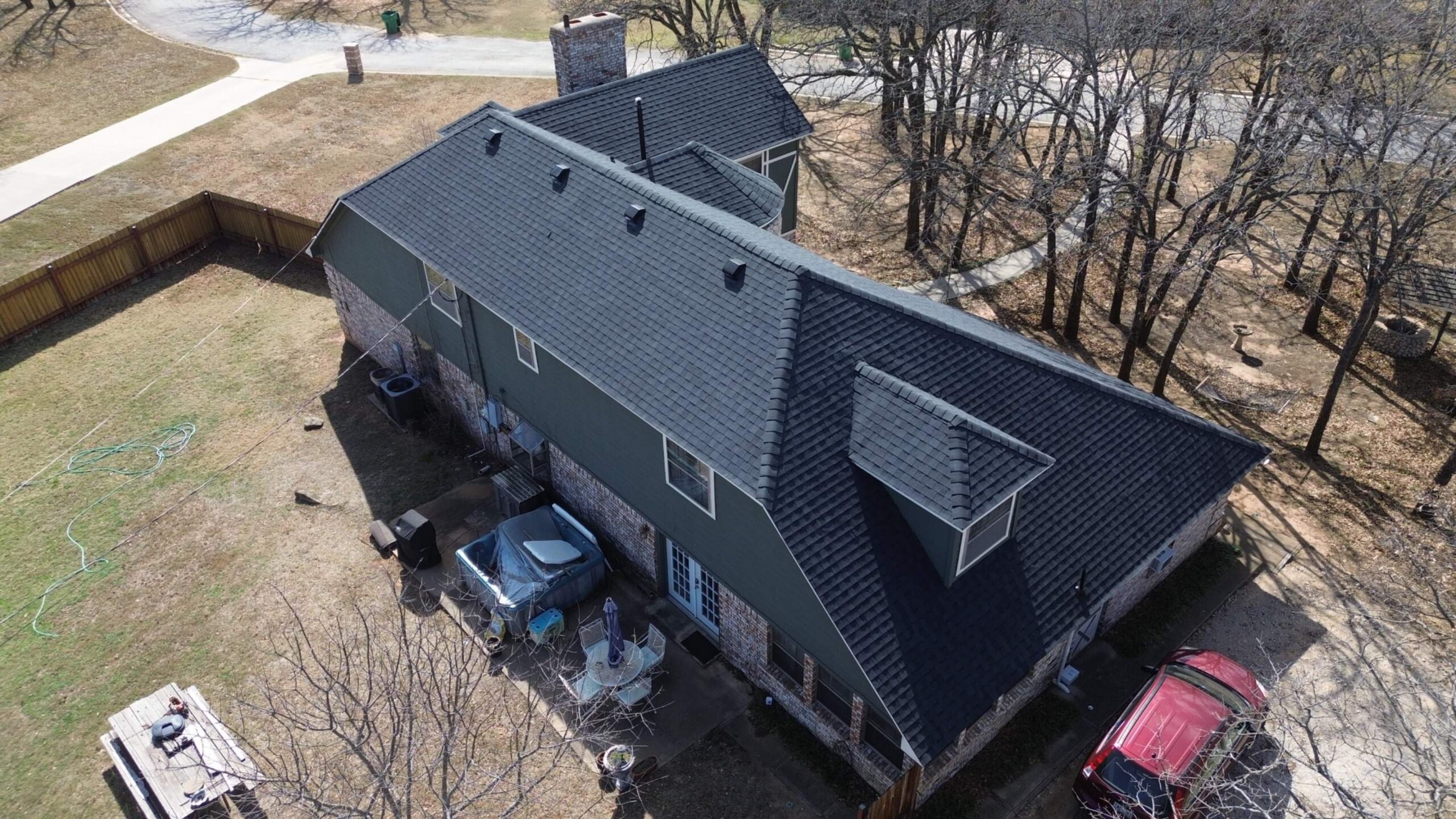
Even after a thorough inspection, some roofing problems cannot be identified until the existing materials are removed. For this reason, homeowners should include a contingency amount in their roofing budget. A contingency is not money that should automatically be spent, but rather a financial reserve for legitimate conditions that could not reasonably be confirmed during the initial inspection.
The appropriate amount depends on the age, size, complexity, and condition of the roof. A newer roof with limited signs of moisture problems may involve less uncertainty than an older roof with repeated leaks and visible deterioration. Homes with complicated roof designs can also require a larger reserve because they contain more areas where hidden problems may exist.
A contingency budget can help cover issues such as damaged decking, deteriorated flashing, moisture-affected materials, unexpected structural repairs, or additional preparation. It can also provide flexibility when material availability or project conditions change. Without a reserve, homeowners may have to delay necessary work or make rushed financial decisions.
The contingency should be kept separate from the amount allocated for optional upgrades. If homeowners spend their entire reserve on decorative improvements before construction begins, they may have limited funds available when essential repairs are discovered. Prioritizing necessary work protects the property’s structure and keeps the project moving.
A practical budgeting approach is to divide the expected project cost into several categories. The primary contract price covers the agreed roofing work, while the contingency covers unexpected but necessary repairs. Separate funds can then be reserved for optional improvements such as upgraded materials, enhanced ventilation, or aesthetic changes.
This approach creates a more flexible financial plan. Instead of treating the contractor’s initial quote as an absolute final amount, homeowners recognize that roofing projects involve some uncertainty. The goal is not to expect problems but to be financially prepared if conditions hidden beneath the existing roof require attention.
Ways to Reduce Unexpected Residential Roofing Expenses
Reducing hidden costs does not mean choosing the cheapest roofing materials or contractor. Instead, homeowners should focus on preventing avoidable expenses through proper planning, timely maintenance, and careful contract review. A well-organized project can often reduce unnecessary delays and minimize the chance of paying for work that could have been addressed earlier.
Regular roof maintenance is one of the most effective ways to control long-term costs. Small problems involving damaged shingles, loose flashing, clogged drainage systems, or minor leaks are generally easier to address before they cause widespread moisture damage. Delaying repairs can allow water to reach decking, insulation, framing, ceilings, and walls.
Choosing an experienced roofing contractor can also reduce avoidable problems. Skilled contractors are more likely to identify potential issues during inspection and explain how they could affect the project. They can also provide appropriate installation methods for the specific roofing material and property design.
Homeowners should avoid making decisions based entirely on the lowest estimate. An unusually low price may indicate that certain services or materials have been excluded. Comparing the scope of work, warranty terms, material specifications, labor, disposal, and potential repair procedures provides a more meaningful comparison.
Timing can influence project expenses as well. Planning ahead gives homeowners more time to compare contractors, select materials, and address problems before the roof reaches an emergency condition. Emergency roofing work may involve temporary protection, expedited material delivery, or scheduling difficulties that increase the overall expense.
Proper attic maintenance is also important. Good ventilation and moisture control can help protect roofing materials and structural components from premature deterioration. Addressing ventilation problems during a roof replacement may require additional investment, but ignoring them can contribute to future moisture-related repairs.
Finally, homeowners should keep documentation for the entire project. Contracts, invoices, photographs, warranty information, material details, and change orders should be stored together. Good records make future maintenance easier and provide useful information if another contractor needs to inspect or repair the roof.
Comparing Roofing Estimates Beyond the Bottom-Line Price
Comparing roofing estimates requires more than placing several final prices side by side. Two contractors can provide significantly different totals while offering very different scopes of work. One estimate may include replacement of damaged decking, new flashing, disposal, ventilation improvements, and permits, while another may cover only the visible roofing material and basic installation.
Homeowners should compare the details of each proposal before making a decision. Material quality, installation procedures, warranty coverage, labor, cleanup, and potential additional charges should all be considered. A slightly higher estimate can represent better overall value when it includes important work that another contractor has excluded.
The following comparison can help homeowners evaluate estimates more effectively:
| Cost Area | What to Check | Why It Matters |
|---|---|---|
| Roofing materials | Type, quality, quantity, and specifications | Prevents unexpected material substitutions |
| Tear-off | Number of layers included | Additional layers can increase labor |
| Decking | Replacement terms | Hidden damage may require extra materials |
| Flashing | Included repairs or replacement | Protects vulnerable roof transitions |
| Ventilation | Existing system and improvements | Helps manage attic heat and moisture |
| Disposal | Dumpster and hauling costs | Prevents separate waste charges |
| Permits | Fees and contractor responsibility | Avoids unexpected administrative costs |
| Cleanup | Ground and final cleanup | Clarifies the finished project scope |
| Warranty | Material and workmanship coverage | Defines future protection |
Homeowners should also consider the contractor’s communication practices. A contractor who explains potential hidden costs before construction demonstrates greater transparency than one who provides a low price without discussing possible changes. Clear communication is particularly valuable when unexpected conditions are discovered during tear-off.
The contract should state how additional work is authorized and priced. If the contractor discovers damaged decking, for example, the homeowner should receive an explanation and cost before unnecessary additional work is performed. Written change orders provide a useful record and reduce the chance of disagreements.
The cheapest estimate can sometimes become the most expensive option if it leaves essential work outside the original scope. Conversely, the highest estimate is not automatically the best choice either. The strongest option is usually the proposal that provides a reasonable balance between quality, completeness, transparency, installation expertise, and long-term value.
Conclusion
Hidden costs are a normal consideration in many residential roofing projects because much of the roof’s condition cannot be confirmed until existing materials are removed. Damaged decking, deteriorated flashing, moisture problems, ventilation deficiencies, structural repairs, disposal requirements, permits, and complicated roof features can all affect the final price. Recognizing these possibilities before construction begins gives homeowners a much better opportunity to manage their budgets.
The most effective approach is to treat the roofing estimate as a detailed plan rather than simply a final number. Homeowners should review what is included, identify exclusions, ask about potential repairs, and understand how unexpected work will be approved. A thorough inspection and clear contract can significantly reduce confusion when hidden conditions are discovered.
A realistic contingency budget is equally important. Setting aside funds for necessary unexpected repairs does not mean homeowners should expect the project to go wrong. Instead, it provides financial flexibility so that legitimate problems can be corrected without forcing the homeowner to compromise the quality or safety of the new roofing system.
Choosing a contractor based on value rather than price alone can also help control long-term costs. A complete estimate that includes proper materials, skilled labor, disposal, flashing, ventilation, cleanup, and appropriate warranties may initially appear more expensive but can provide greater protection against future problems. Comparing estimates by scope rather than by total price allows homeowners to make a more informed decision.
Regular maintenance after the project is complete is another important part of controlling future roofing expenses. Routine inspections, timely repairs, clean drainage systems, and proper attic ventilation can help identify developing issues before they become major problems. Protecting the roof throughout its service life can reduce the likelihood of premature replacement and expensive emergency repairs.
Ultimately, successful roofing cost planning comes down to preparation, transparency, and realistic expectations. Homeowners who understand the hidden expenses involved can ask better questions, evaluate estimates more carefully, and maintain an appropriate financial reserve. With careful planning and professional installation, a residential roofing project can become a more predictable investment that protects the home for years to come.