
Residential Roofing Maintenance Checklist for Homeowners
Introduction
A residential roof protects the home from rain, wind, sunlight, temperature changes, and other outdoor conditions. Although roofing materials are designed to provide long-term protection, they still require regular attention to remain in good condition. Small problems that are ignored can gradually develop into leaks, structural damage, insulation problems, and expensive repairs.
A maintenance checklist gives homeowners a practical way to monitor their roof throughout the year. Regular inspections can help identify missing or damaged roofing materials, blocked gutters, deteriorating flashing, vegetation growth, and other concerns before they become larger problems. Maintenance does not eliminate every roofing issue, but it can reduce preventable damage and help extend the useful life of the roofing system.
Homeowners should remember that roof maintenance involves more than looking at the shingles or tiles. A complete roofing system includes the roof covering, underlayment, flashing, ventilation, drainage components, and areas where the roof connects with walls, chimneys, vents, and other structures. Each component contributes to the roof’s ability to protect the home.
Safety should always be the first consideration when inspecting a roof. Walking on a steep, wet, damaged, or fragile roof can result in serious injury, and some roofing materials can be easily damaged by foot traffic. Homeowners can often perform visual checks from the ground and inspect accessible areas such as gutters and the attic, while more difficult tasks should be handled by qualified roofing professionals.
A useful maintenance routine does not have to be complicated. By checking important areas at appropriate intervals, keeping records, responding quickly to warning signs, and arranging professional inspections when necessary, homeowners can manage roof maintenance more effectively and protect their investment over time.
Why Regular Residential Roof Maintenance Matters
Regular roof maintenance can help homeowners discover problems while they are still relatively small. A missing shingle, loose flashing component, or clogged drainage area may appear minor, but continued exposure to rain and other weather can allow moisture to reach areas that are not designed to remain wet. Early attention can sometimes prevent a simple repair from becoming a much larger project.
Roof maintenance can also help extend the service life of roofing materials. Roofing products naturally age because of sunlight, moisture, wind, and temperature changes, but proper care can help prevent avoidable deterioration. Keeping the roof clean, maintaining drainage, and repairing damaged components can support better overall performance.
Water management is particularly important. Rainwater should move from the roof surface into gutters, downspouts, drainage systems, or other appropriate outlets. When leaves, branches, or other debris block these pathways, water can accumulate around vulnerable areas and increase the chance of leaks or deterioration.
Ventilation is another important part of roof maintenance. Proper airflow in the attic can help manage heat and moisture, depending on the design of the home. Poor ventilation can contribute to excessive moisture, condensation, and deterioration of certain roofing and building components.
Regular maintenance can also help homeowners plan for future expenses. An inspection may reveal that a roof is still functioning properly but approaching the end of its expected service life. Knowing this in advance gives families more time to budget for repairs or eventual replacement instead of facing an unexpected emergency.
Homeowners should maintain a written or digital record of inspections and repairs. Recording dates, observations, photographs, contractor recommendations, and completed work creates a useful history of the roof. This information can help with future maintenance decisions and may be valuable when the property is sold.
A simple maintenance checklist can include:
- Visual inspection of roofing materials
- Gutter and downspout cleaning
- Checking visible flashing
- Removing roof-area debris
- Inspecting attic ventilation
- Looking for signs of moisture indoors
- Checking trees and branches near the roof
The goal is not to perform every task personally. Instead, homeowners should use the checklist to monitor the condition of the roofing system and recognize when professional assistance is appropriate.
Seasonal Roof Inspection Checklist
Roof maintenance should continue throughout the year because different seasons can create different challenges. A seasonal approach allows homeowners to pay attention to weather conditions that are particularly relevant during specific periods. The exact timing will depend on the local climate and the type of roofing system.
Before a period of heavy rain or severe weather, homeowners should check for visible problems that could allow water to enter the home. Missing roofing materials, damaged flashing, clogged gutters, and loose components should be addressed promptly. Preparing the roof before severe weather can reduce the risk of preventable problems.
After significant storms, homeowners should perform a visual inspection from a safe location. Strong winds can displace shingles, tiles, metal panels, or other components, while falling branches can puncture or damage the roof. If damage is suspected, a professional inspection may be necessary.
During warmer months, sunlight and high temperatures can place additional stress on some roofing materials. Homeowners can check for visible deterioration and ensure that attic ventilation openings are not blocked. Excessive heat combined with inadequate ventilation can contribute to problems in certain roof assemblies.
Before colder or wetter seasons, gutters and downspouts should be clear so that water can move away from the roof efficiently. Debris should be removed from accessible areas, and drainage paths should be checked for obvious blockages.
Seasonal inspections can also include a look at nearby trees. Branches that extend over the roof can scrape roofing materials during windy conditions, while dead branches can fall and cause serious damage. Keeping vegetation appropriately managed can reduce these risks.
Homeowners do not need to climb onto the roof for every seasonal check. Many warning signs can be identified from the ground, attic, or upper windows. A professional should handle inspections that require roof access when the surface is steep, fragile, damaged, or otherwise unsafe.
A seasonal checklist can be organized around preparation, inspection, and response. Homeowners should first identify potential vulnerabilities, then inspect accessible areas, and finally arrange repairs when problems are discovered.
The most important part of seasonal maintenance is consistency. A roof that is checked only after a major problem develops may already have hidden damage. Regular observation helps homeowners identify changes and respond before they become more serious.
Checking Shingles, Tiles, and Other Roofing Materials
The roof covering is one of the easiest parts of the roofing system to understand because it is the visible protective surface. However, different materials have different warning signs, so homeowners should know what to look for without attempting repairs that require specialized knowledge.
For asphalt shingles, homeowners can look for missing, cracked, curled, lifted, or visibly damaged shingles. Areas where shingles appear uneven or displaced may require further evaluation. Granules accumulating in gutters can also indicate aging or deterioration, although some granule loss can occur naturally.
Tile roofs should be checked for cracked, broken, or displaced tiles. Because individual tiles can become fragile, homeowners should avoid walking across them unless they are trained and equipped to do so. A professional can safely assess difficult-to-reach areas and determine whether damaged tiles need replacement.
Metal roofing should be visually checked for loose or displaced panels, damaged coatings, corrosion, open seams, or problems around flashing. Small visible changes can become more serious if moisture reaches underlying components.
Wood shingles and shakes may require additional attention to signs of moisture, splitting, decay, or biological growth. Their condition can vary significantly depending on climate, maintenance, age, and the specific material used.
Homeowners should also look for areas where roofing materials appear to be deteriorating faster than surrounding sections. Uneven aging can sometimes indicate drainage problems, excessive moisture, poor ventilation, or localized damage.
A simple visual inspection should not be confused with a complete professional roof assessment. Some problems are hidden beneath the roofing surface or cannot be identified accurately from the ground. If homeowners notice unusual changes, recurring leaks, or significant material damage, they should arrange a professional evaluation.
Repairs should use compatible materials and appropriate installation methods. Attempting to patch a roofing system with unsuitable products can create additional problems or interfere with existing warranties.
The condition of the roof covering should be recorded over time. Taking photographs from safe locations can help homeowners compare the roof from one inspection to another. A record of recurring problems can also help a roofing professional identify areas that need closer attention.
Gutters, Downspouts, and Roof Drainage Maintenance
Gutters and downspouts play an important role in moving rainwater away from the roof and the home’s foundation. When these components are blocked, damaged, or improperly positioned, water can overflow and affect roofing edges, exterior walls, landscaping, and foundations.
Homeowners should inspect gutters regularly for leaves, branches, dirt, and other debris. Clogged gutters can prevent normal water flow and may become heavier as they fill with wet material. In some cases, excessive weight can contribute to gutter sagging or separation.
Downspouts should also be checked to make sure water has a clear path away from the building. If a downspout is blocked, water may back up into the gutter system or discharge too close to the foundation.
Gutters should be checked for visible cracks, holes, loose connections, or sections that have pulled away from the roof edge. Water stains beneath gutters can sometimes indicate overflow or leakage. Persistent problems may require professional repair rather than repeated cleaning.
Homeowners should also look at the roof valleys and drainage areas from a safe location. Valleys collect water from different roof sections and can be especially important during heavy rainfall. Debris accumulating in these areas should be addressed carefully.
Gutter guards can reduce the amount of debris entering some gutter systems, but they do not necessarily eliminate maintenance. Homeowners should still inspect the gutters and guards periodically to make sure water can flow properly.
Trees near the property can have a major effect on gutter maintenance. Overhanging branches may drop leaves, needles, flowers, or small twigs onto the roof and into gutters. Appropriate tree maintenance can reduce the amount of debris reaching the drainage system.
Keeping gutters and downspouts functional is a relatively simple maintenance task that can protect several parts of the property. It should therefore be included as a regular part of the residential roofing maintenance routine.
Roof Flashing, Vents, and Penetration Inspection
Flashing protects some of the most vulnerable areas of a roof. It is commonly installed around chimneys, skylights, walls, valleys, vents, and other locations where roofing materials meet another surface or create a transition. Damaged or deteriorated flashing can provide a pathway for water to enter the roofing system.
Homeowners should visually inspect accessible flashing for obvious gaps, lifting, corrosion, cracking, or displacement. They should also look for signs of water staining around interior areas that correspond with roof penetrations. These signs do not always identify the exact source of a leak, but they indicate that further investigation may be necessary.
Roof vents should also remain clear and properly protected. Blocked or damaged vents can affect ventilation and may contribute to moisture problems in the attic. Homeowners should check visible vent components for obvious damage without attempting to dismantle them.
Chimneys require particular attention because their flashing and masonry interfaces can be vulnerable to water intrusion. Cracks, deteriorated mortar, damaged flashing, or staining around the chimney area should be evaluated by an appropriate professional.
Skylights and other roof penetrations can also develop leaks as materials age. Homeowners should check the surrounding ceiling and attic area for signs of moisture, particularly after heavy rain.
Ventilation openings should never be blocked with insulation or stored items. In an accessible attic, homeowners can look for obvious obstructions while avoiding contact with electrical components or other hazards.
Flashing and penetration repairs often require specialized knowledge because the source of a leak may not be directly above the visible interior stain. Water can travel along roofing layers or structural components before appearing inside the home.
For this reason, homeowners should avoid relying on temporary sealants as a permanent solution. If flashing or penetration problems are suspected, a qualified roofing professional can determine the cause and recommend an appropriate repair.
Regularly checking these areas helps homeowners focus attention on some of the most important transition points in the roofing system. Combined with material inspections, drainage maintenance, and seasonal checks, this approach creates a practical foundation for long-term residential roof care.
Attic and Interior Roof Inspection
Roof maintenance should not be limited to the outside of the house because some roofing problems become visible inside before they can be easily identified from the ground. The attic and upper interior areas can provide useful clues about moisture, ventilation, insulation, and the condition of the roof assembly. Homeowners should inspect accessible areas carefully and avoid entering spaces that are unsafe or difficult to access.
One of the first things to look for is water staining. Brown or discolored marks on ceilings, walls, rafters, or attic surfaces may indicate that moisture has entered the building. However, the location of an interior stain does not always correspond directly with the point where water entered the roof.
Homeowners can also look for damp insulation, visible moisture, mold-like growth, or musty odors. These signs may indicate an ongoing or previous moisture problem that requires further investigation. If moisture is discovered, the source should be identified rather than simply covering the visible stain.
The underside of the roof can also provide information about ventilation. Excessive condensation, damp wood, or signs of moisture accumulation may indicate that the attic does not have adequate airflow for the particular roof design. A roofing or building professional can evaluate the ventilation system and determine whether improvements are appropriate.
During an interior inspection, homeowners should also look for daylight appearing through areas where it should not be visible. Small openings around roof penetrations or damaged roofing components may allow light and water to enter the attic.
Insulation should be observed for obvious wet areas, compression, or deterioration. Wet insulation can lose effectiveness and may contribute to additional problems if moisture remains present. Homeowners should avoid disturbing insulation unnecessarily, particularly if its age or composition is unknown.
Attic ventilation openings should remain free of obvious obstructions. Stored boxes, insulation, debris, or other materials should not block intended airflow paths. Homeowners should never remove or alter roofing components simply to improve ventilation without professional guidance.
Electrical wiring and other building systems may also be present in attic spaces. Homeowners should avoid touching unfamiliar electrical components, damaged wiring, or mechanical equipment during a roofing inspection. Safety should take priority over completing a checklist.
An interior inspection is especially useful after heavy rainfall or severe weather. If new staining, dripping, or moisture appears after a storm, homeowners should document the location and arrange an appropriate inspection. Addressing the source quickly can help reduce the risk of more extensive interior damage.
Checking for Roof Leaks and Moisture Damage
Roof leaks are among the most important problems homeowners should watch for because even a small opening can allow moisture to enter hidden parts of the home. Early detection can help limit damage to ceilings, walls, insulation, framing, and personal belongings. Regular observation is therefore an important part of residential roofing maintenance.
Visible water stains are a common warning sign, but leaks can appear in less obvious ways. Peeling paint, bubbling surfaces, damp drywall, musty smells, or recurring discoloration may indicate that moisture is entering from above. These symptoms should not be ignored simply because there is no active dripping.
After heavy rainfall, homeowners can check accessible attic areas for signs of moisture. They should use a flashlight and avoid stepping on unsupported surfaces or areas between structural members. If the attic is difficult or dangerous to access, a professional should perform the inspection.
Water can travel along rafters, roof decking, insulation, and other surfaces before becoming visible inside the living area. This means that finding a ceiling stain does not necessarily identify the exact source. Professional leak detection may be necessary when the entry point is unclear.
Homeowners should pay particular attention to areas around chimneys, skylights, vents, valleys, and roof edges. These locations contain transitions or penetrations that can become vulnerable as flashing, seals, or surrounding materials age.
If a leak is discovered, temporary protection may be appropriate when safe. A bucket can collect dripping water indoors, while vulnerable belongings can be moved away from the affected area. Roof access should not be attempted during rain, strong winds, or unsafe conditions.
Homeowners should document visible damage with photographs when possible. Recording when the leak appeared, the weather conditions at the time, and the affected interior areas can provide useful information for a roofing professional.
A leak should not be treated as a problem that will resolve itself when the weather becomes dry. Water can remain trapped within building materials, and repeated exposure can gradually worsen deterioration. Prompt evaluation is generally more effective than waiting for the problem to become obvious.
Repairing only the visible interior damage without addressing the roofing source can also lead to repeated problems. The roof and interior areas should be evaluated together so that the underlying cause can be corrected.
Tree Branches, Leaves, Moss, and Debris Management
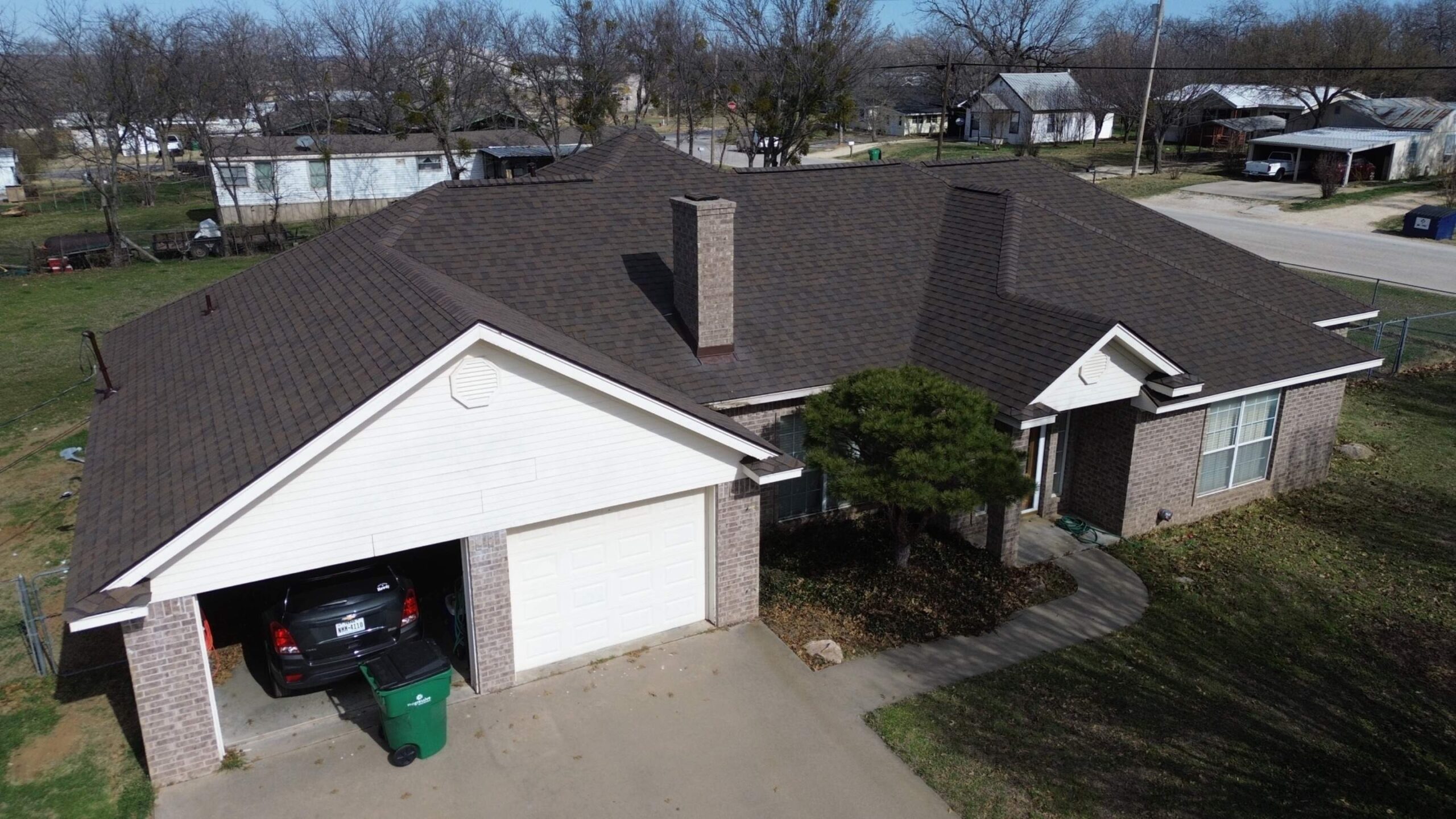
Vegetation and debris around a home can have a noticeable effect on roof maintenance. Trees provide shade and enhance the property, but branches that extend over the roof can scrape materials, drop debris, and create pathways for moisture. Regular management can reduce these risks.
Homeowners should inspect trees near the roof for dead, broken, or unstable branches. Branches that could fall onto the roof during strong winds should be evaluated by an appropriately qualified tree professional. Homeowners should not attempt to remove large or hazardous branches themselves.
Leaves and small branches can accumulate in roof valleys, gutters, and other areas where water needs to flow. Accumulated debris can hold moisture against roofing materials and interfere with drainage. Removing accessible debris regularly can help keep these areas functioning properly.
Moss and algae can also develop on some roofing materials, particularly in damp or shaded environments. Their presence does not automatically mean that the roof needs replacement, but significant growth should be evaluated because persistent moisture can affect certain materials.
Homeowners should avoid aggressive scraping or pressure washing unless the roofing material manufacturer specifically allows the method. Harsh cleaning techniques can damage shingles, coatings, tiles, or other surfaces. A roofing professional can recommend an appropriate cleaning approach when necessary.
Trees should also be maintained with consideration for the entire roofing system. Branches rubbing against the roof can gradually wear surfaces, while falling fruit, twigs, and other debris can contribute to gutter blockages. Keeping suitable clearance can reduce maintenance requirements.
Debris should also be removed after severe weather. Storms can leave branches, leaves, and other materials on the roof and around drainage components. Homeowners should inspect from a safe position and arrange professional assistance if debris is located in an unsafe area.
Bird nests and other animal-related debris may also block vents or drainage pathways. Homeowners should avoid disturbing wildlife directly and should seek appropriate assistance when necessary.
A clean roof is not simply an appearance issue. Proper debris management helps maintain drainage, reduces persistent moisture, and makes it easier to identify damaged roofing components during routine inspections.
Roof Ventilation and Moisture Control
Proper roof ventilation can contribute to the health and performance of the roofing system and attic. The exact ventilation requirements depend on the home’s design, climate, insulation arrangement, and roofing assembly. Homeowners should avoid assuming that adding vents is always necessary or beneficial without professional evaluation.
An attic ventilation system may include intake and exhaust components designed to encourage appropriate airflow. When these components are functioning as intended, they can help manage heat and moisture in the attic. Blocked or improperly configured ventilation can contribute to condensation and other problems.
During maintenance checks, homeowners can look for obvious obstructions around accessible ventilation openings. Leaves, debris, insulation, or stored materials should not block designed airflow paths. Any changes to the ventilation system should be evaluated carefully.
Moisture is particularly important because persistent condensation can affect wood components and insulation. Signs may include damp surfaces, staining, musty odors, or visible moisture around the underside of the roof. These signs should be investigated rather than simply cleaned away.
Bathroom and kitchen exhaust fans can also affect attic moisture if they are improperly vented. Exhaust should generally be directed through an appropriate exterior outlet rather than discharged into the attic. Homeowners who suspect an improper setup should have it evaluated by a qualified professional.
Roof ventilation should also be considered alongside insulation. Adding insulation without understanding existing airflow paths can unintentionally block ventilation openings. Professional assessment may be appropriate before making significant attic modifications.
Homeowners should not cover vents during seasonal changes unless the roofing system was specifically designed for such adjustments. Roofing ventilation should operate according to the home’s design rather than being modified based on assumptions about outdoor temperature.
Good moisture control also depends on addressing roof leaks promptly. Ventilation cannot compensate for active water intrusion through damaged roofing or flashing. Both airflow and waterproofing need to function properly for the building to remain protected.
Regular attic observation can help homeowners identify changes before they become major problems. If moisture or ventilation concerns persist, a roofing professional or qualified building specialist can assess the system and recommend suitable improvements.
Storm Damage Inspection and Post-Weather Maintenance
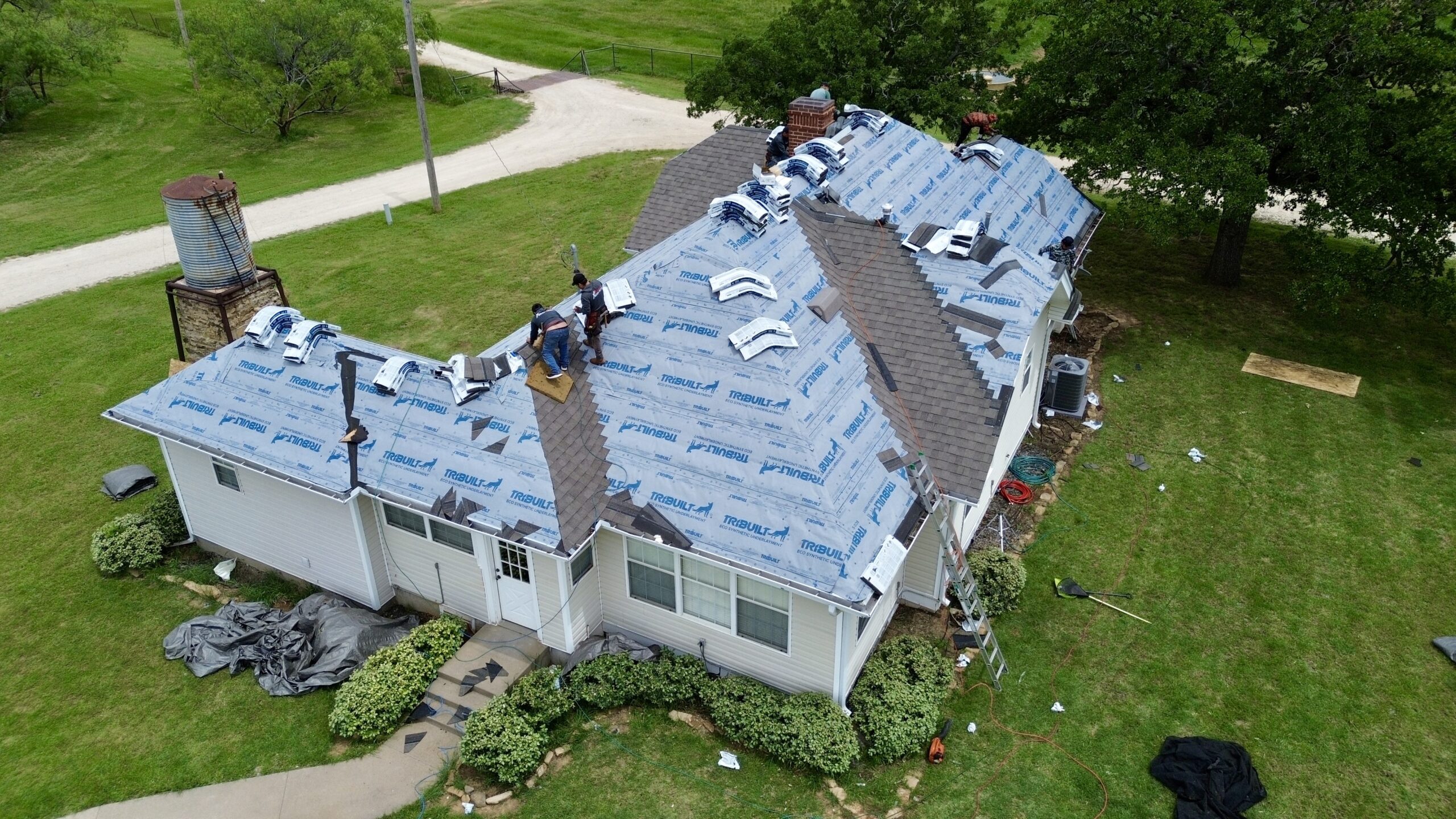
Severe weather can place significant stress on residential roofing systems. High winds may displace roofing materials, hail can damage surfaces, and falling branches can puncture or crack roofing components. A post-storm inspection can help homeowners identify problems before they lead to leaks or additional deterioration.
Homeowners should wait until weather conditions are safe before checking the property. Walking onto a wet, damaged, or unstable roof can result in serious injury. A ground-level inspection using binoculars can provide useful information without requiring roof access.
After strong winds, homeowners can look for missing or displaced shingles, tiles, panels, or other visible components. Gutters, downspouts, flashing, vents, and exterior structures should also be checked for obvious damage.
Hail can produce damage that is difficult to identify from the ground. Dents, cracks, or surface deterioration may require professional evaluation. Homeowners should avoid assuming that a few visible marks automatically mean the entire roof needs replacement.
Fallen branches should be treated carefully. A branch resting on the roof may have damaged materials beneath it, even if the damage is not immediately visible. Large branches should be removed by appropriately qualified professionals rather than homeowners attempting risky removal.
Interior areas should also be checked after severe weather. New ceiling stains, damp insulation, dripping water, or unusual odors may indicate that the roof was compromised. Any active leak should be addressed promptly.
Photographs can be useful for documenting storm-related conditions. Homeowners should take pictures from safe locations before debris is removed when practical. This documentation can also help contractors understand what happened.
If insurance may be involved, homeowners should follow their insurer’s procedures and maintain records of the damage. They should avoid exaggerating damage or making permanent repairs before understanding any required inspection process.
Temporary protection may be necessary to reduce additional water intrusion. Such measures should be performed safely and by qualified professionals when roof access is required.
Storm inspections should not focus only on the roof covering. Gutters, flashing, vents, skylights, siding, windows, and nearby structures can also be affected. A complete visual assessment provides a better understanding of the property’s condition after severe weather.
When Homeowners Should Hire a Roofing Professional
Some maintenance tasks are appropriate for homeowners, but many roofing problems require professional evaluation. Knowing when to stop a DIY inspection is an important part of responsible roof maintenance. A homeowner should not take unnecessary risks simply to complete every item on a checklist.
Professional assistance is particularly important when the roof is steep, high, fragile, or visibly damaged. Walking on such surfaces can cause injury or worsen existing damage. Qualified roofing professionals have appropriate equipment and experience for difficult inspections.
A professional should also evaluate recurring leaks. If a leak continues after a basic repair or its source cannot be identified, additional investigation may be required. Repeatedly applying surface sealants without finding the underlying cause can allow hidden damage to continue.
Major storm damage should also be professionally inspected. Missing materials, broken tiles, damaged metal panels, fallen branches, or exposed roof decking can create risks that are difficult to assess from the ground.
Homeowners should consider professional evaluation when they notice widespread deterioration. Extensive curling, cracking, sagging, repeated repairs, or significant material loss may indicate that the roof is approaching the end of its useful life.
Flashing, ventilation, and structural concerns can also require specialized knowledge. A professional can determine whether these components are functioning properly and recommend repairs based on the roofing system.
Choosing a qualified contractor is important. Homeowners should review experience, references, insurance, written estimates, and the contractor’s familiarity with the specific roofing material. A detailed inspection should explain the observed problem rather than simply recommending unnecessary replacement.
Regular professional inspections can complement homeowner maintenance. The homeowner can monitor accessible areas throughout the year, while a professional can periodically assess components that are difficult or unsafe to inspect.
The purpose of professional maintenance is not to replace homeowner involvement but to provide expertise where it is needed. Combining safe homeowner checks with qualified inspections can help identify roofing problems earlier and support a more effective long-term maintenance strategy.
Creating a Long-Term Residential Roof Maintenance Schedule
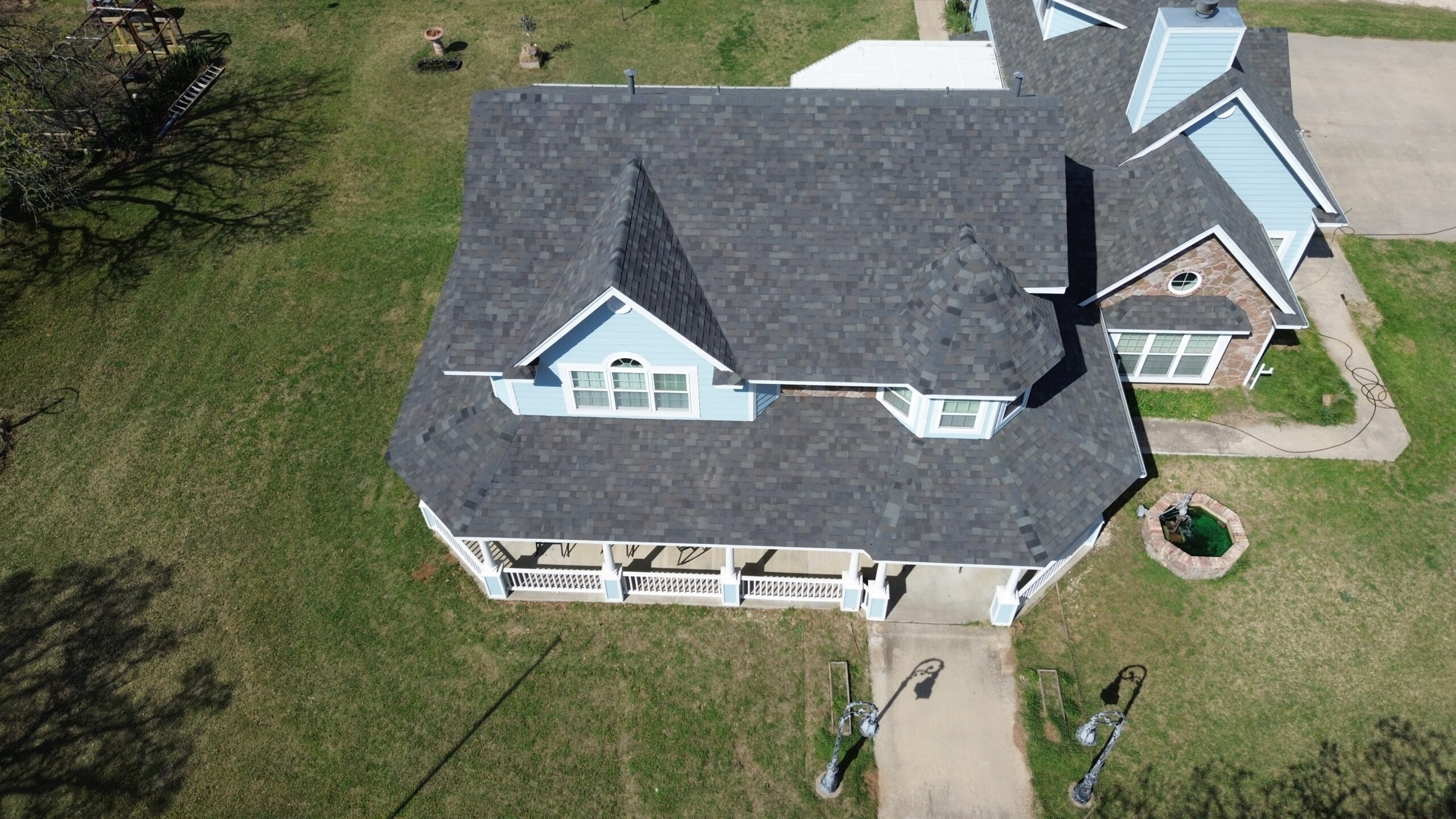
A residential roof needs consistent attention throughout its service life, and a written maintenance schedule can make this responsibility easier to manage. Instead of waiting for visible damage, homeowners can plan inspections and basic maintenance at regular intervals. A structured routine also helps families remember seasonal tasks that might otherwise be overlooked.
Homeowners can perform safe visual checks throughout the year and arrange professional inspections when necessary. The exact schedule depends on the roofing material, local weather, roof age, surrounding trees, and condition of the property. Older roofs and homes exposed to severe weather may require closer monitoring.
A practical schedule can include the following routine:
- Check visible roofing areas after major storms.
- Clean and inspect gutters regularly.
- Look for interior signs of moisture.
- Monitor trees and branches near the roof.
- Arrange professional inspections when concerns appear.
Seasonal changes are useful reminders for maintenance. Before periods of heavy rain or severe weather, homeowners can check drainage components and visible roofing materials. After severe weather, another inspection can help identify damage that may not have been present previously.
Maintenance should also become more frequent as the roof ages. A newer roof may require relatively simple monitoring, while an older system may need closer inspection of shingles, flashing, ventilation, and drainage. Keeping a record of roof age can help homeowners plan future replacement expenses.
Common Roofing Maintenance Mistakes to Avoid
One common mistake is ignoring small problems because they do not appear urgent. A loose roofing component, damaged flashing area, or blocked gutter can become more serious when exposed to repeated rainfall and changing weather. Prompt attention can often prevent minor concerns from developing into extensive damage.
Another mistake is attempting unsafe roof work without suitable equipment or experience. Walking on steep, wet, fragile, or damaged roofing surfaces can cause serious injuries and may damage the roof itself. Homeowners should handle only tasks that can be completed safely from accessible areas.
Using inappropriate cleaning methods is another concern. Pressure washing, aggressive scraping, or harsh chemicals can damage certain roofing materials and protective coatings. Cleaning methods should be appropriate for the specific roofing system and manufacturer recommendations.
Homeowners should also avoid covering up leaks without investigating the cause. Interior stains may disappear temporarily after drying, but the underlying roof problem can remain active. A recurring leak should be evaluated by a qualified professional.
Ignoring gutters is another frequent maintenance problem. Even when the roof covering appears to be in good condition, blocked gutters and downspouts can cause water to overflow and affect roofing edges, walls, and foundations.
Finally, homeowners should avoid assuming that every roof problem requires complete replacement. Some issues can be addressed through targeted repairs, while other roofs may genuinely be nearing the end of their useful life. A professional assessment can help determine the appropriate solution.
Maintenance Tasks Homeowners Can Safely Handle
Homeowners can manage several basic maintenance tasks without climbing onto the roof. Ground-level visual inspections can reveal missing materials, visible debris, damaged gutters, or branches that may threaten the roofing system. Binoculars can be useful when inspecting higher areas from a safe position.
Cleaning accessible gutters is another task that many homeowners can perform if they have safe access and appropriate equipment. Gutters should be checked for leaves and debris, while downspouts should be monitored for proper drainage. If the gutters are high or difficult to access, professional assistance is safer.
Homeowners can also monitor the attic and interior ceilings for signs of moisture. Stains, damp insulation, unusual odors, or visible condensation may indicate a roofing or ventilation concern. These observations can then be shared with a professional for further evaluation.
Keeping trees properly managed is also important. Homeowners can observe whether branches are growing close to the roof and arrange professional tree services when trimming is required. Large or unstable branches should not be handled without appropriate expertise.
Recording maintenance activities is another task homeowners can easily manage. Dates, photographs, inspection findings, repair invoices, and contractor recommendations can be stored together. This creates a useful history that supports future maintenance and budgeting decisions.
Signs That a Roof Needs Repair or Replacement
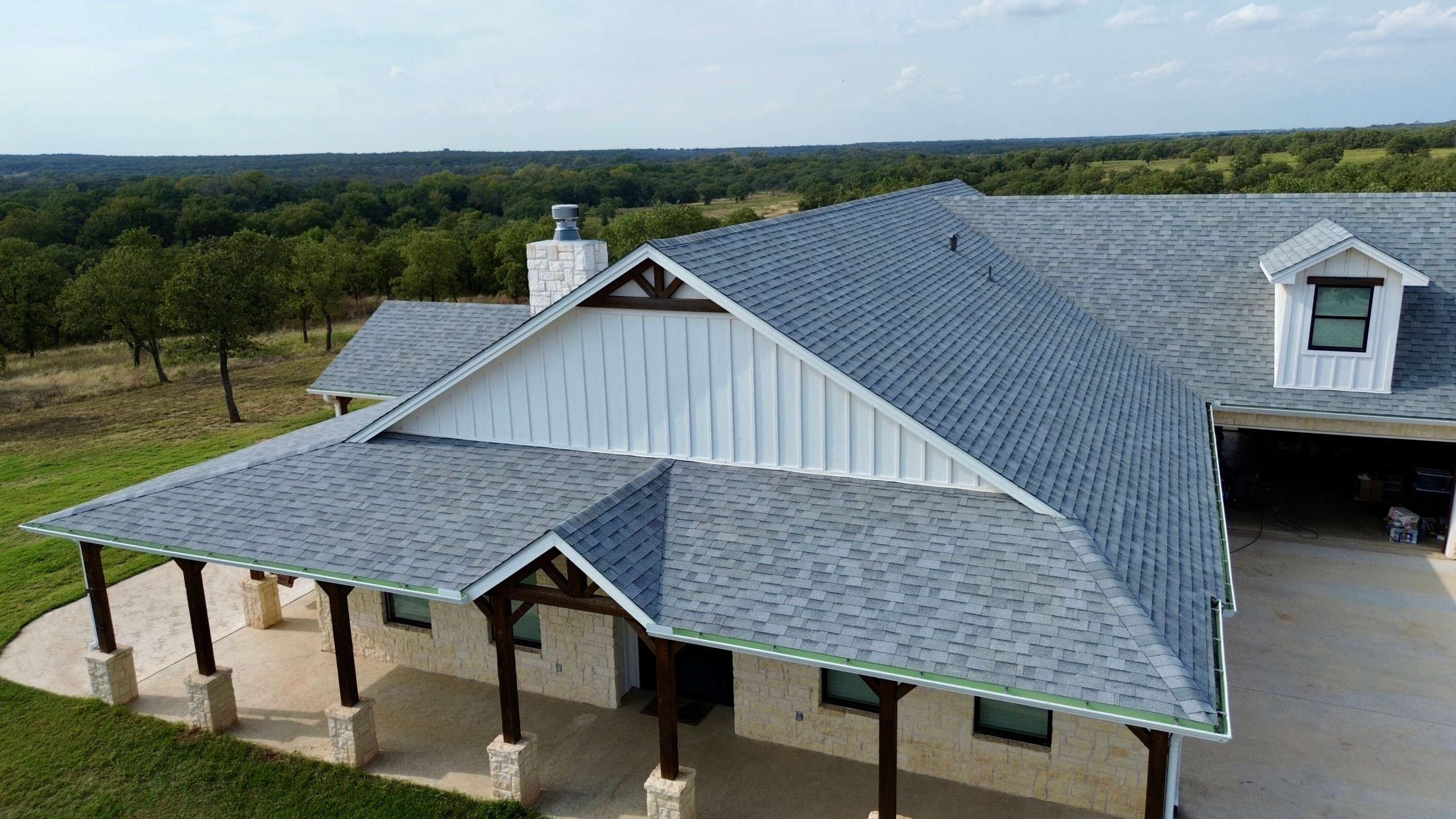
Knowing the difference between routine maintenance and a more serious roofing problem helps homeowners respond appropriately. Missing, cracked, curled, or severely deteriorated roofing materials can indicate that repairs are needed. Widespread deterioration may suggest that replacement should be considered.
Water stains inside the home are another important warning sign. Repeated staining, active dripping, damp insulation, or musty odors should be investigated quickly because moisture can affect more than the visible surface.
Sagging areas are especially important because they may indicate problems beneath the visible roofing material. Structural concerns should not be treated as simple maintenance issues. A qualified professional should evaluate the roof as soon as possible.
Frequent repairs can also indicate that a roof is reaching the end of its useful service life. If the same areas repeatedly develop problems, homeowners may spend more by continuing short-term repairs rather than evaluating the condition of the complete roofing system.
Age should also be considered, but it should not be the only factor. Roofing materials have different expected service lives, and actual performance depends on installation quality, climate, maintenance, and exposure. A professional inspection can provide a more reliable assessment than age alone.
Keeping Roofing Maintenance Records
Maintaining organized roofing records can make long-term property care much easier. Homeowners should keep information about the original installation, roofing material, contractor, warranties, repairs, inspections, and replacement dates. These records provide useful background when future problems appear.
Photographs can be particularly helpful. Images taken during routine inspections can show how the roof changes over time and may help identify gradual deterioration. Photos should always be taken from safe locations.
Repair invoices should also be retained. They can show what work was completed and when it occurred. If a future contractor needs to investigate a recurring problem, this history can provide useful information.
Homeowners should also record recommendations made during professional inspections. If a contractor identifies a developing issue but says immediate replacement is unnecessary, noting that recommendation can help with future planning.
Digital storage can make records easier to access. Homeowners can keep photographs, invoices, warranties, and inspection reports in an organized folder. Maintaining this information throughout the roof’s life can simplify repairs and eventual replacement planning.

Preparing a Roof for Seasonal Weather
Seasonal preparation can help homeowners address potential weaknesses before weather conditions become more demanding. Before heavy rainfall, gutters and downspouts should be checked so water can move away from the roof and foundation. Visible debris should also be removed from accessible areas.
Before periods of strong winds, homeowners should check nearby trees and branches. Loose or dead branches can become dangerous during storms and may damage the roof if they fall. Professional tree maintenance may be necessary when branches are large or difficult to reach.
After severe weather, homeowners should conduct a safe visual inspection. Missing shingles, broken tiles, displaced panels, damaged flashing, and fallen branches should be documented and professionally assessed when necessary.
Winter preparation may be relevant in colder climates, while hot-weather maintenance can be important in areas exposed to intense sunlight and high temperatures. The specific checklist should therefore reflect local weather patterns rather than following the same routine everywhere.
Homeowners should also review emergency contacts before severe weather arrives. Having a trusted roofing contractor available can make it easier to respond quickly if damage occurs.
Conclusion
Residential roof maintenance is an ongoing responsibility that can help homeowners protect their property and manage long-term roofing expenses. Regular inspections, clean drainage systems, controlled vegetation, proper attic monitoring, and timely professional repairs can reduce the likelihood of preventable problems becoming major projects.
Homeowners do not need to perform every roofing task themselves. Safe visual inspections and basic maintenance can be combined with professional evaluations for steep roofs, storm damage, leaks, structural concerns, and other complicated issues.
A maintenance schedule also makes roofing care more predictable. Seasonal checks can identify problems before severe weather, while post-storm inspections can reveal damage that might otherwise remain unnoticed. Keeping records of inspections, repairs, materials, and warranties adds another layer of organization.
The most important principle is to respond early when something changes. A small leak, damaged shingle, blocked gutter, or deteriorating flashing component should not be ignored simply because the problem appears minor.
With consistent maintenance and professional assistance when needed, homeowners can make better decisions about repairs and replacement. A well-maintained roofing system can provide dependable protection while helping families avoid unnecessary costs and extend the useful life of one of the home’s most important protective components.