
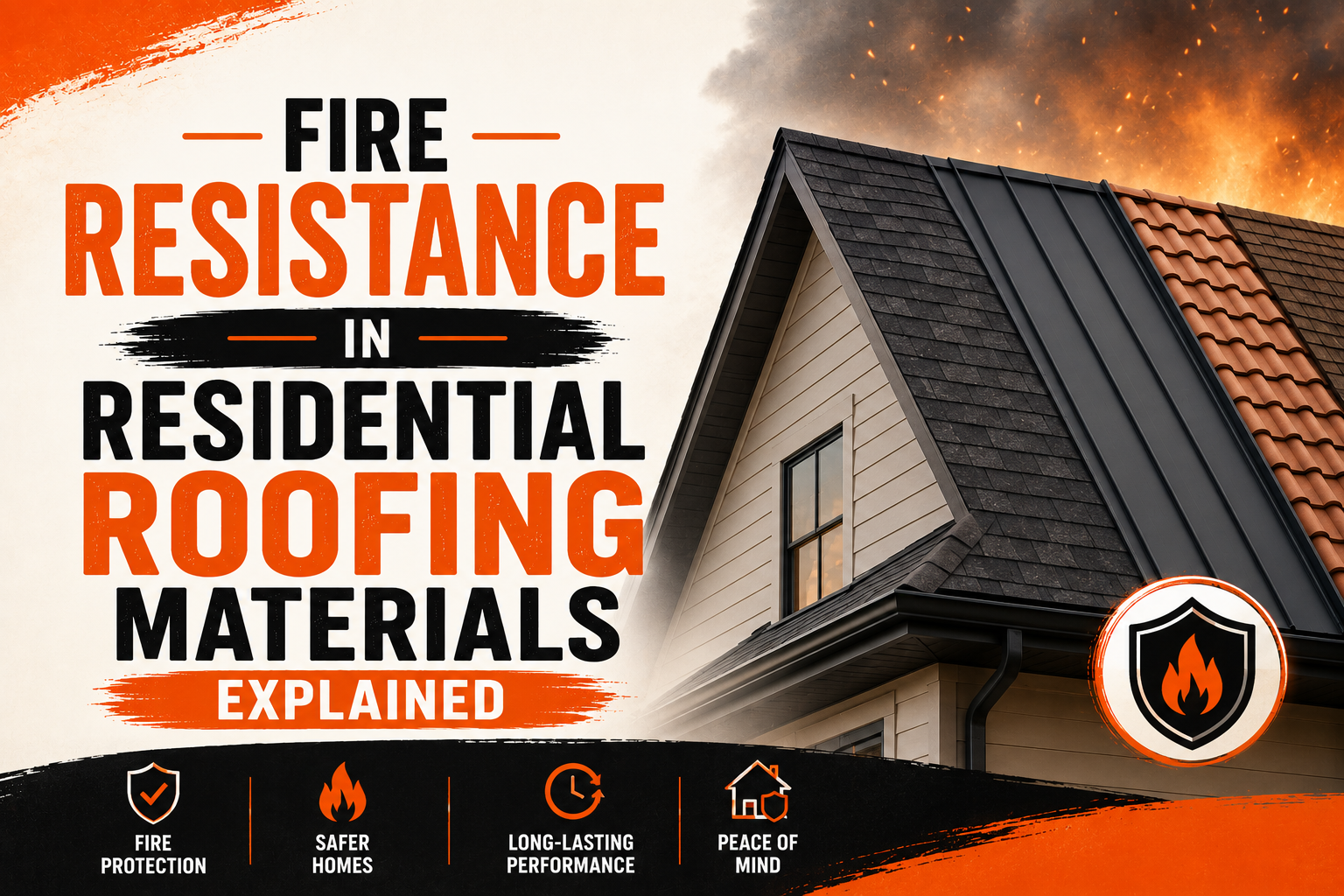
Fire Resistance in Residential Roofing Materials Explained
Introduction
A residential roof is one of the most important protective components of a home, especially when fire is a potential hazard. While roofing materials cannot guarantee that a house will survive every fire, a properly selected and installed roofing system can reduce the speed at which flames spread across the roof. The right materials can also provide valuable protection from burning debris, radiant heat, and embers that may reach a property during a nearby fire.
Fire resistance is different from simply choosing a material that does not burn easily. A complete roofing system includes the outer roof covering, underlayment, roof deck, flashing, ventilation components, and other details that can influence how the system reacts to heat and flames. The condition and installation of each component can affect the overall level of protection.
Fire risks vary considerably between locations. Homes in areas exposed to wildfires may face burning embers and airborne debris, while homes in densely developed neighborhoods may be more exposed to fires originating from nearby structures. Even in areas with lower wildfire risk, electrical faults, chimney problems, outdoor grills, and other sources can create situations where the roof becomes exposed to heat or flames.
Understanding fire resistance helps homeowners make informed decisions when selecting or replacing roofing materials. It also provides a better understanding of why installation quality, roof maintenance, and surrounding vegetation can be just as important as the material itself.
Understanding Fire Resistance in Residential Roofing
Fire resistance refers to the ability of a roofing system to withstand exposure to fire for a specified period or under specific testing conditions. Roofing products are evaluated according to how they react when exposed to flames, heat, and other fire-related conditions. A material that resists ignition and limits flame spread can provide greater protection than one that ignites or deteriorates quickly.
Roofing fire performance is particularly important because the roof is exposed to the outdoor environment. During a wildfire, burning leaves, branches, and other materials can travel through the air and land directly on a roof. If the roof surface is vulnerable to ignition, these embers can create an entry point for fire.
A roof’s shape and design can also influence fire exposure. Complex roof designs may contain valleys, corners, gaps, and areas where debris can collect. Dry leaves and other combustible materials trapped in these locations can increase the potential for ignition when exposed to embers or radiant heat.
The roof deck beneath the covering is another important consideration. Even when the exterior material performs well, openings or damaged areas can allow heat and flames to reach underlying components. A complete roofing assembly therefore needs to be considered when evaluating fire resistance.
Ventilation openings can also influence fire vulnerability. Roof vents are necessary for many roofing systems, but openings need suitable protection to reduce the chance that embers will enter the attic. Appropriate vent design and maintenance can help support the fire performance of the overall building.
Several factors can influence a roof’s fire resistance:
- Type and quality of the roofing material
- Fire classification of the roofing system
- Condition of the roof deck and underlayment
- Installation quality and material compatibility
- Roof design and slope
- Condition of vents and other openings
- Accumulation of combustible debris
Fire resistance should therefore be treated as a complete system characteristic. Selecting a material with strong fire performance is important, but the surrounding components and maintenance practices also need to support that protection.
Roofing Fire Ratings and Classifications
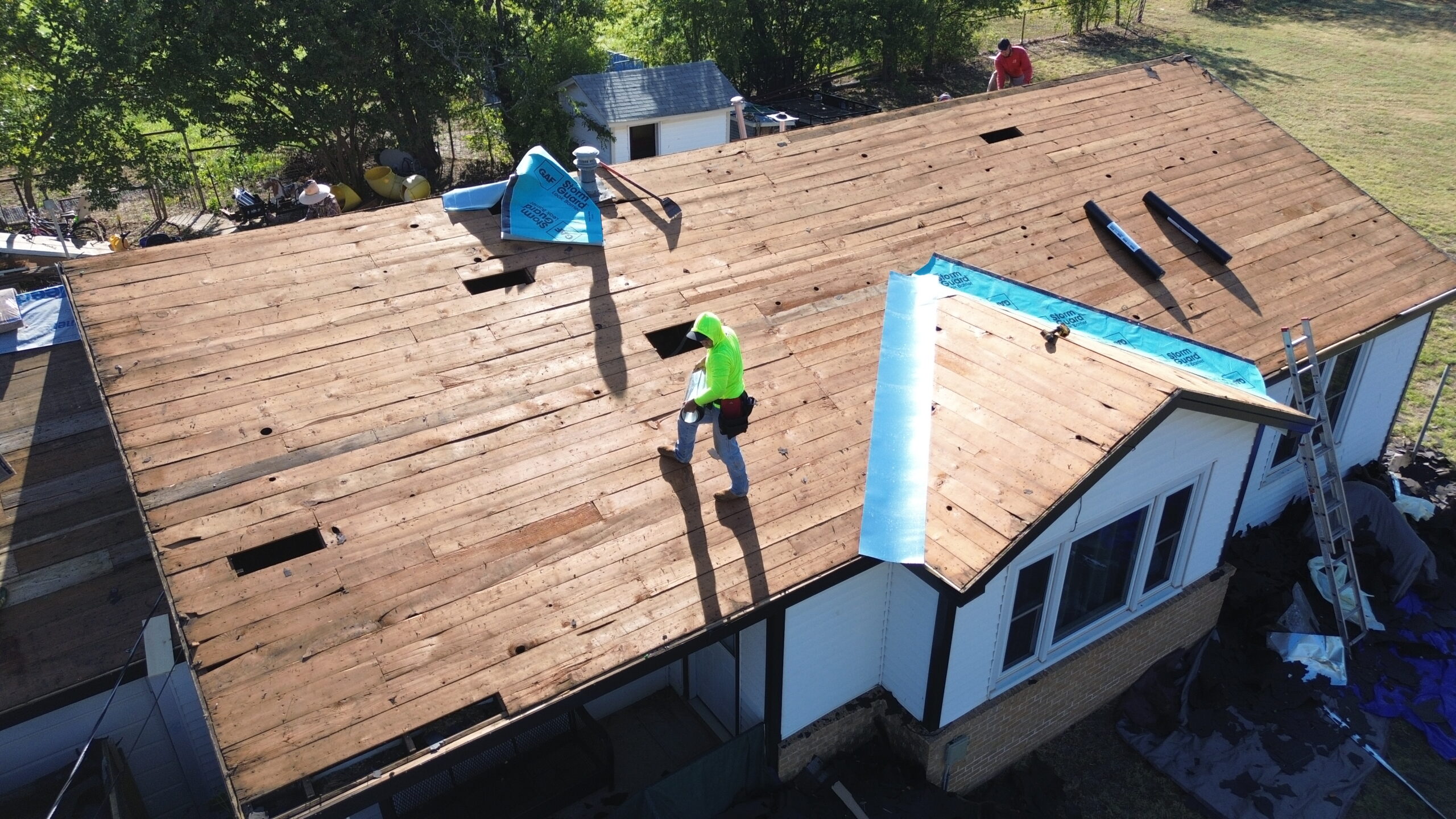
Fire ratings provide homeowners and construction professionals with a way to compare the performance of roofing assemblies under standardized testing conditions. In many building standards, roof coverings are grouped into fire-resistance classifications based on their tested ability to resist flame spread and fire exposure.
Class A is generally recognized as the highest level of roof covering fire classification under widely used rating systems. Class B and Class C provide progressively lower levels of fire resistance under the applicable testing standards. However, the exact requirements and testing procedures can vary according to local building regulations and the specific standard being used.
A fire rating should not be interpreted as a guarantee that a roof cannot catch fire. Testing is performed under controlled conditions, while real-world fires can involve unpredictable factors such as wind, burning debris, extreme heat, and exposure from nearby structures. The rating provides useful information about tested performance but does not eliminate all fire risks.
The classification may apply to a complete roofing assembly rather than an individual material. This distinction is important because the performance of a roof covering can depend on the deck, underlayment, installation method, and other components used during testing.
Homeowners replacing a roof should therefore verify the fire classification of the complete system being proposed. Local building requirements may also specify minimum fire performance based on geographic location, construction type, or wildfire exposure.
When comparing roofing products, it is useful to consider more than the marketing description. Homeowners should review manufacturer documentation and confirm that the product has been tested according to recognized standards. Local professionals can also help determine whether the selected system meets applicable building requirements.
A roof’s fire classification is only one part of the overall fire-safety strategy. Maintaining the roof, controlling vegetation, protecting openings, and reducing combustible materials around the home can further reduce exposure to fire hazards.
How Asphalt Shingles Perform During Fire Exposure
Asphalt shingles are among the most common residential roofing materials, and their fire performance varies according to product construction and the complete roofing assembly. Many modern asphalt shingles are manufactured with fiberglass reinforcement and mineral components that can provide substantial resistance to flame exposure. Their performance depends on the specific product and the assembly in which it is installed.
Fiberglass-reinforced shingles generally provide different fire characteristics from older organic-based products. The fiberglass mat does not provide the same fuel characteristics as an organic mat, while mineral granules on the surface help protect the underlying material from direct exposure.
The granules also provide other benefits by helping shield the shingle from sunlight and weathering. As shingles age, excessive granule loss can expose more of the underlying material and may reduce overall roof performance. Regular inspection can help identify whether the shingles remain in suitable condition.
Asphalt shingles can perform well against external fire exposure when they have an appropriate fire classification. However, gaps, damaged areas, exposed roof decking, or poorly maintained flashing can create vulnerabilities even when the shingles themselves have good fire resistance.
Wildfire conditions create additional challenges because burning embers can remain on the roof for some time. Accumulated leaves, pine needles, branches, and other debris can provide combustible material that increases the likelihood of ignition. Keeping the roof surface clean is therefore an important part of maintaining fire protection.
The age and condition of an asphalt roof also matter. Cracked, curled, or deteriorated shingles may not perform in the same way as a properly maintained roof covering. Damage should be addressed promptly, particularly in areas where wildfire or other fire exposure is a significant concern.
Homeowners should also consider the roof deck and underlayment when replacing asphalt shingles. A properly designed system provides layers of protection rather than relying on the shingles alone. The complete assembly should meet applicable fire-performance requirements.
Asphalt shingles can therefore provide a practical combination of affordability, availability, and fire resistance when an appropriately rated product is selected. Their performance is strongest when good installation practices and regular maintenance are combined with suitable surrounding fire-safety measures.
Metal Roofing and Fire Resistance
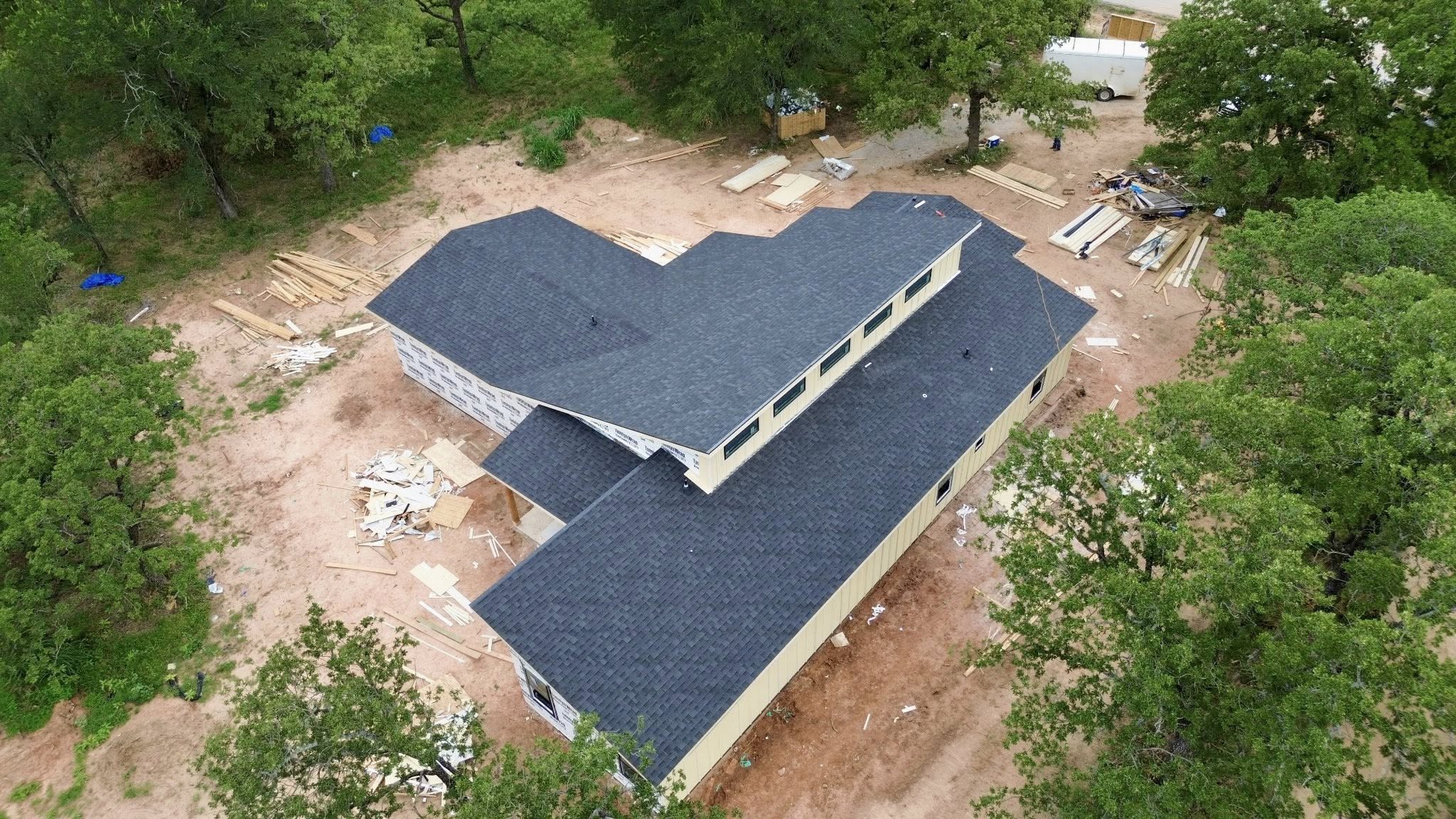
Metal roofing is often considered a strong choice for homeowners who place a high priority on fire resistance. Materials such as steel and aluminum do not provide the same combustible fuel characteristics as many organic roofing products. Properly installed metal roofing can therefore provide excellent resistance to external flame exposure.
Metal roofs can also provide strong protection against airborne embers when the system is properly designed. The smooth surface can reduce the amount of combustible debris that remains trapped compared with some other roofing surfaces. However, leaves and other materials can still accumulate around valleys, roof edges, gutters, and areas with low drainage.
The type of metal and protective coating can influence long-term performance. Coatings are primarily designed to protect against environmental exposure, corrosion, and appearance changes, but their condition can also affect the overall durability of the roof. Scratches or damaged areas should be addressed where appropriate to prevent deterioration of the underlying metal.
Fasteners and seams are important parts of a metal roofing system. Poorly installed or deteriorated fasteners can create openings through which heat, flames, or moisture may reach underlying components. Seams and penetrations also require appropriate detailing to maintain the integrity of the roof.
Metal roofing can perform particularly well when combined with a suitable fire-rated roof deck and underlayment. The complete assembly should be selected and installed according to applicable standards rather than assuming that the metal surface alone determines the roof’s fire classification.
Another advantage of metal roofing is its resistance to many forms of weather-related deterioration. Strong wind, heavy rain, and sunlight can affect any roof, but a well-maintained metal system can remain stable for many years. Long-term durability is valuable because deteriorated roofing components can create vulnerabilities that may affect overall fire performance.
However, metal roofing is not completely fireproof. Extreme heat can still affect underlying materials, coatings, seals, insulation, and structural components. Fire can also enter through openings such as vents, damaged areas, or gaps around roof penetrations.
For homeowners seeking strong fire performance, metal roofing can be an effective option when its complete system is properly designed. Its benefits are maximized when installation, ventilation, flashing, underlayment, and maintenance are treated as parts of one integrated roofing strategy.
How Roof Design and Installation Affect Fire Performance
The fire resistance of a roofing material can be significantly reduced by poor installation or unsuitable roof design. Even a highly rated material may not provide its expected protection if there are gaps, damaged sections, exposed combustible components, or poorly protected openings. Fire safety therefore begins with treating the roof as a complete system.
Roof penetrations require particular attention. Chimneys, vents, skylights, pipes, and other openings interrupt the roof’s continuous protective surface. Proper flashing and compatible materials help maintain the integrity of these areas while reducing opportunities for heat, flames, and embers to reach vulnerable components.
Ventilation openings are another important consideration in wildfire-prone environments. Embers can travel considerable distances during strong winds and may enter through poorly protected openings. Suitable vent designs and appropriate screening can help reduce this vulnerability while still allowing necessary airflow.
Roof valleys and edges can also collect combustible debris. Leaves, pine needles, and small branches may accumulate in areas where wind cannot easily remove them. Regular cleaning helps reduce the available fuel on the roof and supports the fire resistance of the overall system.
Installation quality also affects how materials respond to heat and fire. Correct fastening, proper overlaps, suitable underlayment, and carefully installed flashing reduce weak points in the roofing assembly. Contractors should follow manufacturer instructions and applicable building requirements when installing fire-rated roofing systems.
The roof should also work together with other parts of the home. Exterior walls, attic vents, windows, eaves, gutters, and surrounding vegetation can all influence how fire approaches a building. A highly fire-resistant roof is valuable, but it should be part of a broader strategy for reducing fire exposure.
Homeowners can improve the reliability of their roofing system by choosing appropriate materials, verifying fire classifications, maintaining the roof regularly, and addressing damaged components quickly. These measures become particularly important in areas where wildfire risk is increasing or where homes are located near vegetation and other combustible materials.
Fire resistance is ultimately a combination of material properties, system design, installation quality, and ongoing maintenance. Understanding these factors allows homeowners to make more informed choices when selecting roofing materials and preparing their properties for potential fire exposure.
Clay and Concrete Tile Fire Resistance
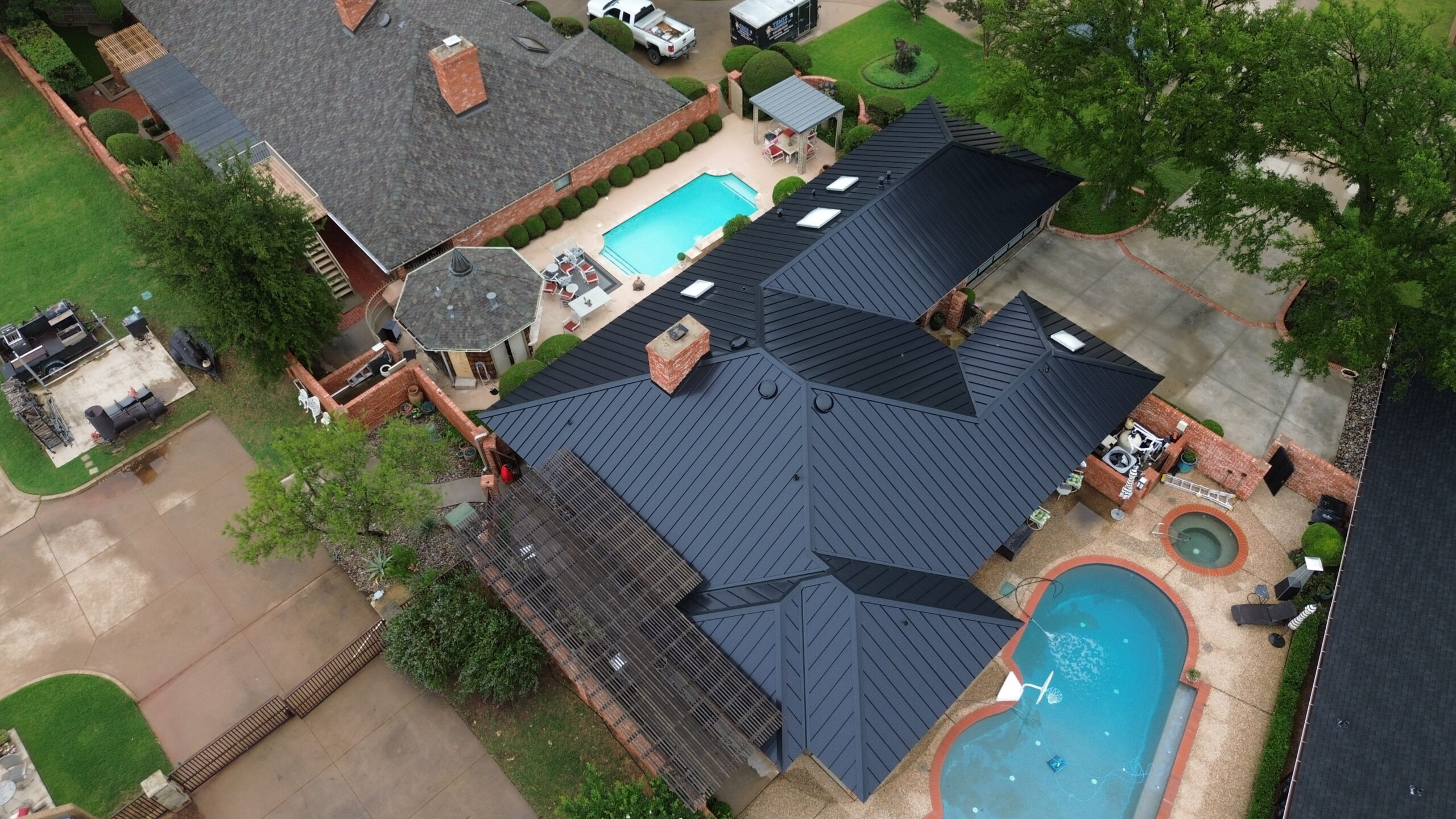
Clay and concrete tile roofing materials are widely recognized for their strong resistance to fire, making them suitable options for homes where fire protection is an important consideration. Both materials are generally noncombustible and can withstand substantial exposure to heat and flames without providing the same fuel source as combustible roofing products. Their performance can make them particularly useful in regions where wildfire exposure is a concern.
Clay tiles are produced by shaping natural clay and firing it at high temperatures. This manufacturing process creates a dense material that can tolerate significant heat exposure. Clay does not ignite in the same manner as organic roofing materials, although the complete roofing system still needs appropriate installation and supporting components to provide effective protection.
Concrete tiles are made primarily from cement-based materials and are similarly resistant to ignition. Their weight and density provide useful characteristics during fire exposure, but the roof structure must be designed to support the load. Cracked or displaced tiles can create openings that expose the layers beneath the roof, so maintaining individual tiles remains important.
One advantage of tile roofing is its ability to create a substantial barrier between external fire exposure and the roof deck. When tiles are properly installed, the space and materials beneath them can provide additional protection. However, the exact fire performance depends on the complete assembly rather than the tile surface alone.
Wildfire conditions create particular challenges because burning embers can land on the roof and remain in areas where debris has accumulated. Valleys, gutters, roof edges, and spaces around penetrations should therefore be kept clear. Even a noncombustible tile surface can become vulnerable if dry vegetation or other combustible materials collect on top of it.
Tile roofs also require appropriate flashing around chimneys, vents, skylights, and walls. These areas can create pathways for heat and embers if they are poorly maintained. Damaged flashing should be repaired promptly to preserve the integrity of the roofing system.
The weight of tile roofing is another consideration. Before installation, the structure should be evaluated to ensure that it can safely support the roofing system. Structural suitability is important not only for everyday performance but also for maintaining the stability of the roof assembly during severe conditions.
Although clay and concrete tiles can provide excellent fire resistance, they are not completely immune to damage. Strong impact, improper foot traffic, or structural movement can crack individual pieces. Replacing damaged tiles and maintaining the underlying components helps ensure that the roof continues to provide effective protection.
Slate Roofing and Natural Fire Protection
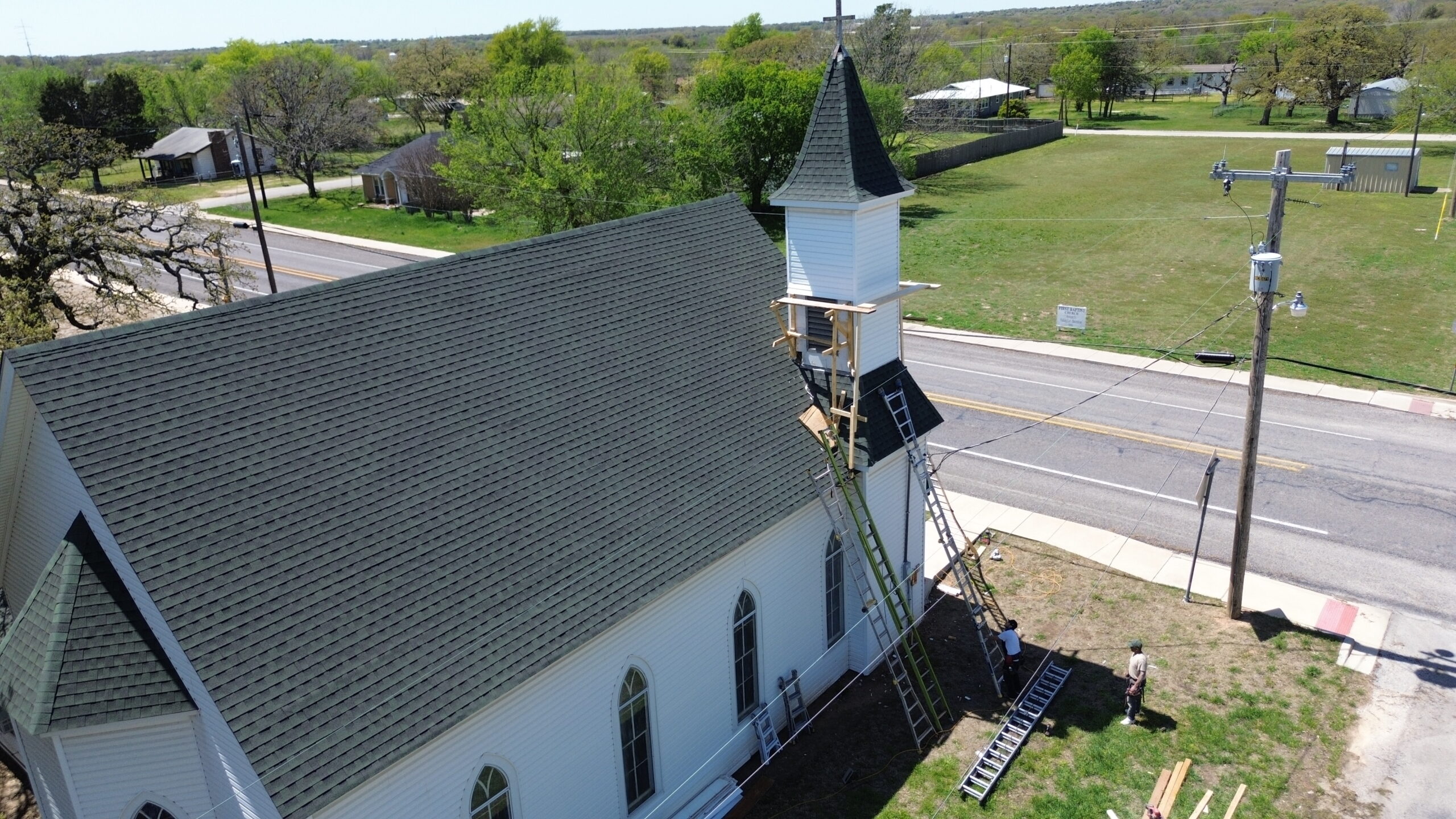
Natural slate is another roofing material known for excellent fire resistance. Slate is a natural stone product that does not readily ignite, making it fundamentally different from combustible roofing materials such as untreated wood. Its density and durability can provide a strong protective surface when the roofing system is properly designed and installed.
One of the major advantages of slate is its ability to tolerate high temperatures without acting as a significant fuel source. This characteristic can be valuable during external fire exposure, especially when burning embers reach the roof. However, fire performance still depends on the supporting roof deck, underlayment, flashing, and other components.
The quality of slate can vary, and not every type of natural slate is equally appropriate for roofing. Roofing-grade slate is selected for characteristics such as durability, moisture resistance, and long-term performance. Choosing a suitable product is especially important in areas where the roof may face repeated weather and fire exposure.
Slate roofs can remain functional for many decades when properly maintained. Their long service life can reduce the frequency of major roof replacements, which can be an advantage for homeowners seeking a long-term roofing solution. However, specialized installation and repair skills are required because slate behaves differently from flexible roofing materials.
Individual slate pieces can break when struck by falling branches, hail, or other objects. Although the material itself is noncombustible, damaged sections can expose the layers beneath the slate. Missing or broken pieces should therefore be replaced promptly rather than allowing exposed areas to remain vulnerable.
Fasteners also require attention as a slate roof ages. Corroded or deteriorated fasteners can allow slate pieces to become loose or fall away. If the attachment system weakens, the overall continuity of the roof can be affected even though the slate itself remains in good condition.
The roof structure must also be capable of carrying slate’s substantial weight. Structural considerations should be addressed before installation, particularly when replacing a lighter roofing material with natural slate. A properly supported system provides greater stability throughout its service life.
Slate provides excellent inherent fire resistance, but it should still be viewed as one part of a complete fire protection strategy. Maintaining roof penetrations, controlling vegetation, keeping gutters clear, and protecting attic openings can further reduce the opportunity for fire and embers to reach vulnerable areas.
Wood Roofing and Fire-Resistant Treatments
Wood shingles and shakes provide a natural appearance that many homeowners find attractive, but their fire behavior requires greater consideration than noncombustible materials. Wood is an organic material and can burn when exposed to sufficient heat or flames. As a result, untreated wood roofing generally presents different fire challenges from metal, slate, clay, or concrete tile.
The fire performance of wood roofing can vary according to the type of wood, product construction, moisture condition, treatment, and installation. Some wood roofing products are manufactured or treated to improve their resistance to ignition and flame spread. Homeowners should verify the specific fire classification rather than assuming that all wood roofing products perform in the same way.
Fire-retardant treatments can change the way wood responds to heat and flames. These treatments are designed to reduce ignition or slow the spread of fire under specified conditions. However, treatment effectiveness depends on the product, application method, environmental exposure, and continued maintenance.
Weathering can influence wood roofing over time. Prolonged exposure to sunlight, rain, humidity, and temperature changes can alter the surface and may contribute to deterioration. Cracked, split, or heavily weathered wood may require closer attention because deterioration can affect overall roof performance.
Moisture management is especially important for wood roofs. Persistent moisture can contribute to decay, fungal growth, and material weakening. A roof that cannot dry effectively may become more vulnerable to multiple forms of deterioration, making ventilation and drainage important parts of long-term maintenance.
Vegetation around a wood roof should also be carefully managed. Overhanging branches can drop leaves, needles, and small twigs onto the roof, creating combustible material. During dry weather or wildfire conditions, accumulated vegetation can increase the amount of available fuel.
Chimneys and other heat-producing components require appropriate separation and protection. Roofing materials around these areas should comply with applicable requirements and be installed with suitable fire-resistant details. Poorly maintained chimney areas can create risks that are unrelated to the general condition of the roof.
Wood roofing can still provide a suitable option in some residential settings when properly selected and maintained. Homeowners should consider local building regulations, wildfire exposure, treatment requirements, and available fire-rated products before choosing this material.
In fire-prone regions, the surrounding property may be just as important as the wood roof itself. Maintaining defensible space, removing dry vegetation, and keeping roof surfaces free from combustible debris can reduce exposure. A treated wood roof should therefore be combined with broader property-level fire prevention measures.
Synthetic and Composite Roofing Materials
Synthetic and composite roofing products have become increasingly common because they can imitate the appearance of natural slate, wood, or tile while offering different combinations of weight, durability, and maintenance requirements. Their fire performance varies significantly between products, so homeowners should examine the specific material rather than relying on the general category.
Some synthetic roofing products are manufactured from polymers, recycled materials, or combinations of engineered compounds. Certain products are designed specifically to provide improved resistance to flame, heat, and impact. Others may have different fire characteristics depending on their formulation.
Fire classification is particularly important when evaluating synthetic roofing. A product may appear similar to slate or tile but behave differently when exposed to high temperatures. Manufacturer testing and recognized fire-rating information provide more meaningful evidence than appearance alone.
Synthetic roofing can offer advantages in areas where homeowners want a lighter alternative to natural slate or concrete tile. Lower weight may reduce structural requirements, although the roof still needs to be designed and installed according to the product’s specifications. Proper attachment is also important in areas where fire exposure may be accompanied by strong winds.
Another potential advantage is consistent manufacturing. Synthetic components are typically produced to standardized dimensions, which can make installation and replacement more predictable. However, long-term performance depends on the specific formulation and how it responds to ultraviolet exposure, temperature changes, and aging.
The condition of synthetic materials should be monitored as the roof becomes older. Fading, cracking, brittleness, warping, or other changes may indicate that the product requires professional assessment. A roof’s fire performance should not be assumed to remain unchanged if its components have deteriorated significantly.
Synthetic roofs also need protection from combustible debris. Leaves, needles, branches, and other materials can accumulate in valleys and gutters regardless of the roofing material. During wildfire conditions, these materials can become potential ignition sources.
Homeowners considering synthetic roofing should review several factors before making a final decision:
- Check the product’s tested fire classification and applicable standards.
- Confirm that the product is suitable for the property’s climate and local regulations.
- Review installation requirements, including underlayment and fastening.
- Consider the manufacturer’s maintenance recommendations and warranty conditions.
- Evaluate how replacement components will be obtained in the future.
Synthetic roofing can provide useful fire-resistant options when a suitable product is selected. Its actual performance depends on the specific design, installation, supporting components, and surrounding fire conditions.
Wildfire Exposure and Residential Roof Performance
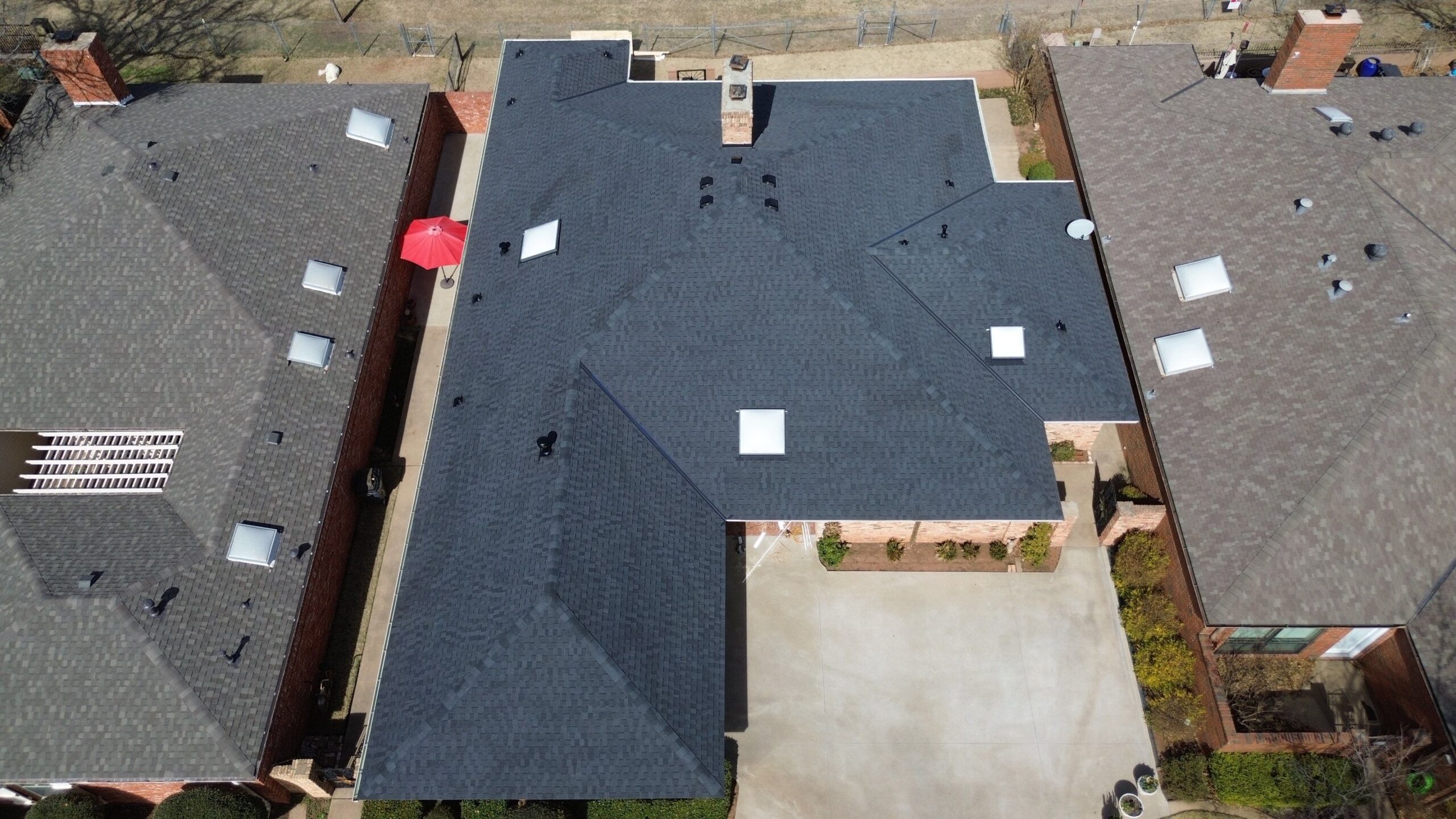
Wildfires create a unique roofing challenge because a home may be exposed to several fire hazards at the same time. Direct flames are an obvious concern, but airborne embers can travel ahead of the main fire and land on roofs, decks, gutters, vents, and other areas. In many situations, these small burning materials can become important sources of ignition.
The roof surface should therefore be kept as free from combustible material as possible. Dry leaves, pine needles, branches, and accumulated organic debris can provide fuel when embers land on the roof. Regular cleaning is particularly important before periods of high fire danger.
Roof valleys and gutters deserve special attention because they naturally collect debris. A roof may have a noncombustible surface while still containing combustible material in these locations. Keeping gutters clean and maintaining clear valleys can reduce this vulnerability.
Roof edges and eaves can also influence wildfire exposure. Embers may enter gaps or openings around poorly protected areas and reach combustible materials underneath. Appropriate construction details can reduce these pathways and help maintain the protective continuity of the roof.
Vents are another important concern because they provide openings into attic spaces. During wildfire conditions, embers may enter through poorly protected ventilation openings. Suitable vent designs can help reduce this risk while maintaining the airflow required by the building.
Nearby vegetation should be managed as part of the home’s overall fire strategy. Trees, shrubs, dry grass, and accumulated plant debris can provide pathways for fire to move closer to the structure. Maintaining appropriate clearance around the home can reduce the amount of combustible material immediately surrounding the building.
Homeowners should also consider neighboring structures and property features. Fences, sheds, decks, stored materials, and other combustible elements can contribute to fire exposure. Roof fire resistance is most effective when it is combined with broader measures that reduce the amount of fuel surrounding the home.
Climate conditions can make wildfire risks more severe. Extended dry periods, strong winds, and high temperatures can increase the potential for rapid fire spread. In such environments, selecting a roof with strong fire performance becomes an important part of a broader property protection strategy.
A fire-resistant roof cannot guarantee that a home will survive a wildfire. However, reducing combustible materials on and around the roof can improve the building’s overall resilience when combined with appropriate construction and maintenance.
Comparing Fire Resistance Across Roofing Materials
Roofing materials differ considerably in their ability to resist ignition, flame spread, heat, and ember exposure. Homeowners should compare these characteristics together with cost, maintenance requirements, structural considerations, and local climate. A material with excellent fire resistance may not automatically be the most practical choice for every property.
Noncombustible materials such as metal, slate, clay, and concrete generally provide strong fire characteristics. Asphalt shingles can also provide good fire performance when an appropriately rated product and complete roofing assembly are selected. Wood roofing requires greater attention to treatment, classification, maintenance, and surrounding fire conditions.
The following comparison provides a general overview:
| Roofing Material | General Fire Performance | Important Considerations |
|---|---|---|
| Metal | Excellent | Check complete assembly, coatings, seams, and fasteners |
| Clay tile | Excellent | Maintain tiles, flashing, and underlying components |
| Concrete tile | Excellent | Structural support and cracked tile replacement are important |
| Slate | Excellent | Heavy material requiring specialized installation |
| Asphalt shingles | Good to excellent | Product rating, installation, and roof condition matter |
| Synthetic roofing | Product dependent | Review specific testing and fire classification |
| Wood roofing | Moderate to good when treated | Treatment, maintenance, debris, and local regulations matter |
This comparison should be viewed as a general guide rather than a guarantee of real-world performance. The actual behavior of a roof depends on the product, installation, roof assembly, exposure conditions, and maintenance.
Fire classification is also only one part of the decision. A roof should be able to resist the weather conditions common in the region while maintaining its fire performance over time. Wind, rain, ultraviolet exposure, moisture, and temperature changes can all affect the condition of roofing materials.
For homes in wildfire-prone areas, homeowners should give particular attention to ember resistance and combustible debris. A roof that performs well during direct flame testing may still face practical risks if vents are unprotected or dry vegetation accumulates in gutters.
Installation quality should also be included in every comparison. Proper fastening, flashing, underlayment, roof deck construction, and ventilation can help preserve the protective qualities of the selected material. Poor workmanship can create vulnerabilities regardless of how strong the material appears on paper.
The most effective roofing choice is therefore one that combines suitable fire performance with appropriate weather resistance, structural compatibility, installation quality, and maintenance requirements. Understanding these factors allows homeowners to select a system that provides more balanced protection rather than focusing on a single performance characteristic.
A fire-resistant roof is an important part of residential safety, but it works best when supported by the rest of the home’s construction and surroundings. In the final part, the focus will move toward the roofing components that strengthen fire protection, maintenance practices, common vulnerabilities, material selection for local fire risks, and decisions about repair or replacement.
Roofing Components That Improve Fire Protection
The outer roofing material is only one part of a fire-resistant roofing system. Underlayment, roof decking, flashing, vents, fasteners, and other components can influence how effectively the roof protects the home when exposed to flames, radiant heat, or burning embers. A strong roofing system combines these elements so that weaknesses in one area do not unnecessarily compromise the entire assembly.
Roof decking provides the structural base beneath the roof covering. Materials such as plywood and other approved structural panels can form part of a tested roofing assembly, while their condition becomes particularly important when the roof covering is damaged. Gaps, deterioration, or exposed sections should be addressed because they may provide pathways for heat and fire to reach the interior.
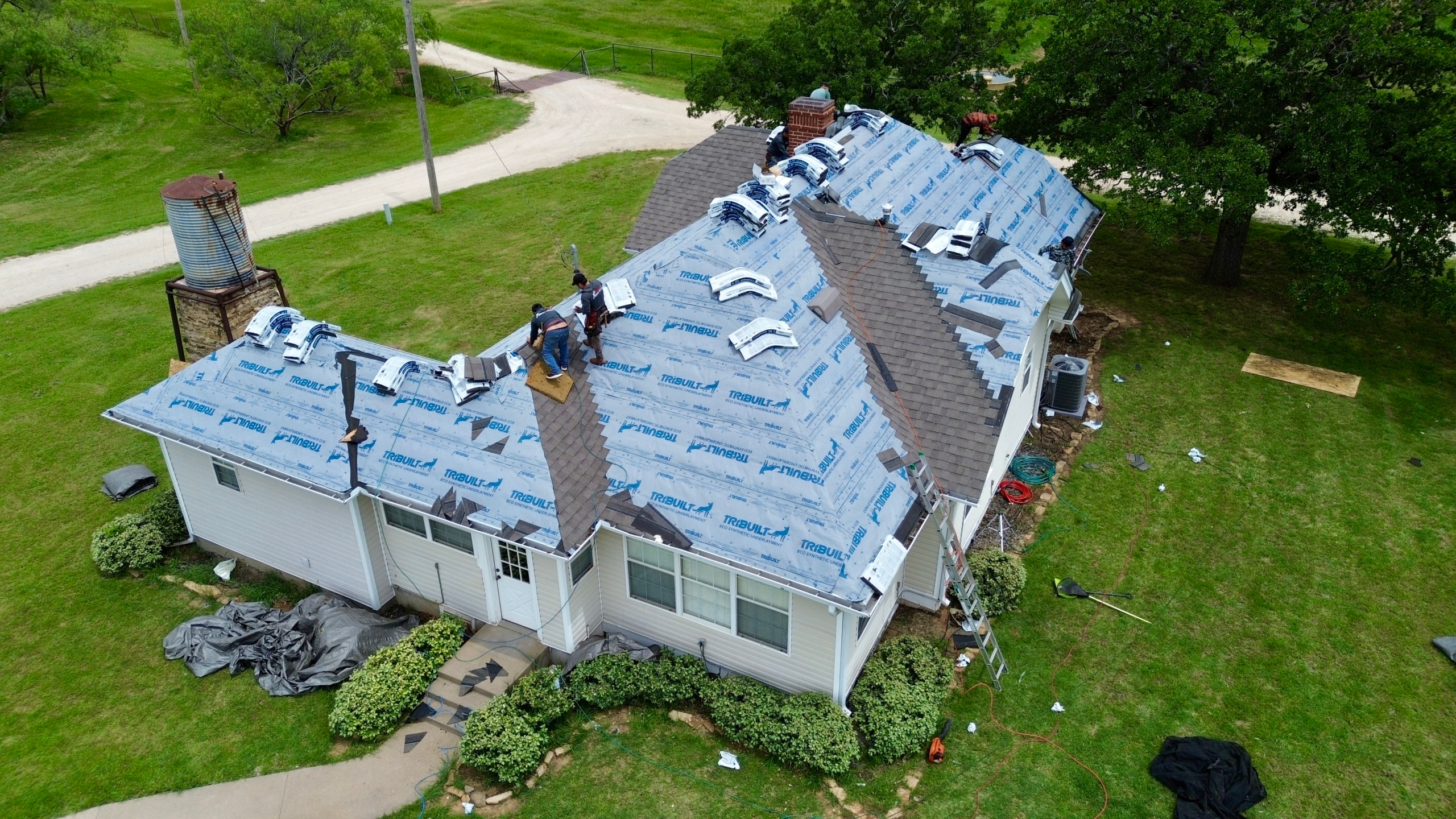
Underlayment can provide an additional protective layer beneath shingles, tiles, or other roof coverings. Some products are specifically designed to contribute to fire performance as part of an approved roofing assembly. The correct underlayment should be selected according to the roofing material, roof design, local requirements, and manufacturer’s specifications.
Flashing protects vulnerable locations where the roof meets walls, chimneys, skylights, vents, and other structures. Proper flashing helps maintain the continuity of the roofing system and reduces openings where embers, heat, and moisture can enter. Damaged or poorly installed flashing should be repaired because small gaps can become significant weaknesses during severe conditions.
Roof vents also deserve special attention in fire-prone areas. Ventilation is important for controlling heat and moisture inside the roof assembly, but openings can potentially allow embers to enter attic spaces. Appropriate vent designs and protective measures can reduce this vulnerability without eliminating necessary airflow.
Gutters can indirectly affect fire safety because they frequently collect leaves, pine needles, and other combustible materials. During wildfire conditions, these materials can ignite when exposed to embers. Keeping gutters clean is therefore a simple but important part of maintaining a more fire-resistant roof.
Fasteners, seals, and connections should also remain in good condition. Loose or deteriorated components can create openings or allow roofing materials to shift. Proper installation and periodic inspection help maintain the continuity of the roofing system throughout its service life.
The most effective approach is to consider all roofing components together. A fire-resistant roof covering supported by suitable decking, underlayment, flashing, protected ventilation, and clean drainage areas can provide a stronger level of protection than focusing on the outer material alone.
Maintenance Practices for Fire-Resistant Roofs
Regular maintenance helps preserve the fire-resistant characteristics of a residential roof. Even materials with excellent fire performance can become more vulnerable when they are damaged, heavily weathered, or covered with combustible debris. Maintenance should therefore focus on keeping the entire roof clean, intact, and properly connected.
Roof inspections should be performed periodically and after major weather events. Homeowners should look for cracked or missing materials, damaged flashing, deteriorated seals, exposed areas, loose components, and other visible defects. Professional inspections can be especially useful when roof sections are difficult or unsafe to access.
Removing combustible debris is particularly important in wildfire-prone areas. Leaves, pine needles, small branches, and other dry materials can collect in valleys and gutters. If embers reach these materials, they may create localized ignition points even when the primary roofing surface is highly fire resistant.
Trees and vegetation around the home should also be managed. Overhanging branches can drop combustible material onto the roof and may become dangerous during strong winds. Keeping vegetation appropriately maintained can reduce the amount of fuel immediately surrounding the structure.
Roof penetrations should be checked during maintenance. Chimneys, vents, skylights, pipes, and other openings need properly maintained flashing and seals. Any deterioration should be addressed before the roof is exposed to severe weather or fire conditions.
Homeowners should also inspect attic spaces when appropriate. Moisture, damaged insulation, unusual odors, and deteriorated structural materials can indicate problems within the roofing assembly. Proper ventilation and insulation can help maintain the roof’s condition and reduce long-term deterioration.
Maintenance can be organized around a few practical priorities:
- Keep the roof surface and gutters free of combustible debris.
- Inspect flashing, vents, and penetrations for deterioration.
- Replace damaged roofing components promptly.
- Manage trees and vegetation around the home.
- Maintain suitable attic ventilation and insulation.
- Arrange professional inspections when damage is difficult to assess safely.
These practices do not make a property fireproof, but they can reduce preventable vulnerabilities. Consistent maintenance also helps homeowners identify deterioration before it becomes extensive and more expensive to correct.
Common Fire Vulnerabilities in Residential Roofing
Even a roof with a strong fire classification can contain areas that are more vulnerable than the main roofing surface. These weaknesses often involve openings, combustible debris, damaged materials, or connections between different building components. Identifying them helps homeowners focus their maintenance efforts where they can provide the greatest benefit.
Accumulated vegetation is one of the simplest vulnerabilities to address. Dry leaves and pine needles can collect in gutters, valleys, and roof edges where wind may not remove them. During wildfire conditions, burning embers can ignite these materials and potentially transfer heat to nearby roofing components.
Unprotected or poorly designed vents can create another vulnerability. Roof ventilation is necessary for many homes, but openings should be designed appropriately for the local fire environment. Ember-resistant vent solutions may help reduce the likelihood of burning particles entering attic spaces.
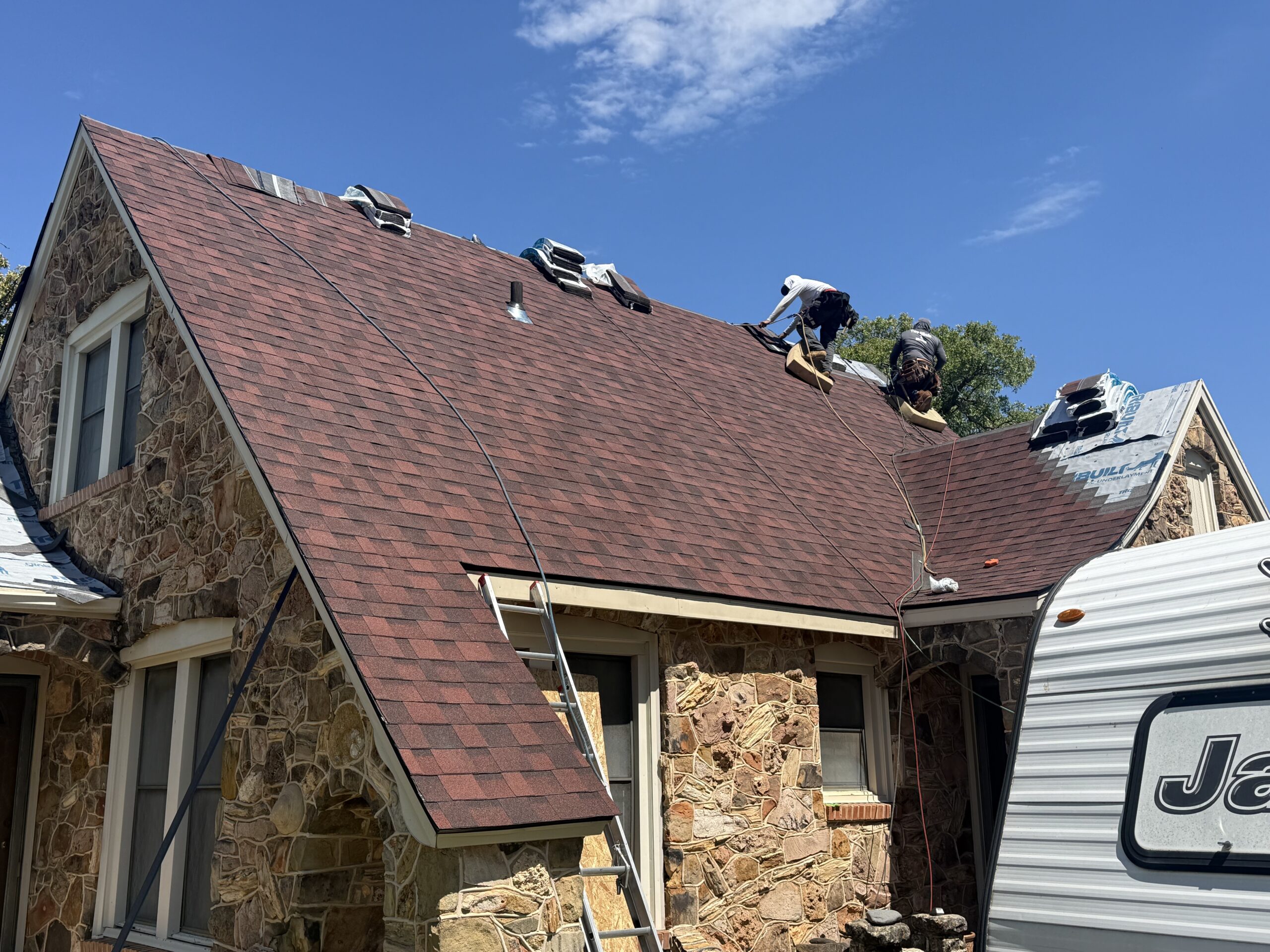
Damaged roofing materials can also weaken fire protection. A missing shingle, cracked tile, broken slate, or damaged metal panel may expose underlying components. Even when the exposed material is not immediately combustible, openings can allow heat and embers to reach areas that were intended to remain protected.
Roof penetrations require continued attention because they interrupt the roof’s protective surface. Chimneys, skylights, pipes, and vents can develop gaps when flashing deteriorates or building components move. Regular inspection can identify these issues before they become significant problems.
Wooden components around roof edges and eaves may also deserve special consideration. Depending on the building design, combustible materials can provide pathways for fire to move into concealed spaces. Proper construction details and maintenance can help reduce these risks.
Debris from nearby trees can create repeated exposure even when the roof itself is in good condition. Homes surrounded by dense vegetation may require more frequent roof and gutter cleaning. The goal is to prevent combustible materials from accumulating where they can interact with embers.
Another vulnerability is assuming that a fire-rated material eliminates the need for maintenance. Fire ratings are based on specified testing conditions and do not mean that an aged or damaged roof will perform exactly like a new system. Maintaining the roof’s physical condition is therefore essential.
Understanding these vulnerabilities allows homeowners to take a more practical approach to fire safety. Instead of focusing only on the roofing material, they can identify the specific areas where embers, flames, or radiant heat may gain access to the building.
Choosing Roofing Materials for Wildfire and Local Fire Risks
Climate and local fire conditions should play a major role in roofing material selection. A homeowner in an area with frequent wildfires may have different priorities from someone living in a region where structural fires are the primary concern. Understanding the likely source of fire exposure helps determine which roofing characteristics deserve the greatest attention.
Wildfire-prone areas require particular attention to ember resistance. Strong winds can carry burning particles over significant distances, allowing them to reach homes before the main fire front arrives. Roofing materials with strong fire classifications, combined with protected vents and clean roof surfaces, can help reduce this exposure.
Noncombustible materials such as metal, clay tile, concrete tile, and slate can be attractive options for homeowners seeking strong fire resistance. However, the best choice depends on structural requirements, installation conditions, cost, climate, and local building regulations. A material should not be selected solely because it is noncombustible.
Asphalt shingles can also provide strong fire performance when appropriately rated products are selected. Their widespread availability and relatively straightforward installation make them a practical choice for many homeowners. Product classification and complete assembly performance should be verified before installation.
Wood roofing requires greater care in areas with significant wildfire risk. Fire-retardant products may offer improved performance compared with untreated wood, but homeowners should consider local regulations and the surrounding property’s vegetation. In some high-risk locations, other roofing materials may provide a more suitable balance of protection.
Roofing selection should also consider weather conditions. Fire resistance does not replace the need for protection against wind, rain, hail, snow, or intense sunlight. A roof must be able to maintain its condition under the local environment so that its fire-resistant characteristics remain useful over time.
Homeowners should consider these questions before selecting a roofing system:
- What type of fire exposure is most likely in the local area?
- Does the roofing assembly have an appropriate fire classification?
- Can the roof structure support the selected material?
- Are suitable fire-resistant components available for vents, flashing, and underlayment?
- Can the roof be maintained effectively throughout its expected service life?
A professional roofing contractor can help connect these considerations with the home’s construction and local requirements. Building codes and fire-safety regulations may also establish minimum standards, particularly in areas with recognized wildfire risks.
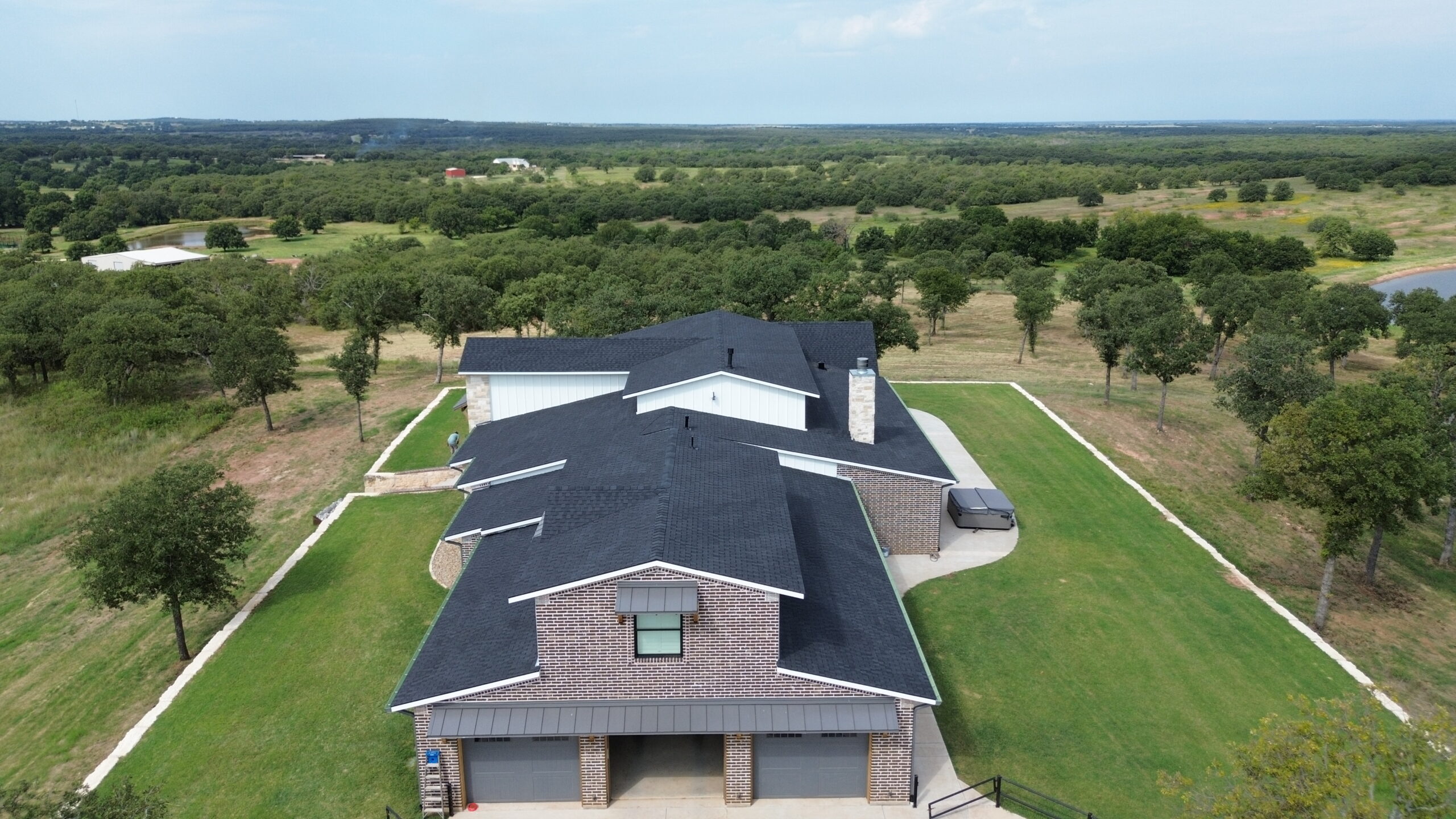
Repair, Replacement, and Long-Term Fire Safety
The condition of an existing roof should be considered when evaluating its fire protection. A roof that has reached the end of its service life may have cracked, weakened, or deteriorated components that no longer perform as effectively as they once did. Repairing isolated defects can be appropriate, but widespread deterioration may justify replacement.
After a fire-related event, the roof should be inspected even if visible damage appears limited. Heat, smoke, embers, and firefighting activities can affect materials in ways that are not immediately obvious. A professional evaluation can help determine whether the roofing assembly remains structurally and functionally suitable.
Repairs should use compatible materials and follow appropriate installation practices. Replacing one damaged component with an unsuitable product may create weaknesses in the overall system. Manufacturer requirements and local building standards should guide repair work.
Roof replacement provides an opportunity to improve fire performance. Homeowners can select a higher-performing roofing material, upgrade underlayment, improve flashing, protect ventilation openings, and address areas where combustible debris commonly accumulates. These improvements can make the new system more resilient to future fire exposure.
Long-term fire safety also depends on the condition of the surrounding property. A highly fire-resistant roof can still be exposed to significant danger if dry vegetation, wood piles, outdoor structures, or other combustible materials are located close to the home. Reducing surrounding fuel can complement the protection provided by the roofing system.
Homeowners should also maintain records of roof installation, repairs, inspections, and material specifications. These records can help identify the age and characteristics of the roofing system when future maintenance or replacement decisions are needed. They may also provide useful information when discussing the roof with contractors or insurance professionals.
Fire safety is not a one-time decision made when a roof is installed. Materials age, weather conditions change, vegetation grows, and local fire risks can evolve. Continuing to inspect, maintain, and improve the roofing system helps preserve its protective qualities throughout its useful life.
Conclusion
Fire resistance is an important consideration when selecting and maintaining a residential roofing system. A well-designed roof can help resist ignition, limit flame exposure, and reduce vulnerability to burning embers, particularly when the roofing material has an appropriate fire classification. However, no roofing material can make a home completely immune to fire.
Different materials offer different advantages. Metal, clay tile, concrete tile, and slate generally provide strong noncombustible characteristics, while properly rated asphalt shingles can offer a practical combination of fire performance, availability, and cost. Synthetic and treated wood products can also provide useful options when their specific fire classifications and installation requirements are carefully evaluated.
The roofing system must be considered as a whole. Underlayment, roof decking, flashing, vents, fasteners, gutters, and penetrations all contribute to how the roof performs under fire exposure. A strong outer material cannot compensate completely for damaged components, unprotected openings, or poor installation.
Maintenance is equally important for long-term protection. Keeping gutters and roof surfaces clear of dry vegetation, repairing damaged materials, maintaining flashing, managing nearby trees, and checking ventilation openings can reduce common vulnerabilities. These practices become especially valuable in areas where wildfires and ember exposure are significant concerns.
Ultimately, choosing a fire-resistant roof is about creating several layers of protection rather than relying on one material or feature. By considering local fire risks, selecting an appropriate roofing assembly, using qualified installation practices, and maintaining the roof over time, homeowners can improve the resilience of their homes and reduce avoidable fire-related vulnerabilities.