

Waste Removal and Cleanup During Roof Installation Projects
Introduction
Waste removal and cleanup are important parts of every professional roof installation project. Roofing work can generate large amounts of old shingles, underlayment, flashing, damaged decking, nails, packaging, insulation, metal pieces, and other construction debris. If these materials are not controlled throughout the project, they can create safety hazards, damage property, slow down installation, and leave the worksite difficult to manage.
A roofing project should therefore include a waste-management plan before installation begins. Contractors need to determine where debris will be collected, how materials will be moved from the roof to the ground, where waste containers will be positioned, and how the property will be protected during removal. Planning these details early helps the crew maintain an organized site from the first stage of tear-off through final cleanup.
Cleanup is not something that should happen only after the roof is completely installed. Debris is produced continuously as workers remove old roofing materials, cut new products, open packaging, and complete different installation tasks. Regular cleanup keeps walking areas clear and reduces the possibility of loose materials interfering with workers or equipment.
The type and amount of waste can vary significantly between projects. A roof replacement involving several layers of old shingles may produce much more debris than a new construction project, while metal roofing, tile, slate, or membrane systems can create different types of waste that require different handling methods.
Professional cleanup also protects the surrounding property. Nails and sharp debris can damage tires, landscaping, siding, windows, outdoor equipment, and other surfaces if they are left around the jobsite. Careful waste removal helps return the property to a clean and usable condition once the roofing work is complete.
Understanding Roofing Waste During Installation
Roofing waste includes any material generated during the construction, replacement, repair, or installation process that is no longer needed for the roofing system. Some waste comes from removing existing materials, while other waste is produced when new roofing products are cut, trimmed, packaged, or installed.
During a roof replacement, old shingles are often one of the largest sources of debris. Multiple layers may be removed from the roof, creating substantial quantities of loose material that need to be collected and transported safely.
Underlayment can also contribute to the waste stream. Old felt, synthetic materials, damaged membranes, protective films, and pieces removed during installation can accumulate quickly if they are not collected regularly.
Flashing creates another type of roofing waste. Old metal flashing may need to be removed around chimneys, valleys, walls, skylights, vents, and roof edges before new components are installed.
Damaged roof decking can increase the amount of waste generated during a project. When deteriorated plywood, oriented strand board, or other decking materials are removed, the pieces may be heavier and more difficult to handle than ordinary roofing debris.
New roofing materials also generate waste. Shingles may need to be cut around valleys, walls, penetrations, hips, and ridges, leaving smaller pieces that cannot be used elsewhere.
Metal roofing projects can produce cutoffs from panels, flashing, trim, and accessories. These pieces may have sharp edges and therefore require careful collection and handling.
Tile and slate projects can produce broken pieces that are heavier and potentially sharper than typical shingle debris. Crews need to manage these materials carefully to prevent injuries and damage to surfaces below.
Packaging is another common source of waste. Cardboard, plastic wrapping, straps, protective films, boxes, pallets, and other packaging materials can quickly fill the work area if they are not removed regularly.
Small debris can be just as important as large materials. Nails, screws, staples, broken shingle pieces, metal fragments, and other small objects can be difficult to see but may create significant risks when left around the property.
Roofing waste can therefore be divided into several general categories:
- Removed roofing materials such as shingles, tiles, membranes, and panels
- Underlayment, flashing, and damaged decking
- New-material cutoffs and unusable pieces
- Packaging and protective materials
- Nails, screws, staples, and other small debris
- General construction waste produced during the project
Understanding these different waste types helps contractors determine how materials should be collected and moved. It also allows the crew to plan appropriate containers and disposal methods before the project becomes crowded with debris.
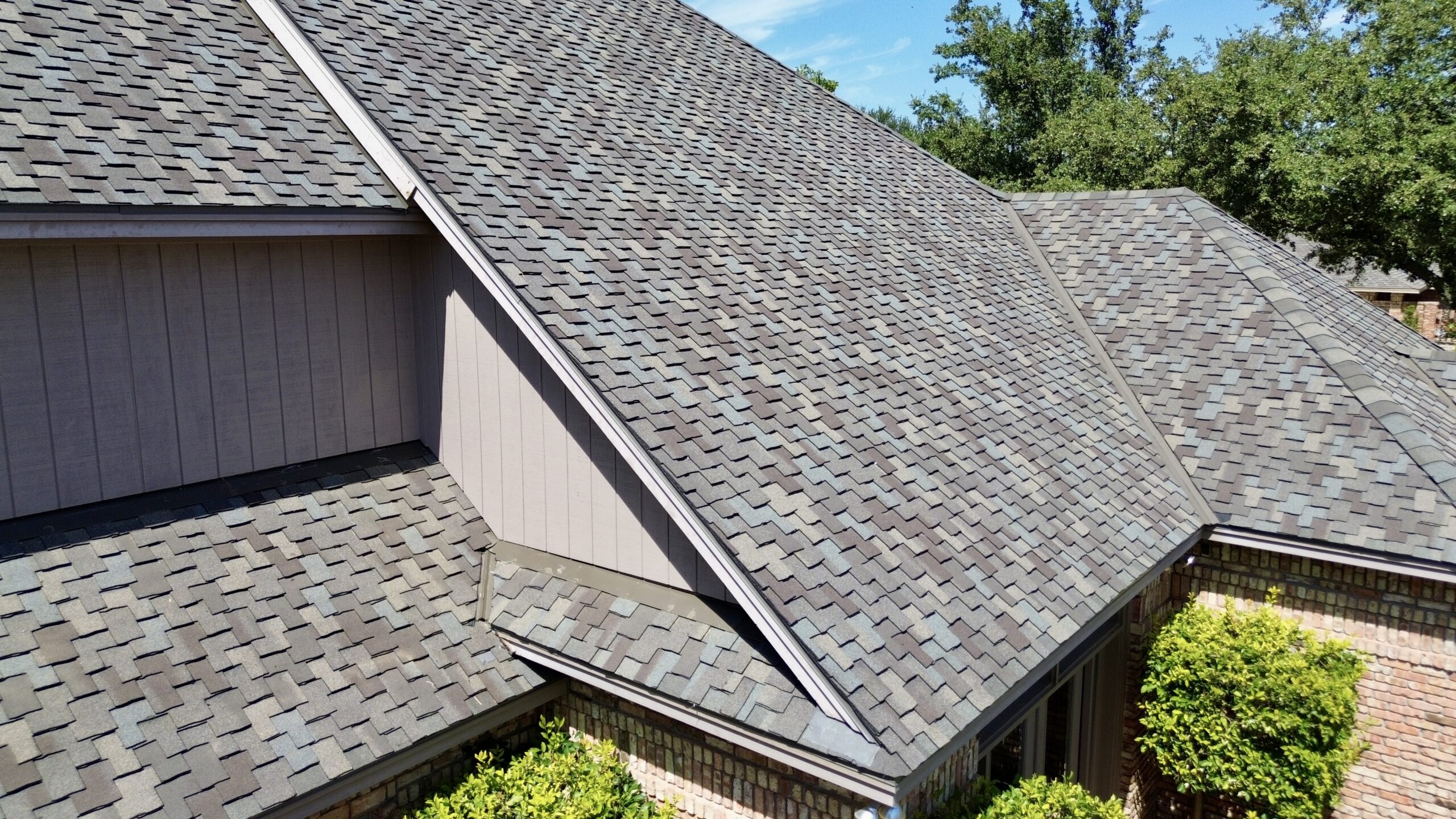
Planning Waste Removal Before Work Begins
Waste removal should be included in the roofing plan before materials are delivered and workers begin installation. The contractor should determine how waste will travel from the roof to the ground and from the work area to the final collection or disposal location.
The location of the waste container is an important decision. It should be close enough to support efficient removal while remaining positioned so that it does not interfere with worker access, vehicles, emergency routes, or normal property use.
The size of the container should also match the expected volume of roofing waste. A container that is too small may require additional pickups, while an unnecessarily large container can take up valuable space and complicate the layout of the jobsite.
The contractor should estimate the amount of waste based on the roof size, number of existing roofing layers, material type, expected cutoffs, and potential deck replacement. Accurate planning can reduce delays caused by an unexpectedly full container.
The waste-removal route should be considered before work starts. Workers should know how debris will move from the roof to the ground and from the collection area to the container without creating unnecessary hazards.
Roofing debris should not simply be thrown from the roof onto the ground. Controlled methods of lowering or transferring materials should be used according to the project conditions and appropriate safety procedures.
For larger projects, contractors may use chutes, lifts, hoists, conveyors, or other suitable equipment. The chosen method depends on the building height, volume of debris, roof configuration, and type of materials being removed.
The ground area around the waste container should also be controlled. Workers and members of the public should not be exposed to falling debris or moving equipment during waste removal.
Before the project begins, the crew should identify areas that require protection. Driveways, walkways, landscaping, windows, doors, vehicles, exterior equipment, and other property features may be affected by falling or transported debris.
The contractor should also consider how waste will be handled during bad weather. Wind can move lightweight packaging and roofing materials, while rain can make debris heavier and more difficult to manage.
Waste removal planning should include the final cleanup as well. The crew should know what areas will need to be inspected after the roof is completed and what equipment will be used to collect small debris from the property.
A well-planned waste system allows cleanup to happen continuously rather than forcing the crew to deal with a large accumulation at the end. This approach generally makes the work area easier to control and reduces the number of hazards present at any one time.
Setting Up a Safe Roofing Cleanup Area
Once the waste-removal plan has been established, the contractor needs to organize the physical cleanup area. The collection area should be clearly identified so workers know where debris belongs and where materials should not be placed.
Waste containers should be positioned on stable surfaces where practical. Their location should not block important access routes or create hazards for workers, residents, visitors, or vehicles.
The area around the container should remain reasonably clear. Loose roofing materials scattered around the container can create trip hazards and make it more difficult to load debris safely.
If a chute or other debris-transfer system is being used, its lower end should discharge into an appropriate collection area. The equipment should be installed and used according to its design and the applicable safety requirements.
Workers should know when debris is being moved overhead. Communication between workers on the roof and workers at ground level helps prevent people from entering areas where materials are being transferred.
The cleanup area should also be separated from materials intended for installation. New shingles, underlayment, flashing, fasteners, and other roofing products should not be mixed with waste because this can lead to material damage or accidental disposal.
Recyclable materials may also need separate handling. Depending on the project and local disposal options, certain metals, cardboard, or other materials may be separated from general roofing waste.
The contractor should establish a system for dealing with small debris. Nails and screws may require different collection methods from large pieces of shingles or decking.
Magnetic sweepers can be useful for collecting ferrous metal debris from suitable ground surfaces. However, they should complement rather than replace visual inspection because not every roofing material or fastener will respond to a magnetic tool.
The cleanup area should be monitored throughout the day. If the container becomes full or the collection route becomes obstructed, the crew should address the problem before continuing large-scale waste removal.
Good organization reduces unnecessary handling. When workers know where different materials belong, they can move debris efficiently without repeatedly sorting the same waste.
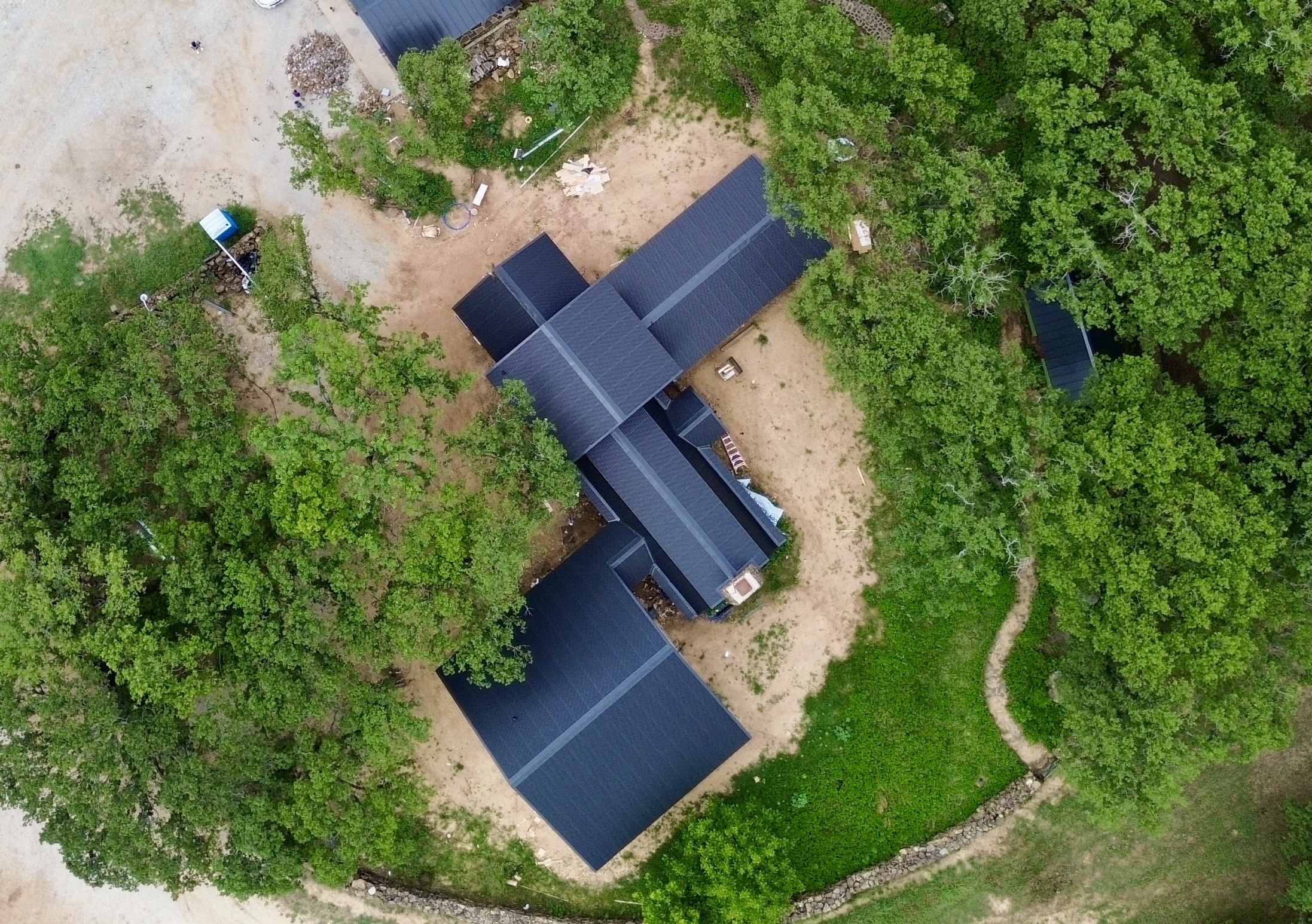
Handling and Removing Roofing Materials
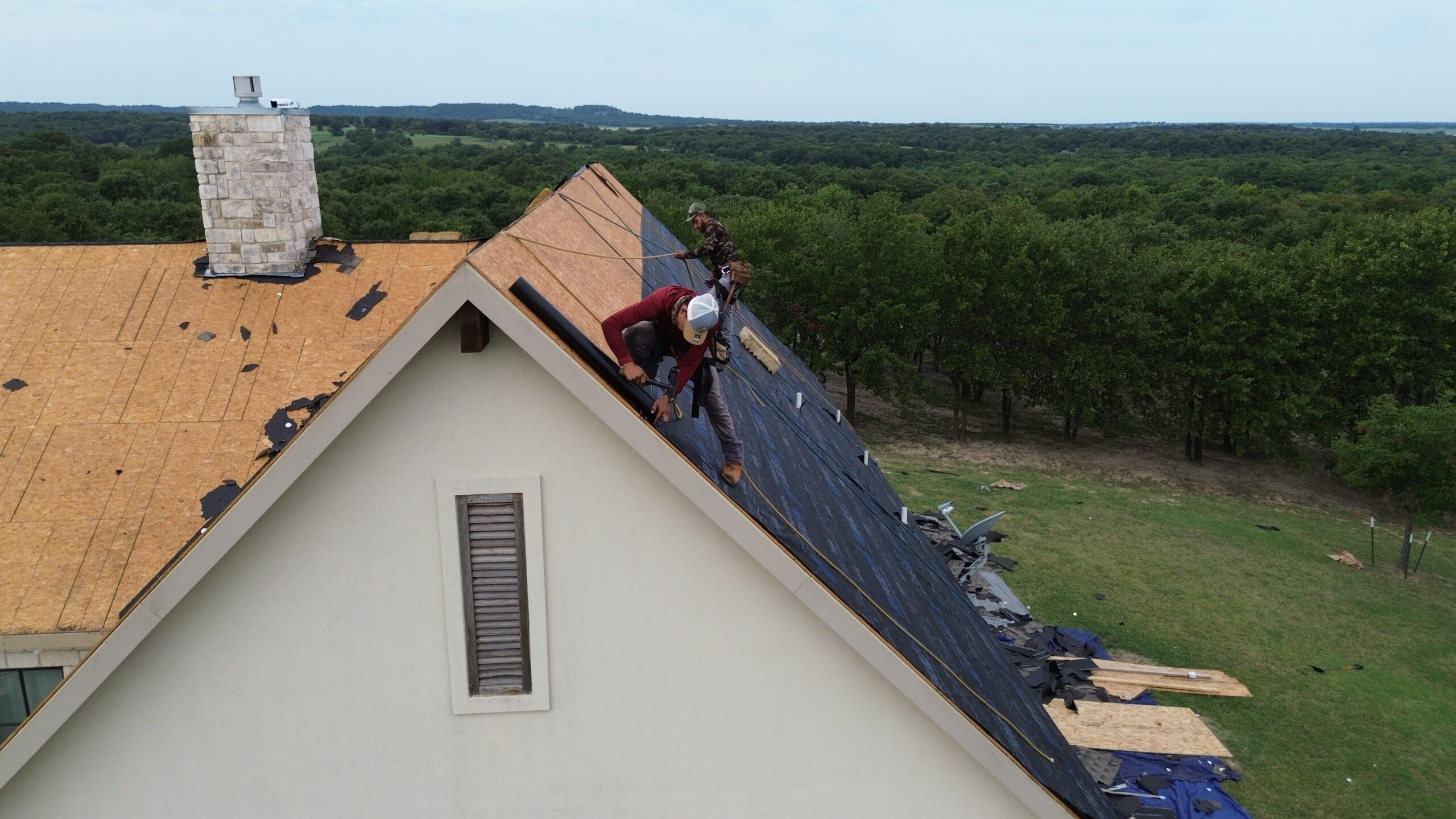
Removing roofing waste safely requires coordination between workers on the roof and those at ground level. The method used should be appropriate for the material and should prevent uncontrolled debris from falling or spreading across the property.
Old shingles can be heavy when several layers are removed. Workers should avoid creating large unstable piles that could shift unexpectedly or interfere with movement across the roof.
Debris should be collected in manageable quantities. Smaller loads can be easier to control and may reduce the need for workers to carry awkward or unstable amounts of material.
Underlayment should also be gathered as the roof is exposed. Loose sheets can catch wind, especially when they are lightweight and the roof is elevated. Old flashing should be handled carefully because metal edges can be sharp. Workers should use appropriate protective equipment and avoid leaving sharp pieces where someone could step on them.
Damaged decking requires additional care. Larger pieces of plywood or other sheet materials can be awkward to carry, so workers should coordinate their movements and use suitable material-handling methods. Tile and slate pieces should not be allowed to accumulate unnecessarily. Broken pieces can be sharp and heavy, while loose fragments can become dangerous underfoot.
Metal roofing cutoffs should be collected promptly. Sharp edges can create injury risks for workers who are moving around the roof or ground-level cleanup area. Packaging should be removed as the roofing materials are opened. This prevents plastic, cardboard, and straps from accumulating around the active work area.
Workers should avoid mixing waste into piles that are too large to manage safely. A pile that appears manageable at the beginning of the day can become unstable or obstructive as more material is added.
The crew should also protect the roof surface during waste removal. Heavy debris should not be dragged unnecessarily across finished roofing materials because this can cause scratches, scuffs, displacement, or other damage. The same principle applies to newly installed components. Waste from one stage of the project should not damage materials that have already been completed.
Managing Debris During Active Installation
Cleanup should continue while the roofing work is underway. Waiting until the end of the day allows debris to accumulate and increases the number of hazards present in the active work area.
Workers should remove unnecessary materials from their immediate workspace as tasks are completed. This creates more room to move and reduces the likelihood of stepping on loose pieces.
Small scraps should be collected regularly. Shingle pieces, underlayment cutoffs, flashing fragments, fasteners, and packaging can quickly spread across a roof if they are not controlled.
The work sequence should include natural cleanup points. After completing a roof section, the crew can gather waste before moving to the next area.
This approach also helps separate waste from usable materials. New products and remaining pieces that may still be required should be kept organized so they are not accidentally placed in the waste stream.
Cleanup should be especially frequent around access routes. Workers need clear paths when moving between the roof and ground, and loose debris can make these routes difficult to use safely.
Roof edges should also remain controlled. Waste should not be allowed to accumulate where it can slide or fall from the roof.
If wind begins to increase, lightweight debris should be secured or removed. Plastic wrapping, paper, insulation pieces, and other lightweight materials can become airborne quickly.
The crew should also consider the condition of the ground below. Roofing debris can spread beyond the immediate work area, particularly when materials are moved from elevated locations.
Regular cleanup helps protect workers and property while improving the efficiency of the project. A clean work area makes it easier to identify hazards, organize materials, and maintain a consistent installation sequence.
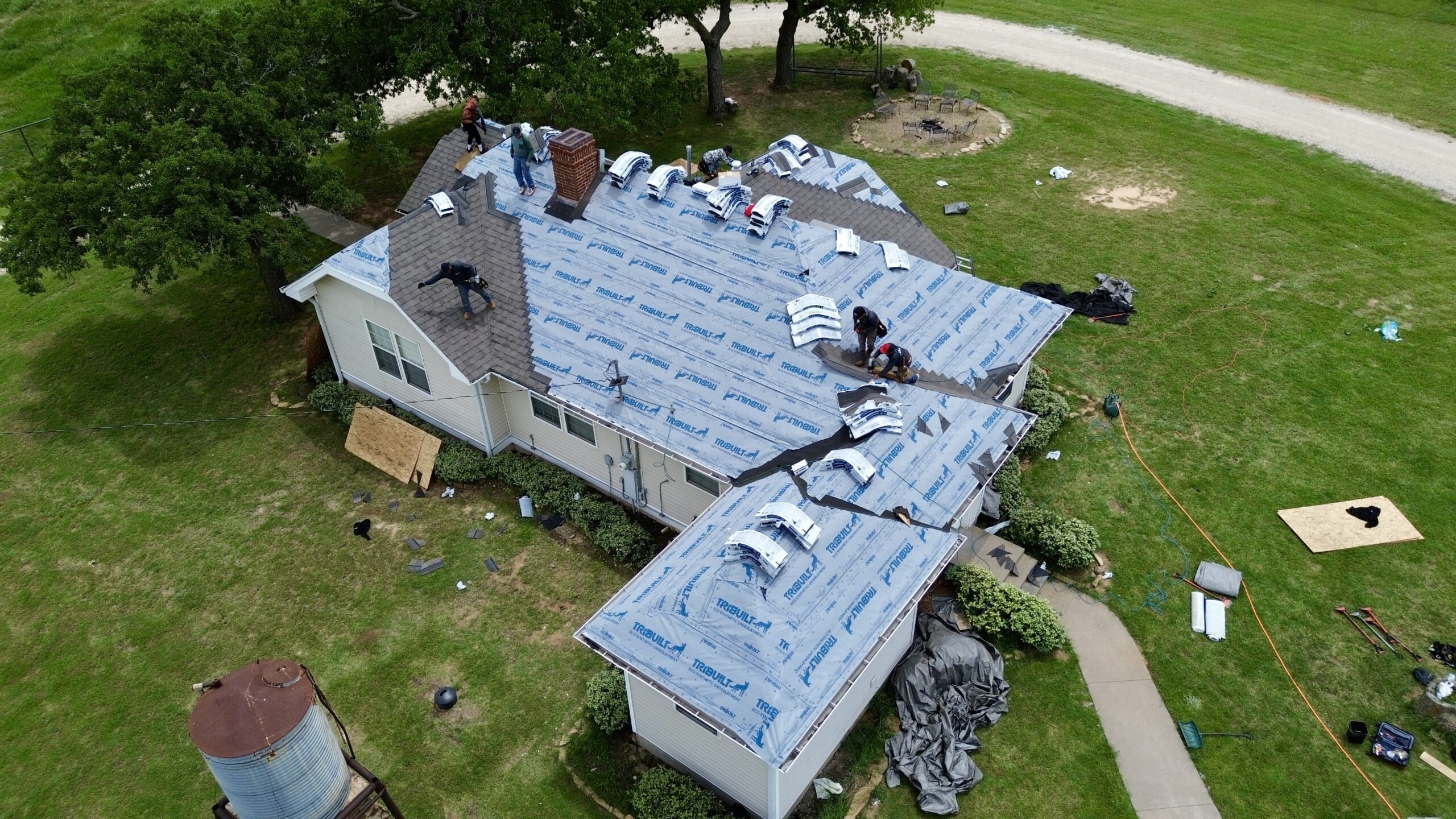
Safe Collection and Ground-Level Waste Handling
Once roofing debris reaches ground level, it still needs to be controlled carefully. Workers handling waste below the roof may encounter sharp metal, heavy shingles, broken decking, loose nails, and other materials that can cause injuries if they are picked up or moved without proper precautions.
The ground-level collection area should be established before large-scale roof removal begins. Workers should know where debris is being directed and where the waste container is located so materials do not accumulate randomly around the property.
Waste should be transferred using an appropriate method for the building and project. Chutes, hoists, conveyors, lifts, containers, or other controlled methods can reduce the need for workers to carry large amounts of debris manually.
When a debris chute is used, workers should keep the discharge area controlled. People should not stand directly beneath or near the discharge point while materials are being transferred.
Ground workers should wear appropriate protective equipment for the waste being handled. Gloves, eye protection, footwear, and other equipment may be needed depending on whether workers are handling sharp metal, broken roofing materials, dusty debris, or damaged wood.
Heavy debris should be handled using suitable lifting practices. Workers should avoid attempting to carry loads that are too heavy or awkward to control safely.
Large pieces of decking or metal panels may require two or more workers. Coordinating the movement before lifting helps prevent sudden shifts that could cause strain or loss of control.
Waste should be loaded into the container in an organized manner. Large materials can be positioned so they do not create unstable piles that may shift when additional debris is added.
The container should not be overloaded. Excessive waste can create hazards during loading, transportation, or final disposal.
If the container becomes full, arrangements should be made for removal or replacement. Continuing to pile debris around an already full container can quickly create additional trip and handling hazards.
Ground-level cleanup should also include areas around the container. Nails, shingle pieces, plastic, cardboard, and metal fragments can spread beyond the immediate loading area.
The crew should inspect these areas periodically rather than assuming that all debris has remained inside the designated collection zone. Wind, foot traffic, and vehicle movement can distribute small materials across the property.
A controlled ground-level waste process allows roof workers to continue their tasks without creating an increasingly disorganized site below. It also helps protect workers, occupants, visitors, and property from unnecessary exposure to construction debris.
Removing Shingles, Underlayment, Flashing, and Other Materials
Different roofing materials require different approaches to removal and cleanup. Contractors should understand the characteristics of each material before deciding how it will be collected, transported, and disposed of.
Asphalt shingles are often removed in large quantities during replacement projects. Their weight can increase significantly when several layers are present, so crews should avoid allowing excessive piles to build up on the roof.
Old shingles should be moved using a controlled method that prevents them from sliding toward edges or obstructing walking routes. Workers should also be careful around exposed nails that may remain attached to removed materials.
Underlayment is generally lighter but can create problems in windy conditions. Removed felt or synthetic material should be collected promptly rather than being left loose across the roof.
Flashing should be handled carefully because it can contain sharp edges and protruding fasteners. Pieces should be gathered and placed in an appropriate container rather than being left around the active work area.
Damaged decking can be heavier and more difficult to manage. Large sections should be handled using coordinated movements or suitable equipment when necessary.
Metal roofing materials can have sharp edges even after they are cut or removed. Workers should use appropriate protection and avoid dragging sharp pieces through areas where other workers may be present.
Tile and slate require additional attention because individual pieces can be heavy and brittle. Broken fragments should be collected regularly to prevent them from becoming foot hazards.
Insulation and membrane materials can also generate waste during certain projects. The contractor should handle these materials according to their characteristics and applicable disposal requirements.
New roofing materials create waste as well. Shingle cutoffs, panel trimmings, flashing pieces, damaged products, and protective packaging should be separated from materials that can still be used.
A useful practice is to keep usable materials and waste clearly separated throughout installation. This prevents good products from being accidentally thrown away and reduces unnecessary sorting later.
The removal method should also protect completed roofing work. Workers should avoid dropping or dragging heavy waste across newly installed shingles, membranes, flashing, or other components. Careful handling protects both the workers and the roof. Cleanup should never create new damage to a section that has already been installed correctly.
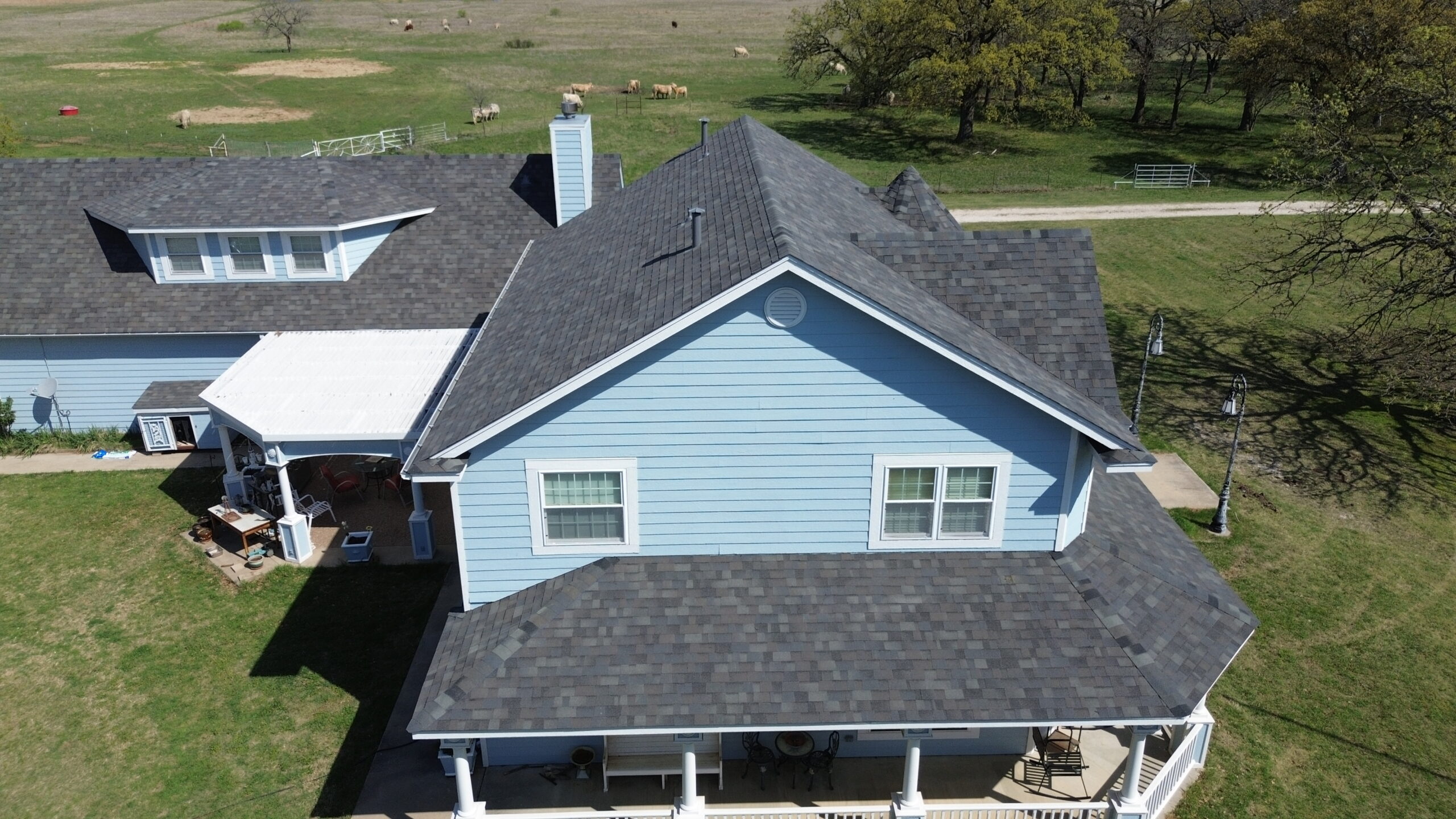
Protecting Property During Roofing Cleanup
Roofing cleanup can affect more than the roof itself. Falling materials, sharp debris, heavy equipment, and vehicle movement can damage landscaping, siding, windows, doors, driveways, vehicles, outdoor equipment, and other property.
Before work begins, contractors should identify areas that require protection. This allows the crew to determine where materials can safely be moved and where additional controls may be needed.
Landscaping can be especially vulnerable during roof replacement. Falling shingles and other debris can damage plants, shrubs, decorative features, and other outdoor areas.
Protective coverings may be used where appropriate to reduce exposure to falling debris. These protections should be installed carefully so they do not create additional trip, access, or drainage hazards.
Windows and exterior walls may also need consideration. Workers should control where debris is moved so materials do not strike or scrape finished surfaces. Vehicles should be kept away from active loading and debris-removal areas whenever practical. A single falling tool or piece of metal can cause expensive damage to a vehicle.
Driveways can collect large numbers of small roofing materials. Nails and metal fragments may become embedded in surfaces or carried away by vehicle tires if they are not removed. Outdoor equipment should also be protected. Air-conditioning units, outdoor furniture, lighting fixtures, irrigation equipment, and other property features may be located close to the building.
Contractors should consider how debris moves in windy conditions. Lightweight waste can travel farther than expected and may land on neighboring property. Communication with occupants can also help protect property. Residents or building users should understand which areas are restricted during active roofing work and where vehicles or outdoor items should be kept.
The contractor should inspect the property throughout the project rather than waiting until the final day. Early identification of damage or debris makes correction easier. Property protection and waste management should work together. When debris is collected and moved in a controlled manner, there is less opportunity for materials to spread across the property.
Nail, Fastener, and Small Debris Removal
Small debris is one of the most important cleanup concerns during roofing work because it can be difficult to see but can still create significant hazards. Nails, screws, staples, metal fragments, and small pieces of roofing material can remain on the roof and ground after installation activities.
Nails are particularly important during roof replacement because old fasteners may remain after shingles or other materials are removed. New roofing installation also generates additional fasteners as shingles, flashing, underlayment, and other components are secured.
Workers should collect loose fasteners regularly rather than allowing them to accumulate. This reduces the possibility of puncture injuries and helps keep the work area organized.
Magnetic sweepers can be useful for collecting ferrous nails and similar metal objects from suitable ground surfaces. However, a magnetic tool should not be treated as the only cleanup method because some materials are not magnetic and small debris can remain hidden.
Visual inspection is therefore essential. Workers should look around driveways, walkways, grass, landscaping, and other areas where roofing debris may have fallen.
The roof surface should also be inspected. Small metal pieces can remain between shingles, around valleys, near roof edges, or in areas where workers have been cutting and fastening materials.
Workers should use appropriate footwear when moving across a roof during cleanup. Even experienced installers can step on sharp debris if the work area has not been properly cleared. Fasteners should be collected before the final roofing inspection. This creates a cleaner surface and reduces the possibility that debris will interfere with later maintenance.
Cleanup around vehicles deserves special attention. Nails and screws can puncture tires, creating an expensive problem for the property owner or contractor. Ground-level sweep patterns can help crews systematically inspect the property. Instead of walking randomly, workers can move through designated sections and confirm that each area has been checked.
Small debris can also accumulate near gutters and drainage areas. Contractors should inspect these locations so roofing materials do not interfere with normal water flow. A careful final sweep is therefore more than a cosmetic task. It is an important part of returning the property to a safe condition after roofing work.
Managing Waste Containers and Disposal Areas
Waste containers are central to many roofing cleanup operations. Their location, size, loading method, and removal schedule should be planned before installation begins. The container should be positioned where roofing waste can be moved into it efficiently. At the same time, it should not block emergency access, driveways, pedestrian routes, or other important areas.
The surface beneath the container should be suitable for its weight. Contractors should also consider whether the container may damage the driveway or other finished surfaces. Protective measures may be appropriate when heavy containers are placed on sensitive surfaces. The method should be chosen according to the property and container requirements.
The container should be loaded in a controlled manner. Workers should avoid placing materials in a way that allows debris to extend beyond the sides or become unstable.
Different waste materials may require separate handling. Metals, cardboard, certain construction materials, and other products may have recycling or disposal options depending on local facilities and project requirements.
The contractor should know where the waste will go after removal. Disposal should be handled through appropriate facilities and according to applicable requirements rather than simply moving debris from one location to another.
If hazardous or regulated materials are discovered during a roofing project, the crew should stop and follow the appropriate procedures. Roofing materials from older buildings can sometimes require special handling, so workers should not assume that every material can be disposed of as ordinary construction waste.
Container pickup should be coordinated with the work schedule. A full container can interfere with cleanup and force workers to create temporary piles in unsuitable locations. The waste area should remain orderly throughout the project. Regular cleanup around the container reduces trip hazards and helps the site remain accessible.
End-of-Day Roofing Cleanup Procedures
Cleanup at the end of each workday is an important part of roofing site management. The objective is to leave the property in a controlled condition and ensure that loose materials do not create hazards overnight.
The crew should begin by removing unnecessary debris from active roof areas. Shingle pieces, packaging, flashing cutoffs, loose fasteners, and other waste should be collected and moved to the designated disposal area.
Tools should also be gathered and secured. Leaving tools on the roof can create hazards if wind moves them or if workers return the next day without realizing where they were left. Lightweight materials should be secured appropriately. Underlayment, plastic, packaging, insulation, and other materials can become airborne if weather conditions change after workers leave.
Any unfinished roof areas should be protected according to the roofing system and project requirements. Temporary protection can help reduce exposure to rain and wind when the final roofing material has not yet been installed. Ground-level areas should then be inspected. Workers should look for nails, screws, shingle pieces, packaging, and other debris around the building.
Walkways and entrances deserve special attention. Occupants and visitors may use these areas after the crew leaves, so they should not contain unnecessary construction debris. Vehicles should be checked for nearby debris as well. Workers should make sure that nails and sharp materials have not accumulated around parking or driveway areas.
The waste container should be checked for stability and capacity. If it is approaching full capacity, the contractor should arrange for removal or replacement before the next major work period. The final daily cleanup should also include communication. The supervisor can confirm that the crew has secured materials, cleared access routes, removed tools, and addressed any remaining hazards.
A consistent end-of-day routine prevents small problems from becoming larger ones. It also means the crew begins the next workday with a more organized and controlled site.
Final Roof Surface Cleanup
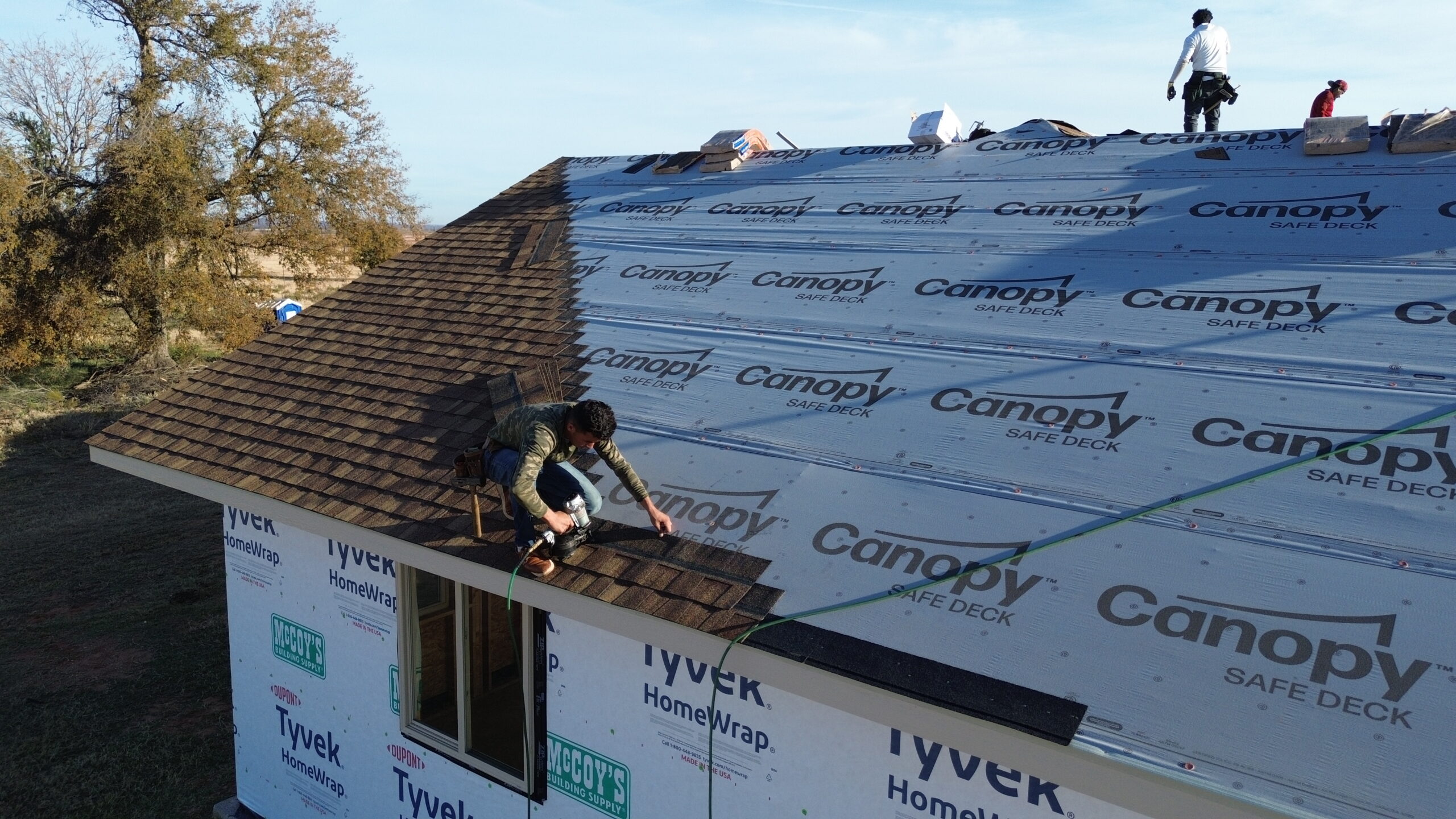
Once the main roofing installation is complete, the crew should perform a detailed cleanup of the roof surface. This stage is important because small pieces of shingles, flashing, packaging, fasteners, and other debris can remain even after the larger waste has been removed.
The roof should be inspected systematically rather than cleaned randomly. Workers can move through each roof section and check valleys, ridges, eaves, penetrations, corners, and areas around recently installed materials.
Loose roofing pieces should be removed carefully so finished materials are not damaged. Workers should avoid dragging sharp metal pieces or heavy debris across completed shingles, membranes, tiles, or panels.
Valleys deserve particular attention because debris can interfere with drainage. Small pieces of roofing material should be removed so water can travel through the intended drainage path without unnecessary obstruction.
Roof edges should also be inspected. Loose fasteners, cutoffs, packaging, and other debris should not remain near edges where they could fall to the ground or become displaced by wind.
The areas around vents, chimneys, skylights, and other penetrations should be checked as well. Cleanup should not disturb flashing, seals, or other components that have already been installed.
Workers should inspect gutters and drainage components for roofing debris. Shingle granules, small material pieces, nails, and other waste can collect in these areas during installation.
The final roof inspection should combine cleanup with a basic visual quality check. Any obviously loose, damaged, displaced, or incomplete roofing component should be brought to the attention of the responsible contractor before the crew leaves the area.
Final Ground-Level Property Inspection
After the roof has been cleaned, the ground around the building should receive an equally careful inspection. Roofing debris can travel beyond the immediate work area, particularly during tear-off or windy conditions.
The contractor should inspect driveways, walkways, lawns, landscaping, patios, entrances, and other areas surrounding the building. Nails and small metal fragments deserve particular attention because they may be difficult to see but can cause injuries or puncture vehicle tires.
A magnetic sweeper can help collect ferrous fasteners from suitable surfaces. However, the crew should also perform a visual inspection because not all roofing debris is magnetic.
The area around the waste container should be cleaned as well. Loose pieces that have fallen during loading should be collected instead of being left around the container.
Property protection should be reviewed before the project is considered complete. Coverings, temporary barriers, protective materials, and other measures used during installation should be removed carefully without damaging the property.
Vehicles should be checked for nearby debris, particularly when workers have been loading or transporting roofing materials close to parking areas. The same inspection should be performed around building entrances and frequently used walkways.
Landscaping should be checked for loose roofing materials and packaging. Small pieces can become difficult to notice among plants, grass, or decorative features.
A final property inspection helps ensure that the contractor leaves the site in a safe and orderly condition. It also demonstrates that cleanup is being treated as part of the completed roofing project rather than as an afterthought.
Common Roofing Cleanup Mistakes to Avoid
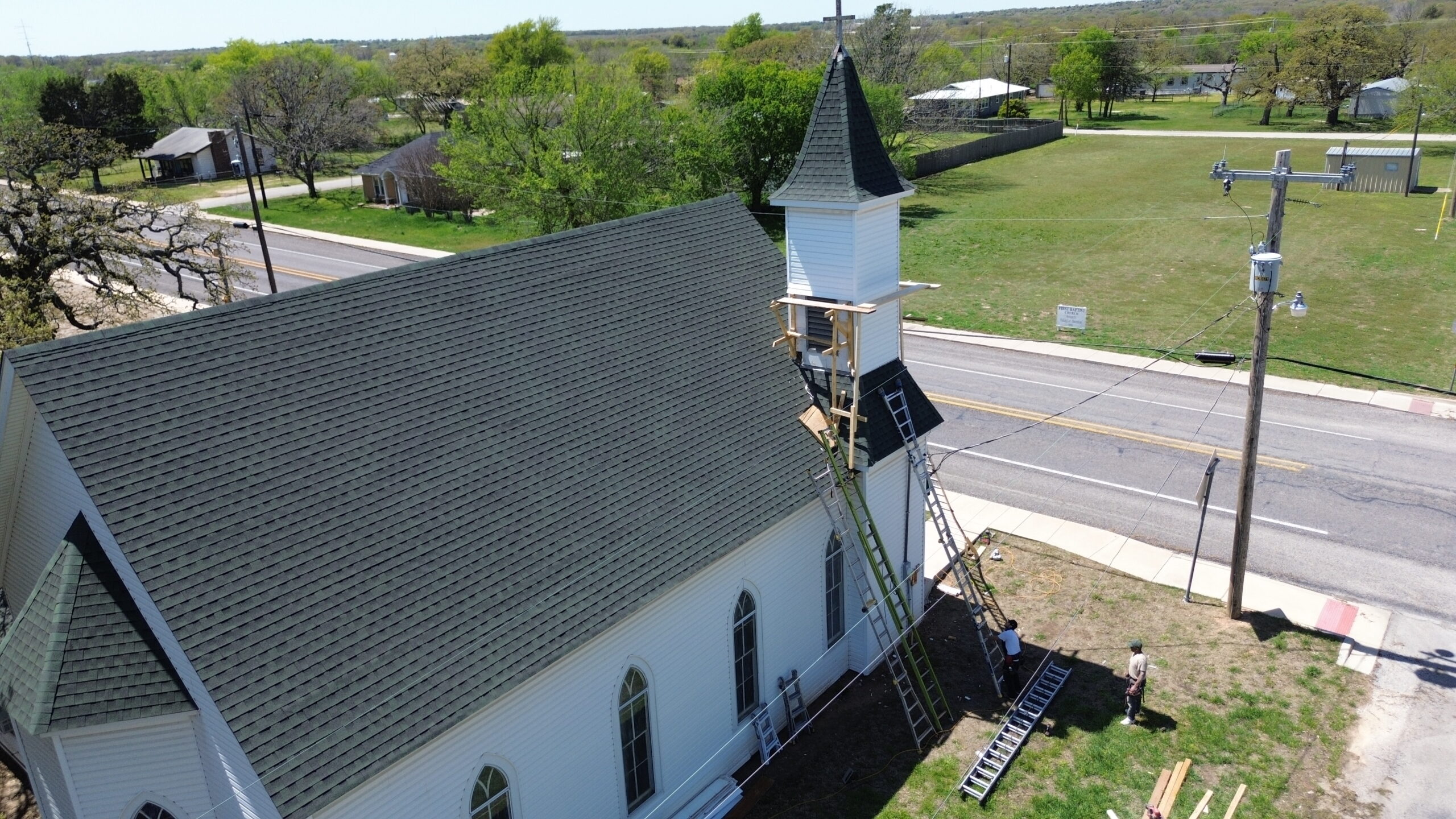
One of the most common cleanup mistakes is waiting until the very end of the project to remove waste. Large accumulations of debris can obstruct movement, increase trip hazards, and make final cleanup much more difficult.
Another mistake is focusing only on large pieces of waste. Shingles and decking may be easy to see, but nails, screws, staples, and small metal fragments can create significant hazards if they remain on the property.
Throwing roofing debris from the roof is another unsafe practice. Waste should be transferred using a controlled method that protects workers, occupants, visitors, and property below.
Poor waste-container placement can also cause problems. A container that blocks a driveway, walkway, access route, or emergency area can interfere with normal property use and construction activities.
Overloading the container should be avoided. Excessive material can extend beyond the container, create instability, or make removal more difficult.
Mixing usable roofing materials with waste is another avoidable problem. Remaining shingles, flashing, fasteners, or other products that may still be required should be kept separate from debris.
Leaving packaging on the roof can also create hazards. Plastic and other lightweight materials can move unexpectedly when exposed to wind.
Inadequate end-of-day cleanup is another common issue. Tools, loose materials, debris, and unsecured waste can create hazards overnight when no crew is present to respond.
Contractors should also avoid assuming that one sweep is enough. A thorough cleanup may require several inspections, particularly after materials have been moved or after final work has been completed.
Waste Disposal and Environmental Considerations
Proper waste disposal is an important part of responsible roofing work. The contractor should determine where roofing materials will be taken and whether particular products can be recycled or require specialized handling.
Metal roofing materials and flashing may often have recycling options depending on local facilities. Separating recyclable materials can reduce the amount of waste sent to general disposal facilities.
Cardboard and certain packaging materials may also be recyclable. Keeping these materials separate from roofing debris can make recycling easier when suitable facilities are available.
Asphalt shingles may have recycling options in some areas. Contractors should check local facilities and applicable requirements rather than assuming that every disposal site accepts roofing materials.
Older roofing projects can sometimes involve materials that require special handling. If workers discover an unfamiliar or potentially hazardous material, they should not assume that it can be handled like ordinary roofing waste.
Waste should be transported through appropriate disposal channels. The contractor should use suitable facilities and follow applicable local requirements for construction and roofing waste.
Environmental responsibility also includes preventing debris from entering drainage systems or neighboring properties. Lightweight materials, dust, and loose fragments should be controlled during both installation and cleanup.
Good waste planning can reduce unnecessary disposal costs as well. Separating reusable and recyclable materials may allow contractors to manage the waste stream more efficiently.
Final Roofing Cleanup Checklist
A final checklist can help the roofing crew confirm that cleanup has been completed across the entire property. The following review should be adapted to the project and used alongside any applicable disposal requirements.
- Inspect the entire roof surface for loose debris.
- Clear valleys, gutters, ridges, and roof edges of unnecessary materials.
- Check around vents, skylights, chimneys, and other penetrations.
- Collect loose nails, screws, staples, and metal fragments.
- Remove unused packaging and construction waste.
- Inspect driveways, walkways, lawns, and landscaping.
- Check entrances and frequently used areas for debris.
- Inspect areas around vehicles and outdoor equipment.
- Confirm that the waste container is not overloaded.
- Separate recyclable materials where appropriate.
- Remove temporary cleanup equipment and protective coverings.
- Complete a final visual inspection with the responsible supervisor.
This final review helps ensure that the property is ready to return to normal use. It also provides an opportunity to identify small cleanup issues before the roofing crew leaves the project.
Why Professional Cleanup Matters
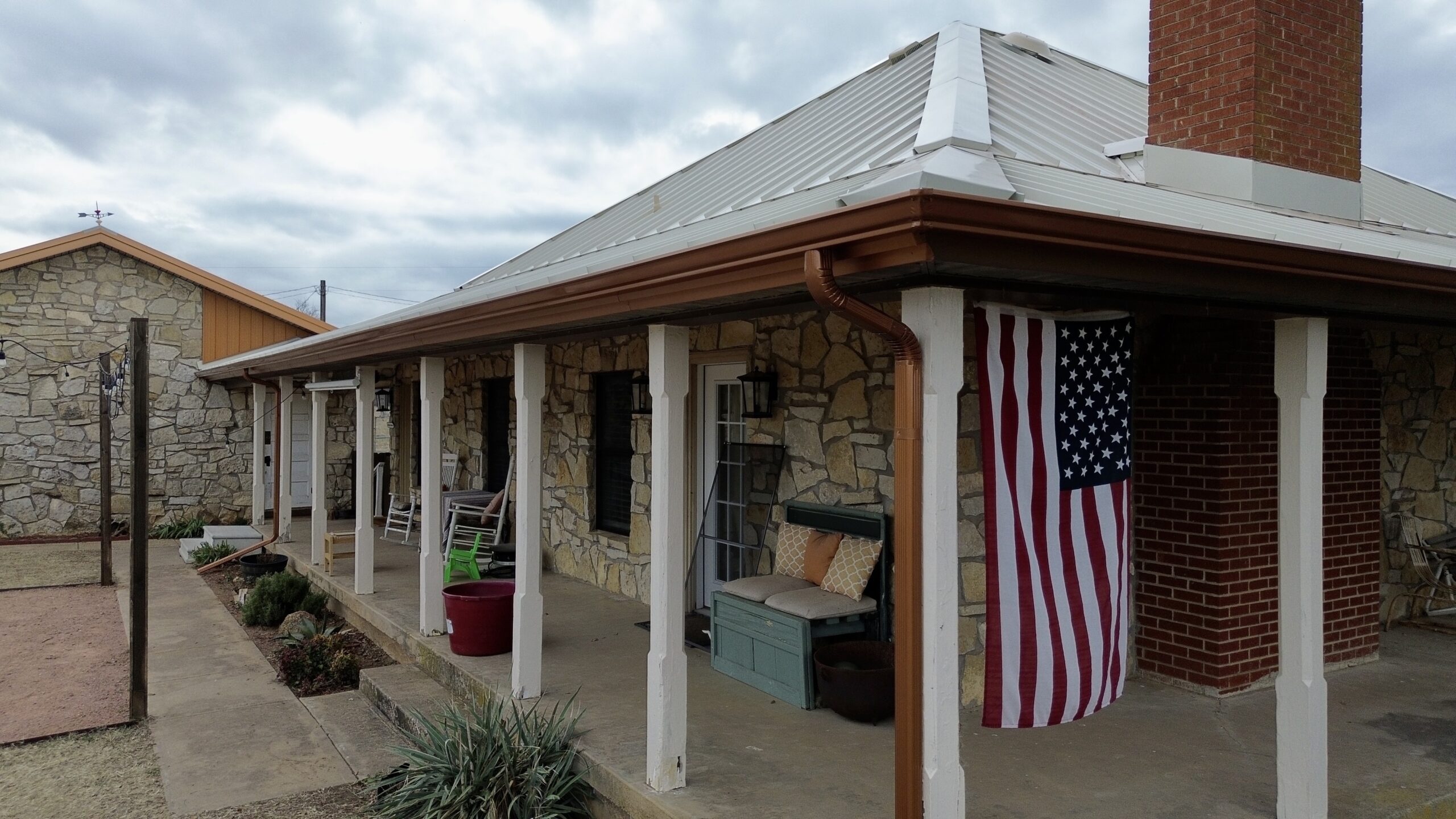
Professional cleanup contributes directly to the safety, appearance, and overall quality of a roofing project. A roof can be properly installed, but the project may still leave a poor impression if the surrounding property contains nails, scraps, packaging, or damaged landscaping.
Effective cleanup also protects people who may use the property after construction ends. Residents, employees, visitors, children, delivery workers, and other people may not recognize small roofing debris as a hazard.
A well-organized cleanup process reduces these risks by removing waste systematically throughout the project. Instead of treating cleanup as a single final task, professional crews incorporate waste management into each stage of installation.
Good cleanup can also protect the contractor’s reputation. Leaving a property clean demonstrates attention to detail and shows that the contractor has considered the complete project experience rather than focusing only on installing the roofing materials.
Waste management can also improve jobsite productivity. When debris is removed regularly, workers have more space to move, tools are easier to locate, materials remain organized, and hazards are easier to identify.
The most effective roofing cleanup combines planning, controlled waste removal, regular housekeeping, careful material handling, final roof inspection, and thorough ground-level sweeping. These practices work together to create a safer and cleaner construction environment.
Conclusion
Waste removal and cleanup are essential components of a successful roof installation project. Roofing work naturally produces debris, but the risks associated with that debris can be controlled through proper planning, organized collection, safe transportation, and detailed final inspection.
The process begins before installation starts. Contractors should determine the expected waste volume, select appropriate collection methods, establish a suitable container location, protect surrounding property, and identify how debris will move from the roof to the ground.
During active work, cleanup should happen continuously. Removing loose materials from work areas helps maintain clear walking paths and reduces the possibility of slips, trips, punctures, falling objects, and property damage.
Different roofing materials also require different handling approaches. Shingles, underlayment, flashing, decking, metal panels, tiles, slate, packaging, and small fasteners should be managed according to their size, weight, condition, and potential hazards.
Ground-level cleanup is equally important. Driveways, walkways, landscaping, entrances, parking areas, and areas around the waste container should be inspected regularly so debris does not remain where it can injure people or damage property.
Small debris deserves particular attention because nails, screws, and metal fragments can be difficult to see. Magnetic sweepers can assist with suitable fasteners, but visual inspections should also be performed to identify materials that cannot be collected magnetically.
Responsible waste disposal adds another important part of the process. Where practical and available, suitable materials can be separated for recycling, while unfamiliar or potentially hazardous materials should be handled according to applicable requirements.
The final cleanup should include both the roof and the surrounding property. Contractors should inspect roof sections, valleys, gutters, edges, penetrations, driveways, walkways, landscaping, vehicles, and other areas that may have been exposed to construction debris.
Ultimately, professional roofing cleanup is about more than making a property look neat. It helps reduce hazards, protect finished work, prevent property damage, support responsible waste management, and provide a safer environment for everyone who uses the building.
When contractors plan waste removal from the beginning, maintain regular housekeeping during installation, use controlled disposal methods, and complete a detailed final inspection, cleanup becomes a natural part of the roofing workflow.
A properly completed roofing project should therefore include more than a finished roof. It should leave behind a clean, organized, and safe property that reflects the same level of care given to the installation itself.