
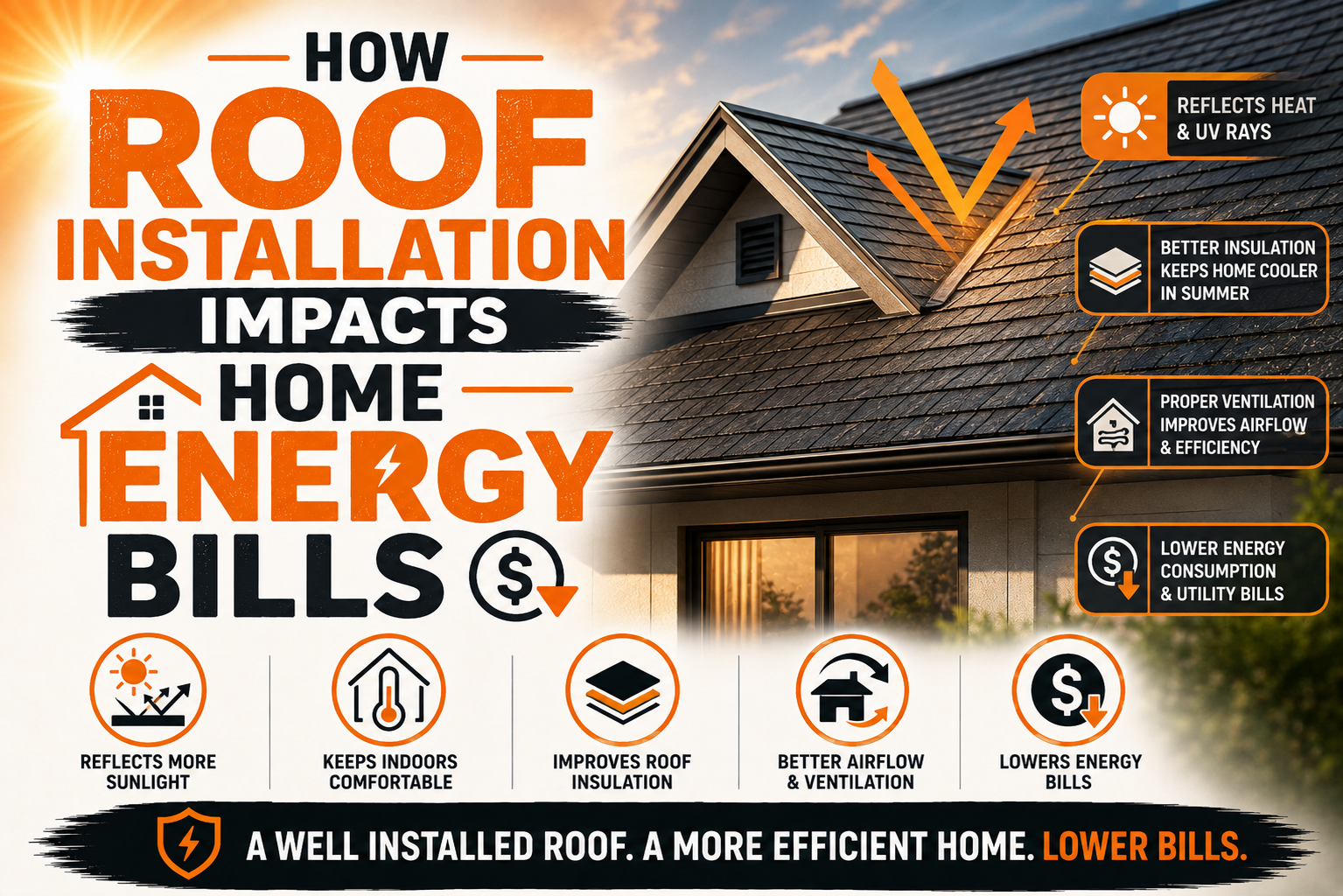
How Roof Installation Impacts Home Energy Bills
Introduction
A roof does much more than protect a home from rain, wind, and sunlight. It is also an important part of the home’s thermal envelope, which controls how heat moves between the indoor and outdoor environments. When a roof is properly designed and installed, it can help maintain more consistent indoor temperatures and reduce the amount of energy needed for heating and cooling throughout the year.
Home energy bills are strongly influenced by heating and cooling demand, especially in regions that experience very hot summers or cold winters. A roof that absorbs excessive solar heat can raise attic and indoor temperatures, forcing an air conditioning system to work harder. Likewise, a poorly insulated or improperly sealed roof can allow valuable heated air to escape during colder weather, increasing the workload on heating equipment.
Installing a new roof does not automatically guarantee lower energy bills. The results depend on several factors, including roofing material, insulation, ventilation, roof design, installation quality, climate, and the condition of the home’s existing thermal envelope. A professionally installed roofing system can address several of these factors at the same time and create better conditions for long-term energy efficiency.
The relationship between roof installation and energy consumption is particularly important when homeowners are replacing an aging roof. An older roofing system may have deteriorated insulation, damaged ventilation components, gaps around penetrations, or other weaknesses that contribute to heat transfer. Replacing the roof provides an opportunity to improve these areas rather than simply installing new exterior materials over an inefficient system.
Understanding how roofing affects energy use can help homeowners make better decisions before beginning an installation project. Instead of focusing only on the appearance or initial price of a roof, homeowners can consider how the complete roofing assembly may influence comfort, heating and cooling demand, and long-term household expenses.
Understanding the Connection Between Roofing and Home Energy Use
The roof is constantly exposed to changing outdoor conditions. During sunny weather, the roof surface can absorb radiation from the sun and become considerably warmer than the surrounding air. Some of that heat can move through the roofing system into the attic and eventually affect the temperature of rooms below, particularly when insulation and ventilation are inadequate.
During colder weather, the direction of heat movement changes. Warm air inside the home naturally moves toward colder areas, and the roof can become one of the pathways through which heat escapes. If the roof assembly has insufficient insulation or uncontrolled air leakage, the heating system may need to operate for longer periods to maintain the desired indoor temperature.
This relationship can be understood through the movement of heat. Heat naturally moves from warmer areas toward cooler areas, and roofing systems are designed to slow that movement rather than eliminate it completely. Insulation, air barriers, roofing materials, underlayment, and ventilation can all influence how quickly heat passes through the roof assembly.
A roof’s impact on energy consumption also depends on what happens inside the attic. In a well-designed system, insulation helps separate the conditioned living space from the outdoor environment, while appropriate ventilation can help manage heat and moisture in the attic. When these components work together, the HVAC system may have less work to do to maintain comfortable indoor conditions.
Poor roofing conditions can create the opposite effect. A roof may appear acceptable from the outside while problems underneath contribute to inefficient energy use. For example, compressed insulation, gaps around penetrations, blocked ventilation channels, and inadequate air sealing can create areas where heat moves more easily than intended.
Roof installation therefore needs to be considered as part of the home’s overall energy system. The roof does not operate independently from the walls, windows, doors, insulation, and HVAC equipment. Improving one part can provide greater benefits when the surrounding components also support efficient energy performance.
When planning a roof replacement, homeowners should pay attention to the complete assembly rather than selecting shingles or another exterior covering alone. Important considerations include:
- The thermal performance of the roof and attic
- The amount and condition of existing insulation
- The type and placement of ventilation
- The ability of the roof assembly to limit unwanted air movement
- The roofing material’s response to solar exposure
These factors can influence how much heat enters or leaves the home and, consequently, how much energy is required to maintain comfortable indoor temperatures.
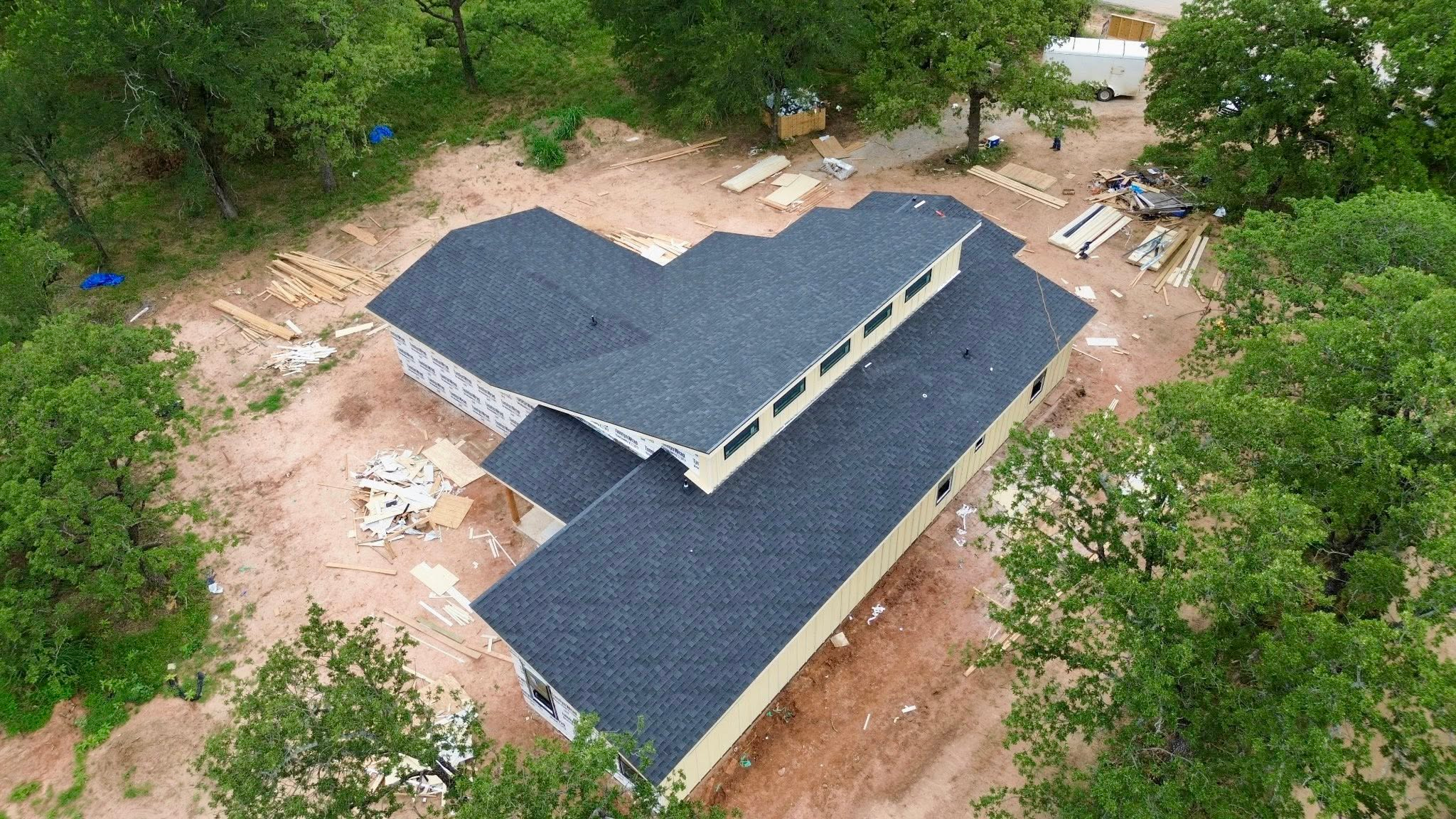
How Roof Heat Transfer Affects Energy Bills
Heat transfer through the roof is one of the major reasons roofing conditions can influence household energy consumption. During summer, sunlight strikes the roof and transfers energy to the roofing surface. Depending on the material, color, reflectivity, and design of the roof, some of this energy can be reflected away while some is absorbed and converted into heat.
The absorbed heat can raise the temperature of the roofing system and the space beneath it. If the attic becomes extremely hot, heat may gradually move through the ceiling and into the conditioned areas of the home. The air conditioning system then has to remove that additional heat, which can increase electricity consumption during periods of high outdoor temperatures.
Roof heat transfer is not limited to direct movement through roofing materials. Air leakage can also affect energy performance. Small gaps around roof penetrations, ducts, vents, electrical components, and other openings can allow conditioned air to escape or outdoor air to enter, reducing the effectiveness of insulation.
During winter, unwanted heat loss can have a similar effect on household energy use. Heated indoor air can lose energy through the ceiling and roof assembly when insulation is insufficient or poorly installed. The heating system may respond by running more frequently or for longer periods, increasing fuel or electricity consumption.
The amount of energy affected by roof heat transfer varies from one home to another. A house in a hot climate with strong solar exposure may experience greater cooling-related impacts, while a home in a cold region may be more affected by heat loss during winter. Homes in mixed climates can experience both challenges at different times of the year.
Roof surface temperature is another important consideration. Two roofs exposed to the same outdoor conditions may reach different temperatures depending on their materials and colors. A surface that absorbs more solar radiation can become hotter, potentially increasing the amount of heat transferred toward the attic.
The design of the roof assembly determines how much of that heat reaches the interior. Insulation provides resistance to heat movement, while ventilation can help remove accumulated heat from certain attic spaces. Air sealing limits uncontrolled movement of air, which can otherwise carry heat through gaps and openings.
For homeowners, the practical result is straightforward. If more unwanted heat enters the home during summer, the cooling system must remove more heat. If more heat escapes during winter, the heating system must replace it, and both situations can contribute to higher energy bills.
The Role of Roof Insulation During Installation
Roof insulation is one of the most important elements affecting the energy performance of a roofing system. Its primary purpose is to slow the movement of heat between the conditioned interior of the home and the unconditioned space outside it. When insulation is properly selected and installed, it can help reduce temperature fluctuations and lower the workload placed on heating and cooling equipment.
During a roof installation or replacement project, homeowners have an opportunity to inspect existing insulation and determine whether improvements are necessary. An older roof may have insulation that has settled, become damaged by moisture, been compressed, or no longer provides adequate thermal resistance. Simply installing new roofing material without addressing these conditions may leave an important source of energy loss unchanged.
Insulation performance depends not only on its material but also on its installation. Gaps and compressed sections can create weak areas where heat moves more easily. Even when the overall insulation level appears sufficient, inconsistent installation can reduce the effectiveness of the entire system.
The location of insulation also matters. In many homes, insulation is installed across the attic floor, separating conditioned rooms from the attic. Other roofing designs place insulation within the roof assembly itself. The appropriate approach depends on the home’s design, attic configuration, climate, ventilation strategy, and applicable building requirements.
A properly planned insulation system can provide benefits throughout the year. In summer, it can slow the movement of heat from a hot attic toward living areas. In winter, it can reduce the movement of indoor heat toward colder attic or exterior spaces, helping the home retain comfortable temperatures for longer periods.
Air sealing should also be considered alongside insulation. Insulation slows heat transfer, but it is not intended to stop uncontrolled air movement through gaps. Before or during roof-related work, contractors may identify areas where air can pass around penetrations, joints, ducts, or other openings and address those weaknesses as part of the overall energy-efficiency strategy.
Moisture is another consideration when evaluating insulation. Water intrusion from roof leaks can reduce insulation performance and may cause deterioration or other building problems. A roof replacement can provide an opportunity to identify the source of moisture problems and ensure that the new roofing system protects the insulation and underlying structure.
Homeowners should avoid assuming that adding the maximum possible amount of insulation will automatically produce the best result. The insulation must work with the ventilation and roof design. Poorly planned combinations can interfere with intended airflow or create moisture-related concerns, so insulation improvements should be evaluated as part of the complete roof assembly.
A professional assessment can help determine whether existing insulation should remain, be repaired, or be replaced. The goal is to create a continuous and appropriately installed thermal barrier that supports the rest of the roofing system.
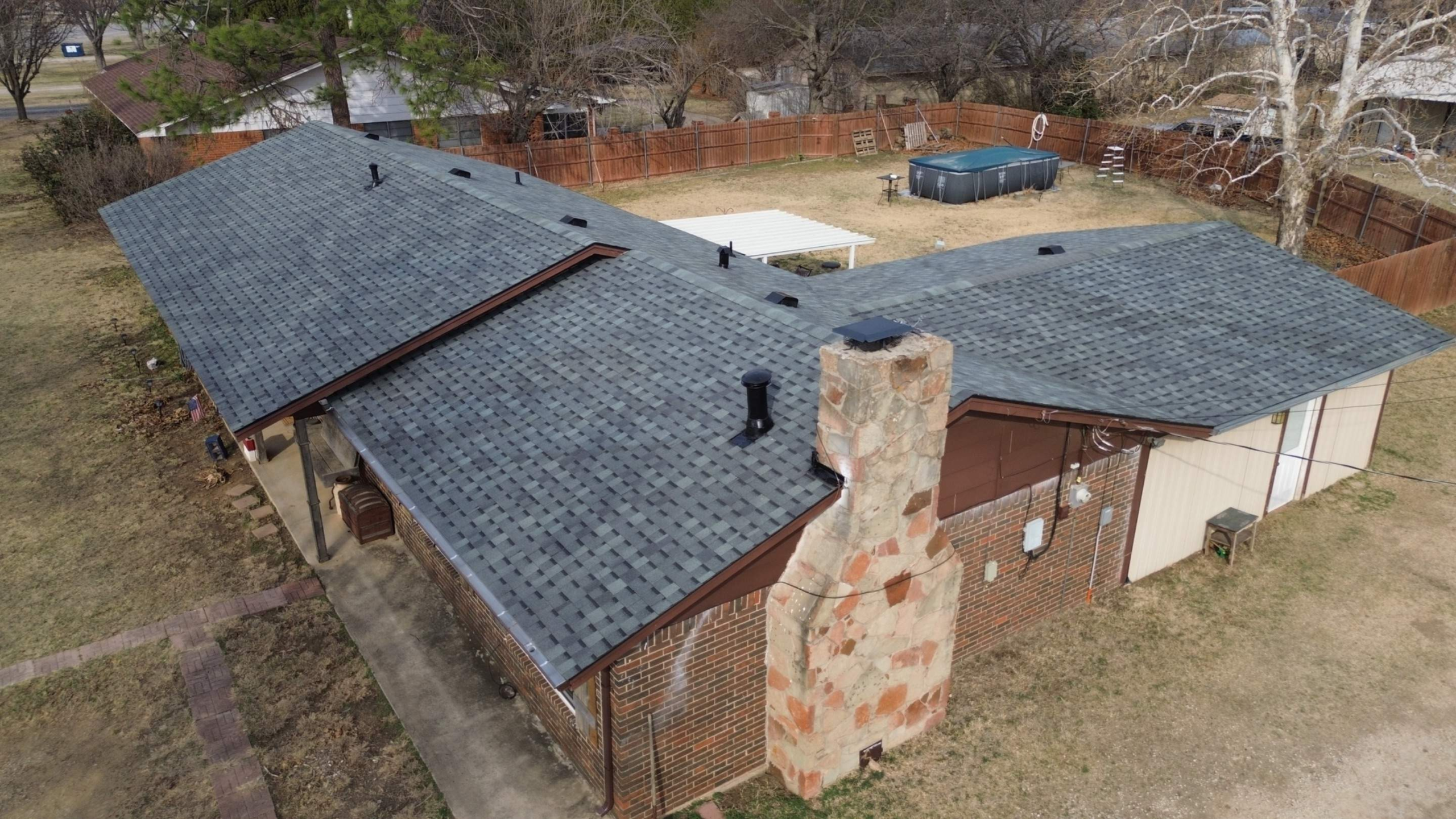
How Roofing Materials Influence Energy Consumption
The material selected for a roof can affect how much solar energy the roof absorbs and how much heat reaches the underlying roof assembly. Different roofing materials have different levels of reflectivity, thermal characteristics, durability, and response to sunlight. These differences can become particularly noticeable in homes located in hot or sunny climates.
Roof color also plays a role. Dark surfaces generally absorb more solar radiation than lighter surfaces, although the actual performance depends on the specific roofing product and its surface properties. Modern roofing products can be designed to provide different levels of solar reflectance and thermal emittance, allowing homeowners to consider energy performance alongside appearance.
Metal roofing, asphalt shingles, tile, and other roofing systems can all be used in energy-conscious designs. However, comparing materials based only on their basic category can be misleading. The overall roofing assembly, including insulation, ventilation, underlayment, roof color, installation quality, and climate suitability, can have a major influence on the final energy performance.
Reflective roofing materials can be particularly useful in locations with intense sunlight. By reflecting a greater portion of incoming solar radiation, certain roofing products can help limit the temperature increase at the roof surface. This may reduce the amount of heat transferred into the attic and lower the cooling demand under suitable conditions.
However, a highly reflective roof is not necessarily the best choice for every climate. In colder regions, solar heat can sometimes contribute to warming a building during sunny periods. Homeowners should therefore consider the full annual climate pattern rather than selecting a roofing material based on summer performance alone.
Roofing material selection should also account for durability and maintenance. A material that performs well thermally but requires frequent repairs may not provide the best overall value. Similarly, an efficient roofing material can lose some of its intended performance if it is installed incorrectly or combined with inadequate insulation and ventilation.
The installation process is therefore just as important as the material itself. Roofing components need to be correctly fitted so that the system performs as designed and protects the layers beneath it. Proper installation can help preserve the intended thermal characteristics of the roof while reducing gaps, weaknesses, and other conditions that may contribute to unwanted heat transfer.
For homeowners planning a replacement, the best approach is to evaluate roofing materials as part of a complete system. The right choice should account for local climate, roof design, insulation, ventilation, solar exposure, expected service life, and installation requirements. This broader approach can help create a roof that not only protects the home but also supports more efficient energy use over time.
Roof Color, Solar Reflectance, and Indoor Comfort
The color and surface characteristics of a roof can influence how much solar energy is absorbed by the roofing system. When sunlight reaches a roof, some of the radiation is reflected while the rest is absorbed as heat. A roof that reflects more sunlight can remain cooler under strong solar exposure, which may help reduce heat transfer into the attic and living areas.
Dark roofing materials generally absorb more solar radiation than lighter surfaces, although the actual performance depends on the product’s formulation and surface properties. Modern roofing products can be manufactured with reflective coatings and finishes that improve solar performance without requiring homeowners to choose a completely different roofing material. This gives homeowners more options when balancing appearance, durability, and energy efficiency.
Solar reflectance is the portion of incoming sunlight that a surface reflects away. Thermal emittance describes how effectively a surface releases absorbed heat rather than retaining it, and both characteristics can influence how hot a roofing surface becomes. Considering these properties can be especially valuable in regions where homes receive intense sunlight for much of the year.
The effect of roof color is most noticeable during warm and sunny conditions. A roof exposed to strong afternoon sunlight can become significantly warmer than the surrounding air, and some of that heat can move through the roofing assembly. If insulation and ventilation are also inadequate, the increased attic temperature may contribute to greater cooling demand.
However, choosing a lighter roof solely because it reflects sunlight does not guarantee a major reduction in energy bills. The condition of the insulation, efficiency of the HVAC system, amount of attic ventilation, size of the home, and local climate all influence the final result. Roofing performance should therefore be evaluated as one component of the home’s overall energy strategy.
Climate is particularly important when selecting roof colors and reflective materials. In hot climates, reducing solar heat gain can support lower cooling demand and improve indoor comfort during the hottest part of the day. In colder climates, homeowners may place greater emphasis on insulation and heat retention, making the complete roof assembly more important than reflectivity alone.
Roof color can also influence how comfortable upper rooms feel. If the roof absorbs substantial heat and the attic becomes very warm, rooms directly beneath the roof may experience higher temperatures than other areas of the home. This can create uneven indoor comfort and cause homeowners to lower thermostat settings, increasing energy consumption.
Homeowners should also consider the relationship between roof color and the surrounding environment. Nearby trees, neighboring buildings, roof orientation, and seasonal sunlight can affect the amount of solar radiation reaching the roof. A professional assessment can help determine whether reflective roofing features are likely to provide meaningful benefits for a particular property.

The Impact of Roof Design and Pitch on Energy Efficiency
Roof design can affect energy performance because the shape, pitch, orientation, and surface area of a roof influence how it interacts with sunlight, wind, insulation, and ventilation. A roof is not simply a protective covering placed above a house; its geometry can influence the way heat moves through the building envelope. These characteristics should be considered when planning a new installation or major roof replacement.
Roof pitch refers to the steepness of the roof surface. Different pitches can receive different amounts of direct sunlight throughout the day depending on the home’s location and orientation. While pitch is often selected for drainage, architectural style, and weather conditions, it can also affect how the roof interacts with solar radiation.
Roof orientation can be especially important in homes with large roof surfaces. A roof section that receives strong afternoon sunlight may experience more solar heat gain than another section that remains shaded for much of the day. This difference can influence attic temperatures and may affect the cooling requirements of rooms located beneath particular roof areas.
Roof geometry also affects attic space and ventilation pathways. A well-designed attic needs appropriate movement of air where ventilation is part of the roofing strategy. If roof modifications block intake or exhaust pathways, heat and moisture can accumulate, reducing the effectiveness of the overall system.
Complex roof designs may contain valleys, dormers, extensions, and multiple roof sections. These features can increase the number of joints and transitions that must be installed correctly. They may also create areas where insulation, air sealing, flashing, and ventilation require additional attention, making installation quality particularly important.
The following factors show how roof design elements can interact with energy performance:
| Roof consideration | Potential energy-related effect |
|---|---|
| Roof orientation | Influences exposure to direct sunlight |
| Roof pitch | Affects surface angle and solar exposure |
| Roof geometry | Can influence attic airflow and insulation placement |
| Roof overhangs | May provide shading around portions of the building |
| Roof penetrations | Can create locations requiring careful air sealing |
| Attic configuration | Influences insulation and ventilation strategies |
Roof overhangs can also contribute to passive temperature management. Properly designed overhangs may provide shade to windows and exterior walls during certain periods of the day, reducing solar heat entering the home through other parts of the building envelope. Their effectiveness depends on orientation, seasonal sun angles, building design, and local climate.
During installation, contractors must account for these design characteristics rather than treating every roof as the same. A roofing strategy that works well for a simple roof may need modification for a complex design with several elevations or attic spaces. Proper planning helps ensure that insulation, ventilation, flashing, and other components work together.
Energy performance should not override essential structural and weather-protection requirements. A roof must first provide reliable protection from rain, wind, and other environmental conditions, while energy-efficient features should be incorporated into that functional design. The most effective roofing system is one that balances protection, durability, comfort, and energy performance.
Underlayment and Roof Deck Considerations for Energy Efficiency
The visible roofing material is only one layer of a complete roofing system. Beneath it are components such as underlayment and the roof deck, which contribute to weather protection and the overall performance of the assembly. Although these components are not usually the first features homeowners consider when thinking about energy bills, their condition and installation can affect how effectively the roof performs.
The roof deck forms an important structural surface beneath the roofing materials. It must be properly prepared before new roofing components are installed, particularly when an old roof is being replaced. Damaged or deteriorated decking may need attention so that the new system can be securely installed and properly supported.
Underlayment provides an additional protective layer beneath the exterior roofing material. Its primary role is to help protect the roof structure from moisture, especially in areas where water may move beneath the primary covering. Maintaining a reliable moisture barrier helps protect insulation and other components that can be negatively affected by water intrusion.
Air sealing around the roof deck is another important consideration. Openings around pipes, ducts, electrical components, chimneys, and other penetrations can allow air to move between the attic and conditioned spaces. When these areas are not properly sealed, heated or cooled air can escape, while unwanted outdoor air can enter the building.
During installation, contractors can inspect areas where the roof deck connects with other parts of the building envelope. Identifying these locations is valuable because small gaps can contribute to cumulative energy losses. Correct sealing methods can help maintain the intended separation between conditioned interior spaces and unconditioned areas.
Moisture control and energy efficiency are also connected. Wet insulation can lose some of its intended performance and may contribute to deterioration or other building problems. A properly installed roofing system helps protect the layers underneath, allowing insulation and air barriers to continue performing as intended.
Roof replacement projects can therefore provide an opportunity to examine more than the exterior covering. If the roof deck, underlayment, insulation, or sealing details show signs of problems, addressing them during installation may improve the long-term performance of the complete system. Leaving these weaknesses hidden beneath a new roof can limit the benefits of the replacement.
Homeowners should discuss the condition of these components with the roofing professional before installation begins. The goal is not necessarily to replace every layer, but to identify components that may interfere with durability, moisture protection, or energy performance. A well-coordinated roof assembly can provide better results than focusing on the visible roofing material alone.
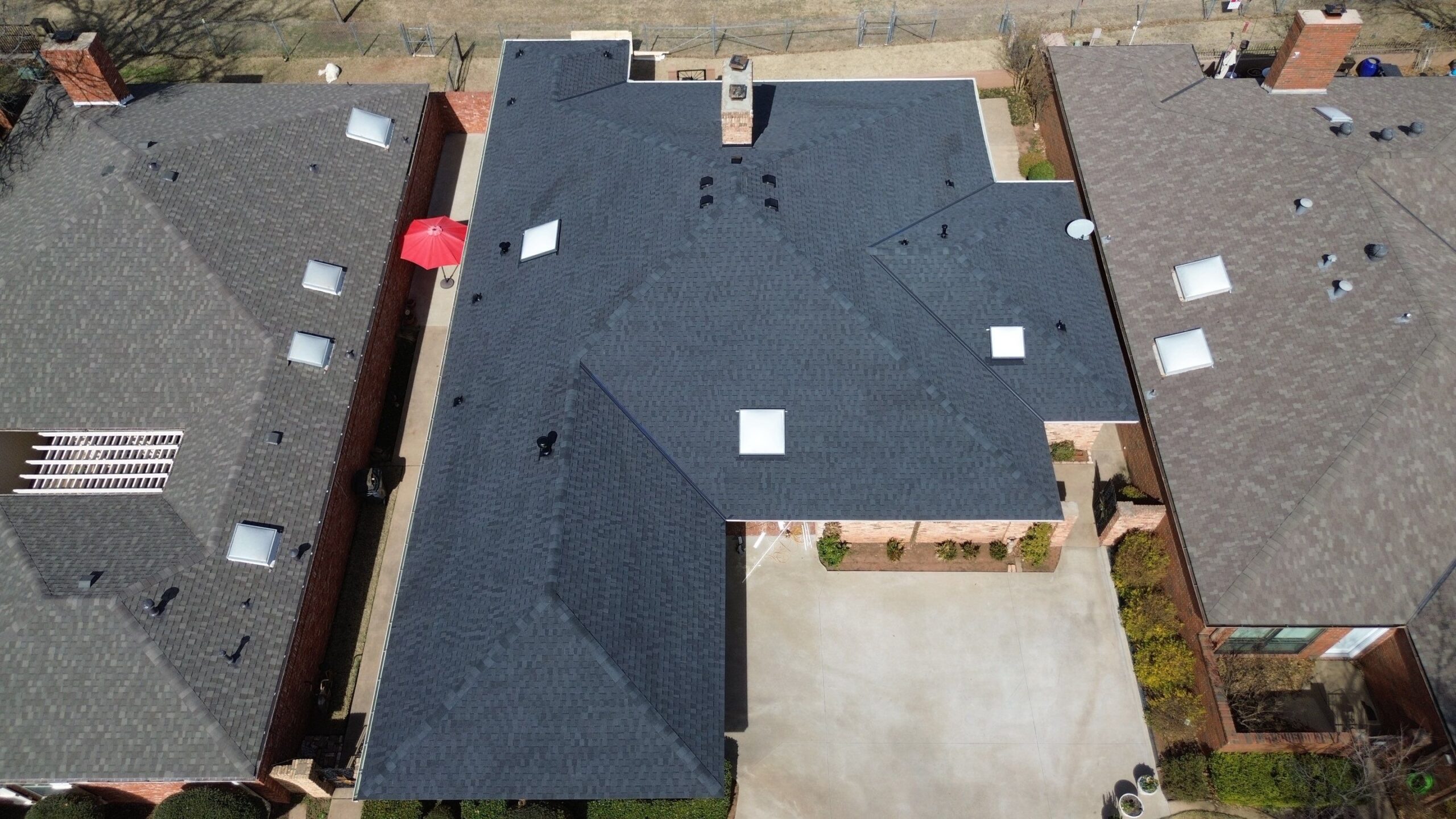
How Roof Installation Can Reduce Summer Cooling Costs
Summer is often the season when homeowners notice the strongest connection between roof performance and energy bills. Strong sunlight can heat roofing surfaces and raise attic temperatures, especially during long periods of clear weather. If heat moves from the attic toward living areas, the air conditioning system may need to remove additional heat to maintain the desired indoor temperature.
An energy-conscious roof installation can help limit this effect through a combination of roofing materials, insulation, ventilation, and air sealing. Reflective roofing surfaces can reduce solar absorption, while properly installed insulation slows heat movement toward conditioned spaces. Appropriate attic ventilation can also help manage heat and moisture where the roof design calls for it.
The combination of these features matters because no single component is responsible for controlling all heat transfer. A highly reflective roof may still leave a home inefficient if insulation is severely inadequate. Similarly, excellent insulation may not address every issue if air leakage or ventilation problems remain.
Reducing the temperature of the attic can support indoor comfort, but homeowners should have realistic expectations about energy savings. The amount saved depends on the home’s size, climate, roof design, existing insulation, HVAC efficiency, thermostat settings, occupancy patterns, and other factors. A roof upgrade may provide meaningful benefits without producing the same percentage reduction in energy bills for every household.
Cooling systems can also experience less stress when the home gains less unwanted heat. If the indoor temperature remains closer to the thermostat setting, the system may not need to operate as intensively during certain periods. Over time, reducing unnecessary cooling demand can contribute to more efficient household energy use.
Roof installation can also improve comfort in upper-floor rooms. These spaces are often more exposed to heat from the roof and attic than rooms on lower floors. A properly designed roofing assembly can help reduce temperature differences and make the home feel more consistent during hot weather.
Homeowners considering summer-focused improvements should evaluate the entire roof assembly. Important areas include the roof surface, insulation level, attic ventilation, air sealing, and condition of the roof deck. Addressing several weak points together can produce a more balanced result than upgrading only one component.
It is also important to distinguish between roof-related cooling improvements and general HVAC improvements. A new roof cannot compensate for an oversized, poorly maintained, or inefficient air conditioning system. Instead, an energy-efficient roof should be viewed as one measure that can complement efficient HVAC equipment and other improvements throughout the home.
How Roof Installation Can Reduce Winter Heating Costs
Cold weather creates a different energy challenge because the goal is to retain the heat produced inside the home. When the roof assembly allows excessive heat loss, the heating system may need to operate more frequently to restore the desired indoor temperature. Insulation, air sealing, and appropriate roof construction can help reduce this unwanted heat movement.
Heat loss can occur through areas where insulation is missing, compressed, or poorly fitted. Small gaps can also create pathways for air movement, particularly around roof penetrations and connections between different building components. During roof-related work, identifying these weak areas can help improve the thermal barrier between the living space and the outdoors.
A properly installed insulation system slows the movement of heat toward colder spaces. This does not prevent heat loss completely, but it can reduce the rate at which indoor heat leaves the building. Maintaining a more stable indoor temperature may allow the heating system to meet household comfort requirements with less frequent operation.
Air sealing is equally important because air can carry heat as it moves through gaps. A well-insulated area can still experience energy losses if there are uncontrolled openings around ducts, pipes, electrical fixtures, attic access points, or other penetrations. Addressing these openings can strengthen the overall performance of the roof and ceiling assembly.
Winter roof performance can also be affected by moisture and ventilation. Attic ventilation must be designed appropriately for the roofing configuration rather than simply maximizing airflow. The goal is to manage moisture and temperature while maintaining the intended insulation and air barrier arrangement.
Snow and ice conditions may also reveal weaknesses in roof design or insulation. Uneven roof temperatures can contribute to different melting patterns, although snow and ice behavior is influenced by weather, roof geometry, insulation, ventilation, and many other factors. Professional evaluation is important when winter conditions expose potential roofing or building-envelope problems.
Homeowners should therefore think about winter energy efficiency when planning a roof replacement, even if the project is taking place during warmer months. A roofing system designed for year-round performance can help protect the home from both heat gain and heat loss. Considering seasonal conditions during installation can support more consistent comfort and energy performance.
Energy-Efficient Roofing in Different Climate Conditions
The ideal approach to energy-efficient roof installation depends heavily on climate. A roofing system designed for a hot, sunny region may prioritize solar reflectance and heat management, while a roof in a cold region may place greater emphasis on insulation and limiting heat loss. Homes in mixed climates need a balanced approach that performs under both summer and winter conditions.
In hot climates, reducing solar heat gain is often a major consideration. Reflective roofing materials, appropriate insulation, and effective ventilation can help limit the amount of heat reaching conditioned spaces. These features can be particularly useful in homes that receive strong sunlight for long periods of the day.
Cold climates require greater attention to retaining indoor heat. High-quality insulation and careful air sealing can reduce heat movement from conditioned spaces toward colder areas. The roofing system must also be designed to handle local precipitation, snow, ice, and temperature fluctuations.
Humid climates create additional concerns because moisture management becomes especially important. A roof must protect the building from rain while allowing the overall assembly to manage moisture appropriately. Poor ventilation, leaks, or improperly installed components can contribute to damp conditions that affect insulation and other parts of the building.
Mixed climates present a combination of challenges. Homes may require effective cooling during hot summers and reliable heat retention during colder periods. In these locations, homeowners should avoid selecting roofing components based solely on performance during one season.
Local climate should also influence decisions about roofing material, insulation, ventilation, and roof color. Building codes and regional construction practices may provide minimum requirements, but homeowners seeking better energy performance can discuss whether additional improvements are appropriate for their property.
A practical comparison can help illustrate the different priorities:
- Hot climates: Emphasize solar reflectance, heat control, insulation, and appropriate ventilation.
- Cold climates: Emphasize insulation, air sealing, moisture control, and heat retention.
- Humid climates: Emphasize moisture protection, ventilation strategy, and durable materials.
- Mixed climates: Balance summer heat reduction with winter heat retention and year-round moisture management.
Climate-conscious roof installation does not mean choosing the most expensive materials available. Instead, it means selecting components that address the conditions the home actually experiences. A properly planned system can provide better value when each component is matched to the home’s environment and construction.
Understanding climate-specific performance also helps homeowners set realistic expectations about energy savings. A roof designed for local conditions can reduce avoidable heat transfer and improve comfort, but actual savings will still depend on the rest of the building. Windows, walls, doors, HVAC equipment, insulation, household habits, and energy prices all contribute to the final monthly bill.
How to Choose an Energy-Efficient Roof Installation System
Choosing an energy-efficient roofing system requires more than selecting a roofing material based on appearance or price. Homeowners should consider the climate, existing insulation, attic conditions, roof design, ventilation, and expected energy demands before installation begins. Looking at the entire roofing assembly helps ensure that individual components work together instead of treating the roof covering as a separate feature.
The existing condition of the home should be evaluated first. A roofing professional can inspect the roof surface, decking, insulation, ventilation pathways, flashing, and areas around penetrations to identify weaknesses that may affect performance. This assessment can help homeowners decide which improvements should be completed during the installation rather than leaving energy-related problems underneath a new roof.
Climate should also guide material selection. Homes in hot regions may benefit from roofing products that limit solar heat absorption, while homes in colder regions may place greater emphasis on insulation and heat retention. In areas with significant seasonal changes, a balanced roofing system should address both summer heat gain and winter heat loss.
Homeowners should also compare the long-term performance of different roofing options. A material with a higher initial price may offer advantages in durability, maintenance, solar performance, or service life. The goal is to select a system that provides reliable protection while supporting comfortable indoor temperatures and reasonable energy consumption.
Roof Installation Cost Versus Long-Term Energy Savings
The initial cost of a roof replacement can be significant, but homeowners should consider more than the installation invoice when evaluating the value of a new roofing system. Energy performance can influence operating costs for many years after installation. A roof that reduces unnecessary heat transfer may help lower heating or cooling demand, although the amount of savings varies between homes.
Upfront costs can include roofing materials, labor, insulation improvements, ventilation work, flashing, decking repairs, and other components required for a complete installation. Some energy-efficient upgrades may increase the initial investment, but they can provide benefits through improved comfort and reduced energy demand over time.
Energy savings should not be treated as guaranteed or identical for every property. A home with excellent insulation and an efficient HVAC system may experience a smaller change after a roof replacement than a home with major thermal weaknesses. Climate, roof size, household behavior, energy prices, and existing building conditions all influence the financial outcome.
Durability is another part of the long-term calculation. A roofing system that lasts longer and requires fewer repairs may reduce future expenses while continuing to protect insulation and other building components. When energy performance and durability are considered together, homeowners can make a more informed decision about the overall value of installation.
Signs That an Existing Roof May Be Increasing Energy Bills
An aging roof does not always show obvious signs of energy inefficiency from the outside. Some problems occur beneath the roofing material or inside the attic, where homeowners may not notice them during everyday activities. Unusually high heating or cooling costs can sometimes indicate weaknesses in the building envelope, although other household systems and usage patterns can also cause increased bills.
Rooms beneath the roof may become noticeably hotter during summer or colder during winter. Uneven indoor temperatures can indicate insufficient insulation, air leakage, ventilation problems, or other weaknesses that allow outdoor conditions to affect the living space more easily.
A very hot attic during summer can also be a warning sign when combined with inadequate ventilation or insulation. In winter, visible gaps, damaged insulation, moisture problems, or air leakage around attic penetrations may indicate that the roof assembly is not performing as intended.
Homeowners should pay attention to changes rather than relying on one unusually high energy bill. If heating or cooling costs gradually increase while household habits remain similar, it may be useful to inspect the roof, attic, insulation, and HVAC system together.
How Professional Roof Installation Supports Energy Efficiency
Professional installation can make a major difference because energy-efficient materials only perform as intended when they are correctly incorporated into the roofing system. Poor installation can create gaps, damaged components, blocked ventilation pathways, and other weaknesses that reduce the benefits of otherwise effective materials.
A qualified roofing professional can evaluate the existing roof and identify areas that need attention before new materials are installed. This may include checking the roof deck, insulation, flashing, ventilation, underlayment, and penetrations. Addressing these details helps create a more complete roofing assembly.
Installation quality also affects durability. Properly fitted roofing materials and correctly sealed transitions can help protect the underlying structure from moisture and weather exposure. When the roof remains watertight and its supporting components stay in good condition, insulation and other energy-related elements have a better opportunity to perform effectively.
Homeowners should ask questions about how the proposed roofing system will address insulation and ventilation rather than focusing only on the exterior material. Understanding the installation process can help identify whether the project is designed for long-term performance or simply focused on replacing the visible roof covering.
Maintenance After an Energy-Efficient Roof Installation
A new roof still requires maintenance if its energy and protective performance are to remain reliable. Leaves, debris, damaged flashing, blocked ventilation openings, and other problems can gradually affect the roofing system. Regular inspections can help identify minor issues before they become larger problems.
Attic conditions should also be monitored when accessible. Homeowners can look for obvious signs of moisture, damaged insulation, unusual temperature conditions, or other changes, while professional inspections can provide a more detailed assessment. Promptly addressing leaks or damaged components helps protect the insulation and roof structure.
Maintenance does not require constant intervention. Simple actions such as keeping drainage pathways clear, checking visible roof components, and arranging professional inspections when needed can support long-term performance. Repairs should be completed promptly because small roof defects can eventually affect several layers of the building envelope.
An energy-efficient roof should therefore be viewed as a long-term investment rather than a one-time installation. Its performance depends on the continued condition of the roofing materials, insulation, ventilation, air sealing, and supporting components.

Long-Term Benefits of an Energy-Efficient Roof
A properly installed energy-efficient roof can contribute to several long-term improvements in a home. By reducing unnecessary heat gain during hot conditions and limiting heat loss during cold weather, the roofing system can support more stable indoor temperatures. This may reduce the amount of work required from heating and cooling equipment.
Lower HVAC demand can potentially contribute to reduced energy consumption, although actual savings depend on the property and its existing efficiency. Homeowners may also notice improved comfort, particularly in rooms directly beneath the roof. More consistent indoor temperatures can make the home easier to keep comfortable throughout changing seasons.
Energy-efficient roofing can also support the longevity of other building components. Better moisture protection can help preserve insulation and structural materials, while appropriate ventilation can help manage attic conditions. A well-maintained roof therefore contributes to both energy performance and broader building durability.
Conclusion
Roof installation can have a meaningful influence on home energy bills because the roof is an important part of the building envelope. Its materials, insulation, ventilation, design, and installation quality all affect how heat moves between the home and the outdoor environment.
A well-planned roofing system can reduce unwanted summer heat gain and winter heat loss, helping heating and cooling equipment maintain comfortable indoor conditions. However, energy savings are not determined by the roof covering alone, since insulation, air sealing, ventilation, HVAC efficiency, climate, and household habits also play important roles.
Homeowners planning a roof replacement should therefore look beyond initial appearance and installation price. Evaluating the complete roofing assembly and choosing materials suited to the local climate can provide better long-term value. Professional installation is equally important because even high-performance materials can lose their intended benefits when they are installed incorrectly.
Ultimately, an energy-efficient roof should provide more than protection from weather. When properly designed, installed, and maintained, it can support indoor comfort, reduce unnecessary heating and cooling demand, protect underlying building components, and contribute to a more efficient home for years to come.