
Insurance Coverage for Residential Roof Replacement Explained
Introduction
Residential roof replacement can represent a significant expense for homeowners, especially when unexpected damage occurs after a severe storm or other covered event. Homeowners insurance may help pay for some roof replacement costs, but coverage depends on the policy, cause of damage, exclusions, deductible, age of the roof, and the circumstances surrounding the claim. Understanding these factors before filing a claim can help homeowners make more informed decisions.
Insurance coverage is generally designed to protect against sudden and accidental losses rather than normal deterioration. A roof that gradually becomes worn, brittle, or damaged because of age may not qualify for replacement under a typical homeowners policy. However, if a covered event causes significant damage to an otherwise serviceable roof, the policy may provide coverage subject to its terms.
The claims process can also vary between insurance companies and policies. Homeowners may need to document the damage, prevent additional loss, obtain an inspection, submit estimates, and cooperate with the insurer’s investigation. Because policy language differs, homeowners should review their own policy and communicate directly with their insurance provider when determining whether a specific loss is covered.
Roof replacement claims can become complicated when a roof has both storm damage and pre-existing deterioration. An insurer may distinguish between damage caused by the covered event and conditions that developed naturally over time. This is why understanding the difference between covered damage and ordinary roof aging is an important starting point.
What Residential Roof Insurance Coverage Usually Means
Homeowners insurance can provide financial protection when a residential property experiences certain types of sudden and accidental damage. Roof coverage is generally included as part of the dwelling protection in many homeowners policies, but the exact terms can vary significantly between policies and insurers.
The cause of the roof damage is usually one of the most important factors in determining coverage. Damage resulting from a covered peril may qualify for payment, while damage caused by excluded events, neglect, or ordinary aging may not.
Common examples of events that may be covered under some homeowners policies include certain windstorms, hail, lightning, fire, and falling objects. However, homeowners should never assume that every event is covered because exclusions, endorsements, deductibles, and policy conditions can change the outcome.
A roof replacement claim may also involve more than the roofing material itself. If a covered event damages other parts of the home at the same time, the insurance claim may involve related repairs to ceilings, walls, insulation, or other building components, depending on the policy.
Homeowners should distinguish between insurance coverage and a roofing warranty. A manufacturer’s warranty generally concerns defects or performance issues associated with a roofing product, while homeowners insurance generally addresses qualifying property damage according to the policy. These are separate forms of protection and should not be treated as interchangeable.
The following factors commonly influence how a roof claim is evaluated:
- Cause and type of damage
- Policy coverage and exclusions
- Roof age and previous condition
- Deductible amount
- Extent of documented damage
- Applicable policy limits and endorsements
The presence of roof damage alone does not guarantee that an insurer will approve a replacement claim. The insurer may investigate when, how, and why the damage occurred before determining the amount, if any, that is payable.
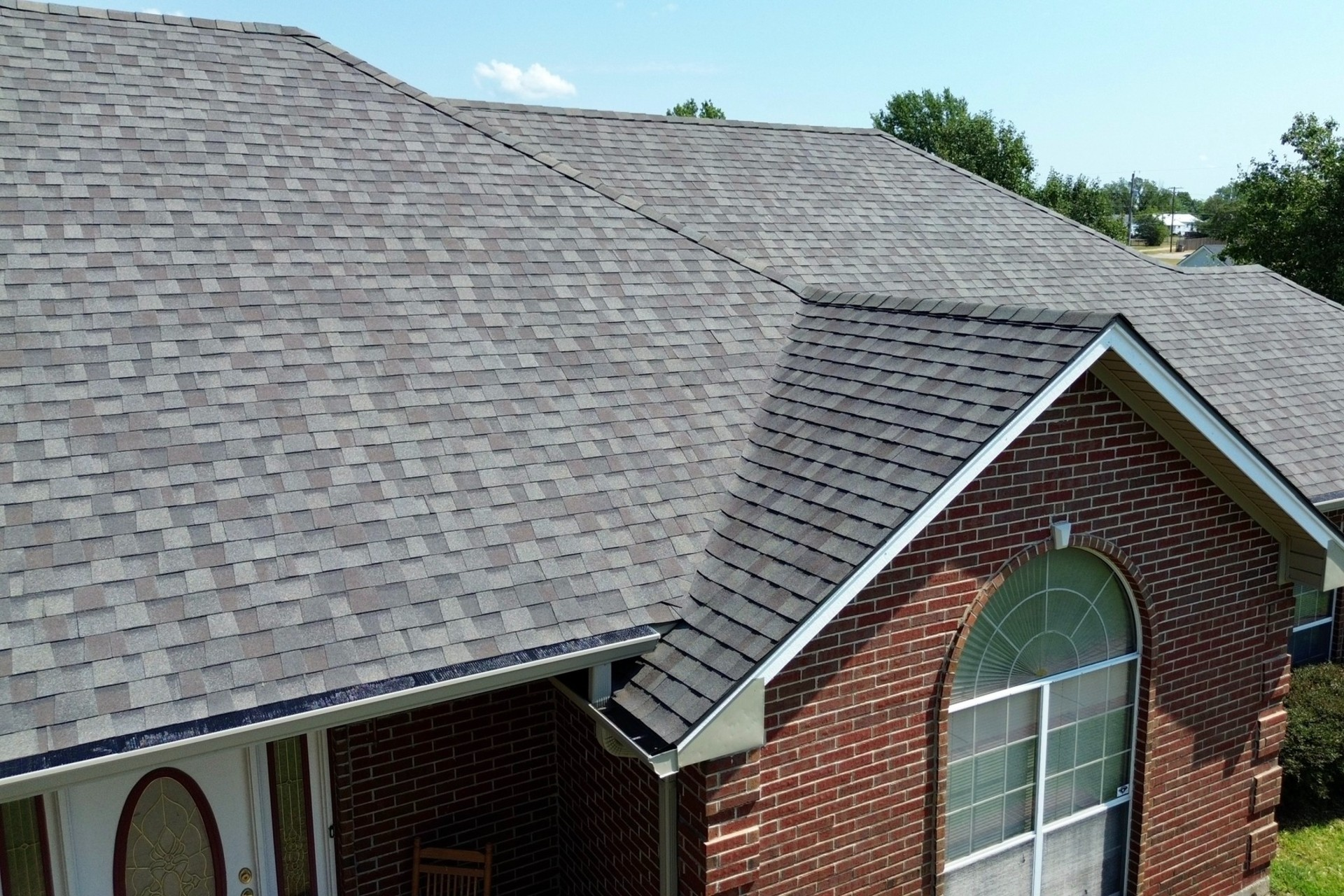
Covered Roof Damage Versus Normal Wear and Aging
One of the most important concepts in roof insurance is the difference between sudden damage and gradual deterioration. Roofing materials naturally become less effective as they age, and insurance policies commonly distinguish normal wear and maintenance-related problems from accidental covered losses.
Shingles may become brittle, lose protective granules, curl, crack, or weaken over many years. These conditions can develop without a single identifiable event, and they may be considered part of normal aging rather than an insurable loss under many policies.
A roof can also develop leaks because of long-term deterioration. If flashing gradually fails, sealants deteriorate, or roofing materials reach the end of their useful life, the resulting repair may not necessarily qualify for insurance coverage.
Storm damage is different when a covered event causes sudden physical damage. Strong winds may remove shingles, hail may damage roofing surfaces, or a fallen tree may strike the roof. Whether the resulting repairs or replacement are covered depends on the specific policy and the circumstances involved.
Pre-existing damage can make a claim more complicated. For example, if an old roof already has widespread deterioration before a storm occurs, the insurer may evaluate whether the storm caused additional damage or whether the existing condition was the primary reason replacement became necessary.
Homeowners should avoid making assumptions based on the appearance of the roof. Some storm damage can be difficult to identify from the ground, while some visible deterioration may have developed gradually rather than being caused by a recent event.
A professional inspection can help document the condition of the roof. However, a roofing contractor does not determine insurance coverage. The insurer evaluates the claim according to the policy terms, while the contractor can provide information about the roof’s physical condition and necessary repairs.
Homeowners should also understand that maintenance remains their responsibility in many policies. Regular inspections, prompt repairs, and reasonable efforts to prevent further damage can help preserve the condition of the property and reduce complications when a covered loss occurs.
How Roof Age Can Affect Insurance Claims
Roof age can play an important role in residential roof insurance claims. Insurance companies may consider the age and condition of the roof when evaluating damage, determining eligibility, calculating payment, or applying policy provisions.
Older roofs are more likely to have existing deterioration before a storm occurs. When a claim is filed, the insurer may examine whether the roof was already near the end of its useful life and whether the reported event caused a distinct, covered loss.
Some policies may treat older roofing materials differently from newer materials. Depending on the policy, the payment calculation may consider depreciation or the actual condition of the damaged property rather than automatically paying the full cost of a brand-new roof.
The distinction between replacement cost and actual cash value is therefore important. Replacement cost coverage may potentially reimburse the cost of replacing covered damaged property, subject to the policy’s terms and applicable conditions, while actual cash value generally takes depreciation into account.
Homeowners should not assume that every roof claim will be paid using the same calculation. Policy language, endorsements, state requirements, insurer practices, and the circumstances of the loss can all affect how a claim is handled.
Roof age can also affect whether an insurer is willing to continue certain coverage under a policy. Some insurers may have specific underwriting requirements concerning roof condition or age, although these requirements vary by company and location.
Because of these differences, homeowners should review their declarations page and policy documents before assuming what type of roof coverage they have. If the language is difficult to understand, asking the insurer for an explanation can help clarify the applicable provisions.
Keeping records of roof installation and maintenance can also be useful. Receipts, contractor documents, inspection reports, photographs, and previous repair records can help establish the roof’s history when questions arise during a claim.
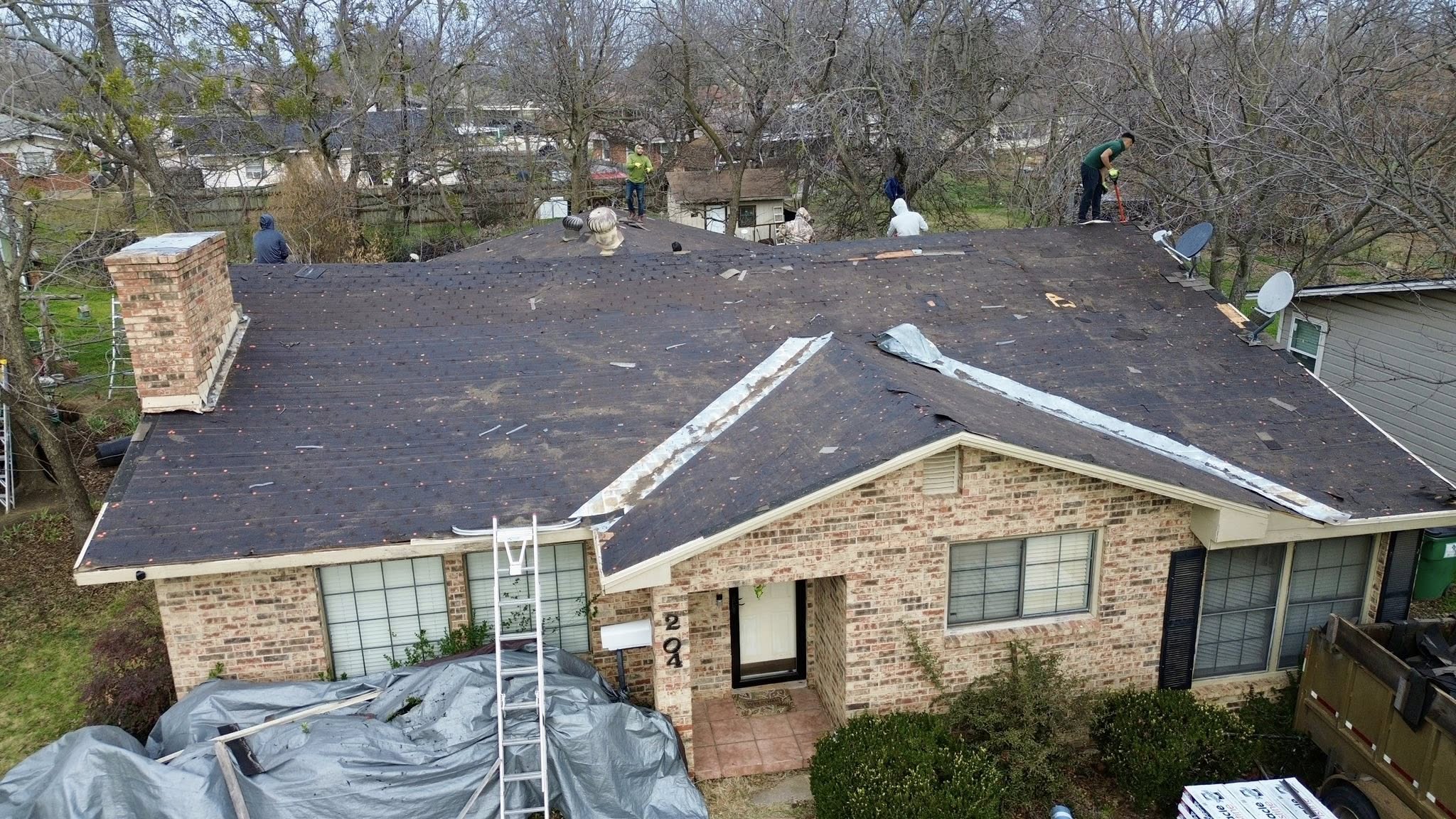
Understanding Deductibles and Out-of-Pocket Costs
A deductible is the amount the homeowner is generally responsible for paying toward a covered claim before insurance contributes according to the policy. Understanding the deductible is essential because an approved roof claim does not necessarily mean the insurer will pay the entire replacement bill.
Deductibles can vary depending on the policy and type of loss. Some policies may have a standard deductible, while certain types of damage, such as wind or hail losses in particular policies or locations, may be subject to a separate deductible or percentage-based requirement.
The deductible should be reviewed before signing a roofing contract based on the expectation that insurance will cover the project. Homeowners should know how much they may need to contribute even if the claim is approved.
For example, if a covered loss results in an approved payment of $12,000 and the applicable deductible is $2,000, the homeowner would generally remain responsible for the deductible, subject to the policy’s terms and final claim calculation.
Insurance proceeds may also be affected by depreciation, policy limits, exclusions, or other conditions. Therefore, homeowners should not assume that the contractor’s estimate automatically represents the amount the insurer will pay.
Homeowners should be cautious about anyone promising to eliminate or waive the deductible. Insurance claims should be handled according to applicable laws and the policy terms, and homeowners should not agree to arrangements that could create problems with their insurer.
Before beginning work, homeowners can review the major financial questions with their insurer and contractor. They should understand the estimated replacement cost, applicable deductible, expected insurance payment, potential uncovered expenses, and the process for handling additional damage discovered during construction.
A clear understanding of out-of-pocket costs helps prevent financial surprises. It also allows homeowners to compare contractor estimates based on the actual amount they may need to fund themselves.
What Homeowners Should Do Before Filing a Roof Claim
Good documentation can make the insurance claim process easier because it provides evidence about the property’s condition and the circumstances surrounding the damage. Homeowners should begin documenting the roof and surrounding property as soon as it is safe to do so after a suspected loss.
Photographs and videos can show damaged shingles, fallen branches, broken roof components, water intrusion, and other visible conditions. Homeowners should avoid placing themselves in danger to obtain close-up images, especially when the roof is wet, steep, unstable, or visibly damaged.
The homeowner should also take reasonable steps to prevent additional damage when possible. For example, temporary protection may be appropriate after a storm, but emergency measures should be performed safely and should not interfere with later inspection of the damage.
Important records may include:
- Photographs and videos of the damage
- Date and approximate time of the event
- Roofing installation and repair records
- Contractor inspection reports and estimates
- Receipts for temporary emergency measures
- Relevant insurance policy documents
Homeowners should contact their insurance company through the appropriate official claims channel and report the loss according to the policy’s requirements. The insurer may arrange an adjuster inspection or request additional documentation before making a coverage determination.
A roofing contractor can also inspect the property and prepare an estimate, but homeowners should be careful about allowing unnecessary repairs before the insurance inspection if doing so could make the original damage difficult to evaluate. Emergency work needed to prevent further property damage may be appropriate, but homeowners should keep photographs, receipts, and other records of what was done.
The contractor and insurance adjuster may have different roles during the process. The contractor evaluates roofing conditions and estimates repair or replacement work, while the insurer determines coverage and payment under the applicable policy.
Homeowners should keep copies of all communications and documents connected with the claim. Maintaining a clear record can make it easier to track inspections, estimates, decisions, payments, and any questions that arise as the claim progresses.
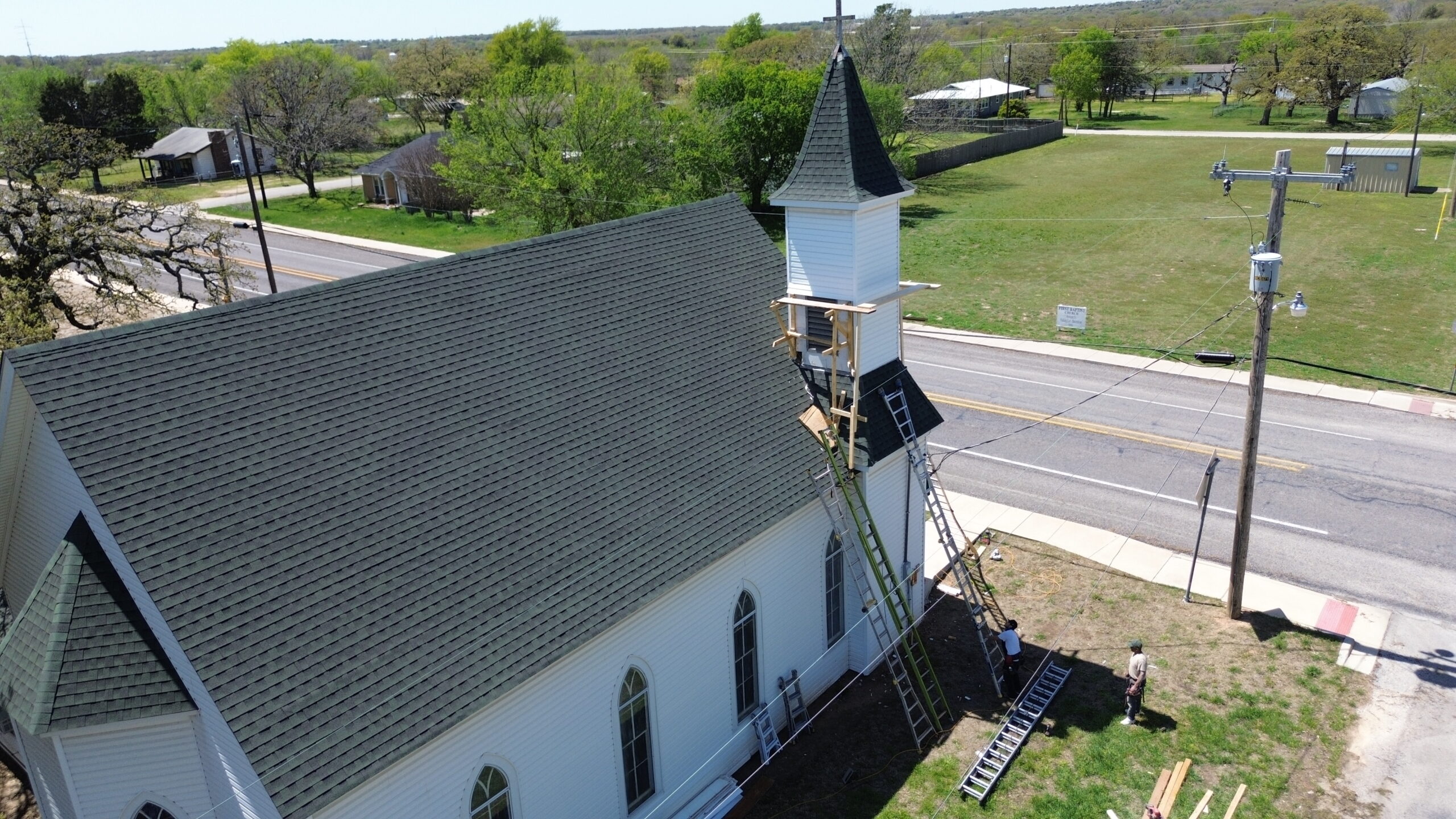
How Insurance Companies Investigate Roof Damage
After a homeowner reports a roof damage claim, the insurance company typically begins an investigation to determine what happened, whether the loss is covered, and what repairs may be necessary. The investigation may involve reviewing the policy, examining photographs, speaking with the homeowner, and arranging an inspection of the damaged property.
An insurance adjuster may visit the home to inspect the roof and other affected areas. The adjuster generally looks for physical evidence that can help establish the cause, extent, and timing of the damage. The inspection may include visible roofing materials, flashing, gutters, roof edges, interior water damage, and other components connected to the reported loss.
The adjuster may also compare the condition of damaged areas with portions of the roof that were not affected. This can help determine whether the reported damage appears consistent with a recent storm or another event. Existing deterioration may be documented separately because normal aging and covered accidental damage can be treated differently under the policy.
Weather information can sometimes become part of the claim investigation. Depending on the circumstances, an insurer may review information about storms, wind conditions, hail, or other events that occurred around the reported date of loss. This information can help establish whether the property was exposed to conditions capable of causing the reported damage.
Homeowners should provide accurate information throughout the process. They should explain what they observed, when they noticed the problem, and whether any temporary measures were taken after the event. Speculation should generally be avoided when the homeowner is uncertain about the cause or timing of damage.
The insurer may request supporting documents as part of the investigation. These can include photographs, contractor estimates, previous repair records, receipts, maintenance information, or documentation showing when the roof was installed.
The inspection process does not necessarily determine the final payment immediately. The insurer may need to review the findings against the policy language before making a coverage decision. In some situations, additional information or another inspection may be necessary.
Homeowners should keep organized records throughout the investigation. A simple file containing photographs, inspection reports, correspondence, estimates, receipts, and claim information can make it easier to understand the progress of the claim and respond to requests for additional documentation.
Working With the Insurance Adjuster and Roofing Contractor
Homeowners often interact with both an insurance adjuster and a roofing contractor during a replacement claim, but these professionals have different responsibilities. Understanding those roles can help prevent confusion about who determines coverage and who is responsible for performing the physical work.
The insurance adjuster evaluates the claim from the insurer’s perspective. The adjuster may inspect the property, document damage, interpret relevant policy provisions within the insurer’s claims process, and prepare or review an estimate for covered repairs.
A roofing contractor focuses on the physical roofing system. The contractor can identify damaged materials, explain installation requirements, recommend repair or replacement work, and prepare an estimate based on the condition of the roof.
A contractor does not normally have authority to approve an insurance claim. Likewise, an insurance adjuster generally does not perform the actual roofing work. Keeping these responsibilities separate helps homeowners understand why the contractor’s estimate and the insurer’s estimate may not initially match.
Differences between estimates can occur for several reasons. The contractor may identify components that the adjuster’s initial inspection did not include, or the two estimates may use different quantities, material specifications, labor assumptions, or repair methods.
Homeowners should not automatically assume that one estimate is correct and the other is wrong. Instead, they can ask both sides to explain the differences and provide documentation supporting the proposed work.
Communication should remain professional and factual throughout the process. Homeowners should provide contractors with relevant claim information while also informing the insurer about significant findings that may affect the scope of work.
It is helpful to avoid authorizing major non-emergency work before understanding the claim status. If immediate temporary protection is necessary to prevent further damage, homeowners should document the condition before and after the emergency work and retain receipts for related expenses.
The contractor should also provide a written scope of work. This document can help the homeowner compare the proposed roofing work with the repairs identified in the insurance claim.
If the contractor discovers additional damage after removing roofing materials, the homeowner should document the discovery and contact the insurer according to the claim process. Additional work may require review before it is included in the final payment.
Understanding Insurance Estimates and Claim Payments
An insurance estimate describes the repairs or replacement work that the insurer believes is covered and the amount it may pay according to the applicable policy. Homeowners should review the estimate carefully rather than focusing only on the final payment figure.
An estimate may include labor, roofing materials, removal of damaged materials, disposal, and other related work. Depending on the policy and circumstances, certain building components may also be included if they were damaged by the covered event.
The insurer’s estimate may not be identical to a contractor’s estimate. Contractors may recommend particular products or installation methods, while an insurer may initially calculate the claim using its own estimating procedures and assumptions.
Homeowners should compare the two documents line by line when significant differences exist. They can ask the contractor to explain why a specific component or quantity is necessary and then provide that information to the insurer when appropriate.
The payment calculation may also depend on the type of coverage provided by the policy. Replacement cost and actual cash value are two concepts that can affect how a covered loss is valued, although the exact application depends on the policy language and circumstances.
Under replacement cost coverage, the policy may provide payment toward the cost of replacing covered damaged property, subject to applicable conditions, limits, deductibles, and other provisions. Actual cash value generally considers depreciation when calculating the value of damaged property.
Some policies may issue an initial payment and allow additional amounts to be considered after qualifying replacement work is completed. Homeowners should review their policy and insurer’s explanation carefully to understand how payments are structured.
The homeowner’s deductible remains an important part of the calculation. Even when a claim is approved, the applicable deductible may reduce the amount paid by the insurer.
Homeowners should also review whether the estimate includes all necessary components. A complete roofing replacement can involve underlayment, flashing, ventilation, drip edge, decking repairs, disposal, and other work beyond the visible shingles.
If the estimate appears incomplete, homeowners can ask questions and provide supporting documentation. Clear communication can help ensure that legitimate covered components are properly evaluated under the policy.
Dealing With Roof Damage Discovered During Replacement
Roof replacement can reveal damage that was not visible during the original inspection. Once existing shingles or other roofing materials are removed, contractors may discover deteriorated decking, hidden moisture damage, damaged flashing, or other conditions beneath the surface.
Some of these conditions may have existed before the reported insurance event. Others may have resulted from the covered loss. Determining the cause is important because the policy may treat pre-existing deterioration differently from damage caused by a covered event.
Homeowners should not assume that newly discovered damage will automatically be covered. Instead, the contractor should document the condition with photographs and a written explanation, while the homeowner should notify the insurer according to the claim requirements.
Additional inspection may be necessary. An insurer may ask for photographs, measurements, material information, or other evidence before deciding whether additional work qualifies for payment.
The contractor may need to temporarily protect the exposed area while the additional damage is being evaluated. This is particularly important when weather could expose the roof deck or interior of the home to further moisture.
Homeowners should ask the contractor to explain which repairs are essential and which are optional improvements. Insurance generally concerns covered losses under the policy, while upgrades or improvements may remain the homeowner’s responsibility.
For example, a homeowner may decide to upgrade to a more expensive roofing material during a covered replacement. The insurer may calculate payment based on the covered material and policy terms, leaving the homeowner responsible for costs associated with an elective upgrade.
Changes in building requirements can also create questions during replacement. If local requirements require additional work when an existing roof is replaced, coverage for those expenses can depend on policy provisions and applicable endorsements.
Keeping communication documented is especially useful when additional damage is discovered. Written estimates, photographs, inspection findings, and correspondence can provide a clear record of why the scope of work changed.
The goal is to make sure the final roofing work addresses necessary conditions without creating unnecessary disputes. Homeowners should understand what the insurer has approved, what the contractor recommends, and which expenses may remain their responsibility before proceeding with significant additional work.
Common Reasons Roof Replacement Claims May Be Limited or Denied
Not every roof damage claim results in full replacement coverage. Insurance policies contain exclusions, conditions, limits, and requirements that can affect whether a claim is approved or how much the insurer pays.
Normal wear and tear is one of the most common reasons a roof replacement may not be covered. Roofing materials naturally deteriorate over time, and a policy may not provide payment simply because an old roof has reached the end of its useful life.
Poor maintenance can also complicate a claim. If a roof has been neglected for an extended period and the resulting deterioration contributed to the damage, the insurer may evaluate the loss differently from a sudden event that damaged a well-maintained roof.
Certain causes of damage may be excluded or require separate coverage. Policy terms vary, so homeowners should review their own policy rather than assuming that a particular event is automatically covered.
Pre-existing damage can also affect a claim. If a roof already had significant deterioration before a storm occurred, the insurer may distinguish between the pre-existing condition and any new damage caused by the covered event.
Failure to meet policy requirements can create additional complications. Homeowners should understand their responsibilities for reporting losses, preventing further damage, providing information, and cooperating with the claims investigation.
A claim may also be limited by policy deductibles or coverage limits. Even when the cause of loss is covered, the final payment may not equal the contractor’s entire estimate.
Homeowners should not interpret a limited payment as proof that the entire claim has been rejected. The insurer may have accepted some portions of the loss while determining that other items are excluded, below the deductible, or related to pre-existing conditions.
If a claim is denied or payment appears lower than expected, homeowners should request a clear explanation based on the policy. They should review the written claim determination and identify which provisions or facts were used to support the decision.
When significant disagreements remain, homeowners may consider seeking guidance from a qualified insurance professional or appropriate consumer assistance resource. Any dispute should be handled through legitimate channels and based on the actual policy language and available evidence.
Protecting the Home and the Insurance Claim During the Process
Homeowners have an important role in protecting both their property and their claim after roof damage occurs. Once it is safe to do so, they should document visible damage and take reasonable steps to prevent additional loss.
Temporary protection may include covering an opening or arranging emergency repairs when necessary to keep rain from entering the home. Homeowners should use qualified professionals when the work involves dangerous roof conditions and should avoid climbing onto damaged or unstable surfaces.
Photographs should ideally be taken before temporary repairs when it is safe to document the original condition. Additional photographs after emergency measures can also show what was done to protect the property.
Receipts for reasonable emergency expenses should be retained. Depending on the policy and circumstances, some costs associated with preventing further covered damage may be considered during the claim, but homeowners should confirm this with their insurer.
Homeowners should also avoid making unnecessary permanent changes before the insurer has had a reasonable opportunity to inspect the damage. Emergency protection and necessary repairs can be different from replacing the entire roof before the claim investigation is complete.
Communication is important if circumstances change. If another storm causes additional damage while the claim is being processed, the homeowner should report the new loss according to the insurer’s procedures rather than assuming it will automatically be added to the original claim.
The property should also be protected from secondary damage. For example, if a roof opening allows water into the attic, ignoring the problem can result in additional moisture damage that may complicate the situation.
Homeowners should keep a timeline of important events. Recording the date of the storm, date damage was discovered, date the claim was reported, inspection dates, contractor visits, estimates, and repair dates can make the process easier to follow.
The most important principle is to act promptly without rushing into unnecessary decisions. Proper documentation, reasonable temporary protection, clear communication, and careful review of policy terms can help homeowners navigate the claim process more effectively as they move toward the final repair or roof replacement decision.
Reviewing a Roof Replacement Claim Decision
After an insurance company completes its investigation, the homeowner will generally receive information explaining whether the reported roof damage is covered and how the claim has been valued. This decision should be reviewed carefully because an approved claim does not necessarily mean every roofing expense will be paid. Coverage depends on the policy terms, applicable limits, deductibles, exclusions, and the method used to calculate the loss.
Homeowners should compare the insurance determination with the roofing contractor’s estimate. If the contractor’s proposed scope is significantly larger, the homeowner should ask why the difference exists and provide supporting photographs, measurements, or documentation to the insurer when appropriate.
The payment calculation also deserves attention. Policies may use actual cash value or replacement cost coverage, and some policies can apply different valuation rules to roofs or specific types of losses. The National Association of Insurance Commissioners notes that homeowners should review their policy to understand whether depreciation applies and whether the roof has different coverage provisions.
If the claim is approved for replacement cost coverage, the policy may pay the cost to repair or replace covered damage with materials of similar kind and quality, subject to the policy conditions. Actual cash value coverage generally accounts for depreciation based on age and wear, which can result in a lower payment than the cost of installing a new roof.
Homeowners should also check the deductible before calculating their expected reimbursement. A deductible is generally the portion of a covered loss that the homeowner pays before insurance contributes, and some policies can have separate or percentage-based deductibles for certain types of losses.
If the homeowner does not understand the claim decision, asking the insurer for a written explanation can be helpful. The explanation should make it easier to identify which damage was accepted, which items were excluded or limited, how depreciation was calculated when applicable, and what amount remains the homeowner’s responsibility.
Handling a Disagreement With the Insurance Company
Sometimes homeowners and insurers disagree about the cause, extent, or value of roof damage. A disagreement does not necessarily mean that the entire claim is invalid, but it does mean that the homeowner should carefully document the areas in dispute and understand the policy provisions involved.
One common disagreement concerns whether damage resulted from a covered event or normal deterioration. For example, a contractor may identify widespread aging across an older roof while also finding evidence of storm damage. The insurer may evaluate these conditions separately rather than treating every roofing defect as part of the covered loss.
Another disagreement can involve the scope of necessary work. A contractor may recommend complete replacement because the existing materials are difficult to repair consistently, while the insurer may initially consider only specific damaged areas. In this situation, photographs and a detailed explanation from the contractor can help clarify why the recommended work is necessary.
Homeowners should avoid relying only on verbal statements when a significant dispute exists. Written explanations, inspection reports, estimates, photographs, and policy references create a clearer record of the issues being discussed.
If the homeowner believes the claim decision does not accurately reflect the policy or documented damage, they can ask the insurer to review the decision. The appropriate process varies by insurer and jurisdiction, so homeowners should follow the instructions provided with the claim determination.
Depending on local rules and the circumstances, homeowners may also be able to seek assistance from a state insurance regulator or another qualified insurance professional. The National Association of Insurance Commissioners recommends contacting the relevant state insurance department or insurance company when consumers need help understanding their coverage.
A disagreement should be handled patiently and with accurate documentation. The objective is to determine what the policy actually covers rather than assuming that the insurer or contractor is automatically correct.
Homeowners should also be cautious about signing documents they do not understand. Before agreeing to assignments of benefits, contracts, settlements, or other claim-related documents, they should understand what rights and obligations the document creates.
Understanding Replacement Cost, Depreciation, and Upgrades
The amount a homeowner receives from an insurance claim can differ substantially depending on how the policy values the damaged roof. Understanding replacement cost, actual cash value, and depreciation can make the financial side of a roof replacement easier to manage.
Replacement cost coverage generally refers to the amount needed to repair or replace covered damage using materials of similar kind and quality without deducting depreciation, subject to policy conditions and limits. Actual cash value generally considers depreciation based on the property’s age and condition.
Some replacement cost policies may initially pay an amount based on actual cash value and allow additional recoverable depreciation after qualifying repairs or replacement are completed. The specific process and deadlines depend on the policy, so homeowners should confirm the requirements with their insurer.
This distinction can be especially important for older roofs. If a roof has been in service for many years, depreciation can significantly affect an actual cash value calculation. A homeowner should therefore determine the applicable valuation method before assuming that an insurance payment will cover the complete cost of a new roof.
Upgrades create another important distinction. Insurance generally evaluates covered damage according to the policy rather than automatically paying for elective improvements that increase the quality, appearance, or performance of the property beyond what is covered.
For example, a homeowner may choose to replace standard asphalt shingles with a premium roofing system after a covered loss. The insurer may calculate its payment based on the covered roofing material and applicable policy provisions, while the homeowner may be responsible for additional costs associated with the upgrade.
Changes required by current building regulations can create a different issue. Whether insurance pays for code-related work depends on the policy, endorsements, and applicable local requirements. Homeowners should ask the insurer whether ordinance or law coverage applies before assuming these additional costs are included.
A clear conversation with both the insurer and contractor can prevent misunderstandings. The homeowner should know which materials are included in the insurance estimate, what the contractor proposes to install, and which differences represent optional upgrades rather than necessary covered work.
Keeping these categories separate makes budgeting easier. It also prevents homeowners from expecting insurance to pay expenses that fall outside the policy.
Completing the Roof Replacement and Documenting the Work
Once the claim has been properly evaluated and the scope of work is understood, the homeowner can move forward with selecting a qualified roofing contractor and scheduling the replacement. The contractor should provide a written agreement that clearly identifies the materials, installation work, cleanup, payment terms, and warranty information.
The roofing project may begin with temporary protection if the damaged roof cannot remain exposed while waiting for permanent work. Any emergency measures should be documented with photographs and receipts so the homeowner has a record of what was necessary to protect the property.
During replacement, hidden damage may become visible after the old roofing materials are removed. The contractor should photograph significant findings and explain whether the additional work is related to the covered loss, existing deterioration, or another condition.
If additional covered damage is discovered, the homeowner should communicate with the insurer before authorizing major extra work when practical. Depending on the policy and claims process, the insurer may need to inspect or approve the additional scope.
The homeowner should also keep copies of invoices and payment records. These documents may be important if the insurer requires proof that repairs or replacement were completed before releasing additional eligible funds.
After installation, the homeowner should arrange a final walkthrough with the contractor. This is an opportunity to review the completed roofing system, discuss any remaining concerns, confirm cleanup, and collect information about warranties and maintenance.
Photographs of the completed roof can also be valuable for future records. Keeping before-and-after photographs provides a useful history of the property’s condition and may help establish when the new roofing system was installed.
The homeowner should organize the final documentation in one place. Useful records can include the contractor agreement, insurance estimate, final invoice, photographs, warranty documents, material information, inspection reports, and receipts for approved additional work.
This documentation can make future maintenance and insurance discussions easier. It also provides evidence of the work performed if the property is sold or another roofing professional needs to evaluate the system later.
Preventing Future Roofing Problems and Insurance Complications
Insurance coverage is designed to help with qualifying losses, but homeowners still have an important responsibility to maintain their property. Regular maintenance can help reduce preventable deterioration and may make it easier to document the roof’s condition if another covered event occurs.
Gutters and downspouts should be kept clear so rainwater can move away from the roof efficiently. Blocked drainage can contribute to moisture accumulation and deterioration around roof edges, potentially creating problems unrelated to sudden storm damage.
Trees near the property should also be maintained. Overhanging branches can scrape roofing materials, deposit debris, and fall onto the roof during storms. Keeping vegetation under control can reduce unnecessary exposure to physical damage.
Homeowners should also monitor flashing and roof penetrations. Chimneys, skylights, vents, valleys, and wall intersections can require periodic inspection because these areas are particularly important for controlling water.
After major storms, homeowners should inspect the property from safe locations and look for obvious signs of damage. If there is evidence of a potential covered loss, photographs should be taken when safe, and the insurer should be contacted according to the policy’s reporting requirements.
Roof records should be retained throughout the life of the roofing system. Installation dates, repair invoices, inspection reports, photographs, warranties, and maintenance records can help establish the history and condition of the roof.
Homeowners should also review their insurance coverage periodically. Policy terms and roof-related provisions can change, and some policies may apply different valuation methods or conditions to older roofs. Reviewing the declarations page and discussing questions with the insurer can help homeowners understand their current protection.
Most importantly, homeowners should never assume that insurance will cover normal roof replacement simply because the roof is old. Coverage generally depends on the cause of loss and the policy’s specific terms, so maintenance and replacement planning remain important responsibilities.
Conclusion
Insurance coverage for residential roof replacement can be valuable when a roof suffers qualifying damage, but understanding the policy is essential before assuming that an entire replacement will be paid. Coverage can depend on the cause of damage, roof condition, policy exclusions, deductibles, limits, valuation method, and other provisions.
The difference between actual cash value and replacement cost is particularly important. Actual cash value generally accounts for depreciation, while replacement cost coverage can provide payment toward covered repairs or replacement without depreciation, subject to the policy’s requirements and limits.
Homeowners should begin by documenting damage carefully and reporting the loss according to their policy. Photographs, videos, repair records, contractor estimates, receipts, and other documentation can help establish what happened and support the claim investigation.
Working with both the insurer and a qualified roofing contractor can make the process easier. The contractor can evaluate the physical condition of the roofing system and prepare a repair or replacement estimate, while the insurer determines coverage and payment according to the policy.
Differences between contractor estimates and insurance estimates should be reviewed rather than ignored. When additional damage is discovered during replacement, homeowners should document it and communicate with the insurer so that potentially covered work can be evaluated before major additional expenses are authorized.
Homeowners should also understand their financial responsibility. Deductibles, depreciation, policy limits, excluded damage, and optional upgrades can all affect the amount that must be paid out of pocket. Reviewing these factors before construction begins can prevent unexpected financial pressure.
A roof replacement claim should not be treated as a guaranteed source of funding for every roofing problem. Normal aging, poor maintenance, and excluded causes may receive different treatment from sudden damage caused by a covered event. The exact answer always depends on the policy and applicable rules.
After the replacement is complete, maintaining the new roof remains important. Regular inspections, clean drainage systems, managed vegetation, prompt attention to damage, and organized records can help protect both the roofing investment and future insurance claims.
The best approach is to understand coverage before a loss occurs, document damage carefully when a loss happens, communicate clearly throughout the claim, and review the final payment against the policy and completed work. With realistic expectations and thorough documentation, homeowners can navigate the residential roof replacement insurance process more confidently and make informed decisions about protecting their home.