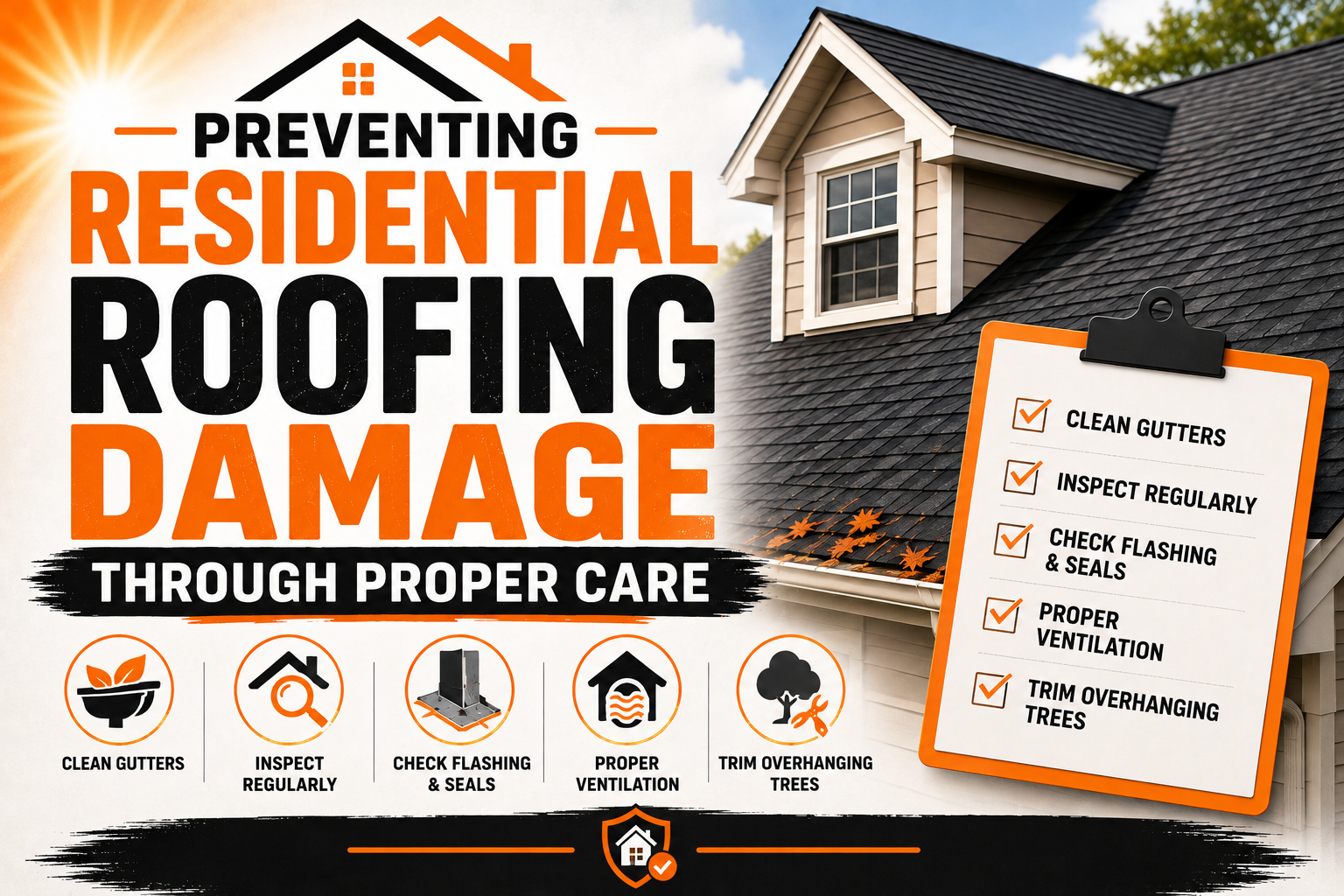
Preventing Residential Roofing Damage Through Proper Care
Introduction
A residential roof is one of the most important protective components of a home. It shields the building from rain, wind, sunlight, temperature changes, falling debris, and other outdoor conditions that can gradually cause deterioration. While no roof can remain completely free from wear throughout its service life, proper care can significantly reduce preventable damage and help maintain reliable performance.
Roofing problems often begin with small defects that are easy to overlook. A loose shingle, damaged flashing seal, blocked gutter, or overhanging branch may not appear serious at first. If these conditions remain untreated, however, water can enter beneath the roofing system and affect the roof deck, insulation, framing, ceilings, walls, and interior finishes.
Proper roof care is therefore more than responding to leaks after they appear. It involves regular inspections, timely repairs, effective drainage, vegetation management, and attention to areas that are naturally more vulnerable. A proactive approach allows homeowners to identify developing problems while they are still manageable.
Weather conditions also influence how much care a roof requires. Heavy rain can expose drainage and flashing problems, strong winds can loosen roofing materials, and intense sunlight can accelerate material aging. Seasonal changes make regular monitoring especially important because different conditions can create different types of roofing stress.
Homeowners should also understand that roof maintenance involves more than the visible roofing surface. Gutters, downspouts, flashing, ventilation, roof edges, penetrations, and attic conditions all contribute to overall performance. Maintaining these components together creates a stronger defense against water intrusion and premature deterioration.
The goal of proper roof care is not to eliminate every possible roofing problem. Instead, it is to reduce avoidable damage, identify problems early, support the expected service life of the roofing system, and protect the rest of the property. A consistent maintenance routine can make roofing expenses more predictable while reducing the likelihood of major emergency repairs.
Regular Roof Inspections and Early Problem Detection
Regular inspections are one of the most effective ways to prevent residential roofing damage. A roof can develop problems gradually, and many defects are not visible from inside the home. Routine inspections provide an opportunity to identify deterioration before it becomes extensive.
Homeowners should visually examine the roof from safe locations several times throughout the year. They can look for missing or displaced shingles, damaged tiles, loose metal components, excessive debris, sagging areas, and other noticeable changes. These observations should not replace professional inspections, but they can help homeowners recognize when further evaluation may be necessary.
After severe weather, an additional inspection can be particularly useful. Strong winds may loosen roofing materials, while hail, falling branches, or heavy rain can damage vulnerable areas. Even when there is no visible leak, storm-related damage can reduce the roof’s ability to protect the home during future weather events.
The age of the roof should also influence inspection frequency. Older roofing systems are generally more likely to experience material deterioration and may require closer monitoring. Homeowners should keep track of installation dates, previous repairs, and inspection findings to understand how the roof is progressing over time.
Interior inspections are equally valuable. Homeowners should occasionally check attics, ceilings, and upper walls for signs of moisture. Dark stains, peeling paint, damp insulation, unusual odors, or visible water can indicate a roofing or ventilation problem.
The location of an interior water stain does not always identify the exact source of a roof leak. Water can travel beneath roofing materials or along framing before becoming visible indoors. For this reason, homeowners should avoid assuming that sealing the area directly above a stain will solve the problem.
Professional inspections can provide a more detailed evaluation. A qualified roofing professional can examine difficult areas, assess flashing and penetrations, identify deteriorating materials, and determine whether repairs are needed. Professional assessment is particularly valuable when the roof is steep, difficult to access, aging, or affected by severe weather.
Early detection can make repairs simpler and less expensive. A damaged shingle or small flashing problem may be corrected without affecting a large section of the roof. If the same problem is ignored for an extended period, moisture may damage underlying components and increase the scope of the repair.
Maintaining Shingles and Other Roofing Materials
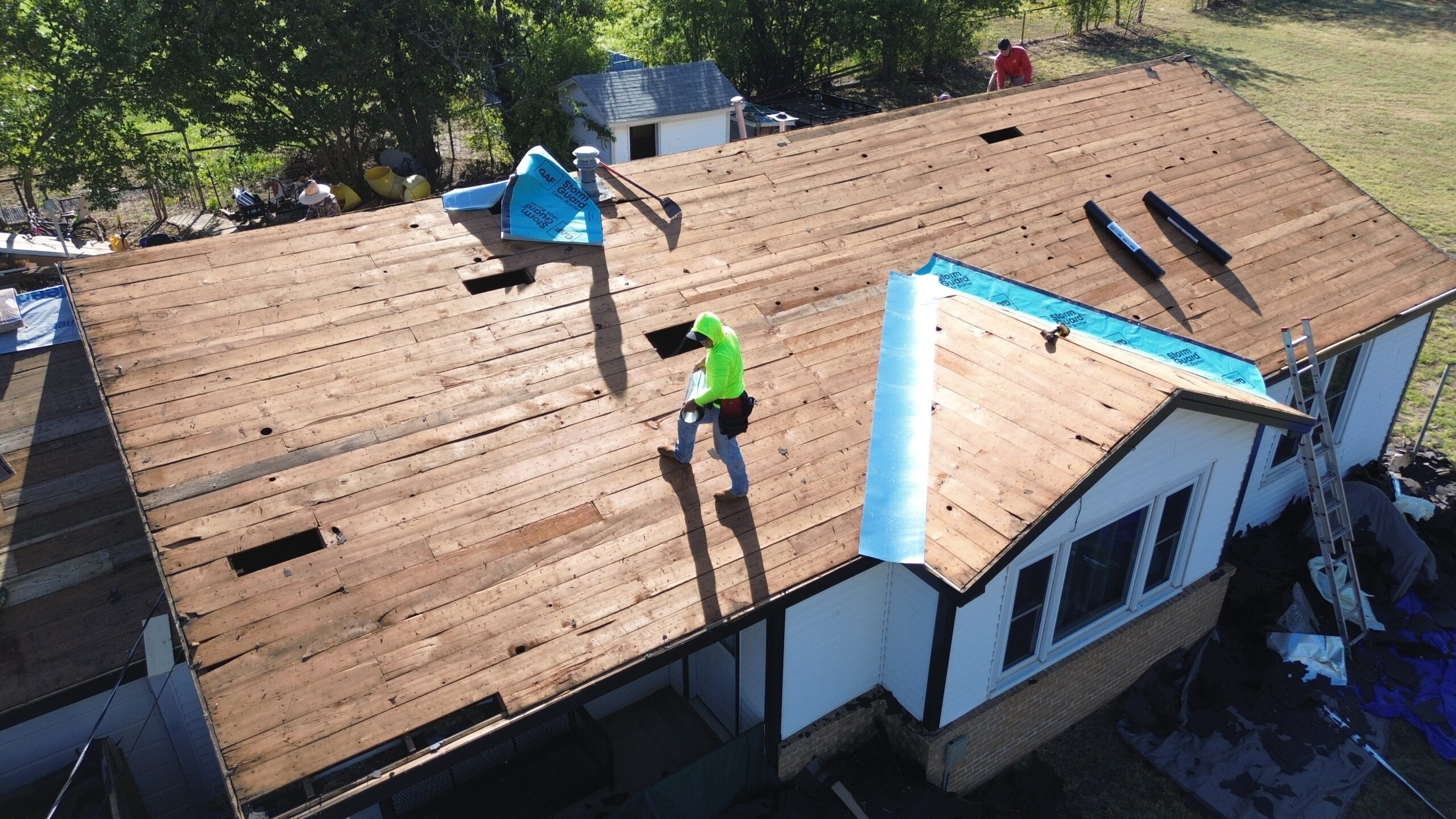
The condition of the primary roofing material has a direct effect on how effectively the roof protects the home. Whether the roof uses asphalt shingles, metal panels, tiles, slate, or another material, regular observation can help identify signs of deterioration. Proper maintenance begins with understanding the characteristics of the specific roofing system.
Asphalt shingles can develop curling, cracking, lifting, or missing sections as they age or experience weather exposure. Granule loss may also occur over time, particularly as materials become older. Damaged shingles should be evaluated and repaired when necessary rather than left exposed to repeated rain and wind.
Metal roofing requires attention to panels, seams, fasteners, coatings, and areas around penetrations. Loose fasteners, corrosion, damaged finishes, or separated seams may affect performance if they are not addressed. Because metal systems can vary significantly in design, repairs should follow the requirements of the specific product.
Tile roofs should be monitored for cracked, broken, or displaced tiles. Although individual tiles can be replaced, walking directly across a tile roof can create additional damage and presents a safety risk. Professional inspection is preferable when detailed access is required.
Roofing materials should also remain free from excessive debris. Leaves, branches, and other organic material can retain moisture against the surface and interfere with drainage. Removing debris carefully can help reduce unnecessary moisture exposure and make damaged areas easier to identify.
Cleaning methods should be appropriate for the roofing material. Aggressive pressure washing, harsh chemicals, or unsuitable tools can damage protective surfaces and reduce material life. Homeowners should follow manufacturer recommendations or seek professional advice before using cleaning products or equipment.
Roofing materials can also be damaged by repeated contact with nearby structures. Tree branches that rub against the roof during windy conditions can gradually wear the surface. Appropriate vegetation management can help prevent this type of physical deterioration.
Repairs should be completed using compatible materials and proper installation methods. A quick patch may provide temporary protection but may not address the underlying problem. Professional repairs are particularly important when damage involves large areas, flashing, penetrations, or structural components.
Homeowners should also avoid unnecessary roof traffic. Walking across roofing materials can cause cracking, loosen protective surfaces, or displace components. Roof access should generally be limited to qualified professionals who understand how to work safely without causing unnecessary damage.
Keeping Gutters and Drainage Systems Clear
Effective drainage is essential for preventing residential roofing damage. A roof is designed to move water toward appropriate drainage areas, while gutters and downspouts carry that water away from the building. When these systems become blocked or damaged, water may accumulate in places where it can cause deterioration.
Gutters commonly collect leaves, branches, dirt, seeds, and other debris. During periods of heavy rainfall, blocked gutters can overflow instead of carrying water away efficiently. Overflowing water may affect roof edges, fascia, siding, windows, and foundations.
Downspouts should also remain clear and properly connected. A blocked downspout can cause water to back up in the gutter system. Damaged or disconnected sections can direct water toward the building rather than away from it.
Roof valleys deserve attention as well. Valleys collect water from multiple roof sections and therefore need unobstructed drainage pathways. Leaves and branches can accumulate in these areas and retain moisture against roofing materials.
Gutter maintenance should be performed regularly, particularly when the home is surrounded by trees. Seasonal cleaning can reduce the amount of debris entering the drainage system. After heavy storms, homeowners should also check whether branches or other debris have affected gutters or downspouts.
Gutter condition matters beyond simple cleanliness. Sagging sections, loose fasteners, damaged joints, and poor alignment can interfere with proper water movement. These issues should be repaired before they lead to repeated overflow.
Downspout discharge should direct water away from the foundation. Allowing large amounts of water to collect close to the house can contribute to moisture problems in the surrounding soil and foundation area. Proper extensions or drainage solutions may be necessary depending on the property’s design.
Homeowners should avoid climbing onto roofs or unstable ladders without appropriate safety equipment and experience. Gutter cleaning may seem simple, but falls are a significant risk. Professional maintenance is often the safer option when gutters are high, difficult to access, or heavily obstructed.
A properly maintained drainage system protects more than the roof itself. It helps control where rainwater travels around the property and reduces unnecessary exposure to vulnerable building components. Keeping gutters, downspouts, and roof drainage pathways clear is therefore an essential part of preventing residential roofing damage.
Managing Trees, Branches, and Roof Debris
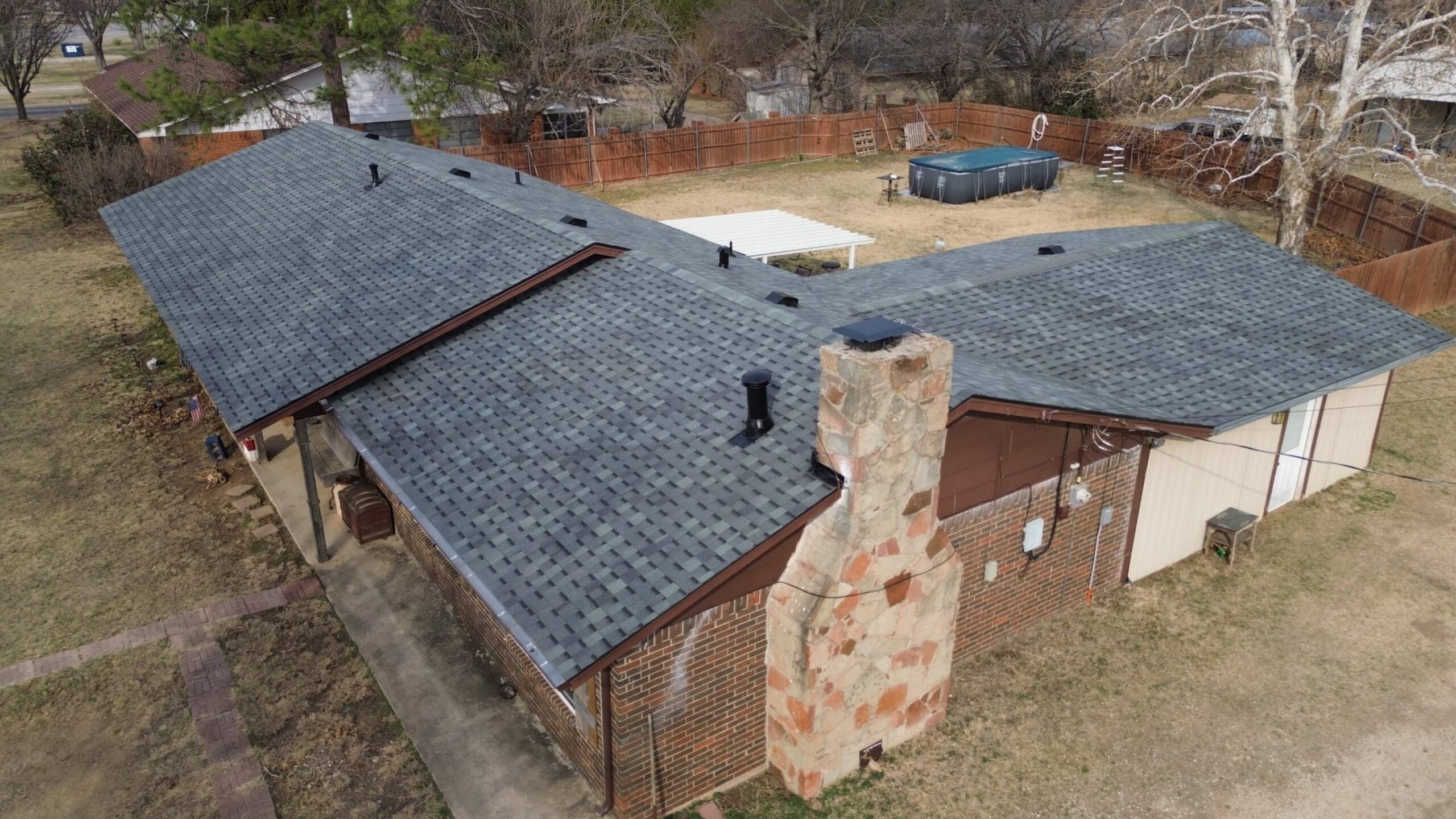
Trees can improve a property’s appearance and provide shade, but they can also create roofing risks when they are located too close to the home. Branches can scrape roofing materials, falling limbs can cause impact damage, and leaves can accumulate on the roof and inside gutters. Proper vegetation management can significantly reduce these risks.
Overhanging branches should be monitored throughout the year. Wind can cause branches to move repeatedly against roofing materials, potentially wearing away protective surfaces. Trimming appropriate branches can help maintain safe clearance between trees and the roof.
Dead or weakened branches present an even greater concern. During strong winds or severe storms, they may break and fall onto the roof. Large branches can damage shingles, tiles, metal panels, flashing, gutters, skylights, and other exterior components.
Tree maintenance should be performed carefully. Cutting large or elevated branches without suitable equipment can create serious safety risks and may cause uncontrolled branches to fall onto the property. Professional tree services can handle difficult trimming and removal work more safely.
Leaves and small branches should also be removed when they accumulate on the roof. Organic debris can hold moisture against roofing materials and may encourage deterioration in areas that remain damp. Accumulated debris can also hide damaged sections, making inspection more difficult.
Moss and algae can develop in shaded or damp areas. Their presence does not always mean that the roof needs replacement, but excessive growth should be assessed because persistent moisture can affect certain roofing materials. Cleaning should be performed using methods appropriate for the roofing product.
Debris can also collect around chimneys, vents, skylights, and valleys. These areas already require careful water management, so keeping them clear can help maintain proper drainage. Homeowners should use professional assistance when these areas cannot be reached safely.
Nearby construction and home improvement work can create temporary debris risks as well. Materials, tools, or equipment should not be placed directly on roofing surfaces without appropriate protection. Contractors performing work near the roof should take reasonable steps to avoid damaging existing roofing materials.
Managing trees and debris is ultimately a preventive measure. It reduces impact risks, improves drainage, makes inspections easier, and limits prolonged moisture exposure. Combined with regular roof inspections and drainage maintenance, responsible vegetation management can help protect roofing materials and reduce avoidable damage.
Protecting Roof Flashing and Vulnerable Areas
Some areas of a roof are more vulnerable to water intrusion than broad, uninterrupted surfaces. Flashing, roof penetrations, valleys, edges, chimneys, skylights, vents, and wall intersections require careful attention because they involve transitions between different materials or surfaces. Proper care of these areas can prevent many common roofing problems.
Flashing is designed to direct water away from vulnerable joints and openings. Over time, flashing can become loose, damaged, corroded, or separated from surrounding materials. Sealants can also deteriorate because of weather exposure and normal aging.
Homeowners should watch for visible signs of deterioration around flashing from a safe location. Interior water stains near chimneys, skylights, or ceiling penetrations may also indicate a problem. Because water can travel before becoming visible, professional inspection may be necessary to identify the source.
Roof penetrations require similar attention. Plumbing vents, exhaust systems, skylights, and other openings interrupt the continuous roofing surface. Each opening must be properly integrated with the roofing system to prevent water from entering around the edges.
Valleys should remain clear and properly maintained because they carry water from intersecting roof slopes. Debris accumulation, damaged materials, or improper previous repairs can interfere with water movement. Problems in these areas should be evaluated promptly because valleys can receive substantial amounts of runoff during rain.
Roof edges are another important area of protection. Damaged edge materials can allow water to reach underlying components or affect fascia and other exterior elements. Strong winds can also place additional stress on roof edges, making proper installation and maintenance important.
Chimneys require particular care because they create a large transition between the roof and a vertical masonry structure. Flashing around the chimney and the condition of adjacent materials should be monitored regularly. Any signs of cracking, separation, or water intrusion should be professionally assessed.
Proper care of vulnerable areas helps maintain the integrity of the entire roofing system. Homeowners should not assume that a roof is healthy simply because its main surface appears intact. Paying attention to flashing, penetrations, valleys, and edges provides an important layer of protection against water-related damage and supports the long term performance of the roof.
Maintaining Proper Roof Ventilation and Attic Conditions
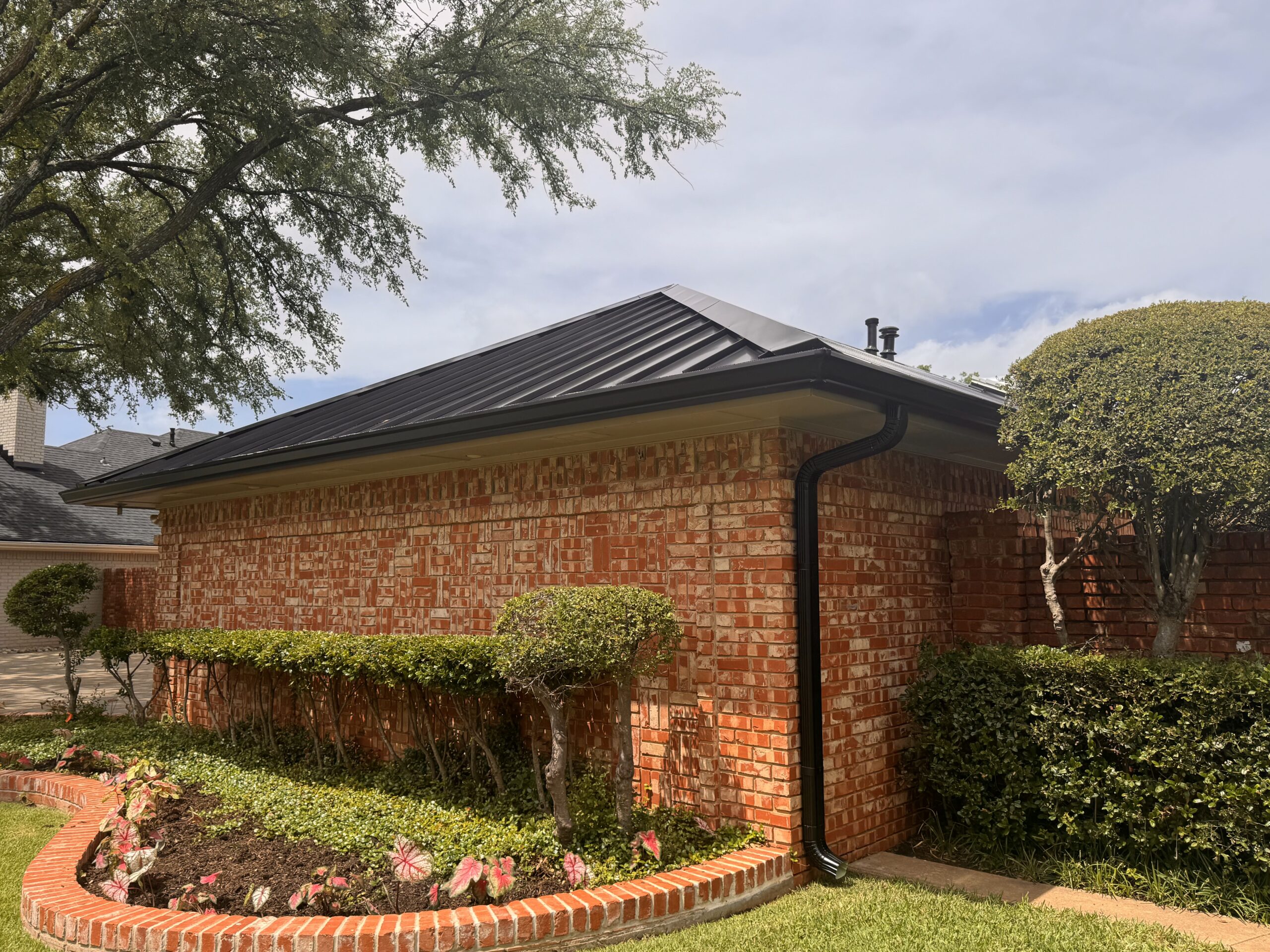
Proper roof ventilation plays an important role in protecting a residential roofing system from damage that can develop beneath the visible roof surface. The attic can become extremely hot during warm weather, while moisture may accumulate during colder periods. Without suitable airflow and moisture control, these conditions can affect roofing materials, insulation, and structural components.
During summer, heat can build up inside an inadequately ventilated attic. Prolonged exposure to excessive heat may contribute to the aging of certain roofing materials and can also increase the workload placed on the home’s cooling system. Appropriate ventilation allows air to move through the attic and helps manage accumulated heat.
Winter creates a different challenge because indoor moisture can migrate toward colder attic areas. When warm, humid air reaches cold surfaces, condensation may form. Persistent condensation can contribute to damp insulation, deteriorating wood, corrosion, and other moisture-related problems.
Homeowners should periodically inspect the attic for warning signs. Water stains, damp insulation, musty odors, visible condensation, or darkened wood can indicate that further investigation is needed. These signs may come from roof leaks, inadequate ventilation, insulation problems, or indoor humidity, so identifying the actual cause is important.
A properly designed ventilation system normally depends on appropriate intake and exhaust airflow. Simply adding more vents does not necessarily improve ventilation if air cannot move through the attic effectively. A roofing professional can evaluate the existing arrangement and determine whether changes are appropriate.
Insulation also contributes to attic and roof performance. Proper insulation helps reduce heat transfer between the living space and attic while supporting more stable indoor temperatures. It can also help reduce the amount of warm indoor air reaching cold attic surfaces when installed correctly.
Homeowners should avoid blocking ventilation openings with stored items or insulation. Intake and exhaust pathways need to remain functional for the ventilation system to work as intended. During routine attic checks, these areas should be kept visible and free from unnecessary obstructions.
Moisture management also involves controlling indoor humidity. Activities such as cooking, bathing, and drying clothes can introduce moisture into the home. Proper exhaust ventilation in bathrooms and kitchens can help prevent excessive moisture from reaching attic areas.
Preventing ventilation-related damage requires attention to the entire roof system rather than one component. Roofing materials, insulation, attic airflow, and indoor moisture conditions all interact. Maintaining these elements properly can help reduce premature deterioration and support the long term performance of the roof.
Preventing Moisture and Water-Related Roofing Damage
Water is one of the most common causes of residential roofing damage, which makes moisture prevention a central part of proper roof care. Rainwater should move across the roof surface and into the drainage system without entering the underlying structure. Any interruption in this process can create opportunities for leaks and deterioration.
Small leaks should never be ignored simply because they appear manageable. Water can travel beneath shingles, tiles, or other roofing materials before reaching the interior. By the time a ceiling stain becomes visible, moisture may have already affected insulation or structural components.
Regularly checking roof drainage is one of the simplest ways to reduce water-related risks. Gutters and downspouts should remain clear, while roof valleys should not be heavily obstructed by leaves or debris. Water should also be directed away from the foundation after it leaves the roof.
Flashing is another important moisture-control component. Areas around chimneys, skylights, vents, and wall intersections require effective flashing to prevent water from entering through joints. Deteriorated flashing should be repaired before repeated rainfall creates more extensive damage.
Sealants should also be monitored where appropriate. Over time, some sealants can crack, shrink, or lose adhesion because of weather exposure. Homeowners should avoid applying random products over suspected leaks without determining the underlying cause.
Roof penetrations should receive particular attention after home improvements. Solar panels, satellite equipment, antennas, vents, and other installations may require openings or mounting points in the roofing system. Improper installation can create pathways for water and may compromise otherwise healthy roofing materials.
Interior monitoring is an important part of moisture prevention. Homeowners should look for stains, peeling paint, damp areas, or unusual odors around ceilings and upper walls. Changes that appear after heavy rainfall can provide useful information about potential roof problems.
Proper attic ventilation can also help control moisture. However, ventilation should not be treated as a replacement for repairing leaks. If water is entering from outside, the source must be addressed directly rather than relying on airflow to manage the resulting moisture.
Prompt professional assessment is especially important when moisture problems continue after an apparent repair. Repeated leaks may indicate that the original problem was not fully corrected or that another vulnerable area is involved. Addressing the root cause is essential for preventing recurring damage.
Preparing Residential Roofs for Severe Weather
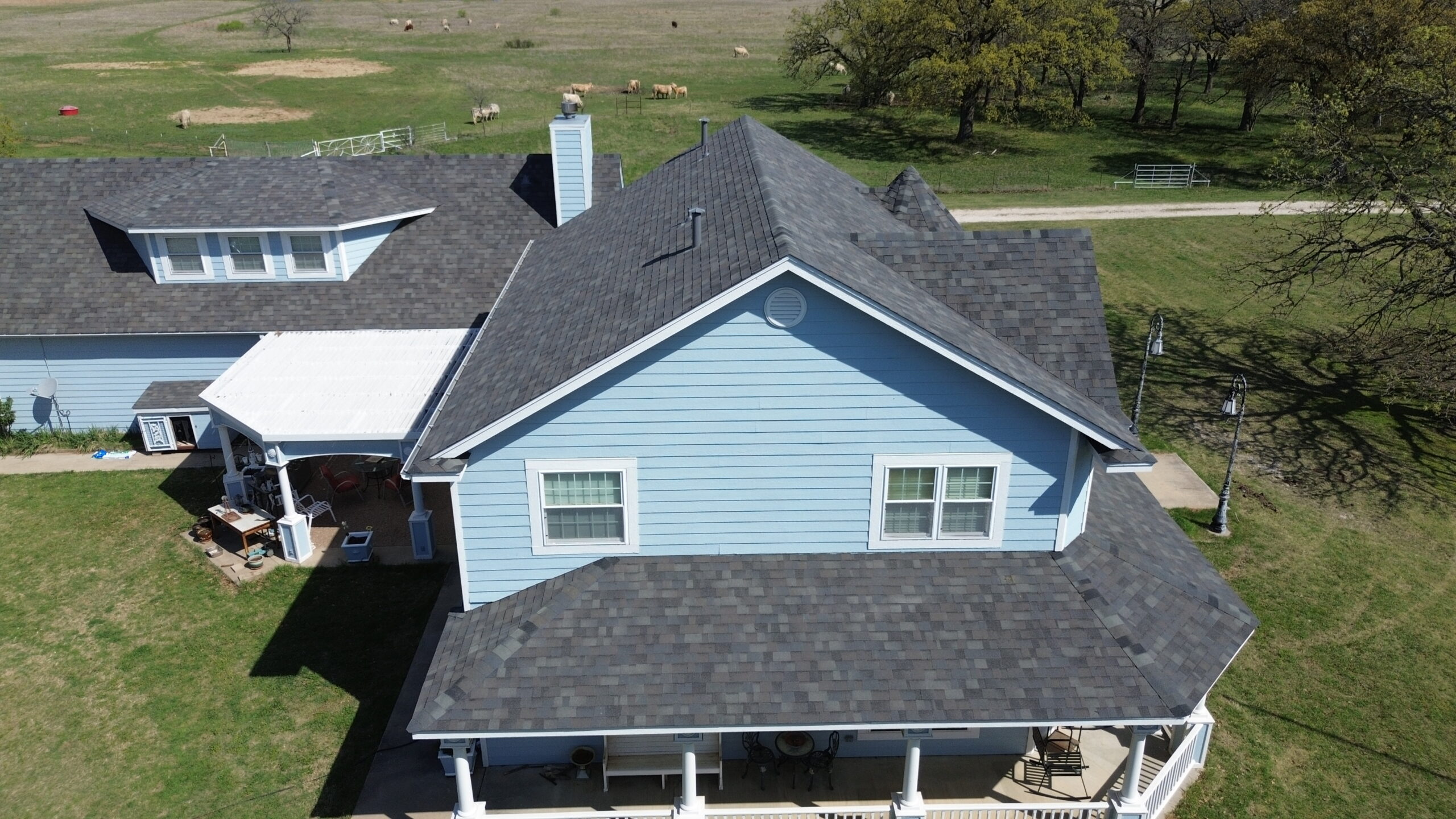
Severe weather can create sudden roofing damage even when a roof has been properly maintained. Strong winds, hail, heavy rainfall, falling branches, and other conditions can place substantial stress on roofing materials. Preparing the roof and surrounding property before these events can reduce preventable risks.
Homeowners should inspect the roof before periods when severe weather is expected. Damaged or loose materials should be professionally assessed, and gutters should be cleared so that heavy rainfall can drain efficiently. Addressing existing weaknesses before a storm can help reduce the chance of more serious damage.
The roof’s surrounding environment should also be considered. Dead or unstable branches can become dangerous during strong winds. Proper tree maintenance can reduce the likelihood of branches falling onto the roof or blocking drainage systems.
Outdoor objects can also become hazards during storms. Loose furniture, equipment, decorations, and other items may be lifted by strong winds and strike the roof or other parts of the property. Securing these items can reduce avoidable impact damage.
After a severe storm, homeowners should conduct a visual inspection from a safe location. Missing materials, fallen branches, damaged gutters, and other obvious changes should be documented. If damage is suspected, a qualified roofing professional can perform a closer assessment.
Hail damage may be difficult to identify from the ground. Some impacts may weaken roofing materials without creating an immediate leak. Professional inspection after significant hail exposure can help determine whether repairs or further monitoring are necessary.
Heavy rain can also expose drainage problems. Overflowing gutters, water pooling, or damp areas around roof edges may indicate that the drainage system is not handling runoff effectively. These conditions should be evaluated before repeated rainfall creates additional damage.
In regions where snow or ice occurs, winter preparation requires additional considerations. Excessive accumulation can place weight on the roofing structure, while ice can interfere with normal drainage. Homeowners should follow professional guidance rather than attempting unsafe snow or ice removal.
Severe weather preparation should be part of routine maintenance rather than an emergency response. When homeowners identify vulnerabilities ahead of time, they have more opportunity to arrange repairs and professional inspections. This proactive approach can help reduce the likelihood of preventable storm-related roofing damage.
Avoiding Damage During Roof Maintenance and Home Improvements
Roof damage can sometimes occur during maintenance or other work performed around the home. Painting, installing equipment, cleaning gutters, trimming trees, or completing exterior improvements may involve ladders, tools, materials, and workers near the roofing system. Without proper precautions, these activities can unintentionally damage roofing components.
Ladders should be positioned carefully and should not rest directly against fragile roofing materials. Improper ladder placement can crack tiles, damage gutters, or place unnecessary pressure on roof edges. Workers should use suitable equipment and follow appropriate safety practices.
Homeowners should also avoid placing heavy materials or equipment directly on the roof unless the roofing system is designed to support the activity. Concentrated weight can damage certain materials or underlying components. Contractors should understand the requirements of the existing roofing system before beginning work.
Solar installations require particular attention because mounting equipment can interact with roofing materials and flashing. The installation should be designed to maintain water resistance and avoid unnecessary damage. Coordination between roofing and solar professionals can help protect both systems.
Satellite dishes, antennas, vents, and other equipment should also be installed carefully. Creating new openings in a roof introduces potential pathways for water. Proper flashing and sealing are essential for maintaining the integrity of the roofing system.
Tree trimming can also create accidental damage. Falling branches or tools can strike roofing materials, gutters, windows, or siding. Appropriate safety measures and professional tree services can reduce these risks.
Cleaning should be performed using methods appropriate for the roofing material. Aggressive pressure washing may damage shingles or remove protective surface material. Homeowners should follow manufacturer recommendations and use qualified professionals when specialized cleaning is required.
Home improvement contractors should be informed that the roof is an important protective system. Workers should avoid stepping on unnecessary areas, dragging materials across the roof, or leaving debris behind. Small precautions can prevent expensive damage.
Protecting the roof during other home projects is especially important because damage may not be immediately visible. A cracked tile or disturbed flashing component might only become a problem during the next major rainfall. Preventive care during maintenance and construction can therefore protect the roof from damage that would otherwise be unrelated to normal aging.
Importance of Professional Roofing Repairs
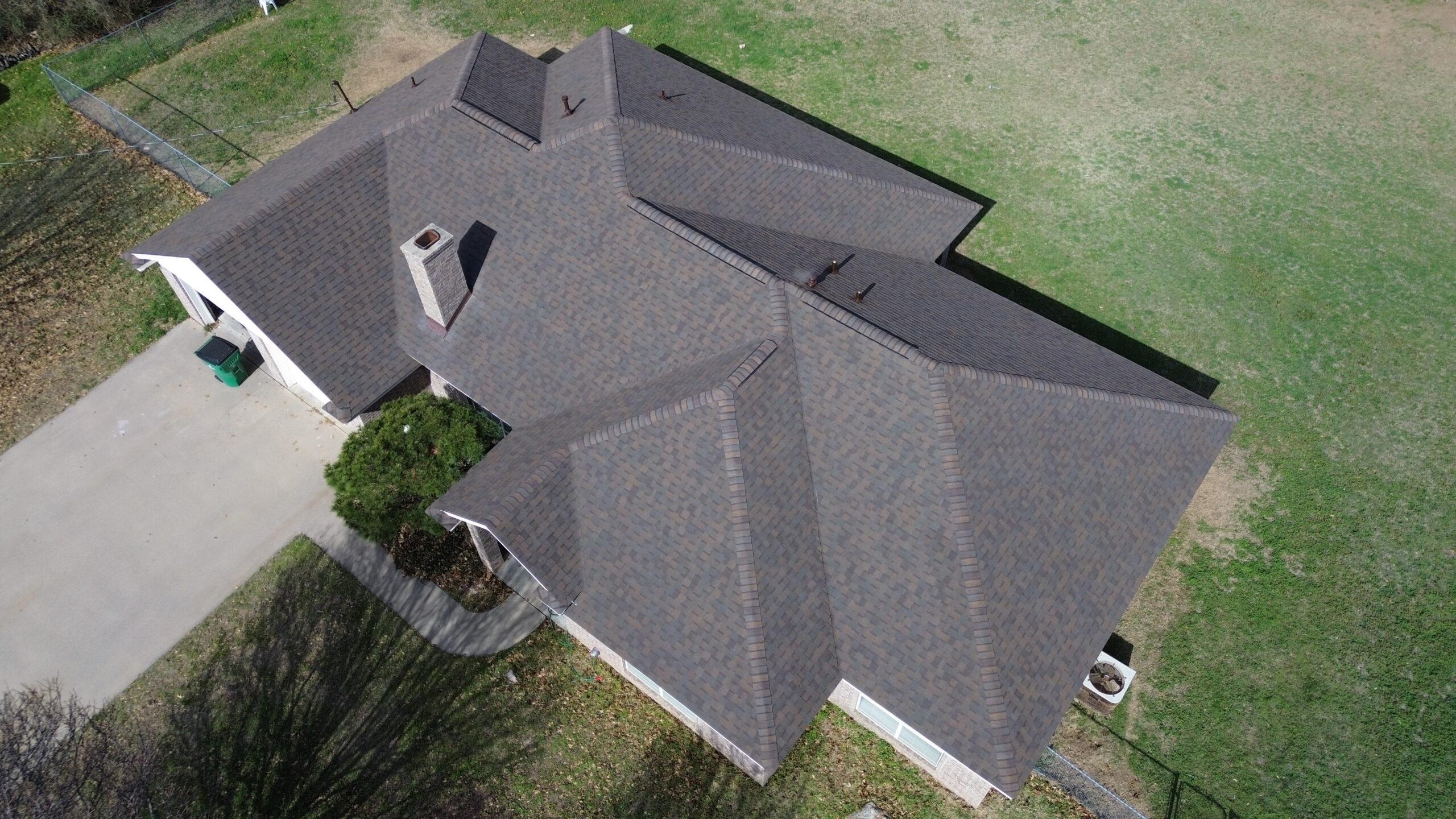
Professional repairs are an important part of preventing residential roofing damage because the correct solution often requires more than treating the visible symptom. Roofing professionals can inspect the surrounding area, identify the source of damage, and determine whether other components have been affected.
A professional may find that a visible leak is caused by damaged flashing several feet away from the point where water appears inside. Similarly, a missing shingle may be part of a larger problem involving wind exposure, fastening, or deterioration across a wider area.
Proper material matching is also important. Replacement shingles, tiles, panels, flashing, and sealants should be compatible with the existing roofing system. Using unsuitable materials may create weak points or affect the appearance and performance of the roof.
Professional repairs should also address the cause rather than simply covering the damaged area. A temporary patch may provide short-term protection but may not prevent water from returning. Understanding why the damage occurred allows the repair to provide more reliable long term protection.
Homeowners should ask contractors to explain the recommended work. A clear explanation can help them understand whether the problem is isolated or part of a broader condition. Written estimates and documentation can also make it easier to compare repair options.
Roofing professionals should also inspect related components when appropriate. Water damage can extend into decking, insulation, flashing, or structural elements. Repairing only the visible surface may leave underlying problems unresolved.
Emergency situations may require temporary protection before permanent repairs can be completed. Temporary measures can help limit further water entry, but they should not be treated as a substitute for permanent repair. The damaged area should be properly assessed and repaired as soon as practical.
Professional maintenance is especially important for steep, complex, or aging roofs. These systems may contain multiple roof planes, valleys, penetrations, and difficult access points. Experienced professionals can evaluate these areas more safely and thoroughly than most homeowners.
By using qualified professionals for significant repairs, homeowners can reduce the risk of worsening existing damage. Correct diagnosis, suitable materials, proper installation, and attention to surrounding components all contribute to a stronger and more reliable roofing system.
Seasonal Roof Care Strategies for Long Term Protection
Roofing care should change according to seasonal conditions because different times of the year create different risks. A year-round strategy helps homeowners address predictable problems before they become serious.
Spring is an appropriate time to inspect the roof for winter or storm damage. Homeowners can check gutters, downspouts, flashing, roofing materials, and attic conditions. Any signs of moisture or damage should be evaluated before periods of heavier rainfall and warmer weather.
Summer maintenance should focus on heat, sunlight, ventilation, and severe storms. Homeowners should monitor attic conditions and arrange professional inspections after significant weather events. High temperatures can also make roof surfaces extremely hot, so maintenance work should be performed safely.
Fall preparation should focus on leaves, drainage, tree branches, and upcoming severe weather. Gutters should be cleaned, roof valleys should remain clear, and nearby trees should be evaluated. Completing these tasks before colder weather can reduce water and debris-related risks.
Winter maintenance is primarily about monitoring. Homeowners should watch for interior leaks, condensation, wind damage, and other warning signs while avoiding unsafe roof access during snow, ice, heavy rain, or strong winds.
Seasonal maintenance can be organized around a simple routine that includes inspection, cleaning, repair, and documentation. The goal is not to perform extensive work every season but to consistently monitor the roof and address issues according to their urgency.
A well-maintained roof can provide better protection and may remain useful for longer than a neglected system. Preventive care cannot eliminate normal aging or severe weather risks, but it can reduce avoidable deterioration and improve the homeowner’s ability to respond quickly.
Combining seasonal maintenance with professional inspections creates a practical long-term strategy. Homeowners can monitor visible and interior warning signs while professionals assess areas that require specialized knowledge or safe roof access. This coordinated approach helps protect roofing materials and the broader structure of the home.
Recognizing Early Warning Signs of Roofing Damage
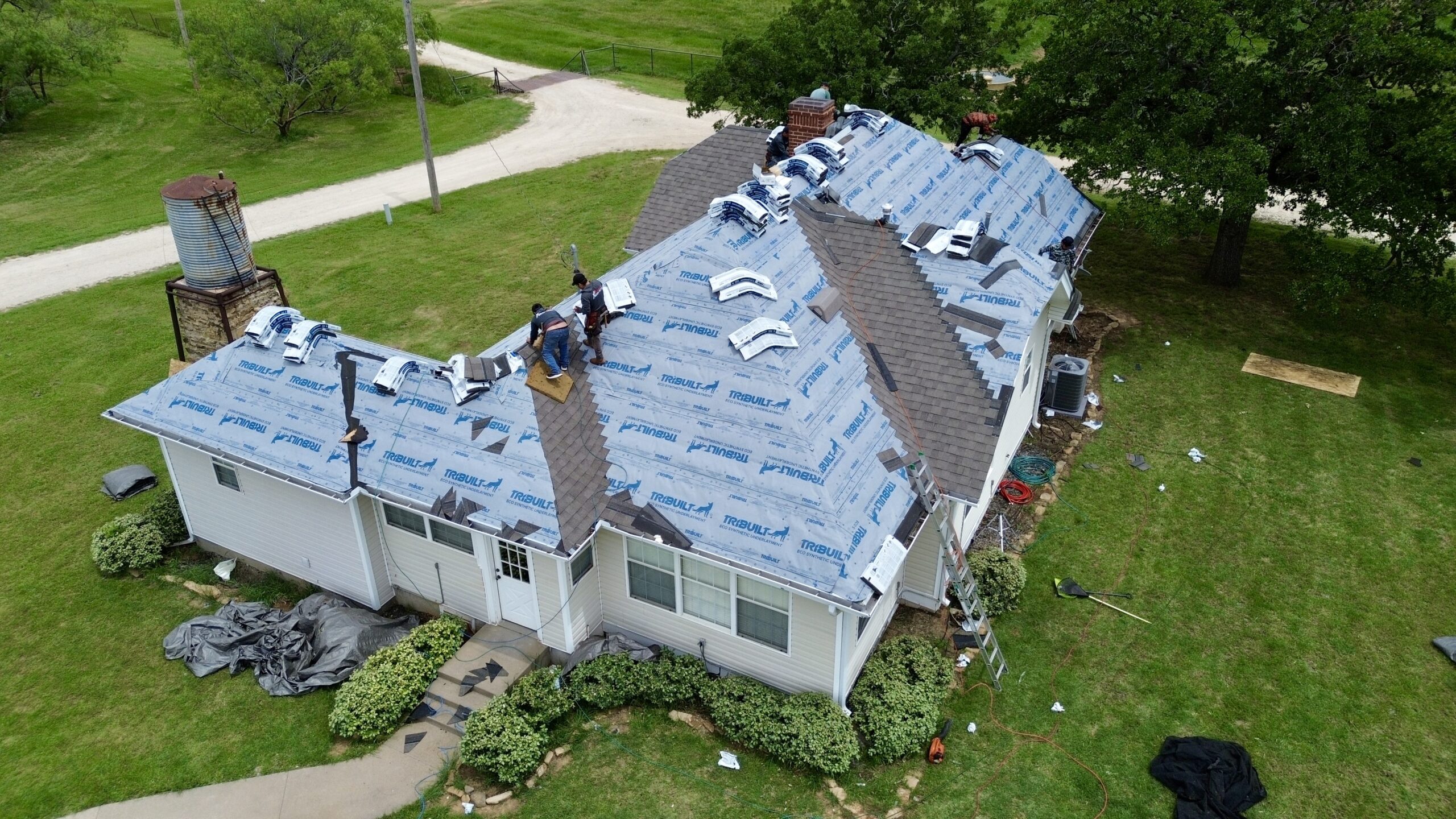
Recognizing roofing problems early is one of the most effective ways to prevent extensive residential roof damage. Many serious roofing issues begin with small changes that homeowners may overlook because they do not immediately affect the interior of the home. Regular observation can help identify these warning signs before they develop into costly repairs.
One of the most obvious signs is missing, cracked, curled, or displaced roofing material. Damaged shingles, broken tiles, loose metal panels, and exposed underlayment can reduce the roof’s ability to resist rain and wind. These conditions should be evaluated promptly, particularly when they appear after severe weather.
Water stains on ceilings or upper walls are another important warning sign. A stain may indicate that water has entered through the roof, although the visible location may not correspond directly with the source. Water can travel along roofing layers or structural components before appearing inside the house.
Homeowners should also pay attention to unusual attic conditions. Damp insulation, musty odors, condensation, darkened wood, or visible moisture may indicate a leak or ventilation problem. Investigating these conditions early can help prevent moisture from affecting structural components.
Damaged flashing deserves attention as well. Cracked sealants, loose flashing, corrosion, or visible gaps around chimneys, skylights, vents, and roof intersections can create pathways for water. These areas should be professionally assessed when deterioration becomes noticeable.
Gutter problems can also provide clues about roof condition. Excessive granules from asphalt shingles, repeated overflow, sagging gutters, or water collecting near roof edges may indicate a maintenance or roofing issue. Addressing these signs early can help protect both the roof and surrounding parts of the property.
Preventing Damage Through Routine Maintenance
Routine maintenance provides the foundation for long term roof protection. A roof should not only be inspected when something goes wrong because many forms of deterioration develop gradually. Consistent maintenance allows homeowners to manage small problems while the repair process is still relatively straightforward.
Gutters and downspouts should be cleaned regularly to maintain effective water flow. Leaves, branches, dirt, and other debris can prevent rainfall from draining properly. Keeping these systems clear reduces the possibility of water overflowing around roof edges or collecting near the foundation.
Roof debris should also be removed when it accumulates. Leaves and branches can retain moisture against roofing materials and may hide damaged areas. Homeowners should use safe methods or professional services rather than walking across the roof without suitable equipment.
Trees around the property should be maintained as part of the roofing routine. Branches that repeatedly rub against the roof can cause surface wear, while dead branches can fall during storms. Appropriate trimming can reduce these risks and limit the amount of debris entering gutters.
Ventilation and attic conditions should be checked periodically. Excessive heat or moisture in the attic can contribute to premature deterioration of roofing and structural components. Proper ventilation and insulation should work together to support a stable and healthy attic environment.
Maintenance should also include professional inspections when appropriate. A qualified roofing contractor can identify problems that may not be visible from ground level. Older roofs, roofs exposed to severe weather, and systems with recurring repairs may benefit from more frequent professional assessment.
How Proper Roof Care Reduces Long Term Costs
Preventive roofing care can reduce long term expenses by addressing problems before they spread. A small repair may require limited materials and labor, while prolonged water intrusion can damage decking, insulation, framing, ceilings, and interior finishes. Early attention can therefore protect both the roof and the wider property.
Regular maintenance also helps homeowners make better replacement decisions. A roof that is inspected consistently can be monitored as it ages, making it easier to determine when repairs remain practical and when replacement should be considered. This reduces the likelihood of being forced into an emergency replacement.
Proper drainage can provide additional financial protection. When gutters and downspouts function correctly, water is directed away from vulnerable areas. Preventing repeated overflow can reduce the risk of damage to fascia, siding, exterior walls, landscaping, and foundations.
Professional repairs can also reduce recurring costs. Treating only the visible symptom may allow the underlying problem to continue. Identifying the actual cause and repairing it correctly can help prevent repeated service calls and additional damage.
Roof care can also preserve property value. A well-maintained roof contributes to the overall appearance and condition of a home. When homeowners eventually sell the property, documented maintenance and a roof in good condition can provide greater confidence to potential buyers.
Energy-related benefits may also result from proper attic maintenance. Adequate insulation and ventilation can help manage heat transfer and indoor temperatures. While savings vary depending on the property, maintaining the building envelope can support overall home efficiency.
The greatest financial benefit of preventive maintenance is often avoiding major damage. Roofing expenses are easier to manage when they involve planned inspections and minor repairs rather than emergency restoration. Consistent care allows homeowners to spread maintenance costs over time and make informed decisions.
Common Roofing Care Mistakes Homeowners Should Avoid
One common mistake is waiting until a roof leaks before arranging an inspection. A leak is often evidence that a problem has already developed beyond the visible roofing surface. Routine inspections can identify deterioration before water reaches the interior.
Another mistake is attempting complicated repairs without proper experience. Roofing work involves heights, specialized materials, flashing details, and safety risks. An incorrect repair can worsen the original problem and may create additional damage.
Using unsuitable cleaning methods can also shorten roof life. Aggressive pressure washing, harsh chemicals, or scraping techniques may damage protective surfaces. Homeowners should follow manufacturer guidance and use professionals when specialized cleaning is necessary.
Ignoring gutters is another frequent error. Homeowners may focus entirely on shingles or tiles while overlooking the drainage system. Blocked or damaged gutters can create water-related problems even when the primary roof covering remains in good condition.
Excessive roof traffic should also be avoided. Walking across roofing materials can crack tiles, loosen shingles, damage coatings, or disturb flashing. Roof access should be limited to necessary maintenance performed with appropriate safety practices.
Some homeowners also choose repairs based only on the lowest price. While controlling costs is important, extremely low bids may not include necessary preparation, quality materials, or adequate workmanship. Comparing the complete scope of work is more useful than comparing prices alone.
Another mistake is neglecting records. Without maintenance records, homeowners may forget when repairs were performed or which areas have recurring problems. Keeping inspection reports, invoices, warranty information, and repair details makes long term roof management easier.
Creating a Practical Residential Roof Protection Plan
A practical roof protection plan should combine regular observation, scheduled maintenance, professional inspections, timely repairs, and preparation for severe weather. The plan does not need to be complicated, but it should be consistent enough to prevent important tasks from being forgotten.
Homeowners can begin by establishing seasonal checks. Spring can focus on identifying winter and storm damage, while summer maintenance can address heat, ventilation, and weather exposure. Fall preparation should emphasize gutters, debris, and tree management, while winter monitoring should focus on leaks and moisture.
The roof’s age should influence the maintenance plan. Newer roofs may require less intensive attention, while older systems should be monitored more closely. A history of frequent repairs can also indicate that the roof needs a more detailed professional assessment.
A maintenance record can make the plan easier to manage. Homeowners can record inspection dates, identified defects, completed repairs, gutter cleaning, storm damage, and professional recommendations. These records can also help establish patterns that may not be obvious from a single inspection.
Emergency preparation should be included as well. Homeowners should know who to contact if storm damage occurs and should understand that temporary protection may sometimes be required before permanent repairs can be completed. Having a plan reduces delays when urgent roofing problems occur.
The protection plan should also include a realistic maintenance budget. Setting aside funds for routine inspections and unexpected repairs can make roofing expenses easier to manage. Planning ahead is particularly useful for older roofs that may eventually require replacement.
Most importantly, homeowners should treat roof care as an ongoing responsibility. A roof performs as part of a larger system that includes drainage, ventilation, flashing, insulation, and surrounding vegetation. Maintaining these components together provides more effective protection than focusing on the visible roof surface alone.
Conclusion
Preventing residential roofing damage requires consistent attention rather than occasional emergency repairs. Regular inspections, proper drainage, timely repairs, vegetation management, attic care, and professional maintenance can help reduce many common causes of deterioration. These practices allow homeowners to identify developing problems before they become larger threats to the property.
The condition of the roof can also affect the condition of the entire home. Water that enters through a damaged roof may eventually reach insulation, decking, framing, ceilings, walls, and interior finishes. Protecting the roofing system therefore helps protect many other components of the property.
Seasonal care provides a practical way to organize maintenance. Each season brings different environmental challenges, so homeowners can adjust their attention according to weather conditions. This approach makes roof maintenance more predictable and helps ensure that important tasks are completed throughout the year.
Homeowners should also understand the limits of DIY maintenance. Safe visual checks and basic monitoring are useful, but difficult inspections, repairs, and roof access should be handled by qualified professionals. Proper workmanship helps ensure that repairs address the actual cause of damage instead of providing only temporary protection.
Good roof care is ultimately an investment in long term property protection. By maintaining drainage, monitoring roofing materials, protecting vulnerable areas, controlling attic moisture, preparing for severe weather, and responding quickly to warning signs, homeowners can reduce avoidable damage and potentially extend the useful life of their roofing system.
A proactive approach is usually more manageable than waiting for a major roofing failure. Consistent care helps homeowners control maintenance costs, protect the home’s structure, preserve its appearance, and maintain confidence in the roof’s ability to perform when it is needed most.