
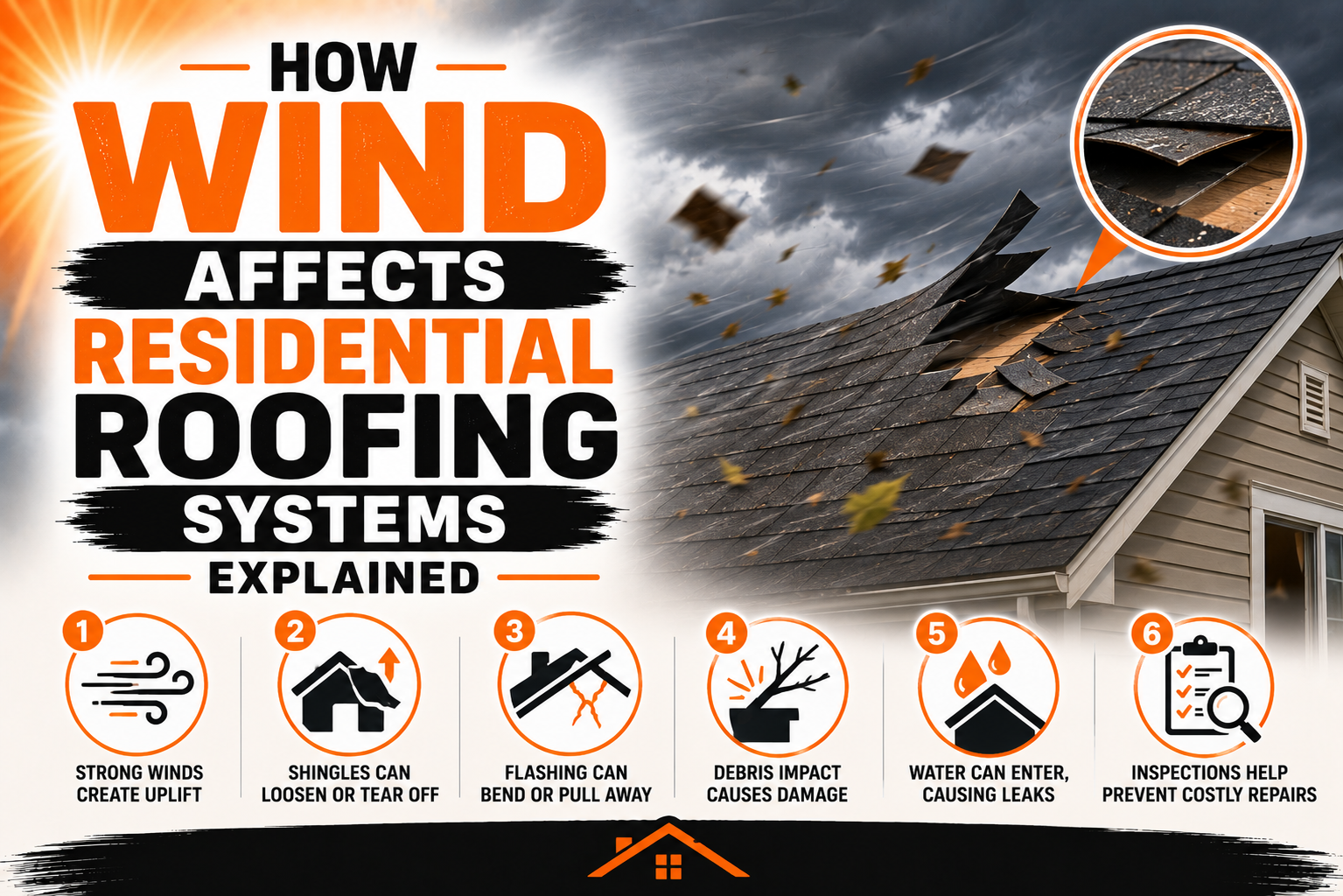
How Wind Affects Residential Roofing Systems Explained
Introduction
Wind is one of the most common environmental forces affecting residential roofing systems. Strong winds can place pressure on shingles, tiles, metal panels, flashing, gutters, vents, and other components, sometimes causing visible damage within a short period. Even when a roof looks intact from the ground, wind may have loosened materials or created weaknesses that require professional attention.
The effect of wind depends on several factors, including wind speed, direction, roof design, material type, installation quality, roof age, and surrounding conditions. A roof with secure materials and proper edge protection may withstand significant weather exposure, while an older or poorly maintained roof may be more vulnerable to displacement.
Wind does not always damage a roof by completely removing materials. It can lift edges, loosen fasteners, separate components, or create openings that allow water to enter later. These less obvious conditions are important because a roof can continue to look relatively normal while its ability to resist future weather has been reduced.
Understanding how wind interacts with different roofing materials can help homeowners recognize potential problems. It can also explain why professional roof inspections are recommended after periods of unusually strong winds, particularly when homeowners notice missing materials, debris, new leaks, or other changes around the property.
How Wind Interacts With Residential Roofing Systems
Wind affects a roof by creating pressure across its exposed surfaces. As air moves over and around a building, pressure can vary between different parts of the roof. Strong gusts may push against roofing materials while also creating lifting forces along edges and other vulnerable locations.
The roof’s shape plays an important role in how wind moves across it. Roofs with different slopes, ridges, hips, valleys, and overhangs can experience different patterns of wind exposure. Certain areas may therefore experience more stress than others during the same weather event.
Wind direction also matters. A roof may receive stronger exposure on one side depending on the direction from which the storm approaches. Nearby buildings, trees, fences, and other structures can influence airflow as well, sometimes reducing exposure in one area while creating turbulence in another.
Roofing materials are designed to remain attached under expected environmental conditions, but their performance depends partly on proper installation. Secure fastening, appropriate underlayment, properly installed flashing, and suitable edge details all contribute to the roof’s ability to resist wind.
Maintenance also affects wind resistance. Loose materials, deteriorated sealants, damaged flashing, and previously weakened components may be more vulnerable when strong winds occur. A storm can turn a small existing weakness into a more noticeable roofing problem.
Wind can also introduce debris onto the roof. Branches, leaves, construction materials, and other objects may strike roofing surfaces or become lodged in drainage areas. The resulting damage can range from minor surface marks to broken or displaced components.
The effect of wind should therefore be considered across the entire roofing system. Looking only for missing shingles may overlook damage to edges, flashing, gutters, vents, and other components that contribute to the roof’s overall performance.
Why Roof Edges and Corners Are More Vulnerable
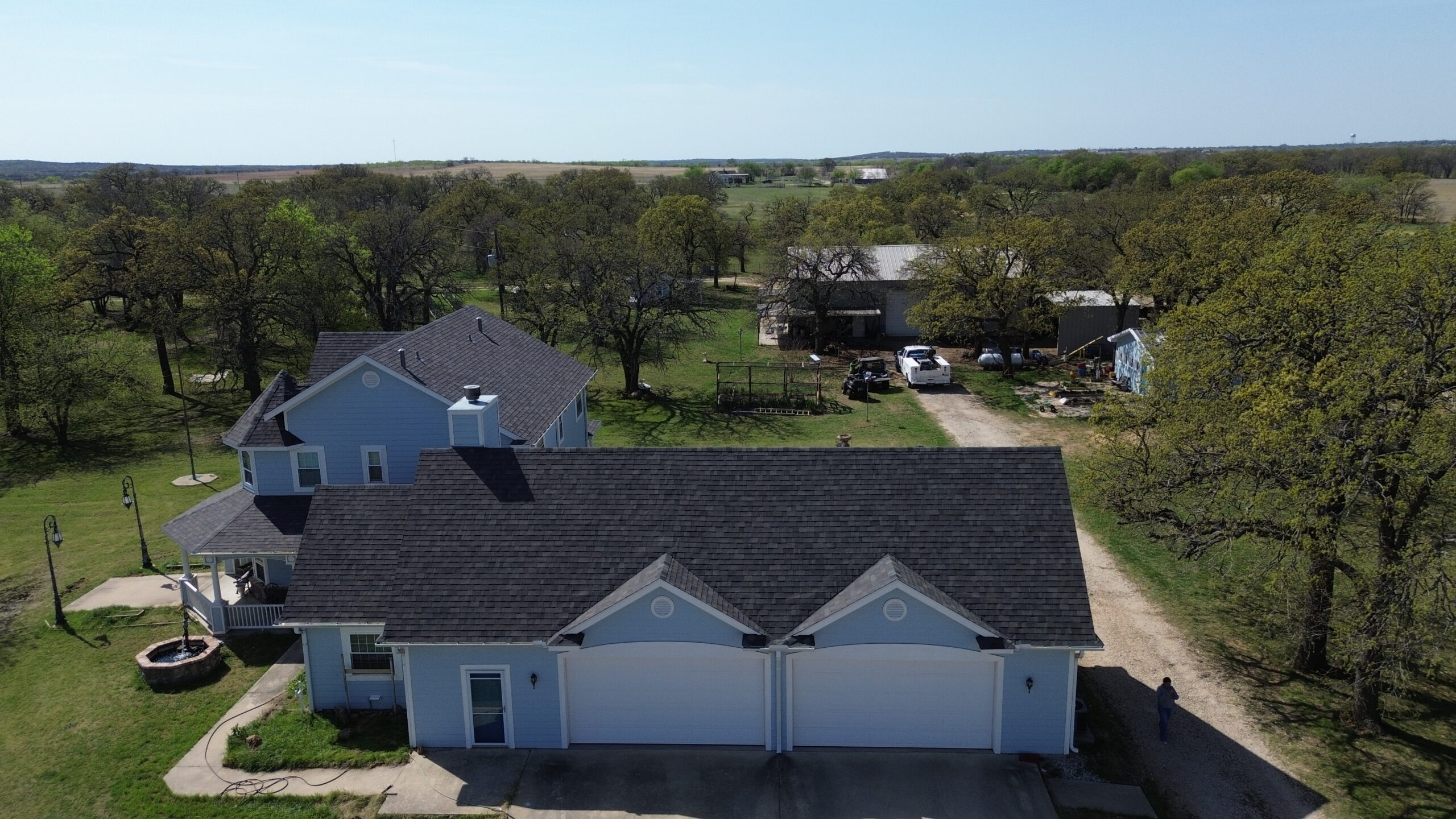
Roof edges and corners often receive particular attention during wind-related inspections because they can experience significant wind exposure. Airflow can interact differently with the perimeter of a roof than with the central sections, creating conditions that may increase stress on roofing components.
The roof edge includes areas where roofing materials meet the perimeter of the building. These locations need secure attachment and proper detailing to resist wind forces. If edge components become loose, the problem can sometimes affect nearby roofing materials.
Corners can also experience concentrated wind effects. During strong gusts, airflow may change direction around the building and create additional pressure or turbulence. This is one reason inspectors often examine corners and perimeter areas carefully after a severe wind event.
Overhangs may be another vulnerable area. Materials extending beyond the main wall structure can be exposed directly to moving air. If components are not properly secured or have deteriorated over time, strong winds may cause lifting or displacement.
Roof ridges and hips can also require attention. These elevated portions of the roof are exposed to wind from multiple directions. Damaged or displaced ridge components can create openings and may increase the risk of additional problems during subsequent weather.
The condition of edge flashing and other perimeter components is equally important. Even when the main roofing surface appears undamaged, loose or deteriorated edge details can create weaknesses. Professional inspections often examine these areas as part of a broader assessment.
Homeowners should therefore avoid assuming that a roof is unaffected simply because no shingles are missing from its center. Wind-related damage may be concentrated around the perimeter, where it can be less noticeable from the ground.
How Wind Damages Asphalt Shingles
Asphalt shingles are widely used on residential roofs and can be affected by strong winds in several ways. The most obvious type of wind damage is a missing shingle, but other forms of displacement can occur without immediately becoming visible to a homeowner.
Strong gusts can lift the edges of shingles or loosen their attachment. If a shingle becomes partially lifted, water may be able to reach areas beneath it during future rainfall. Continued wind exposure can then make the condition worse.
Shingles can also become cracked or damaged when they are repeatedly exposed to severe weather. Wind itself may not always create the initial weakness, but it can take advantage of existing deterioration. Older or brittle shingles may therefore be more susceptible to displacement.
The condition of surrounding shingles is important when evaluating wind damage. If several adjacent materials show lifting or displacement, the affected area may be larger than one damaged shingle. Inspectors consider the pattern to determine whether the condition appears isolated or more widespread.
Roof age can influence wind resistance as well. As asphalt shingles age, their flexibility and surface condition can change. Long-term exposure to sunlight, heat, rain, and previous storms may gradually reduce their ability to withstand additional environmental stress.
Installation quality can also affect performance. Proper fastening and placement are important for keeping shingles secure. If materials were not installed correctly, strong winds may expose weaknesses that would otherwise remain unnoticed.
Wind damage may sometimes be visible through roofing debris around the property. Shingles or fragments found in the yard can indicate that materials were displaced during a storm. However, homeowners should not rely solely on debris because some damage may remain attached to the roof.
After strong winds, a professional inspection can help determine whether shingles remain properly secured. This is particularly important when the roof has experienced repeated storms or when homeowners notice changes but cannot identify the source.
Wind Effects on Metal Roofing
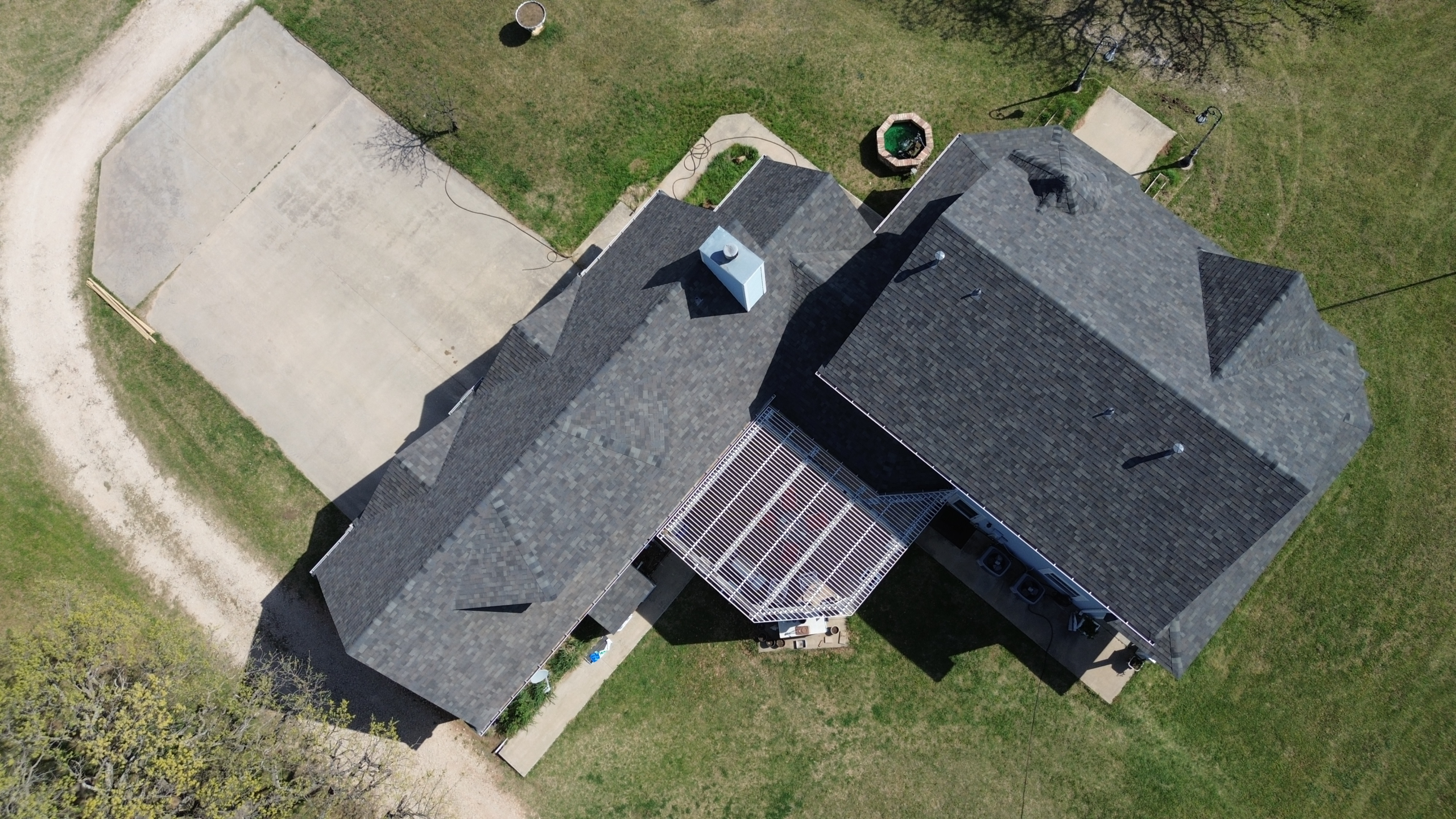
Metal roofing systems respond differently to wind than asphalt shingles, but they are not immune to wind-related damage. Metal panels can be strong and durable, yet their performance depends on proper installation, fastening, seams, flashing, and edge details.
Strong winds may place pressure on metal panels and connections. If fasteners become loose or components deteriorate, panels may shift or lift. Damage may also occur around seams and transitions where different sections of the roofing system connect.
Metal roofs can also experience dents or surface damage from flying debris. A falling branch or other object can strike a panel and leave a visible mark. The importance of the damage depends on its location and whether the panel or protective surface has been compromised.
Fasteners deserve particular attention during inspections. Loose or damaged fasteners may reduce the stability of roofing panels and can create potential openings for water. Inspectors may examine visible fastener locations for signs of movement, corrosion, or deterioration.
Flashing around chimneys, walls, vents, and other penetrations can also be affected by wind. If flashing becomes displaced, the roof may be more vulnerable to water intrusion even when the metal panels themselves remain intact.
Metal roofing can produce sounds during strong wind, especially when components move slightly under pressure. Unusual noises following a severe weather event may justify an inspection, particularly if they are accompanied by visible changes or signs of water intrusion.
Regular maintenance can help identify loose or deteriorating components before a major storm occurs. A professional inspection can evaluate the condition of accessible fasteners, seams, flashing, and other areas that contribute to wind resistance.
How Wind Damages Roof Tiles and Other Materials
Roof tiles can also be affected by strong winds, although the type of damage can differ from what occurs with shingles or metal panels. Tiles may become cracked, displaced, or broken when exposed to severe weather or when struck by flying debris.
Displaced tiles can create exposed areas beneath the roofing surface. Even when only a small number of tiles have moved, water may be able to reach vulnerable components during later rainfall. Inspectors therefore examine the affected area and surrounding tiles.
Concrete and clay tiles can become more vulnerable as they age or develop existing cracks. Wind may not necessarily create every crack, but strong weather can worsen an existing weakness. Inspectors consider whether the observed damage appears consistent with impact, aging, movement, or another cause.
Other roofing materials, including synthetic products and specialized systems, have their own wind-related vulnerabilities. The specific inspection process depends on the material and installation method. A professional should evaluate the roof according to the characteristics of that particular system.
Roofing underlayment can also become important when surface materials are displaced. Although it may not be visible during a normal inspection, exposed or damaged underlayment can indicate that the roof surface has experienced a significant event. Additional evaluation may be required when underlying components are suspected to be affected.
The condition of surrounding materials is also useful. Broken tiles or roofing fragments found on the ground can provide clues about what occurred during a storm. However, a complete assessment requires examination of the roof itself whenever safe access is possible.
Signs of Wind Damage Homeowners Can Recognize
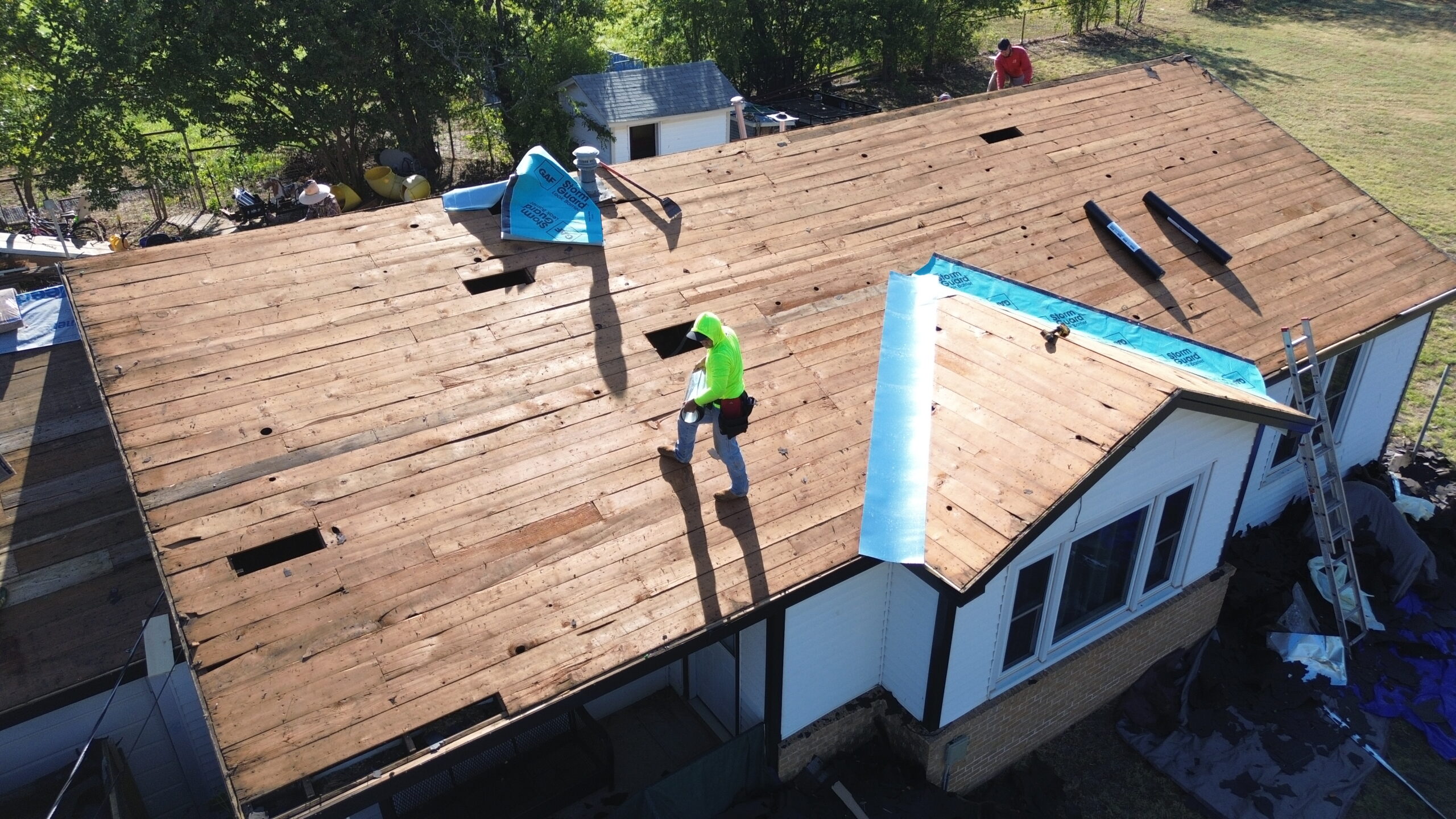
Homeowners can look for several warning signs after periods of strong wind, although they should avoid climbing onto the roof themselves. Missing or visibly displaced roofing materials are among the easiest signs to notice. Roofing debris around the yard may also indicate that materials have been moved.
Other signs can appear around the roof perimeter. Loose gutters, displaced flashing, damaged vents, or changes around roof edges may suggest that strong winds affected the system. These conditions can sometimes be seen from the ground.
Interior signs are also important. A new ceiling stain, damp attic insulation, or moisture appearing after a windy rainstorm may indicate that wind has created or exposed a weakness in the roofing system. Water can enter through relatively small openings and travel before becoming visible inside.
Unusual roof sounds following strong winds may also deserve attention. Rattling, flapping, or movement noises can sometimes indicate loose components, although sound alone cannot establish the cause. A professional inspection can determine whether there is visible evidence of damage.
Homeowners should also consider the age and previous condition of the roof. A roof that has already shown deterioration may be more susceptible to wind-related problems. Previous repairs or known weak areas can provide useful information for an inspector.
The safest response to suspected wind damage is to observe from the ground, document visible conditions when possible, and arrange professional evaluation when concerns exist. A qualified inspection can identify problems that are not easily visible and determine whether repairs are necessary.
Wind can affect much more than the main roof surface. Its influence can extend to roof edges, corners, shingles, metal panels, tiles, flashing, vents, gutters, and underlying components. Understanding these effects provides a foundation for examining how wind interacts with roof penetrations, drainage systems, wind-driven rain, trees, debris, and the overall maintenance condition of a residential roofing system.
How Wind Affects Roof Flashing and Penetrations
Roof flashing is one of the most important supporting components of a residential roofing system because it helps direct water away from vulnerable transitions. Flashing is commonly installed around chimneys, skylights, walls, roof valleys, vents, and other areas where roofing materials meet different surfaces. Strong winds can loosen, bend, lift, or otherwise affect these components.
Wind does not need to completely remove flashing to create a concern. A small separation or movement can create an opening where rainwater may enter during a later storm. Because flashing is often located at complicated roof transitions, damage may be difficult for homeowners to identify from ground level.
Roof penetrations can be particularly vulnerable because they interrupt the continuous roofing surface. Plumbing vents, exhaust vents, skylights, and similar components depend on properly installed flashing and surrounding materials. If strong wind affects these areas, the resulting weakness may allow water to enter even when the main roofing surface appears intact.
Inspectors examine visible flashing for displacement, gaps, corrosion, cracking, or other signs of deterioration. They also consider whether surrounding roofing materials have moved or become damaged. A flashing problem may be isolated, but it can sometimes indicate that nearby components have also been affected.
Chimney flashing receives particular attention because chimneys create several transitions between masonry, roofing materials, and flashing. Strong wind can contribute to movement or deterioration around these areas, while wind-driven rain can increase the possibility of moisture entering through an existing weakness. Interior staining near a chimney may provide additional evidence.
Skylights can also be affected by wind because they contain several components that must remain properly sealed. Damage around the flashing, frame, or surrounding roofing materials may create potential water entry points. An inspector considers both the visible condition and any interior evidence that appears below the skylight.
Wind can also affect vent components and their connections. A damaged vent cover, loose flashing, or displaced component may not immediately produce an interior leak. However, leaving the condition unresolved can allow future storms to exploit the weakness.
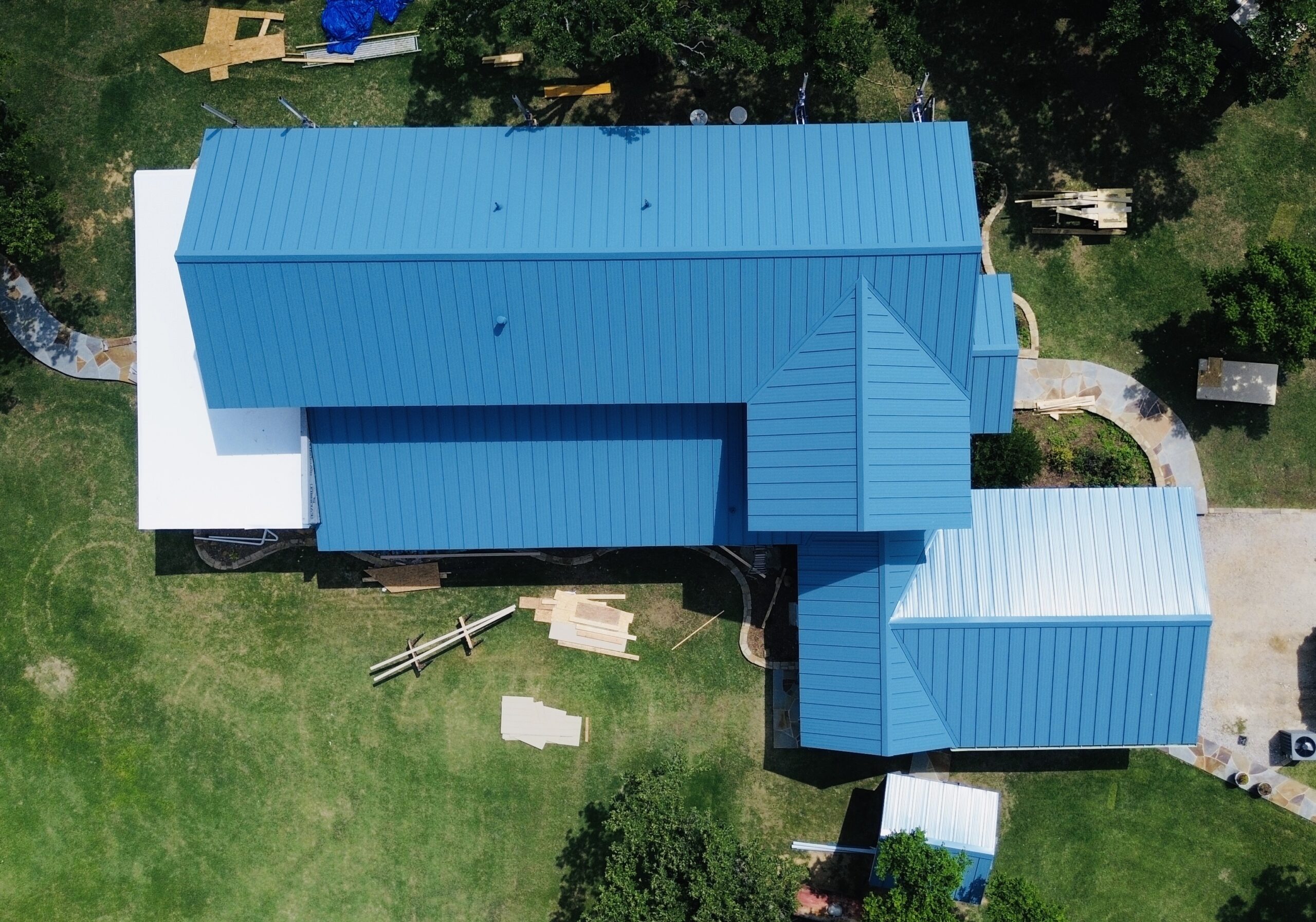
Wind Damage to Gutters, Vents, and Roof Accessories
A residential roofing system includes many components beyond shingles, tiles, or panels. Gutters, downspouts, vents, ridge caps, flashing, drip edges, and other accessories all contribute to the roof’s overall performance. Strong wind can affect these components even when the primary roofing material remains secure.
Gutters are exposed along the roof perimeter and can experience significant wind pressure. Strong gusts may loosen brackets, pull sections away from the fascia, or cause visible deformation. Fallen branches and other debris can create additional damage during the same weather event.
A damaged gutter may not represent direct roof failure, but it can create drainage problems. If water is not collected and directed away from the structure, repeated overflow may contribute to moisture exposure around the roof edge and exterior walls. Inspectors therefore consider gutter condition as part of the broader roofing assessment.
Downspouts can also become disconnected or displaced during strong winds. A loose connection may prevent water from reaching the intended discharge point. When combined with heavy rainfall, this condition can cause water to accumulate around the property.
Roof vents may experience wind-related movement or damage. Vent covers, flashing, and fasteners can deteriorate or become displaced during severe weather. Because vents penetrate the roofing surface, any weakness around them deserves careful attention.
Ridge caps and hip components can also be vulnerable. These elevated areas are exposed to wind from multiple directions, and damaged sections may become loose or displaced. If one section begins to move, continued wind exposure can increase the affected area.
Drip edges and other perimeter components are similarly important. These materials help protect roof edges and direct water appropriately. Wind damage to these areas may be less obvious than missing shingles but can still affect the performance of the roofing system.
Inspectors look at these components together rather than treating them as unrelated accessories. A roof is a connected system, and damage to one component can influence how other parts handle wind and rain.
How Wind-Driven Rain Affects Residential Roofs
Wind and rain can become more damaging when they occur together. During ordinary rainfall, gravity generally moves water downward across the roof. Strong winds can push rain sideways and upward toward areas that are normally less exposed to direct water movement.
Wind-driven rain can test roof penetrations, flashing, valleys, wall intersections, and other vulnerable areas. Even a small weakness that does not leak during calm rainfall may allow water to enter when rain is being forced against the roofing system from an unusual direction.
The direction of the storm can therefore provide useful information during an inspection. If a homeowner notices that leaks occur mainly during storms arriving from one direction, the inspector may pay particular attention to exposed roof sections and transitions. This information does not prove the source, but it can help guide the assessment.
Flashing around walls and chimneys can be especially important during wind-driven rain. Water may be pushed against vertical surfaces and enter through gaps that would not normally receive significant exposure. Inspectors examine visible transitions for signs of deterioration or displacement.
Roof penetrations can experience similar conditions. Vents, skylights, and plumbing penetrations may be exposed to rain from different directions during strong storms. If their flashing or seals are compromised, wind-driven water can enter the roofing assembly.
Wind-driven rain can also expose weaknesses around damaged shingles or panels. A small lifted edge may not cause immediate problems during light rainfall, but strong wind can force water beneath the roofing material. Continued exposure can then contribute to deterioration beneath the surface.
Interior symptoms may appear after a storm even when exterior damage is difficult to see. Ceiling stains, damp attic areas, or moisture around roof penetrations can provide clues. Inspectors compare these observations with exterior conditions to determine where further investigation may be necessary.
Not every leak that appears during a windy storm is necessarily caused by wind damage. Existing flashing deterioration, poor drainage, condensation, and other conditions can produce similar symptoms. A professional inspection helps distinguish among possible causes.
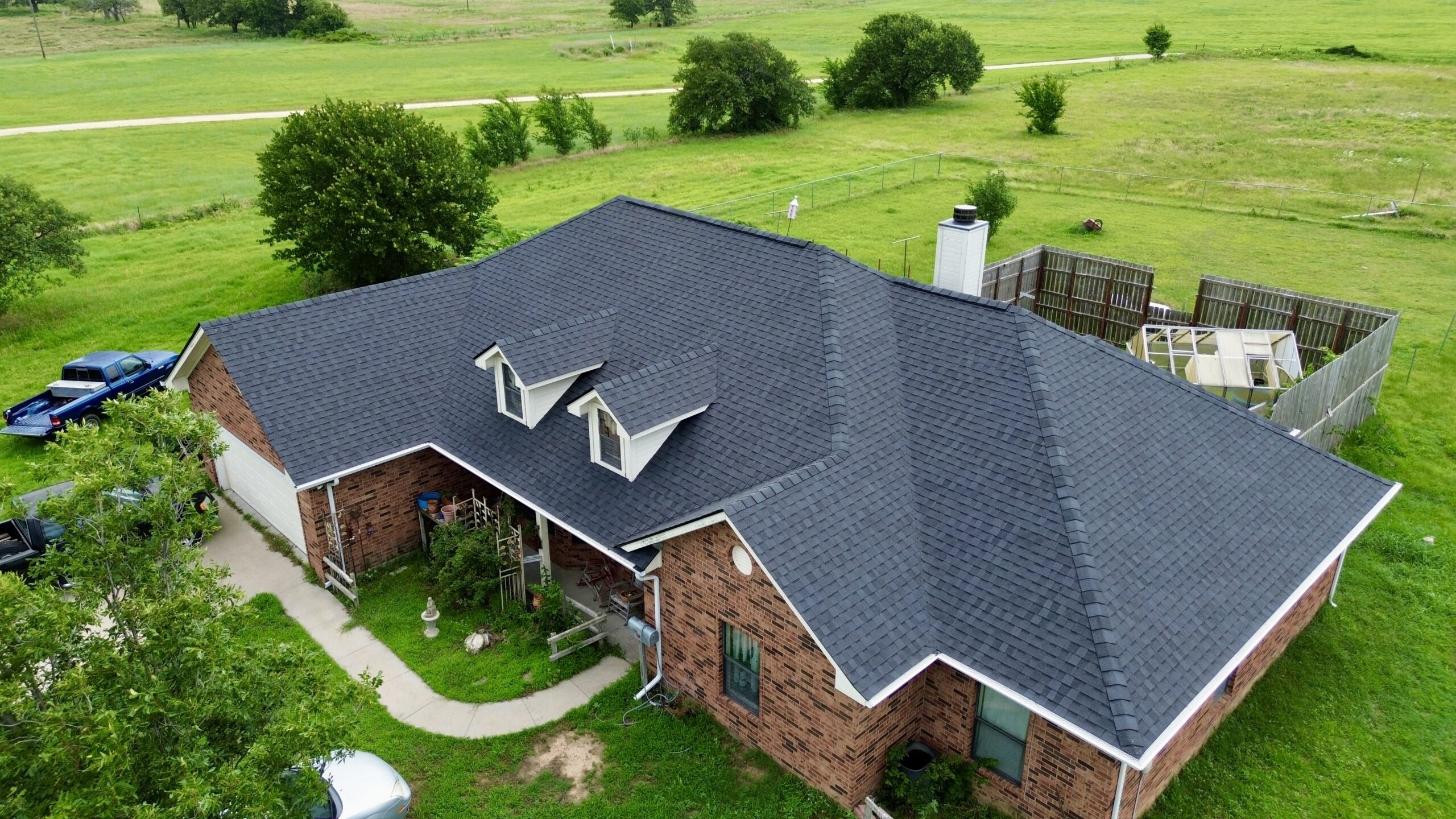
How Trees and Flying Debris Damage Roofing Systems
Trees and nearby vegetation can increase the risk of wind-related roofing damage. During strong storms, branches can break and fall onto roofs, while smaller twigs and leaves may become airborne. The resulting impact can damage roofing materials and block drainage pathways.
Large branches can create significant physical damage when they strike a roof. Depending on their size and location, they may break shingles, crack tiles, dent metal panels, damage flashing, or affect underlying components. Structural concerns may also arise if a heavy branch lands across a roof section.
Smaller branches can still create problems. Repeated impact from smaller debris may damage surface materials, while accumulated branches can prevent water from flowing normally. Debris left on a roof can also retain moisture against roofing materials.
Wind can move debris across the roof surface rather than dropping it in one location. As branches or other objects move, they may scrape or strike roofing materials. This can create damage that is difficult to recognize from the ground.
Inspectors may examine areas beneath nearby trees more closely after a severe wind event. They can look for visible impact marks, broken roofing materials, displaced components, and debris accumulation. The surrounding property may also provide evidence about the severity of the storm.
Homeowners should avoid removing large branches from a roof themselves. A heavy branch may be unstable, and removing it incorrectly could cause additional damage. Professional assistance may be necessary when debris is large, difficult to access, or associated with structural concerns.
Regular tree maintenance can help reduce some risks before storms occur. Removing dead branches and addressing trees that are dangerously close to the roof can reduce the amount of loose material available during high winds. Proper maintenance does not eliminate storm risk, but it can reduce avoidable exposure.
The Role of Roof Age and Maintenance in Wind Resistance
Roof age has an important relationship with wind performance. Roofing materials gradually experience sunlight, rain, temperature changes, and repeated wind exposure. Over time, these conditions can affect the flexibility, strength, attachment, and overall appearance of roofing components.
An older roof may not necessarily be unsafe or incapable of handling strong winds. However, aging materials may have less remaining service life and can be more vulnerable when combined with severe weather. Inspectors consider age alongside actual observed condition.
Maintenance history is equally important. A roof that has received regular attention may have fewer unresolved weaknesses than one with long-standing loose materials or damaged flashing. Small defects can become more significant when exposed to repeated storms.
Previous repairs can also influence wind resistance. Repaired sections may contain different materials or attachment methods from the original roof. Inspectors may examine these areas carefully to determine whether they appear secure and consistent with the surrounding system.
Fasteners, sealants, flashing, and edge components can deteriorate independently of the main roofing material. A roof may therefore appear relatively good overall while having specific components that are more vulnerable to wind. Professional inspections help identify these less obvious conditions.
Poor installation can also contribute to wind problems. Improperly positioned fasteners, inadequate attachment, poorly installed flashing, or incorrect material placement may reduce the roof’s ability to withstand expected weather. When these conditions are suspected, additional evaluation may be appropriate.
Homeowners should consider maintenance as part of long-term wind protection. Regular inspections can identify deteriorating components before a major storm exposes them. Addressing minor problems early can sometimes reduce the likelihood of more extensive damage later.
How Inspectors Assess Wind-Related Roofing Damage
Professional inspectors use a systematic approach when evaluating possible wind damage. They begin by considering visible conditions and available information about the roof’s history and recent weather. The inspection then focuses on areas that appear particularly vulnerable or show signs of movement or deterioration.
Inspectors may first examine the roof from the ground. This allows them to identify obvious missing materials, debris, damaged gutters, displaced components, or other changes without immediately accessing the roof. Ground-level observations can help determine where closer attention may be needed.
When conditions are safe, inspectors may examine accessible roof surfaces more closely. They look for lifted, cracked, displaced, or missing materials and inspect transitions such as ridges, hips, valleys, edges, and penetrations. The surrounding areas are also considered to determine whether the damage is isolated or widespread.
The attic can provide additional information. Inspectors may look for moisture staining, damaged decking, daylight visible through unexpected openings, or other signs that wind-related damage has affected the roof assembly. Interior observations can help connect exterior defects with possible water intrusion.
Documentation is an important part of the process. Photographs and written descriptions can record the location and appearance of suspected wind damage. Clear documentation allows homeowners to understand the findings and can provide a useful reference for future inspections or repair discussions.
Inspectors also consider whether the observed conditions appear consistent with wind exposure. A missing shingle may have several possible causes, so the surrounding pattern and condition matter. The professional may identify the condition without claiming a cause that cannot be established through the available evidence.
A typical wind-related assessment may focus on these areas:
- Roof edges, corners, ridges, and hips
- Shingles, tiles, or metal panels
- Flashing and roof penetrations
- Gutters, vents, and other roof accessories
- Attic areas and interior moisture evidence
The inspection results can then help determine whether the roof appears to have isolated damage, multiple affected areas, or more extensive deterioration. Recommendations may range from routine maintenance and localized repair to additional evaluation when the condition is more complex.
Wind damage is therefore assessed as part of the complete roofing system rather than as a single missing or damaged component. Understanding the inspection process makes it easier to recognize why certain areas receive greater attention after a storm. It also prepares homeowners to understand the relationship between wind damage, water intrusion, roof age, maintenance, and the need for timely repairs.

How Wind Damage Can Lead to Water Intrusion
Wind damage and water damage are often closely connected in residential roofing systems. A strong storm may not immediately create an obvious interior leak, but displaced shingles, damaged flashing, loose panels, or compromised roof edges can create openings that allow rainwater to enter later. This means a roof can continue to appear mostly intact while its resistance to moisture has been reduced.
Wind can lift the edges of roofing materials and create small spaces underneath them. During the next rainfall, water may be pushed beneath these materials, especially when rain is accompanied by strong gusts. Once moisture enters the roofing assembly, it can travel along decking, framing, insulation, or other surfaces before becoming visible inside the home.
Flashing damage can create a similar problem. If flashing around a chimney, skylight, wall, or vent becomes displaced, water may enter through the affected transition. These areas are particularly important because they contain multiple materials that must work together to keep moisture outside the building.
Water intrusion can also affect the roof deck and attic. Repeated moisture exposure may cause staining, deterioration, or other problems beneath the roof surface. In some cases, interior symptoms may not appear until significant rainfall occurs after the original wind event.
Homeowners should therefore take new leaks seriously after periods of strong wind. A ceiling stain, damp insulation, or unusual moisture in the attic can indicate that wind has created or exposed a roofing weakness. Professional evaluation can help identify the potential source and determine whether immediate action is needed.
When Wind Damage Requires Roof Repair
Not every wind-related condition requires extensive roofing work. Some problems are localized and may be addressed by repairing or replacing individual components. However, even relatively small defects should be evaluated because leaving them exposed can allow additional weather to worsen the condition.
A missing shingle is a common example of potentially localized damage. If the surrounding roofing system remains in good condition, a qualified roofing professional may be able to replace the affected material. The repair should also consider the attachment and condition of nearby shingles.
Loose or damaged flashing may require a more detailed repair. Simply applying a surface sealant may not always address the underlying problem if the flashing has moved or was installed incorrectly. The appropriate solution depends on the condition of the surrounding roofing system.
Gutter and roof accessory damage can also require repair. A detached gutter, damaged vent, or displaced edge component may not represent a major roof failure, but correcting the problem can help restore proper drainage and weather resistance.
Homeowners should avoid making repair decisions based only on what is visible from the ground. Wind can affect hidden attachment points or areas beneath roofing materials. A professional assessment can help determine whether a visible defect is isolated or part of a larger problem.
Prompt repairs are especially important when the damaged area can allow water into the building. Addressing an opening early may reduce the chance of moisture affecting insulation, decking, ceilings, walls, or interior finishes.
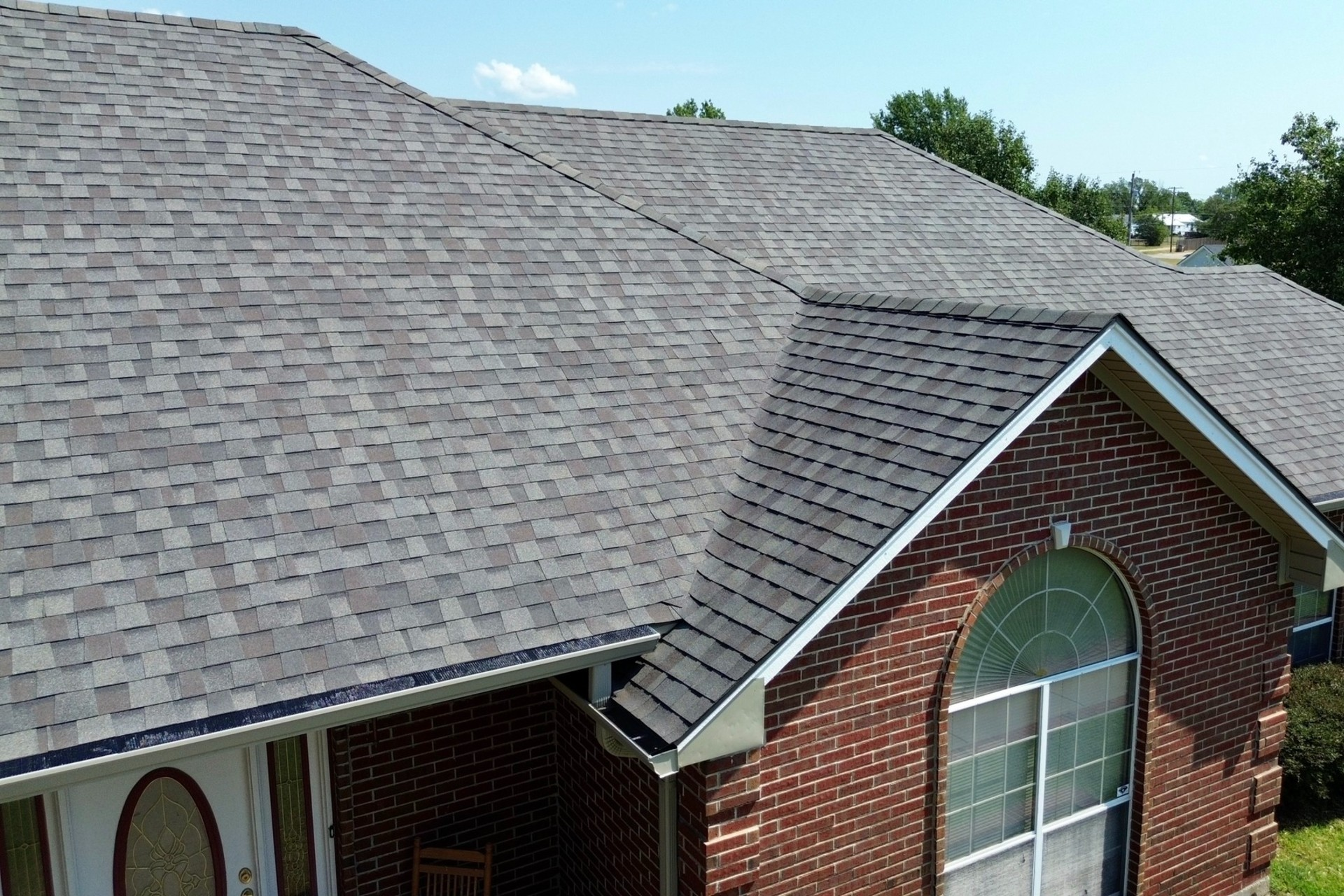
When Wind Damage May Require More Extensive Roofing Work
Some wind events cause damage that extends beyond individual components. Widespread displacement, repeated failures, severe deterioration, or extensive underlying damage may require a more comprehensive roofing assessment.
The age of the roof is important when considering the extent of work. A newer roof with isolated storm damage may have many years of useful service remaining, while an older roof with widespread deterioration may have a different repair outlook. Inspectors and roofing professionals consider both the weather damage and the existing condition.
Repeated repairs can also provide useful information. If the same areas continue to experience problems after previous repairs, the underlying cause may need additional investigation. This does not automatically mean that complete replacement is necessary, but recurring damage should not be ignored.
Widespread wind damage may affect several roof sections at once. Shingles, ridge components, flashing, vents, gutters, and other accessories can all be affected during a severe event. A complete assessment can determine how the different conditions relate to one another.
Underlying damage can also influence the scope of work. If wind and water have affected decking or other supporting components, surface repairs alone may not resolve the entire problem. Additional evaluation may be necessary before deciding how much work is appropriate.
Homeowners should focus on the actual condition of the roofing system rather than assuming that every severe storm requires replacement. A professional assessment provides a more practical basis for deciding whether targeted repairs, broader restoration, or other work is appropriate.
What Homeowners Should Do After High Winds
After strong winds, homeowners should begin with a safe visual assessment from the ground. They can look for obvious missing shingles, displaced roofing materials, fallen branches, damaged gutters, or roofing debris around the property. They should avoid climbing onto the roof because storm conditions may make the surface unstable or slippery.
If safe to do so, homeowners can take photographs of visible damage from the ground. These images can help document the condition before repairs or cleanup occur. They can also give a roofing professional useful information when planning an inspection.
Interior areas should also be observed for new warning signs. Homeowners can check ceilings, upper walls, attic spaces, and other areas where moisture may become visible. New staining or dampness after a storm should be reported to a professional.
If a tree or large branch has fallen onto the roof, homeowners should not attempt to remove it themselves. Heavy debris may be unstable and could be placing additional stress on the roof structure. Professional assistance can help reduce the risk of injury and further damage.
Temporary protection may be appropriate when a significant opening is present and permanent repair cannot happen immediately. The method used should be suitable for the damage and installed safely. Homeowners should seek professional guidance rather than improvising repairs on an unstable roof.
After the immediate concern has been addressed, a professional inspection can determine the extent of the damage. The inspector can examine visible roofing materials, flashing, penetrations, drainage components, and accessible interior areas. This assessment can help identify problems that are not obvious from the ground.
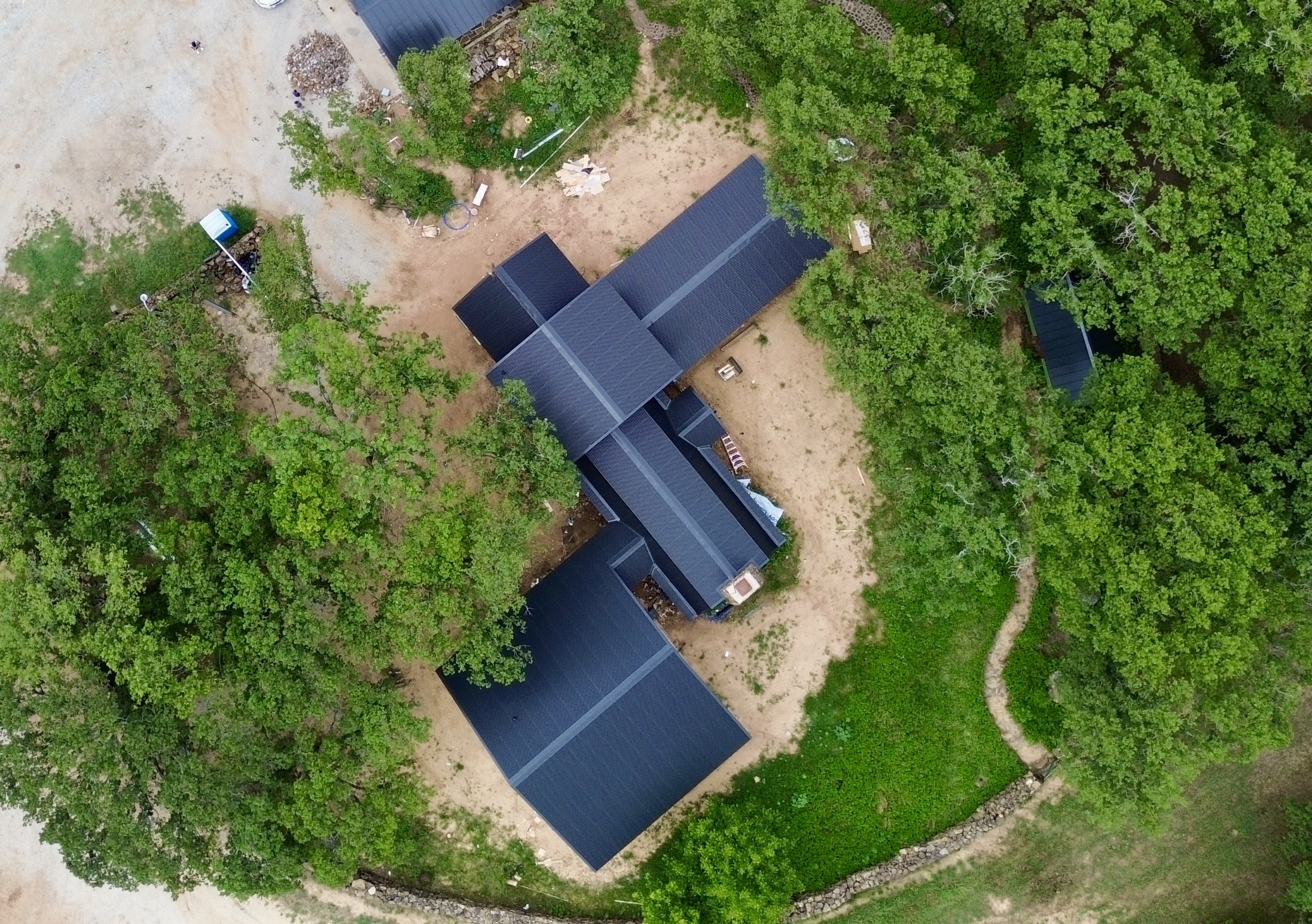
Preventing and Reducing Future Wind Damage
Wind damage cannot always be prevented, particularly during severe storms, but proper maintenance can reduce some vulnerabilities. A well-maintained roof is generally better positioned to withstand ordinary environmental exposure than one with unresolved deterioration.
Regular inspections can identify loose materials before they become larger problems. Homeowners should pay attention to roof edges, flashing, vents, gutters, and other components that can deteriorate over time. Addressing these conditions before severe weather arrives may reduce potential weaknesses.
Trees should also be maintained appropriately around the property. Dead branches and unstable limbs can become dangerous during high winds. Keeping trees properly managed can reduce the amount of debris that may strike the roof during a storm.
Gutters and downspouts should remain clear and properly connected. Although drainage maintenance does not directly prevent wind damage, it helps ensure that the roof can manage rainfall after a storm. Good drainage can reduce the chance that wind-related openings will be exposed to prolonged water flow.
Homeowners should also keep records of inspections and repairs. A history of roofing work can help professionals understand previous conditions and identify recurring problems. Comparing photographs from different inspections may make gradual changes easier to recognize.
Proper installation is another important factor in wind resistance. Roofing materials should be installed according to appropriate requirements for the specific system and local environmental conditions. When a roof is being repaired or replaced, homeowners should work with qualified professionals who understand the materials and installation requirements.
A practical wind-resistance strategy includes several connected actions:
- Arrange professional inspections when the roof shows signs of deterioration or after significant wind events.
- Keep gutters, drainage paths, and surrounding trees properly maintained throughout the year.
- Address loose, damaged, or deteriorated roofing components before they become more vulnerable during severe weather.
- Document inspections, repairs, and storm-related conditions so future assessments have useful background information.
These measures cannot guarantee that a roof will remain undamaged during extreme weather. They can, however, help homeowners identify weaknesses earlier and respond before minor conditions become more extensive.
Conclusion
Wind can affect nearly every part of a residential roofing system. Shingles, tiles, metal panels, flashing, roof edges, gutters, vents, penetrations, and surrounding components can all experience different forms of wind-related stress. In severe conditions, falling branches and airborne debris can add another source of physical damage.
The most concerning wind damage is not always the most visible. A missing shingle may be easy to recognize, but a slightly lifted material, displaced flashing component, or loose fastener may create a weakness that becomes significant during the next rainfall. This is why professional inspections are valuable after major wind events.
Wind and water often work together to create roofing problems. Once a storm compromises the roof’s protective surface, wind-driven rain can enter through small openings and affect the materials beneath. Moisture may then appear inside the home as staining, damp insulation, or other signs that are sometimes difficult to connect to the original exterior damage.
Roof age, installation quality, maintenance, and previous repairs also influence wind resistance. Older or poorly maintained systems may have existing weaknesses that become more noticeable during strong weather. A professional assessment can help distinguish isolated storm damage from widespread deterioration.
Homeowners should respond to suspected wind damage without putting themselves at unnecessary risk. Ground-level observations, safe photographs, interior checks, and professional inspections are safer and more reliable than climbing onto a damaged roof. Large branches, unstable materials, and severe roof conditions should be handled by qualified professionals.
Preventive maintenance can also improve long-term roof performance. Keeping gutters clear, managing nearby trees, addressing visible deterioration, maintaining flashing and roof accessories, and arranging periodic professional inspections can reduce some avoidable vulnerabilities.
Ultimately, wind resistance depends on the entire roofing system rather than one individual component. When roofing materials, attachment methods, flashing, drainage, and maintenance all work together properly, the roof is better prepared for normal weather exposure. Understanding how wind affects these components allows homeowners to recognize warning signs earlier, arrange appropriate inspections, and take timely action to protect the roof and the home beneath it.