
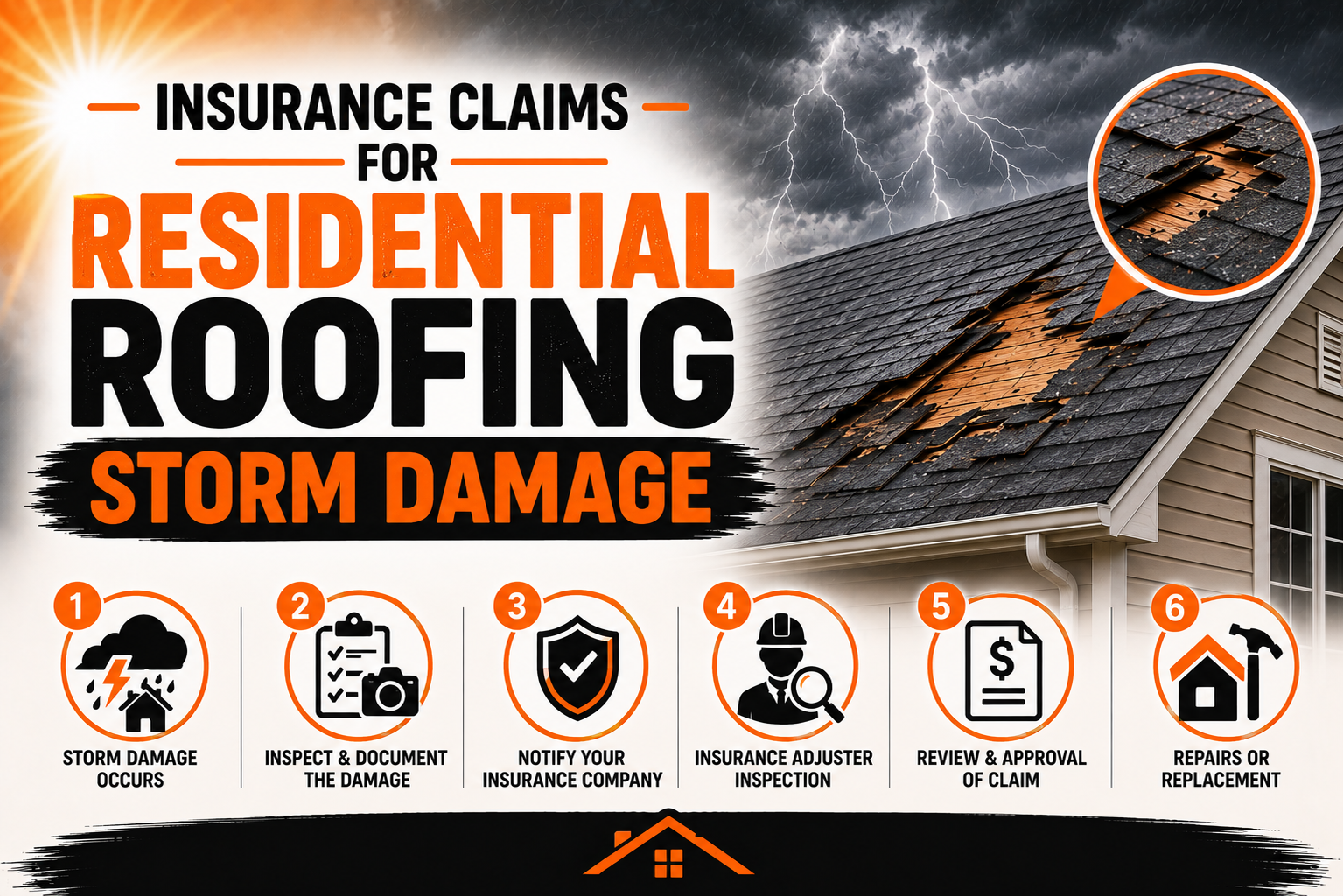
Insurance Claims for Residential Roofing Storm Damage
Introduction
Severe storms can cause unexpected damage to residential roofing systems, leaving homeowners with urgent repair needs and difficult insurance decisions. Strong winds, hail, heavy rain, falling branches, and other weather events can damage shingles, flashing, gutters, vents, roof decking, and other components. When repairs are necessary, understanding the insurance claims process can help homeowners document the damage and communicate more effectively with their insurer and roofing professionals.
A roofing insurance claim generally begins with identifying and documenting damage after a covered weather event. Homeowners should avoid making assumptions about what their policy covers because insurance policies differ in coverage, exclusions, deductibles, limits, and claim procedures. The policy documents and insurer should be treated as the primary sources for determining coverage.
The first priority after a storm should always be safety. A damaged roof can contain loose materials, exposed fasteners, unstable branches, water hazards, and other risks that make climbing onto the roof dangerous. Homeowners can inspect the property from safe locations and arrange a professional inspection when closer evaluation is necessary.
Documentation is another important part of the process. Photographs, videos, inspection reports, repair estimates, maintenance records, and receipts can help establish the condition of the property. Keeping organized records from the beginning can make it easier to explain what happened and what repairs may be required.
Homeowners should also understand that an insurance claim is different from a roofing inspection. A roofing professional evaluates the condition of the roof and identifies damage, while the insurer determines coverage according to the applicable policy. These processes can overlap, but they serve different purposes.
Understanding Residential Roofing Storm Damage Insurance Claims
A residential roofing storm damage claim is generally a request for the insurance company to evaluate damage that may be covered under the homeowner’s policy. The exact coverage depends on the policy terms, the cause of damage, exclusions, deductible, limits, and other conditions. Because policies vary, homeowners should review their own policy rather than relying on general assumptions.
The type of storm can be important when reporting damage. Wind, hail, falling objects, and other weather-related events may affect different roofing components in different ways. The homeowner should provide accurate information about what occurred rather than attempting to classify the damage themselves.
For example, a severe windstorm may remove or lift shingles, while hail may create impact damage on shingles, metal flashing, vents, or gutters. Heavy rainfall may expose weaknesses that were created by the storm. A fallen tree may cause both roof covering and structural damage.
The condition of the roof before the storm can also become relevant. Roofing materials naturally deteriorate with age, and insurance policies may treat normal wear and maintenance-related deterioration differently from sudden storm damage. This makes previous inspection reports and maintenance records useful when establishing the roof’s history.
Homeowners should understand that the existence of roof damage does not automatically mean every repair will be covered. The insurer may evaluate the cause of damage, the policy language, the extent of the loss, and other factors before determining what is eligible under the policy.
The claim process may involve several stages. These can include reporting the loss, documenting the damage, arranging an inspection, reviewing the insurer’s assessment, receiving a claim decision, and completing approved repairs. The exact process and timing depend on the insurance company and policy.
A homeowner may also work with a roofing contractor during the process. A qualified contractor can inspect the roof and prepare an estimate describing necessary work. However, the contractor does not determine insurance coverage, so homeowners should keep the roles of the contractor and insurer separate.
Communication is important throughout the process. Homeowners should keep records of conversations, emails, inspection reports, estimates, photographs, and other relevant documents. Organized communication can make it easier to track what has been reported and what information remains outstanding.
What Homeowners Should Do Immediately After a Storm
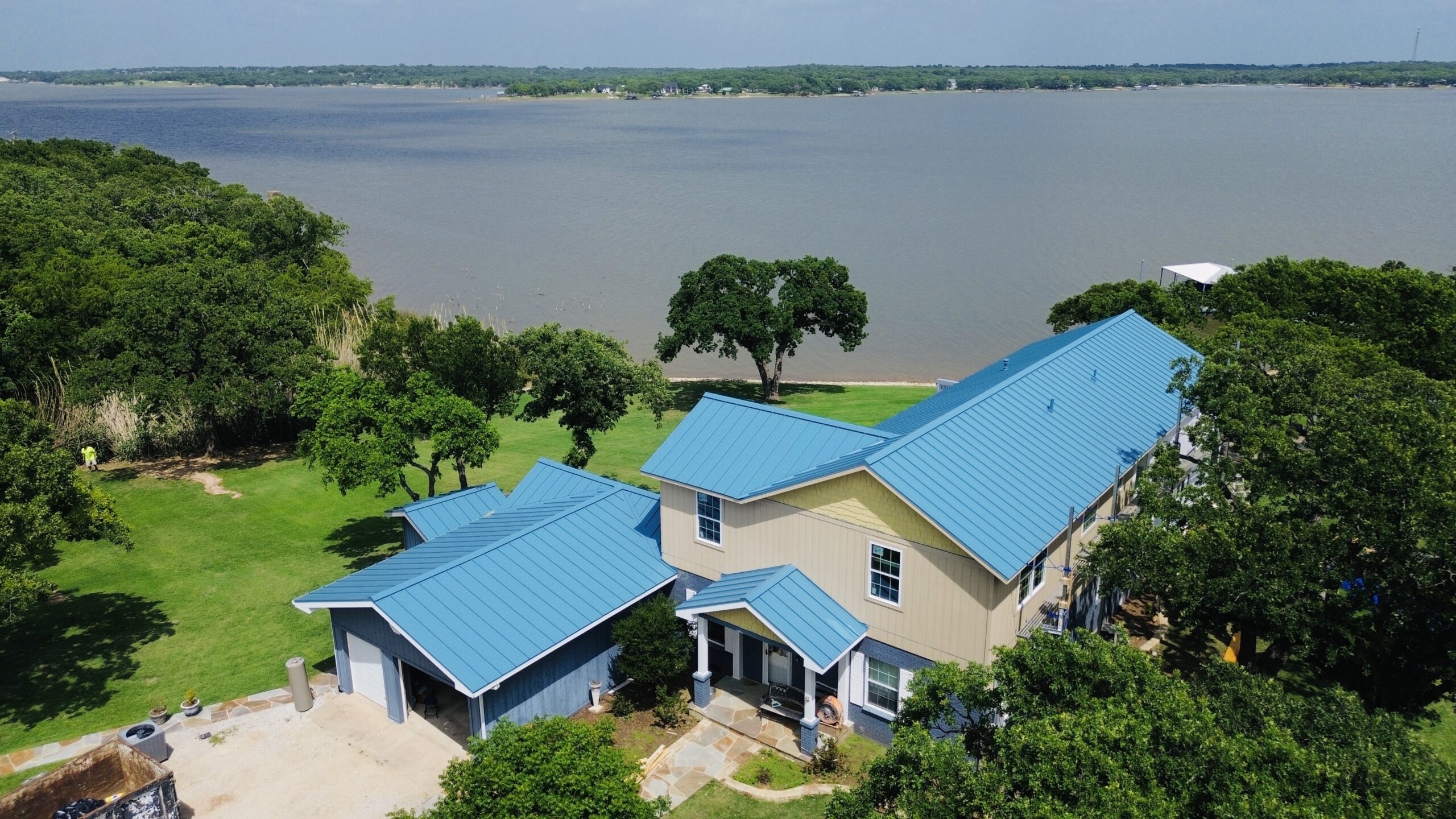
The first step after a severe storm is to make sure everyone on the property is safe. Homeowners should stay away from fallen electrical lines, unstable trees, damaged structures, and other hazards. Roof access should be avoided when surfaces are wet, damaged, or otherwise unsafe.
Once it is safe, homeowners can perform a visual inspection from the ground. Look for missing shingles, displaced roofing materials, damaged gutters, fallen branches, visible holes, damaged vents, and other obvious changes. Binoculars can sometimes help with ground-level observations without requiring roof access.
Interior areas should also be checked for signs of water intrusion. New ceiling stains, damp areas, dripping water, damaged drywall, or wet insulation may indicate that the roof has been affected. If water is near electrical equipment, homeowners should avoid touching the affected area and seek appropriate professional assistance.
Photographs should be taken as soon as practical. Capture wide views of the property and closer images of visible damage that can be photographed safely. Include photographs of fallen branches, damaged siding, gutters, roof materials on the ground, and interior water damage when applicable.
Do not make permanent repairs before the damage has been properly documented when it is safe to wait. However, this does not mean homeowners should leave the property exposed to additional weather. If temporary protection is necessary to prevent further damage, qualified professionals can determine what measures are appropriate.
The date and approximate time of the storm should be recorded. Homeowners can also note whether they observed strong winds, hail, heavy rainfall, or falling branches. These details can provide useful context when the loss is reported to the insurer.
Homeowners should then review their insurance policy and claim reporting requirements. Many policies have specific procedures for reporting losses, and following the applicable instructions can help avoid unnecessary delays. If the policy documents are unclear, the insurer can explain how to begin the claim.
The claim should be reported using accurate information. Homeowners should describe what they observed without exaggerating the damage or making unsupported conclusions about the cause. Clear factual information is generally more useful than speculation.
Documenting Roof Damage for an Insurance Claim
Strong documentation can make a major difference when a homeowner reports storm-related roof damage. Insurance companies need information about the loss, while contractors need information about the physical condition of the roofing system. Photographs and written records help connect these parts of the process.
Start with photographs of the entire property. Wide images can show the roof, surrounding trees, exterior walls, gutters, and other relevant areas. These photographs establish context and can help show where individual damage areas are located.
Next, document specific visible damage. Missing shingles, lifted materials, broken tiles, damaged flashing, dented gutters, damaged vents, and fallen debris should be photographed from safe positions. If the damage cannot be safely photographed from the ground, a professional should handle the inspection.
Interior damage should be documented separately. Take photographs of ceiling stains, damaged walls, wet insulation, peeling finishes, or other visible signs of moisture. Include enough surrounding detail to identify the room and location.
A written inventory can complement the photographs. Homeowners can record when the damage was discovered, which areas were affected, and whether conditions changed after subsequent rainfall. Short factual notes can be more useful than lengthy descriptions based on assumptions.
Previous records can also be valuable. If the homeowner has an earlier roof inspection report, photographs, repair invoices, or maintenance records, these documents can help establish the roof’s condition before the storm. They may be particularly useful when distinguishing recent storm damage from older deterioration.
Homeowners should keep copies of all submitted materials. Create an organized folder for photographs, reports, estimates, correspondence, receipts, and claim documents. Digital copies can be backed up so important records are not lost.
Repair estimates should also be retained. A roofing contractor may provide an estimate describing the recommended scope of work and materials. The estimate can help communicate the potential cost of repairs, although the insurer ultimately determines what is covered under the applicable policy.
It is important not to alter photographs or misrepresent conditions. Documentation should accurately reflect what was observed. Honest, consistent records provide a stronger foundation for communication with both the insurer and roofing professionals.
Understanding What a Roofing Insurance Policy May Cover
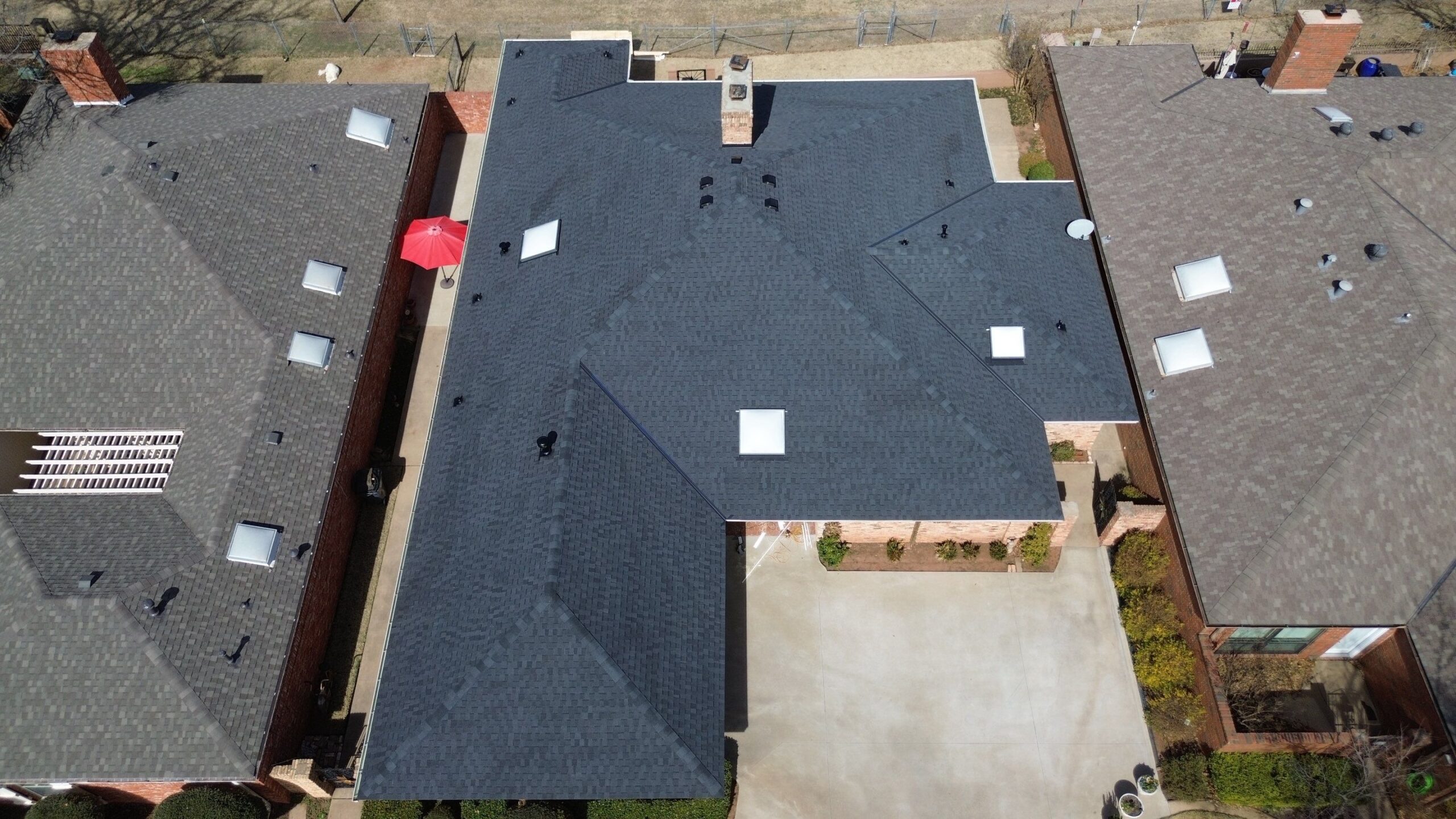
Insurance coverage for storm-related roofing damage depends on the specific policy. Homeowners should review the sections dealing with covered causes of loss, exclusions, deductibles, roof-related provisions, claim procedures, and settlement terms. Policies can differ substantially, so general information cannot replace the actual policy language.
Sudden damage caused by certain covered weather events may be treated differently from gradual deterioration. For example, a policy may distinguish between damage caused by a specific storm and deterioration caused by age, lack of maintenance, or long-term exposure. The insurer evaluates the circumstances under the terms of the policy.
Wind and hail are common causes of residential roof damage, but coverage for these events depends on the policy and applicable conditions. Homeowners should not assume that every type of wind or hail damage is automatically covered. The insurer can explain how the policy applies to the reported loss.
The deductible is another important consideration. A deductible is the portion of a covered loss that the homeowner may be responsible for under the policy. Homeowners should understand their applicable deductible before making financial decisions about repairs.
Policy conditions can also affect the claim process. There may be requirements concerning timely reporting, documentation, mitigation of further damage, cooperation with inspections, and submission of requested information. Homeowners should follow the procedures specified by their insurer and policy.
Roof age and condition may also influence how a claim is evaluated. Some policies or endorsements may contain provisions that affect settlement based on the age or condition of roofing materials. Homeowners should review the applicable policy language and ask the insurer to explain any terms they do not understand.
Homeowners should not rely solely on a contractor’s opinion about coverage. A roofing contractor can identify physical damage and recommend repairs, but coverage decisions are made according to the insurance policy and the insurer’s claims process.
Similarly, an insurance adjuster’s assessment does not replace a detailed understanding of the physical condition of the roof. If homeowners do not understand why certain damage was included or excluded from an assessment, they can request clarification and review the supporting documentation.
The goal at this stage is to understand the relationship between the physical damage and the policy terms. Homeowners who keep accurate records, report the loss promptly according to their policy requirements, and ask clear questions are better positioned to navigate the next stages of the claim.
Preparing for the Insurance Inspection
An insurance inspection allows the insurer or its representative to evaluate the reported damage. Homeowners should prepare by gathering relevant documents and ensuring that the inspector can safely access the property. They should not attempt to make the roof accessible by performing unsafe work themselves.
Before the inspection, organize photographs and notes from immediately after the storm. Previous roofing records can also be gathered, including inspection reports, repair invoices, maintenance records, and information about previous roof work. These documents can provide useful background when discussing the condition of the roof.
Homeowners should make a list of visible concerns. The list may include missing shingles, damaged flashing, interior leaks, broken gutters, hail marks, fallen branches, or other storm-related observations. A written list helps ensure that important details are not forgotten during the inspection.
It can also be helpful to record when interior symptoms first appeared. If a ceiling stain developed immediately after the storm or became visible during the first rainfall afterward, that timing can be documented. The homeowner should describe what was observed without assuming the exact cause.
During the inspection, homeowners can ask reasonable questions about what the inspector observes. They may ask which areas were examined, what damage was identified, and whether additional evaluation is recommended. They can also ask how they will receive the inspection findings and what the next stage of the claim process will be.
Homeowners should avoid directing the inspector toward a predetermined conclusion. The most useful inspection is one based on actual observations and professional assessment. Providing accurate information without exaggeration helps maintain a clear record.
If temporary repairs have already been completed, homeowners should provide photographs showing the original damage when available. Receipts for emergency work and temporary protection should also be retained. These records can help document steps taken to protect the property from additional damage.
After the inspection, homeowners should keep copies of relevant documents and correspondence. If the insurer requests additional information, respond according to the policy and claim instructions. Maintaining an organized record from the first storm observation through the inspection creates a stronger foundation for the next stages of the claim process.
How Insurance Adjusters Evaluate Residential Roof Damage
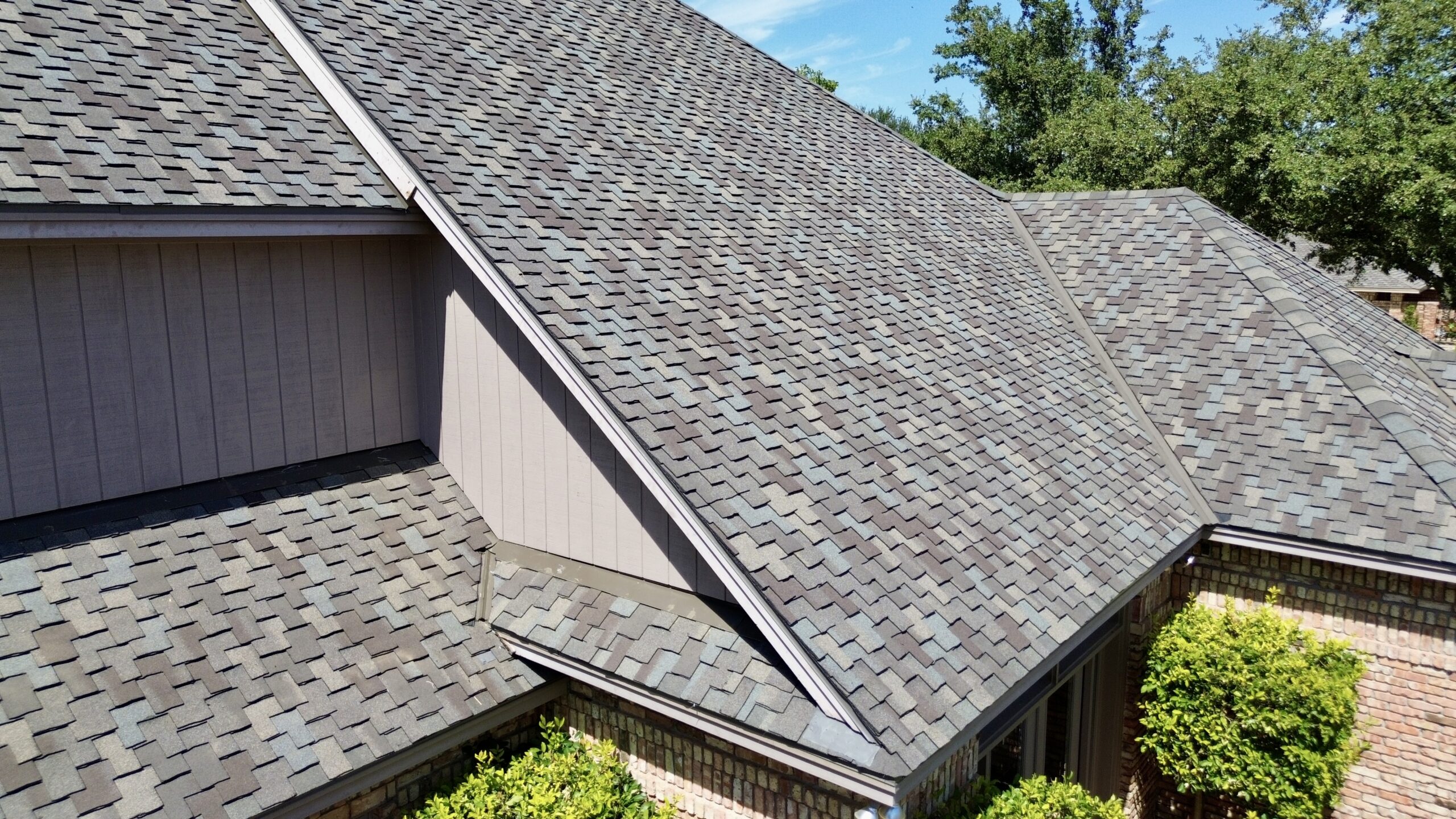
After a homeowner reports storm-related roof damage, the insurance company may arrange an inspection to evaluate the reported loss. The person conducting the inspection may examine the roof, exterior areas, interior spaces, and other components affected by the storm. The purpose is to document observed conditions and determine how the reported damage relates to the applicable policy.
An adjuster or other insurance representative may look for signs associated with wind, hail, falling objects, or water intrusion. The inspection can include roofing materials, flashing, vents, gutters, roof edges, and other components. Interior areas may also be reviewed when the homeowner reports leaks or other signs of moisture.
The inspector may compare the condition of different roof sections. This can help identify whether damage appears localized or widespread. Differences between exposed and protected areas may also provide useful information about the event and the condition of the roofing materials.
Photographs are commonly important during an insurance inspection. Images can document damaged shingles, impact marks, displaced materials, broken components, and interior water damage. Homeowners should retain their own photographs as well so they have a record of the property’s condition.
The roof’s age and previous condition may also be considered. Existing wear, deterioration, or previous repairs can make it necessary to distinguish storm-related damage from conditions that developed gradually. Homeowners should provide relevant maintenance and inspection records when available.
An insurance inspection is not necessarily the same as a comprehensive roofing inspection. An adjuster is evaluating the loss in relation to the insurance claim, while a roofing professional may focus more extensively on the physical condition and repair requirements of the roofing system. Both assessments can provide useful information.
Homeowners should ask questions if they do not understand the inspection findings. They can request clarification about what was observed, which areas were included, and what information will be used to determine the claim outcome. Clear communication can reduce confusion during the claims process.
If the homeowner believes additional damage was overlooked, they should document the concern and communicate it through the appropriate claim process. Supporting photographs or a professional roofing report may help explain why another area deserves consideration.
Common Roofing Storm Damage Covered by Insurance
The types of storm damage that may be covered depend entirely on the homeowner’s policy. Policies differ in covered causes of loss, exclusions, deductibles, limitations, and settlement provisions. Homeowners should therefore review their own policy and ask the insurer for clarification rather than assuming that a particular type of damage is covered.
Wind can cause several types of roofing damage. Strong gusts may lift, crease, loosen, or remove shingles, damage ridge caps, displace flashing, or affect roof edges. If the policy provides applicable coverage for the event, these conditions may be evaluated as part of the claim.
Hail can also damage residential roofing systems. Impact marks, granule loss, cracked materials, damaged tiles, and dents on metal components may be observed after a hailstorm. The insurer may evaluate whether the observed conditions are consistent with a covered event and whether other factors contributed to the damage.
Falling objects can create another type of storm-related loss. A tree branch or other object may puncture roofing materials, damage decking, crush gutters, or affect structural components. The extent of the damage should be documented carefully because visible surface damage may not reveal the entire impact.
Heavy rainfall may contribute to water intrusion when storm damage has compromised the roof. A homeowner may notice ceiling stains, wet insulation, or damaged interior finishes. The relationship between the storm, the roof damage, and the resulting water intrusion may be evaluated under the policy.
Damage to gutters, downspouts, vents, flashing, skylights, and other roofing components may also be relevant. These components are part of the overall roofing system and can contribute to water protection and drainage. Their treatment in a claim depends on the applicable policy terms and the cause of damage.
It is important to distinguish between damage caused by a storm and normal maintenance issues. A roof that has been gradually deteriorating may have conditions that existed before the storm. The insurer may evaluate those conditions differently from sudden damage resulting from a covered event.
Homeowners should not attempt to identify covered damage solely from a general list. The actual policy determines whether a particular loss qualifies. When uncertainty exists, the insurer can explain the applicable provisions and claim requirements.
Pre-Existing Damage and Normal Roof Wear
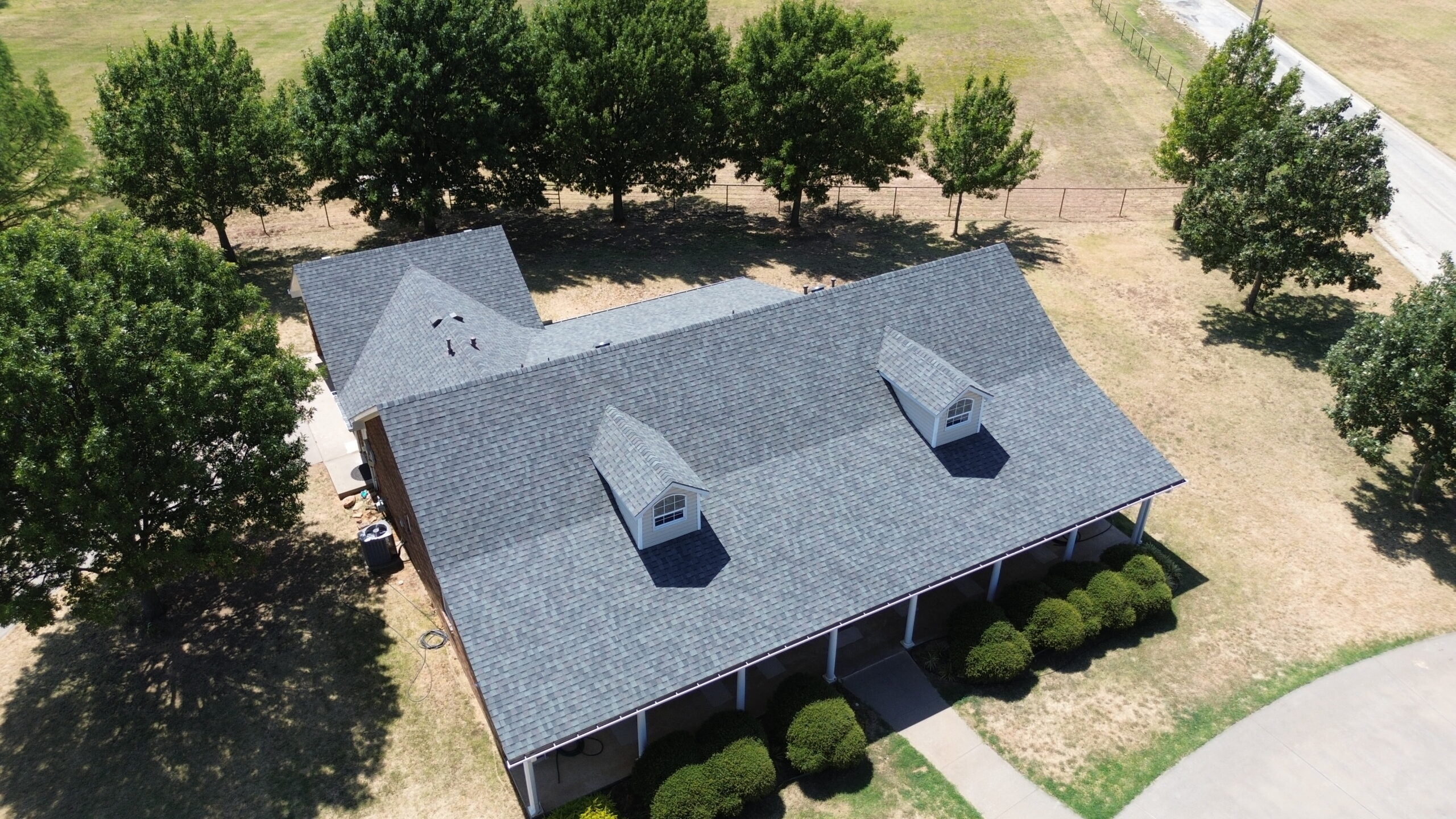
Pre-existing damage and normal wear can become important issues during a roofing insurance claim. Roofing materials naturally age over time, and long-term exposure can cause fading, granule loss, cracking, curling, brittleness, and other deterioration. These conditions may look similar to some forms of storm damage.
An insurer may need to determine whether a reported condition occurred during the recent storm or existed beforehand. Previous photographs, inspection reports, maintenance records, and repair invoices can help establish the roof’s earlier condition. Keeping these records is therefore useful even when a homeowner is not currently making a claim.
Roof age can provide context but does not necessarily establish the cause of a particular defect. An older roof can experience new wind or hail damage, while a newer roof can also have maintenance or installation issues unrelated to a storm. The actual condition and evidence should be considered.
Previous repairs can also affect the evaluation. If a roof section was repaired before the recent storm, the inspector may need to determine whether current damage affects the repaired area or is unrelated. Documentation of earlier work can make this comparison easier.
Homeowners should be honest about known pre-existing conditions. Trying to present old deterioration as new storm damage can create complications and may undermine the credibility of the overall claim. Accurate records provide a stronger basis for discussing genuine storm-related damage.
Normal wear can sometimes appear across large portions of a roof. For example, aging shingles may show widespread surface deterioration rather than isolated impact patterns. A professional assessment can help distinguish these conditions from localized or patterned storm damage.
The distinction can become particularly important when a homeowner is considering full roof replacement. A storm may damage part of an older roof, but the decision regarding the extent of covered work depends on the policy and claim assessment. Homeowners should request clear explanations when they do not understand why certain areas were included or excluded.
If the homeowner disagrees with the assessment, they should gather supporting information rather than relying on assumptions. A detailed roofing inspection, photographs, or maintenance records may help explain the condition. The homeowner can then provide relevant documentation through the insurer’s established process.
Reviewing the Insurance Claim Estimate
Once the insurer evaluates the damage, homeowners may receive an estimate describing the proposed repair or replacement costs. This document should be reviewed carefully because it can contain roofing terminology, quantities, labor items, material costs, and other details that are not always easy to understand.
The first step is to compare the estimate with the observed damage. Homeowners should check whether the major damaged areas identified during inspections appear in the estimate. If an obvious concern is missing, they can ask the insurer or appropriate representative for clarification.
The scope of work should also be examined. A roof repair estimate may include shingles, flashing, underlayment, ventilation components, or other items depending on the damage. A replacement estimate may include removal of existing materials, installation of new roofing, disposal, and related components.
Homeowners should not assume that the insurer’s estimate and a contractor’s estimate will be identical. Contractors may identify additional work after examining the roof more closely or may calculate quantities differently. Differences should be discussed rather than treated automatically as evidence that one party is wrong.
Material specifications deserve attention as well. The type, grade, size, and quantity of roofing materials can influence the total cost. Homeowners should understand what materials are included in each estimate before comparing the documents.
The estimate may also contain amounts related to depreciation or other claim-specific calculations. Homeowners should ask the insurer to explain unfamiliar terms and how the figures affect the amount available for repairs. Understanding the calculation is important before making financial plans.
Deductibles should also be considered when reviewing the claim amount. The amount paid by the insurer may not equal the total repair estimate because the homeowner may have a deductible or other applicable policy conditions. The insurer should explain how the deductible affects the claim.
Contractor estimates should be compared carefully with the insurer’s scope. If a contractor proposes additional work, homeowners can ask for documentation supporting the added items. A professional roofing report may help explain why the additional work is necessary.
Homeowners should keep copies of all versions of estimates and related correspondence. If the scope changes during the process, the updated documents should also be retained. A complete record makes it easier to understand how the claim developed.
Working With Roofing Contractors During the Claims Process
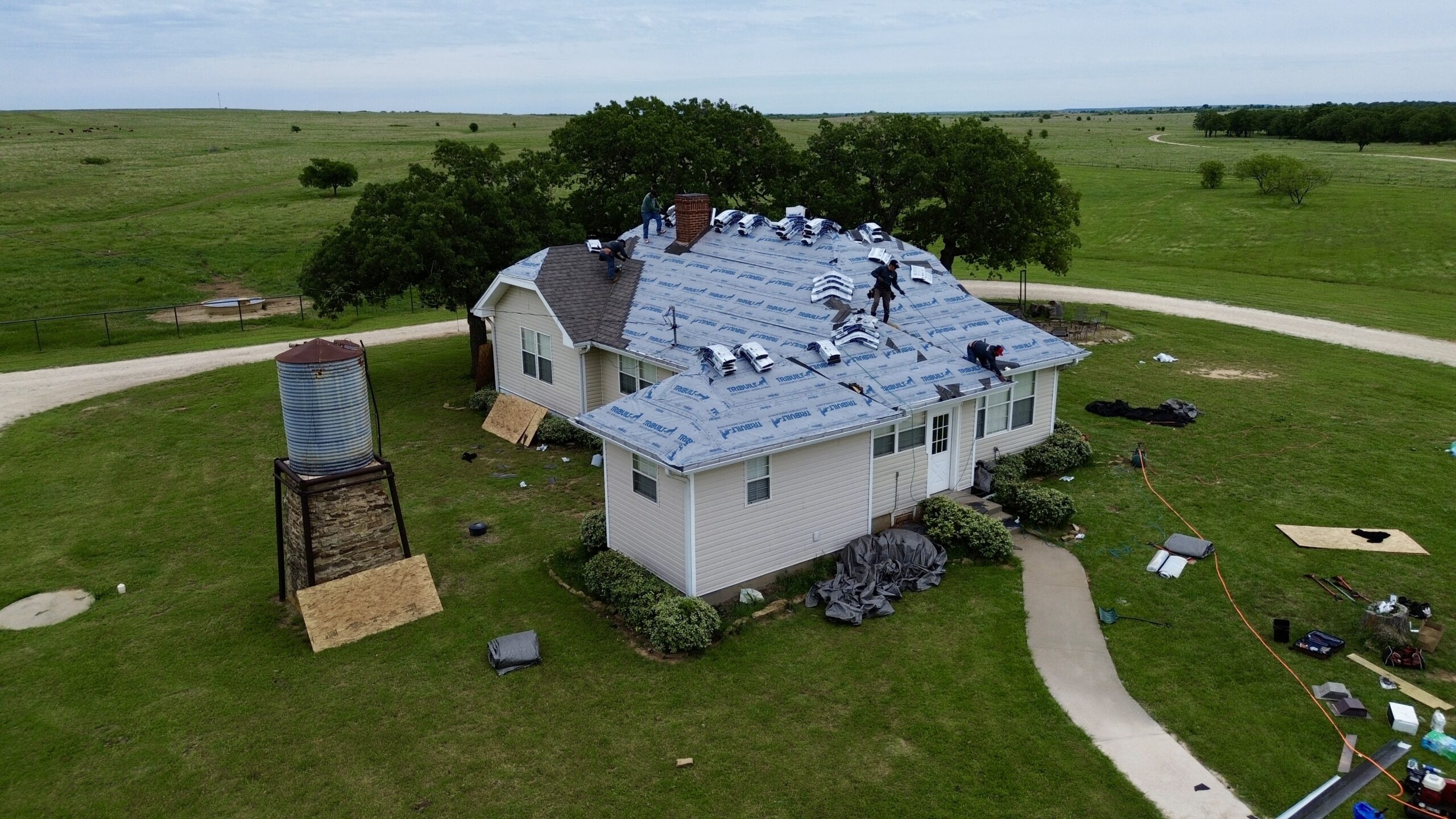
A qualified roofing contractor can play an important role in identifying physical damage and completing approved repairs. Homeowners should choose a contractor carefully and verify relevant qualifications, experience, references, and business information before signing an agreement.
The contractor should inspect the roof thoroughly and explain the findings in understandable terms. Photographs can help homeowners see where damage was found and understand why particular repairs are recommended. A detailed written estimate can then provide a clearer basis for discussing the work.
Homeowners should be cautious about contractors who make unrealistic promises about insurance coverage. A roofing contractor cannot guarantee that an insurer will approve a claim or pay for a particular repair. Coverage decisions are based on the insurance policy and the insurer’s claims process.
Contractors may communicate with insurers about the physical scope of work, but homeowners should remain involved in the process. They should read documents before signing them and understand what authority they are giving to any contractor or representative.
It is also important to avoid unnecessary pressure. Storms can create high demand for roofing services, and homeowners may encounter contractors who encourage immediate decisions. Taking time to review estimates and understand the proposed work can help avoid mistakes.
When repairs are approved, homeowners should confirm the scope before work begins. The contractor should identify what will be repaired or replaced, what materials will be used, and what warranties apply. Changes to the project should be documented in writing.
Homeowners should also retain receipts and completion records. These documents can become useful for future maintenance and may help establish the roof’s updated condition. A final set of photographs can also provide a record of completed work.
Common Mistakes That Can Complicate a Roofing Insurance Claim
One common mistake is delaying the reporting of storm damage without considering the policy’s requirements. Homeowners should follow the reporting procedures and time requirements stated in their policy. Prompt communication can help establish a clear record of when the damage was discovered.
Another mistake is failing to document the original condition. Once debris is removed or repairs begin, some evidence may no longer be visible. Photographs and notes taken safely after the storm can help preserve important information.
Homeowners may also make the mistake of performing permanent repairs before the insurer has had an opportunity to evaluate the damage when waiting is reasonably safe. Necessary temporary protection may be appropriate, but significant permanent work should generally be coordinated with the claim process.
Ignoring interior damage can create additional problems. Ceiling stains, damp insulation, and recurring leaks should not be overlooked simply because the exterior damage appears minor. Moisture can continue affecting building materials if the source is not properly addressed.
Another mistake is assuming that every roof problem is storm-related. Aging, poor maintenance, previous damage, and other causes may contribute to the condition. Accurate reporting helps keep the claim focused on the actual circumstances.
Homeowners should also avoid exaggerating damage. Claims should be based on factual observations and professional documentation. Overstating a loss can create unnecessary complications and make legitimate concerns harder to evaluate.
Finally, failing to keep organized records can make the process more difficult. Homeowners should maintain copies of the policy, claim correspondence, photographs, inspection reports, estimates, receipts, and repair documents. Good records help create a clear timeline from the original storm through the final repair.
What to Do When a Roofing Insurance Claim Is Approved
When an insurance claim for residential roofing storm damage is approved, homeowners can move from the assessment stage toward planning and completing the necessary repairs. An approval does not always mean that every roofing expense will automatically be paid, so homeowners should carefully review the claim documents before authorizing work. The approved scope, deductible, applicable payment terms, and any conditions should be understood before the project begins.
Homeowners should compare the approved claim information with the contractor’s proposed scope of work. The two documents may use different terminology or quantities, but major differences should be explained before construction starts. If the contractor identifies additional damage that was not included in the original assessment, the homeowner should communicate that information through the appropriate insurance claim process.
The selected contractor should provide a written agreement describing the work. The agreement should identify the roofing materials, major components being replaced, expected project timeline, payment requirements, and applicable workmanship warranty. Keeping a signed copy with the insurance documents can help prevent misunderstandings later.
Before work begins, homeowners should also photograph the existing roof and surrounding property when possible. These photographs create a record of the condition immediately before repairs. After completion, additional photographs can document the finished work and provide a useful comparison.
During the project, homeowners should monitor progress without entering unsafe work areas. Roofing construction involves ladders, tools, loose materials, and elevated surfaces, so homeowners should allow workers to manage the active work zone. Questions about the project can be directed to the contractor or project supervisor.
If unexpected damage is discovered after roofing materials are removed, the contractor should document the condition. Additional photographs and a written explanation can help demonstrate why extra work may be necessary. Homeowners should avoid approving substantial changes without understanding the reason, cost, and potential relationship to the insurance claim.
Once repairs are complete, homeowners should obtain final invoices, warranty documents, inspection information, and other relevant paperwork. These records can become important during future maintenance or if another storm affects the property. Keeping everything together creates a complete history of the roof.
What Happens When a Claim Is Partially Approved or Denied
Not every roofing insurance claim is approved in full. An insurer may approve some portions of the reported damage while determining that other conditions are excluded, pre-existing, or related to normal wear. In other situations, a claim may be denied based on the policy terms or the evidence available during the evaluation.
A partial approval does not necessarily mean that the homeowner must accept the result without understanding it. The first step is to carefully review the written explanation and determine which areas were approved and which were not. Homeowners can ask the insurer to explain unfamiliar terms or the reasoning behind specific decisions.
If the homeowner believes additional storm damage was overlooked, supporting documentation may be useful. Photographs, professional roofing inspection reports, previous maintenance records, and contractor estimates can help explain why a particular condition deserves further review. The homeowner should provide relevant evidence through the insurer’s established claim process.
A denied claim should also be reviewed against the actual policy language. Insurance decisions depend on the specific contract, exclusions, conditions, and circumstances of the loss. Homeowners should avoid relying solely on general statements about what insurance normally covers.
Communication should remain factual and organized. Instead of simply stating that the decision is incorrect, homeowners can identify the specific disputed condition and provide documentation supporting their concern. Clear questions may help reveal whether the disagreement involves the cause of damage, the extent of damage, the policy coverage, or the repair scope.
If the disagreement remains unresolved, homeowners can ask the insurer about its formal review or dispute procedures. Depending on the policy and applicable rules, additional options may be available. Professional advice may also be appropriate when a significant coverage dispute cannot be resolved through normal communication.
Homeowners should maintain copies of all correspondence related to the disagreement. Dates, inspection reports, estimates, photographs, and written explanations can help establish a clear history. Good records become especially important when a claim involves multiple inspections or revised estimates.
The goal should be to understand the reason for the decision and provide accurate information that may affect the evaluation. Homeowners should avoid exaggerating damage or making unsupported claims. A well-documented and factual approach provides a stronger foundation for resolving disagreements.
Understanding Deductibles, Depreciation, and Claim Payments
Insurance claim payments can be difficult to understand because the amount shown on an estimate may not be the same as the amount the homeowner ultimately receives. Deductibles, depreciation, policy limits, and other provisions can affect the final payment. Homeowners should ask their insurer to explain the calculation when anything is unclear.
A deductible is the portion of a covered loss that the homeowner is responsible for under the policy. The applicable amount can vary depending on the policy and the type of loss. Homeowners should understand their deductible before calculating how much they may need to contribute toward repairs.
Depreciation can also affect some claim settlements. In certain policies, the insurer may initially account for the reduced value of older materials and release additional amounts when eligible repairs are completed. The exact treatment depends on the policy and claim terms.
Homeowners should not assume that every policy uses the same settlement method. Some policies may contain specific provisions for roofing materials based on age, condition, or other factors. Reviewing the policy and asking the insurer for an explanation is the safest way to understand how a claim is calculated.
The repair estimate should be reviewed alongside the payment information. Homeowners should understand the total estimated cost, deductible, amounts already paid, and any remaining eligible payment. If the figures are difficult to interpret, the insurer should provide clarification.
Contractor payment arrangements should also be reviewed carefully. Homeowners should understand when deposits, progress payments, and final payments are due. Payment should correspond to the written agreement and actual work performed rather than relying on verbal promises.
If additional covered damage is discovered during repairs, the homeowner should document it and contact the insurer according to the claim procedures. The contractor may provide an updated estimate or supporting photographs. Additional work should be clearly documented before it is completed whenever practical.
Keeping financial records is important throughout the project. Save invoices, receipts, payment confirmations, insurance documents, and contractor correspondence. These records provide evidence of project costs and can help with future maintenance or insurance questions.
Understanding the financial side of a claim allows homeowners to plan repairs more realistically. Instead of focusing only on the headline estimate, they can consider the deductible, payment structure, eligible amounts, and their own potential expenses.
Keeping Records Throughout the Roofing Repair Process
Good recordkeeping can make the entire storm damage process easier to manage. Homeowners should create a dedicated digital or physical folder for the claim. Important documents can include the insurance policy, claim number, storm photographs, inspection reports, estimates, correspondence, invoices, receipts, and warranties.
Photographs should be preserved before, during, and after repairs when possible. Before photographs document the damage, progress photographs show how the work developed, and final photographs provide evidence of the completed roofing system. These records can be useful during future inspections.
Homeowners should also keep a timeline of important events. Record the date of the storm, date the damage was discovered, date the claim was submitted, inspection dates, contractor visits, repair dates, and completion date. A simple timeline can make it easier to understand the sequence of events.
Written communication should be saved rather than relying entirely on phone conversations. If an important decision is discussed by telephone, homeowners can keep notes about the date, person contacted, and main points discussed. Written confirmation can be requested when clarification is important.
The contractor’s documents should be retained as well. These may include the signed contract, material information, workmanship warranty, final invoice, and completion documentation. Product information can be especially useful when replacement materials need to be identified years later.
Maintenance records should continue after the claim is closed. Future inspections can reference the previous storm repair and determine whether repaired areas remain in good condition. This creates a continuous history rather than treating each storm as an isolated event.
Organized records can also help if another storm occurs. Previous photographs may show the condition of the roof before the new event, making it easier to identify changes. This can be especially useful when distinguishing new damage from conditions that existed previously.
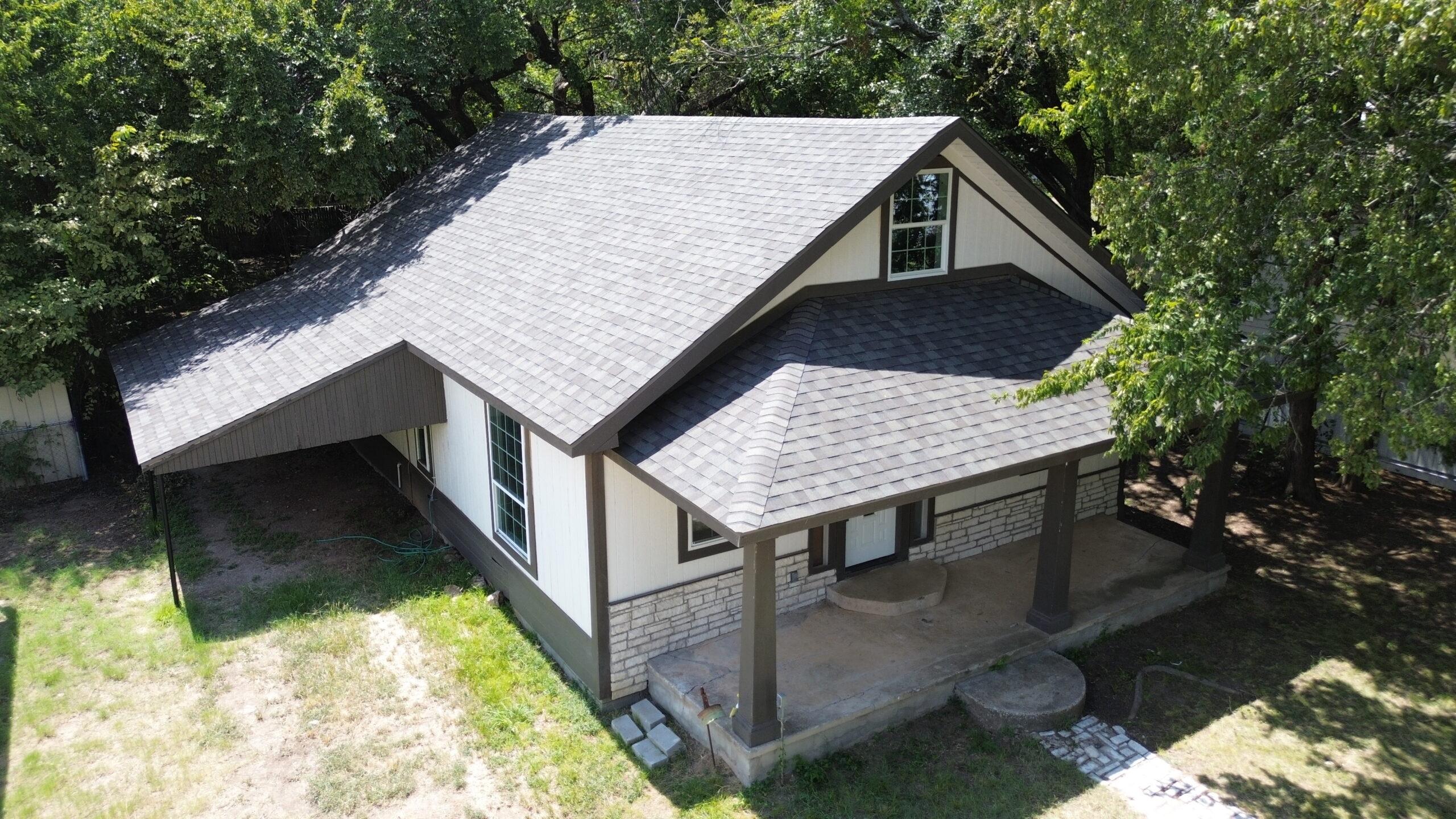
Preventing Future Storm Damage and Protecting Your Roof
Insurance coverage is not a substitute for regular roof maintenance. Once storm repairs are completed, homeowners should take reasonable steps to keep the roofing system in good condition. Routine maintenance can help identify small problems before they become more serious and may reduce avoidable damage during future weather events.
Trees around the home should be monitored regularly. Weak, dead, or overhanging branches can become hazards during strong winds. Appropriate tree maintenance can reduce the possibility of branches falling onto the roof while also limiting debris accumulation.
Gutters and downspouts should be kept clear so rainfall can move away from the roofing system and foundation. After major storms, homeowners should safely check for visible sagging, separation, blockages, or other drainage problems. Roof access should be left to professionals when close inspection is unsafe.
Flashing around chimneys, skylights, vents, and roof-to-wall transitions should be monitored during professional inspections. These areas can become vulnerable to water intrusion when materials deteriorate or are damaged by severe weather. Early maintenance can sometimes prevent a minor issue from becoming a major leak.
Homeowners should also schedule professional roof inspections when appropriate. The frequency depends on roof age, material, local weather exposure, previous damage, and other property conditions. A professional can identify deterioration that may not be visible from the ground.
After future storms, homeowners should document visible changes promptly and safely. Missing materials, fallen branches, damaged gutters, or interior moisture should not be ignored. Early documentation and professional assessment can help reduce additional damage and provide a clear record if another claim becomes necessary.
Maintaining a complete roof history is another useful preventive measure. Keep records of repairs, inspections, materials, warranties, and storm-related work. A detailed history allows homeowners and professionals to understand how the roof has changed over time.
Conclusion
Insurance claims for residential roofing storm damage can involve several stages, from documenting the initial loss to arranging inspections, reviewing estimates, receiving a claim decision, and completing repairs. Homeowners can make the process easier by staying organized, communicating clearly, and understanding that insurance coverage depends on the specific policy.
The first priority after a storm should always be safety. Homeowners should avoid dangerous roof access and instead document visible damage from safe locations. Professional inspections can provide more detailed information about missing shingles, hail impacts, damaged flashing, water intrusion, structural concerns, and other conditions that may not be obvious from the ground.
Accurate documentation is one of the most valuable tools during a claim. Photographs, inspection reports, maintenance records, contractor estimates, invoices, and correspondence can establish a clear history of the damage and repair process. These records can also become useful when future storms occur.
Homeowners should carefully review claim estimates and understand deductibles, depreciation, payment amounts, and other policy-specific terms. If a claim is partially approved or denied, the written explanation should be reviewed carefully, and relevant supporting documentation can be provided through the appropriate claim process.
Working with a qualified roofing contractor is also important. Contractors can assess physical damage, recommend repairs, prepare estimates, and complete approved work, but they do not determine insurance coverage. Homeowners should review contracts carefully and avoid making major decisions solely because of pressure or promises about claim approval.
After repairs are completed, maintaining the roof remains essential. Keeping gutters clear, managing nearby trees, monitoring vulnerable roof components, arranging professional inspections, and maintaining accurate records can help protect the roofing system from future storms.
Ultimately, a successful roofing insurance claim depends on accurate information, careful documentation, clear communication, and a proper understanding of the policy. By taking a methodical approach and addressing confirmed storm damage promptly, homeowners can protect their property while making better-informed decisions throughout the insurance and roofing repair process.