
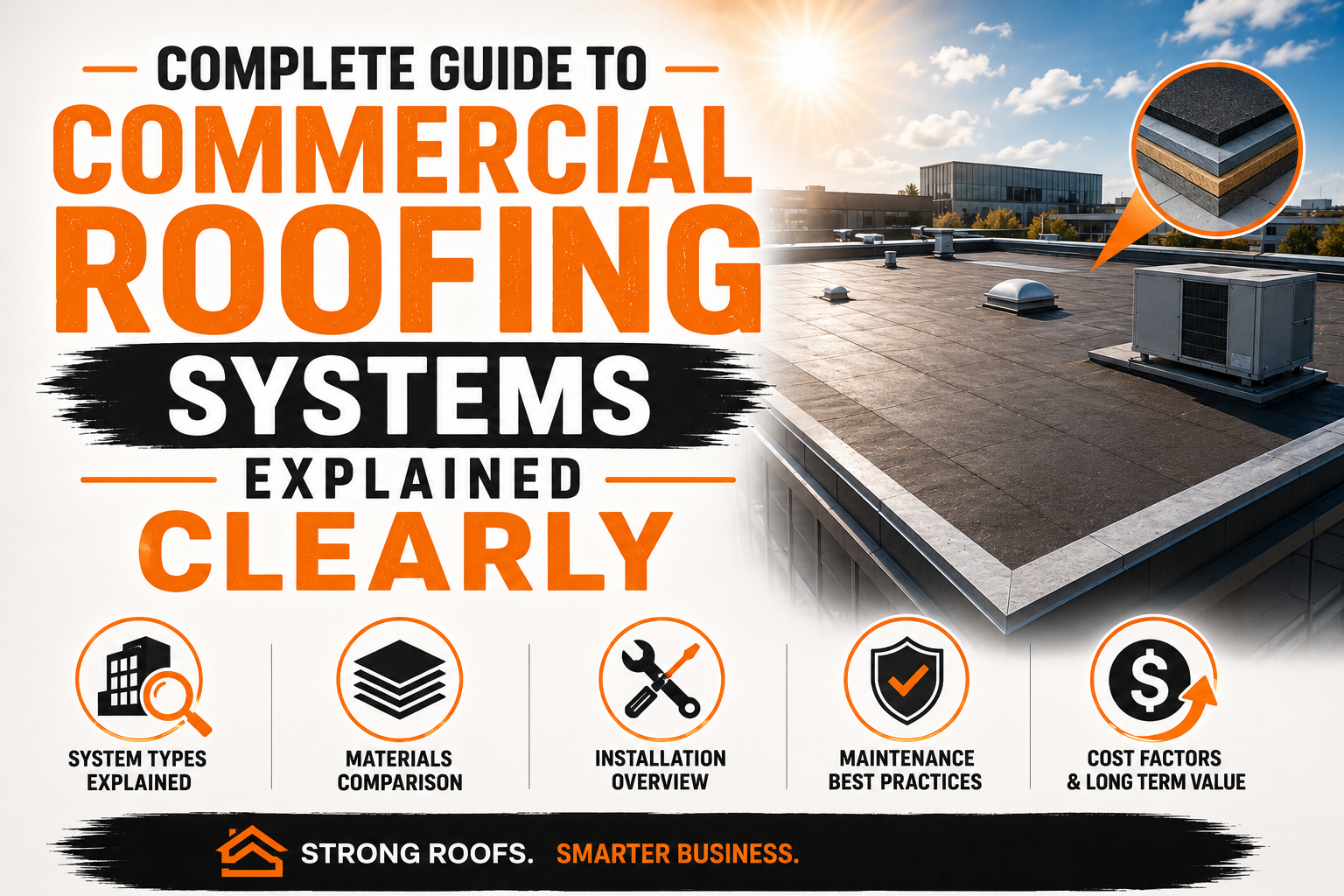
Complete Guide to Commercial Roofing Systems Explained Clearly
Introduction
Commercial roofing systems play a critical role in protecting business properties, employees, equipment, inventory, and building interiors from weather and environmental exposure. Unlike many residential roofs, commercial roofs often cover large areas and may have different structural designs, drainage requirements, access needs, and maintenance considerations. Choosing and managing the right system therefore requires an understanding of how the complete roof assembly works.
A commercial roof is more than the visible surface installed across a building. It usually consists of several layers and components that work together to provide structural support, insulation, waterproofing, drainage, and protection. The performance of one component can affect the effectiveness of the entire system, which makes proper design and installation especially important.
Commercial properties can also have different roofing requirements depending on their purpose. A warehouse may prioritize durability and cost efficiency, while an office building may place greater emphasis on energy performance, appearance, rooftop equipment, and occupant comfort. Understanding these differences helps property owners select a roofing solution that matches the building’s actual needs.
Understanding Commercial Roofing Systems
A commercial roofing system is a coordinated assembly designed to protect a business property from water, weather, temperature changes, and physical exposure. Commercial roofs are commonly found on offices, warehouses, retail buildings, industrial facilities, schools, healthcare properties, and other large structures. Their designs can vary considerably depending on the building’s construction and intended use.
Many commercial roofs have low slopes rather than the steeper slopes commonly associated with residential roofing. Low-slope systems require careful attention to waterproofing and drainage because water must be directed efficiently toward drains, gutters, or other collection points. The design must prevent standing water from remaining on the roof for extended periods.
Commercial roofing systems can use different materials and construction methods. Single-ply membranes, modified bitumen, built-up roofing, metal systems, coatings, and other solutions may be suitable depending on the property. Each option has different installation requirements, maintenance needs, performance characteristics, and expected service life.
The roof may also contain equipment and penetrations that are uncommon on many residential properties. Heating and cooling equipment, vents, pipes, electrical systems, skylights, and other installations can pass through or sit directly on the roof. Each penetration creates an area that requires appropriate detailing to maintain waterproof protection.
Business owners should consider the roof as part of the building’s overall operating system. A roofing problem can affect more than the exterior structure because water intrusion may damage ceilings, insulation, electrical equipment, inventory, machinery, and interior finishes. For this reason, commercial roofing decisions should focus on prevention and long-term reliability.
A well-designed commercial roofing system combines suitable materials with proper installation, drainage, insulation, flashing, and maintenance. Understanding how these components interact gives property owners a stronger foundation for managing their roofing investment.
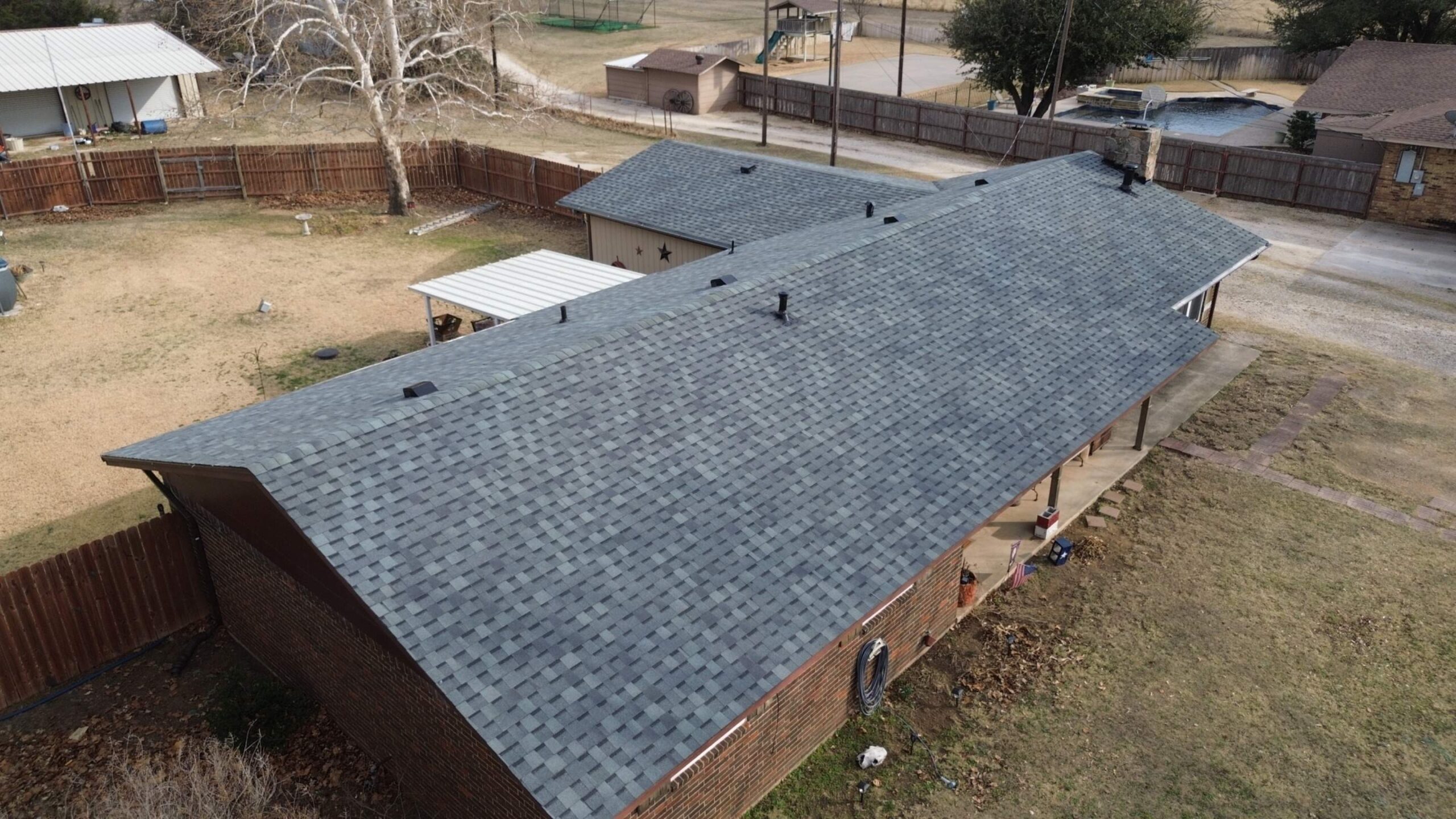
Main Components of a Commercial Roof
A commercial roof typically consists of several layers that perform different functions. Although the exact assembly varies between buildings and roofing systems, understanding the purpose of each component helps property owners recognize why proper installation is important.
The roof deck provides the structural foundation for the roofing assembly. It may be constructed from concrete, steel, wood, or other approved materials depending on the building. The condition of the deck must be suitable before the remaining roofing layers are installed because damaged or unstable decking can affect the performance of the entire system.
Above the deck, insulation is often installed to improve thermal performance and help regulate temperatures inside the building. Insulation can also influence energy consumption and occupant comfort. The appropriate insulation type and configuration depend on the building design, climate, existing assembly, and applicable requirements.
The roofing membrane or surface layer provides the primary weather protection. Depending on the system, this may be a single-ply membrane, modified bitumen, built-up roofing, metal, or another roofing material. The surface must be installed correctly to create a continuous protective barrier.
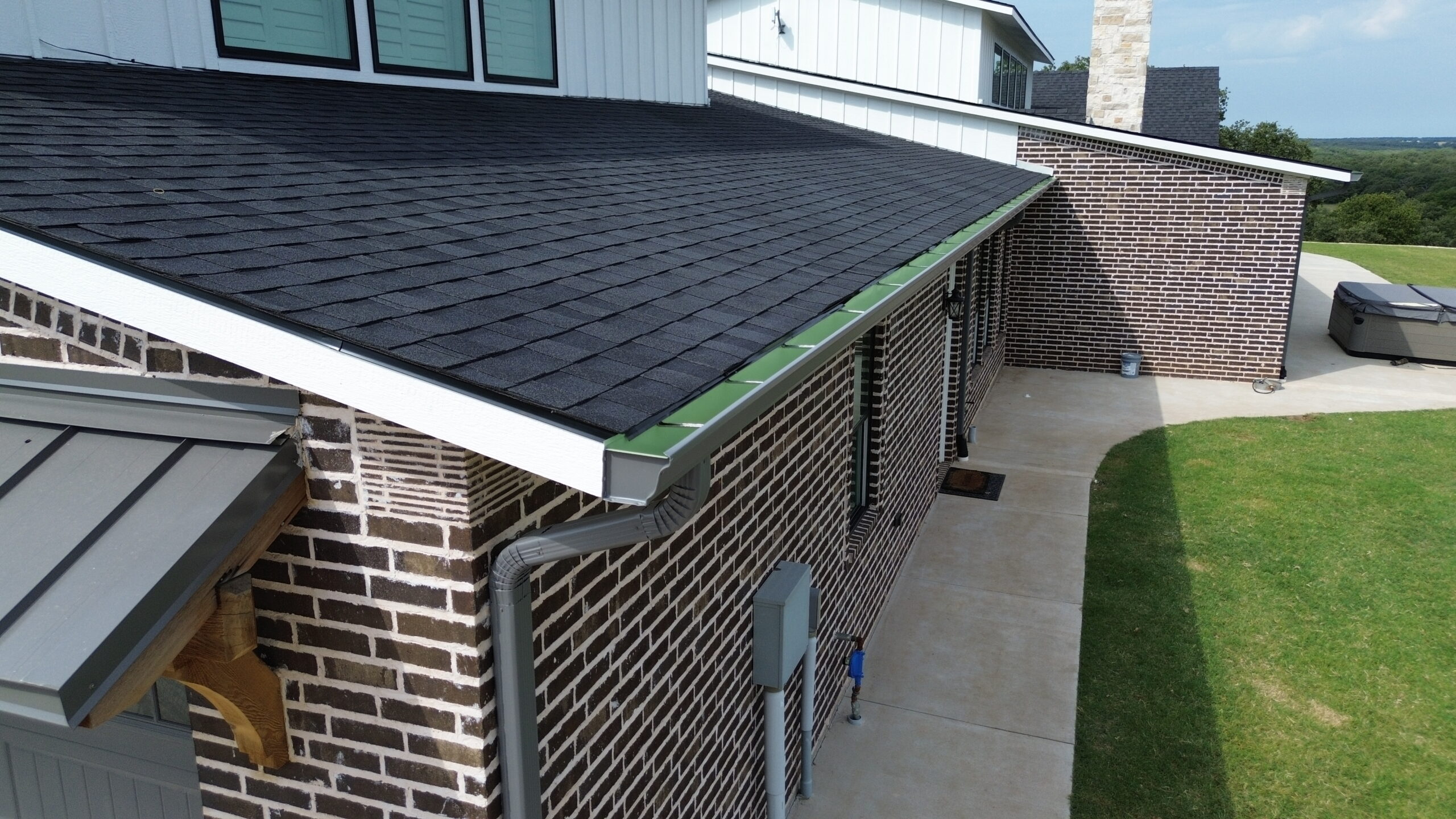
Flashing is used around transitions, edges, penetrations, walls, curbs, and other vulnerable areas. These locations require careful detailing because water can enter through small gaps when connections are poorly designed or deteriorated.
Commercial roofs also require drainage components. Drains, scuppers, gutters, downspouts, tapered insulation, and properly designed slopes can help direct water away from the roof surface. Drainage is particularly important on low-slope roofs because prolonged standing water can increase stress on the system.
Roofing systems may also include protective layers, vapor-control components, fasteners, adhesives, coatings, walk pads, and other specialized elements. The exact assembly depends on the selected system and building requirements.
| Commercial Roofing Component | Primary Purpose |
|---|---|
| Roof deck | Provides structural support |
| Insulation | Supports thermal performance |
| Membrane or roof covering | Provides weather protection |
| Flashing | Protects transitions and penetrations |
| Drainage system | Moves water away from the roof |
| Protective components | Reduce physical and environmental exposure |
The components must work together rather than being considered independently. A strong membrane cannot compensate for inadequate drainage, while effective insulation cannot correct damaged flashing. Complete system design and professional installation are therefore essential.
Common Commercial Roofing Materials
Commercial properties can use several different roofing systems, and material selection should be based on the building’s needs rather than a single universal preference. Factors such as roof size, slope, climate, equipment placement, expected traffic, maintenance requirements, budget, and desired service life can influence the appropriate choice.
Single-ply roofing membranes are widely used in commercial construction. These systems generally involve flexible membrane materials installed over the roof assembly. Different membrane types can provide varying characteristics related to weather resistance, flexibility, durability, and installation methods.
Modified bitumen roofing is another commercial option. It combines asphalt-based materials with reinforcing components to create a roofing membrane designed for commercial applications. These systems can be suitable for buildings where durability and established installation methods are priorities.
Built-up roofing uses multiple layers to create a reinforced roofing assembly. Its layered construction can provide substantial protection, although installation may require more materials and labor than some alternative systems. The specific design should be selected according to the building and project requirements.
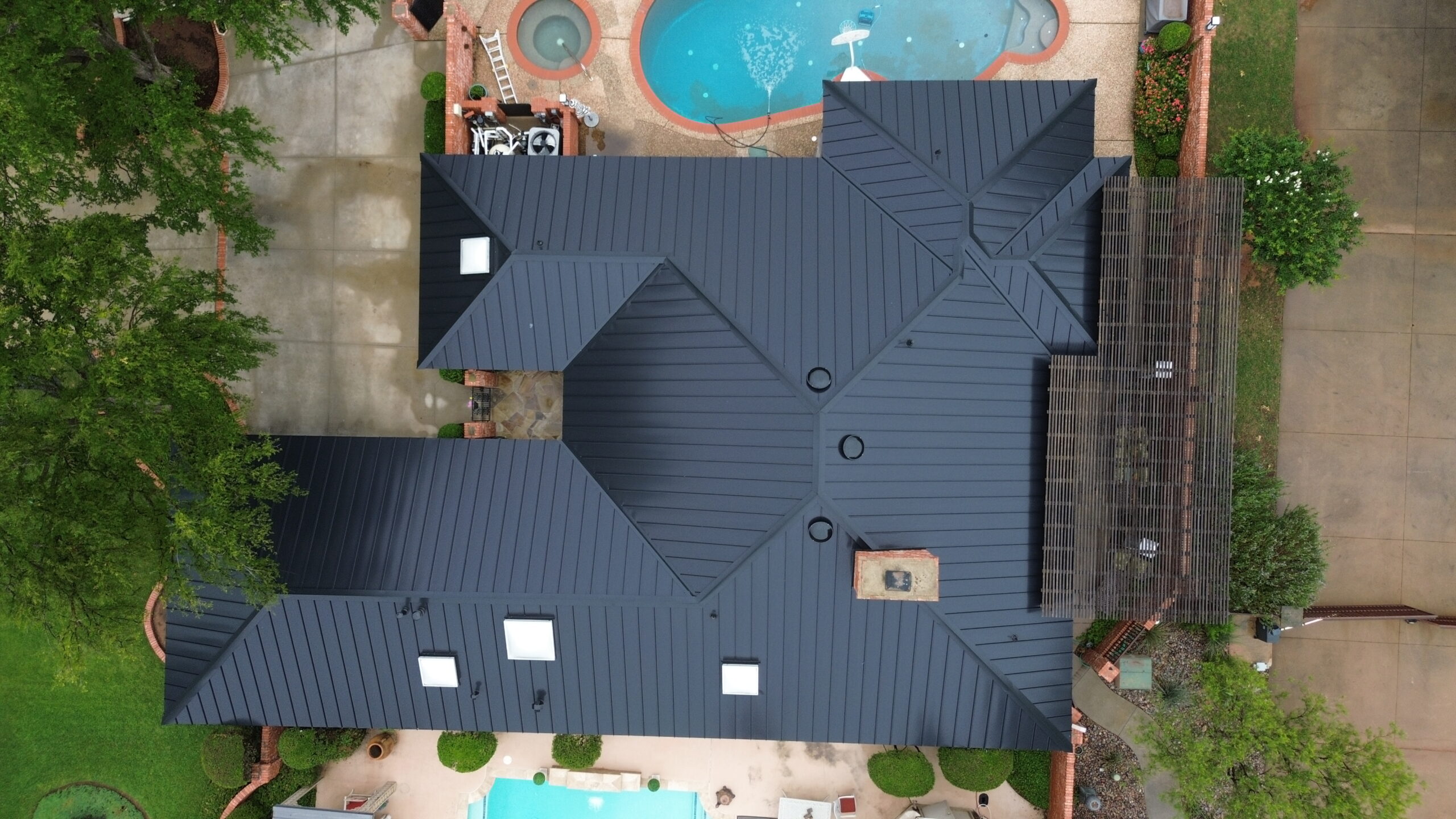
Metal roofing can also be used on commercial properties, particularly where durability, long-term performance, or architectural appearance is important. Metal systems may be available in different profiles and finishes, but appropriate detailing around seams, penetrations, fasteners, and drainage areas is essential.
Roof coatings can sometimes be used as part of restoration or maintenance strategies. Depending on the existing roof condition and coating type, a coating may help protect the surface and extend useful service life. However, coatings are not suitable for every roof, and serious structural or moisture problems must be addressed separately.
Material selection should include both immediate and long-term costs. A lower initial price may not provide the best value if the system requires frequent repairs or has a shorter useful life. Conversely, a premium system may not be necessary if its additional features provide little benefit for the specific property.
The best material is therefore the one that fits the building’s structure, operating environment, performance requirements, maintenance strategy, and financial objectives.
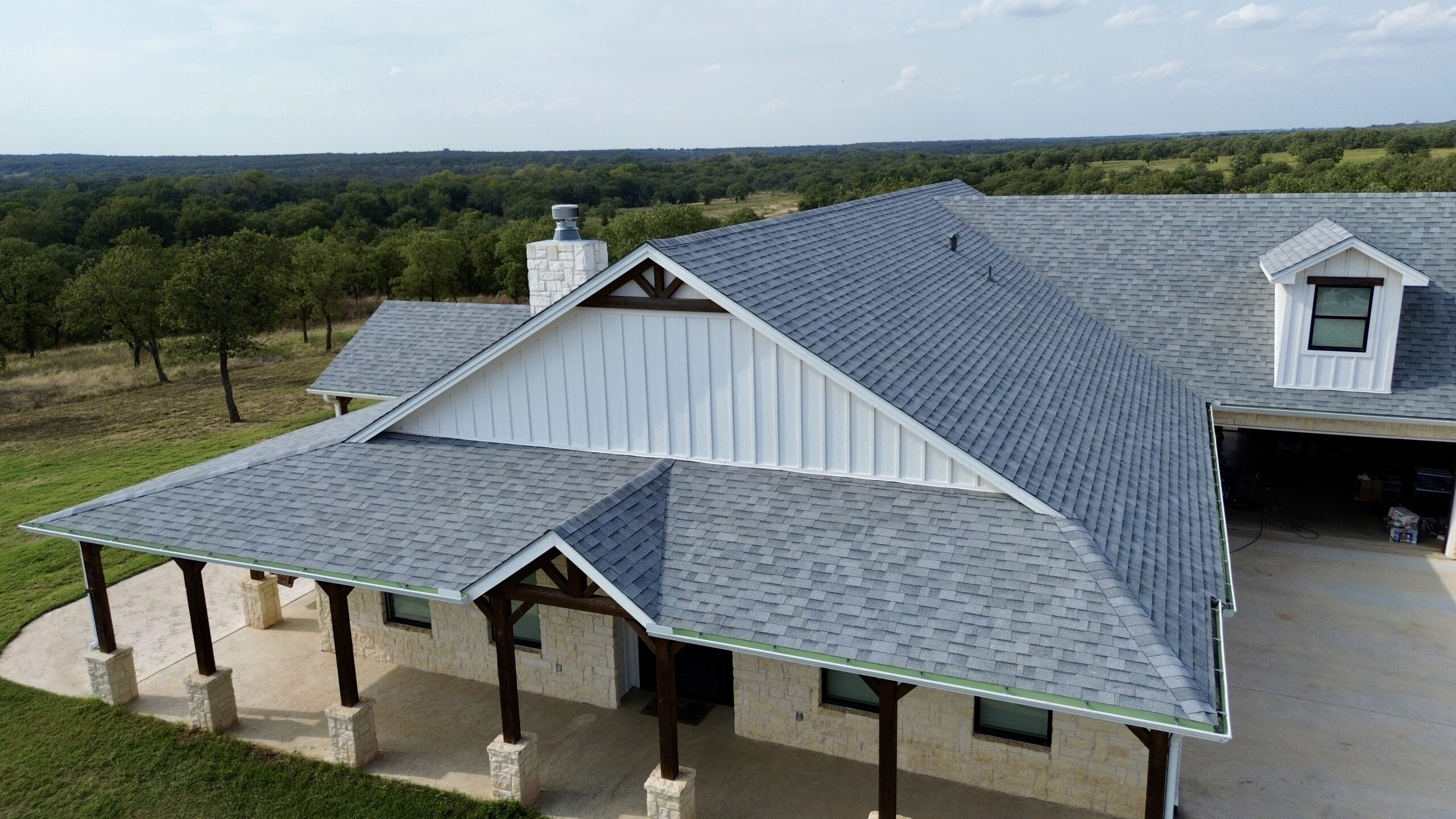
How Commercial Roofing Systems Handle Water
Water management is one of the most important responsibilities of a commercial roofing system. Rainwater must move from the roof surface toward designated drainage points without creating prolonged areas of standing water. Poor drainage can increase the risk of leaks, material deterioration, structural concerns, and interior damage.
Commercial roofs often use designed slopes to guide water toward drains, scuppers, gutters, or other collection points. On low-slope roofs, the slope may be created through the building structure or through tapered insulation. The appropriate design depends on the roof assembly and building requirements.
Internal roof drains are common on some commercial properties. These drains collect water from the roof and direct it through internal piping. Because the drainage components may be located within the building structure, proper design, installation, inspection, and maintenance are particularly important.
Scuppers can provide another drainage method by allowing water to pass through openings at roof edges or parapet walls. Gutters and downspouts may then direct water away from the building. Each drainage arrangement needs to be designed for the roof’s size and expected rainfall conditions.
Drainage systems must remain clear after installation. Leaves, dirt, debris, damaged components, and other obstructions can restrict water movement. Regular inspections and maintenance help ensure that water continues to follow its intended path.
Roof penetrations and transitions also require careful water management. Flashing should guide water around vents, equipment curbs, walls, skylights, and other obstacles without creating openings in the waterproofing system.
Property owners should take standing water seriously, particularly when it remains after normal rainfall conditions. Persistent ponding may indicate drainage or slope issues that require professional assessment. Addressing the underlying cause can help prevent more extensive deterioration.
Effective water management is therefore not a single component but a combination of roof slope, drainage design, membrane integrity, flashing, and maintenance. When these elements work together, the roofing system has a better chance of protecting the building from moisture-related damage.
Choosing the Right Commercial Roofing System
Selecting a commercial roofing system requires consideration of both the current property and its long-term operating needs. The right choice should provide appropriate weather protection while supporting maintenance goals, energy performance, durability, and the building’s intended use.
The first consideration should be the existing building structure. The roof deck, slope, drainage arrangement, structural capacity, and existing roofing assembly can affect which systems are suitable. A professional assessment should be completed before major material decisions are finalized.
Climate is another important factor. Buildings exposed to intense heat, heavy rainfall, strong winds, freezing conditions, or frequent storms may require different roofing characteristics. Local environmental exposure should influence decisions about membranes, insulation, flashing, drainage, and protective features.
Building operations also matter. Some commercial roofs experience regular foot traffic from maintenance personnel, while others have mechanical equipment requiring frequent access. Walkways, protective surfaces, equipment supports, and access planning may be necessary to prevent unnecessary damage.
Energy performance should also be considered. Insulation levels, roof surface characteristics, ventilation where applicable, and overall building design can influence heating and cooling requirements. Property owners should evaluate energy goals alongside the roofing system rather than treating them as unrelated decisions.
Maintenance expectations should be reviewed before installation. Some systems may require specific inspection routines, repairs, cleaning, or coating maintenance. Understanding these requirements allows property owners to prepare realistic long-term maintenance budgets.
Initial cost is important, but it should not be the only financial consideration. Owners should evaluate installation expenses, expected service life, maintenance requirements, repair frequency, energy performance, and eventual replacement needs. A system with a higher initial cost may sometimes provide stronger long-term value when its performance and maintenance requirements justify the investment.
Ultimately, choosing a commercial roofing system should be a structured decision based on the property’s physical characteristics, operating environment, performance requirements, and financial priorities. A properly selected and professionally installed system can provide dependable protection while helping property owners manage roofing costs over the life of the building.
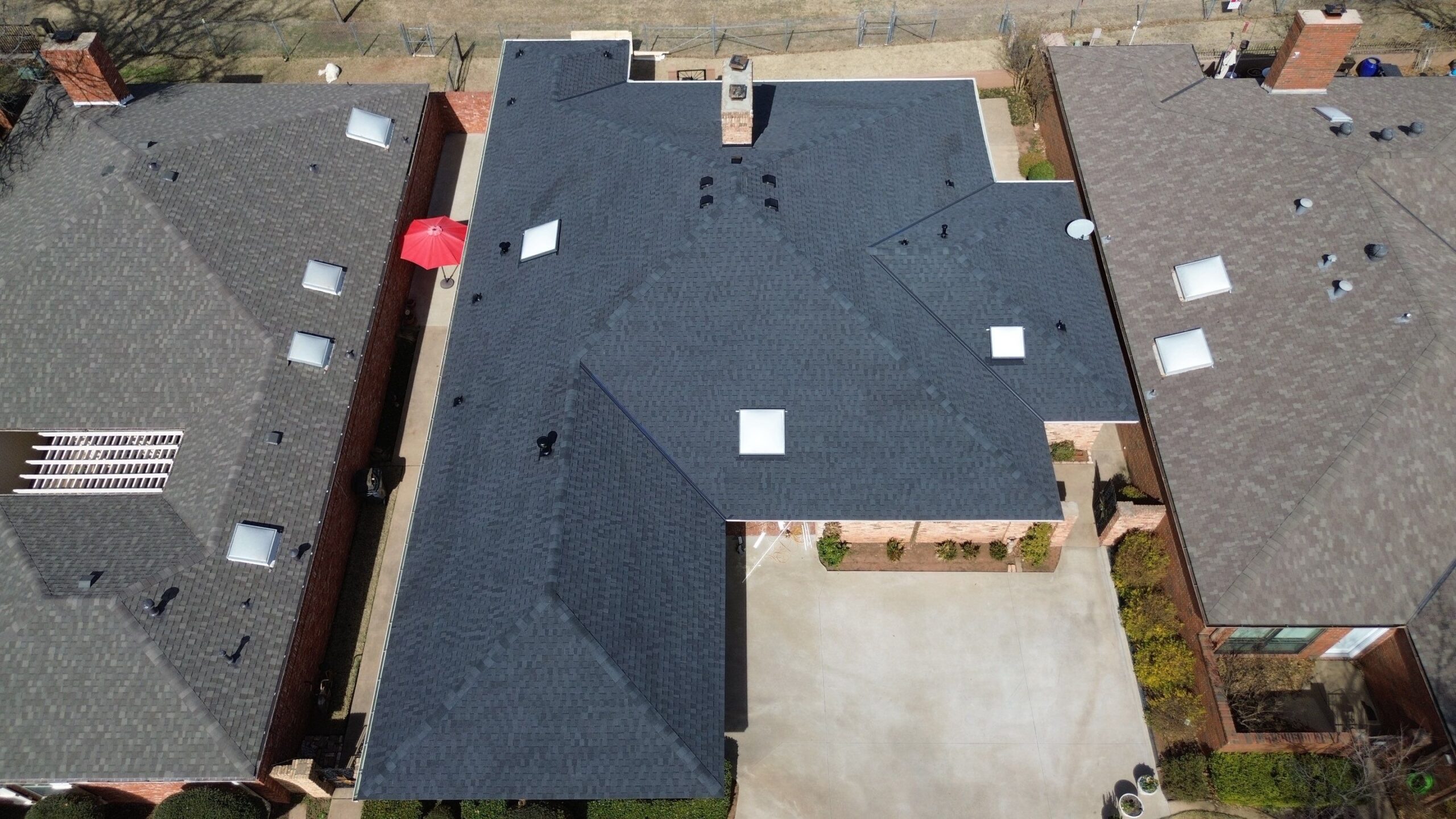
Commercial Roof Installation Process
Installing a commercial roofing system requires careful coordination because commercial buildings often have large roof areas, complex layouts, multiple penetrations, and specialized drainage requirements. The installation process should begin with a detailed assessment of the existing structure and a clear understanding of the selected roofing system. Proper preparation can reduce delays and help ensure that the finished roof performs as intended.
For a replacement project, existing roofing materials may need to be removed before the underlying roof deck can be inspected. The exposed deck should be evaluated for deterioration, moisture damage, corrosion, or other conditions that could affect the new system. Any necessary repairs should be completed before new roofing components are installed.
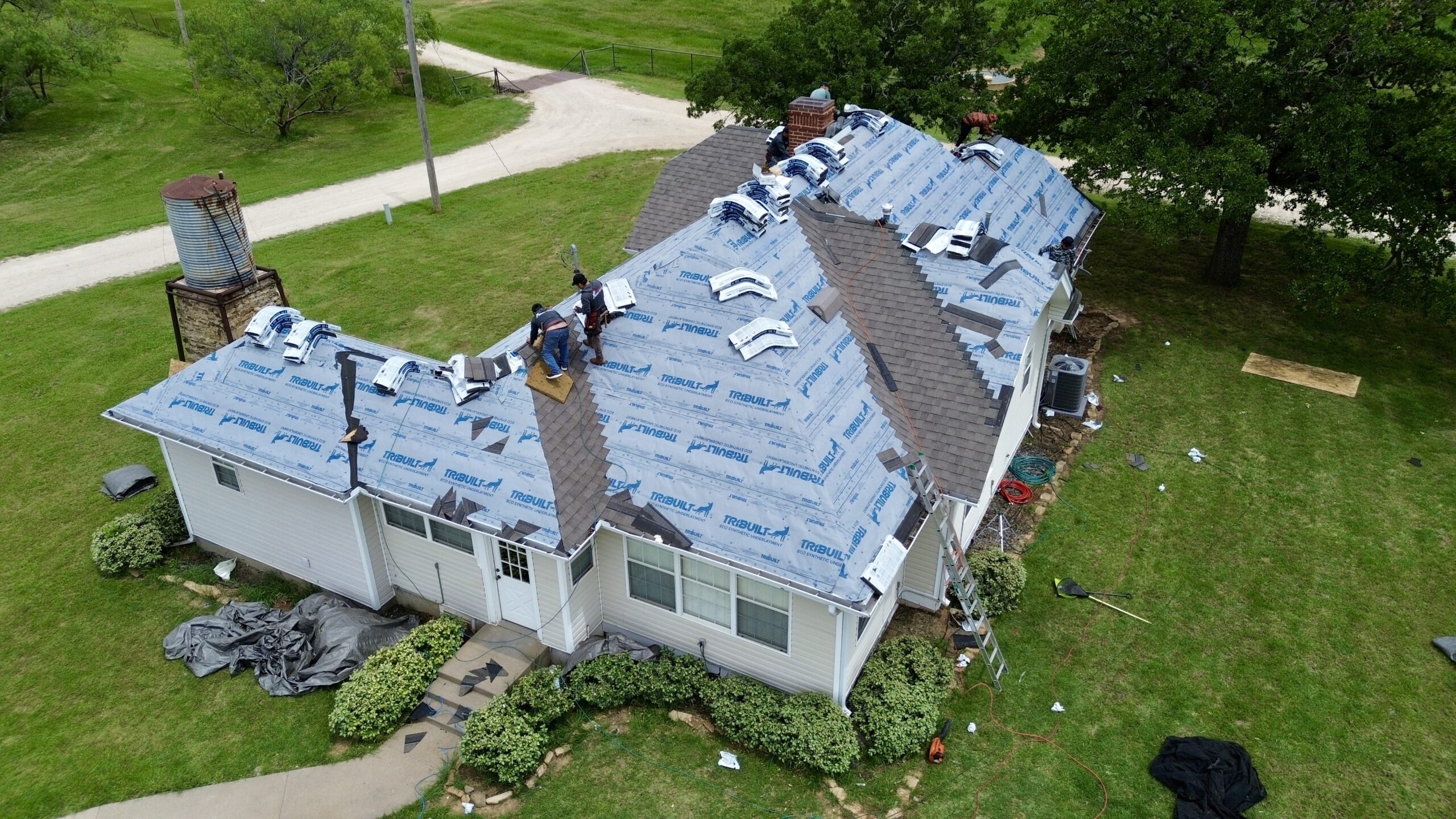
The roof assembly is then prepared according to the selected design. This may include installing insulation, vapor-control components, underlayment, or other layers before the primary membrane or roof covering is applied. Each component has a specific purpose and must be compatible with the rest of the system.
Membrane installation requires particular attention to seams, edges, penetrations, transitions, and attachment methods. Depending on the roofing system, materials may be mechanically fastened, adhered, welded, or installed using other approved methods. The manufacturer’s requirements and project specifications should guide the installation.
Flashing around rooftop equipment, walls, drains, curbs, vents, and other penetrations should be carefully completed. These areas can become vulnerable to water intrusion when details are poorly installed. Proper flashing creates continuity between different parts of the roofing system.
Drainage components should also be checked during installation. Drains, scuppers, gutters, and other outlets need to remain accessible and properly connected. Water should have a clear path away from the roof surface without creating areas where it can remain trapped.
Quality control should continue throughout the project rather than being left entirely until completion. Inspections during installation can identify problems while they are still accessible. Once the roof is complete, a final inspection can confirm that the agreed system has been installed correctly.
A successful installation depends on more than the quality of the materials. Accurate preparation, skilled workmanship, appropriate detailing, and careful coordination between different roofing components are essential for creating a durable commercial roofing system.
Commercial Roofing Maintenance Requirements
Regular maintenance is one of the most effective ways to protect a commercial roofing investment. Even a properly installed system can deteriorate when debris, standing water, damaged flashing, or minor membrane problems are ignored. A planned maintenance program helps property owners identify developing issues before they become larger and more expensive problems.
Routine roof inspections should be scheduled according to the roofing system, building conditions, and manufacturer recommendations. Inspections may also be appropriate after major storms or unusual weather events. Professional inspections can identify problems that may not be obvious from ground level.
Drainage should receive particular attention during maintenance. Roof drains, gutters, scuppers, and downspouts should remain clear of leaves, dirt, packaging, vegetation, and other debris. Restricted drainage can allow water to remain on the roof and increase stress on roofing materials.
Flashing and penetrations should also be inspected regularly. Mechanical equipment, vents, pipes, skylights, and other roof penetrations can create areas where deterioration or movement may affect waterproofing. Damaged or loose components should be evaluated promptly.
The roof surface should be checked for visible damage. Cracks, punctures, blisters, loose materials, deteriorated seams, exposed components, or unusual surface changes may indicate a developing problem. Maintenance teams should avoid making unauthorized repairs that could interfere with warranties or damage the roofing system.
Commercial roofs may also experience foot traffic from maintenance workers, technicians, or equipment contractors. Designated walkways and protective surfaces can help reduce unnecessary wear in areas that receive frequent traffic. Employees and contractors should understand where they can safely access the roof.
Maintenance records are equally important. Property owners should document inspections, repairs, cleaning, storm events, and other relevant work. These records create a history of the roof’s condition and can help identify recurring problems.
A proactive maintenance program can extend the useful life of a commercial roofing system and make expenses more predictable. Instead of responding only when leaks occur, property owners can manage the roof as an ongoing building asset.
Common Commercial Roofing Problems and Warning Signs
Commercial roofing problems can develop gradually or appear suddenly after severe weather. Recognizing early warning signs allows property owners to investigate potential issues before they cause extensive damage. Ignoring small symptoms can increase the likelihood of costly repairs.
Water intrusion is one of the most common concerns. Interior ceiling stains, damp insulation, wet walls, unusual odors, or visible moisture may indicate a roofing problem. The location of an interior stain does not always correspond directly to the source of the leak because water can travel through roof assemblies before reaching the interior.
Standing water is another important warning sign. Some temporary moisture may occur after rainfall, but persistent ponding can indicate drainage or slope problems. Long-term exposure to standing water may contribute to membrane deterioration and other roofing concerns.
Damaged seams can also create vulnerabilities. Depending on the roofing system, seams may become separated, cracked, or otherwise compromised. These conditions should be evaluated by a qualified professional rather than covered with temporary materials without identifying the underlying cause.
Flashing deterioration is another common problem. Loose, damaged, cracked, or poorly sealed flashing around penetrations and transitions can allow water to enter the roofing assembly. Because these areas are critical to waterproofing, they should receive careful attention during inspections.
Roof surface damage may result from severe weather, maintenance activities, equipment installation, or foot traffic. Punctures and tears can compromise the waterproofing layer even when they appear relatively small.
Unusual changes around drains and roof edges can also indicate developing problems. Damaged drain components, blocked outlets, deteriorated edge details, or displaced materials can affect how water leaves the roof.
Property owners should respond to warning signs promptly. A professional assessment can determine whether the issue requires a minor repair, broader restoration, or more extensive replacement. Early action can often prevent a localized problem from affecting a much larger portion of the building.
Commercial Roof Repairs and Restoration Options
Not every commercial roofing problem requires complete replacement. Depending on the age, condition, and construction of the existing system, targeted repairs or restoration may provide a practical way to extend its useful life. The appropriate solution should be based on the roof’s overall condition rather than the severity of one isolated problem.
Localized repairs may be appropriate when damage is limited to a small area. Examples can include repairing membrane damage, replacing deteriorated flashing, correcting drainage issues, or addressing damaged edge components. The repair should address the cause of the problem rather than simply covering the visible symptom.
Restoration can be considered when the existing roofing system remains generally sound but requires improvements to continue performing effectively. Depending on the roof type, restoration may involve repairing damaged areas, improving seams, applying compatible coatings, or strengthening other vulnerable components.
Roof coatings can sometimes provide additional protection when the existing roof is suitable for restoration. Different coating systems have different properties and application requirements. The existing surface must be evaluated before a coating is selected because coatings cannot correct every type of structural or moisture-related problem.
Replacement may become necessary when deterioration is widespread or the existing system has reached the end of its practical service life. Repeated leaks, extensive membrane failure, structural concerns, or severe damage may indicate that continued repairs are no longer financially sensible.
The decision should consider both immediate and future costs. A repair may have a lower initial price but provide limited additional service life if the surrounding roof is already deteriorated. A replacement requires a larger investment but may provide greater reliability and reduce recurring repair expenses.
Property owners should obtain a professional condition assessment before selecting a repair or restoration strategy. The assessment should consider the roof’s age, material, drainage, insulation, moisture conditions, previous repairs, and overall remaining service life.
A well-planned repair or restoration program can provide valuable additional service life when the existing system is suitable. The key is matching the treatment to the actual condition of the roof rather than applying a standard solution to every property.
Commercial Roofing Safety and Drainage Considerations
Safety is an essential part of commercial roofing management because large commercial roofs can involve significant fall hazards, equipment, electrical systems, rooftop traffic, and changing weather conditions. Property owners should ensure that roofing activities are performed by appropriately trained professionals following applicable safety requirements.
Roof access should be controlled. Employees, tenants, visitors, and contractors should not enter restricted areas without appropriate authorization and safety procedures. Clearly defined access routes can reduce unnecessary exposure to hazardous roof conditions.
Rooftop equipment should also be considered when planning maintenance or repairs. Air-conditioning units, electrical systems, vents, pipes, and other equipment can create obstacles and require specialized access. Workers should be aware of these features before beginning roofing activities.
Drainage is closely connected to both roof performance and maintenance safety. Water should move toward designated outlets without creating large areas of standing water. Blocked drains can create slippery surfaces and increase the risk of falls while also contributing to roofing deterioration.
Roof edges and parapets require careful attention. Appropriate protective measures may be necessary in areas where workers could approach exposed edges. The exact requirements depend on the building, work being performed, and applicable safety standards.
Weather conditions should be monitored before and during roofing work. Rain, strong winds, lightning, extreme heat, or other severe conditions can create unsafe working environments. Contractors should have procedures for stopping or postponing work when conditions become unsuitable.
Maintenance teams should also use appropriate tools and procedures when accessing the roof. Improper equipment placement can damage roofing materials, while careless movement can puncture membranes or disturb flashing.
A safe commercial roofing program protects workers while also protecting the roof itself. Proper access, drainage, equipment management, weather awareness, and professional installation practices should be treated as essential parts of every commercial roofing project.
Understanding Commercial Roofing Costs and Long-Term Value
Commercial roofing costs can vary significantly depending on the building size, roof design, material, existing condition, labor requirements, accessibility, drainage, insulation, and project complexity. Property owners should therefore evaluate roofing expenses based on the complete project scope rather than relying on a simple cost-per-area figure.
The initial material cost is only one part of the investment. Installation labor, removal of existing roofing, disposal, deck repairs, insulation, flashing, drainage improvements, equipment access, permits, and other requirements can affect the final price.
Maintenance should also be included in long-term financial planning. A system that requires frequent inspections, repairs, or specialized maintenance may have different ownership costs from one with a higher initial price but lower ongoing requirements.
Energy performance can influence overall value as well. Insulation and roof surface characteristics may affect heating and cooling requirements, depending on the building and climate. Property owners should consider these potential operating impacts when comparing roofing systems.
Expected service life is another important factor. A lower-cost system may appear attractive initially but could require replacement sooner. A more durable system may involve a larger upfront investment while offering longer performance and potentially fewer major interventions.
Property owners should also consider business disruption. Roofing work can affect building access, equipment, employees, tenants, inventory, or daily operations. Planning the project carefully can help reduce interruptions and protect business continuity.
A useful commercial roofing investment should therefore be evaluated using several factors rather than price alone. Material quality, installation, maintenance, service life, energy performance, repair needs, and operational impact all contribute to the total value of the system.
The best commercial roofing decision is one that balances immediate project requirements with long-term building needs. By understanding the full cost of ownership, property owners can select a system that provides dependable protection while supporting predictable maintenance and financial planning over time.
Commercial Roof Inspections and Condition Assessment
Regular commercial roof inspections help property owners understand the current condition of their roofing system and identify problems before they become expensive disruptions. A roof can appear acceptable from the ground while developing hidden issues around seams, flashing, drains, insulation, penetrations, or the underlying deck. Professional inspections provide a more detailed understanding of how the system is performing and whether repairs or restoration should be considered.
A condition assessment should consider the age and type of roofing system as well as its maintenance history. Inspectors may review the membrane or roof covering, flashing, drainage components, rooftop equipment, penetrations, edges, and accessible areas of the roof assembly. Previous repairs should also be documented because repeated problems in the same location may indicate an underlying issue.
Interior areas should be evaluated when appropriate. Ceiling stains, damp insulation, unusual odors, damaged finishes, or other signs of moisture can provide clues about potential roof problems. However, water can travel through a roofing assembly, so the location of interior damage may not directly identify the source of the problem.
Drainage should receive particular attention during inspections. Drains, scuppers, gutters, and downspouts should be checked for blockage, damage, and signs of poor water movement. Persistent ponding should be investigated because it can contribute to material deterioration and may indicate a problem with roof slope or drainage design.
Roof penetrations and equipment curbs should also be inspected carefully. HVAC systems, vents, pipes, skylights, and other installations create transitions that must remain properly sealed and protected. Movement, deterioration, or damaged flashing around these areas can create opportunities for water intrusion.
Inspection findings should be recorded in an organized report. Photographs, descriptions of defects, recommended repairs, and information about the overall roof condition can help property owners prioritize future work. Keeping these records over several years also makes it easier to identify whether the roof is improving, remaining stable, or gradually deteriorating.
A professional condition assessment is particularly useful when deciding between repair, restoration, and replacement. Instead of reacting to individual leaks, property owners can use inspection information to develop a longer-term roofing strategy based on actual conditions.
Improving Commercial Roof Energy Efficiency
Commercial roofing systems can influence the building’s overall energy performance, particularly through insulation and the way the roof manages heat. A well-designed roof assembly can help maintain more stable indoor temperatures and reduce the workload placed on heating and cooling equipment. Energy improvements should be considered as part of the complete roofing strategy rather than as an isolated feature.
Insulation is one of the most important components affecting thermal performance. The appropriate insulation type, thickness, and placement depend on the existing roof assembly, building design, climate, and applicable requirements. Improving insulation may be particularly useful when an older roofing system has inadequate thermal protection.
Roof surface characteristics can also influence heat absorption. Some roofing materials and finishes are designed to reflect more solar energy than darker or less reflective surfaces. The potential benefit depends on the property’s climate, building design, roof exposure, and existing mechanical systems.
Air movement and moisture management should also be considered where applicable. Commercial roofing assemblies need to be designed so that moisture does not become trapped in ways that can damage insulation or other components. Any ventilation strategy should be compatible with the specific building and roofing design.
Property owners should avoid assuming that every energy-related upgrade will produce the same result. A roofing professional or building-energy specialist can evaluate the existing conditions and identify improvements that are appropriate for the property. The goal should be to select upgrades that provide measurable benefits without creating compatibility problems.
Roof replacement can provide an opportunity to improve energy performance because insulation and other components may be more accessible during major construction. However, energy improvements should be planned before installation begins so that the complete roof assembly can be designed appropriately.
Energy efficiency should also be evaluated alongside durability and maintenance. An upgrade that provides thermal benefits but creates difficult maintenance requirements may not deliver the best overall value. Commercial roofing decisions should balance energy performance with waterproofing, service life, operational needs, and long-term costs.
Commercial Roofing Upgrades and Protection Options
Commercial properties may benefit from roofing upgrades that improve durability, drainage, access, energy performance, or resistance to specific environmental conditions. The right upgrades depend on the existing roof and the building’s operating requirements. Property owners should prioritize improvements that address identifiable needs rather than adding features simply because they are available.
Drainage improvements can be particularly valuable on buildings where water does not move efficiently from the roof. Depending on the existing design, improvements may involve clearing or upgrading drainage components, correcting localized problems, improving slope, or modifying water collection systems. Any major drainage modification should be professionally evaluated.
Protective walkways may be useful on roofs that receive frequent foot traffic. Maintenance technicians often need access to HVAC equipment, vents, electrical systems, and other rooftop installations. Clearly defined pathways can help protect the roofing surface from unnecessary wear and reduce the risk of accidental damage.
Roof-edge improvements can provide additional protection in areas exposed to strong winds or other environmental forces. Edge details should be compatible with the existing roofing system and designed according to appropriate installation requirements. Weak or deteriorated edges can affect the performance of the surrounding roof.
Coatings can sometimes be considered as part of a restoration strategy. Depending on the existing roof material and condition, an appropriate coating may help protect the surface from weather exposure and extend its useful service life. Coatings should not be treated as a solution for serious structural damage, widespread moisture problems, or severely deteriorated roofing assemblies.
Insulation upgrades can also be incorporated into major roofing projects. Improving thermal performance may support indoor comfort and building energy objectives. The existing roof structure should be evaluated before additional insulation is selected.
Other upgrades may focus on improving access, protecting rooftop equipment areas, strengthening vulnerable details, or supporting future building improvements. Each addition should be evaluated according to its cost, expected benefit, compatibility, and maintenance requirements.
The most effective upgrade strategy is usually selective rather than excessive. Commercial property owners should identify the weaknesses of the current system and invest in improvements that directly strengthen those areas. This approach can provide better long-term value than adding numerous features without a clear purpose.
Planning for Commercial Roof Replacement
Roof replacement is a major investment and should be planned well before the existing system reaches complete failure whenever possible. Early planning gives property owners more time to evaluate the current roof, compare replacement options, secure budgets, and schedule work with minimal disruption to business operations.
The condition assessment should be the starting point. Widespread deterioration, recurring leaks, extensive membrane damage, structural concerns, or frequent repair requirements may indicate that replacement is more practical than continuing to repair isolated areas. The age of the system should be considered, but actual condition should remain a major factor.
The replacement plan should define the desired roofing assembly. Property owners may need to make decisions about insulation, membrane type, drainage, flashing, edge details, access pathways, and other components. These decisions should be made before contractors provide final proposals so that estimates can be compared more accurately.
Business operations should be included in the planning process. Some properties cannot easily tolerate prolonged construction disruption, especially when they contain sensitive equipment, inventory, customers, or tenants. Scheduling work in phases or during less disruptive periods may help reduce the operational impact.
Material availability should also be confirmed before establishing a final installation schedule. Specialized products or particular colors may require additional lead time. Selecting materials early can reduce the possibility of delays after the project has already been approved.
Property owners should request detailed proposals from qualified commercial roofing contractors. Each proposal should identify the roofing system, preparation work, installation methods, warranties, cleanup responsibilities, payment terms, and expected schedule. Comparing complete scopes is more useful than comparing total prices alone.
A replacement project should also include contingency planning. Existing roof removal may reveal damaged decking, wet insulation, corrosion, or other conditions that were not visible during the initial inspection. The contract should establish a clear process for documenting and approving additional work.
Finally, the replacement plan should include long-term maintenance from the beginning. Understanding how the new roof will be inspected, cleaned, repaired, and documented can help protect the investment after installation. A replacement should therefore be viewed as the beginning of a new roofing management cycle rather than the end of one.
Extending the Service Life of a Commercial Roofing System
Extending the useful life of a commercial roof requires consistent attention rather than occasional emergency repairs. Regular inspections, prompt repairs, proper drainage, controlled roof access, and accurate documentation can all contribute to longer system performance. A proactive approach also makes roofing expenses easier to predict.
Small problems should be addressed before they spread. A damaged flashing detail or localized membrane issue may be relatively manageable when discovered early, but continued moisture exposure can affect insulation, decking, interior finishes, and other building components. Prompt professional repairs can reduce the chance of this progression.
Drainage maintenance is particularly important for extending roof life. Blocked drains and gutters can allow water to remain on the roof longer than intended. Regular cleaning and inspection help maintain proper water movement and reduce unnecessary exposure.
Rooftop traffic should also be managed. Workers who need to access equipment should use designated paths and avoid unnecessary movement across vulnerable areas. Protective walkways can help reduce punctures and surface wear on roofs that require frequent access.
Equipment maintenance can indirectly protect the roof as well. HVAC units and other rooftop systems should be serviced carefully so that technicians do not damage membranes, flashing, or protective components. Contractors working on rooftop equipment should understand the importance of protecting the roofing system.
Weather events deserve additional attention. Strong winds, hail, heavy rain, falling branches, and other severe conditions can damage commercial roofs even when they were previously in good condition. Post-storm inspections can identify problems that may otherwise remain unnoticed.
Maintenance records should be updated after every significant inspection or repair. These records can show patterns of deterioration and help property owners determine whether a recurring issue requires a broader solution. They can also support warranty claims and future replacement planning.
A long-term roof management program should balance preventive maintenance with realistic budgeting. Spending a reasonable amount on inspections and small repairs can help delay major capital expenditures when the roofing system remains structurally sound. However, maintenance should not be used indefinitely to avoid replacement when the roof has reached the end of its practical service life.
Conclusion
Commercial roofing systems are complex building components that require more than a suitable roof covering to perform effectively. The roof deck, insulation, membrane, flashing, drainage, penetrations, edges, and other components must work together to protect the building from weather and environmental exposure.
Choosing the right system starts with understanding the property’s physical characteristics and operational requirements. Roof slope, climate, building use, rooftop equipment, maintenance access, energy objectives, budget, and expected service life should all influence the final decision.
Installation quality is equally important. Even high-quality roofing materials can fail prematurely when preparation, drainage, flashing, seams, or penetrations are handled incorrectly. Professional installation and appropriate quality control help establish a strong foundation for long-term performance.
Maintenance should continue throughout the life of the roof. Regular inspections, drainage cleaning, prompt repairs, controlled access, storm assessments, and accurate records can help property owners identify developing problems before they become major disruptions.
When a roof begins to deteriorate significantly, property owners should evaluate repair, restoration, and replacement options based on the overall condition of the system. Continuing to repair an aging roof may not always provide the best long-term value, while a well-timed replacement can create an opportunity to improve insulation, drainage, durability, and energy performance.
Ultimately, effective commercial roofing management is about treating the roof as a long-term building asset. By combining appropriate materials, professional installation, preventive maintenance, timely repairs, energy-conscious upgrades, and thoughtful replacement planning, property owners can protect their buildings while managing roofing costs and operational risks more effectively.