

Hiring Tips for Residential Roofing Professionals
Introduction
Hiring a residential roofing professional is an important decision because the quality of roofing work can directly affect the safety, comfort, and long-term condition of a home. A roof protects the property from rain, wind, sunlight, moisture, and changing temperatures, so even small installation mistakes can eventually lead to leaks, material deterioration, or costly repairs. Choosing a contractor based only on a low price can create problems that are much more expensive to correct later.
A professional roofing contractor should have the appropriate experience, knowledge, equipment, and documentation needed to complete the project properly. Homeowners should look beyond advertising claims and evaluate whether a contractor has a reliable history of completing residential roofing projects. Taking time to research candidates before signing a contract can make the hiring process much less stressful.
Roofing projects can vary considerably depending on the home’s design, roof slope, existing material, weather conditions, and extent of damage. A contractor who regularly works on one type of roofing system may not have the same level of experience with another. Homeowners should therefore look for professionals whose skills match the specific requirements of their property.
The hiring process should focus on quality, accountability, communication, and value rather than price alone. A trustworthy roofing professional will generally be willing to explain the proposed work, provide appropriate documentation, answer questions, and clearly describe what is included in the project. These qualities can help homeowners make a more confident decision and avoid unnecessary risks.
Check Licensing, Insurance, and Professional Credentials
One of the first steps homeowners should take is checking whether the roofing contractor has the licenses or registrations required in the area where the work will be performed. Requirements can differ depending on the location and type of project, so homeowners should verify the rules that apply locally. A contractor who avoids questions about licensing or refuses to provide documentation should be treated cautiously.
Insurance is equally important because roofing work involves significant risks. A reputable contractor should carry appropriate liability insurance and workers’ compensation coverage where required. Liability insurance can help protect the homeowner if property damage occurs during the project, while workers’ compensation coverage can help address injuries involving employees.
Homeowners should not simply accept verbal statements that insurance is active. It is reasonable to request documentation and confirm that coverage is current before work begins. An expired or insufficient policy can leave the homeowner exposed to financial consequences if an accident or property damage occurs on the job.
Professional credentials can also provide useful information about a contractor’s qualifications. Some roofing manufacturers offer training or certification programs for contractors who meet particular standards. Membership in established professional organizations may also indicate a commitment to industry education, although homeowners should still evaluate the contractor’s actual experience and reputation.
Important information to verify before hiring may include:
- Required local license or registration
- Current liability insurance
- Workers’ compensation coverage when applicable
- Manufacturer training or certifications
- Business name, physical location, and contact details
Credentials do not guarantee perfect workmanship, but they provide an important starting point for evaluating professionalism. Homeowners should combine credential checks with references, reviews, written estimates, and contract terms before making a final decision.
Research Roofing Contractors Carefully
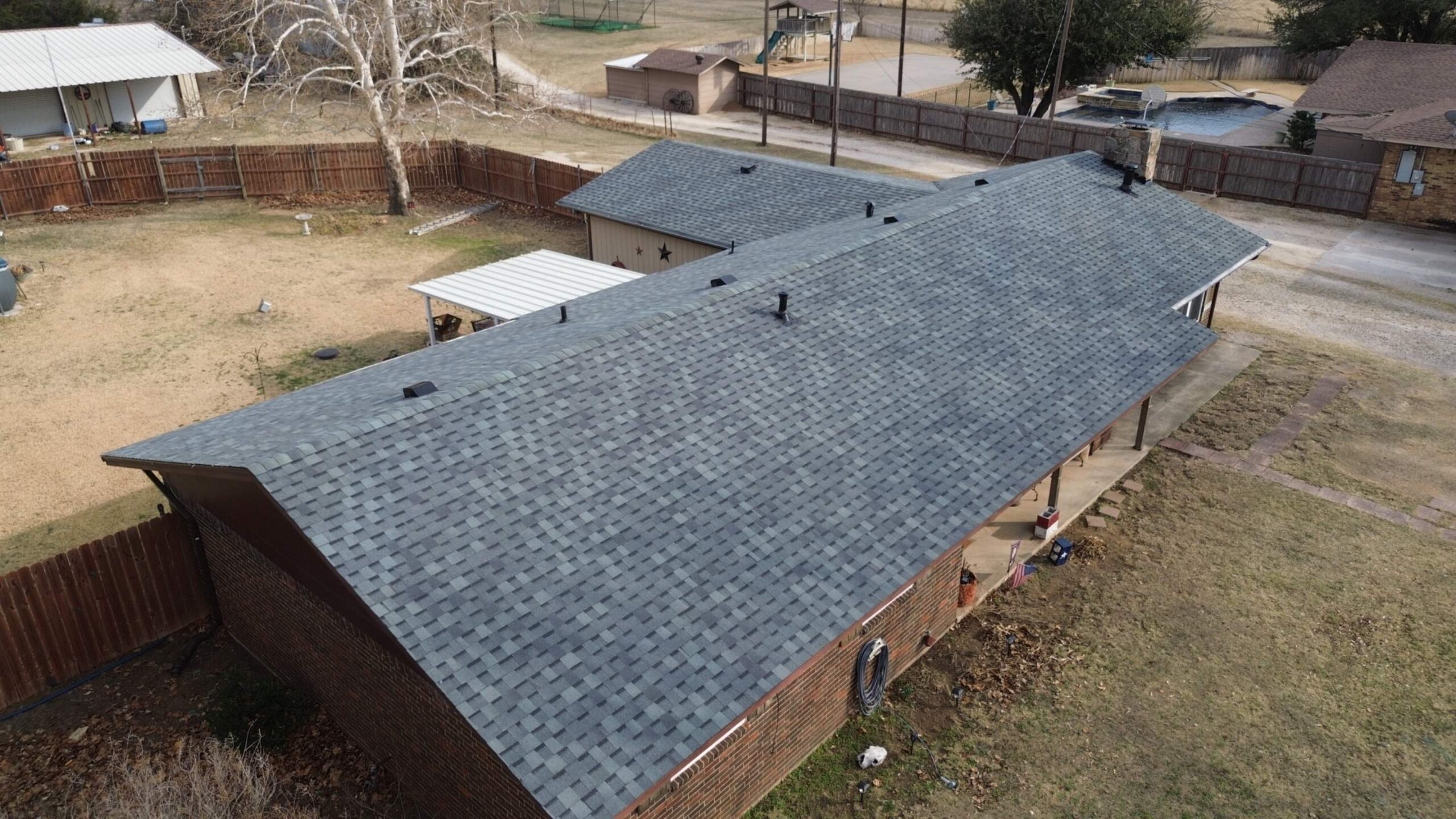
Research is one of the most effective ways to narrow down roofing professionals before requesting a contract. Homeowners can start by identifying several contractors who serve the local area and have experience with residential projects similar to theirs. Comparing multiple candidates can reveal differences in communication, experience, pricing, and services.
Online reviews can provide useful clues about customer experiences, particularly when several reviews describe similar patterns. Homeowners should pay attention to comments about workmanship, communication, scheduling, cleanup, and how the contractor handled problems. A single negative review does not necessarily mean a contractor is unreliable, but repeated complaints about the same issue deserve attention.
The contractor’s local reputation is another important consideration. A company that has operated in the community for several years may have an established record that can be easier to verify. Local experience can also mean greater familiarity with common roofing materials, regional weather conditions, and applicable building practices.
Experience should be evaluated in relation to the actual project. A contractor may have many years in business but limited experience with the specific roofing material or structure involved in the homeowner’s project. Asking about previous work involving similar homes or roofing systems can provide a better understanding of whether the contractor is a suitable match.
Homeowners should also review the contractor’s business information carefully. A legitimate professional should normally be able to provide a clear company identity and reliable contact information. Be cautious when a contractor provides only a temporary phone number, vague business details, or inconsistent information across estimates and online listings.
When researching roofing contractors, homeowners should compare several basic areas:
| Factor | What to Look For |
|---|---|
| Experience | Relevant residential roofing experience |
| Reputation | Consistent customer feedback |
| Local presence | Established service in the area |
| Specialization | Experience with the required roofing material |
| Communication | Prompt and clear responses |
| Documentation | Proper credentials and written information |
The purpose of research is not to find the contractor with the most impressive advertisement. Instead, homeowners should identify professionals with credible experience, transparent business practices, and a history of completing projects successfully.
Ask for References and Review Past Work
References can provide information that advertisements and online profiles may not reveal. A roofing contractor who has completed residential projects successfully should generally be able to provide examples of previous work or references from past customers, subject to privacy considerations. Homeowners can use these references to learn how the contractor performed during and after the project.
When speaking with previous customers, homeowners should ask practical questions rather than simply asking whether they were satisfied. Questions about communication, scheduling, unexpected costs, cleanup, and response to problems can reveal how the contractor manages the complete project. It can also be useful to ask whether the finished roof has continued to perform properly.
For larger roofing projects, reviewing completed work can provide additional insight into workmanship. Homeowners may be able to observe the quality of shingles, metal panels, flashing, roof edges, ventilation details, and other visible components. The goal is not to perform a technical inspection but to understand the contractor’s attention to detail and general finish quality.
Before-and-after photographs can also be helpful, particularly when the contractor specializes in repairs or replacements that are difficult to view in person. Homeowners should look for consistent quality across multiple projects rather than focusing on one attractive photograph. A professional portfolio should reflect the type of work the contractor regularly performs.
Useful questions for references may include:
- Did the contractor arrive when promised and communicate clearly about delays?
- Was the final cost reasonably consistent with the original agreement?
- Did the crew protect the property and clean up properly?
- Were concerns or defects addressed promptly after the work was completed?
Homeowners should be cautious if a contractor cannot provide any meaningful examples of recent residential work. While privacy or project circumstances may sometimes limit available references, complete unwillingness to discuss past work can make it harder to verify the contractor’s claims.
Past work should also be evaluated in context. A contractor may have strong experience with a particular roofing material but limited knowledge of another system. Matching the contractor’s portfolio with the type of roof being installed can reduce the risk of choosing someone whose skills do not fit the project.
Get Detailed Roofing Estimates
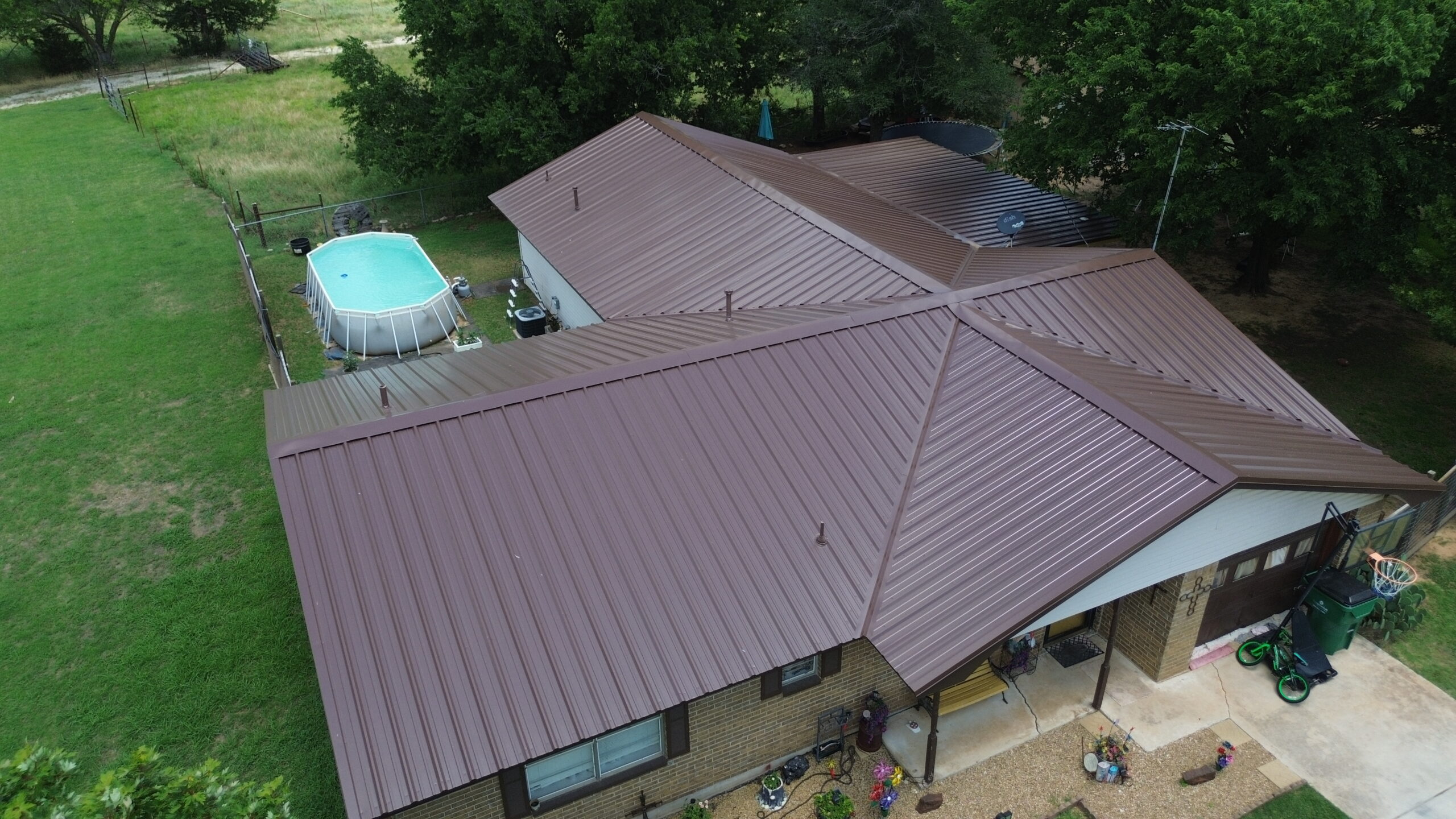
Obtaining multiple written estimates is an important step before choosing a residential roofing professional. A detailed estimate allows homeowners to compare contractors based on the actual scope of work rather than simply comparing final prices. It can also help identify differences in materials, labor, warranties, preparation, and cleanup.
A professional estimate should clearly explain what the contractor plans to do. Depending on the project, this may include removal of existing roofing, inspection of the roof deck, installation of underlayment, replacement of damaged components, flashing work, installation of new roofing materials, ventilation improvements, and final cleanup.
Material details should be described clearly rather than using vague terms such as “premium shingles” or “high-quality roofing.” Homeowners should be able to identify the manufacturer and product type when applicable, as well as important accessories or components included in the installation. This makes it easier to compare estimates that may initially appear similar.
Labor charges should also be explained. Some contractors provide one total price, while others separate labor and material costs. Either approach can be acceptable when the scope is clear. Homeowners should pay particular attention to exclusions and conditions that could lead to additional charges once work begins.
Potential additional costs should be discussed before signing. Hidden problems such as damaged decking, deteriorated flashing, or structural issues may require extra work, but the contract should explain how such situations will be handled. A contractor who clearly describes these possibilities is generally easier to work with than one who provides an unusually vague estimate.
Payment expectations should also be included in writing. Homeowners should understand the required deposit, timing of progress payments, final payment conditions, and accepted payment methods. Large unexplained upfront payments or pressure to pay immediately can be warning signs that deserve additional scrutiny.
A detailed estimate makes comparison easier because it helps homeowners evaluate the complete value of each proposal. The lowest estimate may not include necessary materials or services, while a higher estimate may include more comprehensive preparation or better-quality components. Comparing the scope carefully can reveal why prices differ.
Evaluate Communication and Professionalism
Communication can be one of the clearest indicators of what the roofing project experience will be like. Roofing projects often involve scheduling changes, weather interruptions, material deliveries, inspections, and unexpected conditions, so homeowners need a contractor who communicates clearly throughout the process. A contractor who is responsive before the project begins is more likely to establish a reliable communication process during the work.
Professionalism should be visible from the first interaction. Contractors should arrive for appointments as agreed, listen to the homeowner’s concerns, explain recommendations clearly, and avoid making unrealistic promises. They should also be willing to provide written information when discussing costs, materials, timelines, and warranties.
Homeowners should notice how a contractor handles questions. A professional does not need to know every answer immediately, but should be willing to explain what they know, verify technical details when necessary, and provide an honest response. Pressure tactics, dismissive behavior, or unclear explanations can make future disagreements more likely.
Communication also includes how the contractor documents the project. Written estimates, contracts, warranty information, material specifications, and payment records give both parties a clear understanding of their responsibilities. Keeping these documents organized can be especially important if questions arise after installation.
A contractor should also explain how project updates will be provided. Some companies communicate through phone calls, text messages, email, or project management systems. The specific method is less important than having a clear process that allows the homeowner to understand project progress and respond when decisions are required.
Ultimately, homeowners should consider whether they feel comfortable communicating with the contractor. Roofing work can involve a significant financial investment, and the project may continue for several days or longer. Choosing a professional who is respectful, transparent, and responsive can make the experience easier while creating a stronger foundation for successful roofing work.
Compare Roofing Materials and Recommendations
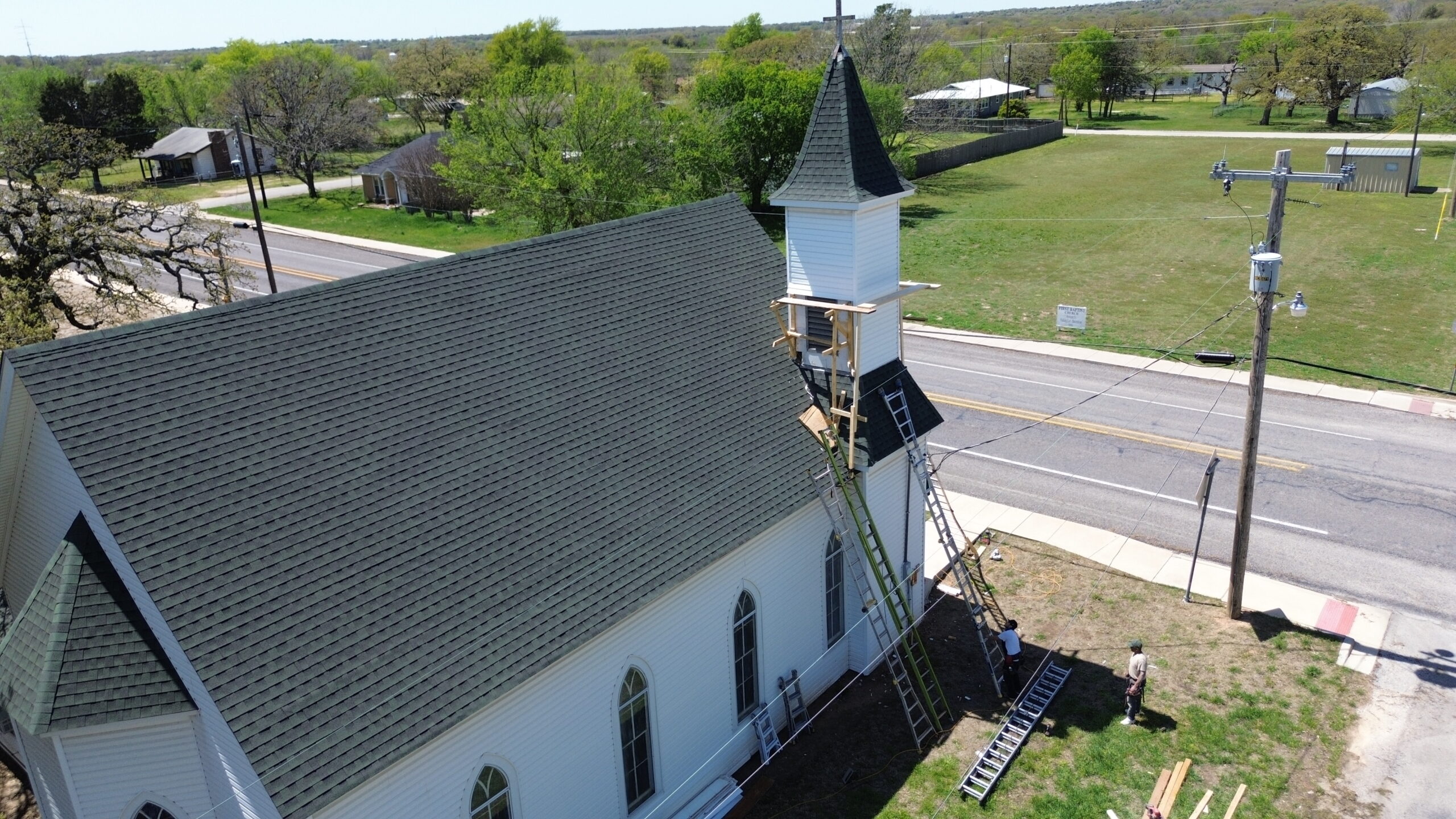
A roofing professional should be able to explain why a particular roofing material is suitable for the home rather than simply recommending the product they usually install. Residential roofs can use asphalt shingles, metal panels, tile, slate, synthetic products, and other systems, with each material offering different characteristics related to durability, appearance, maintenance, weight, and cost. A good contractor should connect the recommendation to the home’s design, local weather, and the homeowner’s priorities.
Asphalt shingles remain a common residential choice because they are available in many styles and can work with a wide range of home designs. When recommending shingles, a contractor should explain the product type, expected service life, warranty terms, and any installation requirements. Homeowners should also ask whether upgraded shingle options provide meaningful benefits for their particular property.
Metal roofing can offer durability and a different architectural appearance, but installation requires careful attention to panels, fasteners, flashing, and movement caused by temperature changes. A contractor recommending metal roofing should be able to explain the specific system, including whether it is appropriate for the home’s slope and existing structure. This is especially important when replacing a different type of roof with metal.
Tile and other heavier roofing materials require additional consideration because the structure must be able to support the roof assembly safely. A qualified contractor should evaluate whether the home’s framing can accommodate the proposed material before installation begins. Homeowners should be cautious of recommendations that focus on appearance without discussing structural requirements.
Climate should also influence material selection. Areas that experience intense sun, heavy rainfall, strong winds, hail, snow, or frequent temperature changes may require different roofing characteristics. Contractors should be able to explain how the selected material is expected to perform under the weather conditions common to the property.
Homeowners should ask contractors to explain why their recommendation is appropriate and compare alternatives when practical. A trustworthy professional does not need to push one material simply because it is familiar or profitable. The recommendation should be based on the home’s needs, project budget, expected service life, and the homeowner’s preferences.
Understand the Roofing Contract Before Signing
A roofing contract is one of the most important documents in the hiring process because it establishes what the contractor and homeowner have agreed to do. Verbal promises can easily be forgotten or misunderstood, while a detailed written agreement gives both parties a reference point throughout the project. Homeowners should review the document carefully before signing rather than treating it as a formality.
The scope of work should be clearly described. This should explain whether the project involves a repair, partial replacement, complete replacement, or another service. It should also identify important work such as removal of old materials, underlayment installation, flashing replacement, ventilation improvements, disposal, and final cleanup when these tasks are part of the project.
The contract should identify the materials being installed. Product names, quantities, colors, profiles, or specifications should be included where appropriate so there is less opportunity for confusion later. Homeowners should be careful with contracts that use vague language allowing the contractor to substitute materials without clear conditions or approval.
The expected project timeline should also be addressed. Roofing schedules can change because of weather, material availability, inspections, or unexpected roof conditions, so the contract does not always need to promise an exact completion date. However, it should explain the anticipated start period, major scheduling conditions, and how delays will be communicated.
Payment terms should be easy to understand. The agreement should identify the deposit, any progress payments, the final payment, and when each amount becomes due. Homeowners should avoid signing contracts with unclear payment requirements or significant charges that were never discussed during the estimate stage.
Change orders deserve special attention because roofing projects can uncover hidden conditions after old materials are removed. A contract should explain how additional work will be approved and priced. Written authorization for major changes can help prevent disagreements over unexpected costs.
Cancellation and dispute terms should also be reviewed. Homeowners should understand any applicable cancellation rights, procedures for addressing disagreements, and responsibilities if either party fails to meet contractual obligations. Reading these sections before signing is much easier than trying to understand them after a dispute begins.
Verify Roofing Warranties and Guarantees
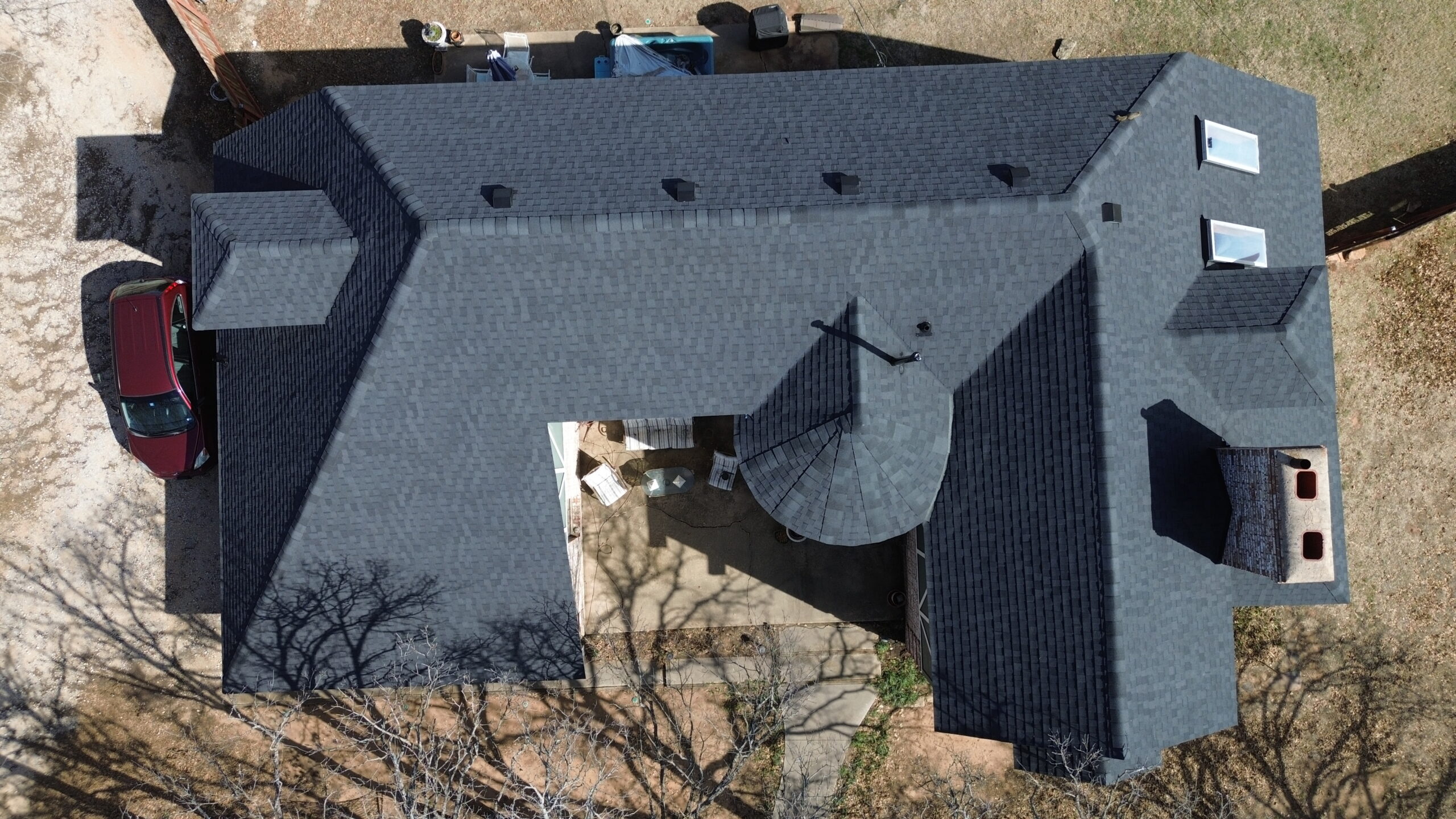
Warranties can provide valuable protection, but homeowners should understand exactly what each warranty covers before relying on it. Roofing projects may involve separate material warranties from manufacturers and workmanship warranties from contractors. These protections are not necessarily the same, and each can have different conditions and exclusions.
A manufacturer warranty generally relates to defects or performance problems associated with the roofing product itself. Coverage can vary significantly between products, so homeowners should review the official warranty documentation rather than relying solely on a contractor’s summary. Some warranties may also require specific installation practices or approved products to remain valid.
A workmanship warranty comes from the roofing contractor and generally addresses installation-related problems. Its duration can vary, and the terms should clearly explain what types of workmanship defects are covered. Homeowners should ask what happens if the contractor closes the business or no longer operates in the area, particularly when considering a long-term warranty.
Warranties may also have maintenance requirements. Failure to follow recommended care or allowing certain conditions to continue can affect coverage in some cases. Homeowners should ask whether inspections, cleaning, repairs, or documentation are required to maintain warranty protection.
It is also important to understand exclusions. A warranty may not cover damage caused by severe weather, poor maintenance, structural movement, unauthorized modifications, or other conditions outside the warranty’s scope. Knowing these limitations can prevent unrealistic expectations later.
Homeowners should receive warranty documents in writing and store them with the roofing contract and payment records. It is helpful to keep product information, installation details, photographs, inspection records, and receipts together in one place. These records can become useful if a warranty claim is needed in the future.
A professional contractor should be able to explain warranties without using confusing language or making guarantees that sound unrealistic. When the warranty terms are unclear, homeowners should ask questions before signing. A clear understanding of coverage is an important part of making a responsible roofing investment.
Watch for Roofing Scams and Warning Signs
Roofing scams can become more common after major storms or other weather events because homeowners may urgently need repairs. Some dishonest contractors use this urgency to pressure property owners into making fast decisions without researching credentials, reviewing contracts, or comparing estimates. Homeowners should slow down the hiring process whenever possible and verify information independently.
One warning sign is an unusually low estimate that is substantially below other qualified contractors. A low price is not automatically evidence of a scam, but a major difference should prompt questions about materials, labor, insurance, scope of work, and potential extra charges. Sometimes the initial price may leave out important work that appears later as an additional expense.
Pressure to sign immediately is another concern. A contractor who claims that a special price is available only for the next few hours may be trying to prevent the homeowner from comparing options. Reputable professionals should generally be willing to give customers reasonable time to review a proposal and make an informed decision.
Large upfront payment demands should also be examined carefully. Payment structures vary by location and project, but homeowners should be cautious when asked for a substantial amount before materials or work have been appropriately scheduled. The contract should explain exactly why payments are required and when they become due.
Unverified credentials are another warning sign. Homeowners should confirm licensing, registration, and insurance through reliable sources rather than accepting a contractor’s verbal statement. Inconsistent business names, missing documentation, or reluctance to provide proof can justify choosing another professional.
Storm-related door-to-door offers should be evaluated carefully as well. A contractor who arrives unexpectedly and claims to have identified serious roof damage may be attempting to create urgency. Homeowners can request written findings and seek an independent inspection before authorizing major repairs.
Other warning signs may include vague contracts, cash-only payment demands, requests to sign documents with missing information, and promises that insurance will cover everything without proper inspection. Homeowners should focus on verifiable information rather than persuasive sales claims.
Ask the Right Questions Before Hiring
Asking detailed questions can help homeowners determine whether a roofing contractor understands the project and operates professionally. The goal is not to overwhelm the contractor with technical challenges but to make sure important responsibilities, materials, scheduling, and safety matters are understood before work begins.
Homeowners should first ask about experience with similar roofing projects. A contractor who has worked extensively on comparable homes and materials may be better prepared for the project’s specific requirements. It is also reasonable to ask how long the company has been serving the local area and whether recent references are available.
Questions about the roofing crew can also be useful. Homeowners should know whether the work will be performed directly by the contractor’s employees or by subcontractors. If subcontractors are involved, the agreement should make responsibilities clear and homeowners should understand who will supervise the work.
The contractor should also explain how permits and inspections will be handled when they are required. Local requirements can vary, so a professional should be familiar with the process or clearly explain what the homeowner is responsible for. Avoiding necessary permits can create problems during the project or when the property is later sold.
Questions about preparation and cleanup are equally important. Homeowners should ask how landscaping, windows, siding, driveways, and outdoor furniture will be protected during roofing work. They should also clarify how old roofing materials and construction debris will be removed from the property.
A practical set of questions can include:
- How much experience do you have with this type of residential roof?
- Who will supervise the crew while work is being completed?
- Will employees or subcontractors perform the installation?
- Who will obtain required permits and arrange inspections?
- How will my property, landscaping, and outdoor areas be protected?
- How will damaged decking or other unexpected conditions be handled?
Good contractors should be comfortable answering these questions and explaining their procedures. A professional does not necessarily have to give the homeowner every technical detail, but the answers should be clear enough to establish trust and expectations.
Understand Payment Terms and Project Costs
Payment arrangements should be discussed before the roofing project begins, not after materials are delivered or work has already started. A written agreement should state how much is due initially, whether progress payments are required, and what conditions must be met before the final payment. Clear payment terms help both parties avoid misunderstandings.
The initial deposit should be reasonable and clearly explained. Homeowners should understand whether the deposit covers material ordering, project scheduling, or other legitimate startup expenses. Any amount that seems unusually high should be compared with local practices and discussed before signing.
Progress payments should be tied to meaningful stages of the project when applicable. For example, payment milestones may correspond with delivery of materials, completion of major installation work, or other agreed stages. Homeowners should avoid making final payment before the contracted work has been substantially completed and reviewed.
Additional costs should be handled through a documented change process. Roofing projects can uncover damaged decking, inadequate flashing, structural issues, or other conditions that were not visible during the initial inspection. Homeowners should know how such discoveries will be documented, priced, and approved before additional work is performed.
Material substitutions can also affect project costs. If an agreed product becomes unavailable or the contractor proposes an alternative, homeowners should understand whether the substitute changes the price or warranty. Any major change should be documented so there is a clear record of what was approved.
The final invoice should match the agreed scope and approved changes. Homeowners should review charges for materials, labor, disposal, additional repairs, and other services before making the final payment. Keeping copies of invoices, receipts, contracts, and payment confirmations creates useful documentation for future reference.
A well-organized payment arrangement protects both the homeowner and the contractor. It reduces uncertainty, provides clear expectations, and makes it easier to identify disagreements before they become serious. When pricing, payment timing, and additional charges are clearly documented from the beginning, the roofing project is more likely to proceed smoothly and professionally.
Confirm Permits, Building Codes, and Safety Practices
Before roofing work begins, homeowners should understand whether the project requires permits, inspections, or compliance with specific local building requirements. Rules can vary by location and by the type of roofing work being performed, so the contractor should explain which requirements apply to the project. A professional should also make clear who is responsible for obtaining permits and arranging any required inspections.
Building code compliance is important because roofing systems must meet requirements related to structural support, weather protection, ventilation, flashing, and other construction details. A contractor who regularly performs residential roofing work should understand the standards that apply in the area. Homeowners should be cautious when a contractor suggests skipping permits or inspections simply to save time or money.
Safety should also be a central part of the contractor’s work practices. Roofing involves ladders, elevated surfaces, tools, heavy materials, and changing weather conditions, so proper precautions are essential. A professional crew should use appropriate safety equipment, maintain an organized work area, and follow established procedures for protecting workers and the property.
Homeowners should ask how the contractor plans to manage hazards around the house. This can include protecting windows, doors, vehicles, landscaping, walkways, and outdoor equipment from falling materials or construction debris. A clear safety plan helps reduce the chance of avoidable property damage during the project.
Weather conditions should also be considered before and during installation. Rain, high winds, extreme temperatures, and other conditions can interfere with roofing work or affect the performance of certain materials during installation. A responsible contractor should monitor conditions and postpone work when necessary rather than rushing to meet an unrealistic schedule.
Proper disposal procedures are another part of responsible roofing work. Old shingles, metal panels, underlayment, nails, packaging, and other debris should be removed safely and disposed of appropriately. Homeowners should clarify whether cleanup and disposal are included in the contract so there are no surprises after the crew leaves.
Evaluate the Roofing Crew and Project Management
The quality of a roofing project depends not only on the materials but also on how the work is organized and supervised. Homeowners should know who will manage the project once installation starts and who will serve as the primary point of contact. Clear responsibility can make it easier to resolve questions and address unexpected issues.
Some roofing companies use their own employees, while others rely partly or entirely on subcontractors. Either approach can work when the project is properly managed, but homeowners should understand who will actually perform the work. It is reasonable to ask whether subcontractors are properly insured, experienced, and supervised by the primary contractor.
The size and experience of the crew can affect project efficiency. A large crew may complete work quickly, but speed should not come at the expense of careful installation. Likewise, a smaller crew may require more time but can still deliver excellent workmanship when properly trained and supervised.
Scheduling should be discussed before work begins. Homeowners should understand the expected start period, approximate duration, and how weather or material delays will be communicated. While exact completion dates can change, professional project management should include reasonable updates rather than leaving homeowners uncertain about when work will continue.
The contractor should also establish procedures for unexpected discoveries. Removing old roofing can reveal damaged decking, deteriorated flashing, inadequate ventilation, or other conditions that were not visible from the surface. A well-managed project should stop when necessary, document the issue, explain the options, and obtain appropriate approval before adding significant work.
Property protection should be included in the project plan. Crews may need to place ladders, move materials, operate equipment, and remove old roofing around the house. Professionals should take steps to protect plants, siding, windows, gutters, driveways, and other areas from damage.
Good project management is often visible in small details. Materials should be delivered and stored properly, work areas should remain reasonably organized, and homeowners should know what to expect each day. These practices can make a large difference in the overall experience and can reflect the contractor’s level of professionalism.
Review the Contractor’s Workmanship Standards
A roofing contractor’s workmanship should be evaluated by looking at how carefully the complete roofing system is installed. The roof is more than the visible shingles or panels, and important components beneath and around the main material can affect performance. Homeowners should therefore ask how the contractor handles underlayment, flashing, ventilation, roof edges, penetrations, and drainage.
Flashing deserves particular attention because it protects vulnerable areas where the roof meets chimneys, walls, vents, skylights, and other structures. Poorly installed flashing can create water-entry points even when the main roofing surface looks attractive. A professional should explain how these areas will be inspected, repaired, or replaced as part of the project.
Ventilation is another important part of roof performance. Inadequate attic ventilation can contribute to excessive heat and moisture, potentially affecting comfort and material longevity. The contractor should evaluate existing ventilation and explain whether improvements are needed as part of the roofing work.
Roof penetrations must also be handled carefully. Pipes, vents, exhaust systems, and other openings create potential areas for water infiltration when they are not properly sealed and flashed. Homeowners should ask whether these components will be replaced, repaired, or integrated into the new roofing system.
The finishing details around roof edges can also reveal the quality of installation. Gutters, drip edges, fascia areas, valleys, ridges, and other transitions should be properly integrated into the roofing system. Small mistakes in these areas can eventually lead to leaks or premature deterioration.
A contractor should also follow the manufacturer’s installation requirements for the selected roofing product. Roofing materials are designed to work within specific installation guidelines, including fastening patterns, underlayment requirements, slope limitations, and accessory compatibility. Ignoring those requirements can affect performance and may create warranty problems.
Homeowners do not need to become roofing experts to evaluate workmanship, but they should expect a professional contractor to explain the important elements of the system. Clear explanations, careful installation, and attention to detail are stronger indicators of quality than marketing claims alone.
Know What to Expect During the Roofing Project
Understanding the normal stages of a roofing project can help homeowners recognize whether work is progressing as expected. Preparation usually begins with material delivery, site protection, and setup of equipment and safety systems. The crew may then remove existing roofing materials if replacement is part of the project.
Once the old roofing is removed, the underlying roof deck can be inspected more closely. Hidden damage may become visible at this stage, which is why contracts should include a clear process for handling additional repairs. Homeowners should expect the contractor to explain significant findings and seek approval when changes affect the agreed cost or scope.
Installation then proceeds according to the roofing system being used. This can involve underlayment, flashing, shingles, panels, ventilation components, and other materials. The sequence and duration will vary, but the contractor should be able to provide a general explanation of the process.
Weather can interrupt roofing work even when the contractor has planned carefully. Rain, strong wind, extreme temperatures, or unexpected storms can create safety and installation concerns. A professional should prioritize proper conditions and communicate schedule changes rather than rushing to finish under unsuitable circumstances.
Homeowners should also expect some noise and temporary disruption. Roofing involves removing old materials, moving supplies, and using tools throughout the day. Discussing working hours, access requirements, parking, and areas that need to remain clear can make the project easier for everyone involved.
Cleanup should occur throughout the project and at the end of installation. Roofing debris can include nails, fragments of old shingles, wrapping materials, and other small pieces that may be difficult to notice immediately. A professional crew should make reasonable efforts to leave the property safe, clean, and usable once the work is complete.
A final walkthrough can be particularly useful. Homeowners can review the completed roof with the contractor, discuss any remaining concerns, confirm that cleanup has been completed, and receive documentation related to warranties and maintenance. This final step helps establish that the project has reached an agreed stage of completion.
How to Make the Final Hiring Decision
After researching contractors, reviewing estimates, checking credentials, and discussing project details, homeowners can compare the candidates as complete proposals rather than focusing on one feature. Price matters, but it should be considered alongside workmanship, experience, communication, warranties, materials, safety practices, and the overall scope of work.
A contractor with the lowest price may not provide the best value if important services are excluded from the estimate. Likewise, the highest-priced proposal is not automatically the best choice. Homeowners should examine what each contractor is actually offering and determine whether the differences in price are supported by materials, preparation, experience, or additional services.
It is helpful to compare written proposals carefully before making a final decision. Homeowners should confirm that the same major areas are covered, including removal, installation, flashing, ventilation, cleanup, disposal, warranties, and possible additional work. Differences that initially appear minor can have a substantial effect on the project’s final cost and quality.
Homeowners should also consider how comfortable they feel with the contractor. Clear communication, respectful treatment, timely responses, and willingness to answer questions can be valuable throughout the project. A technically capable contractor who is difficult to reach or unwilling to explain important decisions may create unnecessary stress later.
Documentation should be reviewed one final time before signing. The contract, estimate, material information, warranty details, payment schedule, and project timeline should be consistent with the discussions held during the hiring process. Any unresolved verbal promise should be added to the written agreement before work begins.
The final decision should reflect long-term value rather than short-term convenience. A quality roof is expected to protect the home for many years, so choosing a contractor who demonstrates sound workmanship and responsible business practices can be more valuable than saving a relatively small amount upfront.
Once the contractor has been selected, homeowners should keep copies of all project records in a safe place. Photos taken before, during, and after installation can also provide useful documentation of the property’s condition and completed work. Organized records make future repairs, maintenance, insurance questions, and warranty claims easier to manage.
Conclusion
Hiring the right residential roofing professional requires research, careful comparison, and a willingness to ask important questions before work begins. Homeowners should verify credentials, insurance, references, written estimates, contract terms, warranties, payment arrangements, and project management practices rather than choosing a contractor based only on advertising or price.
The best roofing professional should provide more than materials and labor. They should offer clear communication, appropriate safety practices, reliable scheduling, careful installation, and a commitment to resolving concerns responsibly. These qualities can help protect both the home and the homeowner’s financial investment.
A successful roofing project also depends on matching the contractor’s experience with the specific needs of the property. The right professional should understand the chosen roofing material, local weather conditions, building requirements, ventilation, flashing, drainage, and other details that influence long-term roof performance.
Homeowners should remember that a roofing contract is a significant investment, so there is value in taking time to compare qualified professionals. Reviewing several complete proposals can reveal meaningful differences in scope, quality, service, and long-term value that may not be obvious from the initial price.
Most importantly, homeowners should never feel pressured to make an immediate decision. A trustworthy contractor should be willing to explain the proposed work, provide appropriate documentation, and give the homeowner enough time to review the agreement. With thoughtful research and careful hiring, homeowners can select a roofing professional who is prepared to deliver dependable workmanship and protect the property for years to come.