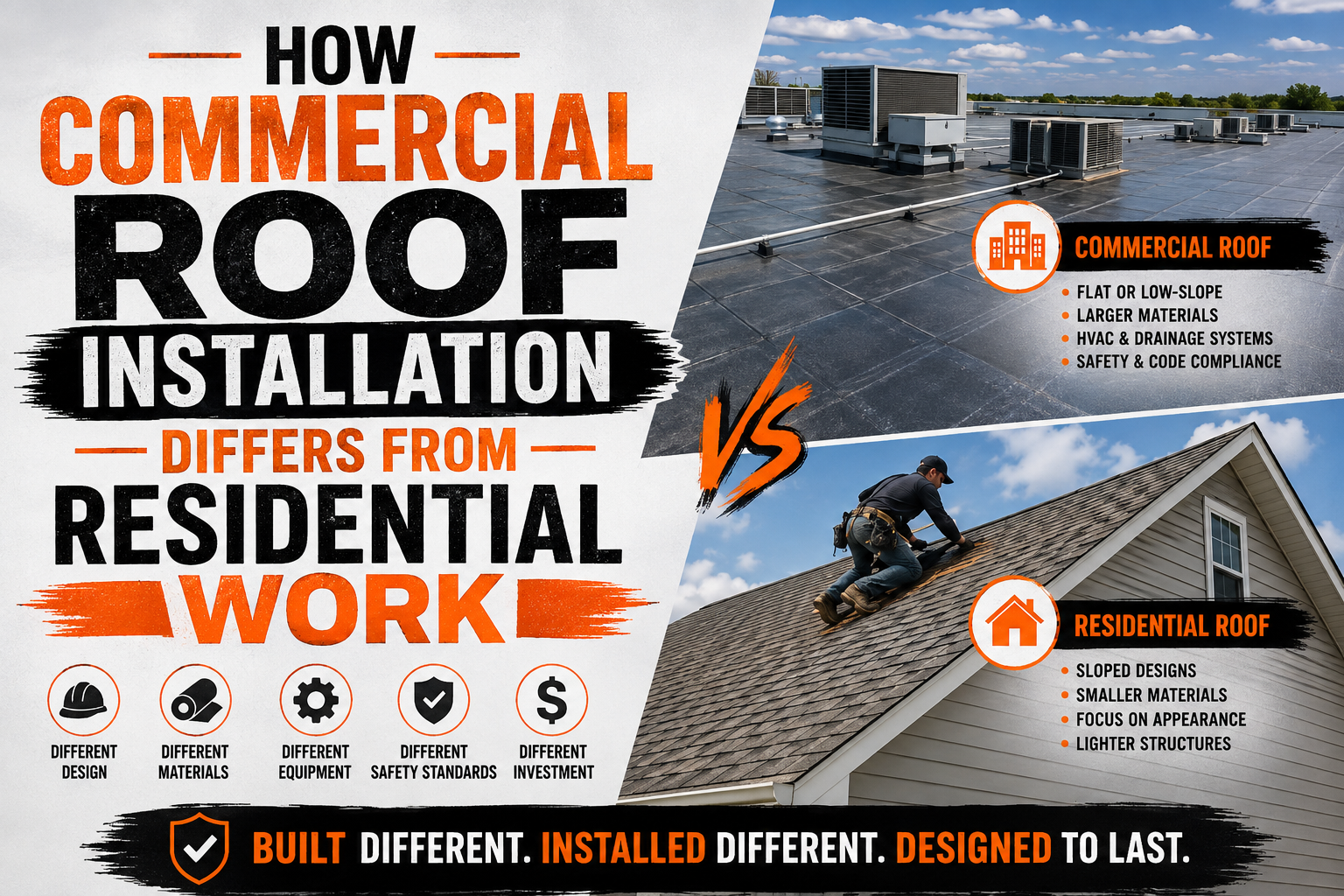
How Commercial Roof Installation Differs From Residential Work
Introduction
Roof installation is an essential part of constructing or renovating any building, but the process varies significantly depending on whether the structure is residential or commercial. Although both types of roofing systems serve the same basic purpose of protecting the building from weather and environmental conditions, the methods, materials, planning, equipment, and installation techniques involved are often very different. Understanding these differences helps property owners make informed decisions when planning a roofing project.
Residential roofing typically focuses on homes designed for families, where appearance, durability, and energy efficiency are important considerations. Commercial roofing, on the other hand, serves offices, warehouses, retail centers, schools, hospitals, manufacturing facilities, and many other types of business properties. These buildings usually have different structural designs and functional requirements that influence every stage of roof installation.
Many homeowners assume that commercial roofing is simply a larger version of residential roofing. In reality, commercial roofing projects require specialized materials, larger work crews, advanced safety planning, and installation methods designed for flat or low slope roofing systems. Residential roofing generally involves steeper roof designs and materials selected to complement the architectural style of the home.
The planning process also differs considerably between these two types of projects. Commercial roof installations often involve architects, engineers, facility managers, and business owners working together to minimize operational disruptions. Residential projects usually require less coordination because the buildings are smaller and the roofing systems are less complex.
Another important difference is the long term purpose of the roofing system. Residential roofs often emphasize curb appeal and property value, while commercial roofs prioritize durability, drainage efficiency, accessibility for maintenance, and the ability to support equipment such as heating and cooling units. These priorities influence both material selection and installation techniques.
This guide explains how commercial roof installation differs from residential work by examining each stage of the process. Understanding these differences helps both homeowners and commercial property owners appreciate why roofing contractors use different approaches for different types of buildings.
Understanding Commercial and Residential Roof Installation
Although every roofing project follows a structured installation process, commercial and residential roofs are designed to meet different functional requirements. These differences begin with the building itself and continue through planning, material selection, installation, maintenance, and long term performance.
Residential roofs are primarily designed to protect families and personal property while enhancing the appearance of the home. They often feature sloped designs that allow rainwater and snow to drain naturally toward gutters. Roofing materials are selected not only for durability but also for their visual appeal and compatibility with the home’s architecture.
Commercial roofs are designed with different priorities. Many commercial buildings have flat or low slope roofs that maximize usable interior space while providing convenient locations for mechanical equipment such as air conditioning units, ventilation systems, and solar panels. Because these roofs experience different drainage patterns, specialized waterproofing systems become essential.
The size of commercial buildings also creates unique challenges. A large warehouse or office building may have thousands of square feet of roof surface, requiring careful planning, specialized equipment, and larger installation crews. Residential projects are generally smaller and can often be completed more quickly.
Building occupancy further distinguishes these projects. Commercial roofing work often occurs while businesses remain open, making safety, noise control, and project scheduling particularly important. Residential roofing typically affects only a single household, allowing greater flexibility during construction.
Despite these differences, both roofing systems rely on professional planning, quality materials, skilled installation, and regular maintenance to provide dependable long term protection.
Why Commercial and Residential Roofing Are Different
The differences between commercial and residential roofing exist because the buildings themselves serve very different purposes. Homes are designed for comfortable living, while commercial buildings must accommodate employees, customers, equipment, inventory, and business operations. These different functions directly influence roofing requirements.
Commercial roofs often support significantly greater weight than residential roofs. Heating and cooling equipment, communication systems, ventilation units, and maintenance walkways may all be located on the roof. As a result, commercial roofing systems are designed to provide greater structural support while maintaining reliable waterproofing.
Residential roofs rarely support heavy mechanical equipment. Instead, they emphasize efficient water drainage, attractive appearance, and compatibility with neighborhood architectural styles. Homeowners frequently select roofing materials based on color, texture, and curb appeal in addition to durability.
Maintenance requirements also differ substantially. Commercial roofs are inspected more frequently because businesses depend on uninterrupted building operations. Regular inspections help identify drainage issues, membrane damage, or equipment related problems before they disrupt business activities.
Budget planning varies as well. Commercial roofing projects often represent major capital investments that require long term financial planning and coordination among multiple decision makers. Residential projects usually involve fewer stakeholders, allowing homeowners to make decisions more quickly.
These functional differences explain why commercial and residential roofing require different installation methods, materials, equipment, and maintenance strategies.
Differences in Roof Design and Structure
Roof design is one of the most noticeable differences between residential and commercial buildings. The overall shape of the roof influences drainage, structural support, installation methods, maintenance procedures, and material selection. Understanding these structural differences helps explain why roofing contractors approach each project differently.
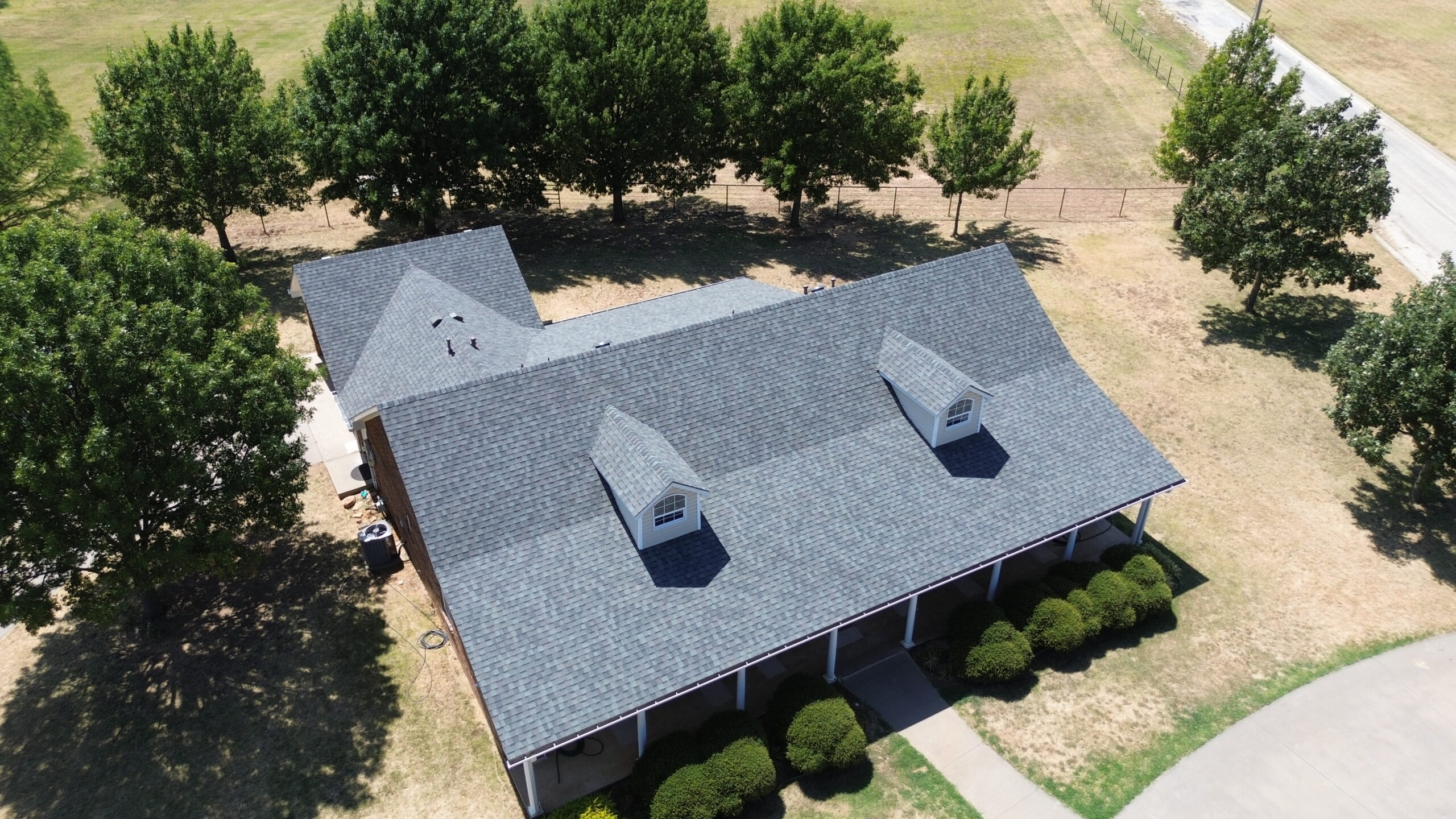
Residential homes commonly feature pitched roofs with noticeable slopes. Gable, hip, gambrel, and mansard roofs are among the most familiar residential designs. These sloped surfaces naturally direct rainwater and snow toward gutters, reducing the need for complex drainage systems.
Commercial buildings more commonly use flat or low slope roofing systems. Although these roofs appear completely flat from the ground, they usually include a slight slope that directs water toward internal drains or scuppers. Proper drainage is especially important because standing water can shorten the lifespan of commercial roofing materials.
Structural framing also differs between the two building types. Residential roofs generally rely on wood framing systems, while commercial buildings often use steel, reinforced concrete, or engineered structural components capable of supporting greater loads.
Roof accessibility is another major distinction. Commercial roofs are designed to accommodate regular maintenance personnel servicing rooftop equipment. Residential roofs are accessed far less frequently and generally require maintenance only for inspections or repairs.
The overall size of commercial roofs also increases installation complexity. Large uninterrupted roof surfaces require careful planning to manage material expansion, drainage, and waterproofing across wide areas.
Roofing Materials Used in Commercial Buildings
Commercial roofing systems rely on specialized materials designed for flat and low slope applications. Unlike residential roofing products that primarily shed water through gravity, commercial materials often create continuous waterproof membranes capable of resisting standing water for extended periods.
Single ply membrane systems are among the most commonly installed commercial roofing materials. These products provide durable waterproof protection while remaining relatively lightweight. Their large sheet format allows contractors to cover extensive roof surfaces efficiently.
Built up roofing systems continue to be used on many commercial buildings because they provide multiple protective layers. These systems combine reinforcing materials with waterproof coatings to create durable roofing assemblies capable of handling demanding environmental conditions.
Modified bitumen roofing offers another popular option for commercial buildings. Its flexibility and weather resistance make it suitable for a variety of climates while providing reliable waterproof performance.
Spray applied roofing systems and liquid waterproof membranes are also used in certain commercial applications. These systems create seamless protective surfaces that conform to complex roof shapes while minimizing the number of joints where leaks might develop.
Commercial property owners typically select roofing materials based on expected lifespan, maintenance requirements, energy efficiency, and compatibility with rooftop equipment rather than appearance alone.
Roofing Materials Used in Residential Homes
Residential roofing materials differ considerably because homeowners often balance appearance with durability and budget considerations. Since residential roofs are highly visible, aesthetic appeal plays a much larger role in material selection than it typically does for commercial buildings.
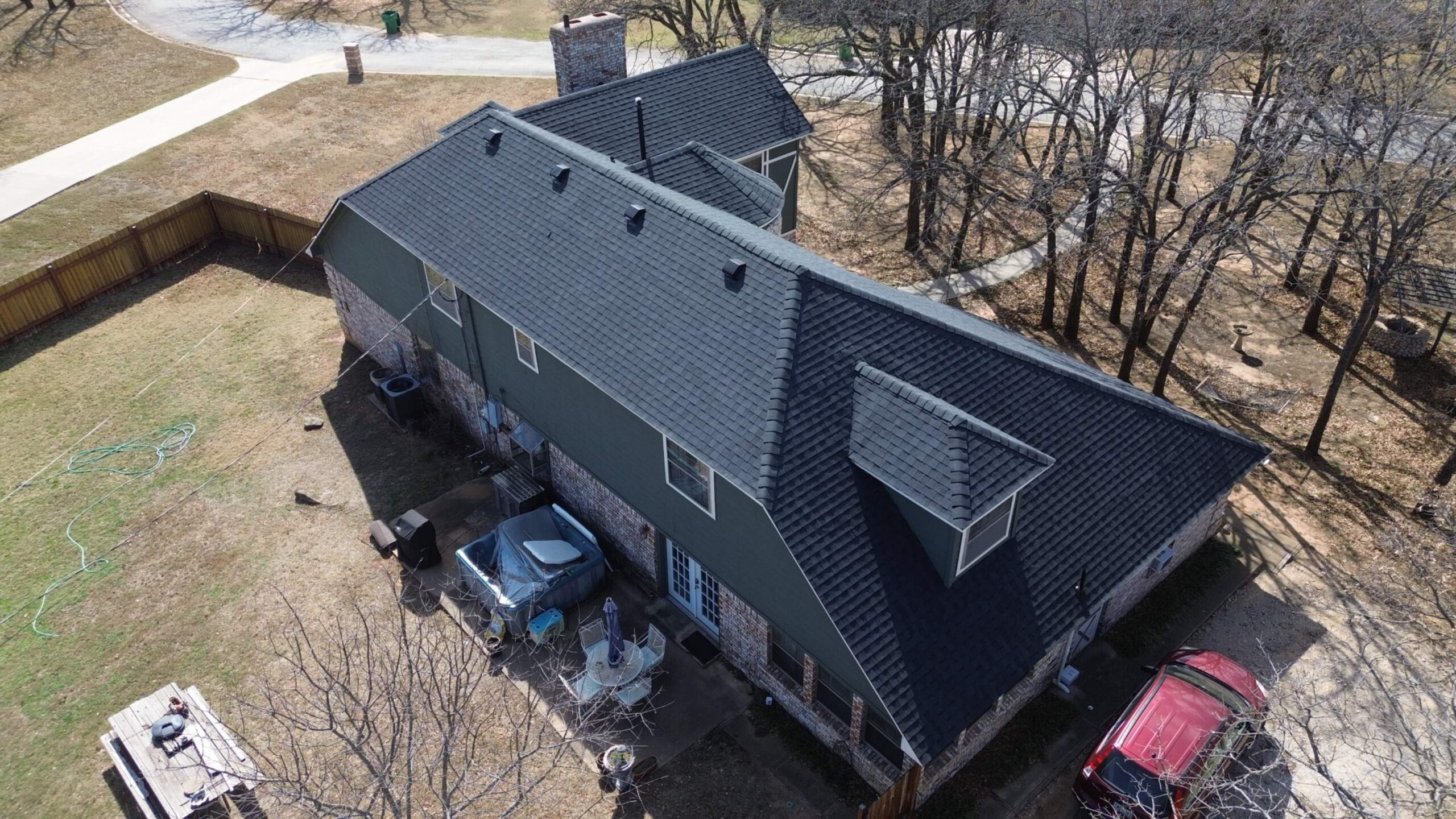
Asphalt shingles remain the most common residential roofing material because they provide dependable protection at an affordable cost. Available in numerous colors and architectural styles, they complement many different home designs while offering relatively simple installation.
Metal roofing has become increasingly popular among homeowners seeking exceptional durability and energy efficiency. Modern metal roofing products are available in styles that resemble traditional shingles while offering significantly longer service lives.
Clay and concrete tiles are frequently selected for homes with Mediterranean or Spanish inspired architecture. Their distinctive appearance and impressive longevity make them attractive despite their higher installation costs and structural requirements.
Natural slate provides one of the longest lasting residential roofing options available. Although it requires skilled installation and significant structural support, slate offers outstanding durability and timeless appearance.
Wood shakes and synthetic roofing products provide additional choices for homeowners seeking unique architectural styles. Material selection depends on climate, maintenance expectations, budget, and neighborhood design preferences.
Installation Planning and Project Scope
Planning is essential for every roofing project, but commercial installations generally require much more extensive coordination than residential work. Larger buildings, more complex roofing systems, and ongoing business operations all contribute to expanded project planning requirements.
Commercial roofing projects often involve architects, engineers, facility managers, insurance representatives, and business owners. Each participant contributes specialized knowledge that helps ensure the completed roofing system meets structural, operational, and regulatory requirements.
Project scheduling is particularly important for commercial properties. Contractors frequently organize installation in phases so businesses can continue operating while roofing work progresses. Deliveries, equipment placement, and worker access are carefully coordinated to minimize disruption.
Residential roofing projects typically involve fewer participants. Homeowners work directly with the roofing contractor to select materials, approve estimates, schedule construction, and prepare the property before installation begins.
Material ordering also differs significantly. Commercial roofing projects often require large quantities of specialized products delivered according to carefully planned schedules. Residential projects generally involve smaller material deliveries that can be managed more easily.
Although planning requirements differ, both commercial and residential projects benefit from detailed preparation that reduces delays while maintaining installation quality.
Equipment and Workforce Requirements
The equipment and workforce used during commercial roof installation differ considerably from those used on residential projects. Larger buildings, heavier materials, and more complex roofing systems require specialized machinery and larger crews to complete the work efficiently.
Commercial roofing contractors frequently use cranes, material lifts, forklifts, and mechanical hoists to transport roofing materials onto large buildings. These machines improve efficiency while reducing the physical demands placed on workers handling heavy materials across expansive roof surfaces.
Residential roofing projects generally require less specialized equipment. Ladders, scaffolding, roofing lifts, and hand tools provide sufficient access for most homes. Because residential roofing materials are often lighter and projects are smaller, crews can complete much of the work without heavy machinery.
Crew size also varies significantly. Commercial projects may involve multiple specialized teams working simultaneously on insulation, waterproofing, flashing, drainage, and quality control. Residential roofing crews are usually smaller because the installation process is less extensive.
Supervisors play an important role on both types of projects by coordinating daily activities, monitoring quality, and maintaining safety standards. However, commercial supervisors often manage more workers and coordinate with multiple subcontractors throughout the installation.
These differences in equipment and workforce reflect the greater scale and complexity of commercial roofing compared to residential construction.
Safety Standards and Site Management
Safety is a priority for every roofing project, but commercial roof installation generally involves more extensive safety planning because of larger crews, greater building heights, and ongoing business activities. Contractors establish detailed safety procedures before work begins to protect workers, building occupants, and visitors.
Commercial roofing sites often include designated access routes, restricted work zones, equipment staging areas, and clearly marked safety barriers. These measures help separate construction activities from normal business operations while reducing potential hazards.
Daily safety meetings are common on commercial projects. Supervisors review weather conditions, equipment inspections, fall protection systems, emergency procedures, and planned work activities before crews begin each day. This ongoing communication helps maintain consistent safety standards.
Residential roofing also requires strict safety procedures, including harnesses, ladder inspections, and fall protection. However, smaller work areas and fewer workers generally make site management less complex than on commercial projects.
Weather monitoring is important for both project types. Contractors postpone work during heavy rain, strong winds, or lightning to protect workers while preserving installation quality. Careful planning allows projects to resume safely once conditions improve.
Effective safety management not only protects people but also contributes to smoother project completion by reducing interruptions caused by preventable accidents.
Preparing the Roof Before Installation
Before installing a new roofing system, contractors prepare the existing roof to ensure the structure is ready for construction. Although this preparation follows similar principles for both commercial and residential projects, the methods often differ because of building size and roof design.
Commercial roof preparation typically begins with a detailed structural assessment. Engineers or roofing specialists evaluate the existing roof deck, drainage systems, insulation, and supporting framework before determining whether repairs are necessary. Larger buildings require particularly thorough inspections because structural issues may affect extensive portions of the roof.
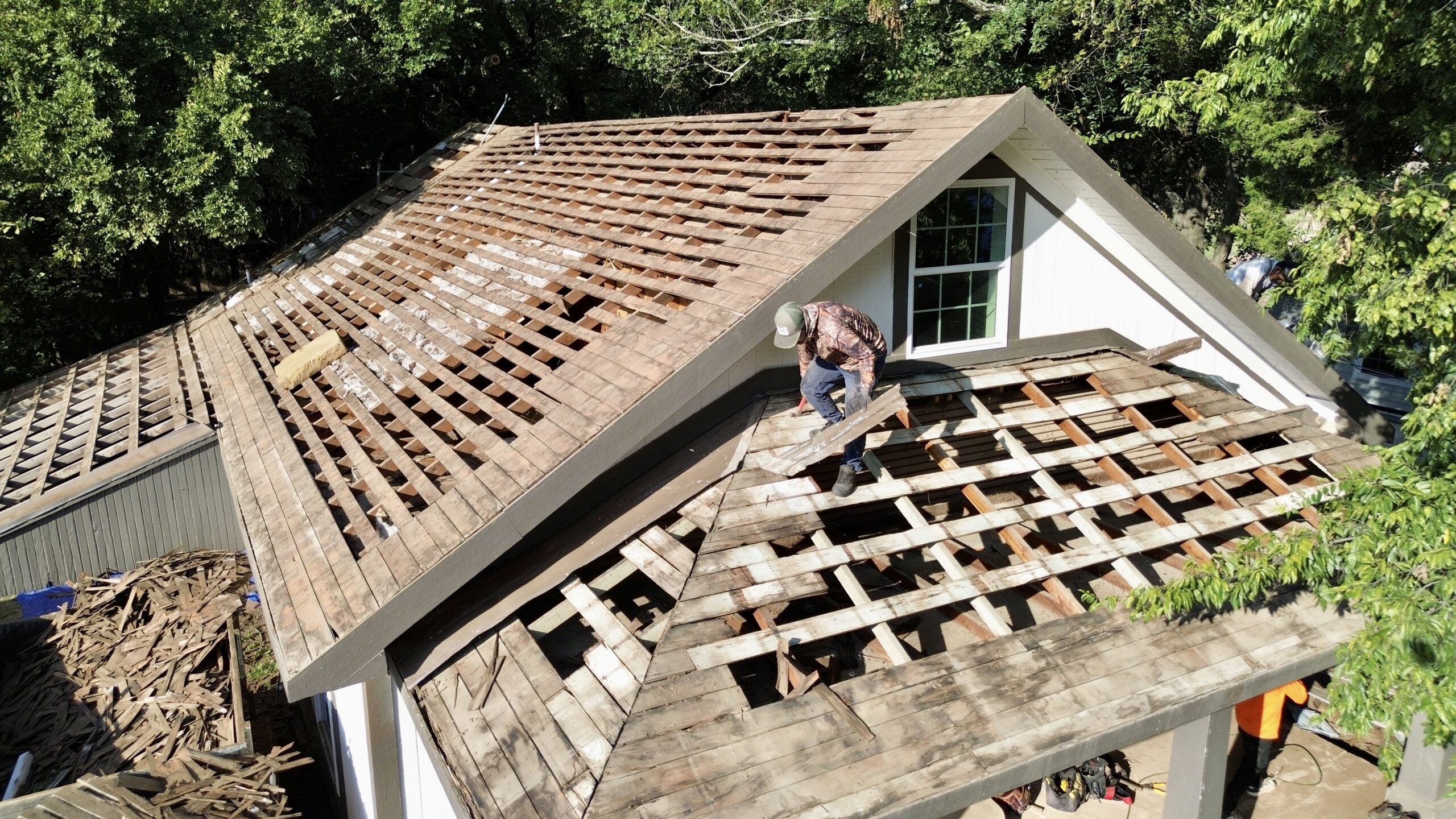
Residential preparation usually includes removing existing shingles, inspecting the roof deck, replacing damaged wood, and preparing the surface for moisture protection. Contractors also verify that ventilation systems remain functional before installing new roofing materials.
Commercial buildings may require additional preparation for rooftop equipment. Heating and cooling units, electrical systems, solar panels, and communication equipment often remain in place during installation, requiring contractors to work carefully around these components.
Both commercial and residential projects also include organizing materials, positioning equipment, and establishing safe access before installation begins. Thorough preparation creates a strong foundation for every remaining stage of the roofing project.
At this point, the installation process is ready to move beyond planning and preparation into the specific workflows used for commercial and residential roofing systems. Understanding these installation methods highlights the practical differences between the two approaches and explains why specialized expertise is required for each type of roofing project.
Commercial Roof Installation Process
Commercial roof installation follows a structured workflow designed to accommodate large roof surfaces, specialized materials, and the operational needs of the building. Although the exact process varies depending on the roofing system selected, contractors generally follow a consistent sequence that emphasizes structural integrity, waterproofing, and long term durability.
The project usually begins with preparing the existing roof surface. If an older roofing system is being replaced, contractors remove worn materials while inspecting the roof deck for signs of moisture damage or structural deterioration. Any damaged sections are repaired before the new roofing system is installed.
Once the roof deck has been prepared, insulation boards are installed where required. Commercial insulation is often designed to improve energy efficiency while creating the slight slope needed for proper drainage on flat roofs. Contractors carefully position these boards to create a stable foundation for the waterproof membrane.
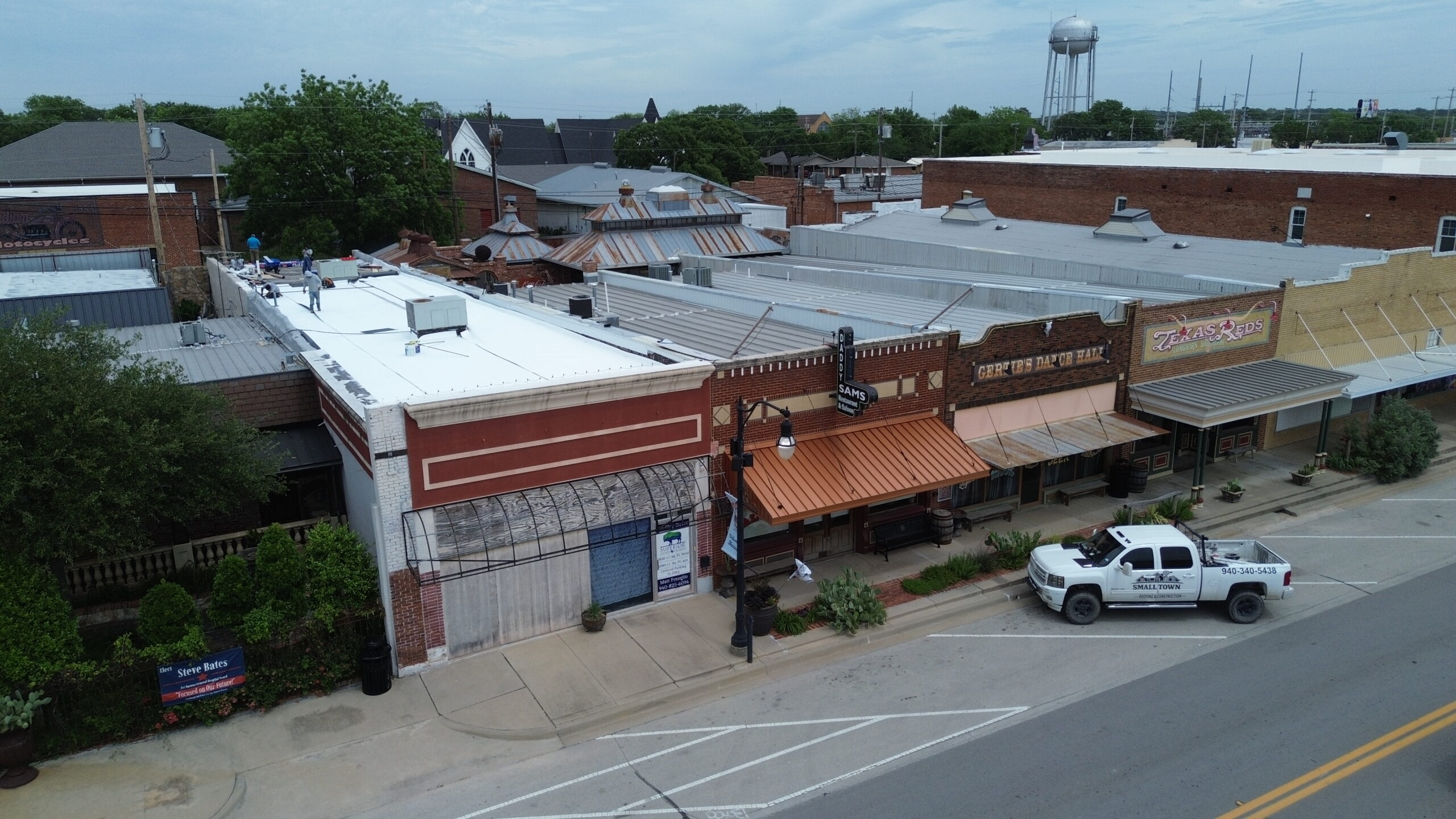
After insulation is complete, the waterproof roofing membrane is installed. Depending on the selected system, the membrane may be mechanically fastened, adhered with specialized adhesives, or heat welded at the seams. Every connection is inspected carefully because the waterproof membrane serves as the primary defense against moisture intrusion.
Flashing is then installed around roof edges, drains, equipment supports, skylights, and other penetrations. These details require precise workmanship because improperly sealed joints are among the most common sources of commercial roof leaks.
The installation concludes with comprehensive inspections, seam testing when required, drainage verification, and cleanup. Because commercial roofing systems often protect valuable business assets, quality control remains a priority throughout every stage of construction.
Residential Roof Installation Process
Residential roof installation follows a different workflow because sloped roofing systems shed water naturally rather than relying primarily on waterproof membranes. Although careful planning remains essential, the materials and installation methods differ considerably from those used on commercial buildings.
The process begins by removing existing shingles, flashing, underlayment, and roofing accessories. Once the roof deck has been exposed, contractors inspect the wooden structure for water damage, loose fasteners, or deteriorated sections that require replacement.
After repairs have been completed, moisture protection is installed across the roof deck. Underlayment provides a secondary waterproof barrier beneath the finished roofing material, while specialized ice and water protection may be added around valleys, roof edges, and other vulnerable areas.
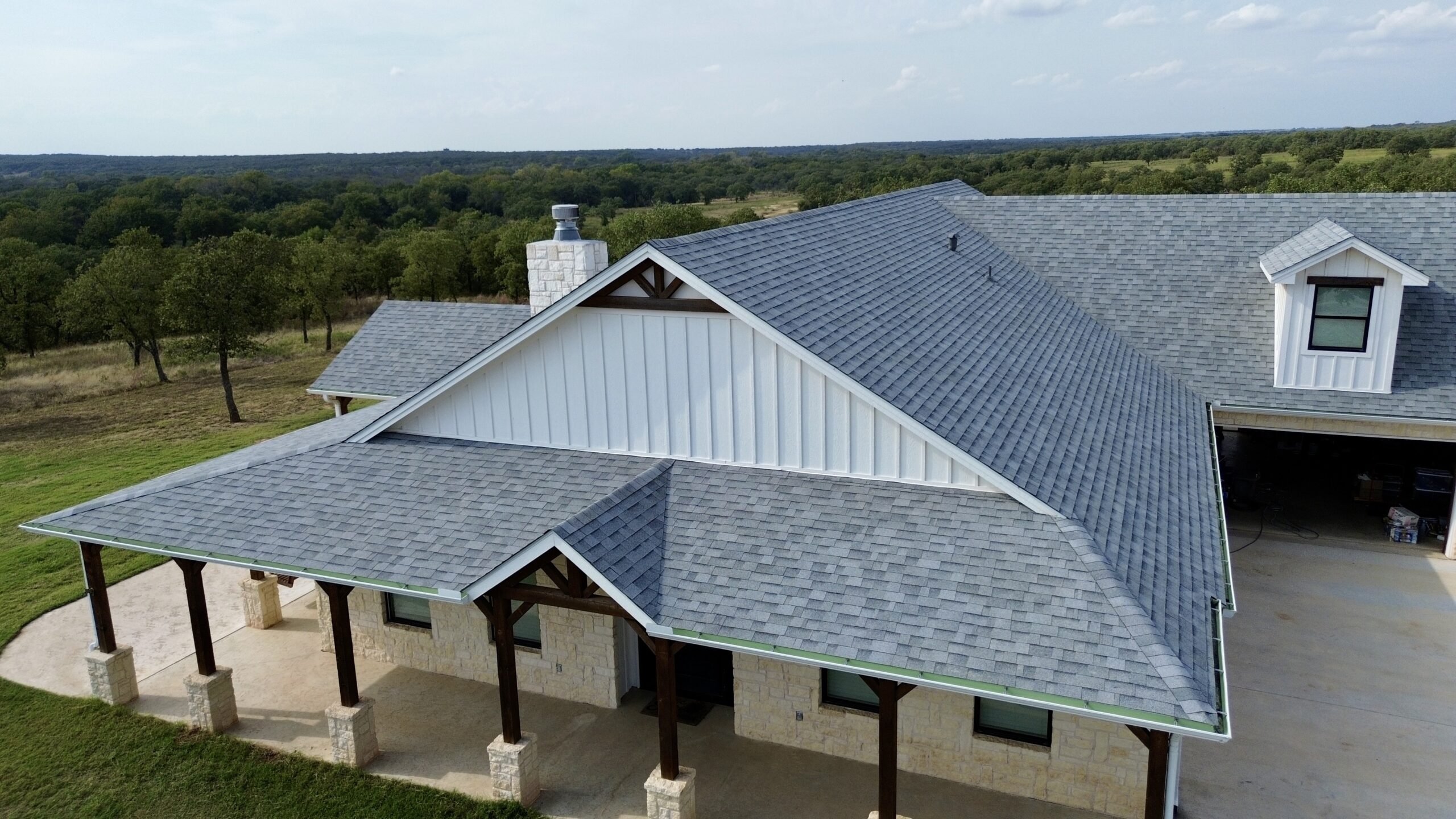
Roofing materials are installed beginning at the lowest edge of the roof and progressing upward toward the ridge. Each row overlaps the previous one, allowing rainwater to flow naturally toward the gutters. This layered design creates an effective weather resistant barrier while maintaining a clean and consistent appearance.
Flashing is carefully integrated around chimneys, skylights, plumbing vents, and roof valleys before ridge caps complete the installation. Contractors then inspect the finished roof, clean the property, and provide homeowners with warranty documentation and maintenance recommendations.
Although residential installation is generally less complex than commercial roofing, it still requires skilled craftsmanship to ensure long term performance.
Waterproofing and Drainage Differences
One of the greatest differences between commercial and residential roofing involves how each roofing system manages water. Because commercial roofs usually have very little slope, they depend heavily on waterproof membranes and carefully engineered drainage systems. Residential roofs rely more on gravity and overlapping roofing materials to move water away from the home.
Commercial roofing systems are designed to resist standing water for short periods without allowing moisture to penetrate the building. High quality waterproof membranes, sealed seams, and reinforced flashing create a continuous protective surface across the roof. Even small installation errors can compromise the waterproofing system, making precision especially important.
Drainage on commercial roofs typically occurs through internal drains, scuppers, or specially designed drainage channels. Contractors calculate roof slope carefully to encourage water movement toward these drainage points while minimizing ponding after rainfall.
Residential roofs naturally shed water because of their steeper slopes. Asphalt shingles, metal panels, tiles, and other roofing materials overlap in layers that direct water downward toward gutters. Proper installation ensures rainwater flows efficiently without reaching the roof deck beneath.
Although both roofing systems prioritize moisture protection, commercial roofs emphasize waterproof membranes while residential roofs depend primarily on overlapping roofing materials and gravity assisted drainage.
Roof Insulation Requirements
Insulation plays an important role in both commercial and residential roofing systems, but the objectives and installation methods often differ because of building design and occupancy requirements. Proper insulation improves energy efficiency while contributing to indoor comfort and long term roof performance.
Commercial buildings frequently require thicker insulation systems because of their large roof surfaces and significant heating and cooling demands. Insulation boards are commonly installed above the structural roof deck, creating continuous thermal protection while supporting the waterproof roofing membrane.
Many commercial insulation systems also contribute to roof drainage by creating a slight slope across otherwise flat roof surfaces. Tapered insulation panels direct water toward drains without requiring major structural changes to the building itself.
Residential homes usually rely on attic insulation positioned below the roof deck rather than above it. Combined with proper ventilation, attic insulation helps regulate indoor temperatures while reducing heat transfer through the roof.
Some residential roofing projects include insulation upgrades if moisture damage or inadequate energy performance is discovered during construction. Improving insulation during roof replacement is often more practical than completing the work separately later.
Although insulation systems differ, both commercial and residential buildings benefit from improved energy efficiency, lower utility costs, and greater indoor comfort when insulation is installed correctly.
Installation Timeline Comparison
The overall installation timeline differs significantly between commercial and residential roofing because of differences in project size, building complexity, and operational requirements. Understanding these timeline differences helps property owners develop realistic expectations before construction begins.
Most residential roofing projects are completed within several days under favorable weather conditions. Smaller roof areas, simpler layouts, and readily available materials allow contractors to progress efficiently through each stage of installation. Weather delays or structural repairs may extend the schedule, but residential projects generally move relatively quickly.
Commercial roofing projects often require several weeks or even months depending on building size and roofing system complexity. Large roof surfaces, specialized materials, multiple inspections, and coordination with business operations all contribute to longer project durations.
Business continuity also affects commercial scheduling. Contractors frequently divide projects into phases so portions of the building remain operational while roofing work continues elsewhere. This careful coordination reduces disruption while extending the overall timeline.
Material delivery schedules further distinguish the two project types. Residential materials are usually delivered shortly before installation begins, while commercial projects often receive multiple deliveries throughout construction because of the large volume of materials involved.
Although commercial projects require more time, detailed planning helps maintain steady progress while ensuring installation quality remains consistently high.
Maintenance Requirements After Installation
Roof maintenance is essential for maximizing the lifespan of both commercial and residential roofing systems. However, the frequency, methods, and priorities differ because of the unique characteristics of each roof type.
Commercial roofs generally require regular professional inspections throughout the year. Maintenance personnel inspect drainage systems, waterproof membranes, flashing, rooftop equipment, and expansion joints for signs of wear or damage. Frequent inspections help identify small issues before they interrupt business operations.
Cleaning debris from roof drains is particularly important on commercial buildings because blocked drainage can lead to standing water that shortens the life of the roofing membrane. Contractors also monitor rooftop equipment to ensure maintenance activities do not damage the roof surface.
Residential maintenance is generally less intensive. Homeowners are encouraged to inspect the roof visually after major storms, clean gutters regularly, trim overhanging tree branches, and schedule periodic professional inspections. These simple tasks help extend the roof’s lifespan while reducing repair costs.
Repairs also differ between the two systems. Commercial membrane repairs often require specialized techniques to restore waterproof integrity, while residential repairs typically involve replacing damaged shingles, flashing, or ridge caps.
Consistent maintenance benefits both roofing systems by preserving structural integrity, maintaining warranty coverage, and reducing the likelihood of expensive future repairs.
Cost Differences Between Commercial and Residential Roofing
Commercial and residential roofing projects differ substantially in overall cost because of variations in building size, materials, labor requirements, equipment, and installation complexity. Although commercial roofs often have lower material costs per square foot for certain membrane systems, their larger size usually results in significantly higher total project costs.
Commercial roofing requires specialized equipment, larger work crews, engineered insulation systems, and advanced waterproofing methods. These additional requirements increase labor expenses while extending project duration. Large buildings also require greater quantities of materials, contributing to higher overall budgets.
Residential roofing costs are influenced more heavily by roof pitch, architectural complexity, and material selection. Premium materials such as slate, clay tiles, or metal roofing increase project costs, while asphalt shingles generally remain the most economical residential option.
Maintenance costs also differ over time. Commercial roofs often require more frequent inspections and preventive maintenance because of rooftop equipment and drainage systems. Residential roofs usually require less frequent professional attention but may need occasional repairs following severe weather.
Warranty coverage represents another important consideration. Commercial roofing warranties often include detailed maintenance requirements, while residential warranties generally focus on material performance and workmanship quality.
Understanding these cost differences helps property owners budget appropriately while recognizing the long term value of professional installation and regular maintenance.
Common Challenges Faced During Installation
Every roofing project presents challenges, but commercial and residential contractors encounter different obstacles depending on the building type and roofing system. Successfully managing these challenges requires careful planning, skilled workmanship, and effective communication throughout construction.
Weather affects both commercial and residential installations because rain, strong winds, and extreme temperatures influence worker safety and material performance. Contractors monitor forecasts closely and adjust schedules whenever conditions become unsuitable.
Commercial roofing projects frequently involve coordinating construction around active business operations. Maintaining safe access for employees, customers, and deliveries while roofing work continues requires detailed planning and continuous communication.
Large roof surfaces also create logistical challenges. Transporting materials, organizing equipment, and maintaining consistent installation quality across thousands of square feet demand experienced project management and well coordinated crews.
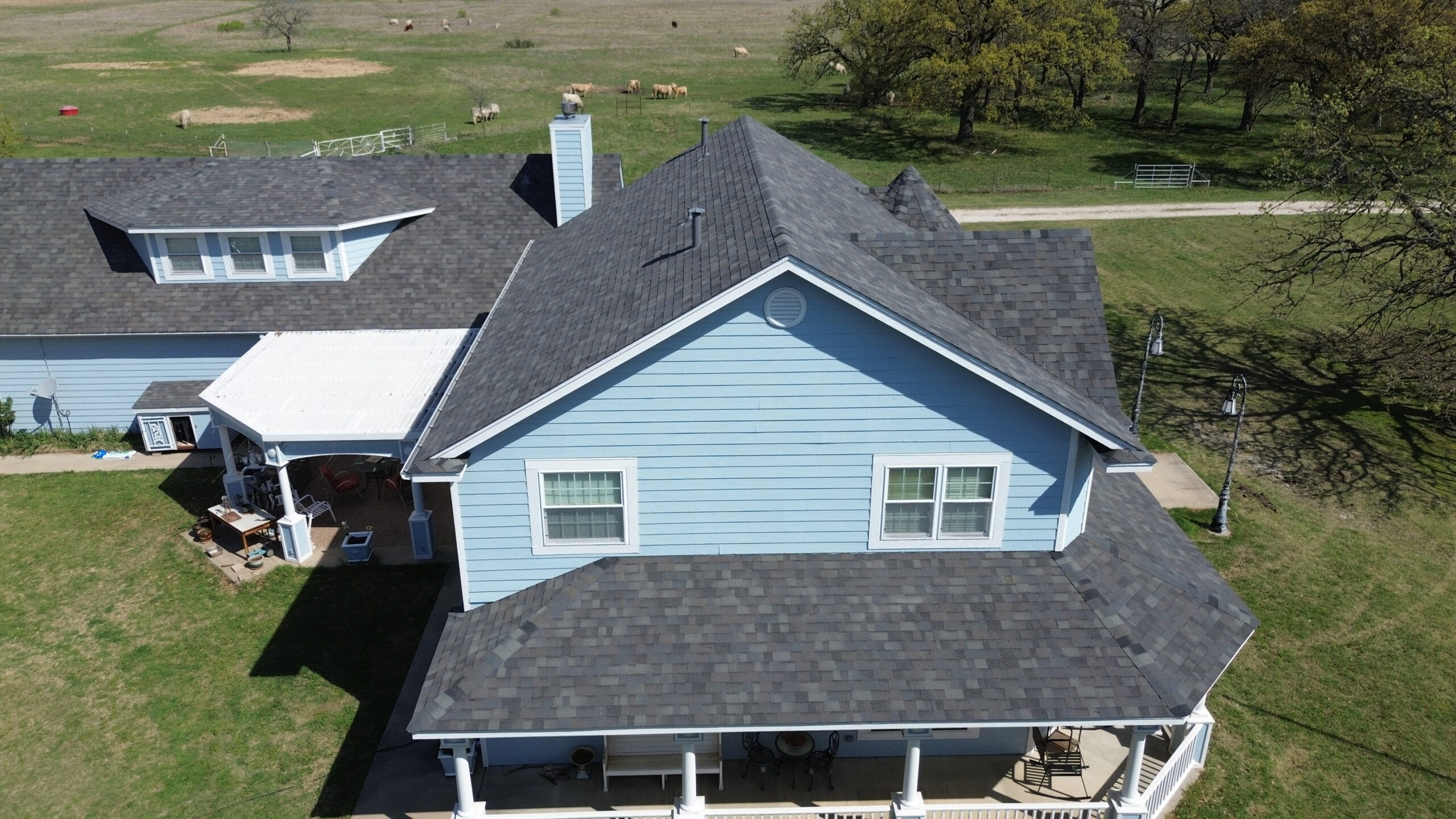
Residential projects often present different challenges related to steep roof slopes, landscaping protection, limited property access, and architectural complexity. Chimneys, skylights, dormers, and intersecting roof sections require additional craftsmanship to ensure reliable waterproofing.
Unexpected structural damage can affect both project types. Water damaged decking, deteriorated framing, or hidden moisture problems sometimes become visible only after the existing roof has been removed. Contractors address these issues before continuing installation to ensure the new roofing system has a solid foundation.
By understanding these common challenges, property owners gain a clearer appreciation of the planning and expertise required to complete successful roofing projects. Whether the building is residential or commercial, careful preparation and professional workmanship remain the keys to achieving durable, long lasting results.
Choosing the Right Roofing System for Different Buildings
Selecting the right roofing system is one of the most important decisions a property owner can make. The ideal roof depends on the building’s purpose, structural design, climate, maintenance expectations, and long term budget. Because commercial and residential buildings have different requirements, the roofing system that performs well on one type of property may not be suitable for the other.
Residential homeowners usually prioritize appearance alongside durability. The roof is a highly visible part of the home’s exterior and contributes significantly to curb appeal. Materials such as asphalt shingles, metal roofing, clay tiles, and slate are often selected because they complement architectural styles while providing dependable weather protection.
Commercial property owners generally focus on performance, longevity, and operational efficiency. Flat and low slope roofing systems must provide excellent waterproofing while supporting rooftop equipment and allowing maintenance personnel to access the roof safely. Long term operating costs often receive greater attention than decorative appearance.
Climate also influences roofing selection. Areas with heavy snowfall may require roofing systems designed to manage snow loads effectively, while regions with frequent rainfall demand reliable drainage and waterproofing. Buildings located in hot climates often benefit from reflective roofing materials that improve energy efficiency by reducing heat absorption.
Future maintenance should also be considered before selecting a roofing system. Some materials require periodic inspections and repairs, while others provide decades of dependable performance with relatively little maintenance. Choosing a roofing system that aligns with the owner’s maintenance expectations helps maximize long term value.
Consulting experienced roofing professionals allows property owners to compare different options based on structural requirements, budget, local weather conditions, and expected building use. Careful planning at this stage contributes to better long term performance.
Commercial vs Residential Roof Installation Comparison Table
Although commercial and residential roofing projects share the same goal of protecting a building, the installation process differs in many important ways. The following table summarizes the major distinctions between the two roofing systems.
| Feature | Commercial Roof Installation | Residential Roof Installation |
|---|---|---|
| Typical roof design | Flat or low slope | Steep or pitched |
| Primary roofing materials | Membrane systems, modified bitumen, built up roofing | Asphalt shingles, metal, tile, slate |
| Main drainage method | Internal drains and scuppers | Gutters and downspouts |
| Structural support | Steel, reinforced concrete, engineered systems | Wood framing and roof trusses |
| Installation crew size | Large specialized crews | Smaller roofing teams |
| Equipment used | Cranes, forklifts, material lifts | Ladders, roofing lifts, scaffolding |
| Waterproofing approach | Continuous waterproof membranes | Layered roofing materials and underlayment |
| Maintenance frequency | Regular scheduled inspections | Periodic homeowner inspections |
| Project duration | Weeks or months | Usually several days |
| Primary priority | Performance and durability | Protection, appearance, and value |
This comparison highlights why roofing contractors use different installation methods depending on the building type. Understanding these differences helps property owners choose contractors with the appropriate experience for their specific project.
Common Mistakes to Avoid During Roof Installation
Whether the project involves a commercial facility or a residential home, avoiding common installation mistakes helps improve roof performance and reduces future maintenance costs. Many roofing problems develop because important details were overlooked during construction rather than because the roofing materials themselves failed.
Some of the most common mistakes include:
- Selecting a roofing system that is not appropriate for the building.
- Hiring contractors without experience in the specific type of roofing project.
- Ignoring drainage requirements during roof design.
- Using incompatible roofing materials and flashing components.
- Installing roofing materials without repairing damaged structural sections.
- Overlooking proper ventilation or insulation requirements.
- Delaying maintenance after installation has been completed.
Another frequent mistake is focusing entirely on the lowest installation price. Lower estimates sometimes exclude important components such as waterproofing upgrades, flashing replacement, drainage improvements, or warranty coverage. Comparing the complete scope of work provides a more accurate understanding of overall value.
Poor communication can also create unnecessary problems during roofing projects. Property owners should discuss timelines, material selections, inspection schedules, and potential structural repairs before construction begins. Clear expectations help reduce misunderstandings while keeping the project organized.
Preventing these mistakes requires careful planning, qualified contractors, and ongoing quality inspections throughout the installation process. Attention to detail during construction contributes significantly to the roof’s long term durability.
Property Owner Preparation Checklist
Proper preparation before roof installation helps both contractors and property owners complete the project more efficiently. Although commercial and residential buildings have different requirements, several important preparation steps apply to nearly every roofing project.
Before installation begins, property owners should complete the following checklist:
- Review the roofing contract carefully.
- Confirm the selected roofing materials and warranty coverage.
- Verify permits and required inspections have been arranged.
- Discuss the expected project timeline with the contractor.
- Prepare the property for material deliveries and equipment access.
- Identify any special concerns related to landscaping or building operations.
- Establish communication procedures for project updates.
- Schedule the final walkthrough after construction is complete.
Commercial property owners may also need to coordinate with employees, tenants, suppliers, or customers regarding temporary changes to parking, entrances, or building access. Advance planning helps reduce disruptions during construction.
Residential homeowners should move vehicles away from work areas, secure outdoor furniture, and protect valuable items stored in the attic. These simple preparations improve safety while making the installation process more efficient.
Completing this checklist before work begins helps create a smoother roofing experience while allowing contractors to focus on installation quality.
Long Term Performance and Maintenance Considerations
Installing a roof is only the beginning of its service life. Long term performance depends heavily on regular inspections, preventive maintenance, and timely repairs whenever problems develop. Both commercial and residential roofing systems benefit from consistent care, although maintenance practices differ according to roof design.
Commercial roofs typically follow scheduled maintenance programs. Facility managers often arrange professional inspections several times each year to examine drainage systems, flashing, rooftop equipment, waterproof membranes, and expansion joints. These inspections help identify developing problems before they interrupt business operations.
Residential maintenance is generally simpler but remains equally important. Homeowners should inspect their roofs after severe storms, clean gutters regularly, remove debris, and watch for signs of damaged shingles or flashing. Periodic professional inspections provide additional assurance that the roof remains in good condition.
Drainage maintenance deserves particular attention. Blocked drains on commercial roofs can lead to standing water, while clogged residential gutters may cause water to back up beneath roofing materials. Keeping drainage systems clean helps protect both roof types from unnecessary moisture damage.
Small repairs should never be postponed. Replacing damaged flashing, sealing minor leaks, or repairing loose roofing materials early often prevents much larger structural problems later. Routine maintenance extends roof lifespan while preserving warranty coverage.
Whether the property is residential or commercial, a proactive maintenance approach almost always costs less than waiting until major repairs become necessary.
Frequently Asked Questions
Property owners often ask similar questions when comparing commercial and residential roof installation. Understanding these common concerns helps clarify why different roofing methods are used for different types of buildings.
Why are most commercial roofs flat while residential roofs are sloped?
Commercial buildings often use flat or low slope roofs to maximize usable interior space and provide room for rooftop equipment. Residential homes generally use sloped roofs because they shed rain and snow efficiently while enhancing architectural appearance.
Can residential roofing materials be used on commercial buildings?
In most cases, no. Residential roofing products are designed primarily for sloped roofs, while commercial buildings require specialized waterproof membranes capable of protecting flat or low slope surfaces.
Which type of roof usually lasts longer?
The lifespan depends more on material quality, installation workmanship, maintenance, and environmental conditions than on whether the roof is commercial or residential. Both systems can provide decades of reliable performance when properly installed and maintained.
Why do commercial roofing projects take longer?
Commercial buildings typically have much larger roof areas, more complex waterproofing systems, rooftop equipment, and additional inspections. Contractors may also divide projects into phases so businesses can continue operating during construction.
Is commercial roofing more expensive than residential roofing?
Commercial roofing projects generally have higher total costs because of their size, specialized materials, equipment, and labor requirements. However, the cost per square foot varies depending on the roofing system selected and the complexity of the building.
Conclusion
Although commercial and residential roof installation share the common objective of protecting a building from the elements, they differ in nearly every aspect of planning, design, materials, installation, maintenance, and long term performance. Residential roofing emphasizes architectural appearance, efficient water shedding, and homeowner value, while commercial roofing focuses on waterproofing, structural performance, rooftop accessibility, and operational reliability.
These differences influence every stage of the installation process. Commercial projects require larger work crews, specialized equipment, advanced waterproofing systems, detailed project coordination, and ongoing maintenance programs. Residential roofing projects are generally smaller in scale but still demand skilled craftsmanship, careful planning, and attention to detail to ensure dependable protection for the home.
Understanding these distinctions helps property owners choose the right roofing materials, contractors, and maintenance strategies for their specific building. Rather than assuming one roofing approach fits every structure, recognizing the unique requirements of commercial and residential properties leads to better decision making and more successful projects.
Ultimately, the quality of any roofing project depends on proper planning, experienced installation, high quality materials, and consistent maintenance after construction is complete. Whether protecting a family home or a large commercial facility, a professionally installed roof is a long term investment that enhances safety, energy efficiency, property value, and structural reliability for many years to come.