
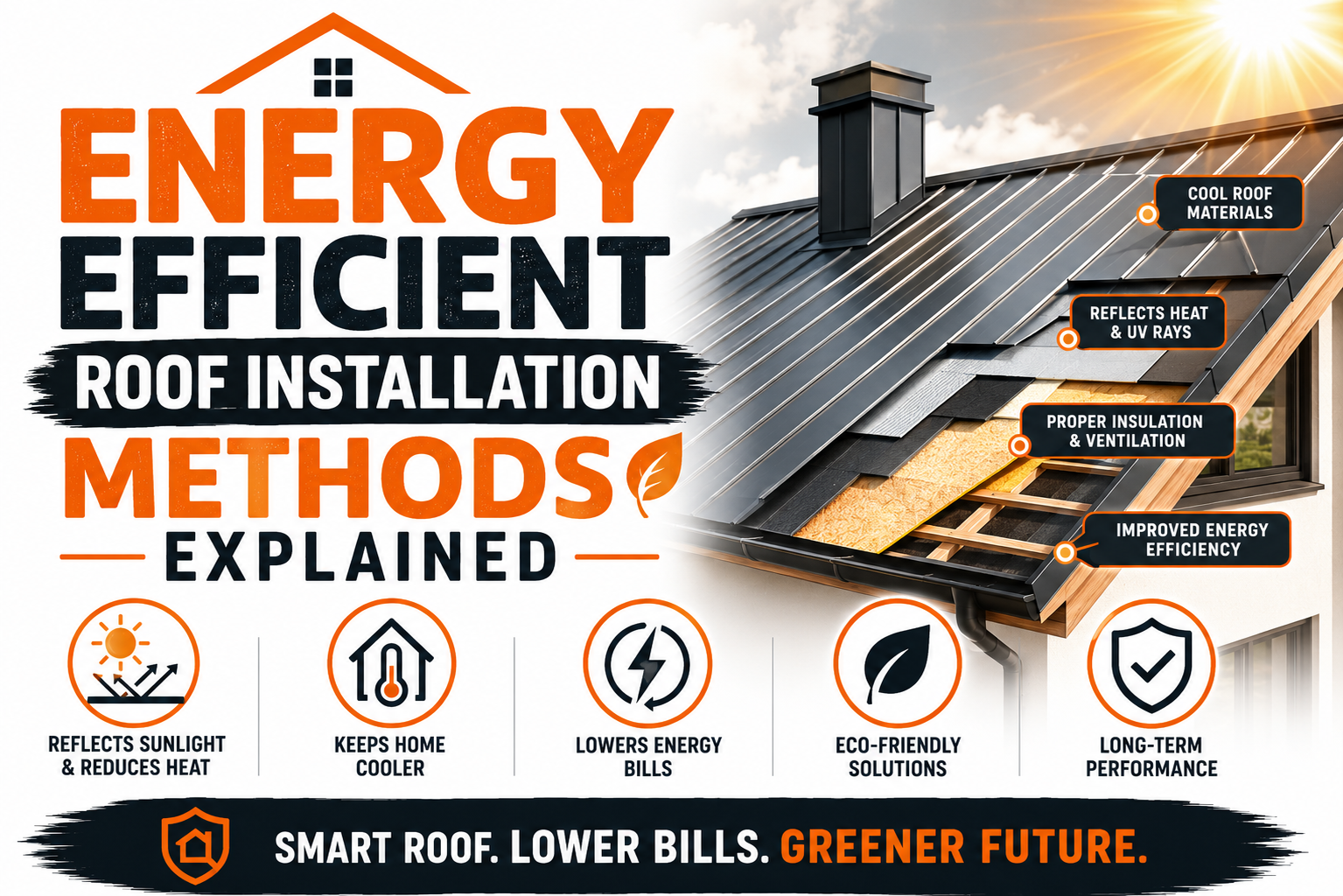
Energy Efficient Roof Installation Methods Explained
Introduction
Energy efficiency has become an important consideration when planning a new roof installation or replacing an existing roofing system. A roof does more than protect a building from rain, wind, and sunlight because it also affects how much heat enters or escapes through the upper part of the structure. When roofing materials and installation methods are selected carefully, the roof can help maintain more stable indoor temperatures and reduce the demand placed on heating and cooling equipment.
An energy-efficient roof is not created by using one special material alone. Its performance depends on the interaction between the roof covering, insulation, ventilation, underlayment, air sealing, roof deck, and building design. Installation quality is equally important because gaps, poorly fitted materials, inadequate ventilation, or incorrectly installed insulation can reduce the expected benefits of an otherwise efficient roofing system.
Climate is another important factor when selecting energy-efficient roofing methods. Buildings in hot regions may benefit from reflective surfaces that reduce solar heat absorption, while buildings in colder regions may require greater attention to insulation and heat retention. Mixed climates require a balanced approach that addresses both summer heat and winter heat loss.
Understanding these principles allows property owners to make informed roofing decisions. By combining appropriate materials with proper installation techniques, a roof can contribute to indoor comfort, energy conservation, and long-term building performance.
Understanding Energy-Efficient Roofing
Energy-efficient roofing refers to roofing systems designed to reduce unnecessary heat transfer between the building interior and the outdoor environment. During hot weather, an efficient roof can limit the amount of solar heat entering the building. During colder periods, insulation and air control measures can help reduce the amount of conditioned heat escaping through the roof.
The roof covering is the most visible component, but several layers contribute to energy performance. Reflective roofing can reduce solar absorption, insulation can slow heat transfer, and ventilation can help manage heat and moisture within the roof assembly. Air sealing can further reduce uncontrolled movement of conditioned air through gaps and penetrations.
Energy efficiency should be considered during the design and installation stage rather than added as an afterthought. Replacing a roof provides an opportunity to inspect the existing assembly and correct weaknesses that may have contributed to high energy use. Damaged insulation, inadequate ventilation, air leakage, and deteriorated decking can be addressed before the new roof is completed.
A suitable roofing system should also be matched to the building’s location and usage. A warehouse, office, residential property, and industrial facility may have different energy requirements. Roof orientation, occupancy patterns, insulation levels, local weather, and heating and cooling systems can all influence the most appropriate solution.
How Roof Installation Affects Energy Performance
The installation process can have a direct effect on the energy performance of a roofing system. Even high-quality roofing materials may fail to deliver their expected benefits if they are installed incorrectly. Small gaps, compressed insulation, poorly positioned ventilation components, and unsealed penetrations can create pathways for unwanted heat transfer.
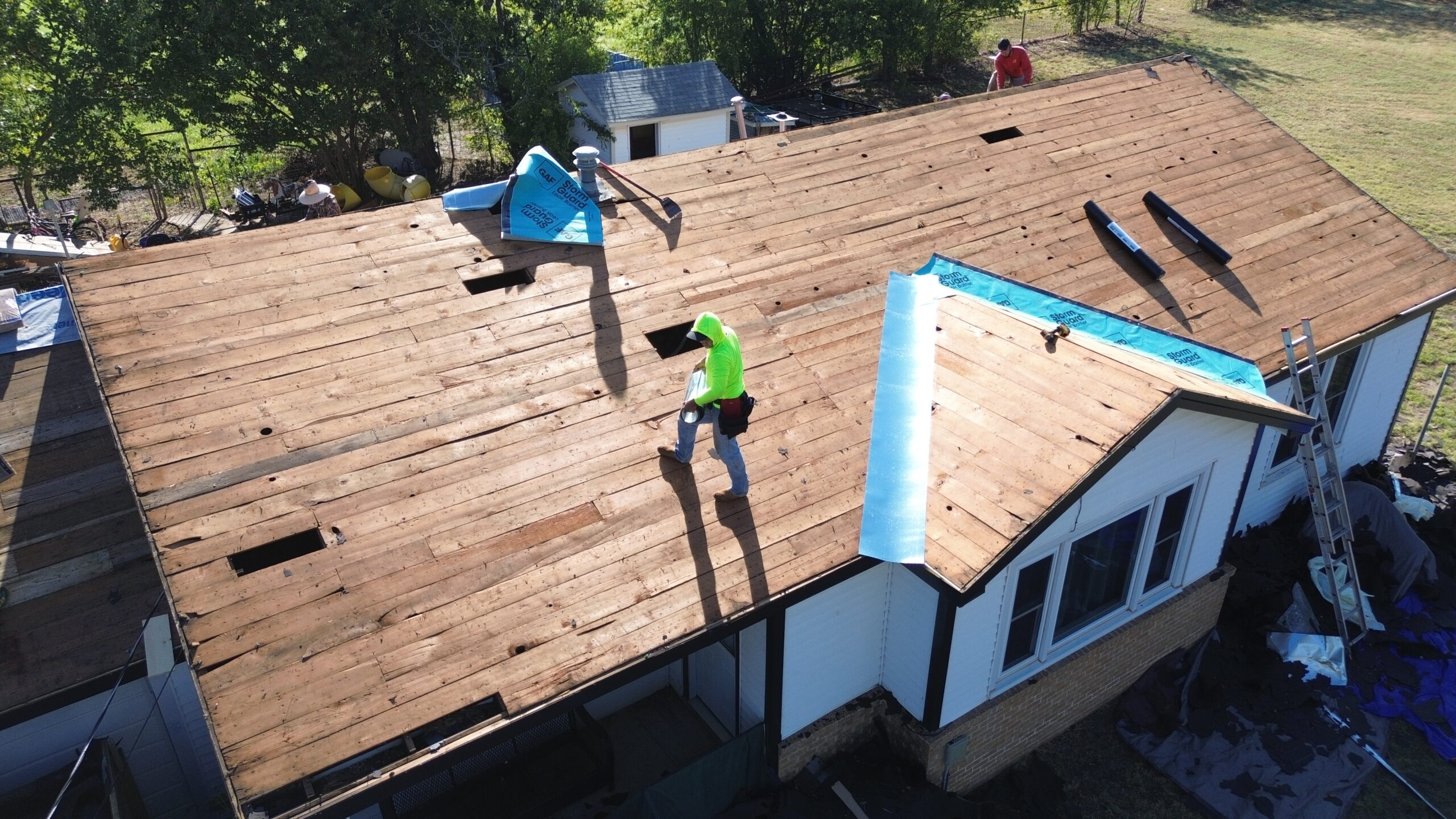
Roof deck preparation is one of the first steps that can influence performance. The deck should be inspected for damage, moisture, gaps, and other conditions that may affect the installation. A stable and properly prepared surface allows the roofing layers to function as intended.
Insulation should be installed continuously wherever the roofing design requires it. Gaps or compressed sections can create areas where heat moves more easily, sometimes referred to as thermal bridging. These weak points can reduce overall efficiency even when most of the roof contains adequate insulation.
Air sealing is another important part of installation. Openings around pipes, vents, electrical penetrations, ducts, and other roof components can allow conditioned air to move through the building envelope. Properly sealing suitable locations can help reduce uncontrolled air movement and improve overall building performance.
Installation quality therefore matters at every stage. The objective is not simply to place a new covering over the roof but to create a complete assembly in which each layer performs its intended function.
Choosing Reflective Roofing Materials
Reflective roofing materials can be particularly useful in buildings located in hot or sunny climates. These materials are designed to reflect a greater portion of incoming solar radiation instead of absorbing it as heat. This can reduce the temperature of the roof surface and limit heat transfer toward the interior.
Light-colored roofing products are commonly associated with solar reflectance, although performance depends on the actual properties of the material rather than color alone. Some darker roofing products are manufactured with specialized coatings that provide improved reflective performance compared with conventional dark surfaces.
Metal roofing can be designed with reflective finishes that help manage solar heat. Certain membranes and coated roofing systems can also provide reflective properties suitable for specific building designs. The correct choice depends on the roof type, climate, slope, structural requirements, and manufacturer’s specifications.
Reflective roofing does not eliminate the need for insulation. Solar heat can still enter a building through other parts of the envelope, and insulation remains important for controlling heat transfer. The most effective approach combines a suitable roof surface with appropriate insulation and ventilation.
When selecting reflective materials, property owners should consider expected performance over the material’s service life. Dirt, weather exposure, aging, and surface deterioration can affect reflective properties over time. Regular maintenance can help preserve the intended performance of the roof.
The Role of Roof Insulation
Insulation is one of the most important components of an energy-efficient roofing system. It slows the movement of heat between the building interior and the outdoor environment. During hot weather, insulation can help limit the amount of heat entering the building, while during cold weather it can reduce heat escaping from conditioned spaces.
Different insulation materials provide different levels of thermal resistance and have different installation requirements. The appropriate option depends on the roof design, climate, available space, moisture conditions, and building requirements.
Insulation should be installed carefully to avoid gaps and unnecessary compression. Inconsistent installation can create areas of increased heat transfer that reduce the effectiveness of the overall system. Contractors should also make sure that insulation does not block ventilation pathways when the roof design depends on ventilated cavities.
Moisture management is equally important because wet insulation can perform differently from dry insulation. Roof assemblies should therefore be designed to control both heat and moisture. Proper underlayment, drainage, ventilation, and air sealing can help protect insulation from unwanted exposure.
The location of insulation within the roof assembly also matters. Depending on the building and roofing system, insulation may be installed above the roof deck, below the deck, or within another part of the building envelope. Professional design can help determine which approach provides the most suitable combination of energy performance and moisture control.
Proper Roof Ventilation for Energy Efficiency
Roof ventilation can help regulate temperature and moisture within certain roofing assemblies. During hot weather, ventilation can allow accumulated heat to escape from ventilated roof spaces. This can reduce the amount of heat retained beneath the roof covering and support more stable conditions within the assembly.
A typical ventilated roof design uses intake and exhaust openings to encourage air movement. Intake vents allow outside air to enter, while exhaust vents provide a pathway for warmer air and moisture to leave. The system should be appropriately balanced so that air can move through the intended ventilation space.
Ventilation is particularly important when insulation is installed below a roof deck and the roof design includes a ventilated cavity. Insulation should not block the pathways required for airflow. Contractors need to coordinate insulation placement and ventilation during installation to avoid reducing the effectiveness of either component.
However, ventilation should not be viewed as a replacement for insulation or air sealing. Opening a roof space to outside air does not prevent all heat transfer, and excessive or poorly designed ventilation may create other problems. The roof assembly should be designed as an integrated system.
Moisture control is another benefit of appropriate ventilation. In some roof designs, ventilation can help remove moisture that enters the roof space and reduce conditions that contribute to condensation. This can protect insulation, decking, fasteners, and structural components.
Cool Roof Installation Methods
Cool roofs are designed to remain cooler under sunlight by reflecting more solar energy and efficiently releasing absorbed heat. They can be particularly useful in areas where buildings experience substantial cooling demand during warm seasons.
Cool roofing systems may use reflective membranes, coatings, tiles, metal products, or other specially designed materials. The exact installation method depends on the roofing system and the characteristics of the building. Contractors should follow product-specific requirements because preparation and attachment methods can affect performance.
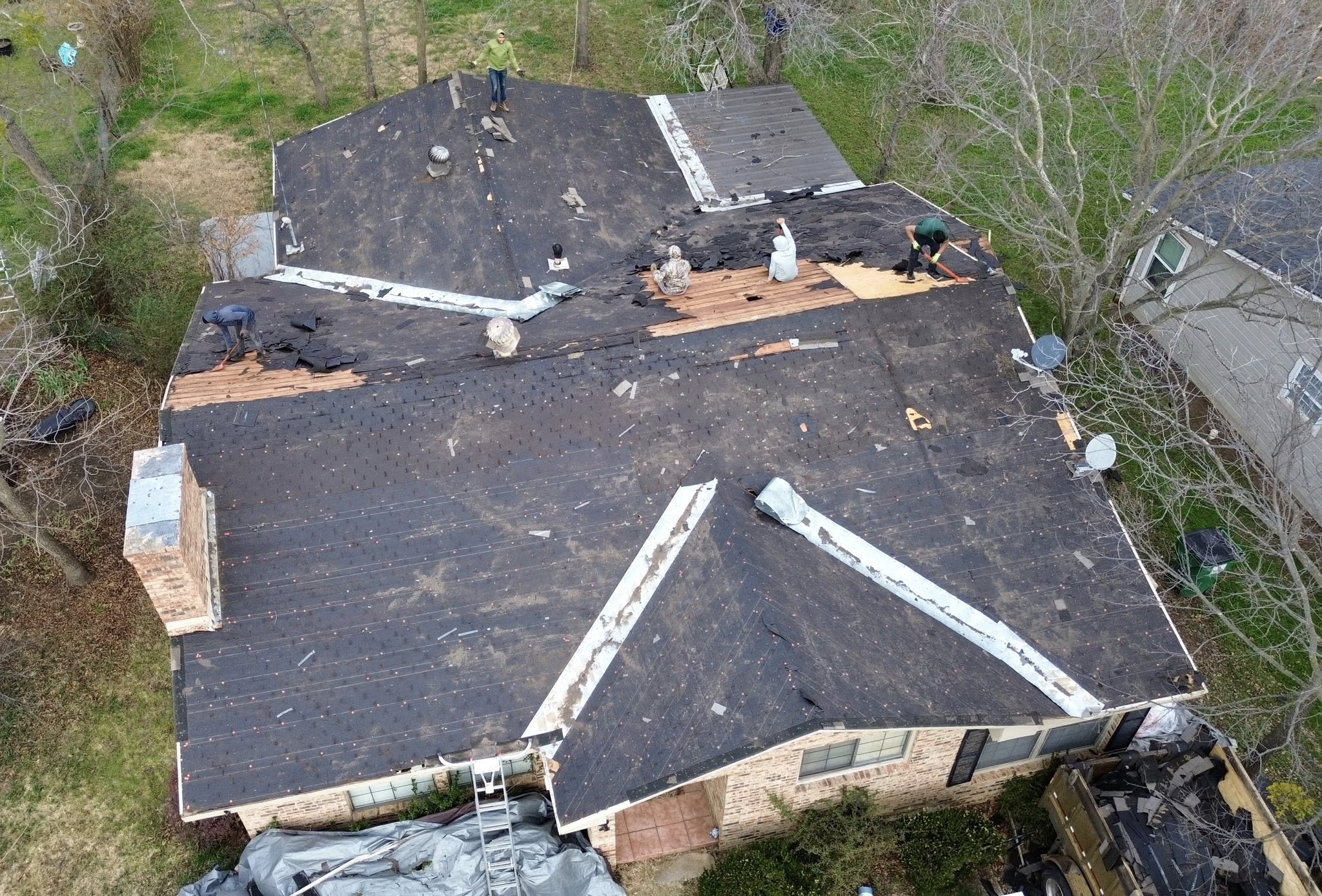
The roof surface should be clean, stable, and properly prepared before reflective products are installed. Existing damage, moisture problems, or deteriorated sections should be addressed first. Applying a reflective coating over an unresolved roof problem does not correct the underlying condition.
Seams, penetrations, edges, and flashing should also receive appropriate attention. A reflective surface may improve solar performance, but the roof still needs to remain watertight and structurally sound. Energy efficiency should never be pursued at the expense of basic weather protection.
Cool roofing can be particularly valuable for low-slope commercial buildings with large roof areas. However, its usefulness varies by climate. In regions with significant heating needs during winter, the overall energy balance should be considered before selecting a highly reflective roof.
Reducing Heat Transfer Through the Roof
Reducing heat transfer requires attention to the entire roof assembly rather than one individual component. Solar radiation, conduction, air movement, and moisture can all influence how heat moves through the building envelope. A well-designed roof addresses these pathways using complementary materials and installation techniques.
Reflective surfaces can reduce the amount of solar energy absorbed by the roof. Insulation can slow conductive heat transfer, while air sealing can limit uncontrolled air movement through gaps. Ventilation can help manage heat and moisture within appropriately designed roof cavities.
Roof penetrations deserve particular attention because they can create interruptions in otherwise continuous insulation and air barriers. Pipes, vents, ducts, skylights, and electrical components should be integrated carefully into the roofing system.
Thermal bridging can also reduce efficiency when structural components provide easier pathways for heat movement. Depending on the roof design, continuous insulation can help reduce some of these effects by creating a more consistent thermal barrier.
Energy efficiency should therefore be approached systematically. Each layer should be installed with attention to how it connects with the surrounding components, creating a continuous protective assembly rather than a collection of separate materials.
Planning an Energy-Efficient Roof Installation
Planning is essential because many energy-saving opportunities are easier to address before the roofing materials are installed. The project should begin with an assessment of the existing roof, including its condition, insulation, ventilation, drainage, and areas where air leakage may occur.
The building’s climate should then be considered alongside its heating and cooling requirements. A roof designed for a hot climate may emphasize solar reflectance and heat reduction, while a cold-climate roof may prioritize insulation and controlled heat retention. The correct approach depends on the property’s specific conditions.
Material selection should also consider durability and maintenance. An energy-efficient material that deteriorates quickly may not provide the expected long-term value. Products should be selected based on their performance, compatibility, installation requirements, and expected service conditions.
A successful installation should follow a logical sequence so that each layer is protected and properly integrated. Contractors should inspect the roof deck, install insulation and air-control components as required, provide suitable ventilation, install underlayment and the final roof covering, and verify vulnerable areas before completing the project.
Energy-Efficient Roofing Materials Compared
The choice of roofing material can have a significant effect on how efficiently a building manages heat. Different materials absorb, reflect, store, and release solar energy in different ways, so the most suitable option depends on the building’s climate and design. Material selection should also consider durability, maintenance requirements, installation methods, and compatibility with insulation and ventilation.
Metal roofing can be an effective option when manufactured with an appropriate reflective finish. Its surface can reflect a significant portion of solar radiation, while its durability can support long-term roof performance. Metal systems are also available in different profiles and finishes, allowing them to be adapted to residential, commercial, and industrial buildings.
Reflective membrane systems are commonly used on many low-slope commercial roofs. Their surface properties can help reduce solar heat absorption, particularly when the roof receives direct sunlight for much of the day. These systems still require careful installation around seams, penetrations, drains, and roof edges to maintain both energy and weather performance.
Clay and concrete tiles can also contribute to energy performance because their shape and installation can create air spaces beneath individual units. Their thermal characteristics vary according to the product and roof assembly, but they can be useful in warm climates when combined with suitable insulation and ventilation.
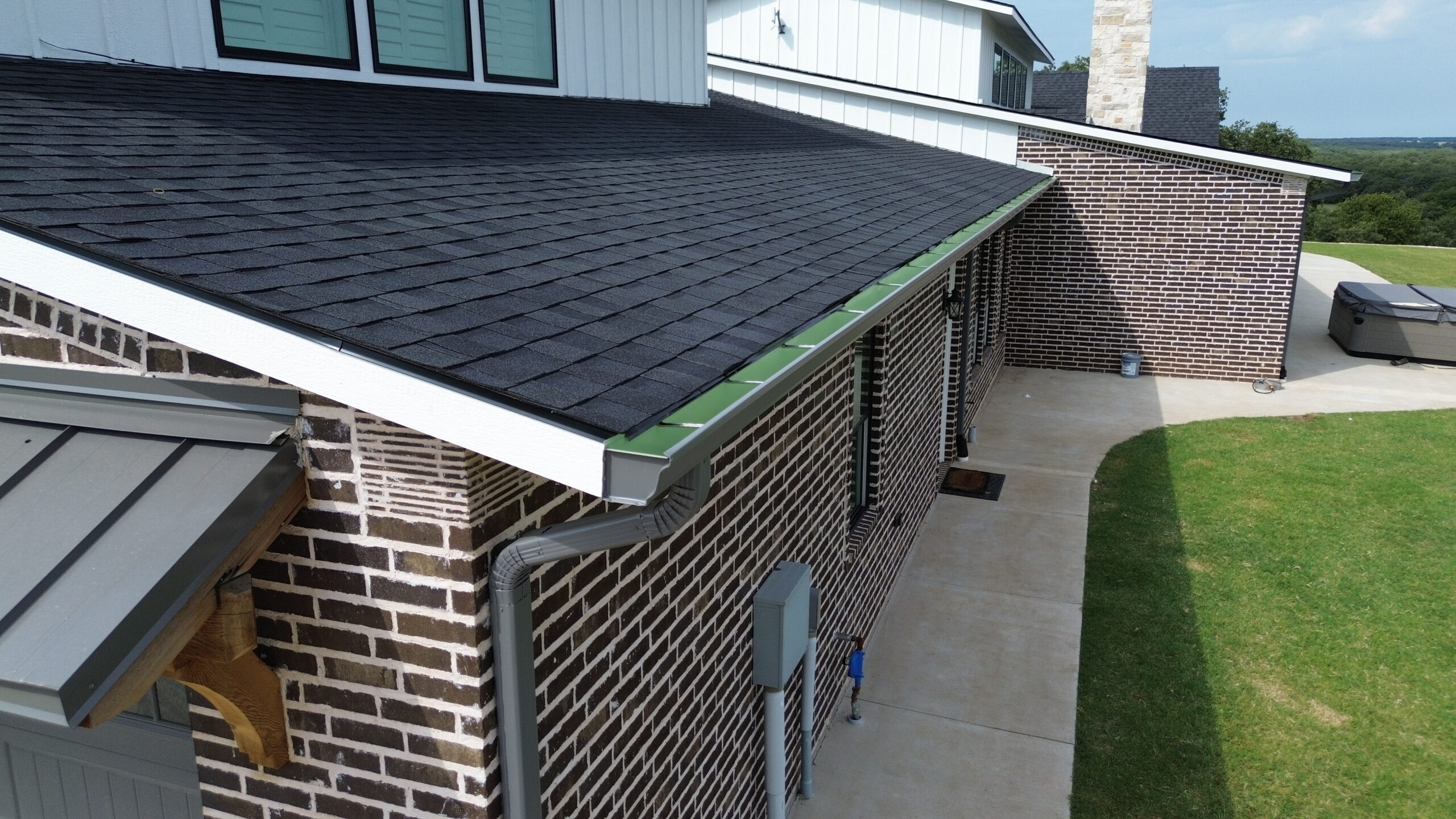
Asphalt shingles remain a common roofing choice and are available in products with different solar and thermal characteristics. Their performance can be improved when the complete roof assembly includes appropriate insulation, ventilation, and moisture protection. The material should be selected according to the local climate rather than based only on appearance or initial price.
Proper Underlayment and Moisture Management
Underlayment provides a protective layer beneath the primary roofing material and can support the overall performance of an energy-efficient roof. While its primary purpose is generally moisture protection, controlling water intrusion also helps protect insulation, roof decking, and other components that contribute to energy performance.
Moisture can reduce the effectiveness of some insulation materials and can contribute to deterioration of the roof deck. If water enters the roofing assembly, the resulting damage may create gaps, reduce insulation performance, or require sections of the roof to be replaced. Proper underlayment installation can help reduce these risks.
The underlayment should be compatible with the roofing material and installed according to manufacturer requirements. Overlaps, edges, valleys, penetrations, and transitions require careful attention because these areas can become vulnerable to water intrusion when installation is incomplete or incorrect.
Moisture management also involves drainage. Gutters, downspouts, valleys, roof slopes, and drainage outlets should work together to move water away from the building. A roof that remains wet for extended periods may experience more deterioration, which can reduce its overall service life.
Energy efficiency and moisture control should therefore be considered together. Protecting the insulation and roof structure from unwanted moisture helps preserve the conditions needed for the roofing system to perform efficiently over time.
Air Sealing During Roof Installation
Air leakage can reduce the energy performance of a building even when sufficient insulation is installed. Warm or cool conditioned air can escape through gaps around roof penetrations, electrical components, ducts, pipes, vents, and other openings. During installation, these areas should be identified and addressed as part of the building envelope.
Air sealing works by reducing uncontrolled movement of air through the roof assembly. This can help the heating and cooling system maintain indoor conditions without compensating for unnecessary air loss. The effectiveness of air sealing depends on using appropriate materials and installing them continuously around vulnerable areas.
Roof penetrations require particular attention because they interrupt otherwise continuous layers. Gaps around pipes or ducts may appear small, but multiple openings can contribute to measurable air leakage. Contractors should seal suitable penetrations according to the requirements of the roofing and building systems.
Air sealing should also be coordinated with ventilation. A properly sealed building does not eliminate the need for designed ventilation because mechanical and roof ventilation systems provide controlled pathways for air movement. The objective is to prevent uncontrolled leakage while preserving intentional airflow.
During a roof replacement, contractors may have easier access to areas that are normally difficult to inspect. This makes roof installation an opportunity to identify and correct air leakage before the new roofing system covers the affected areas.
Solar Reflectance and Thermal Emittance
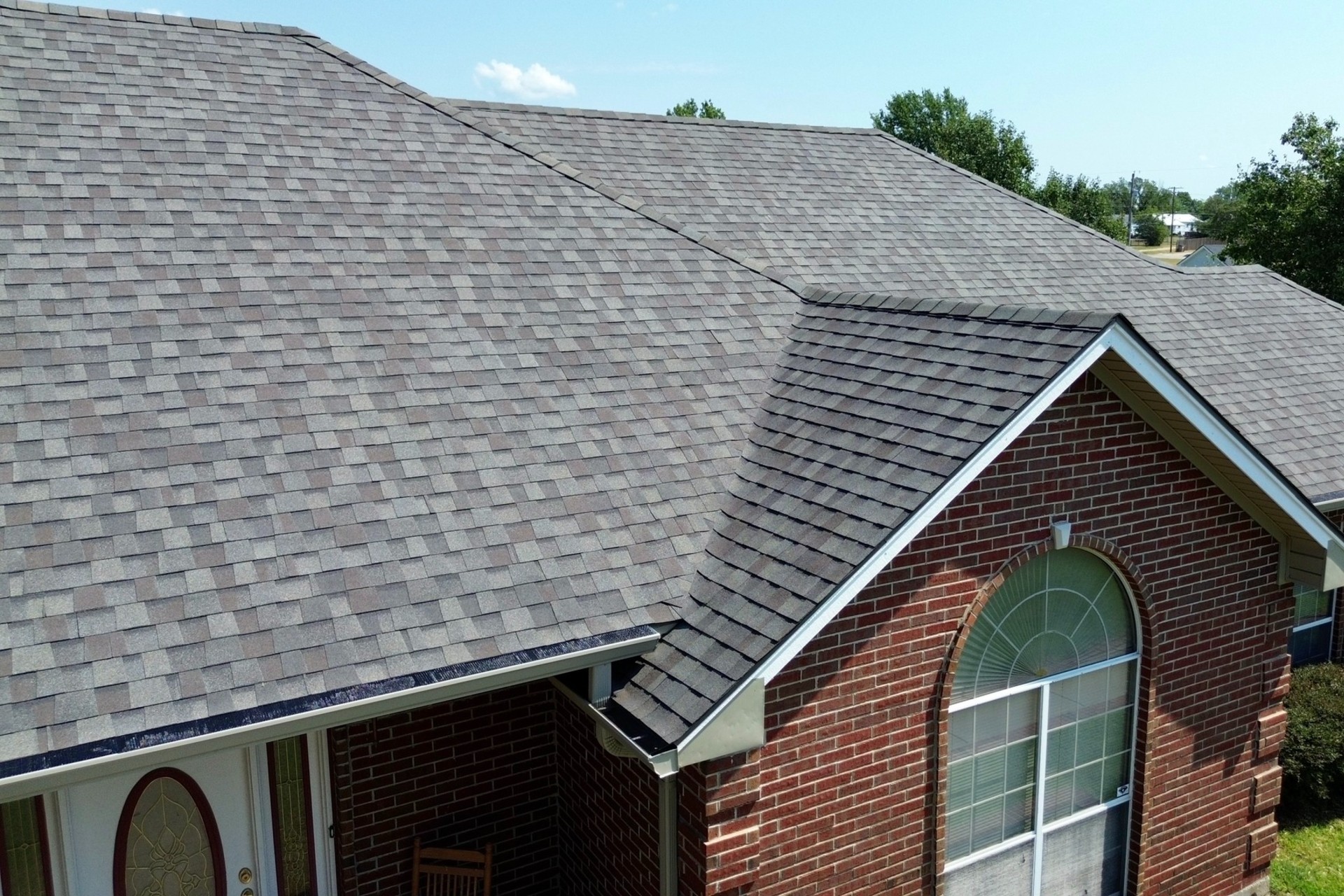
Solar reflectance and thermal emittance are important characteristics when evaluating roofing performance, particularly in warm climates. Solar reflectance describes how much incoming sunlight a surface reflects, while thermal emittance relates to how effectively a surface releases absorbed heat.
A roof with high solar reflectance can absorb less solar energy during periods of direct sunlight. A surface with suitable thermal emittance can also release absorbed heat more effectively instead of retaining it. Considering both characteristics can provide a better understanding of how a roofing material may perform under strong solar exposure.
Reflective roofing products may use specially designed surfaces or coatings to improve these properties. They are often considered for buildings where cooling demand is significant, especially when large roof areas are exposed to sunlight.
However, the benefits depend on the climate and building design. A highly reflective roof may be especially useful in a hot region, while a building in a colder climate may have different priorities. The roof should be evaluated as part of the building’s overall annual energy needs rather than based on one performance characteristic.
Surface condition can also influence long-term performance. Dirt, weathering, and aging may change the characteristics of some roofing products. Routine maintenance and appropriate product selection can help preserve the intended performance throughout the roof’s service life.
Roof Color and Energy Performance
Roof color can influence solar heat absorption, although actual performance depends on the material and its surface properties. Dark conventional roofing surfaces can absorb more solar radiation, which may increase roof temperatures during sunny weather. Lighter or specially engineered reflective surfaces can reduce solar heat absorption.
This consideration is especially relevant for buildings in hot climates where cooling systems operate frequently. Reducing the amount of solar heat absorbed by the roof can help limit the heat transferred toward occupied spaces.
However, color should not be the only selection criterion. A light-colored roof is not automatically energy efficient if the underlying insulation is inadequate or the roof contains significant air leakage. Conversely, some darker materials can incorporate reflective technologies that improve their solar performance.
Property owners should therefore review the actual performance characteristics of the roofing product rather than relying on visual color alone. Manufacturers may provide information about solar reflectance, thermal properties, and suitable applications.
Roof color should also complement the architectural requirements of the building. Energy performance and appearance do not necessarily have to conflict because many manufacturers offer multiple colors and finishes with different performance characteristics.
Installation Techniques That Improve Efficiency
Proper installation is essential for achieving the expected energy performance of roofing materials. Even a highly reflective roof can lose some of its benefits if insulation is poorly installed, air leaks remain around penetrations, or ventilation pathways are blocked.
Insulation should be placed continuously where the roof design requires it. Installers should avoid unnecessary gaps, compression, or displacement. Where continuous insulation is used, joints and transitions should be handled carefully so that the thermal barrier remains as consistent as practical.
Roof penetrations should also be integrated into the roofing system without creating unnecessary air or moisture pathways. Flashing, air barriers, insulation, and other components should meet correctly around vents, pipes, skylights, and equipment.
The installation sequence can affect efficiency as well. Materials should be protected from moisture before they are enclosed within the roof assembly. Any wet or damaged insulation should be addressed rather than covered by subsequent layers.
Quality control during installation can identify problems before they become hidden. Inspecting insulation, air barriers, underlayment, and ventilation components before final closure provides an opportunity to correct deficiencies while access is still available.
Energy-Efficient Roofing for Hot Climates
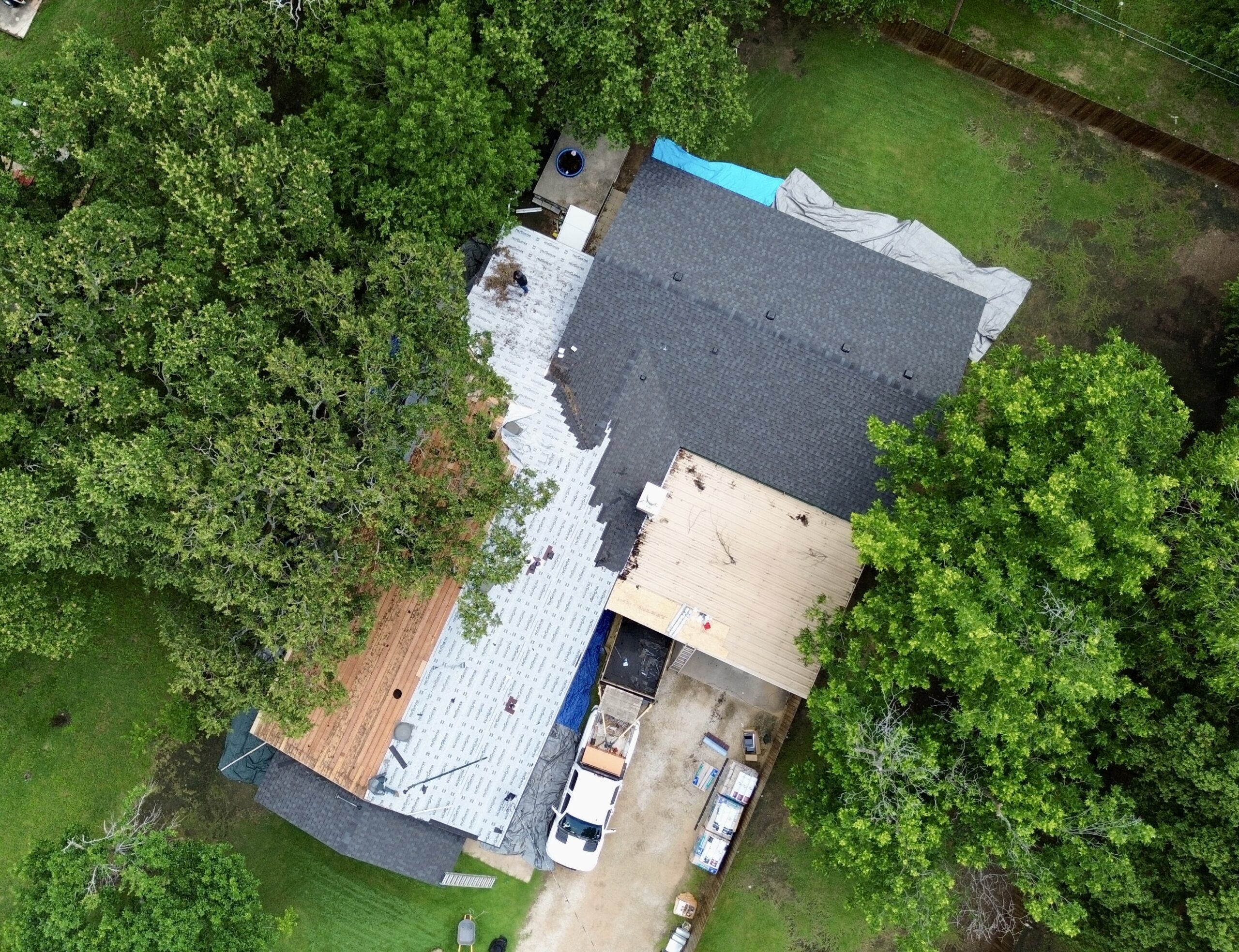
Hot climates place significant demands on roofing systems because prolonged sunlight can raise roof surface temperatures and increase heat entering the building. Energy-efficient installation in these regions generally focuses on reducing solar heat absorption while maintaining adequate insulation and ventilation.
Reflective roofing materials can be particularly useful because they reduce the amount of solar energy absorbed by the roof. Light-colored surfaces and specialized reflective coatings are common approaches, although the appropriate solution depends on the roof type and building design.
Insulation remains essential because even a reflective roof will absorb some heat. Adequate insulation can slow the movement of that heat toward occupied spaces. A properly designed ventilation system may also help remove accumulated heat from ventilated roof cavities.
Roof orientation can influence solar exposure as well. Sections receiving direct sunlight for long periods may experience greater heat loads than shaded areas. Building design and roof geometry should therefore be considered when selecting energy-efficient materials.
Hot-climate installation should also account for material expansion, sealant performance, and surface durability. Roofing products need to withstand repeated exposure to high temperatures and sunlight without losing their protective characteristics.
Energy-Efficient Roofing for Cold and Mixed Climates
Cold climates create different energy challenges because the building may lose significant amounts of conditioned heat through poorly insulated roof assemblies. In these environments, insulation and air control generally receive greater emphasis than simply maximizing solar reflectance.
A well-insulated roof can reduce heat transfer from warm interior spaces toward the colder exterior. Air sealing can further reduce heat loss caused by uncontrolled air movement. Together, these measures can help heating systems operate more efficiently.
Ventilation still matters, but it needs to be designed correctly. In some roof assemblies, ventilation can help control moisture and reduce condensation risks. However, insulation should not be installed in a way that blocks intended ventilation pathways.
Mixed climates require a more balanced strategy because buildings may experience both hot summers and cold winters. A roofing system should provide adequate insulation while also managing solar heat during warmer months.
Material selection in these regions should therefore consider year-round performance. Choosing a roof solely for summer reflectivity or winter heat retention may overlook the opposite seasonal condition. A complete roofing assembly can provide better results by combining appropriate insulation, air sealing, moisture control, and climate-suitable roofing materials.
Combining Insulation and Ventilation Effectively
Insulation and ventilation serve different purposes but must be coordinated carefully. Insulation slows heat transfer, while ventilation manages airflow through specifically designed roof spaces. When correctly integrated, these components can support both thermal performance and moisture management.
One common problem occurs when insulation blocks ventilation channels. This can prevent air from moving through areas that are intended to remain ventilated. During installation, contractors should maintain the necessary pathways and ensure that insulation is positioned according to the roof design.
Another concern is placing ventilation in a way that bypasses the intended thermal barrier. Air should move through designated ventilation spaces rather than through gaps in the insulation layer. Proper detailing helps preserve the continuity of the thermal envelope.
Ventilation requirements also vary according to roof construction and climate. Some roofing systems are designed as unvented assemblies and rely on different methods of controlling heat and moisture. The appropriate approach should therefore be determined by the specific roof design rather than applying one method to every building.
Energy Efficiency and Roof Orientation
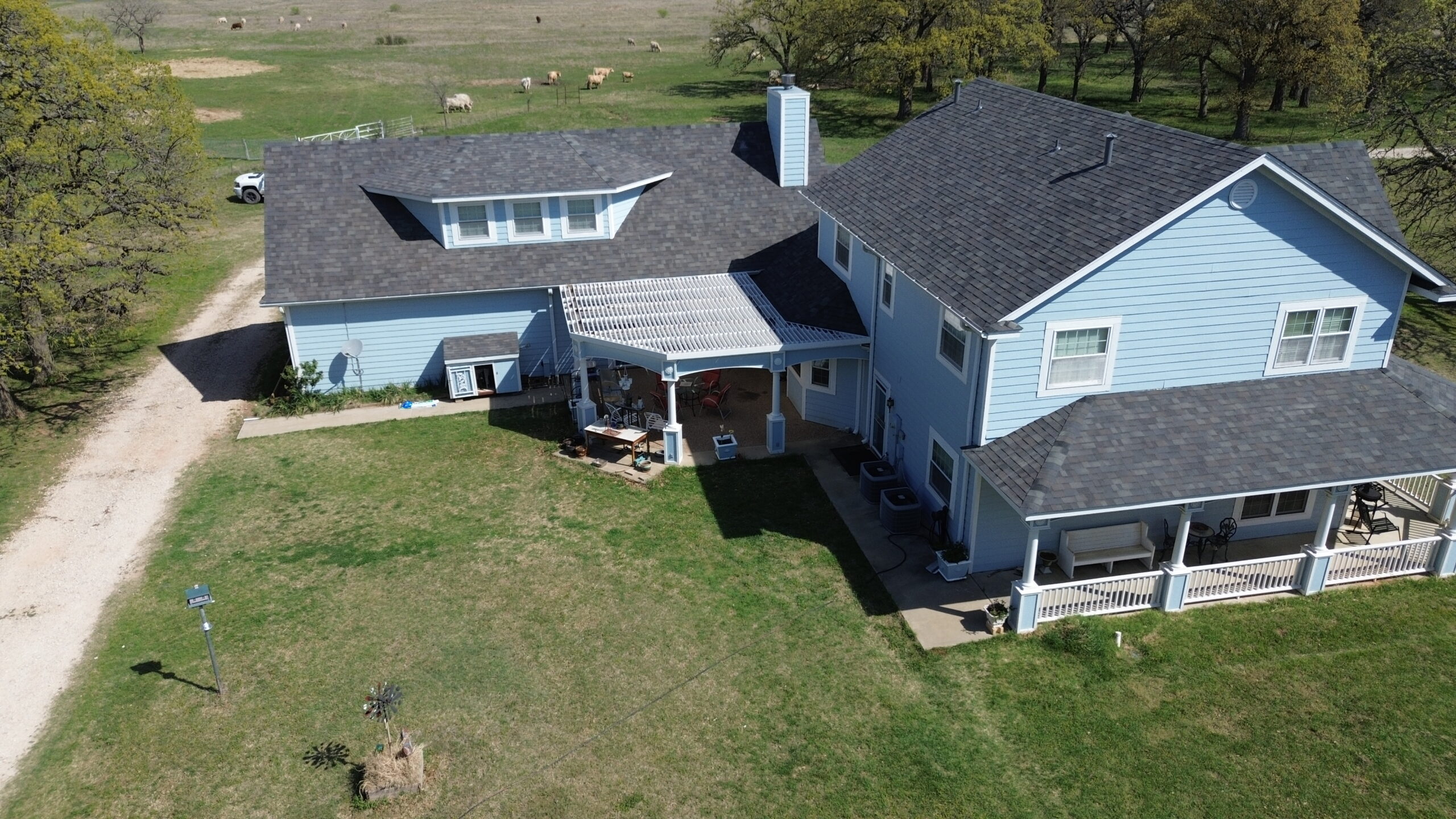
Roof orientation can influence how much solar radiation different sections receive. A roof that faces strong afternoon sunlight may experience greater heat exposure than a section that remains shaded for much of the day. This can affect material temperatures and the amount of heat transferred into the building.
Roof design can account for these differences by selecting suitable materials and insulation strategies. In some buildings, solar equipment may also be incorporated into the roof design, making structural planning and material compatibility particularly important.
Surrounding structures and landscaping can influence solar exposure as well. Trees and nearby buildings may provide shade, although they can also introduce debris and moisture concerns. The roof should be evaluated within the context of the entire property rather than considered in isolation.
Understanding orientation helps property owners make more informed decisions about reflective surfaces and insulation. It can also support better planning when replacing an existing roof or designing a new building.
Integrating Energy Efficiency With Roof Durability
Energy efficiency should not compromise the roof’s basic ability to resist weather. A roof must remain structurally sound and watertight while also controlling heat transfer. Materials and installation methods should therefore be selected to support both durability and energy performance.
For example, a reflective coating may improve solar performance, but it should not be applied over a damaged roof without correcting underlying problems. Similarly, insulation should not be installed in a way that creates moisture problems or blocks required ventilation.
Durability also influences long-term energy performance. If roofing materials deteriorate prematurely, gaps and moisture intrusion can affect insulation and other components. A durable roof is more likely to maintain its intended efficiency throughout a longer service period.
The best installation strategy therefore combines multiple objectives. Weather protection, thermal control, moisture management, structural performance, and maintenance requirements should all be considered before the roofing system is finalized.
Evaluating the Existing Roof Before an Energy-Efficient Upgrade
A roof replacement provides an opportunity to improve energy performance, but the existing system should be assessed first. Contractors can inspect the roof covering, deck, insulation, ventilation, flashing, drainage, and areas where air leakage may occur.
Existing insulation may be reusable in some circumstances, but damaged, wet, compressed, or insufficient insulation may need to be upgraded. Similarly, existing ventilation may be inadequate for the new roofing system and require modification.
The condition of the roof deck should also be considered. Moisture damage or structural deterioration should be corrected before new insulation and roofing materials are installed. Covering damaged components can reduce the expected lifespan of the new roof.
An assessment also helps identify which improvements are likely to provide the greatest benefit. Some buildings may need more insulation, while others may benefit from improved air sealing, reflective materials, ventilation changes, or a combination of measures.
By evaluating the existing roof before installation, property owners can avoid investing in isolated upgrades that fail to address the underlying causes of poor energy performance. A coordinated approach generally provides a stronger foundation for long-term efficiency.
Improving Energy Efficiency Through Roof Design
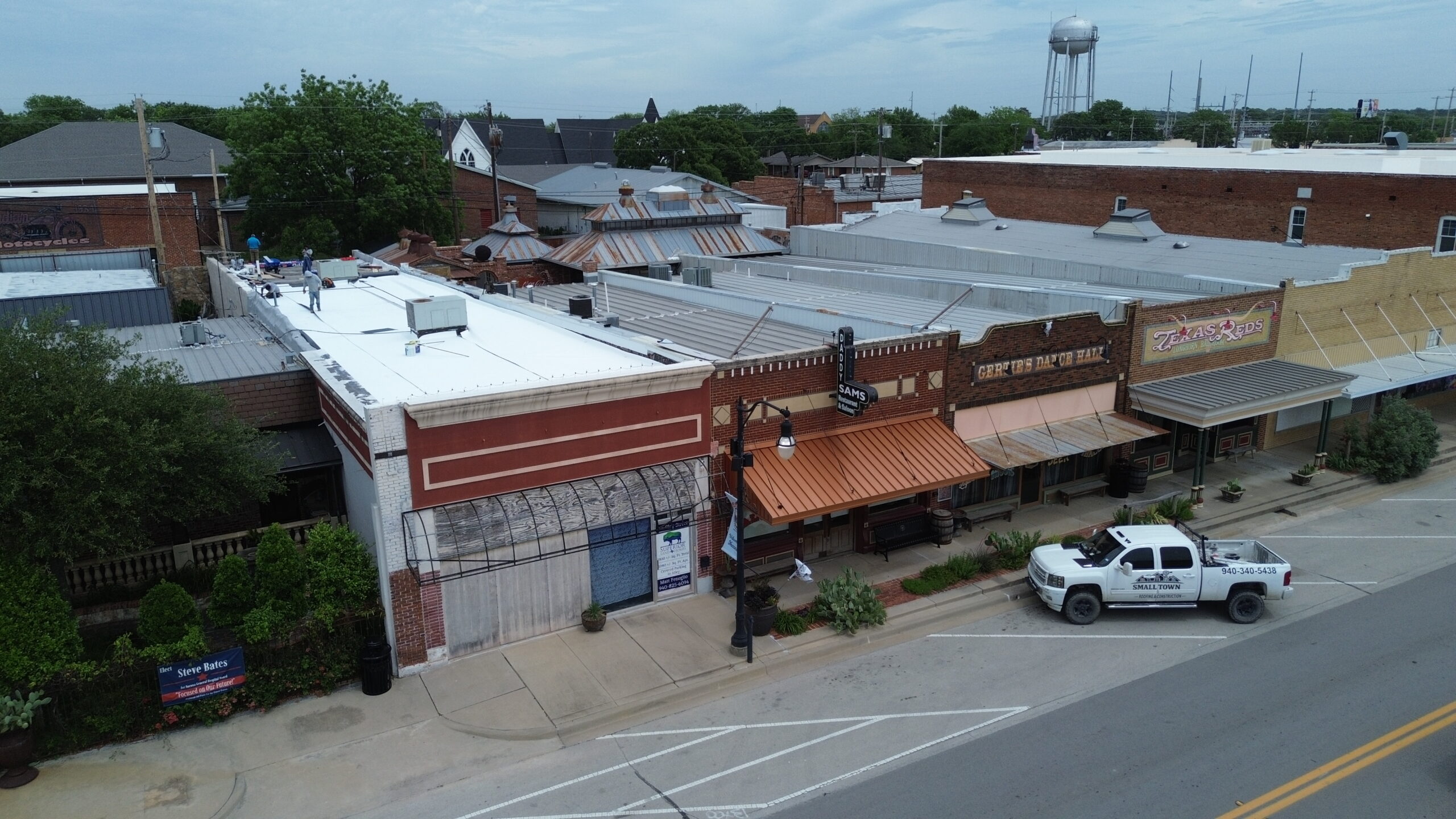
Roof design has a major influence on the energy performance of a building because the shape, slope, orientation, and construction of the roof affect how the building responds to sunlight, outdoor temperatures, and moisture. An energy-efficient roof should be designed according to the building’s location and expected environmental conditions rather than using the same approach for every property.
Roof slope can influence drainage, material selection, ventilation, and solar exposure. A suitable slope allows rainwater to move away efficiently while providing the appropriate surface for the selected roofing material. In some designs, roof geometry can also influence how much direct sunlight reaches the roof throughout the day.
Roof orientation is another important consideration, particularly in buildings that receive substantial solar exposure. Areas of the roof that receive prolonged direct sunlight can experience higher surface temperatures. Selecting suitable reflective materials and providing adequate insulation can help reduce the resulting heat transfer.
Roof design should also accommodate equipment and penetrations without creating unnecessary weaknesses. Skylights, vents, pipes, HVAC equipment, and solar installations can interrupt insulation and air barriers if they are not carefully integrated. Proper planning helps maintain thermal continuity while preserving access for maintenance.
The Importance of Professional Installation
Energy-efficient roofing materials can provide significant benefits, but their performance depends heavily on proper installation. A contractor must understand how the different layers of the roof assembly interact and ensure that insulation, ventilation, air sealing, underlayment, flashing, and the final roof covering are installed correctly.
Poor installation can create gaps in insulation, blocked ventilation pathways, water entry points, and air leaks. These issues may not be immediately visible once the roof is finished, which makes quality control during installation particularly important.
Professional installation also helps ensure that products are used according to manufacturer requirements. Roofing materials can have specific instructions regarding fastening, surface preparation, temperature, moisture, overlap, sealing, and installation sequence. Following these requirements helps preserve the intended performance of the system.
A professional contractor can also identify problems with the existing structure before they are covered. Damaged decking, inadequate insulation, moisture accumulation, or outdated ventilation can be addressed during the project rather than becoming hidden problems beneath a new roof.
Quality installation should therefore be considered part of the energy-efficiency investment. Choosing an efficient material without ensuring proper installation can prevent the building from receiving the full benefit of that material.
Common Energy-Efficient Roofing Mistakes
One common mistake is focusing only on the outer roofing material. A reflective roof surface may reduce solar heat absorption, but it cannot compensate for inadequate insulation or significant air leakage. Energy performance depends on the complete roofing assembly.
Another mistake is installing insulation without considering ventilation. If insulation blocks intended airflow pathways, the roof may experience heat and moisture problems. Contractors should coordinate insulation placement with the ventilation design before the assembly is closed.
Poor air sealing is another issue that can reduce efficiency. Small openings around pipes, vents, ducts, electrical components, and other penetrations can allow conditioned air to escape. These areas should be addressed during installation rather than overlooked because they appear relatively small.
Property owners may also select roofing products based solely on color. While color can influence solar heat absorption, actual performance depends on the material’s reflective and thermal characteristics. Product specifications provide more useful information than appearance alone.
Another frequent mistake is ignoring climate. A roofing system that performs well in a hot region may not provide the same advantages in a cold climate. Energy-efficient installation should be based on local weather conditions and the building’s annual heating and cooling needs.
Balancing Installation Cost and Long-Term Savings
Energy-efficient roofing may have a higher initial cost than a basic roofing system, depending on the materials and installation methods selected. However, the initial price does not tell the entire financial story. Energy consumption, maintenance, repair requirements, service life, and future replacement costs can all influence the overall value of a roof.
A reflective roof may be useful for a building with high cooling demand, while additional insulation may provide greater value in a climate with substantial heating requirements. The most cost-effective improvement depends on the building’s existing condition and energy profile.
Durability should also be considered when comparing roofing products. A material that lasts longer under local conditions may reduce the frequency of replacement and the associated installation costs. A durable system can also protect insulation and other components from moisture and weather damage.
Property owners should avoid assuming that the most expensive option is automatically the most energy efficient. Some buildings may achieve meaningful improvements through targeted upgrades such as additional insulation, improved air sealing, or better ventilation rather than replacing every component.
A balanced decision considers both short-term budget limitations and long-term operating costs. Professional assessment can help identify improvements that provide practical value for the specific property.
Maintaining an Energy-Efficient Roof
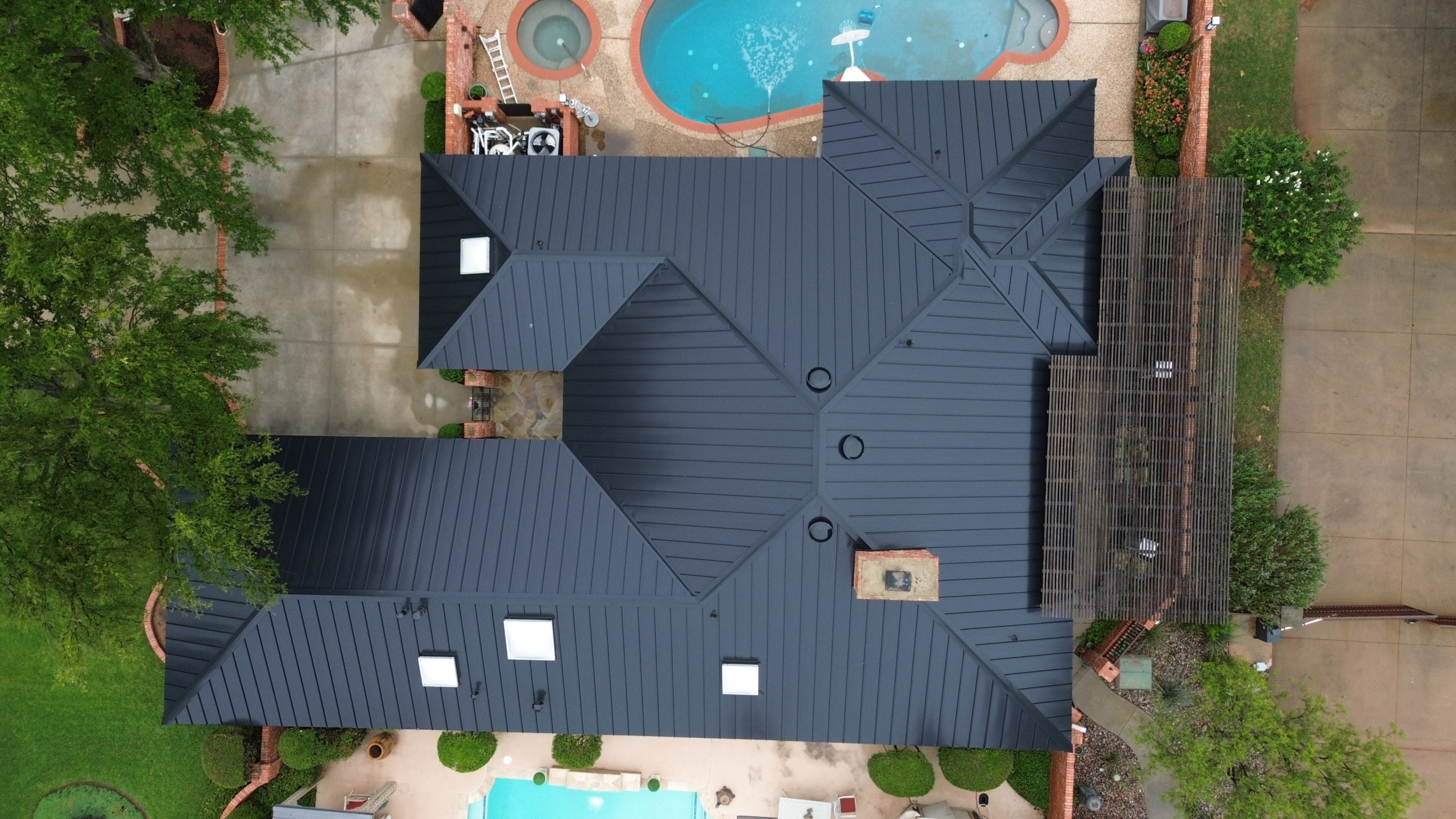
Energy efficiency does not end when installation is complete. Regular maintenance helps preserve the condition of the roofing materials and supporting components. A damaged or poorly maintained roof can develop moisture and air leakage problems that gradually reduce its energy performance.
Roof inspections can identify damaged shingles, cracked membranes, displaced tiles, deteriorated flashing, and other problems that may allow water into the assembly. Early repairs can protect insulation and roof decking from moisture-related deterioration.
Gutters and drainage pathways should also be kept clear. Blocked drainage can allow water to remain around roof edges or other vulnerable areas. Persistent moisture can affect roofing materials and eventually compromise components that contribute to the building envelope.
Ventilation systems should remain unobstructed where the roof design depends on them. Insulation should also be checked when accessible, particularly if there are signs of moisture, settling, or damage. Problems should be corrected before they affect larger areas of the roofing assembly.
Reflective roof surfaces and coatings may require periodic cleaning or maintenance depending on the product. Dirt and surface contamination can change the appearance and potentially affect some performance characteristics. Maintenance requirements should follow manufacturer recommendations.
How to Choose the Right Energy-Efficient Roofing System
Choosing the right roofing system begins with understanding the building’s climate. Hot regions may benefit from reflective surfaces and strong insulation, while cold regions may place greater emphasis on thermal resistance and air sealing. Mixed climates require solutions that balance summer cooling and winter heating requirements.
The existing roof should also be evaluated before materials are selected. A property with inadequate insulation may benefit more from improving the thermal barrier than simply changing the roof covering. Another building may have sufficient insulation but poor ventilation or significant air leakage.
The roofing material should then be selected according to performance, durability, installation requirements, and compatibility with the rest of the system. Manufacturers may provide technical information about thermal properties, reflectance, installation conditions, and maintenance requirements.
Property owners should also consider roof slope, structural capacity, drainage, and the expected service life of the material. Some heavier roofing systems may require structural evaluation, while certain low-slope systems may require specialized installation methods.
The decision should ultimately focus on the complete system rather than a single product. A roof covering, insulation layer, ventilation system, air barrier, underlayment, and flashing should function together to provide both energy performance and weather protection.
Energy-Efficient Roofing for Different Building Types
Residential buildings can benefit from energy-efficient roofing because roof performance directly affects indoor comfort and heating or cooling requirements. Homeowners may consider reflective roofing, additional insulation, improved ventilation, or air sealing during a roof replacement.
Commercial buildings often have larger roof areas and may use low-slope roofing systems. Reflective membranes and coatings can be useful in suitable climates, particularly for buildings with significant cooling loads. Commercial roofs may also contain HVAC equipment, skylights, drains, and other penetrations that require careful energy-efficient detailing.
Industrial facilities may have large internal spaces and substantial heat loads from equipment or processes. Roofing design in these buildings should consider both outdoor climate and internal heat conditions. Insulation, ventilation, reflective surfaces, and moisture control may all play important roles.
Agricultural and storage buildings have different requirements depending on their use. Some structures may benefit from ventilation strategies that manage heat and moisture, while others may require stronger insulation to protect stored materials or maintain controlled indoor conditions.
The basic principles remain the same across building types, but the specific combination of materials and installation methods should be adapted to the building’s function.
Long-Term Benefits of Energy-Efficient Roof Installation
An energy-efficient roof can provide benefits that extend beyond reduced heat transfer. Improved thermal performance can contribute to more consistent indoor temperatures and may reduce the workload placed on heating and cooling equipment. This can support a more comfortable interior environment.
Energy-efficient roofing can also improve the durability of the building envelope when moisture and air movement are properly controlled. Protecting insulation, decking, and structural components from unwanted exposure helps preserve the condition of the roof assembly.
Reduced energy demand can also contribute to lower operating costs over time. The actual savings depend on factors such as climate, building size, insulation levels, utility rates, occupancy, and heating and cooling equipment. Energy-efficient roofing should therefore be viewed as one part of a broader building-efficiency strategy.
Another benefit is improved long-term planning. A well-designed roof can provide predictable performance and reduce the likelihood of premature replacement caused by moisture damage or poor installation. Regular maintenance can further extend the useful life of the system.
Energy-efficient roofing can therefore provide value through a combination of thermal performance, durability, comfort, and reduced operating demands.
Combining Roofing Efficiency With Other Building Improvements
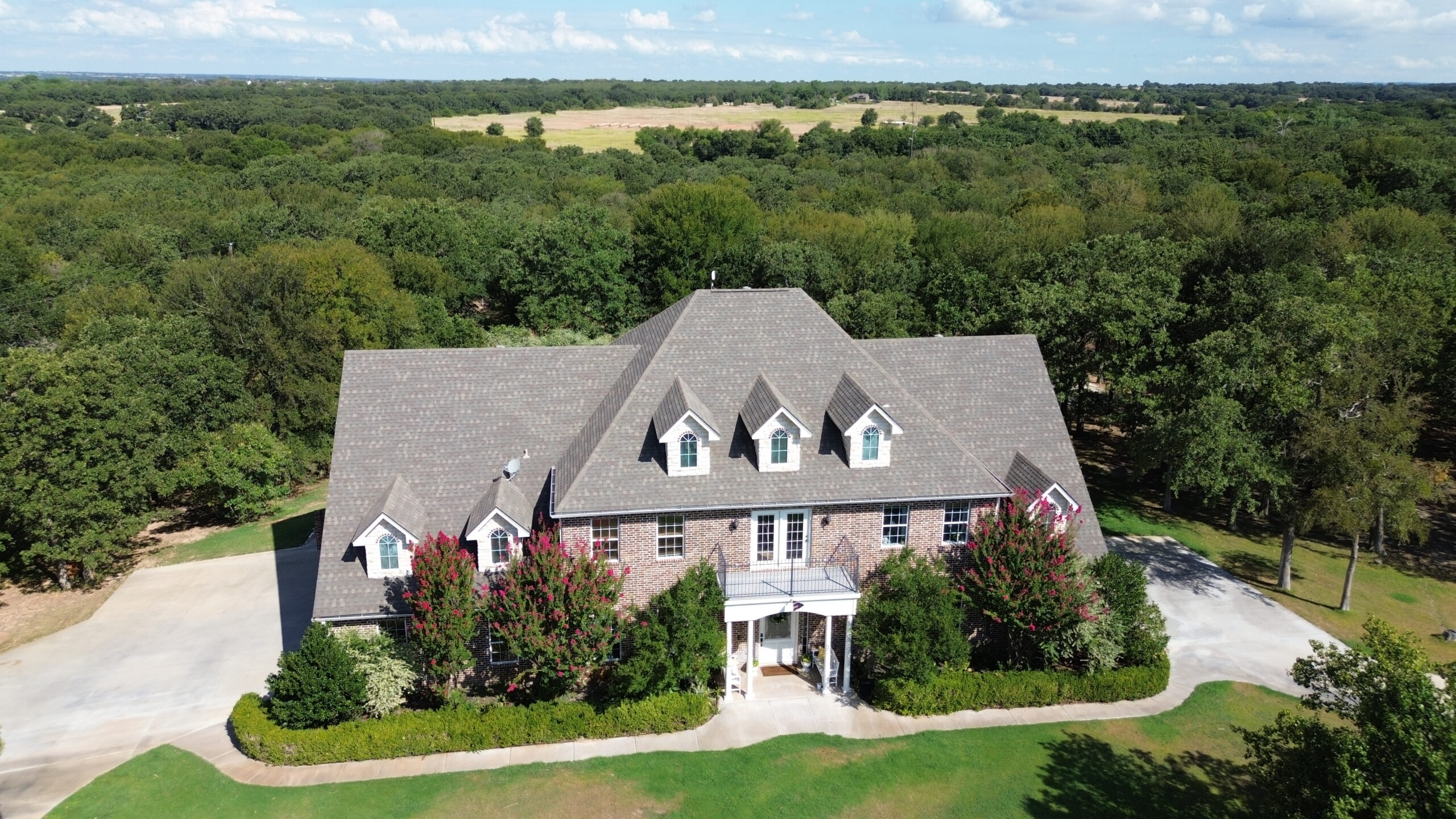
A roof is only one part of a building’s energy envelope. Walls, windows, doors, floors, HVAC systems, lighting, and air-sealing measures also influence overall energy consumption. Improving the roof can be particularly effective when it is coordinated with other efficiency improvements.
For example, adding insulation to the roof while leaving major air leaks around doors and windows may limit the overall benefit. Similarly, improving the roof’s thermal performance while operating inefficient heating or cooling equipment may not produce the expected reduction in energy use.
A coordinated approach allows property owners to identify the areas with the greatest potential for improvement. During a roof replacement, contractors may also identify opportunities to improve attic insulation, air sealing, ventilation, or other components of the building envelope.
The roof can serve as a strong foundation for broader efficiency improvements. When its thermal and moisture-control properties are properly designed, other building systems can operate within a more stable environment.
Evaluating Energy Performance After Installation
After an energy-efficient roof is installed, property owners should monitor its condition and building performance over time. Changes in indoor comfort, heating and cooling use, and moisture conditions can provide useful information about the effectiveness of the project.
However, energy consumption can be affected by many variables, including weather, occupancy, equipment use, and utility rates. A change in energy use should therefore not automatically be attributed to the roof alone.
Physical inspection remains important. The roof should be checked for damage, drainage problems, deteriorated flashing, blocked ventilation, and other conditions that could reduce performance. Maintaining the roof helps preserve the efficiency improvements achieved during installation.
Where appropriate, professional assessments can provide additional information about insulation levels, air leakage, moisture, or thermal performance. These evaluations can identify issues that are difficult to detect through a basic visual inspection.
Monitoring and maintenance create a feedback process that helps ensure the roof continues to perform as intended rather than allowing small problems to develop unnoticed.
Conclusion
Energy-efficient roof installation is a combination of appropriate materials, careful design, quality workmanship, and long-term maintenance. A roof can influence how much heat enters or leaves a building, making it an important part of the overall energy performance of the structure.
Reflective roofing materials can help reduce solar heat absorption in suitable climates, while insulation slows heat transfer and air sealing limits unwanted movement of conditioned air. Proper ventilation can support temperature and moisture management when incorporated into an appropriate roof assembly.
The most effective approach is to consider these components together. A reflective surface alone cannot compensate for inadequate insulation, just as excellent insulation cannot fully address problems caused by poor air sealing or moisture intrusion. Every layer of the roofing system needs to work with the others.
Climate should remain a central consideration throughout the installation process. Hot climates may require greater emphasis on solar reflectance and heat management, while cold climates may prioritize insulation and controlled heat retention. Mixed climates require a balanced system capable of performing across changing seasonal conditions.
Professional installation is equally important because even high-performance materials can lose their benefits when installed incorrectly. Proper preparation, continuous insulation, careful air sealing, appropriate ventilation, reliable flashing, and correct installation of the roof covering all contribute to the final result.
Long-term maintenance should also be part of the energy-efficiency strategy. Keeping drainage systems clear, repairing damaged roofing materials, maintaining ventilation pathways, and addressing moisture problems early can help preserve both roof durability and thermal performance.
Ultimately, an energy-efficient roof should not be selected simply because it is marketed as efficient. The best solution is one that matches the building’s climate, structure, energy needs, budget, and expected service life. By combining climate-appropriate materials with sound design and professional installation, property owners can create roofing systems that support comfort, durability, and more efficient building operation for years to come.