
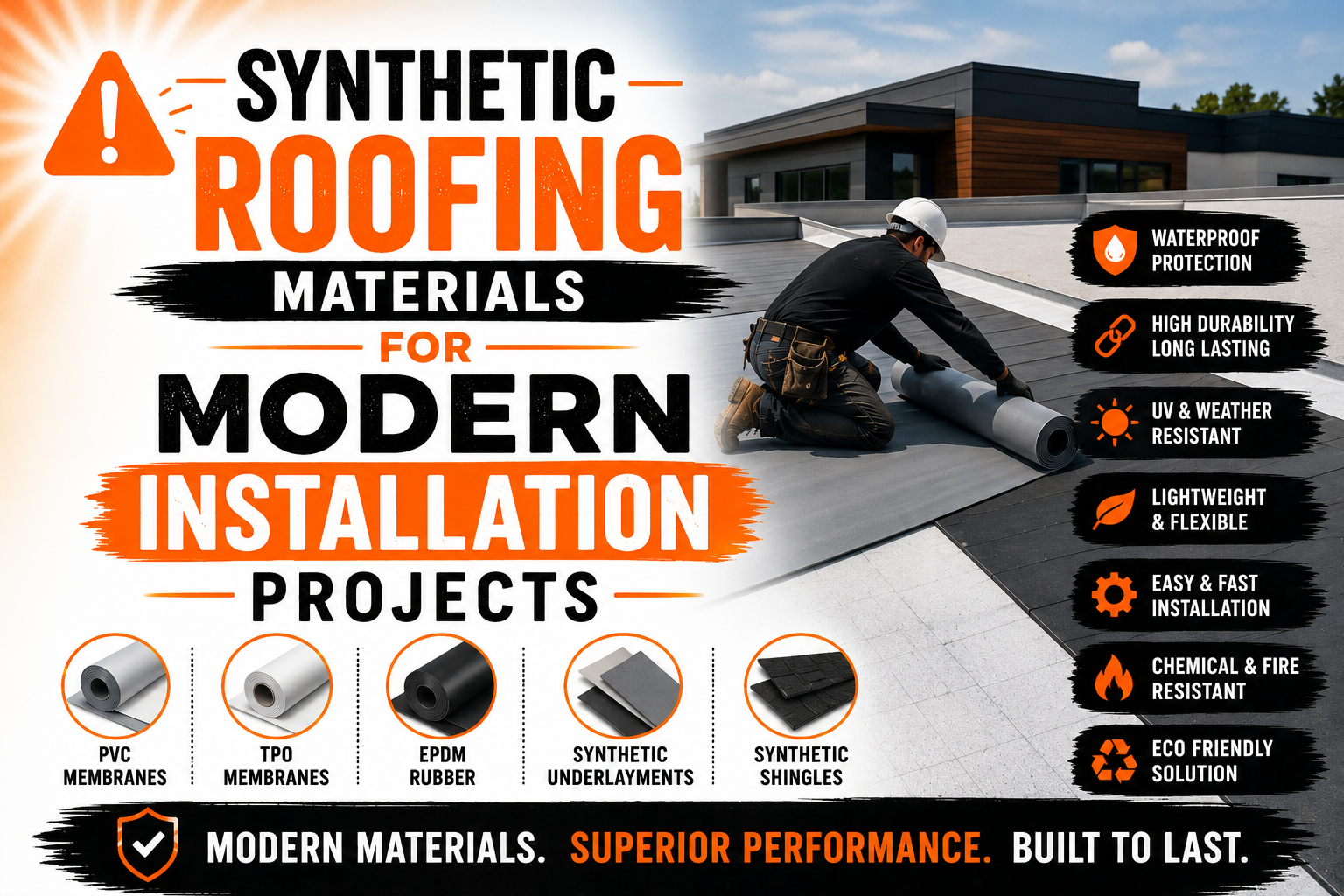
Synthetic Roofing Materials for Modern Installation Projects
Introduction
Modern roofing has evolved significantly over the past few decades, giving homeowners and commercial property owners access to materials that combine strength, efficiency, and attractive designs. Among the biggest innovations in the roofing industry is the development of synthetic roofing materials. These products are designed to provide the appearance of traditional roofing while improving durability, reducing maintenance, and simplifying installation.
Many building owners are moving away from conventional materials because they want roofing systems that can withstand changing weather conditions while remaining cost effective over time. Synthetic roofing products meet these expectations by offering impressive performance without the heavy weight or maintenance challenges associated with natural materials. Their growing popularity reflects the industry’s focus on long lasting and energy efficient construction.
Modern installation projects also demand materials that are easier for contractors to transport, handle, and install. Synthetic roofing materials have become an excellent solution because they balance appearance with performance. Whether the project involves a new residential home, a commercial property, or a renovation, these roofing systems provide flexibility that suits a wide variety of architectural styles.
As construction practices continue to improve, synthetic roofing materials are expected to play an even greater role in future roofing projects. Their ability to combine technology, durability, and attractive finishes makes them a practical choice for buildings located in diverse climates. Understanding these materials helps property owners make informed decisions before beginning a roofing installation.
What Are Synthetic Roofing Materials?
Synthetic roofing materials are manufactured products created to replicate the appearance of natural roofing options such as slate, cedar shake, clay tile, or wood shingles. Instead of relying on natural resources alone, manufacturers use engineered materials like polymers, recycled plastics, rubber compounds, and composite blends to produce roofing products with consistent quality and improved performance.
Unlike traditional roofing products that may vary due to natural imperfections, synthetic materials are manufactured under controlled conditions. This process allows each roofing panel or shingle to maintain uniform thickness, color, and strength. The result is a roofing system that delivers reliable performance while maintaining an authentic appearance.
One of the defining characteristics of synthetic roofing is its lightweight design. Natural slate and clay tiles can place significant stress on a building’s structural framework, often requiring additional reinforcement before installation. Synthetic alternatives achieve a similar appearance while weighing considerably less, making them suitable for a wider range of construction projects.
Another important feature is resistance to environmental damage. Many synthetic roofing materials are engineered to resist moisture absorption, insect damage, cracking, and fading. These improvements reduce maintenance requirements and help extend the lifespan of the roof.
Manufacturers continue investing in research and development to improve the quality of synthetic roofing products. Modern manufacturing techniques have resulted in roofing systems that closely resemble natural materials while offering greater consistency and better long term reliability.
How Synthetic Roofing Materials Are Manufactured
The manufacturing process combines advanced engineering with durable raw materials to create roofing products capable of performing in demanding environments. Although production methods vary depending on the product type, the overall objective remains the same, producing lightweight roofing materials with exceptional durability and visual appeal.
Most synthetic roofing products begin with carefully selected base materials. These may include recycled plastics, virgin polymers, engineered rubber, fiberglass reinforcement, or mineral additives. The materials are blended together to achieve the desired balance of flexibility, strength, weather resistance, and appearance.
After mixing, the material is shaped using molds that replicate the texture of natural roofing products. High pressure equipment ensures every detail, including wood grain patterns or slate textures, appears realistic. This attention to detail allows synthetic roofing to closely imitate premium natural materials.
The molded products are then cured under controlled temperatures to strengthen the finished material. Protective coatings are often applied afterward to improve ultraviolet resistance, color retention, and surface durability. Quality inspections ensure every product meets strict manufacturing standards before packaging and shipment.
This controlled manufacturing process allows contractors to receive roofing materials with consistent dimensions and predictable installation characteristics. Uniformity also reduces installation delays because each component fits accurately within the roofing system.
Difference Between Synthetic and Traditional Roofing Materials
Although synthetic roofing often resembles traditional materials from a distance, several important differences become apparent during installation and long term use. These differences influence project costs, maintenance requirements, and overall performance.
Natural roofing materials originate from resources such as stone, wood, or clay. Their appearance is highly valued because each piece contains unique textures and variations. However, these materials may also have natural imperfections that affect installation and longevity.
Synthetic roofing products are engineered to eliminate many of these limitations. Since manufacturers control the production process, every shingle or tile maintains consistent dimensions and predictable strength. This consistency improves installation efficiency and reduces material waste.
Traditional materials may require additional structural support because of their considerable weight. Synthetic roofing products significantly reduce structural loading, allowing contractors to install premium looking roofing systems without extensive building modifications.
Weather resistance also differs considerably. Natural wood may absorb moisture and become vulnerable to rot, while natural slate may crack if improperly handled. Synthetic materials are designed to minimize these risks through engineered compositions that resist water penetration, impact, and environmental wear.
Maintenance requirements further distinguish the two categories. Traditional roofing often demands periodic repairs, treatments, or replacement of damaged sections. Synthetic roofing generally requires routine inspections and occasional cleaning, making long term ownership more convenient.
Popular Types of Synthetic Roofing Materials
The synthetic roofing market offers several product categories designed to meet different architectural styles and performance requirements. Each option combines modern engineering with the appearance of traditional roofing materials.
Synthetic Slate Roofing
Synthetic slate is designed to replicate the elegant appearance of natural slate while significantly reducing weight. These products are typically manufactured from polymer composites or recycled materials that provide exceptional durability without placing excessive stress on the building structure.
Many homeowners appreciate synthetic slate because it delivers the sophisticated appearance of premium stone roofing at a more accessible installation cost. The lighter weight also simplifies transportation and installation, reducing labor demands on roofing crews.
Synthetic slate performs well in regions experiencing temperature fluctuations because it resists cracking better than some natural stone products. Its engineered composition also minimizes moisture absorption, reducing the risk of freeze thaw damage.
Synthetic Cedar Shake Roofing
Cedar shake roofs have long been admired for their rustic appearance and natural texture. Synthetic cedar shake products reproduce this visual appeal while eliminating many maintenance concerns associated with natural wood.
Unlike real cedar, synthetic shakes resist insect infestations, moisture damage, and fungal growth. They also maintain their appearance without requiring frequent staining or protective treatments.
Manufacturers often incorporate advanced coloring techniques that produce realistic variations in tone and texture. This helps create a natural appearance while maintaining the advantages of engineered materials.
Composite Roofing Shingles
Composite shingles combine multiple materials to produce versatile roofing products suitable for a wide range of residential applications. They often incorporate recycled plastics, fiberglass reinforcement, and durable polymers.
These shingles offer flexibility in design while providing dependable weather resistance. Homeowners can choose from numerous colors, profiles, and architectural styles that complement modern and traditional homes alike.
Composite shingles are popular because they balance affordability with attractive appearance. Their consistent manufacturing quality also supports efficient installation on projects of various sizes.
Polymer Roofing Tiles
Polymer roofing tiles imitate the appearance of traditional clay or concrete tiles while eliminating excessive weight. These products provide the visual appeal of Mediterranean or Spanish style architecture without requiring reinforced roof structures.
Their lightweight construction makes them suitable for both new construction and renovation projects. Contractors often appreciate their ease of handling compared to heavy traditional tiles.
Polymer tiles also demonstrate excellent resistance to moisture, cracking, and impact damage. Their engineered composition contributes to long service life even in demanding environments.
Rubber Based Roofing Materials
Rubber roofing materials have become increasingly popular for both residential and commercial projects. Manufactured using recycled rubber or synthetic rubber compounds, these roofing products offer impressive flexibility and durability.
Rubber based roofing performs well in climates experiencing frequent temperature changes because the material expands and contracts without significant cracking. This flexibility helps maintain weather tight performance throughout seasonal cycles.
The material also provides excellent resistance to hail impacts and heavy rainfall. These qualities make rubber roofing an attractive option for regions with unpredictable weather conditions.
Plastic Composite Roofing Systems
Plastic composite roofing products combine recycled plastics with engineered additives to create lightweight yet durable roofing materials. They are available in designs that imitate slate, cedar, tile, and other premium roofing styles.
These systems support sustainable construction by incorporating recycled materials into the manufacturing process. Property owners seeking environmentally responsible building solutions often find plastic composite roofing particularly appealing.
Advances in manufacturing have significantly improved the appearance of these products. Modern composite roofing now offers realistic textures that closely resemble natural materials while providing improved durability.
Why Synthetic Roofing Materials Are Becoming Popular
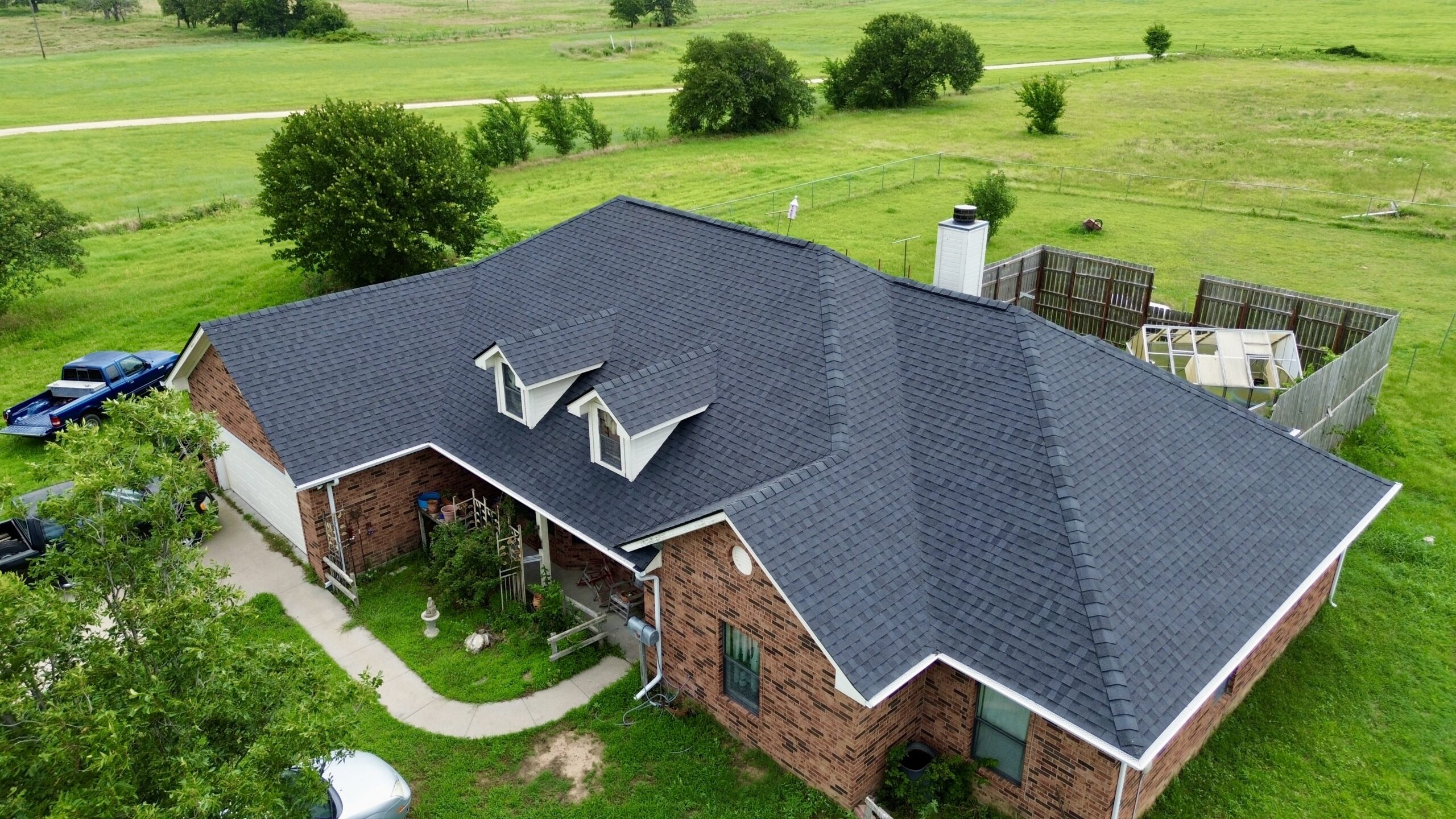
The roofing industry has experienced a noticeable shift toward synthetic products because they solve many challenges associated with traditional roofing materials. Builders, contractors, architects, and property owners increasingly recognize the advantages these materials provide throughout the installation process and beyond.
One important reason is their ability to reduce structural loading. Heavy roofing materials may require expensive structural reinforcement before installation can begin. Lightweight synthetic products often eliminate this requirement, reducing overall project costs and simplifying construction planning.
Durability also contributes to their popularity. Synthetic roofing materials are specifically engineered to resist common causes of roof deterioration, including moisture, ultraviolet exposure, impact damage, and temperature fluctuations. This improved resilience helps extend service life while reducing repair frequency.
Aesthetic flexibility is another significant advantage. Manufacturers produce synthetic roofing products in a wide variety of colors, textures, and profiles that complement different architectural styles. Property owners can achieve the appearance of luxury roofing without the associated maintenance challenges.
Installation efficiency further increases demand. Lightweight materials are easier for roofing crews to transport, position, and secure. Faster installation often reduces labor expenses while minimizing disruption to building occupants.
Environmental awareness has also influenced purchasing decisions. Many synthetic roofing products incorporate recycled materials, helping reduce waste while supporting sustainable construction practices. Their long lifespan also decreases the frequency of roof replacement, contributing to reduced resource consumption.
Finally, manufacturers continue improving product performance through ongoing innovation. Today’s synthetic roofing systems offer better color stability, stronger weather resistance, and improved impact performance compared with earlier generations. These continuous improvements have strengthened confidence among contractors and property owners alike.
Comparing Synthetic and Traditional Roofing Materials
Choosing between synthetic and traditional roofing involves evaluating multiple performance factors rather than focusing on appearance alone. Each material offers unique strengths, but synthetic roofing often provides a balanced combination of durability, efficiency, and long term value.
Traditional roofing materials remain popular because of their natural beauty and historical appeal. Slate, cedar, and clay tiles have been used successfully for generations and continue to enhance many architectural styles. However, these materials often require greater maintenance and more careful installation.
Synthetic roofing provides many of the same visual characteristics while improving overall practicality. The engineered composition allows manufacturers to enhance durability without sacrificing appearance. As a result, property owners gain the aesthetic benefits of premium roofing with fewer long term maintenance concerns.
Several factors commonly influence the final decision.
| Feature | Synthetic Roofing Materials | Traditional Roofing Materials |
|---|---|---|
| Weight | Lightweight and easier to install | Often heavy and may require structural reinforcement |
| Durability | Engineered for weather resistance | Depends on natural material quality |
| Maintenance | Generally low maintenance | Often requires more regular upkeep |
| Appearance | Closely replicates natural materials | Authentic natural appearance |
| Installation | Faster and simpler | More labor intensive |
| Moisture Resistance | Excellent in most products | Varies by material |
| Cost Over Time | Lower maintenance expenses | Higher long term maintenance possible |
The ideal roofing choice depends on project goals, climate conditions, budget, and desired appearance. Understanding these differences allows property owners to select materials that best support both immediate installation needs and future performance expectations.
Performance Benefits of Synthetic Roofing Materials
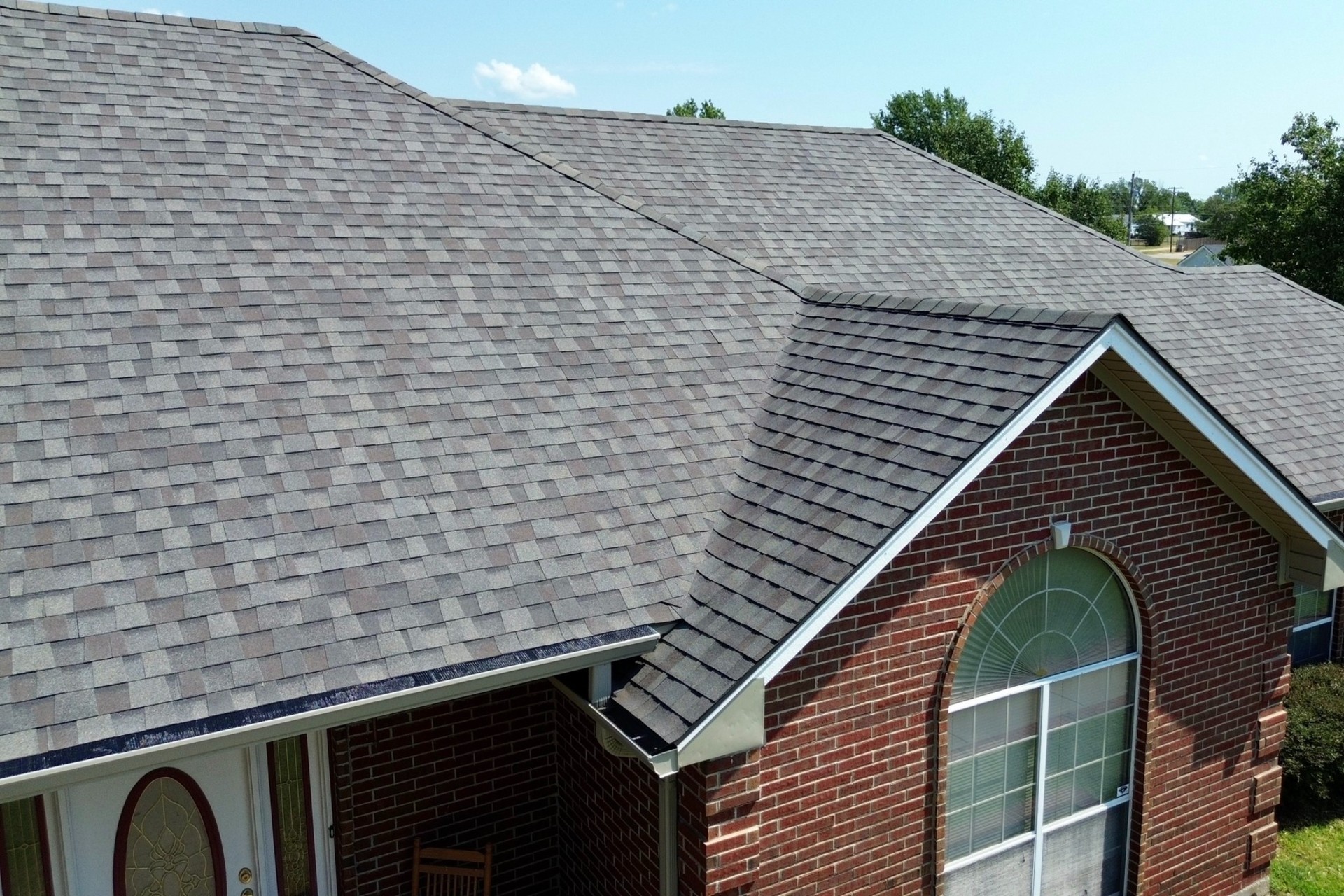
The long term success of any roofing installation depends on how well the material performs after construction is complete. While appearance is important, homeowners and commercial property owners expect their roofs to withstand changing weather, protect the building, and require minimal maintenance. Synthetic roofing materials have been engineered with these expectations in mind, making them one of the strongest options for modern roofing projects.
Unlike many traditional materials that naturally deteriorate over time, synthetic products are designed to maintain their structural integrity for decades. Manufacturers continually improve formulations to increase resistance against moisture, sunlight, impact, and temperature changes. These improvements allow synthetic roofs to perform consistently in a variety of climates.
Another advantage is predictable performance. Since synthetic materials are manufactured rather than harvested from natural sources, they offer consistent quality throughout the roofing system. Contractors can install products with confidence, knowing each component has similar strength, dimensions, and durability.
As roofing technology advances, synthetic materials continue demonstrating their value through reliable protection and lower ownership costs. Their engineered construction helps reduce many of the common problems associated with aging roofs.
Moisture Resistance
Water is one of the most damaging elements affecting roofing systems. Even small leaks can lead to mold growth, insulation damage, wood rot, and expensive structural repairs. Synthetic roofing materials are specifically designed to reduce water absorption, making them highly effective in wet climates.
Most synthetic roofing products have nonporous surfaces that prevent moisture from penetrating the material itself. This characteristic allows rainwater to flow away quickly while reducing the likelihood of cracking caused by repeated moisture exposure.
Unlike natural wood roofing, synthetic alternatives do not absorb water that can later freeze and expand. This makes them especially beneficial in regions experiencing freeze and thaw cycles during winter months.
Proper installation remains essential for maximum water resistance. Flashing, underlayment, and drainage systems work together with synthetic roofing materials to create a complete weatherproof barrier.
Wind Resistance
Strong winds place tremendous stress on roofing systems. Loose shingles, lifted edges, and damaged fasteners often occur when roofing materials cannot withstand powerful gusts.
Many synthetic roofing products are tested under demanding wind conditions before entering the market. Their engineered designs often include secure fastening systems and interlocking profiles that improve resistance against wind uplift.
Lightweight construction should not be mistaken for weakness. Modern synthetic roofing materials combine reduced weight with impressive structural strength, allowing them to remain securely attached even during severe storms when properly installed.
Buildings located in coastal regions or areas frequently affected by storms benefit significantly from roofing materials capable of resisting prolonged wind exposure.
Fire Resistance
Fire safety is an important consideration when selecting roofing materials for residential and commercial buildings. Many synthetic roofing systems are manufactured using fire resistant compounds that improve overall building safety.
Depending on the product, synthetic roofing materials may achieve high fire performance ratings when installed as part of approved roofing assemblies. These ratings provide confidence that the roofing system can help slow fire spread under certain conditions.
Although no roofing material completely eliminates fire risk, choosing products with strong fire performance contributes to safer building design. Property owners should always review manufacturer specifications and local building codes before selecting roofing materials.
Ultraviolet Protection
Continuous exposure to sunlight gradually damages many roofing materials. Ultraviolet radiation can cause fading, brittleness, surface deterioration, and reduced lifespan if the roofing product lacks adequate protection.
Synthetic roofing materials typically include UV stabilizers during manufacturing. These additives help maintain color consistency while reducing damage caused by years of direct sunlight.
Improved UV resistance also supports structural durability. Rather than becoming brittle after prolonged exposure, quality synthetic roofing materials remain flexible and maintain their protective properties for extended periods.
Buildings located in sunny climates especially benefit from roofing products designed to withstand constant solar exposure.
Impact Resistance
Roofs frequently encounter impacts from hail, falling branches, airborne debris, and maintenance activities. Materials unable to absorb these impacts may crack or break, requiring expensive repairs.
Synthetic roofing products are engineered with flexibility that helps absorb sudden impacts without significant structural damage. Many products undergo standardized impact testing to verify their durability under challenging conditions.
This resilience makes synthetic roofing an excellent option for regions where hailstorms occur regularly. Reducing impact damage also lowers maintenance expenses throughout the roof’s lifespan.
Thermal Stability
Temperature changes cause roofing materials to expand during warm weather and contract during colder conditions. Repeated movement can eventually lead to cracks, loose fasteners, and other forms of deterioration.
Synthetic roofing materials are formulated to tolerate thermal movement without compromising structural performance. Their engineered composition allows controlled expansion and contraction while maintaining weather resistance.
Stable performance across different seasons helps extend the service life of the roofing system. It also minimizes the likelihood of unexpected repairs resulting from seasonal temperature fluctuations.
Energy Efficiency and Environmental Advantages
Modern construction increasingly emphasizes sustainability and energy conservation. Roofing materials contribute significantly to building performance because they influence indoor temperatures, heating requirements, and cooling efficiency.
Synthetic roofing materials support these goals through advanced manufacturing technologies that improve thermal performance while reducing environmental impact. Although energy savings vary depending on roof design and climate, many synthetic products contribute positively to overall building efficiency.
Lower maintenance requirements further enhance sustainability. Roofs that last longer reduce the frequency of replacement, decreasing material consumption and construction waste over time.
Manufacturers are also incorporating environmentally responsible production methods into synthetic roofing manufacturing. These efforts continue improving the industry’s environmental footprint while maintaining high performance standards.
Improved Solar Reflectivity
Some synthetic roofing materials are designed with reflective surface technologies that reduce heat absorption during hot weather. By reflecting a portion of incoming solar radiation, these roofing systems help keep roof surfaces cooler.
Lower roof temperatures reduce the amount of heat transferred into the building. This may decrease cooling demands during summer months, improving indoor comfort while reducing energy consumption.
Reflective roofing is especially beneficial for commercial buildings with large roof areas that receive continuous sunlight throughout the day.
Better Insulation Support
Although roofing materials themselves are not insulation, they work together with insulation systems to improve building efficiency.
Synthetic roofing products help create a stable protective layer above insulation materials. Their consistent construction reduces opportunities for moisture intrusion that could reduce insulation performance.
When combined with quality underlayment and proper attic ventilation, synthetic roofing contributes to a well balanced roofing assembly that supports year round energy efficiency.
Sustainable Manufacturing
Environmental responsibility has become an important factor for many property owners. Manufacturers have responded by producing synthetic roofing materials using recycled plastics, recycled rubber, and other reclaimed resources.
This approach reduces landfill waste while decreasing dependence on newly extracted raw materials. Recycling programs also encourage more sustainable production throughout the roofing industry.
Long service life provides another environmental benefit. Roofs requiring fewer replacements generate less construction debris during the lifetime of a building.
Lower Transportation Impact
Lightweight roofing materials require less energy during transportation compared to heavy natural stone or concrete products. More roofing material can often be transported within a single shipment, improving logistical efficiency.
Reduced transportation weight may also simplify material handling at construction sites, lowering equipment requirements and improving installation productivity.
Although transportation is only one aspect of sustainability, every improvement contributes toward reducing the overall environmental impact of roofing projects.
Installation Process for Synthetic Roofing Systems
Proper installation remains one of the most important factors affecting roofing performance. Even premium roofing materials cannot deliver their full lifespan if installation procedures are ignored.
Professional roofing contractors follow carefully planned installation methods that ensure every component functions together as a complete weather protection system. While manufacturers may recommend slightly different procedures, the general installation process follows similar principles.
Roof Inspection
Every successful roofing project begins with a thorough inspection. Contractors evaluate the roof deck, structural framing, ventilation system, flashing condition, and drainage components before installation starts.
This assessment identifies damaged areas requiring repair before new roofing materials are installed. Correcting structural issues early prevents future complications.
Roof Deck Preparation
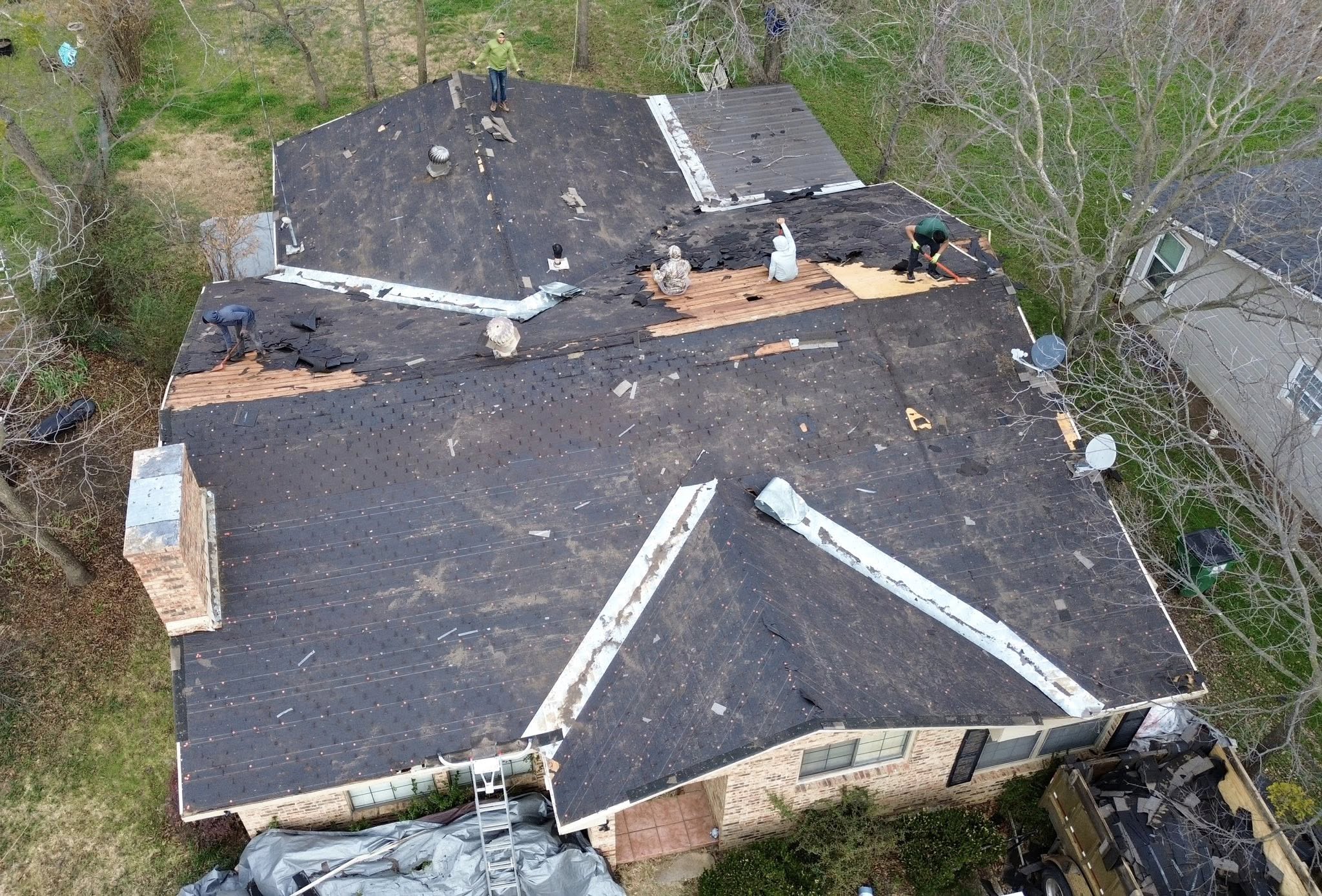
A clean and stable roof deck provides the foundation for every roofing system. Contractors remove damaged materials, replace deteriorated wood, and verify that the deck is properly secured.
Any uneven surfaces are corrected to ensure the synthetic roofing materials rest evenly across the structure. Proper preparation improves both appearance and long term performance.
Underlayment Installation
Roofing underlayment serves as an additional moisture barrier beneath the visible roofing material. It provides secondary protection if water penetrates the outer roofing layer.
Selecting quality underlayment enhances overall roof performance while improving weather resistance in challenging climates.
Installing Synthetic Roofing Materials
Once preparation is complete, installers begin placing the roofing materials according to manufacturer instructions.
Accurate alignment is critical because consistent spacing improves both appearance and weather protection. Contractors carefully secure each panel or shingle using approved fasteners and recommended installation patterns.
Lightweight synthetic roofing materials simplify this process, allowing installers to work more efficiently without sacrificing quality.
Flashing Installation
Flashing protects roof intersections, valleys, chimneys, skylights, and vent penetrations where water is most likely to enter.
Proper flashing installation requires precision because these areas experience concentrated water flow during rainfall. High quality flashing materials combined with careful workmanship greatly reduce leak risks.
Ventilation Integration
Roof ventilation plays an essential role in maintaining roof performance throughout the year.
Proper airflow helps regulate attic temperatures, reduces moisture accumulation, and supports insulation efficiency. Synthetic roofing systems perform best when installed with balanced intake and exhaust ventilation.
Final Inspection
After installation is complete, contractors conduct a comprehensive inspection.
Fasteners, flashing, ridge components, drainage pathways, and overall roof appearance are carefully evaluated. Any adjustments are completed before the project is officially finished.
Installation Comparison
The following table highlights installation characteristics among common synthetic roofing products.
| Roofing Material | Installation Difficulty | Weight | Maintenance Level | Typical Appearance |
|---|---|---|---|---|
| Synthetic Slate | Moderate | Light | Low | Natural slate |
| Synthetic Cedar Shake | Moderate | Light | Low | Wood shake |
| Composite Shingles | Easy | Very light | Low | Architectural shingles |
| Polymer Roofing Tiles | Moderate | Light | Low | Clay tile |
| Rubber Roofing Materials | Moderate | Light | Low | Slate or shake appearance |
The table illustrates why synthetic materials continue gaining popularity across different building types. Most products combine lightweight construction with relatively straightforward installation and limited maintenance needs.
Common Installation Mistakes to Avoid
Even advanced roofing materials require proper installation techniques. Avoiding common mistakes helps maximize roof lifespan while protecting the manufacturer’s warranty.
The following issues deserve particular attention during installation.
- Improper fastener placement that weakens wind resistance.
- Skipping damaged roof deck repairs before installation.
- Poor flashing installation around roof penetrations.
- Inadequate attic ventilation that traps heat and moisture.
- Ignoring manufacturer installation instructions.
Each of these mistakes may reduce roofing performance despite using high quality materials. Hiring experienced roofing professionals significantly lowers the likelihood of installation errors.
Maintenance Practices After Installation
One of the major advantages of synthetic roofing materials is their relatively low maintenance requirement. However, routine care still helps maximize appearance and performance over many years.
Regular inspections allow property owners to identify minor concerns before they develop into expensive repairs. Small issues are often easier and less costly to correct when discovered early.
Cleaning roof surfaces periodically removes leaves, dirt, and organic debris that may trap moisture. Gutters and downspouts should also remain free of blockages so rainwater drains efficiently away from the roof.
The following maintenance routine helps preserve roofing performance throughout its lifespan.
- Inspect the roof twice each year.
- Clean gutters and roof valleys regularly.
- Remove branches resting on the roof surface.
- Check flashing after major storms.
- Schedule professional inspections every few years.
Preventive maintenance requires relatively little effort but significantly contributes to long term roofing reliability. Combining quality installation with routine inspections helps synthetic roofing materials achieve the long service lives they were designed to deliver.
Cost Considerations for Synthetic Roofing Materials
Choosing roofing materials is not simply about selecting the lowest purchase price. A roof is a long term investment that influences maintenance expenses, energy efficiency, property value, and future repair costs. Synthetic roofing materials often have a higher upfront cost than basic asphalt shingles, but many property owners find that the long term benefits justify the initial investment.
When comparing roofing options, it is important to consider the complete lifecycle cost rather than focusing only on installation expenses. A roof that lasts longer and requires fewer repairs may provide greater value over several decades. Synthetic roofing products are designed with this long term perspective in mind, making them attractive for both residential and commercial projects.
The final project cost depends on several factors including roof size, roof complexity, local labor rates, material selection, and regional building requirements. Additional elements such as underlayment, flashing, ventilation improvements, and roof deck repairs may also influence the total budget.
Property owners should request detailed estimates from qualified roofing contractors before making a decision. A comprehensive proposal provides a clearer understanding of material costs, labor charges, warranty coverage, and expected project timelines.
Material Costs
Synthetic roofing products are available in several price ranges depending on their design and manufacturing quality. Composite shingles generally represent one of the more affordable synthetic options, while premium synthetic slate and high end polymer tiles typically cost more due to their advanced engineering and realistic appearance.
Although premium materials require a larger initial investment, they often deliver greater durability and improved weather resistance. This reduces the likelihood of frequent repairs and replacement, helping offset the higher purchase price over time.
Product quality should always receive greater attention than price alone. Investing in well manufactured roofing materials often provides better long term performance than selecting the least expensive alternative.
Installation Expenses
Installation costs vary according to roof complexity, accessibility, and contractor experience. Roofs with multiple slopes, dormers, chimneys, skylights, and valleys generally require more labor than simple roof designs.
One financial advantage of synthetic roofing is its lightweight construction. Since these materials are easier to transport and handle, installation may require less labor than heavy natural slate or clay tile roofing.
The reduced weight may also eliminate the need for expensive structural reinforcement. This can generate substantial savings, especially during renovation projects where existing framing was not designed to support extremely heavy roofing materials.
Maintenance Costs
Maintenance expenses represent an important component of long term roof ownership. Traditional roofing materials may require periodic treatments, repairs, or replacement of damaged components as they age.
Synthetic roofing materials are engineered to minimize these maintenance demands. Their resistance to moisture, insects, cracking, and ultraviolet exposure allows them to maintain performance with relatively simple routine inspections and occasional cleaning.
Lower maintenance requirements reduce both direct repair costs and the inconvenience associated with repeated roofing work. This makes synthetic roofing particularly attractive for property owners seeking dependable long term performance.
Long Term Value
Long term value extends beyond the expected lifespan of the roofing material. It includes durability, appearance retention, weather resistance, maintenance savings, and overall reliability.
Synthetic roofing products are specifically designed to deliver consistent performance throughout many years of service. Their engineered construction allows them to withstand environmental conditions that might gradually deteriorate natural roofing materials.
Property owners also benefit from stable appearance over time. Many synthetic products resist fading and discoloration, helping buildings maintain attractive curb appeal with minimal effort.
When viewed over several decades, synthetic roofing often provides excellent overall value because it balances performance, durability, and maintenance efficiency.
Return on Investment
A quality roof contributes to the overall value of a property. Buyers often appreciate roofing systems that offer long service life, attractive appearance, and limited maintenance requirements.
Synthetic roofing materials may increase buyer confidence because they combine modern technology with the visual appeal of premium natural roofing. Their durability can become a valuable selling point during future property transactions.
Although resale value depends on numerous market factors, investing in high quality roofing generally supports long term property value while reducing ownership concerns.
Choosing the Right Synthetic Roofing Material
Every roofing project has unique requirements. Climate, architectural style, structural design, and budget all influence which synthetic roofing material provides the best solution.
Rather than selecting a product based solely on appearance, property owners should evaluate how each material performs under local environmental conditions. A roofing system that performs exceptionally well in one region may not be the ideal choice for another.
Working with experienced roofing professionals simplifies the selection process. Contractors can evaluate building conditions and recommend products that balance appearance, durability, and long term performance.
The following considerations provide a useful starting point when comparing available options.
Consider the Local Climate
Climate remains one of the most important factors affecting roof performance.
Regions receiving frequent snowfall benefit from roofing materials that resist freeze and thaw damage. Areas experiencing intense sunlight require products with excellent ultraviolet stability. Coastal regions often demand enhanced wind resistance and protection against moisture exposure.
Choosing roofing materials specifically designed for local weather conditions helps maximize service life while reducing maintenance requirements.
Evaluate Roof Slope
Roof slope influences water drainage, installation methods, and material compatibility.
Some synthetic roofing products perform exceptionally well on steep slopes because they efficiently direct water away from the building. Other products may be more suitable for lower slope applications when combined with appropriate waterproofing systems.
Contractors evaluate roof pitch before recommending suitable roofing materials to ensure proper drainage and long term performance.
Match the Building Style
The roof contributes significantly to the visual character of a building.
Synthetic slate complements traditional homes, historic buildings, and luxury residences. Synthetic cedar shake creates a warm natural appearance suitable for cottages and rustic architecture. Polymer tiles enhance Mediterranean, Spanish, and contemporary designs.
Selecting materials that complement the overall architecture improves curb appeal while preserving design consistency.
Establish a Realistic Budget
Budget planning involves balancing immediate expenses with future savings.
Choosing the least expensive roofing material may reduce installation costs today but increase maintenance expenses later. Higher quality synthetic roofing often provides greater durability, reducing repair and replacement costs throughout its lifespan.
Property owners should evaluate overall ownership costs rather than focusing exclusively on initial purchase price.
Review Warranty Coverage
Manufacturer warranties provide valuable protection against product defects.
Warranty terms vary between manufacturers and may cover different aspects of roofing performance. Some warranties focus on manufacturing defects, while others include color retention or weather resistance.
Understanding warranty conditions before installation helps avoid misunderstandings later. Property owners should also verify whether professional installation is required to maintain warranty coverage.
Verify Building Code Compliance
Local building codes establish minimum construction standards that roofing systems must satisfy.
Professional contractors understand applicable regulations regarding wind resistance, fire performance, fastening methods, and ventilation requirements. Selecting code compliant materials helps ensure successful project approval while maintaining building safety.
Future Trends in Synthetic Roofing Technology
Roofing technology continues evolving as manufacturers develop stronger, lighter, and more sustainable products. Research focuses on improving durability while reducing environmental impact and simplifying installation procedures.
These innovations will likely influence residential, commercial, and industrial construction for many years. Property owners can expect future synthetic roofing products to offer even greater performance and efficiency than current generations.
The roofing industry increasingly integrates advanced materials science with digital manufacturing technologies. These developments improve quality control while expanding design possibilities.
Smarter Composite Materials
Manufacturers continue developing composite formulations with greater strength and flexibility.
New material combinations improve impact resistance, reduce thermal expansion, and enhance weather durability. These improvements help roofing systems withstand increasingly challenging environmental conditions.
Future composite materials may also become lighter while maintaining exceptional structural performance.
Enhanced Sustainability
Environmental responsibility continues shaping roofing innovation.
Manufacturers are increasing the use of recycled plastics, reclaimed rubber, and renewable production methods. Improved recycling technologies also allow more roofing materials to be reused at the end of their service life.
These developments reduce waste while supporting environmentally responsible construction practices.
Improved Solar Compatibility
As solar energy becomes more common, roofing systems are evolving to accommodate photovoltaic installations more efficiently.
Future synthetic roofing materials may include integrated mounting systems that simplify solar panel installation without compromising weather protection.
Better compatibility reduces installation complexity while supporting renewable energy adoption.
Advanced Surface Technologies
Researchers continue improving protective coatings that resist ultraviolet radiation, algae growth, dirt accumulation, and weathering.
Enhanced coatings help roofs maintain attractive appearance for longer periods while reducing maintenance requirements.
Improved surface technologies may also increase energy efficiency by reflecting more solar heat during warm weather.
Digital Manufacturing
Precision manufacturing technologies continue improving consistency across roofing products.
Computer controlled production systems reduce material variation while increasing manufacturing efficiency. Property owners benefit from roofing products that maintain consistent dimensions, appearance, and structural quality.
These manufacturing improvements also simplify installation because roofing components fit together more accurately.
Frequently Asked Questions
Many property owners have similar questions before selecting synthetic roofing materials. Understanding these common concerns helps support confident purchasing decisions.
How long do synthetic roofing materials last?
The expected lifespan depends on product quality, installation workmanship, environmental conditions, and maintenance practices. Many premium synthetic roofing products are designed to provide several decades of reliable service when properly installed and maintained.
Routine inspections and prompt repairs contribute significantly to achieving maximum lifespan.
Are synthetic roofing materials suitable for all climates?
Most synthetic roofing systems perform well across diverse climates because they resist moisture, ultraviolet exposure, temperature changes, and wind damage.
However, selecting products specifically tested for local weather conditions remains important. Professional contractors can recommend materials appropriate for regional environmental challenges.
Do synthetic roofs require frequent maintenance?
Synthetic roofing generally requires much less maintenance than many natural roofing materials.
Routine inspections, gutter cleaning, debris removal, and occasional professional evaluations usually provide sufficient maintenance for long term performance.
Can damaged synthetic roofing be repaired?
Yes. Individual shingles or tiles can often be replaced if isolated damage occurs.
Prompt repairs help maintain weather resistance while preventing small problems from expanding into larger structural issues.
Are synthetic roofing materials environmentally friendly?
Many synthetic roofing products incorporate recycled materials during manufacturing.
Their long service life also reduces replacement frequency, helping decrease construction waste throughout the lifetime of a building.
Are synthetic roofing materials worth the investment?
For many property owners, the answer is yes.
The combination of durability, attractive appearance, reduced maintenance, weather resistance, and long lifespan often provides excellent overall value despite higher initial installation costs.
Final Thoughts Before Installation
Before beginning any roofing project, careful planning produces better long term results than making quick decisions based solely on price or appearance.
Property owners should compare several roofing products, review manufacturer specifications, verify warranty coverage, and discuss installation procedures with experienced contractors. Understanding the complete roofing system, including underlayment, flashing, ventilation, and drainage, is just as important as selecting the visible roofing material.
Obtaining multiple professional estimates also provides valuable insight into project scope and expected costs. Detailed proposals make it easier to compare materials, workmanship, warranties, and installation timelines.
Communication between property owners and contractors remains essential throughout the project. Clear expectations regarding scheduling, cleanup, inspections, and maintenance recommendations help ensure a successful roofing installation.
Choosing experienced installers is equally important because proper workmanship directly affects roof performance. Even the highest quality synthetic roofing materials depend on correct installation techniques to achieve their intended lifespan.
By combining careful product selection with professional installation and routine maintenance, property owners can enjoy dependable roofing performance for many years while protecting one of their most valuable investments.
Conclusion
Synthetic roofing materials have transformed modern roofing by combining advanced engineering with the timeless appearance of traditional roofing products. Their lightweight construction, impressive durability, weather resistance, and low maintenance requirements make them an attractive solution for homeowners, commercial property owners, architects, and contractors alike. As manufacturing technology continues advancing, these materials offer increasingly realistic finishes while delivering dependable performance across a wide range of climates.
Compared with many conventional roofing options, synthetic products provide consistent quality that simplifies installation and supports long term reliability. Their ability to resist moisture, ultraviolet radiation, wind, impact, and temperature fluctuations allows them to protect buildings more effectively while reducing maintenance demands. The use of recycled materials and sustainable manufacturing practices further enhances their appeal for environmentally conscious construction projects.
Selecting the right roofing material ultimately depends on building design, climate conditions, project budget, and long term ownership goals. By evaluating these factors carefully and working with qualified roofing professionals, property owners can choose a synthetic roofing system that balances appearance, performance, and value.
As the roofing industry continues embracing innovation, synthetic roofing materials are well positioned to become an even more important part of future construction. Their combination of durability, efficiency, attractive design, and technological advancement makes them a practical investment for modern installation projects that demand both immediate performance and lasting protection.