

Metal Roof Installation Fastener Systems Explained for Homeowners
Introduction
When homeowners think about a metal roof, they often focus on the panels, colors, or overall appearance. However, one of the most important components of the entire roofing system is often hidden in plain sight. The fastener system holds the roof securely to the structure and plays a major role in its strength, weather resistance, and long term durability.
A properly installed metal roof depends on thousands of individual fasteners working together. Each screw, clip, or concealed fastening component contributes to the roof’s ability to resist wind, rain, snow, and temperature changes. If the wrong fasteners are used or they are installed incorrectly, even premium roofing panels may fail to perform as expected.
Modern metal roofing systems use several different fastening methods depending on the panel design. Some systems rely on exposed screws that remain visible after installation, while others use concealed clips hidden beneath raised seams. Each approach offers unique advantages and is suited to different roofing applications.
Understanding how metal roof fastener systems work helps homeowners make informed decisions when selecting a roofing system or evaluating installation quality. Knowing the purpose of different fasteners also makes it easier to recognize proper workmanship and understand future maintenance requirements.
This guide explains metal roof fastener systems in simple, homeowner friendly language. In this first part, we will explore why fasteners matter, examine the different fastening systems available, discuss the components of roofing fasteners, compare materials, and explain how proper roof preparation supports long lasting fastener performance.
Why Fastener Systems Matter in Metal Roof Installation
Fasteners are the connection between the roofing panels and the building structure. Without them, even the strongest metal panels would not remain securely attached during changing weather conditions. Their importance extends far beyond simply holding the roof in place.
A properly designed fastener system distributes loads evenly across the roof. Wind pressure, snow accumulation, heavy rainfall, and thermal expansion all place stress on the roofing system. Fasteners help transfer these forces safely into the roof structure while maintaining panel stability.
Fasteners also contribute to weather resistance. Specialized roofing screws include sealing washers that prevent water from entering through fastening points. Correct installation ensures these seals remain effective throughout many years of service.
The fastening system influences the roof’s ability to expand and contract naturally. Metal roofing responds continuously to changing temperatures by expanding during warm weather and contracting as temperatures decrease. Proper fastening methods allow controlled movement while preventing unnecessary stress.
Installation speed and long term maintenance also depend on the selected fastening system. Some roofing designs simplify installation while others require greater precision but provide enhanced weather protection and appearance.
Manufacturer warranties frequently specify approved fastener types and installation procedures. Using incorrect fasteners may affect warranty coverage while reducing the roof’s expected lifespan.
Although fasteners represent only a small portion of the roofing system, they have a major influence on durability, safety, appearance, and long term performance.
Understanding the Purpose of Roof Fasteners
Every roof fastener performs several important functions simultaneously. While their primary job is securing the roofing panels, they also contribute to structural stability, waterproofing, and resistance against environmental forces.
The first purpose of a roof fastener is to anchor the roofing material securely to the roof deck or structural framing. Strong attachment prevents the panels from shifting during high winds or other severe weather events.
Fasteners also help maintain proper panel alignment. Correctly positioned screws or concealed clips keep the roofing panels evenly spaced while preserving straight seam lines across the roof surface.
Weather resistance is another important function. Roofing screws designed for exposed fastening systems include durable rubber or neoprene washers that compress against the metal panel. This creates a watertight seal around each fastening point while preventing moisture intrusion.
Fasteners must also resist vibration caused by wind. Constant movement over many years places repeated stress on roofing components. High quality fasteners maintain secure attachment while reducing the likelihood of loosening.
Corrosion resistance is equally important because roofing fasteners remain exposed to changing weather conditions throughout their service life. Protective coatings help preserve structural strength while reducing the possibility of rust.
Finally, fasteners support the roof’s ability to accommodate thermal movement. Whether through concealed clips or carefully engineered fastening methods, the roofing system must remain secure while allowing natural expansion and contraction.
Every properly installed fastener contributes to the long term reliability of the entire roofing system.
Types of Metal Roof Fastener Systems
Metal roofing systems use different fastening methods depending on the panel profile, building type, climate conditions, and desired appearance. Understanding these systems helps homeowners appreciate why different roofs require different installation techniques.
The most common fastening method is the exposed fastener system. Roofing screws pass directly through the metal panels into the roof deck or framing below. The screw heads remain visible after installation, making this system both economical and relatively simple to install.
Concealed fastener systems hide the attachment points beneath overlapping panel seams or specialized fastening flanges. Since the fasteners remain protected from direct weather exposure, these systems generally require less maintenance over time.
Standing seam roofing represents the most familiar concealed fastening system. Metal clips attach the panels to the roof while remaining completely hidden beneath the raised seams once installation is complete.
Nail strip systems eliminate separate clips by incorporating integrated fastening flanges into the panel design. These systems simplify installation while preserving the clean appearance associated with concealed fastening.
Some commercial roofing applications use mechanically seamed systems where concealed clips secure the panels before specialized equipment locks adjacent seams together. These systems provide exceptional weather resistance for demanding environments.
Every fastening system offers unique benefits related to cost, appearance, maintenance requirements, installation complexity, and expected lifespan.
Selecting the most appropriate system depends on both the roofing material and the specific requirements of the building.
Exposed Fastener vs Concealed Fastener Systems
One of the most common decisions homeowners face when selecting a metal roof is choosing between exposed and concealed fastener systems. Both options provide excellent performance when installed correctly, but they differ significantly in design and maintenance.
Exposed fastener roofs secure each panel directly through its surface using specialized roofing screws. These screws include sealing washers that create watertight connections while remaining visible across the completed roof.
Because the fasteners remain exposed to sunlight, rain, temperature changes, and environmental conditions, they should be inspected periodically during the roof’s lifespan. Modern fasteners are highly durable, but routine maintenance helps ensure continued performance.
Concealed fastener systems hide all primary attachment points beneath panel seams. Standing seam roofing is the best known example of this approach. Hidden fasteners remain protected from weather, reducing long term exposure to moisture and ultraviolet radiation.
Concealed systems also create a smoother roof appearance because no visible screw heads interrupt the panel surface. Many homeowners choose standing seam roofing specifically for this clean architectural style.
Thermal movement is another important difference. Concealed clip systems allow the metal panels to expand and contract naturally while maintaining secure attachment to the roof structure. This reduces stress placed on both the panels and fastening components.
Exposed fastener systems generally cost less to install, making them attractive for many residential and agricultural buildings. Concealed fastener systems often require greater installation precision but usually provide enhanced weather protection and reduced maintenance.
Both systems can provide decades of reliable service when installed according to manufacturer recommendations.
Components of a Metal Roof Fastener
Although roofing screws appear simple from the outside, they are carefully engineered components designed specifically for demanding roofing applications. Every part of the fastener contributes to its long term performance.
The screw head allows installers to drive the fastener efficiently using power tools. Hex heads are commonly used because they provide excellent grip while reducing the possibility of tool slippage during installation.
The threaded shank creates strong holding power within the roof deck or structural framing. Thread design varies according to the material being fastened, allowing secure attachment to wood, steel, or other structural components.
The drill point eliminates the need for separate pilot holes in many applications. Self drilling tips simplify installation while producing consistent fastening performance.
Perhaps the most important component is the sealing washer. Typically made from neoprene or other durable synthetic materials, the washer compresses beneath the screw head to create a waterproof seal against the roofing panel.
Protective coatings cover many roofing fasteners to improve corrosion resistance. These coatings help preserve structural strength despite years of exposure to moisture and changing environmental conditions.
Some concealed fastening systems use specialized clips instead of traditional screws passing through the panel surface. These clips provide secure attachment while allowing controlled panel movement during temperature fluctuations.
Understanding these components helps homeowners appreciate why roofing fasteners differ significantly from ordinary construction screws.
Choosing the Right Fasteners for Different Roofing Materials
Not every fastener works with every roofing material. Selecting compatible fasteners helps maximize roof lifespan while preventing unnecessary corrosion or structural problems.
Steel roofing typically uses galvanized or coated steel fasteners specifically engineered to resist corrosion while maintaining strong holding power. Matching fastener materials with roofing panels helps reduce long term compatibility issues.
Aluminum roofing requires particular attention because certain dissimilar metals may react chemically when exposed to moisture. Manufacturers recommend compatible fasteners that minimize galvanic corrosion while preserving long term durability.
Copper roofing generally requires copper or stainless steel fastening components designed specifically for premium roofing applications. Using unsuitable fasteners with copper roofing may accelerate corrosion or discoloration.
Roofing installed over steel framing often requires self drilling fasteners capable of penetrating structural steel efficiently while maintaining reliable attachment.
The length of the fastener is equally important. Screws must penetrate deeply enough into the supporting structure to provide adequate holding strength without extending unnecessarily beyond the framing.
Manufacturer recommendations should always guide fastener selection. Using substitute fasteners simply because they appear similar may reduce structural performance or affect warranty coverage.
Matching fasteners carefully to the roofing material ensures every component works together as a complete, durable roofing system.
Fastener Materials and Corrosion Resistance
Fastener durability depends heavily on the materials used during manufacturing. Since roofing fasteners remain exposed to demanding environmental conditions for many years, corrosion resistance is essential for maintaining structural integrity.
Galvanized steel fasteners are among the most common choices for residential metal roofing. Zinc coatings provide effective protection against corrosion while maintaining affordability and strength.
Stainless steel fasteners offer superior corrosion resistance, making them particularly valuable in coastal regions or industrial environments where moisture and airborne contaminants accelerate metal deterioration.
Protective coatings further improve fastener performance. Advanced ceramic or polymer coatings create additional barriers against moisture while extending fastener service life.
Environmental conditions influence fastener selection as well. Coastal properties exposed to salt air often require premium corrosion resistant fasteners because standard products may deteriorate more rapidly under these conditions.
Fastener manufacturers perform extensive testing to evaluate corrosion resistance before releasing products for roofing applications. These tests help ensure long term reliability under a wide range of environmental conditions.
Investing in high quality corrosion resistant fasteners protects not only the screws themselves but also the overall durability of the entire roofing system.
Roof Preparation Before Fastener Installation
Proper roof preparation provides the stable foundation necessary for reliable fastener performance. Even the highest quality fasteners cannot compensate for poor structural conditions beneath the roofing panels.
The roof deck should be inspected thoroughly before installation begins. Damaged plywood, deteriorated framing, moisture related decay, or structural weakness must be corrected to provide secure fastening support.
Underlayment is installed before the roofing panels to create a secondary moisture barrier. Although fasteners pass through this layer, proper installation helps maintain waterproof protection beneath the roofing system.
Installers verify roof dimensions and establish accurate reference lines before fastening begins. Precise measurements ensure consistent panel alignment while reducing unnecessary adjustments during installation.
Structural framing must also be located accurately. Fasteners should penetrate appropriate framing members or roof decking according to manufacturer specifications to achieve the required holding strength.
Weather conditions influence installation quality as well. Dry conditions generally provide better footing and reduce the possibility of moisture becoming trapped beneath roofing materials during installation.
Preparing tools, materials, and fastening equipment before work begins improves installation efficiency while reducing the likelihood of mistakes.
Proper Fastener Placement and Spacing
Correct fastener placement is one of the most important aspects of a successful metal roof installation. Even when high quality roofing screws are used, incorrect spacing or positioning can reduce the roof’s ability to resist wind, prevent leaks, and accommodate natural movement caused by changing temperatures. Proper placement ensures that every panel remains securely attached while distributing loads evenly across the roof.
Manufacturers provide detailed fastening patterns for each roofing system. These guidelines specify where every fastener should be installed, how many are required for each panel, and the recommended spacing based on roof slope, panel profile, and expected wind loads. Following these instructions is essential for achieving the roof’s intended performance.
Fasteners installed too close together may unnecessarily restrict panel movement. Metal naturally expands and contracts as temperatures change, and excessive fastening can increase stress on the panels. Over time, this stress may contribute to panel distortion or premature wear around the fastening points.
Fasteners spaced too far apart create a different problem. Large gaps between attachment points reduce the roof’s ability to resist wind uplift during severe weather. Panels may flex more than intended, placing additional stress on seams and surrounding fasteners.
Panel edges, roof ridges, valleys, and perimeter sections often require different fastening patterns than the center of the roof. Wind pressures tend to be greater around roof edges, making secure attachment especially important in these locations.
Professional installers continually verify fastener spacing throughout the installation rather than relying solely on initial measurements. This careful approach helps maintain consistent quality while ensuring every panel performs as designed.
Accurate placement not only improves structural performance but also contributes to a cleaner finished appearance by keeping visible fasteners aligned in straight, uniform rows.
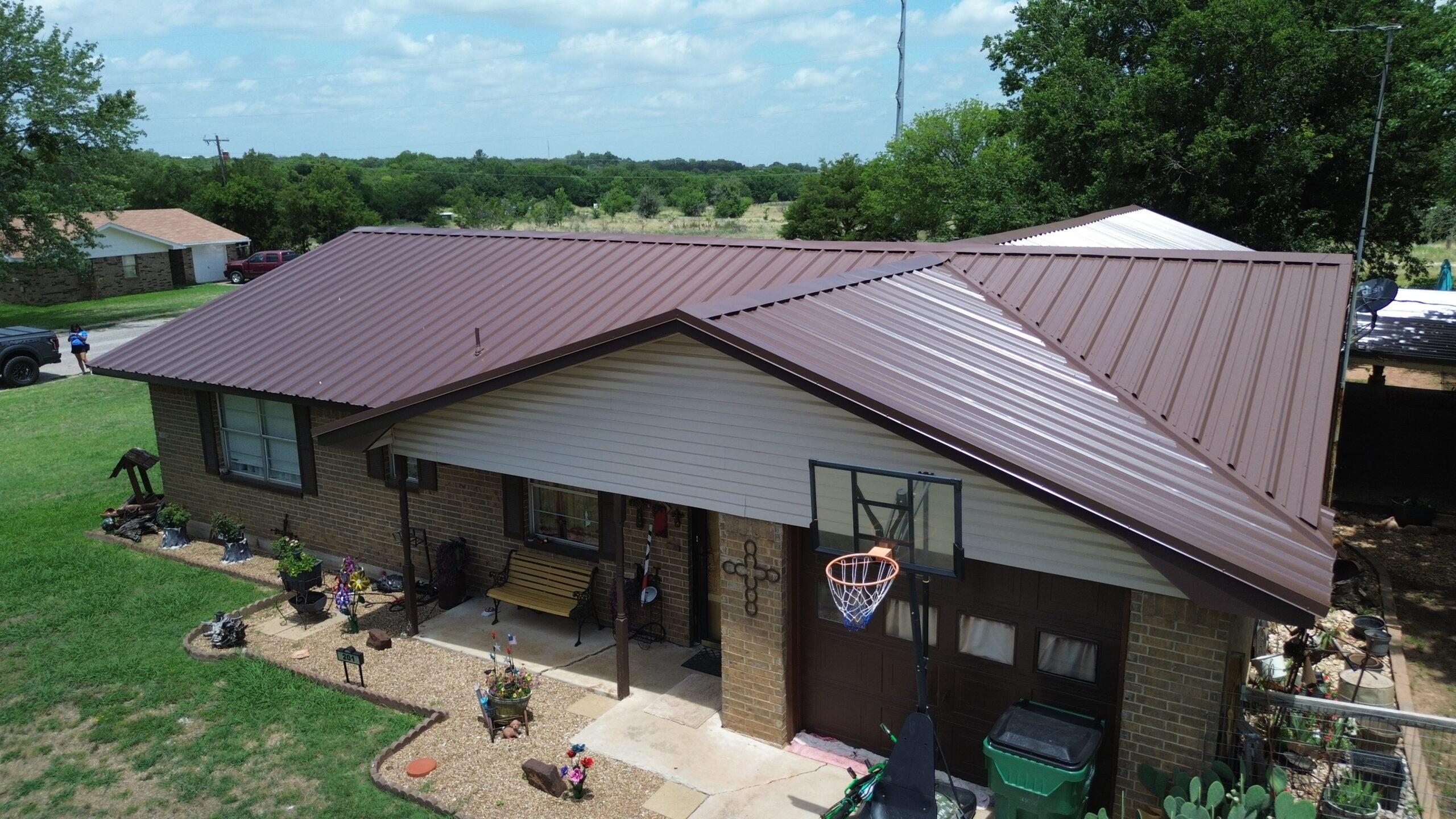
Installing Fasteners Correctly
Selecting the correct fastener is only the beginning. The installation technique itself has an equally important influence on long term roof performance. Even premium fasteners may fail prematurely if they are not installed according to manufacturer recommendations.
The screw should always enter the roofing panel at a ninety degree angle. Installing the screw straight allows the sealing washer to compress evenly against the metal surface, creating a reliable watertight seal. Angled installation often leaves one side of the washer compressed more than the other, increasing the possibility of future leaks.
Power tools should be adjusted to the proper torque setting before installation begins. Excessive torque may crush the sealing washer or strip the supporting material beneath the panel. Insufficient torque leaves the screw loose, allowing water penetration or panel movement during high winds.
Installers also monitor the condition of every sealing washer during installation. The washer should compress slightly without bulging excessively around the screw head. Correct compression maintains waterproof performance while preserving the flexibility needed for long term durability.
Fasteners should never be forced into damaged or distorted panel sections. If the panel becomes bent during handling, it should be repositioned or repaired before fastening continues. Installing screws into uneven surfaces reduces sealing effectiveness.
During installation, workers periodically inspect previously completed sections. This simple practice allows incorrectly installed fasteners to be corrected before additional panels cover surrounding areas.
Consistent installation techniques help ensure every fastener performs reliably throughout the roof’s expected lifespan while reducing the likelihood of unnecessary maintenance.
Fastener Systems for Standing Seam Metal Roofs
Standing seam roofing differs significantly from exposed fastener roofing because its primary fastening system remains hidden beneath the panel seams. Rather than driving screws through the visible panel surface, installers use concealed clips that secure the roofing system while preserving its clean architectural appearance.
The installation process begins by attaching specialized clips directly to the roof deck or structural framing. These clips provide the structural connection between the building and the roofing panels while remaining hidden after installation.
Each standing seam panel locks over the concealed clips. Depending on the roofing system, adjacent panel seams either snap together or are mechanically folded using specialized equipment. Once completed, the fastening system is completely protected from direct exposure to sunlight, rain, and environmental conditions.
Concealed clip systems offer an important advantage by allowing thermal movement. As temperatures change, the panels can expand and contract while the clips maintain secure attachment. This flexibility reduces stress on both the panels and the fastening system.
Clip spacing varies according to manufacturer specifications. Factors such as panel length, roof slope, local wind conditions, and building design all influence the required attachment pattern.
Because the fasteners remain hidden, routine maintenance generally focuses on inspecting panel alignment, flashing, and trim rather than exposed screw heads. This contributes to the low maintenance reputation associated with standing seam roofing.
Although installation requires greater precision than exposed fastener systems, the concealed fastening method provides outstanding durability, weather resistance, and long term performance.
Fastener Systems for Corrugated and Ribbed Metal Panels
Corrugated and ribbed metal roofing systems commonly use exposed fasteners to secure the panels directly to the roof structure. This approach provides a practical and economical solution for residential, agricultural, commercial, and industrial buildings.
Roofing screws pass through the panel surface and into the roof deck or structural framing beneath. Modern roofing screws include durable sealing washers that create watertight connections around each fastening point.
Panel profile influences fastener placement. Some manufacturers recommend installing screws through the flat section of the panel, while others specify fastening through raised ribs depending on the panel design and structural requirements.
Fastener spacing is determined by several factors, including panel width, roof pitch, wind exposure, and local building codes. Areas exposed to stronger winds often require additional fasteners to improve uplift resistance.
One advantage of exposed fastener systems is installation simplicity. Workers can quickly verify that every fastening point has been completed because all screws remain visible throughout the project.
Routine maintenance is slightly different from standing seam roofing because exposed screws should be inspected periodically. Over many years, sealing washers may eventually require replacement depending on environmental conditions and manufacturer recommendations.
When installed correctly and maintained properly, exposed fastener systems provide dependable long term performance while offering an affordable roofing solution for many property owners.
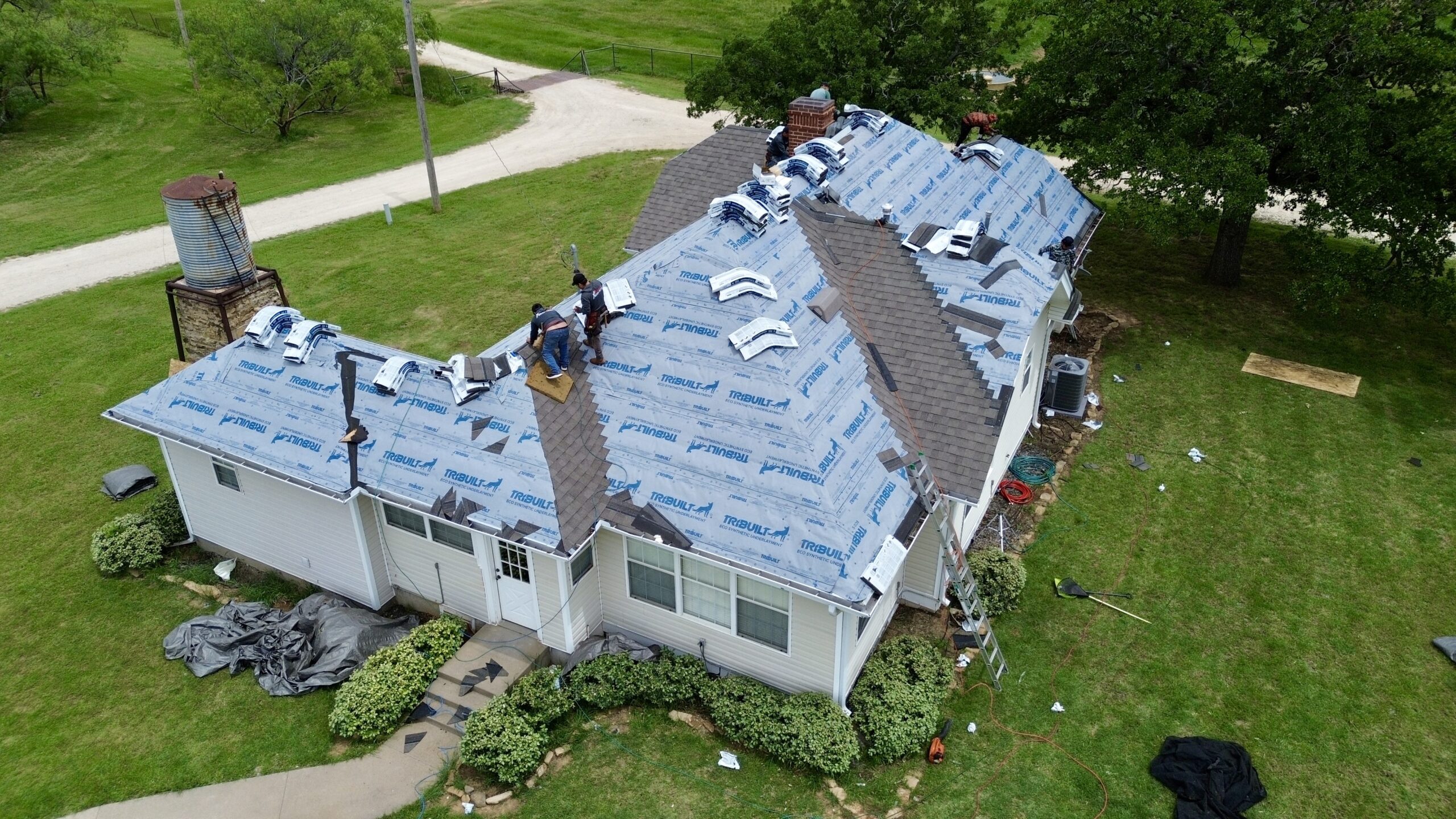
Common Fastener Installation Mistakes
Many roofing problems begin with small installation errors that could have been prevented through careful workmanship. Understanding these common mistakes helps homeowners appreciate the importance of professional installation and quality control.
One of the most frequent mistakes is over tightening the roofing screws. Excessive pressure compresses the sealing washer too much, reducing its ability to maintain a flexible waterproof seal during years of temperature changes.
Under tightening creates the opposite problem. Loose fasteners allow slight panel movement that may eventually enlarge fastening holes or permit moisture to enter beneath the roofing system.
Installing screws at an angle is another common error. Uneven washer compression reduces sealing performance while placing unnecessary stress on both the fastener and the roofing panel.
Using incorrect fastener types also creates long term concerns. Ordinary construction screws should never replace roofing fasteners because they lack the specialized coatings and sealing washers required for roofing applications.
Some installers ignore manufacturer fastening patterns to save time or materials. Incorrect spacing may reduce wind resistance and affect warranty coverage.
Fastening into damaged roof decking or missing structural supports weakens the attachment system. Every fastener should engage solid supporting material according to manufacturer requirements.
Rushing the installation process increases the likelihood of these mistakes. Careful workmanship consistently produces stronger, longer lasting roofing systems.
How Weather Affects Fastener Performance
Roof fasteners remain exposed to changing environmental conditions throughout their service life. Understanding how weather influences fastener performance helps homeowners appreciate why quality materials and proper installation are so important.
Temperature changes cause metal roofing panels to expand during warm weather and contract during colder conditions. Fasteners must accommodate this repeated movement without loosening or damaging the surrounding roofing material.
Heavy rainfall continually tests the waterproof seal created by roofing screws and flashing components. Properly installed sealing washers prevent water from entering around exposed fastening points even after many years of service.
Snow accumulation places additional weight on the roofing system during winter. Fasteners help transfer these loads safely into the building structure while maintaining secure panel attachment.
High winds create uplift forces that attempt to lift the roofing panels away from the roof deck. Proper fastener spacing and secure installation greatly improve the roof’s ability to resist these forces.
Coastal environments introduce salt laden air that accelerates corrosion on lower quality fastening materials. Stainless steel or specially coated fasteners often perform better under these demanding conditions.
Ultraviolet radiation also affects exposed sealing washers over time. Modern synthetic materials are designed to resist sunlight while maintaining flexibility for many years.
Selecting weather resistant fastening systems appropriate for local environmental conditions significantly improves long term roof durability.
Inspecting Fasteners During Installation
Quality control during installation helps ensure every fastener performs as intended throughout the roof’s lifespan. Rather than waiting until the project is complete, experienced installers inspect their work continuously as installation progresses.
Visual inspection begins with panel alignment. Straight rows of fasteners indicate careful installation while helping installers identify any sections requiring adjustment before continuing.
Each screw is examined to confirm correct washer compression. Properly installed washers appear evenly compressed without excessive bulging or visible gaps beneath the screw head.
Workers also verify that every fastener has penetrated the supporting structure properly. Missing framing members or damaged roof decking should be identified immediately rather than after the roof is completed.
The roofing surface is inspected for metal shavings created during drilling. These small particles should be removed promptly because they may rust and stain the finished roofing panels if left in place.
Fastener quantity is also confirmed according to the manufacturer’s fastening schedule. Missing screws reduce structural strength while unnecessary fasteners may restrict thermal movement.
The following quality control checklist is commonly followed during installation:
- Verify panel alignment before fastening.
- Confirm correct screw angle.
- Check washer compression.
- Ensure proper fastener spacing.
- Remove metal shavings from the roof.
- Replace damaged fasteners immediately.
Consistent inspection throughout installation reduces the likelihood of future roofing problems while maintaining high workmanship standards.
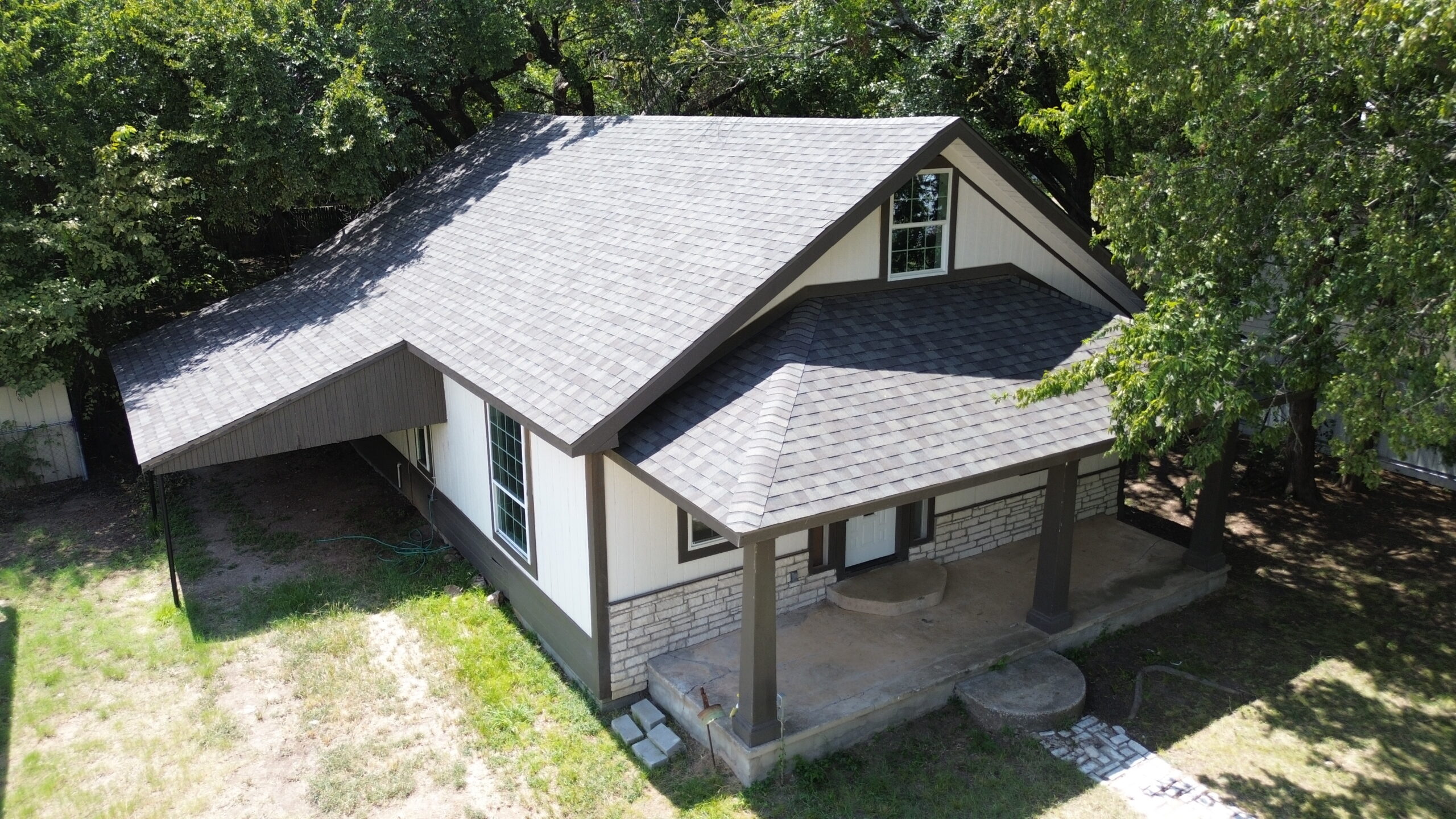
Comparing Different Fastener Types
Roofing manufacturers offer several fastener designs developed for different roofing materials, structural supports, and environmental conditions. Understanding these options helps homeowners appreciate why selecting the correct fastener is so important.
| Fastener Type | Primary Application | Main Advantage | Typical Visibility |
|---|---|---|---|
| Self Drilling Roofing Screw | Exposed fastener metal roofs | Fast installation with integrated drill point | Visible |
| Wood Deck Roofing Screw | Roofs installed over wood decking | Strong holding power in timber | Visible |
| Steel Frame Roofing Screw | Roofs installed over steel framing | Designed to penetrate structural steel | Visible |
| Concealed Standing Seam Clip | Standing seam roofing systems | Hidden attachment with thermal movement | Hidden |
| Nail Strip Fastening Flange | Nail strip standing seam panels | Simplified concealed installation | Hidden |
Self drilling roofing screws remain the most common choice for exposed fastener roofing systems because they combine drilling, fastening, and sealing into a single component.
Wood deck screws feature thread designs optimized for plywood and timber roof structures, while steel frame screws are engineered specifically for metal framing systems.
Standing seam clips provide concealed attachment while allowing controlled thermal movement, making them ideal for premium residential and commercial roofing systems.
Nail strip fastening flanges simplify concealed fastening by integrating the attachment system directly into the roofing panel.
Choosing the correct fastener type ensures compatibility between the roofing material, structural support, and environmental conditions. Combined with proper installation techniques, these fastening systems help create durable roofing systems capable of protecting homes for many decades.
Maintaining Metal Roof Fasteners Over Time
Although metal roof fasteners are designed to last for many years, they should not be ignored after the installation is complete. Routine maintenance helps preserve the strength of the fastening system and allows homeowners to identify small issues before they become costly repairs. A few simple inspections each year can significantly extend the life of both the fasteners and the entire roofing system.
The first step is performing regular visual inspections from the ground or from a safe location whenever possible. Homeowners should look for loose panels, missing screws, lifted trim, or signs of rust around visible fasteners. If anything appears unusual, a closer inspection by a roofing professional is recommended.
Seasonal inspections are especially valuable after severe weather. High winds, hailstorms, heavy snowfall, or falling tree branches may place additional stress on the fastening system. Identifying storm damage early helps prevent moisture from entering beneath the roofing panels.
For exposed fastener roofs, the condition of the sealing washers deserves special attention. These washers create the waterproof seal around each screw, and they should remain flexible and evenly compressed. Cracked, brittle, or deteriorated washers should be replaced promptly.
Standing seam roofs require less direct fastener maintenance because the clips remain hidden beneath the seams. However, homeowners should still inspect the roof for loose panels, damaged flashing, or unusual movement that may indicate a concealed fastening issue.
Keeping the roof clean also supports fastener performance. Leaves, branches, and debris trap moisture against the roofing surface, increasing the possibility of corrosion around exposed fastening points. Regular cleaning allows water to drain freely while preserving the protective coatings on both the panels and the fasteners.
Professional roof inspections every few years provide additional reassurance. Experienced contractors can evaluate hidden fastening components, identify early warning signs, and recommend preventive maintenance before more significant problems develop.
Signs of Fastener Wear or Failure
Even high quality roofing fasteners eventually experience wear after many years of exposure to changing weather conditions. Recognizing the early signs of deterioration helps homeowners address problems before leaks or structural damage occur.
Loose screws are among the most common warning signs. Temperature changes, repeated wind movement, and natural expansion and contraction of the roofing panels may gradually reduce fastening tension. A loose fastener no longer compresses the sealing washer correctly, increasing the possibility of water penetration.
Damaged sealing washers also indicate the need for attention. Over time, prolonged exposure to sunlight and changing temperatures may cause rubber washers to harden, crack, or lose flexibility. Once the washer deteriorates, the waterproof seal becomes less effective.
Visible corrosion around screw heads should never be ignored. While modern roofing fasteners include protective coatings, damage to those coatings or prolonged exposure to harsh environmental conditions may eventually allow rust to develop.
Water stains inside the attic or on interior ceilings may indicate fastening problems, particularly if flashing and other roofing components remain in good condition. Moisture entering through damaged fastening points often appears before larger leaks become obvious.
Panel movement during strong winds may also suggest fastening issues. If roofing panels produce unusual noise or appear to lift slightly, the attachment system should be inspected immediately.
Uneven panel alignment may develop if multiple fasteners become loose over time. Although the change may initially appear minor, continued movement places additional stress on surrounding fasteners and roofing components.
Early identification of these warning signs allows repairs to remain simple and inexpensive while protecting the long term integrity of the roofing system.
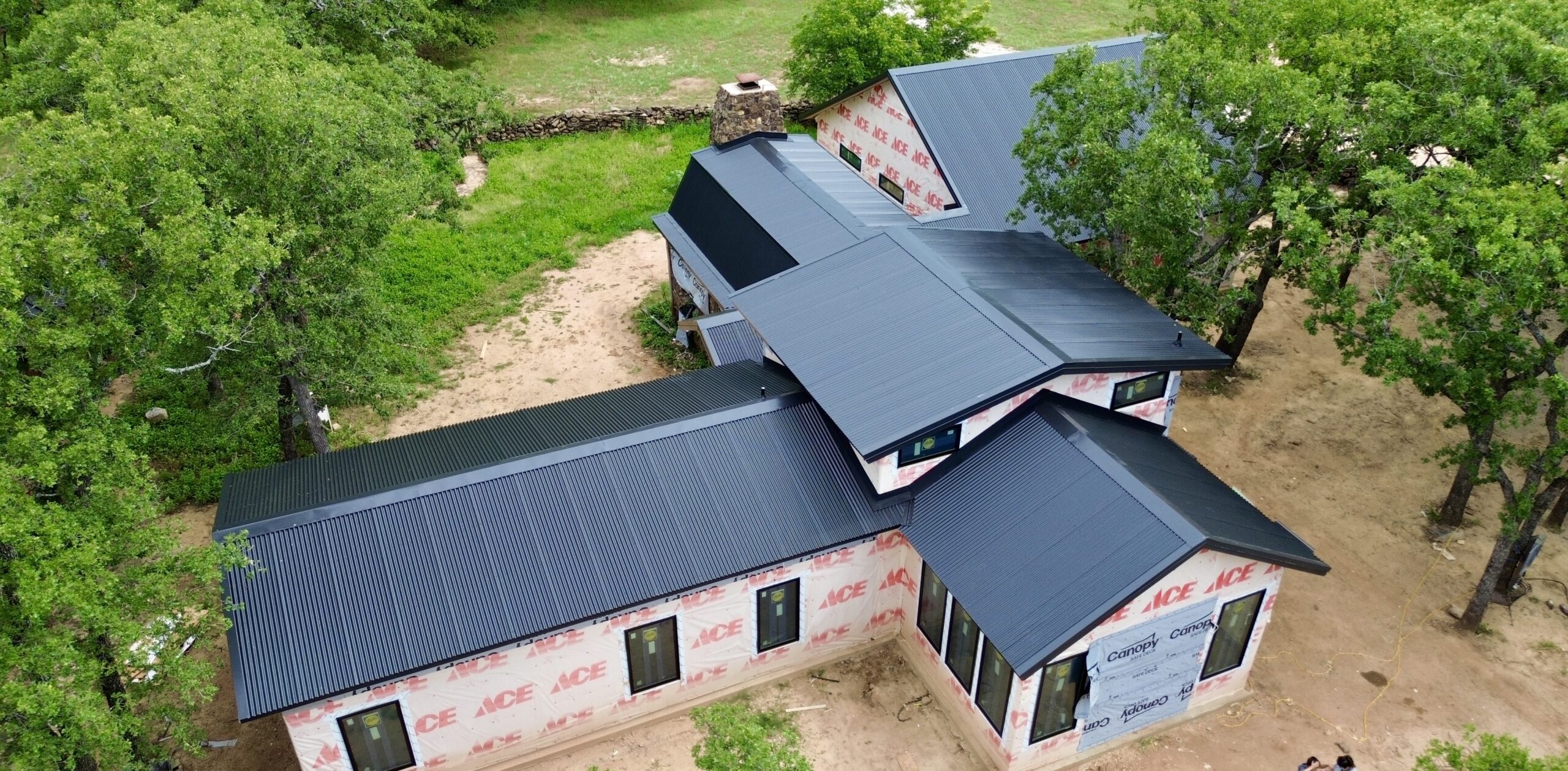
Repairing and Replacing Roof Fasteners
Fortunately, many fastener related issues can be repaired without replacing the entire roofing system. Prompt repairs restore weather resistance while preventing additional damage to the roof structure beneath the panels.
The repair process begins with a careful inspection. Contractors identify loose, damaged, missing, or corroded fasteners while checking surrounding roofing panels for signs of movement or moisture intrusion. Correct diagnosis ensures the underlying problem is addressed rather than simply replacing individual screws.
Loose fasteners are sometimes replaced instead of retightened. Simply tightening an older screw may not restore adequate holding power if the supporting material has weakened over time. Installing a properly sized replacement fastener often provides a more reliable solution.
Damaged sealing washers should always be replaced rather than reused. New washers restore the waterproof seal while maintaining flexibility during future temperature changes.
Corroded fasteners require immediate replacement with compatible roofing screws approved by the manufacturer. Using unsuitable replacement screws may create corrosion problems or affect warranty coverage.
If fastening holes have enlarged because of prolonged movement, installers may use larger approved fasteners or perform localized repairs according to manufacturer recommendations. Ignoring enlarged holes allows continued panel movement that may worsen over time.
Standing seam systems require specialized repair techniques because the fastening clips remain concealed beneath the panels. Accessing these components often involves partial panel removal by experienced roofing professionals.
Attempting extensive fastener repairs without appropriate knowledge may unintentionally damage the roofing system. For anything beyond minor visual inspections, professional repair services usually provide the safest and most reliable solution.
Factors That Affect Fastener Lifespan
The lifespan of a roofing fastener depends on many different factors working together. While modern fasteners are designed for long term durability, environmental conditions, installation quality, and maintenance practices all influence how long they continue performing effectively.
Material quality is one of the most important considerations. Stainless steel fasteners generally provide greater corrosion resistance than standard galvanized products, particularly in coastal or industrial environments. Selecting premium fastening materials often increases long term reliability.
Protective coatings also contribute significantly to fastener durability. High quality coatings shield the underlying metal from moisture, ultraviolet radiation, and airborne contaminants that gradually cause corrosion.
Installation quality remains equally important. Correct torque, proper washer compression, and accurate fastener placement reduce unnecessary stress while preserving waterproof performance throughout the roof’s service life.
Environmental exposure varies considerably between locations. Coastal salt air, industrial pollution, high humidity, frequent freeze thaw cycles, and intense sunlight all affect fastener longevity in different ways.
Roof design also influences performance. Roofs with excellent drainage expose fasteners to less standing moisture than roofs where water collects around fastening points. Proper flashing and gutter maintenance therefore support fastener durability.
Routine maintenance extends fastener lifespan by allowing minor issues to be corrected before corrosion or movement causes additional damage. Preventive care remains one of the most effective ways to maximize the service life of the fastening system.
When these factors work together, quality roofing fasteners often remain reliable throughout the lifespan of the roofing panels themselves.
Cost Considerations for Metal Roof Fastener Systems
Although fasteners represent only a small percentage of the overall roofing budget, they have a significant influence on the long term value of the roofing system. Choosing quality fastening components often prevents future repair expenses while supporting better roof performance.
The type of roofing system affects fastening costs. Exposed fastener roofs generally require a larger number of visible roofing screws but involve relatively straightforward installation. Standing seam systems rely on concealed clips that are typically more expensive but require fewer exposed fastening components.
Fastener material also influences pricing. Standard galvanized roofing screws usually provide an economical solution for many residential applications, while stainless steel fasteners cost more because of their superior corrosion resistance.
Roof complexity affects labor expenses as well. Multiple valleys, dormers, skylights, and roof penetrations require additional fastening and flashing work, increasing installation time.
Long term maintenance costs should also be considered. Standing seam roofing generally requires less fastener maintenance because the concealed clips remain protected beneath the panel seams. Exposed fastener systems may require occasional screw or washer replacement after many years of service.
Property owners should also consider the cost of poor quality fasteners. Using inexpensive products that fail prematurely often results in leaks, repairs, and potential structural damage that far exceed the savings achieved during installation.
Investing in manufacturer approved fastening systems provides greater confidence that the roof will perform as intended throughout its expected lifespan.
Frequently Asked Questions
How long do metal roof fasteners usually last?
High quality roofing fasteners often last for decades when installed correctly and maintained properly. Their lifespan depends on the fastener material, environmental conditions, and the overall quality of the roofing installation.
Do exposed fastener roofs require more maintenance than standing seam roofs?
Yes. Exposed fastener systems should be inspected periodically because the screws and sealing washers remain exposed to weather throughout their service life. Standing seam systems protect the primary fasteners beneath concealed seams.
Can ordinary construction screws be used on a metal roof?
No. Roofing fasteners are specifically engineered with sealing washers, corrosion resistant coatings, and specialized thread designs suitable for roofing applications. Standard construction screws do not provide the same level of weather protection.
Should loose roofing screws simply be tightened?
Not always. In many situations, replacing the fastener with a manufacturer approved roofing screw provides a more reliable long term repair than simply tightening the existing screw.
Why are rubber washers important?
The washer creates a waterproof seal between the screw head and the roofing panel. Proper washer compression prevents moisture from entering around the fastening point while allowing the seal to remain flexible.
How often should roof fasteners be inspected?
Visual inspections should be performed at least twice each year and after major storms. Professional roof inspections every few years provide a more detailed evaluation of the fastening system.
Conclusion
Metal roof fastener systems are among the most important yet often overlooked components of a roofing installation. While roofing panels receive most of the attention, the fasteners provide the secure connection that allows the entire roofing system to withstand wind, rain, snow, temperature changes, and decades of daily environmental exposure. Their performance directly influences the durability and reliability of the roof.
Understanding the differences between exposed and concealed fastening systems helps homeowners make informed decisions when selecting a roofing solution. Exposed fastener roofs provide an economical and dependable option for many applications, while standing seam systems offer concealed attachment, improved thermal movement, and reduced maintenance requirements. Both systems perform exceptionally well when installed according to manufacturer specifications.
Proper installation is equally important as fastener selection. Correct placement, appropriate spacing, accurate torque, and quality materials ensure that every fastener contributes effectively to the structural strength and weather resistance of the roof. Small installation mistakes may affect long term performance, making experienced workmanship a valuable investment.
Routine maintenance further extends the lifespan of the fastening system. Regular inspections, prompt replacement of damaged washers or corroded fasteners, and proper roof cleaning help preserve waterproof performance while preventing more extensive repairs. These simple maintenance practices often add many years to the life of the roofing system.
For homeowners investing in a metal roof, understanding fastener systems provides greater confidence when evaluating products, selecting contractors, and maintaining the finished roof. High quality fasteners, combined with professional installation and regular maintenance, create a strong foundation for a metal roofing system capable of delivering reliable protection, long term durability, and excellent value for decades.