
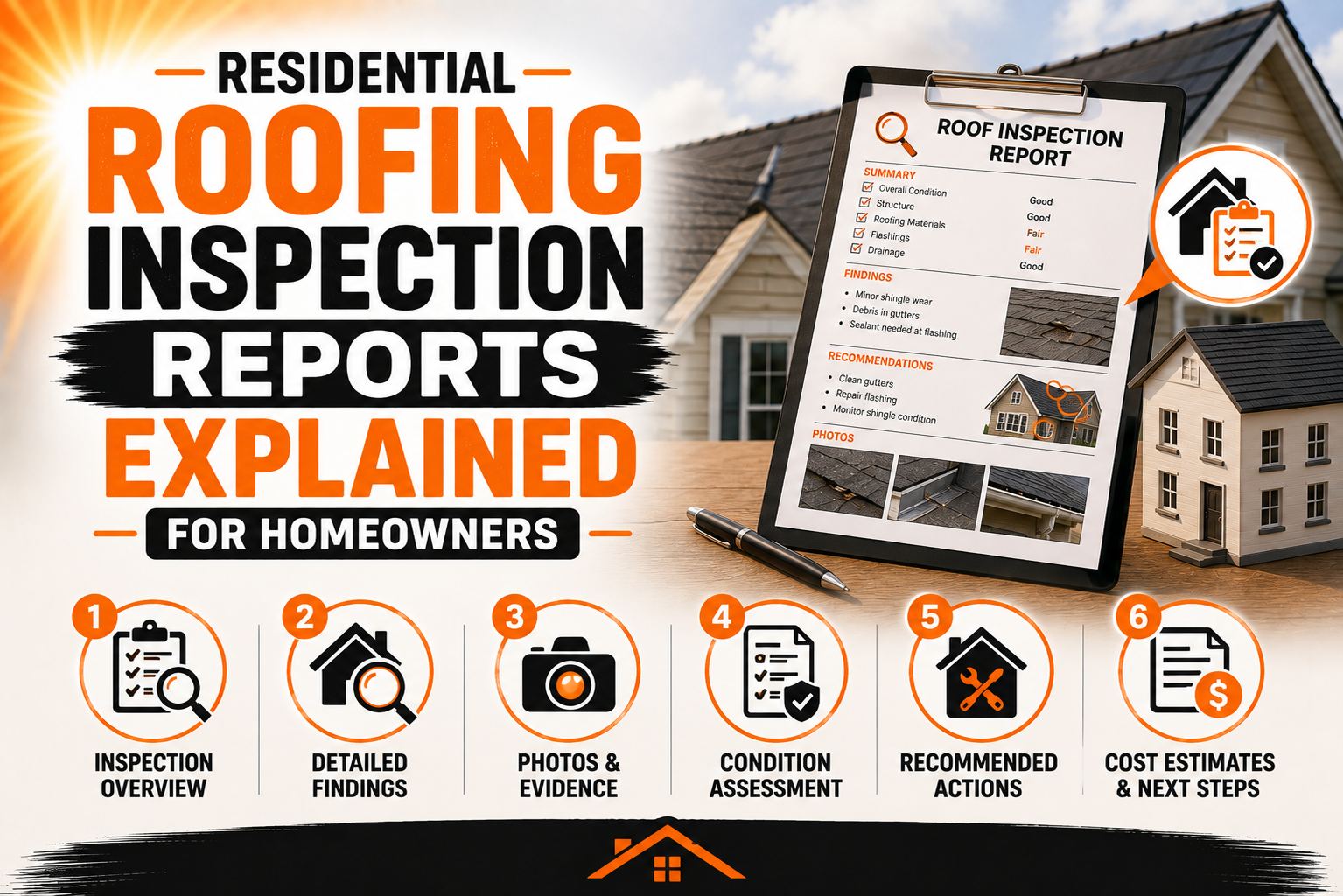
Residential Roofing Inspection Reports Explained for Homeowners
Introduction
A residential roofing inspection report is an important document that explains the observed condition of a home’s roofing system. It can help homeowners understand whether the roof appears to be performing normally, whether certain areas need maintenance, or whether visible damage may require professional repair. For many homeowners, however, roofing terminology and technical descriptions can make these reports difficult to understand.
A roofing inspection report is more than a simple statement saying that a roof is good or bad. A properly prepared report records observations about different roofing components and explains conditions that may affect performance. It may include photographs, descriptions of damage, notes about materials, and recommendations for further action.
Homeowners may receive roofing reports for many reasons. A report might be prepared during routine maintenance, after a severe storm, before purchasing a property, during a home sale, or when a leak has developed. The purpose and scope of the inspection can influence what information appears in the final document.
It is also important to understand that a roof inspection report describes conditions observed during a particular inspection. It does not necessarily predict every future roofing problem. Weather, age, maintenance, installation quality, and normal material deterioration can all change the condition of a roof over time.
Learning how to read these reports can help homeowners make better decisions. Instead of focusing only on technical terms or repair recommendations, homeowners can look at the overall condition, specific findings, severity of concerns, supporting photographs, and recommended next steps.
What a Residential Roofing Inspection Report Is
A residential roofing inspection report is a written record of an inspection performed on a home’s roofing system. It summarizes what the inspector observed and may explain the condition of visible roofing materials and related components. The report can serve as a reference for maintenance, repairs, future inspections, and property records.
The level of detail can vary significantly between reports. A basic report may contain a short description and several photographs, while a comprehensive report may document individual roof sections, materials, drainage components, flashing, penetrations, attic observations, and other relevant conditions.
A report should generally identify the property and inspection date. This information establishes when the observations were made and helps homeowners compare the report with future inspections. Keeping previous reports can create a useful history of how the roof changes over time.
The report may also identify the inspection scope. For example, an inspector may examine visible exterior roofing components but not access certain areas because of safety concerns. Understanding the scope is important because a report cannot provide information about areas that were not safely or practically inspected.
Some reports distinguish between visible conditions and areas requiring additional evaluation. This distinction matters because a visual observation does not always establish the cause of a problem. A damaged shingle may be visible, for example, while the condition of the roof deck beneath it may remain unknown.
Homeowners should therefore read the report as an assessment of observed conditions rather than an absolute guarantee about the entire roofing system. Hidden defects may exist even when they cannot be identified during a visual inspection.
A well-organized report should make the findings understandable enough for the homeowner to determine which conditions deserve attention. When technical language is necessary, explanations or photographs can make the information easier to interpret.
Why Homeowners Need a Roofing Inspection Report
A roofing inspection report gives homeowners a documented record of the roof’s observed condition. Without written documentation, it can be difficult to remember which areas were inspected, what problems were identified, and what recommendations were made. A report creates a reference that can be reviewed later.
One major benefit is maintenance planning. If the report identifies minor deterioration, damaged flashing, blocked drainage components, or other maintenance concerns, homeowners can address these conditions before they become more serious. This can support a proactive approach rather than waiting for a major leak or emergency.
Inspection reports can also help homeowners understand repair priorities. Not every finding requires immediate action, and not every visible imperfection means the roof is failing. A detailed report can help separate routine maintenance from conditions that deserve prompt professional attention.
Reports are particularly valuable after severe weather. Wind, hail, heavy rain, and falling branches can create visible roofing damage that may not be obvious from the ground. A post-storm report can document observed conditions and identify areas requiring further evaluation or repair.
Homeowners buying or selling a property may also benefit from a roofing report. Buyers can use the information to understand the roof’s current condition, while sellers can document maintenance or repairs that have been completed. The report can provide useful context during discussions about the property’s overall condition.
Another important benefit is historical comparison. Keeping reports from different years allows homeowners to see how the roof has changed. For example, a small area of deterioration documented during one inspection can be compared with later reports to determine whether it has remained stable or expanded.
A report can also improve communication with roofing professionals. When homeowners have photographs and written descriptions of specific concerns, it becomes easier to discuss repair needs. This can reduce confusion about which areas require attention.
However, homeowners should remember that an inspection report is not necessarily a repair estimate. Some reports identify problems without providing exact repair costs. A separate roofing contractor may need to evaluate the findings and prepare an estimate based on the required work.
Basic Information Included in a Roof Inspection Report
Most roofing inspection reports begin with basic information that identifies the property and establishes the context of the inspection. This may include the property address, inspection date, inspector information, and general description of the roof. Homeowners should review these details to make sure the report relates to the correct property and inspection.
The report may describe the roofing material. Common residential materials include asphalt shingles, metal roofing, clay or concrete tiles, and various low-slope roofing systems. Knowing the material is important because different roofing systems have different expected behaviors, maintenance requirements, and common warning signs.
Roof design may also be documented. A property may have a simple single-slope roof or a more complex structure containing multiple slopes, valleys, dormers, ridges, and roof extensions. Complex roofs may require more detailed documentation because different sections can experience different conditions.
The report may identify the approximate age of the roofing system when that information is available. Roof age can help provide context, but age alone does not determine whether replacement is necessary. Maintenance history, weather exposure, material quality, installation, and visible deterioration also influence roof condition.
Inspection conditions may also be mentioned. Weather, recent rainfall, roof accessibility, and other circumstances can affect what the inspector can observe. For example, wet surfaces or unsafe conditions may prevent physical access to certain sections.
Some reports include limitations or exclusions. These sections explain areas that were not inspected or conditions that could not be fully evaluated. Homeowners should read these statements carefully because they define the boundaries of the inspection.
A report may also contain an overall summary near the beginning. This section can provide a quick overview of major findings, but homeowners should still review the detailed observations and photographs. Important information may be explained in individual sections later in the document.
Understanding the Overall Roof Condition
An inspection report may use terms such as good, fair, satisfactory, worn, damaged, or poor to describe the general condition of the roofing system. These terms are useful, but homeowners should not interpret them without reading the supporting findings.
A roof described as being in good condition may still have minor maintenance issues. Likewise, a roof described as aging may continue to provide adequate protection if it has limited deterioration and receives appropriate maintenance. The overall rating should therefore be viewed as a summary rather than the entire inspection result.
The condition of individual components is often more informative. A roof may have generally serviceable shingles but damaged flashing around a chimney. Another roof may have intact flashing but widespread shingle deterioration. Looking at individual findings helps homeowners understand where attention is actually needed.
Inspectors may also identify conditions as minor, moderate, significant, or requiring immediate attention. These classifications can help establish priorities. However, the exact terminology varies between inspection companies, so homeowners should look for explanations of the terms used in their specific report.
The overall condition should also be considered alongside the roof’s age. An older roof with relatively limited deterioration may be suitable for continued maintenance, while a newer roof with extensive storm or installation damage may require more immediate attention.
Homeowners should avoid making major decisions based only on a single sentence in the summary. The photographs, detailed observations, limitations, and recommendations provide important context. If the report is unclear, asking the inspector to explain specific findings can prevent misunderstandings.
A good report should help answer practical questions. What condition is the roof currently in? Which areas need attention? How serious are the identified issues? Are repairs recommended now, or should certain conditions simply be monitored?
These questions are more useful than focusing only on whether the report gives the roof a particular rating. The purpose of the inspection is to help homeowners understand the roofing system and make informed decisions based on observed evidence.
Roof Inspection Findings and Their Meaning
The findings section is usually one of the most important parts of a roofing inspection report. It describes specific conditions observed during the inspection and may identify locations where maintenance or repairs are recommended.
Common findings include missing or damaged shingles, curling edges, cracks, granule loss, exposed fasteners, deteriorated flashing, damaged vents, clogged gutters, and debris accumulation. Each finding should ideally include enough information to show where the condition was observed and why it may matter.
Missing shingles can expose underlying roofing components to weather. A small number of missing shingles may represent a localized repair, while widespread loss can indicate significant storm or material damage. The report should help homeowners understand the extent of the observed condition.
Curling or cracked shingles may indicate aging, weather exposure, installation concerns, or material deterioration. The significance depends on how widespread the condition is and whether the roofing material remains capable of performing its intended function.
Flashing problems are another common finding. Damaged, loose, corroded, or improperly sealed flashing can create potential pathways for water intrusion. Locations around chimneys, skylights, walls, and roof penetrations often receive particular attention.
Granule accumulation in gutters may also be documented. Some granule loss occurs naturally as roofing materials age, but excessive loss can indicate surface deterioration. The report should provide enough context to help determine whether the finding is isolated or widespread.
Water stains may be documented inside the home or attic. These findings can suggest moisture intrusion, but a stain alone does not always prove that the roof is currently leaking. Additional investigation may be needed to determine the source and whether the condition is active.
Homeowners should pay attention to repeated or related findings. Several minor issues occurring around the same roof section may be more significant when considered together. The report’s photographs and descriptions can help reveal these relationships.
Common Roofing Components Documented in Reports
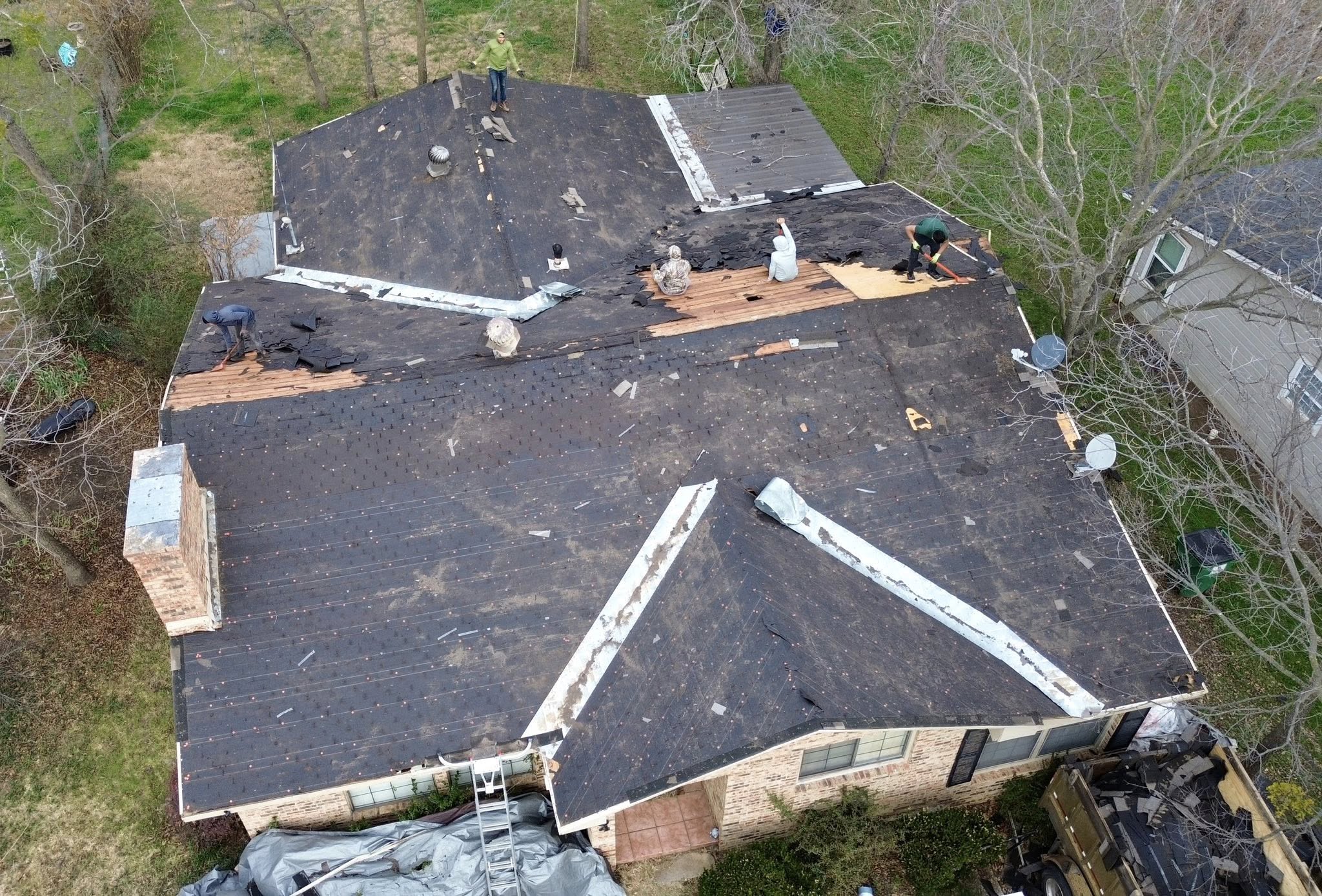
A comprehensive roofing inspection report may cover more than the main roof surface. Roofing systems contain multiple components that work together to keep water away from the building. Understanding these components makes the report easier to read and helps homeowners understand why certain findings matter.
Shingles or other primary roofing materials are usually documented first. Inspectors may record their visible condition, signs of wear, missing sections, cracks, curling, displacement, or other deterioration. The specific observations depend on the roofing material installed on the property.
Flashing is another major component. It is used around transitions and vulnerable areas to help direct water away from openings. Reports may document flashing around chimneys, skylights, walls, valleys, vents, and other penetrations.
Roof drainage systems may also be included. Gutters, downspouts, drains, and related components help move water away from the roof and building. Blockages, sagging, corrosion, separation, or poor discharge locations can affect drainage performance.
Roof penetrations are commonly documented because they interrupt the roof surface. Plumbing vents, exhaust vents, skylights, chimneys, and rooftop equipment require appropriate weatherproofing. A report may identify visible deterioration or conditions that warrant further evaluation.
Ridges, valleys, and roof edges can also receive attention. These areas have specific roles in roof drainage, ventilation, or protection against weather exposure. Their condition can influence the performance of surrounding roofing materials.
Attic components may be included when the inspection scope allows access. Inspectors may document roof deck staining, visible moisture, insulation concerns, ventilation conditions, or structural observations. These interior findings can provide useful context when exterior roofing problems are suspected.
By understanding the major components documented in a report, homeowners can move beyond unfamiliar terminology and focus on what each finding means for the home’s protection. The most useful approach is to consider the roof as a complete system rather than treating each component as an isolated item.
Understanding Roof Damage Classifications
Roof inspection reports often use classifications to describe the seriousness of observed conditions. These classifications can help homeowners decide which findings deserve immediate attention and which may be suitable for routine maintenance or monitoring. Because different roofing companies may use different terminology, homeowners should always read the explanation provided in the report rather than assuming that one word has the same meaning everywhere.
A report may describe a condition as minor when it has limited impact on the roofing system. Examples can include a small amount of damaged flashing, a few worn shingles, or minor debris accumulation. These conditions may still need attention, but they do not necessarily indicate that the entire roof is failing.
Moderate or significant findings generally suggest that the condition deserves more attention. Several damaged shingles, deteriorated flashing in important locations, recurring moisture evidence, or widespread surface wear may fall into this category. The inspector may recommend repair, additional investigation, or closer monitoring depending on the circumstances.
Urgent findings require faster action because they may leave the home vulnerable to additional damage. Active water intrusion, extensive storm damage, exposed roof decking, major structural concerns, or large sections of missing roofing materials can create immediate risks. Homeowners should avoid delaying professional evaluation when these conditions are identified.
It is also important to distinguish between cosmetic and functional concerns. A roof may have discoloration or fading that affects appearance without significantly affecting its ability to shed water. In contrast, damaged flashing or missing roofing materials may be less noticeable but could have greater consequences for roof performance.
The number of affected areas also matters. One damaged shingle and widespread shingle deterioration should not be treated as equivalent findings. Homeowners should consider whether the problem is isolated, repeated, or present across several roof sections.
Age can influence the interpretation of damage as well. Materials naturally become more vulnerable as they approach the later part of their service life. However, an older roof is not automatically defective, and a newer roof is not automatically free of problems.
The best way to understand a classification is to read it alongside the inspector’s explanation, photographs, and recommendations. If the report uses unfamiliar terms such as deteriorated, deficient, compromised, or serviceable, homeowners should ask what those terms mean for their specific roof.
Reading Roof Inspection Photographs and Annotations
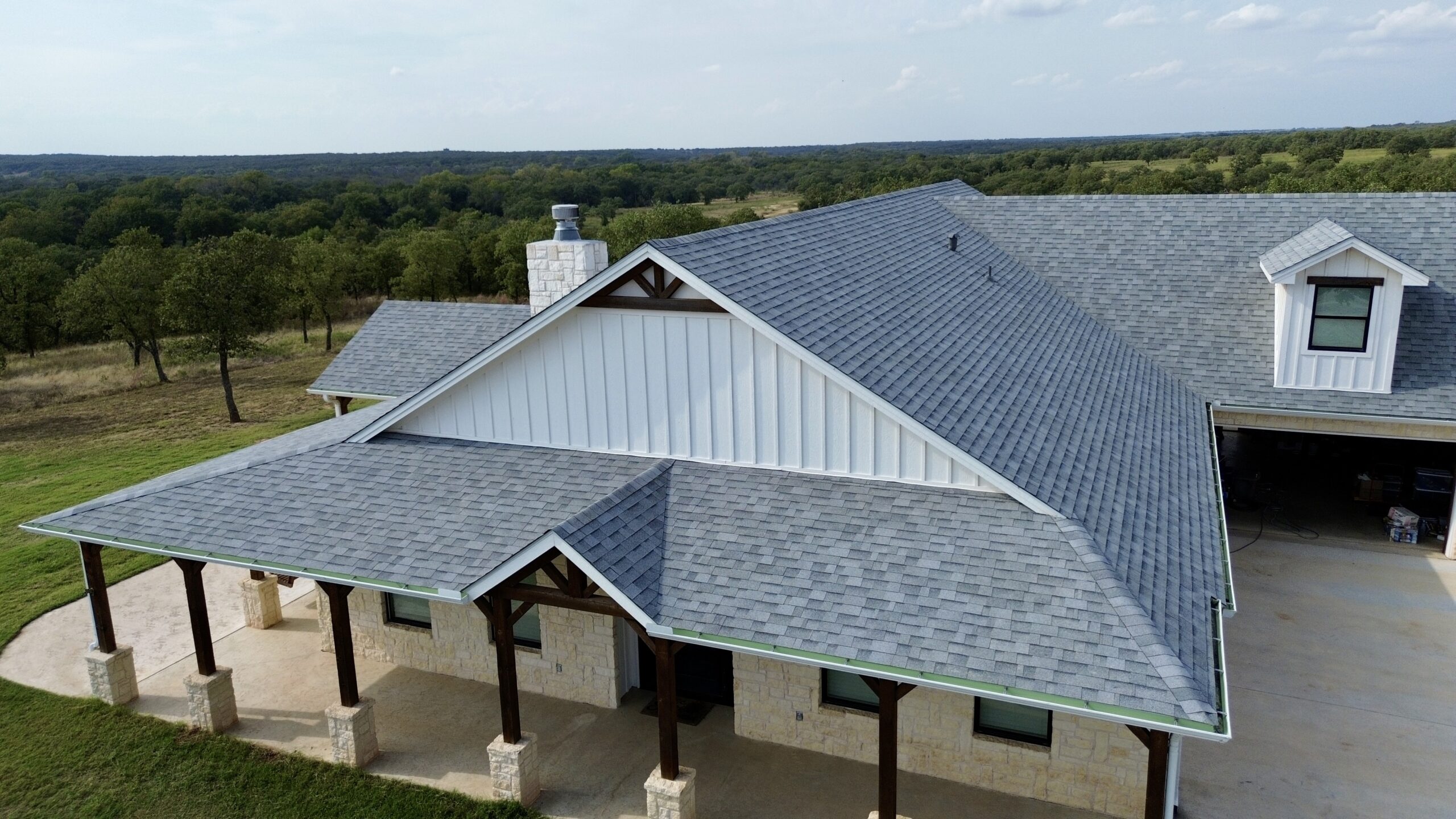
Photographs are one of the most useful parts of a residential roofing inspection report. A written description may tell a homeowner that shingles are damaged or flashing is deteriorated, but a photograph can show exactly what the inspector observed. Learning how to read these images can make the report much easier to understand.
A good inspection photograph should provide enough detail to identify the condition while also showing its location. Close-up photographs are useful for documenting cracks, missing materials, damaged flashing, or other specific defects. Wider photographs provide context and help homeowners understand which roof section contains the problem.
Some reports use arrows, circles, boxes, or other annotations to identify specific areas. These markings are intended to direct attention toward the relevant feature. Homeowners should compare the annotated image with the written description to understand why the area was included in the report.
Photographs may also reveal conditions that are difficult to describe in technical language. For example, a photograph can make it easier to understand what curled shingles, lifted flashing, or deteriorated sealant look like. This visual information can be especially helpful for homeowners who have limited roofing experience.
Lighting can affect the appearance of photographs. Shadows may make some areas appear darker, while bright sunlight can make surface imperfections more difficult to see. A single photograph should therefore be considered together with other images and written observations.
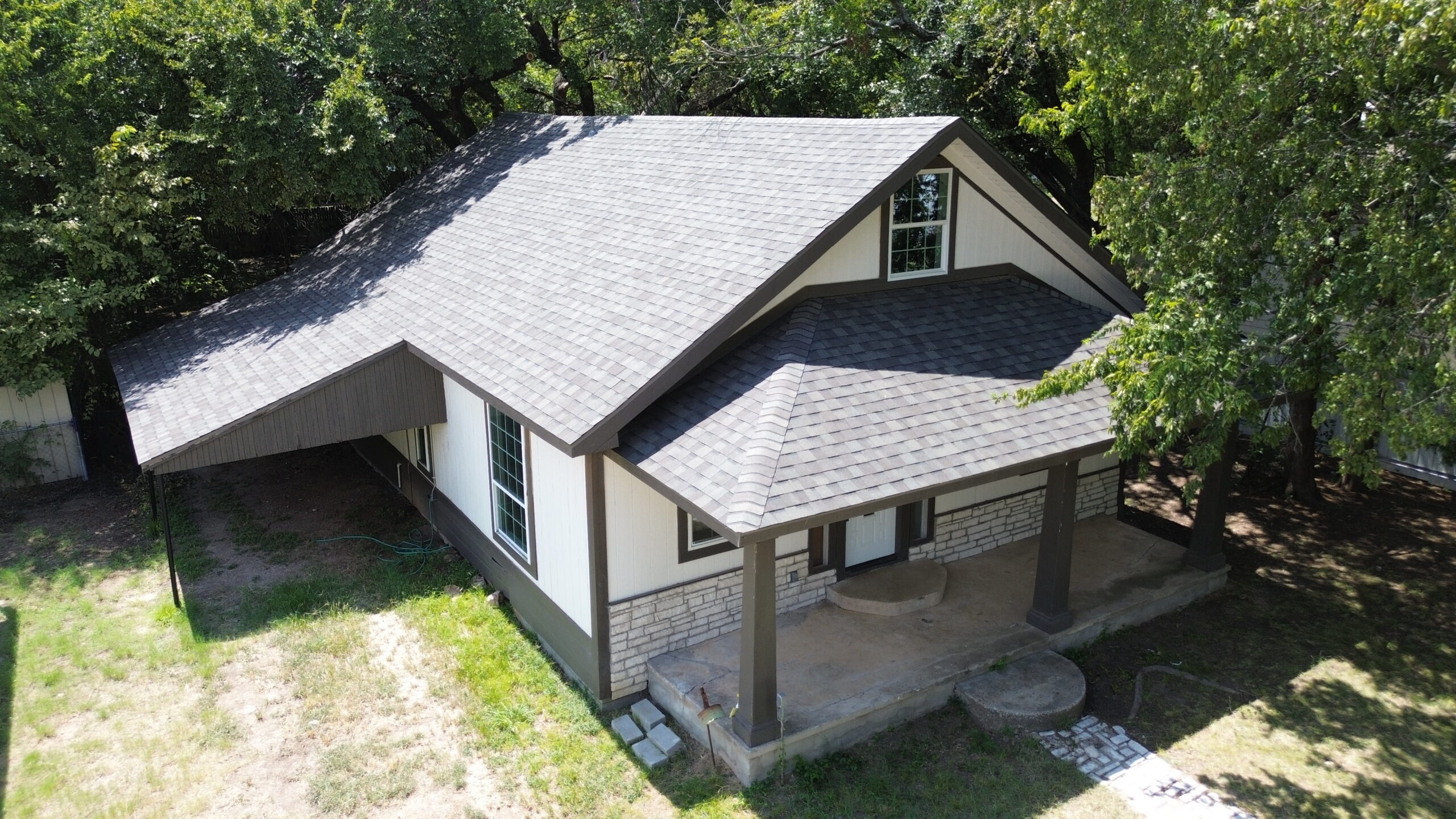
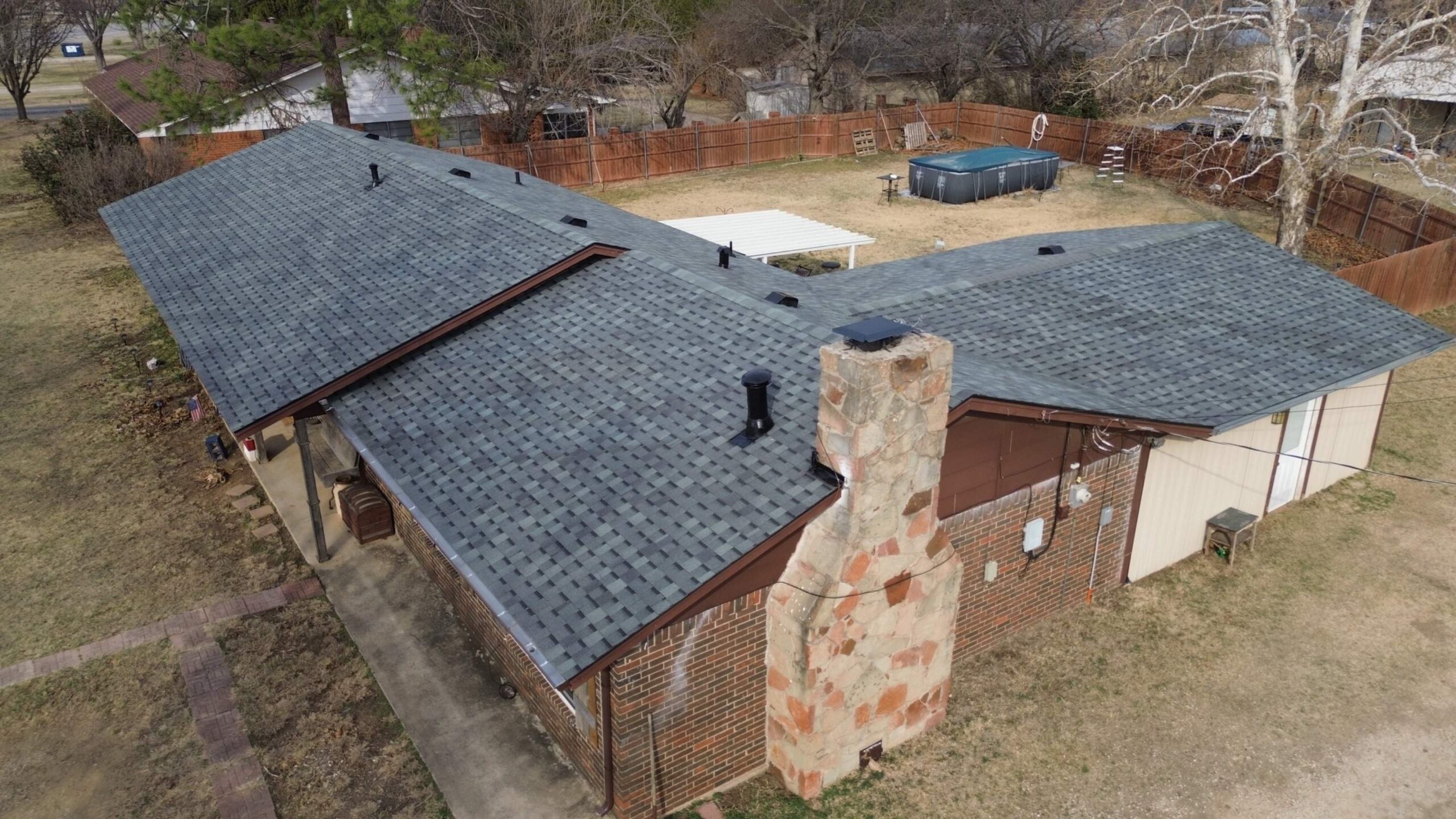
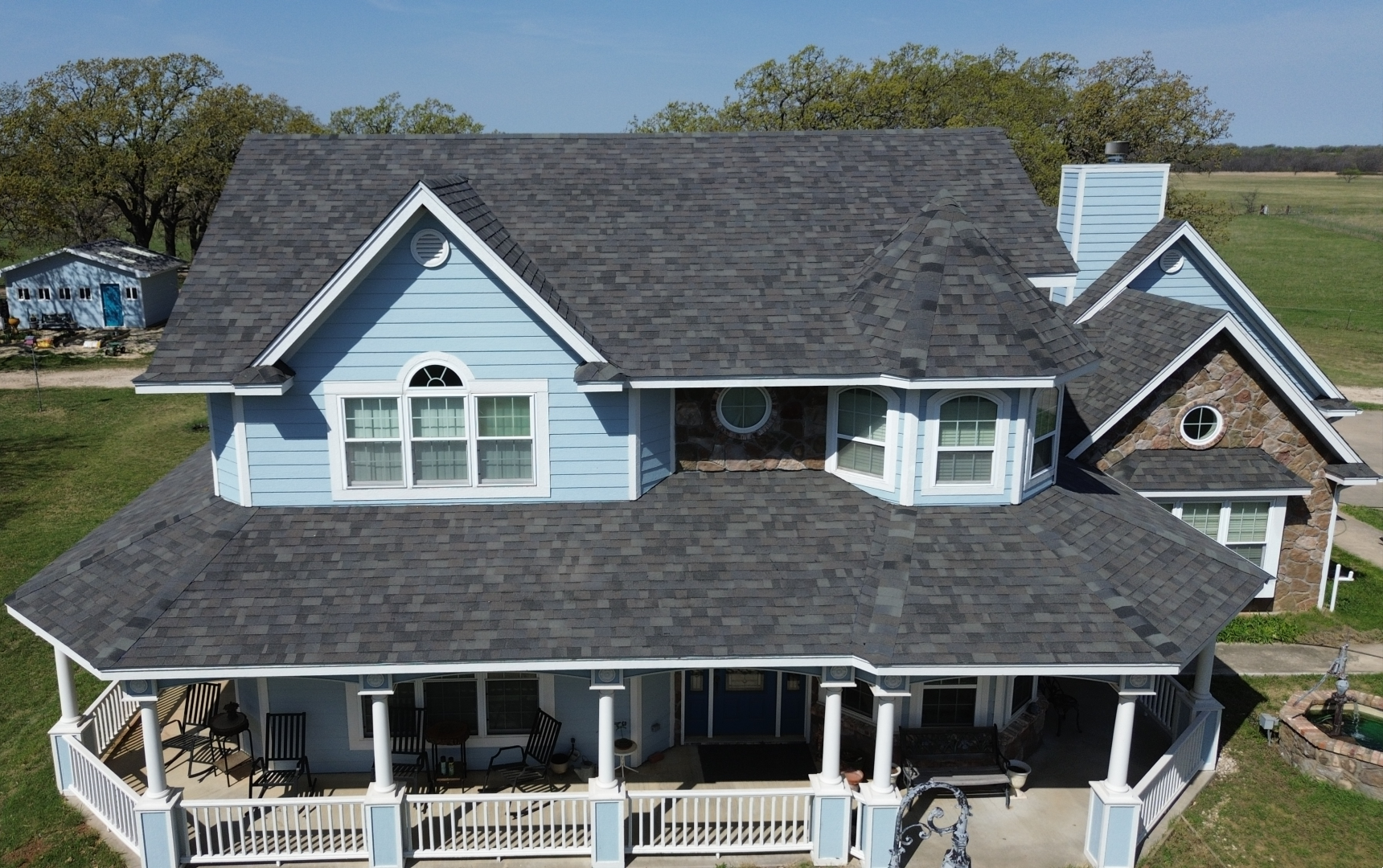
The perspective of a photograph also matters. An image taken from the ground may show the general roof condition, while an aerial photograph may provide a clearer view of upper roof sections. Different perspectives can complement one another and create a more complete visual record.
Homeowners should pay attention to photographs that show repeated conditions. If similar damage appears across several roof sections, the issue may be more widespread than a single close-up photograph suggests. The report should ideally make the relationship between individual photographs clear.
Photos can also be valuable for future comparisons. Keeping the original report allows homeowners to compare old images with later inspection photographs. This can help determine whether a condition has remained stable or changed over time.
Understanding Repair and Maintenance Recommendations
The recommendation section explains what the inspector believes should happen after the identified conditions are considered. Recommendations may include routine maintenance, localized repairs, further investigation, monitoring, or more extensive roofing work. Homeowners should read this section carefully because recommendations are often connected directly to the findings documented earlier.
A maintenance recommendation generally addresses conditions that can be managed through routine care. Cleaning debris from drainage areas, maintaining gutters, trimming nearby branches, or monitoring minor surface wear may fall into this category. Completing these tasks can help reduce the likelihood of avoidable roofing problems.
A repair recommendation usually means that a specific component should be corrected or replaced. Examples may include damaged shingles, deteriorated flashing, loose components, or defective drainage sections. The appropriate repair depends on the extent and location of the problem.
Some reports recommend additional investigation instead of immediately recommending a repair. This can happen when the inspector identifies evidence of moisture but cannot determine the exact source through a visual inspection. Further evaluation may be needed before deciding what repair is appropriate.
Monitoring is another possible recommendation. An inspector may recommend keeping an eye on a minor condition that does not currently appear to require immediate intervention. Monitoring should not mean ignoring the issue, but rather checking whether it changes over time.
Roof replacement may be mentioned when deterioration is extensive or when the roof is approaching the end of its practical service life. However, homeowners should look at the evidence supporting this recommendation. Widespread damage, repeated leaks, severe material deterioration, or significant structural concerns may provide stronger justification than age alone.
Homeowners should also understand that an inspection report and repair estimate serve different purposes. The report identifies observed conditions and may recommend action, while a contractor’s estimate typically provides the scope and cost of proposed work. These documents can complement each other but should not be confused.
When recommendations are unclear, homeowners should ask specific questions. They can ask which findings require immediate action, which can wait, and which should be monitored. Understanding priorities can help homeowners manage roofing work according to safety, urgency, and available resources.
Roof Inspection Reports After Storm Damage
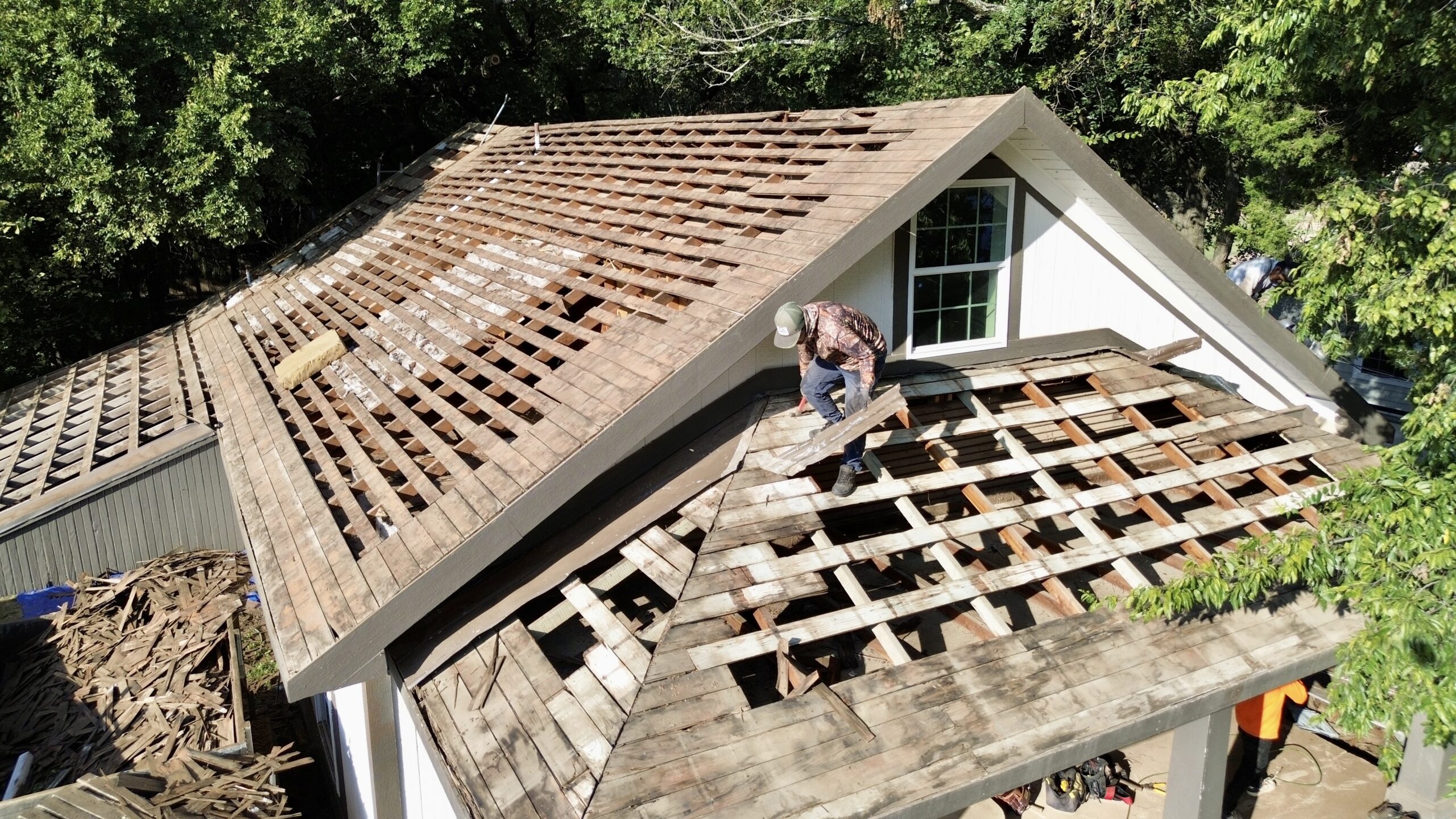
Storm-related roofing inspections are often performed after strong winds, hail, heavy rain, or falling branches. These reports can be especially useful because weather events may create sudden damage that is difficult to recognize from the ground. A post-storm report documents visible conditions and can identify areas that require further attention.
Wind damage may include missing, lifted, or displaced shingles. Roof edges, corners, ridges, and other exposed sections may receive greater wind pressure. Photographs can help show where materials have moved or disappeared and whether the damage appears isolated or widespread.
Hail damage can be more difficult to document because some impacts are small or subtle. A report may identify suspected impact marks or areas requiring closer examination. Homeowners should understand that aerial or visual photographs may not always be enough to confirm every type of hail damage.
Fallen branches can cause both obvious and hidden damage. A photograph may show broken shingles or debris, but additional inspection may be necessary to determine whether the roof deck or framing underneath has also been affected. Large impacts should be evaluated carefully because visible surface damage may not represent the full extent of the problem.
Storm reports may also document gutter damage, damaged flashing, blocked drainage areas, or debris accumulation. These conditions can affect how water moves across and away from the roof. Addressing drainage problems after a storm can help reduce additional moisture exposure.
Timing is important after severe weather. Temporary weather conditions can change quickly, and damaged areas may become more vulnerable during subsequent rainfall. Homeowners should review the report promptly and understand which findings require immediate attention.
Photographs from a post-storm inspection can also provide a useful historical record. If additional damage appears later, the earlier report can help establish when certain conditions were documented. Maintaining these records can support long-term roof management.
Homeowners should remember that a storm inspection does not necessarily mean that the entire roof needs replacement. The appropriate response depends on the type, location, and extent of damage. A professional can determine whether localized repairs, temporary protection, additional investigation, or broader work is appropriate.
How Inspectors Document Roof Leaks and Moisture Problems
Roof leaks can be among the most complicated findings in a residential roofing inspection because the visible interior symptom may not be located directly below the actual entry point. Water can travel along roof decking, framing, insulation, and other materials before appearing as a ceiling stain or damp area.
An inspection report may document ceiling discoloration, water stains, damp insulation, attic staining, or visible moisture. These observations can provide evidence that moisture has affected the building, but the report should distinguish between observed evidence and assumptions about the source.
Exterior conditions may also be documented. Damaged shingles, deteriorated flashing, open seams, failed sealant, or roof penetrations can represent possible entry points. However, identifying a potential exterior defect does not always prove that it caused a specific interior stain.
The timing of the leak may be included in the report when information is available. A leak that appears only during heavy rain may behave differently from one that occurs during every rainfall event. Homeowner observations about when and where water appears can be valuable during the investigation.
Some reports may recommend additional moisture investigation when the source remains uncertain. This can involve closer examination of attic areas, roofing components, or other building systems. The goal is to identify the actual source before permanent repairs are completed.
Reports may also document the extent of visible interior damage. Stained drywall, damaged insulation, deteriorated wood, or ceiling deformation can indicate that moisture has affected more than the exterior roofing surface. These conditions may require additional repair after the source has been corrected.
Homeowners should avoid interpreting every water stain as proof that the roof itself is responsible. Plumbing leaks, HVAC condensation, indoor humidity, and exterior wall problems can create similar symptoms. A professional report should consider these possibilities when the evidence is not conclusive.
When a report identifies an active or recurring leak, homeowners should treat the finding seriously. Continued moisture can increase damage to interior materials and potentially affect other components of the building. Prompt evaluation can help prevent a relatively limited problem from becoming more extensive.
Understanding Roof Age, Remaining Service Life, and Replacement Concerns
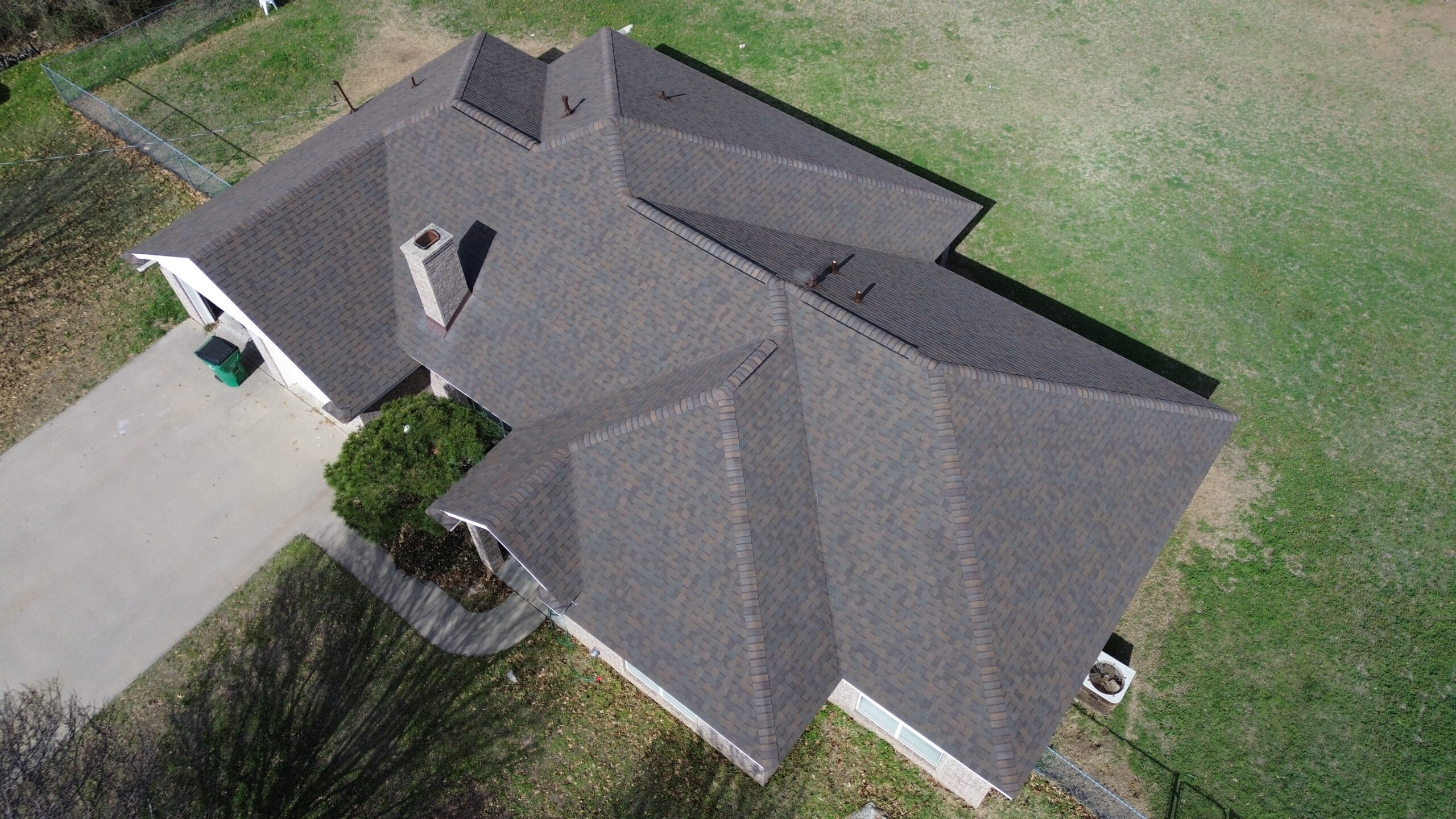
Roof age is commonly included in residential inspection reports because it provides useful context for understanding material condition. However, age should not be treated as the only factor determining whether a roof needs replacement. Two roofs of the same age can have very different conditions because of differences in material, climate, installation, maintenance, and weather exposure.
A report may describe a roof as aging when visible deterioration is becoming more noticeable. This does not necessarily mean that replacement is immediately required. Instead, the finding may indicate that homeowners should increase monitoring and begin planning for future roofing work.
Remaining service life can be difficult to predict precisely. Roofing materials do not always deteriorate at a uniform rate, and unexpected weather events can change their condition. For this reason, inspection reports may use approximate language rather than guaranteeing a specific number of years.
Visible material deterioration can provide stronger evidence than age alone. Widespread curling, cracking, granule loss, exposed underlayment, repeated leaks, or extensive damaged areas may indicate that the roof is approaching the point where replacement should be considered.
Maintenance history also matters. A roof that has received timely repairs and proper maintenance may remain functional longer than one that has experienced repeated neglect. Inspection reports can help homeowners understand whether current conditions appear manageable through continued maintenance or whether broader planning is appropriate.
Homeowners should also consider the relationship between repairs and overall roof condition. If isolated repairs have repeatedly been required across a deteriorating roof, the long-term cost and practicality of continued repairs may need to be evaluated. A professional can help determine whether repair or replacement is more appropriate based on the actual condition.
A report recommending future replacement does not necessarily mean the homeowner must replace the roof immediately. In some cases, the recommendation may be intended to encourage planning before an emergency develops. Understanding the urgency behind the recommendation is therefore important.
The most useful approach is to consider roof age together with documented condition, repair history, visible damage, moisture evidence, and future maintenance needs. When these factors are reviewed together, homeowners can make more informed decisions instead of relying on age alone.
How Homeowners Should Review a Roofing Inspection Report
A residential roofing inspection report can contain a large amount of information, but homeowners do not need to understand every technical roofing term to use the document effectively. The best approach is to read the report from beginning to end and identify the main findings, photographs, recommendations, and limitations. This provides a clearer picture of what was observed and what actions may be appropriate.
Start by checking the basic information, including the property details, inspection date, roof type, and inspection scope. Make sure the report applies to the correct property and understand which areas were actually inspected. If certain roof sections, attic areas, or other components could not be accessed, those limitations can affect how the findings should be interpreted.
Next, review the overall condition summary. This section provides a general description of the roof, but it should not be treated as the only important part of the report. A roof described as generally serviceable may still have specific repairs that need attention, while an aging roof may continue to function while the homeowner plans for future replacement.
After reviewing the summary, examine the individual findings and supporting photographs. Look for the location, type, and extent of each concern. Photographs can help homeowners understand whether a finding is isolated or appears across several sections of the roof.
Pay particular attention to findings involving water intrusion, structural concerns, damaged flashing, missing roofing materials, or exposed areas. These conditions may have greater consequences than purely cosmetic issues. If the report uses a severity classification, homeowners should read the explanation of that classification before deciding how urgently to respond.
Finally, review the recommendations and limitations. The recommendations explain what the inspector believes should happen next, while limitations explain what the inspection could not determine. If the report recommends additional investigation, homeowners should understand why that investigation is needed before assuming that a specific repair is the final solution.
Using Inspection Reports for Roof Maintenance Planning
A roofing inspection report can become a useful maintenance planning document rather than something that is reviewed only when a problem occurs. Homeowners can use the findings to organize routine maintenance, monitor developing conditions, and prepare for future repairs. Keeping reports from multiple inspections can create a valuable record of the roof’s history.
One practical approach is to separate findings according to urgency. Conditions that could allow water intrusion or create safety concerns should receive attention before minor cosmetic deterioration. Less serious observations can be monitored and addressed as part of routine maintenance.
The report can also help homeowners identify areas that require regular observation. If an inspector notes early deterioration around a particular roof penetration, homeowners can pay closer attention to that area during future inspections. Comparing photographs can make changes easier to recognize.
Routine maintenance may include keeping drainage systems clear, addressing vegetation near the roof, checking visible flashing, and arranging professional inspections when necessary. The exact maintenance requirements depend on the roof design, materials, climate, and property conditions.
Inspection reports can also support budgeting. If a report indicates that an aging roof is still functioning but showing increasing deterioration, homeowners may have time to plan financially for future replacement. This can be less stressful than waiting until a major leak creates an emergency.
A maintenance record should include more than inspection reports. Homeowners can also keep invoices, repair details, photographs, warranties, and information about replacement materials. Together, these records provide a clearer history of how the roofing system has been maintained.
Regular documentation can also help identify recurring problems. If the same area appears in several reports, homeowners can determine whether previous repairs solved the issue or whether additional investigation may be necessary. This can help prevent repeated temporary repairs from continuing without understanding the underlying cause.
Understanding Estimates, Priorities, and Recommended Next Steps
An inspection report may recommend repairs, but homeowners should understand that an inspection finding and a repair estimate are not the same thing. The report identifies observed conditions and may explain what should be addressed. A contractor’s estimate generally provides the proposed work, materials, labor, and associated costs.
When reviewing an estimate, homeowners should compare it with the inspection findings. The recommended work should correspond reasonably with the documented problems. If a report identifies a small localized defect but an estimate proposes extensive work, it may be appropriate to ask the contractor for an explanation.
Priorities are especially important when several problems are identified. Homeowners may not need to address every finding simultaneously. Conditions involving active water intrusion, significant structural concerns, or major exposed areas generally deserve greater attention than minor appearance-related issues.
A simple way to organize recommendations is to divide them into three practical categories:
- Immediate attention: Active leaks, major storm damage, unsafe conditions, or serious structural concerns.
- Planned repairs: Deteriorated components or localized defects that should be corrected before they become more serious.
- Routine maintenance: Minor conditions that can be monitored or addressed during regular roof care.
This type of prioritization can make a detailed report easier to manage. However, the exact urgency of each condition should be based on the inspector’s professional assessment and the specific circumstances of the property.
Homeowners should also ask whether temporary protection is needed. If a damaged area is exposed to upcoming weather, temporary measures may help reduce additional damage until permanent repairs can be completed. Such measures should be performed safely and should not be confused with a permanent repair.
When a report recommends roof replacement, homeowners should ask what findings support that recommendation. Widespread deterioration, repeated leaks, extensive damage, or an aging system with limited remaining serviceability may provide stronger reasons than roof age alone.
Common Mistakes Homeowners Make When Reading Roof Reports
One common mistake is focusing only on the overall roof rating. A report may describe the roof as being in fair or satisfactory condition while still identifying important repairs. The detailed findings are therefore just as important as the summary.
Another mistake is assuming that every listed issue requires immediate action. Inspection reports often document conditions ranging from routine maintenance to significant defects. Understanding the severity and recommended timeline can help homeowners avoid unnecessary urgency while still addressing important problems.
Some homeowners also focus only on visible damage. Roofing problems can involve hidden moisture, deteriorated decking, ventilation concerns, or structural conditions that are not obvious from the exterior. A report’s limitations and recommendations for additional investigation should therefore be taken seriously.
Ignoring photographs is another common error. Images provide visual evidence that can make technical descriptions easier to understand. Reviewing the photographs alongside the written findings can help homeowners see exactly what the inspector observed.
Homeowners may also assume that an old roof automatically needs replacement. Age is useful information, but it should be considered with material condition, maintenance history, weather exposure, and documented damage. A professional assessment should determine whether continued service, repairs, or replacement is appropriate.
Another mistake is immediately choosing the cheapest repair estimate. Price is important, but homeowners should also consider the scope of work, materials, contractor qualifications, warranties, and whether the proposed solution addresses the underlying problem. A low-cost repair may not provide good long-term value if the source of the problem remains unresolved.
Finally, homeowners sometimes fail to keep inspection records. Discarding old reports makes it harder to track changes over time. Keeping reports in an organized location can make future inspections and maintenance decisions much easier.
When a Second Roofing Opinion May Be Useful
A second professional opinion can be useful when a roofing report recommends major work, the findings are unclear, or different professionals provide significantly different conclusions. This does not necessarily mean that the first inspector was incorrect. Roofing conditions can be complex, and additional evaluation may provide useful context.
A second opinion may be particularly valuable when complete roof replacement is recommended but the homeowner is unsure whether localized repairs could be appropriate. Another qualified professional can review the visible condition and explain whether replacement appears justified based on the available evidence.
It can also help when a recurring leak has not been resolved. If previous repairs were completed but interior water stains continue to appear, another inspection may help identify whether the original source was missed or whether a different moisture problem exists.
Homeowners should provide the second inspector with relevant information without directing them toward a particular conclusion. Previous reports, photographs, repair records, and information about when the problem occurs can help the professional understand the history.
Comparing reports should focus on evidence rather than simply choosing the opinion that sounds most favorable. Look at which findings are supported by photographs, which areas were inspected, what limitations were identified, and why specific recommendations were made.
A second opinion is also useful when a report contains unfamiliar or conflicting terminology. Homeowners have the right to ask questions and request clarification before committing to expensive roofing work. A reputable professional should be able to explain findings in understandable language.
The purpose of another opinion should be to improve decision-making, not to delay necessary repairs. If multiple professionals identify an urgent safety or water-intrusion problem, homeowners should prioritize addressing the condition rather than seeking repeated opinions indefinitely.
Conclusion
Residential roofing inspection reports provide homeowners with valuable information about the observed condition of one of the home’s most important protective systems. They can document roofing materials, visible damage, drainage components, flashing, penetrations, attic conditions, moisture evidence, and other concerns that may affect roof performance.
The most effective way to use a report is to look beyond the overall rating. Homeowners should review the individual findings, photographs, severity classifications, recommendations, and inspection limitations. This approach provides a more complete understanding of what was observed and what may need to happen next.
Inspection reports can also support long-term maintenance planning. By keeping reports, photographs, repair records, and estimates together, homeowners can create a history of the roofing system. Comparing information from different inspections can help identify developing deterioration and recurring problems.
When recommendations involve significant repairs or replacement, homeowners should understand the evidence behind the proposed work. Roof age can provide useful context, but it should be considered alongside visible deterioration, moisture problems, storm damage, maintenance history, and the overall condition of the roofing system.
Homeowners should also recognize that inspection reports have limitations. A visual inspection cannot necessarily identify every hidden defect, and some conditions may require additional evaluation by roofing, structural, electrical, or other qualified professionals. Understanding these limitations helps prevent homeowners from treating the report as a guarantee that every possible problem has been discovered.
A second roofing opinion can be appropriate when major work is recommended, a recurring problem remains unresolved, or the findings are difficult to understand. Comparing professional assessments based on documented evidence can help homeowners make decisions with greater confidence.
Ultimately, a roofing inspection report should be viewed as a practical decision-making tool. When homeowners understand what the report documents, prioritize important findings, maintain accurate records, and seek professional clarification when needed, they can respond to roofing problems more effectively and plan maintenance with greater confidence.
Leave A Comment