

Flat Residential Roofing Systems Explained for Homeowners
Introduction
Flat residential roofing systems are becoming increasingly common in modern homes, extensions, garages, porches, and other residential structures. Although these roofs are often described as “flat,” most are designed with a slight slope that allows rainwater to move toward drains, gutters, scuppers, or other drainage points.
Unlike steep-slope roofs, flat roofing systems require careful attention to water management. Because water does not flow away as quickly, the roofing material, drainage system, flashing, insulation, and underlying structure must work together to prevent moisture from entering the home.
Homeowners considering a flat roof should understand that the visible roofing membrane is only one part of the complete system. Insulation, decking, vapor control, drainage, edge details, penetrations, and ventilation can all influence the roof’s performance.
Modern flat roofing products are available in several forms, including single-ply membranes, modified bitumen, built-up roofing, and other specialized systems. Each material has different characteristics related to installation, durability, maintenance, energy performance, and cost.
The right system depends on the property’s design, local climate, roof size, drainage requirements, budget, and long-term maintenance expectations. Understanding the basics can help homeowners make better decisions when installing, repairing, or replacing a flat residential roof.
Understanding Flat Residential Roofing Systems
A flat residential roof is designed differently from a traditional pitched roof. Instead of relying primarily on a steep slope to move water toward the edges, a flat roof uses a combination of a slight slope and planned drainage points.
The term “flat” does not necessarily mean completely level. A properly designed roof generally has a small pitch that directs water toward drains or other collection areas.
The roofing membrane forms an important part of the waterproofing system. Depending on the material, the membrane may be installed in large sheets, multiple layers, or modified roofing assemblies.
Beneath the membrane, the roof can contain insulation, decking, vapor-control layers, and structural components. Each layer performs a different function and contributes to the overall performance of the roof.
The roof deck provides the structural surface supporting the roofing assembly. It must be strong, stable, and suitable for the selected system.
Insulation can help control heat transfer between the exterior and interior of the building. Its location within the roof assembly can vary depending on the design and construction method.
Flashing is particularly important around roof penetrations and edges. Areas around vents, skylights, chimneys, walls, pipes, and equipment can become vulnerable to leaks if they are not properly detailed.
Drainage components are equally important. Depending on the roof design, water may be directed toward internal drains, scuppers, gutters, or other drainage systems.
Flat roofs can be used on a wide range of residential structures. They are common on modern architectural homes, extensions, garages, balconies, and smaller roof sections connected to larger pitched roofs.
Their appearance is one reason homeowners choose them. A low-profile roof can create clean architectural lines and complement contemporary building designs.
Flat roofs can also create usable space in certain designs, although a roof should not automatically be treated as an occupied deck or outdoor living area. Additional structural and waterproofing requirements may apply when people regularly use the surface.
Because drainage is so important, homeowners should understand that flat roofing requires careful design and installation. A well-designed system can provide dependable protection, while poor drainage or improper installation can result in recurring moisture problems.
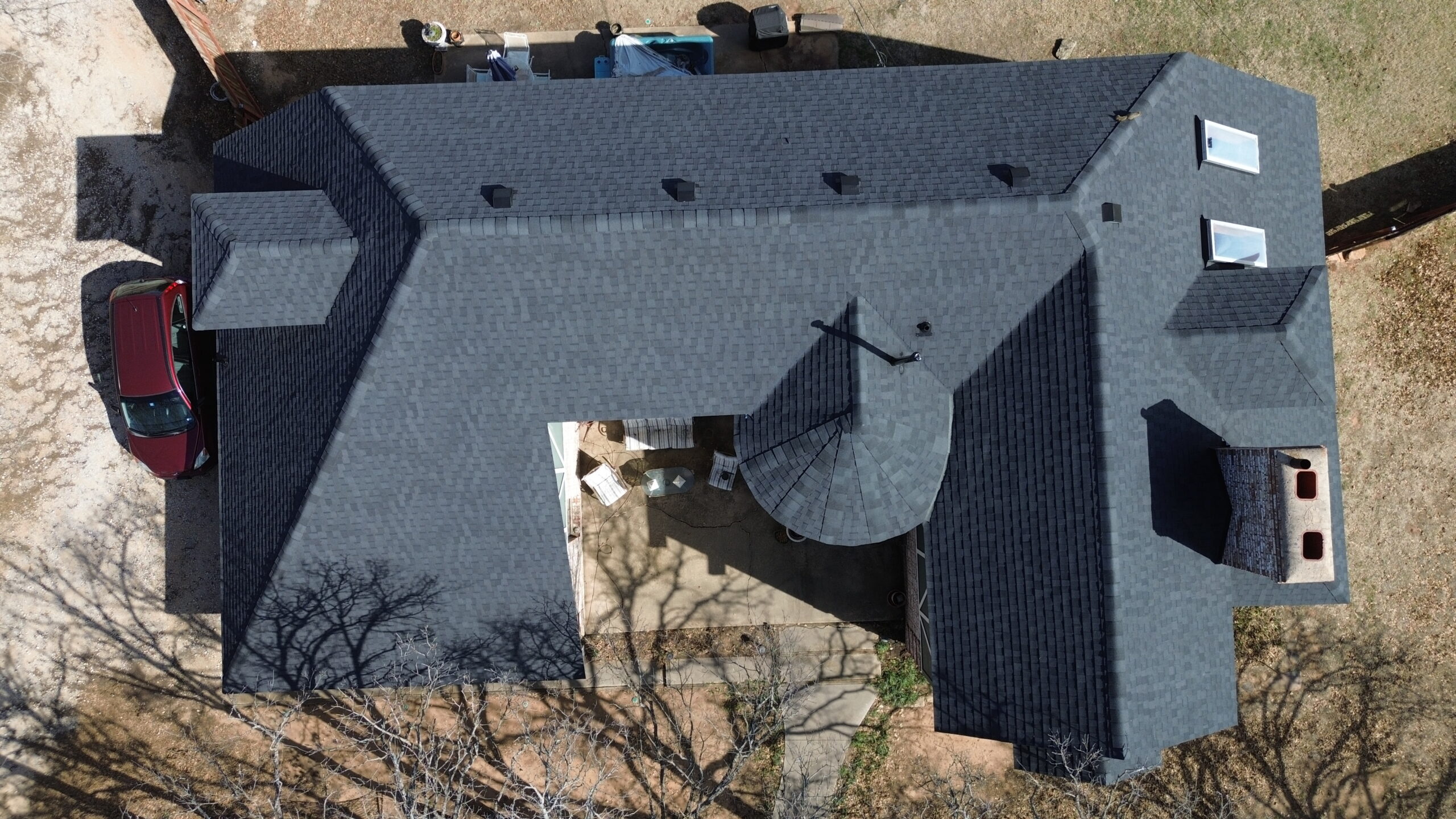
Common Types of Flat Roofing Materials
Several roofing materials are designed specifically for flat or low-slope residential applications. Choosing among them requires consideration of climate, roof design, budget, maintenance, and expected performance.
EPDM is a synthetic rubber membrane commonly used for low-slope roofing. It is flexible and can provide effective weather protection when properly installed.
EPDM systems are available in different thicknesses and installation configurations. Seams and penetrations require careful attention because these areas can become potential points of water entry.
TPO is another single-ply membrane commonly used for low-slope roofs. It is a flexible thermoplastic material that can be available in reflective colors and different thicknesses.
PVC roofing membranes are also thermoplastic systems. They can provide water resistance and may offer useful chemical and weather resistance depending on the specific product.
Modified bitumen is a multi-layer roofing material based on asphalt technology. It can be installed using different methods and is commonly used on low-slope applications.
Built-up roofing, sometimes called BUR, uses multiple layers of roofing materials to create a protective system. Although it has traditionally been associated with larger buildings, variations of low-slope roofing systems can also be used in residential applications.
Liquid-applied roofing products are another category. These materials are applied as liquids and cure to form a continuous waterproofing layer. Their suitability depends on the existing roof, product specifications, surface condition, and installation requirements.
The selected material should always be compatible with the roof’s slope and drainage design. Not every roofing product is appropriate for every low-slope application.
Homeowners should also compare material warranties, installation requirements, repair procedures, and local contractor experience. A roofing material may perform well in one environment but require different considerations in another.
The quality of the complete assembly is more important than the name of the membrane alone. Proper seams, flashing, drainage, insulation, and installation practices are necessary for dependable performance.
Benefits of Flat Roofing for Residential Properties
Flat residential roofing can provide several advantages when it is appropriately designed and installed. One of the most noticeable benefits is its architectural appearance.
Modern homes often use low-profile roofs to create simple and clean exterior lines. Flat sections can complement large windows, geometric shapes, concrete finishes, metal siding, and other contemporary architectural elements.
Another advantage is efficient use of roof space. Certain flat roof designs can accommodate equipment such as HVAC units, vents, or other building systems more easily than steep-slope roofs.
Some flat roofs can also be designed as accessible terraces or rooftop spaces. However, this requires appropriate structural support, waterproofing, drainage, guardrails, and other safety features, so homeowners should not assume that an ordinary flat roof can automatically be used as a living area.
Flat roofs can also make some maintenance activities more accessible. Qualified professionals may be able to inspect equipment and roofing components without navigating a steep roof surface.
Energy-efficient design can also be incorporated into flat roofing systems. Insulation can be placed strategically within the roof assembly, while reflective membranes may help manage solar heat in suitable climates.
Another potential benefit is design flexibility. Flat roofs can be combined with pitched roof sections, creating different architectural forms while maintaining a consistent building design.
Flat roofing materials can also be repaired in localized areas when the damage is limited and the underlying structure remains sound. The appropriate repair method depends on the membrane and the nature of the damage.
However, these benefits do not eliminate the need for maintenance. Flat roofs depend heavily on effective drainage, so blocked drains or damaged membranes can create problems more quickly than homeowners may expect.
The overall value of a flat roofing system therefore depends on proper design and installation. A well-designed roof can provide many practical benefits, while a poorly designed system may experience recurring water-related problems.
Homeowners should evaluate the advantages alongside the property’s specific requirements. The architectural benefits of a flat roof should be considered together with structural, drainage, maintenance, and climate-related factors.
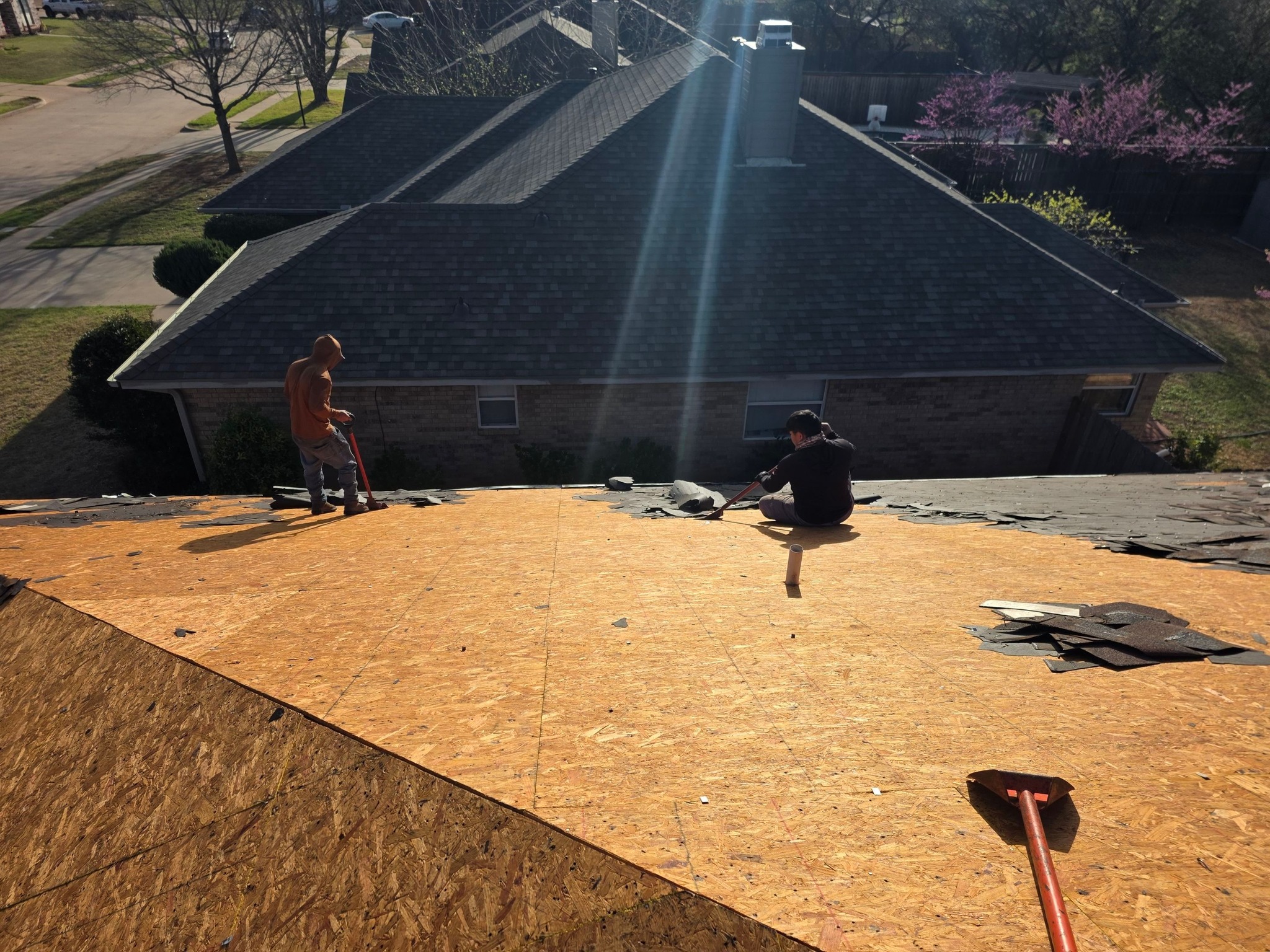
Drainage and Water Management
Water management is one of the most important aspects of flat residential roofing. Because these roofs have limited slope, water must be deliberately directed toward suitable drainage points.
A properly designed roof should have enough slope to encourage water movement. The exact design depends on the roof structure, membrane, drainage system, and applicable requirements.
Internal drains are one option for managing water. These drains collect water from the roof surface and direct it through drainage pipes toward an appropriate discharge location.
Scuppers provide another drainage method. They allow water to pass through an opening in a parapet or roof edge and can direct it away from the building.
Gutters can also be used on some low-slope roofs. Their effectiveness depends on appropriate roof edge design, slope, gutter placement, and downspout capacity.
Drainage points must remain clear of leaves, branches, dirt, and other debris. A blocked drain can allow water to accumulate on the roof and increase pressure on the membrane and supporting structure.
Standing water is a common concern for flat roofs. Small amounts of temporary moisture may occur after rainfall, but persistent ponding should be evaluated because it can indicate drainage or structural problems.
Water can also collect around rooftop equipment, penetrations, edges, and low points. These areas should receive particular attention during inspections.
Flashing is essential for water management around penetrations. Even a high-quality membrane can leak if flashing is damaged, poorly installed, or improperly maintained.
Gutters and downspouts should also be inspected regularly. If they become blocked or disconnected, water may overflow near the roof edge and affect walls, foundations, and other parts of the building.
Homeowners should not attempt to solve drainage problems simply by adding sealant. Sealants can be useful in specific applications, but they do not replace proper slope, flashing, membrane installation, or drainage design.
After heavy rainfall, homeowners can safely inspect the property from the ground for overflowing gutters, visible ponding, or water stains. If significant problems are observed, a professional inspection can help identify the underlying cause.
Effective water management is essential to the lifespan of a flat roof. Keeping drains clear and addressing drainage problems promptly can help protect the membrane and the structure beneath it.
Important Structural and Design Considerations
A flat residential roofing system should be designed as part of the entire building rather than treated as a simple waterproof covering. Structural capacity, roof slope, insulation, drainage, ventilation, and material compatibility all need to be considered.
Structural capacity is particularly important when a homeowner plans to add equipment, solar panels, rooftop storage, or an accessible roof deck. Additional loads may require professional structural evaluation.
The existing roof structure should also be inspected before replacement. Damaged decking, deteriorated framing, or moisture-related structural problems should be addressed before the new roofing system is installed.
Roof slope is another important consideration. Even a small change in slope can influence how effectively water moves toward drainage points.
Insulation should be selected based on the building’s climate and roof design. Proper insulation can improve indoor comfort and reduce unwanted heat transfer.
Vapor and moisture control may also be important depending on the building assembly. Improperly managed moisture can accumulate within roofing layers and contribute to deterioration.
Roof penetrations should be minimized where practical because every penetration creates another area requiring careful waterproofing. Necessary vents, pipes, skylights, and equipment should be properly integrated into the roofing system.
Parapet walls and roof edges also require detailed flashing. These areas experience repeated exposure to wind and rain, making proper installation essential.
The roofing material should be compatible with other components. Certain membranes, adhesives, coatings, insulation products, and flashing materials may have specific compatibility requirements.
Local climate should guide design decisions as well. Hot climates may benefit from reflective surfaces and appropriate insulation, while regions with heavy rainfall require particularly effective drainage.
Homeowners should also consider future maintenance during the design stage. Drains, equipment, penetrations, and other components should remain reasonably accessible for qualified inspection and service.
A successful flat roofing system combines structural stability with effective moisture management. Careful planning before installation can reduce the likelihood of premature failures and expensive repairs later.
For homeowners, the most important lesson is that a flat roof should never be judged by the membrane alone. The structure, drainage, insulation, flashing, materials, and installation methods all work together to determine whether the system will provide reliable protection over time.
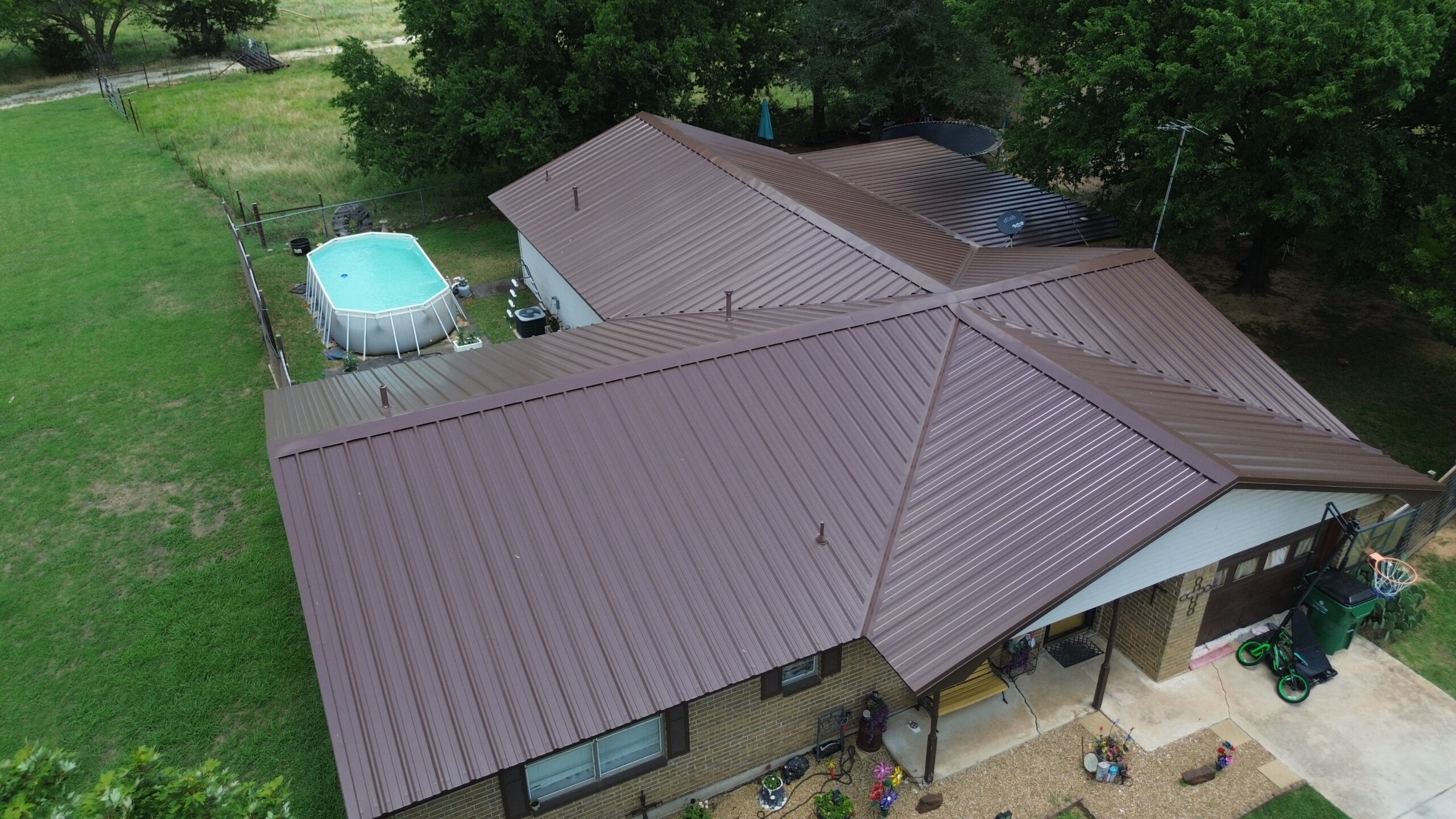
Flat Roof Installation Process
Installing a flat residential roofing system requires careful preparation because the roof must manage water effectively despite having a relatively low slope. The installation process begins with an assessment of the existing roof structure, drainage system, decking, insulation, and any areas that may have experienced moisture damage.
If an existing roof is being replaced, the contractor may remove the old roofing material to expose the underlying structure. The exposed decking should be inspected for rot, deterioration, warping, or other damage before the new roofing system is installed.
Any damaged decking should be repaired or replaced before continuing. Installing a new membrane over a weak or deteriorated surface can reduce the performance of the entire roof and may allow structural problems to continue unnoticed.
Once the roof deck is prepared, the contractor installs the appropriate layers required by the roofing design. These can include insulation, vapor-control components, underlayment, cover boards, and the primary waterproofing membrane.
The exact installation method depends on the selected roofing material. Single-ply membranes, modified bitumen, built-up systems, and liquid-applied products each have different preparation and installation requirements.
EPDM membranes may be adhered, mechanically fastened, or installed using other approved methods depending on the specific product. Seams must be properly joined because they represent important areas of the waterproofing system.
TPO and PVC membranes commonly use heat-welded seams to create a continuous waterproof surface. Proper welding requires suitable equipment, correct temperatures, clean surfaces, and experienced installation.
Modified bitumen systems can be installed using different techniques, including adhesives or other approved methods. The installation approach should be selected according to the product and roof conditions.
Flashing is installed around walls, vents, skylights, drains, pipes, and other penetrations. These areas require careful detailing because water can enter through small gaps if the flashing is improperly installed.
Drainage components should also be checked during installation. Drains, scuppers, gutters, and downspouts need to be positioned and sized appropriately for the roof.
The finished membrane should be inspected for visible defects, open seams, wrinkles, punctures, or other installation problems. Any concerns should be corrected before the roof is placed into regular service.
Professional installation is particularly valuable for flat roofing because small errors can create significant water-management problems. Homeowners should select contractors who have experience with the specific roofing system rather than relying only on general roofing experience.
EPDM Roofing Systems
EPDM is a synthetic rubber roofing membrane widely used for flat and low-slope applications. Its flexibility and weather resistance have made it a common choice for residential structures where a continuous waterproof membrane is needed.
EPDM is typically available in large sheets, which can reduce the number of seams across a roof compared with systems using many smaller pieces. Fewer seams can be beneficial because seams are areas that require careful waterproofing.
The membrane is commonly available in different thicknesses, allowing homeowners and contractors to select products according to the requirements of the roof. Product specifications should be reviewed before installation rather than assuming that all EPDM materials have identical characteristics.
One advantage of EPDM is flexibility. The material can accommodate certain amounts of movement within the roof assembly and can remain flexible across a range of temperatures.
EPDM can also resist many forms of outdoor exposure. It is designed to withstand sunlight, moisture, and changing weather conditions, although its actual service life depends on installation quality, climate, maintenance, and other factors.
Seams are an important consideration. Depending on the system, seams may be joined using approved adhesives, tapes, or other methods designed for the specific membrane.
Flashing around penetrations also needs careful attention. Vents, pipes, skylights, walls, and drains should be integrated using compatible materials and installation techniques.
EPDM is commonly available in dark-colored membranes, although specific product options vary. Dark surfaces can absorb more solar heat than reflective membranes, making insulation and overall roof design particularly important in hot climates.
Maintenance is generally straightforward but should not be ignored. Homeowners should arrange periodic inspections to identify punctures, loose flashing, deteriorated seams, drainage problems, or other visible concerns.
Sharp objects and careless foot traffic can damage a membrane. Rooftop equipment and maintenance activities should therefore be managed carefully to avoid unnecessary punctures.
EPDM can be repaired when localized damage occurs, but repair methods should match the specific membrane and installation system. Improper patches may fail prematurely and create additional maintenance problems.
For homeowners seeking a flexible membrane suitable for low-slope residential roofs, EPDM can be a practical option. Its success depends heavily on proper detailing, drainage, seam installation, and maintenance.
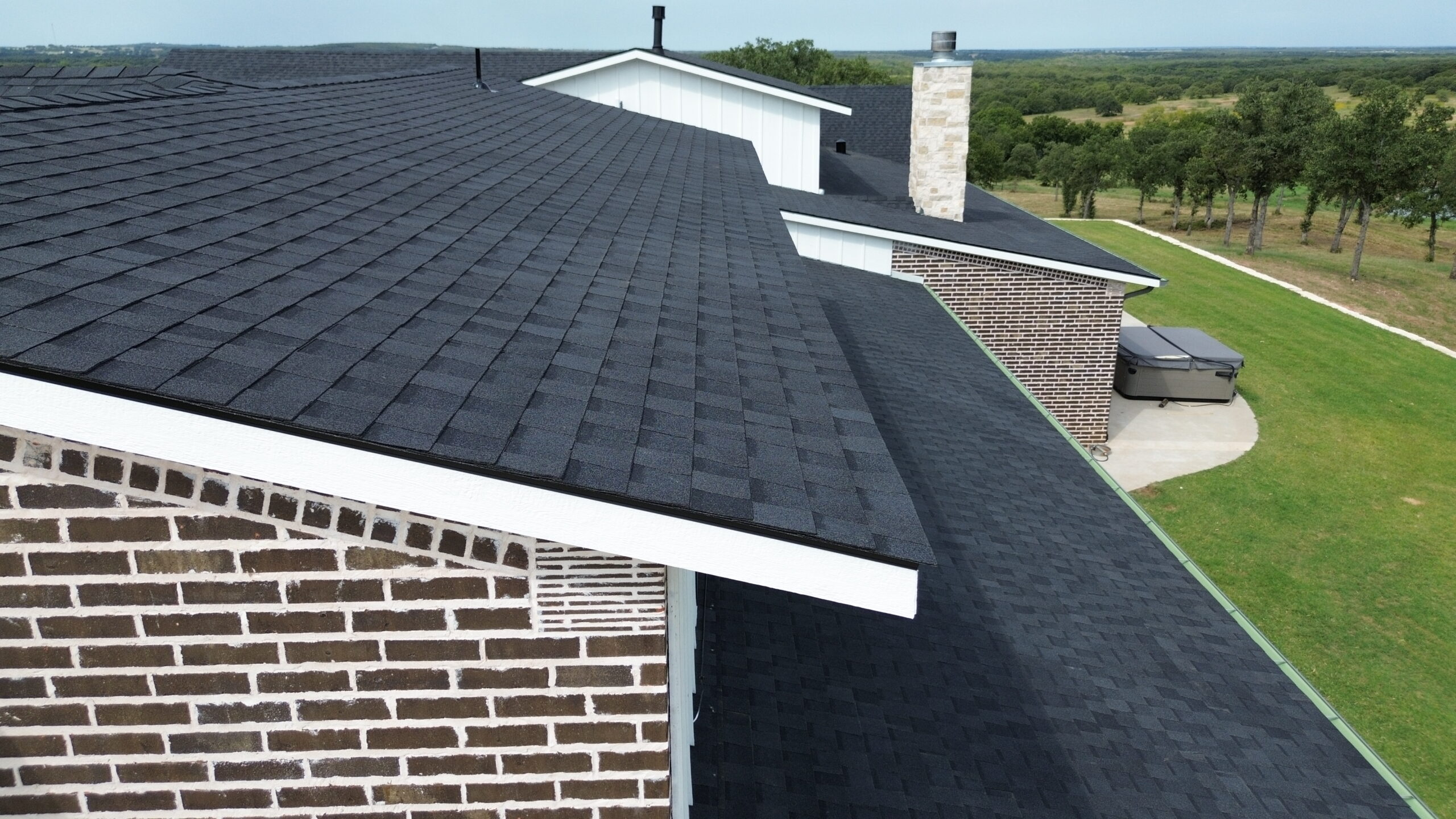
TPO and PVC Membrane Roofing
TPO and PVC are thermoplastic roofing membranes commonly used on flat and low-slope roofs. Both materials are supplied as flexible sheets and can create continuous waterproof surfaces when properly installed.
One important characteristic of these membranes is their ability to have seams heat-welded. This process uses specialized equipment to join membrane sections and create a strong, watertight connection.
TPO is commonly available in light-colored or reflective finishes. These surfaces can help reflect solar radiation and may be beneficial for buildings exposed to significant heat.
PVC roofing membranes can also provide reflective options and are known for their resistance to certain environmental and chemical exposures. The exact performance depends on the formulation and product specifications.
Both systems can be available in different thicknesses. Thicker membranes may provide additional resistance to certain forms of wear, but the appropriate thickness should be selected according to the roof’s design and expected exposure.
Installation quality is critical. Heat welding requires proper equipment settings and technique, and poorly welded seams may create vulnerabilities that are not immediately obvious.
The roof surface must also be properly prepared before membrane installation. Dirt, moisture, incompatible materials, and irregular surfaces can interfere with adhesion or seam quality.
Flashing details require particular attention around roof penetrations. Manufacturers often provide specific accessories and installation procedures for drains, pipes, corners, edges, and other challenging areas.
TPO and PVC systems can be mechanically fastened, adhered, or installed using other approved approaches. The best method depends on the roof structure, membrane specifications, insulation assembly, and project requirements.
Regular inspections should focus on seams, flashing, membrane surfaces, drainage points, and areas exposed to heavy foot traffic. Early identification of damage can make repairs easier and less expensive.
Homeowners should also avoid placing incompatible materials directly against the membrane. Certain chemicals, oils, adhesives, or other substances may affect roofing materials, depending on the product.
These membranes can provide a clean appearance because large sheets cover substantial areas with relatively few joints. This characteristic can be useful for modern residential designs where a low-profile roof is desired.
TPO and PVC are not interchangeable products, even though both are thermoplastic membranes. Homeowners should compare manufacturer specifications, warranty requirements, expected environmental exposure, and contractor experience before making a selection.
When properly designed and installed, either system can provide effective waterproofing for suitable residential flat roofs.
Modified Bitumen Roofing
Modified bitumen is an asphalt-based roofing material designed for flat and low-slope applications. It combines traditional bituminous roofing technology with polymers that can improve flexibility and other performance characteristics.
The material is commonly supplied in rolls and can be installed as part of a multi-layer roofing assembly. Different products use different reinforcement materials and polymer modifications, so performance can vary between systems.
One advantage of modified bitumen is its established use in low-slope roofing. Contractors with experience in this type of system may be familiar with its installation, repair, and maintenance requirements.
Modified bitumen systems can be installed using different methods. Depending on the product, installation may involve adhesives, mechanical fastening, heat-based methods, or other manufacturer-approved techniques.
The selected installation method should take into account the building, existing roof materials, fire requirements, weather conditions, and manufacturer’s instructions.
Seams and transitions require careful attention. If joints are improperly installed or deteriorate over time, moisture can reach the underlying roof assembly.
Flashing is equally important around penetrations, walls, drains, and edges. A strong membrane cannot compensate for poorly detailed areas.
Modified bitumen can provide good resistance to weather exposure when correctly installed and maintained. However, prolonged ponding water, physical damage, poor drainage, or improper installation can still create problems.
The roof should be inspected regularly for blisters, cracks, loose sections, exposed areas, damaged flashing, and other signs of deterioration. Small problems should be investigated before they spread.
Foot traffic should also be controlled. Repeated walking across the roof can cause wear, particularly around equipment that requires regular servicing.
Repairs can often be made to localized areas when the surrounding roofing system remains in good condition. The repair material and technique should be compatible with the existing membrane.
Modified bitumen can be an effective choice for homeowners who want a proven low-slope roofing system. However, the material should be selected as part of a complete roof assembly rather than as an isolated product.
Flat Roof Insulation and Energy Efficiency
Insulation plays an important role in the performance of a flat residential roofing system. Because the roof forms a major part of the building envelope, inadequate insulation can contribute to unwanted heat transfer and higher energy use.
The location and type of insulation depend on the roof assembly. Different construction methods can place insulation above the roof deck, below the deck, or within another part of the building envelope.
Insulation above the roof deck can help reduce temperature differences across the roof structure. It can also contribute to more consistent roof temperatures when properly designed.
Reflective membranes can provide another method of managing solar heat. Light-colored TPO, PVC, and other reflective roofing products can reduce the amount of sunlight absorbed by the roof surface.
However, reflective roofing should not be treated as a replacement for insulation. The two components perform different functions and are most effective when designed together.
Air leakage is another important consideration. Gaps around penetrations, edges, ducts, and other building components can allow conditioned air to escape and outdoor air to enter.
Moisture control should also be considered when designing the roof assembly. Water vapor can move through building materials, and improper control can contribute to condensation or deterioration within the roof.
Climate has a strong influence on insulation requirements. Homes in hot environments may prioritize reducing heat gain, while homes in colder areas need to limit heat loss and manage moisture.
Roof color can influence energy performance as well. Dark membranes can absorb more solar radiation, while reflective surfaces can reduce solar absorption under suitable conditions.
Homeowners should also consider the condition of existing insulation when replacing a roof. Wet or damaged insulation may need to be removed instead of simply being covered by the new roofing system.
Energy performance should be evaluated as part of the entire building. Windows, walls, doors, HVAC equipment, insulation, and ventilation all influence how efficiently a home uses energy.
A properly designed flat roof can contribute to a comfortable and efficient home, but the results depend on careful material selection and professional installation.
Common Flat Roof Problems
Flat roofs can provide reliable performance, but their low slope makes them particularly sensitive to drainage and waterproofing problems. Homeowners should understand common issues so they can recognize warning signs before damage becomes extensive.
Ponding water is one of the most common concerns. Water that remains on the roof for extended periods may indicate inadequate slope, blocked drains, structural deflection, or another drainage problem.
Membrane punctures can also occur. Sharp objects, falling branches, maintenance activities, or careless foot traffic may damage the waterproofing surface.
Seam failures are another potential source of leaks. Membrane sections must remain securely connected, and deteriorated seams should be inspected and repaired promptly.
Flashing failures can cause water intrusion even when the main membrane appears intact. Areas around walls, vents, skylights, pipes, and drains should receive particular attention during inspections.
Cracks, blisters, wrinkles, or surface deterioration may indicate aging or installation-related issues. The seriousness of these conditions depends on the roofing material and extent of the damage.
Blocked drains and gutters can allow water to accumulate on the roof. Regular cleaning can help reduce this risk and support proper drainage.
Moisture may also become trapped within the roof assembly. Wet insulation or decking can reduce energy performance and potentially contribute to structural deterioration.
Leaks are not always directly below the location where water enters. Moisture can travel through roofing layers before appearing as a ceiling stain inside the home.
Interior warning signs can include water stains, damp areas, peeling finishes, musty odors, or visible moisture near ceilings and upper walls. These signs should be investigated rather than simply covered with paint.
Flat roof problems should be addressed according to their underlying cause. Applying surface sealant without correcting drainage, flashing, or structural problems may only provide temporary relief.
Regular professional inspections can help homeowners identify developing issues before they require major repairs. A proactive approach is particularly useful for older roofs or properties exposed to demanding weather conditions.
Understanding common problems allows homeowners to make better maintenance decisions. Prompt attention to drainage, seams, flashing, and membrane damage can help extend the useful life of a flat residential roofing system.
Flat Roof Maintenance and Inspection
Regular maintenance is essential for protecting a flat residential roofing system because low-slope roofs depend heavily on proper drainage and continuous waterproofing. Even a durable membrane can develop problems when debris, standing water, damaged flashing, or neglected repairs are allowed to remain for long periods.
Homeowners should arrange periodic inspections based on the roof’s age, material, climate, and exposure. A professional inspection can identify conditions that may be difficult to recognize from the ground, including deteriorated seams, damaged flashing, membrane punctures, and moisture-related issues.
After severe weather, an additional inspection may be useful. Strong winds, hail, falling branches, and heavy rainfall can damage roofing materials or drainage components without immediately creating an obvious interior leak.
Drainage points should receive particular attention. Leaves, dirt, branches, and other debris can block drains, gutters, and scuppers, allowing water to accumulate on the roof surface.
Standing water should not automatically be ignored. Temporary moisture after rainfall may occur, but persistent ponding can indicate inadequate drainage, structural movement, blocked outlets, or other conditions requiring professional evaluation.
The membrane should also be checked for visible cracks, punctures, blisters, wrinkles, loose sections, or unusual deterioration. The significance of these conditions depends on the roofing material and the extent of the damage.
Flashing around walls, vents, pipes, skylights, and drains should be inspected as well. These transition areas can become vulnerable when flashing separates, cracks, or loses its connection with surrounding materials.
Gutters and downspouts should remain clear and securely connected. Poor drainage at the roof edge can cause water to run down exterior walls or collect near the foundation.
Homeowners should avoid using sharp tools or aggressive cleaning methods on roofing membranes. Certain materials can be damaged by inappropriate equipment, chemicals, or excessive pressure.
Trees near the property should also be maintained. Falling branches can puncture membranes, while leaves can accumulate around drainage points and create persistent moisture.
Keeping maintenance records can make long-term roof management easier. Homeowners can record inspection dates, repairs, material information, and observed conditions to identify recurring problems and plan future work.
Regular maintenance does not guarantee that a roof will never leak, but it can help detect developing problems before they cause extensive damage. For flat roofs, proactive inspection and drainage management are particularly important because moisture can remain on the surface longer than it does on steep-slope roofing.
Flat Roof Repair Options
Flat roof repairs depend on the roofing material, location of the damage, roof age, and condition of the surrounding system. A small puncture may require a very different repair approach from widespread membrane deterioration or structural damage.
The first step is identifying the actual source of the problem. A visible ceiling stain does not necessarily mean that the membrane directly above it is damaged because water can travel through different layers before appearing inside the home.
Professional inspection can help locate the source. Contractors may examine seams, flashing, drains, penetrations, membrane surfaces, and other vulnerable areas.
Small membrane punctures can sometimes be repaired with compatible patching materials. The repair should follow the roofing manufacturer’s requirements to ensure that the patch bonds correctly and provides suitable protection.
Seam problems may require specialized repair techniques. The appropriate method depends on whether the roof uses EPDM, TPO, PVC, modified bitumen, or another system.
Flashing repairs can address leaks around walls, vents, pipes, skylights, and other penetrations. Damaged flashing should be replaced or repaired appropriately instead of simply applying an unnecessary layer of sealant.
Drainage problems require a different approach. If ponding results from blocked drains, cleaning may solve the immediate issue, but structural or slope-related problems may require more extensive correction.
Some repairs involve replacing a section of roofing membrane rather than treating only the visible defect. This approach may provide better long-term protection when the surrounding area is deteriorated.
Insulation or decking that has been damaged by prolonged moisture may also need replacement. Covering wet or deteriorated materials with a new membrane can allow the underlying problem to continue.
Coatings can sometimes be used as part of a roof restoration strategy, depending on the existing material and condition. However, coatings are not suitable for every roof and should not be considered a universal solution.
Homeowners should obtain a clear explanation of the proposed repair before work begins. The estimate should identify the damaged area, repair method, materials, labor, and any conditions that could require additional work.
DIY repairs may appear attractive when the damage looks small, but flat roofs can be easy to damage through incorrect tools, adhesives, fasteners, or foot traffic. Roofing work also presents fall hazards, making professional assistance appropriate for many situations.
Timely repairs can extend the useful life of a flat roof when the underlying system remains in good condition. The goal should be to correct the cause of the problem rather than simply hide the visible symptom.
Flat Roof Replacement Considerations
Eventually, some flat residential roofs reach a point where replacement becomes more practical than continued repair. Age is one consideration, but it should be evaluated alongside membrane condition, recurring leaks, structural damage, insulation performance, and the overall condition of the roofing assembly.
Frequent repairs can be an important warning sign. If the same areas repeatedly develop leaks or deterioration, the roof may have broader problems that localized repairs cannot permanently resolve.
Widespread membrane damage is another reason to consider replacement. Cracking, splitting, extensive seam failure, or large areas of deterioration can make a complete replacement more appropriate.
The condition of the underlying deck should also be evaluated. Water intrusion over many years can weaken decking or other structural components, and these areas may need repair before a new roof is installed.
Replacement provides an opportunity to improve insulation and drainage. Homeowners may be able to address existing ponding, inadequate insulation, outdated flashing, or inefficient roof details during the project.
The replacement material does not necessarily have to be identical to the existing system. A homeowner may choose a different membrane if the new material is compatible with the building, climate, roof design, and budget.
The existing roof should be evaluated before selecting a new system. A professional can determine whether removal is required, whether certain layers can remain, and whether the structure can support the proposed assembly.
Drainage improvements should be considered carefully. Installing a new membrane without addressing persistent drainage problems can allow the same issue to return after replacement.
Roof penetrations should also be reviewed. Old vents, pipes, skylights, or equipment may require replacement or updated flashing during the project.
Homeowners should compare estimates from qualified contractors and ask what materials and installation methods are included. A low initial price may not represent the best value if important components are excluded.
Warranties should also be reviewed carefully. Manufacturer warranties and contractor workmanship warranties may cover different issues and have specific requirements.
Planning replacement before a major failure can reduce disruption. A proactive project gives homeowners more time to compare materials, contractors, schedules, and costs rather than making decisions during an emergency.
A complete roof replacement can represent a significant investment, but it can also provide an opportunity to correct long-standing problems and improve the building’s overall performance.
Comparing Flat Roofing Materials
The main flat roofing materials have different characteristics, making direct comparison important before homeowners select a system. EPDM, TPO, PVC, modified bitumen, and other systems can all be suitable in different circumstances.
EPDM is known for its flexible rubber membrane construction. It can be a practical option for homeowners seeking a widely used low-slope material with established installation and repair methods.
TPO provides a thermoplastic membrane option and is commonly available in reflective finishes. Its heat-welded seams can create continuous connections when installed correctly.
PVC is another thermoplastic membrane. It can offer useful resistance to certain chemicals and environmental conditions, although the exact characteristics depend on the product.
Modified bitumen uses asphalt-based technology and can provide a durable low-slope roofing solution. It is available in different configurations and installation methods.
Cost should not be the only factor in the comparison. Homeowners should also consider expected service life, maintenance requirements, climate suitability, installation quality, warranty conditions, and repairability.
The following comparison provides a general overview:
| Roofing Material | Key Characteristic | Important Consideration |
|---|---|---|
| EPDM | Flexible rubber membrane | Seams and punctures require attention |
| TPO | Reflective thermoplastic membrane | Heat-welded seams require skilled installation |
| PVC | Thermoplastic membrane | Product compatibility and installation are important |
| Modified Bitumen | Asphalt-based roofing system | Seams and surface condition need regular inspection |
Climate can influence the best choice. Reflective membranes may be attractive in hot regions, while material flexibility and weather resistance can be important in areas with significant temperature changes.
The building’s design also matters. Roof size, penetrations, drainage configuration, equipment, and access requirements can influence which system is easiest to install and maintain.
Contractor experience should be considered alongside material characteristics. A high-quality product may perform poorly if it is installed by someone unfamiliar with its requirements.
Homeowners should therefore compare complete roofing systems rather than individual membrane prices. The most appropriate option is generally the one that provides a suitable balance of performance, cost, durability, maintenance, and compatibility with the property.
Choosing the Right Flat Roofing System
Choosing a flat residential roofing system requires homeowners to look beyond appearance and initial cost. The right choice should reflect the building’s structure, climate, roof design, drainage, energy requirements, budget, and expected maintenance.
The first consideration should be the roof itself. A professional should evaluate its slope, decking, drainage, penetrations, existing materials, and structural condition before a new system is selected.
Climate should then guide material selection. Homes exposed to intense sunlight, heavy rainfall, strong winds, temperature fluctuations, or other demanding conditions may require specific products and installation details.
Drainage should remain a priority throughout the decision-making process. A new membrane cannot compensate for a poorly designed drainage system, so existing ponding or blocked outlets should be addressed before installation.
Energy efficiency should also be considered. Appropriate insulation and reflective roofing materials may improve comfort and help manage heat transfer, particularly when they are incorporated into a complete building-envelope strategy.
Maintenance expectations can help narrow the options. Homeowners should understand how often the roof should be inspected, which components commonly require attention, and how repairs are typically performed.
Warranty requirements should be reviewed before making a final decision. Some warranties may require specific installation procedures, approved materials, or professional installation.
Contractor selection is equally important. Homeowners should look for contractors with relevant experience in the selected flat roofing system and ask for a detailed description of the proposed assembly.
It can also be useful to request references or examples of similar projects. Experience with residential flat roofs can be especially valuable because drainage, penetrations, and architectural details often require careful attention.
Homeowners should avoid selecting a roof solely because it is the cheapest option. A slightly higher initial investment may provide better value if the system has appropriate durability, installation quality, energy performance, and maintenance characteristics.
Before signing a contract, homeowners should understand what is included in the project. This can include roof removal, decking repairs, insulation, membrane installation, flashing, drainage work, cleanup, warranties, and final inspection.
A carefully selected and professionally installed system can provide reliable protection for many years. Good planning reduces the risk of choosing a material that does not suit the home’s conditions.
Conclusion
Flat residential roofing systems can provide an attractive and practical solution for homeowners who want a low-profile roof design. They are particularly common on modern homes, extensions, garages, and architectural structures where clean lines and efficient use of roof space are important.
The key difference between flat roofing and steep-slope roofing is the greater importance placed on drainage and waterproofing. Because water moves more slowly across a low-slope surface, drains, scuppers, gutters, flashing, membrane seams, and roof slope must all be carefully designed and maintained.
Homeowners have several material options, including EPDM, TPO, PVC, and modified bitumen. Each system has its own characteristics, installation requirements, maintenance needs, and potential advantages.
EPDM provides a flexible rubber membrane, while TPO and PVC offer thermoplastic solutions that can include reflective surfaces and heat-welded seams. Modified bitumen provides an asphalt-based option with established applications for low-slope roofing.
Insulation is another important part of the system. A flat roof should be designed with appropriate insulation, moisture control, and ventilation considerations to support indoor comfort and overall building performance.
Regular maintenance can significantly improve the chances of long-term performance. Keeping drains clear, checking flashing, inspecting membranes, managing nearby trees, and addressing small defects promptly can help prevent minor issues from becoming major repairs.
When a roof becomes extensively damaged or repeatedly requires repairs, replacement may be more practical. Replacement also provides an opportunity to improve insulation, drainage, flashing, and other components that may have contributed to previous problems.
The best roofing material depends on the individual property rather than a universal ranking. Climate, roof structure, drainage, architectural design, budget, maintenance expectations, and contractor experience should all be considered before making a final decision.
Most importantly, homeowners should view a flat roof as a complete system rather than simply a waterproof membrane. When the structure, insulation, drainage, flashing, materials, installation, and maintenance work together properly, a flat residential roofing system can provide dependable protection and long-term value.