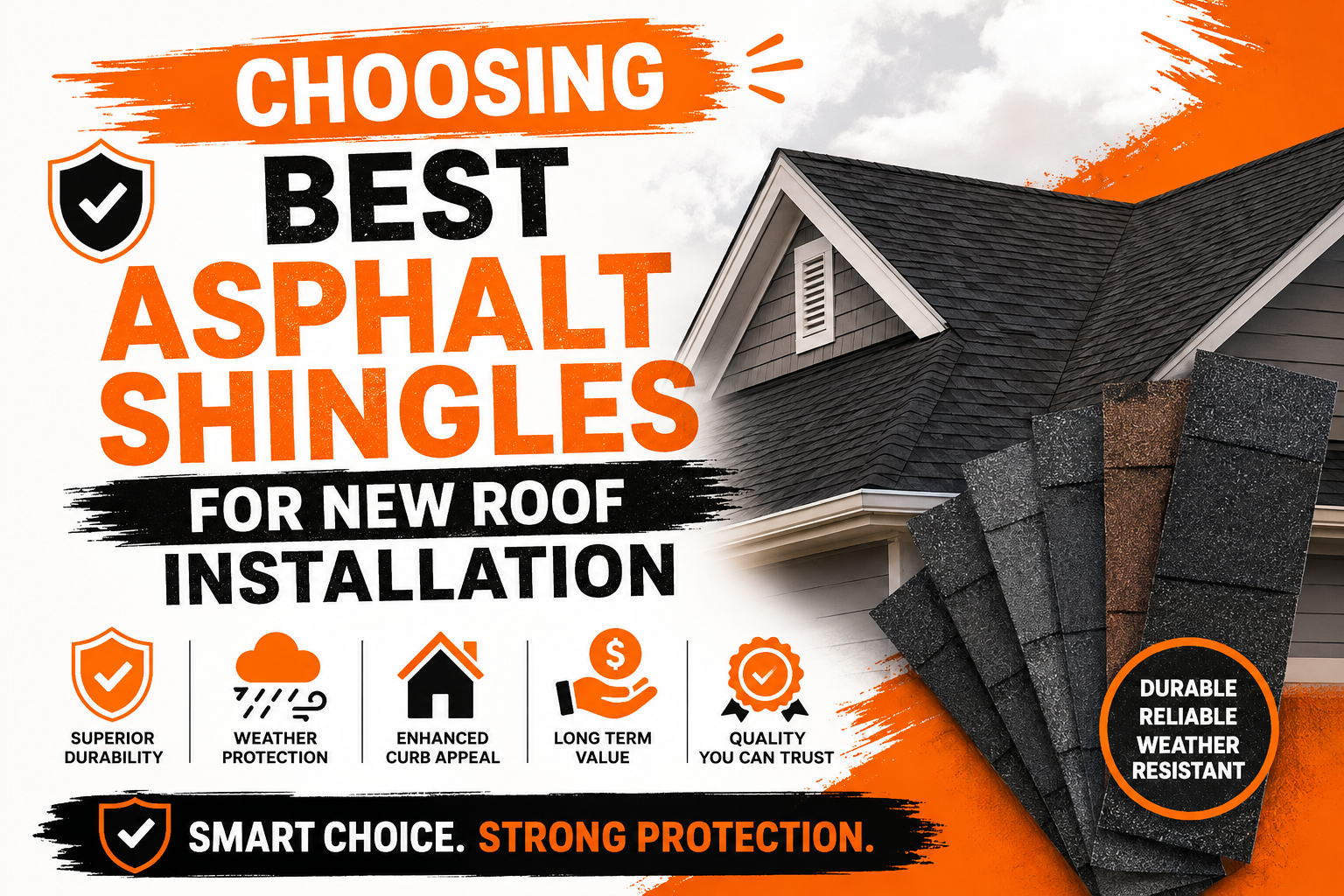
Choosing Best Asphalt Shingles for New Roof Installation
Introduction
Choosing the best asphalt shingles for new roof installation is one of the most important decisions homeowners make during a roofing project. While many people focus on color or price, the right shingles affect your home’s durability, weather protection, energy efficiency, and long term maintenance costs. A quality roofing system starts with selecting materials that match your home’s needs instead of simply choosing the least expensive option.
Asphalt shingles remain the most popular roofing material because they offer an excellent balance of affordability, performance, and design flexibility. Modern manufacturing has significantly improved their durability, allowing homeowners to enjoy roofs that can withstand strong winds, heavy rain, changing temperatures, and years of daily exposure to the elements. These improvements make asphalt shingles suitable for a wide range of residential properties.
The market offers countless shingle styles, thicknesses, colors, warranties, and performance ratings. While this variety provides more choices, it can also make the selection process confusing for homeowners who are replacing a roof for the first time. Understanding the differences between products helps eliminate uncertainty and leads to a better investment.
A new roof is expected to protect a home for decades, making every purchasing decision important. Selecting shingles based only on appearance or price may result in higher maintenance expenses, premature wear, or reduced property value. A well informed decision creates a roofing system that performs consistently throughout its lifespan.
This guide explains everything homeowners should know before choosing asphalt shingles for a new roof installation. It explores shingle types, construction methods, important performance factors, climate considerations, and practical buying advice to help you select roofing materials with confidence.
Why Asphalt Shingles Continue to Be the Most Popular Roofing Choice
Asphalt shingles dominate the residential roofing market because they provide dependable protection without requiring the significant investment associated with premium roofing materials. Their balance of affordability and performance makes them accessible for homeowners with different budgets while still delivering reliable weather resistance.
Modern asphalt shingles have evolved considerably over the past few decades. Manufacturers now use stronger fiberglass mats, improved asphalt formulations, and advanced mineral granules that increase durability while helping roofs maintain their appearance for many years. These innovations have expanded the range of environments where asphalt shingles perform successfully.
Installation is another reason for their popularity. Roofing professionals are highly experienced with asphalt shingle systems, making installation faster and more standardized than some specialty roofing materials. Efficient installation often reduces labor costs while helping projects stay on schedule.
Another major advantage is design flexibility. Asphalt shingles are available in numerous colors, textures, and profiles that complement traditional, contemporary, farmhouse, colonial, craftsman, and many other architectural styles. Homeowners can improve curb appeal without sacrificing functionality.
Maintenance requirements are also relatively manageable compared with many other roofing materials. Individual damaged shingles can often be replaced without disturbing large sections of the roof, making future repairs more convenient and cost effective.
Understanding How Asphalt Shingles Are Made
Understanding how asphalt shingles are manufactured helps homeowners appreciate why some products perform better than others. Although shingles may appear similar from a distance, their internal construction significantly affects durability, flexibility, and weather resistance.
Most modern asphalt shingles begin with a fiberglass mat that forms the structural foundation of the product. This fiberglass core provides strength while remaining lightweight enough for residential roof structures. It also resists moisture better than older organic mat shingles that were more common decades ago.
The fiberglass base is coated with specially formulated asphalt that creates the waterproof barrier. Manufacturers carefully control the asphalt mixture to improve flexibility during temperature changes while maintaining resistance to cracking and weathering. Higher quality asphalt formulations often contribute to longer product life.
Mineral granules are embedded into the asphalt surface before the shingles are finished. These granules serve several important purposes beyond creating color. They protect the asphalt from harmful ultraviolet radiation, improve fire resistance, and reduce surface wear caused by weather exposure.
Many premium shingles also include adhesive sealant strips. After installation and exposure to sunlight, these strips bond neighboring shingles together, improving wind resistance and helping prevent uplift during storms.
Although homeowners rarely see these internal components after installation, each layer contributes to the overall performance of the roofing system. Small manufacturing differences can produce noticeable variations in durability over many years of service.
Main Types of Asphalt Shingles
Not all asphalt shingles are created equally. Manufacturers produce several categories designed for different budgets, architectural styles, and performance expectations. Understanding these differences makes product comparisons much easier during the buying process.
3-Tab Shingles
Three tab shingles represent the traditional asphalt roofing design that has protected homes for generations. Each shingle contains evenly spaced cutouts that create the appearance of three separate tabs after installation. This uniform pattern produces a clean, consistent roof appearance.
These shingles remain one of the most affordable roofing options available. Their lighter weight and straightforward design often reduce material costs, making them attractive for budget conscious homeowners or investment properties.
While 3-tab shingles continue to perform well under normal conditions, they generally have shorter expected lifespans and lower wind resistance than thicker premium alternatives. They also provide a flatter appearance that lacks the dimensional texture many homeowners now prefer.
Architectural Shingles
Architectural shingles, sometimes called dimensional shingles, have become the most common choice for modern residential roof installations. Their layered construction creates greater thickness and produces a textured appearance that resembles natural wood shake roofing.
The additional material improves durability while increasing resistance to wind and everyday weather exposure. Many architectural shingles also carry longer manufacturer warranties because of their enhanced construction.
Homeowners often choose architectural shingles because they provide an excellent combination of aesthetics, longevity, and value. Although they cost more than traditional 3-tab shingles, many people consider the added performance worth the additional investment.
Luxury Shingles
Luxury asphalt shingles represent the premium end of the asphalt roofing market. They are engineered to imitate expensive roofing materials such as slate or cedar shake while offering the easier installation associated with asphalt products.
These shingles feature thicker construction, more pronounced textures, and advanced weather protection. Their appearance often adds considerable visual depth to a home’s exterior, increasing curb appeal and perceived property value.
Luxury shingles generally carry higher purchase costs because of their enhanced design and material content. However, homeowners seeking premium aesthetics without installing natural stone or wood frequently find them to be an attractive alternative.
Comparing Different Asphalt Shingle Types
Choosing among different asphalt shingles becomes easier when homeowners understand how each category performs in everyday situations. Price is important, but durability, appearance, maintenance, and expected lifespan should also influence the decision.
Three tab shingles provide dependable performance for homeowners prioritizing affordability. Architectural shingles offer stronger weather resistance with a more attractive dimensional appearance, making them suitable for many residential projects. Luxury shingles deliver premium styling while incorporating advanced construction techniques that support long service life.
Rather than assuming the most expensive product is automatically the best, homeowners should evaluate how each option aligns with their climate, maintenance expectations, and long term financial goals. A balanced approach often produces the greatest overall value.
Understanding Roofing Terminology Every Homeowner Should Know
Roofing contractors frequently use technical terms that may seem unfamiliar during project discussions. Learning these basic concepts allows homeowners to compare estimates more confidently and understand product specifications without confusion.
Some of the most common roofing terms include:
- Deck: The structural surface that supports the roofing system.
- Underlayment: A protective layer installed between the roof deck and shingles.
- Flashing: Metal material used around roof penetrations and joints to prevent water intrusion.
- Ridge: The highest horizontal point where roof slopes meet.
- Valley: The internal angle where two roof sections join and channel water downward.
- Starter shingles: Special shingles installed along roof edges to improve wind resistance and water protection.
Understanding this terminology helps homeowners communicate more effectively with contractors. It also makes product literature, warranty documents, and installation recommendations much easier to interpret.
Key Factors to Consider Before Choosing Asphalt Shingles
Every home has unique roofing requirements. Climate, roof design, neighborhood appearance, and long term ownership plans all influence which asphalt shingles will provide the greatest value over time.
Rather than selecting shingles based on one feature, homeowners should evaluate multiple performance characteristics together. This broader perspective leads to a roofing system that balances appearance, durability, and cost.
Several important considerations deserve careful attention before making a final purchase decision.
Climate and Weather Considerations
Weather conditions play a major role in determining how well asphalt shingles perform throughout their lifespan. Homes located in regions with frequent storms require stronger wind resistance than homes in relatively mild climates. Areas with heavy snowfall place different demands on roofing systems than regions experiencing intense summer heat.
Constant exposure to ultraviolet radiation gradually ages roofing materials over time. Premium shingles often include improved protective granules that slow this aging process and help preserve both appearance and structural integrity.
Temperature fluctuations can also affect roofing performance. Repeated expansion during hot weather and contraction during cold weather create ongoing stress that lower quality materials may not tolerate as effectively.
Rainfall patterns should also influence product selection. Regions experiencing prolonged rainy seasons benefit from shingles designed with dependable moisture protection and strong sealing characteristics.
Roof Slope and Structural Requirements
The shape and slope of a roof affect both installation techniques and material performance. Steeper roofs generally shed water more efficiently, while lower slope roofs require additional attention to waterproofing details and underlayment selection.
Some premium shingles are heavier than standard products because of their layered construction. Before installation, roofing professionals should verify that the existing roof structure can adequately support the selected materials.
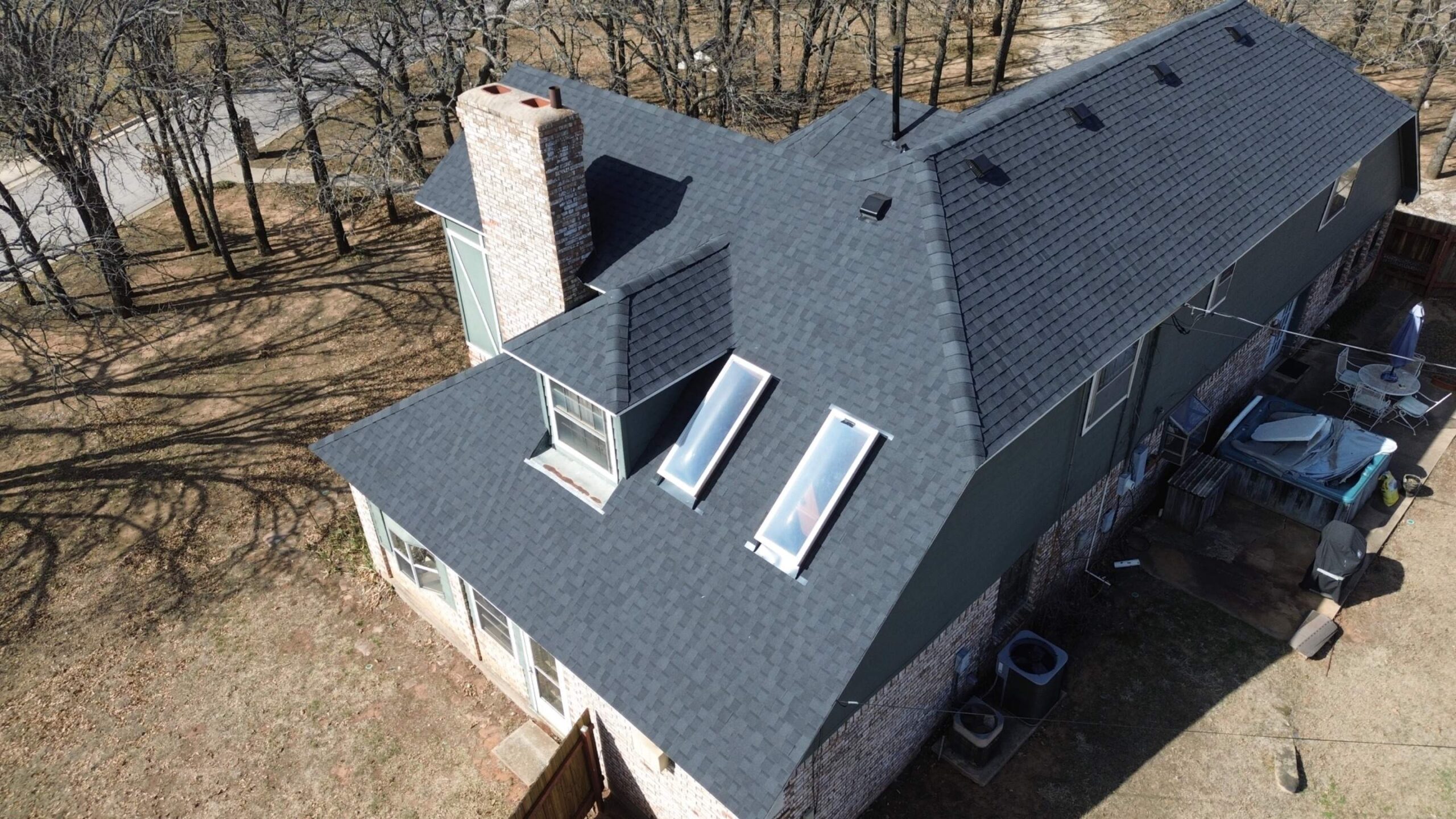
Complex roof designs containing multiple valleys, dormers, skylights, and intersecting rooflines may also influence product selection. Certain shingle styles adapt more effectively to intricate roof layouts while minimizing installation waste.
Proper structural planning ensures the roofing system performs as intended throughout its expected service life.
Matching Shingles with Home Architecture
Roofing contributes significantly to a home’s overall appearance. Selecting shingles that complement architectural style creates visual harmony while improving curb appeal and resale potential.
Traditional homes often pair well with classic neutral colored shingles that maintain timeless appeal. Contemporary homes may benefit from darker color palettes or bold dimensional textures that emphasize modern design elements.
Historic homes sometimes require roofing products that closely resemble original materials while still providing modern performance. Luxury asphalt shingles frequently satisfy this requirement by imitating slate or cedar without their higher installation costs.
Neighborhood consistency may also influence color selection. While homeowners want their property to stand out positively, choosing roofing materials that complement surrounding homes often creates a more attractive streetscape.
Budget vs Long Term Value
Many homeowners naturally begin their search by establishing a roofing budget. While controlling project costs is important, focusing exclusively on the lowest purchase price may overlook significant long term savings.
Premium shingles generally require a larger initial investment, but they often provide longer service life, stronger warranties, and better resistance to weather related damage. Reduced maintenance expenses and delayed replacement needs may offset higher upfront costs over time.
When comparing roofing options, homeowners should consider total ownership costs rather than purchase price alone. Installation expenses, expected lifespan, maintenance requirements, warranty coverage, and potential repair frequency all contribute to the overall value of a roofing investment.
Thinking beyond immediate costs often leads to smarter purchasing decisions that benefit homeowners for decades rather than only during the installation process.
Common Mistakes Homeowners Make When Selecting Asphalt Shingles
Choosing asphalt shingles involves many variables, and overlooking important details can affect both roof performance and long term satisfaction. Understanding common mistakes helps homeowners avoid costly decisions before installation begins.
One frequent mistake is selecting shingles based solely on appearance. While curb appeal matters, performance characteristics such as wind resistance, durability, and warranty protection are equally important for a successful roofing system.
Another common error involves ignoring local climate conditions. Roofing materials that perform well in one region may not provide the same results in areas experiencing stronger storms, heavier snowfall, or prolonged periods of intense sunlight.
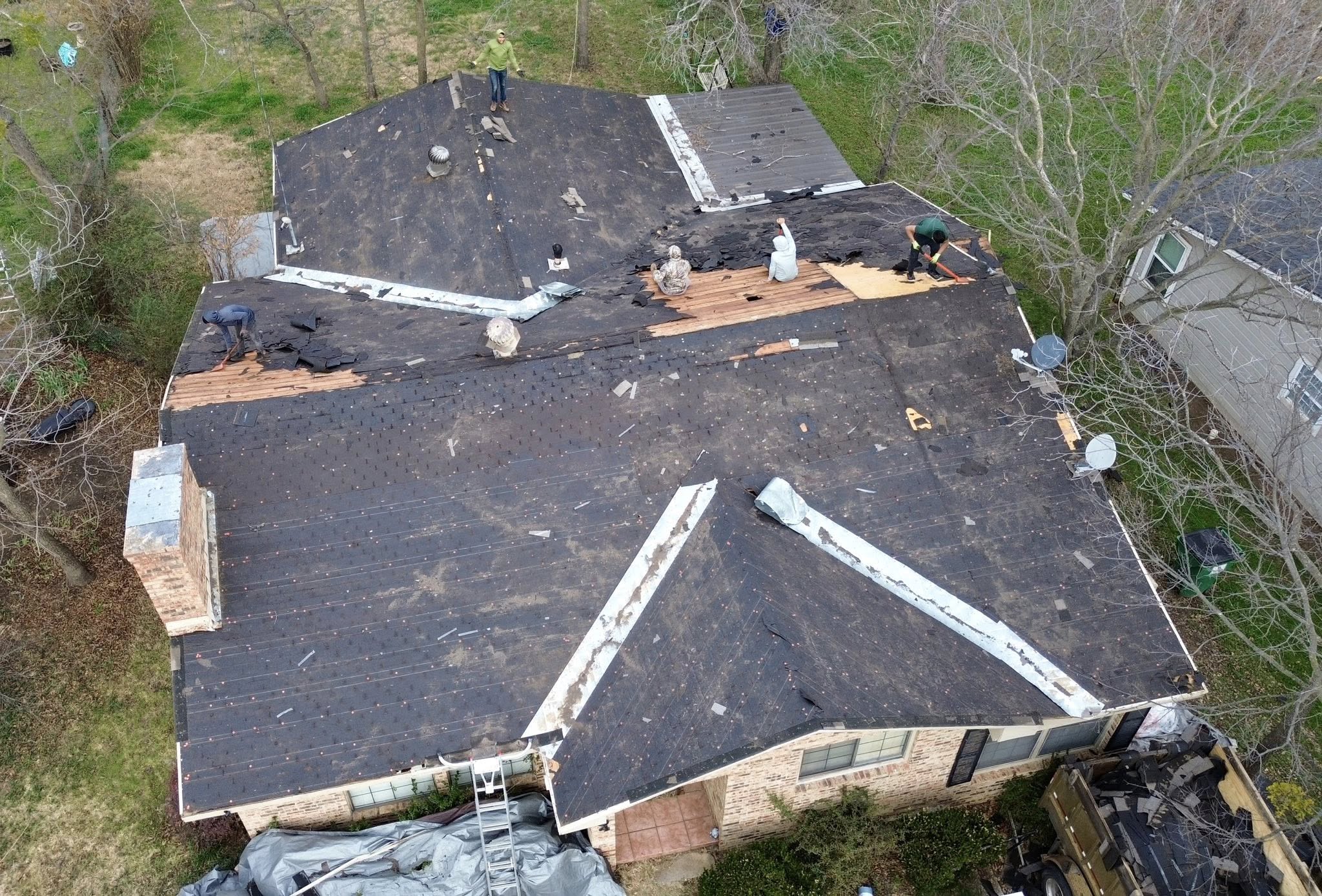
Some homeowners also underestimate the importance of professional installation. Even the highest quality asphalt shingles cannot perform as intended if they are installed incorrectly or combined with unsuitable roofing components.
Finally, comparing products only by price often leads to missed opportunities for better long term value. Evaluating lifespan, maintenance expectations, warranty coverage, and overall performance provides a much clearer picture of which asphalt shingles represent the smartest investment for a new roof installation.
Understanding Asphalt Shingle Lifespan
The lifespan of asphalt shingles varies depending on the type of product, installation quality, local climate, and ongoing maintenance. While manufacturers provide estimated service lives, actual performance depends on how well the roof is designed, installed, and maintained throughout the years.
Three tab shingles generally have the shortest lifespan among modern asphalt roofing products. Architectural shingles typically last longer because of their thicker construction, while luxury shingles are designed to provide premium durability along with enhanced visual appeal.
Environmental conditions significantly influence longevity. Homes exposed to frequent storms, extreme heat, coastal humidity, or heavy snowfall often experience faster roof aging than homes located in milder climates. Proper attic ventilation and routine maintenance help minimize these environmental effects.
Regular roof inspections also contribute to longer service life. Identifying loose shingles, damaged flashing, clogged gutters, or small leaks before they become major problems allows homeowners to protect their roofing investment and avoid premature replacement.
Wind Resistance Ratings Explained
Wind resistance is one of the most important performance factors when choosing asphalt shingles. Strong winds can lift shingles, break adhesive seals, and expose the roof deck to water damage if the roofing system is not designed to withstand local weather conditions.
Manufacturers test asphalt shingles under standardized conditions to determine their wind performance. Premium architectural and luxury shingles often receive higher wind resistance ratings because they include stronger adhesive strips, reinforced construction, and improved installation designs.
Roof design also affects wind performance. Roofs with numerous valleys, dormers, and intersecting sections create additional wind pressure points that require careful installation techniques and quality roofing materials.
Proper installation is just as important as product selection. Even shingles with excellent wind ratings may fail if nails are placed incorrectly, starter strips are omitted, or manufacturer installation guidelines are not followed.
Impact Resistance and Hail Protection
Hailstorms can cause significant roof damage even when shingles appear intact from the ground. Small cracks, bruising, or granule loss may not be immediately visible but can gradually reduce the roof’s ability to protect the home from moisture.
Some asphalt shingles are specifically engineered to improve impact resistance. These products often incorporate modified asphalt materials that increase flexibility and help absorb impacts without cracking as easily as standard shingles.
Impact resistant shingles are especially valuable in areas where hailstorms occur regularly. Although they may cost more initially, they can reduce repair frequency and extend the roof’s overall lifespan.
Homeowners should also remember that impact resistance does not make a roof completely hail proof. Severe storms can still damage roofing materials, but higher quality shingles generally reduce the severity of damage under comparable conditions.
Fire Ratings and Safety Standards
Fire resistance is another important consideration when selecting roofing materials. Roofing products are tested according to established safety standards that evaluate how well they resist flame spread and external fire exposure.
Most modern fiberglass asphalt shingles achieve high fire resistance because fiberglass does not burn like older organic roofing materials. Combined with mineral surface granules, these shingles provide an additional layer of protection for residential structures.
Roofing systems perform best when all components work together. Underlayment, ventilation, roof decking, and proper installation all contribute to the fire performance of the complete roofing assembly.
While homeowners rarely choose shingles based solely on fire ratings, selecting products that meet recognized safety standards provides additional peace of mind and may satisfy local building code requirements.
Energy Efficiency and Cool Roofing Options
Many homeowners are surprised to learn that roof color and shingle design influence indoor temperatures. Roofing materials absorb varying amounts of solar heat, affecting attic temperatures and potentially increasing cooling demands during warm weather.
Cool roofing shingles are manufactured with specially designed granules that reflect more sunlight than conventional roofing products. By reducing heat absorption, these shingles help maintain lower roof surface temperatures during sunny conditions.
Lighter colored shingles generally reflect more sunlight than darker colors. However, advances in roofing technology now allow some darker shingles to achieve improved solar reflectance while maintaining attractive appearance.
Energy efficiency depends on more than roofing materials alone. Proper attic insulation, balanced ventilation, air sealing, and overall home construction work together to create a comfortable indoor environment throughout the year.
Moisture Protection and Algae Resistance
Water is one of the greatest threats to any roofing system. Even small leaks can lead to structural damage, mold growth, insulation problems, and expensive interior repairs if moisture enters the home over an extended period.
Quality asphalt shingles include overlapping designs that direct rainwater away from vulnerable areas of the roof. When combined with proper flashing, underlayment, and installation techniques, these shingles create an effective barrier against water intrusion.
In humid regions, algae growth can become a cosmetic concern. Dark streaks that appear on roofs are often caused by airborne algae rather than dirt or aging roofing materials.
Many manufacturers now produce algae resistant shingles containing specially formulated mineral granules that discourage algae growth. These products help roofs maintain a cleaner appearance for longer periods while reducing maintenance requirements.
Underlayment and Roof Ventilation Importance
Although asphalt shingles receive most of the attention during roof replacement, they represent only one part of the complete roofing system. Underlayment and ventilation play equally important roles in protecting the home and extending roof life.
Roof underlayment provides a secondary moisture barrier beneath the shingles. If wind driven rain or melting snow penetrates the outer roofing layer, the underlayment helps prevent water from reaching the roof deck.
Modern synthetic underlayments offer improved durability, tear resistance, and moisture protection compared with many traditional felt products. They also provide installers with a more secure working surface during construction.
Ventilation is equally critical because trapped heat and moisture inside the attic can shorten shingle lifespan. Proper airflow helps regulate attic temperatures, minimizes condensation, and reduces stress on roofing materials throughout changing seasons.
When ventilation is inadequate, excessive heat accelerates asphalt aging while trapped moisture may contribute to mold growth, wood deterioration, and insulation damage. A balanced ventilation system supports the long term performance of the entire roof.
Choosing the Right Color for Performance and Appearance
Color selection is often the most enjoyable part of choosing asphalt shingles because it directly affects the appearance of the home. However, homeowners should consider more than personal preference when selecting a roofing color.
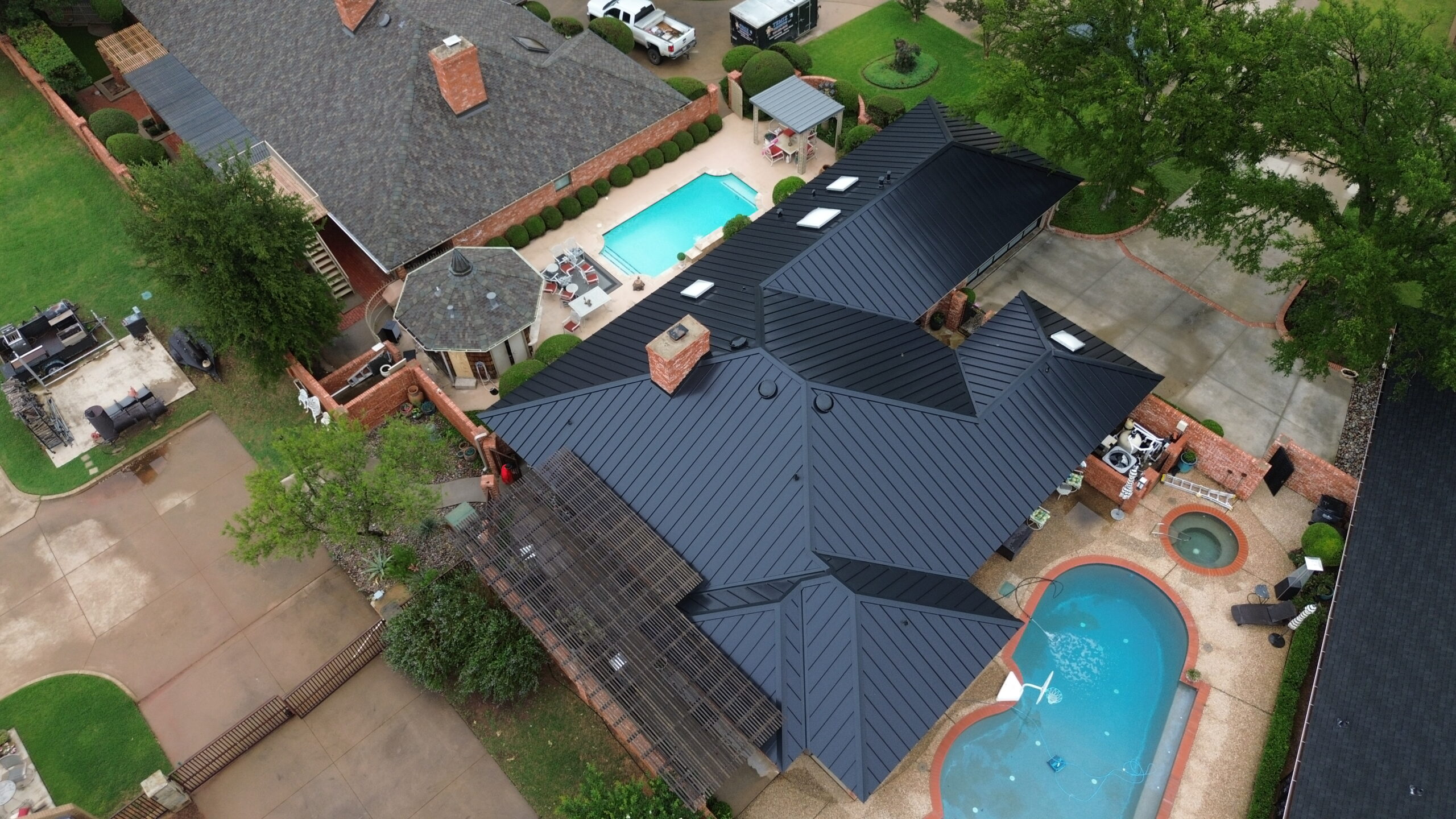
Roof color should complement exterior siding, brick, stone, trim, windows, and landscaping. A balanced combination creates visual harmony while improving overall curb appeal and property value.
Climate may also influence color decisions. In warmer regions, lighter colored roofs reflect more sunlight and may contribute to lower roof temperatures. Darker roofs absorb more heat, which can sometimes benefit homes located in colder climates by encouraging snow to melt more quickly.
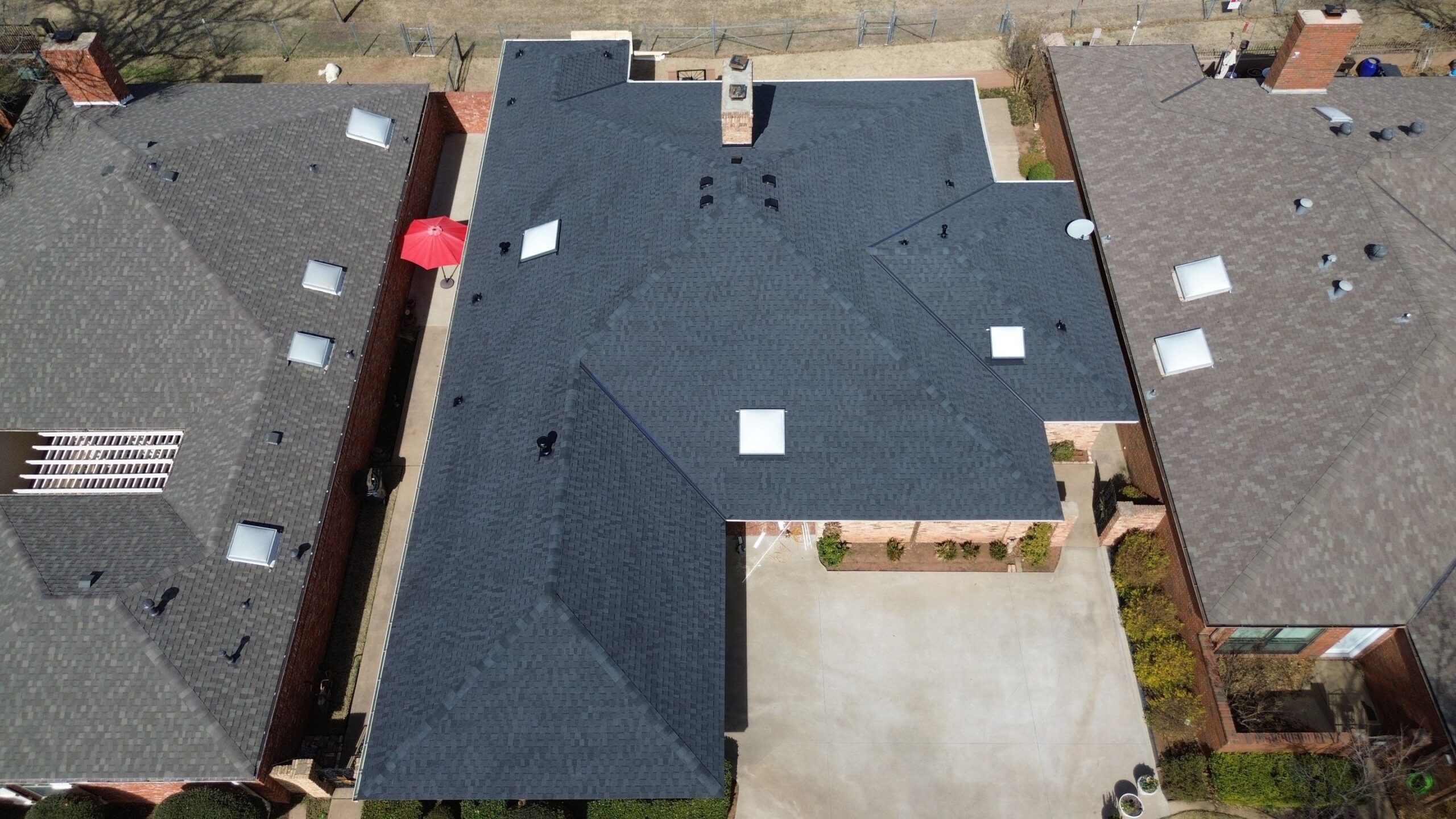
Manufacturers now offer a wide variety of blended color patterns that create natural variation across the roof. These multi tone designs often provide greater visual depth than solid color products while helping conceal minor dirt accumulation over time.
Manufacturer Warranties and What They Really Cover
Roofing warranties often appear straightforward at first glance, but understanding their details requires careful attention. Homeowners should review warranty documents before making purchasing decisions rather than assuming all products provide identical protection.
Most asphalt shingles include manufacturer warranties covering defects related to the roofing materials themselves. These warranties typically do not cover damage resulting from improper installation, severe weather events, poor maintenance, or structural issues unrelated to the shingles.
Some manufacturers offer enhanced warranty programs when complete roofing systems are installed using compatible underlayment, starter shingles, ridge products, and other approved accessories. These system warranties may provide broader protection than material only coverage.
It is equally important to understand workmanship warranties provided by roofing contractors. Material warranties and installation warranties are separate protections, and both contribute to the overall value of a roofing investment.
Reading warranty terms carefully allows homeowners to understand coverage limitations, claim procedures, and maintenance responsibilities before installation begins.
Questions to Ask Before Purchasing Asphalt Shingles
Buying asphalt shingles involves more than comparing colors and prices. Asking thoughtful questions helps homeowners evaluate products more thoroughly while improving communication with roofing contractors.
Important questions include:
- Which shingle type is most suitable for my local climate?
- What wind resistance rating does this product provide?
- How long is the expected service life under normal conditions?
- Does the manufacturer offer algae resistant technology?
- What warranty coverage applies to both materials and installation?
- Which underlayment and ventilation products are recommended for this roofing system?
These questions encourage meaningful discussions with contractors and suppliers. The answers often reveal important differences between roofing products that are not immediately obvious from marketing materials alone.
Comparison of Popular Asphalt Shingle Types
The following table provides a general comparison of the most common asphalt shingle categories. Actual specifications vary between manufacturers, but the comparison offers a useful starting point for evaluating different options.
| Feature | 3-Tab Shingles | Architectural Shingles | Luxury Shingles |
|---|---|---|---|
| Initial Cost | Lowest | Moderate | Highest |
| Appearance | Flat and Uniform | Dimensional | Premium Textured |
| Durability | Good | Very Good | Excellent |
| Wind Resistance | Standard | High | Very High |
| Expected Lifespan | Moderate | Long | Longer |
| Weight | Light | Medium | Heavy |
| Curb Appeal | Good | Excellent | Premium |
| Suitable For | Budget Projects | Most Homes | High End Homes |
While this comparison provides a useful overview, homeowners should evaluate individual products rather than relying solely on product categories. Manufacturers continue introducing new technologies that improve performance across all price ranges.
Balancing Cost with Long Term Performance
Many roofing decisions involve balancing immediate expenses with future benefits. Choosing the least expensive shingles may reduce installation costs today, but lower durability can result in earlier replacement or increased maintenance expenses.
Premium roofing materials often provide stronger weather resistance, longer warranties, and improved curb appeal. These advantages may contribute to higher property value while reducing repair costs during the roof’s lifetime.
The length of home ownership also influences product selection. Homeowners planning to remain in their property for decades often benefit from investing in higher quality shingles because they enjoy the long term advantages directly.
Those planning to sell within a few years may still benefit from upgraded roofing materials. A newer roof with attractive architectural shingles can increase buyer confidence and improve the home’s marketability compared with older or lower quality roofing products.
Preparing for the Final Selection
By this stage, homeowners should have a much clearer understanding of the many factors that influence asphalt shingle selection. Material construction, weather resistance, ventilation, warranties, energy performance, and appearance all contribute to the overall quality of a roofing system.
Making the final choice involves evaluating these characteristics together rather than focusing on any single feature. The ideal roofing product balances performance, aesthetics, maintenance expectations, and budget while meeting the specific needs of the home.
Choosing the Best Asphalt Shingles for Different Home Types
Every home has unique roofing requirements based on its design, location, and overall architectural style. Choosing asphalt shingles that complement these characteristics creates a roof that not only performs well but also enhances the appearance of the property. Instead of selecting a product solely because it is popular, homeowners should consider how the shingles will function on their specific home.
Single family homes often benefit from architectural shingles because they provide an attractive balance of durability, appearance, and affordability. Their dimensional design adds visual interest while offering dependable weather protection that suits a wide variety of climates.
Luxury homes frequently use premium asphalt shingles that replicate the appearance of slate or cedar shake. These products create an upscale appearance without the significant structural requirements and maintenance demands associated with natural roofing materials.
Smaller homes, rental properties, and budget conscious projects may still achieve excellent results with quality 3 tab shingles. Although they provide a simpler appearance, proper installation and routine maintenance can help these roofs deliver years of reliable service.
Homes with complex rooflines deserve particular attention during product selection. Multiple valleys, dormers, skylights, and intersecting roof sections create additional installation challenges, making durable shingles and experienced installation especially important.
Selecting Shingles Based on Regional Climate
Climate is one of the most influential factors affecting roof performance. Roofing materials constantly face changing temperatures, moisture, sunlight, and wind, making regional weather patterns an essential part of the decision making process.
In hot climates, prolonged exposure to intense sunlight gradually ages asphalt roofing materials. Shingles with high quality protective granules and reflective technology help reduce heat absorption while slowing ultraviolet deterioration.
Regions experiencing frequent heavy rainfall require shingles that seal effectively against moisture. Combined with quality flashing and properly installed underlayment, these roofing systems provide dependable protection during prolonged wet weather.
Homes located in snowy regions should use shingles designed to tolerate repeated freeze and thaw cycles. Strong sealing characteristics help prevent water intrusion when melting snow refreezes along roof edges.
Coastal environments introduce additional challenges because salt laden air, humidity, and strong winds increase stress on roofing materials. Premium architectural and luxury shingles generally perform better under these demanding conditions.
Areas prone to hailstorms benefit from shingles designed with improved impact resistance. While no roofing material is completely immune to severe weather, stronger products reduce the likelihood of extensive storm damage.
Signs You Are Investing in High Quality Roofing Materials
Homeowners often compare shingles based on price, but quality involves much more than cost alone. Several characteristics help distinguish dependable roofing materials from lower performing alternatives.
Consistent manufacturing quality is one important indicator. Well manufactured shingles display uniform dimensions, even color distribution, and consistent thickness throughout each bundle. These characteristics simplify installation while improving the finished appearance of the roof.
High quality shingles also include durable surface granules that remain firmly embedded in the asphalt. Although a small amount of loose granules is normal after installation, excessive granule loss may indicate lower quality manufacturing or improper handling.
Another positive sign is comprehensive product testing. Reputable manufacturers evaluate their shingles for wind resistance, fire performance, moisture protection, and long term durability before releasing products to the market.
Clear installation instructions and detailed warranty documentation also demonstrate manufacturer confidence. Companies that invest in product development typically provide extensive guidance to help contractors install roofing systems correctly.
Finally, compatibility across the complete roofing system is an advantage. Manufacturers that offer coordinated underlayment, starter shingles, ridge products, ventilation components, and accessories simplify installation while helping homeowners build an integrated roofing system.
Professional Installation vs DIY Considerations
Some homeowners consider installing asphalt shingles themselves to reduce project costs. While asphalt roofing is generally easier to install than certain premium roofing materials, proper installation requires technical knowledge, specialized tools, and strict attention to safety.
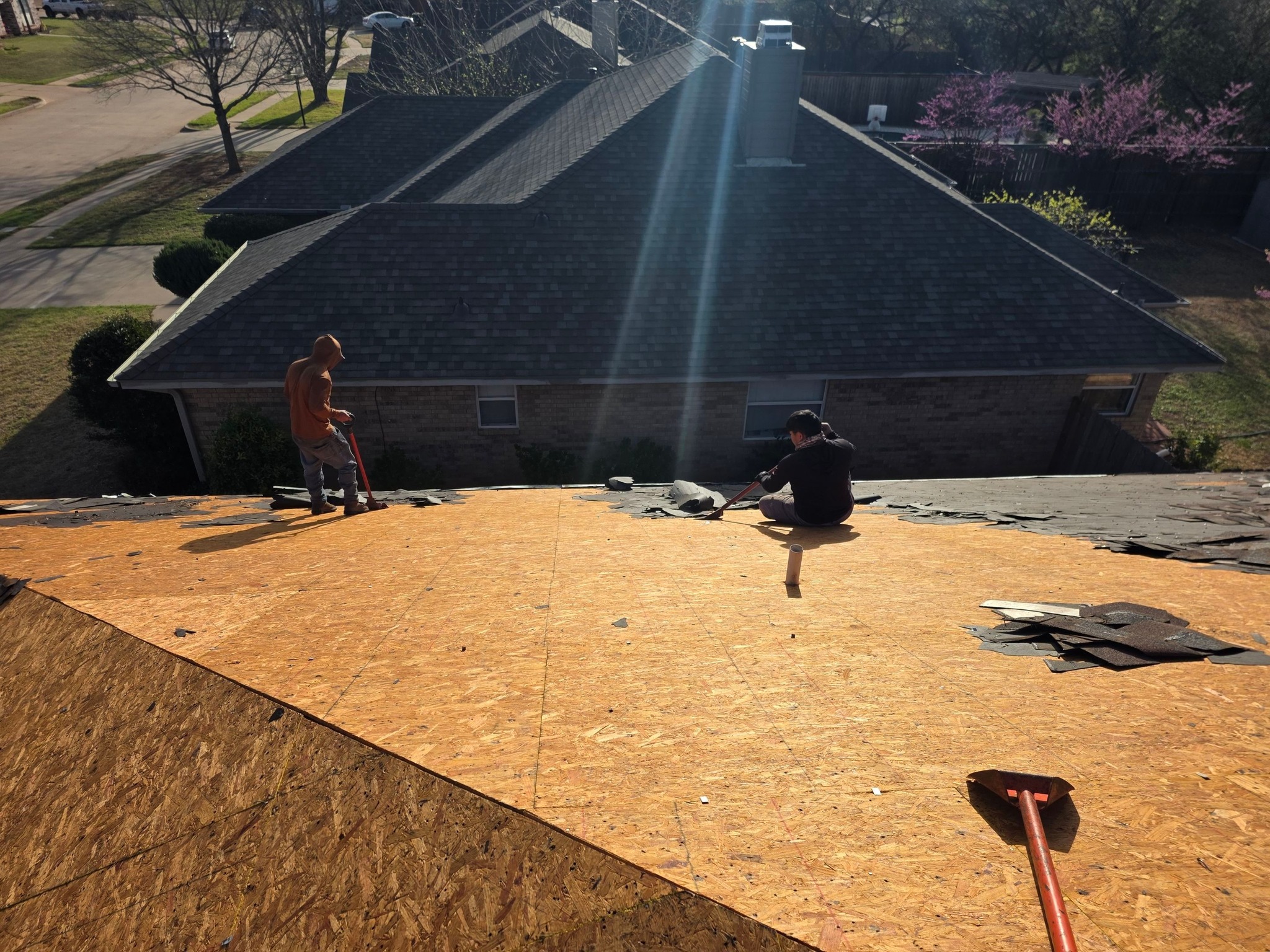
Roof installation involves much more than placing shingles on the roof deck. Contractors must evaluate structural conditions, repair damaged decking, install underlayment correctly, position flashing around penetrations, establish proper ventilation, and follow precise fastening patterns.
Even minor installation mistakes may shorten roof lifespan. Improper nail placement, incorrect shingle alignment, insufficient ventilation, or poorly installed flashing can create opportunities for leaks and premature roof deterioration.
Professional roofing contractors also understand local building codes and manufacturer installation requirements. Following these guidelines helps maintain warranty coverage while ensuring the roof performs as designed.
Safety is another important consideration. Roofing work involves steep slopes, elevated work surfaces, changing weather conditions, and heavy construction materials. Experienced professionals use appropriate safety equipment and established procedures to minimize workplace risks.
Although professional installation increases project costs, it often protects the larger investment represented by the roofing materials themselves. A well installed roof typically delivers better long term value than expensive shingles installed incorrectly.
Roof Maintenance Tips to Extend Shingle Life
Even the highest quality asphalt shingles benefit from regular maintenance. Preventive care helps identify small issues before they develop into expensive repairs while allowing the roofing system to achieve its expected lifespan.
Homeowners do not need to perform complicated maintenance routines, but consistent attention throughout the year makes a significant difference. Seasonal inspections provide opportunities to detect damage following storms, heavy snowfall, or strong winds.
Simple maintenance practices include:
- Inspect the roof after major storms for visible damage.
- Keep gutters and downspouts free of leaves and debris.
- Remove branches that hang directly over the roof.
- Watch for loose flashing around chimneys, skylights, and vents.
- Schedule professional inspections when signs of damage appear.
Regular maintenance should always be performed safely. If roof access is hazardous or damage appears extensive, homeowners should contact qualified roofing professionals rather than attempting risky repairs themselves.
Preventive maintenance also protects other parts of the home. Clean drainage systems reduce water overflow, while healthy roofing components help prevent moisture from reaching insulation, ceilings, walls, and structural framing.
When Roof Replacement Makes More Sense Than Repairs
Roof repairs can solve many isolated problems, but there comes a point when replacing the entire roofing system provides greater long term value. Understanding when replacement becomes the better option helps homeowners avoid repeated repair expenses.
Age is often the first consideration. As asphalt shingles approach the end of their expected service life, isolated repairs become less effective because surrounding materials continue aging at the same time.
Widespread granule loss is another indication that shingles are deteriorating. Without protective granules, asphalt becomes increasingly vulnerable to ultraviolet damage, temperature fluctuations, and moisture penetration.
Repeated leaks affecting multiple areas of the roof may also indicate broader roofing system failure. Repairing isolated locations often provides only temporary relief if underlying materials have reached the end of their useful life.
Storm damage can create similar situations. Severe wind or hail may damage enough shingles that replacing the entire roof becomes more practical than repairing numerous scattered sections.
Homeowners planning major exterior renovations sometimes choose roof replacement simultaneously. Coordinating multiple improvements often creates a more consistent finished appearance while reducing future disruption.
Cost Factors That Influence Overall Roofing Investment
Roof replacement costs vary considerably because every project presents different requirements. Understanding the factors that influence pricing allows homeowners to evaluate contractor estimates more effectively.
Material selection is one of the largest contributors to total project cost. Three tab shingles generally represent the lowest material expense, while architectural and luxury shingles require progressively larger investments because of their thicker construction and enhanced performance.
Roof size naturally affects both material quantities and labor requirements. Larger roofs require more shingles, underlayment, flashing, fasteners, and installation time than smaller structures.
Roof complexity also influences pricing. Steep slopes, multiple valleys, skylights, chimneys, and dormers require additional labor and specialized installation techniques, increasing overall project costs.
Several additional factors commonly affect roofing investment:
| Cost Factor | Influence on Overall Project |
|---|---|
| Roof Size | Larger roofs require more materials and labor. |
| Roof Pitch | Steeper roofs increase installation difficulty. |
| Shingle Type | Premium products cost more than basic options. |
| Existing Roof Removal | Multiple old roofing layers increase labor. |
| Structural Repairs | Damaged decking adds repair expenses. |
| Ventilation Upgrades | Improved airflow may require additional components. |
| Local Labor Costs | Regional market conditions affect contractor pricing. |
Although obtaining multiple estimates is recommended, homeowners should compare more than the final price. Material quality, warranty coverage, contractor experience, installation methods, and project scope all influence the true value of a roofing proposal.
Final Checklist Before Buying Asphalt Shingles
Making the final roofing decision becomes much easier when homeowners review every important factor before approving the project. A systematic evaluation helps ensure nothing important has been overlooked.
Before purchasing asphalt shingles, confirm the following:
- The selected shingles are appropriate for the local climate.
- The roof structure can support the chosen roofing materials.
- Wind, fire, and impact ratings meet local requirements.
- The warranty has been reviewed carefully.
- Proper underlayment and ventilation are included in the project.
- Shingle color complements the home’s exterior design.
- The contractor follows manufacturer installation guidelines.
- The complete roofing estimate clearly identifies all materials and labor.
Completing this checklist provides confidence that both the roofing materials and installation plan align with the home’s long term needs. It also reduces the likelihood of unexpected costs or misunderstandings after construction begins.
Common Myths About Asphalt Shingles
Several misconceptions continue to influence roofing decisions, even though modern asphalt shingles have improved significantly through advances in manufacturing and engineering. Separating facts from myths helps homeowners make informed purchasing decisions.
One common myth is that all asphalt shingles are identical. In reality, substantial differences exist in construction quality, weather resistance, warranty coverage, and expected lifespan. Two products may appear similar while delivering very different long term performance.
Another misconception is that darker shingles always make homes uncomfortably hot. Roof temperature depends on multiple factors including ventilation, insulation, roof design, and shingle technology. Many modern roofing products are engineered to improve energy performance regardless of color.
Some homeowners also believe expensive shingles automatically guarantee the longest roof life. Material quality is important, but installation quality plays an equally significant role. Even premium roofing materials cannot compensate for poor workmanship or inadequate ventilation.
Finally, many people assume roof maintenance is unnecessary after installation. Every roofing system benefits from periodic inspections, routine cleaning, and timely repairs that prevent small issues from developing into larger problems.
Making a Smart Long Term Roofing Investment
A roof is one of the largest protective systems in any home, making it far more than a simple construction component. The right asphalt shingles contribute to structural protection, energy efficiency, weather resistance, and overall property value throughout many years of service.
Taking time to compare products carefully often results in better financial decisions. Rather than focusing exclusively on upfront costs, homeowners benefit from considering durability, maintenance requirements, expected lifespan, warranty protection, and installation quality together.
Communication with experienced roofing professionals is equally valuable during the selection process. Contractors familiar with local climate conditions and building requirements can recommend products that have demonstrated dependable performance in the surrounding area.
Thoughtful planning before installation reduces uncertainty and increases confidence throughout the roofing project. Every decision, from selecting shingle type to choosing complementary roofing components, contributes to the long term success of the finished system.
Conclusion
Choosing the best asphalt shingles for new roof installation involves much more than selecting an attractive color or finding the lowest price. Homeowners should carefully evaluate shingle construction, durability, weather resistance, energy efficiency, warranty coverage, and compatibility with their home’s architectural style before making a final decision. A well informed approach ensures the roofing system delivers dependable protection while enhancing the property’s appearance and value.
Climate conditions, roof design, installation quality, and ongoing maintenance all influence how well asphalt shingles perform over time. Even the highest quality roofing materials depend on proper installation, balanced ventilation, and routine inspections to achieve their full expected lifespan. Investing in durable products supported by professional workmanship often provides greater long term value than focusing solely on initial cost savings.
Whether selecting traditional 3 tab shingles, versatile architectural shingles, or premium luxury products, homeowners should view roofing as a long term investment rather than a short term expense. Careful planning, thorough product comparisons, and collaboration with qualified roofing professionals create a roof that protects the home, improves curb appeal, and provides reliable performance for many years to come.