

Scheduling Commercial Roof Installation Without Business Disruption
Introduction
Scheduling a commercial roof installation is about far more than choosing a start date and hiring a contractor. Every commercial property has unique operational requirements, customer expectations, employee responsibilities, and safety considerations that must continue throughout the roofing project. A carefully planned schedule ensures that roofing work supports business goals rather than interrupting them.
Unlike residential roofing, commercial roof installation often takes place on buildings that remain occupied throughout construction. Offices continue serving clients, retail stores welcome shoppers, warehouses maintain shipping schedules, and healthcare facilities provide uninterrupted care. Without thoughtful scheduling, roofing activities can create unnecessary delays, safety concerns, and financial losses.
Business disruption is one of the biggest concerns property owners face when planning a commercial roofing project. Loud equipment, restricted parking, blocked entrances, material deliveries, and weather delays can all affect daily operations. However, these challenges can be managed successfully when installation schedules are developed around the needs of the business instead of forcing the business to adapt to construction.
An organized approach allows contractors and business owners to work together from the beginning. They can identify operational priorities, establish realistic timelines, communicate expectations, and prepare contingency plans before the first roofing materials arrive. This level of preparation minimizes surprises and helps keep the project moving efficiently.
Successful scheduling also protects everyone involved in the project. Employees know which areas will be affected, customers receive advance notice about temporary changes, and contractors can complete their work within designated safety zones. Clear communication combined with detailed planning creates an environment where business operations and construction activities can coexist with minimal interference.
In this guide, we will explore how businesses can schedule commercial roof installation projects without interrupting productivity. From evaluating business operations and selecting the ideal installation period to coordinating with contractors and stakeholders, each step plays an important role in achieving a smooth roofing project.
Understanding Business Operations Before Scheduling
Every successful commercial roofing project begins with understanding how the business operates on a daily basis. A schedule that works perfectly for one organization may create serious challenges for another because every facility has different operational demands. Learning these requirements before planning the installation helps prevent avoidable disruptions later.
Business owners should first identify the activities that are most critical to daily operations. Customer service hours, employee shifts, manufacturing schedules, inventory deliveries, and special events all influence when roofing work should occur. Roofing contractors can then adjust work schedules to avoid interfering with these essential functions.
For example, a retail store may experience its highest customer traffic during weekends, while an office building may be busiest during standard weekday business hours. A warehouse may have overnight shipping operations that require unrestricted loading dock access. Recognizing these differences allows the roofing schedule to support rather than interrupt business performance.
Seasonal business trends also deserve careful attention. Many companies experience predictable busy periods during holidays, annual sales events, or industry-specific seasons. Scheduling a roof installation during these peak times can increase operational stress and reduce customer satisfaction. Planning the project during slower periods often leads to a smoother experience for everyone involved.
Another important consideration is identifying areas of the building that cannot tolerate interruptions. Server rooms, laboratories, medical treatment areas, food preparation spaces, and manufacturing equipment may require additional protection or specialized scheduling. Contractors can divide the project into smaller phases to minimize impacts on these sensitive locations.
Understanding employee movement throughout the building is equally valuable. Frequent movement between entrances, parking areas, loading zones, and workspaces helps determine where temporary barriers, alternative pathways, or safety signage will be needed during construction.
Property owners should also consider how visitors interact with the building. Customers, delivery personnel, vendors, and service providers all need safe and convenient access throughout the roofing project. Maintaining accessibility helps preserve normal business operations while reducing confusion.
The following questions can help businesses evaluate their operational requirements before scheduling begins:
- Which hours represent the busiest periods of the business?
- Are there departments that require uninterrupted operations?
- When do deliveries and shipments usually occur?
- Which entrances receive the highest amount of traffic?
- Are there upcoming events that should be avoided during construction?
Answering these questions provides valuable information that supports a realistic installation schedule while reducing unnecessary disruptions.
Conducting a Pre Installation Site Assessment
Once business operations have been evaluated, the next step involves performing a thorough site assessment. This assessment provides the technical information needed to develop an efficient installation schedule while identifying any factors that could delay the project.
A comprehensive roof inspection examines the current condition of the roofing system. Contractors assess visible damage, drainage performance, flashing conditions, insulation quality, and structural integrity. Understanding the roof’s condition helps determine whether repairs, partial replacement, or complete replacement is the most practical solution.
The structural condition of the building also affects scheduling decisions. Older buildings may require additional engineering evaluations before installation begins. Reinforcement work, if necessary, should be completed before roofing materials arrive to prevent unexpected delays.
Roof accessibility plays a major role in determining project efficiency. Contractors evaluate how workers, equipment, and materials will safely reach the roof while minimizing disruption to normal business activities. Buildings with limited access may require cranes, lifts, or temporary staging areas that need additional planning.
Material storage locations should also be identified during the assessment. Roofing materials require secure, organized storage that does not block customer parking, emergency exits, or loading docks. Proper planning prevents congestion and supports a safer work environment.
Drainage systems deserve careful examination because water management remains essential throughout construction. Contractors evaluate roof slopes, drainage outlets, gutters, and downspouts to ensure temporary weather conditions do not create additional risks while installation is underway.
Electrical systems, rooftop HVAC equipment, solar panels, communication equipment, and ventilation units require special attention during planning. These systems often remain operational throughout the project, meaning installation activities must be coordinated carefully to avoid service interruptions.
Weather exposure is another important factor considered during site assessments. Local climate conditions influence installation timelines, material selection, and temporary protection measures. Planning around expected weather patterns helps reduce unnecessary downtime while protecting the building interior.
Safety planning begins during this stage rather than after construction starts. Contractors identify potential hazards, emergency access routes, fall protection requirements, and restricted work zones before developing the final installation schedule.
An effective site assessment generally includes the following areas:
| Assessment Area | Purpose | Scheduling Impact |
|---|---|---|
| Roof condition | Determines repair or replacement requirements | Defines project scope and duration |
| Structural evaluation | Confirms load capacity and building integrity | Prevents unexpected construction delays |
| Roof access | Identifies equipment and worker access routes | Improves daily work efficiency |
| Material staging | Plans storage locations | Reduces congestion around the property |
| Mechanical equipment | Protects HVAC and utility systems | Prevents operational interruptions |
| Safety review | Identifies workplace hazards | Supports safe scheduling throughout the project |
A detailed assessment reduces uncertainty before construction begins. Rather than reacting to unexpected discoveries during installation, contractors can incorporate potential challenges into the original schedule, resulting in fewer delays and more predictable project progress.
Creating a Business Focused Roofing Schedule
Developing a roofing schedule involves much more than assigning start and completion dates. The schedule should reflect the operational priorities of the business while giving contractors sufficient time to complete high quality work safely and efficiently.
The first objective is selecting the most suitable installation window. Climate, seasonal demand, material availability, contractor schedules, and business operations all influence the ideal timing. Choosing the right period often shortens project duration because weather interruptions become less frequent.
Many businesses prefer scheduling roofing projects during slower operational periods. Educational institutions frequently perform roof replacements during school breaks, while some retail businesses schedule major construction after seasonal sales events. Manufacturing facilities may coordinate roofing work with planned maintenance shutdowns.
Instead of treating the building as one large project, contractors often divide commercial roof installation into manageable phases. Working in sections allows unaffected portions of the building to continue normal operations while construction progresses in designated areas.
A phased approach also improves flexibility when unexpected circumstances arise. If severe weather delays one section of the installation, contractors can often adjust resources and continue work elsewhere rather than stopping the entire project.
Scheduling should account for daily business routines as well. Certain tasks produce higher noise levels than others, making early morning, evening, or weekend work more appropriate for specific phases. Activities such as material loading, equipment lifting, or roof removal may be planned outside peak business hours whenever practical.
Businesses should also establish realistic expectations regarding project duration. Attempting to compress the schedule excessively may increase safety risks, reduce workmanship quality, and create additional disruption. A balanced timeline supports both productivity and installation quality.
Another important element involves allowing flexibility for uncontrollable factors. Weather conditions, supplier deliveries, permit approvals, and unexpected structural findings occasionally require schedule adjustments. Including reasonable contingency time helps keep the overall project on track without creating unnecessary pressure.
The most effective roofing schedules typically follow a structured planning process.
- Review business operating hours and seasonal demands.
- Evaluate roof condition and project complexity.
- Coordinate contractor availability and material deliveries.
- Divide the installation into logical work phases.
- Build contingency time for weather and unexpected events.
- Confirm communication procedures before construction begins.
This planning process provides a strong foundation for keeping roofing work organized while allowing businesses to continue serving employees, customers, and clients with minimal interruption.
Stakeholder Communication Before Work Begins
Even the most carefully designed installation schedule can create confusion if stakeholders are not informed well in advance. Effective communication ensures that everyone affected by the roofing project understands what to expect, when activities will occur, and how temporary changes will be managed.
Property owners and facility managers should begin discussions with the roofing contractor long before construction starts. These meetings establish project objectives, review timelines, identify operational priorities, and clarify responsibilities for both parties.
Employees should receive advance notice regarding changes that may affect their daily routines. Parking adjustments, temporary entrance closures, modified workspaces, and increased construction activity are easier to manage when communicated ahead of time. Early communication also reduces uncertainty and improves cooperation throughout the project.
Customers appreciate transparency as well. Businesses that inform customers about temporary construction activities demonstrate professionalism while maintaining trust. Simple notices through websites, email newsletters, appointment confirmations, or building signage can prevent frustration and reduce confusion during installation.
Vendors and suppliers also benefit from advance coordination. Delivery schedules may require temporary adjustments if roofing equipment occupies loading areas or if access routes change during construction. Early planning helps prevent shipment delays and logistical challenges.
Emergency services and building maintenance personnel should also understand the project schedule. Clear communication ensures that emergency access routes remain available throughout construction and that critical building systems continue operating safely.
Communication should not end once the project begins. Regular progress updates help everyone stay informed about completed work, upcoming activities, schedule adjustments, and weather related changes. Consistent updates reduce uncertainty while strengthening collaboration between business owners and contractors.
A communication plan works best when it identifies who receives updates, how information will be shared, and how frequently updates will be provided. This organized approach allows questions to be addressed quickly while keeping the entire project moving efficiently.
Organizing Daily Roofing Operations
Once planning is complete and the installation schedule has been approved, the focus shifts to managing daily roofing operations. This phase determines whether the carefully prepared schedule translates into a smooth construction process or becomes a source of unnecessary disruption. Consistent organization allows roofing crews to work efficiently while businesses continue serving employees, customers, and partners.
Each workday should begin with a review of planned activities. Contractors typically hold brief meetings to discuss daily objectives, weather conditions, safety procedures, equipment requirements, and any operational concerns raised by the business. These discussions help crews stay aligned while reducing the likelihood of mistakes that could delay progress.
Clearly defined work zones are essential throughout installation. Instead of allowing construction activities to spread across the property, contractors establish designated areas for roofing work, material storage, equipment operation, and employee access. Separating these activities improves safety while helping businesses maintain normal operations.
Access control becomes increasingly important during active construction. Employees, visitors, and customers should be guided through clearly marked pathways that avoid hazardous work areas. Temporary fencing, warning signs, and protective barriers help direct foot traffic without creating unnecessary confusion.
Material deliveries should be scheduled strategically rather than arriving whenever suppliers are available. Large roofing materials delivered during peak business hours can block entrances, occupy parking spaces, or interfere with delivery operations. Coordinating delivery times with the business schedule minimizes these disruptions while allowing crews to maintain productivity.
Equipment placement also requires careful planning. Cranes, forklifts, lifts, dumpsters, and roofing machinery should be positioned where they maximize construction efficiency without restricting emergency access or customer movement. Contractors often relocate equipment throughout the project as work progresses across different roof sections.
Waste removal should follow an organized routine instead of allowing debris to accumulate throughout the project. Daily cleanup keeps the site safer, improves the property’s appearance, and reduces potential hazards for employees and visitors. Maintaining a clean work environment also reflects positively on both the contractor and the business owner.
Daily coordination between the contractor and facility manager helps address small issues before they become significant problems. Brief progress discussions allow schedule adjustments, operational concerns, and weather updates to be handled quickly without interrupting the overall project timeline.
Reducing Operational Interruptions During Installation
Even with careful planning, commercial roof installation naturally creates some level of disruption. The objective is not to eliminate every inconvenience but to reduce its impact so the business can continue functioning effectively throughout construction.
Noise management is one of the most common concerns during commercial roofing projects. Roof removal, fastening systems, cutting materials, and operating heavy equipment generate sounds that may interfere with meetings, customer interactions, or concentrated work. Contractors often schedule the loudest activities during less sensitive hours whenever possible.
Businesses with conference rooms, customer service centers, or educational facilities may temporarily relocate certain activities while high-noise work is underway. Small operational adjustments often provide significant improvements without affecting the overall installation schedule.
Maintaining customer access should remain a priority throughout the project. Temporary entrance closures may occasionally be necessary, but businesses should provide clear directional signage that guides visitors safely to alternative entrances. Visible communication reduces frustration while preserving a positive customer experience.
Parking management is another important consideration. Construction equipment, material deliveries, and dumpsters may temporarily reduce available parking spaces. Reserving separate areas for construction activities helps maintain convenient parking for customers and employees whenever possible.
Dust and airborne debris require continuous attention throughout installation. Protective coverings, debris collection systems, and regular cleaning reduce contamination inside occupied buildings. Businesses that handle food, medical services, electronics, or sensitive equipment often require additional protective measures during roofing work.
Weather protection is equally important because roof replacement temporarily exposes portions of the building. Contractors use waterproof coverings, temporary membranes, and rapid sealing techniques to protect the building interior from unexpected rainfall while maintaining construction progress.
Security should never be overlooked during roofing projects. Temporary access points created for construction activities can increase security risks if not properly monitored. Contractors and property managers should coordinate access procedures to ensure that only authorized personnel enter restricted work areas.
Maintaining uninterrupted utility services is another priority. Roofing work often occurs near electrical systems, communication equipment, HVAC units, and ventilation components. Careful coordination allows these systems to remain operational while installation progresses around them.
The most effective disruption management strategies usually focus on several key priorities:
- Schedule noisy work outside peak operational hours whenever practical.
- Maintain safe access routes for customers, employees, and emergency personnel.
- Protect the building interior from dust, debris, and changing weather.
- Coordinate equipment movement to minimize traffic congestion.
- Perform daily cleanup before business operations resume the following day.
When these practices are followed consistently, businesses often experience far less disruption than initially expected.
Coordinating Different Commercial Roofing Systems
Not every commercial roofing system follows the same installation process. Different materials require unique preparation methods, installation techniques, curing times, and weather conditions. Understanding these differences helps contractors create realistic schedules that avoid unnecessary delays.
Single-ply membrane systems often progress relatively quickly because large membrane sheets cover extensive roof areas efficiently. However, seam welding, flashing installation, and edge detailing require careful attention to ensure long-term waterproof performance.
Built-up roofing systems generally require multiple installation stages. Layers of reinforcing materials and protective coatings must be applied in sequence, making weather conditions particularly important. Interruptions between installation stages can affect project timing if not carefully managed.
Modified bitumen roofing combines durability with flexible installation options, but heating procedures or adhesive curing times may influence daily work schedules. Contractors must coordinate these activities while considering temperature, wind conditions, and employee safety.
Metal roofing systems involve precise panel alignment, fastening, and flashing installation. Material handling requires careful coordination because large metal panels occupy significant staging space and often require specialized lifting equipment.
Green roofing systems introduce additional scheduling considerations. Waterproofing, drainage layers, growing media, and vegetation installation occur in carefully planned stages. Coordination between roofing specialists and landscape professionals becomes essential for successful project completion.
Roof coatings provide another scheduling option for certain buildings. While coatings often require less disruption than complete roof replacement, surface preparation, cleaning, repair work, and curing periods still demand careful planning to achieve durable results.
Weather affects every roofing material differently. Some systems require completely dry conditions, while others allow limited installation under specific environmental conditions. Contractors continuously monitor forecasts to maximize productive workdays while protecting installation quality.
Quality inspections should occur throughout each installation phase rather than waiting until project completion. Early identification of workmanship issues allows corrections before additional roofing layers are installed, reducing both costs and schedule impacts.
Proper coordination between roofing material requirements and business operations ensures that installation progresses efficiently without compromising performance or increasing operational disruption.
Technology and Project Management for Efficient Scheduling
Modern commercial roofing projects benefit significantly from technology that improves communication, scheduling accuracy, and overall project management. Digital tools help contractors and business owners stay informed while responding quickly to changing conditions.
Project management software allows construction teams to organize daily activities, monitor completed work, assign responsibilities, and update schedules in real time. Instead of relying solely on printed schedules, project managers can make immediate adjustments whenever conditions change.
Cloud-based document sharing provides convenient access to permits, inspection reports, project drawings, safety documentation, and installation specifications. Everyone involved in the project can review current information without waiting for printed copies or manual updates.
Progress reporting has also become more efficient through digital platforms. Contractors can share daily photographs, completed milestones, inspection results, and schedule updates with property owners. Visual documentation helps businesses understand project progress even when building managers cannot visit the roof regularly.
Weather monitoring technology improves scheduling accuracy by providing detailed forecasts that support daily planning decisions. Rather than reacting after weather conditions change, contractors can adjust work activities proactively to protect both workers and roofing materials.
Mobile communication tools strengthen collaboration throughout construction. Facility managers, project supervisors, subcontractors, suppliers, and business representatives can exchange information quickly, reducing delays caused by unanswered questions or outdated schedules.
Digital inspection tools also improve quality assurance. Inspectors can document observations immediately, record photographs, identify corrective actions, and generate reports that become part of the project’s permanent records. Faster documentation supports quicker decision making while maintaining installation quality.
Technology cannot eliminate every construction challenge, but it provides better visibility into project progress. Businesses benefit from timely updates, while contractors gain greater flexibility when adjusting schedules around operational needs or changing weather conditions.
Managing Unexpected Challenges Without Halting Business
Even the most carefully planned commercial roofing project encounters unexpected situations. Successful contractors anticipate these possibilities and develop response strategies that allow construction to continue with minimal disruption whenever practical.
Weather remains one of the most unpredictable factors affecting roofing schedules. Sudden rainstorms, high winds, excessive heat, or unexpected temperature changes may temporarily halt installation. Rather than treating these delays as project failures, experienced contractors build weather contingency time into the original schedule.
Material availability can also influence project timelines. Supply chain delays occasionally affect roofing membranes, insulation, fasteners, flashing materials, or specialized equipment. Ordering materials well in advance and maintaining communication with suppliers reduces the likelihood of extended interruptions.
Unexpected structural conditions sometimes appear after existing roofing materials have been removed. Hidden moisture damage, deteriorated decking, corrosion, or weakened structural components require immediate attention before installation continues. Although these discoveries may extend portions of the schedule, addressing them properly prevents much larger problems in the future.
Equipment breakdowns represent another potential challenge. Cranes, lifts, compressors, or welding equipment occasionally require repairs or replacement during construction. Contractors who maintain backup equipment or strong rental partnerships can often resume work quickly without significant delays.
Business operations may also change unexpectedly during installation. Special events, emergency deliveries, important client meetings, or temporary operational priorities sometimes require short-term schedule adjustments. Maintaining open communication allows contractors to accommodate reasonable requests while protecting the overall project timeline.
Safety incidents require immediate attention regardless of project schedules. Strong safety programs reduce accident risks, but contractors should always have emergency response procedures prepared before construction begins. Rapid response protects workers while limiting operational disruption.
Successful project teams remain flexible throughout installation. Rather than following the original schedule without adjustment, they evaluate changing conditions daily and modify work plans whenever necessary. This adaptive approach keeps projects moving forward despite unexpected obstacles.
By preparing for challenges before they occur, businesses and contractors reduce stress, maintain stronger working relationships, and preserve project momentum even when circumstances change unexpectedly.
Final Inspection and Quality Assurance
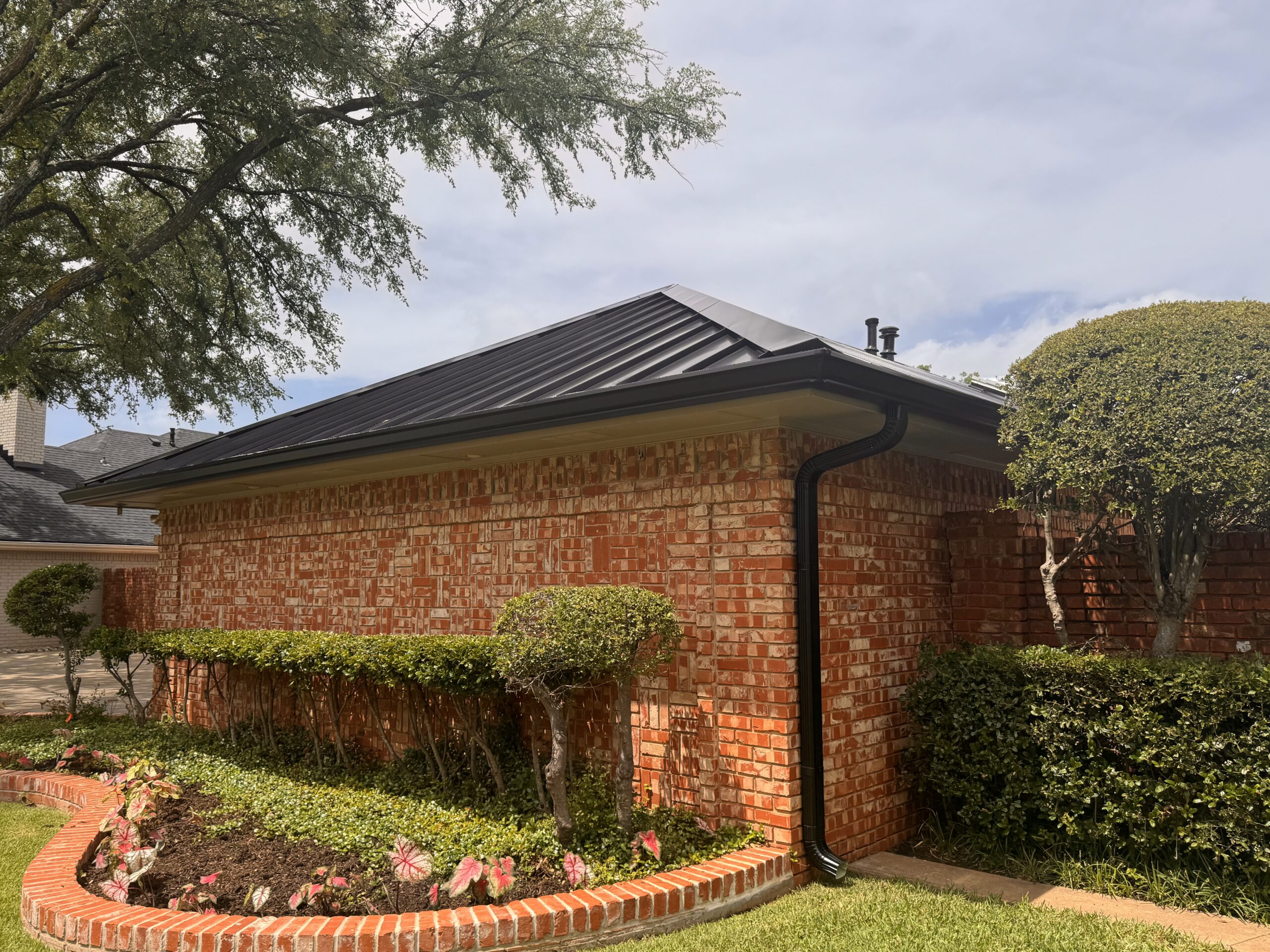
As the commercial roof installation approaches completion, attention shifts from construction activities to verifying that every component meets the required standards. A thorough final inspection ensures that the new roofing system has been installed correctly, performs as intended, and provides long-term protection for the building. This stage is just as important as the installation itself because it confirms that the project has achieved its objectives without compromising quality.
Contractors begin by examining every section of the completed roof. They inspect seams, flashing, drainage systems, roof penetrations, edge details, and attachment methods to ensure they comply with manufacturer specifications and local building codes. Even minor imperfections identified during this stage should be corrected before the project is officially completed.
Drainage performance receives particular attention during the inspection process. Water should flow efficiently toward drains, gutters, and downspouts without creating standing water. Poor drainage can shorten the lifespan of the roofing system, making early verification essential for long-term performance.
Roof penetrations such as HVAC units, skylights, vents, communication equipment, and exhaust systems require careful inspection because these locations are common sources of future leaks if not sealed properly. Inspectors verify that flashing and waterproofing materials have been installed correctly around every penetration.
Safety features should also undergo detailed evaluation. Guardrails, rooftop access points, walkways, anchors, and warning systems must remain secure and functional after installation. Confirming these elements protects maintenance personnel who will access the roof in the future.
The building interior should also be inspected before the project is considered complete. Facility managers should check ceilings, walls, mechanical rooms, and occupied spaces for signs of moisture intrusion or construction-related damage. Identifying issues immediately allows contractors to address them before final project acceptance.
Documentation is another important part of quality assurance. Contractors typically provide warranty information, inspection reports, maintenance recommendations, manufacturer certifications, and project photographs. Maintaining organized records simplifies future maintenance while supporting warranty claims if they ever become necessary.
A punch list is often created near the end of the project. This document identifies any remaining tasks that require completion before final approval. Rather than delaying occupancy or business operations, punch list items usually involve small adjustments that can be completed quickly without disrupting normal activities.
Businesses should avoid rushing through the final inspection simply to complete the project sooner. Taking sufficient time to verify workmanship helps ensure the roofing system performs reliably for many years.
Transitioning Back to Normal Business Operations
Completing the roofing installation marks the beginning of another important phase that involves restoring the property to its normal operating condition. A well-managed transition allows employees, customers, and tenants to resume their regular routines quickly while demonstrating that the project has been completed professionally.
Construction equipment should be removed systematically rather than all at once. Cranes, dumpsters, lifts, temporary fencing, and storage containers should leave the site according to a coordinated schedule that avoids unnecessary congestion around the property.
Material staging areas also require attention after installation concludes. Remaining roofing materials should either be removed from the property or stored appropriately if they will be retained for future maintenance. Keeping a small quantity of matching roofing materials can simplify repairs if damage occurs later.
Cleaning is one of the most visible signs of a professionally completed roofing project. Contractors should remove debris, nails, packaging materials, temporary barriers, and protective coverings from the property. Parking areas, sidewalks, landscaping, and entrances should all be inspected carefully before reopening fully.
Businesses should verify that all entrances, emergency exits, loading docks, parking spaces, and pedestrian pathways have been restored to their normal configuration. Customers and employees should no longer encounter temporary detours or construction signage once the project has been completed safely.
Mechanical systems that were temporarily adjusted during installation should also be returned to their standard operating conditions. HVAC equipment, ventilation systems, rooftop communication equipment, and security devices should all undergo final operational checks before the contractor leaves the site.
Property managers often benefit from holding a brief project closeout meeting with the roofing contractor. During this discussion, both parties can review completed work, warranty requirements, maintenance expectations, inspection findings, and recommended follow-up schedules. This conversation ensures that everyone understands their ongoing responsibilities.
Communicating project completion to employees, tenants, and customers also strengthens confidence. Informing stakeholders that construction has ended and normal operations have resumed demonstrates professionalism while acknowledging their patience throughout the installation process.
Long Term Maintenance Planning
Installing a new commercial roof represents a significant investment, and protecting that investment requires consistent maintenance. Even the highest quality roofing systems benefit from regular inspections and preventive care that identify minor issues before they become expensive repairs.
Many roofing problems begin as small defects that remain unnoticed for months or even years. Loose flashing, blocked drains, damaged sealants, or small membrane punctures may appear insignificant initially, but they can eventually allow moisture to enter the building. Routine maintenance helps detect these conditions while repairs remain simple and affordable.
Seasonal inspections are among the most effective maintenance practices. Roofing professionals often recommend evaluating commercial roofs during the spring and autumn because changing weather conditions can affect roofing materials differently throughout the year. Additional inspections may also be appropriate after severe storms or unusually strong winds.
Cleaning plays an important role in maintaining roofing performance. Leaves, branches, dirt, and other debris can block drainage systems, causing water to accumulate on the roof surface. Regular cleaning supports proper drainage while reducing unnecessary stress on the roofing system.
Businesses should also establish procedures for documenting every inspection and repair. Maintaining detailed records provides valuable historical information that helps identify recurring issues, supports warranty claims, and assists contractors during future maintenance visits.
Preventive maintenance is generally more cost effective than emergency repairs. Small maintenance expenses spread over many years often prevent the much larger costs associated with major roof failures, interior water damage, business interruption, and premature roof replacement.
An effective maintenance program often includes the following activities:
| Maintenance Activity | Recommended Frequency | Primary Benefit |
|---|---|---|
| Visual roof inspection | Twice each year | Identifies early signs of wear |
| Drain and gutter cleaning | As needed, especially after storms | Prevents standing water |
| Flashing inspection | Annually | Reduces leak potential |
| Sealant evaluation | Annually | Maintains waterproof protection |
| Professional roof assessment | Every few years or after severe weather | Extends roof lifespan |
Developing a maintenance schedule immediately after installation ensures the roofing system continues performing efficiently throughout its expected service life.
Best Practices for Future Commercial Roofing Projects
Every completed roofing project provides valuable lessons that can improve future planning. Businesses that document their experiences often discover opportunities to reduce costs, shorten project timelines, and improve coordination during future construction activities.
One of the most important lessons involves beginning the planning process early. Waiting until the roof has deteriorated significantly often limits scheduling flexibility and increases the likelihood of emergency replacement. Planning ahead allows businesses to choose the most suitable installation period while comparing contractor proposals carefully.
Building strong relationships with experienced roofing contractors also benefits future projects. Contractors who already understand the property’s layout, operational requirements, and maintenance history can often plan future work more efficiently than those starting with no previous knowledge of the facility.
Budget planning should include more than installation costs alone. Businesses should account for inspections, preventive maintenance, emergency repairs, and future improvements throughout the roof’s expected lifespan. A long-term financial strategy supports better decision making while reducing unexpected expenses.
Maintaining accurate project records also simplifies future roofing work. Drawings, warranties, inspection reports, repair histories, and maintenance documentation provide valuable reference material whenever modifications or repairs become necessary.
Technology should continue supporting facility management after installation. Digital maintenance records, inspection photographs, roof mapping, and maintenance scheduling software improve long-term organization while helping businesses monitor roof performance more effectively.
Continuous communication remains equally valuable after construction. Facility managers, maintenance personnel, contractors, and business leadership should periodically review roofing conditions so potential concerns receive attention before they develop into significant operational issues.
Common Mistakes That Increase Business Disruption
Many commercial roofing projects experience unnecessary disruption not because of poor workmanship but because avoidable planning mistakes create operational challenges. Recognizing these common errors helps businesses prepare more effectively for future installations.
One frequent mistake is delaying the project until the roof reaches a critical condition. Emergency replacements often require immediate action, leaving little opportunity to coordinate schedules around business operations. Planned replacements provide far greater flexibility and usually result in fewer interruptions.
Another common issue involves underestimating project duration. Some property owners expect commercial roof installation to proceed without weather delays, inspection requirements, or unexpected structural discoveries. Unrealistic timelines create unnecessary pressure while increasing frustration if schedules change.
Insufficient communication can also affect project success. Employees, tenants, customers, and suppliers who receive little information about construction activities are more likely to experience confusion and inconvenience. Regular updates help everyone prepare for temporary operational changes.
Choosing contractors based solely on the lowest price may also create long-term problems. While cost remains an important consideration, experience, communication skills, safety practices, scheduling capabilities, and project management expertise often have a greater influence on overall project success.
Ignoring weather conditions is another avoidable mistake. Attempting installation during unsuitable weather can delay construction, reduce installation quality, and increase risks for both workers and building occupants. Flexible scheduling helps contractors respond appropriately to changing environmental conditions.
Some businesses overlook the importance of contingency planning. Every commercial roofing project carries some degree of uncertainty, making backup plans essential. Preparing alternative work schedules, temporary access routes, and emergency procedures allows projects to continue smoothly when unexpected situations arise.
Finally, neglecting maintenance after installation reduces the value of careful scheduling and quality workmanship. Without routine inspections and preventive care, even a professionally installed roofing system may develop avoidable problems long before reaching its expected lifespan.
Avoiding these common mistakes creates a stronger foundation for future roofing projects while protecting business continuity throughout every stage of construction.
Conclusion
Scheduling commercial roof installation without disrupting business operations requires careful preparation, consistent communication, and disciplined project management. While roofing projects naturally introduce temporary challenges, thoughtful planning allows businesses to maintain productivity while protecting employees, customers, and valuable assets.
Understanding daily business operations before construction begins establishes the foundation for an effective schedule. Comprehensive site assessments, phased installation strategies, realistic timelines, and proactive stakeholder communication help reduce uncertainty while supporting smooth project execution.
During active construction, organized work zones, strategic material deliveries, daily coordination meetings, and flexible scheduling allow contractors to perform their work efficiently without unnecessarily interrupting business activities. Modern project management tools and technology further strengthen communication while helping teams respond quickly to changing conditions.
The project does not end when the final roofing materials are installed. Careful inspections, complete documentation, thorough site restoration, and long-term maintenance planning ensure that the new roofing system continues delivering reliable performance for years to come. Businesses that invest in preventive maintenance often experience fewer unexpected repairs and lower overall ownership costs.
Ultimately, successful commercial roof installation is not measured solely by the quality of the finished roof. It is also measured by how effectively the project protects business continuity throughout every stage of construction. When property owners, facility managers, and experienced roofing contractors work together with a shared commitment to planning and communication, commercial roof installation becomes a manageable process that strengthens the building without compromising the organization’s ability to operate successfully.