


Exterior Residential Roofing Inspection Step by Step
Introduction
An exterior residential roofing inspection is a systematic evaluation of the visible components that protect a home from rain, wind, sunlight, and other environmental conditions. Rather than simply looking for missing shingles, a professional inspector examines the roof surface, edges, valleys, drainage components, flashing, penetrations, and other exterior features. Each area can provide clues about the roof’s current condition and its ability to continue protecting the structure.
A step-by-step inspection process helps ensure that important areas are not overlooked. Roofing problems can occur in locations that are difficult to notice from the ground, and some defects may be hidden around transitions or components installed through the roof. A systematic approach allows the inspector to move through the property methodically and document conditions as they are found.
The inspection process also depends on the type of roof, its age, material, slope, design, and accessibility. Asphalt shingles, metal panels, tiles, and other roofing materials have different characteristics and potential damage patterns. Weather conditions and previous repairs can also influence which areas require closer attention.
Exterior inspection is only one part of a complete roofing assessment when additional areas need to be evaluated. Attics and interior spaces can provide important information about moisture or structural conditions that are not visible from outside. However, the exterior inspection provides a critical starting point for understanding the visible condition of the roofing system.
What an Exterior Residential Roofing Inspection Involves
An exterior residential roofing inspection focuses on components that can be evaluated from outside the home. The inspector typically examines the roof covering, visible underlayment where accessible, flashing, valleys, ridges, edges, penetrations, gutters, downspouts, and other exterior roofing features.
The purpose is not simply to identify damage but to understand how the components work together. A damaged shingle may be connected to a flashing problem, while poor drainage may contribute to deterioration in another part of the roof. Inspectors therefore consider individual findings within the context of the entire roofing system.
The process usually begins with a general assessment before moving into closer examination. This allows the inspector to understand the roof’s overall design and identify areas that may require additional attention. Ground-level observations can also reveal conditions that help guide the rest of the inspection.
When safe and appropriate, the inspector may access the roof to examine accessible surfaces more closely. Roof access is not always possible or appropriate because of steep slopes, wet conditions, fragile materials, severe damage, or other hazards. If an area cannot be safely accessed, the inspector may use alternative methods and document the limitation.
An exterior inspection can identify many common concerns, including damaged or missing roofing materials, loose components, deteriorated flashing, drainage problems, impact marks, debris accumulation, and visible signs of aging. These observations can then be documented and evaluated according to their apparent importance.
Preparing for the Exterior Roof Inspection
Before beginning the detailed inspection, a professional typically reviews the property and gathers information that may help explain the roof’s current condition. The inspector may ask about the roof’s age, previous repairs, known leaks, recent storms, and maintenance history.
This background information can help focus attention on areas that may have experienced problems in the past. For example, if the homeowner reports repeated leakage around a skylight, the inspector can pay particular attention to that location and the surrounding flashing.
The inspector also considers the roof’s design. Multiple roof slopes, additions, valleys, dormers, chimneys, skylights, and other features can create different inspection requirements. Understanding the configuration before beginning a close examination helps reduce the possibility of overlooking a roof section.
Weather and safety conditions are also assessed before roof access. Wet surfaces, strong winds, lightning, unstable ladders, steep slopes, or damaged roofing materials can create hazards. A professional should determine whether direct access is safe rather than taking unnecessary risks simply to inspect a particular area.
The surrounding property is also considered. Trees, nearby buildings, utility equipment, and other structures can affect roof exposure and accessibility. Overhanging branches may increase debris accumulation or create a potential impact hazard during storms.
Preparation provides the foundation for the inspection. Once the property, roof configuration, history, and safety conditions have been considered, the inspector can begin the exterior evaluation in a systematic way.
Initial Ground-Level Roof Assessment
The first visual assessment often takes place from the ground. This allows the inspector to view the entire roof structure and identify obvious concerns before examining individual components. Ground-level observations can be surprisingly useful for identifying changes in roof shape, missing materials, and visible deterioration.
The inspector may examine rooflines for signs of sagging, uneven sections, or unusual changes in elevation. A roofline that appears irregular may deserve closer examination, although the appearance alone does not establish the cause. Additional inspection may be needed to determine whether the condition relates to structural movement, material deterioration, or another issue.
The visible roofing surface is also reviewed from several angles. The inspector may look for missing shingles, damaged tiles, displaced metal panels, excessive surface wear, or debris. Different viewing angles can make certain defects easier to recognize.
The condition of gutters and downspouts can also be observed during the ground-level assessment. Sagging gutters, visible damage, heavy debris, or disconnected sections may indicate drainage problems. These components are examined more closely later in the inspection.
The inspector may also check for visible staining on exterior walls, fascia, or other surfaces. Such staining can sometimes provide clues about water movement, although it does not necessarily identify the exact source of a problem.
Nearby trees and branches are considered as well. Branches that contact or overhang the roof may increase the risk of physical damage or debris accumulation. The inspector may document these conditions as part of the overall exterior assessment.
The purpose of the initial ground-level review is to establish a broad picture of the roof before moving into more detailed inspection areas. It helps the inspector identify potential problem zones and plan the next stages of the evaluation.
Inspecting Roofing Materials and Surface Conditions
After the initial assessment, attention turns to the visible roofing materials. The inspection method depends on the specific material installed on the home. Asphalt shingles, metal panels, tile, slate, and other systems can show different forms of damage and deterioration.
On asphalt shingle roofs, inspectors may look for missing, cracked, curled, lifted, blistered, or displaced shingles. They may also examine the distribution of granules and look for areas showing unusual wear. The pattern of these conditions can help distinguish isolated damage from broader deterioration.
Metal roofing requires inspection of panels, seams, fasteners, coatings, and transitions. Inspectors may look for dents, corrosion, loose fasteners, damaged seams, punctures, or other visible abnormalities. They also examine areas where metal panels connect with flashing and other components.
Tile roofing is inspected for cracked, broken, or displaced tiles. The condition of the underlying areas may need consideration because damaged tiles can expose vulnerable components to weather. Inspectors must also use appropriate methods because some tile surfaces can be damaged by foot traffic.
The inspector looks beyond obvious breaks or missing materials. Surface irregularities, discoloration, deterioration, and changes in material condition may also provide useful information. These observations are considered alongside the roof’s age and maintenance history.
The inspector may also examine whether roofing materials appear properly aligned and secured. Displacement or gaps can create opportunities for water intrusion or further weather damage. Conditions around damaged materials are therefore checked rather than focusing on one component in isolation.
Normal aging is also distinguished from sudden damage where possible. A roof that has gradually deteriorated over many years may show different patterns from one recently affected by severe weather. Understanding these differences helps create a more accurate assessment.
Checking Roof Edges, Ridges, and Valleys
Roof edges, ridges, and valleys are critical parts of an exterior roofing inspection because they are exposed to weather and play important roles in water management. Problems in these areas can affect the performance of surrounding roofing materials.
Roof edges may experience significant wind exposure. Inspectors look for loose, damaged, or displaced materials around the perimeter. They may also examine visible edge components and nearby fascia for deterioration or signs of water exposure.
Ridge areas are checked for damaged or displaced ridge materials and visible gaps. Ridge components often protect the highest portions of the roof while also interacting with ventilation systems on certain roof designs. Their condition can therefore affect both weather protection and ventilation.
Valleys require particular attention because water from two or more roof sections can flow through them. Inspectors look for debris, damaged materials, deteriorated flashing, and other conditions that could interfere with drainage. Water management problems in valleys can increase exposure to moisture.
The inspector may also examine transitions where different roof slopes meet. These locations can involve specialized flashing or changes in roofing materials. Poorly maintained transitions can become vulnerable to water intrusion.
The condition of these areas is evaluated in relation to the rest of the roof. A damaged valley, edge, or ridge may be an isolated repair issue, or it may be part of broader deterioration. Inspectors document what they observe before determining the appropriate level of concern.
Evaluating Visible Roof Damage and Deterioration
The final stage of this part of the exterior inspection focuses on bringing individual observations together. Inspectors look at the roof as a complete system and consider whether visible damage appears isolated, widespread, recent, or related to long-term aging.
Weather-related damage may include displaced shingles, broken tiles, dented metal, damaged edges, or impact marks. The inspector considers the pattern and location of these conditions rather than automatically attributing every defect to a recent storm.
Moisture-related deterioration may appear through staining, damaged materials, deteriorated flashing, or areas where water appears to collect. Exterior signs can provide useful clues, but the exact source of moisture may require additional inspection from the attic or interior.
Debris accumulation is another condition that can affect roof performance. Leaves, branches, dirt, and other materials can collect in valleys, around penetrations, and near drainage components. If debris remains in place, it can interfere with water movement and increase moisture exposure.
The inspector also considers previous repairs. Repaired areas may be functioning properly, but inconsistent materials, recurring damage, or visible deterioration around repair locations may deserve additional attention. A roof’s repair history can provide important context for current findings.
At this stage, significant conditions are typically documented with photographs and written observations. The inspector records the location and nature of visible problems so they can be explained clearly in the final report.
The exterior inspection establishes a detailed understanding of the roof surface and its visible condition. The next stages focus on areas that require closer attention, including flashing and penetrations, gutters and drainage systems, chimneys and skylights, exterior ventilation components, storm-related damage, and the documentation used to communicate the findings.
Inspecting Roof Flashing and Penetrations
Roof flashing and penetrations are among the most important areas examined during an exterior residential roofing inspection. Flashing helps direct water away from joints, transitions, walls, chimneys, skylights, and other vulnerable areas. Because these locations interrupt the continuous roofing surface, inspectors pay close attention to visible gaps, deterioration, movement, and damaged materials.
The inspection begins by identifying the different penetrations and transition points across the roof. These may include plumbing vents, exhaust vents, skylights, chimneys, satellite equipment, and areas where the roof meets a wall. Each location is examined to determine whether the surrounding roofing materials and flashing appear properly integrated.
Inspectors look for cracked or deteriorated sealants, corrosion, lifted flashing, missing components, and visible openings. They also check whether roofing materials around the flashing appear damaged or displaced. A flashing problem can sometimes affect nearby materials, so the inspection considers the surrounding area rather than focusing on one component.
Plumbing vent boots are another common inspection point. The inspector may check whether the boot appears cracked, deteriorated, loose, or improperly positioned. Damage around a vent can provide a potential pathway for water, especially during heavy rainfall.
Skylights require additional attention because they combine the roof surface with another structure. Inspectors may look for damaged flashing, deteriorated seals, cracks, staining, or visible gaps around the skylight. Interior observations may later be compared with exterior findings when there are signs of possible moisture intrusion.
Chimney flashing is also examined carefully because chimneys create several transitions between vertical and sloped surfaces. Inspectors may evaluate visible flashing around the chimney base and nearby roofing materials. They may also look for signs that water could be moving behind or around the flashing.
The condition of flashing is considered in relation to the roof’s age and maintenance history. Older sealants or minor surface deterioration do not automatically indicate major failure. Inspectors assess whether the observed condition creates a realistic concern for water management or requires routine maintenance.
Checking Gutters, Downspouts, and Drainage Components
A roof inspection is not complete without considering how water leaves the roof. Gutters, downspouts, valleys, and other drainage components help move rainwater away from roofing materials and the building structure. Problems in these areas can contribute to water exposure and exterior deterioration.
Inspectors examine gutters for visible cracks, holes, corrosion, separation, sagging, and excessive debris. They may also look for areas where gutters appear to be pulling away from the structure. These conditions can affect how effectively water is collected and directed away from the home.
Gutters may also show evidence of repeated overflow. Staining or deterioration along exterior surfaces beneath a gutter can sometimes indicate that water has been spilling over the edge. Such evidence should be considered alongside the condition of the gutter and surrounding drainage components.
Downspouts are checked for visible damage, loose connections, blockages, and improper discharge conditions. A disconnected or obstructed downspout can cause water to accumulate near the building. This may create problems that extend beyond the roof itself.
The inspector also considers roof valleys because they collect water from multiple roof slopes. Debris, damaged materials, or deteriorated flashing can interfere with normal drainage. These areas deserve close attention because concentrated water flow can increase exposure to roofing materials.
Roof edges are reviewed as part of the drainage assessment as well. Water may move toward edges before entering gutters or other drainage systems. Damaged edge materials or signs of prolonged water exposure can indicate that drainage performance needs further evaluation.
The surrounding property is also considered. Downspouts should generally direct water away from areas where it could create unnecessary moisture concerns. While the exact drainage requirements vary by property, the inspector documents visible conditions that may affect water management.
A drainage problem does not always mean that the roofing materials themselves are failing. In many situations, correcting a blocked gutter, damaged downspout, or debris-filled valley may be an important maintenance step. The inspection helps distinguish these conditions from more serious roofing deterioration.
Examining Chimneys, Skylights, and Roof-Mounted Features
Residential roofs often contain features that require additional inspection because they create openings or transitions in the roofing surface. Chimneys, skylights, vents, antennas, satellite equipment, and other roof-mounted features can all affect how water moves across the roof.
Chimneys are examined for visible masonry deterioration, flashing problems, damaged surrounding roofing materials, and conditions that may allow water to reach vulnerable areas. Inspectors may also look at the transition between the chimney and roof surface because this is an important water management location.
Skylights are checked for visible cracks, damaged frames, deteriorated flashing, and signs of water intrusion. The inspector may also consider whether the surrounding roofing material appears properly maintained. Interior staining near a skylight can provide additional information when combined with exterior observations.
Roof vents are inspected for damage, loose components, corrosion, deterioration, and problems around their flashing. A vent that is physically intact can still have concerns around the area where it meets the roof. Inspectors therefore examine both the feature and its surrounding materials.
Other roof-mounted equipment is evaluated for visible damage or conditions that could affect the roofing system. Equipment installations may involve penetrations or attachments that require proper sealing and flashing. Inspectors look for obvious signs that these areas have been compromised.
The inspector also considers whether roof-mounted features appear to have been installed in a way that affects drainage. Equipment placed in valleys or near critical water paths may create debris accumulation or interfere with normal runoff. Such observations can be important even when the equipment itself is not damaged.
These features are documented individually when significant conditions are found. This allows homeowners to understand exactly which components require attention. It also helps contractors focus repair work on the appropriate areas instead of treating the entire roof as one uniform surface.
Assessing Roof Ventilation Components From the Exterior
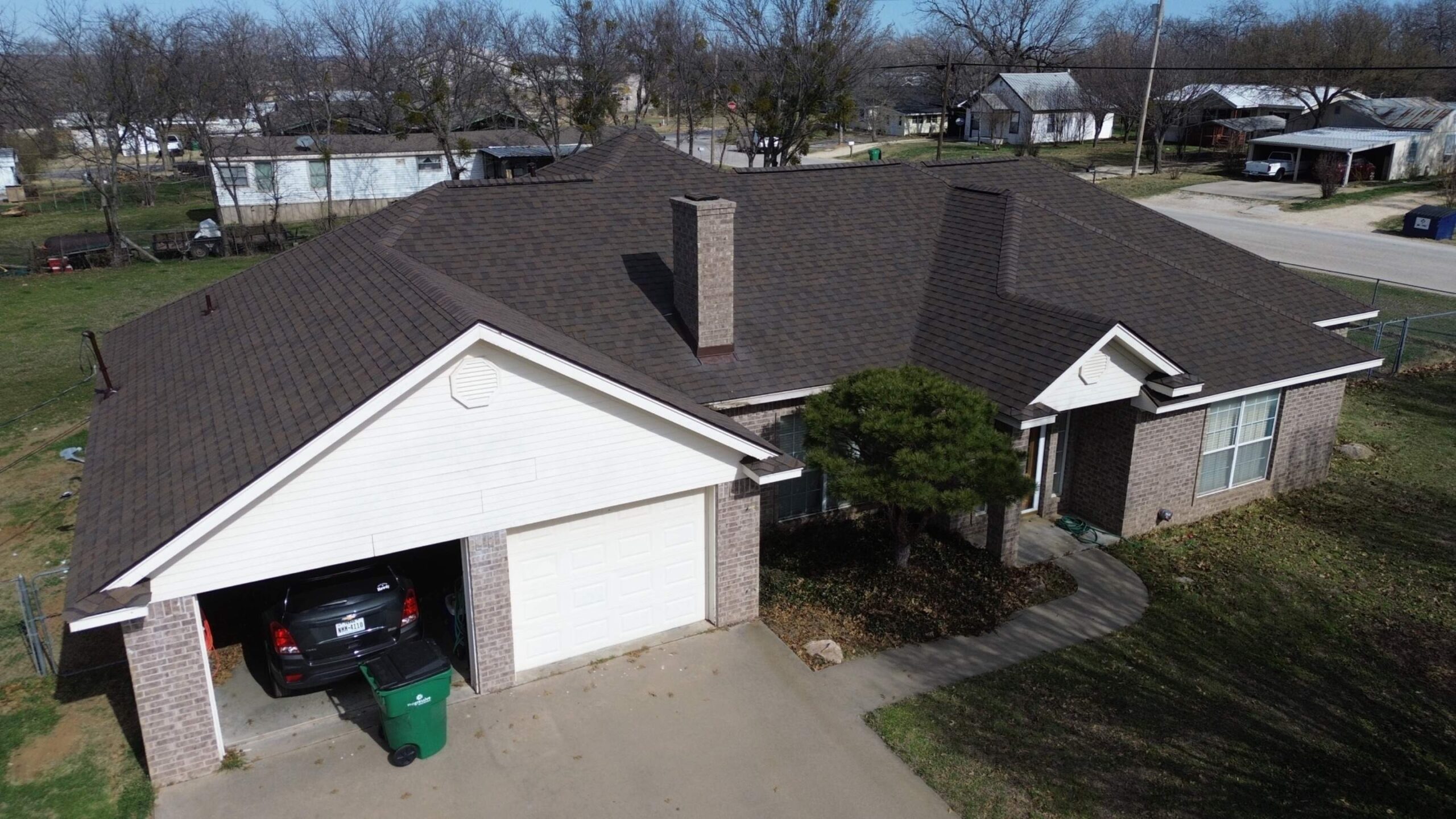
Ventilation is an important consideration in many residential roofing systems because it can influence conditions within the attic. During an exterior inspection, professionals may examine visible intake and exhaust vents for damage, obstruction, and deterioration.
Roof vents can become damaged by weather, impact, aging, or improper installation. Inspectors may look for cracked covers, loose components, corrosion, missing materials, or visible gaps around the vent. They also examine the flashing or roofing materials surrounding each component.
Blocked vents can affect airflow. Leaves, debris, nesting materials, or other obstructions may reduce the effectiveness of visible ventilation components. If an obstruction is visible, the inspector can document the condition and recommend appropriate maintenance.
Inspectors may also look for signs that ventilation components have been modified or replaced. Different vent types may be present on an older roof due to previous repairs or remodeling. The condition and arrangement of visible components can provide useful information about the roof’s history.
Exterior observations are not always sufficient to determine whether a ventilation system is functioning properly. The inspector may need to examine attic conditions to better understand airflow and moisture. Exterior and interior observations can then be considered together.
Ventilation-related findings should be interpreted carefully. A damaged vent may represent a localized repair issue, while widespread moisture evidence may indicate a broader concern. The inspector considers the overall roofing system before making recommendations.
Looking for Storm and Weather-Related Damage
Weather can cause sudden changes to a roof’s condition, making storm-related damage an important part of an exterior inspection. Strong winds, hail, heavy rain, falling branches, and other events can affect roofing materials and related components.
Wind damage may appear as missing, lifted, or displaced roofing materials. Inspectors often pay close attention to roof edges, corners, ridges, and exposed slopes because these areas can experience significant wind pressure. The surrounding roofing materials are also checked to determine whether the damage extends beyond one component.
Hail can produce impact-related damage that may be less obvious from ground level. Inspectors may examine roofing materials, metal components, gutters, vents, and other exposed surfaces for patterns that could indicate impact. The condition of nearby property features may provide additional context.
Falling branches can cause direct physical damage. Broken shingles, cracked tiles, punctured materials, or damaged flashing may be visible after a branch strikes the roof. Large branches can also affect the underlying roof structure, making additional evaluation necessary in some circumstances.
Heavy rainfall can reveal drainage and flashing problems. Water may enter through small openings or collect in areas where drainage is restricted. Inspectors look for exterior conditions that could allow continued moisture exposure.
Weather-related damage is evaluated alongside the roof’s existing condition. An older roof may have pre-existing deterioration that is unrelated to a recent storm. Inspectors therefore document visible conditions carefully instead of automatically attributing every defect to the latest weather event.
If significant storm damage is suspected, homeowners should avoid attempting to walk across the roof themselves. Professional access methods are safer, particularly when surfaces are wet or damaged. A qualified inspector can document conditions without unnecessarily increasing the risk of injury or additional damage.
Photographing and Documenting Exterior Roofing Conditions
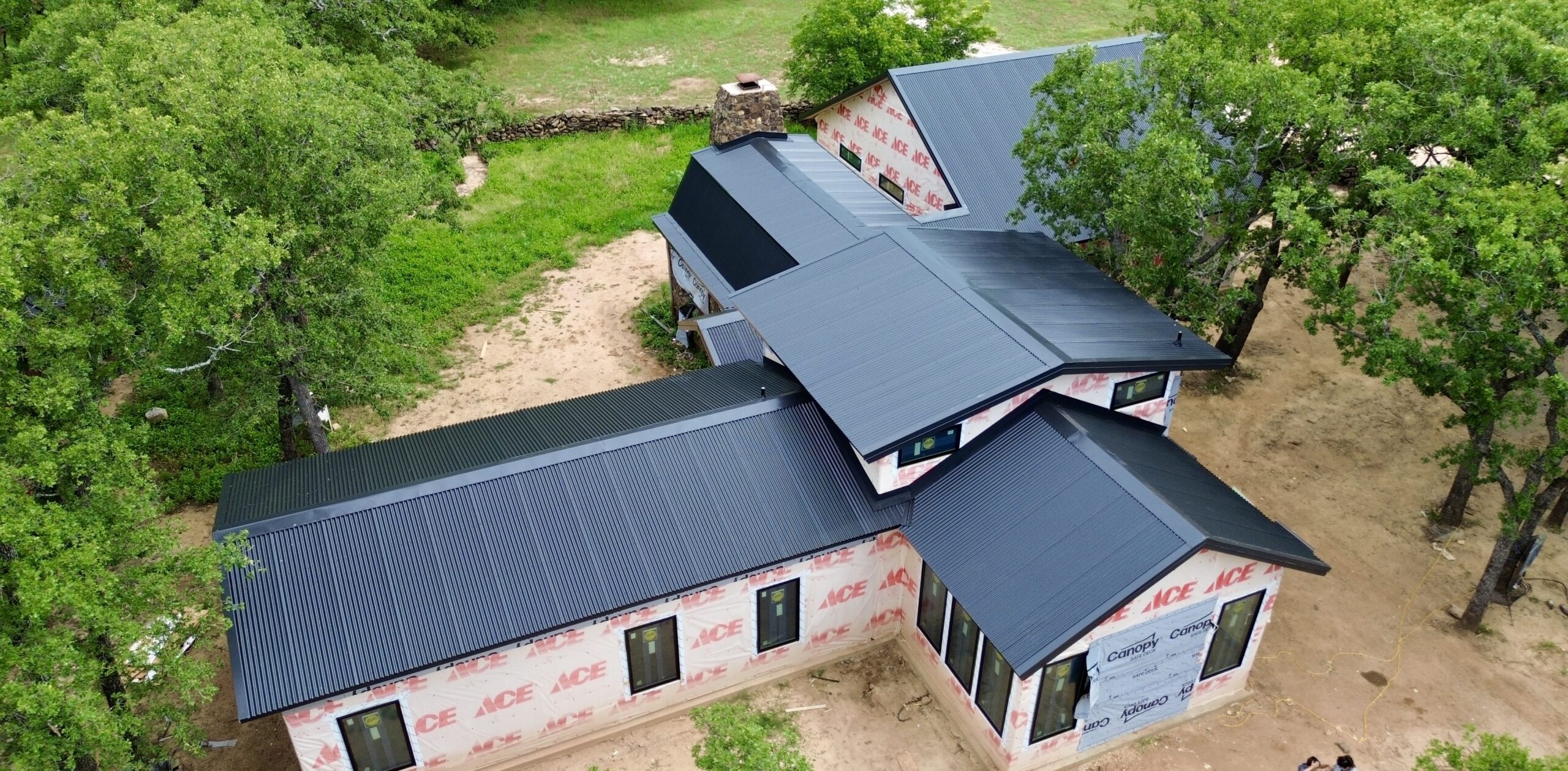
Documentation is a critical part of the exterior inspection because homeowners need a clear record of significant findings. Inspectors may take photographs throughout the process to show damage, deterioration, maintenance concerns, and other conditions that deserve attention.
Photographs are most useful when they clearly show both the specific issue and its location. A close-up image can demonstrate a crack or damaged component, while a wider photograph can show where that condition is located on the roof. Using both perspectives can make the inspection report easier to understand.
Inspectors may document damaged shingles, deteriorated flashing, blocked gutters, damaged vents, cracked tiles, impact marks, roof edge concerns, and other significant conditions. The exact documentation depends on the scope and findings of the inspection.
Written notes are also important because photographs cannot always explain the significance of a condition. The inspector may describe the type of material, location, apparent severity, and recommended next step. Clear descriptions can help homeowners distinguish maintenance items from more serious concerns.
The inspector may also record areas that could not be accessed. Steep slopes, fragile materials, unsafe weather, or physical obstructions can limit direct examination. Documenting these limitations helps homeowners understand what the inspection covered.
A professional report should bring the findings together in an organized manner. Rather than simply listing defects, it should help homeowners understand the condition of the exterior roofing system and which issues may deserve priority.
Documentation can also become useful during future inspections. Comparing photographs and reports over time can help homeowners determine whether certain conditions are stable or changing. This creates a more complete maintenance history for the property.
By the end of the exterior inspection, the professional has reviewed the roof surface, flashing, penetrations, drainage, roof-mounted features, ventilation components, weather-related conditions, and visible problem areas. The final stage involves evaluating these findings together, determining which conditions are most important, and deciding whether additional inspection or repair is needed.
Evaluating the Overall Exterior Roof Condition
After examining individual roofing components, the inspector brings all observations together to evaluate the overall exterior condition of the roofing system. This stage is important because a roof should not be judged by one damaged shingle, one stain, or one isolated maintenance issue. The inspector considers how the different findings relate to one another and whether they indicate an isolated concern or a broader roofing problem.
The overall assessment considers the condition of the roof covering, flashing, valleys, ridges, edges, penetrations, drainage components, and visible roof-mounted features. The inspector also considers the roof’s apparent age and maintenance history when that information is available. These factors provide context for determining whether the roof appears to be functioning normally or showing signs of progressive deterioration.
A roof with a few isolated defects may remain in generally good condition when the surrounding materials are sound. In contrast, widespread cracking, displacement, deterioration, or repeated repair areas may indicate that the roofing system requires more extensive attention. The inspector documents these patterns rather than focusing only on the most noticeable defect.
The overall condition is also influenced by weather exposure. A roof that regularly experiences strong winds, heavy rainfall, hail, intense sunlight, or falling branches may develop different patterns of wear than a roof in a more protected environment. Inspectors consider visible evidence of environmental exposure when assessing the roof.
Drainage performance is another part of the overall evaluation. Even when the roof covering looks acceptable, blocked gutters, damaged downspouts, or debris-filled valleys can create conditions that increase moisture exposure. These issues may require maintenance even if they do not indicate failure of the main roofing material.
The inspector may also compare different roof sections. One slope may show significantly more deterioration than another because of its orientation, exposure, drainage, or previous damage. Comparing sections helps identify patterns that may otherwise be overlooked during a quick visual inspection.
How Inspectors Prioritize Exterior Roofing Problems
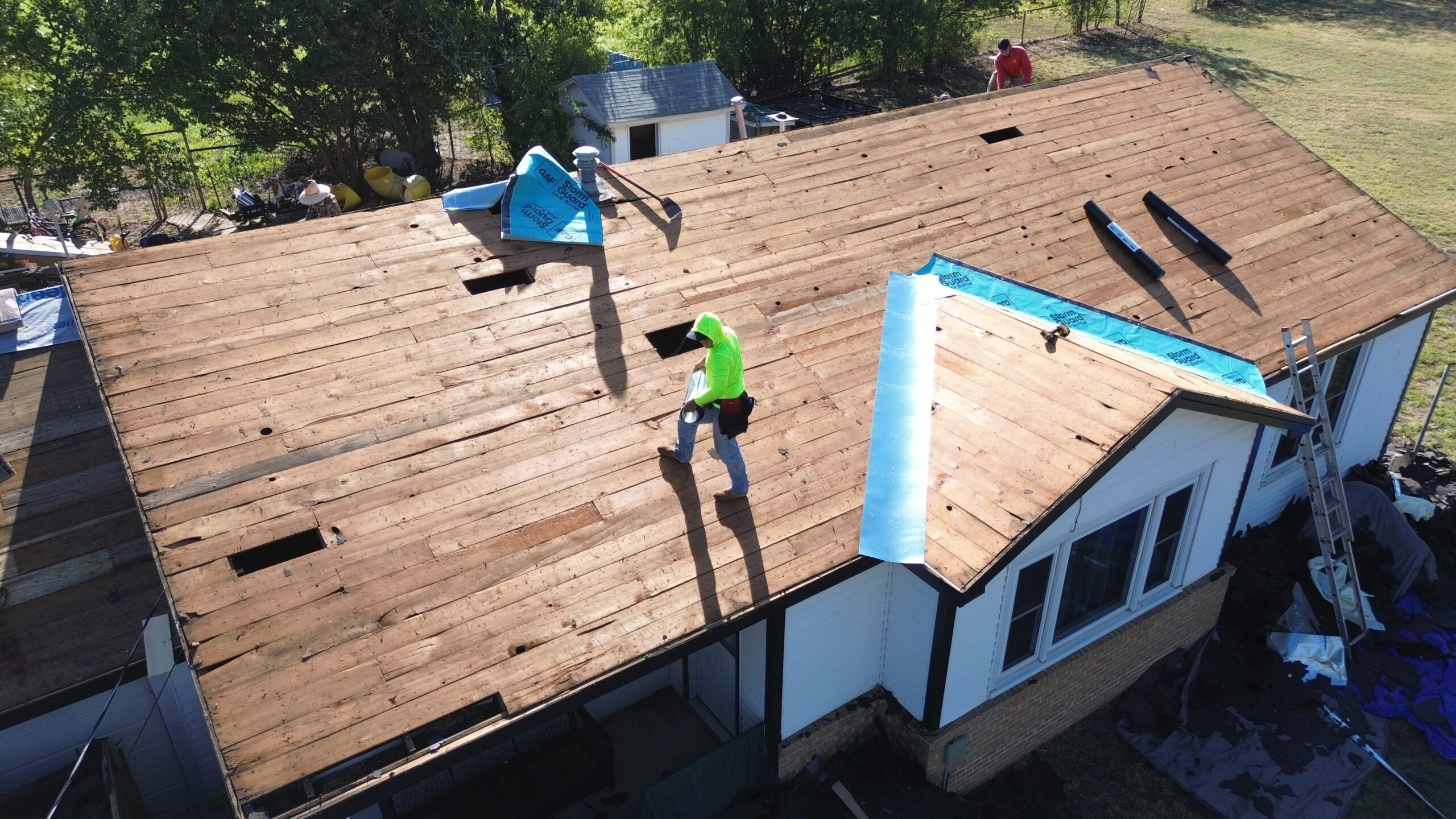
Not every condition found during an inspection has the same level of importance. Inspectors generally consider which problems could have the greatest effect on roof performance, water protection, safety, or further deterioration. This helps homeowners understand which issues should be addressed first.
Conditions that may allow active water intrusion often receive significant attention. Damaged flashing, open joints, missing roofing materials, and deteriorated areas around penetrations can create potential pathways for moisture. Prompt evaluation or repair may help prevent additional damage to the roof and interior of the home.
Safety-related conditions also deserve priority. Loose materials, unstable components, severe structural irregularities, or storm-damaged areas may create hazards. Homeowners should avoid attempting repairs or roof access themselves when the condition could make the roof unsafe.
Drainage problems may also be prioritized when water is unable to move away from the roof properly. A blocked gutter or damaged downspout may appear minor, but continued overflow can affect roofing materials and exterior building components. Correcting drainage issues can therefore be an important part of preventive maintenance.
Cosmetic conditions usually receive a different level of attention. Discoloration or minor surface irregularities may not immediately affect the roof’s ability to shed water. However, inspectors still document relevant observations so homeowners can monitor whether they change over time.
The age and condition of the roof can influence priorities as well. A small repair on an older roof may need to be considered within the context of widespread aging. Homeowners may need to decide whether continued localized repairs make sense or whether longer-term replacement planning should begin.
Inspectors should explain the difference between immediate concerns and lower-priority maintenance findings. A clear report helps homeowners avoid treating every observation as an emergency. It also reduces the chance of overlooking conditions that genuinely require timely professional attention.
When Exterior Findings Require Further Inspection
An exterior inspection can reveal important information, but some roofing conditions cannot be fully evaluated from outside. When visible findings suggest possible hidden damage, an inspector may recommend additional inspection of the attic, interior spaces, roof decking, structure, or other components.
For example, visible roof deterioration combined with interior ceiling staining may indicate that moisture has reached areas beneath the roofing surface. The exterior condition may identify a potential source, but additional examination can help determine whether water has affected insulation, decking, framing, or interior finishes.
Sagging or unusual roof shapes can also require further evaluation. The appearance of a roof surface does not always reveal the reason for an irregularity. If the inspector observes a potentially structural concern, a qualified structural professional may need to assess the condition more thoroughly.
Persistent leaks are another reason additional investigation may be appropriate. Water can travel along roofing materials and structural components before appearing inside the home. As a result, the location of an interior stain may not correspond directly with the exterior entry point.
Some storm damage may also require closer evaluation. A severe impact can damage materials beneath the visible roof covering, particularly when there is evidence of significant force. Additional inspection can help determine whether the visible damage is limited or connected to underlying problems.
The inspector may also identify inaccessible areas during the exterior inspection. Steep roofs, fragile roofing materials, physical obstructions, or unsafe weather conditions can prevent direct access. In such situations, homeowners should understand that an inaccessible area has not been fully evaluated.
Additional inspection does not necessarily mean that serious damage exists. It simply indicates that the available visual evidence is not sufficient to reach a reliable conclusion. Further assessment can provide the information needed to make a more informed repair or maintenance decision.
Common Mistakes Homeowners Make During Roof Checks
One common mistake homeowners make is inspecting the roof only after a major storm. Storms can certainly justify an additional inspection, but waiting for severe weather before checking the roof can allow gradual deterioration to continue unnoticed. Routine professional evaluations provide an opportunity to identify developing conditions before they become more extensive.
Another mistake is relying entirely on a ground-level view. Some roofing defects are difficult to see from the yard, particularly around flashing, valleys, penetrations, and roof transitions. A professional can use appropriate inspection methods to evaluate accessible areas more closely.
Homeowners may also focus only on missing shingles. While missing materials are an obvious concern, roofing systems can develop many other problems. Cracked materials, damaged flashing, blocked drainage, deteriorated penetrations, and moisture-related conditions can also affect roof performance.
Walking on the roof without proper safety equipment is another significant mistake. Roofing surfaces can become slippery, fragile, or unstable, particularly after storms. Attempting to investigate damage without appropriate training can result in injury or additional damage to the roof.
Some homeowners also assume that a repaired area no longer needs attention. Previous repairs can be successful, but surrounding materials may continue to age or develop new problems. During an inspection, previously repaired areas can be reviewed to determine whether they remain in acceptable condition.
Ignoring gutters and downspouts is another common oversight. These components are closely connected to roof drainage, and problems can contribute to water exposure. Keeping them clear and maintaining proper drainage can support the performance of the broader roofing system.
Finally, homeowners sometimes delay professional evaluation because a problem appears small. A minor defect does not always become a major problem, but it can create an opportunity for water or weather exposure. Having the condition evaluated can help determine whether immediate repair, routine maintenance, or continued monitoring is appropriate.
What to Do After an Exterior Roofing Inspection
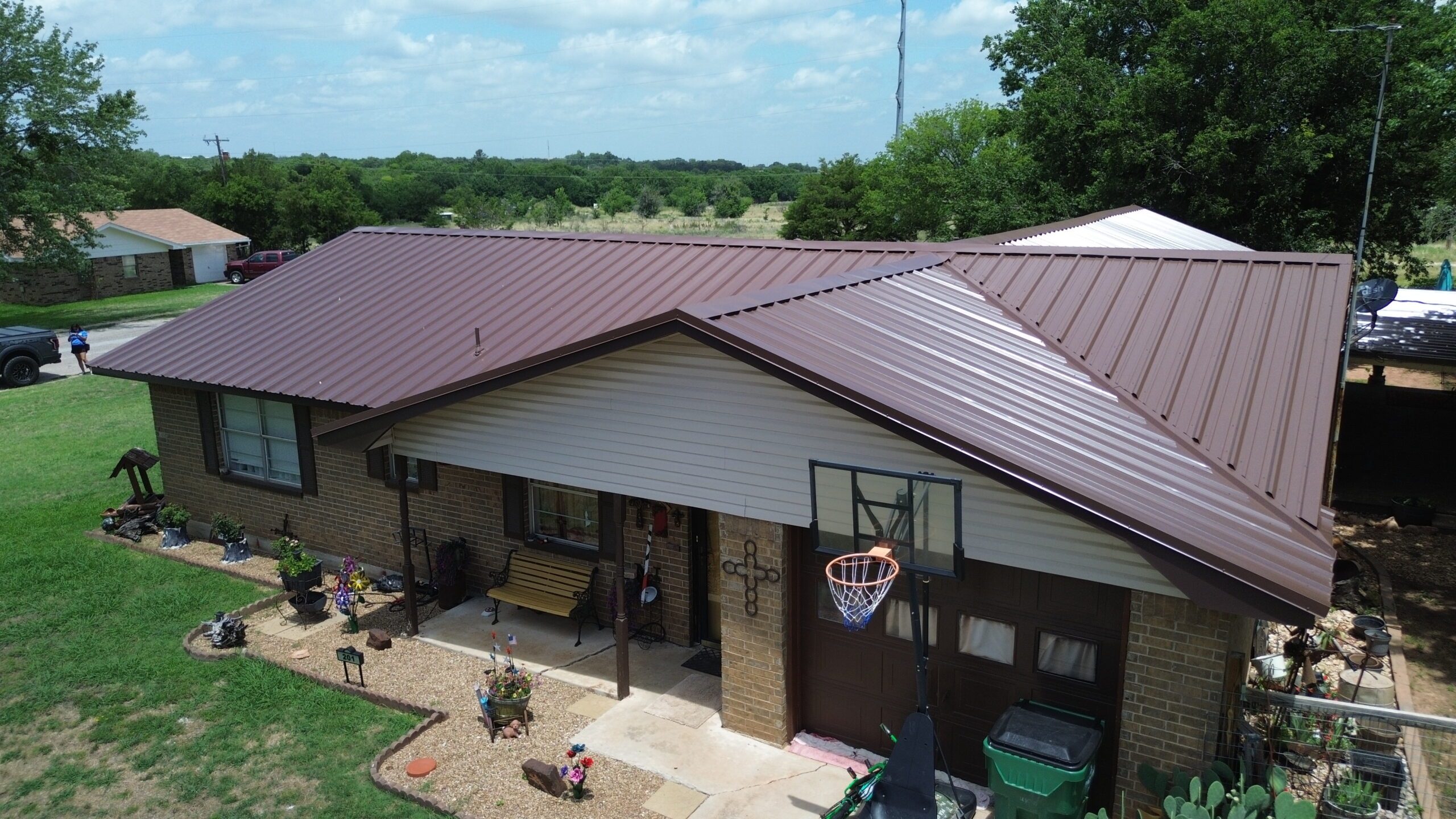
After the inspection, homeowners should review the findings and understand which conditions require attention. A professional report should provide enough information to distinguish between routine maintenance, recommended repairs, and issues that may require additional investigation.
Photographs can be especially useful during this stage. Homeowners can refer to images when discussing repair recommendations with a roofing contractor. Clear documentation also provides a record that can be compared with future inspection findings.
If repairs are recommended, homeowners should understand what part of the roof is affected and why the work is necessary. Asking questions about the location, cause, and scope of a problem can make the repair process easier to understand. Homeowners should also clarify whether a recommended repair is intended as a temporary measure or a long-term solution.
When several problems are present, prioritization can make the process more manageable. Conditions involving active water intrusion, significant deterioration, or safety concerns may deserve earlier attention than cosmetic issues. Maintenance tasks can then be organized around the roof’s overall needs.
Homeowners should also keep inspection and repair records. Dates, photographs, reports, invoices, and descriptions of completed work can create a useful history. Future inspectors and contractors can use this information to understand how the roofing system has changed.
If the inspection identifies no major problems, homeowners should still continue routine maintenance. A roof that is currently in good condition can develop issues later because of weather, aging, or environmental exposure. Regular observation and professional inspection remain useful parts of long-term home maintenance.
After significant storms, homeowners should consider whether another inspection is appropriate. Visible damage, new leaks, fallen branches, or unusual roof conditions can justify an additional evaluation. Waiting for the next scheduled inspection may not be appropriate when new warning signs appear.
The most useful outcome of an exterior roofing inspection is not simply a list of defects. It is a clearer understanding of the roof’s current condition and the actions that can help maintain it. With proper documentation and timely maintenance, homeowners can make decisions based on observed conditions rather than guesswork.
Conclusion
A step-by-step exterior residential roofing inspection provides a structured way to evaluate the visible components that protect a home. The process begins with preparation and a ground-level assessment before moving into detailed examination of roofing materials, edges, ridges, valleys, flashing, penetrations, drainage systems, roof-mounted features, and ventilation components.
Inspectors look for many different types of conditions during this process. Missing or damaged roofing materials, deteriorated flashing, blocked gutters, damaged vents, storm-related impact, drainage problems, and visible signs of moisture can all provide important information about the roof’s condition.
The inspection also involves looking for patterns. An isolated defect may require a localized repair, while widespread deterioration may indicate a larger roofing concern. Considering the roof’s age, material, maintenance history, weather exposure, and previous repairs helps provide useful context for interpreting visible findings.
Professional inspection is particularly valuable because not every roofing problem can be identified from the ground. Some conditions may require closer exterior evaluation, while others may require attic or interior inspection. When visible findings suggest hidden damage, additional assessment can help determine the actual scope of the problem.
Homeowners can support the process by providing information about previous repairs, known leaks, and recent weather events. They should also avoid climbing onto damaged or steep roofs themselves. Professional inspection methods provide a safer way to evaluate difficult areas and document conditions.
After the inspection, homeowners should review the findings carefully and prioritize problems according to their potential impact. Active leaks, significant deterioration, unsafe conditions, and drainage problems may deserve prompt attention, while minor cosmetic conditions can often be monitored or addressed through routine maintenance.
Keeping inspection reports and photographs can make future roof management easier. Comparing documentation over time can help identify changes and provide useful information when repairs are needed. A consistent maintenance history also gives homeowners a clearer picture of how their roofing system has performed.
Exterior inspections should be viewed as part of ongoing residential property maintenance rather than a one-time response to damage. Regular professional evaluations, appropriate drainage maintenance, prompt attention to visible problems, and additional inspections after significant weather can help homeowners stay informed about roof condition.
Ultimately, a thorough exterior roofing inspection is designed to identify visible concerns before they become more difficult to manage. By following a systematic inspection process and responding appropriately to the findings, homeowners can better protect their roofing system, support long-term maintenance, and make more informed decisions about repairs and future roofing needs.
Leave A Comment