Homeowner Safety During Residential Roofing Work
Introduction
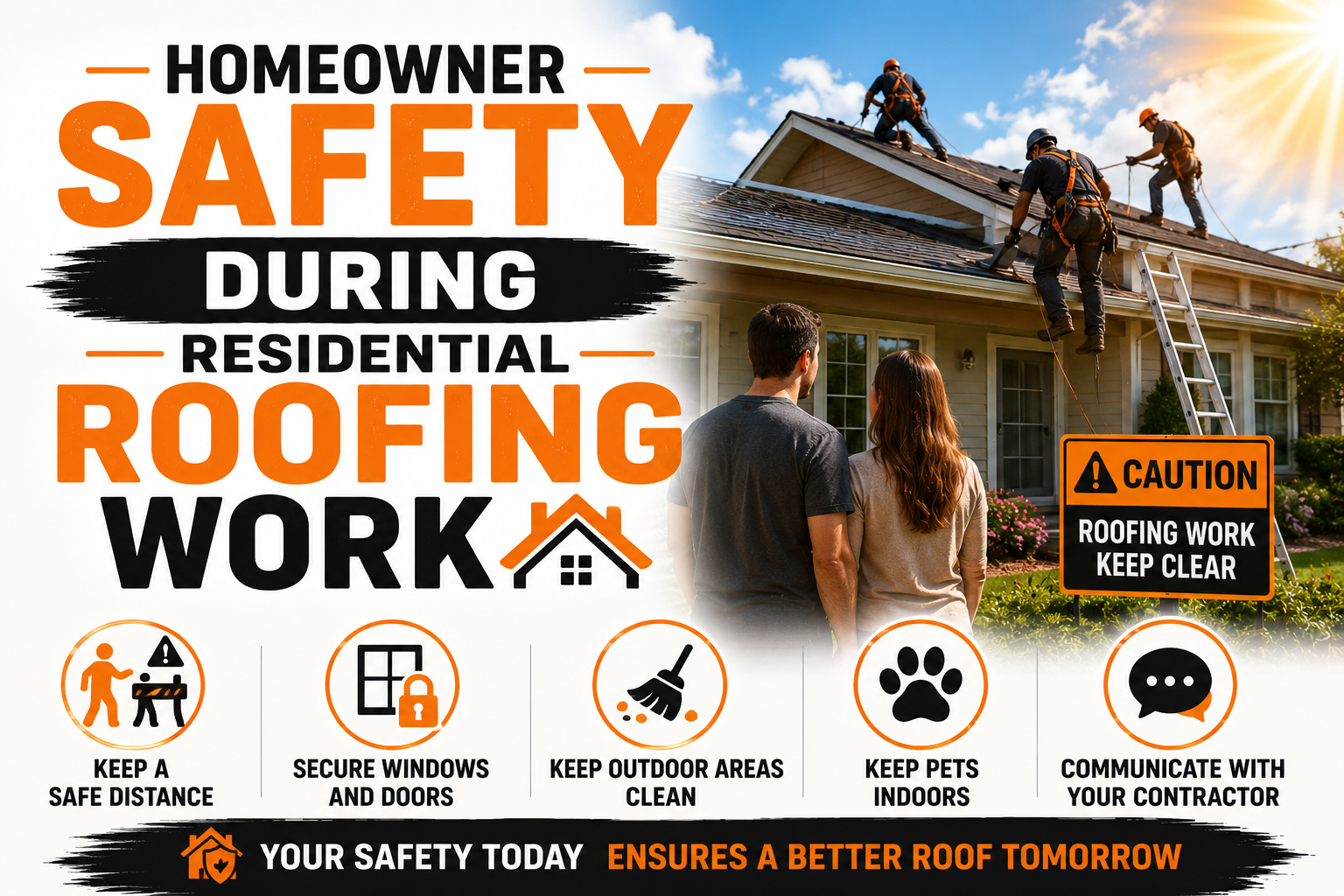
A residential roofing project can improve the protection, appearance, and value of a home, but the work itself creates temporary hazards around the property. Roofing contractors may be working at significant heights while carrying shingles, tools, ladders, underlayment, flashing, and other materials. For homeowners, understanding these hazards and knowing how to stay safely away from active work areas is an important part of a successful roofing project.
Homeowners do not need to perform construction work to contribute to jobsite safety. Simple actions such as keeping children away from the work area, securing pets, following contractor instructions, and using designated entrances can significantly reduce the possibility of accidents. A safe roofing project depends on cooperation between the roofing crew and everyone living in or visiting the home.
Before work begins, homeowners should understand which parts of the property will be affected. Roofing activity can extend beyond the roof itself because workers need space for ladders, equipment, material deliveries, debris collection, and cleanup. The area around the house may therefore look and function differently throughout the project.
It is also important to remember that roofing hazards can change from one stage of the project to another. A crew removing old roofing materials may create different risks than a crew installing shingles or completing flashing. Homeowners should remain cautious throughout the entire project rather than assuming the property becomes safe simply because the most noticeable work has finished.
Clear communication is one of the easiest ways to prevent misunderstandings. Before the crew starts, homeowners should discuss access points, parking arrangements, pets, children, outdoor furniture, and any areas that need special attention. Establishing these expectations early helps the roofing team work efficiently while allowing the household to maintain a safer routine.
Preparing Your Home Before Roofing Work Starts
Good preparation can prevent many avoidable problems during residential roofing work. Homeowners should walk around the property before the project begins and identify anything that could interfere with workers or become damaged by falling materials. Outdoor furniture, gardening equipment, toys, decorations, grills, planters, and other movable objects should generally be relocated away from the immediate work area.
The roofing contractor may recommend a specific clearance around the house depending on the roof design and project requirements. Following those recommendations gives workers enough room to move materials and equipment safely. It also reduces the chance that falling debris will damage belongings that were left too close to the building.
Vehicles should also be considered before work starts. If possible, homeowners should park cars in a location away from the active roofing area and material delivery routes. This can protect vehicles from dust, debris, and accidental damage while also ensuring that workers have sufficient space for equipment and deliveries.
Inside the home, homeowners should prepare for vibration and construction noise. Roofing work can cause noticeable movement, particularly during tear-off and installation, which may affect items stored in attics, upper rooms, or on walls and shelves. Fragile decorations and valuable objects should be secured or temporarily moved if there is a reasonable possibility that vibration could affect them.
The attic may require particular attention because roofing work takes place directly above it. Dust and small particles can sometimes enter areas that are not completely sealed, especially during removal of old roofing materials. Homeowners should discuss concerns about attic storage with the contractor before work begins and protect sensitive belongings when appropriate.
Doors and windows should also be managed according to the contractor’s recommendations. Keeping certain windows closed during dusty work can reduce the amount of debris entering the home. Homeowners should also avoid opening doors directly beside active work areas when materials or debris are being moved.
A simple preparation routine can make the project much easier for the entire household. Before the crew arrives, homeowners can check that:
- Outdoor furniture and loose belongings have been moved away from the work zone.
- Children and pets have a safe area away from construction activity.
- Vehicles are parked away from material storage and debris collection areas.
- Fragile indoor belongings are secured where vibration may affect them.
Taking these steps does not eliminate every hazard, but it creates a more controlled environment before roofing work begins. It also gives the contractor a clearer workspace, which can help the crew complete the project safely and efficiently.
Keeping Children and Pets Safe Around the Roofing Jobsite
Children and pets require special attention during roofing projects because they may not recognize construction hazards. A pile of roofing materials, ladder, or piece of equipment can appear interesting to a child or animal even though it may be unsafe to approach. Active roofing areas should therefore be treated as restricted spaces throughout the project.
Children should never be allowed to play beneath areas where workers are operating overhead. Tools, roofing materials, and pieces of removed roofing can fall unexpectedly, even when a professional crew is following appropriate safety procedures. Homeowners should establish a clear boundary and explain to children that the construction area is not a place for playing, exploring, or collecting objects.
Younger children may need additional supervision because verbal instructions alone may not be enough. A physical barrier, closed gate, or controlled indoor play area can provide an extra layer of protection. Older children should also understand that equipment such as ladders and scaffolding must never be touched or climbed.
Pets can react differently to construction activity. Loud sounds, unfamiliar people, vibration, and changes around the property may cause dogs or cats to become anxious or attempt to escape. Keeping pets indoors or in a secure area away from the roofing work can protect both the animal and the workers.
Homeowners should also consider how workers enter and leave the property. Gates may need to remain open for equipment or material movement, and unfamiliar people may be walking around areas where pets normally move. A normally secure backyard may temporarily become unsuitable for unsupervised pets.
It is especially important not to allow pets to roam beneath the roofline during active work. Small roofing nails and sharp debris may fall or remain on the ground before cleanup is complete. Even when a roofing crew performs careful cleanup, homeowners should continue following the contractor’s instructions about when it is safe for children and pets to return to affected areas.
Understanding Common Hazards Around Residential Roofing Projects
Roofing work involves several hazards that homeowners should understand even if they are not participating in the construction. The most obvious danger is the height of the roof, but risks can also exist at ground level. Falling materials, ladders, tools, nails, debris, and equipment can create unsafe conditions around the house.
Falling objects are an important concern during both roof replacement and repair work. Workers may carry bundles of shingles and other materials across the roof while tools are used above ground level. Homeowners should therefore avoid standing near the walls of the house while roofing activity is taking place overhead.
Old roofing removal can create particularly high levels of debris. Shingles, nails, underlayment, and other materials may be removed from the roof and directed toward designated collection areas. Homeowners should stay away from these locations until the crew has completed the appropriate cleanup.
Ladders and temporary access equipment can also create hazards. A ladder may be positioned against a section of the house that homeowners normally use for access, making a familiar entrance temporarily unsafe. Homeowners should never move, adjust, climb, or interfere with a contractor’s ladder unless specifically instructed by the roofing professional.
Construction equipment may also occupy driveways, yards, sidewalks, or other areas around the home. Equipment placement can change as the project progresses, so homeowners should not assume that an area that was safe in the morning will remain safe later in the day.
Noise is another common part of roofing work. Hammers, nail guns, machinery, material handling, and tear-off activities can produce loud sounds that may be uncomfortable for household members and pets. Preparing for these sounds can make the project less stressful, particularly for young children, older adults, pets, or anyone who works from home.
Dust and small particles may also be present during certain stages of construction. Homeowners should follow the contractor’s recommendations about keeping windows, doors, and ventilation openings closed or protected when necessary. If anyone in the household has particular concerns about dust or construction exposure, these should be discussed with the contractor before work begins.
Safe Movement Around Your Property During Roof Work
Normal movement around a home may need to change while roofing work is underway. Homeowners should use entrances and walkways identified as safe by the roofing contractor rather than choosing the shortest route. A familiar path can become dangerous if ladders, materials, tools, or debris are placed nearby.
The safest approach is to stay outside the active work zone whenever possible. Homeowners should not walk beneath workers who are operating above them or approach areas where materials are being moved. If access to a particular part of the property is necessary, the homeowner should communicate with the crew and follow their instructions.
Looking upward can also be important when moving near the work area. Roofing crews may be handling materials overhead, and objects can move unexpectedly. Homeowners should avoid lingering around the edges of the construction zone even when they do not see anyone immediately above them.
Driveways and walkways deserve extra attention because they are commonly used by both homeowners and contractors. Roofing materials, dumpsters, trailers, ladders, and other equipment may temporarily change normal traffic patterns. Homeowners should follow any designated routes and avoid stepping around equipment unless the area has been confirmed as safe.
Communication becomes especially important when homeowners need to retrieve something from an area near the work zone. Rather than entering without warning, they should notify the crew and wait for an appropriate time. This simple habit can prevent workers from being surprised while handling tools or materials.
Visitors should receive the same safety instructions. Friends, relatives, delivery personnel, and service providers may not understand where the construction boundaries are located. Homeowners should inform visitors before they arrive and direct them toward the safest entrance.
Communication Between Homeowners and Roofing Contractors
A successful roofing project requires more than good workmanship. Homeowners and contractors should maintain clear communication about safety throughout the project, particularly when conditions or plans change. Questions about access, pets, children, parking, working hours, material deliveries, and temporary hazards are easier to resolve when they are discussed early.
Before work starts, homeowners should identify a primary contact person on the roofing team. Knowing who to speak with makes it easier to report concerns without interrupting workers unnecessarily. The homeowner should also understand how urgent issues should be communicated during working hours.
Contractors may provide specific instructions about restricted areas, equipment locations, parking, or temporary changes to entrances. These instructions are not simply inconveniences because they are often based on the actual conditions of the worksite. Homeowners should follow them even when the reason for a restriction is not immediately obvious.
It is also helpful to discuss the expected daily schedule. Roofing activity may begin early and continue throughout the day depending on weather, project requirements, and local working conditions. Understanding the schedule allows homeowners to plan household activities around periods when the property will be busiest.
If a homeowner notices a potentially unsafe condition, it should be reported rather than ignored. For example, a loose barrier, unexpected access problem, or debris in a frequently used area should be brought to the contractor’s attention. Homeowners should report the concern from a safe location instead of attempting to correct construction equipment or materials themselves.
A useful communication process can be simple. Before the project begins, homeowners can discuss these key points with the contractor:
- Which areas of the property are restricted during active work?
- Which entrance should household members use during construction?
- Where should vehicles, children, and pets remain while the crew is working?
- Who should the homeowner contact if a safety concern or unexpected problem occurs?
Maintaining this communication from the beginning helps prevent confusion as the project progresses. It also allows the roofing crew to focus on their work while homeowners understand how to move safely around their property. With preparation, supervision, and cooperation, many common risks can be controlled before they become serious problems.
Protecting Your Home and Belongings During Roofing Work
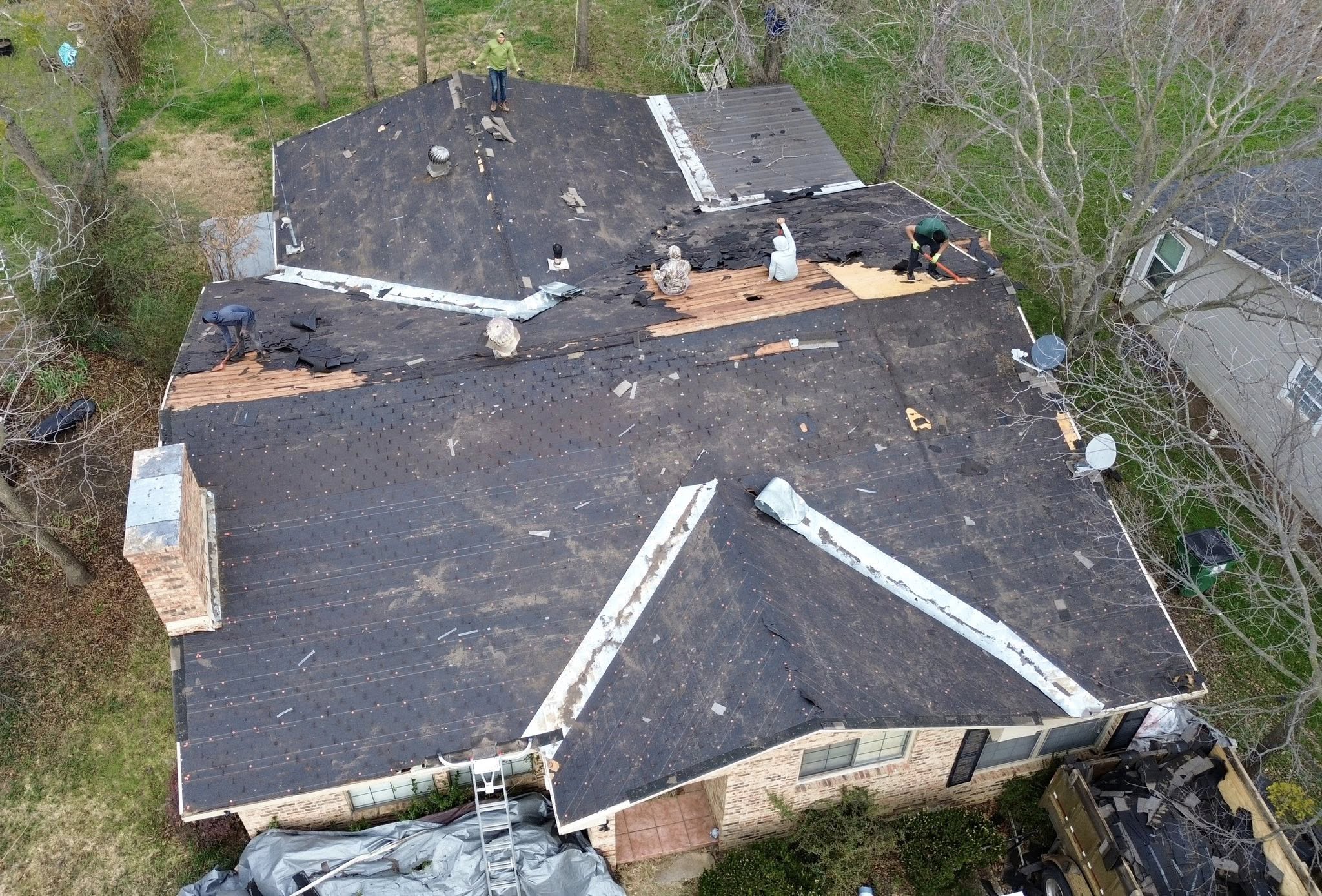
Residential roofing work can affect more than the roof itself. Workers need to move materials, operate equipment, remove old roofing, and perform installation activities around the property. Because of this, homeowners should take reasonable steps to protect outdoor belongings, interior spaces, vehicles, and valuable items while the project is underway.
Outdoor belongings should be moved away from the immediate work area before the crew arrives. Patio furniture, children’s toys, garden tools, decorations, bicycles, and other loose objects can interfere with the crew or become exposed to falling debris. Relocating these items also makes cleanup easier and gives workers a clearer area in which to operate.
Some larger objects may not be easy for homeowners to move themselves. In these situations, the homeowner should ask the contractor whether the item needs to be relocated and who should handle the move. Heavy equipment, outdoor units, or permanent fixtures should not be moved without appropriate guidance because doing so could cause property damage or create another safety concern.
Interior protection is also important during major roofing projects. Roof replacement often involves removing old materials, which can produce vibration, dust, and noise. Homeowners should identify rooms directly below the work area and consider moving fragile objects away from walls, shelves, or ceilings where construction vibration could potentially affect them.
Attic storage deserves particular attention because it is located immediately beneath the roof. Items stored in the attic should be covered or relocated when appropriate, especially if they are sensitive to dust. Contractors may use protective measures during the project, but homeowners should still discuss any valuable or delicate belongings with the roofing team before work starts.
Windows and doors can also influence how much dust and noise enters the home. During dusty phases of the project, homeowners may be advised to keep certain windows closed. Doors near active work areas should also remain closed when possible to reduce the movement of dust and prevent children or pets from accidentally entering restricted areas.
Homeowners should also protect important documents, electronics, artwork, and other sensitive belongings when construction vibration or dust could affect them. A little preparation before work begins can reduce the need to deal with preventable problems later.
At the same time, homeowners should understand that some movement, noise, and dust are normal parts of roofing work. The goal is not to keep the house completely untouched during construction, but to reduce unnecessary exposure and protect belongings that are especially vulnerable.
Roofing Safety During Different Weather Conditions
Weather can significantly affect residential roofing work and the safety of everyone around the property. Roofing crews routinely monitor conditions because rain, strong winds, extreme heat, lightning, and other weather events can make roof surfaces and equipment more difficult to manage. Homeowners should respect weather-related instructions from the contractor and avoid entering restricted areas when conditions change.
Rain can make roofs, ladders, walkways, and other surfaces slippery. If rain begins during a project, homeowners should avoid walking around areas where the crew has been working unless necessary. Wet materials and temporary equipment may also remain in place until the contractor can safely continue or secure the site.
Strong winds can create additional concerns because roofing materials and lightweight objects may be displaced. Homeowners should keep windows, doors, and gates secure when appropriate and avoid approaching areas where materials are being handled. Outdoor belongings that could move in the wind should be secured before the workday begins.
Lightning and severe storms require particular caution. Roofing workers may need to stop work and leave exposed areas when severe weather approaches. Homeowners should also stay indoors during dangerous weather rather than attempting to inspect the roof, materials, or equipment while conditions are unsafe.
Extreme heat can affect both workers and homeowners. Roofing surfaces can become significantly hotter than the surrounding air, and construction materials may also retain heat. Homeowners should avoid unnecessary outdoor activity around the work zone during very hot periods and allow the crew to manage work according to safe conditions.
Weather can also change the expected project schedule. A roofing contractor may delay work, stop temporarily, or change the order of activities when conditions are unsuitable. Homeowners should not pressure workers to continue simply because the original schedule expected a particular completion date.
After bad weather, homeowners should wait for the contractor to confirm that affected areas are safe. A wet driveway, displaced material, temporary covering, or unfinished section of roof may create hazards that are not obvious from a distance. Following the contractor’s instructions helps prevent homeowners from accidentally interfering with emergency protection or repair measures.
Driveway, Garage, and Vehicle Safety During a Roofing Project
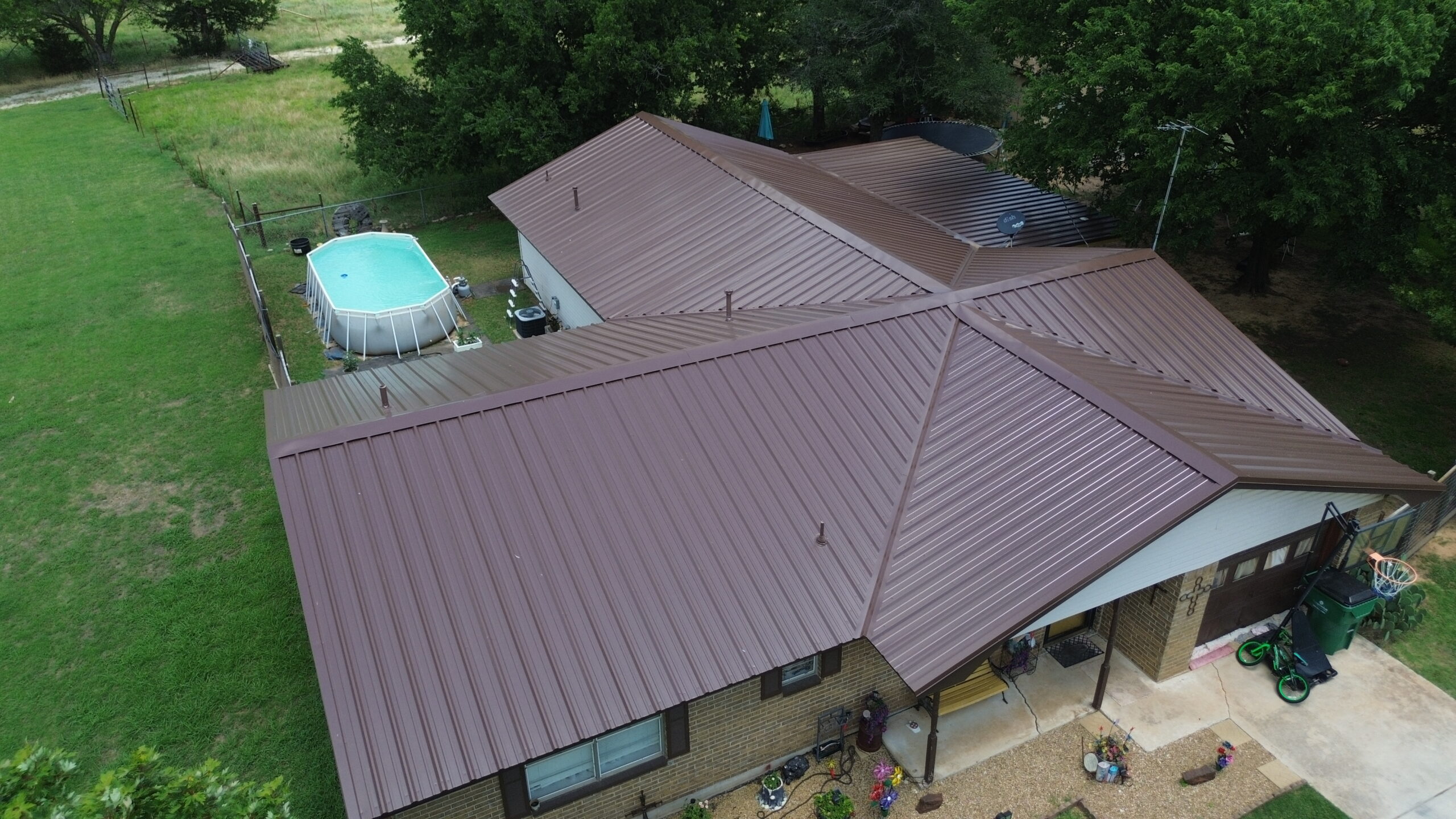
Driveways and garages often become important parts of a residential roofing worksite. Contractors may need access for trucks, trailers, material deliveries, dumpsters, ladders, or other equipment. Homeowners should therefore expect normal parking and vehicle routines to change temporarily.
Before work begins, homeowners should ask where vehicles should be parked. Keeping cars away from the active work area reduces the chance of damage from falling debris, dust, or construction equipment. It also provides the roofing crew with enough room to move materials safely.
If a dumpster or material delivery is scheduled, the driveway may become temporarily unavailable. Homeowners should plan ahead instead of trying to move vehicles after equipment has already arrived. Clear communication about delivery times can make this process easier for everyone.
Garage access may also be limited during certain stages of the project. If homeowners normally enter and leave through the garage, they should ask the contractor whether that route will remain available. If another entrance is safer, household members should use it until the work is complete.
Homeowners should never drive through an active work area simply because there appears to be enough space. Roofing materials, ladders, tools, or workers may be present outside the driver’s immediate view. Waiting for a clear route or asking the crew for guidance is safer than attempting to navigate around construction equipment.
Children should not use driveways as play areas while roofing work is underway. Construction activity can create unexpected vehicle movement, falling debris, and sharp objects on the ground. Pets should also be kept away from driveways and material storage areas during active work.
At the end of each workday, homeowners should follow the contractor’s instructions about vehicle access. Some equipment or materials may need to remain in place overnight. Moving something without permission could create an unsafe condition or interfere with protection installed by the crew.
Managing Noise, Dust, Vibration, and Construction Disruptions
Roofing work can temporarily change the normal atmosphere inside and outside a home. Hammering, nail guns, material handling, tear-off, cutting, and other activities can create considerable noise. Homeowners should prepare household members for these sounds instead of being surprised when construction begins.
Noise can be particularly disruptive for people who work from home, study, sleep during the day, or require a quiet environment. If possible, homeowners may want to arrange important meetings, examinations, or other quiet activities away from the property during the loudest stages of construction.
Pets can also be sensitive to construction noise. Dogs may bark, hide, become restless, or attempt to escape when unfamiliar sounds continue throughout the day. Keeping pets in a secure and comfortable indoor area can reduce stress and prevent them from approaching workers.
Dust is another possible source of disruption, especially during roof removal. Homeowners can reduce exposure by following contractor recommendations about windows, doors, ventilation, and temporary coverings. Sensitive household items should be protected before demolition or tear-off begins.
Vibration can travel through the roof structure and walls during certain activities. Items hanging on walls or stored on high shelves may be more vulnerable to movement. Homeowners should use reasonable judgment when deciding whether fragile objects should be secured or temporarily relocated.
Construction can also affect daily routines. Access to certain rooms, outdoor areas, or entrances may be restricted temporarily. Planning meals, work activities, children’s playtime, and pet routines around the project can make the disruption easier to manage.
Homeowners should remember that roofing work is temporary. Trying to maintain every normal household activity directly beside an active construction zone can create unnecessary risks. Adjusting routines for a short period is often safer than attempting to work around hazards that are still changing.
What Homeowners Should Never Do During Roof Repairs or Replacement
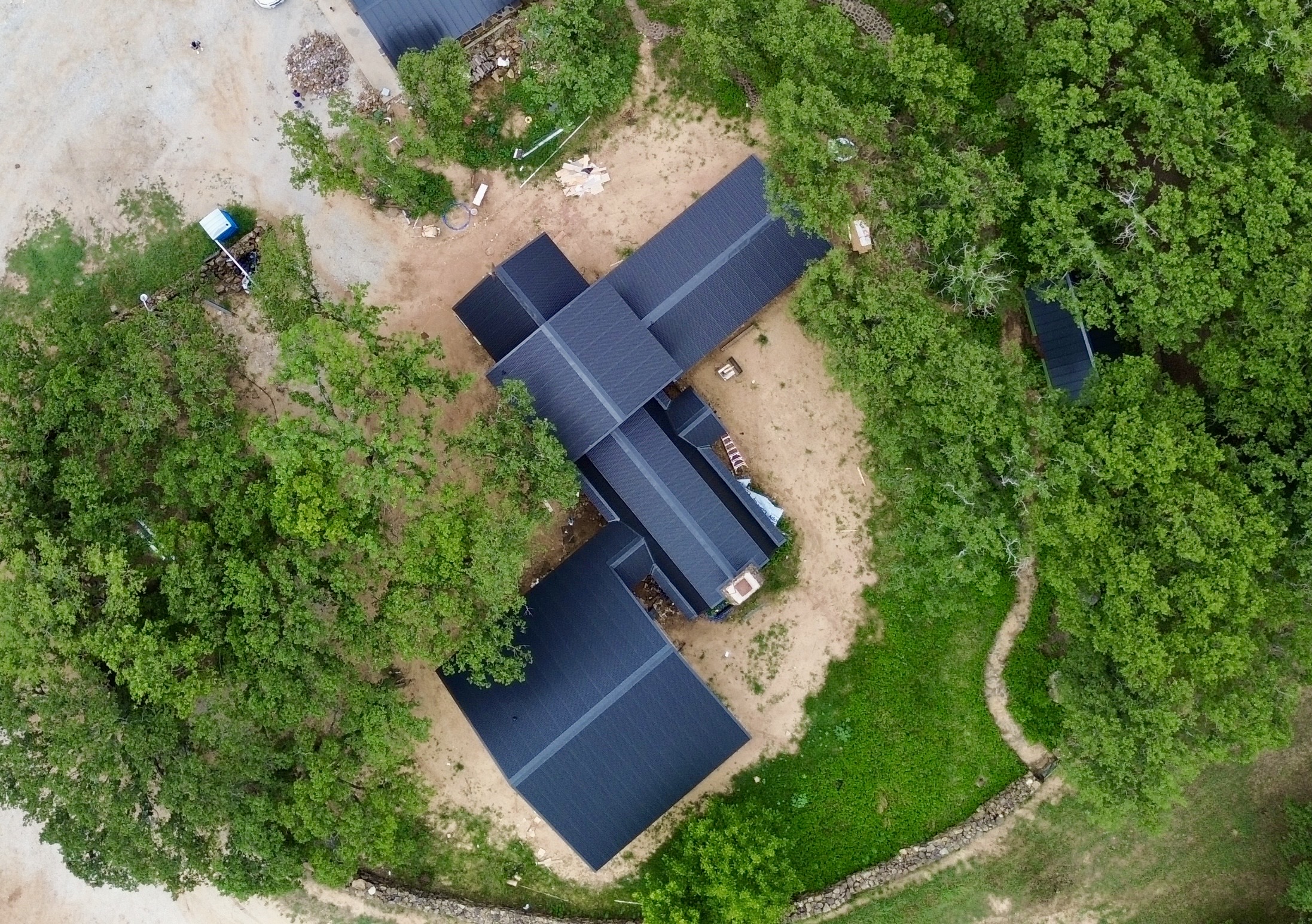
Homeowners may naturally want to observe the progress of their roofing project, but there are important limits to what they should do. An active roofing worksite contains specialized equipment, elevated work areas, sharp materials, and constantly changing conditions. Homeowners should leave construction activities to trained professionals.
The roof itself should be treated as an off-limits area unless the contractor specifically requires homeowner access for an appropriate reason. Even a roof that appears relatively low can present a serious fall hazard. Homeowners should never climb onto the roof simply to inspect the progress of the work.
Ladders should also never be moved, climbed, or repositioned by homeowners without permission. Contractors place ladders according to their work requirements and safety procedures. Moving one could affect access, stability, or the safe movement of workers and materials.
Homeowners should not handle roofing tools or equipment. Nail guns, power tools, cutting equipment, ladders, scaffolding, and other construction equipment are intended for trained workers. Attempting to help with these items can create risks for the homeowner and the crew.
Another important rule is to avoid entering an area where workers are actively handling materials. Even if a homeowner needs to retrieve an item, they should wait and communicate with the crew rather than walking into the work zone unexpectedly.
Homeowners should also avoid cleaning up roofing debris while workers are still active. Nails, sharp materials, and other debris can be difficult to see, and additional materials may continue falling from above. Cleanup should be handled according to the contractor’s process, with homeowners following instructions about when an area can safely be accessed.
These boundaries are not meant to prevent homeowners from being involved in their own project. Homeowners have every right to ask questions, monitor progress from safe locations, and communicate concerns. The important distinction is between observing the project safely and physically entering or interfering with an active construction area.
Emergency Preparedness and Responding to Safety Concerns
Even with careful planning, unexpected situations can occur during residential roofing work. A homeowner should know how to respond without creating additional danger. The first priority should always be moving household members away from the affected area and contacting the appropriate person rather than attempting to solve a construction problem independently.
Homeowners should know how emergency vehicles can access the property during the project. Equipment, dumpsters, materials, and parked vehicles should not unnecessarily block important access routes. If the contractor has established a specific access arrangement, household members should understand it before work begins.
If a safety concern appears, homeowners should report it to the roofing contractor as soon as possible. For example, an unstable temporary barrier, unexpected obstruction, exposed sharp material, or damaged access route should not simply be ignored. Reporting the issue allows the crew to evaluate the situation and take appropriate action.
Homeowners should not attempt to repair contractor equipment or alter temporary safety arrangements themselves. A barrier, covering, ladder, or other temporary measure may have a specific purpose that is not obvious. Changing it without professional guidance can create a greater hazard.
If someone is injured, homeowners should respond according to the appropriate emergency procedures and avoid unnecessary movement of an injured person unless immediate danger requires relocation. The roofing contractor should also be informed promptly so the crew can secure the area and provide appropriate assistance.
It is useful to keep important contact information accessible during the project. Homeowners should know how to contact the roofing company, project supervisor, or designated site representative if an urgent concern arises. This information should be available to household members who may need to communicate with the contractor.
Finally, homeowners should remain alert even after active work has stopped for the day. Temporary coverings, unfinished areas, stored materials, and equipment may remain around the property overnight. The household should continue following the contractor’s safety instructions until the roofing project is fully completed and the worksite has been cleared.
Daily Safety Checks Homeowners Can Follow
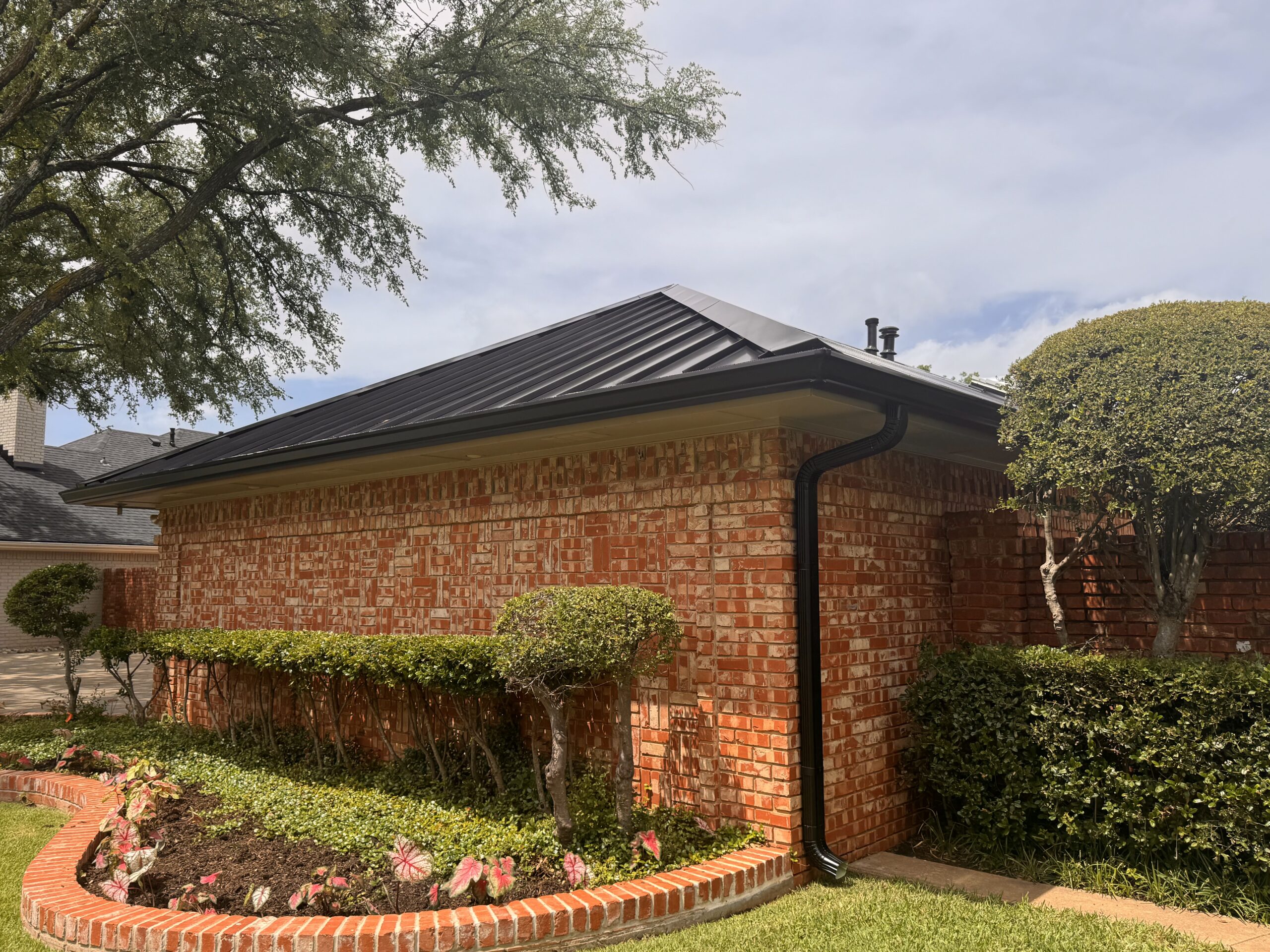
A residential roofing project can change from one day to the next, so homeowners should make safety part of their daily routine. Conditions that were safe yesterday may become different when new materials arrive, equipment is moved, or another section of the roof is opened. A short check before the workday begins can help the household understand what areas should be avoided.
Before leaving the house in the morning, homeowners should check the usual entrances, walkways, driveway, and outdoor areas. They should look for temporary barriers, stored materials, ladders, equipment, or other changes that could affect normal movement. If an area appears different from the previous day, household members should follow the contractor’s instructions rather than assuming it is safe.
Children and pets should also be checked before they go outside. Construction areas can be attractive to curious children and animals, especially when new materials or equipment appear around the property. Keeping them in designated safe areas helps prevent accidental entry into restricted spaces.
Homeowners should also consider the day’s weather conditions. Wind, rain, extreme heat, or storms may affect roofing activities and change the location of temporary materials. If weather conditions become severe, homeowners should remain indoors and allow the roofing team to manage the worksite according to its safety procedures.
At the end of the workday, homeowners should follow any instructions provided by the contractor about remaining hazards. The crew may leave certain materials, coverings, tools, or equipment in place overnight because they are required for the next stage of the project. These items should not be moved simply to make the property look more convenient.
A useful daily routine can include the following checks:
- Confirm that children and pets are away from the work area.
- Check that household vehicles are parked in the approved location.
- Use only entrances and walkways identified as safe.
- Keep away from stored materials, ladders, and temporary equipment.
- Follow any updated instructions from the roofing contractor.
These simple habits help homeowners stay aware without interfering with the work. Safety should remain a shared responsibility throughout the entire project, from the first day of preparation through the final cleanup.
Safe Communication With the Roofing Crew
Clear communication remains important throughout a roofing project, especially when household routines or construction conditions change. Homeowners should feel comfortable asking questions about safety, access, schedules, and temporary restrictions. At the same time, questions should be discussed from a safe location rather than while workers are handling tools or materials.
The best time to speak with the crew is generally before active work begins, during an agreed break, or through the designated project contact. Approaching a worker while they are carrying materials or working at height can create an unnecessary distraction. Waiting for an appropriate moment protects both the homeowner and the worker.
Homeowners should also communicate any changes in household circumstances. For example, if a delivery is expected, a family member needs access to a restricted area, or a pet has escaped into the yard, the contractor should be informed. This allows the crew to adjust its activities when necessary instead of being surprised by someone entering the work zone.
If homeowners have concerns about property damage, debris, access, or safety, they should raise them promptly. Small concerns are usually easier to address before they become larger problems. A professional contractor should be able to explain the situation and identify a safe solution.
It is also helpful to understand that roofing crews may have specific procedures for moving around the property. Workers may need to use certain paths, stage materials in particular locations, or temporarily restrict access to an entrance. These arrangements can change as different phases of the project are completed.
Homeowners should avoid giving direct instructions to individual workers unless the matter concerns their own immediate safety and the contractor has established that communication process. The project supervisor or designated contact is normally the best person to handle questions about the overall worksite.
Good communication creates a cooperative relationship between the household and the roofing crew. When both sides understand expectations, the project can progress with fewer interruptions and a lower chance of misunderstandings.
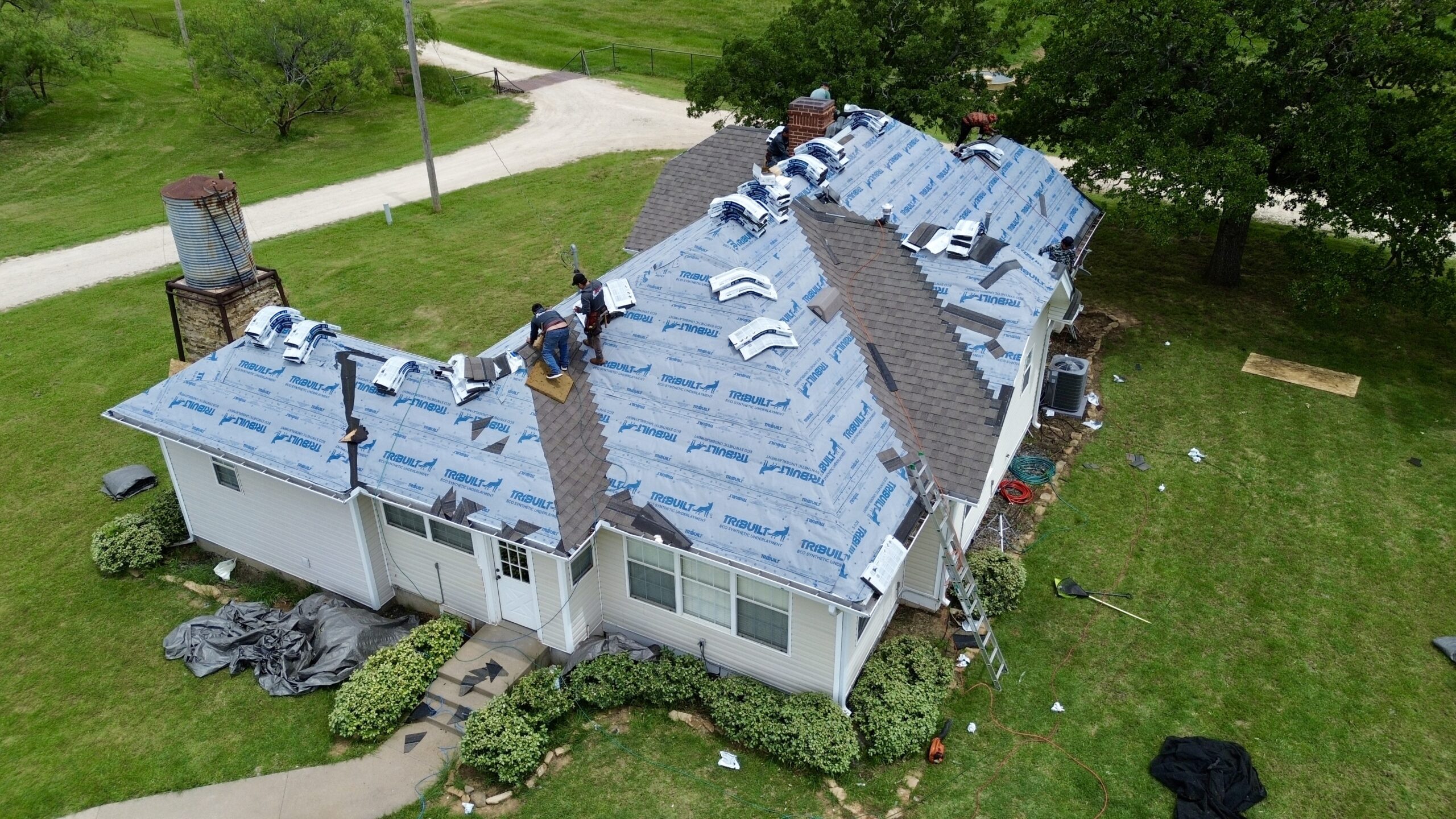
Protecting Neighbors and Visitors During Roofing Work
Homeowner safety responsibilities can extend beyond the people who live in the house. Friends, relatives, delivery drivers, service providers, and neighbors may approach the property without fully understanding that roofing work is underway. Informing visitors about the project can help prevent them from accidentally entering a hazardous area.
Visitors should be directed toward a safe entrance instead of being allowed to choose their own route. A familiar driveway, side path, or backyard entrance may temporarily be blocked by equipment or materials. Homeowners should explain the safest route before allowing visitors onto the property.
Deliveries can require additional planning. Packages, food deliveries, maintenance visits, and other services may arrive while roofing workers are active. Homeowners should avoid asking delivery personnel to enter restricted areas or walk beneath active work areas to reach the house.
If possible, homeowners should arrange important service appointments around the roofing schedule. This is particularly useful for services that require access to the roof, exterior walls, driveway, attic, or utility areas. Coordinating appointments prevents multiple activities from taking place in the same restricted space.
Neighbors should also be informed when roofing activity may affect shared areas. Noise, material deliveries, temporary parking changes, and debris management can sometimes affect nearby properties. A brief notice can help neighbors understand why normal conditions may be different for a limited period.
Homeowners should never assume that a visitor understands construction hazards simply because the work is obvious. Someone visiting for the first time may not recognize the danger of walking close to the building or standing below a roof edge. Clear instructions can prevent unnecessary exposure.
If the property has shared access, additional care may be necessary. Homeowners should work with the contractor to determine how pedestrians and vehicles can safely pass through affected areas. Temporary restrictions should remain in place until the contractor confirms that the route is safe.
Protecting visitors and neighbors demonstrates good jobsite awareness. It also helps prevent a person who is unfamiliar with the project from accidentally becoming involved in a construction-related incident.
What to Expect After the Roofing Crew Leaves Each Day
The end of the workday does not always mean every roofing hazard has disappeared. A project may involve unfinished roof sections, temporary coverings, stored materials, equipment, or areas that still require cleanup. Homeowners should therefore continue treating the property carefully after the crew has left.
Temporary roof coverings may be installed when work cannot be completed before the end of the day. These coverings are designed to protect the structure from weather while the project continues. Homeowners should never attempt to adjust, remove, or inspect them directly.
Materials may also remain around the property overnight. Bundles of shingles, flashing, underlayment, tools, or other supplies may be positioned in locations selected by the contractor. Homeowners should not move these items, even if they appear to be blocking a preferred route.
Ground cleanup can also take place in stages. Roofing crews generally work to remove debris and loose materials, but homeowners should follow the contractor’s instructions before allowing children or pets back into affected outdoor areas. Small debris can be difficult to notice, particularly around grass, landscaping, or edges of driveways.
Homeowners should use the safest available entrance after the crew leaves. If a normal doorway is temporarily restricted, household members should continue using the designated alternative rather than removing barriers themselves. The restriction may remain necessary until additional work is completed.
Overnight weather can also affect the site. Wind, rain, and other conditions may interact with temporary coverings or stored materials. If homeowners notice an unexpected problem, they should contact the contractor rather than climbing onto the roof or attempting to make repairs themselves.
A project can therefore remain an active worksite even during non-working hours. Treating the property cautiously until final completion helps protect the household and prevents accidental interference with unfinished construction.
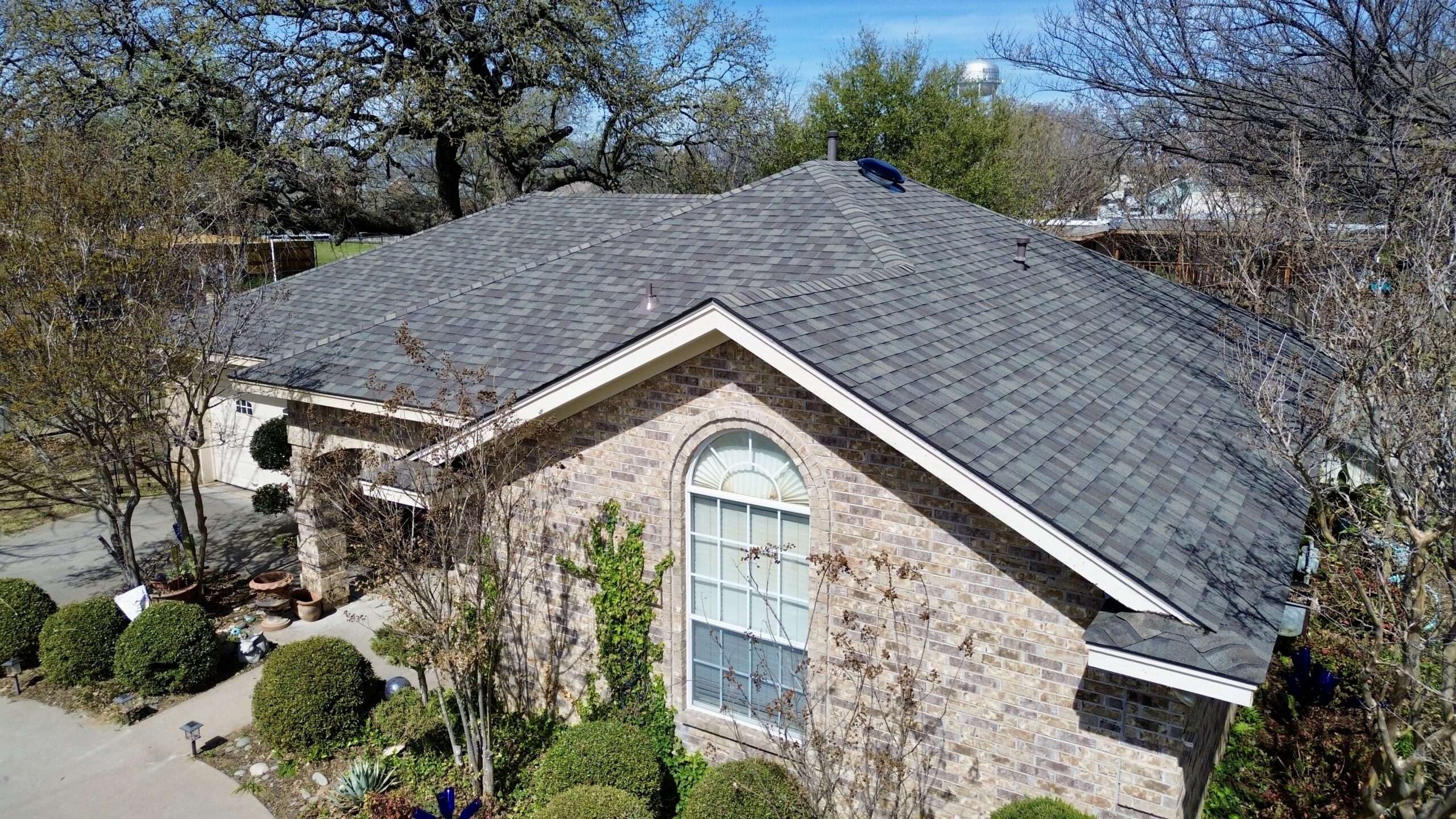
Final Homeowner Roofing Safety Checklist
Homeowners play an important supporting role in maintaining a safe residential roofing project. They do not need to perform construction tasks or supervise every movement of the crew. Their main responsibility is to understand the boundaries of the worksite, communicate clearly, and keep household members away from hazards.
Before work begins, homeowners should confirm where children, pets, vehicles, and personal belongings should remain. They should also understand which entrances can be used and who should be contacted when questions or safety concerns arise.
During active work, homeowners should remain outside restricted areas and avoid walking beneath workers. They should never climb onto the roof, move ladders, handle contractor equipment, or enter an active work zone without permission.
Weather conditions should also remain part of the household’s daily awareness. If severe weather develops, homeowners should follow the contractor’s instructions and avoid attempting to inspect the roof or construction equipment themselves.
The following checklist provides a practical summary of the most important precautions:
| Project Stage | Homeowner Safety Action |
|---|---|
| Before work | Move belongings, secure pets, plan vehicle access, and discuss restricted areas |
| During work | Stay away from active zones, use approved entrances, and follow contractor instructions |
| Weather changes | Remain indoors when conditions become dangerous and wait for contractor guidance |
| End of day | Avoid stored materials, temporary coverings, unfinished areas, and remaining debris |
| Final cleanup | Keep children and pets away until the contractor confirms affected areas are safe |
Homeowners should also know the warning signs that require immediate communication with the roofing contractor. These may include an unexpected obstruction of an important entrance, damaged temporary protection, exposed hazards in a frequently used area, or a situation that prevents the household from safely accessing the property.
Most importantly, homeowners should resist the temptation to solve construction problems themselves. A professional roofing crew has the equipment, training, and knowledge needed to manage the worksite. Reporting a concern and allowing the contractor to address it is generally safer than attempting to move materials, climb ladders, or inspect elevated areas.
A safe roofing project is easier when everyone understands their role. Contractors are responsible for performing the roofing work safely, while homeowners can support that effort by maintaining clear boundaries and following reasonable instructions. When these responsibilities work together, the household can remain protected while the roofing project moves toward completion.
Conclusion
Residential roofing work is an important investment in the protection and condition of a home, but it temporarily transforms the property into an active construction environment. Ladders, tools, roofing materials, debris, elevated work areas, noise, dust, and changing access routes can all create hazards for people who are not part of the roofing crew. Homeowners who understand these risks can take simple steps to keep themselves, their families, pets, visitors, and belongings safer.
Preparation should begin before the first roofing materials arrive. Moving outdoor belongings, securing children and pets, protecting fragile items, arranging vehicle access, and discussing restricted areas with the contractor can establish a safer environment from the beginning. These actions also help the roofing crew work without unnecessary obstacles or interruptions.
During the project, homeowners should remain aware of changing conditions. They should use designated walkways, stay away from active work areas, avoid climbing roofs or ladders, and never handle contractor equipment. Communication should remain open so that questions and concerns can be addressed without homeowners needing to enter hazardous areas.
Weather and daily construction changes also require flexibility. Roofing work may stop temporarily because of rain, strong winds, extreme heat, or other unsafe conditions. Homeowners should respect these decisions and understand that delaying work for safety can be more important than maintaining the original schedule.
The same caution should continue after the crew finishes for the day. Temporary coverings, stored materials, unfinished areas, and remaining debris can still create risks. Children and pets should remain away from affected areas until the contractor confirms that they are safe to use.
Ultimately, homeowner safety during residential roofing work depends on awareness, preparation, communication, and patience. A homeowner does not need to become a roofing expert to contribute to a safer project. By respecting the work zone, following contractor guidance, and keeping household members away from construction hazards, homeowners can help create a safer environment while their new or repaired roof is being completed.
A successful roofing project is not only about achieving a durable and attractive roof. It is also about completing the work while protecting the people and property surrounding it. When homeowners and roofing professionals work together with safety as a shared priority, the entire project can move forward with greater confidence and fewer preventable risks.