
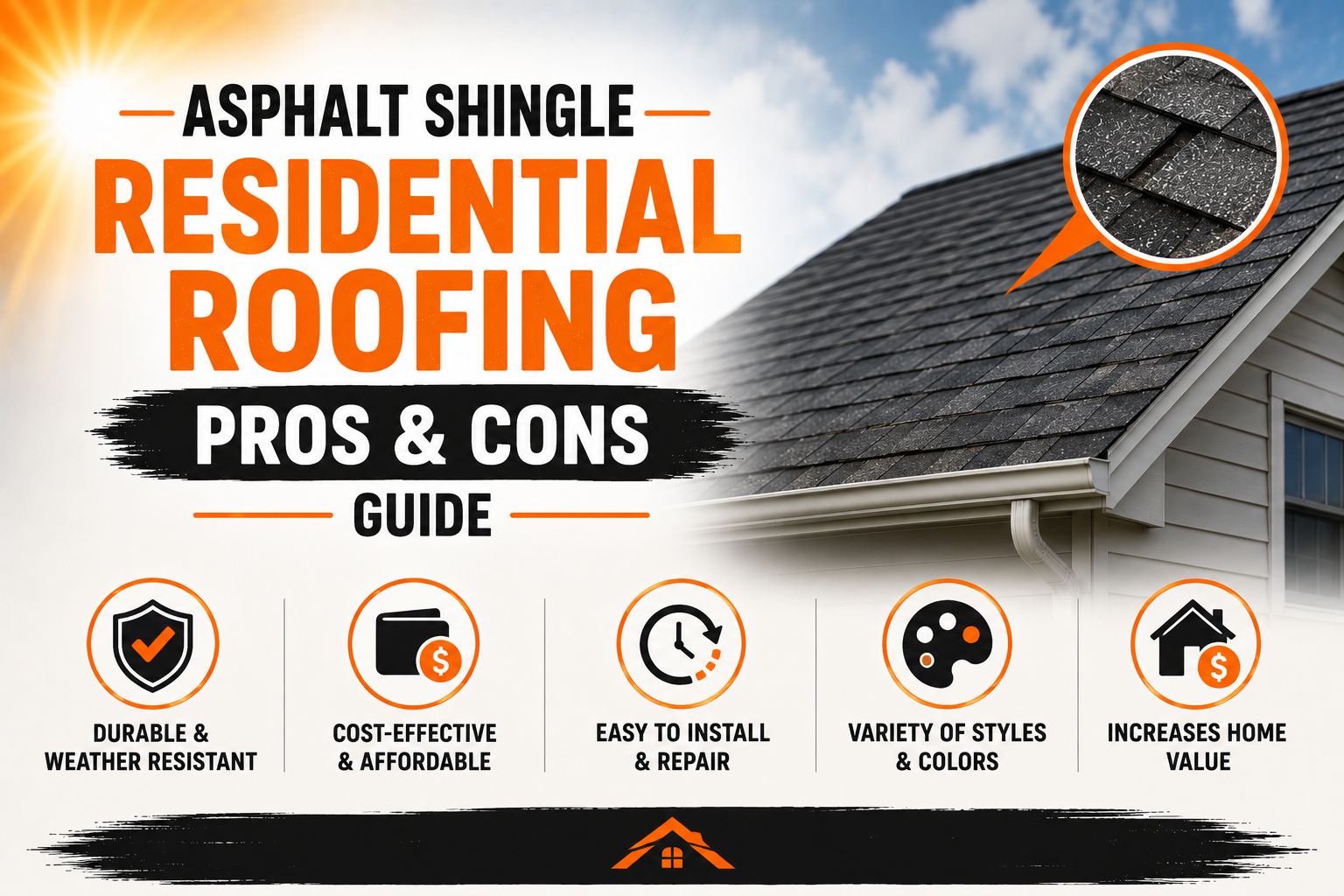
Asphalt Shingle Residential Roofing Pros and Cons Guide
Introduction
Asphalt shingles are one of the most widely used roofing materials for residential properties. Their popularity comes from a combination of affordability, practical performance, availability, and design flexibility. Homeowners can choose from many shingle styles and colors, making it possible to match the roof with different architectural designs and exterior finishes.
A residential roof must do more than improve the appearance of a house. It protects the building from rain, wind, sunlight, temperature changes, and other outdoor conditions. Because asphalt shingles form the outer protective layer, their quality and installation can have a major effect on the overall performance of the roofing system.
Asphalt shingles are available at different quality levels, which means their expected performance can vary. Basic shingles may provide an economical solution for homeowners working with a limited budget, while higher-quality architectural or premium shingles can offer improved appearance, durability, and weather resistance.
Like every roofing material, asphalt shingles have both advantages and disadvantages. Their relatively low initial cost makes them attractive, but homeowners should also consider lifespan, maintenance, environmental impact, weather conditions, and long-term replacement requirements.
The suitability of asphalt shingles depends on the home, local climate, roof design, budget, and homeowner expectations. A material that performs well in one environment may require more maintenance or have a shorter service life in another.
Understanding the major advantages and disadvantages before choosing asphalt shingles can help homeowners make a more informed roofing decision. Instead of considering only the purchase price, it is useful to evaluate how the material will perform throughout its expected service life.
Understanding Asphalt Shingle Residential Roofing
Asphalt shingles are manufactured roofing products that generally combine a reinforcing base with asphalt and protective surface granules. The materials are designed to create a weather-resistant covering that can be installed over a properly prepared roof deck and supporting roofing components.
The visible surface of the shingle is exposed to outdoor conditions. Granules help protect the asphalt from sunlight and contribute to the shingle’s appearance. Beneath the surface, other layers provide strength and help maintain the shape of the roofing material.
Asphalt shingles are normally installed in overlapping courses. This arrangement helps direct water downward toward gutters and prevents rain from easily reaching the layers underneath. Proper fastening and installation are essential because even good-quality shingles can perform poorly when installed incorrectly.
The complete roofing system includes more than shingles. Underlayment, flashing, ventilation, drip edges, roof decking, fasteners, and drainage components all contribute to the roof’s performance. A homeowner should therefore avoid evaluating asphalt shingles separately from the rest of the roofing system.
One reason asphalt shingles remain popular is their broad availability. Roofing contractors are generally familiar with the material, and replacement shingles can often be obtained without the challenges associated with some specialized roofing products.
Repairs can also be relatively straightforward when damage is localized. A damaged shingle may be replaced without removing the entire roof, provided the surrounding roofing system remains in good condition. This can make maintenance more manageable over time.
However, asphalt shingles are not completely maintenance-free. Weather exposure, aging, wind, algae growth, falling branches, and improper installation can affect their appearance and performance. Regular inspections can help homeowners identify problems before they become more extensive.
The quality of the installation is particularly important. Shingles must be correctly positioned, fastened, sealed, and integrated with flashing and other roof components. Poor workmanship can lead to leaks, wind damage, premature deterioration, and other problems.
Homeowners should also consider the roof’s slope and design before selecting a particular asphalt shingle product. Some roofing configurations may require additional attention to water drainage and flashing details.
Affordability and Installation Advantages
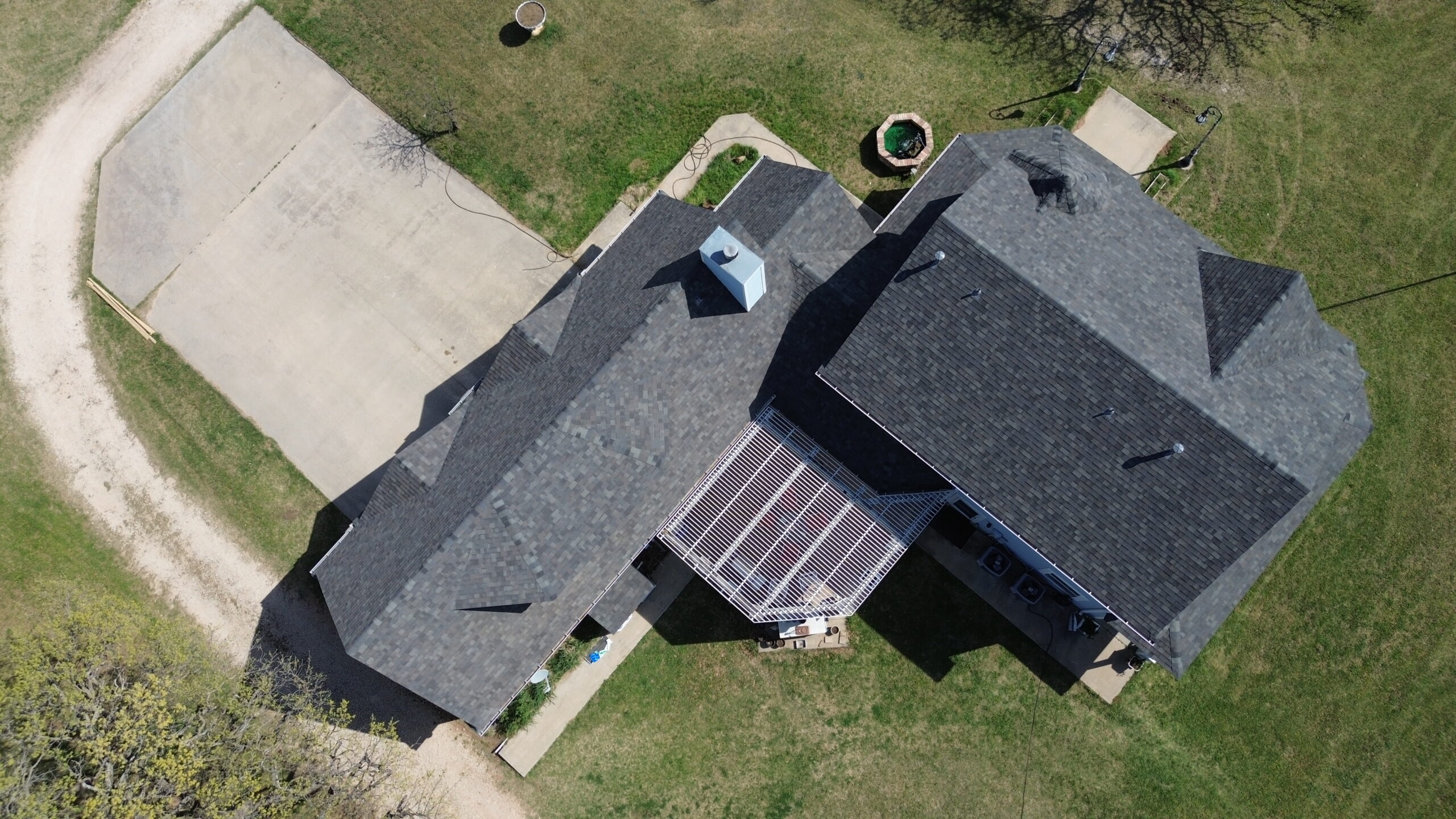
One of the strongest advantages of asphalt shingles is their relatively accessible cost compared with many premium roofing materials. For homeowners looking for a practical roofing solution without the higher initial expense associated with materials such as slate, tile, or some metal systems, asphalt shingles can provide an attractive option.
The affordability of asphalt shingles extends beyond the material itself. Because many roofing contractors have experience installing them, homeowners may have access to a larger pool of professionals familiar with the product. This can make it easier to obtain estimates and arrange repairs or replacement work.
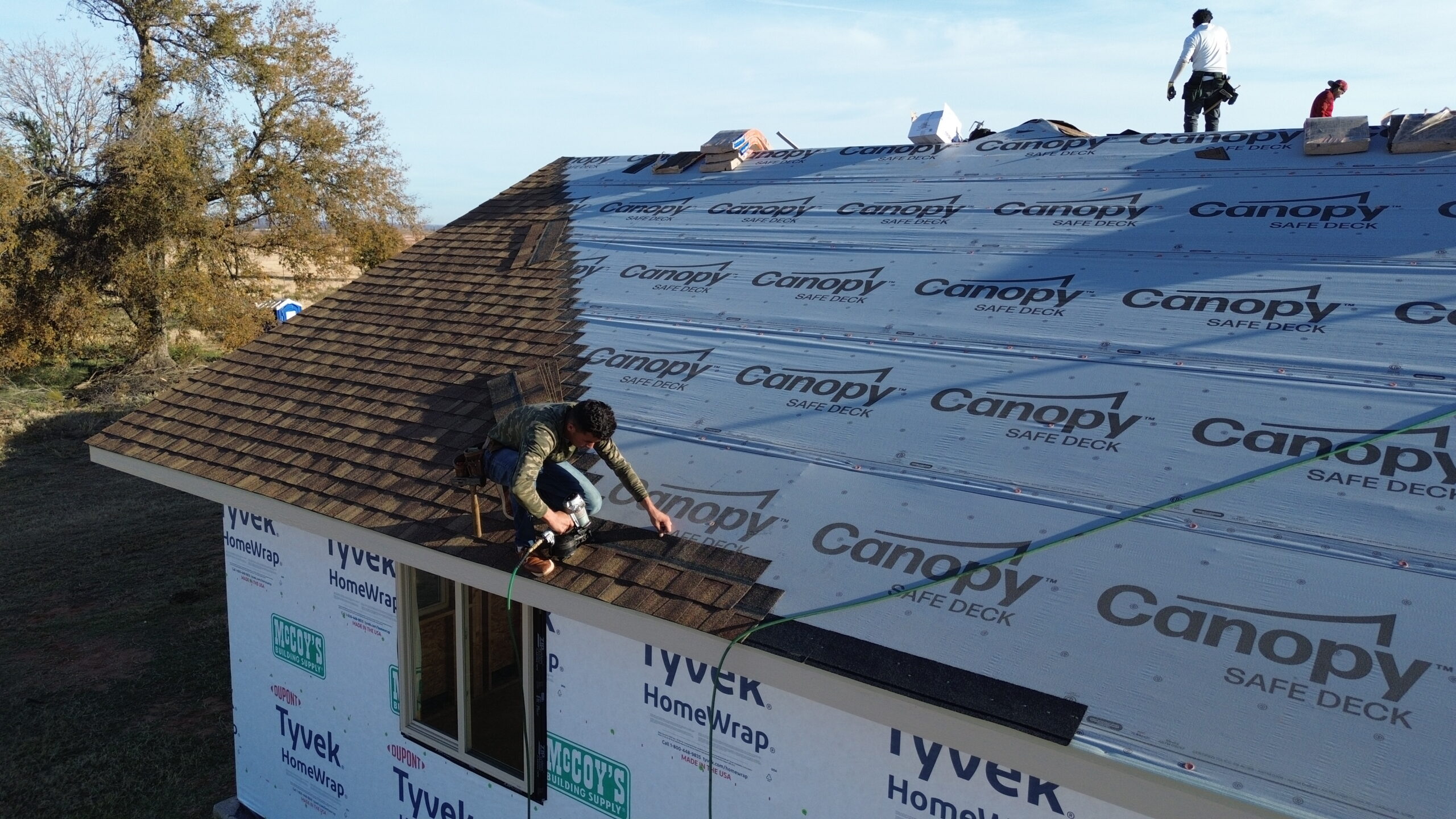
Installation can also be comparatively efficient when the roof is properly prepared. Experienced contractors can install large areas of shingles using established procedures and equipment. Faster installation can reduce the time that construction activities affect the household.
Another advantage is the availability of replacement materials. If a section becomes damaged, homeowners may be able to find matching or compatible shingles more easily than they could with discontinued or highly specialized roofing products.
The relatively low initial cost can make asphalt shingles suitable for many residential budgets. However, homeowners should avoid treating affordability as the only factor when comparing roofing materials.
The actual project cost depends on several conditions, including roof size, slope, complexity, existing roofing condition, labor, removal requirements, underlayment, flashing, ventilation, and local market conditions. A simple roof may cost less to cover than a complicated roof with multiple valleys and penetrations.
The number of existing roofing layers can also influence installation requirements. If old materials need to be removed before new shingles are installed, disposal and preparation can add to the project cost.
Asphalt shingles can also be easier to repair than some heavier or more specialized materials. Localized damage may be addressed by replacing affected shingles rather than replacing a large portion of the roof.
For budget-conscious homeowners, these advantages can make asphalt shingles appealing. Nevertheless, long-term value should also be considered. A lower initial price may not be the best financial choice if the material requires earlier replacement or performs poorly under the home’s specific climate conditions.
Homeowners should therefore compare the expected lifespan, maintenance needs, warranty terms, and weather resistance of different shingle grades before selecting a product.
Style, Color, and Design Flexibility
Another significant advantage of asphalt shingles is the wide range of styles and colors available. Roofing is a major visual element of a home, and the choice of shingle can influence how the entire exterior looks.
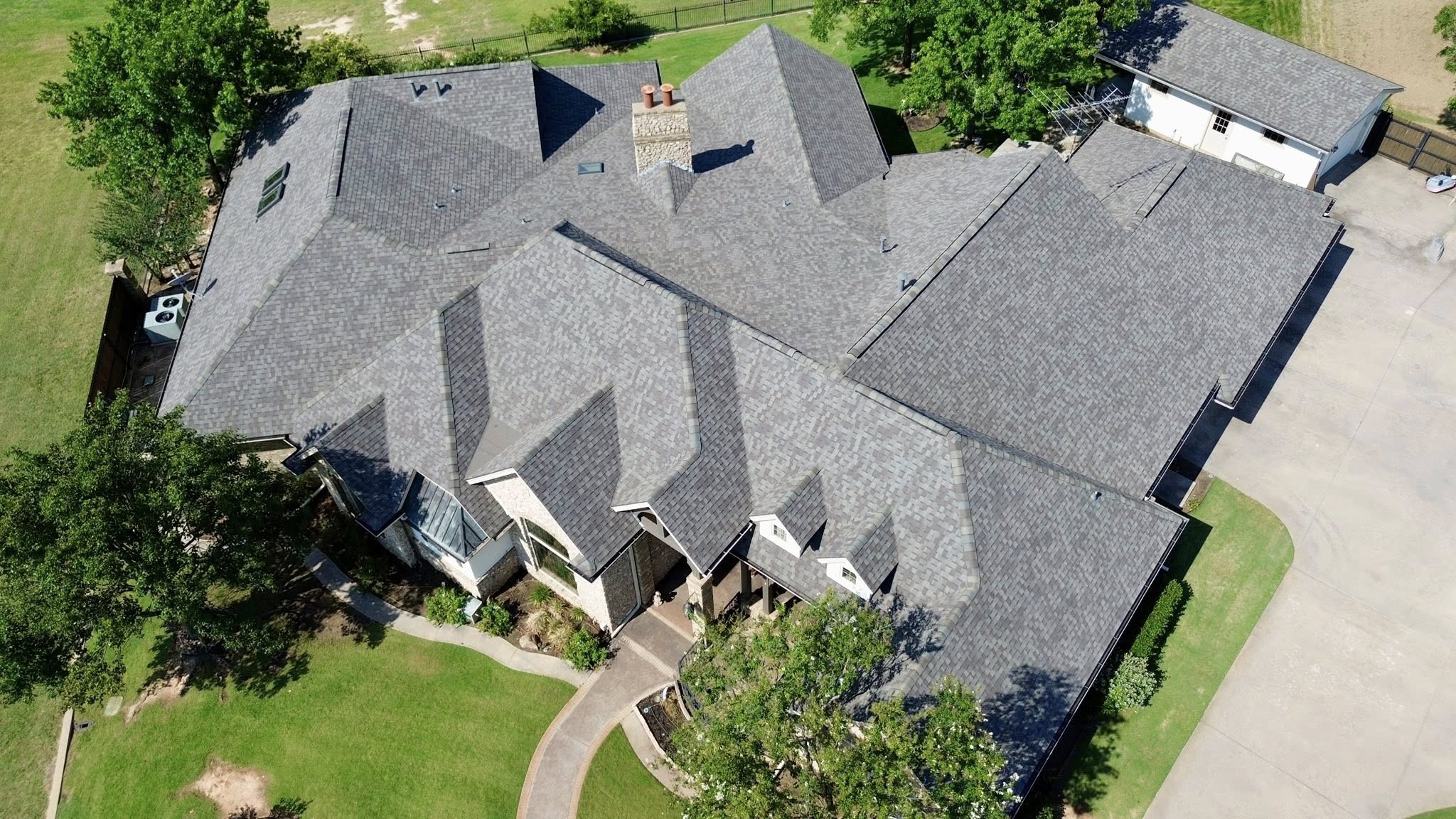
Traditional three-tab shingles have a relatively uniform appearance and can provide a simple, clean roof design. Architectural shingles generally have a more dimensional appearance, with variations in shape and thickness that can create a textured visual effect.
Premium asphalt shingles can be designed to imitate the appearance of other roofing materials. Some products are manufactured to resemble slate, wood shakes, or other high-end styles while retaining many of the practical characteristics associated with asphalt roofing.
Color selection is another benefit. Homeowners may find shades ranging from neutral gray and brown to darker or more varied tones. The appropriate choice can complement siding, brick, stone, trim, doors, and other exterior features.
Climate and surroundings should still be considered when selecting a color. Darker roofing surfaces can absorb more solar heat, although the actual energy impact depends on factors such as insulation, ventilation, roof design, and the specific roofing product.
Architectural style can also influence the choice. A traditional home may suit classic shingle patterns, while a modern property may benefit from a more uniform or contemporary appearance.
The ability to select different designs can be useful when replacing an older roof. Homeowners can maintain a similar appearance or use the replacement project as an opportunity to update the home’s exterior.
However, visual appeal should not override performance requirements. A shingle should be selected based on its suitability for the roof and local conditions as well as its appearance.
Homeowners should also remember that colors can change slightly as shingles age. Sun exposure and weathering can affect the appearance over time, and replacement shingles may not perfectly match older materials.
Overall, the design flexibility of asphalt shingles is a major advantage for homeowners who want practical roofing combined with a wide range of aesthetic choices.
Durability and Weather Performance
Asphalt shingles can provide dependable protection when the correct product is selected and installed properly. Their performance depends on the quality of the shingle, roof design, installation, ventilation, maintenance, and local weather conditions.
Wind resistance is an important consideration. Strong winds can lift or remove shingles when materials are improperly installed or when the roof has aged. Some asphalt shingles are manufactured with enhanced wind-resistance ratings and may be more appropriate for areas that experience frequent storms.
Hail can also affect asphalt shingles. Impacts may damage the surface or weaken the material, depending on the severity of the event and the product’s construction. Homeowners in areas with frequent hail should consider products designed with suitable impact-resistance characteristics where available.
Rain resistance is one of the basic functions of asphalt shingles. Properly installed overlapping shingles direct water toward the roof edge. However, flashing and drainage components remain essential because water can enter around roof penetrations and transitions even when the shingle surface is in good condition.
Sun exposure contributes to aging. Continuous ultraviolet radiation and temperature changes can gradually affect asphalt-based materials. The rate of deterioration varies depending on the product, climate, roof orientation, ventilation, and other conditions.
Extreme temperatures can also affect roofing performance. Repeated expansion and contraction may place stress on roofing components, particularly when installation or ventilation is inadequate.
Algae and moss can affect the appearance of some asphalt shingle roofs, especially in damp or shaded environments. Certain products include features intended to resist algae-related discoloration, although environmental conditions still influence performance.
Maintenance can help extend the useful life of the roof. Damaged shingles should be addressed promptly, gutters should remain clear, and areas around roof penetrations should be inspected periodically.
Homeowners should also avoid assuming that a durable shingle can compensate for poor installation. Even a high-quality product can fail prematurely if fasteners are misplaced, flashing is improperly installed, or ventilation problems remain unresolved.
For this reason, durability should be considered as a combination of material quality and complete roofing-system performance. Choosing an appropriate asphalt shingle and having it installed correctly can provide dependable protection for many residential properties.
Maintenance and Repair Considerations
Asphalt shingle roofs generally require routine attention to remain in good condition. Maintenance does not necessarily mean frequent major work, but homeowners should monitor the roof for signs of aging, weather damage, and drainage problems.
A safe visual inspection from the ground can reveal obvious concerns such as missing shingles, visible debris, damaged gutters, or fallen branches. Homeowners should avoid climbing onto steep or unsafe roofs simply to perform an inspection.
After strong winds or severe storms, additional attention may be appropriate. Missing or displaced shingles should be addressed promptly because exposed areas can allow water to reach underlying roofing layers.
Small repairs are one of the practical advantages of asphalt shingles. When damage is limited, a contractor may be able to replace individual shingles or repair a localized area instead of replacing the entire roof.
However, matching older shingles can become more difficult as the roof ages. Color and texture can change through weather exposure, while the original product may no longer be available. A professional can determine the most appropriate repair approach.
Gutters and downspouts should also be maintained because poor drainage can affect the roof. Leaves and debris can prevent water from flowing correctly and may cause overflow near roof edges.
Trees around the property deserve attention as well. Branches can scrape shingles or fall onto the roof during storms. Keeping nearby vegetation properly maintained can reduce unnecessary damage.
Homeowners should also monitor the attic for signs of moisture when safe access is available. Water stains, damp insulation, or unusual odors may indicate that a roof problem is developing beneath the visible surface.
Timely maintenance is particularly important as asphalt shingles age. Problems that are inexpensive to address early can become more extensive if water reaches underlayment, decking, insulation, or interior finishes.
The best maintenance approach is therefore based on regular observation, prompt repair, proper drainage, and professional inspection when needed. This can help homeowners get more dependable performance from their asphalt shingle roofing system while reducing the likelihood of unexpected and costly repairs.
Asphalt Shingle Lifespan and Long-Term Value
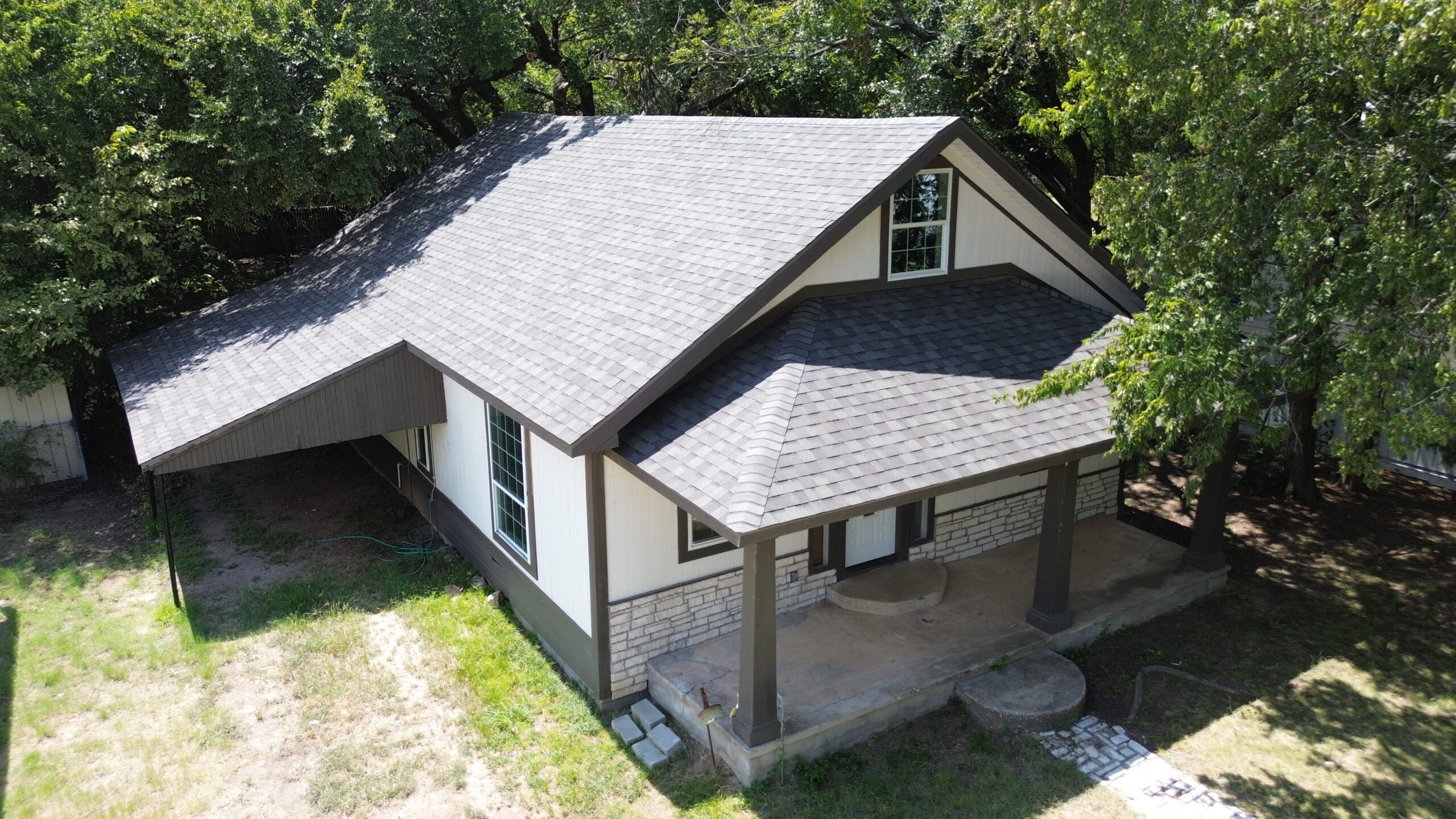
The expected lifespan of an asphalt shingle roof is an important factor when homeowners compare roofing materials. Asphalt shingles are available in different grades, and their service life can vary depending on the product, installation quality, climate, maintenance, ventilation, and exposure to severe weather. Homeowners should therefore avoid assuming that every asphalt shingle roof will last for exactly the same number of years.
Basic asphalt shingles generally have a shorter expected service life than higher-quality architectural or premium products. Architectural shingles are typically thicker and more dimensional, while premium products may provide additional design features and enhanced performance. The specific manufacturer’s specifications should be reviewed when comparing products.
Installation quality has a major effect on longevity. Even a high-quality shingle can deteriorate prematurely when it is incorrectly fastened, improperly aligned, or installed over an unsuitable roof surface. Problems with flashing, ventilation, drainage, and underlayment can also shorten the effective life of the roofing system.
Climate is another important consideration. Strong sunlight, high temperatures, heavy rainfall, frequent storms, and large temperature changes can place additional stress on roofing materials. A roof in a mild environment may experience different aging conditions from one exposed to severe weather throughout the year.
Maintenance can help homeowners get better value from an asphalt shingle roof. Damaged shingles should be repaired promptly, gutters should remain clear, and roof penetrations should be inspected for signs of deterioration. Small problems can become more expensive when water is allowed to reach the underlying roof components.
The total value of asphalt shingles should not be measured only by how long the material lasts. Initial purchase price, installation expenses, repair requirements, energy performance, appearance, and eventual replacement costs should all be considered.
A lower-cost shingle may make sense when the homeowner wants an economical roofing solution and expects to remain within a certain budget. However, spending somewhat more on a higher-quality product may provide better long-term value when improved durability and appearance are important.
Homeowners should also consider the expected life of other parts of the house. If a property is likely to undergo major renovations or changes in the near future, the roofing decision may need to fit within that broader plan.
Warranty terms can provide useful information, but they should not be treated as a guarantee that a roof will remain problem-free for the entire warranty period. Warranty coverage may have limitations and conditions related to installation, maintenance, weather events, and material defects.
Ultimately, asphalt shingles can provide good long-term value when homeowners select an appropriate product and maintain the complete roofing system. The best choice is not necessarily the cheapest shingle, but the product that provides an appropriate balance of cost, durability, appearance, and expected performance.
Energy Efficiency and Climate Considerations
Energy efficiency is becoming an increasingly important consideration when homeowners choose residential roofing materials. Asphalt shingles can perform effectively as part of an energy-efficient roof, but their overall impact depends on more than the visible roofing surface.
Roof color can influence how much solar energy the roof absorbs. Darker surfaces can generally become warmer under direct sunlight, while lighter or specially designed reflective roofing products may reduce solar heat absorption. However, insulation, attic ventilation, roof orientation, and local climate also have major effects on indoor temperatures.
Some asphalt shingles are manufactured with reflective properties that can help reduce heat absorption. These products may be useful in areas where cooling demand is significant, although homeowners should evaluate the complete roofing system rather than expecting the shingle alone to dramatically change energy consumption.
Attic insulation is particularly important. A well-insulated attic can reduce the transfer of heat between the roof and living areas. Without sufficient insulation, the benefits of selecting a particular shingle color or reflective surface may be limited.
Ventilation also contributes to roof performance. Properly designed attic ventilation can help manage heat and moisture conditions beneath the roof. Poor ventilation can contribute to excessive heat buildup and may affect the aging of roofing materials.
Climate should therefore be considered before selecting an asphalt shingle product. In hot and sunny areas, homeowners may prioritize products designed to manage solar heat. In regions with frequent storms, wind resistance and impact performance may be more important.
Moist or shaded environments can create different concerns. Algae-related discoloration may become more noticeable on some asphalt shingle roofs, particularly when moisture remains on the surface for extended periods. Certain products are designed with features that can help resist this type of growth.
Cold climates can create additional challenges involving temperature changes, snow, and ice. Proper roof design and drainage remain essential regardless of the roofing material.
Homeowners should also consider local building requirements and manufacturer recommendations. Roofing products may have specific installation requirements based on climate and roof design.
The energy performance of an asphalt shingle roof should therefore be viewed as part of a complete system. A suitable shingle combined with effective insulation, ventilation, drainage, and appropriate roof design can provide better overall performance than focusing on the shingle alone.
Wind, Hail, Fire, and Weather Resistance
Weather resistance is one of the most important factors when evaluating asphalt shingles. A residential roof must withstand regular exposure to rain and sunlight while also handling occasional severe weather. Asphalt shingles can provide good protection, but their performance varies by product quality and installation.
Wind resistance is especially important in areas that experience strong storms. High winds can lift shingle edges, break seals, or remove poorly secured materials. Some asphalt shingles are designed and tested for higher wind-resistance levels, making product selection particularly important in storm-prone regions.
Correct installation is equally important. Even a shingle with strong wind-resistance characteristics can perform poorly when fasteners are incorrectly positioned or the surrounding roofing components are not properly installed.
Hail creates another potential risk. Hailstones can impact roofing surfaces and cause visible or less obvious damage. The severity depends on factors such as hail size, wind conditions, roof age, and the characteristics of the roofing product.
Homeowners in areas with frequent hail should investigate whether asphalt shingle products with enhanced impact resistance are available and appropriate for their property. However, impact-resistant products may have a higher initial cost, so homeowners should compare potential benefits with local weather conditions.
Fire resistance is another consideration. Asphalt shingles can be manufactured to meet specific fire-performance standards, but the complete roof assembly also influences fire resistance. Underlayment, decking, ventilation, and installation methods may all contribute to the overall system.
Heavy rainfall can generally be managed effectively when asphalt shingles are installed on an appropriately designed roof. Proper slope, flashing, underlayment, and drainage are essential because shingles alone cannot prevent every possible pathway for water.
Falling branches and debris can cause physical damage regardless of the shingle type. Maintaining trees around the property can reduce this risk.
Extreme weather does not necessarily mean that asphalt shingles are unsuitable. Instead, homeowners should select products based on local conditions and ensure that the roof is installed according to applicable requirements.
After major weather events, homeowners should inspect the roof safely from the ground and arrange professional evaluation if damage is suspected. Missing shingles, visible impacts, exposed areas, or interior water stains should not be ignored.
Weather resistance is therefore a combination of product characteristics, installation quality, roof design, and maintenance. Choosing a suitable asphalt shingle for local conditions can improve the roof’s ability to handle environmental stresses.
Environmental Impact and Sustainability
Environmental considerations are another factor homeowners may want to examine when selecting asphalt shingles. Like other roofing materials, asphalt shingles have advantages and disadvantages from a sustainability perspective.
One benefit is that asphalt shingles are widely available and can be manufactured in large quantities. Their relatively low weight can also make transportation and installation easier than some heavier roofing materials.
However, traditional asphalt shingles are petroleum-based products, which means their production depends partly on fossil-fuel-derived materials. Manufacturing and transportation contribute to the environmental footprint of the roofing system.
Roof replacement also creates waste. When old shingles are removed, a significant amount of material may need to be transported away from the property. Disposal practices can therefore influence the overall environmental impact of a roofing project.
Recycling programs can reduce some of this waste where suitable facilities are available. Recycled asphalt shingles may be processed for use in certain applications, although availability and accepted materials vary by location.
Roof lifespan also affects sustainability. A roof that lasts longer may require fewer replacement projects over the life of a building. Choosing a durable product and maintaining it properly can therefore reduce the frequency of material disposal.
Energy performance can also contribute to the broader environmental picture. Roofing products that help manage solar heat may reduce cooling demand in suitable climates. However, the actual energy benefit depends on the entire building envelope and local conditions.
Homeowners interested in sustainability should compare asphalt shingles with alternative materials rather than assuming one product is automatically the most environmentally responsible. Metal, tile, slate, and other roofing systems have different manufacturing, transportation, durability, and recycling characteristics.
The environmental decision should also consider the existing roof. If a roof can be repaired rather than completely replaced, extending its useful life may avoid the immediate environmental impact of a full replacement.
Responsible disposal and recycling should be discussed with the roofing contractor before work begins. Homeowners can ask whether removed materials will be recycled where practical and how construction waste will be handled.
Sustainability does not necessarily require choosing the most expensive roofing material. Selecting an appropriately durable product, maintaining it properly, reducing unnecessary replacements, and considering recycling options can all contribute to more responsible roofing decisions.
Common Disadvantages of Asphalt Shingles
Although asphalt shingles offer many benefits, homeowners should understand their limitations before choosing them. One common disadvantage is that their service life may be shorter than some premium roofing materials.
Material quality makes a major difference. Lower-cost shingles may provide an economical initial solution but may not offer the same durability or appearance as higher-quality products. Homeowners should compare the expected service life rather than assuming all asphalt shingles perform equally.
Weather exposure can also accelerate deterioration. Strong sunlight, high temperatures, wind, hail, and repeated temperature changes may gradually affect the roofing surface. Severe storms can cause damage that requires repairs or replacement.
Another limitation is the possibility of algae-related discoloration in humid or shaded environments. Although some shingles include features intended to reduce this issue, no roofing material is completely unaffected by local environmental conditions.
Asphalt shingles can also lose granules as they age. Excessive granule loss may expose portions of the underlying material and contribute to deterioration. Significant granule accumulation in gutters can be a reason to arrange a professional roof inspection.
Appearance can change over time as materials weather. A replacement shingle may not perfectly match an older roof, particularly when repairs are made several years after the original installation.
Environmental impact is another consideration. Asphalt shingles rely partly on petroleum-based materials and can create substantial waste when removed. Recycling options can help, but they are not universally available.
Improper installation is a particularly serious disadvantage because it can reduce the expected performance of the roof. Poor fastening, inadequate flashing, improper ventilation, or insufficient preparation can lead to premature problems.
Asphalt shingles may also be less suitable for homeowners who prioritize very long service life above initial affordability. Some premium materials can remain functional for significantly longer periods, although they may require a much larger initial investment.
These disadvantages do not make asphalt shingles a poor choice. Instead, they show why homeowners should evaluate the material in relation to their budget, climate, design preferences, and long-term plans.
Comparing Asphalt Shingles With Other Roofing Materials
Comparing asphalt shingles with alternative roofing materials can help homeowners understand where they provide the greatest value. Different materials offer different combinations of cost, lifespan, maintenance requirements, appearance, and weather performance.
Metal roofing, for example, can provide long service life and strong weather performance when properly selected and installed. It can also be available in many styles, but the initial investment may be higher than that of standard asphalt shingles.
Clay and concrete tiles can offer durability and distinctive appearance. However, they are generally heavier than asphalt shingles, and the structure of the building may need to accommodate the additional weight. Tile roofs can also require specialized installation and repair skills.
Slate is known for its long service life and premium appearance. However, it is substantially more expensive than many asphalt shingle options and requires specialized handling and installation.
Wood shakes can provide a natural appearance that appeals to certain homeowners. They require specific maintenance and may have different fire, moisture, and weather considerations depending on the product and location.
Asphalt shingles remain attractive because they provide a balance between affordability, availability, appearance, and practical installation. They may not offer the longest possible lifespan, but they can meet the needs of many homeowners without the higher upfront investment associated with premium materials.
The best comparison should consider the complete cost over time. A homeowner should look at installation, maintenance, repairs, expected service life, replacement frequency, and climate performance rather than comparing material prices alone.
Roof design should also influence the decision. Some materials may be better suited to certain slopes, architectural styles, or structural conditions. Local building requirements can further affect which materials are appropriate.
Homeowners should also consider contractor availability. A specialized roofing material may require an experienced installer who is not readily available in every area. Asphalt shingles are familiar to many residential roofing professionals, which can make installation and future repairs more convenient.
There is no universal roofing material that is ideal for every property. Asphalt shingles are strongest as a choice when homeowners want a widely available, relatively affordable, versatile roofing system with practical repair options.
By comparing both advantages and disadvantages alongside alternative materials, homeowners can determine whether asphalt shingles provide the right balance of performance, appearance, and long-term value for their specific home.
Choosing the Right Asphalt Shingle for Your Home
Choosing an asphalt shingle should begin with the specific needs of the home rather than appearance or initial price alone. Homeowners should consider the roof’s slope, local weather, expected service life, architectural style, maintenance requirements, and available budget before selecting a product. These factors can help narrow the options and make the final decision more practical.
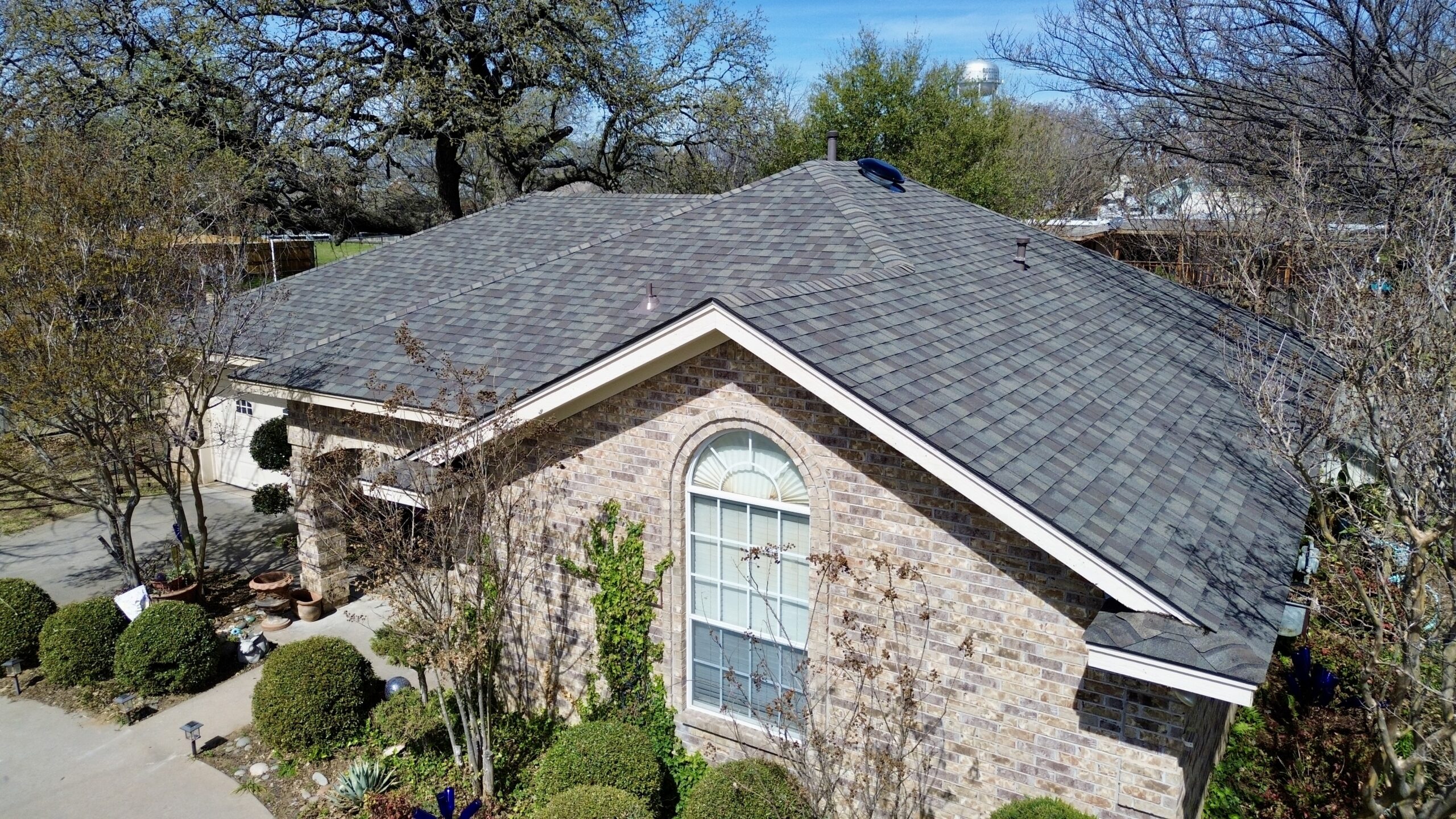
The main categories include three-tab, architectural, and premium asphalt shingles. Three-tab shingles generally have a simpler appearance and can provide an economical option for homeowners who prioritize affordability. Architectural shingles are usually more dimensional and can offer improved appearance and performance, while premium products may provide specialized designs and enhanced features.
Climate should have a major influence on the selection. Homes in areas exposed to strong winds may benefit from shingles with suitable wind-resistance ratings. Properties in regions with frequent hail may require products designed to provide greater impact resistance where available.
Color and appearance are also important, but they should be considered after performance requirements have been established. The roof should complement the home’s siding, brick, stone, windows, and other exterior elements. Homeowners should also consider how the selected color may look after years of weather exposure.
The roof’s existing condition matters when replacing an old asphalt shingle system. If the decking, flashing, ventilation, or other components require attention, selecting a high-quality shingle alone will not solve those underlying problems. A complete roofing assessment should be performed before installation begins.
Homeowners should also review manufacturer information carefully. Product specifications can provide details about wind resistance, impact performance, warranty conditions, installation requirements, and recommended applications. These details can help homeowners compare products more accurately.
A qualified roofing contractor can also explain which shingle products are appropriate for the property’s design and climate. Getting several detailed estimates can help homeowners compare not only prices but also materials, installation methods, warranties, and project scope.
The right asphalt shingle is therefore the one that fits the complete roofing system. A well-selected product can provide dependable protection and attractive appearance while staying within the homeowner’s financial and maintenance expectations.
Installation Quality and Roofing System Performance
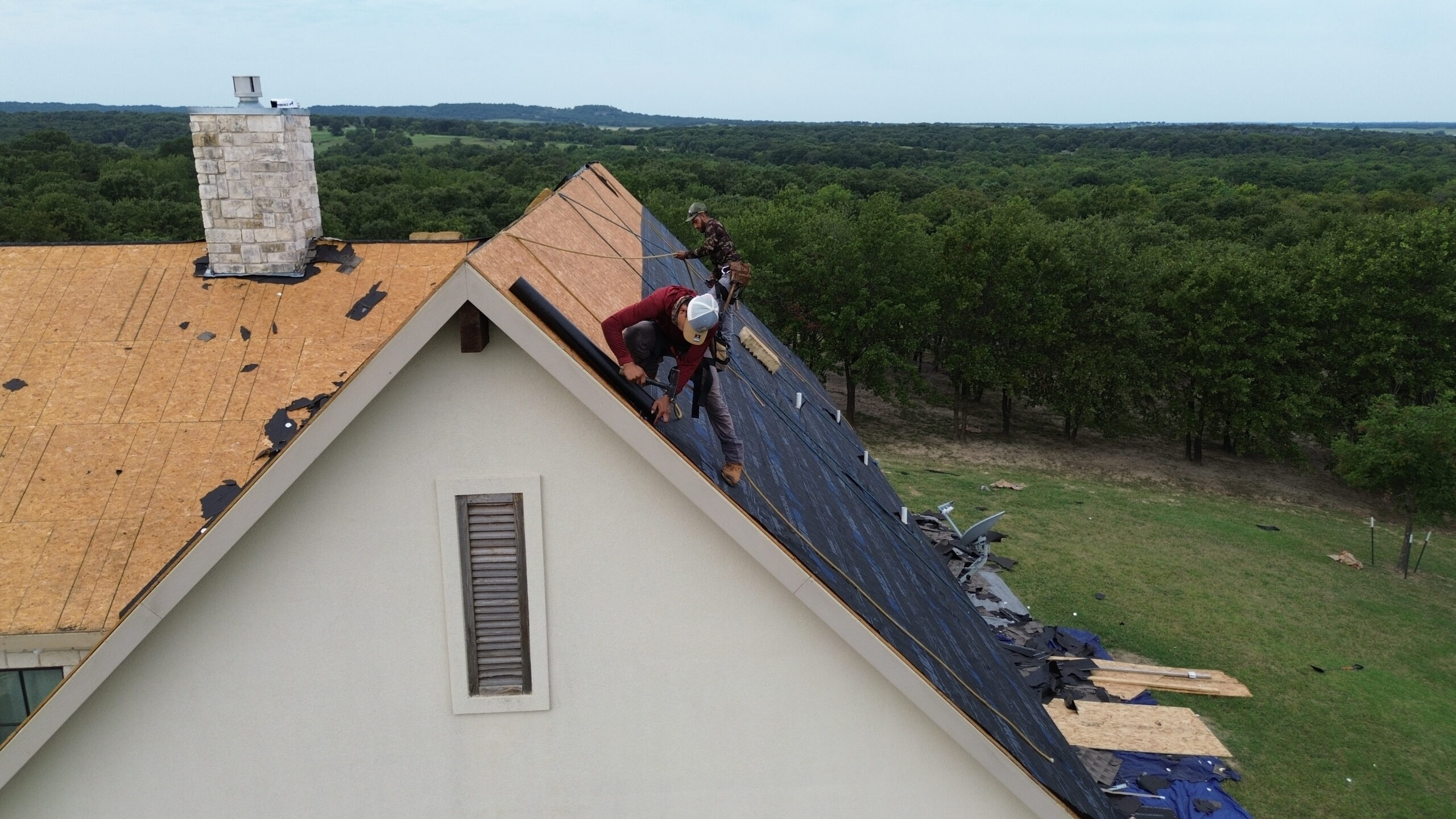
Even the best asphalt shingles cannot perform properly when they are installed incorrectly. Installation quality has a direct effect on weather resistance, durability, appearance, and the likelihood of future repairs. Homeowners should therefore place as much emphasis on workmanship as they do on the roofing product itself.
Proper preparation begins with the roof deck. The surface should be evaluated for damage, uneven areas, moisture problems, and other conditions that could affect installation. Damaged decking may need to be repaired before new shingles are installed.
Underlayment provides another layer of protection beneath the shingles. Its proper installation can help manage water that reaches beneath the primary roofing surface. Flashing should also be correctly installed around chimneys, skylights, vents, walls, valleys, and other vulnerable locations.
Fastener placement is critical. Roofing nails must be installed according to the manufacturer’s requirements so that shingles remain securely attached. Incorrect fastening can increase the risk of wind damage and premature failure.
Ventilation should also be evaluated as part of the roofing project. Poor attic ventilation can contribute to excessive heat and moisture conditions, which may affect roofing materials and the building envelope.
Roofing contractors should also pay attention to roof edges and drainage systems. Drip edges, gutters, valleys, and downspouts all contribute to effective water management. A problem in one component can affect the performance of the entire system.
Homeowners should ask contractors about their installation process before approving the project. A written proposal should explain the materials and major components included in the work rather than listing only the shingle brand.
A professional installation can help homeowners get closer to the expected performance of the selected roofing product. Poor workmanship, on the other hand, can create problems even when premium materials have been used.
Maintenance Practices for Longer Roof Life
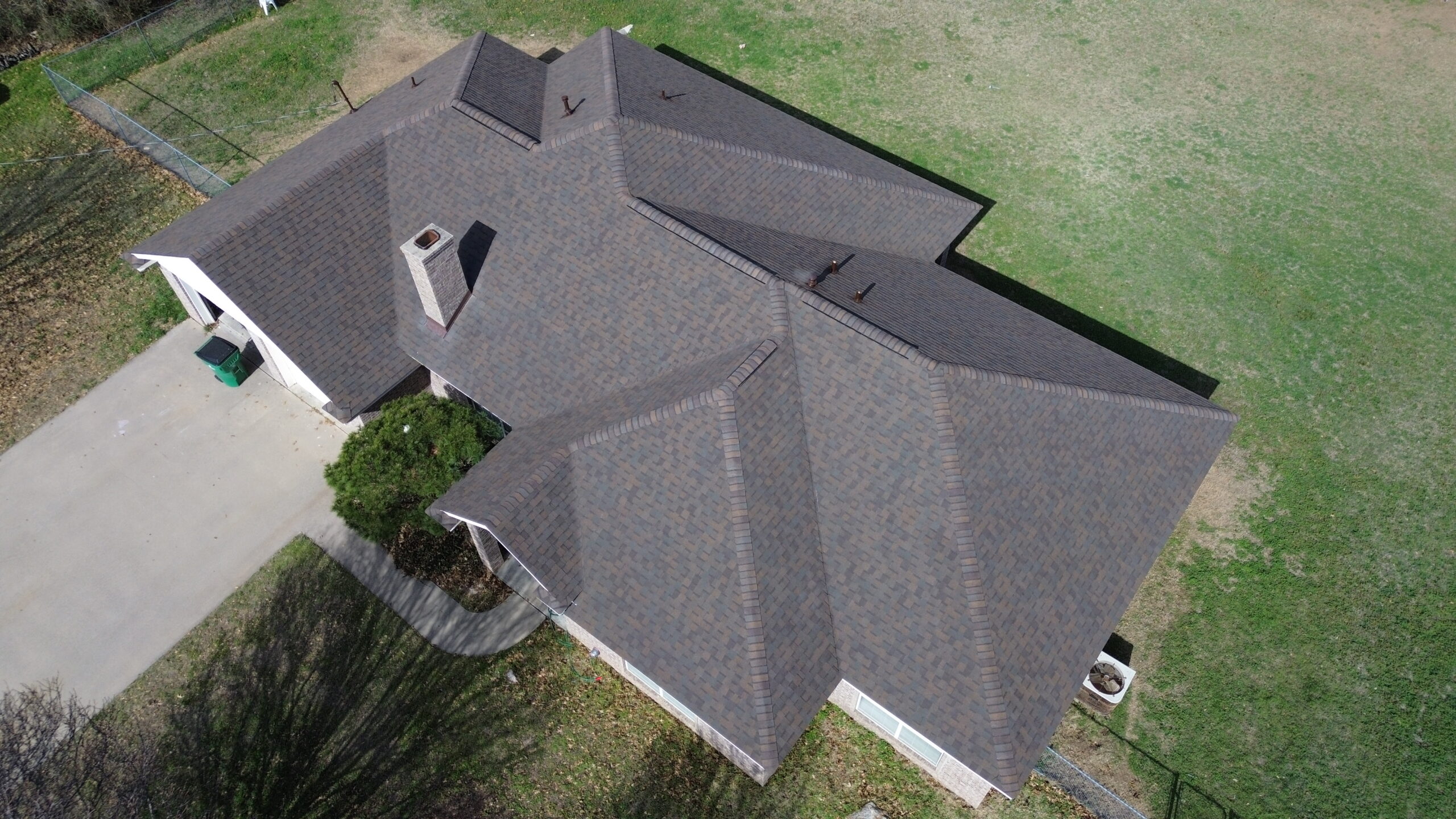
Regular maintenance can help asphalt shingles perform effectively throughout their expected service life. Maintenance does not require homeowners to constantly work on the roof. Instead, it involves observing changes, maintaining drainage, responding to damage, and arranging professional inspections when necessary.
Gutters should be kept clear of leaves, branches, and other debris. Blocked gutters can cause water to overflow near roof edges and contribute to moisture-related deterioration.
Downspouts should also direct water away from the house. Poor drainage can cause water to collect near the building and may contribute to problems around the roof edge and foundation.
Trees near the property should be maintained to reduce the possibility of falling branches and excessive debris. Branches that repeatedly scrape the roof can damage shingle surfaces over time.
After strong storms, homeowners should safely inspect the property from the ground. Missing shingles, damaged gutters, fallen branches, and visible roof openings should be documented and evaluated.
Homeowners should not climb onto steep, wet, or damaged roofs to investigate problems. Professional roofers have appropriate safety equipment and experience for difficult inspections.
The attic can sometimes provide additional clues about roof condition. Water stains, damp insulation, discolored wood, or unusual odors may indicate moisture entering the roofing system.
Small repairs should be addressed promptly. A damaged shingle may be inexpensive to replace, while prolonged water entry can affect underlayment, decking, insulation, and interior finishes.
Maintenance records can also be useful. Keeping inspection reports, repair invoices, photographs, and warranty information provides a history that can help homeowners and contractors understand how the roof has changed over time.
A consistent maintenance routine can therefore protect the investment in an asphalt shingle roof. Early attention is generally easier and less disruptive than waiting until a minor problem becomes a major roofing repair.
When Asphalt Shingles May Not Be the Best Choice
Asphalt shingles are suitable for many residential properties, but they are not automatically the best option for every homeowner. Certain priorities, environmental conditions, or architectural requirements may make another roofing material more appropriate.
Homeowners seeking an exceptionally long service life may prefer materials such as metal, slate, or certain tile systems. These materials can have higher initial costs, but they may offer longer service lives when properly installed and maintained.
Structural considerations can also influence the decision. Some roofing materials are considerably heavier than asphalt shingles and may require appropriate structural support. A qualified professional should evaluate the building before a heavier roofing system is selected.
Climate can also affect material suitability. Homes exposed to severe weather may require roofing products with specific wind, impact, or fire-performance characteristics. Asphalt shingles can meet many requirements, but homeowners should choose products based on actual local conditions rather than relying on general assumptions.
Architectural style may influence the decision as well. Historic or high-end homes may have design characteristics that are better complemented by slate, tile, wood, or other specialized materials.
Maintenance preferences should also be considered. Some homeowners prefer a relatively familiar roofing system that is easy to repair, while others may prioritize long-term durability even if installation and maintenance require specialized contractors.
Environmental priorities can also influence material selection. Homeowners concerned about petroleum-based products and roofing waste may want to compare asphalt shingles with materials that have different manufacturing and recycling characteristics.
Budget remains an important consideration. A premium roofing material may provide excellent performance but require a much larger initial investment. Asphalt shingles can provide a practical middle ground for homeowners who want reliable residential protection without the cost of some premium systems.
The decision should therefore be based on the home’s requirements rather than general claims about one material being better than another. Professional evaluation and detailed cost comparisons can help homeowners identify the most suitable roofing system.
Cost, Value, and Replacement Planning
The cost of an asphalt shingle roof includes more than the price of the visible shingles. Homeowners should consider roof size, labor, existing roof removal, decking repairs, underlayment, flashing, ventilation, gutters, disposal, and other project requirements when planning a replacement.
The condition of the existing roof can significantly affect the total cost. If the old roofing system can be removed without extensive structural repairs, the project may be more straightforward. Hidden decking or moisture damage can increase the scope after old materials are removed.
Choosing a higher-quality shingle can increase the initial cost but may provide benefits in appearance, durability, and weather resistance. Homeowners should compare the expected value rather than selecting a product solely because it has the lowest price.
A detailed written estimate can make comparisons easier. Each estimate should clearly explain the proposed materials, installation work, removal and disposal, repairs, warranties, and any conditions that could change the final cost.
Replacement planning should also consider the age of the current roof. If an older roof begins experiencing repeated leaks or widespread shingle deterioration, homeowners may benefit from evaluating replacement rather than continuing to fund individual repairs.
Timing can influence planning as well. Arranging work before severe weather or during suitable construction conditions may reduce the risk of emergency repairs and give homeowners more time to compare contractors.
Homeowners should also review warranty information carefully. Material warranties and workmanship warranties may cover different issues, and specific conditions may apply.
Long-term value comes from balancing initial investment with expected performance. A properly installed asphalt shingle roof can provide practical protection and attractive appearance for many residential properties.
Conclusion
Asphalt shingles remain a popular residential roofing choice because they combine affordability, design flexibility, availability, and practical installation. Their wide selection of styles and colors allows homeowners to achieve different exterior appearances while maintaining a familiar roofing system.
However, asphalt shingles also have limitations. Their lifespan can vary significantly depending on product quality, installation, climate, maintenance, and exposure to severe weather. Homeowners should also consider issues such as algae growth, storm damage, granule loss, environmental impact, and eventual replacement.
The quality of installation is just as important as the shingle itself. Proper roof-deck preparation, underlayment, flashing, fastening, ventilation, and drainage all contribute to the performance of the complete roofing system.
Regular maintenance can help protect that investment. Keeping gutters clear, maintaining nearby trees, monitoring storm damage, addressing small problems promptly, and arranging professional inspections can reduce the likelihood of expensive repairs.
Homeowners should also compare asphalt shingles with alternatives such as metal, tile, slate, and wood products. The right material depends on the home’s structure, climate, appearance, budget, maintenance expectations, and desired service life.
Ultimately, asphalt shingles can be an excellent choice when their advantages match the homeowner’s priorities. Careful product selection, professional installation, and consistent maintenance can help homeowners achieve reliable performance and long-term value from their residential asphalt shingle roof.