
Modern Energy Saving Residential Roofing Innovations
Introduction
Modern residential roofing has evolved far beyond its traditional role of protecting homes from rain, wind, and sunlight. Today, roofing systems can actively contribute to energy efficiency by reducing heat gain, improving insulation, controlling ventilation, reflecting solar radiation, and supporting renewable energy technologies. These developments are helping homeowners create more comfortable homes while potentially reducing the energy required for heating and cooling.
Energy-saving roofing is particularly valuable as homes face changing weather conditions and rising energy demands. During hot weather, a roof can receive intense solar radiation for several hours each day, causing the roof surface and attic to become significantly warmer. Without appropriate thermal protection, some of this heat can move into living areas and increase the workload placed on cooling equipment.
Modern roofing innovations address these challenges through improved materials and smarter system design. Reflective coatings, advanced insulation, solar-integrated roofing, improved ventilation components, and temperature-responsive materials are examples of technologies that can change how a roof performs throughout the year.
However, energy efficiency does not depend on the roofing material alone. A modern roof must work as part of the entire building envelope, including insulation, air sealing, ventilation, windows, walls, and heating and cooling equipment. When these components are properly coordinated, the roof can provide stronger thermal performance and contribute to more consistent indoor comfort.
The most suitable innovation also depends on the home’s location and construction. A technology designed for a hot climate may not provide the same benefits in a colder region. Roof pitch, orientation, attic design, shading, humidity, rainfall, and local temperature patterns should all be considered before selecting an energy-saving roofing solution.
Modern roofing therefore focuses on more than appearance and weather resistance. The goal is to create roofing systems that use materials and technology intelligently, reduce unnecessary energy transfer, support long-term durability, and adapt to the changing needs of residential buildings.
The Evolution of Energy-Efficient Residential Roofing
Traditional residential roofing was mainly designed to provide a protective barrier between the home and the outside environment. While durability and weather resistance remain essential, modern roofing design increasingly considers how the roof interacts with energy consumption and indoor comfort.
Older roofing systems often relied on conventional dark surfaces that absorbed substantial amounts of solar radiation. Although the effect varies by material and climate, a roof exposed to intense sunlight can become very hot. Modern roofing technologies seek to reduce or manage this heat through reflective surfaces, improved insulation, ventilation, and other thermal-control methods.
Insulation has become an increasingly important part of this evolution. Modern insulation products can provide improved resistance to heat transfer when properly selected and installed. They can help keep unwanted outdoor heat from entering living spaces during summer and reduce heat loss during colder periods.
Roof ventilation has also developed into a more coordinated system. Instead of simply adding openings to the roof, modern designs focus on creating appropriate intake and exhaust pathways. This can help manage heat and moisture within properly designed vented attic spaces.
Roofing manufacturers have also developed materials with specialized surface characteristics. Some products are designed to reflect more solar energy, while others use coatings that help manage surface temperatures. These technologies provide homeowners with alternatives to conventional roofing materials.
The development of solar technology has created another major change. Solar panels can now be integrated into residential roofing strategies, while some systems incorporate photovoltaic technology into roofing components themselves. This allows the roof to become part of the home’s energy-generation system rather than functioning only as a protective covering.
Modern roofing innovation can generally be understood through several key improvements:
- Better control of solar heat
- Improved insulation and thermal resistance
- More effective ventilation
- Integration with renewable energy
- Greater use of sustainable materials
- Improved monitoring and performance management
These developments demonstrate that residential roofing is becoming a more active part of energy-efficient building design. The roof can now help control energy flow, support renewable electricity generation, and improve the overall performance of the home.
Advanced Cool Roofing Materials
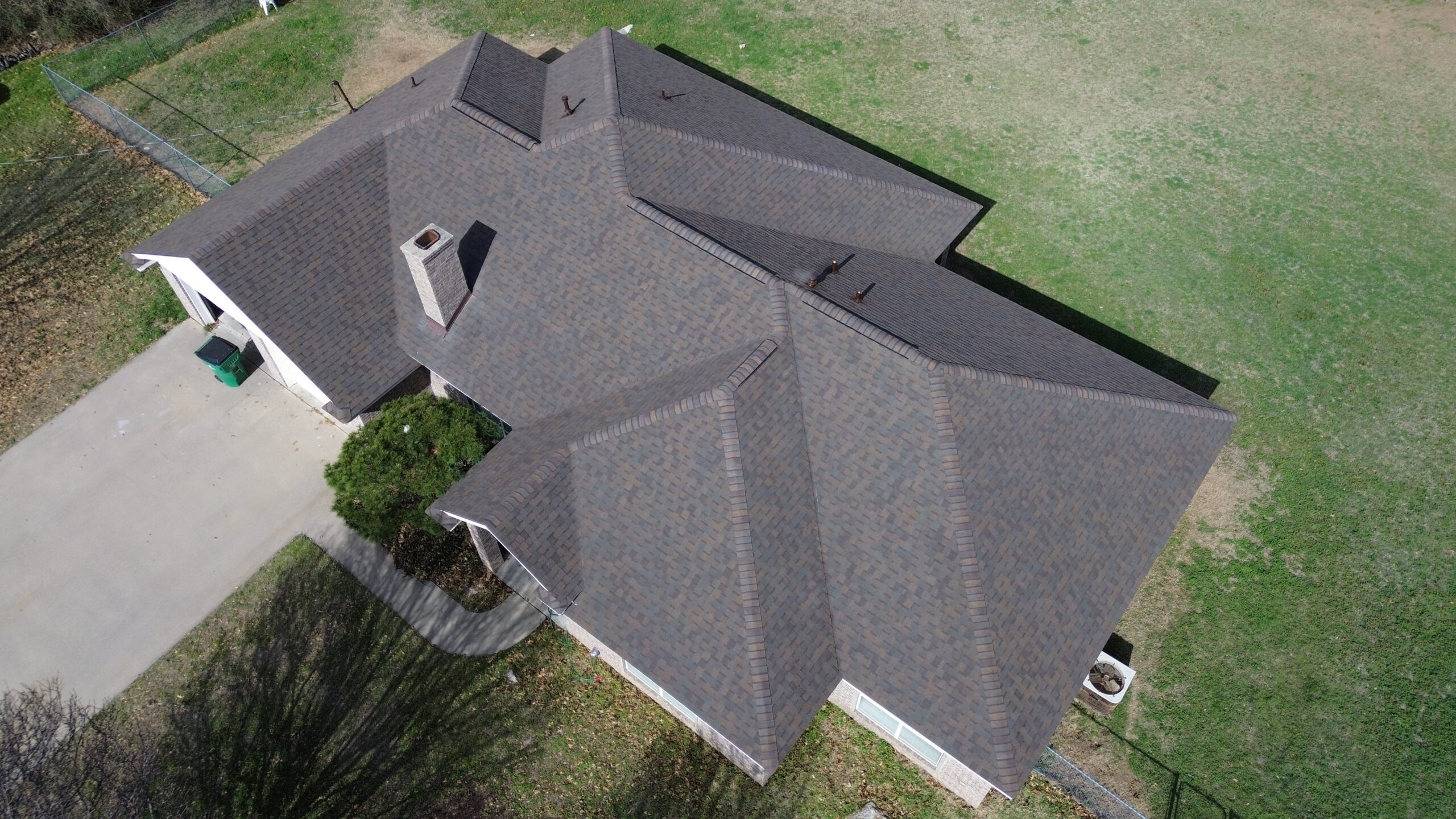
Cool roofing materials are among the most practical innovations for reducing unwanted solar heat gain. These materials are designed to reflect a greater portion of incoming sunlight and absorb less heat than conventional roofing surfaces. They can be particularly useful in regions where cooling demand is high during warm seasons.
Traditional dark roofing materials can become very hot when exposed to direct sunlight. Some of that heat can transfer through the roof assembly and increase attic temperatures. A reflective roofing surface can reduce the amount of solar energy absorbed at the roof surface, potentially lowering the thermal load on the building.
Modern cool roofing is not limited to white or very light-colored materials. Manufacturers have developed coatings and pigments that can provide greater solar reflectance while maintaining a wider range of colors and architectural appearances. This gives homeowners more flexibility when combining energy performance with exterior design.
Reflective coatings can also be applied to certain existing roofing systems when the underlying roof is suitable. These coatings can create a reflective surface without requiring complete replacement in some situations. However, the existing roof must be evaluated to determine whether a coating is appropriate.
The effectiveness of cool roofing depends heavily on climate. In hot regions, reducing solar heat absorption can help decrease cooling demand. In colder climates, however, the seasonal benefits may be different because solar heat can sometimes contribute to passive warming during winter.
Roof orientation also influences performance. A roof that receives direct sunlight for much of the day has greater exposure to solar radiation than a roof that is heavily shaded by trees or neighboring structures. The expected benefits should therefore be considered alongside the home’s surroundings.
Cool roofing works best when combined with other energy-saving measures. Reflective materials can reduce heat absorption at the roof surface, while insulation limits heat transfer into the home. Ventilation and air sealing can provide additional support depending on the roof assembly.
Homeowners should also examine product specifications rather than relying solely on marketing descriptions. Solar reflectance, thermal emittance, durability, maintenance requirements, and compatibility with the existing roofing system can all affect actual performance.
Advanced cool roofing materials provide a relatively straightforward way to improve roof energy performance. When appropriately selected for the local climate and building design, they can help reduce excessive heat absorption without changing the basic function of the roof.
High-Performance Roof Insulation
High-performance insulation is another major innovation in energy-saving residential roofing. Insulation reduces the movement of heat between the roof or attic and the conditioned areas of the home. This can help maintain more stable indoor temperatures and reduce the amount of work required from heating and cooling equipment.
Modern insulation products are available in different forms and materials. Depending on the roof design, options can include batt insulation, blown-in insulation, rigid boards, and spray-applied systems. Each type has different installation requirements and performance characteristics.
The effectiveness of insulation depends on proper installation. Gaps, compression, moisture exposure, and inconsistent coverage can reduce thermal performance. Even a high-quality product may perform poorly if it is installed incorrectly or if important areas are left unprotected.
Air sealing is closely connected with insulation. Small openings around electrical fixtures, plumbing penetrations, attic hatches, ducts, and other components can allow conditioned air to escape. Sealing appropriate gaps can help maintain the intended thermal boundary and allow insulation to perform more effectively.
Modern roof designs may place insulation at different locations depending on whether the attic is vented or unvented. In a conventional vented attic, insulation is commonly installed at the attic floor. In other assemblies, insulation can be installed along the roof plane.
The correct approach depends on the building design and local requirements. Insulation should not be installed in a way that blocks ventilation channels in a roof assembly designed for airflow. Ventilation baffles can help preserve appropriate pathways near soffit areas.
High-performance insulation can provide benefits throughout the year. During summer, it can slow the movement of heat from the roof and attic toward living spaces. During winter, it can reduce the amount of heat escaping upward from the home.
Moisture management must also be considered. Some insulation systems can be affected by water exposure, while others can change the way moisture moves through the roof assembly. A complete design should consider vapor control, air leakage, ventilation, and weather protection.
The following factors are important when evaluating roof insulation:
| Factor | Importance |
|---|---|
| Thermal resistance | Determines how effectively heat transfer is reduced |
| Installation quality | Helps maintain consistent performance |
| Air sealing | Limits unwanted movement of conditioned air |
| Moisture control | Helps protect insulation and roof components |
| Ventilation compatibility | Prevents blocked airflow pathways |
| Long-term durability | Supports continued energy performance |
High-performance insulation is therefore not simply about adding more material. It requires a properly designed and installed system that works with the rest of the roof assembly.
Smart Roof Ventilation Systems
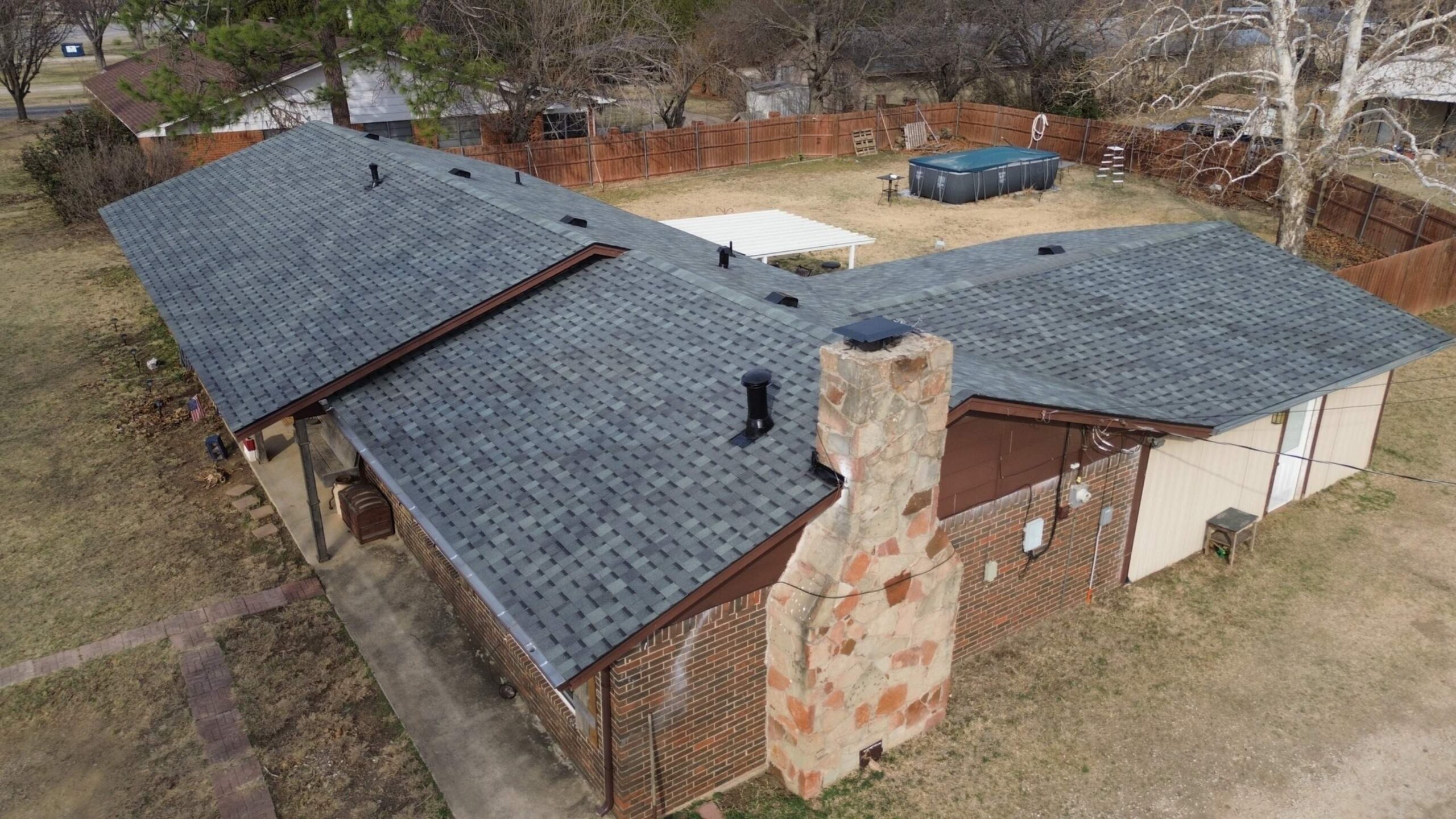
Modern roof ventilation systems are becoming more sophisticated as homeowners focus on managing attic temperatures and moisture more effectively. Traditional passive ventilation remains useful, but newer systems can provide more controlled airflow through improved vent designs and powered equipment.
A balanced ventilation system generally requires both intake and exhaust pathways. Intake vents allow outdoor air to enter, while exhaust vents provide a route for warmer or moisture-laden air to leave. When these components are appropriately balanced, airflow can move through the attic more effectively.
Soffit and ridge ventilation are common examples of passive ventilation. Modern continuous vent systems can provide more consistent openings along suitable roof sections. Proper installation is important because insulation and other materials should not block the intended airflow path.
Powered attic ventilators provide another option. These systems use fans to move air through the attic and may operate using household electricity or solar power. Their effectiveness depends on appropriate intake ventilation because a fan needs a suitable source of replacement air.
Smart controls can add another layer of functionality. Some ventilation systems can respond to temperature or humidity conditions rather than operating continuously. This can allow the system to operate when airflow is most useful.
However, powered ventilation is not automatically better than passive ventilation. A poorly designed system can draw air from unintended areas if adequate intake openings are unavailable. This can potentially affect energy performance by pulling conditioned air from the living space.
Modern ventilation should therefore be evaluated as part of the complete roof system. Insulation, air sealing, intake openings, exhaust capacity, and attic configuration all affect how well the system performs.
Smart ventilation can be particularly useful when environmental conditions vary significantly throughout the day. Sensors and automated controls can potentially respond to changes more effectively than systems that operate according to a fixed schedule.
The main objective remains the same regardless of technology: create appropriate airflow while controlling heat and moisture. When ventilation is properly designed, it can complement insulation and other energy-saving improvements while supporting the long-term condition of the roof assembly.
Reflective and Radiative Cooling Technologies
Reflective roofing reduces heat gain by sending a greater portion of incoming solar energy away from the roof surface. Radiative cooling technologies take this concept further by using surfaces designed to release heat as thermal radiation, potentially allowing the roof to remain cooler than surrounding surfaces under suitable conditions.
Radiative cooling materials are designed around the way surfaces interact with thermal radiation. Certain advanced coatings can reflect much of the incoming sunlight while also emitting heat in specific infrared wavelengths. This can allow the surface to release thermal energy more effectively.
These technologies are especially interesting for hot climates where maintaining lower roof temperatures can reduce heat transfer into the building. They can potentially complement insulation and other thermal-control strategies.
The technology is still more specialized than conventional cool roofing. Product availability, cost, climate suitability, durability, installation requirements, and expected performance should all be considered before selecting an advanced radiative cooling system.
The roof assembly remains important even when advanced surface technology is used. A highly reflective or radiative surface can reduce heat at the exterior, but insulation still determines how much heat can move toward the living space. Air sealing and ventilation can also influence the overall performance.
Radiative cooling may be particularly useful for buildings with high cooling demand. By reducing the temperature of the roof surface, the technology can potentially reduce the thermal burden placed on the building during certain conditions.
Nighttime performance can also be an important characteristic of some radiative cooling systems. Depending on the material and environmental conditions, the roof may continue releasing heat after direct sunlight is no longer present.
Homeowners should approach these technologies as part of a broader energy strategy rather than expecting one roofing product to solve every efficiency problem. The most effective modern roofs combine appropriate surface technology with insulation, ventilation, air sealing, and durable weather protection.
As roofing technology continues to develop, reflective and radiative cooling solutions may become more accessible for residential applications. Their potential demonstrates how modern roofing is moving from passive weather protection toward active thermal management and improved energy performance.
Solar Roofing and Integrated Photovoltaic Systems
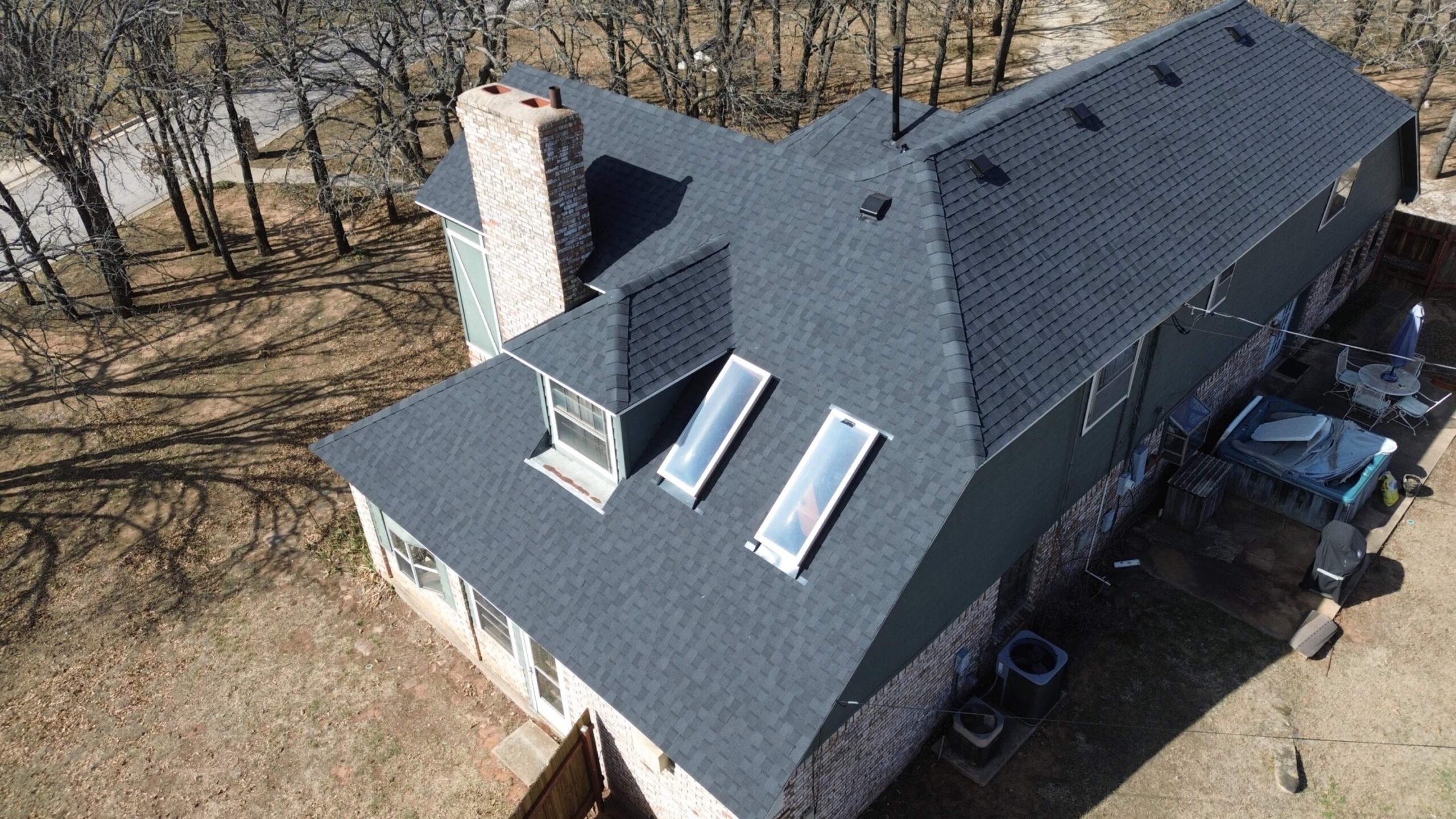
Solar technology has become one of the most significant innovations in modern residential roofing. Traditional solar panels are installed above conventional roofing materials, while newer systems can integrate photovoltaic technology more closely with the roof itself. Both approaches allow the roof to become an active part of the home’s energy strategy by converting sunlight into electricity.
A solar-ready roof can be planned before panels are installed. During a roof replacement, homeowners can consider roof orientation, structural capacity, available surface area, shading, and suitable locations for electrical connections. Preparing these elements in advance can make a future solar installation easier and reduce the need for major modifications later.
Integrated solar roofing takes the concept further by combining roofing and electricity generation into a coordinated system. Solar shingles and other photovoltaic roofing products can provide weather protection while generating electricity. Their appearance can be more integrated with the roof than conventional panel systems, which may appeal to homeowners concerned about exterior design.
The roof’s condition is particularly important before solar equipment is installed. Placing solar equipment on an aging roof can create complications if the roof needs replacement shortly afterward. Replacing or upgrading the roof first can provide a stronger foundation for the expected service life of the solar system.
Structural considerations are also essential. Solar equipment adds weight to the roof and must withstand environmental forces such as wind. The roof structure, mounting system, fasteners, and attachment points should be evaluated to ensure that the installation is suitable for the building.
Solar roofing can provide several benefits beyond electricity generation. It can help homeowners reduce reliance on grid electricity, support renewable energy goals, and potentially lower long-term energy expenses. The actual financial benefit depends on electricity rates, sunlight availability, system size, equipment costs, maintenance, and other factors.
Roof orientation and shading have a major influence on solar performance. Trees, neighboring buildings, chimneys, vents, and other obstructions can reduce sunlight reaching the photovoltaic surface. A roof with good solar exposure can generally provide a more suitable foundation for energy generation.
Battery storage can also be considered as part of a larger residential energy system. Solar electricity can be combined with battery technology to store energy for later use, although the suitability and economics of storage vary between homes.
Modern solar roofing therefore represents a shift from treating the roof solely as a protective surface. With careful planning, it can become an important component of residential electricity generation while continuing to perform its fundamental weatherproofing role.
Phase Change Materials in Modern Roofs
Phase change materials are an emerging approach to improving thermal management in buildings. These materials can absorb and release heat as they change between physical states, allowing them to temporarily store thermal energy within a building assembly.
The basic concept is different from traditional insulation. Insulation mainly slows heat transfer, while a phase change material can absorb heat during certain temperature conditions and release it later when temperatures change. This can help reduce rapid temperature fluctuations within suitable roof assemblies.
During a warm period, a phase change material may absorb heat as it changes phase. This can delay the movement of heat toward the interior of the building. When temperatures become cooler, the stored heat can be released, allowing the material to return to its original state.
This thermal storage effect can be useful in climates with significant temperature changes between day and night. The material can help shift some of the building’s thermal load away from peak daytime conditions.
Phase change materials can be incorporated into certain building products or installed as part of specialized roof and ceiling assemblies. Their performance depends on the material’s transition temperature, placement, quantity, and interaction with other components.
They should not be considered a direct replacement for insulation. A phase change material can store heat temporarily, but insulation remains important for limiting overall heat transfer. Combining thermal storage with appropriate insulation may provide a more comprehensive strategy.
Ventilation and climate also influence performance. If nighttime temperatures become sufficiently cool, ventilation can help remove stored heat and prepare the system for the following day. The exact benefit depends on the local weather pattern and building design.
Because phase change technology is more specialized than conventional insulation, homeowners should carefully evaluate product specifications and installation requirements. Cost, durability, fire performance, maintenance, and compatibility with the existing roof assembly are important considerations.
The technology demonstrates how modern roofing can use thermal storage rather than relying only on reflective surfaces or insulation. As materials become more advanced, phase change systems may provide additional opportunities for managing temperature inside energy-efficient homes.
Double-Skin and Ventilated Roof Designs
Double-skin roof designs use multiple layers with an air space between them to create additional control over heat movement. These systems can provide a ventilated cavity that helps manage solar heat before it reaches the main roof structure.
The outer layer receives direct exposure to sunlight and weather, while the space beneath it can allow air to move. Heated air within the cavity can rise and exit through suitable openings, reducing the amount of heat transferred toward the building interior.
This approach can be particularly useful in hot climates. Instead of allowing the roof surface to transfer all absorbed heat directly into the underlying assembly, the ventilated cavity creates an additional opportunity for heat to escape.
The design can be adapted to different roofing materials and building forms. Metal panels, tiles, and other roofing surfaces may be installed with appropriate support and spacing to create an air cavity. The exact construction depends on the roof design and applicable building requirements.
A double-skin roof is different from simply installing an additional layer of roofing material. The cavity must be designed to support controlled airflow. If the space is blocked or poorly configured, the expected thermal benefits may not be achieved.
Moisture management is another potential advantage. A properly designed ventilated cavity can provide a pathway for moisture to escape under certain conditions. However, the roof must still have suitable waterproofing and drainage because ventilation cannot replace weatherproofing.
These systems can also provide additional protection for the main roof assembly. The outer layer can absorb weather exposure while the inner structure remains more sheltered. The overall effect depends on material selection, cavity dimensions, ventilation openings, and installation quality.
Double-skin roofing can be more complex and expensive than conventional roof construction. It may therefore be more appropriate for new construction or major roof renovations where the design can be planned from the beginning.
When properly engineered, ventilated roof cavities can contribute to passive energy management. They demonstrate how roof geometry and airflow can be used together to reduce heat transfer without depending entirely on mechanical cooling.
Green and Vegetated Roofing Innovations
Green roofing systems use vegetation and growing media as part of the roof assembly. Although these systems have traditionally been more common on commercial and institutional buildings, selected residential properties can also use vegetated roofing when structural and environmental conditions are suitable.
Plants can help reduce the temperature of the roof surface by providing shade and using water through natural plant processes. The growing medium can also provide an additional layer between the exterior environment and the building structure.
During hot weather, a vegetated roof can remain cooler than some conventional roof surfaces. This may help reduce heat transfer toward the building interior, although the actual energy benefit depends on the roof construction, climate, vegetation, and insulation.
Green roofs can also provide stormwater benefits. Growing media can temporarily retain rainfall and slow runoff, reducing the amount of water that immediately reaches gutters and drainage systems. This can be useful in areas where heavy rainfall creates drainage challenges.
There are two broad approaches to vegetated roofing. Extensive systems generally use shallower growing media and lower-maintenance plants, while intensive systems can support deeper vegetation but require greater structural capacity and maintenance.
Structural assessment is essential before installing a green roof. Soil, vegetation, and retained water can create substantial additional weight. A roof that was designed for conventional materials may not automatically be suitable for a vegetated system.
Waterproofing is equally important. The roof must be protected from moisture and root penetration through an appropriate layered assembly. Drainage systems should also remain functional so that excess water does not accumulate unnecessarily.
Maintenance cannot be overlooked. Vegetation needs monitoring, unwanted growth may need to be removed, and drainage components should be inspected regularly. A neglected green roof can create maintenance problems rather than delivering its intended environmental benefits.
Green roofing is therefore a specialized innovation rather than a universal solution. Where properly designed, it can combine thermal buffering, stormwater management, vegetation, and architectural value within one roofing system.
Smart Roofing Materials and Temperature Control
Smart roofing materials are designed to respond to changing environmental conditions or provide improved control over temperature and energy flow. These technologies represent a move toward roofing surfaces that can perform differently depending on sunlight, temperature, or other conditions.
One example is temperature-responsive materials that can alter their thermal properties as environmental conditions change. Instead of maintaining exactly the same surface behavior throughout the day, these materials can be designed to respond to temperature changes.
Advanced coatings are another area of development. Some coatings can improve solar reflectance, while others are designed to reduce heat absorption or provide specialized thermal performance. These products can potentially be applied to selected roof surfaces without completely changing the underlying roofing structure.
Smart materials can also be combined with sensors and monitoring systems. Temperature sensors can provide information about roof conditions, while moisture sensors may help identify areas where water or condensation is becoming a concern.
Monitoring technology can provide useful information that would otherwise be difficult to obtain. Instead of waiting for visible damage or a significant increase in energy use, homeowners may be able to identify changes in roof performance earlier.
The effectiveness of smart roofing depends heavily on the quality and placement of the technology. Sensors should collect useful information, while responsive materials need to remain durable under repeated exposure to sunlight, rain, wind, and temperature changes.
These systems can also support predictive maintenance. If monitoring identifies unusual temperature patterns or moisture conditions, homeowners may be able to investigate potential problems before they become major repairs.
Smart roofing does not eliminate the need for conventional maintenance. Roofing materials still require inspection, drainage systems still need cleaning, and damaged areas still need repair.
The main advantage is improved information and responsiveness. As residential technology becomes more connected, roofing systems may increasingly interact with home energy management platforms and provide homeowners with a clearer picture of building performance.
Energy-Efficient Roofing for Different Climates
Energy-saving roofing innovations must be selected according to climate because temperature, humidity, sunlight, rainfall, and seasonal conditions influence how a roof performs. A solution that works extremely well in a hot region may provide limited benefits or require modification in a colder environment.
Hot climates generally place greater emphasis on reducing solar heat gain. Reflective roofing, high-performance insulation, ventilated roof assemblies, and solar technologies can help manage the impact of strong sunlight. Proper roof orientation and shading can provide additional benefits.
In humid climates, moisture control becomes particularly important. Roofing systems should provide reliable weather protection while allowing appropriate moisture management within the building assembly. Ventilation, air sealing, drainage, and vapor control should be coordinated carefully.
Cold climates require attention to heat loss as well as moisture. High-performance insulation can reduce the movement of indoor heat toward the roof, while appropriate air sealing can limit warm, moisture-laden air entering colder roof areas.
Mixed climates present a greater challenge because the roof must perform across both warm and cool seasons. A balanced approach may combine reflective materials, effective insulation, appropriate ventilation, and adaptable energy technologies.
Regions with heavy rainfall need strong drainage systems. Gutters, valleys, flashing, underlayment, and roof slopes must work together to move water away from vulnerable areas. Sustainable energy features should never compromise basic weather protection.
Homes in areas with strong winds may require roofing materials and attachment systems designed for local conditions. Solar panels and other rooftop equipment must also be securely mounted and properly integrated with the roof.
Climate-based planning can be summarized through a simple approach:
- Identify the home’s primary heating and cooling challenges.
- Evaluate solar exposure, rainfall, humidity, and seasonal temperature changes.
- Select roofing materials and insulation suited to those conditions.
- Coordinate ventilation, air sealing, and drainage with the roof design.
- Consider renewable energy and smart technologies where practical.
Modern energy-saving roofing is most effective when technology is matched to the environment. Instead of choosing the newest product simply because it is innovative, homeowners should select solutions that address the actual energy and weather challenges of their property.
The future of residential roofing will likely involve greater integration between materials, sensors, renewable energy, insulation, ventilation, and smart home systems. These developments can help transform the roof into a more active part of the home’s overall energy management strategy while maintaining the protection and durability expected from a modern roofing system.
Combining Roofing Technologies for Maximum Efficiency
Modern energy-saving roofing performs best when different technologies are designed to work together rather than being treated as separate improvements. A reflective roof surface can reduce solar heat absorption, while high-performance insulation can slow the movement of remaining heat into the home. Ventilation, air sealing, and efficient drainage can then support the overall performance of the roof assembly.
Homeowners should consider the roof as part of the complete building envelope. The roofing material protects against weather, insulation controls heat transfer, ventilation manages airflow in suitable attic spaces, and air sealing limits unwanted movement between conditioned and unconditioned areas. When these elements are properly coordinated, the roof can contribute more effectively to indoor comfort and energy efficiency.
Solar technology can add another layer of performance by turning available sunlight into electricity. A solar-ready roof can be planned with suitable orientation, structural capacity, and accessible electrical pathways. Combining energy-efficient roofing with solar generation can help reduce both energy demand and dependence on conventional electricity sources.
Modern roofing technologies can also be selected according to the home’s specific needs. For example, a home in a hot climate may benefit from reflective roofing, strong insulation, and a properly designed ventilated roof assembly. A home in a colder climate may place greater emphasis on insulation, air sealing, moisture control, and reducing heat loss.
The most effective approach is therefore not to install every available innovation. Instead, homeowners should identify the main weaknesses of the existing roof and choose technologies that address those problems.
Smart Monitoring and Roof Performance Management
Smart monitoring is becoming an important part of modern residential roofing because it can provide information about conditions that are difficult to observe from outside. Sensors can monitor factors such as temperature and moisture, helping homeowners identify unusual changes before they develop into serious problems.
Temperature monitoring can provide useful information about how different areas of the roof respond to sunlight and changing weather. If one section consistently becomes much hotter than comparable areas, it may indicate differences in insulation, ventilation, shading, or roof construction.
Moisture monitoring can also support preventive maintenance. Persistent moisture within a roof or attic may indicate condensation, a leak, or another building-envelope problem. Early detection can make it easier to investigate the source before extensive materials become damaged.
Smart monitoring can support a more organized maintenance schedule. Instead of relying only on visual inspections, homeowners can combine inspection results with information collected over time. This can help identify patterns and determine whether roof performance is changing.
Connected roofing systems may also work alongside smart home technology. Data from the roof can potentially be considered together with indoor temperature, humidity, HVAC operation, and energy consumption. This broader information can provide a better understanding of how the roof influences the home’s overall performance.
Technology should not replace professional inspections. Sensors can provide useful information, but they may not identify every type of roofing defect or explain the cause of a problem. Physical inspection remains important for evaluating shingles, flashing, drainage, structural components, and other roofing features.
The main advantage of smart monitoring is improved visibility. Homeowners can become more aware of how their roof behaves under different conditions and can respond to potential problems before they become expensive repairs.
Sustainable and Recyclable Roofing Materials
Modern energy-efficient roofing increasingly considers both performance during use and environmental impact throughout the material’s life cycle. Durable, recyclable, and recycled-content materials can reduce resource consumption when they are appropriately selected for the property.
Metal roofing is one example of a material that can combine long service life with recycling potential. Some metal products also contain recycled material, while the roofing itself may be recyclable at the end of its useful life. Reflective finishes can further improve its energy performance in suitable climates.
Recycled-content roofing products can also reduce the need for new raw materials. Some shingles and synthetic roofing products incorporate recovered materials during manufacturing. Homeowners should review product information carefully because recycled content and environmental characteristics vary between products.
Durability is particularly important when considering sustainability. A roof that lasts longer may require fewer complete replacements, reducing material consumption, transportation, installation activity, and construction waste over time.
Repairability is another useful consideration. Roofing systems that allow individual damaged components to be repaired or replaced can sometimes remain functional longer than systems that require extensive replacement after relatively minor damage.
Homeowners should also consider what happens when the roof reaches the end of its service life. Materials that can be recovered, reused, or recycled may offer advantages compared with products that are difficult to process after removal.
Sustainability should therefore be evaluated alongside energy efficiency rather than separately. A roofing product can provide strong thermal performance while also offering durability and responsible material characteristics.
Cost, Durability, and Long-Term Energy Savings
The initial installation price of a modern energy-saving roof can be higher than that of a conventional system, particularly when advanced materials, solar technology, smart monitoring, or specialized insulation are included. However, the initial cost does not tell the complete story of the roof’s value.
Long-term performance should be considered when comparing different options. A durable roof may require fewer repairs and replacements, while an energy-efficient system may help reduce heating or cooling demand under suitable conditions.
Energy savings vary from home to home. Factors such as climate, roof orientation, insulation, HVAC efficiency, household behavior, roof condition, and local energy prices can all influence the financial results.
Homeowners should avoid assuming that every modern roofing innovation will produce immediate or substantial energy savings. Some technologies provide stronger benefits in specific climates, while others may offer value primarily through durability, renewable energy generation, moisture control, or reduced maintenance.
A practical comparison should consider several factors:
- Initial installation and preparation costs.
- Expected service life and durability.
- Maintenance and repair requirements.
- Potential heating and cooling energy savings.
- Compatibility with future solar or smart-home upgrades.
- Recycling and disposal considerations.
Roof replacement can be a particularly useful time to introduce energy-saving improvements. Once the roofing system is already being removed, homeowners may have an opportunity to improve insulation, ventilation, air sealing, reflective surfaces, and solar readiness as part of one coordinated project.
The goal should be long-term value rather than simply choosing the most advanced technology available. A properly selected conventional material with excellent insulation may outperform an expensive specialized product that is poorly matched to the home’s climate or construction.
Common Mistakes When Choosing Modern Roofing Innovations
One of the biggest mistakes is choosing a roofing technology because it is described as “smart,” “green,” or “advanced” without checking whether it suits the property. Innovation is useful only when it addresses a genuine performance need.
Another common mistake is focusing entirely on the roof surface while ignoring insulation. A reflective or temperature-responsive roof can reduce heat absorption, but inadequate insulation may still allow significant heat transfer into the home.
Ignoring ventilation can create additional problems. In a vented attic, insulation should not block intended airflow pathways, while exhaust ventilation should be coordinated with adequate intake openings. Simply adding more vents does not guarantee better airflow.
Solar technology can also be installed at the wrong stage of the roof’s life. Installing panels on a roof that is already close to replacement may create additional costs later because the panels may need to be removed before roofing work can be completed.
Homeowners sometimes overlook drainage when focusing on energy performance. A roof must still manage rainwater effectively through properly designed slopes, flashing, gutters, valleys, and downspouts. Energy-saving technology should never compromise weather protection.
Another mistake is ignoring maintenance requirements. Smart systems, green roofs, reflective coatings, solar equipment, and specialized materials may require different types of inspection or upkeep. Understanding these requirements before installation can prevent unexpected costs.
Finally, homeowners should avoid treating a single product as a complete energy solution. The strongest results usually come from combining appropriate roofing materials with insulation, air sealing, ventilation, efficient equipment, and responsible maintenance.
Conclusion
Modern energy-saving residential roofing is transforming the way homeowners think about roof performance. Today’s roofing systems can do much more than protect a house from rain and wind. With reflective materials, advanced insulation, smart ventilation, solar technology, thermal-management materials, and sustainable products, the roof can become an important part of a home’s overall energy strategy.
The most effective approach is to design the roof as a complete system. Roofing materials, insulation, ventilation, air sealing, drainage, and renewable energy equipment should be coordinated so that one improvement does not create problems for another.
Smart monitoring can add another level of performance management by helping homeowners understand roof temperature and moisture conditions. This information can support preventive maintenance and make it easier to identify unusual changes before they develop into major problems.
Sustainability is also becoming an important part of modern roofing decisions. Durable, recycled, recyclable, and repairable materials can help reduce resource consumption and waste over the long term. Choosing a roof with a long service life can be just as important as selecting an energy-efficient surface.
Cost should be evaluated over the entire life of the roof rather than through the initial installation price alone. A well-designed system may provide value through reduced energy use, fewer repairs, longer service life, and easier integration with future technologies.
Climate should remain central to every decision. Hot climates may benefit strongly from reflective and ventilated roofing, while colder regions may require greater attention to insulation, air sealing, and moisture control. The right technology is the one that responds to the actual conditions of the home.
Modern roofing innovation ultimately provides homeowners with more choices for improving comfort, efficiency, durability, and environmental performance. By combining suitable technologies with proper installation and regular maintenance, a residential roof can become a smarter and more energy-conscious part of the entire home.