
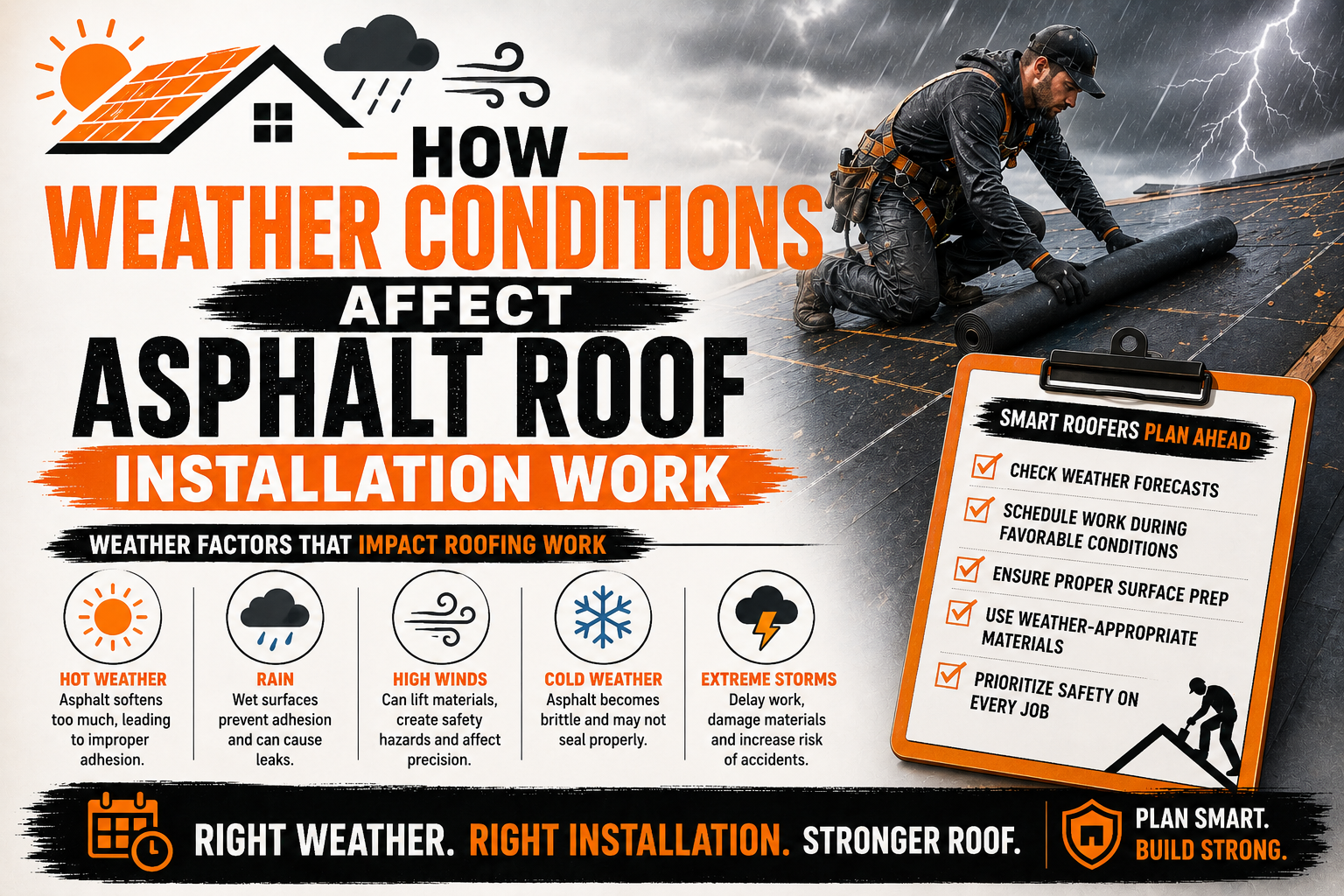
How Weather Conditions Affect Asphalt Roof Installation Work
Introduction
Weather plays a much bigger role in asphalt roof installation than many homeowners realize. While roofing materials are designed to withstand years of exposure to rain, sunlight, wind, and changing temperatures after installation, the installation process itself requires favorable weather conditions to ensure the roofing system performs as intended. Even high quality asphalt shingles may not achieve their full lifespan if they are installed under unsuitable weather conditions.
Professional roofing contractors carefully monitor weather forecasts before beginning any installation project. The goal is not simply to avoid inconvenience but to create the right environment for shingles to seal properly, roofing components to remain dry, and workers to complete every step safely and accurately. Weather influences nearly every stage of the installation process, from preparing the roof deck to placing the final ridge cap.
Asphalt shingles rely on a combination of proper fastening and adhesive sealing to create a durable barrier against moisture and wind. Temperature, humidity, sunlight, and precipitation all affect how these materials behave during installation. Understanding these factors helps homeowners appreciate why roofing schedules sometimes change even when the weather appears acceptable from the ground.
Many homeowners become frustrated when contractors postpone a roofing project because of an uncertain forecast. However, delaying installation for a day or two is often far less costly than dealing with leaks, loose shingles, or premature roof failure caused by poor installation conditions. A carefully timed installation provides better long term performance and reduces the likelihood of future repairs.
Every season presents different opportunities and challenges for asphalt roof installation. Warm summer days may speed up adhesive activation, while extreme heat can create safety concerns for roofing crews. Cold temperatures may make shingles less flexible, and unexpected rain can interrupt installation while exposing roofing materials to moisture.
This guide explains how weather conditions affect asphalt roof installation work and why experienced roofing professionals place such importance on environmental conditions. By understanding the relationship between weather and roofing performance, homeowners can make informed decisions, set realistic expectations, and appreciate the value of proper installation planning.
Why Weather Matters During Asphalt Roof Installation
Installing asphalt shingles involves much more than attaching roofing materials to the roof deck. Every component of the roofing system must work together to create a protective barrier capable of resisting wind, rain, snow, heat, and daily environmental exposure for many years. Weather conditions during installation directly influence how effectively these components perform.
The adhesive strips found on modern asphalt shingles require suitable temperatures to activate properly. Once exposed to sunlight, these sealant strips bond neighboring shingles together, creating a stronger roofing surface that resists wind uplift. If temperatures are too low or weather conditions prevent proper sealing, shingles may remain vulnerable until favorable conditions return.
Roofing materials also expand and contract with temperature changes. Installing shingles when environmental conditions are extremely hot or unusually cold can affect their flexibility and positioning. Contractors must account for these material characteristics to achieve accurate alignment and consistent fastening.
Moisture presents another important concern. Rain, dew, or excessive humidity can introduce water beneath roofing materials during installation if proper precautions are not taken. Moisture trapped within the roofing system may contribute to wood deterioration, mold development, or reduced insulation performance over time.
Weather also affects worker safety and productivity. Roofing crews operate on elevated surfaces where strong winds, slippery conditions, or excessive heat create additional hazards. Protecting workers while maintaining installation quality requires careful monitoring of changing weather conditions throughout the project.
Ultimately, weather influences both the immediate installation process and the long term durability of the finished roof. Selecting the right installation window helps ensure the roofing system performs according to manufacturer expectations while providing homeowners with dependable protection for years to come.
How Asphalt Shingles Respond to Different Weather Conditions
Although asphalt shingles are engineered to withstand changing weather after installation, they respond differently to environmental conditions before they become part of the completed roofing system. Understanding these responses helps explain why installation timing is so important.
Asphalt is naturally sensitive to temperature. During warm weather, shingles become more flexible and easier to position accurately on the roof. This flexibility allows contractors to create tighter seams and smoother alignment across the roofing surface.
In cooler temperatures, asphalt becomes firmer and less flexible. While installation can still be possible under certain conditions, contractors must handle shingles more carefully because colder materials are more susceptible to cracking if bent excessively during installation.
Sunlight also influences roofing materials. Moderate sunshine helps activate the adhesive sealant strips located beneath each shingle. As these strips warm, they bond adjacent shingles together, improving wind resistance and reducing the likelihood of uplift during storms.
Humidity affects roofing materials differently than temperature. While moderate humidity generally presents few problems, excessive moisture may slow drying, increase surface slipperiness, and complicate handling during installation.
Wind introduces another challenge by making shingles more difficult to position accurately before fastening. Larger architectural shingles may act like small sails during gusty conditions, increasing the difficulty of maintaining precise alignment.
Because weather affects multiple material properties simultaneously, professional roofing contractors evaluate the complete environmental picture rather than focusing on a single weather factor.
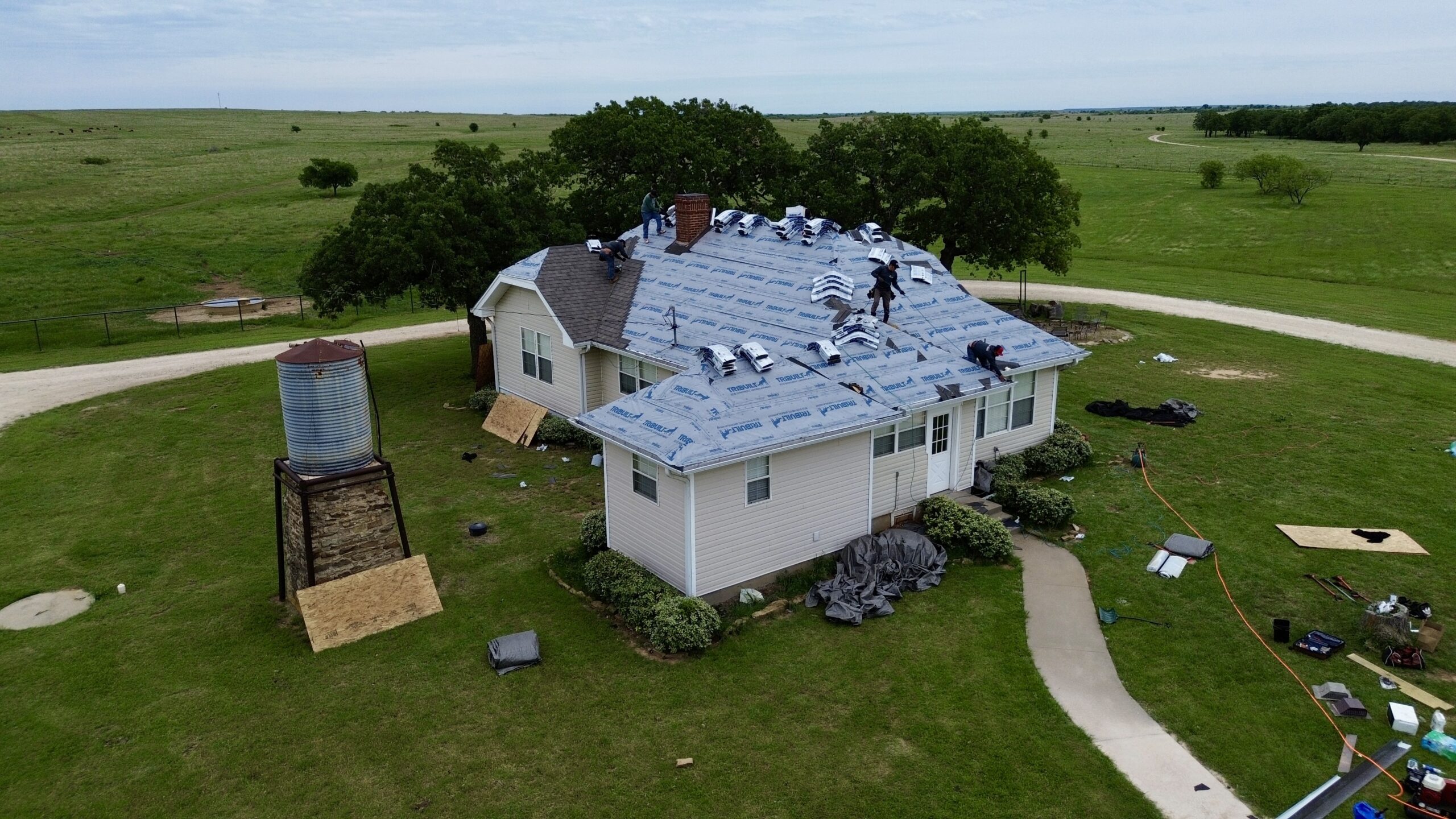
Ideal Weather Conditions for Installing Asphalt Shingles
Although roofing projects can often proceed under a variety of conditions, certain weather patterns create an ideal environment for asphalt roof installation. These conditions allow roofing materials to perform as intended while providing crews with a safer and more efficient workplace.
Moderate temperatures generally offer the best balance between material flexibility and worker comfort. Under these conditions, shingles remain easy to handle without becoming excessively soft or brittle. Adhesive strips also begin sealing effectively once exposed to normal daytime warmth.
Dry weather is equally important. A dry roof deck provides stable footing for installers while preventing moisture from becoming trapped beneath roofing materials. Dry conditions also reduce the likelihood of delays caused by unexpected rainfall during installation.
Light winds create another favorable condition. Gentle air movement improves worker comfort without interfering with material placement or increasing safety risks associated with strong gusts.
Clear or partly cloudy skies often provide suitable installation conditions because they allow consistent working temperatures while avoiding excessive heat buildup on dark roofing surfaces.
Roofing contractors generally prefer weather patterns that remain stable throughout the day. Rapidly changing conditions introduce uncertainty that may interrupt installation or require emergency protection measures before the project reaches a weather resistant stage.
Although ideal weather cannot always be guaranteed, careful scheduling increases the likelihood of completing the installation efficiently while maintaining high quality workmanship.
Temperature Requirements for Successful Installation
Temperature is one of the most important environmental factors affecting asphalt roof installation. Roofing manufacturers often provide recommended installation temperature ranges because asphalt materials respond differently as temperatures change.
Moderate temperatures allow shingles to remain flexible enough for proper positioning while maintaining sufficient rigidity for accurate fastening. Under these conditions, roofing crews can align shingles consistently without unnecessary stress on the materials.
As temperatures increase, shingles soften and become easier to manipulate around roof details such as valleys, vents, and flashing. However, excessive softness may create other challenges if installers apply too much pressure while walking across newly installed roofing surfaces.
Cool temperatures reduce shingle flexibility, making careful handling increasingly important. Contractors may store roofing materials in warmer locations before installation to improve flexibility and reduce the likelihood of cracking during placement.
Temperature also influences sealant activation. Modern asphalt shingles contain adhesive strips that rely on warmth and sunlight to create strong bonds between overlapping shingles. Without sufficient heat, complete sealing may require additional time after installation.
Daily temperature fluctuations should also be considered. Morning temperatures may differ significantly from afternoon conditions, causing roofing materials to expand gradually as the day progresses. Experienced contractors understand these changes and adjust installation practices accordingly.
Rather than focusing only on daytime highs, roofing professionals evaluate overnight temperatures, forecast trends, and expected sunlight exposure to determine whether conditions support successful installation.
Effects of Hot Weather on Asphalt Roof Installation
Warm weather often creates favorable conditions for asphalt roof installation, but excessive heat introduces its own set of challenges. Roofing materials, roof surfaces, and workers all respond differently as temperatures rise throughout the day.
Dark colored asphalt shingles absorb large amounts of solar energy. During hot afternoons, roof surfaces can become significantly hotter than the surrounding air, making walking and working more physically demanding for installation crews.
High temperatures also soften asphalt shingles, increasing their flexibility. While this can simplify certain installation tasks, overly soft shingles may become vulnerable to scuffing or surface damage if workers repeatedly walk across newly installed sections.
Adhesive strips generally activate more quickly during warm weather, allowing shingles to bond efficiently after installation. This improved sealing contributes to stronger wind resistance once the roofing system is fully completed.
Heat also affects worker productivity. Roofing professionals must remain hydrated, schedule regular rest periods, and monitor for signs of heat related illness. Many contractors begin work earlier in the morning during summer months to avoid peak afternoon temperatures.
Equipment and materials require additional attention as well. Roofing adhesives, sealants, and certain accessories may respond differently under prolonged heat exposure, requiring careful storage until needed.
Despite these challenges, experienced roofing contractors successfully complete many installations during warm weather by adjusting work schedules, following safety procedures, and protecting both workers and roofing materials from excessive heat.
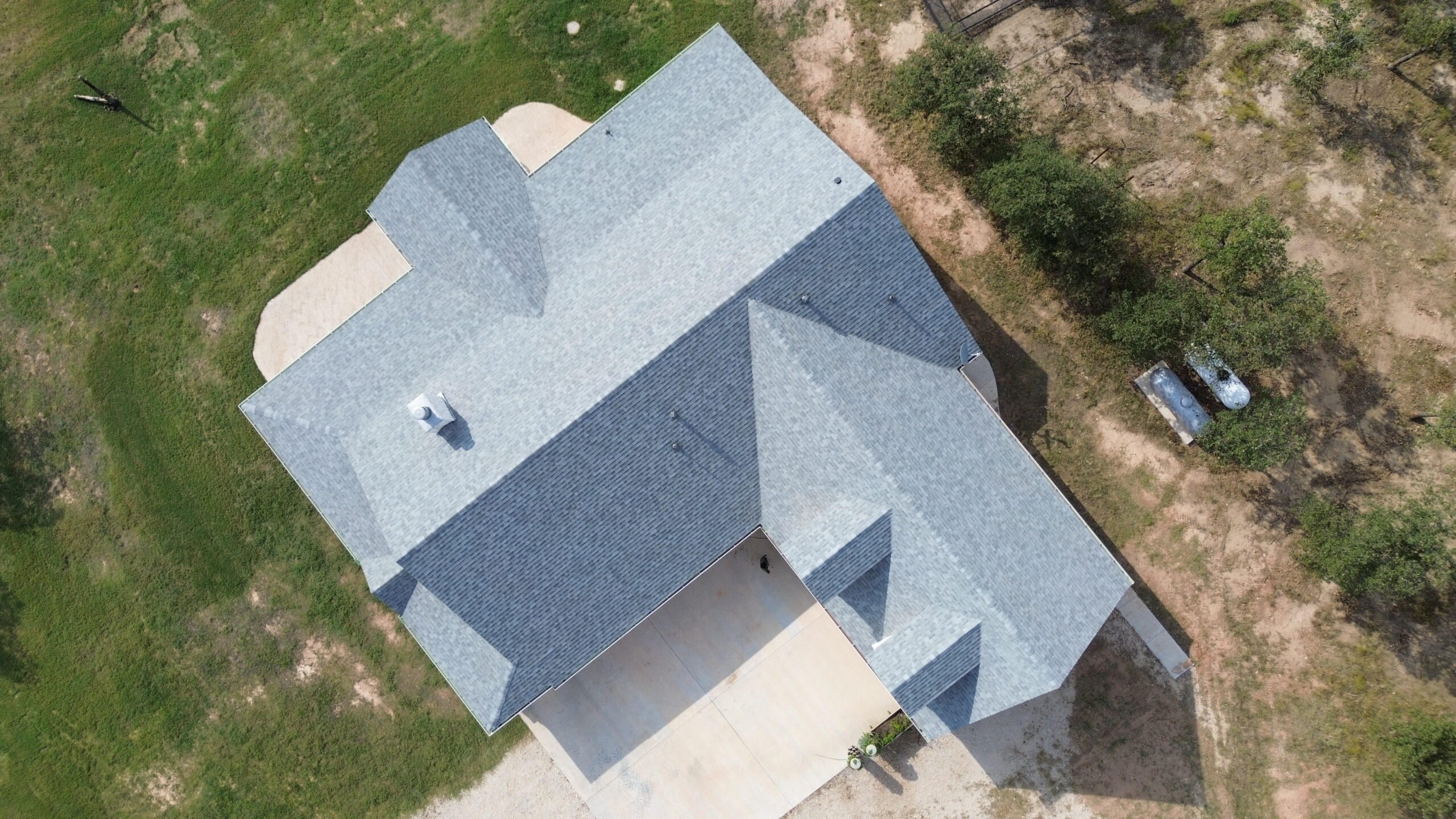
Challenges of Cold Weather Roof Installation
Cold weather presents different challenges that require thoughtful planning and specialized handling techniques. Asphalt shingles become less flexible as temperatures decrease, making careful installation increasingly important.
Rigid shingles are more susceptible to cracking if bent sharply around roof edges or complex roof features. Contractors often handle materials more gently while avoiding unnecessary stress during positioning and fastening.
Sealant activation becomes another consideration during colder weather. Adhesive strips may not bond immediately if temperatures remain below recommended levels. Although the roof can still provide protection, full sealing may not occur until warmer weather returns.
Roof decks may also contain frost or condensation during cold mornings. Before installation begins, contractors verify that roofing surfaces are dry and suitable for safe working conditions. Installing shingles over moisture or frost increases both safety risks and installation concerns.
Workers experience additional physical challenges in colder temperatures. Bulky clothing may reduce mobility while icy surfaces increase slip hazards. Roofing crews frequently adjust work schedules to take advantage of warmer daytime conditions whenever possible.
Material storage also becomes more important during winter projects. Keeping shingles in protected areas before installation helps preserve flexibility while reducing the likelihood of damage during handling.
Although cold weather installation requires greater attention to detail, experienced roofing professionals can often complete successful projects by following manufacturer recommendations and adapting installation practices to seasonal conditions.
How Humidity Influences Roofing Materials
Humidity receives less attention than temperature or rainfall, yet it still affects asphalt roof installation in several meaningful ways. Moisture in the air influences working conditions, material handling, and overall installation efficiency.
High humidity often slows the evaporation of surface moisture following overnight dew or light rainfall. Even when skies appear clear, roofing surfaces may remain damp longer than expected, delaying installation until conditions improve.
Excess humidity also contributes to slippery roof surfaces. Roofing crews rely on secure footing while carrying materials and operating tools, making dry working conditions essential for both safety and installation accuracy.
Certain roofing accessories, adhesives, and sealants may respond differently under prolonged humid conditions. Contractors follow manufacturer recommendations to ensure these products perform as intended despite changing environmental conditions.
Humidity may also affect attic spaces beneath the roof deck. Proper ventilation remains essential throughout the roofing system because excessive moisture trapped inside the attic can contribute to condensation and long term structural concerns.
Morning inspections become especially valuable in humid climates. Contractors verify that roof decks are dry before beginning installation, helping prevent moisture from becoming trapped beneath roofing materials.
While humidity alone rarely prevents roof installation, it becomes an important factor when combined with temperature, rainfall, and changing weather forecasts. Evaluating these conditions together allows contractors to make informed scheduling decisions.
The Importance of Proper Shingle Sealing
One of the most critical stages of asphalt roof installation occurs after the shingles have been nailed into place. Modern asphalt shingles include factory applied adhesive strips that create a secure bond between overlapping shingles once exposed to suitable weather conditions.
This sealing process significantly improves the roof’s ability to resist strong winds. Properly bonded shingles function as a connected roofing surface, reducing opportunities for individual shingles to lift or loosen during severe weather.
Temperature and sunlight largely determine how quickly this bonding occurs. Warm, sunny conditions encourage faster sealant activation, while cooler weather may delay complete bonding until temperatures increase.
Proper installation also supports effective sealing. Correct nail placement, accurate alignment, and consistent overlap ensure the adhesive strips contact neighboring shingles exactly as intended by the manufacturer.
Homeowners should understand that immediate sealing is not always necessary on the day of installation. Depending on weather conditions, adhesive activation may occur gradually over the following days as temperatures become more favorable.
Because proper sealing contributes directly to wind resistance and long term durability, experienced contractors always consider weather forecasts before beginning installation. Careful planning helps maximize adhesive performance while supporting the overall reliability of the finished roofing system.
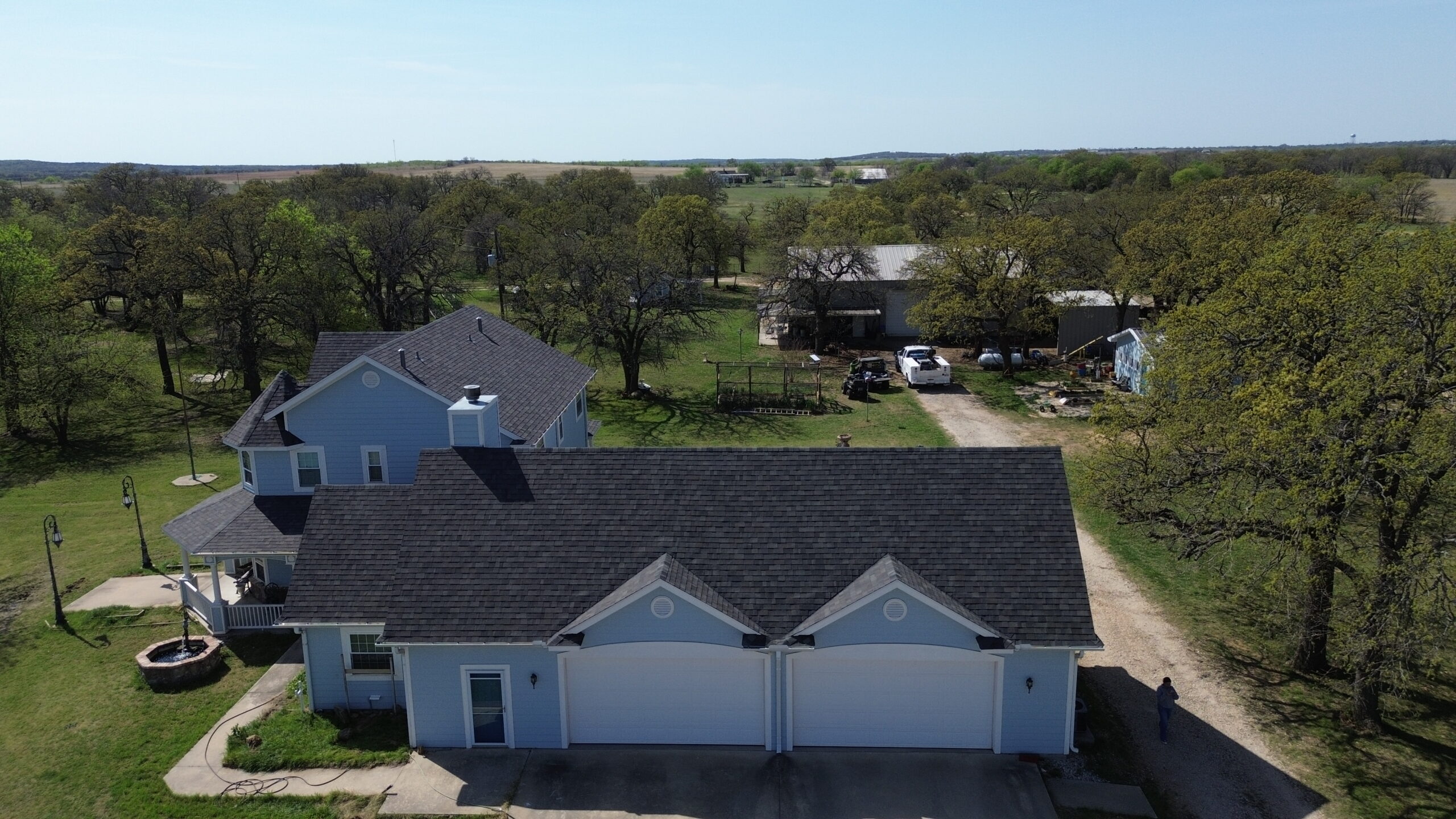
Weather Forecast Planning Before Starting a Roofing Project
Professional roofing companies rarely begin an asphalt roof installation without first reviewing detailed weather forecasts. Forecast planning allows contractors to schedule work during favorable conditions while reducing the likelihood of interruptions caused by rain, strong winds, or sudden temperature changes.
Rather than relying on a single weather report, experienced contractors often monitor multiple forecasts over several days. This broader view helps identify consistent weather patterns and provides greater confidence when scheduling large roofing projects. Weather monitoring continues throughout the installation because conditions can change unexpectedly, even after work has begun.
Planning ahead also benefits homeowners by reducing the risk of delays, protecting roofing materials, and ensuring that each stage of the installation is completed under suitable conditions. A carefully planned schedule may take slightly longer to organize, but it greatly increases the likelihood of a durable, properly installed asphalt roof that will perform reliably for many years.
How Rain Affects Asphalt Roof Installation
Rain is one of the most significant weather conditions affecting asphalt roof installation. Even light rainfall can interrupt roofing work because asphalt shingles and the roof deck must remain dry throughout much of the installation process. Although finished asphalt roofs are designed to repel water effectively, the roofing system is temporarily vulnerable while installation is underway.
When rain begins during installation, roofing crews often stop work immediately and secure exposed sections of the roof with waterproof coverings. This temporary protection helps prevent moisture from entering the home until work can safely resume. Experienced contractors prepare for this possibility by keeping protective tarps and emergency covering materials readily available on every project.
Rain also affects the performance of roofing materials. Water on the roof deck reduces traction for workers, increasing the risk of slips and falls. Wet conditions also make it more difficult to position shingles accurately because moisture can reduce visibility of layout markings and create unstable working surfaces.
Frequent rain may also delay the overall project schedule. While homeowners naturally want installation completed quickly, postponing work until dry conditions return protects both the roofing materials and the quality of the finished installation. A short delay is generally preferable to creating long term roofing problems caused by trapped moisture.
Another concern is the effect of repeated weather interruptions on project coordination. Contractors must balance labor availability, material delivery schedules, and changing forecasts while ensuring the roof remains protected throughout the construction process. This planning requires both experience and flexibility.
Ultimately, dry weather provides the safest and most reliable environment for asphalt roof installation. Although modern roofing crews are prepared to respond quickly when unexpected rain develops, avoiding installation during wet weather remains the preferred approach whenever possible.
Risks of Installing Shingles on Wet Roof Decks
The roof deck forms the structural foundation of the entire roofing system. Installing asphalt shingles over a wet roof deck introduces several risks that may affect both immediate installation quality and long term roof performance.
Moisture trapped beneath roofing materials may remain hidden for extended periods. Over time, this trapped moisture can contribute to wood deterioration, mold growth, insulation damage, and reduced structural integrity. Even small amounts of moisture may create problems if they cannot dry properly after installation.
Fastening shingles to damp decking may also reduce installation consistency. Although roofing nails still penetrate the decking, excessive moisture can complicate certain installation procedures while increasing the likelihood of future issues if the underlying wood begins deteriorating.
Wet roof surfaces create additional safety concerns for roofing crews. Asphalt shingles, underlayment, and exposed decking become significantly more slippery when wet, making it difficult for workers to maintain stable footing while carrying tools and materials.
Moisture also affects underlayment installation. Certain roofing underlayments perform best when applied to clean, dry roof decks where they can achieve proper contact with the structural surface beneath.
Before beginning installation, professional contractors carefully inspect the roof deck to verify that it is dry and structurally sound. If moisture is present, work is typically postponed until conditions improve. Taking time to ensure a dry installation surface contributes directly to the long term durability of the completed roof.
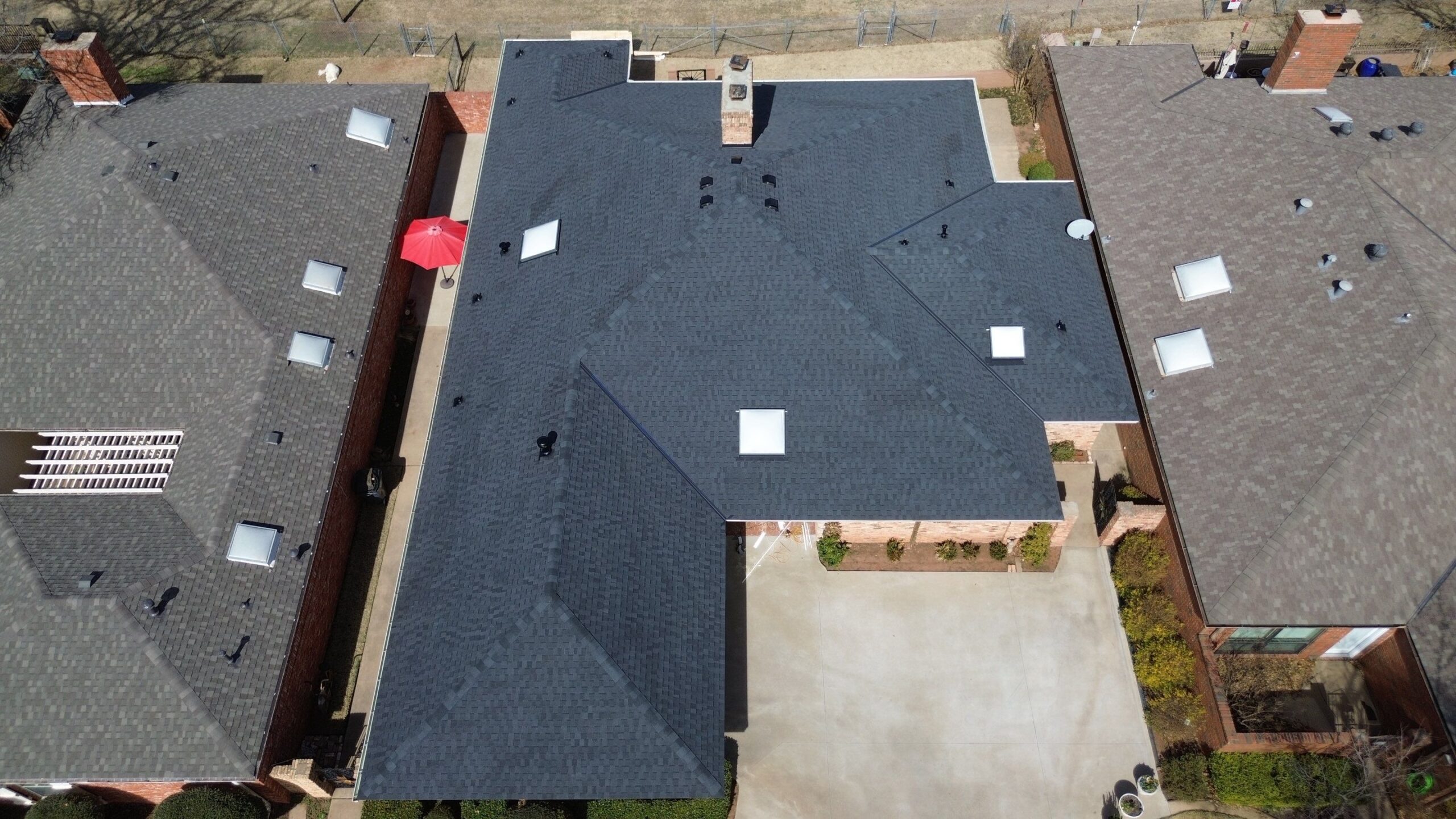
Wind Conditions and Roofing Safety
Wind influences nearly every aspect of asphalt roof installation, from worker safety to material handling. Even moderate winds create additional challenges on elevated roof surfaces where roofing materials can catch air easily.
Loose shingles are especially difficult to control during windy conditions. Architectural and luxury shingles are larger and heavier than traditional 3 tab products, yet strong gusts may still shift their position before they are fastened securely. Maintaining accurate alignment becomes increasingly difficult as wind speeds increase.
Roofing underlayment also requires careful handling during windy weather. Large sheets may lift unexpectedly before fastening is completed, creating additional challenges for installers attempting to maintain smooth, wrinkle free placement.
Worker safety becomes a primary concern when winds strengthen. Roofers carrying bundles of shingles, ladders, flashing, or other materials experience reduced balance as gusts increase. Sudden wind changes may also affect workers positioned near roof edges or steep roof sections.
Debris presents another concern. Strong winds can carry dust, leaves, small branches, or construction materials onto the roof, interfering with installation while creating unnecessary cleanup requirements.
Professional roofing companies monitor wind forecasts closely before beginning projects. If sustained winds or gusts exceed safe working conditions, installation is often postponed until calmer weather returns. Protecting workers and maintaining installation quality always takes priority over maintaining the original project schedule.
Snow and Ice Challenges During Installation
Winter weather creates unique roofing challenges that extend beyond low temperatures alone. Snow and ice introduce additional hazards affecting both worker safety and material performance during asphalt roof installation.
Snow accumulation prevents direct access to the roof deck. Before installation begins, contractors must remove snow carefully without damaging the existing roof structure or creating unsafe working conditions.
Ice presents even greater concerns because it creates extremely slippery surfaces. Roofing work on icy roofs significantly increases fall risks, making careful evaluation essential before crews begin any installation activities.
Melting snow also introduces moisture concerns. Water resulting from melting snow may penetrate exposed roofing areas if temporary weather protection is inadequate during installation interruptions.
Frozen roofing materials require careful handling as well. Cold shingles remain less flexible than those installed during warmer weather, requiring installers to avoid excessive bending or unnecessary force during placement.
Winter weather often limits daily working hours. Shorter daylight periods combined with lower morning temperatures may delay project progress compared with installations completed during spring or fall.
Despite these challenges, experienced contractors successfully complete winter roofing projects by monitoring weather carefully, protecting materials appropriately, and adjusting installation procedures according to seasonal conditions.
Thunderstorms and Lightning Safety Precautions
Thunderstorms represent one of the most dangerous weather conditions for roofing work. Elevated work surfaces combined with metal tools, ladders, flashing, and electrical equipment significantly increase safety risks whenever lightning develops nearby.
Professional roofing companies closely monitor weather forecasts for thunderstorm activity before beginning work. If thunderstorms are predicted, contractors often adjust schedules to complete critical roofing tasks before unstable weather arrives or postpone installation altogether.
Lightning safety requires immediate action. Roofing crews typically leave the roof as soon as thunder is heard or lightning becomes visible in the surrounding area. Waiting until rain begins is not considered an appropriate safety strategy because lightning frequently occurs well before precipitation reaches the job site.
Strong winds commonly accompany thunderstorms, creating additional installation hazards. Sudden gusts may displace unsecured materials, interfere with worker balance, or damage partially completed roofing sections if emergency protection is not installed promptly.
Heavy rainfall associated with thunderstorms also increases the likelihood of water intrusion if exposed roof sections remain uncovered. Contractors therefore prioritize securing unfinished areas before weather conditions deteriorate.
Safety procedures during thunderstorms protect both workers and homeowners. Although temporary delays may extend project completion, following established weather protocols helps prevent injuries while preserving roofing quality.
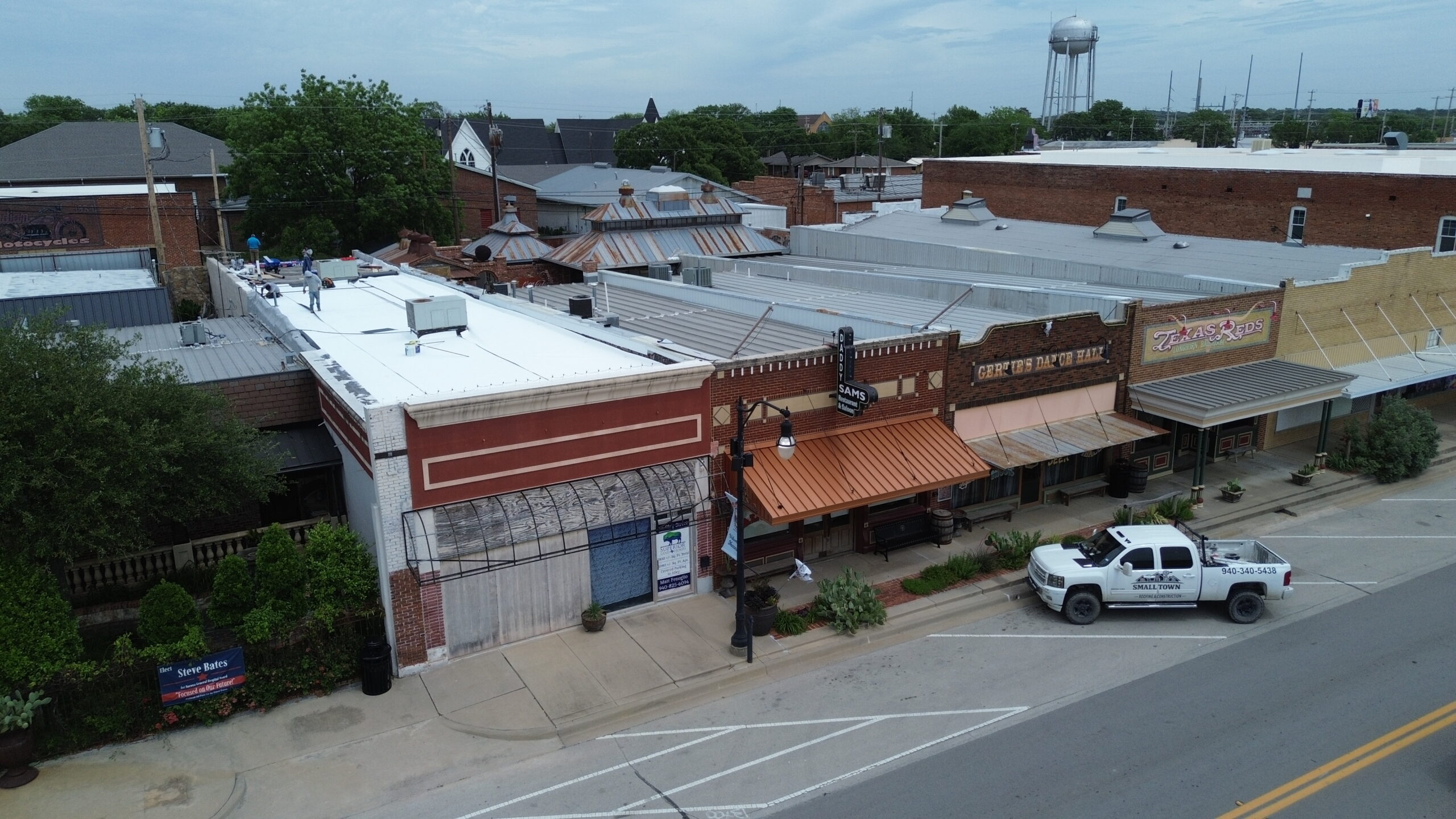
How Moisture Can Affect Roofing Materials
Moisture influences asphalt roofing materials in several ways before, during, and immediately after installation. While finished roofs are designed to manage rainwater effectively, prolonged exposure to moisture during construction may reduce installation quality if not managed properly.
Roofing materials stored outdoors require protection from rain and excessive humidity before installation. Manufacturers package shingles carefully, but prolonged exposure to standing water or improper storage conditions may affect product handling.
Roof decking also requires careful inspection after rainfall. Even when the surface appears dry, moisture trapped within wooden decking may require additional drying time before roofing work begins.
Moisture may also affect roofing accessories including flashing sealants, adhesives, and specialized installation products. Contractors follow manufacturer recommendations regarding acceptable environmental conditions for each product to ensure reliable performance.
Another concern involves condensation. During certain weather patterns, warm humid air contacting cooler roofing surfaces may produce condensation that resembles light rainfall. Contractors recognize these conditions and verify that roofing surfaces are sufficiently dry before continuing installation.
Preventing moisture problems begins with careful planning. Dry storage, proper scheduling, routine inspections, and temporary weather protection all contribute to successful asphalt roof installation despite changing environmental conditions.
Seasonal Differences in Asphalt Roof Installation
Each season presents unique opportunities and challenges for asphalt roof installation. Understanding these seasonal differences helps homeowners appreciate why contractors may recommend certain installation periods over others.
Spring often provides moderate temperatures suitable for roofing work, but changing weather patterns may produce occasional rainfall that interrupts project schedules. Contractors frequently monitor forecasts closely during spring months because conditions can change rapidly.
Summer generally offers long daylight hours and favorable temperatures for adhesive activation. However, extreme afternoon heat may reduce worker productivity while increasing roof surface temperatures significantly above ambient air temperature.
Autumn is widely considered one of the most favorable seasons for asphalt roof installation. Moderate temperatures, relatively stable weather patterns, and comfortable working conditions often support efficient project completion.
Winter introduces colder temperatures, shorter days, and increased potential for snow, ice, and frost. Although roofing projects continue during winter in many regions, contractors often adjust schedules and installation procedures to accommodate seasonal challenges.
Seasonal planning also influences material availability and contractor scheduling. Homeowners who schedule projects well in advance often enjoy greater flexibility when selecting installation dates that align with favorable weather conditions.
Regardless of the season, experienced contractors focus on actual weather conditions rather than calendar dates alone. A mild winter day may provide better installation conditions than an unusually stormy summer afternoon.
Protecting Roofing Materials During Unexpected Weather Changes
Weather forecasts provide valuable guidance, but unexpected changes remain possible throughout any roofing project. Professional contractors prepare for sudden weather developments by implementing protective measures before problems arise.
Temporary waterproof coverings represent one of the most important protective tools available on roofing projects. Heavy duty tarps and specialized weather resistant coverings help shield exposed roof sections if installation must pause unexpectedly.
Roofing materials awaiting installation also require protection. Shingle bundles, underlayment, flashing, and accessories should remain covered until needed to prevent unnecessary exposure to rain or excessive sunlight.
Contractors also organize work strategically so completed roof sections become weather resistant as quickly as possible. Rather than exposing large roof areas simultaneously, experienced crews often complete one section before moving to the next whenever project conditions allow.
Equipment storage is equally important during changing weather. Power tools, compressors, fasteners, and installation accessories require protection from moisture to maintain safe and reliable operation.
Good communication also plays an important role. Roofing supervisors continuously monitor forecasts throughout the workday while informing crews about approaching weather changes that may require adjustments to installation activities.
Preparation allows contractors to respond efficiently when conditions change unexpectedly. Although weather cannot be controlled, thoughtful planning significantly reduces its impact on roofing quality.
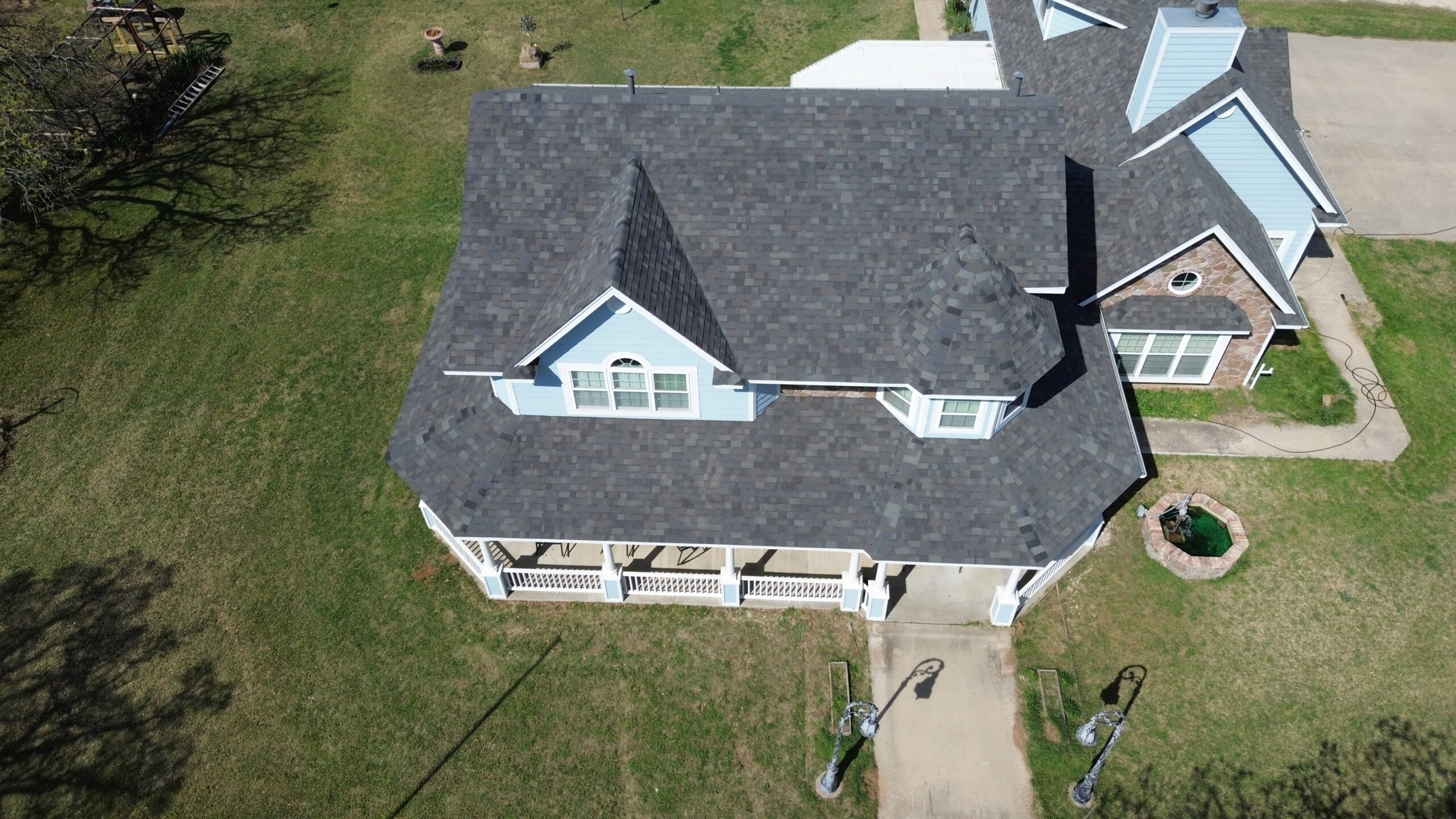
Contractor Strategies for Managing Weather Delays
Weather delays are a normal part of roofing work, and experienced contractors develop strategies that minimize disruption while maintaining installation quality. Effective planning allows projects to continue efficiently once favorable conditions return.
One common strategy involves flexible scheduling. Contractors monitor weather forecasts several days in advance and adjust project timelines accordingly. This proactive approach reduces unnecessary interruptions while helping crews remain productive across multiple job sites.
Material coordination is another important consideration. Roofing materials are often delivered shortly before installation to reduce storage time and minimize exposure to changing weather conditions. If delays occur, contractors ensure materials remain properly protected until work resumes.
Communication with homeowners is equally important during weather related interruptions. Explaining why work has been postponed helps homeowners understand that delays are intended to protect the quality of their new roof rather than simply extend the project schedule.
The following table summarizes how different weather conditions influence asphalt roof installation and the typical response taken by professional roofing contractors.
| Weather Condition | Installation Impact | Typical Contractor Response |
|---|---|---|
| Heavy Rain | Stops installation and increases moisture risk | Cover exposed roof and postpone work |
| Light Rain | Creates slippery surfaces and wet decking | Delay installation until roof dries |
| Strong Wind | Reduces safety and affects material handling | Pause work during unsafe wind conditions |
| High Heat | Softens shingles and increases worker fatigue | Start earlier and schedule hydration breaks |
| Cold Weather | Reduces shingle flexibility and delays sealing | Handle materials carefully and monitor temperature |
| Snow and Ice | Creates unsafe working conditions | Remove snow or postpone installation |
| Thunderstorms | High safety risk due to lightning | Evacuate roof immediately and secure materials |
Managing weather delays requires patience, planning, and experience. Contractors who prioritize quality over speed consistently deliver roofing systems that perform better throughout their service life.
Planning Roof Installation Around Seasonal Weather
Successful asphalt roof installation begins long before the first bundle of shingles arrives at the job site. Careful planning allows contractors to choose a time when weather conditions are most likely to support efficient work and proper installation. Although weather cannot be predicted with complete accuracy, reviewing seasonal trends helps reduce the chances of significant delays or quality concerns.
Many homeowners schedule roof replacement only after visible damage appears. While emergency situations sometimes require immediate action, planned roof replacements provide greater flexibility when selecting favorable weather conditions. This flexibility often results in smoother installation and fewer interruptions.
Contractors typically review both short term and extended weather forecasts before confirming installation dates. They consider expected temperatures, rainfall probability, wind conditions, humidity, and overall forecast stability rather than focusing on only one weather factor.
Planning also includes coordinating material deliveries, crew availability, equipment preparation, and temporary weather protection. Organizing these details before work begins allows the installation process to continue efficiently whenever suitable weather arrives.
Homeowners benefit from understanding that weather related schedule adjustments are often signs of professionalism rather than inconvenience. Contractors who carefully monitor weather are usually working to protect both the quality of the roof and the safety of everyone involved.
Choosing the Right Time of Year for Asphalt Roof Installation
Each season offers advantages and disadvantages for asphalt roofing projects. While modern roofing techniques allow installation during most times of the year, certain seasons generally provide more favorable conditions.
Spring is a popular time for roof replacement because temperatures are often moderate and roofing materials remain easy to handle. However, spring weather can also be unpredictable, with frequent rain showers causing occasional scheduling changes.
Summer provides longer daylight hours, allowing crews to complete more work each day. Warm temperatures also help activate shingle sealant strips more quickly. In regions with extremely hot summers, contractors often begin work early in the morning to avoid the highest afternoon temperatures.
Autumn is widely considered one of the best seasons for asphalt roof installation. Comfortable temperatures, relatively stable weather, and lower humidity create excellent working conditions while supporting proper shingle sealing.
Winter installations remain possible in many areas, particularly where temperatures stay above extreme cold levels. Roofing crews simply adapt their installation methods to account for colder materials, shorter daylight hours, and occasional winter weather.
Rather than choosing a season based solely on tradition, homeowners should discuss local climate patterns with experienced roofing professionals. Regional weather conditions often differ significantly, making local expertise especially valuable.
Equipment and Safety Measures Used in Different Weather Conditions
Professional roofing companies rely on specialized equipment and established safety procedures to perform quality work under changing weather conditions. Proper equipment not only improves efficiency but also helps reduce risks associated with roofing on elevated surfaces.
Safety harnesses, roof anchors, and fall protection systems are essential regardless of the weather. However, these systems become even more important when roof surfaces are affected by heat, wind, or changing weather conditions.
Ladders and scaffolding receive careful inspection before each project. Contractors verify that all access equipment remains secure and stable, especially following rain or strong winds that may have affected ground conditions.
Protective coverings are another important part of weather preparation. Heavy duty tarps, waterproof sheeting, and temporary roof coverings help protect exposed roof sections whenever unexpected weather interrupts installation.
Roofing crews also use specialized tools designed for efficient fastening and accurate shingle placement. Keeping equipment properly maintained ensures reliable performance throughout changing environmental conditions.
Personal protective equipment changes with the weather as well. During hot weather, workers focus on hydration, sun protection, and lightweight clothing. In colder conditions, insulated clothing, gloves, and footwear help maintain comfort while preserving mobility and safety.
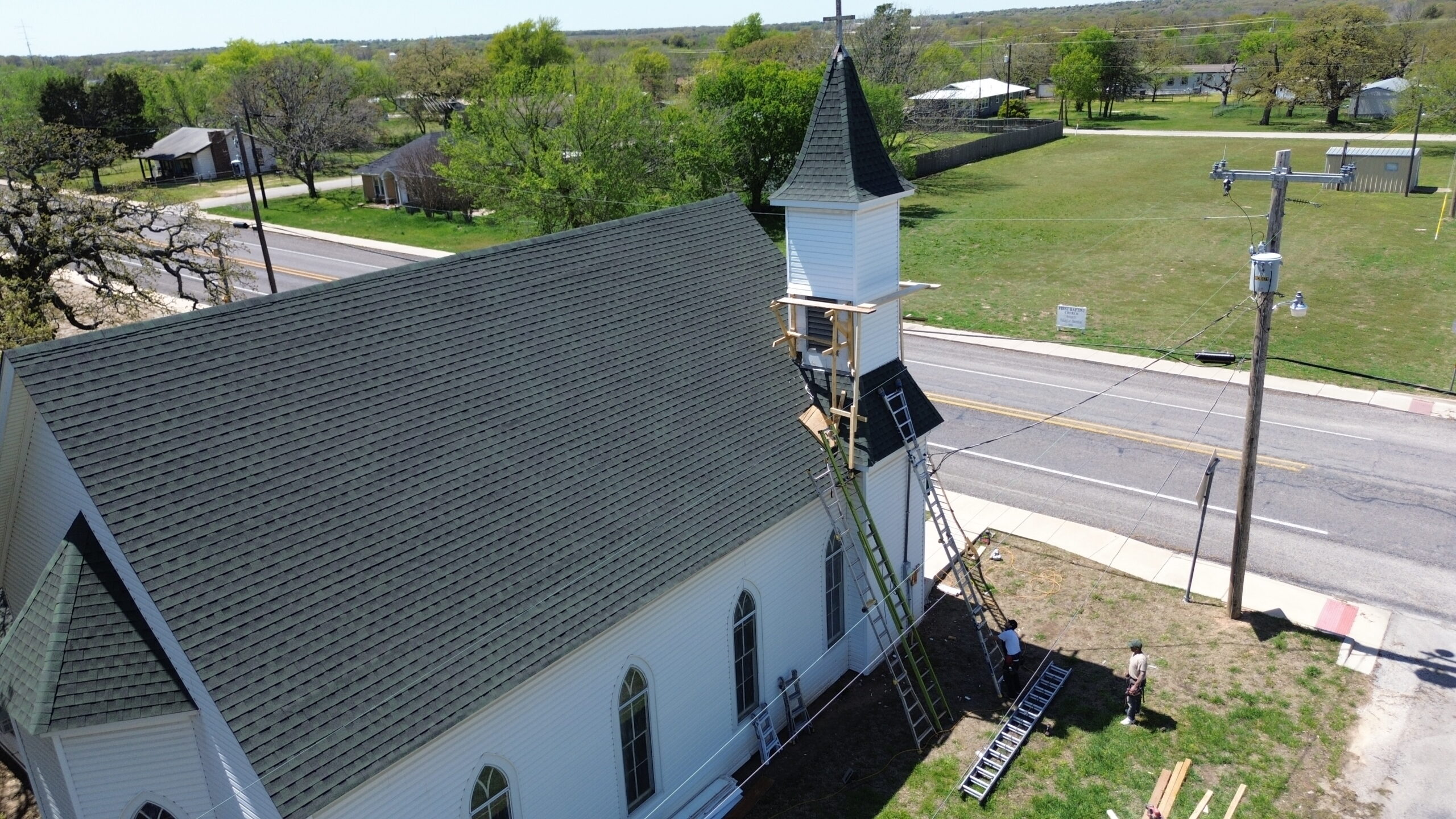
How Professional Roofers Minimize Weather Related Risks
Experienced roofing contractors understand that weather cannot be controlled, but many weather related risks can be reduced through careful planning and disciplined work practices. Professional preparation often makes the difference between a successful installation and avoidable roofing problems.
One important strategy involves limiting the amount of roof exposed at any one time. Instead of removing the entire existing roof immediately, contractors often work in manageable sections that can be completed and protected before weather conditions change.
Continuous weather monitoring is another valuable practice. Supervisors regularly review updated forecasts throughout the workday, allowing crews to respond quickly if conditions begin deteriorating.
Material handling also changes according to weather conditions. Roofing materials remain covered until needed, reducing unnecessary exposure to sunlight, moisture, or wind before installation.
Professional roofers also follow manufacturer installation guidelines carefully. These recommendations include temperature considerations, fastening methods, material storage requirements, and installation techniques designed to maximize long term roof performance.
Communication within the roofing crew plays an equally important role. Workers remain aware of changing conditions while coordinating activities to maintain both efficiency and safety throughout the project.
Tips for Homeowners Before Installation Begins
Although roofing contractors manage the technical aspects of installation, homeowners can also take several steps to help the project proceed smoothly. Preparing the property before work begins supports both efficiency and safety.
Clear access to the driveway and work area allows contractors to position delivery vehicles and equipment conveniently. Removing vehicles from the driveway also reduces the possibility of accidental damage from falling debris during roof removal.
Outdoor furniture, grills, decorative items, and potted plants should be moved away from the house whenever possible. Roofing work naturally creates vibration and falling debris, making temporary relocation a sensible precaution.
Homeowners should also trim tree branches that extend over the roof if this work can be completed safely before installation. Overhanging branches may interfere with roofing activities while also increasing the amount of debris reaching the new roof in the future.
Keeping children and pets away from active work areas is equally important. Roofing projects involve ladders, tools, construction materials, and falling debris that create hazards for anyone not directly involved in the installation.
Maintaining communication with the roofing contractor also helps. Homeowners should discuss weather expectations, project timelines, and possible schedule adjustments before installation begins so everyone understands how weather may influence the overall process.
Signs That Installation Should Be Postponed
Although homeowners often hope roofing work proceeds according to schedule, certain weather conditions clearly indicate that installation should be delayed. Recognizing these situations helps homeowners understand why experienced contractors occasionally postpone work.
Heavy rainfall is an obvious reason to suspend roofing activities. Wet roof decks, slippery working surfaces, and increased moisture risks outweigh any benefit of continuing installation during rain.
Strong winds also create conditions where postponement becomes the safest decision. Wind affects both worker stability and the accurate placement of roofing materials, making installation increasingly difficult as wind speeds increase.
Extremely high temperatures may also justify schedule adjustments. Roof surfaces can become dangerously hot during intense summer afternoons, increasing heat related risks for roofing crews.
Very cold temperatures present another challenge because asphalt shingles become less flexible and adhesive strips require additional time to activate. Contractors may delay work until temperatures improve or modify installation schedules to take advantage of warmer daytime conditions.
Lightning represents one of the most serious weather hazards. Any indication of nearby thunderstorms requires immediate evacuation of the roof regardless of project progress.
Postponing installation under these conditions protects workers while helping ensure the roofing system performs as intended after completion.
Long Term Effects of Poor Weather During Roof Installation
Installing asphalt shingles during unfavorable weather may create problems that remain hidden for months or even years before becoming noticeable. Understanding these long term consequences highlights the importance of proper scheduling.
One common issue involves incomplete adhesive sealing. If shingles fail to bond properly because temperatures remain too low or weather conditions interfere with sealant activation, wind resistance may be reduced until complete sealing eventually occurs.
Moisture trapped beneath roofing materials creates another concern. Over time, hidden moisture may contribute to wood decay, insulation damage, mold growth, or interior water stains that require expensive repairs.
Improper shingle alignment caused by strong winds or rushed installation may also affect roof appearance while creating pathways for future water intrusion. Small installation errors often become more noticeable as the roof ages.
Repeated repairs may also become necessary if installation quality suffers because of poor weather decisions. Although individual repairs may appear manageable initially, recurring maintenance expenses often exceed the cost of waiting for suitable installation conditions.
Warranty concerns represent another important consideration. Manufacturers generally expect roofing products to be installed according to their published recommendations. Installation performed outside recommended environmental conditions may affect warranty coverage under certain circumstances.
Choosing appropriate weather conditions during installation therefore represents an investment in the roof’s future performance rather than simply a scheduling preference.
Practical Roof Installation Weather Checklist
A structured checklist helps homeowners and contractors verify that important weather related considerations have been addressed before installation begins. Reviewing these items reduces uncertainty while supporting successful project planning.
Before asphalt roof installation starts, confirm the following:
- The weather forecast predicts dry conditions during installation.
- Wind speeds are expected to remain within safe working limits.
- Temperatures fall within manufacturer installation recommendations.
- Roofing materials have been stored properly before use.
- The roof deck is completely dry and structurally sound.
- Temporary waterproof coverings are available if weather changes unexpectedly.
- Contractor safety equipment has been inspected before work begins.
- Homeowners understand possible weather related schedule adjustments.
- Material deliveries are coordinated with the installation schedule.
- Emergency weather response procedures have been discussed with the roofing crew.
Completing this checklist helps ensure both installation quality and worker safety remain priorities throughout the roofing project.
Common Weather Myths About Roof Installation
Many homeowners hear conflicting advice regarding weather and roofing projects. Understanding the facts behind common misconceptions leads to more informed decisions.
One common myth is that roofing should only be performed during summer. While warm weather offers certain advantages, professional contractors successfully install asphalt roofs throughout much of the year by adapting to seasonal conditions and following manufacturer recommendations.
Another misconception is that a brief rain shower causes immediate roof failure. Experienced roofing companies prepare for unexpected weather by protecting exposed areas quickly, minimizing the risk of water intrusion before work resumes.
Some people also believe that sunlight alone guarantees proper shingle sealing. In reality, successful sealing depends on multiple factors including temperature, installation quality, and proper alignment in addition to sunlight.
Another myth suggests that weather delays indicate poor contractor planning. In many cases, the opposite is true. Contractors who postpone installation because of unsafe or unsuitable weather are often demonstrating their commitment to delivering a higher quality roofing system.
Understanding these realities helps homeowners appreciate why experienced roofing professionals prioritize weather conditions throughout every stage of installation.
Conclusion
Weather conditions influence every stage of asphalt roof installation, from preparing the roof deck to allowing shingles to seal properly after placement. Temperature, rainfall, humidity, wind, snow, and sunlight all affect roofing materials, installation techniques, worker safety, and the long term performance of the completed roofing system. Careful attention to these environmental factors helps create a roof that provides dependable protection for decades.
Professional roofing contractors understand that successful installation depends not only on quality materials but also on choosing the right weather conditions for every stage of the project. Monitoring forecasts, protecting roofing materials, following manufacturer guidelines, and adjusting schedules when necessary all contribute to a stronger and more durable roofing system. Although weather related delays may seem inconvenient, they often prevent costly problems that could otherwise develop after installation.
For homeowners, understanding how weather affects asphalt roof installation leads to more realistic expectations and better communication with roofing professionals. Rather than viewing schedule changes as setbacks, they can be recognized as important decisions that protect the quality of the investment. When installation is planned carefully and completed under appropriate weather conditions, asphalt roofing delivers reliable performance, improved energy efficiency, lasting curb appeal, and long term peace of mind.