
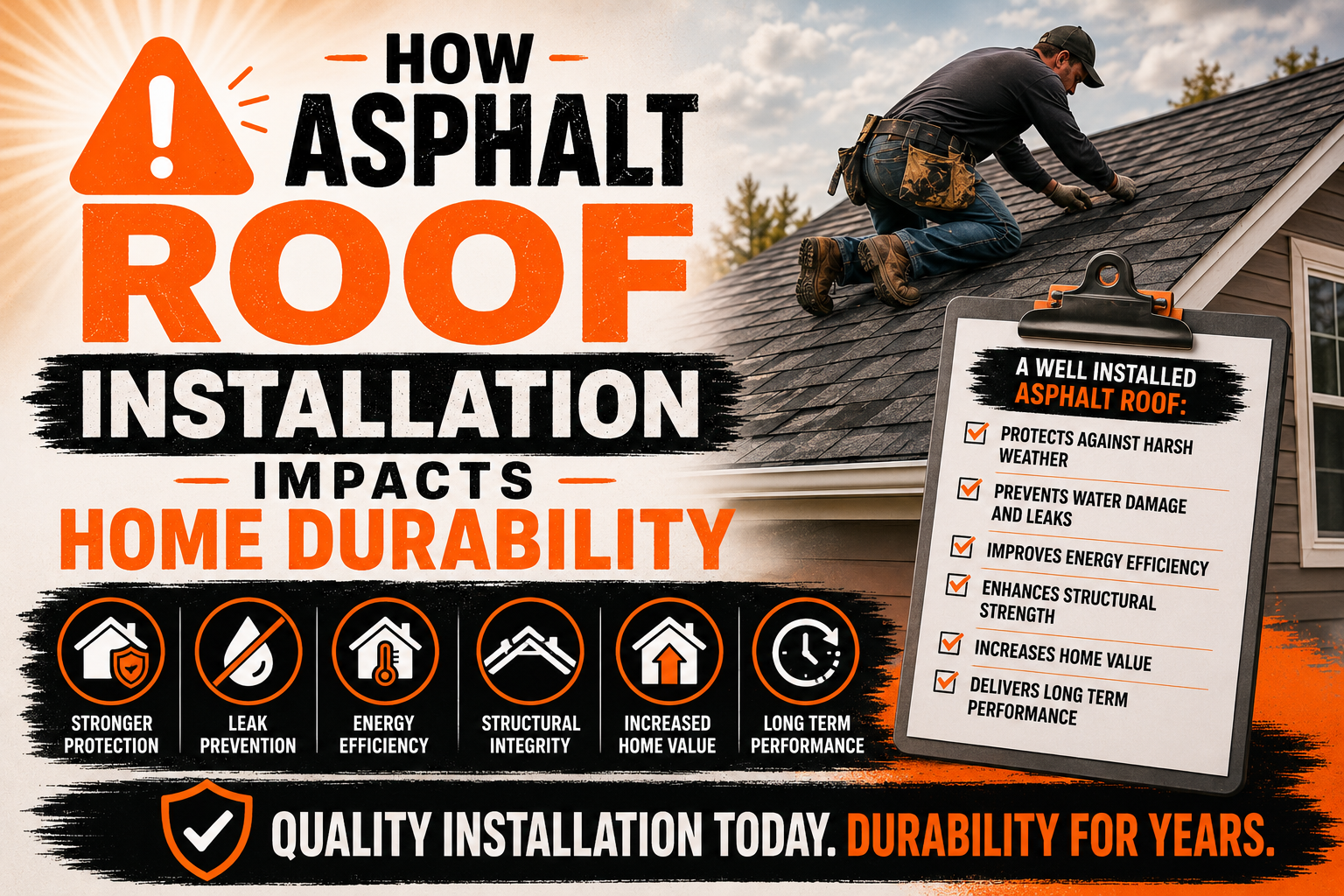
How Asphalt Roof Installation Impacts Home Durability
Introduction
Your roof is one of the most important investments in your home because it serves as the first line of defense against changing weather, moisture, debris, and temperature fluctuations. While many homeowners focus on selecting high quality roofing materials, the installation process itself has an equally significant impact on how well the roof performs over time.
Asphalt roof installation is one of the most common roofing solutions because it offers an excellent balance of durability, affordability, and visual appeal. When installed correctly, an asphalt roof can protect the structural integrity of a home for decades while reducing maintenance needs and improving energy efficiency.
The durability of a home depends on much more than strong walls and a solid foundation. A properly installed asphalt roof prevents water intrusion, minimizes weather related damage, supports efficient ventilation, and protects every layer beneath it from gradual deterioration. Even premium roofing materials cannot perform as intended if installation shortcuts compromise the roofing system.
Understanding how asphalt roof installation affects home durability helps homeowners make informed decisions before starting a roofing project. From preparing the roof deck to installing underlayment, flashing, and shingles correctly, every stage contributes to a roofing system designed to withstand years of exposure to the elements.
This guide explores how professional asphalt roof installation strengthens a home’s durability, why each roofing component matters, and what homeowners should know before investing in a new roof. By understanding these factors, you can make choices that improve your property’s long term protection and overall value.
Understanding Home Durability
Home durability refers to a property’s ability to withstand everyday wear, severe weather, and natural aging while maintaining its structural strength and functionality. A durable home experiences fewer repairs, lasts longer, and provides a safer environment for the people living inside.
The roof plays a central role in achieving this durability because it shields every other part of the house. Walls, insulation, ceilings, electrical systems, flooring, and even the home’s foundation can suffer damage if the roofing system allows water or moisture to enter.
Durability is not simply about surviving storms. It also involves resisting gradual deterioration caused by sunlight, changing temperatures, humidity, wind, and seasonal weather cycles. A properly installed asphalt roof works continuously to minimize these stresses and protect the structure beneath it.
Many homeowners associate roof durability only with the lifespan of shingles. In reality, the complete roofing system includes multiple protective layers working together to keep the home dry, stable, and energy efficient. Each layer contributes to long term performance, making installation quality just as important as material quality.
When every roofing component is installed according to industry standards, the roof becomes a reliable barrier that supports the home’s structural health for many years. Small installation details often determine whether a roof performs efficiently throughout its expected lifespan or develops costly problems much earlier.
What Makes Asphalt Roofing a Durable Choice
Asphalt shingles remain one of the most popular roofing materials because they provide dependable protection at a reasonable cost. Modern manufacturing techniques have significantly improved their strength, flexibility, and resistance to harsh environmental conditions.
Today’s asphalt shingles consist of several layers that work together to resist moisture, wind, and ultraviolet radiation. A fiberglass core provides structural strength while asphalt coatings create waterproof protection. Mineral granules on the surface help shield the shingles from sunlight while reducing weather related wear.
These multiple layers allow asphalt shingles to remain durable under a wide variety of climate conditions. Whether exposed to heavy rainfall, strong sunlight, moderate snowfall, or seasonal storms, properly installed asphalt roofs can continue protecting a home for decades.
Different asphalt shingle styles also offer varying levels of durability depending on homeowner needs and budget. Selecting the appropriate product ensures the roof matches local weather conditions while providing reliable long term performance.
| Asphalt Shingle Type | Typical Lifespan | Durability Features | Best Suited For |
|---|---|---|---|
| Three Tab Shingles | 15 to 25 years | Lightweight and economical | Budget conscious homeowners |
| Architectural Shingles | 25 to 35 years | Thicker construction and improved wind resistance | Most residential homes |
| Premium Designer Shingles | 30 to 50 years | Enhanced durability and premium appearance | High end residential properties |
Although these lifespan estimates provide useful guidance, actual performance depends heavily on installation quality. Even premium shingles cannot reach their expected lifespan if they are installed incorrectly or if essential roofing components are neglected.
Another reason asphalt roofing remains popular is its adaptability. It can be installed on many roof designs, making it suitable for both simple residential roofs and more complex architectural layouts. This flexibility allows homeowners to achieve strong protection without sacrificing appearance.
Modern asphalt roofing products also continue to improve through advancements in manufacturing. Enhanced adhesive strips, stronger fiberglass mats, and better granule technology have made today’s shingles far more resilient than products manufactured several decades ago.
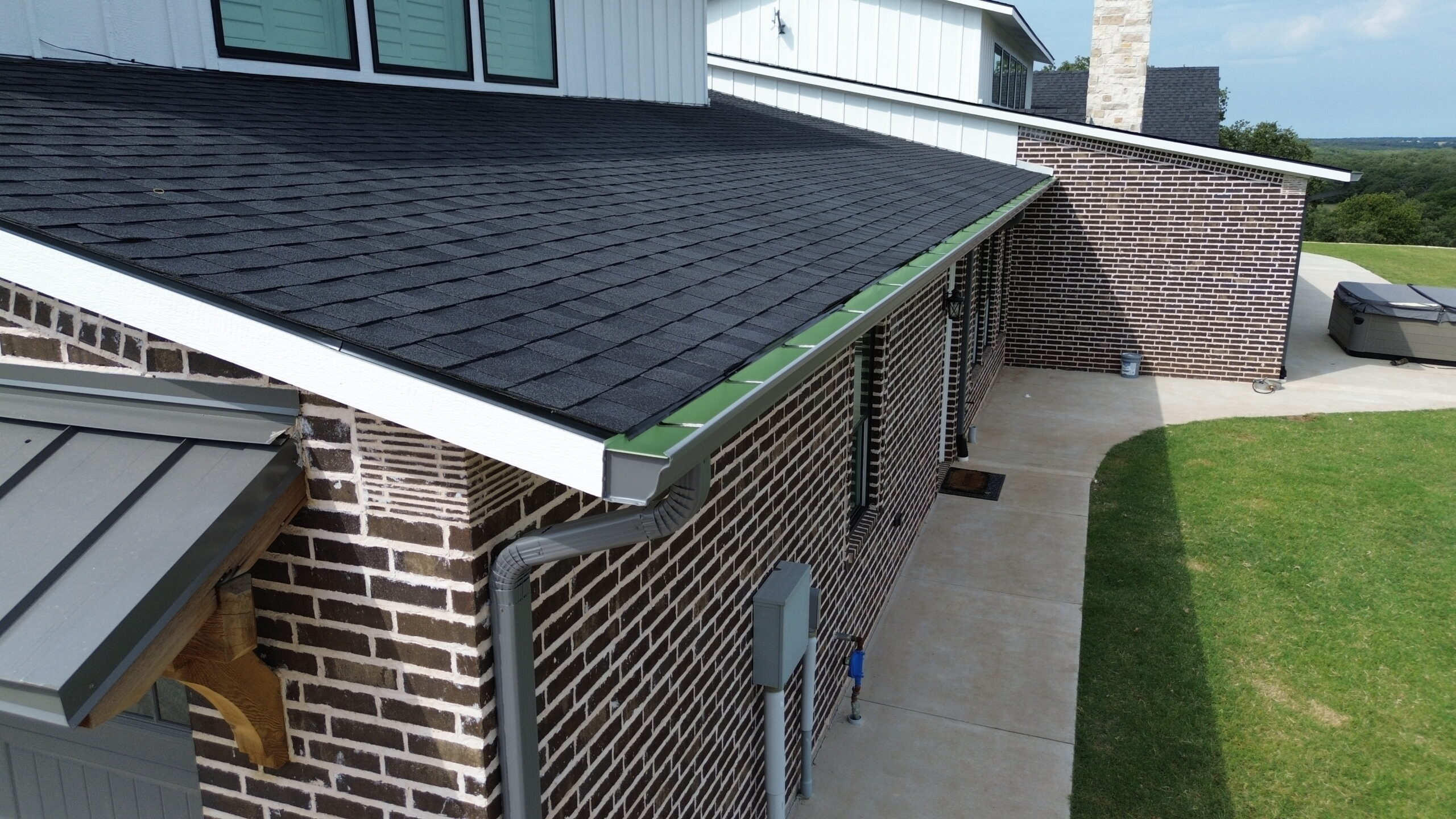
Why Installation Quality Matters More Than Roofing Material Alone
Many homeowners spend considerable time comparing roofing materials but pay less attention to the quality of installation. While selecting durable shingles is important, professional installation often has an even greater influence on how long the roof protects the home.
A roofing system functions as a complete assembly rather than individual parts placed on top of one another. Every component must work together to direct water away from the structure while resisting wind uplift and temperature related movement. Poor installation disrupts this balance and creates weak points throughout the roof.
Improper installation may not cause immediate problems, which makes it particularly dangerous. A roof can appear attractive from the outside while hidden installation mistakes gradually allow moisture to enter the decking and attic. Months or even years later, homeowners may face expensive repairs that could have been avoided.
Correct installation begins with careful measurements and accurate layout planning. Shingles must align properly so water flows naturally toward gutters without finding pathways beneath the roofing materials. Small alignment errors can affect large portions of the roof over time.
Fastener placement is another critical factor. Nails driven too high, too low, or at incorrect angles reduce the shingles’ ability to resist wind and maintain secure attachment. During severe weather, improperly fastened shingles become more vulnerable to lifting or detachment.
Professional roofing contractors also follow manufacturer specifications for spacing, overlap, and sealing procedures. These guidelines are carefully developed through extensive product testing and help ensure the roofing system performs as intended under a wide range of environmental conditions.
Proper installation protects the homeowner’s investment by allowing every roofing component to function efficiently together. Instead of relying on material quality alone, the entire roofing system contributes to long term durability and structural protection.
The Structural Foundation Before Installation
Long lasting asphalt roof installation begins before the first shingle is placed on the roof. The condition of the underlying structure directly affects how well the finished roofing system performs throughout its lifespan.
Roof decking serves as the structural base supporting every roofing component. If the decking contains rot, moisture damage, warping, or loose sections, installing new shingles without repairs simply hides existing problems rather than solving them.
Professional roofing contractors inspect the decking carefully after removing old roofing materials. This inspection reveals damage that may have remained hidden for years beneath the previous roof. Replacing weakened sections creates a solid foundation capable of supporting the new roofing system.
Moisture damage deserves particular attention because water weakens wood fibers over time. Even small areas of decay can expand if left untreated, eventually affecting larger portions of the roof structure and increasing repair costs.
Structural inspections also identify ventilation problems, damaged rafters, and areas where previous leaks may have compromised framing components. Correcting these issues before installation prevents future complications that could shorten the roof’s lifespan.
Preparing the roof properly may increase installation time slightly, but it significantly improves long term durability. Building a new roofing system on a strong foundation allows every protective layer above it to perform more effectively for many years.
Essential Components That Strengthen an Asphalt Roof
A durable asphalt roof depends on several interconnected components rather than shingles alone. Each layer performs a specific function while supporting the overall performance of the roofing system.
Some of the most important components include:
- Roof decking: Provides the structural base that supports the entire roofing system.
- Underlayment: Acts as a secondary moisture barrier beneath the shingles.
- Ice and water barrier: Protects vulnerable areas where water may accumulate or back up.
- Flashing: Seals roof valleys, chimneys, vents, skylights, and other roof penetrations.
- Starter shingles: Improve edge protection while helping resist wind uplift.
- Ridge caps: Protect roof peaks while allowing proper finishing of the roofing system.
- Ventilation components: Maintain balanced airflow that helps regulate attic temperature and moisture.
Each component contributes to overall durability in a unique way. Removing or improperly installing even one layer can reduce the effectiveness of the entire roofing system and create opportunities for moisture infiltration.
Flashing deserves special attention because many roof leaks begin around penetrations rather than across open shingle surfaces. Properly installed flashing directs water safely around vulnerable areas while preventing slow leaks that may remain unnoticed for extended periods.
Ventilation also plays a larger role than many homeowners realize. By allowing warm, moist air to escape from the attic, ventilation reduces condensation, protects insulation, and helps roofing materials maintain stable temperatures throughout changing seasons.
Together, these components create multiple layers of protection rather than relying on a single barrier. This layered approach significantly increases the roof’s ability to withstand daily exposure to weather and environmental stress.
How Proper Installation Creates a Strong Roofing System
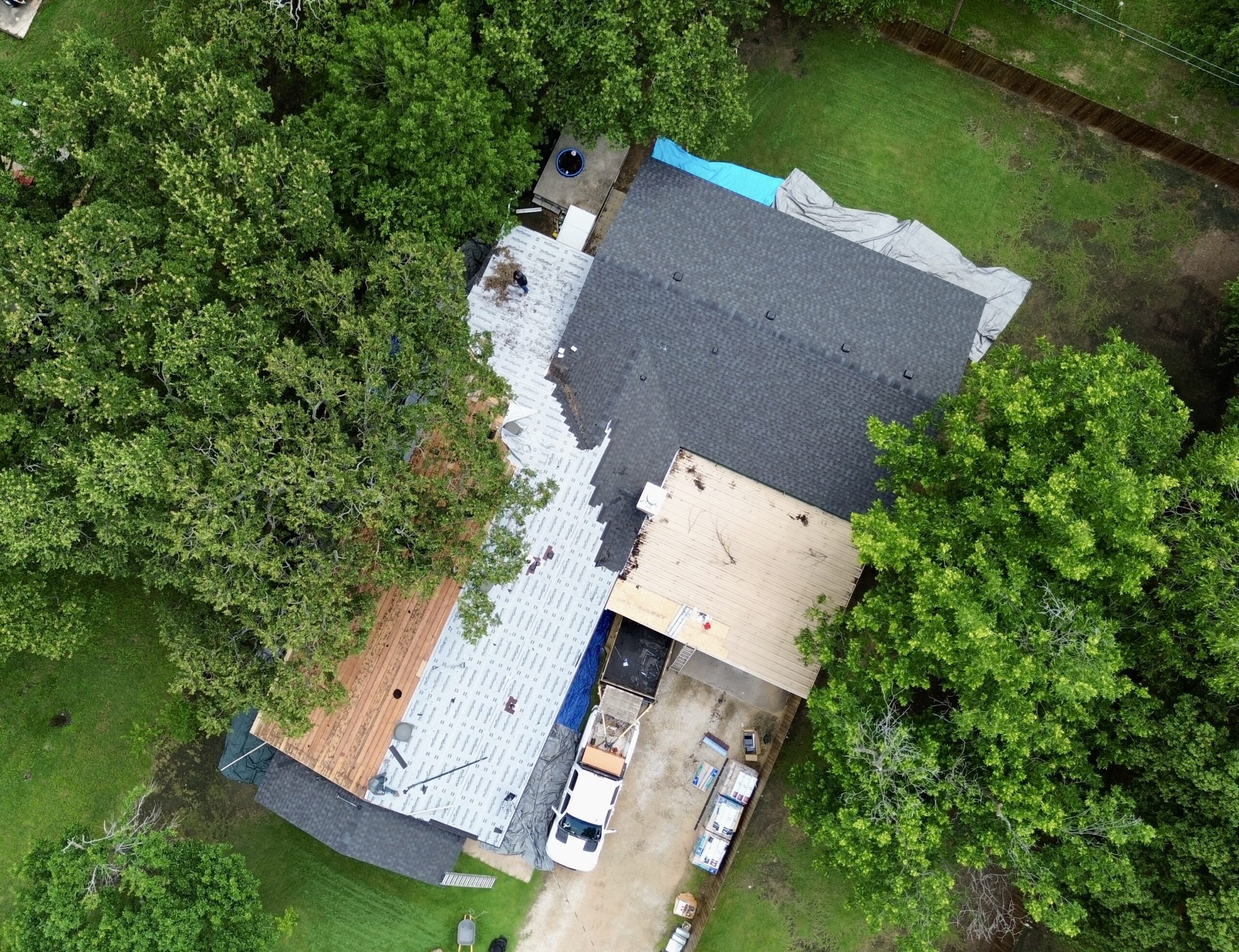
Every stage of asphalt roof installation contributes to building a roofing system capable of protecting a home for decades. Rather than functioning independently, each layer works with the next to form a complete weather resistant assembly.
The installation process begins by establishing a secure structural base before moisture barriers and protective membranes are added. These layers create backup protection beneath the shingles, ensuring that even wind driven rain encounters multiple obstacles before reaching the home’s interior.
Proper shingle placement encourages water to flow naturally downward using gravity. Consistent overlap patterns prevent water from moving beneath the roofing materials while maintaining an attractive, uniform appearance across the roof surface.
Correct fastening techniques further strengthen the roofing system by allowing shingles to remain securely attached during changing weather conditions. Properly installed fasteners distribute wind forces more evenly, reducing the likelihood of localized damage during storms.
Balanced ventilation completes the roofing system by controlling temperature and moisture inside the attic. This reduces stress on roofing materials while helping maintain consistent performance throughout seasonal weather changes.
When every installation stage follows established best practices, the finished roof becomes much more than a covering over the house. It becomes an integrated protective system that supports structural stability, energy efficiency, moisture control, and long term durability.
Weather Resistance and Long Term Protection
A properly installed asphalt roof provides reliable protection against a wide range of weather conditions throughout the year. While asphalt shingles are designed to withstand environmental exposure, their effectiveness depends greatly on how they are installed. Correct installation ensures every layer works together to keep water out, resist wind forces, and maintain structural integrity.
Rain is one of the biggest challenges any roof faces. During heavy storms, thousands of gallons of water may flow across the roof surface within a short period. Properly aligned shingles and correctly installed flashing direct this water toward gutters instead of allowing it to seep beneath the roofing materials.
Wind resistance is another major advantage of professional asphalt roof installation. High winds can lift poorly secured shingles, creating openings where rain and debris can enter the roofing system. Proper nail placement, starter strips, and secure ridge caps help the roof remain intact during strong wind events.
Modern asphalt shingles are also designed to withstand moderate hail impacts. While extremely large hail can damage almost any roofing material, correctly installed shingles absorb minor impacts more effectively because they remain firmly attached to the roof deck without unnecessary movement.
Sunlight gradually affects every roofing material over time. Continuous ultraviolet exposure causes roofing materials to expand and contract as temperatures change throughout the day. Professional installation provides adequate spacing and alignment that allow shingles to accommodate this natural movement without premature cracking or warping.
Seasonal temperature fluctuations place additional stress on roofing systems. In warmer months, roof surfaces may become extremely hot, while cooler evenings cause rapid temperature changes. A properly installed asphalt roof adjusts to these cycles more effectively, reducing long term wear on both shingles and supporting components.
Snow and ice can also test a roof’s durability in colder climates. Although asphalt roofing is commonly associated with moderate climates, proper installation helps prevent ice dams and excessive moisture buildup by encouraging efficient drainage and maintaining balanced attic ventilation.
Over many years, these weather related benefits combine to protect not only the roof itself but also every structural component beneath it. Strong weather resistance ultimately contributes to a home’s overall durability and reduces the likelihood of unexpected repair costs.
Moisture Management and Leak Prevention
Water intrusion remains one of the most common causes of structural damage in residential properties. Even a small leak can gradually affect insulation, wooden framing, drywall, ceilings, and interior finishes before becoming visible inside the home.
Professional asphalt roof installation focuses on preventing water from entering the roofing system at every possible location. Instead of depending solely on shingles, multiple protective layers work together to keep moisture away from vulnerable structural components.
Flashing plays a critical role because roof penetrations naturally interrupt the smooth flow of water. Areas surrounding chimneys, plumbing vents, skylights, dormers, and roof valleys require carefully fitted flashing that directs water around these openings rather than allowing it to penetrate beneath the shingles.
Underlayment provides valuable secondary protection if water passes beneath the outer roofing layer during severe weather. High quality underlayment acts as an additional moisture barrier that protects roof decking until water can safely drain away.
Ice and water barriers provide even greater protection in areas where water tends to collect. These waterproof membranes seal around fasteners and create an additional defense against moisture intrusion in vulnerable sections of the roof.
Proper sealing techniques further strengthen leak prevention efforts. Roofing professionals apply sealants only where appropriate, ensuring joints remain weather resistant while still allowing necessary movement caused by changing temperatures.
Moisture management extends beyond preventing visible leaks. Proper roofing installation also limits condensation that forms inside attic spaces. Excess humidity trapped beneath the roof can slowly damage wood framing even when no rainwater enters the home.
Long term moisture control significantly improves home durability because dry structural materials maintain their strength far longer than materials repeatedly exposed to damp conditions. Preventing water damage today often eliminates costly structural repairs years later.
Roof Ventilation and Its Impact on Durability
Roof ventilation is often overlooked during roofing projects, yet it has a direct influence on both roof performance and overall home durability. A balanced ventilation system helps regulate attic temperature while controlling moisture levels throughout the year.
Proper ventilation works by allowing fresh air to enter through intake vents while warm, humid air exits through exhaust vents. This continuous airflow prevents excessive heat buildup during summer and reduces moisture accumulation during colder seasons.
Without adequate ventilation, attic temperatures can rise dramatically on hot days. Excessive heat transfers directly into the roofing materials, accelerating the aging process of asphalt shingles and increasing thermal stress across the roofing system.
Poor ventilation also allows moisture from daily household activities to accumulate inside the attic. Cooking, bathing, laundry, and even breathing release moisture that naturally rises toward the roof. Without sufficient airflow, condensation forms on wooden framing and insulation.
Persistent condensation creates favorable conditions for mold growth, wood decay, and reduced insulation performance. Over time, these hidden issues weaken the home’s structural integrity while increasing maintenance expenses.
Proper ventilation improves energy efficiency as well. By reducing attic temperatures during warmer months, ventilation decreases the workload placed on air conditioning systems. Homeowners often experience improved indoor comfort while reducing long term energy consumption.
Roof ventilation also contributes to consistent shingle performance by maintaining more stable roof temperatures. When roofing materials experience fewer extreme temperature fluctuations, they generally retain their flexibility and protective qualities for longer periods.
Although ventilation components may seem less noticeable than shingles themselves, they are essential to creating a complete roofing system capable of protecting the home for decades.
Energy Efficiency Benefits of Proper Asphalt Roof Installation
Home durability involves more than preventing leaks and structural damage. An efficiently installed asphalt roof also contributes to lower energy consumption by helping regulate indoor temperatures throughout the year.
Modern roofing systems combine insulation, ventilation, underlayment, and properly installed shingles to reduce unwanted heat transfer. Together, these components help create a more comfortable indoor environment while supporting consistent HVAC performance.
Proper installation minimizes gaps where conditioned indoor air might escape. During colder months, this helps retain interior warmth, while in warmer seasons it reduces the amount of heat entering the living space through the roof.
Attic ventilation complements insulation by preventing excessive heat buildup beneath the roof deck. Lower attic temperatures reduce stress on cooling equipment and contribute to more stable indoor temperatures during hot weather.
Some modern asphalt shingles are manufactured with reflective granules that help reduce solar heat absorption. While not every asphalt roof uses specialized reflective technology, many contemporary products perform significantly better than older roofing materials.
Reduced energy consumption benefits homeowners in multiple ways. Monthly utility expenses may decrease while HVAC equipment experiences less strain, potentially extending the lifespan of heating and cooling systems.
Improved energy efficiency also contributes indirectly to home durability. Stable indoor humidity and temperature levels reduce expansion and contraction of building materials, helping preserve flooring, drywall, trim, and interior finishes over many years.
Common Installation Mistakes That Reduce Home Durability
Even high quality roofing materials cannot compensate for poor installation practices. Many roofing failures result not from defective products but from avoidable mistakes made during installation.
One of the most common problems involves incorrect nail placement. Nails positioned too high fail to secure shingles properly, while overdriven nails damage the shingle surface. Both situations increase the likelihood of wind damage and premature shingle failure.
Improper flashing installation frequently causes roof leaks around chimneys, skylights, and plumbing vents. These areas experience constant water flow during storms, making accurate flashing installation essential for long term protection.
Misaligned shingles can interrupt normal water drainage patterns. Instead of flowing smoothly toward gutters, water may collect beneath roofing materials and gradually damage underlying components.
Skipping or improperly installing underlayment reduces the roof’s secondary moisture barrier. During severe weather, this missing layer may allow water to reach the roof deck much more easily.
Poor ventilation is another installation mistake with long lasting consequences. Insufficient airflow accelerates shingle aging while increasing the risk of moisture related structural damage inside the attic.
Some roofing projects also suffer from rushed workmanship. Inadequate preparation, overlooked structural repairs, or failure to follow manufacturer instructions often reduce the roof’s expected lifespan despite the use of quality materials.
The following comparison highlights how installation quality influences overall home durability.
| Installation Factor | Proper Installation | Poor Installation |
|---|---|---|
| Shingle Alignment | Promotes smooth water drainage | Allows water intrusion and uneven wear |
| Nail Placement | Secure attachment and wind resistance | Loose shingles and premature failure |
| Flashing | Prevents leaks around penetrations | Frequent moisture intrusion |
| Underlayment | Adds secondary moisture protection | Increased risk of roof deck damage |
| Ventilation | Controls heat and moisture | Accelerates material deterioration |
| Structural Preparation | Supports long term durability | Hidden problems continue beneath new roof |
These examples demonstrate that installation quality affects nearly every aspect of roof performance. Investing in skilled workmanship often provides greater long term value than choosing more expensive materials installed incorrectly.
Signs Your Asphalt Roof Installation May Need Professional Attention
A newly installed asphalt roof should provide dependable performance for many years. However, certain warning signs may indicate installation issues that require prompt evaluation before they develop into larger structural problems.
Homeowners should periodically inspect the roof from ground level while also paying attention to changes inside the home. Early detection often prevents relatively minor concerns from becoming expensive repair projects.
Some common warning signs include:
- Water stains appearing on ceilings or interior walls.
- Shingles that appear uneven, curled, or loose shortly after installation.
- Missing or damaged flashing around roof penetrations.
- Granules collecting excessively in gutters soon after a new installation.
- Unusually high attic humidity or visible mold growth.
- Daylight visible through attic roof boards.
Not every visible issue indicates major installation failure, but ignoring early warning signs can allow moisture damage to spread throughout the roofing system. Professional inspections help identify the underlying cause before structural components become compromised.
Homeowners should also arrange periodic roof inspections following severe storms. Strong winds, hail, and heavy rainfall may expose hidden weaknesses that were not immediately noticeable after installation.
Routine inspections provide peace of mind while protecting the investment made in a new asphalt roof. Addressing small concerns early typically costs far less than repairing widespread structural damage later.
Asphalt roof installation influences far more than the appearance of a home. It determines how effectively the roofing system resists weather, controls moisture, improves energy efficiency, and protects the structure throughout changing seasons.
Maintaining an Asphalt Roof for Maximum Durability
A professionally installed asphalt roof is built to provide reliable protection for many years, but installation alone is not enough to guarantee its full lifespan. Like every major component of a home, the roof requires regular care to continue performing as intended. Consistent maintenance helps preserve the roofing system while reducing the likelihood of expensive repairs.
Routine inspections allow homeowners to identify minor issues before they develop into serious structural problems. Small concerns such as loose shingles, damaged flashing, or clogged drainage systems are much easier and less expensive to correct when discovered early. Waiting until leaks become visible inside the home often means hidden damage has already affected the roof deck or insulation.
Seasonal inspections are particularly valuable because weather conditions change throughout the year. Strong winds, heavy rain, snowfall, and prolonged sunlight all place different types of stress on roofing materials. Checking the roof after severe weather events helps confirm that the roofing system remains intact and continues to provide dependable protection.
Keeping the roof surface free from debris is another essential maintenance practice. Leaves, twigs, branches, and dirt can trap moisture against the shingles if allowed to accumulate. Over time, this retained moisture increases the risk of algae growth, mold development, and premature deterioration of roofing materials.
Gutters also deserve regular attention because they are responsible for carrying water safely away from the roof and foundation. When gutters become blocked, rainwater may overflow onto roof edges or back up beneath the shingles. Proper drainage helps preserve both the roof and the structural components below it.
Tree branches hanging over the roof should be trimmed whenever necessary. During storms, branches can scrape against shingles, remove protective granules, or break entirely and damage the roofing surface. Trimming nearby vegetation also allows more sunlight and airflow to reach the roof, helping it dry more quickly after rainfall.
Homeowners should avoid walking on asphalt roofs unless absolutely necessary. Even durable shingles can become damaged by unnecessary foot traffic, particularly during very hot weather when the asphalt becomes more flexible. If roof access is required, using qualified roofing professionals helps reduce the risk of accidental damage.
Professional inspections every few years provide another layer of protection. Experienced contractors can identify subtle signs of wear that homeowners may overlook, allowing preventative maintenance to be completed before larger problems develop. This proactive approach often extends the roof’s service life while protecting the home’s structural integrity.
Factors That Influence Long Term Roof Performance
Even the highest quality asphalt roof installation is influenced by several external factors throughout its lifespan. Understanding these variables helps homeowners develop realistic expectations and make informed decisions about maintenance and future roofing investments.
Climate is one of the most significant influences on roof durability. Homes located in regions with frequent storms, strong winds, heavy rainfall, or intense sunlight naturally place greater demands on roofing materials. Although modern asphalt shingles are designed to withstand harsh conditions, roofs exposed to more severe environments generally require closer monitoring.
Temperature fluctuations also contribute to long term wear. Roofing materials expand during warmer periods and contract as temperatures fall. This repeated movement occurs thousands of times throughout the roof’s lifespan, making proper installation essential for accommodating natural expansion without damaging the roofing system.
Roof slope affects how efficiently water drains from the surface. Steeper roofs generally shed water more quickly, reducing the amount of time moisture remains in contact with roofing materials. Lower slope roofs require particularly careful installation to ensure water drains effectively and does not collect in vulnerable areas.
Material quality plays an important role as well. While professional installation maximizes performance, higher quality shingles typically provide improved resistance to wind, ultraviolet radiation, and weather related aging. Choosing products designed for local climate conditions contributes to longer lasting protection.
Ventilation continues to influence roof performance long after installation is complete. Balanced airflow maintains more stable attic temperatures while reducing moisture accumulation that could weaken wooden structural components. Homes with inadequate ventilation often experience faster roofing deterioration despite using quality materials.
Maintenance habits ultimately determine how well the roof performs throughout its expected lifespan. Homeowners who schedule inspections, clean gutters, remove debris, and address small repairs promptly usually experience fewer major roofing problems compared to those who postpone maintenance until visible damage occurs.
Surrounding environmental conditions can also influence durability. Large trees provide welcome shade during summer but may increase debris accumulation and create additional maintenance needs. Coastal regions expose roofs to salt laden air, while heavily wooded areas may encourage moss and algae growth if moisture remains trapped on the roof surface.
Every roofing system ages gradually over time, but careful installation combined with consistent maintenance allows asphalt roofs to reach or even exceed their expected service life while continuing to protect the home effectively.
How Asphalt Roof Installation Protects Home Value
The roof is one of the first features prospective buyers notice when evaluating a property. A professionally installed asphalt roof not only enhances curb appeal but also communicates that the home has been well maintained. This positive first impression often influences buyer confidence before they even step inside.
A durable roofing system protects much more than appearance. By preventing water intrusion and structural deterioration, proper installation preserves ceilings, walls, insulation, flooring, and countless other components that contribute to the overall condition of the property. Homes with healthy roofing systems generally require fewer major repairs over time.
Lower maintenance costs are another important financial advantage. A correctly installed asphalt roof experiences fewer leaks, fewer wind related failures, and less premature material deterioration. Homeowners spend less on emergency repairs while benefiting from more predictable maintenance expenses throughout the roof’s lifespan.
Energy efficiency improvements may also increase property appeal. Buyers often appreciate homes with roofing systems that help regulate indoor temperatures and reduce heating and cooling costs. A properly ventilated asphalt roof contributes to overall energy performance while supporting long term comfort.
Insurance considerations sometimes favor homes with newer professionally installed roofs. Although coverage varies by provider and location, insurers may view recently installed roofing systems as presenting lower risks than aging roofs approaching the end of their useful life. Homeowners should consult their insurance providers to understand how roof condition may affect coverage or premiums.
Modern asphalt roofing products are available in numerous colors, textures, and architectural styles. This variety allows homeowners to select roofing materials that complement the home’s exterior while increasing overall visual appeal. Improved aesthetics can positively influence resale value in competitive housing markets.
Investing in quality installation also demonstrates responsible homeownership. Detailed installation records, warranties, and documented maintenance provide reassurance to future buyers that the roofing system has received appropriate care. These records can become valuable selling points during real estate transactions.
While no roofing system alone determines a property’s market value, proper asphalt roof installation contributes significantly to preserving the home’s structural condition, reducing future repair needs, and maintaining buyer confidence over many years.
When Roof Replacement Becomes the Better Investment
Although maintenance can significantly extend roof lifespan, every asphalt roof eventually reaches a point where replacement becomes more practical than repeated repairs. Recognizing this transition helps homeowners make financially sound decisions while avoiding unnecessary structural damage.
Age is often the first consideration. Even well maintained asphalt shingles gradually lose flexibility as years of sunlight, temperature changes, and weather exposure affect the asphalt materials. Once a roof approaches the upper end of its expected lifespan, repair frequency often increases.
Recurring leaks are another warning sign. Isolated leaks can usually be repaired effectively, but multiple leaks appearing in different locations often indicate widespread deterioration throughout the roofing system. Continuing to repair individual areas may become less economical than replacing the entire roof.
Extensive shingle damage also suggests replacement may provide greater long term value. Missing shingles, widespread curling, cracking, blistering, or significant granule loss reduce the roof’s ability to protect the home against future weather events.
Structural concerns beneath the roofing materials deserve immediate attention. Moisture damaged roof decking, weakened framing members, or persistent attic mold indicate that problems extend beyond the visible shingles. Addressing these issues during roof replacement helps restore the home’s structural integrity.
Storm damage sometimes accelerates replacement decisions as well. Severe wind, hail, or falling trees can compromise large portions of the roofing system even if some shingles appear undamaged. Professional inspections help determine whether repairs are sufficient or whether complete replacement provides the safest solution.
Home renovation projects also create opportunities for roof replacement. If homeowners plan major exterior improvements or additions, installing a new asphalt roof at the same time often improves overall project efficiency while ensuring all roofing components work together as a unified system.
Replacing an aging roof before catastrophic failure occurs provides several advantages. Homeowners gain better protection, improved energy efficiency, updated warranty coverage, and greater confidence that their property remains protected against future weather conditions.
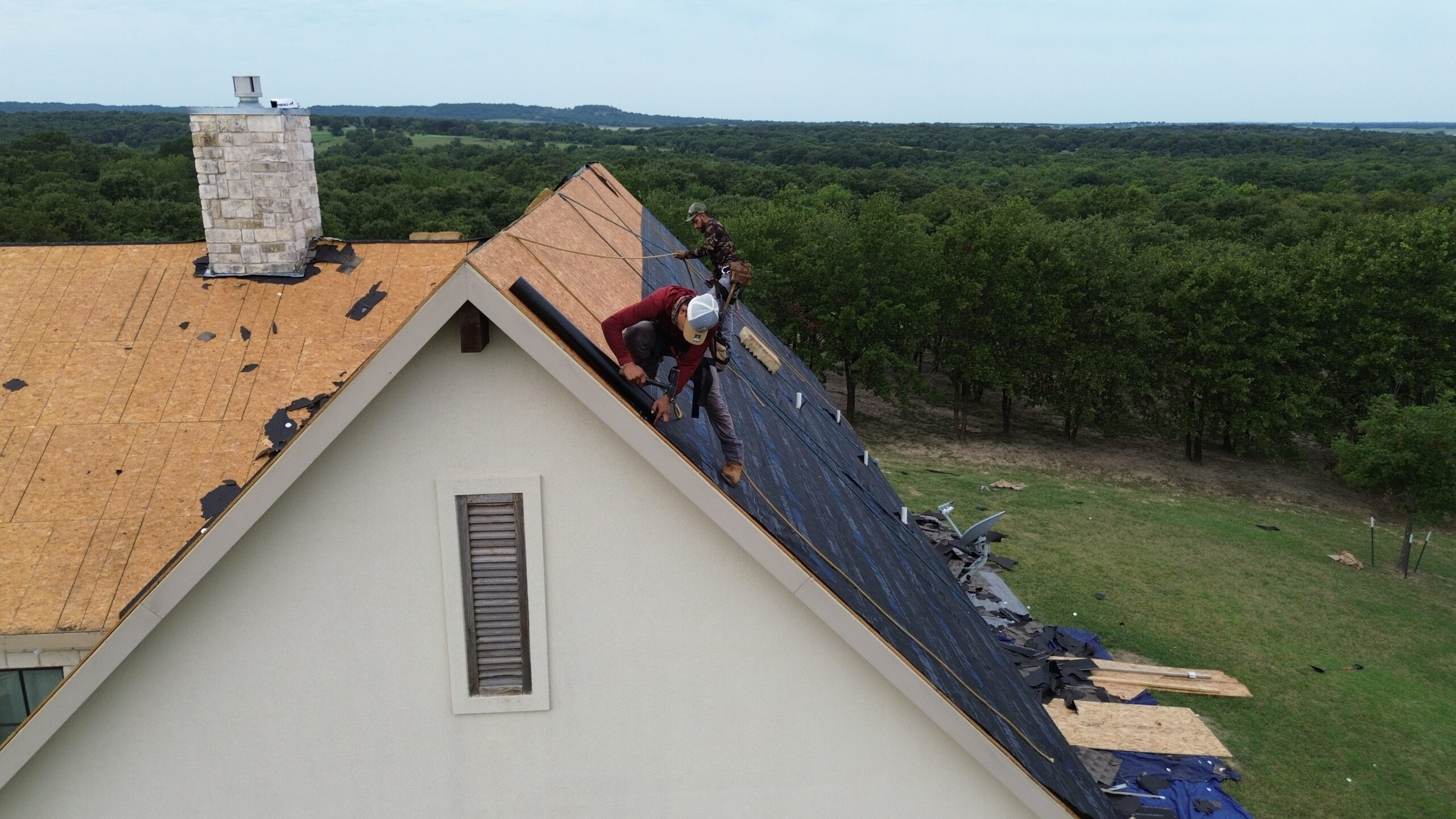
Best Practices for Choosing the Right Roofing Contractor
Selecting the right roofing contractor is just as important as choosing high quality asphalt shingles. Even premium materials cannot deliver their intended performance if installation quality falls below professional standards. Careful contractor selection greatly improves the likelihood of receiving a durable, reliable roofing system.
Begin by researching contractors with established experience in asphalt roof installation. Companies that have completed numerous residential roofing projects often possess the practical knowledge required to handle different roof designs and unexpected structural conditions.
Verify licensing, insurance, and any required certifications before signing a contract. Proper insurance protects both homeowners and workers in the event of accidents, while licensing demonstrates compliance with applicable regulations and professional requirements.
Ask about manufacturer training and warranty coverage. Many roofing manufacturers provide specialized installation training and may offer enhanced warranty options when certified contractors perform the work. Understanding warranty terms helps homeowners know what protection remains available after installation.
Request written estimates that clearly describe the scope of work, materials, timeline, cleanup procedures, and payment schedule. Detailed proposals reduce misunderstandings and provide a reliable reference throughout the project.
Reading customer reviews and requesting references can also provide valuable insight into workmanship quality and overall customer satisfaction. Speaking with previous clients offers firsthand information about communication, professionalism, and project results.
Homeowners should never base their decision solely on the lowest price. Extremely low estimates sometimes indicate reduced material quality, inadequate preparation, or shortcuts that may compromise long term roof performance. Comparing overall value rather than initial cost generally leads to better long term outcomes.
Clear communication throughout the project is equally important. Contractors who explain installation procedures, answer questions, and provide regular updates help homeowners understand each stage of the roofing process while building confidence in the completed work.
Choosing a qualified contractor represents one of the most important investments in home durability. Skilled installation allows every roofing component to function as designed while maximizing the lifespan of the entire roofing system.
Practical Checklist for Homeowners
Following a structured approach before, during, and after asphalt roof installation helps ensure the project contributes to long term home durability.
- Schedule a professional roof inspection before installation begins.
- Confirm that damaged decking and structural issues will be repaired before new shingles are installed.
- Verify the quality of shingles, underlayment, flashing, and ventilation materials.
- Review warranty information for both materials and workmanship.
- Monitor the installation process through regular communication with the contractor.
- Inspect the completed roof with the contractor before final payment.
- Schedule routine inspections and maintenance after installation to preserve long term performance.
Completing these steps helps homeowners protect their investment while reducing the likelihood of future roofing problems. A little preparation before installation often results in many years of dependable performance afterward.
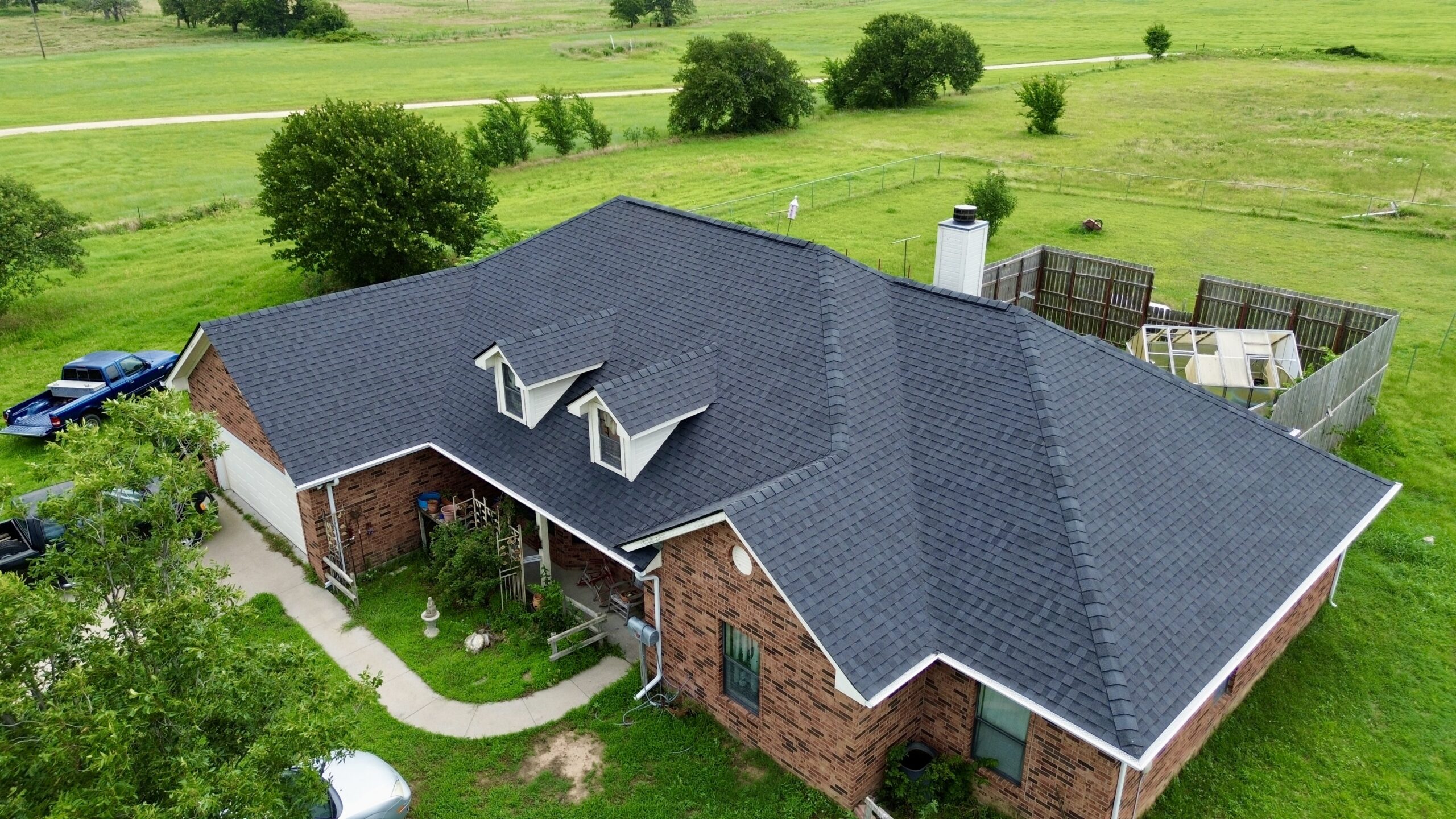
Frequently Asked Questions
How long does a properly installed asphalt roof usually last?
The lifespan depends on the quality of materials, local climate, ventilation, and maintenance. Most professionally installed architectural asphalt roofs perform well for 25 to 35 years, while premium products may last even longer under favorable conditions.
Does installation quality really matter that much?
Yes. Proper installation determines how effectively every roofing component works together. Even premium shingles can fail prematurely if flashing, ventilation, underlayment, or fastening methods are installed incorrectly.
How often should an asphalt roof be inspected?
Most roofing professionals recommend a thorough inspection at least once or twice each year. Additional inspections after severe storms help identify damage before it develops into larger structural problems.
Can small roofing problems be ignored until later?
Minor roofing issues rarely remain minor for long. Small leaks or loose shingles often allow moisture to enter hidden areas, where damage gradually spreads to decking, insulation, and interior finishes.
Is asphalt roofing suitable for different climate conditions?
Modern asphalt shingles are manufactured for a wide range of climates. Selecting products designed for local weather conditions and ensuring professional installation allows asphalt roofing to perform effectively in many environments.
Conclusion
Asphalt roof installation plays a far greater role in home durability than simply covering the structure with shingles. Every stage of the installation process, from inspecting the roof deck to installing underlayment, flashing, ventilation, and shingles with precision, contributes to a roofing system capable of protecting the home for decades. When these components work together correctly, they create multiple layers of defense against water, wind, sunlight, temperature changes, and everyday environmental wear.
A properly installed asphalt roof safeguards the structural integrity of the home by preventing moisture intrusion, reducing the risk of mold and wood rot, supporting energy efficiency, and preserving the condition of walls, ceilings, insulation, and other critical building components. Consistent maintenance and timely inspections further strengthen this protection by addressing small concerns before they become expensive repairs.
Homeowners who invest in quality materials, experienced roofing professionals, and routine maintenance gain more than a durable roof. They benefit from improved property value, lower long term maintenance costs, greater indoor comfort, and the confidence that their home is prepared to withstand changing weather conditions year after year.
Ultimately, the durability of any home begins at the top. Choosing professional asphalt roof installation and maintaining the roofing system with care ensures that the roof continues performing its essential role as the home’s first and most important line of defense for many years to come.