Choosing Materials for Residential Roof Installation Projects
Introduction
Selecting the right roofing material is one of the most important decisions homeowners make during a residential roof installation project. While many people focus on the appearance of a roof, the material chosen also influences durability, weather resistance, energy efficiency, maintenance requirements, and the overall value of the home. A well-informed decision helps ensure the roof performs reliably for decades while complementing the home’s architectural style.
For first time homeowners, the number of available roofing materials can seem overwhelming. Asphalt shingles, metal roofing, clay tiles, concrete tiles, slate, wood shakes, and synthetic products each offer unique advantages and limitations. Understanding how these materials differ allows homeowners to choose an option that meets both their immediate budget and long term expectations.
Roofing materials should never be selected based solely on price or appearance. Local climate, roof design, maintenance preferences, expected lifespan, and structural requirements all influence which material will provide the best performance. A roofing product that performs exceptionally well in one region may not be the ideal choice for another location with different weather conditions.
Professional roofing contractors help homeowners evaluate these factors by considering the home’s design, local building codes, environmental conditions, and manufacturer recommendations. Their guidance ensures that the selected roofing material works effectively with every other component of the roofing system.
This guide explains the key factors involved in choosing materials for residential roof installation projects. By understanding these considerations before construction begins, homeowners can make confident decisions that protect both their investment and their home’s long term performance.
Why Choosing the Right Roofing Material Matters
A roof serves as the home’s primary barrier against weather, making material selection far more important than simply choosing an attractive color or style. Every roofing material responds differently to sunlight, rain, snow, wind, temperature changes, and moisture. Selecting the right product helps the roofing system perform efficiently under local environmental conditions.
Durability is one of the biggest reasons material selection matters. Roofing materials vary significantly in expected lifespan, with some lasting only a few decades while others may protect a home for more than half a century. Homeowners planning to remain in their property for many years often consider longevity alongside initial installation costs.
Energy efficiency is another important consideration. Certain roofing materials reflect more solar heat than others, helping reduce indoor temperatures during warm weather. Improved energy performance may contribute to lower cooling costs while creating a more comfortable indoor environment throughout the year.
The selected roofing material also affects maintenance requirements. Some materials require only occasional inspections and basic upkeep, while others benefit from more frequent cleaning or specialized maintenance procedures. Understanding these differences allows homeowners to choose a roof that fits their lifestyle and maintenance expectations.
Finally, roofing materials influence the home’s appearance and resale value. A roof occupies a significant portion of the home’s exterior, making it one of the most noticeable architectural features. Selecting materials that complement the home’s overall design enhances curb appeal while contributing to long term property value.
Factors That Influence Roofing Material Selection
Choosing the best roofing material requires balancing several practical considerations rather than focusing on a single feature. Every home has unique structural characteristics, environmental conditions, and homeowner priorities that influence which roofing material is most appropriate.
Climate is often the first factor evaluated by roofing professionals. Homes located in areas with heavy rainfall, strong winds, frequent hail, intense sunlight, or snowfall require roofing materials capable of performing reliably under those specific conditions. Selecting materials designed for the local environment improves long term durability while reducing maintenance concerns.
Roof slope also affects material selection. Some roofing products perform well on steep roofs but may not be recommended for low slope applications. Contractors evaluate roof pitch before recommending suitable materials that promote effective water drainage.
Structural capacity must also be considered. Heavier materials such as clay tiles, concrete tiles, and natural slate place greater loads on the roof structure than asphalt shingles or metal roofing. Contractors verify that the home’s framing can safely support these materials before installation begins.
Homeowner preferences also influence material selection. Desired appearance, maintenance expectations, environmental goals, and budget all contribute to the final decision. Balancing these priorities helps identify roofing materials that satisfy both practical and aesthetic objectives.
Professional guidance becomes particularly valuable because experienced contractors understand how these factors interact. Rather than evaluating each consideration separately, they recommend complete roofing systems designed to perform effectively under real world conditions.
Understanding Climate and Weather Conditions
Weather is one of the most important influences on roofing performance. Every roofing material experiences continuous exposure to sunlight, rain, wind, humidity, and seasonal temperature changes. Choosing materials suited to local climate conditions greatly improves the lifespan and reliability of the roofing system.
Homes located in regions with frequent rainfall benefit from roofing materials that shed water efficiently while resisting moisture penetration. Proper drainage, waterproof underlayment, and durable surface materials work together to reduce the likelihood of leaks and water damage.
Strong wind regions require roofing products with excellent wind resistance. Manufacturers often test roofing materials under simulated wind conditions to determine how well they remain attached during severe weather. Contractors follow specific fastening guidelines to maximize wind performance.
Areas receiving intense sunlight place different demands on roofing materials. Continuous ultraviolet exposure gradually affects many building products, making UV resistant materials an important consideration. Reflective roofing materials may also improve energy efficiency by reducing heat absorption.
Cold climates introduce additional challenges. Snow accumulation, freezing temperatures, and repeated freeze thaw cycles affect roofing performance over time. Some regions also require additional waterproof membranes near roof edges to protect against ice related moisture problems.
Rather than selecting roofing materials based only on appearance, homeowners should consider how local weather patterns will influence long term performance. Materials suited to the surrounding environment generally require fewer repairs while providing more dependable protection.
Matching Roofing Materials to Home Design
The roof is one of the largest visible features of any home, making its appearance an important architectural consideration. Roofing materials should complement the home’s design rather than appearing disconnected from the overall style.
Traditional homes often pair well with asphalt shingles because they are available in a wide range of colors and textures. Their versatility allows homeowners to match colonial, craftsman, ranch, and contemporary architectural styles without overwhelming the building’s appearance.
Mediterranean and Spanish inspired homes frequently use clay or concrete roof tiles. Their distinctive shapes and warm colors create architectural character while complementing stucco walls and decorative exterior finishes.
Modern residential designs often incorporate metal roofing because of its clean lines and contemporary appearance. Standing seam metal panels create a simple, refined look that complements minimalist architectural styles while offering excellent durability.
Natural slate provides an elegant appearance suitable for historic homes and luxury properties. Although more expensive than many alternatives, its distinctive texture and exceptional lifespan make it a popular choice for premium residential construction.
Synthetic roofing materials continue expanding design possibilities by replicating the appearance of slate, cedar shake, or tile while remaining lighter and often easier to install. These products allow homeowners to achieve specific architectural styles without some of the structural challenges associated with natural materials.
Selecting roofing materials that complement the home’s overall design creates visual harmony while enhancing curb appeal and long term property value.
Budget Considerations for Residential Roof Installation
Budget plays an important role in every residential roof installation project, but homeowners should avoid evaluating roofing materials solely by their initial purchase price. Long term value often provides a more meaningful measure of the overall investment.
Lower cost roofing materials may reduce installation expenses initially, but they sometimes require earlier replacement or more frequent maintenance. Higher quality materials often involve greater upfront costs while providing longer service life and lower maintenance requirements.
Installation costs also vary between roofing materials. Some products require specialized installation techniques, additional labor, or reinforced structural support. These factors should be considered alongside material pricing when comparing roofing options.
Maintenance expenses deserve equal attention during budgeting. Roofing systems requiring regular treatments, specialized repairs, or frequent inspections may generate higher long term ownership costs despite lower initial installation prices.
Energy efficiency can also influence the overall financial picture. Reflective roofing materials that reduce cooling demands may provide gradual utility savings over many years, helping offset higher installation costs.
Homeowners should discuss complete lifecycle costs with their roofing contractor rather than focusing exclusively on installation price. Considering durability, maintenance, energy performance, and expected lifespan provides a more accurate understanding of each roofing material’s long term value.
Understanding Roofing Material Lifespans
Every roofing material has an expected service life influenced by product quality, installation methods, local climate, and ongoing maintenance. Understanding these differences helps homeowners select roofing materials aligned with their long term plans for the property.
Asphalt shingles generally provide dependable service for several decades when professionally installed and properly maintained. They remain popular because they balance affordability with reliable performance.
Metal roofing often offers significantly longer lifespans while requiring relatively little maintenance. Many modern metal roofing systems continue performing effectively for several decades beyond the lifespan of traditional asphalt shingles.
Clay tile, concrete tile, and natural slate represent some of the longest lasting residential roofing materials available. With proper structural support and regular maintenance, these products may continue protecting homes for many decades.
Synthetic roofing materials vary depending on the manufacturer and product design. Many are engineered to provide extended service lives while resisting weather related deterioration and ultraviolet exposure.
It is important to remember that actual roof lifespan depends on more than the roofing material alone. Professional installation, proper ventilation, effective drainage, and consistent maintenance all contribute significantly to long term performance.
Homeowners planning to remain in their homes for many years may prioritize durability, while those considering future resale may balance longevity with budget and appearance. Understanding expected service life helps guide these decisions more effectively.
Preparing to Compare Different Roofing Options
Before making a final roofing material decision, homeowners should organize the information gathered throughout the planning process. Comparing materials becomes much easier when every important factor has been considered rather than focusing only on individual features.
Some of the key points worth reviewing include:
- Local climate and weather conditions.
- Roof slope and structural design.
- Expected lifespan of each roofing material.
- Maintenance requirements.
- Energy efficiency benefits.
- Installation costs.
- Long term ownership expenses.
- Architectural compatibility.
- Warranty coverage.
- Contractor recommendations.
Reviewing these considerations together provides a balanced perspective that supports informed decision making.
Rather than searching for a universally “best” roofing material, homeowners should focus on identifying the option that best matches their home’s needs, personal preferences, and long term goals. Every roofing material offers advantages under the right circumstances, making careful evaluation far more valuable than relying on price or appearance alone.
With these selection principles established, the next part of this guide will examine the most common residential roofing materials in detail. We will compare their strengths, limitations, maintenance requirements, and ideal applications while providing practical guidance that helps homeowners choose the roofing material best suited for their residential roof installation project.
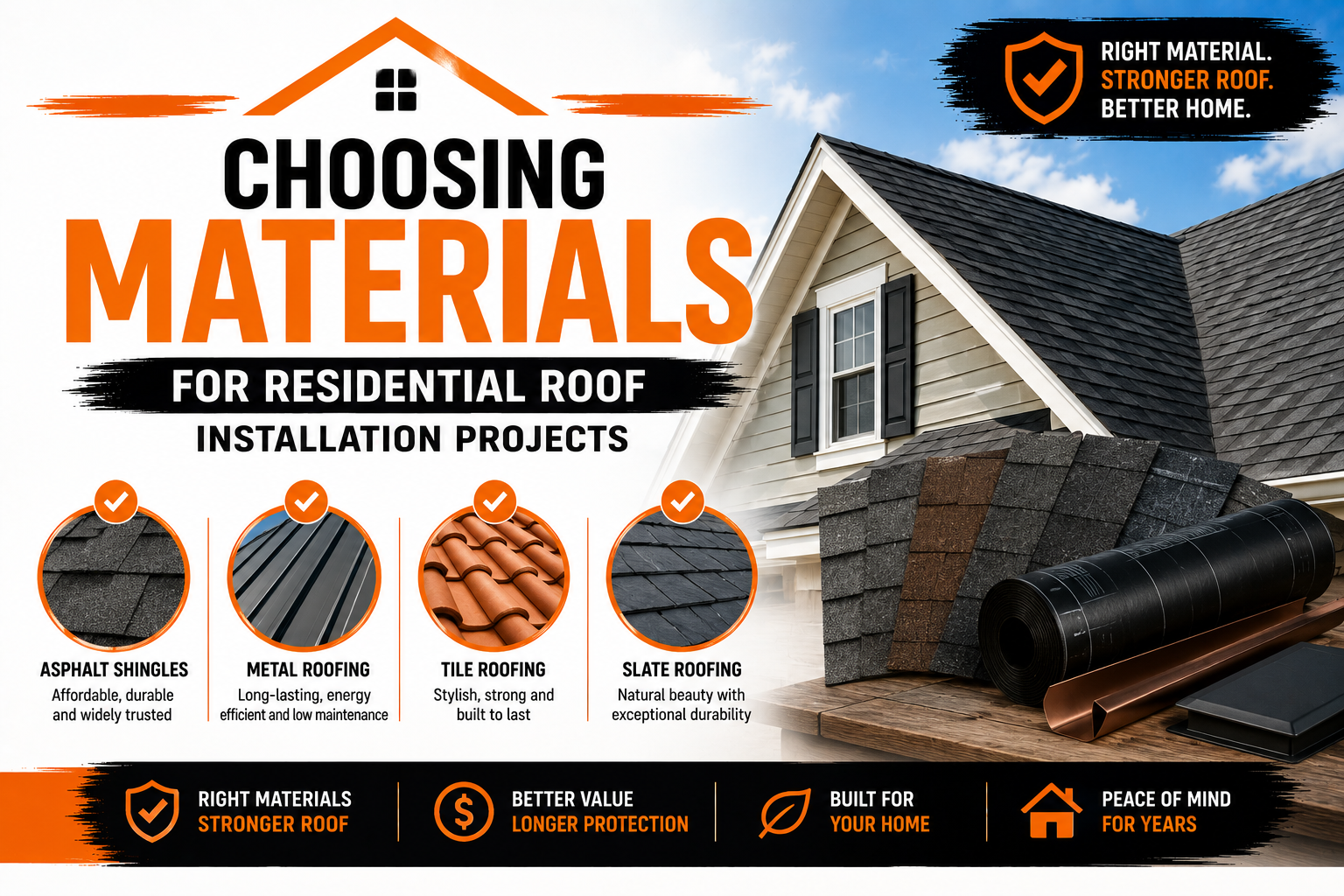
Asphalt Shingles
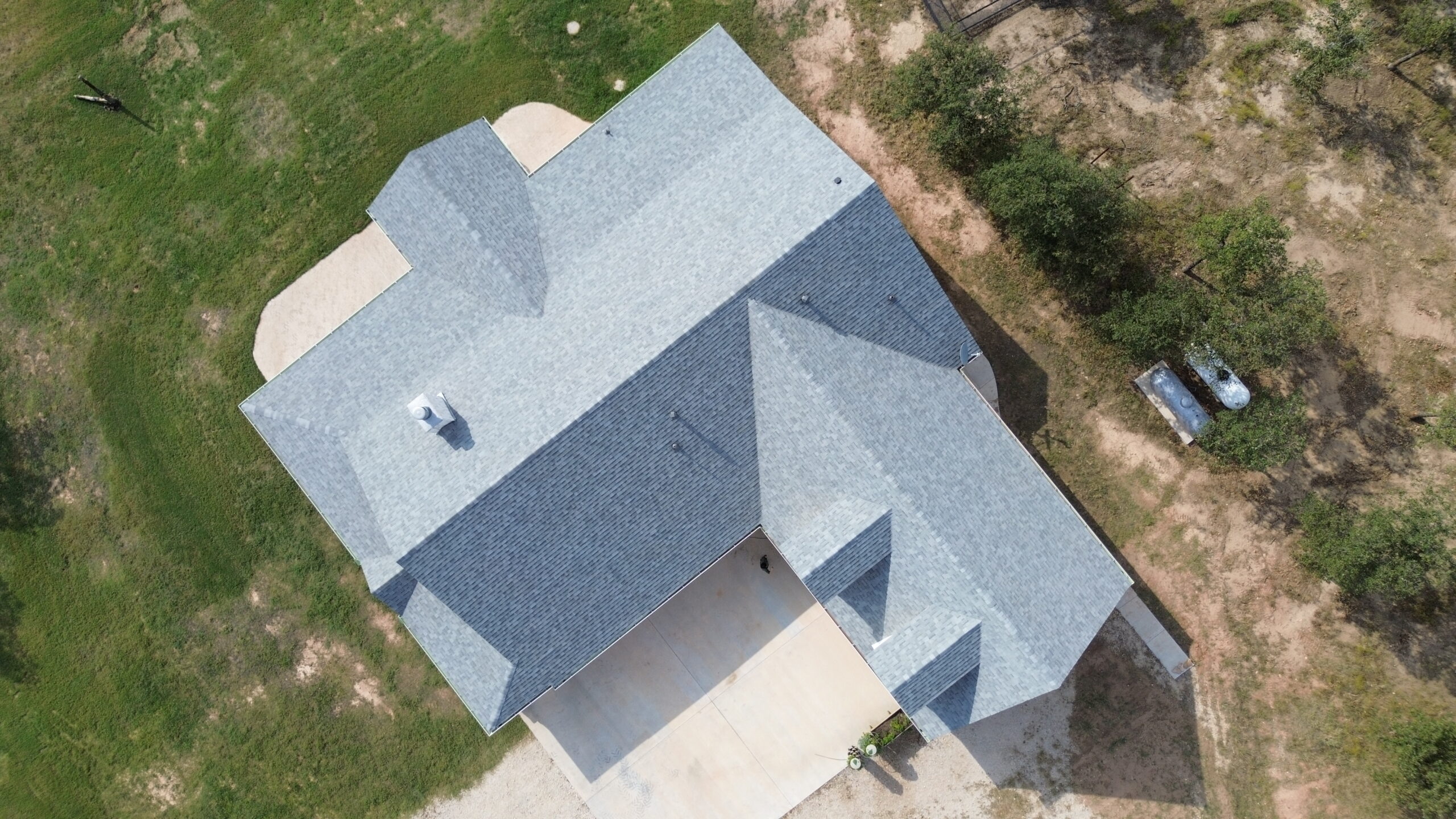
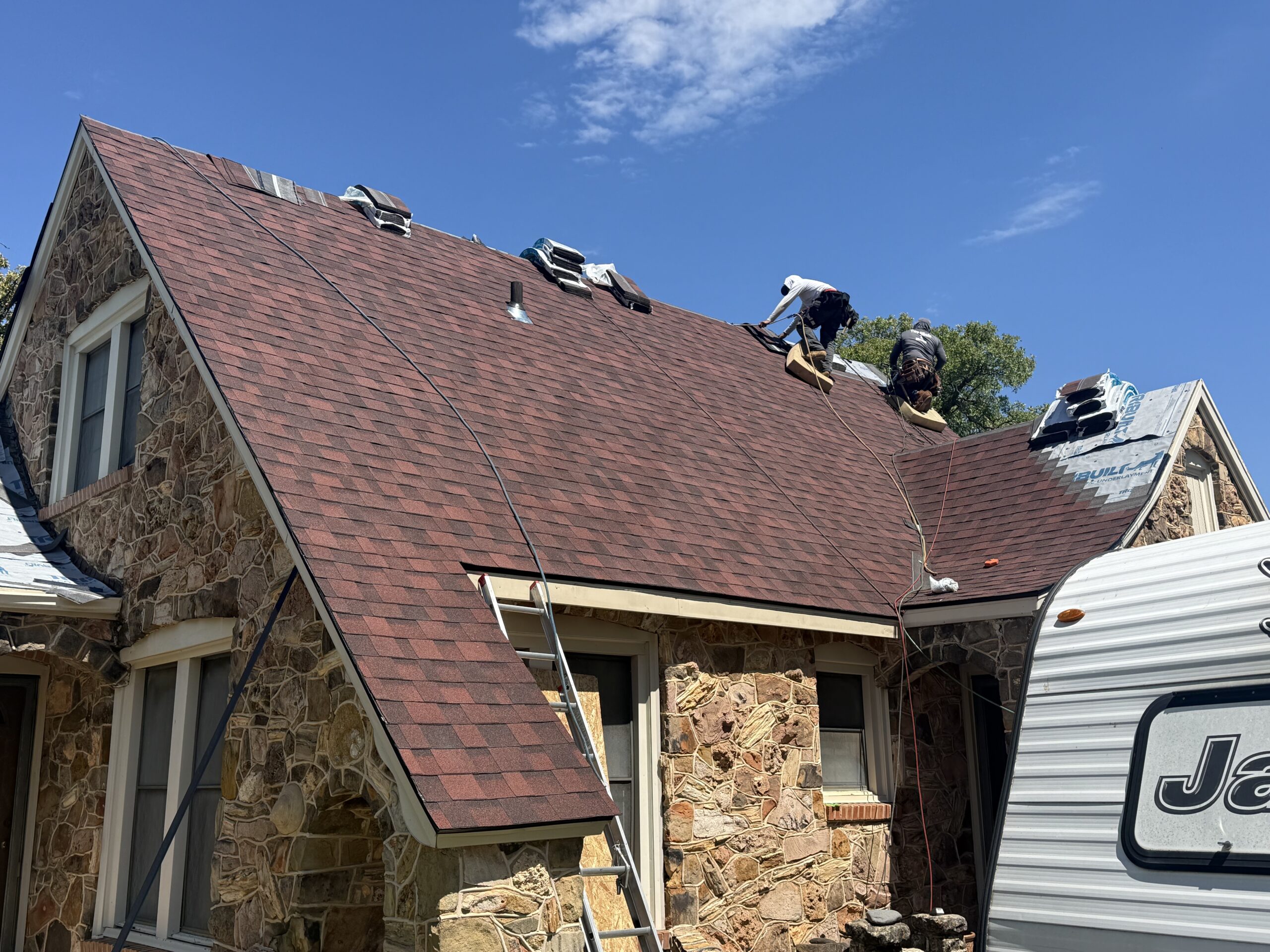
Asphalt shingles remain the most widely used residential roofing material because they provide a practical balance between affordability, durability, and appearance. They are available in a wide variety of colors, textures, and profiles, allowing homeowners to complement many different architectural styles without exceeding their roofing budget.
Modern asphalt shingles are manufactured with a fiberglass or organic base that is coated with asphalt and finished with protective mineral granules. These granules help shield the shingles from ultraviolet radiation while improving weather resistance. Manufacturers continue improving shingle technology, making today’s products more durable than many earlier generations.
One of the biggest advantages of asphalt shingles is their versatility. They perform well in many climates when installed correctly and are suitable for a wide range of residential roof designs. Their relatively lightweight construction also means they rarely require additional structural reinforcement during new home construction.
Installation is generally more straightforward than many premium roofing materials, allowing contractors to complete projects efficiently while following manufacturer guidelines. Repairs are also relatively simple because individual damaged shingles can often be replaced without disturbing large sections of the roof.
Despite these advantages, asphalt shingles have limitations. Their lifespan is generally shorter than materials such as metal, slate, or clay tile, and prolonged exposure to extreme weather may accelerate aging. Regular inspections and routine maintenance help maximize their service life.
For many homeowners, asphalt shingles represent an excellent combination of value, appearance, and dependable performance, making them a popular choice for residential roof installation projects.
Metal Roofing
Metal roofing has become increasingly popular in residential construction because of its impressive durability and long service life. Once primarily associated with agricultural and commercial buildings, modern metal roofing systems now offer attractive designs that complement both traditional and contemporary homes.
Metal roofing is available in several forms, including standing seam panels, corrugated profiles, and metal shingles that resemble traditional roofing materials. Manufacturers also offer numerous color options, allowing homeowners to match different architectural styles while maintaining a clean and modern appearance.
One of the greatest strengths of metal roofing is its longevity. Properly installed metal roofs often remain functional for several decades while requiring relatively little maintenance. They also resist cracking, shrinking, and many forms of weather related deterioration.
Metal roofing performs especially well in areas experiencing heavy rainfall or snowfall because its smooth surface encourages efficient water and snow runoff. Many systems also provide excellent wind resistance when installed according to manufacturer recommendations.
Energy efficiency is another advantage. Reflective metal roofing helps reduce heat absorption during warmer months, potentially lowering cooling costs while improving indoor comfort.
Although the initial investment is generally higher than asphalt shingles, many homeowners view metal roofing as a worthwhile long term investment because of its durability, energy performance, and reduced maintenance requirements.
Clay and Concrete Tiles
Clay and concrete roof tiles have been used for centuries and continue to provide excellent performance on residential homes today. These materials create distinctive architectural styles while offering exceptional durability under many environmental conditions.
Clay tiles are manufactured from natural clay that is shaped and fired at high temperatures. Their rich colors and traditional appearance make them particularly popular on Mediterranean, Spanish, and Southwestern style homes. Many clay roofs retain their attractive appearance for decades with relatively little maintenance.
Concrete tiles provide similar visual appeal while often offering greater design flexibility. Manufacturers produce concrete tiles in many different shapes, textures, and colors, allowing homeowners to achieve a wide range of architectural looks.
Both clay and concrete tiles provide excellent resistance to fire, insects, and ultraviolet exposure. They also perform well in warm climates where prolonged sunlight affects other roofing materials more significantly.
One important consideration is weight. Clay and concrete tiles are substantially heavier than asphalt shingles or metal roofing. Before selecting these materials, contractors verify that the home’s structural framing has been designed to support the additional load safely.
Installation also requires experienced professionals because correct placement, fastening, and flashing details are essential for long term performance. Although installation costs may be higher, many homeowners appreciate the combination of beauty, durability, and longevity these materials provide.
Slate Roofing
Natural slate is considered one of the most durable and elegant residential roofing materials available. Formed from natural stone, slate offers exceptional longevity while creating a distinctive appearance that enhances many upscale and historic homes.
Each slate tile is cut from natural stone, resulting in subtle variations of color and texture that create a unique finished appearance. Rather than looking manufactured, slate roofs develop character through the natural qualities of the stone itself.
Durability remains slate’s greatest advantage. Properly installed slate roofing can continue protecting a home for generations with appropriate maintenance. It also provides excellent resistance to fire, moisture, insects, and ultraviolet radiation.
Like clay and concrete tiles, slate requires careful structural evaluation because of its significant weight. Contractors must confirm that roof framing has been designed to support the roofing system safely before installation begins.
Installation is highly specialized and should only be performed by experienced roofing professionals familiar with slate construction techniques. Improper installation may damage individual tiles while reducing the performance of the completed roofing system.
Although natural slate involves one of the highest initial investments among residential roofing materials, many homeowners consider its longevity and timeless appearance well worth the additional cost.
Synthetic Roofing Materials
Synthetic roofing materials have become increasingly popular as manufacturers continue developing products that combine attractive appearance with modern engineering. These materials are designed to resemble natural slate, cedar shake, clay tile, or other premium roofing products while reducing weight and simplifying installation.
Many synthetic products are manufactured using advanced polymer blends, recycled materials, or engineered composites. These materials often provide impressive durability while resisting cracking, fading, insect damage, and moisture absorption.
One advantage of synthetic roofing is its relatively low weight compared to natural stone or clay tile. This allows homeowners to achieve premium architectural appearances without requiring extensive structural reinforcement.
Installation is often more efficient because synthetic products are manufactured with consistent dimensions and integrated fastening systems. Contractors familiar with these products can complete installations according to manufacturer recommendations while maintaining excellent appearance.
Many synthetic roofing systems also offer good impact resistance, making them attractive in regions experiencing hail or falling tree debris. Some products are specifically engineered to withstand severe weather conditions while maintaining long term performance.
Homeowners considering synthetic roofing should review manufacturer warranties carefully because product quality and expected lifespan vary between brands. Choosing reputable manufacturers helps ensure dependable performance over many years.
Wood Shingles and Wood Shakes
Wood roofing provides a natural appearance that many homeowners find attractive, particularly on cottages, cabins, coastal homes, and traditional architectural styles. Cedar remains one of the most common wood roofing materials because of its natural durability and resistance to insects.
Wood shingles are machine cut to create a smooth, uniform appearance. Their clean lines produce a refined finished roof while maintaining the warmth and texture associated with natural wood.
Wood shakes differ because they are split rather than sawn, creating a thicker and more rustic appearance. Their irregular texture gives homes a distinctive character that many homeowners appreciate.
Wood roofing provides natural insulation while blending beautifully with surrounding landscapes. Over time, untreated cedar gradually develops an attractive weathered appearance that many property owners find desirable.
Maintenance requirements, however, are generally greater than for many other roofing materials. Periodic cleaning, inspections, and treatments may be necessary depending on local climate and manufacturer recommendations. Areas with high humidity may require additional attention to maintain long term performance.
Local building regulations should also be reviewed because some regions limit or regulate wood roofing due to fire safety considerations. Contractors can explain these requirements while recommending appropriate alternatives if necessary.
Comparing Popular Residential Roofing Materials
Every roofing material offers unique advantages depending on climate, budget, architectural style, and maintenance expectations. The following table provides a side by side comparison of several popular residential roofing materials.
| Roofing Material | Main Advantages | Considerations | Typical Lifespan |
|---|---|---|---|
| Asphalt Shingles | Affordable, versatile, easy installation | Shorter lifespan than premium materials | 20 to 30 years |
| Metal Roofing | Durable, energy efficient, low maintenance | Higher initial investment | 40 to 70 years |
| Clay Tile | Attractive appearance, exceptional longevity | Heavy structural load | 50 years or more |
| Concrete Tile | Durable and weather resistant | Requires adequate structural support | 40 to 60 years |
| Slate | Premium appearance, extremely durable | High cost and significant weight | 75 years or more |
| Synthetic Roofing | Lightweight, attractive, impact resistant | Quality varies by manufacturer | 30 to 50 years |
| Wood Shingles and Shakes | Natural beauty and insulation | Higher maintenance requirements | 25 to 40 years |
While this comparison provides a helpful overview, the best roofing material depends on the specific needs of each home rather than one universal recommendation.
How Contractors Help Homeowners Choose the Right Material
Professional roofing contractors play an important role in helping homeowners select roofing materials that match both practical requirements and personal preferences. Their experience allows them to evaluate factors that homeowners may not initially consider.
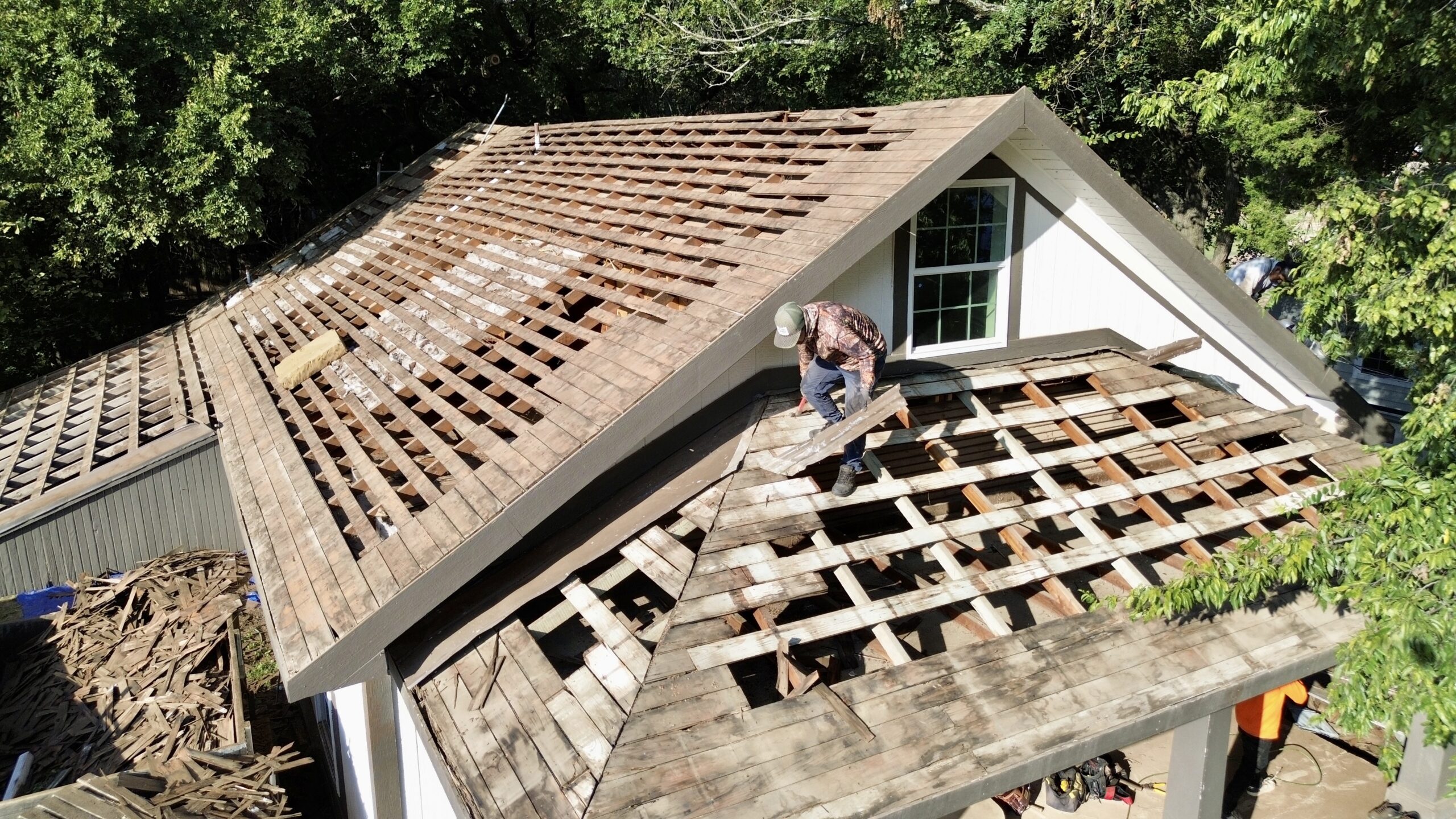
Contractors begin by assessing the home’s structural design. Roof slope, framing capacity, ventilation requirements, and drainage patterns all influence which materials will perform most effectively. Heavier roofing products may require additional structural support, while certain materials perform better on specific roof pitches.
Local climate is another major consideration. Contractors understand how different roofing materials respond to prolonged sunlight, heavy rainfall, snow accumulation, strong winds, and temperature fluctuations. Their recommendations reflect real world performance rather than marketing claims alone.
Budget discussions also help narrow the available options. Rather than focusing only on installation costs, contractors explain expected maintenance expenses, lifespan, and overall lifecycle value. This balanced approach allows homeowners to compare long term ownership costs more accurately.
Manufacturers often provide specialized installation training for certified contractors. These professionals remain familiar with updated installation guidelines, product improvements, and warranty requirements. Their expertise helps ensure selected materials are installed according to approved procedures.
Contractors also provide physical samples that allow homeowners to compare colors, textures, and finishes under natural lighting conditions. Seeing materials in person often makes the final decision easier than relying only on printed brochures or digital images.
By combining technical knowledge with practical experience, roofing contractors help homeowners select materials that provide dependable performance while enhancing the overall appearance of the home.
Planning for Long Term Satisfaction
Choosing roofing materials should always involve looking beyond the completion of the installation project. The roof will protect the home every day for many years, making long term performance just as important as initial appearance.
Homeowners should consider how maintenance expectations fit their lifestyle. Some materials require little attention beyond occasional inspections, while others benefit from regular cleaning or specialized maintenance. Selecting materials that match personal preferences helps ensure the roof continues performing well throughout its lifespan.
Future plans for the property also influence material selection. Homeowners intending to remain in the home for decades may prioritize durability and longevity, while those considering resale may focus on balancing appearance, performance, and overall return on investment.
Every roofing material discussed in this guide offers distinct advantages when selected for the right application. Understanding these differences prepares homeowners to make informed decisions while working closely with experienced roofing professionals.
With the characteristics of each major roofing material now explained, the final part of this guide will explore energy efficiency, environmental considerations, warranties, maintenance requirements, common material selection mistakes, and a practical checklist that helps homeowners confidently choose the best roofing material for their residential roof installation project.
Energy Efficiency and Environmental Considerations
Energy efficiency has become an important factor in residential roof installation projects. While durability and appearance remain essential, many homeowners also want roofing materials that contribute to lower energy consumption and a more comfortable indoor environment. The right roofing material can influence attic temperatures, cooling costs, and overall home efficiency throughout the year.
Some roofing materials naturally reflect more sunlight than others. Metal roofing, for example, often includes reflective coatings that reduce heat absorption during hot weather. Lighter colored roofing products also tend to reflect more solar radiation than darker materials, helping to keep roof surfaces cooler during sunny days.
Proper ventilation works together with roofing materials to improve energy performance. Even the most energy efficient roofing product cannot perform effectively if warm air becomes trapped inside the attic. A balanced ventilation system allows fresh air to enter through intake vents while warm air exits through ridge vents or other exhaust openings.
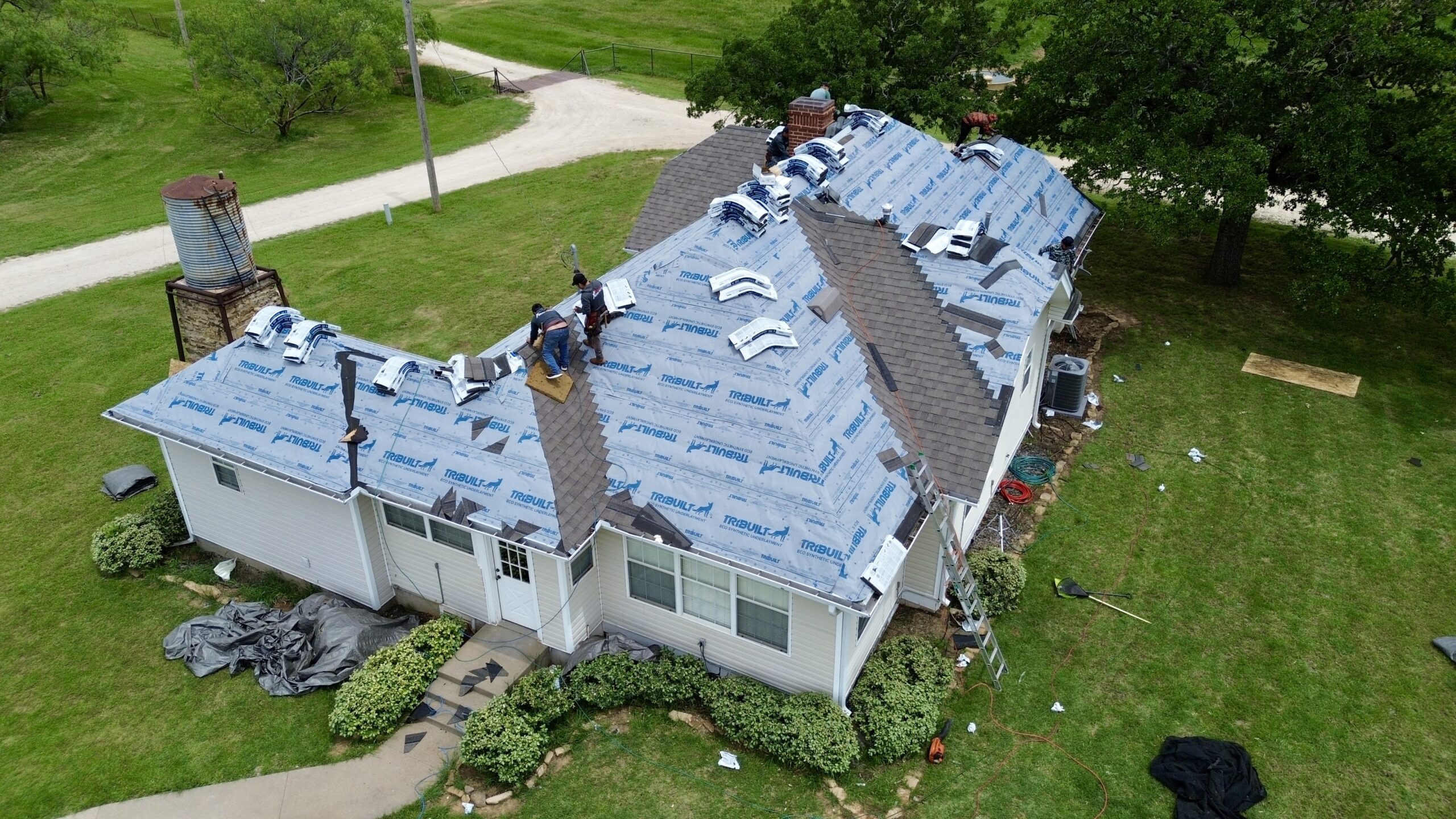
Insulation should also be considered when selecting roofing materials. A complete roofing system includes insulation, underlayment, ventilation, and the finished roofing surface. These components work together to regulate indoor temperatures and reduce unnecessary heating or cooling demands.
Environmental impact is another consideration for many homeowners. Some roofing materials contain recycled content, while others can be recycled at the end of their service life. Synthetic products manufactured from recycled materials and recyclable metal roofing systems are examples of environmentally conscious choices available in today’s market.
Longevity also contributes to sustainability. Roofing materials that remain in service for many decades reduce the frequency of replacement, lowering the amount of construction waste generated over time. Investing in durable products often provides environmental benefits alongside financial value.
Homeowners interested in energy efficiency should discuss available options with their roofing contractor. Local climate, roof design, insulation, and ventilation all influence how different roofing materials perform under real world conditions.
Maintenance Requirements for Different Roofing Materials
Every roofing material requires some level of maintenance, although the amount of care varies considerably depending on the product selected. Understanding these requirements before installation helps homeowners choose materials that match their long term maintenance preferences.
Asphalt shingles generally require periodic inspections to identify missing shingles, damaged flashing, or clogged gutters. With routine care, asphalt roofs continue providing dependable protection throughout their expected lifespan.
Metal roofing is often selected because of its relatively low maintenance needs. Occasional inspections, gutter cleaning, and checking exposed fasteners help preserve its appearance and long term performance. Since metal roofing resists many common forms of deterioration, maintenance requirements remain comparatively modest.
Clay tiles, concrete tiles, and slate roofs are highly durable but should still receive regular inspections. Broken or displaced individual tiles should be repaired promptly to prevent moisture from reaching the underlayment beneath the roofing system.
Wood shingles and wood shakes generally require more attention than many other roofing materials. Depending on the local climate, homeowners may need to remove accumulated moss, clean organic debris, and perform treatments recommended by the manufacturer to maintain long term performance.
Synthetic roofing products vary according to the manufacturer and material composition. Most require routine visual inspections and gutter maintenance while offering good resistance to moisture, insects, and ultraviolet exposure.
Regardless of the roofing material selected, several maintenance practices remain beneficial for every home:
- Inspect the roof after major storms.
- Clean gutters and downspouts regularly.
- Remove fallen branches and roof debris.
- Trim overhanging tree limbs.
- Schedule professional roof inspections every few years.
Consistent maintenance protects every roofing system while helping homeowners avoid larger repair expenses in the future.
Roofing Warranties and Manufacturer Recommendations
Roofing warranties provide valuable protection, but many homeowners do not fully understand how they work until questions arise after installation. Learning about warranty coverage before selecting roofing materials helps homeowners compare products more effectively while avoiding misunderstandings later.
Most residential roofing systems include two primary types of warranties. Material warranties are supplied by the roofing manufacturer and generally cover defects in roofing products themselves. These warranties vary depending on the product and manufacturer, with some offering limited coverage while others provide extended protection.
Workmanship warranties are provided by the roofing contractor. These warranties address installation related issues that result from improper workmanship rather than manufacturing defects. Because workmanship warranties vary between contractors, homeowners should review their terms carefully before signing a contract.
Some manufacturers also offer enhanced warranty programs when complete roofing systems are installed using approved components by certified contractors. These warranties often provide broader protection because every roofing layer has been tested together for compatibility and performance.
Following manufacturer installation instructions is essential for maintaining warranty protection. Improper installation methods, incompatible accessories, or unauthorized modifications may affect warranty eligibility. Professional roofing contractors remain familiar with these requirements and help ensure roofing systems meet manufacturer standards.
Homeowners should keep warranty documents, contracts, invoices, inspection reports, and maintenance records together in a secure location. Organized documentation simplifies future warranty claims while providing valuable records throughout the life of the roof.
Questions Homeowners Should Ask Before Choosing Materials
Selecting roofing materials involves many important decisions, making communication with the roofing contractor essential. Asking thoughtful questions before installation begins helps homeowners understand available options while choosing products suited to their specific needs.
Important questions include:
- Which roofing material performs best in my local climate?
- What lifespan can I realistically expect from each option?
- How much maintenance does each roofing material require?
- Will my home’s structure support heavier roofing materials?
- Which roofing products provide the best energy efficiency?
- What warranties are included with each material?
- Which roofing system offers the best long term value?
- Are all accessories compatible with the selected roofing material?
These discussions encourage informed decision making rather than relying solely on product brochures or advertising claims. Contractors can also explain how different materials perform on homes with similar designs in the local area.
Reviewing physical product samples often helps homeowners compare colors, textures, and finishes under natural lighting conditions. Seeing roofing materials in person frequently provides a clearer understanding than viewing photographs alone.
Open communication between homeowners and contractors creates confidence while reducing uncertainty throughout the material selection process.
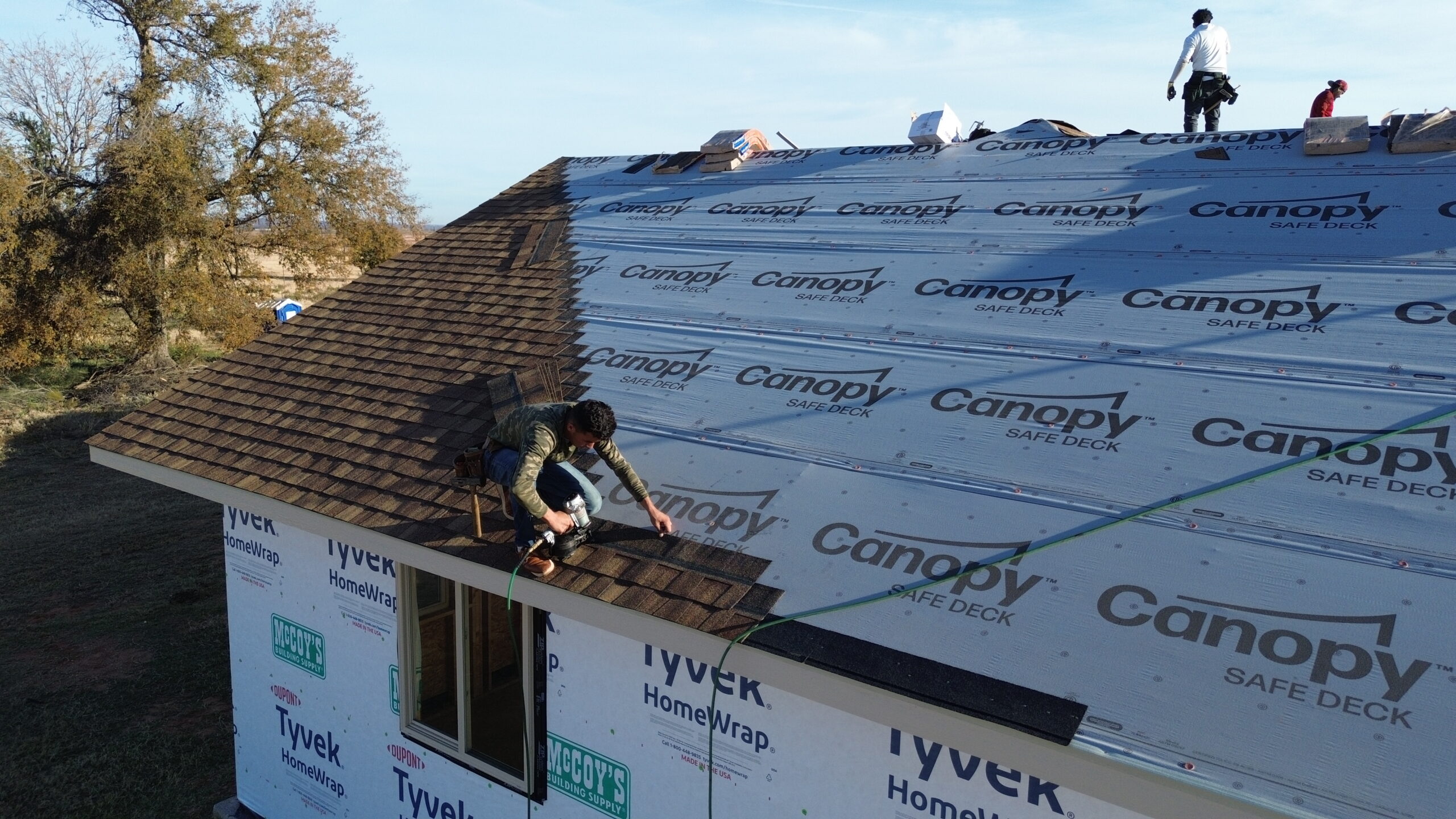
Residential Roofing Material Selection Checklist
Choosing roofing materials becomes much easier when homeowners follow an organized decision making process. The following checklist summarizes important factors that should be reviewed before making a final selection.
- Evaluate local climate and weather conditions.
- Confirm the roof structure can support the selected material.
- Compare expected lifespan for each roofing option.
- Review installation costs and long term ownership expenses.
- Understand routine maintenance requirements.
- Compare energy efficiency characteristics.
- Review manufacturer warranty coverage.
- Confirm contractor experience with the selected material.
- Compare appearance with the home’s architectural style.
- Select a complete roofing system using compatible components.
Working through this checklist helps homeowners make balanced decisions based on long term performance rather than focusing on only one or two individual features.
Common Mistakes to Avoid When Choosing Roofing Materials
Even carefully planned roofing projects may encounter problems if material selection is based on incomplete information. Understanding common mistakes helps homeowners avoid decisions that may lead to unnecessary expense or reduced roof performance.
One common mistake is selecting roofing materials based only on the lowest initial cost. While budget is certainly important, lower priced products may involve shorter lifespans or greater maintenance requirements. Considering total ownership costs often provides a more accurate comparison.
Another mistake involves choosing materials based solely on appearance. Although curb appeal matters, roofing materials should first meet structural, environmental, and performance requirements before aesthetic preferences become the deciding factor.
Ignoring local climate conditions is another frequent error. Roofing materials that perform exceptionally well in one region may not provide the same durability in another location with different weather patterns. Contractors familiar with local conditions can recommend products suited to the surrounding environment.
Some homeowners also overlook structural limitations. Heavy roofing materials such as slate or clay tile require adequate structural support. Installing these products without proper evaluation may create unnecessary structural concerns.
Failing to compare warranty coverage is another avoidable mistake. Material quality, workmanship protection, and manufacturer requirements all influence the overall value of the roofing investment.
Choosing inexperienced installers can also affect roofing performance regardless of the material selected. Even premium roofing products depend on proper installation to achieve their intended lifespan and warranty coverage.
Avoiding these common mistakes helps homeowners select roofing materials that deliver dependable performance while protecting their investment.
Balancing Appearance, Performance, and Value
The ideal roofing material is rarely the one with the lowest price or the longest advertised lifespan alone. Instead, successful roofing projects balance appearance, structural compatibility, durability, maintenance expectations, and financial considerations.
Some homeowners prioritize architectural style because they want the roof to complement the character of their home. Others focus on longevity, selecting materials capable of lasting several decades with minimal maintenance. Many seek a practical compromise that combines attractive appearance with dependable performance and reasonable ownership costs.
Contractors help achieve this balance by explaining how different materials perform under local environmental conditions. Their recommendations often reflect years of practical experience installing roofing systems on similar homes rather than relying only on manufacturer specifications.
It is also important to consider future plans for the property. Families planning to remain in the home for many years may place greater emphasis on durability and reduced maintenance, while homeowners preparing for resale may focus on appearance and market appeal.
Making a balanced decision ensures the roofing system continues meeting homeowner expectations long after construction has been completed.
Looking Beyond the Roofing Material
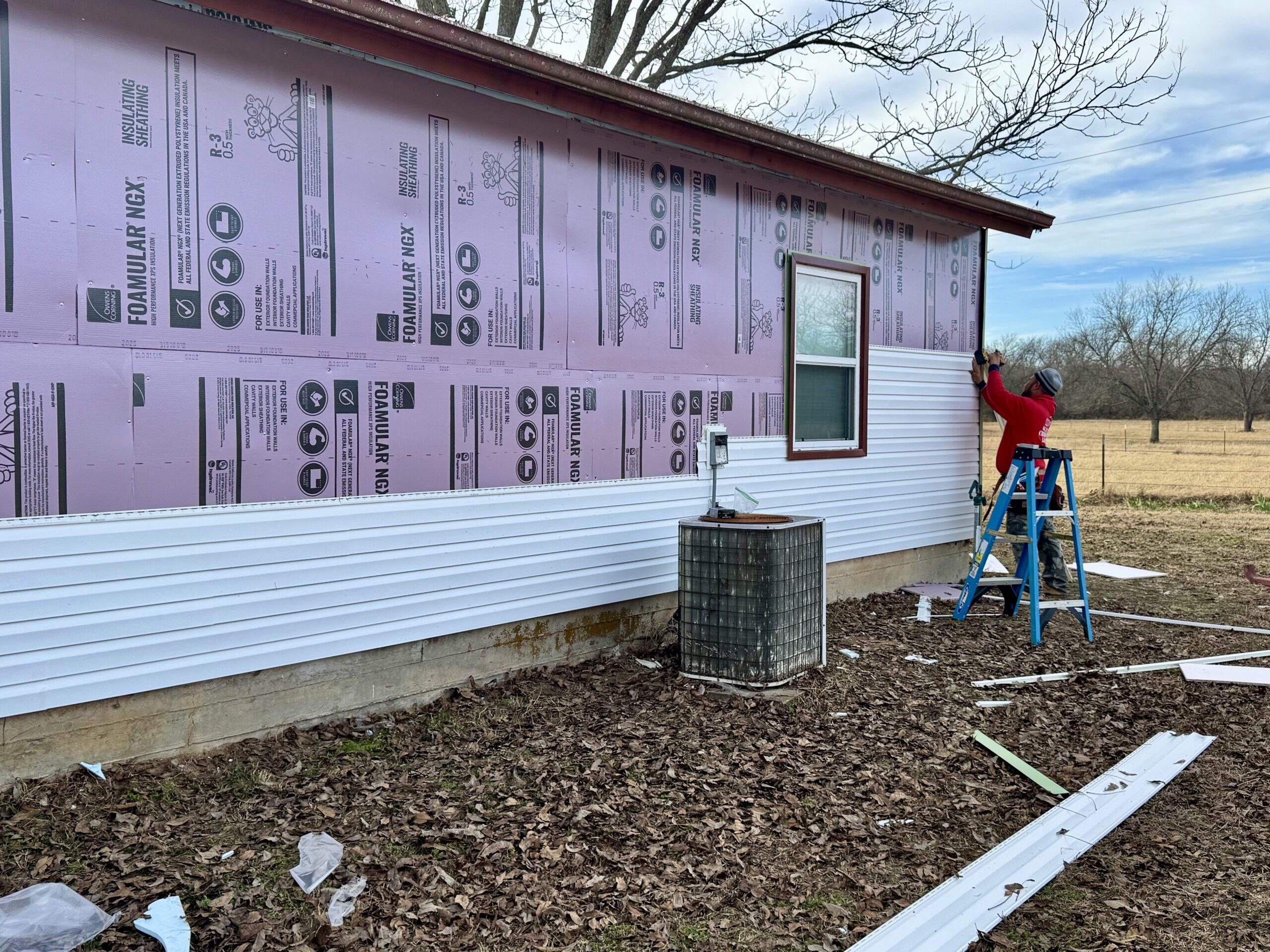
Although roofing material selection is extremely important, homeowners should remember that the visible roofing product represents only one part of the complete roofing system. Underlayment, waterproof membranes, flashing, ventilation, fasteners, and installation quality all contribute significantly to long term roof performance.
A premium roofing material installed incorrectly may perform worse than a more affordable product installed according to professional standards. Likewise, excellent installation cannot fully compensate for choosing materials unsuitable for the local climate or structural design.
Viewing the roof as a complete system encourages better decision making throughout the installation process. Every component should work together to provide weather protection, structural reliability, energy efficiency, and long term durability.
Working with experienced roofing professionals helps ensure all these elements remain compatible while maximizing the value of the completed roofing project.
Conclusion
Choosing materials for a residential roof installation project is one of the most important decisions homeowners make during new construction. The roofing material influences not only the home’s appearance but also its durability, energy efficiency, maintenance requirements, weather resistance, and long term value. Understanding the strengths and limitations of each material allows homeowners to make informed choices that support both immediate needs and future expectations.
Throughout this guide, we explored the most common residential roofing materials, including asphalt shingles, metal roofing, clay and concrete tiles, slate, synthetic products, and wood roofing. We also examined the importance of climate, structural design, energy performance, maintenance requirements, warranty protection, and contractor expertise. Together, these factors create a complete picture that extends far beyond selecting a color or style.
Every roofing material offers unique advantages when matched to the right home and installed correctly. There is no single product that represents the best solution for every residential project. Instead, successful material selection depends on balancing budget, appearance, durability, maintenance expectations, and local environmental conditions while considering the homeowner’s long term plans.
Professional roofing contractors remain valuable partners throughout this process. Their experience with local weather, building codes, installation methods, and manufacturer recommendations helps homeowners avoid costly mistakes while selecting complete roofing systems that perform reliably for decades.
Ultimately, the best roofing investment combines quality materials, professional installation, compatible roofing components, and consistent maintenance. When these elements work together, homeowners gain far more than an attractive roof. They receive a durable, energy efficient, weather resistant roofing system that protects their home, enhances property value, and provides dependable performance for many years to come.