
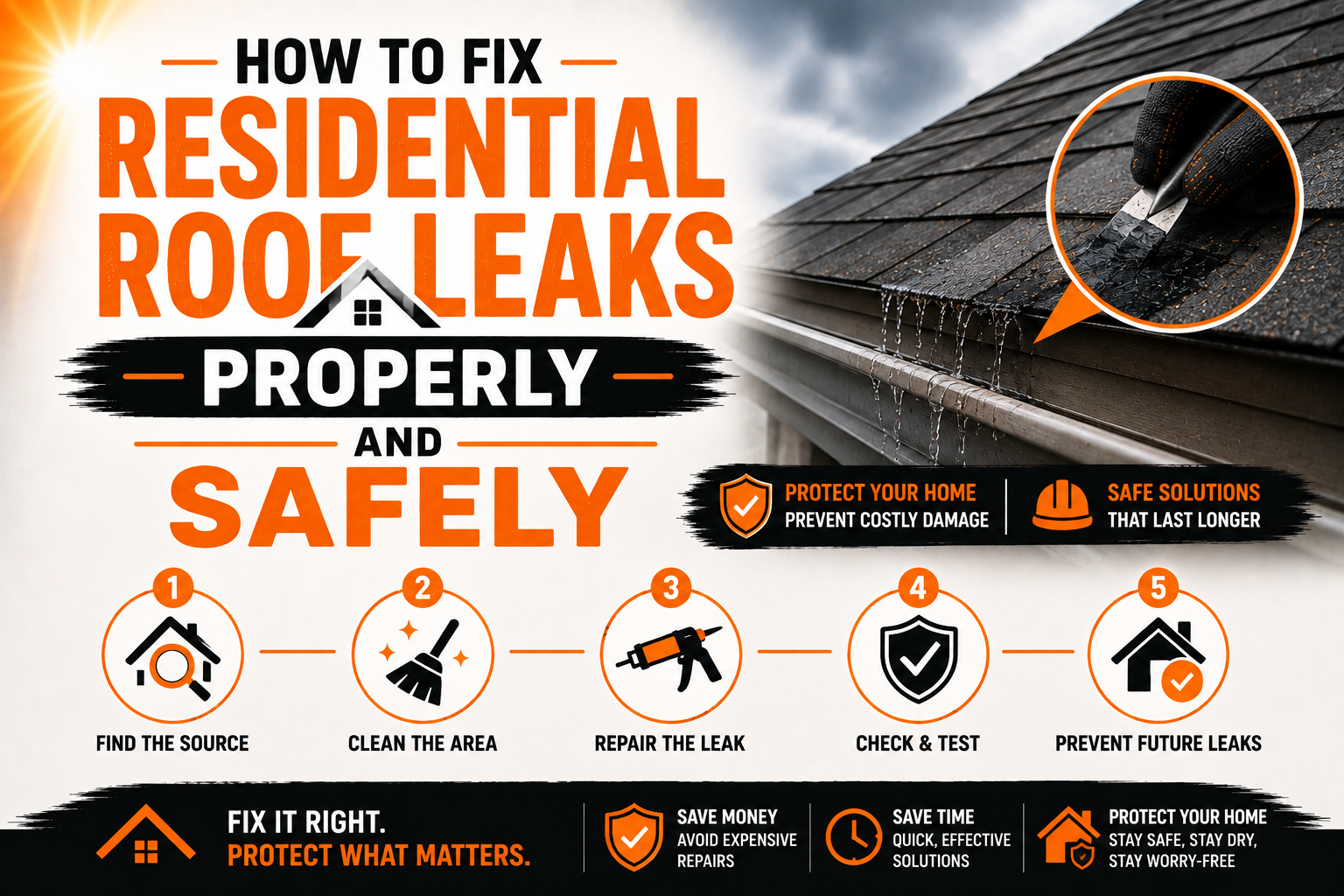
How to Fix Residential Roof Leaks Properly and Safely
Introduction
A residential roof leak can begin as a small problem and quickly become a major concern if it is not addressed properly. Water entering through damaged shingles, flashing, roof penetrations, or other weak areas can travel through the roofing system before appearing as a stain on a ceiling or wall. Fixing the visible symptom without finding the actual source may allow moisture to continue damaging the home.
Proper roof leak repair starts with identifying why water is entering the structure. A leak may result from a missing shingle, cracked roofing material, damaged flashing, blocked drainage, deteriorated sealant, or problems beneath the visible roof surface. In some cases, several issues may contribute to the same leak, making a professional inspection necessary.
Safety should remain a priority throughout the repair process. Residential roofs can be steep, slippery, and difficult to access, especially after rain. Homeowners should avoid climbing onto a wet or unstable roof and should understand that some repairs are better handled by trained roofing professionals with appropriate equipment.
The first response to a leak should focus on controlling the water and protecting the interior of the home. Buckets, containers, protective coverings, and temporary measures can help reduce immediate damage while a permanent repair is arranged. These actions are not substitutes for repairing the roofing system, but they can limit the effects of active water intrusion.
Understanding the common causes of roof leaks also makes it easier to recognize when professional help is needed. A homeowner may be able to identify obvious damage from the ground or from a safe attic inspection, but hidden roofing problems often require specialized knowledge.
A successful repair should restore the roofing system rather than simply cover the place where water became visible. The repair process should address the source, inspect surrounding materials, correct any underlying damage, and confirm that water can no longer enter the structure.
Understanding Common Causes of Residential Roof Leaks
Residential roof leaks can develop for many different reasons, and the source is not always obvious. Roofing materials are constantly exposed to sunlight, wind, rain, temperature changes, and other environmental conditions. Over time, these factors can weaken materials and create openings where water can enter.
Damaged or missing shingles are among the most recognizable causes of leaks on asphalt-shingle roofs. Strong winds can loosen shingles, while falling branches or other debris can crack or remove them. Aging shingles may also become brittle, curl at the edges, or lose protective granules, making them more vulnerable to moisture.
Flashing problems are another frequent cause. Flashing is installed around areas where the roof meets walls, chimneys, skylights, vents, and other structures. If flashing becomes loose, corroded, cracked, or improperly sealed, water can enter through these vulnerable joints.
Roof penetrations deserve particular attention because every opening creates a potential path for water. Plumbing vents, exhaust vents, satellite equipment, antennas, and other components may require protective boots or flashing. When these components deteriorate, the surrounding area can begin leaking.
Roof valleys are also vulnerable because they collect and direct water from different roof slopes. Leaves, debris, damaged materials, or improper installation can interfere with water movement. If a valley cannot drain correctly, water may remain in the area longer and eventually find a path beneath the roofing materials.
Blocked gutters and downspouts can contribute to water problems as well. When rainwater cannot flow away efficiently, it may back up near the roof edge and reach areas that were not designed to remain exposed to standing water. Keeping drainage systems clear is therefore an important part of preventing leaks.
Age can contribute to multiple roofing problems at the same time. An older roof may have deteriorated shingles, worn flashing, damaged underlayment, and weakened seals. When several components have reached the end of their useful life, repeatedly repairing individual leaks may become less effective than replacing the roofing system.
Poor installation can also create long-term vulnerabilities. Incorrect fastening, inadequate flashing, improper overlaps, insufficient ventilation, and other installation problems may allow water to enter even when the roofing material itself appears relatively new.
Weather events can accelerate damage. Heavy rain, hail, strong winds, ice, falling branches, and other conditions can create openings that were not present before the event. Homeowners should inspect for signs of storm damage after severe weather, but they should avoid climbing onto the roof to do so.
Finding the Actual Source of a Roof Leak
Finding the actual source of a roof leak is often more difficult than locating the visible water stain. Water does not always travel straight downward after entering the roofing system. It can move along decking, framing, insulation, and other surfaces before appearing inside the home.
A ceiling stain therefore should not automatically be treated as the exact location of the roof problem. The leak could originate several feet away or higher on the roof. Attempting to seal the area directly above the interior stain without investigating the surrounding roofing system may result in an unsuccessful repair.
The attic can provide useful clues when it is safe to enter. Homeowners may observe wet insulation, darkened wood, water stains, damp areas, or other signs of moisture. A flashlight can help reveal discoloration around rafters, roof decking, vents, and other components.
Moisture patterns can sometimes indicate the direction from which water is traveling. However, determining the exact entry point can still be challenging because water may move along structural members before reaching the attic floor or ceiling below.
Exterior inspection should be performed from a safe location whenever possible. From the ground, homeowners may notice missing shingles, damaged flashing, visible holes, sagging areas, or debris accumulation. Binoculars can provide a closer view without requiring someone to climb onto the roof.
If the roof can be safely accessed by a qualified professional, the inspection should cover more than the obvious damaged area. The contractor should examine nearby shingles, flashing, valleys, penetrations, roof edges, and other potential entry points.
Water testing may sometimes be used by professionals to help identify a difficult leak. Controlled testing can help determine where water enters the system, but it should be performed carefully because introducing additional water into an already damaged structure can worsen the problem if done improperly.
Leaks can also appear only under certain weather conditions. A roof may remain dry during light rainfall but leak during wind-driven rain. Similarly, a small opening may become noticeable only when water accumulates in a particular area.
The inspection should therefore consider the timing and circumstances of the leak. Homeowners should tell the contractor when the leak appears, whether it occurs during heavy or light rain, and whether wind seems to affect it. These details can help narrow down possible causes.
Inspecting the Attic and Interior for Water Damage
Before attempting a roof repair, homeowners should assess the interior areas affected by water. This does not replace a professional roofing inspection, but it can help determine whether the leak is active and whether moisture has spread beyond the original location.
Ceiling stains are one of the most common visible signs of a roof leak. A brown or discolored area may indicate previous or ongoing moisture exposure. Even when the stain appears dry, the underlying materials should not automatically be assumed to be unaffected.
Peeling paint, bubbling surfaces, damaged drywall, and warped materials can also indicate prolonged moisture exposure. If these conditions continue to worsen, the water source may still be active. Repairing interior surfaces before correcting the roof can result in repeated damage.
The attic should be checked only when it can be accessed safely. Homeowners should avoid stepping between ceiling joists or onto unsupported areas because the surface may not support their weight. If insulation or structural materials are wet, additional caution is necessary.
Wet insulation can retain moisture for an extended period. Depending on the material and severity of the exposure, it may need to be evaluated and potentially replaced. Leaving heavily saturated insulation in place can contribute to odors, deterioration, and other moisture-related problems.
Wood components should also be inspected for signs of prolonged exposure. Dark staining, softness, deterioration, or visible damage can indicate that water has been entering for some time. Structural components that appear compromised should be evaluated by an appropriate professional.
Electrical components require particular caution. Water can travel near wiring, light fixtures, outlets, and other electrical equipment. Homeowners should not touch electrical components that may have been exposed to water and should seek qualified assistance when there is any concern about electrical safety.
The interior inspection should also consider the extent of the affected area. A small stain may represent a localized leak, while moisture appearing in multiple rooms can indicate a larger roofing or drainage problem. Recording the locations of stains and other signs can help the contractor during the roof inspection.
Photographs can be useful for documenting the condition before repairs begin. Homeowners can photograph ceiling stains, damaged interior materials, attic moisture, and visible exterior damage from safe positions. These records may also help when communicating with insurance providers after a covered storm event.
Temporary Steps to Control a Roof Leak Safely
When water is actively entering a home, the first priority is to reduce immediate damage while arranging a permanent repair. Temporary measures can help control the situation, but they should never be considered a substitute for correcting the roofing problem.
A container can be placed beneath an active drip to collect water and protect flooring or furniture. If water is spreading across a larger area, towels or protective coverings can help limit damage to nearby belongings. Homeowners should avoid placing heavy objects in locations where wet ceilings may be unstable.
If a ceiling is visibly swollen or sagging because of trapped water, homeowners should exercise extreme caution. A damaged ceiling can become unstable, particularly when saturated. Professional assistance may be necessary to determine the safest way to address the situation.
Furniture and valuable belongings should be moved away from the affected area when possible. Electronics and other electrical equipment should be kept away from water. If water is reaching electrical fixtures or wiring, homeowners should avoid contact and seek qualified assistance.
Temporary exterior protection may sometimes be necessary after severe storm damage. A professional roofer can install an appropriate temporary covering to reduce further water entry while permanent repairs are scheduled. Homeowners should avoid climbing onto the roof to install coverings themselves, especially during or immediately after severe weather.
A temporary measure should be monitored until permanent work is completed. If water continues entering despite the temporary protection, the contractor should be contacted again. Additional water intrusion can quickly increase damage to insulation, drywall, decking, and other materials.
Homeowners should also document the emergency condition. Photographs and notes about when the leak occurred, the weather conditions, and the affected areas can provide useful information for the contractor. If insurance is involved, this documentation may also support the claim process.
Temporary protection is most effective when it is treated as an emergency step rather than a final repair. Once conditions are safe, the underlying roofing problem should be professionally evaluated and permanently corrected.
Repairing Damaged Shingles and Roofing Materials
Once the leak source has been identified, the appropriate repair method depends on the type and extent of roofing damage. Small areas of damaged shingles may be repairable when the surrounding roofing system remains in good condition. However, repairs should be performed according to the requirements of the specific roofing material.
For asphalt shingles, damaged pieces may need to be carefully removed and replaced with compatible materials. The surrounding shingles should be checked for brittleness, lifting, or other signs of deterioration. If nearby materials are also failing, replacing only one piece may not provide a durable solution.
Replacement shingles should be properly positioned and secured. Fasteners need to be placed in the appropriate locations so that the materials remain stable without creating unnecessary openings. The repaired area should also integrate properly with surrounding courses.
Metal roofing requires a different approach. A damaged panel, fastener, seam, or flashing component may need specialized repair depending on the roofing system. Improvised patches can sometimes create additional problems if they interfere with drainage or material movement.
Tile and slate roofs also require appropriate repair methods. Individual damaged pieces may be replaceable, but the underlying underlayment and supporting materials should be inspected if water has entered beneath the surface. Walking on fragile roofing materials can cause additional damage and should be left to trained professionals.
Roof repairs should never focus only on appearance. A patch may look acceptable while still allowing water to enter beneath the surface. The goal is to restore the roof’s weather-resistant function and ensure that surrounding components remain properly integrated.
If damage is widespread, repair may no longer be the best solution. Multiple failing sections, extensive deterioration, repeated leaks, or damaged decking can indicate that replacement is more appropriate. A professional assessment can help determine whether repairing the affected area will provide meaningful long-term protection.
The safest approach is to match the repair method to the roofing material and actual cause of the leak. Properly correcting the source can prevent recurring water intrusion and protect the interior of the home from additional damage.
Repairing Roof Valleys and Other Vulnerable Areas
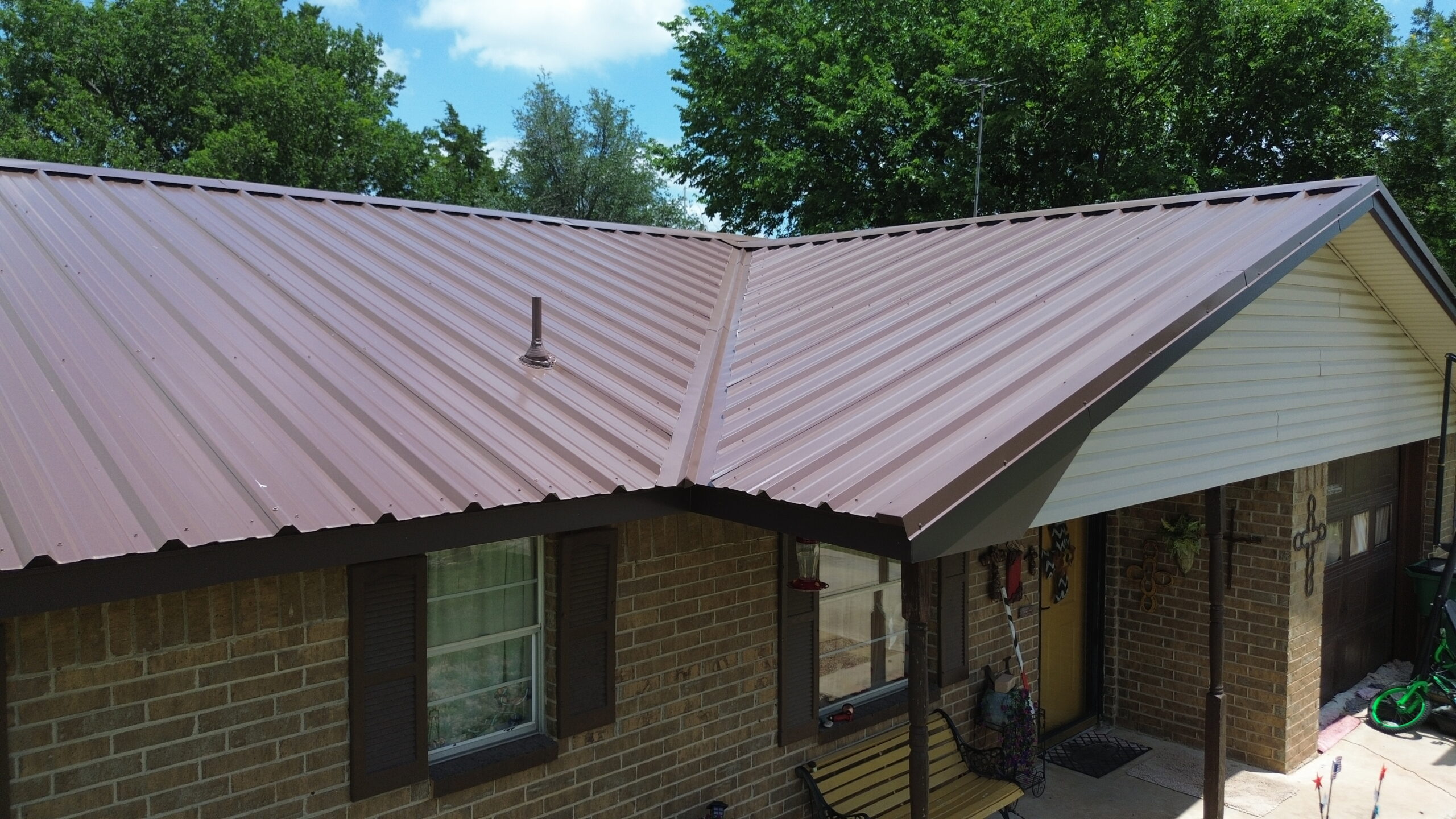
Roof valleys are among the most important areas to inspect when dealing with a residential roof leak. A valley is formed where two roof slopes meet, creating a pathway through which rainwater flows toward the lower portion of the roof. Because these areas handle significant amounts of water, damage, debris, poor installation, or deteriorated materials can create persistent leaks.
A leaking valley may show signs such as water stains in the attic, damp insulation, or moisture appearing inside after heavy rainfall. However, the visible interior damage may not be directly below the valley. Water can travel along the roof deck and structural framing before entering the living space.
Leaves, branches, dirt, and other debris should be removed from accessible drainage areas when it can be done safely. Accumulated debris can restrict water movement and keep moisture against roofing materials. Homeowners should not climb onto a steep or wet roof simply to clear a valley, particularly when professional assistance is more appropriate.
The condition of the valley material should also be assessed. Depending on the roofing system, valleys may use specialized metal flashing, membranes, or other components designed to direct water away from vulnerable areas. Cracks, corrosion, gaps, displaced materials, or improper overlaps can allow water to move beneath the roofing surface.
Repairs should address the underlying cause rather than simply applying sealant over a visible opening. Sealants can deteriorate over time and may not correct problems caused by damaged flashing or improperly installed roofing materials. A durable repair should restore the proper water-shedding design of the valley.
Other vulnerable areas include roof edges, ridges, hips, and transitions between different roof surfaces. These locations experience increased exposure to wind and water and require properly installed components. Damage in these areas can gradually spread if it is not corrected.
The roof edge should also be checked when leaks occur near gutters or exterior walls. Damaged drip edges, deteriorated materials, or poor drainage can allow water to move behind the roofing system. Correcting the edge detail may be necessary to prevent recurring moisture problems.
Because valleys and roof transitions can involve multiple roofing components, homeowners should be cautious about attempting complex repairs themselves. A professional roofer can determine whether the problem is localized or connected to broader installation or material deterioration.
Fixing Leaks Around Chimneys, Skylights, and Vents
Roof penetrations and transitions around chimneys, skylights, and vents are common locations for water intrusion. These structures interrupt the continuous roofing surface and require specialized flashing and sealing to prevent water from entering. When these components deteriorate, even a relatively small opening can cause significant interior damage.
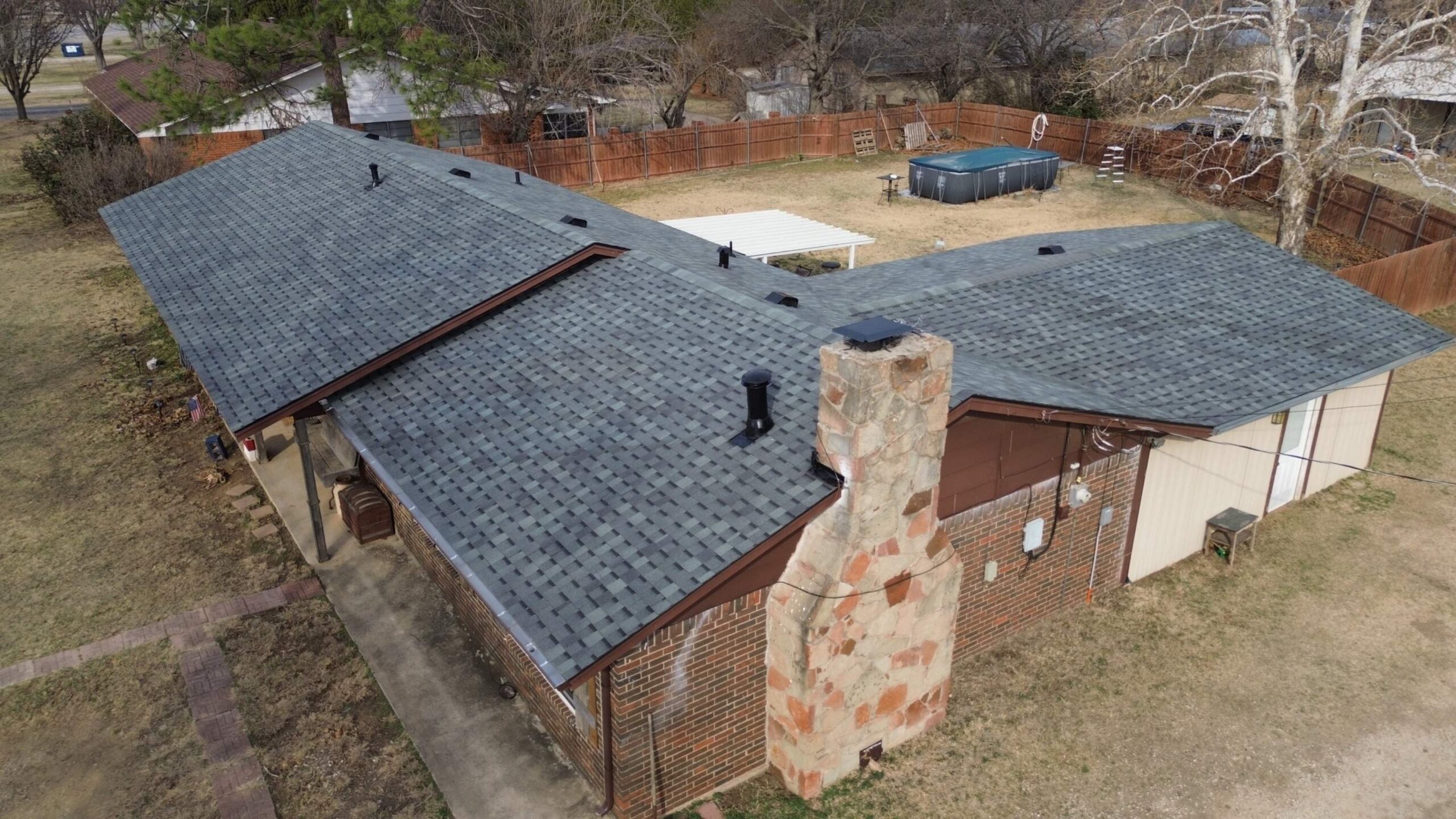
Chimneys require several flashing components because they meet the roof at different angles. Step flashing, counterflashing, and other materials may work together to direct water around the chimney and back onto the roof. If any part of this system becomes loose, damaged, or improperly sealed, water may enter the surrounding structure.
A chimney leak can be difficult to identify because moisture may travel through masonry or framing before becoming visible indoors. A ceiling stain near a chimney does not necessarily mean the leak begins exactly above the stain. The entire chimney-to-roof connection should be evaluated when this type of leak occurs.
Skylights can develop leaks around their frames, flashing, seals, or surrounding roofing materials. Older skylights may also develop problems as seals deteriorate with age. A contractor should determine whether the leak can be repaired or whether the skylight itself has reached the end of its useful life.
Roof vents and plumbing vent pipes also require protective components. Rubber or synthetic vent boots can become cracked or brittle after years of exposure to sunlight and changing temperatures. When the boot fails, water can enter around the pipe and eventually reach the attic or interior ceiling.
Improperly sealed fasteners can create another entry point. Roofing systems are designed with specific fastening and flashing methods, and adding random sealant over exposed areas may not provide a durable solution. The repair should follow the requirements of the roofing material and surrounding components.
Homeowners should also inspect areas where additions or extensions meet the original structure. These transitions can create complex drainage patterns and may develop leaks when flashing or roofing materials deteriorate. A professional inspection can identify whether the problem is limited to one transition or reflects a broader issue.
When repairing these areas, the contractor may need to remove surrounding roofing materials to access the flashing properly. This can make the repair appear larger than the original leak, but exposing the underlying components may be necessary for a durable solution.
After the repair, the surrounding roofing system should be checked for additional weaknesses. A leak around one penetration can sometimes indicate that other components of the roof are aging at the same rate. Addressing the immediate problem while documenting other concerns can help homeowners plan future maintenance.
Addressing Damaged Roof Decking and Underlayment
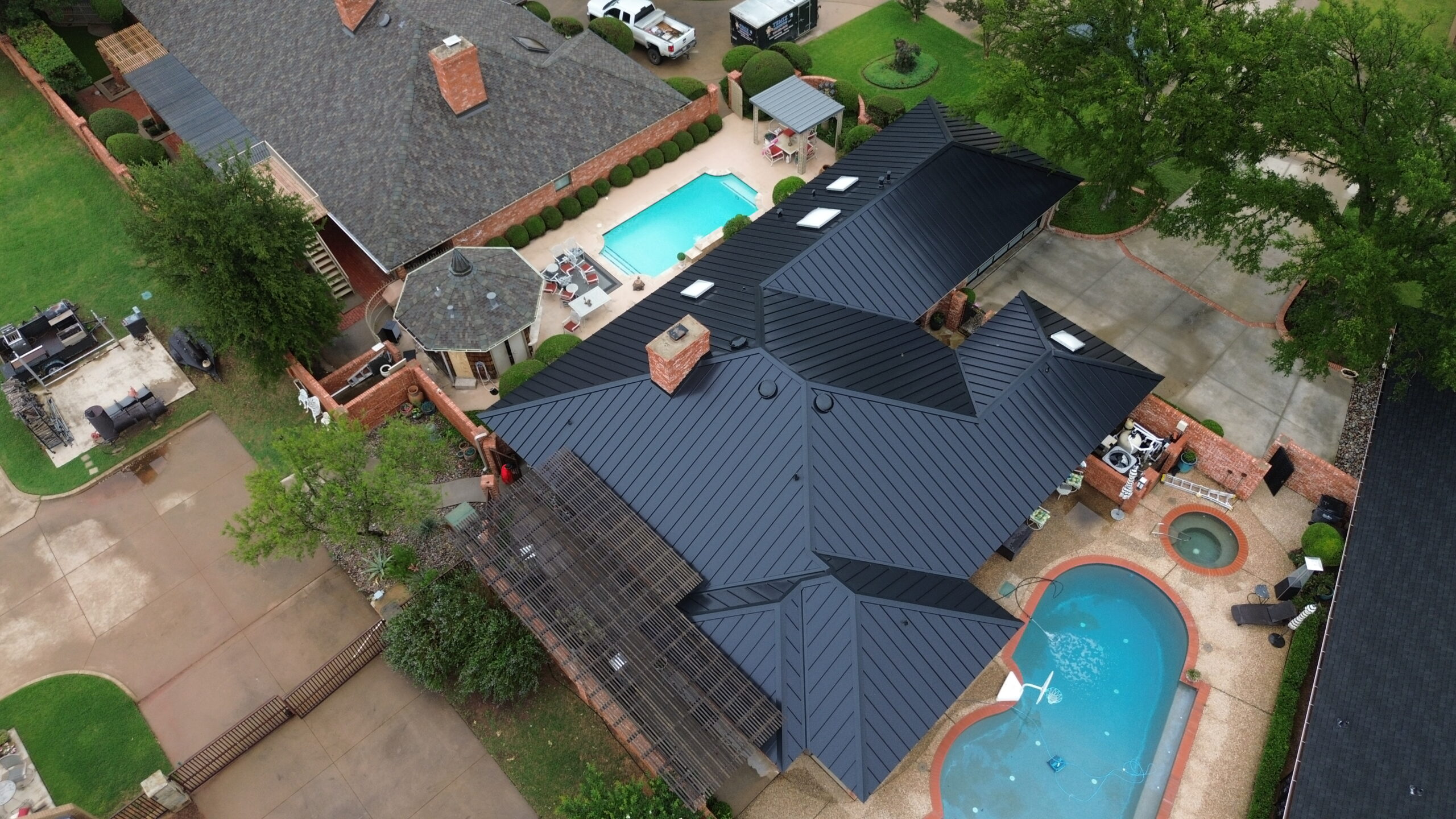
The roof deck and underlayment provide important support and protection beneath the exterior roofing material. When a leak continues for an extended period, water can damage these components even when the exterior problem appears relatively small. Proper leak repair therefore requires attention to what lies beneath the visible roofing surface.
Roof decking is commonly made from structural wood panels or other approved materials. It provides the surface onto which the roofing system is installed. If water exposure causes the decking to become soft, rotten, warped, or otherwise compromised, simply replacing shingles may leave an unstable surface beneath the new material.
Minor localized decking damage may be repaired by removing the affected section and installing suitable replacement material. The repair should be properly supported and secured before the roofing system is restored. The exact method depends on the roof design and applicable construction requirements.
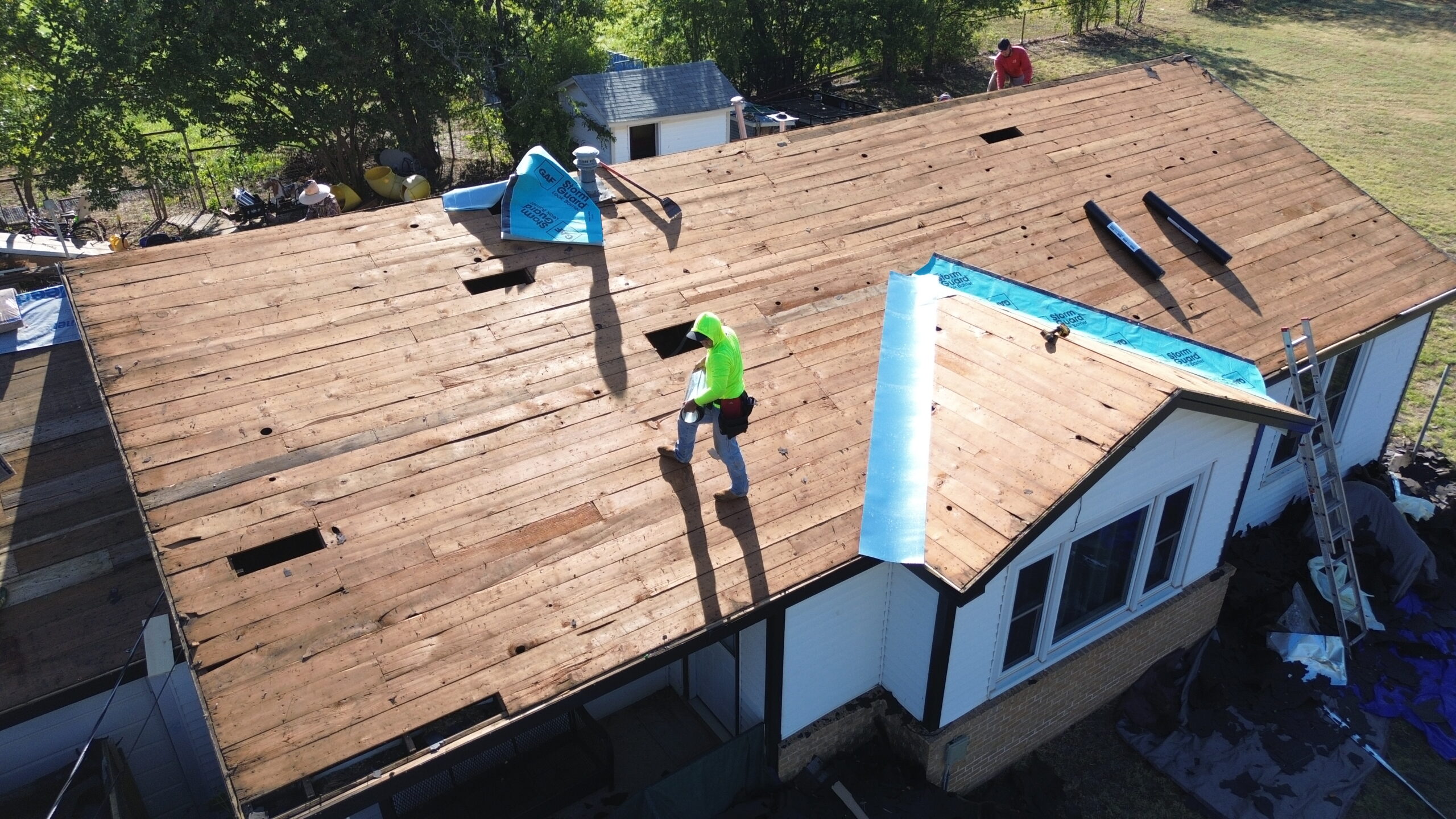
Widespread decking damage is more serious. If moisture has affected multiple sections, the contractor may need to remove a larger portion of the existing roofing material to evaluate the extent of deterioration. This can turn what initially appeared to be a small leak repair into a more extensive project.
Underlayment can also deteriorate after prolonged exposure to moisture. This layer sits beneath the primary roofing material and provides additional resistance to water entering the roof assembly. If it has been damaged around the leak area, replacing the affected section may be necessary.
Homeowners should ask the contractor whether the deck and underlayment were inspected after the roofing material was removed. This is especially important when the roof has experienced a long-standing leak. Hidden damage cannot always be identified from the exterior before the roofing materials are opened.
Ventilation should also be considered when moisture damage is discovered. Excessive attic humidity can contribute to deterioration and may be caused by inadequate airflow, condensation, or other building conditions. Correcting the roof leak without addressing an ongoing moisture problem may allow damage to return.
The presence of damaged decking can affect the repair-versus-replacement decision. If the affected area is small and the remainder of the roofing system is healthy, localized structural repair may be sufficient. If damage is extensive and the roof is already aging, replacement may provide a more practical long-term solution.
Repairs should always restore a stable base before new exterior materials are installed. Covering damaged decking without correcting it can create safety and durability concerns. A proper roofing repair should therefore address both the visible material and the underlying condition.
Improving Drainage and Roof Ventilation
Effective drainage is essential for preventing future roof leaks. Rainwater should move efficiently from the roof surface into gutters, downspouts, or another appropriate drainage system. When water becomes trapped or redirected toward vulnerable areas, even a properly installed roofing material can experience unnecessary stress.
Gutters should be inspected when a leak occurs near the roof edge. Leaves, dirt, branches, and other debris can restrict water flow and cause overflow during rainfall. Homeowners can perform basic ground-level checks, but cleaning or repairing gutters at roof height should be left to professionals when access is unsafe.
Downspouts should also discharge water away from the foundation. If water repeatedly accumulates near the building, it can contribute to moisture problems around walls and foundations. Maintaining a clear drainage path helps protect the entire exterior of the home.
Roof valleys need particular attention because they naturally collect water. Debris buildup, damaged flashing, or poor installation can prevent proper drainage. Keeping these areas clear and ensuring that the valley components remain intact can reduce the risk of recurring leaks.
Ventilation is equally important, although it serves a different purpose. Proper attic ventilation helps manage heat and moisture within the roof assembly. Inadequate airflow can contribute to condensation and deterioration, particularly when indoor moisture enters the attic.
A roofing professional can assess whether the existing ventilation system is functioning appropriately. Depending on the home, this may involve examining intake and exhaust pathways and determining whether airflow is being restricted. Ventilation improvements should be designed as part of the overall roofing system rather than added without considering the attic structure.
Homeowners should not assume that adding more vents automatically solves a ventilation problem. Intake and exhaust ventilation need to work together. Poorly balanced ventilation can fail to provide the expected benefits and may create other complications.
Drainage and ventilation problems may not be the direct cause of every roof leak, but they can contribute to long-term roofing deterioration. Addressing these factors during a leak repair can help protect the repaired area and reduce the chance of future problems.
Safety Practices for Residential Roof Leak Repairs
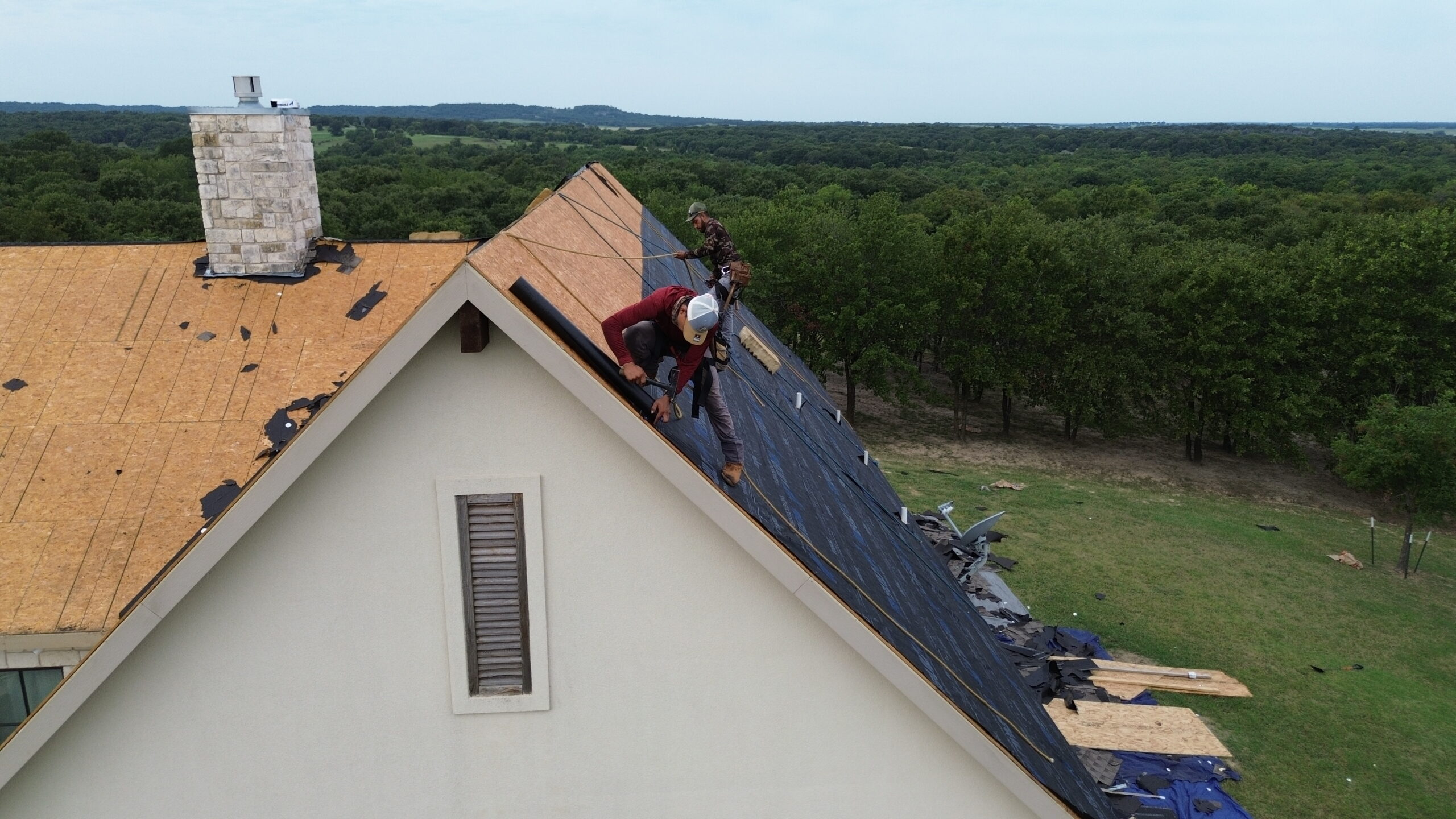
Roof leak repairs involve significant safety risks because they often require working at height. Slippery surfaces, steep slopes, ladders, tools, loose materials, electrical hazards, and changing weather can create dangerous conditions. Homeowners should never take unnecessary risks simply to save the cost of a professional inspection.
Wet roofs should generally be avoided. Rain can make shingles, metal panels, tiles, and other surfaces extremely slippery. Even if the roof appears relatively flat, moisture can make footing unpredictable.
Strong winds also create dangerous conditions. Roofing materials, ladders, tools, and other equipment can become difficult to control during windy weather. Emergency repairs should be handled by trained professionals who have appropriate safety procedures.
Ladder safety is another major concern. A ladder must be positioned correctly and used according to safety requirements. Homeowners who are uncomfortable with ladder work should not attempt to access the roof simply because the leak appears easy to reach.
Protective equipment may be required for professional roofing work. Depending on the project, this can include appropriate footwear, gloves, eye protection, fall protection, and other safety equipment. Professionals should assess the specific work environment before beginning repairs.
Electrical hazards require special caution. Water entering around electrical fixtures, attic wiring, solar equipment, or other electrical components can create serious risks. Homeowners should not touch wet electrical equipment or attempt electrical repairs unless they are appropriately qualified.
Children and pets should also be kept away from the work area. Roofing repairs can produce falling debris, exposed nails, tools, and other hazards. Establishing a restricted work zone helps protect everyone on the property.
The safest repair is not necessarily the fastest repair. Taking time to establish safe access, inspect conditions, and use appropriate equipment can prevent serious injuries. Homeowners should recognize when a problem is beyond their skill level and arrange professional assistance.
When DIY Roof Leak Repairs Should Be Avoided
Some basic observations and emergency actions can be handled by homeowners, but many roof leak repairs should be left to qualified professionals. The decision depends on the roof’s accessibility, material, damage level, weather conditions, and the homeowner’s experience with roofing work.
DIY repairs should generally be avoided when the roof is steep, high, wet, fragile, or difficult to access. Even experienced homeowners can be injured when conditions change unexpectedly. Professional roofers have training and equipment designed for working in these environments.
Complex flashing repairs are another situation where professional help is usually appropriate. Flashing must be integrated correctly with the roofing system, and simply applying a layer of sealant may not solve the problem. Improper repairs can allow water to continue entering while making later professional repairs more complicated.
Structural damage should never be treated as a simple DIY project. Sagging roof sections, severely damaged decking, deteriorated rafters, or other structural concerns require appropriate evaluation. Attempting to cover such problems with new roofing material can create serious safety and durability issues.
Homeowners should also seek professional assistance when a leak continues after an attempted repair. A recurring leak may mean that the original source was incorrectly identified or that multiple problems exist. Further trial-and-error repairs can increase damage and expense.
Professional help is particularly important after severe storms. Hidden damage may exist beneath shingles or other materials, and accessing the roof immediately after a storm can be dangerous. A qualified inspection can determine the extent of the damage and recommend temporary or permanent repairs.
The best approach is to treat DIY work as limited to safe, simple tasks such as observing visible conditions from the ground, documenting damage, protecting interior belongings, and arranging professional assistance. Permanent roof repairs should prioritize safety and proper workmanship over convenience.
A properly repaired roof should prevent water from entering while maintaining the integrity of the entire roofing system. When the cause or repair method is uncertain, professional evaluation is the safer and more reliable choice.
Preventing Roof Leaks From Returning
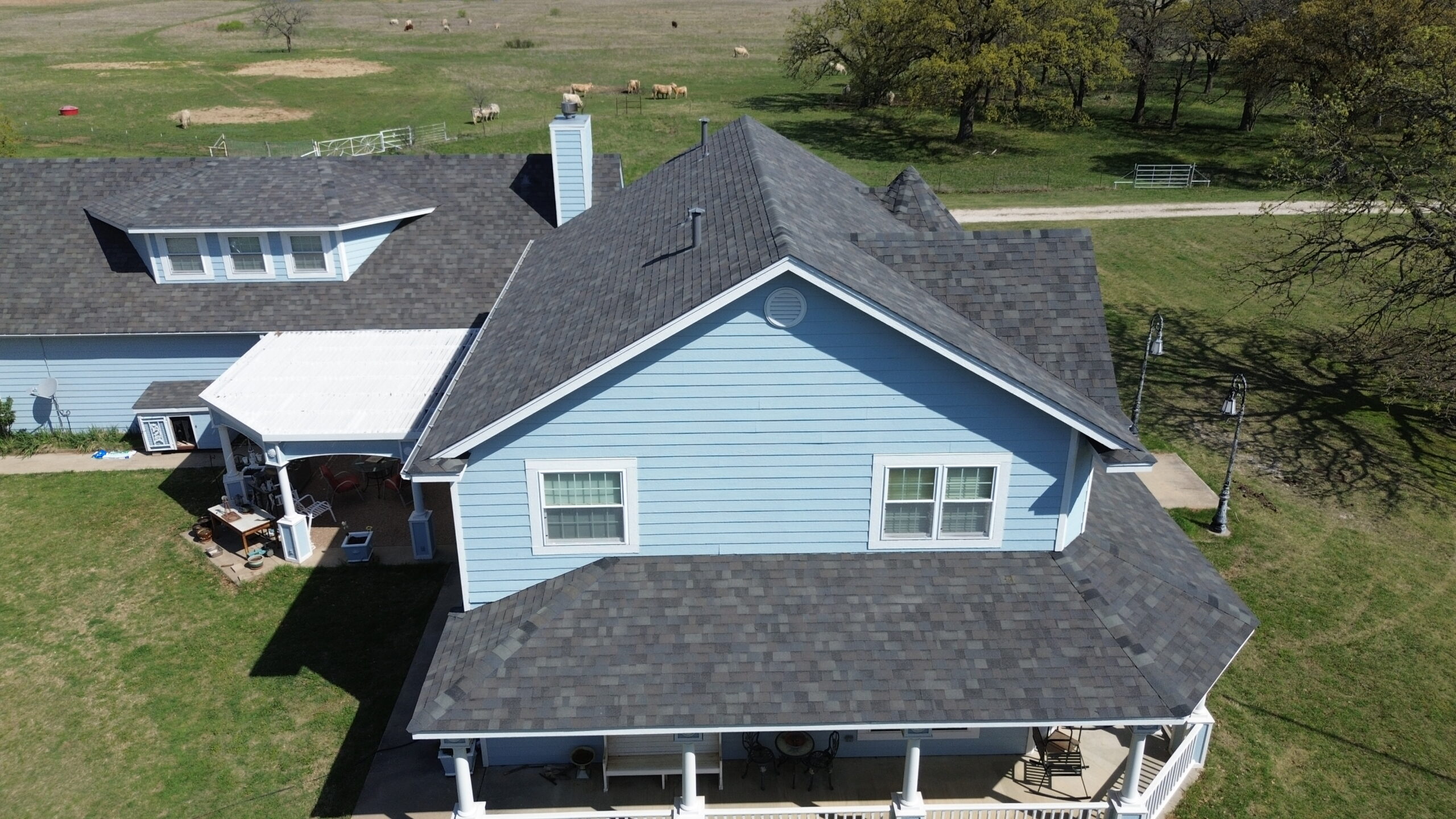
Fixing a residential roof leak properly is only part of protecting the home. After the immediate problem has been corrected, homeowners should identify conditions that could cause another leak in the future. Preventive maintenance can help extend the life of roofing materials and reduce the likelihood of repeated water damage.
One of the most useful steps is scheduling periodic roof inspections. A professional can identify damaged shingles, deteriorating flashing, cracked seals, blocked drainage areas, and other developing problems before they become active leaks. Inspections are particularly valuable for older roofs and homes exposed to severe weather.
Gutters and downspouts should remain clear so rainwater can move away from the roof efficiently. Leaves, branches, dirt, and other debris can restrict drainage and cause water to accumulate near vulnerable roof edges. Homeowners should also make sure downspouts discharge water away from the home’s foundation.
Trees near the house should be monitored carefully. Overhanging branches can scrape roofing materials, drop debris onto the roof, and increase the risk of damage during storms. Trimming branches safely can reduce these risks, although larger trees or difficult locations should be handled by qualified professionals.
Roof penetrations should receive regular attention as well. Vents, skylights, chimneys, and other structures can develop deteriorated seals or flashing over time. Early correction of these problems can prevent moisture from entering the roofing assembly.
Homeowners should also avoid placing unnecessary equipment or objects on the roof. Walking on roofing materials can cause damage, especially when the surface is fragile or designed for limited foot traffic. Maintenance work involving the roof should be performed carefully and, when necessary, by professionals.
Proper attic ventilation can support long-term roof performance. Excessive heat and moisture can contribute to deterioration of roofing materials and structural components. If condensation or unusual moisture is noticed in the attic, the ventilation system should be evaluated rather than assuming the problem is caused only by the roof covering.
Inspecting and Maintaining the Roof After Repairs
A repaired roof should be monitored after the work has been completed. Homeowners should pay attention to the repaired area during future rainfall and look for signs that water may still be entering the structure. Early detection can prevent a small unresolved problem from developing into extensive damage.
After significant rainfall, homeowners can safely inspect ceilings and walls for new stains, dampness, peeling paint, or other signs of moisture. The attic may also be checked when it can be accessed safely. Homeowners should never climb onto the roof during or immediately after wet weather.
The repaired area should also be observed after strong winds. If shingles appear loose, displaced, or missing, professional assistance should be arranged. New damage should not automatically be assumed to be a failure of the previous repair because severe weather can affect even a recently repaired roof.
Documentation can make future maintenance easier. Homeowners should keep photographs, invoices, inspection reports, repair details, material information, and warranty documents together. A record of when repairs were completed can help contractors understand the roof’s history during future inspections.
If the contractor provides maintenance recommendations, homeowners should follow them carefully. Different roofing materials have different maintenance requirements, and manufacturer instructions may specify conditions that affect warranty coverage.
Interior areas affected by previous leaks should also be monitored. Even after the roof is repaired, moisture that entered insulation, drywall, or structural materials may require additional attention. Repairing the roofing source does not automatically restore materials that were already damaged by prolonged water exposure.
Homeowners should also avoid applying additional sealants or patches without understanding the cause of a new problem. Unplanned repairs can hide evidence of the actual issue and sometimes make professional diagnosis more difficult.
A good maintenance routine does not need to be complicated. Regular visual checks from safe locations, clean drainage systems, timely professional inspections, and prompt attention to unusual moisture can provide effective protection over the life of the roofing system.
Dealing With Storm-Damaged Roof Leaks
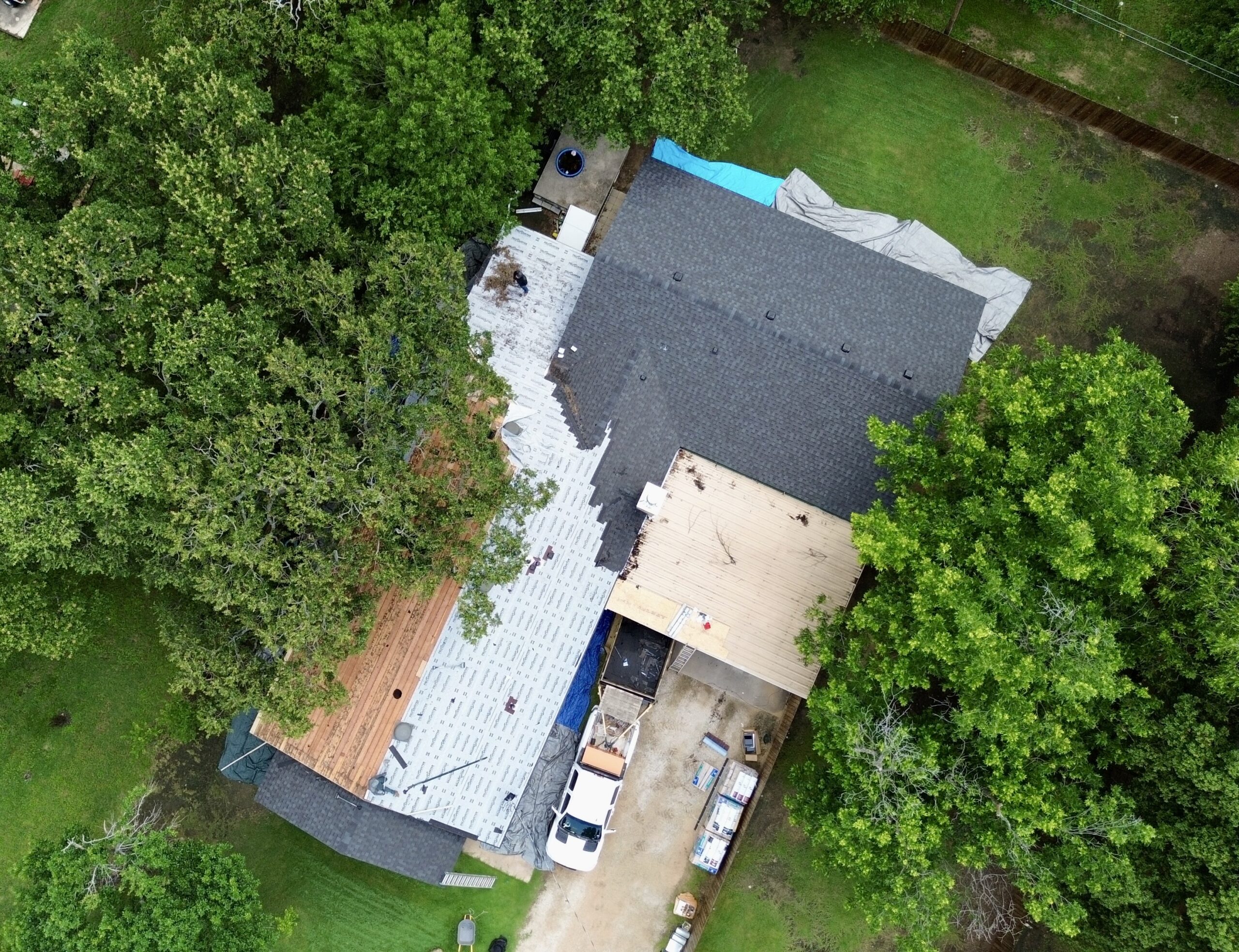
Severe weather can create sudden roof leaks that require immediate attention. Strong winds, hail, heavy rain, falling branches, and other storm conditions can damage roofing materials and expose the underlying structure to water. Safety should remain the first priority after a storm.
Homeowners should inspect the property from the ground when possible. Missing shingles, visible holes, fallen branches, damaged gutters, and other obvious problems can be documented without climbing onto the roof. Photographs can provide useful evidence for contractors and insurance providers.
If water is entering the home, interior belongings should be moved away from the affected area. Containers can collect dripping water, while furniture and other valuables can be relocated to dry areas. Homeowners should be especially careful around ceilings that appear swollen or unstable.
Temporary roof protection may be necessary until permanent repairs can be completed. A qualified roofing contractor can determine whether temporary covering or another emergency measure is appropriate. Homeowners should not climb onto a damaged roof during dangerous weather conditions to install a temporary covering themselves.
Storm damage can be more extensive than it initially appears. Hail may affect numerous shingles without creating obvious holes, while wind can weaken materials that remain visually attached. A professional inspection can determine whether the damage is isolated or spread throughout the roofing system.
Insurance may be relevant when a leak results from a covered event. Homeowners should review their policy and document the damage before making major changes whenever possible. Contractor estimates, photographs, repair records, and information about the storm can help organize the claim process.
Repairs should address all storm-related weaknesses rather than only the point where water became visible. If a storm damaged flashing, underlayment, decking, gutters, or other components, these issues should be evaluated as part of the repair.
When storm damage is extensive, replacement may be more practical than repairing numerous areas. The final decision should consider the roof’s age, previous condition, extent of damage, and expected remaining service life.
Understanding Repair Costs and Replacement Decisions
The cost of repairing a residential roof leak depends on the cause, location, roofing material, accessibility, and extent of damage. A small flashing repair can be relatively straightforward, while damaged decking or widespread deterioration can require considerably more work.
Homeowners should request a detailed estimate that explains what the contractor has identified and what the proposed repair includes. The estimate should distinguish between replacing visible roofing material and addressing underlying components such as underlayment or decking.
A low repair price is not necessarily the best value if it does not address the actual source of the leak. Similarly, a complete roof replacement may be unnecessary when the existing system is relatively new and the damage is clearly localized.
The roof’s age should be considered alongside the repair cost. Spending money on a repair can make sense when the roof still has substantial useful life remaining. If the roof is already severely deteriorated, homeowners may prefer to compare the repair cost with a replacement estimate before committing to another short-term solution.
Repeated repairs can also change the financial calculation. If the roof has developed several leaks over a short period, continued repairs may eventually become more expensive than replacement. A professional can help determine whether the pattern indicates broader roofing failure.
Homeowners should also consider potential secondary damage. A continuing leak can affect ceilings, insulation, walls, flooring, electrical components, and structural materials. Delaying necessary work may therefore increase the total cost beyond the original roofing repair.
When replacement is recommended, homeowners should compare complete estimates rather than focusing only on the material price. Removal, disposal, underlayment, flashing, ventilation, decking repairs, labor, cleanup, and warranties can all affect the final investment.
The best financial decision is one that restores dependable protection while matching the actual condition of the roofing system. Cost should be considered carefully, but safety, durability, and long-term performance should remain part of the decision.
Common Roof Leak Repair Mistakes to Avoid
One common mistake is repairing only the visible location of water damage. A ceiling stain may be several feet away from the actual roof entry point. Finding the source of the water is therefore more important than simply covering the interior stain.
Another mistake is using sealant as a universal solution. Sealant can be useful in specific applications, but it cannot replace damaged roofing materials, deteriorated flashing, or compromised decking. Applying sealant over a serious problem may temporarily hide the symptoms without correcting the cause.
Ignoring small leaks is another costly mistake. A minor drip can expose insulation, decking, and interior materials to repeated moisture. Prompt inspection can help determine whether the problem is simple or requires broader attention.
Homeowners should also avoid climbing onto roofs during unsafe conditions. Wet surfaces, strong winds, damaged roofing materials, and poor visibility can significantly increase the risk of falling. Professional roofers have the equipment and experience needed for difficult access situations.
Repeatedly repairing an aging roof without considering replacement can also increase long-term costs. If numerous areas are deteriorating, individual repairs may provide only temporary improvement. A complete assessment can determine whether replacement has become the more practical option.
Finally, homeowners should avoid choosing contractors based solely on price. A proper repair requires accurate diagnosis, suitable materials, correct installation, and attention to safety. Comparing experience, written estimates, warranties, and the complete scope of work can lead to a more reliable decision.
Conclusion
Fixing a residential roof leak properly requires more than stopping visible water from entering the home. The actual source of the leak must be identified, affected roofing components should be inspected, and damaged materials should be repaired or replaced using methods appropriate for the roofing system.
Safety should remain a priority throughout the process. Homeowners can protect interior belongings, document damage, and monitor safe areas, but steep, wet, damaged, or complicated roofs should be evaluated by qualified professionals. Attempting unsafe repairs can turn a manageable roofing problem into a serious injury.
Preventive maintenance is equally important after a leak has been repaired. Keeping gutters clear, monitoring roof penetrations, maintaining appropriate ventilation, trimming problematic branches, and arranging periodic inspections can reduce the likelihood of future water intrusion.
Storm damage requires additional caution because hidden problems may exist beneath apparently intact materials. Prompt documentation, temporary protection when necessary, and professional assessment can help prevent further damage while the permanent repair or replacement decision is made.
Homeowners should also understand when a repair is no longer the best solution. A relatively new roof with isolated damage may benefit from targeted repair, while an aging system with widespread deterioration, recurring leaks, or structural problems may require full replacement.
Ultimately, a successful roof leak repair restores the complete weather-resistant function of the roofing system rather than simply hiding the visible evidence of water. By identifying problems early, prioritizing safe practices, using qualified professionals for complex work, and maintaining the roof after repairs, homeowners can protect their property and extend the useful life of their residential roofing system.