

Labor Costs in Residential Roofing Projects Explained
Introduction
Labor is one of the most important components of a residential roofing project, yet homeowners often pay more attention to the price of shingles, tiles, or metal panels. The roofing material is highly visible, making it easy to understand why it has a cost, while the work required to install that material can seem less obvious. In reality, skilled labor affects nearly every stage of a roofing project, from inspection and preparation to installation, cleanup, and final inspection.
Roofing is physically demanding and requires workers to operate safely at elevated heights and on sloped surfaces. A professional roofing crew must handle heavy materials, remove existing roofing, prepare the underlying surface, install protective layers, and ensure that water is directed away from vulnerable areas. The amount of time and expertise required for these tasks can vary significantly between homes.
Labor costs are also affected by the condition and design of the roof. A simple roof with broad slopes may allow a crew to work efficiently, while a complicated roof with several valleys, dormers, skylights, chimneys, and intersecting sections can require considerably more time. Roof pitch, building height, accessibility, and the number of existing roofing layers can further influence the amount of labor required.
Understanding how roofing labor is calculated helps homeowners make more informed decisions. Rather than assuming that a lower labor price automatically represents better value, homeowners can examine the scope of work, crew experience, safety practices, and services included in the estimate. This approach makes it easier to identify realistic pricing and avoid unexpected labor charges later in the project.
How Roofing Contractors Calculate Labor Costs
Roofing contractors may use several methods to calculate labor costs, depending on the company, project, and roofing system. Some contractors estimate labor based on the total roof area, while others calculate the expected number of crew hours or project days. Many estimates combine several factors rather than relying on one fixed formula.
Roof size is usually an important starting point because it determines how much surface must be prepared and covered. A larger roof generally requires more working hours, although the relationship is not always perfectly proportional. A large roof with a simple design may be faster to install per square foot than a smaller roof containing numerous complicated features.
Contractors also consider the type of work being performed. A complete roof replacement involves considerably more labor than installing a small repair. Replacement can include removing old materials, inspecting the decking, making necessary repairs, installing underlayment, fitting new roofing materials, replacing flashing, and cleaning the property.
The roofing material itself can influence labor requirements. Asphalt shingles may have relatively straightforward installation procedures, while tile, slate, metal, or other specialty systems may require more precise handling and specialized techniques. A contractor needs to consider both the physical installation process and the skills required to work with the selected material.
Project conditions can also affect the labor estimate. A steep roof, restricted access, multiple stories, or difficult landscaping may slow down the crew. Workers may need additional equipment or spend more time moving materials between the delivery location and the roof.
Some roofing companies include normal cleanup and material handling in their labor estimate, while others may list these services separately. Homeowners should review the proposal carefully to understand what is included. A detailed labor estimate should explain the major stages of work and identify circumstances that could result in additional charges.
Experience can also affect labor pricing. A highly experienced contractor may charge more than a less established company, but the higher rate may reflect better installation practices, trained workers, appropriate safety procedures, and more efficient project management. Labor should therefore be evaluated according to the value and quality of the work rather than price alone.
Factors That Influence Residential Roofing Labor Rates
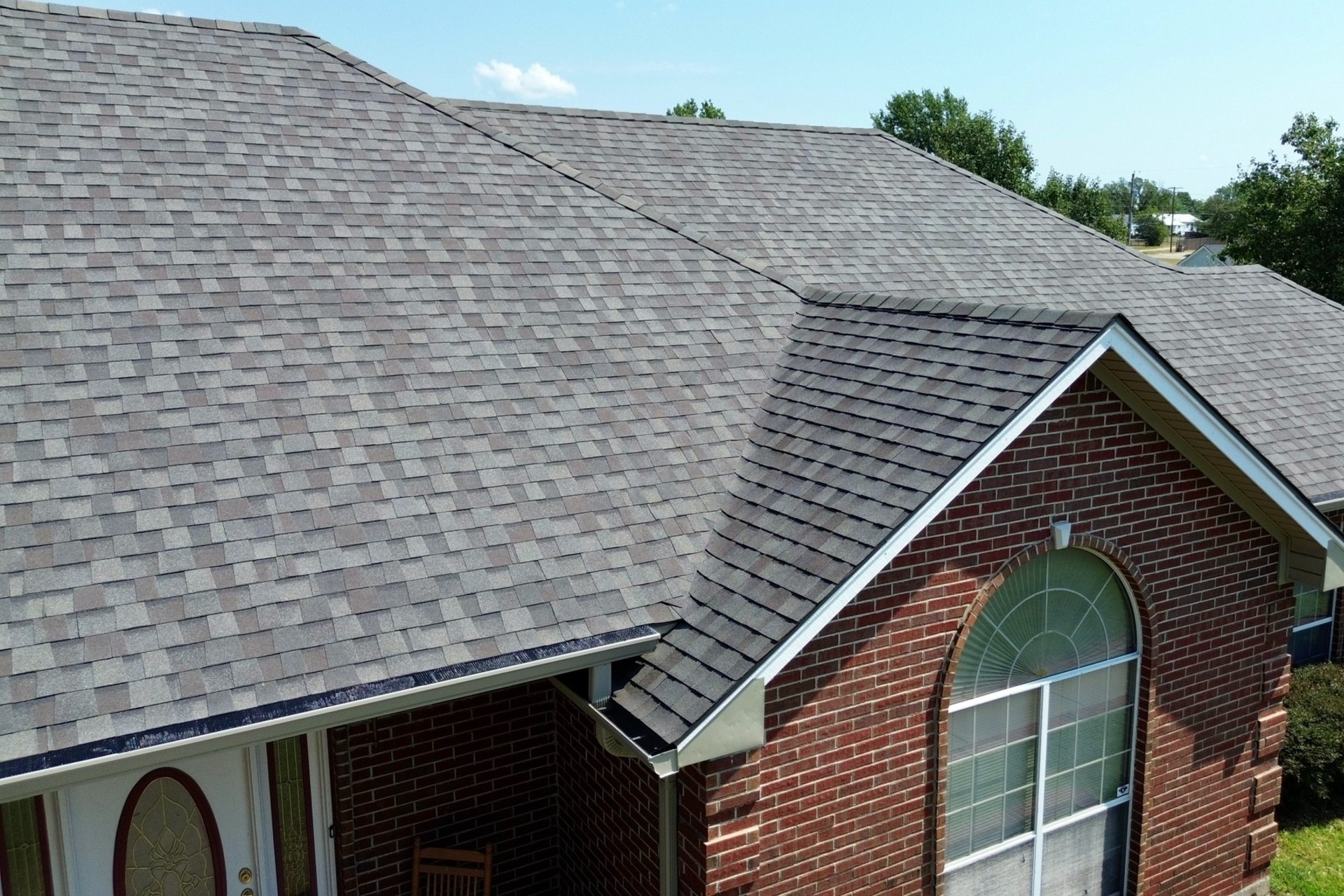
Several factors can cause roofing labor rates to vary from one property to another. Geographic location can influence wages, operating expenses, insurance costs, transportation, and local market conditions. Contractors working in areas with higher business and labor costs may charge more than companies operating in regions where those expenses are lower.
The roof’s condition is another important factor. A roof that is relatively easy to access and has sound decking may require less preparation than one with widespread deterioration. If workers must remove damaged materials or repair the underlying structure, the additional labor can increase the overall cost.
Roof pitch has a particularly strong effect on installation difficulty. Steep roofs can require additional safety equipment and slower movement across the surface. Workers may need more time to position materials and perform tasks safely, which can increase labor costs even when the total roof area is not unusually large.
The number of roofing layers can also affect labor. Removing one layer of old shingles is generally less labor-intensive than removing several layers. Multiple layers can require additional handling, produce more debris, and increase the time needed before the new roofing system can be installed.
Accessibility is another factor that homeowners may underestimate. If materials can be delivered close to the house and easily moved to the roof, the crew can work more efficiently. When access is restricted by fences, landscaping, narrow driveways, or other obstacles, workers may spend additional time carrying materials and debris.
Weather conditions can also influence labor expenses. Roofing crews need suitable conditions to work safely and properly. Rain, high winds, extreme temperatures, or other unfavorable conditions can interrupt the schedule and require workers to return on another day.
The following factors commonly influence residential roofing labor costs:
- Roof size and surface area
- Roof pitch and height
- Roof shape and complexity
- Number of existing roofing layers
- Type of roofing material
- Accessibility around the property
- Required preparation and repairs
- Weather and scheduling conditions
- Safety and equipment requirements
These factors explain why homeowners should be cautious when comparing labor prices based only on a simple per-square-foot figure. A contractor who understands the complete project may provide a higher estimate because the property requires more labor than its basic dimensions suggest.
Roof Size, Pitch, and Complexity
Roof dimensions have a direct effect on labor because workers must prepare and install roofing materials across the entire surface. Larger roofs generally require more crew hours and may take more days to complete. However, the shape and pitch of the roof can be just as important as its total area.
A simple gable roof with large, uninterrupted slopes may allow workers to install materials quickly. A roof containing numerous valleys, hips, dormers, skylights, chimneys, and roof intersections requires more measuring, cutting, fitting, and flashing. These details increase the amount of skilled labor involved.
Roof pitch can make a major difference in productivity. On a low-slope roof, workers may be able to move equipment and materials more easily. A steep roof requires additional safety precautions and can make ordinary installation tasks slower because workers must maintain secure positioning while completing each step.
Building height can create another labor consideration. A two-story home may require more effort to move materials and debris compared with a single-story property. The crew may need additional ladders, staging, lifts, or other access equipment, depending on the specific conditions.
Roof complexity also affects flashing work. Areas around chimneys, walls, skylights, and vents need careful attention because they are common locations for potential water entry. Installing and sealing these areas correctly requires additional time compared with covering a broad uninterrupted roof surface.
Homeowners should therefore ask contractors to explain how the roof’s design affects the labor estimate. If a property has several architectural features, a contractor should account for the additional work rather than applying a standard labor rate designed for a simple roof. This makes the estimate more realistic and reduces the likelihood of unexpected labor charges.
Tear-Off and Preparation Labor
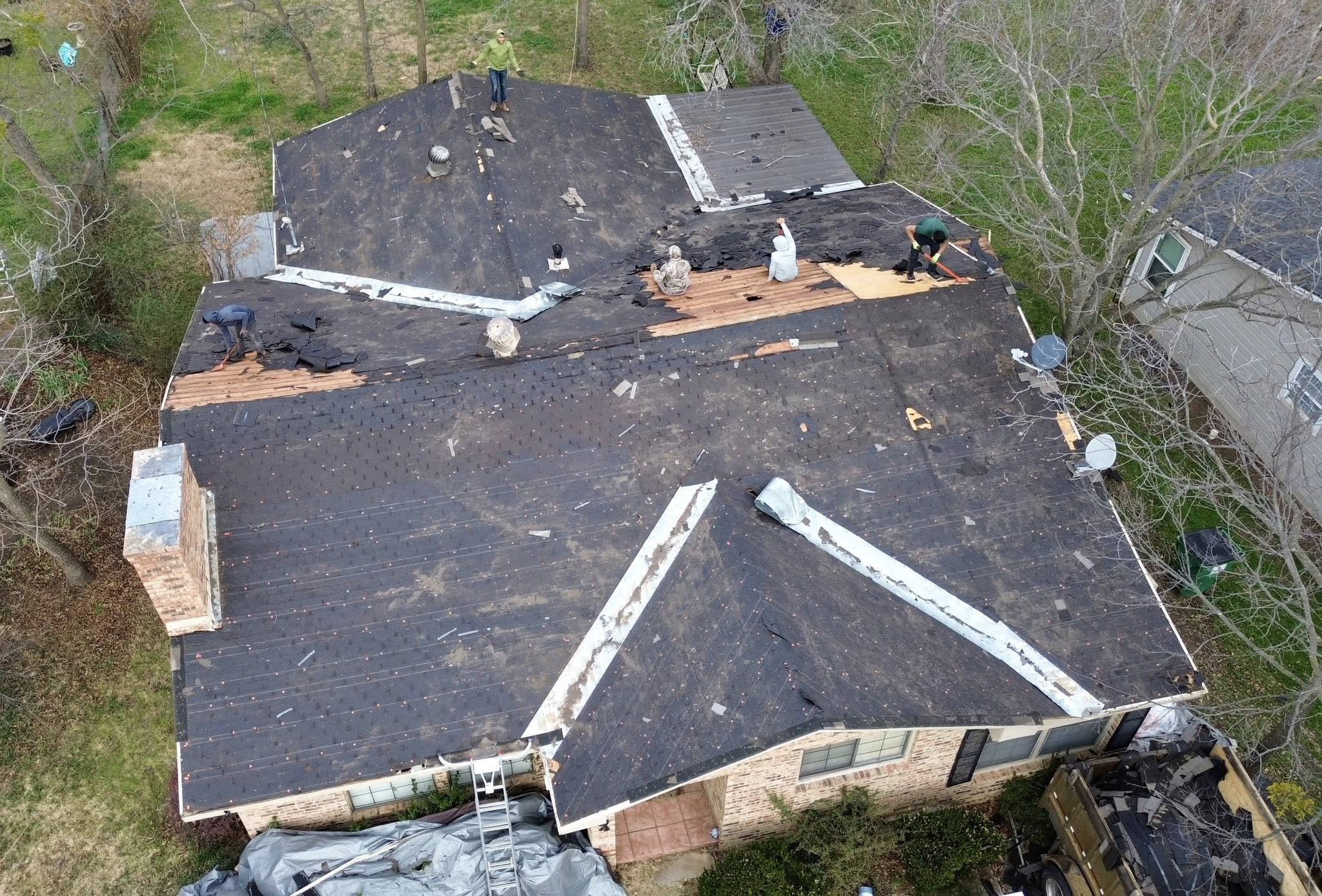
Before new roofing materials can be installed, the existing roof often needs to be removed. Tear-off is a labor-intensive part of the project because workers must carefully remove old materials while protecting the underlying structure and surrounding property. The amount of work depends on the roof size, material type, number of layers, and condition of the existing system.
Removing old asphalt shingles typically involves loosening and lifting the roofing material before moving it to a designated collection area. Multiple layers increase the workload because each layer must be removed. Heavy materials such as tile or certain types of roofing systems may require additional workers and specialized handling.
Preparation continues after the old roof has been removed. Workers inspect the decking for signs of rot, moisture damage, cracking, or other problems. Damaged sections may need to be replaced before the new roofing system can be installed, creating additional labor beyond the original tear-off process.
Underlayment and other protective components also require installation labor. Workers must measure, cut, position, and secure these materials according to the roofing system’s requirements. Flashing around roof penetrations and transitions may also need to be replaced or adjusted during preparation.
Site protection and cleanup are additional parts of preparation. Roofing crews may cover landscaping, windows, doors, and other areas to reduce the risk of damage from falling debris. Larger projects can require more preparation because more material will be removed and more workers will be moving around the property.
Homeowners should ask whether tear-off and preparation labor are included in the main estimate. It is especially important to ask how additional layers or damaged decking will be handled. Clear communication about these conditions can prevent disagreements when unexpected work is discovered.
A professional contractor should also explain how changes will be approved. If the crew finds damaged decking after removing the old roof, the homeowner should generally receive information about the problem and the additional labor required before the work proceeds, unless immediate action is necessary for safety or property protection.
Installation Labor for Different Roofing Materials
The type of roofing material selected can have a major impact on labor costs. Materials differ in weight, installation method, handling requirements, cutting techniques, fastening systems, and required accessories. Choosing a roofing product therefore involves considering both its purchase price and the labor needed to install it properly.
Asphalt shingles are widely used in residential construction and can often be installed efficiently by experienced crews. Their installation still requires careful attention to starter materials, alignment, flashing, valleys, ridge areas, and fastening patterns. Complex roof designs can increase labor even when standard shingles are being used.
Metal roofing can involve different installation techniques depending on the product. Panels may require precise measurements, specialized fasteners, clips, seams, and flashing. Some metal systems can be installed efficiently by experienced crews, but incorrect installation can create performance problems, making skilled labor particularly important.
Tile roofing can require additional handling because individual tiles can be heavy and fragile. Workers need to position and secure the materials carefully while maintaining proper alignment and water management. The additional handling and precision can increase labor compared with simpler roofing systems.
Slate and other specialty materials can require highly experienced installers. Cutting, positioning, fastening, and protecting these materials may involve specialized techniques. The labor component can therefore represent a substantial portion of the total project cost.
Material choice should not be based solely on the purchase price. A material that appears inexpensive may require more labor or specialized installation, while a more expensive product may have installation characteristics that make the total project more competitive. Homeowners should ask contractors for a complete installed cost rather than comparing material prices alone.
The installation method also affects long-term value. Properly trained workers can reduce the likelihood of installation mistakes that lead to leaks, premature deterioration, or warranty problems. Paying for skilled labor is therefore an investment in the performance of the complete roofing system rather than simply an expense associated with putting materials on the roof.
When reviewing a roofing estimate, homeowners should look for a clear explanation of the labor involved with their chosen material. Understanding how the roofing product, roof design, preparation requirements, and site conditions interact gives homeowners a much more accurate picture of what they are paying for and why labor can represent such a significant part of a residential roofing project.
Labor Costs for Roof Repairs and Replacement
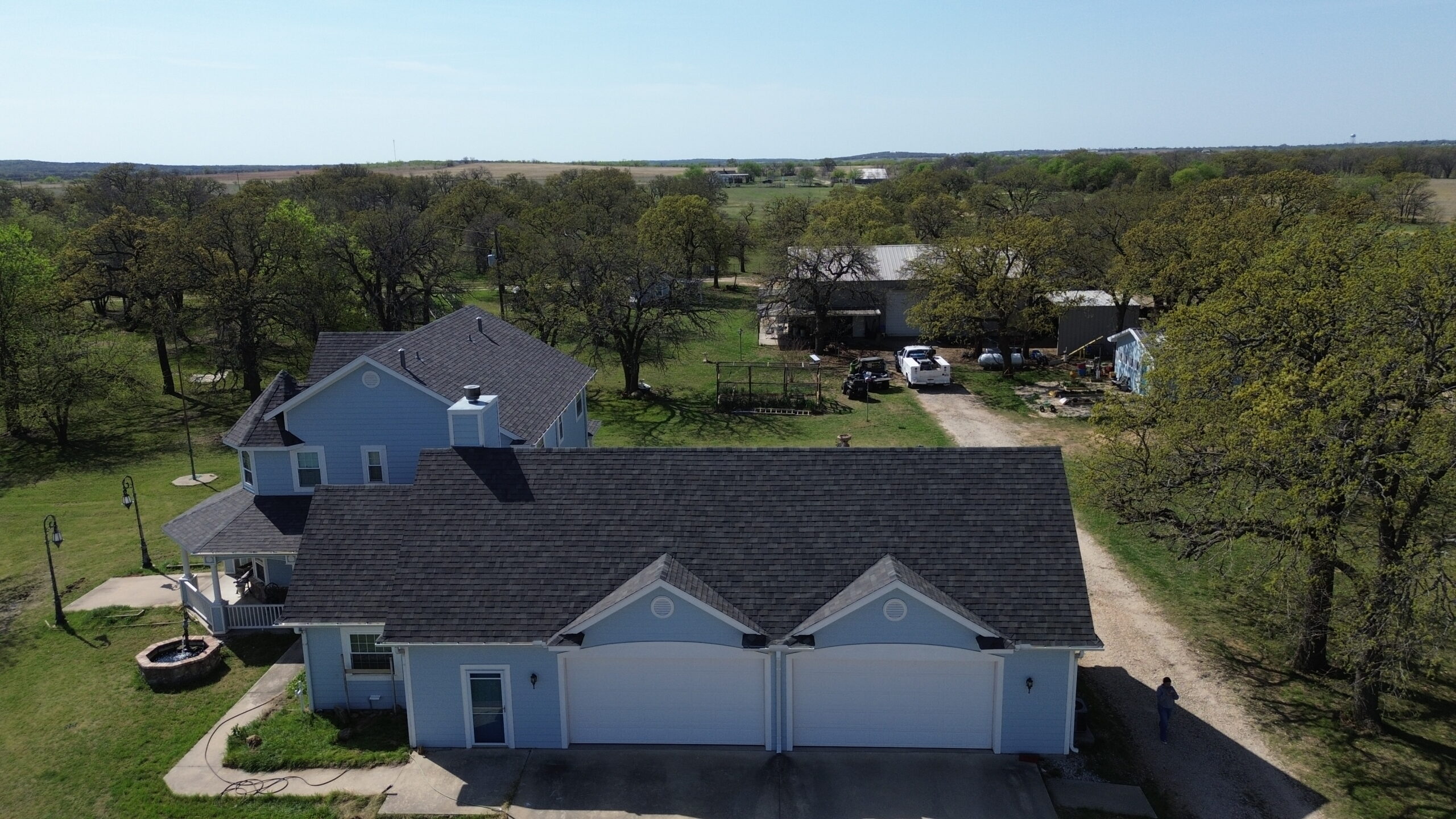
Labor costs can vary significantly depending on whether a homeowner needs a minor roof repair, partial replacement, or complete roof replacement. A small repair may require only a short visit from a roofing professional, while a full replacement involves several stages that can take multiple workers and several days. The difference in labor is therefore determined not only by roof size but also by the scope and complexity of the work.
Minor repairs can include replacing damaged shingles, repairing flashing, sealing a localized leak, or correcting a small section of deteriorated roofing. Although these jobs may require fewer labor hours, the contractor still has expenses associated with travel, inspection, equipment, setup, and cleanup. This is why a small repair does not always have a cost that is directly proportional to the amount of material used.
Partial roof replacement can require more extensive preparation. Workers may need to remove a section of the existing roofing, inspect the exposed area, replace damaged materials, and integrate the new roofing with the existing system. Matching older roofing materials can also require additional time and careful installation.
Complete replacement usually involves much more labor. The crew must remove the existing roofing system, inspect the roof deck, make necessary repairs, install underlayment and other protective components, place the new roofing material, complete flashing and ventilation work, and clean the property. Each stage contributes to the total labor requirement.
The condition of the roof can make replacement even more demanding. If workers discover rotten decking, moisture damage, deteriorated fascia, or improperly installed previous repairs, additional labor may be necessary. These conditions are often difficult to confirm until the existing roofing material has been removed.
Homeowners should ask contractors to explain what labor is included in the quoted price. A detailed proposal should identify whether inspection, tear-off, preparation, installation, flashing, cleanup, and final inspection are included. It should also explain how additional labor will be charged if hidden problems are discovered.
How Roof Accessibility Affects Labor Expenses
Accessibility is an important factor in roofing labor because workers must move materials, tools, equipment, and debris efficiently around the property. A roof that is easy to access can generally be prepared and installed more efficiently than one surrounded by obstacles. Difficult access can increase the time required for tasks that would otherwise be straightforward.
The height of the building is one major consideration. Workers installing a roof on a taller home may need additional ladders, staging, lifts, or other equipment. Moving heavy bundles of roofing material from the ground to an elevated roof surface can require additional effort and careful coordination.
The area surrounding the house can also influence labor. Fences, trees, landscaping, detached structures, narrow driveways, and nearby buildings may restrict where workers can place equipment and materials. When access is limited, workers may need to carry materials longer distances, which adds time to the project.
Roof access points can affect productivity as well. If workers have limited places to safely reach the roof, they may need to reposition ladders or equipment repeatedly. Large projects can make these small delays significant because the same access challenges occur throughout the installation process.
Property protection is another consideration. Roofing crews need to protect landscaping, windows, siding, doors, vehicles, and outdoor structures from falling debris. A property with extensive landscaping or delicate exterior features may require more preparation and cleanup labor.
Material delivery can also become more complicated. If a delivery truck cannot get close to the home, materials may need to be transported manually or with additional equipment. The cost of this work is generally reflected in the contractor’s overall labor and logistics estimate.
Homeowners should mention accessibility issues during the initial inspection. Contractors can then account for these conditions when preparing the estimate instead of discovering them after the project begins. A realistic labor estimate should reflect the actual working environment rather than assuming every home provides easy access.
Additional Labor for Flashing, Ventilation, and Roofing Details
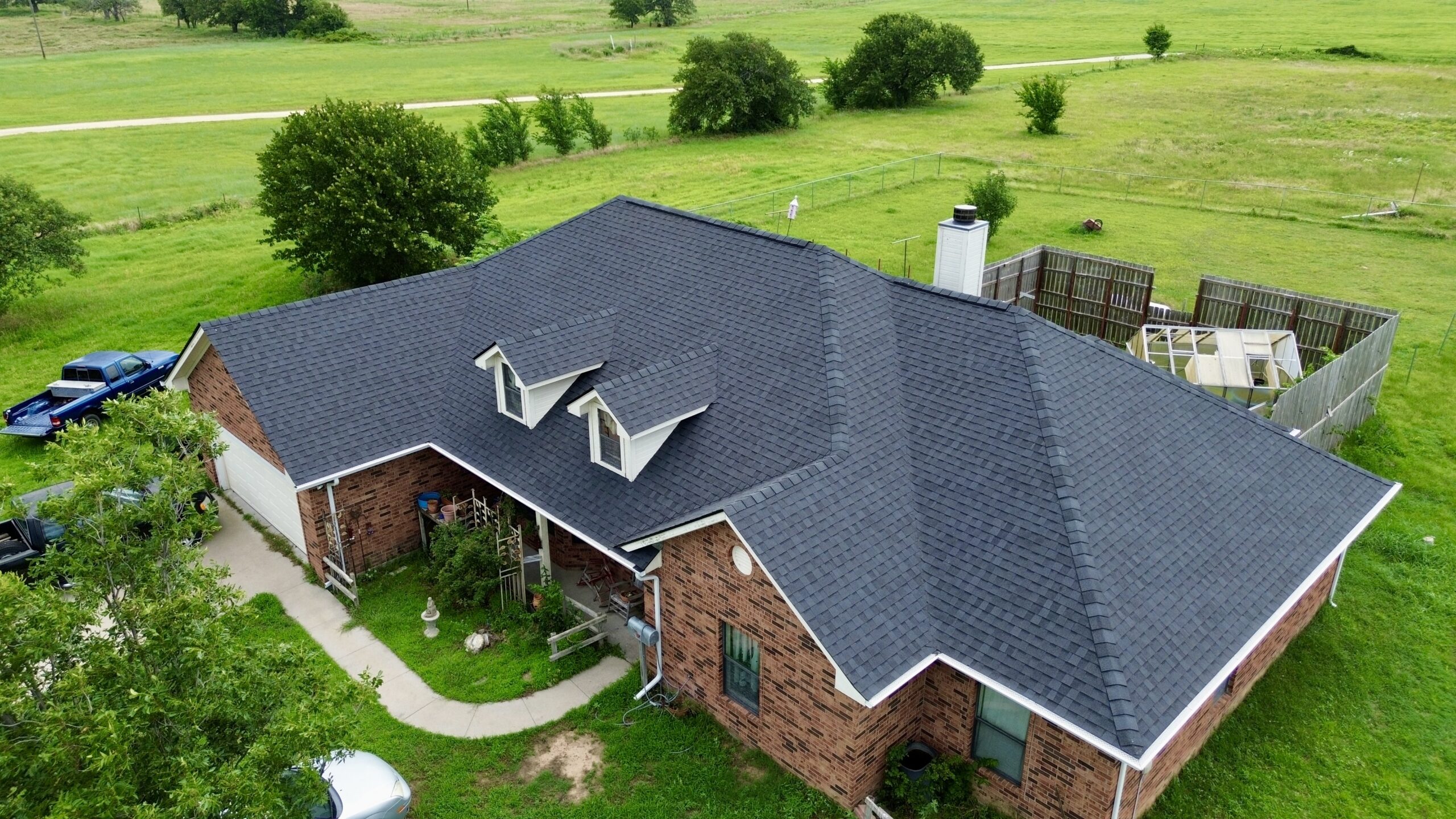
Roofing labor is not limited to installing the main roofing material. Significant time may be required for components that protect vulnerable areas and help the roof function properly. Flashing, ventilation, valleys, ridges, roof edges, and penetrations all require careful installation, and the amount of work can vary according to the design of the home.
Flashing is especially important around chimneys, skylights, walls, vents, and other locations where different surfaces meet. Workers must remove damaged flashing when necessary, prepare the area, install appropriate materials, and create secure transitions. Complex flashing work can require considerably more skill and time than covering a simple roof slope.
Ventilation can also add labor. A roofing contractor may need to install or modify ridge vents, intake vents, static vents, or other components to improve airflow. The work can become more complicated when the existing attic configuration does not provide suitable pathways for air movement.
Roof valleys require careful attention because they collect and direct water from multiple slopes. Workers must install the appropriate protective materials and cut the surrounding roofing accurately. A roof with numerous valleys can therefore require significantly more detail work than a roof with only one or two simple slopes.
Ridge and hip areas also involve additional installation steps. Materials must be measured and fitted along these transitions to create a finished and weather-resistant system. The amount of labor depends on the total length and design of these areas.
Roof penetrations can add further work. Plumbing vents, exhaust pipes, skylights, satellite equipment, and other openings require proper treatment to prevent water from entering around them. Each penetration creates another location where installation quality matters.
Homeowners should ask whether these components are included in the base labor estimate. A contractor should identify major roofing details during the inspection and explain whether existing components will be reused, repaired, or replaced. This prevents the homeowner from assuming that every detail is automatically included in the standard installation price.
Weather Delays and Their Impact on Labor Costs
Weather conditions can have a direct effect on roofing schedules and labor expenses. Roofing crews generally need suitable conditions to work safely and install materials correctly. Rain, strong winds, extreme heat, and other unfavorable conditions can force workers to stop temporarily.
A short weather interruption may have only a limited effect, but repeated delays can extend the project. When work resumes, the crew may need to return with equipment, reposition materials, and prepare the work area again. These repeated setup activities can increase labor requirements.
Weather can also affect temporary protection. If a roof has been partially opened and work cannot continue, contractors may need to cover exposed areas to protect the home from moisture. Installing, checking, and removing temporary protection requires additional labor.
Large roofing projects can be more exposed to weather-related scheduling problems because they may take several days or longer. A small repair may be completed quickly within a suitable weather window, while a large replacement requires a longer uninterrupted period.
Seasonal conditions can influence contractor scheduling as well. During periods of high demand, a weather delay may make it difficult to reschedule immediately. Crews may have other projects waiting, which can affect the timing of the homeowner’s work.
Homeowners should ask contractors how weather delays are handled under the contract. The agreement should explain whether additional labor or equipment charges can result from extended delays. Clear terms help both parties understand their responsibilities if weather prevents work from continuing.
Weather-related labor costs are not always avoidable. Safety should remain the priority, and contractors should never continue dangerous roofing work simply to protect the original schedule. Proper planning and realistic expectations can help homeowners understand why a project may take longer than initially estimated.
Specialized Labor and Safety Requirements
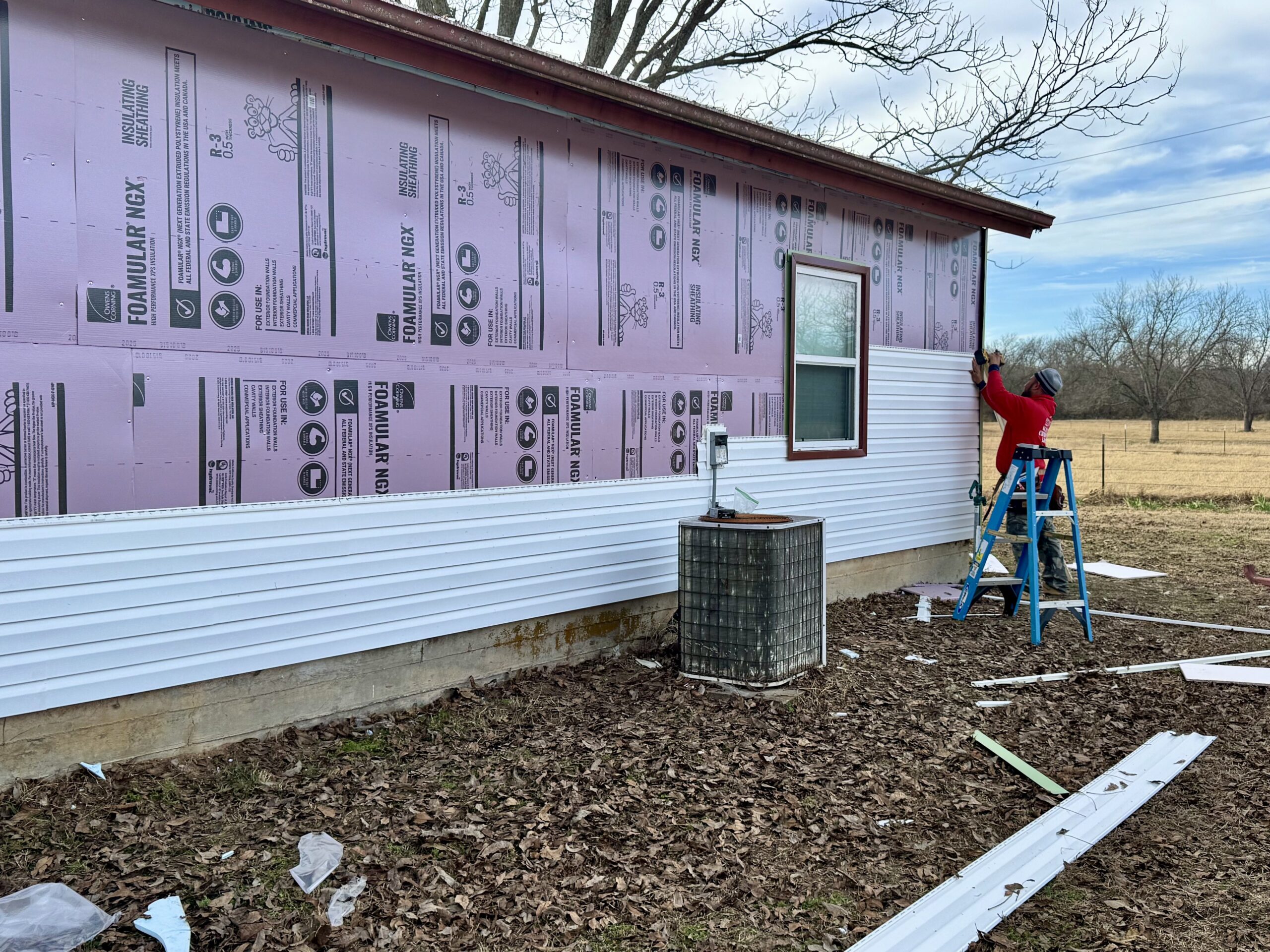
Roofing requires specialized skills because workers operate at heights and deal with materials that must be installed according to specific procedures. Safety requirements can influence labor costs because contractors may need trained workers, protective equipment, access systems, and additional preparation before work begins.
Steep roofs often require more extensive safety measures than low-slope roofs. Workers may need fall protection systems, secure access equipment, staging, or other methods of maintaining safe working positions. Setting up and removing this equipment takes time and contributes to the overall labor requirement.
The roofing material can also determine the level of specialization needed. Certain tile, metal, slate, or specialty roofing systems require workers who understand specific installation techniques. Hiring experienced installers can increase labor costs, but their knowledge can reduce the risk of mistakes that lead to leaks or premature material failure.
Older or complicated roofs may require additional expertise as well. Contractors may need to identify structural issues, work around unusual architectural details, or correct previous installation problems. These situations require more than basic material installation and can increase the value of skilled labor.
Safety preparation also involves protecting people and property around the work area. Contractors may need to establish controlled access zones, secure materials, protect surrounding surfaces, and manage debris. Larger crews and larger roofs can require more coordination to maintain a safe working environment.
Homeowners should not treat safety measures as unnecessary expenses. Proper safety practices protect workers and reduce the possibility of accidents, property damage, and project interruptions. A contractor who includes appropriate safety preparation in the estimate may appear more expensive than a company that does not account for these requirements.
When comparing labor estimates, homeowners should consider whether the contractor has trained workers and appropriate safety procedures. A lower price may not represent genuine savings if it results from cutting corners on installation quality or worker protection. Reliable roofing labor should include both technical skill and responsible work practices.
Contractor Overhead, Crew Size, and Project Scheduling
The labor portion of a roofing estimate does not represent only the wages paid directly to workers. Contractors also have operating expenses that support the crew and allow the business to complete projects efficiently. These expenses can include insurance, training, equipment maintenance, transportation, supervision, administration, and other business costs.
Crew size can affect both labor cost and project duration. A larger crew may complete a project more quickly, but the contractor must pay more workers during the installation. A smaller crew may reduce the number of workers on-site but could require more project days.
The ideal crew size depends on the roof and the type of work involved. A simple residential roof may be handled efficiently by a smaller team, while a large or complex project may benefit from additional workers. Contractors must balance productivity, safety, and project scheduling when deciding how many people are needed.
Supervision is another part of labor management. Larger projects may require experienced supervisors to coordinate material delivery, worker assignments, safety procedures, and installation quality. Effective supervision can help prevent mistakes and keep the project moving efficiently.
Scheduling can also influence labor expenses. A contractor may have to coordinate multiple trades when the roofing project involves solar panels, skylights, gutters, electrical equipment, or structural repairs. Delays between different contractors can extend the overall schedule and create additional labor requirements.
Homeowners should ask how the contractor plans to schedule the project. Understanding the expected start date, estimated duration, crew size, and major project stages can provide a clearer picture of the labor involved.
A detailed labor estimate should ultimately reflect the complete scope of work rather than simply a number attached to the roof area. By understanding how accessibility, preparation, specialized installation, weather, safety, crew size, and scheduling affect labor, homeowners can evaluate roofing estimates more effectively. These factors also provide an important foundation for comparing labor prices and managing the overall roofing budget in the final stage of project planning.
Comparing Roofing Labor Estimates
Comparing roofing labor estimates requires more attention than simply choosing the contractor with the lowest labor price. Different contractors may include different tasks within their labor charges, which can make two estimates appear very different even when the actual scope of work is similar. Homeowners should compare what each contractor will actually do before deciding which estimate provides the best value.
A detailed labor estimate should identify major activities such as tear-off, surface preparation, installation, flashing, ventilation work, material handling, and cleanup. It should also explain whether normal repairs to the roof deck are included or will be charged separately. Reviewing these details helps homeowners understand whether a lower labor price results from genuine efficiency or from excluding important work.
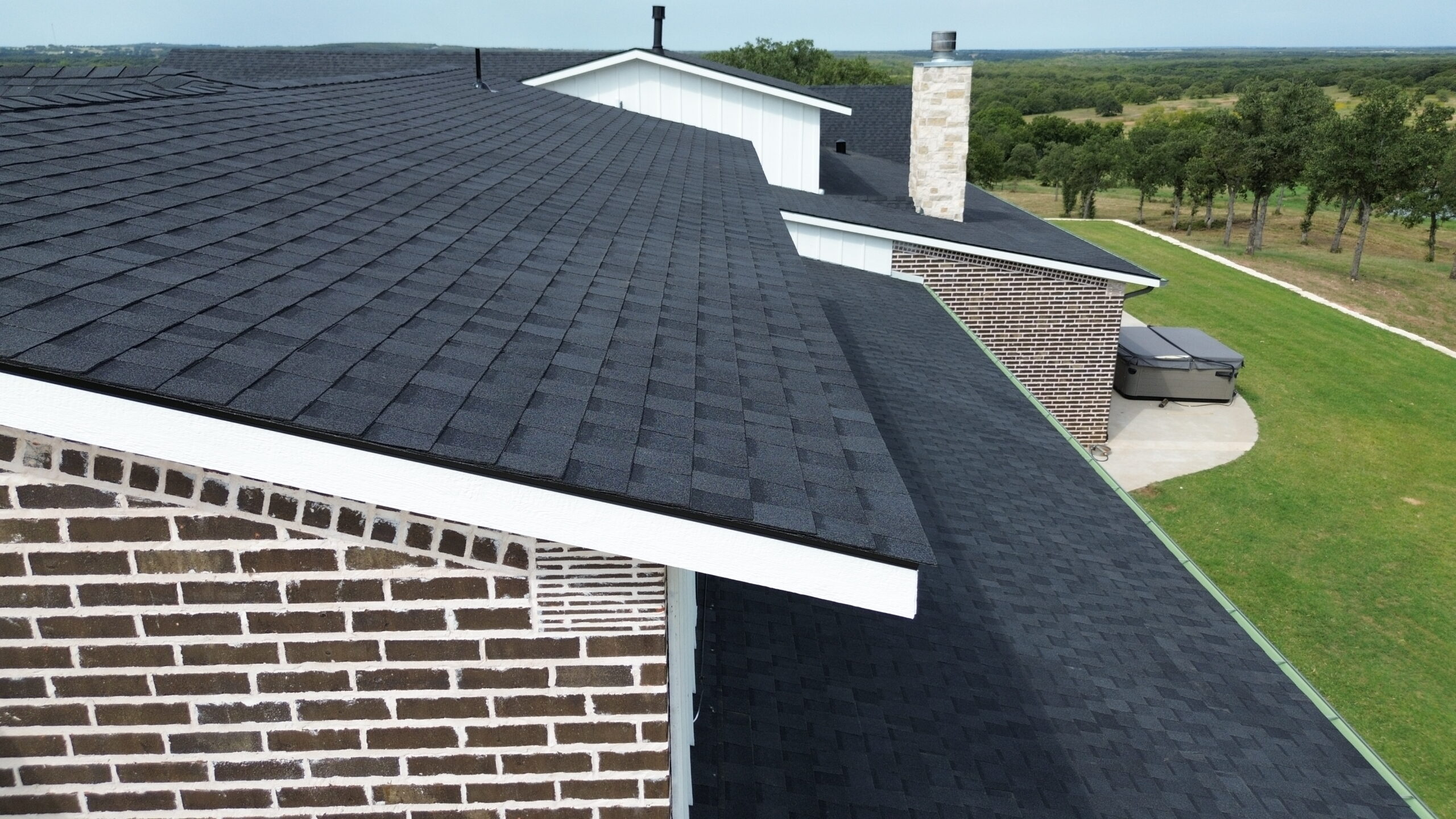
Roof size and complexity should also be considered when comparing estimates. A contractor working on a simple roof may require fewer labor hours than one working on a roof with several valleys, dormers, chimneys, skylights, and steep sections. Therefore, a direct comparison of hourly rates may not provide a complete picture of the final labor expense.
Homeowners should also ask whether the contractor uses employees, subcontractors, or a combination of both. The arrangement can affect project coordination and the way labor is managed. Understanding who will perform the work can also help homeowners know who is responsible for maintaining installation quality.
Experience should be considered alongside price. An experienced roofing crew may complete work more efficiently because workers are familiar with the material and installation process. Although their labor rate may be higher, efficient work and proper installation can reduce the risk of future repairs caused by workmanship problems.
A good estimate should also explain how unexpected labor will be handled. If damaged decking or additional preparation is discovered, the homeowner should understand how the contractor will calculate the extra cost. Written change orders can provide greater transparency and reduce disagreements about the final invoice.
How Homeowners Can Avoid Unexpected Labor Charges
Unexpected labor charges can often be reduced through careful planning before the project begins. Homeowners should arrange a detailed inspection and discuss the roof’s condition with the contractor. The more information available before work starts, the easier it becomes to identify possible labor requirements.
The written contract should clearly describe the agreed scope of work. It should state what is included in the labor price and which circumstances could result in additional charges. Verbal promises should not replace written terms because misunderstandings can occur once the project is underway.
Homeowners should pay particular attention to tear-off conditions. If the contractor discovers multiple roofing layers after beginning the work, removing them may require additional labor. Asking about this possibility before signing the contract gives homeowners a better understanding of the potential cost.
Decking repairs should also be discussed. Contractors cannot always determine the condition of the entire roof deck before removing the existing roofing material. If damaged wood is discovered, the contractor should explain the affected area, required work, and additional labor before proceeding whenever practical.
Another useful step is asking about cleanup. Some contractors include standard cleanup in their labor price, while others may charge separately for extensive debris removal. Clarifying this detail prevents homeowners from discovering additional cleanup charges at the end of the project.
Homeowners should also ask about delays caused by conditions outside the contractor’s control. Weather, material delivery problems, or unexpected structural repairs can extend a project. Understanding how these situations affect labor charges allows homeowners to prepare financially.
Finally, homeowners should avoid making major changes after work begins unless necessary. Changing materials, adding features, or modifying the scope during installation can increase labor. Finalizing important decisions before construction begins helps the crew work efficiently and keeps the project closer to the original estimate.
Labor Costs for Different Residential Roofing Situations
Labor costs vary according to the type of roofing project being performed. A small repair, for example, involves a very different amount of work from a complete replacement. Understanding these differences helps homeowners develop more realistic expectations about labor expenses.
Routine maintenance usually requires relatively limited labor. Tasks may include replacing a small number of damaged shingles, clearing debris, checking flashing, or inspecting vulnerable areas. Although the material involved may be inexpensive, the contractor still needs to account for travel, equipment, inspection, and setup.
Emergency repairs can require higher labor expenses because they may involve rapid scheduling and temporary protection. A contractor responding to storm damage may need to secure exposed areas before completing permanent repairs. The urgency and additional preparation can affect the total labor charge.
Partial replacement falls between a repair and complete replacement. Workers may need to remove roofing from a specific section, prepare the exposed surface, install new materials, and connect the new work with the existing roofing system. Matching existing materials and creating proper transitions can require additional skill.
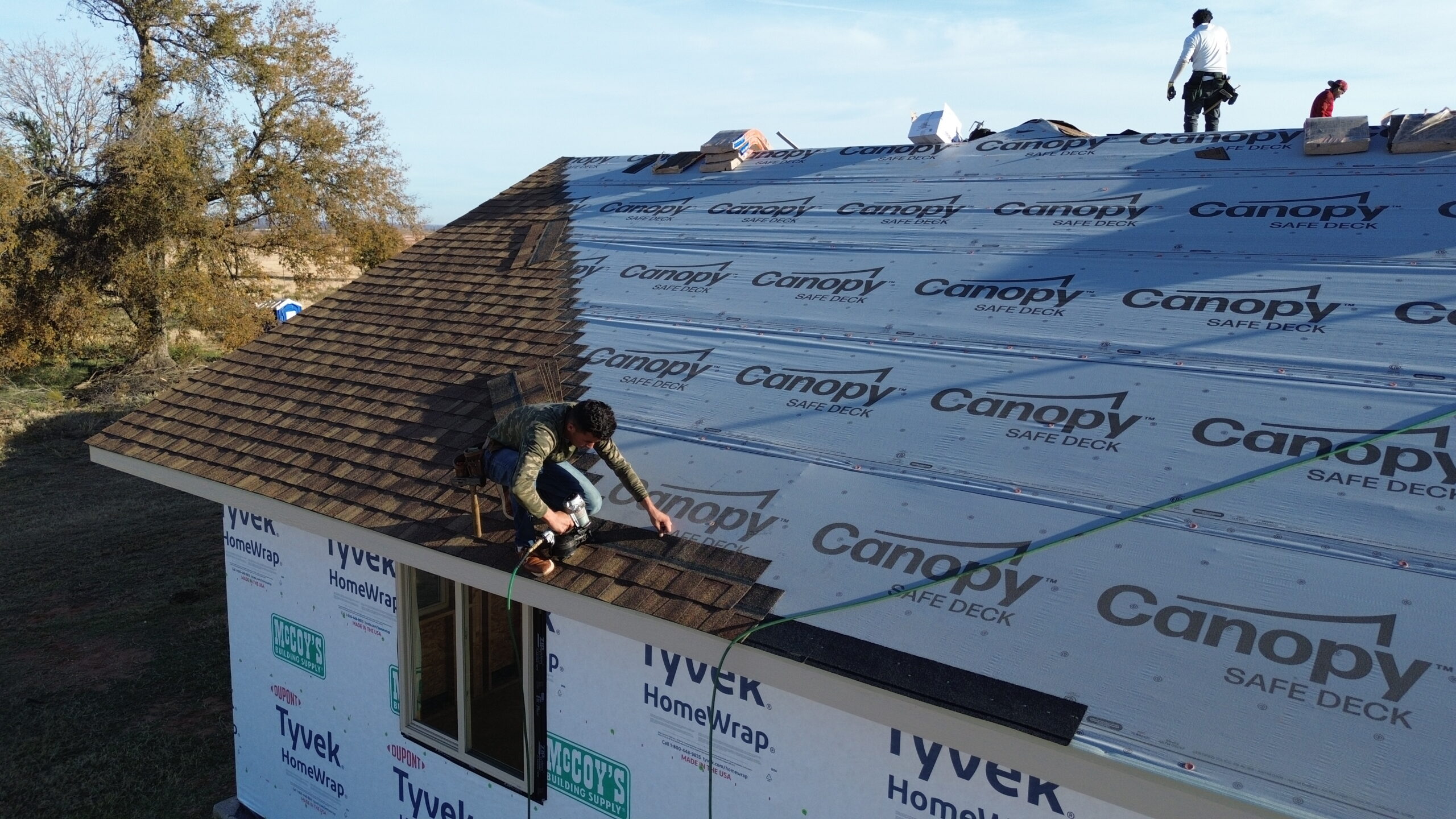
Full replacement generally involves the greatest amount of labor. The process may include tear-off, deck inspection, repairs, underlayment installation, new roofing installation, flashing, ventilation, material handling, and cleanup. Larger homes or complicated roof designs can require several workers over multiple days.
Storm-damaged roofs can involve additional labor if structural components or multiple roofing sections are affected. Wind, hail, falling branches, or heavy weather can damage shingles, flashing, gutters, and other components at the same time. Properly assessing the extent of the damage is important before determining the required labor.
Roofing labor can therefore vary significantly even among homes of similar size. The type of project, roof condition, material, accessibility, and complexity all influence the number of working hours required. Homeowners should request project-specific estimates rather than relying on generic labor figures.
Ways to Manage Roofing Labor Expenses
Managing labor expenses does not mean choosing the contractor with the lowest hourly or project rate. The goal should be to receive efficient, skilled, and complete work without paying for avoidable delays or unnecessary services. Good planning can help homeowners control costs while maintaining installation quality.
Obtaining multiple detailed estimates is a useful starting point. Homeowners can compare labor scope, crew size, project duration, preparation, cleanup, and warranty terms. A comparison based on these factors is more useful than comparing only the final labor amount.
Scheduling the project carefully can also help. If the roof is approaching the end of its service life, planning replacement before a major leak or storm event can reduce the likelihood of emergency labor. Emergency work may require temporary protection and urgent scheduling that can make the project more expensive.
Keeping the property accessible can improve efficiency. Homeowners can discuss where roofing materials, dumpsters, and equipment will be placed and remove unnecessary obstacles from work areas. Better access allows workers to spend more time installing the roof and less time moving materials.
Homeowners should also avoid unnecessary project interruptions. Once a crew begins working, delays caused by changing decisions or waiting for approvals can reduce efficiency. Having material selections and important decisions finalized before installation begins helps the contractor maintain a consistent schedule.
Regular maintenance can reduce future labor expenses as well. Small problems are generally easier to repair than extensive deterioration. Identifying damaged flashing, loose roofing materials, blocked drainage, or minor leaks early can prevent larger repairs that require more workers and more installation time.
Quality should remain the priority when managing labor expenses. Cutting costs by selecting inexperienced workers or reducing necessary preparation can create problems that eventually require additional repairs. Paying a fair price for skilled work can provide better long-term value than choosing a low-cost installation that fails prematurely.
Building a Realistic Roofing Labor Budget
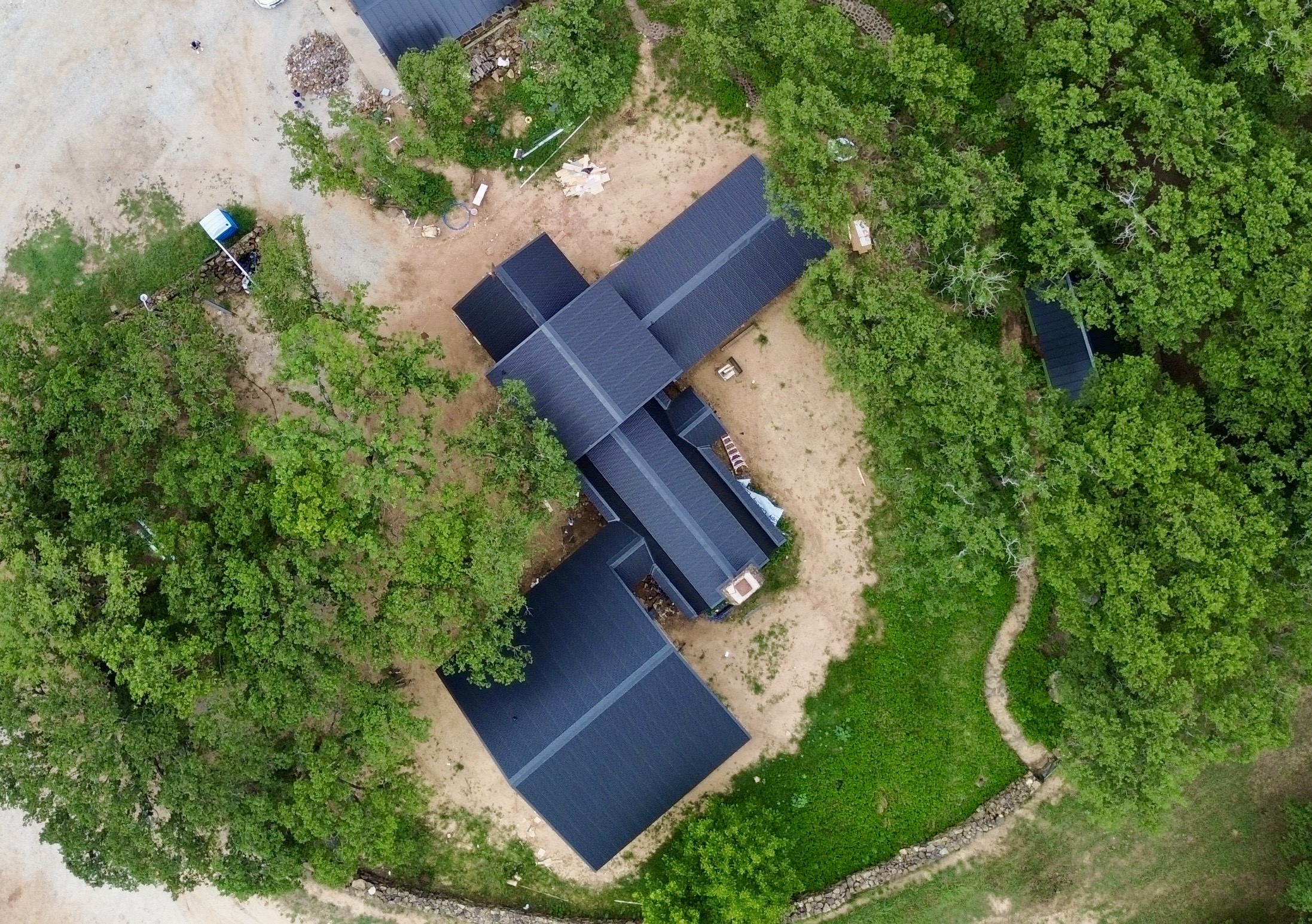
A realistic labor budget should begin with the contractor’s assessment of the roof rather than an arbitrary percentage of the total project cost. The contractor should consider roof size, pitch, design, material, accessibility, tear-off requirements, preparation, installation methods, and cleanup. These factors provide a more reliable basis for estimating the number of labor hours required.
Homeowners should separate expected labor from potential additional labor. The expected portion covers work clearly identified in the contract, while a contingency reserve can cover legitimate unexpected conditions. This approach prevents homeowners from treating every additional charge as a surprise.
The condition of the existing roof should influence the contingency amount. A newer roof with limited damage may involve less uncertainty, while an older roof with repeated leaks and multiple roofing layers may require greater financial preparation. The contractor’s inspection can help homeowners understand the level of risk involved.
Homeowners should also consider whether the selected roofing material requires specialized installation. Choosing a material that needs experienced installers can increase labor costs, but the additional expense may be worthwhile. Proper installation is essential to achieving the expected performance and protecting manufacturer warranty coverage.
Project duration should be included in planning as well. A longer project can create additional equipment, supervision, protection, and scheduling requirements. Homeowners should ask for an estimated duration and understand which conditions could cause the schedule to change.
A realistic budget should ultimately allow enough flexibility for necessary work without encouraging unnecessary upgrades. Essential repairs, proper installation, safety, and weather protection should take priority. Optional improvements can be considered separately when the homeowner’s budget allows.
Conclusion
Labor is a fundamental part of every residential roofing project, and understanding its cost can help homeowners make better decisions. The amount charged for labor reflects much more than the time workers spend placing roofing materials. It can include inspection, preparation, tear-off, material handling, installation, flashing, ventilation, safety procedures, cleanup, supervision, and project coordination.
Roof size, pitch, complexity, accessibility, material selection, and existing roof condition all influence the amount of labor required. A simple roof may allow workers to complete the project efficiently, while a complicated or difficult-to-access roof can require considerably more time. This is why homeowners should avoid assuming that one standard labor rate applies to every residential property.
The best way to evaluate labor costs is to compare detailed estimates based on the same scope of work. Homeowners should review what is included, ask how additional labor will be approved, and understand the contractor’s approach to unexpected repairs. A clear written agreement can provide important protection for both the homeowner and the roofing company.
Managing labor expenses also requires balancing cost with quality. Selecting the cheapest contractor may reduce the initial price, but poor workmanship can result in leaks, premature deterioration, and additional repair expenses. A qualified roofing crew that uses appropriate safety procedures and installation methods can provide greater value over the life of the roofing system.
Homeowners can further control labor costs through early planning and regular maintenance. Scheduling replacement before a serious emergency, keeping the work area accessible, making decisions before construction begins, and addressing minor problems promptly can all improve project efficiency. These steps can reduce avoidable labor without compromising necessary work.
Ultimately, roofing labor should be viewed as an investment in the performance and protection of the entire roofing system. A properly trained crew does more than install materials; it prepares the surface, manages difficult details, protects the property, follows appropriate installation procedures, and completes the project safely. By understanding how labor costs are calculated and what influences them, homeowners can approach roofing projects with more realistic expectations and make informed choices that provide lasting value.