

Budget Planning for New Roof Installation Projects
Introduction
Planning a budget for a new roof installation is one of the most important steps a homeowner can take before starting the project. A roof is a major investment that protects the structure, interior spaces, belongings, and occupants from weather exposure. Without careful financial planning, homeowners may underestimate the total cost and struggle when additional expenses appear during installation.
A roofing budget should include more than the price of the visible roofing material. Labor, roof measurements, old roof removal, disposal, underlayment, flashing, ventilation, permits, repairs, delivery, and other project requirements can all contribute to the final amount. Understanding these expenses in advance makes it easier to create a budget that reflects the actual scope of the work.
The condition and design of every roof are different, so there is no single price that applies to every installation. A relatively small and simple roof may require less labor and fewer materials, while a larger or more complicated roof can involve additional preparation and installation time. Local labor rates, material availability, weather conditions, and contractor experience can also influence pricing.
A realistic budget should therefore begin with an assessment of the property and continue through the selection of materials and contractor. Homeowners who plan each major cost category can make informed choices while leaving room for unexpected conditions. This approach can reduce financial surprises and create a smoother roofing project from the initial estimate through completion.
Why Budget Planning Matters for a New Roof
A new roof can be one of the largest home improvement expenses a homeowner encounters. Because the project involves multiple materials and services, focusing only on the advertised cost of shingles or another roofing product can result in an incomplete budget. A detailed financial plan provides a clearer understanding of how much money may actually be needed.
Budget planning is particularly important when replacing an aging roof. Older roofing systems can contain damaged decking, deteriorated flashing, multiple layers, or other conditions that may not be obvious from the ground. These issues can increase the cost once the existing materials are removed and the underlying structure becomes visible.
Planning also gives homeowners more control over their choices. When a budget is established before contacting contractors, it becomes easier to compare materials, evaluate upgrades, and determine which features are essential. Without a defined budget, homeowners may make decisions during construction that increase the total cost beyond what they originally intended to spend.
A well-prepared budget should include both expected and potential expenses. Homeowners should know the likely base project cost while also setting aside an appropriate reserve for unforeseen repairs or changes. This does not mean assuming that every possible problem will occur, but it provides financial flexibility if an unexpected condition is discovered.
Understanding the Main Components of a Roofing Budget
The first step in creating a roofing budget is understanding what makes up the total installation price. A roofing project is normally divided into several cost categories, with each category contributing to the final amount. The exact categories vary depending on whether the project involves a new roof on a newly constructed property or replacement of an existing roofing system.
The main roofing material is usually one of the most noticeable expenses. Homeowners may choose from asphalt shingles, metal roofing, tile, slate, or other products depending on the property’s design, local conditions, desired appearance, and budget. Material prices can vary substantially, so the selected product should be considered early in the planning process.
Labor is another major expense. Professional roof installation requires trained workers who can safely handle materials and complete detailed tasks such as fastening, flashing, waterproofing, and ventilation work. Labor costs can change according to roof size, pitch, complexity, accessibility, and local market conditions.
Other common budget categories include:
- Roof measurement and preparation
- Existing roof removal
- Material disposal
- Underlayment and moisture protection
- Flashing and edge materials
- Ventilation components
- Roof deck repairs
- Permits and inspections
- Material delivery and site cleanup
Not every project will require every category, but homeowners should review each one when preparing their budget. This prevents important expenses from being overlooked during the planning stage.
Estimating Roof Size and Material Requirements
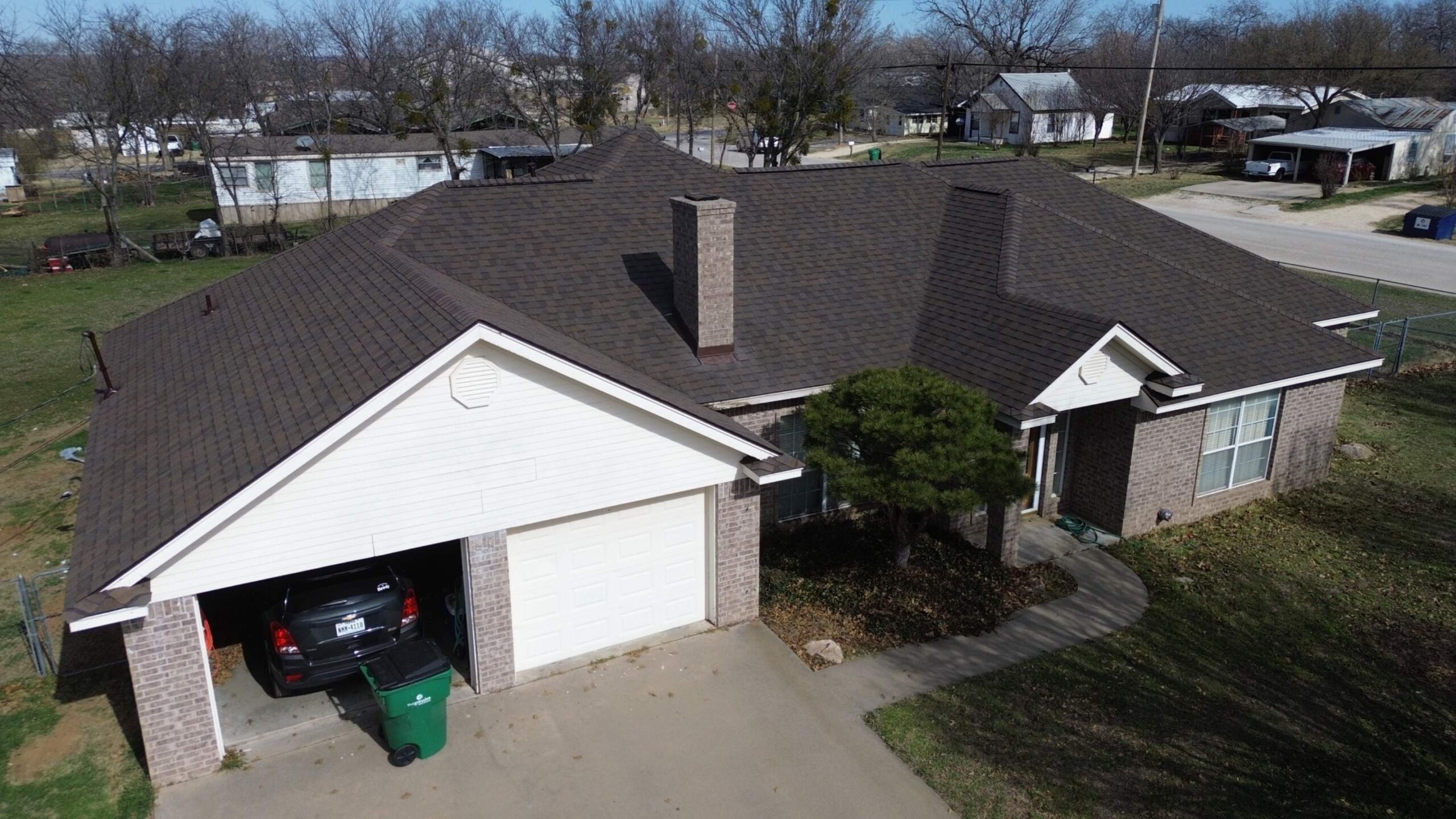
Roof size is one of the most important starting points for estimating installation costs. Contractors generally calculate the actual roof surface rather than relying only on the home’s floor area. Roof pitch, overhangs, multiple sections, and architectural features can make the actual roofing area significantly different from the building footprint.
Roofing contractors often use the term “square” when discussing roof measurements. One roofing square represents 100 square feet of roof coverage. Once the roof area has been measured, the contractor can calculate the approximate number of squares and determine how much roofing material is required.
The quantity ordered is normally greater than the exact measured area because roofing materials need to be cut and overlapped during installation. Additional material may also be needed for ridges, valleys, hips, edges, and other roof features. The amount of additional material depends on the roof design and selected roofing system.
Homeowners should avoid creating a final budget using only an approximate measurement from an online calculator. Such tools can be useful for preliminary planning, but a professional measurement provides a more reliable basis for a contractor’s estimate. An accurate roof measurement can prevent both material shortages and unnecessary overestimation.
Choosing a Roofing Material Within Your Budget
Material selection can have a substantial effect on the total roofing budget. Different roofing materials have different purchase prices, installation requirements, expected service lives, maintenance needs, and appearance. Choosing the right material requires balancing the available budget with the performance requirements of the property.
Asphalt shingles are often considered by homeowners who want a practical roofing solution with a wide range of product choices. Basic shingles may have a lower initial cost, while architectural or specialty products can increase the material investment. The final selection should consider the roof design and the level of durability and appearance the homeowner expects.
Metal roofing can require a higher initial investment depending on the metal type, profile, finish, and installation method. Tile and slate can also be more expensive because of material costs, weight, handling, and specialized installation requirements. Homeowners considering these materials should evaluate the long-term benefits as well as the upfront expense.
The cheapest material is not automatically the most economical choice. A roofing product should be appropriate for the property and installed according to its requirements. Homeowners should also consider expected maintenance and replacement needs when determining whether a particular material fits their long-term budget.
Estimating Roofing Labor Costs
Labor can represent a significant portion of a roofing installation budget. Roofing crews must prepare the surface, move materials, install the roofing system, complete flashing and ventilation details, remove debris, and clean the work area. The amount of labor required depends heavily on the size and complexity of the roof.
A simple roof with broad sections may be relatively efficient to install. A steep roof with multiple slopes, valleys, dormers, chimneys, or skylights can require considerably more time and specialized work. Difficult access can also increase labor because materials and equipment may be harder to move around the property.
Local labor rates are another important factor. Contractors need to account for wages, insurance, equipment, transportation, supervision, and other operating expenses. This means that roofing labor prices can vary significantly between different regions and companies.
When creating a budget, homeowners should ask contractors what the labor charge includes. Some estimates may include preparation, installation, cleanup, and standard flashing work, while others may list certain services separately. A clear understanding of the labor scope makes it easier to compare estimates accurately.
Accounting for Roof Removal and Disposal
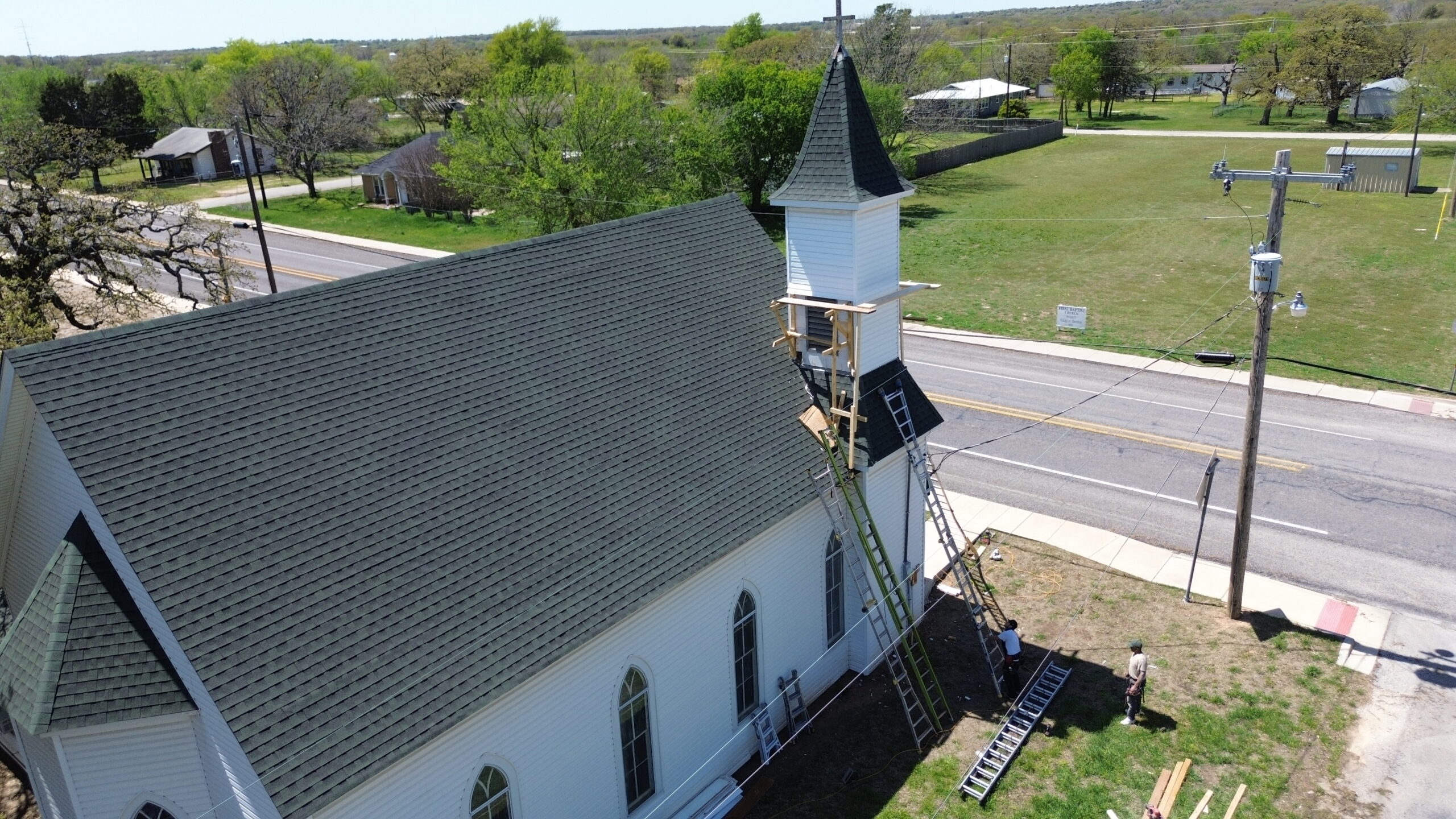
If the project involves replacing an existing roof, the budget should include the cost of removing the old roofing system. Tear-off involves removing existing shingles, panels, tiles, underlayment, fasteners, and other materials before preparing the roof for the new installation.
The cost of removal depends partly on the size of the roof and the number of existing layers. A roof with multiple layers can require more labor than one with a single layer. Heavier roofing materials may also require additional handling and transportation.
Disposal is a separate consideration because the removed materials must be collected and transported for appropriate disposal. Larger roofs can generate significant quantities of waste, increasing hauling and disposal requirements. Some contractors include these services in their standard installation price, while others list them separately.
Homeowners should confirm whether tear-off and disposal are included in the estimate. If these services are excluded, the budget should account for them separately. It is better to identify these costs before work begins than to discover later that the original quote did not represent the complete replacement project.
Planning for Underlayment, Flashing, and Ventilation
The exterior roofing material is only one part of a complete roofing system. Underlayment, flashing, ventilation, edge materials, and other supporting components also need to be considered when preparing a budget. These items may not be as visible after installation, but they play important roles in protecting the roof and supporting its performance.
Underlayment provides an additional protective layer beneath the main roofing material. The type and quality selected can influence the project cost, particularly when specialized products are required for certain roofing systems or areas of the roof.
Flashing is used around vulnerable transitions and penetrations such as chimneys, skylights, valleys, walls, and vents. If existing flashing is damaged or unsuitable for the new roof, replacement may be necessary. A complex roof with many penetrations can require more flashing materials and labor than a simple roof.
Ventilation should also be considered as part of the overall roofing budget. Depending on the property, the project may require ridge vents, intake ventilation, soffit ventilation, or other components. Homeowners should ask contractors whether the existing ventilation system is appropriate and whether any improvements are included in the estimate.
Budgeting for these components helps ensure that the homeowner is planning for a complete roofing system rather than only the visible roof covering. Cutting essential components simply to lower the initial price can create performance problems and additional expenses later.
A strong roofing budget starts with an accurate understanding of the property, the roof’s size and condition, the desired material, and the scope of professional installation. Once these basic expenses are identified, homeowners can begin planning for less obvious costs such as deck repairs, permits, special roof features, material delivery, and unexpected conditions.
Budgeting for Roof Deck Repairs
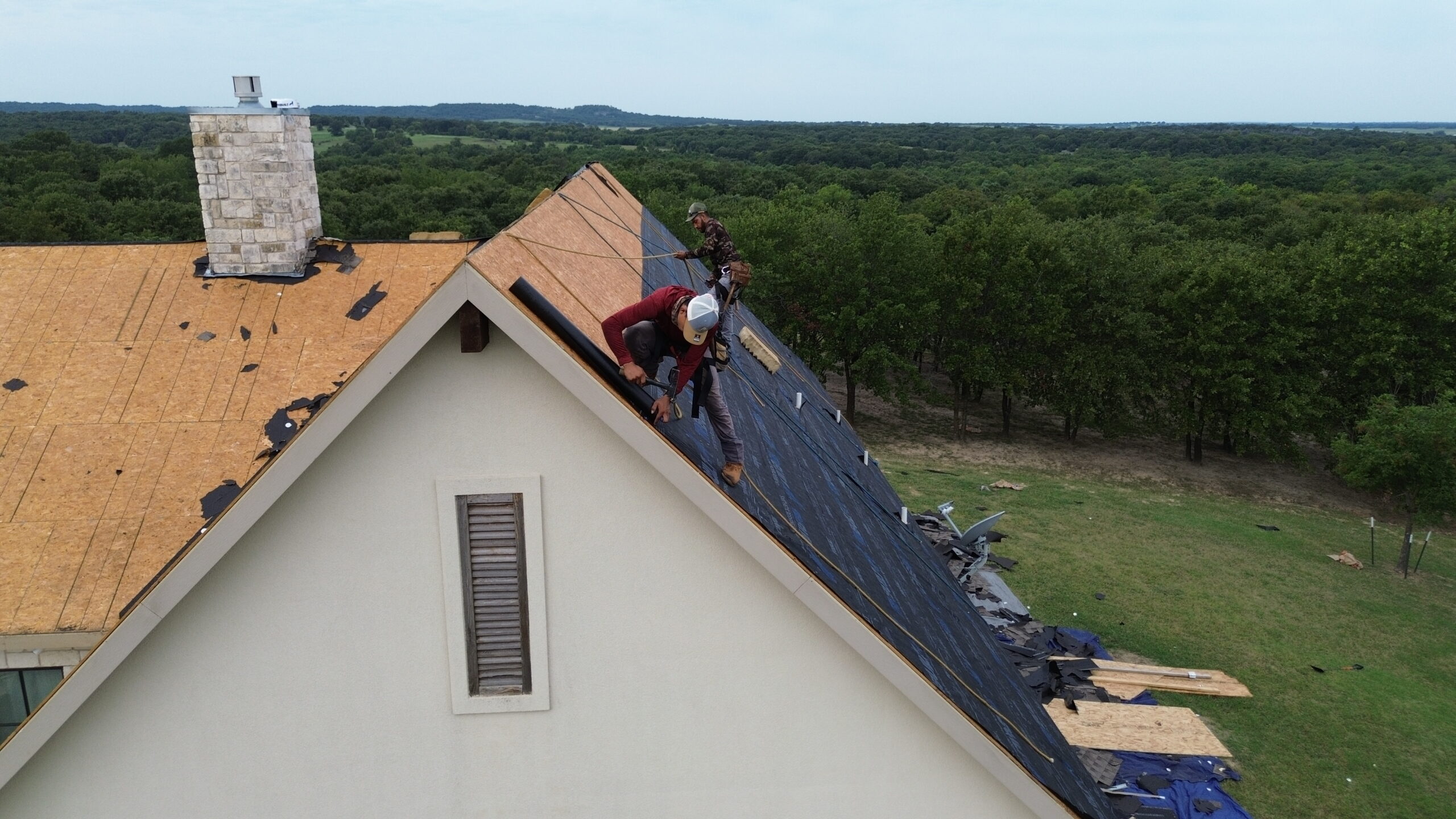
The roof deck is the surface beneath the visible roofing material, and its condition can have a significant effect on the total installation budget. A roof may look acceptable from the outside while sections of the underlying deck have been weakened by moisture, age, or previous leaks. These problems often become easier to identify after the existing roofing material has been removed.
Homeowners should therefore avoid assuming that the initial estimate will always represent the final cost. A contractor may identify visible concerns during the inspection, but some damage can remain hidden until the roof is opened. Including a reasonable repair reserve in the budget provides flexibility if damaged decking is discovered.
The cost of deck repairs depends on how much material needs to be replaced and the type of replacement material required. Replacing a few damaged sections is very different from repairing a large portion of the roof deck. Labor also increases when crews need to remove damaged material and install new sections before continuing with the roofing system.
A good roofing contract should explain how unexpected deck repairs will be handled. Some contractors provide a unit price for replacement decking, while others include a repair allowance in the proposal. Homeowners should understand this pricing method before work begins so they can approve necessary repairs without confusion about the additional cost.
Accounting for Permits and Inspections
Permits and inspections can represent another part of the roofing budget, depending on local requirements and the type of work being performed. Requirements vary by location, property type, and project scope, so homeowners should determine whether a permit is needed before installation begins. A contractor familiar with local requirements can often explain the process.
Permit costs may be relatively small compared with the overall roofing investment, but they should still be included in the budget when applicable. Some contractors handle the permit process themselves and include related fees in the project price. Others may expect the homeowner to arrange permits separately.
Inspections may also be required during or after the project. These inspections can help verify that the installation meets applicable building requirements. If an inspector identifies an issue that needs correction, additional labor or materials could affect the final project cost.
Homeowners should ask the contractor who is responsible for obtaining permits, scheduling inspections, and addressing any corrections. These responsibilities should be clearly documented in the contract. Including them in the initial budget prevents small administrative costs from becoming unexpected financial problems.
Considering Roof Features and Special Requirements
Roof features can make an installation more expensive because they require additional materials and detailed workmanship. Chimneys, skylights, dormers, valleys, plumbing vents, exhaust vents, and other penetrations interrupt the main roofing surface. Each feature may require additional cutting, flashing, sealing, and careful installation.
Chimneys can require specialized flashing where the masonry meets the roofing system. If existing flashing has deteriorated, replacing it during the roof installation may be necessary. Homeowners should determine whether this work is included in the contractor’s proposal or treated as an additional service.
Skylights can create similar considerations. Older skylights may have worn seals or outdated flashing, and replacing the roof provides an opportunity to inspect these areas. If a skylight is already near the end of its useful life, replacing it during the roofing project may be more practical than installing a new roof around an aging feature.
Other roof penetrations can also affect the budget. Plumbing vents and exhaust vents may require replacement or new flashing, while unusual architectural sections may increase cutting and installation time. A detailed roof inspection helps identify these features before the final budget is established.
Planning for Material Delivery and Site Access
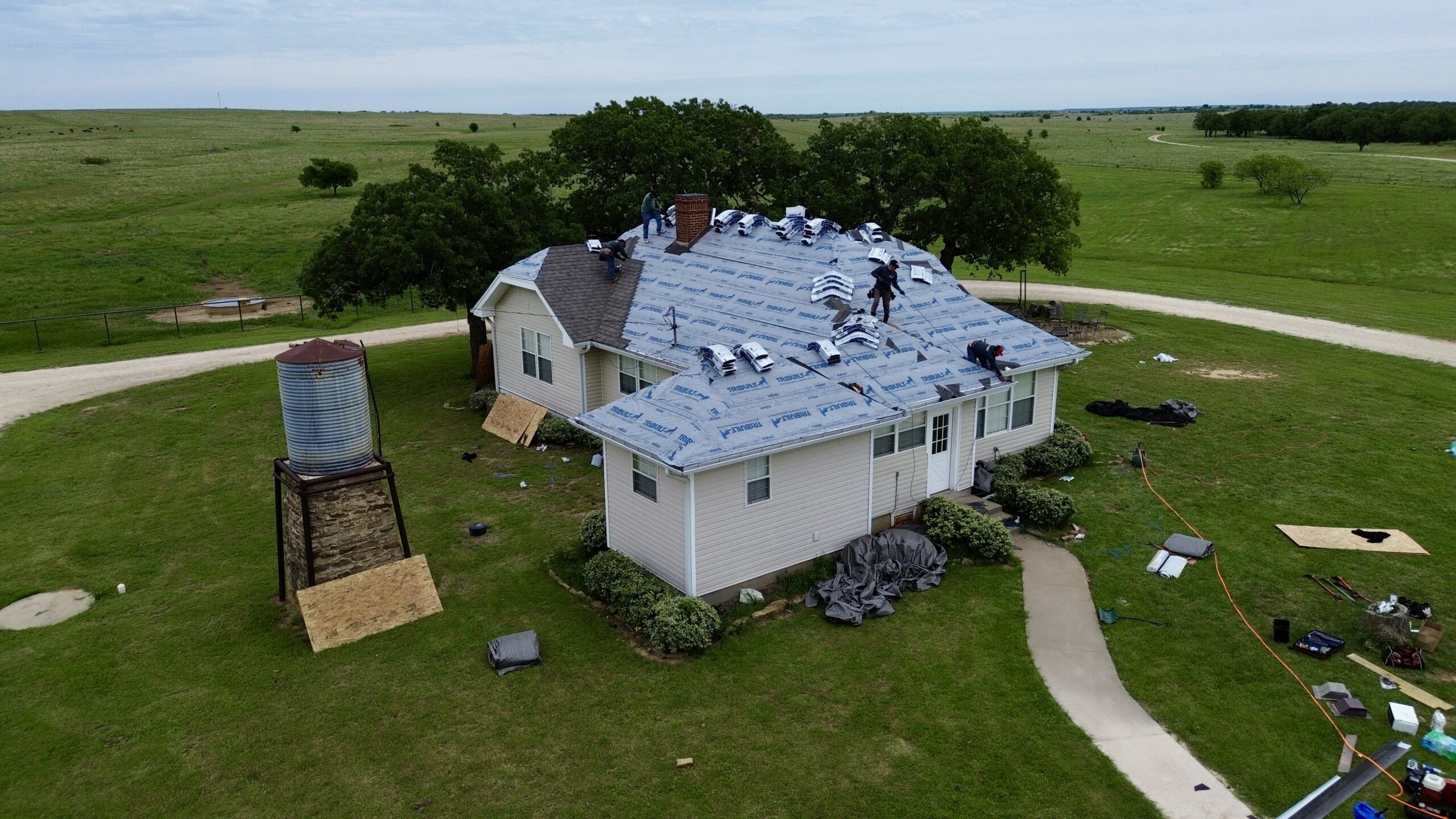
Material delivery is an important but sometimes overlooked part of roofing project planning. Roofing materials can be heavy and bulky, so contractors need a suitable method for transporting and positioning them at the property. Delivery charges may be included in the roofing estimate or listed separately.
The distance between the supplier and the property can affect transportation expenses. Specialty roofing materials may need to be sourced from suppliers farther away, increasing delivery costs or extending the time required to receive the products. Material availability can also influence the project schedule.
Site access is another consideration. A property with a clear driveway and suitable staging area may allow materials to be delivered and organized efficiently. Limited access, narrow driveways, landscaping, fencing, or other obstacles can make material handling more difficult and increase labor requirements.
Homeowners should discuss delivery and access conditions with the contractor before installation. The contractor can explain where materials will be placed and whether special equipment is required. Addressing these issues early can help prevent unexpected charges and reduce disruptions around the property.
Building an Emergency Cost Reserve
Even a detailed roofing estimate cannot always predict every condition that may be discovered during construction. Hidden deck damage, unexpected flashing problems, additional removal requirements, or other site conditions can increase the final cost. For this reason, homeowners should include an emergency reserve when planning the roofing budget.
The reserve should be based on the age and condition of the existing roof as well as the complexity of the project. An older roof with a history of leaks may justify a larger reserve than a relatively new roof in good condition. The objective is not to assume that major problems will occur but to avoid being financially unprepared if they do.
A reserve can also protect the homeowner from having to make rushed decisions. If unexpected repairs are discovered, the homeowner can evaluate the contractor’s recommendation rather than immediately choosing the cheapest option because funds are limited. This can support better long-term decisions.
Homeowners should keep the reserve separate from the main installation budget when possible. Treating it as contingency money rather than available spending money makes it less likely that optional upgrades will consume funds intended for unexpected repairs.
Comparing Roofing Estimates
Obtaining multiple roofing estimates is an important part of budget planning. Several estimates can help homeowners understand the range of prices available in their market and identify major differences in material specifications, labor, and project scope. However, the lowest estimate should not automatically be considered the best financial choice.
A low quote may exclude services that another contractor has already included. For example, one proposal may include tear-off, disposal, new flashing, underlayment, and cleanup, while another may list some of these items separately. Comparing the final numbers without examining the details can lead to an inaccurate assessment.
Homeowners should ask each contractor to provide a written estimate with similar categories. This makes it easier to compare the proposals on an equal basis. If one contractor recommends a different roofing material or installation method, the homeowner should ask why and determine how that choice affects both price and long-term performance.
The following areas should receive particular attention when comparing estimates:
- Roofing material and product specifications
- Labor and installation services
- Tear-off and disposal
- Underlayment and flashing
- Ventilation requirements
- Roof deck repair pricing
- Permits and inspections
- Cleanup and warranty coverage
A detailed comparison helps homeowners identify whether a lower price represents genuine efficiency or simply a smaller project scope. The goal is to find a proposal that provides an appropriate balance between cost, quality, and completeness.
Understanding Contractor Payment Schedules
Payment terms should be considered part of the roofing budget because the timing of payments can affect household cash flow. Contractors may require an initial deposit followed by progress payments and a final payment after substantial completion. The exact structure can vary between companies and projects.
Homeowners should understand when each payment is due and what stage of the project it corresponds to. A written agreement should identify the payment schedule clearly rather than leaving payment expectations to verbal conversations.
The homeowner should also understand how additional work will be approved and billed. If damaged decking or another unexpected condition is discovered, the contractor should explain the cost before performing non-emergency additional work whenever practical. Written change orders can provide a clear record of what was approved and how much the added work costs.
A payment schedule should be realistic for the homeowner’s financial situation. The project should not begin with an arrangement that creates significant financial pressure before the work is completed. Reviewing the contract carefully before making a payment can help protect both the homeowner and contractor.
Financing a New Roof Installation
Some homeowners may need financing to cover the cost of a new roof. Financing can make a major project more manageable by spreading payments over time, but it should be treated as a financial commitment rather than simply another roofing option. The total repayment amount can be higher than the original project price depending on the financing terms.
Before accepting financing, homeowners should review the interest rate, repayment period, fees, monthly payment, and total amount payable. A lower monthly payment may result from a longer repayment period, which can increase the overall cost. The homeowner should therefore consider both affordability and total financial impact.
Contractor-provided financing should also be compared carefully with other available financing options. Homeowners should avoid choosing a roofing contractor solely because financing is offered. The contractor’s qualifications, project scope, materials, workmanship, and warranty should remain important parts of the decision.
If financing is necessary, the roofing budget should include the full financial obligation rather than only the expected monthly payment. This helps homeowners understand how the project fits into their broader household finances.
Avoiding Common Roofing Budget Mistakes
One of the most common budgeting mistakes is focusing only on the cost of the primary roofing material. Shingles, panels, tile, or slate may represent a major expense, but they are only one part of a complete installation. Labor, tear-off, disposal, underlayment, flashing, ventilation, repairs, and permits can significantly change the final amount.
Another mistake is failing to include a contingency reserve. Homeowners sometimes create a budget based exactly on the contractor’s initial estimate and assume there will be no changes. While a detailed estimate can provide a strong starting point, hidden conditions can still arise during roof replacement.
Choosing a contractor based only on the lowest quote can also create budget problems. If essential services have been excluded, the homeowner may end up paying additional charges later. Inadequate workmanship can create an even greater financial burden if repairs are required after the installation.
Delaying necessary roof work can also increase costs. A small problem that could have been addressed during routine maintenance may become extensive water damage if ignored. Planning for replacement before the roof reaches an emergency condition gives homeowners more time to compare contractors and prepare financially.
Finally, homeowners should avoid spending the entire budget on optional upgrades before confirming that essential roofing components are covered. Proper installation, suitable materials, sound decking, waterproofing, and adequate ventilation should receive priority.
Creating a Flexible Roofing Budget
A strong roofing budget should provide enough structure to guide decisions while remaining flexible enough to handle changing conditions. The homeowner can begin with the expected base installation cost and then add separate amounts for removal, supporting components, permits, and potential repairs.
The budget should also distinguish between known costs and uncertain costs. Known costs include the selected roofing material, agreed labor, and other services clearly included in the contract. Uncertain costs may include hidden deck repairs or other conditions that cannot be fully confirmed before the existing roof is removed.
Keeping these categories separate makes the financial picture easier to understand. Homeowners can see how much money is committed to the project and how much remains available for unexpected requirements.
A flexible budget also makes it easier to make informed adjustments. If the initial estimate exceeds the available funds, the homeowner can compare suitable material options, postpone optional improvements, or obtain additional estimates without sacrificing essential roofing work.
Planning the budget carefully before installation gives homeowners greater control over the entire project. Once the main expected expenses, potential repairs, payment arrangements, and contingency funds are identified, the next step is to combine these elements into a realistic total budget.
Creating a Realistic Total Roofing Budget
Creating a realistic roofing budget requires homeowners to bring together all the individual costs discussed in the earlier stages of planning. The goal is to establish a total amount that reflects the actual scope of the project rather than relying on the price of roofing materials alone. A complete budget should account for materials, labor, preparation, removal, supporting components, possible repairs, and other project-specific expenses.
The first step is to establish the base installation cost. This normally includes the primary roofing material and the labor required to install it. The exact amount depends on the roof’s size, pitch, design, material selection, and local labor rates.
Next, homeowners should identify costs that are likely to apply to the project. These may include tear-off, disposal, underlayment, flashing, ventilation, permits, delivery, and cleanup. If the existing roof is being replaced, these expenses should be included from the beginning rather than treated as unexpected additions.
A contingency reserve should then be added to the budget. Hidden roof deck damage, moisture-related deterioration, or other conditions may become visible during removal. Keeping additional funds available allows homeowners to address necessary repairs without having to make rushed financial decisions.
The final budget should therefore represent more than the contractor’s starting price. It should provide a realistic picture of the money needed to complete the project properly, including reasonable preparation for conditions that cannot be confirmed before installation begins.
Separating Essential and Optional Roofing Expenses
One of the best ways to manage a roofing budget is to separate essential expenses from optional improvements. Essential expenses are those necessary to create a properly functioning roofing system, while optional expenses may improve appearance, convenience, or other characteristics without being required for basic installation.
Essential work can include appropriate roofing materials, sound roof decking, underlayment, flashing, necessary ventilation, proper fastening, and professional installation. If these components are removed simply to reduce the initial price, the homeowner may face performance problems and additional repair costs later.
Optional expenses may include decorative upgrades, premium appearance features, specialty accessories, or improvements that are not required for the basic roofing system. These additions may provide value, but homeowners should consider them only after confirming that the essential project requirements are covered.
This distinction becomes especially useful when the initial estimate exceeds the available budget. Instead of choosing lower-quality installation methods, homeowners can first review optional items and determine whether any can be postponed or removed.
A budget should prioritize the long-term protection of the home. Spending money on necessary structural and waterproofing components is generally more important than choosing upgrades based only on appearance.
Ways to Reduce Costs Without Sacrificing Quality
Reducing roofing expenses does not have to mean choosing the cheapest contractor or lowest-quality materials. Homeowners can often control costs through careful planning, accurate measurements, competitive estimates, and sensible material selection. The objective should be to eliminate unnecessary expenses while preserving the quality of the roofing system.
Obtaining multiple detailed estimates is one effective strategy. Comparing several qualified contractors can reveal differences in labor, materials, preparation, warranties, and included services. Homeowners should compare equivalent scopes of work rather than selecting the proposal with the lowest headline price.
Choosing a suitable roofing material can also help control the budget. Homeowners should consider the size of the roof because small differences in material price can become significant when applied across a large surface. A product should provide an appropriate balance between cost, expected performance, appearance, and maintenance requirements.
Planning ahead can prevent emergency expenses. If a roof is already showing signs of aging, homeowners may have more control over the project by arranging inspections and estimates before serious leaks or structural damage occur. Emergency replacement can limit the time available for comparing contractors and materials.
Homeowners should also avoid unnecessary changes after the project begins. Last-minute material upgrades, design changes, or additional features can increase costs and complicate the schedule. Finalizing major decisions before materials are ordered can make the budget more predictable.
Essential components should never be removed solely to achieve short-term savings. Underlayment, flashing, ventilation, proper fastening, and necessary deck repairs contribute to the performance of the roofing system and should remain priorities.
Planning for Long-Term Roof Maintenance
A roofing budget should not end when installation is complete. Homeowners should also consider the future cost of inspections, cleaning, minor repairs, and maintenance. Planning for these expenses can help protect the new roof and make ownership costs more predictable.
Regular inspections can identify small problems before they become larger issues. Damaged roofing materials, deteriorated flashing, blocked drainage, and other conditions can sometimes be corrected with relatively limited work when they are discovered early.
Gutters and drainage systems should also be maintained because water management is an important part of protecting the roof. Leaves, branches, and other debris can interfere with drainage and contribute to moisture problems. Keeping these systems clear can support the overall performance of the roofing system.
The appropriate maintenance schedule depends on the roofing material, property conditions, climate, and exposure. Homeowners should follow the manufacturer’s recommendations and ask the contractor what routine care is appropriate for the selected system.
Setting aside money for future maintenance can also protect the household budget. Minor maintenance expenses are generally easier to manage when they are planned rather than treated as unexpected emergencies.
Example New Roof Installation Budget
A practical example can show how different expenses can be combined into a complete roofing budget. Consider a homeowner planning to replace an aging roof on a medium-sized property. The homeowner receives several estimates and selects a contractor after comparing the materials, scope of work, experience, warranty, and total price.
The base estimate includes the primary roofing material and standard installation labor. The homeowner then confirms that the project also includes removal of the existing roofing system, disposal, underlayment, flashing, ventilation components, and cleanup.
Before approving the project, the homeowner asks how damaged decking will be handled if it is discovered during tear-off. The contractor provides a clear unit price for replacement decking, allowing the homeowner to include a contingency amount in the budget rather than guessing at the potential repair cost.
A simplified budget could look like this:
| Budget Category | Planning Purpose |
|---|---|
| Roofing material | Covers the selected exterior roofing system |
| Installation labor | Covers professional preparation and installation |
| Tear-off | Covers removal of the existing roof |
| Disposal | Covers hauling and disposal of old materials |
| Underlayment | Provides protection beneath the roofing material |
| Flashing and accessories | Protects vulnerable transitions and roof features |
| Ventilation | Supports appropriate roof and attic airflow |
| Permits and inspections | Covers applicable local requirements |
| Deck repair reserve | Provides funds for hidden damage |
| Contingency reserve | Covers other reasonable unexpected expenses |
The exact amount allocated to each category will depend on the property and contractor. The important point is that the homeowner is planning for the complete project rather than assuming the material price represents the total investment.
This type of budget also makes it easier to adjust the project if the initial estimate is higher than expected. Optional improvements can be reviewed separately, while essential roofing components remain protected.
Reviewing Contractor Payment Terms
The payment schedule should be included in the overall financial plan before installation begins. Homeowners should understand how much is required at the start of the project, whether progress payments are expected, and when the final balance becomes due.
Payment terms should be written clearly in the contract. The agreement should also explain how additional work will be approved and billed if unexpected conditions are discovered.
If damaged decking or another necessary repair is identified, the homeowner should receive an explanation of the work and its cost before approving it whenever practical. Written change orders can help maintain a clear record of additional work.
Homeowners should also keep copies of invoices, receipts, contracts, product information, and warranty documents. These records can be useful for tracking the actual project cost and resolving questions that arise during or after installation.
A clear payment structure can make a major roofing project easier to manage financially. It also allows homeowners to understand how the project fits into their available funds throughout the installation process.
Final Budget Checklist for Homeowners
Before approving a new roof installation, homeowners should review the entire budget and make sure there are no major categories missing. The final estimate should be based on the actual roof rather than a generic price. The contractor should also be able to explain what is included and what could create an additional charge.
The following checklist can help homeowners complete a final budget review:
- Confirm the actual roof size and approximate number of roofing squares.
- Confirm the roofing material, product specifications, and expected quantity.
- Review the complete labor and installation scope.
- Verify whether tear-off and disposal are included.
- Confirm underlayment, flashing, ventilation, and other essential components.
- Ask how roof deck repairs will be priced if hidden damage is discovered.
- Check applicable permit and inspection costs.
- Review material delivery, site access, and cleanup arrangements.
- Understand the payment schedule and procedures for additional work.
- Set aside a reasonable contingency reserve before construction begins.
This review can help homeowners identify missing expenses before signing the contract. It also provides a useful opportunity to ask questions while changes are still easier to make.
Conclusion
Budget planning is an essential part of any new roof installation project because the final cost involves much more than the primary roofing material. Roof size, material selection, labor, tear-off, disposal, underlayment, flashing, ventilation, permits, roof deck condition, site access, and contractor requirements can all affect the total investment.
A realistic budget begins with an accurate assessment of the roof and a detailed written estimate. Homeowners should compare several qualified contractors and review the complete scope of each proposal rather than choosing based solely on the lowest price. This approach makes it easier to identify missing services and understand why estimates may differ.
It is also important to separate essential roofing expenses from optional improvements. Proper installation, sound decking, suitable waterproofing, adequate ventilation, and quality supporting components should receive priority. Optional upgrades can be considered afterward if they fit comfortably within the available budget.
Unexpected expenses should also be considered before work begins. A contingency reserve can provide financial flexibility if hidden deck damage, deteriorated flashing, or other conditions are discovered during the project. Planning for these possibilities does not mean expecting problems, but it can prevent an unexpected repair from creating serious financial pressure.
Long-term costs deserve attention as well. Regular inspections, drainage maintenance, minor repairs, and other routine care should be considered part of responsible roof ownership. Protecting a newly installed roof through appropriate maintenance can help homeowners preserve their investment and avoid preventable expenses.
Ultimately, the best roofing budget is one that is detailed, realistic, and flexible. By understanding every major cost category, comparing complete contractor proposals, prioritizing essential work, and maintaining an emergency reserve, homeowners can approach a new roof installation with greater financial confidence and clearer expectations. Careful planning before construction begins can make the entire roofing process more predictable while helping ensure that the finished roof provides dependable protection for years to come.