
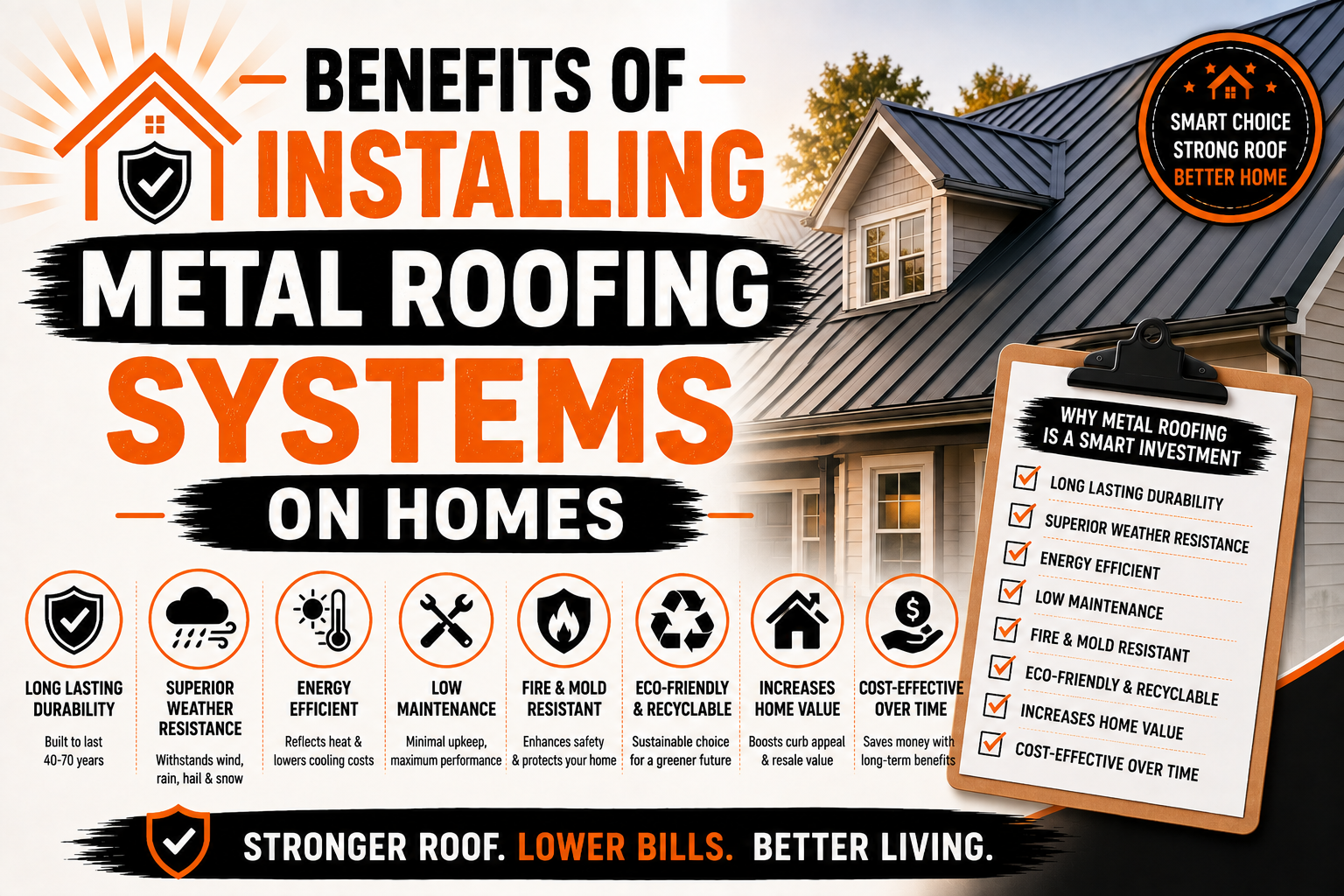
Benefits of Installing Metal Roofing Systems on Homes
Introduction
Choosing the right roofing system is one of the most important decisions a homeowner can make. A roof does much more than cover a house because it protects the structure from weather, improves energy efficiency, enhances curb appeal, and contributes to the overall value of the property. With so many roofing materials available today, homeowners often compare durability, maintenance needs, installation costs, and long term performance before making a final decision.
Metal roofing systems have become increasingly popular in residential construction because they offer a combination of strength, longevity, and modern design. While metal roofs were once associated mainly with commercial or agricultural buildings, today’s products are specifically designed for homes and are available in a wide range of styles, colors, and finishes. Many metal roofing systems even replicate the appearance of traditional shingles, slate, or wood shakes while providing significantly better performance.
Another reason homeowners are choosing metal roofing is its ability to withstand demanding weather conditions. Heavy rain, snow, strong winds, intense sunlight, and even hail can shorten the lifespan of many conventional roofing materials. Metal roofing systems are engineered to resist these challenges while maintaining their structural integrity and attractive appearance for decades.
This guide explores the many benefits of installing metal roofing systems on homes. In this first part, we will examine what metal roofing is, why it has become a preferred choice, the different materials available, the various roofing profiles, the installation process, and the impressive durability and lifespan that make metal roofing a worthwhile investment.
Understanding Metal Roofing Systems
A metal roofing system is made from durable metal panels or shingles that are securely fastened to a home’s roof structure. These roofing systems are manufactured using advanced engineering techniques that improve weather resistance, structural strength, and energy efficiency while maintaining an attractive appearance.
Unlike older metal roofs that had a purely industrial look, modern residential metal roofing is available in many architectural styles. Homeowners can select designs that closely resemble asphalt shingles, clay tiles, slate, or cedar shakes while enjoying the superior performance of metal.
Modern metal roofing systems typically include several components working together rather than only the visible panels. These components create a complete protective system that shields the home from moisture, wind, and temperature changes.
A complete residential metal roofing system generally includes:
- Metal panels or shingles
- Underlayment for moisture protection
- Fasteners or concealed clips
- Flashing around roof penetrations
- Ridge caps and ventilation components
- Waterproof sealing materials
Each component contributes to the roof’s long term performance. Proper installation ensures that all parts work together to create a durable weather resistant barrier.
Why Metal Roofing Is Becoming More Popular
The popularity of metal roofing has grown steadily over the past decade, and several factors explain this trend. Homeowners today are looking beyond initial installation costs and placing greater value on products that offer long lasting performance with minimal maintenance.
Traditional roofing materials often require repairs or replacement after years of exposure to harsh weather. Metal roofing systems, on the other hand, are designed to remain reliable for several decades. This longer lifespan often makes them more economical over the life of the home.
Energy efficiency has also become a major consideration for homeowners. Rising electricity costs encourage people to invest in building materials that help regulate indoor temperatures. Reflective metal roofing can reduce heat absorption during hot weather, helping cooling systems operate more efficiently.
Another reason for the growing demand is the increased availability of attractive designs. Manufacturers now produce metal roofing in numerous colors, textures, and profiles, allowing homeowners to match almost any architectural style.
The combination of performance, appearance, sustainability, and long term value has transformed metal roofing from a specialty product into a mainstream residential roofing option.
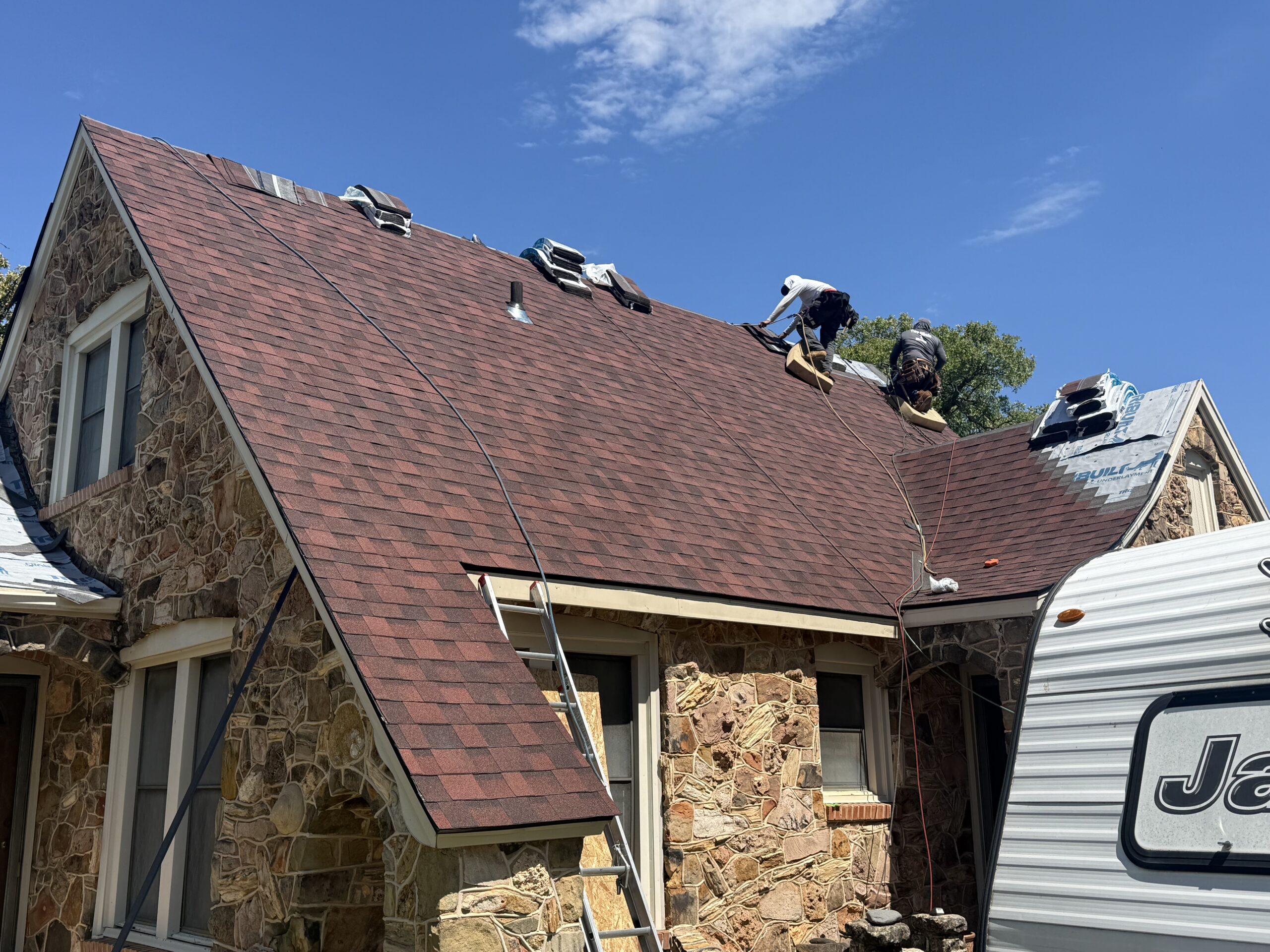
Types of Metal Roofing Materials Used on Homes
Metal roofing is available in several materials, each offering unique advantages. Understanding these options helps homeowners choose a roof that matches their budget, climate, and aesthetic preferences.
Steel Roofing
Steel is the most widely used metal roofing material for residential properties. It offers an excellent balance of affordability, strength, and durability. Most steel roofing panels are coated with zinc or specialized protective finishes that help prevent corrosion and extend their lifespan.
Steel roofs perform exceptionally well in regions that experience strong winds, heavy rainfall, and snowfall. Their durability makes them one of the most practical choices for many homeowners.
Aluminum Roofing
Aluminum is naturally resistant to corrosion, making it an excellent option for homes located near coastal areas where salt air can accelerate rust on other metals.
Because aluminum is lightweight, it places less stress on the home’s structure while still providing excellent protection. It also reflects heat effectively, contributing to improved energy efficiency.
Copper Roofing
Copper is considered one of the most premium roofing materials available. Its distinctive appearance gradually changes over time as it develops a natural protective patina that enhances both beauty and durability.
Although copper roofs require a higher initial investment, they can last for generations with minimal maintenance. Many historic homes continue using original copper roofing installed decades ago.
Zinc Roofing
Zinc roofing offers exceptional longevity and remarkable self healing properties. Minor scratches often repair themselves naturally as the protective surface reacts with the environment.
Zinc requires very little maintenance and provides an elegant appearance that appeals to homeowners seeking both performance and architectural sophistication.
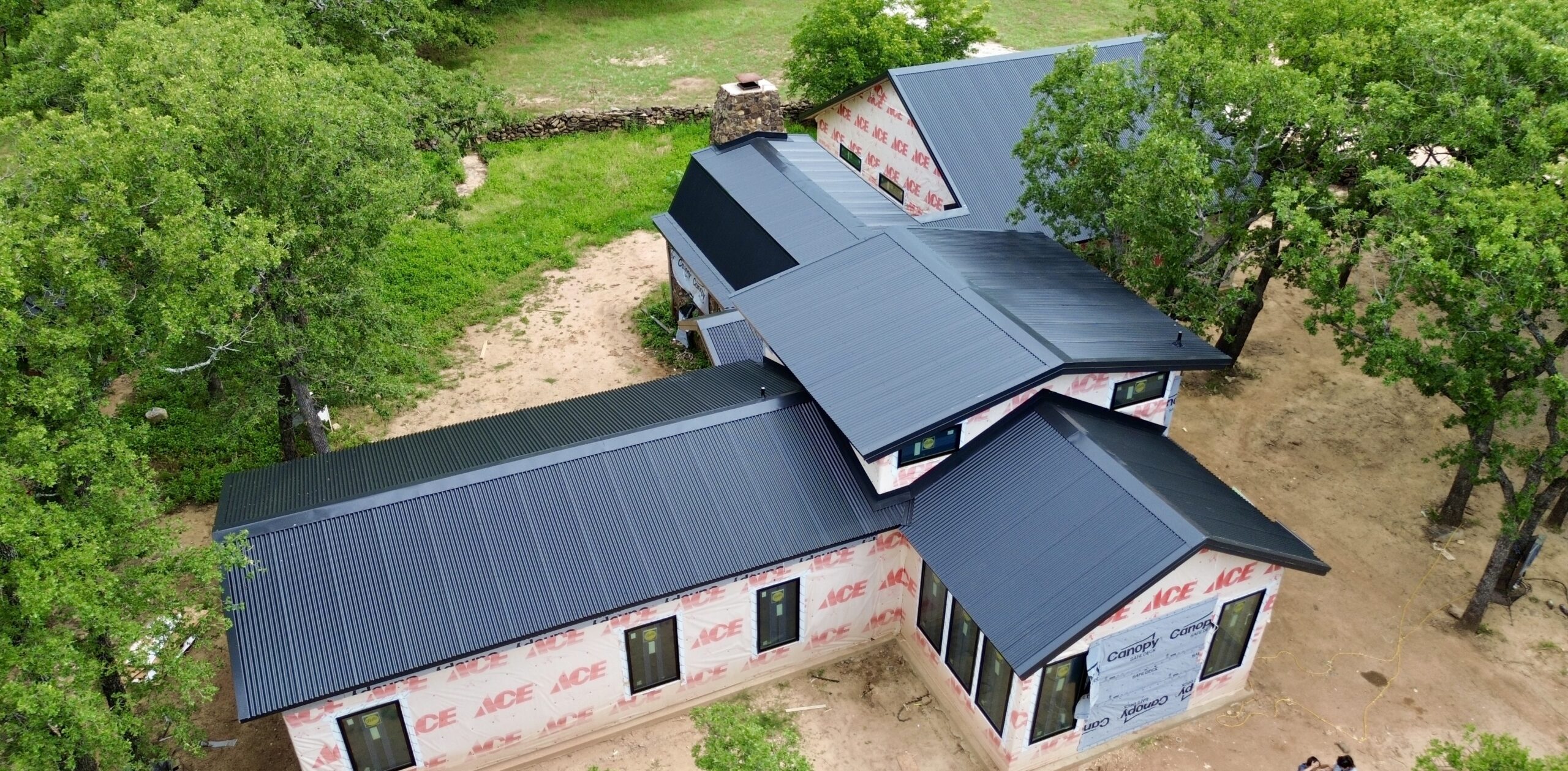
Common Metal Roofing Styles and Profiles
Metal roofing is no longer limited to plain vertical panels. Manufacturers now offer numerous styles that complement both traditional and contemporary homes.
Standing Seam Metal Roofing
Standing seam roofing features vertical panels joined by raised seams that conceal the fasteners beneath the surface. This design creates a sleek appearance while minimizing the risk of water penetration.
Because the fasteners remain protected from weather exposure, standing seam systems often provide excellent long term performance and reduced maintenance requirements.
Metal Shingles
Metal shingles closely resemble traditional asphalt shingles while offering significantly greater durability. They provide homeowners with a familiar appearance combined with the advantages of modern metal construction.
These shingles are available in various colors and textures, making them suitable for many residential neighborhoods where appearance is an important consideration.
Metal Tiles
Metal tiles imitate the appearance of clay or concrete roofing tiles without the significant weight. They offer the classic beauty of traditional tile roofs while reducing structural stress on the building.
This style works particularly well on Mediterranean, Spanish, and luxury homes.
Metal Shake Roofing
Metal shake roofing replicates the natural texture and appearance of cedar wood shakes. Homeowners who appreciate rustic architecture can enjoy the visual appeal of wood without concerns about rot, insects, or frequent maintenance.
Advances in manufacturing have made these products highly realistic while maintaining excellent weather resistance.
How Metal Roofing Systems Are Installed
The quality of installation has a major impact on the performance and lifespan of any roofing system. Even premium materials cannot perform properly if they are installed incorrectly.
Professional installers begin by carefully inspecting the existing roof structure. They verify that the decking remains solid and capable of supporting the new roofing system before installation begins.
Next, damaged materials are repaired or replaced as necessary. A high quality underlayment is then installed to provide additional moisture protection beneath the metal panels.
The installation process generally follows these steps:
- Inspect the roof deck and structural components.
- Install protective underlayment across the roof surface.
- Position flashing around valleys, chimneys, skylights, and vents.
- Secure metal panels or shingles according to manufacturer specifications.
- Install ridge caps, trim pieces, and ventilation components.
- Complete a thorough inspection to verify proper alignment and fastening.
Each stage requires precision and attention to detail. Small installation errors can affect waterproofing, ventilation, and long term durability, making experienced contractors essential for achieving the best results.
Proper ventilation also plays an important role in the overall roofing system. Good airflow reduces moisture buildup within the attic while helping regulate indoor temperatures throughout the year.
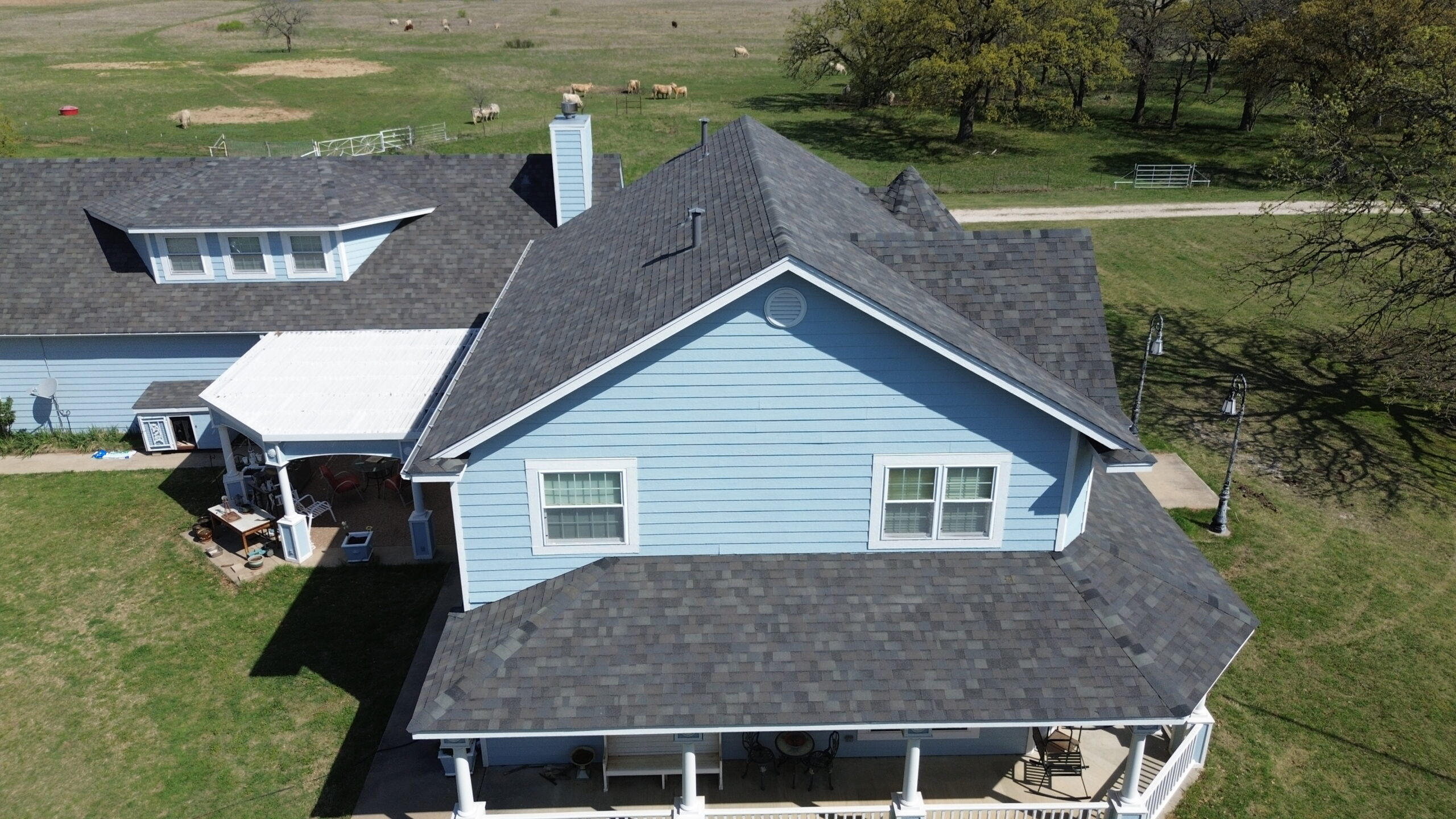
Exceptional Lifespan Compared to Traditional Roofing
One of the strongest reasons homeowners invest in metal roofing is its impressive lifespan. While many conventional roofing materials eventually deteriorate due to constant exposure to sunlight, moisture, and temperature fluctuations, metal roofing systems are engineered for decades of reliable performance.
Asphalt shingles often require replacement after approximately twenty to thirty years depending on weather conditions and maintenance. In comparison, many professionally installed metal roofs can remain in excellent condition for forty to seventy years or even longer.
This extended service life significantly reduces the likelihood of major roof replacement during the time a family owns their home. Instead of planning multiple roofing projects over several decades, homeowners may only need routine inspections and minor maintenance.
The long lifespan also contributes to better financial value. Although the initial investment may be higher than some traditional roofing materials, the reduced replacement frequency often lowers overall ownership costs over time.
Several factors contribute to the impressive longevity of metal roofing systems.
| Factor | Contribution to Long Lifespan |
|---|---|
| Corrosion resistant coatings | Protect against rust and deterioration |
| Strong structural materials | Resist cracking and breaking |
| UV resistant finishes | Minimize fading and surface damage |
| Secure fastening systems | Maintain structural stability |
| Professional installation | Reduces risk of premature failures |
When homeowners compare roofing materials over several decades rather than only the initial purchase price, metal roofing often becomes one of the most cost effective options available.
Outstanding Durability in Harsh Weather Conditions
Weather is one of the greatest challenges any roof must withstand throughout its lifetime. Constant exposure to rain, sunlight, wind, snow, hail, and changing temperatures gradually weakens many roofing materials. Metal roofing systems are specifically designed to perform exceptionally well under these demanding conditions.
Heavy rainfall can create significant stress on roofing materials that absorb moisture or develop cracks over time. Metal roofing panels shed water efficiently because of their smooth surfaces and carefully engineered installation systems. Water flows quickly toward gutters, reducing the likelihood of standing moisture and leaks.
Strong winds also pose a serious threat to residential roofs. During severe storms, poorly secured roofing materials may loosen or become detached. Properly installed metal roofing systems are engineered to resist high wind speeds, making them a dependable option in regions prone to hurricanes, tropical storms, or seasonal wind events.
Snow accumulation presents another challenge in colder climates. Unlike rough roofing materials that allow snow to remain in place for extended periods, metal roofing surfaces encourage snow to slide away more easily as temperatures change. This helps reduce excessive roof loads and minimizes the formation of damaging ice dams.
Metal roofing also performs well under prolonged exposure to sunlight. Protective coatings help resist ultraviolet radiation, preventing many of the problems commonly associated with aging roofing materials such as cracking, curling, and surface deterioration. As a result, the roof maintains both its appearance and structural integrity for many years.
Hail resistance varies depending on the specific product selected, but many high quality residential metal roofing systems are tested to withstand substantial impact without suffering major damage. While extremely severe hail may leave cosmetic marks, the roof often continues protecting the home effectively without compromising its waterproof performance.
Because metal roofing withstands such a wide range of environmental conditions, homeowners gain greater confidence that their investment will continue protecting their property regardless of changing weather patterns. This combination of strength, resilience, and long term reliability explains why metal roofing has become one of the most trusted choices for residential construction.
Superior Energy Efficiency Throughout the Year
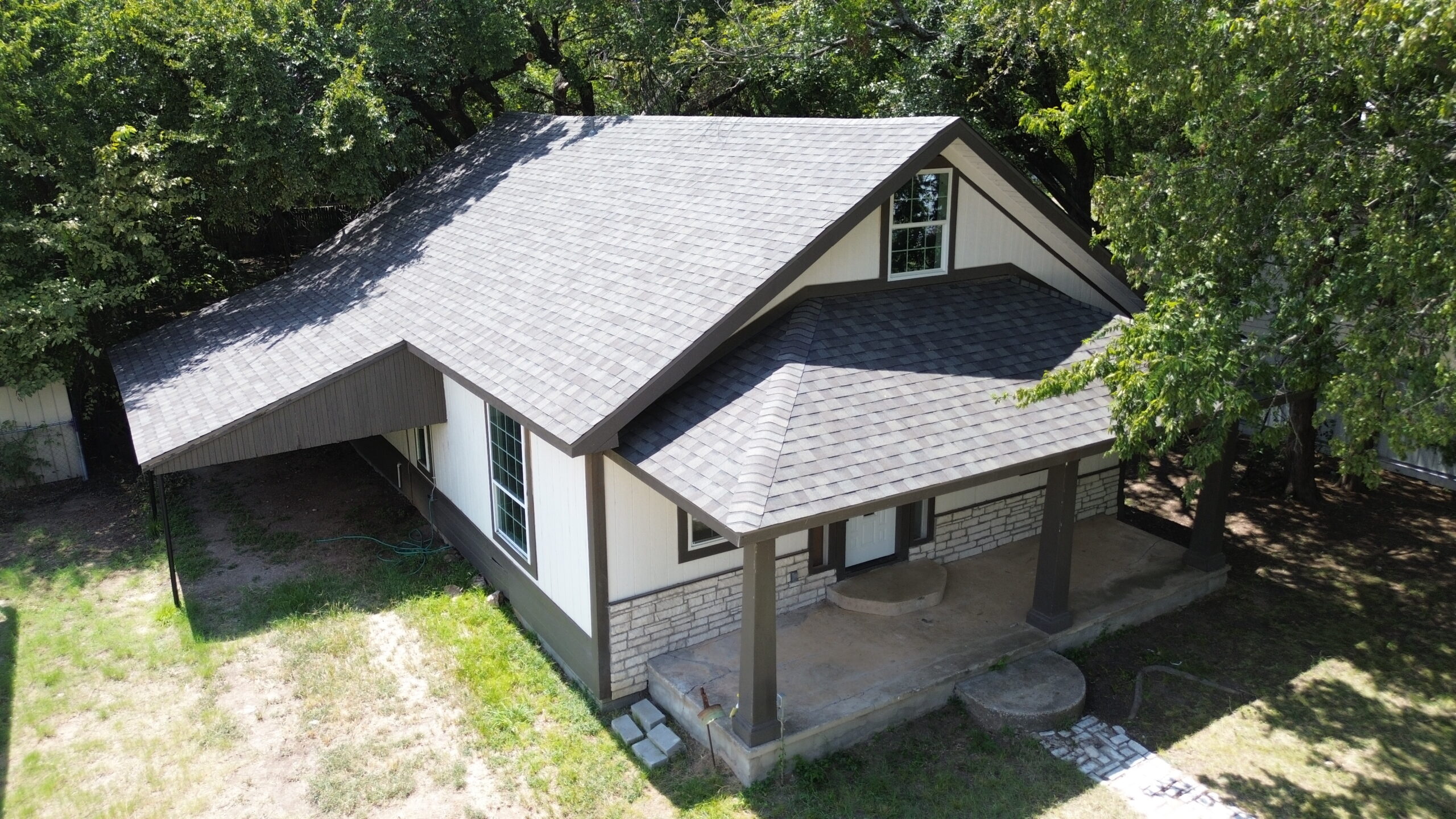
One of the biggest advantages of metal roofing systems is their ability to improve a home’s energy efficiency. As utility costs continue to rise, homeowners are looking for ways to reduce energy consumption without sacrificing comfort. A properly installed metal roof can contribute significantly to lower heating and cooling expenses by helping regulate indoor temperatures throughout the year.
Unlike many traditional roofing materials that absorb and retain heat, metal roofing is designed to reflect a substantial portion of the sun’s radiant energy. This reflective property reduces the amount of heat transferred into the attic and living spaces below. As a result, air conditioning systems do not have to work as hard during the hottest months of the year.
Many manufacturers also apply specialized reflective coatings that further improve thermal performance. These coatings help maintain a cooler roof surface even during prolonged exposure to direct sunlight. The reduction in heat buildup creates a more comfortable indoor environment while lowering overall energy demand.
Energy efficiency is not limited to warm climates. During colder months, a properly installed metal roofing system works together with quality insulation and ventilation to help maintain stable indoor temperatures. While the roof itself does not generate heat, it supports an efficient building envelope that minimizes unnecessary energy loss.
Homeowners who replace aging roofs with modern metal roofing systems often notice improvements in indoor comfort. Rooms located directly beneath the roof may experience fewer temperature fluctuations, creating a more consistent living environment throughout the day.
The overall energy savings depend on several factors, including roof color, insulation quality, attic ventilation, local climate, and the specific roofing material selected. Even so, many homeowners find that improved efficiency contributes to long term savings that help offset the initial investment in the roofing system.
Low Maintenance Requirements for Homeowners
Maintaining a roof is an ongoing responsibility, but metal roofing systems greatly reduce the amount of routine maintenance required compared to many conventional materials. Their durable construction allows them to resist common forms of deterioration that often lead to expensive repairs.
Traditional roofing materials may crack, curl, split, or lose granules over time due to constant exposure to changing weather conditions. Metal roofing panels maintain their structural integrity much longer, reducing the frequency of repair work.
Routine maintenance generally consists of periodic inspections rather than major repair projects. Homeowners should inspect the roof after severe storms and remove leaves or debris that may accumulate in valleys or gutters. Keeping gutters clean also allows rainwater to drain properly and prevents moisture from collecting around the roof edges.
Although maintenance needs are relatively low, regular inspections remain important because they allow small issues to be identified before they become larger problems.
Simple maintenance tasks include:
- Cleaning leaves and debris from roof valleys.
- Inspecting flashing around chimneys and vents.
- Checking gutters for proper drainage.
- Looking for loose fasteners after severe storms.
- Scheduling professional roof inspections every few years.
These straightforward maintenance practices help maximize the lifespan of the roofing system while preserving its appearance and performance.
Another benefit is that metal roofing does not provide an attractive environment for mold, mildew, or insect damage. Unlike wood roofing materials that may eventually rot or attract pests, metal surfaces remain resistant to these common issues when properly maintained.
Fire Resistance and Improved Home Safety
Safety is a major concern for every homeowner, and roofing materials play an important role in protecting a property from fire hazards. Metal roofing systems offer significant advantages because they are noncombustible and do not ignite when exposed to sparks or airborne embers.
This characteristic makes metal roofing especially valuable in areas that experience wildfires or where neighboring structures are located close together. While no roofing material can guarantee complete fire protection, choosing a noncombustible roof reduces one important source of risk.
Many residential metal roofing systems achieve high fire resistance ratings when installed according to manufacturer specifications. Combined with appropriate underlayment and construction practices, they contribute to a safer building envelope.
Metal roofing also performs well during lightning storms. Contrary to a common misconception, metal roofs do not attract lightning. In the unlikely event that lightning strikes the roof, the metal material does not burn and can safely disperse electrical energy when the home’s electrical grounding system is properly installed.
The combination of fire resistance and structural durability provides additional peace of mind for homeowners who want to invest in long term protection for their families and property.
Environmentally Friendly Roofing Choice
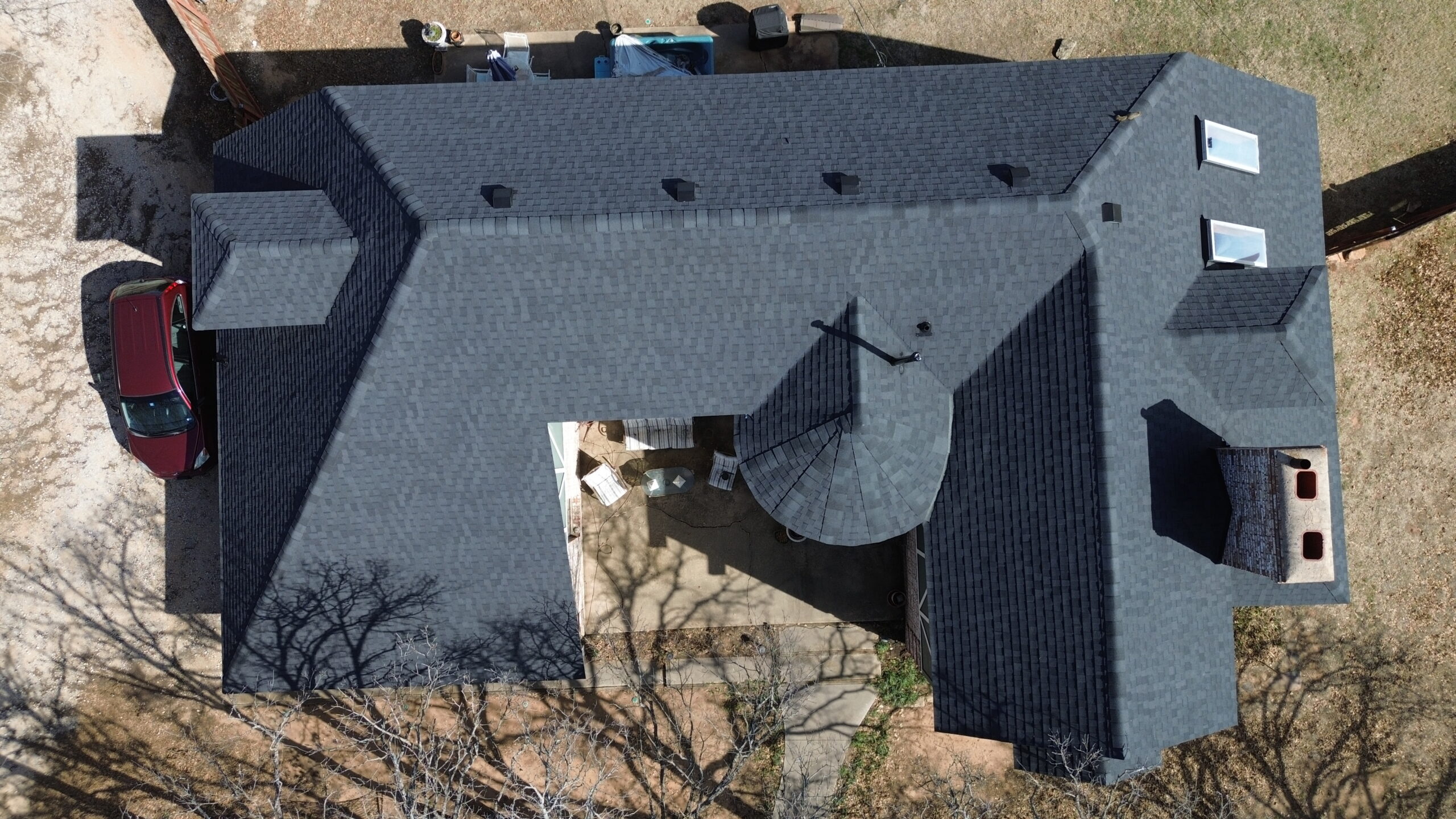
Sustainability has become an important consideration for homeowners planning renovations or new construction projects. Metal roofing systems support environmentally responsible building practices in several meaningful ways.
Many metal roofing products are manufactured using recycled materials. Depending on the manufacturer and product line, a significant percentage of the roofing material may already contain recycled metal before installation.
At the end of its useful life, the roof itself can often be recycled rather than being sent to a landfill. This recycling capability distinguishes metal roofing from certain conventional roofing materials that frequently contribute to construction waste during replacement projects.
The environmental advantages extend beyond recycling. Because metal roofs typically last much longer than many traditional roofing products, fewer replacement materials are required over the lifetime of the home. Reduced manufacturing, transportation, and disposal contribute to a smaller overall environmental impact.
Improved energy efficiency also supports sustainability goals by reducing electricity consumption. Lower energy demand means fewer resources are required to maintain comfortable indoor temperatures throughout the year.
For homeowners interested in renewable energy, metal roofing systems are often compatible with solar panel installations. Their strength and long lifespan make them an excellent foundation for solar equipment that may remain in place for decades.
Choosing durable building materials that require fewer replacements supports a more sustainable approach to homeownership while reducing long term resource consumption.
Increased Property Value and Better Curb Appeal
A new roof has a major influence on a home’s overall appearance. Since the roof occupies a significant portion of the exterior, replacing an aging roof with an attractive metal roofing system can dramatically improve curb appeal.
Manufacturers offer metal roofing in a wide variety of colors, textures, and architectural styles. Homeowners can select finishes that complement traditional, contemporary, farmhouse, colonial, craftsman, or modern home designs.
Modern coating technologies help preserve color consistency for many years. Unlike some roofing materials that may fade noticeably after prolonged exposure to sunlight, quality metal roofing maintains its attractive appearance with relatively little maintenance.
Potential buyers often recognize the value of a durable roofing system that is unlikely to require replacement in the near future. This can make a property more attractive in competitive real estate markets.
A well maintained metal roof may contribute to several buyer perceptions:
- Reduced future maintenance expenses.
- Greater long term durability.
- Improved energy efficiency.
- Modern architectural appearance.
- Better overall home protection.
While the exact effect on resale value varies by market conditions and property characteristics, investing in a high quality roofing system often strengthens the overall appeal of the home.
Lightweight Construction and Structural Benefits
One advantage that is sometimes overlooked is the relatively light weight of many residential metal roofing systems. Compared with heavy roofing materials such as concrete or clay tiles, metal roofing places significantly less stress on the home’s structural framework.
This lighter weight offers several practical benefits during both installation and long term ownership. Contractors can often complete installation more efficiently because lighter materials are easier to transport and position on the roof.
Reduced structural weight may also simplify certain renovation projects where the existing roof structure has limited load capacity. Instead of requiring extensive structural reinforcement, homeowners may be able to install metal roofing without major modifications.
The lightweight design also provides advantages in areas that receive heavy snowfall. Since accumulated snow already places considerable weight on the roof, starting with lighter roofing materials helps reduce the total structural load.
Despite being lightweight, modern metal roofing systems provide exceptional strength. Advanced manufacturing techniques produce roofing panels that resist bending, cracking, and impact while maintaining excellent structural stability.
This balance between strength and weight makes metal roofing one of the most efficient roofing materials available for residential construction.
Comparing Metal Roofing with Asphalt Shingles
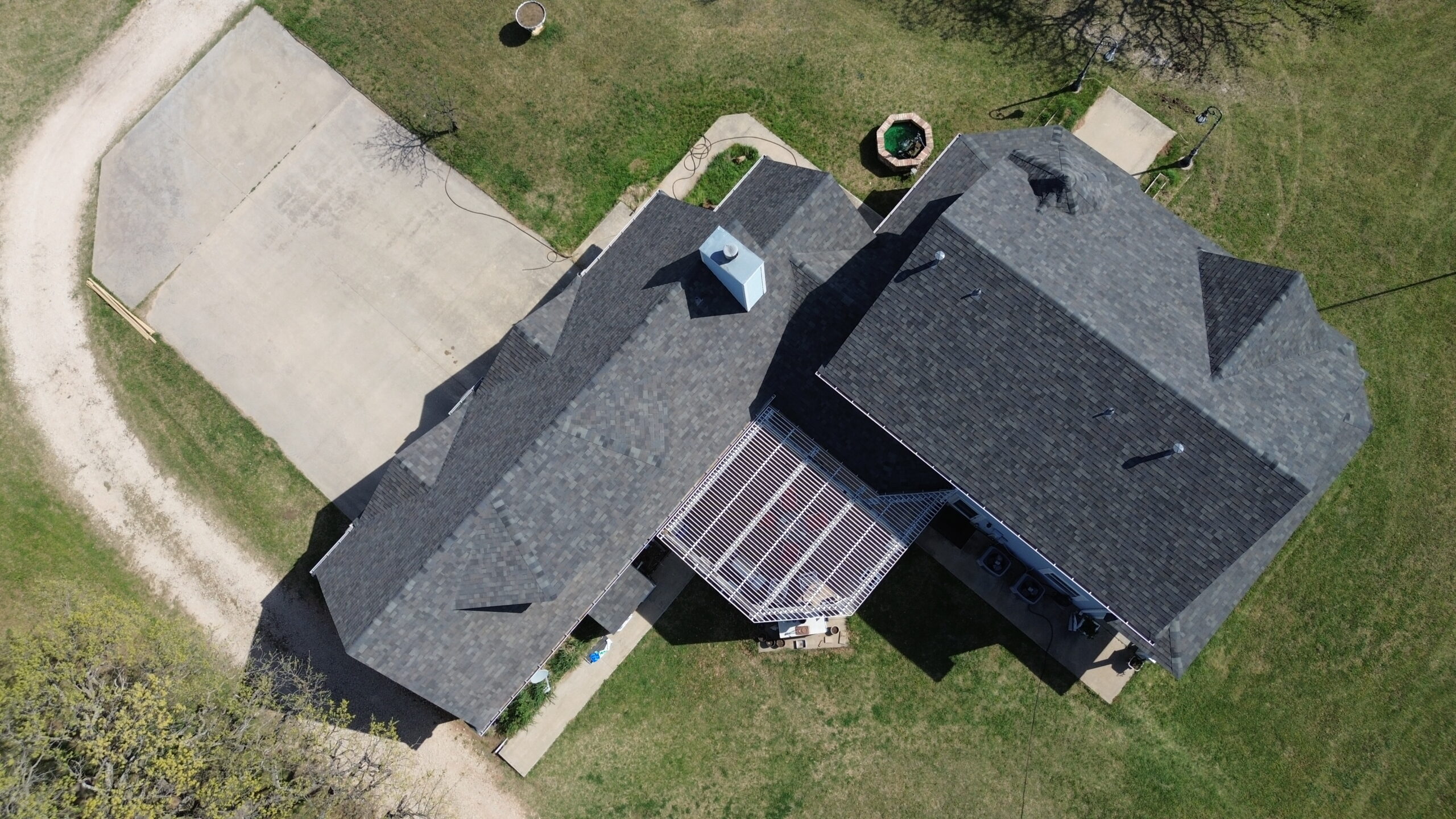
Many homeowners eventually compare metal roofing with asphalt shingles because asphalt remains one of the most commonly installed residential roofing materials. Both options have advantages, but understanding their differences helps homeowners make informed decisions based on long term goals rather than only initial cost.
The most noticeable difference is lifespan. Asphalt shingles generally provide reliable performance for a few decades depending on climate and maintenance. Metal roofing systems, however, frequently remain functional for several decades longer, reducing the need for future roof replacement.
Durability also differs significantly. Metal roofing resists cracking, curling, and moisture damage more effectively than asphalt shingles. It also performs exceptionally well during high winds and severe weather when properly installed.
Maintenance requirements are generally lower for metal roofing because the material experiences less weather related deterioration over time. Asphalt shingles may require more frequent repairs as they age.
The following table highlights some of the key differences.
| Feature | Metal Roofing | Asphalt Shingles |
|---|---|---|
| Average Lifespan | 40 to 70+ years | 20 to 30 years |
| Maintenance | Low | Moderate |
| Weather Resistance | Excellent | Good |
| Fire Resistance | Very High | Moderate |
| Energy Efficiency | Excellent | Moderate |
| Initial Cost | Higher | Lower |
| Long Term Value | Excellent | Moderate |
| Recyclability | Highly Recyclable | Limited |
Although asphalt shingles generally have a lower upfront installation cost, homeowners should evaluate total ownership costs over several decades. In many situations, the extended lifespan and reduced maintenance needs of metal roofing make it a more economical long term investment.
Common Myths About Metal Roofing
Despite its growing popularity, metal roofing is still surrounded by several misconceptions. Understanding the facts allows homeowners to make informed decisions based on reliable information rather than outdated assumptions.
One common myth is that metal roofs are extremely noisy during rainfall. Modern residential metal roofing systems are installed over solid roof decking with insulation and underlayment. These layers significantly reduce sound transmission, making the noise level comparable to many traditional roofing materials.
Another misconception is that metal roofs attract lightning. In reality, metal roofing does not increase the likelihood of a lightning strike. Lightning is influenced by factors such as height, location, and surrounding structures rather than the roofing material itself.
Some homeowners also believe metal roofing rusts quickly. Modern roofing products are manufactured with advanced protective coatings that resist corrosion for many years. Selecting quality materials and ensuring professional installation greatly reduces the risk of rust formation.
Another myth suggests that metal roofs are suitable only for modern or commercial buildings. Today’s residential products are available in numerous styles that closely resemble shingles, slate, clay tiles, and wood shakes. This versatility allows metal roofing to complement virtually every architectural style.
There is also a belief that installing metal roofing always requires removing the existing roof. In some situations, local building codes and the condition of the existing roof may allow installation over a single layer of existing shingles. However, this decision should always be evaluated by an experienced roofing professional.
Finally, some homeowners assume the higher purchase price automatically makes metal roofing too expensive. While the initial investment is generally greater than asphalt shingles, the combination of longevity, reduced maintenance, improved durability, and potential energy savings often provides better overall value throughout the roof’s service life.
By separating facts from myths, homeowners can better appreciate why metal roofing has become one of the fastest growing choices for residential roofing systems.
Cost Considerations and Long Term Value
One of the first questions homeowners ask when considering a metal roof is whether the higher upfront cost is worth the investment. While metal roofing systems generally cost more to install than traditional asphalt shingles, looking only at the initial price does not provide a complete picture. The true value of a roofing system becomes clear when its performance, maintenance requirements, and lifespan are evaluated over several decades.
A roof is not a purchase that homeowners make every year. It is a long term investment that protects one of their most valuable assets. Choosing a roofing material that lasts longer and requires fewer repairs can reduce overall ownership costs, even if the installation price is higher.
Metal roofing offers value through several different areas. The first is its exceptional lifespan. Since many metal roofs can remain in excellent condition for forty to seventy years or longer, homeowners often avoid one or even two complete roof replacements that might otherwise be necessary with traditional materials.
Maintenance expenses also tend to be lower throughout the roof’s life. Metal panels resist cracking, splitting, curling, and moisture damage far better than many conventional roofing materials. Fewer repairs mean lower maintenance costs and fewer unexpected expenses after severe weather.
Energy efficiency contributes another layer of financial value. Reflective metal roofing helps reduce heat absorption during warmer months, allowing cooling systems to operate more efficiently. While actual savings depend on climate, insulation, and home design, many homeowners experience noticeable reductions in summer energy costs.
Insurance companies in some regions may also recognize the durability and fire resistance of certain metal roofing products. Although discounts vary depending on location and policy terms, homeowners may benefit from reduced insurance premiums when installing approved roofing systems.
Another financial advantage is improved resale appeal. Buyers often appreciate knowing that a recently installed metal roof is unlikely to require replacement for many years. This added confidence can strengthen a property’s marketability and make it more attractive compared to similar homes with aging roofs.
Rather than viewing metal roofing as a short term expense, homeowners should consider it an investment that delivers ongoing benefits through durability, reduced maintenance, energy efficiency, and long lasting protection.
Choosing the Right Metal Roofing System for Your Home
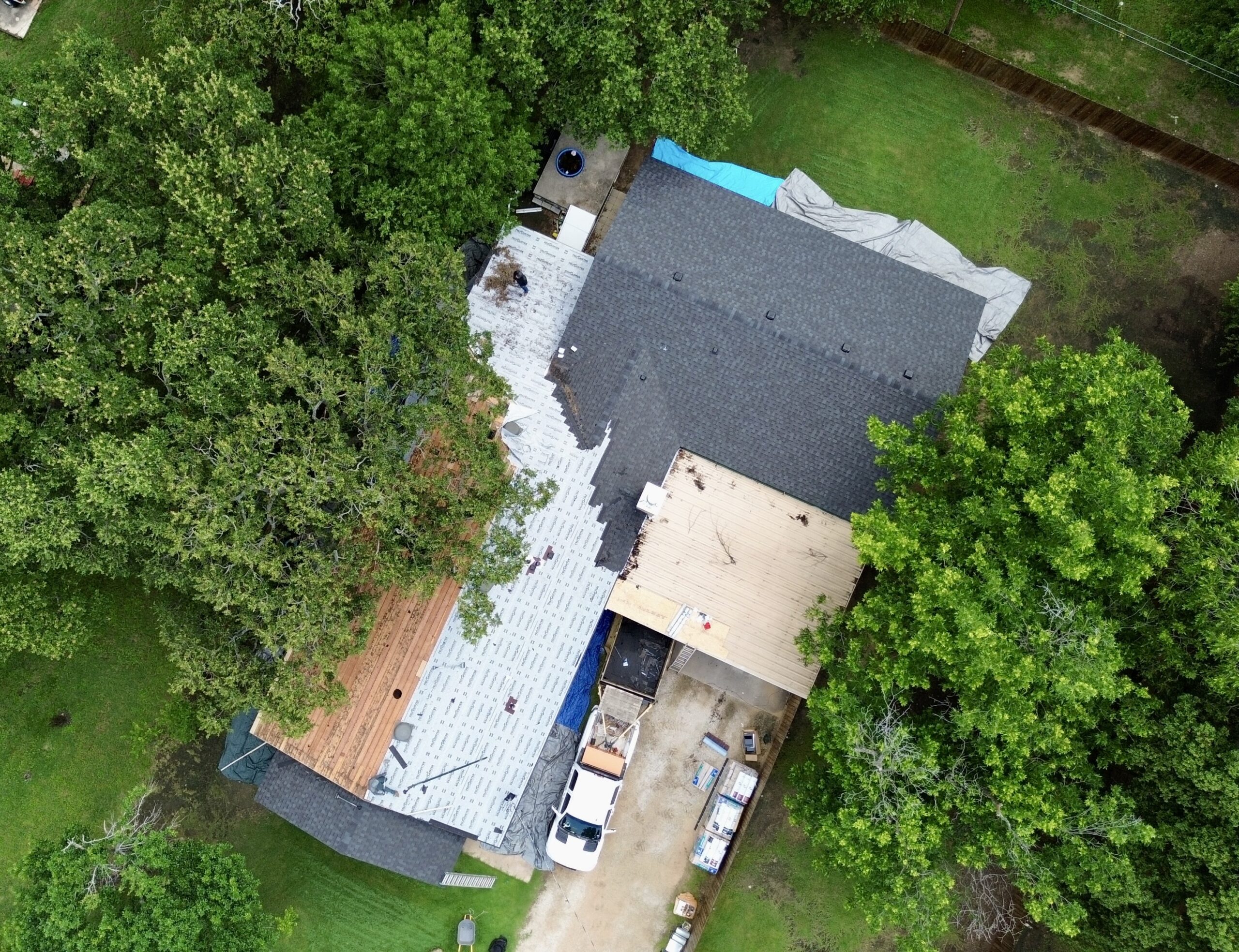
Selecting the right metal roofing system requires more than simply choosing a color or material. Every home has unique architectural characteristics, environmental conditions, and budget considerations that influence the ideal roofing solution.
Climate should always be one of the first factors evaluated. Homes located in coastal regions benefit from corrosion resistant materials such as aluminum, while areas that experience heavy snowfall or strong winds may require roofing systems specifically engineered for those conditions.
Architectural style also plays an important role. Modern homes often pair well with standing seam metal roofing because of its clean, contemporary appearance. Traditional homes may benefit from metal shingles or metal tiles that closely resemble conventional roofing materials while providing superior durability.
Color selection affects both appearance and performance. Light colored roofs generally reflect more sunlight, helping reduce heat absorption in warmer climates. Darker colors may complement certain architectural designs while still providing excellent performance when paired with reflective coatings.
Homeowners should also consider local building regulations and neighborhood requirements. Some communities have architectural guidelines that specify acceptable roofing styles or colors. Verifying these requirements before purchasing roofing materials helps avoid unnecessary complications during installation.
When comparing roofing products, several factors deserve careful attention.
- Roofing material and corrosion resistance.
- Manufacturer warranty coverage.
- Protective coating quality.
- Wind resistance rating.
- Fire resistance classification.
- Energy efficiency features.
- Appearance and architectural compatibility.
- Contractor experience with the selected roofing system.
Taking time to evaluate these factors ensures that the selected roof provides both long term performance and visual appeal.
It is also beneficial to review product samples in natural lighting before making a final decision. Colors may appear different indoors than they do in direct sunlight, and viewing full size samples helps homeowners better visualize the finished roof.
Working closely with an experienced roofing contractor allows homeowners to receive recommendations tailored to their property’s design, local climate, and long term maintenance goals.
Tips for Hiring a Reliable Metal Roofing Contractor
Even the highest quality roofing materials cannot perform as intended without proper installation. Selecting a skilled contractor is therefore one of the most important steps in the entire roofing project.
Homeowners should begin by researching contractors with experience specifically in residential metal roofing. Installing metal roofing requires different techniques than installing asphalt shingles, so specialized expertise is essential.
Checking licensing and insurance protects both the homeowner and the contractor. Proper insurance coverage helps reduce financial risk in the unlikely event of accidents or property damage during installation.
Reputation is another valuable indicator of quality. Reading customer reviews, requesting references, and viewing completed projects can provide insight into a contractor’s workmanship and professionalism.
A reliable contractor should also provide a detailed written estimate that clearly explains the scope of work, materials being used, expected timeline, warranty information, and total project cost. Transparent communication helps prevent misunderstandings once installation begins.
Homeowners should not hesitate to ask questions before signing a contract. Experienced professionals are generally willing to explain their installation process, discuss material options, and answer concerns about ventilation, flashing, or weather protection.
Warning signs that may indicate an unreliable contractor include unusually low prices, pressure to make immediate decisions, incomplete written estimates, or requests for full payment before work begins.
Choosing a reputable contractor may require additional research, but the effort greatly increases the likelihood of receiving a professionally installed roofing system that performs reliably for decades.
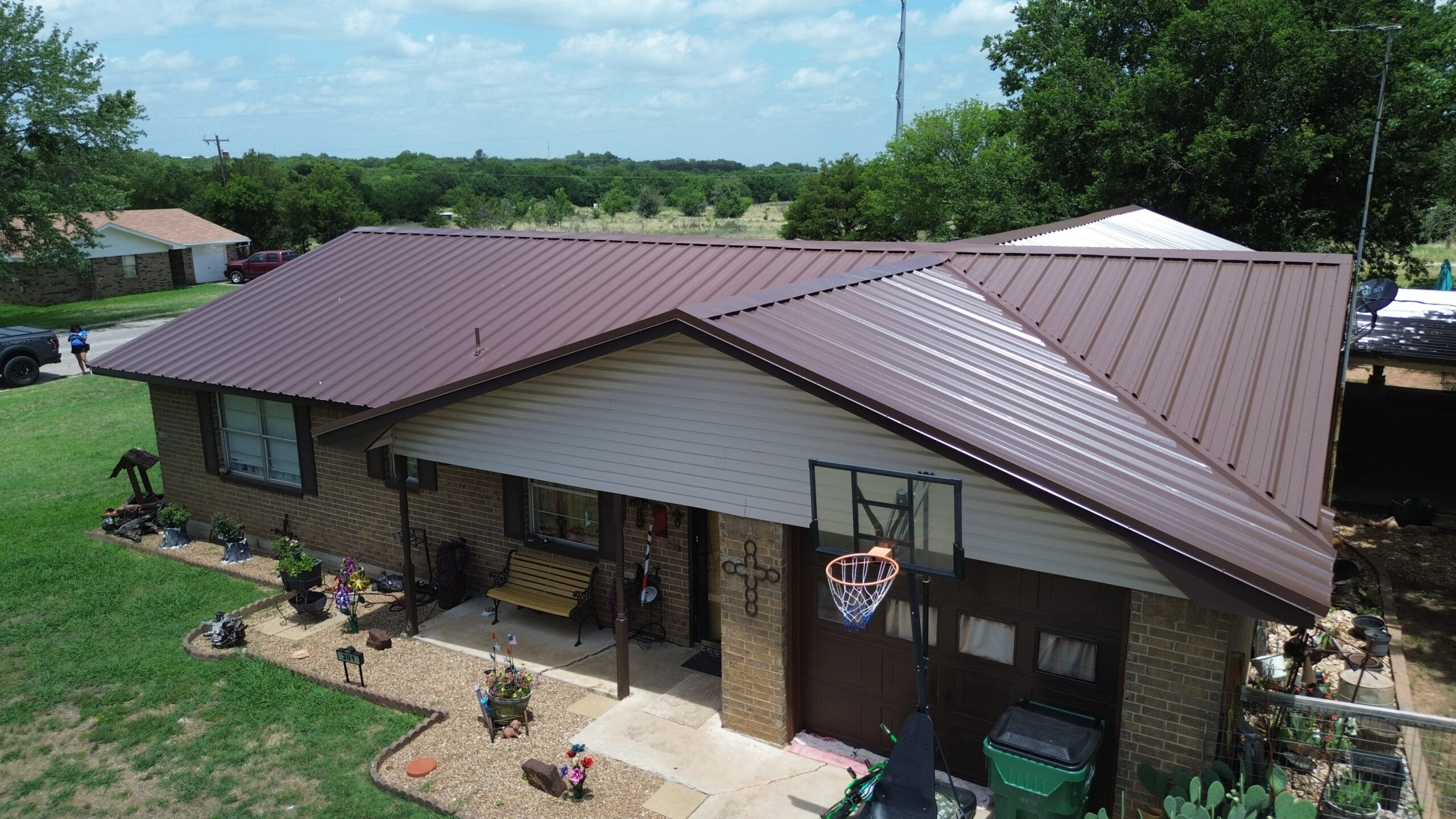
Essential Maintenance Tips for Long Lasting Performance
Although metal roofing systems require relatively little maintenance, regular care helps preserve their appearance and maximize their lifespan. Preventive maintenance is usually simpler and less expensive than correcting problems after they become serious.
Routine visual inspections should be performed at least twice each year and after major storms. These inspections allow homeowners to identify loose flashing, damaged trim, or debris accumulation before small issues develop into larger repairs.
Keeping the roof clean also supports long term performance. Leaves, branches, and dirt can collect in roof valleys or gutters, restricting proper drainage. Removing debris helps prevent standing water and reduces the likelihood of moisture related problems.
Tree branches that extend over the roof should be trimmed periodically. Branches rubbing against the roofing surface during windy conditions may eventually damage protective coatings or create scratches.
Fasteners and flashing deserve special attention because they help maintain the roof’s weather resistant seal. Although quality installations remain secure for many years, periodic inspections ensure that all components continue performing properly.
Walking on a metal roof should be avoided whenever possible unless absolutely necessary. If roof access is required for maintenance or equipment servicing, proper safety procedures should always be followed to prevent both personal injury and accidental roof damage.
The following maintenance schedule provides a practical guide for homeowners.
| Maintenance Task | Recommended Frequency |
|---|---|
| Visual roof inspection | Twice each year |
| Gutter cleaning | As needed, especially during autumn |
| Remove leaves and debris | After storms |
| Check flashing and trim | Annually |
| Professional roof inspection | Every 2 to 3 years |
| Inspect after severe weather | Immediately after major storms |
Following these simple maintenance practices helps preserve both the appearance and structural integrity of the roofing system for many decades.
Frequently Asked Questions About Metal Roofing
Homeowners often have questions before deciding whether metal roofing is the right choice for their property. The following answers address some of the most common concerns.
Does a metal roof make a home hotter?
No. Modern metal roofing reflects a significant portion of solar radiation, helping reduce heat absorption compared to many conventional roofing materials. Combined with proper insulation and ventilation, metal roofing often contributes to improved energy efficiency.
Will a metal roof rust over time?
Quality residential metal roofing is manufactured with protective coatings that resist corrosion. Selecting high quality materials and ensuring proper installation greatly reduces the risk of rust developing.
Can metal roofing withstand severe weather?
Yes. Many residential metal roofing systems are engineered to resist heavy rain, strong winds, snow, and hail. Performance depends on the specific product selected and proper installation according to manufacturer guidelines.
Is metal roofing noisy during rainstorms?
Modern installations include roof decking, underlayment, insulation, and attic space that significantly reduce sound transmission. Most homeowners find the noise level comparable to other roofing materials.
Can solar panels be installed on a metal roof?
Yes. Metal roofing is often considered an excellent foundation for solar panel systems because of its durability and long service life. Many mounting systems are specifically designed for standing seam metal roofs without requiring roof penetrations.
Does a metal roof require frequent painting?
Most modern roofing systems include factory applied finishes designed to maintain their appearance for many years. Routine painting is generally unnecessary unless homeowners choose to change the roof’s color after many years of service.
Is metal roofing environmentally friendly?
Yes. Many products contain recycled materials and can be recycled again at the end of their service life. Their long lifespan and energy efficiency also contribute to reduced environmental impact.
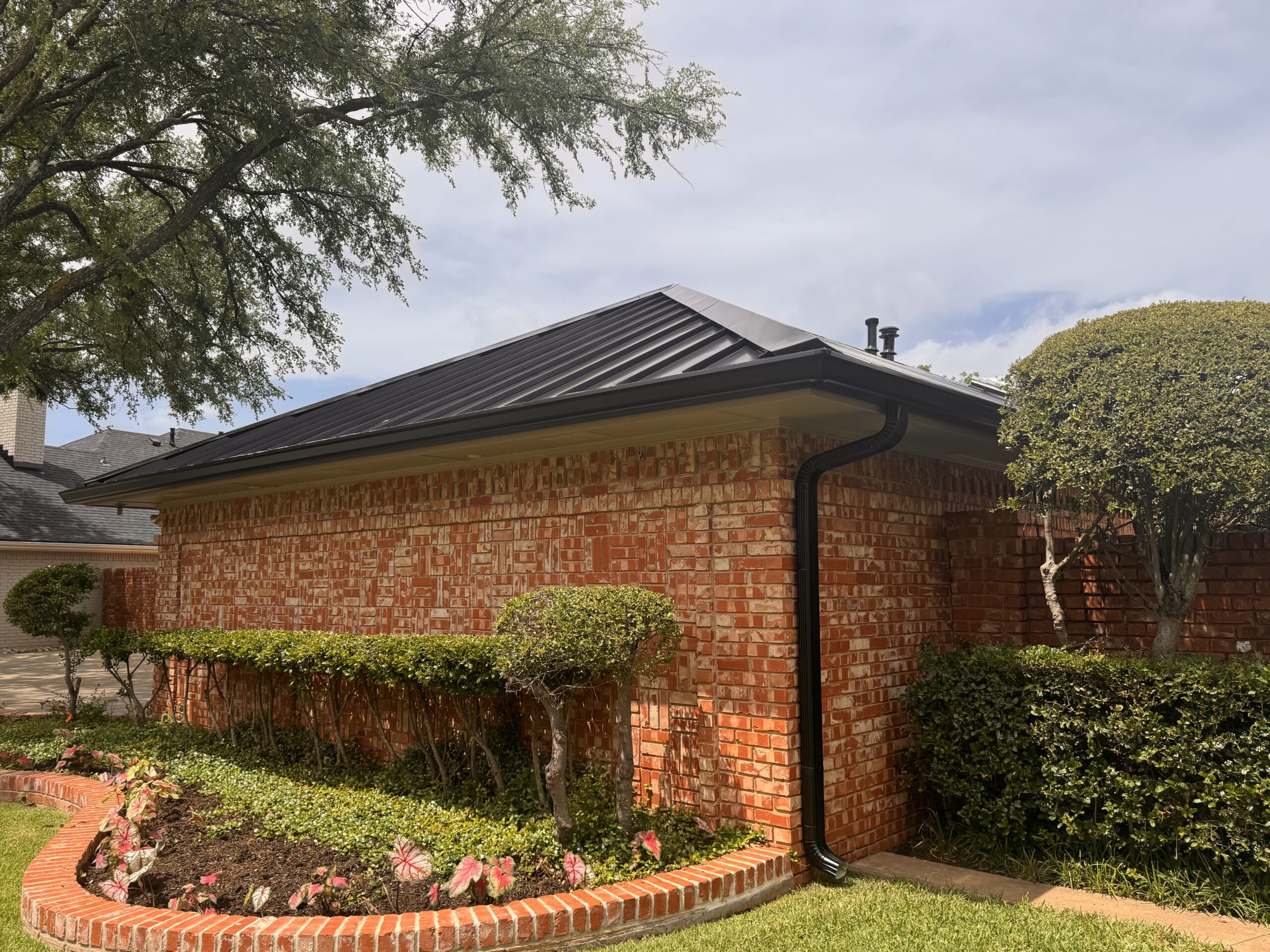
Final Thoughts
Metal roofing has evolved into one of the most dependable and attractive roofing solutions available for residential properties. Advances in manufacturing technology have transformed metal roofing from a purely functional material into a premium architectural product that complements nearly every home style.
Its combination of durability, weather resistance, energy efficiency, low maintenance, and long service life makes it an outstanding choice for homeowners who value long term performance over short term savings. Although the initial investment may be greater than some traditional roofing materials, the overall value becomes increasingly evident throughout the decades that follow.
Modern homeowners also appreciate the flexibility offered by today’s metal roofing systems. With numerous materials, colors, finishes, and profiles available, it is possible to achieve almost any desired architectural appearance without sacrificing performance.
Another important advantage is peace of mind. Knowing that the home’s primary protective barrier is engineered to withstand demanding weather conditions allows homeowners to focus less on frequent repairs and more on enjoying their property.
As sustainability becomes an increasingly important consideration in residential construction, metal roofing continues to stand out because of its recyclability, energy efficiency, and long lifespan. These characteristics align well with modern building practices that emphasize both environmental responsibility and long term value.
Whether building a new home or replacing an aging roof, investing in a professionally installed metal roofing system provides benefits that extend well beyond appearance. It strengthens the home’s protection, improves efficiency, supports property value, and offers dependable performance for generations.
Conclusion
Installing a metal roofing system is far more than an exterior home improvement project. It is a strategic investment that enhances the safety, efficiency, durability, and overall value of a property. Throughout this guide, we have explored how modern metal roofing systems outperform many traditional roofing materials in areas such as lifespan, weather resistance, maintenance requirements, fire protection, environmental sustainability, and energy efficiency.
Homeowners today expect roofing materials to do more than simply provide shelter. They want products that withstand challenging weather, reduce long term expenses, complement architectural design, and require minimal maintenance. Metal roofing successfully meets these expectations while delivering decades of dependable performance.
The wide variety of available materials, profiles, colors, and finishes means homeowners no longer need to compromise between appearance and functionality. Whether selecting standing seam panels for a contemporary home or metal shingles that replicate traditional roofing styles, there is a solution suitable for nearly every property.
Professional installation remains essential for maximizing these benefits. A properly installed metal roof, combined with periodic inspections and routine maintenance, can continue protecting a home for generations while reducing the likelihood of costly repairs or premature replacement.
As the demand for durable, energy efficient, and environmentally responsible building materials continues to grow, metal roofing systems are well positioned to remain one of the most trusted choices in residential construction. For homeowners seeking a roofing solution that combines lasting beauty with exceptional performance, metal roofing represents an investment that delivers value year after year while providing reliable protection for the home and everyone living beneath it.