
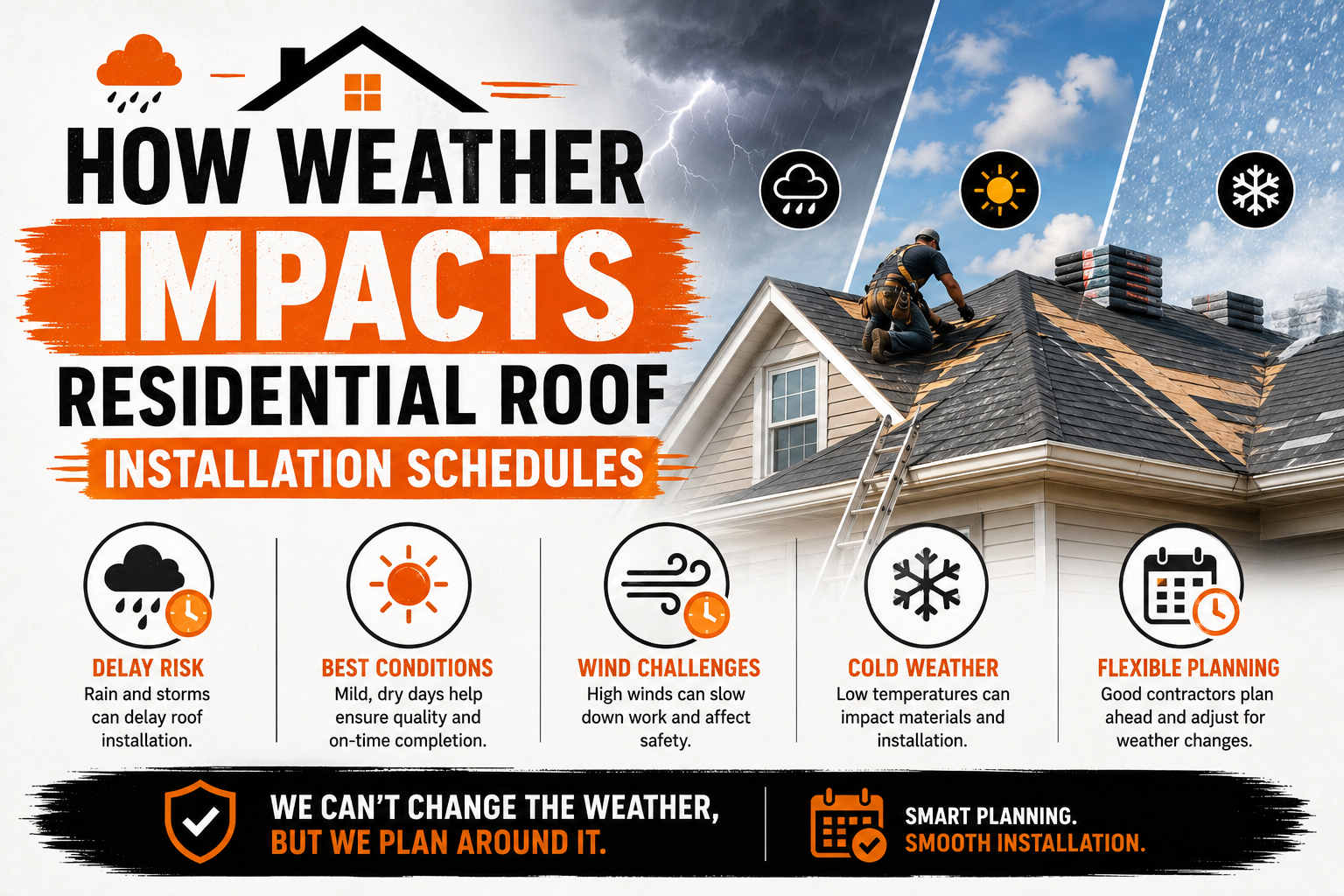
How Weather Impacts Residential Roof Installation Schedules
Introduction
Weather is one of the few factors that can significantly influence every stage of a residential roof installation project. While experienced roofing contractors carefully plan schedules, order materials, and organize crews in advance, changing weather conditions can quickly alter those plans. Rain, strong winds, extreme temperatures, humidity, and storms all affect how safely and effectively roofing work can be completed.
Many homeowners expect roofing projects to follow a fixed timeline from start to finish. However, roofing is one of the most weather dependent types of construction because nearly every task takes place outdoors. Unlike indoor remodeling projects, contractors cannot simply continue working under unfavorable weather conditions without risking installation quality or worker safety.
A residential roof is designed to protect a home for decades, which means every installation step must be completed correctly. Rushing work because of approaching storms or attempting to install materials during unsafe weather can reduce the roof’s performance and shorten its lifespan. Professional roofing companies understand that taking extra time during poor weather often produces a much better long term result.
Weather affects far more than just the installation day itself. Forecasts influence project scheduling, material deliveries, labor planning, inspections, and even the selection of certain roofing products. Contractors continuously monitor weather conditions before and during construction so they can adjust their schedules while protecting the home from unnecessary exposure.
Different weather conditions create different challenges throughout the installation process. Light rain may delay shingle installation, while strong winds can make handling roofing materials dangerous. Extreme heat affects workers and certain roofing products, while freezing temperatures may change how materials seal and perform. Understanding these effects helps homeowners appreciate why roofing schedules sometimes change with little notice.
This guide explains how weather impacts residential roof installation schedules, beginning with the most common weather conditions contractors face before and during construction. Understanding these influences helps homeowners set realistic expectations while recognizing that temporary delays often protect both the quality of the roof and the safety of everyone involved.
Why Weather Plays a Critical Role in Roof Installation
Roof installation depends heavily on environmental conditions because nearly every stage involves exposed building materials. Unlike completed roofs that are designed to withstand changing weather, partially installed roofing systems remain vulnerable until every layer has been properly secured. Contractors must therefore balance efficiency with careful timing to ensure the roof performs as intended.
Weather influences both the installation process and the finished product. Certain roofing materials require specific temperature ranges for proper sealing, while waterproof barriers must remain dry during installation. If these conditions are not met, the roof may not achieve its full level of protection even if it appears visually complete.
Worker safety is another major reason weather plays such an important role. Roofing crews spend long hours working at significant heights while carrying heavy materials and operating specialized equipment. Slippery surfaces, strong winds, lightning, or excessive heat increase the likelihood of accidents, making weather monitoring an essential part of every roofing project.
The structural integrity of the home must also be considered during installation. When existing roofing materials are removed, sections of the roof deck may be temporarily exposed. Contractors carefully plan these stages to reduce the amount of time the structure remains vulnerable to rain or moisture.
Experienced roofing companies rarely rely only on the daily weather forecast. They often monitor hourly forecasts, wind speeds, humidity levels, and radar updates throughout the workday. This ongoing attention allows crews to adjust quickly if conditions begin changing unexpectedly.
Although homeowners may become frustrated by schedule adjustments, weather related delays are usually signs of responsible project management. Protecting installation quality always provides greater long term value than completing a project a day or two earlier under unfavorable conditions.
How Roofing Contractors Plan Around Weather Conditions
Professional roofing contractors spend considerable time planning projects before the first roofing material arrives at a home. Weather forecasting plays a central role in this planning because it influences nearly every aspect of the construction schedule. A carefully planned project reduces unnecessary delays while helping ensure quality workmanship.
Contractors often review weather forecasts several days before the scheduled start date. If heavy rain or severe storms are expected, they may adjust the installation schedule before work begins rather than interrupting construction midway through the project. This proactive approach minimizes disruption for both the roofing crew and the homeowner.
Planning also includes coordinating material deliveries with expected weather conditions. Roofing products should arrive close to the installation date so they are not exposed to unnecessary moisture or prolonged sunlight while waiting on site. Delivering materials at the appropriate time helps preserve product quality before installation begins.
Labor scheduling is another important consideration. Roofing companies assign crews based on anticipated weather conditions and project complexity. If multiple roofing projects are underway simultaneously, contractors may rearrange work schedules to take advantage of favorable weather windows. This flexibility allows projects to continue progressing whenever safe conditions exist.
Roof inspections and permit approvals are also coordinated with installation schedules. Delays in inspections can become more significant if poor weather follows immediately afterward. Careful planning helps contractors complete inspections before major weather changes occur.
Technology has made weather planning more accurate than ever before. Many roofing companies use professional forecasting tools that provide detailed information about rainfall, wind speeds, humidity, and temperature trends. These forecasts help crews make informed decisions throughout every stage of the installation process.
The Impact of Rain on Residential Roof Installation
Rain is one of the most common reasons residential roof installation schedules change. Even light rainfall can affect roofing work because exposed roof surfaces become slippery and roofing materials must remain dry during installation. Contractors take rain seriously because moisture introduced during construction can compromise the roof’s long term performance.
When old roofing materials are removed, the roof deck becomes temporarily exposed until new protective layers are installed. If rain reaches the decking during this period, wood may absorb moisture that later contributes to mold growth, structural deterioration, or reduced insulation performance. Preventing water intrusion is therefore one of the contractor’s highest priorities.
Professional roofing crews monitor weather forecasts closely before beginning roof removal. If rain is expected shortly after demolition begins, they may postpone the project until a more stable weather window becomes available. Although this may delay the schedule slightly, it greatly reduces the risk of moisture related problems.
Unexpected rain sometimes develops after work has already started. In these situations, contractors quickly install temporary waterproof coverings over exposed roof sections to prevent water from entering the home. These coverings remain in place until weather conditions improve and installation can safely resume.
Rain also affects roofing materials themselves. Certain products become more difficult to handle when wet, while adhesives and sealing compounds may not perform properly if applied to damp surfaces. Allowing materials to dry before installation helps ensure proper bonding and long term durability.
Homeowners should understand that postponing roofing work because of rain is not a sign of poor planning. Instead, it reflects the contractor’s commitment to protecting both the home and the quality of the finished roofing system.
How High Winds Affect Roofing Projects
Wind creates unique challenges during residential roof installation because it directly affects both worker safety and material handling. Roofing materials are often large, lightweight, and difficult to control under windy conditions. Even moderate wind speeds can make installation more complicated than homeowners might expect.
Asphalt shingles, synthetic underlayment, and metal panels all become harder to position accurately when strong gusts occur. Materials may shift unexpectedly before they are secured, increasing the likelihood of installation errors. Maintaining precise alignment becomes much more difficult as wind speeds increase.
Worker safety is another major concern during windy weather. Roofing crews frequently carry bundles of shingles, flashing, and other materials across steep roof slopes. Strong winds reduce stability while increasing the risk of losing balance, especially near roof edges.
Wind also affects lifting equipment and ladders used throughout the installation process. Contractors carefully evaluate wind conditions before raising materials onto the roof or positioning scaffolding around the home. If conditions become unsafe, work is temporarily suspended until winds decrease.
Loose debris presents an additional hazard during roof removal. Old shingles, nails, packaging materials, and lightweight tools can become airborne in strong winds if they are not properly secured. Professional crews regularly organize the work site to reduce these risks throughout construction.
Although temporary wind delays may extend the project timeline, they help ensure roofing materials are installed accurately and safely. Proper alignment and fastening during calm conditions contribute significantly to the roof’s long term resistance against future storms.
The Effects of Extreme Heat During Roof Installation
Hot weather presents challenges that extend beyond worker comfort. Extremely high temperatures influence roofing materials, installation techniques, and overall project efficiency. Contractors carefully monitor temperature forecasts because excessive heat can affect both product performance and workplace safety.
Asphalt shingles become softer when exposed to prolonged sunlight, making them more susceptible to scuffing or accidental damage during installation. Workers must handle these materials carefully to preserve their appearance while maintaining proper alignment across the roof surface.
Roof surfaces can become much hotter than the surrounding air temperature. On sunny summer days, roofing materials may reach temperatures high enough to increase fatigue and dehydration among workers. Contractors often adjust work schedules by starting earlier in the morning or taking additional breaks during the hottest part of the day.
Heat also affects certain adhesives and sealants used within the roofing system. While warm temperatures generally help shingles seal together over time, excessive heat during installation may require crews to modify handling procedures to avoid damaging freshly installed materials.
Homeowners may wonder why roofing crews occasionally pause work even when skies are clear. In many cases, these short breaks allow workers to stay hydrated, prevent heat related illness, and maintain consistent installation quality throughout the day. Healthy workers are more likely to produce careful, accurate workmanship.
Proper hydration, protective clothing, shaded rest areas, and careful scheduling all contribute to safe roofing operations during hot weather. These precautions help contractors maintain productivity without compromising installation quality or worker wellbeing.
Challenges of Cold Weather Roof Installation
Cold temperatures create a different set of challenges for roofing contractors. While many roofing projects continue successfully during cooler seasons, certain materials require additional care when temperatures fall below recommended installation ranges. Contractors adjust their methods to ensure the roofing system performs correctly after installation.
Asphalt shingles become less flexible in cold weather, making them more susceptible to cracking if handled roughly. Roofing crews transport and position materials carefully to prevent unnecessary damage before fastening them to the roof. Extra attention during handling preserves the integrity of the finished installation.
Adhesive sealing strips found on many shingles also respond differently in colder conditions. Instead of sealing immediately, they may require several warm days after installation before forming a complete bond. Contractors understand these characteristics and follow manufacturer guidelines to ensure proper performance.
Cold weather may also affect workers by reducing dexterity while handling tools and materials. Gloves, layered clothing, and regular warm up breaks help crews remain comfortable while maintaining installation accuracy. Safety remains a priority regardless of season.
Frost is another consideration during early morning installations. Even a thin layer of frost can create slippery roof surfaces that increase the risk of falls. Roofing crews often wait until frost melts before beginning work, even if the remainder of the day provides suitable weather conditions.
Despite these challenges, experienced contractors successfully complete many roofing projects during cooler months by adapting their installation methods. Careful planning and adherence to manufacturer recommendations allow roofing systems to perform reliably after installation.
Humidity and Moisture Concerns During Roofing
Humidity receives less attention than rain or wind, but it still influences residential roof installation. High humidity increases the amount of moisture present in the surrounding air, which can affect certain roofing materials and slow the drying process for exposed surfaces. Contractors consider humidity alongside temperature when planning installation schedules.
Moisture trapped beneath roofing materials during installation may reduce the effectiveness of waterproofing layers over time. Although modern roofing systems are designed to handle changing weather, proper installation begins with keeping materials as dry as possible. Allowing surfaces to dry before covering them helps prevent future problems.
Humidity also influences worker comfort, particularly during warm weather. High humidity reduces the body’s ability to cool itself through perspiration, increasing fatigue during physically demanding roofing work. Contractors often schedule additional hydration breaks when humidity levels rise significantly.
Morning dew presents another moisture related challenge. Roof surfaces may appear dry from a distance while actually remaining damp because of overnight condensation. Roofing crews inspect the roof carefully before beginning work to ensure safe footing and proper installation conditions.
Managing humidity requires patience rather than rushing the installation process. Waiting for surfaces to dry naturally often results in a more reliable roofing system than attempting to continue under marginal conditions.
Seasonal Differences in Residential Roof Installation
Each season presents its own advantages and challenges for residential roof installation. Spring often provides moderate temperatures, but changing weather patterns and occasional rain showers can interrupt construction schedules. Contractors monitor forecasts carefully during this season because conditions may change rapidly.
Summer usually offers longer daylight hours that allow roofing crews to accomplish more work each day. However, extreme heat, afternoon thunderstorms, and increased demand for roofing services may influence both scheduling and worker productivity. Early morning starts are common during the hottest months.
Autumn is widely considered one of the best seasons for roof installation because temperatures are generally moderate and weather conditions are often more stable. Comfortable working conditions help roofing crews maintain steady progress while allowing many roofing materials to perform well during installation.
Winter brings colder temperatures, shorter daylight hours, and the possibility of frost, snow, or ice depending on the region. While many roofing projects continue successfully during winter, contractors may need to adjust installation schedules more frequently to accommodate changing weather conditions.
Understanding these seasonal differences helps homeowners choose realistic installation dates while recognizing that no season guarantees perfect weather. Experienced roofing contractors adapt their methods throughout the year to deliver consistent results.
Understanding Weather Related Project Delays
Weather related delays are a normal part of residential roof installation and should not automatically be viewed as project setbacks. In many cases, postponing work by a day or two protects the roofing system from conditions that could reduce its long term performance. Responsible contractors always prioritize quality over speed.
Homeowners sometimes become concerned when schedules change unexpectedly, especially if roofing materials have already been delivered. However, weather forecasts can change quickly, and experienced contractors adjust plans whenever necessary to avoid exposing the home or workers to unnecessary risks.
Communication plays an important role during weather delays. Professional roofing companies keep homeowners informed about changing forecasts, revised schedules, and the expected timeline for resuming work. Clear communication helps reduce uncertainty while maintaining confidence throughout the project.
Temporary delays also provide opportunities for contractors to reorganize materials, inspect equipment, and prepare for the next phase of installation. Once favorable weather returns, work can often resume efficiently without sacrificing installation quality.
Ultimately, weather delays demonstrate a contractor’s commitment to completing the roof correctly rather than simply completing it quickly. A properly installed roof protects the home for many years, making a short delay a worthwhile investment in long term durability.
How Snow and Ice Affect Roof Installation
Snow and ice create some of the most challenging conditions for residential roof installation. Unlike rain, which usually passes within a few hours, snow and ice can remain on the roof for days, making it unsafe for roofing crews to begin or continue work. Contractors carefully evaluate roof conditions before allowing anyone to work on an icy surface because even a small amount of ice can significantly increase the risk of slips and falls.
Snow accumulation also adds weight to the roof structure. Before installation can begin, crews may need to remove snow carefully to expose the roof deck without causing damage to the existing roofing materials. This additional preparation extends the project timeline but helps create a safer work environment.
Ice presents another challenge because it prevents roofing materials from sitting properly against the roof surface. Moisture trapped beneath underlayment or shingles may later freeze and expand, potentially affecting the installation if work continues under unsuitable conditions. Waiting until surfaces are dry and stable produces a much better long term result.
Cold weather also limits how quickly roofing materials adjust to the roof after installation. Many asphalt shingles rely on sunlight and warmer temperatures to activate their sealing strips. During winter, these seals may take longer to bond completely, requiring contractors to follow manufacturer recommendations carefully.
Homeowners should understand that winter roof installation is still possible in many areas. Experienced contractors simply adjust their schedules, installation methods, and safety procedures to accommodate seasonal weather conditions without sacrificing quality.
Storm Damage and Emergency Roofing Situations
Not every roofing project can wait for ideal weather conditions. Severe storms sometimes damage roofs unexpectedly, creating situations where emergency repairs or temporary protection become necessary before a full roof installation can take place. In these cases, contractors balance urgency with safety while protecting the home from further damage.
After hurricanes, hailstorms, or strong wind events, roofing companies often perform emergency inspections to determine the extent of the damage. If the roof has been compromised, temporary coverings such as heavy duty waterproof tarps may be installed until permanent repairs can be scheduled. These temporary measures reduce the risk of water entering the home.
Emergency roofing projects differ from planned installations because contractors must often work around continuing weather concerns. Additional storms may be expected, making timing especially important. Roofing crews carefully monitor forecasts to identify short periods of favorable weather that allow temporary repairs to be completed safely.
Storm damage can also affect material availability. Following widespread severe weather, demand for roofing products often increases dramatically, which may extend delivery times for certain materials. Contractors typically communicate these possibilities to homeowners so they understand why some projects require additional patience.
Insurance inspections are another factor that can influence the timeline after storm damage. Homeowners may need to wait for insurance adjusters to evaluate the roof before permanent installation begins. Coordinating inspections with contractors helps keep the project moving as efficiently as possible.
Although emergency situations create additional challenges, experienced roofing professionals focus first on protecting the home from further weather exposure before beginning the complete installation process.
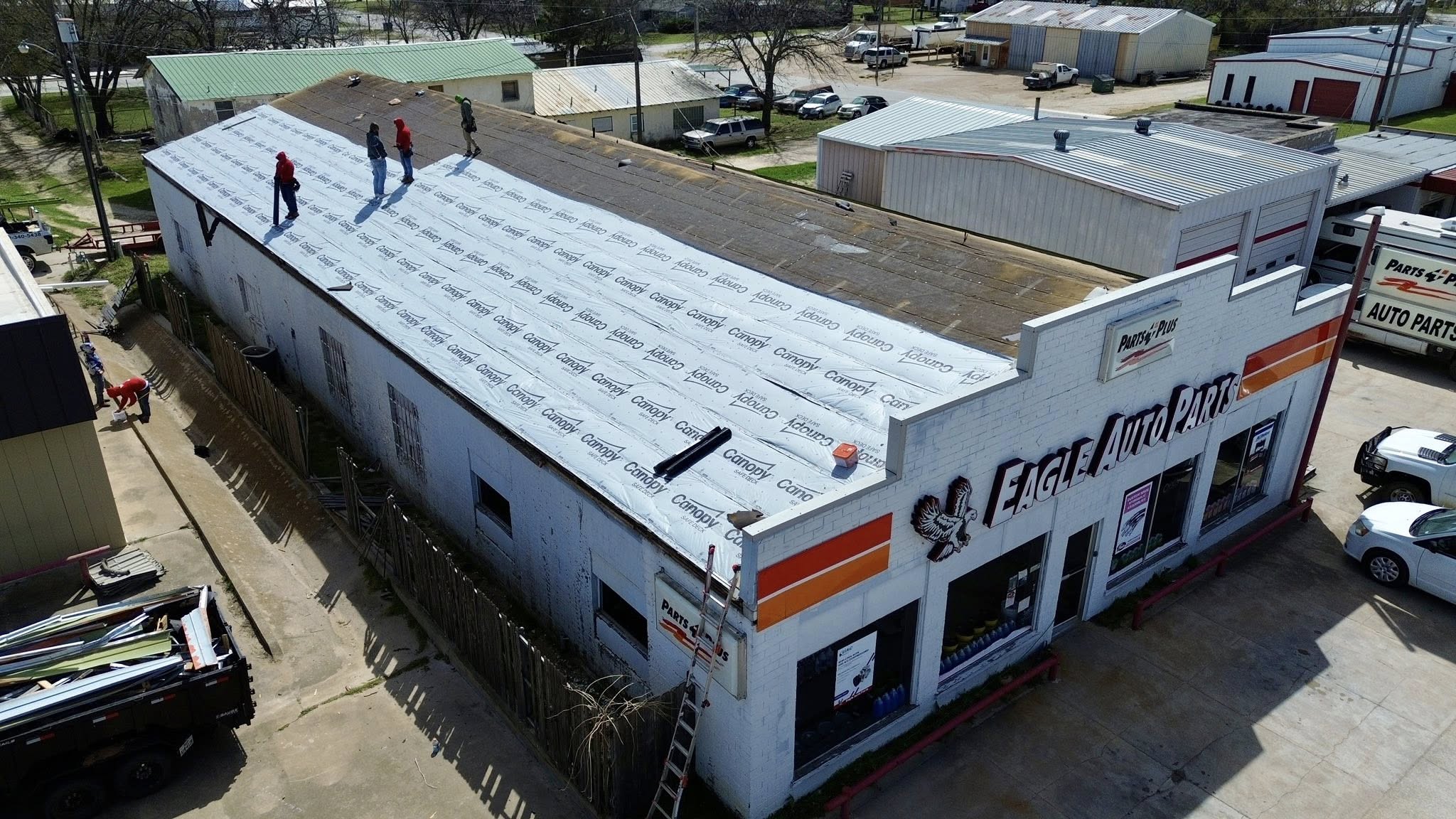
Protecting Roofing Materials from Weather Exposure
Roofing materials are designed to withstand years of outdoor weather after installation, but they still require proper handling before they become part of the finished roofing system. Incorrect storage or unnecessary exposure before installation can affect certain products and complicate the construction schedule.
Most roofing materials are delivered shortly before installation begins. This timing minimizes the amount of time products remain exposed to sunlight, moisture, and changing temperatures while waiting on the property. Coordinating deliveries carefully helps preserve material quality.
Asphalt shingles should remain in their original packaging until they are ready to be installed. Extended exposure to direct sunlight while stacked may cause excessive heating, making bundles more difficult to handle. Contractors often store materials in shaded areas whenever practical.
Metal roofing panels require protection from scratches and standing water before installation. Although these products are highly durable once installed, careful handling helps preserve factory finishes and protective coatings during construction.
Synthetic underlayment, flashing, and insulation materials also benefit from proper storage. Moisture, dirt, and debris can affect installation if these products are left uncovered for extended periods. Professional roofing companies organize materials carefully to ensure they remain clean and dry throughout the project.
Proper material management reduces waste while helping contractors maintain efficient installation schedules. Homeowners may not always notice these behind the scenes efforts, but they contribute significantly to the overall quality of the finished roof.
Temporary Weather Protection During Installation
Residential roof installation does not always progress from start to finish without interruption. Unexpected weather changes sometimes require contractors to pause work before the roofing system has been fully completed. Temporary weather protection helps keep the home safe until installation can resume.
Heavy duty waterproof tarps are among the most common temporary protection methods. Contractors secure these coverings over exposed roof sections to prevent rainwater from reaching the roof deck or entering the home’s interior. Proper installation of temporary coverings is just as important as permanent roofing work because it protects the structure during weather delays.
Temporary waterproof membranes may also be used depending on the stage of installation. If underlayment has already been installed, contractors verify that seams remain secure before leaving the job site. Additional fastening may be performed when strong winds are expected.
Roof openings around chimneys, skylights, or ventilation systems receive extra attention whenever weather delays occur. These areas are especially vulnerable to water intrusion until flashing and finished roofing materials have been installed. Careful temporary sealing reduces the likelihood of moisture damage.
Contractors also inspect temporary coverings after severe weather passes. Any damage caused by wind or heavy rain is repaired before installation continues. This ongoing monitoring helps maintain protection throughout the construction process.
Temporary weather protection provides homeowners with peace of mind during unexpected schedule changes. It demonstrates the contractor’s commitment to safeguarding the property regardless of changing weather conditions.
Safety Practices During Changing Weather Conditions
Roof installation is already one of the more physically demanding construction activities, and changing weather increases the importance of following strict safety procedures. Professional roofing companies establish clear safety protocols that guide workers before, during, and after weather related interruptions.
Crews begin each workday by evaluating current weather conditions rather than relying solely on earlier forecasts. Wind speed, roof surface conditions, temperature, and approaching storm activity all influence whether work can safely continue. Continuous observation allows contractors to respond quickly if conditions begin changing.
Personal protective equipment becomes even more important during challenging weather. Workers wear non slip footwear, safety harnesses, helmets, gloves, and protective clothing appropriate for current conditions. Proper equipment reduces the likelihood of accidents while allowing crews to work more comfortably.
Ladders, scaffolding, and roof anchors are inspected regularly, particularly after storms or strong winds. Ensuring this equipment remains secure is essential before workers return to the roof following a weather delay. Damaged equipment is repaired or replaced immediately.
Communication is another key element of roofing safety. Supervisors monitor weather updates throughout the day and inform crews whenever changing conditions require adjustments to the work schedule. Clear communication helps everyone respond quickly and safely.
Homeowners also contribute to job site safety by avoiding active work areas during construction. Respecting safety barriers and allowing contractors to manage weather related decisions helps reduce unnecessary risks for everyone involved.
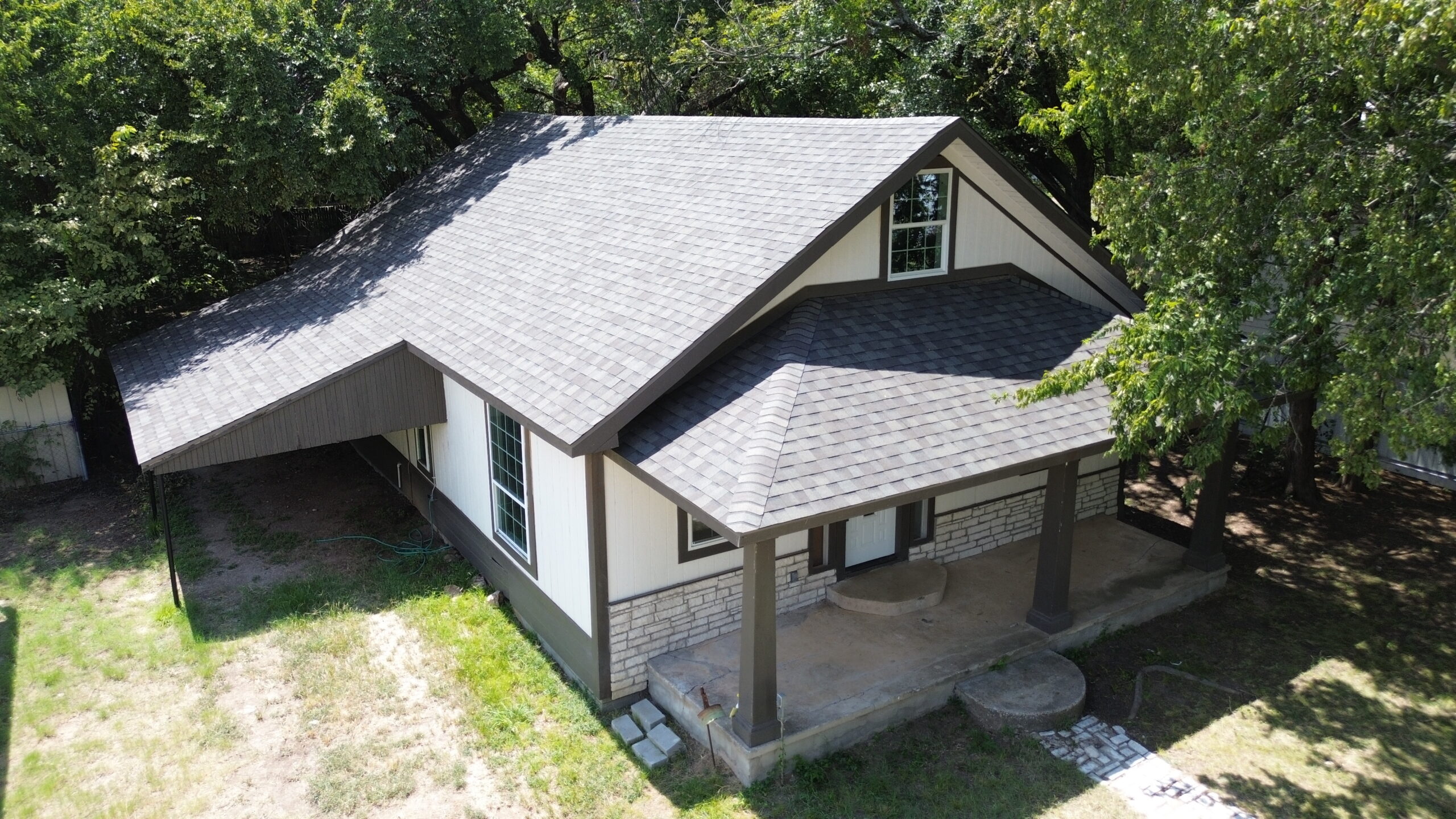
Weather Forecasting and Project Scheduling
Modern weather forecasting has become one of the most valuable planning tools available to roofing contractors. Rather than relying only on general daily forecasts, many companies monitor detailed weather information that includes hourly rainfall predictions, wind speeds, humidity, temperature changes, and storm movement. This information helps crews make better scheduling decisions.
Forecasting begins several days before installation starts. Contractors review expected weather patterns to determine whether the planned schedule provides enough time to complete major installation stages before conditions deteriorate. If necessary, start dates are adjusted before materials are delivered.
Hourly forecasts become especially useful once work has begun. Roofing crews can often complete specific installation tasks before afternoon storms arrive if forecasts indicate a limited weather window. This flexibility allows projects to continue progressing without sacrificing quality.
Radar technology also provides valuable real time information. Contractors monitor approaching storm systems throughout the workday and prepare temporary weather protection before rain begins. Early preparation reduces the likelihood of water reaching exposed roof sections.
Forecasting cannot eliminate every weather related delay because weather remains unpredictable. However, accurate planning allows roofing companies to use favorable conditions more efficiently while reducing unnecessary interruptions throughout the project.
Homeowners benefit from these planning efforts because better scheduling often leads to shorter overall construction timelines and fewer unexpected disruptions.
How Different Roofing Materials Respond to Weather
Not all roofing materials react to weather in the same way. Understanding these differences helps contractors select appropriate installation methods while scheduling work under suitable conditions. Material characteristics often influence both the pace of installation and the timing of certain project stages.
Asphalt shingles perform well under a wide range of conditions but become softer in high heat and less flexible during cold weather. Contractors adjust handling techniques depending on seasonal temperatures to prevent unnecessary damage during installation.
Metal roofing is generally less sensitive to temperature changes during installation, but large metal panels become more difficult to control in strong winds. Careful handling and secure positioning are essential whenever wind speeds increase.
Clay and concrete tiles are highly durable after installation but require careful handling throughout construction because individual tiles may crack if dropped or struck against hard surfaces. Wet conditions also increase the risk of slipping while carrying these heavier materials.
Synthetic roofing products often provide greater flexibility across a wider range of temperatures, although manufacturers still specify recommended installation conditions. Following these guidelines helps ensure long term product performance.
Regardless of the roofing material selected, experienced contractors understand how weather influences installation techniques. Adapting procedures to current conditions allows every roofing system to perform according to its design.
Homeowner Expectations During Weather Delays
Weather related schedule changes can be frustrating for homeowners, particularly when they have arranged time away from work or prepared the property for construction. Understanding what to expect during these delays helps reduce uncertainty while maintaining confidence in the roofing process.
The most important expectation is communication. Professional roofing contractors inform homeowners whenever forecasts require changes to the schedule. They explain the reason for the delay, provide updated timelines whenever possible, and answer questions about protecting the home until work resumes.
Homeowners should also expect contractors to secure unfinished roof sections before leaving the job site. Temporary coverings, waterproof barriers, and careful material storage help protect both the structure and roofing products during interruptions. These precautions remain in place until favorable weather returns.
It is also helpful to remember that roofing schedules are flexible by necessity. Contractors often manage multiple projects simultaneously and adjust crew assignments based on changing weather conditions. This flexibility allows work to continue efficiently across different job sites whenever conditions permit.
Instead of viewing weather delays as lost time, homeowners should recognize them as part of the quality assurance process. Waiting for suitable weather allows roofing materials to be installed correctly while protecting workers from unnecessary risks.
Patience during temporary interruptions often results in a roof that performs better over many years. A project completed under proper weather conditions generally provides greater durability than one rushed during unfavorable circumstances.
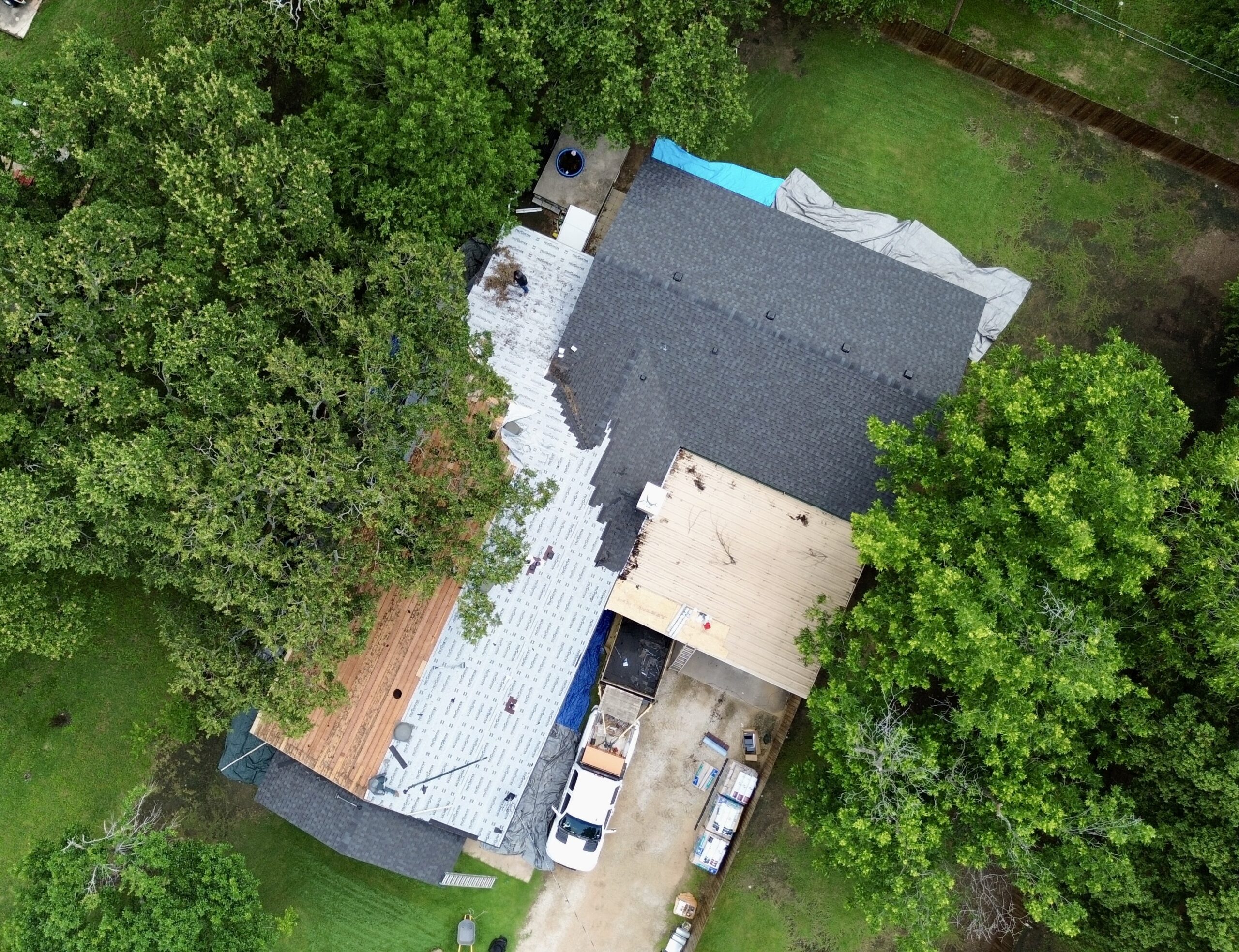
Transition to the Final Stage
By this point in the installation process, it becomes clear that weather influences nearly every aspect of residential roofing. From snow and storms to humidity, temperature, and wind, changing environmental conditions affect scheduling, material handling, worker safety, and installation quality. Professional roofing contractors continuously adapt their plans to protect both the home and the finished roofing system.
Understanding these weather related challenges allows homeowners to set realistic expectations while appreciating why experienced contractors sometimes postpone work despite carefully prepared schedules. These decisions are made to preserve the long term performance of the roof rather than simply extend the project timeline.
Minimizing Weather Related Installation Delays
Although weather cannot be controlled, many delays can be minimized through careful planning and proactive project management. Professional roofing contractors use experience, forecasting tools, and flexible scheduling to complete installations as efficiently as possible while maintaining high quality standards. Their goal is not simply to finish quickly but to deliver a roofing system that performs reliably for many years.
One of the most effective strategies is scheduling projects during periods that historically offer stable weather. While forecasts are never completely accurate, selecting a season with fewer storms and moderate temperatures reduces the likelihood of major interruptions. Contractors also monitor extended weather forecasts before confirming project dates.
Material preparation plays another important role in reducing delays. Roofing products are ordered early and delivered close to the installation date to ensure they are available when weather conditions become favorable. This planning prevents unnecessary waiting once work is ready to begin.
Professional contractors also divide larger roofing projects into manageable stages. Completing one section at a time allows crews to secure finished areas before weather changes unexpectedly. If rain develops, only a limited portion of the roof requires temporary protection, making it easier to safeguard the home.
Communication helps minimize delays as well. Contractors keep homeowners informed about changing forecasts, revised schedules, and expected completion dates throughout the project. Clear communication reduces uncertainty while helping everyone prepare for temporary schedule adjustments.
Homeowners can support these efforts by remaining flexible when weather changes occur. Allowing contractors to adjust work schedules without pressure encourages careful workmanship and ultimately produces a stronger roofing system.
Choosing the Best Time of Year for Roof Installation
Many homeowners ask whether there is an ideal season for replacing a residential roof. While roof installation can be completed successfully throughout much of the year, each season offers different advantages and challenges. Understanding these seasonal differences helps homeowners select realistic project timelines.
Spring is often a busy roofing season because temperatures become more comfortable after winter. Moderate weather allows crews to work efficiently, although frequent rain showers in some regions may occasionally interrupt construction. Contractors monitor forecasts carefully to take advantage of dry weather windows.
Summer provides long daylight hours that allow roofing crews to accomplish more work during each day. However, extreme heat can increase worker fatigue while afternoon thunderstorms may affect scheduling in certain climates. Early morning work schedules often help reduce heat related challenges.
Autumn is widely considered one of the most favorable seasons for roof installation. Comfortable temperatures, relatively stable weather, and moderate humidity create excellent conditions for many roofing materials. Because of these advantages, contractor availability may be more limited during this popular season.
Winter installations are possible in many regions but require additional planning. Cold temperatures, frost, snow, and shorter daylight hours may influence installation schedules. Experienced roofing companies adjust their methods to ensure quality work while maintaining safe working conditions.
Rather than focusing only on the calendar, homeowners should work with their contractor to determine the most suitable installation period based on local climate patterns, material selection, and current roof condition.
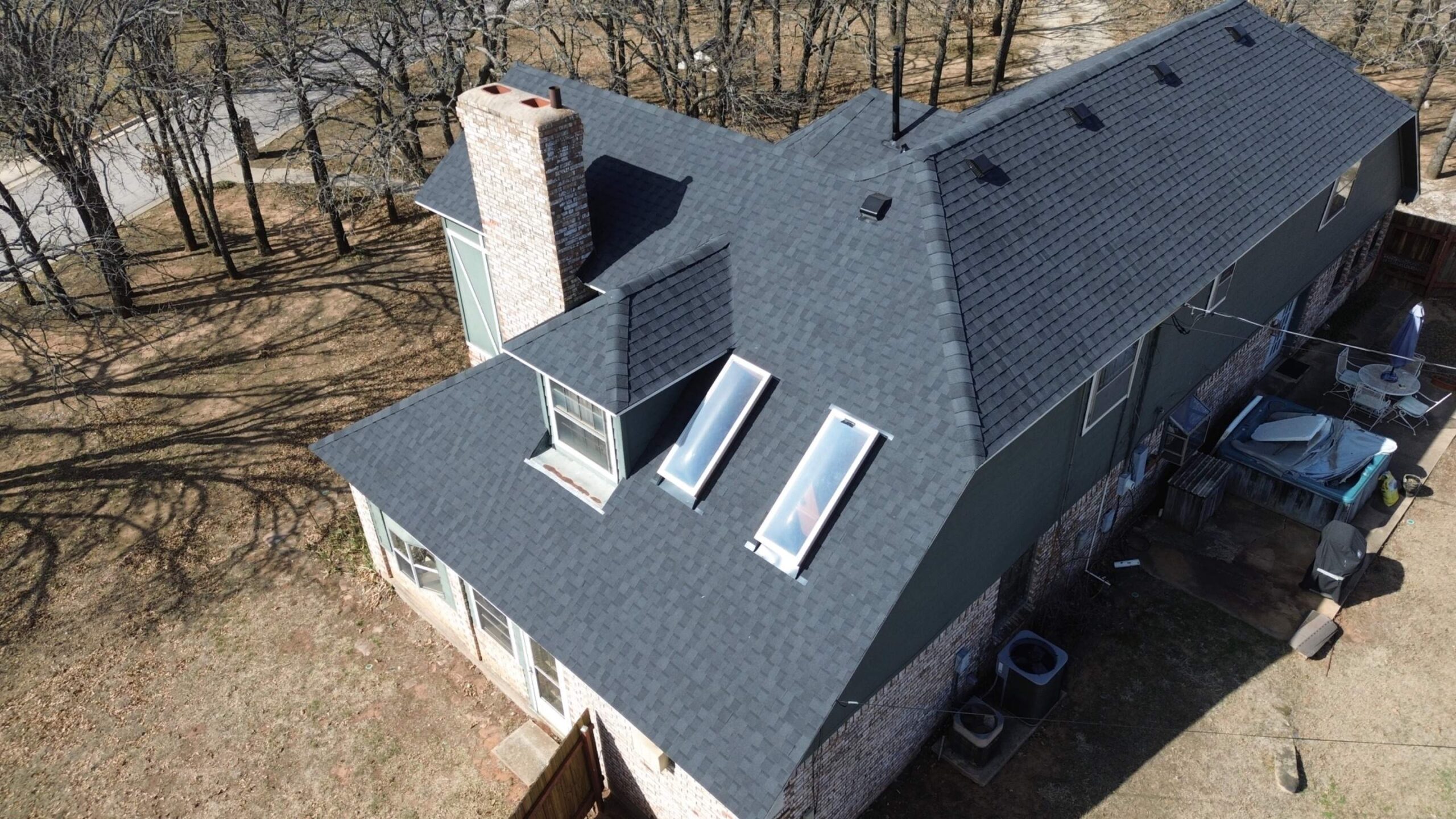
Weather Impact Comparison Table
Different weather conditions affect roof installation in different ways. Understanding these differences helps homeowners appreciate why roofing contractors adjust project schedules when conditions become unfavorable.
| Weather Condition | Primary Impact on Installation | Contractor Response |
|---|---|---|
| Rain | Wet roof surfaces and moisture intrusion risk | Pause installation and secure exposed areas |
| High winds | Unsafe working conditions and difficult material handling | Delay work until wind speeds decrease |
| Extreme heat | Worker fatigue and softer roofing materials | Adjust work hours and increase hydration breaks |
| Cold temperatures | Reduced material flexibility and slower sealing | Follow cold weather installation procedures |
| High humidity | Slower drying and increased moisture concerns | Allow surfaces to dry before continuing |
| Snow and ice | Slippery roof surfaces and limited access | Remove snow safely and wait for stable conditions |
| Thunderstorms | Lightning hazards and sudden weather changes | Stop work immediately and protect the roof |
Although each weather condition creates different challenges, professional roofing contractors have established procedures for managing them safely. These responses help maintain installation quality while protecting both workers and the home.
Practical Tips for Homeowners Before Installation
Weather related roofing delays are easier to manage when homeowners prepare in advance. A few simple steps before construction begins can reduce stress while helping the project move forward more smoothly whenever weather conditions allow.
Consider the following recommendations before your roofing project begins:
- Schedule the project with some flexibility instead of planning around a single fixed completion date.
- Ask the contractor how weather delays will be communicated throughout the installation.
- Move vehicles and outdoor furniture before the scheduled start date.
- Keep valuable attic belongings covered in case temporary weather protection becomes necessary.
- Discuss emergency procedures if severe weather develops during construction.
- Review warranty information and ask whether weather conditions affect installation requirements.
These preparations allow homeowners to respond calmly if unexpected weather changes occur. Good communication and realistic expectations contribute to a much more positive roofing experience.
Another helpful step is monitoring local weather forecasts alongside the contractor. While the roofing company makes final scheduling decisions, understanding the forecast helps homeowners anticipate possible changes before receiving project updates.
Common Questions About Weather and Roofing
Many homeowners have similar concerns about how changing weather affects roof installation. Understanding the answers to these common questions helps remove uncertainty before the project begins.
Can roof installation continue during light rain?
In most cases, professional contractors stop roofing work even during light rain because moisture can affect roofing materials and create slippery working conditions. Temporary coverings are installed if necessary until the weather improves.
Will strong winds delay my roofing project?
Yes. High winds make handling roofing materials more difficult while increasing safety risks for workers. Contractors monitor wind speeds carefully and postpone installation whenever conditions become unsafe.
Is summer the best season for roof installation?
Summer offers long daylight hours, but extreme heat and afternoon storms may create challenges in some regions. Many contractors consider moderate spring or autumn weather ideal because temperatures are more comfortable for both workers and roofing materials.
Can roofing materials get wet before installation?
Brief exposure usually does not damage many roofing products, but prolonged moisture should be avoided. Professional contractors store materials properly and protect them whenever poor weather is expected.
Should homeowners worry about weather delays?
Weather delays are a normal part of residential roof installation. They demonstrate that the contractor is prioritizing safety and installation quality rather than rushing the project under unfavorable conditions.
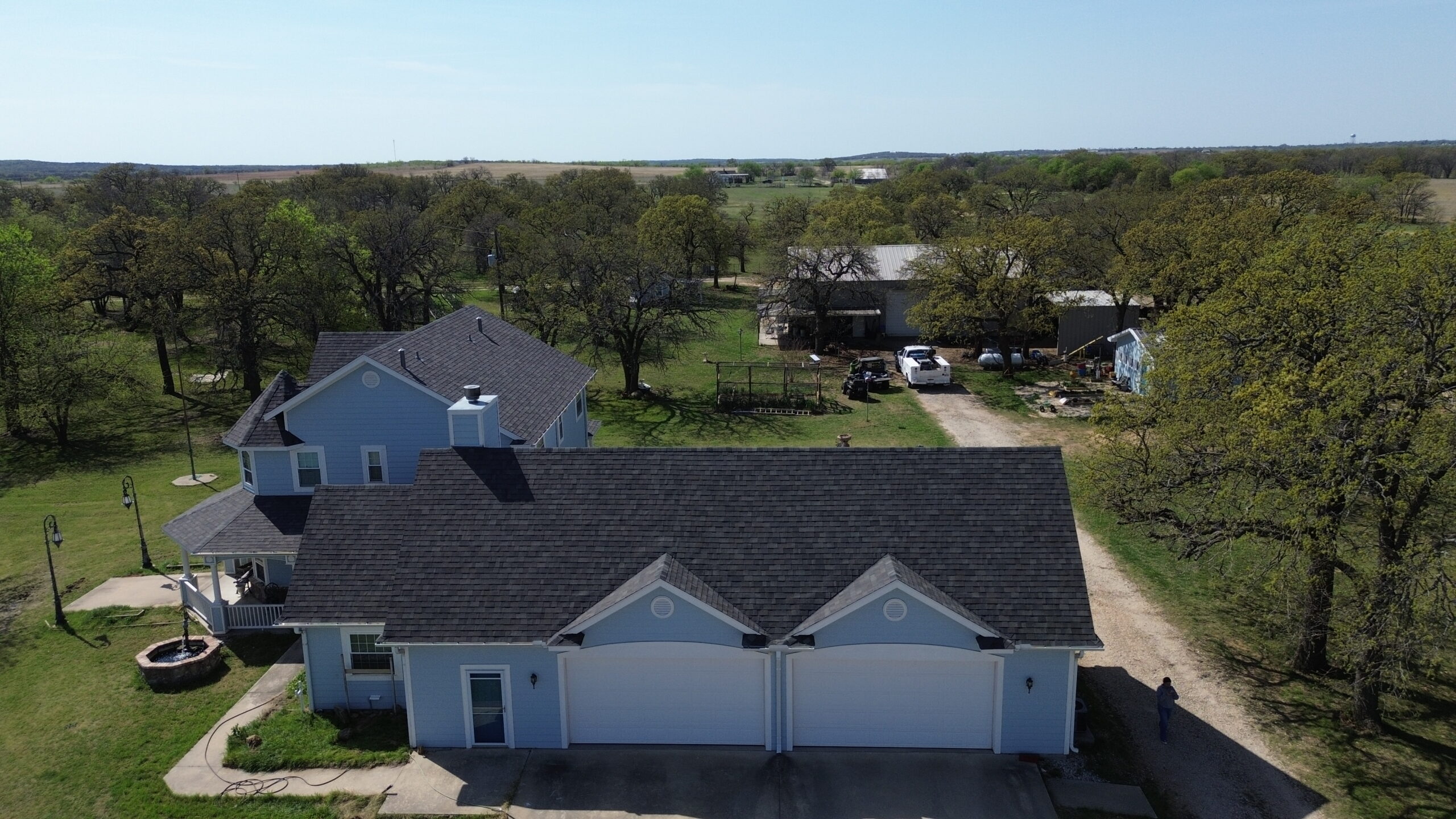
Roof Installation Weather Readiness Checklist
Preparing for changing weather before construction begins helps homeowners and contractors work together more effectively. Reviewing a simple checklist ensures important details have been considered before installation starts.
- Confirm the project schedule with the roofing contractor.
- Review the local weather forecast for the planned installation period.
- Ask how weather related schedule changes will be communicated.
- Move vehicles and outdoor belongings away from the work area.
- Cover valuable attic items to protect them from dust or unexpected moisture.
- Verify that roofing materials will be delivered close to the installation date.
- Discuss temporary weather protection procedures with the contractor.
- Keep contact information readily available for project updates.
Completing these simple preparations reduces confusion if weather conditions change unexpectedly. It also helps homeowners feel more confident throughout the roofing project.
Conclusion
Weather is one of the most important factors influencing residential roof installation schedules. From rain and high winds to extreme temperatures, humidity, snow, and storms, changing weather conditions affect worker safety, material performance, project planning, and installation quality. Every successful roofing project depends on balancing efficiency with careful attention to environmental conditions.
Although weather related delays can sometimes be inconvenient, they are often necessary to ensure the roof is installed correctly. Professional roofing contractors continuously monitor forecasts, adjust schedules, protect exposed roof sections, and follow manufacturer guidelines so the finished roofing system delivers dependable performance for many years. Taking extra time during poor weather is far preferable to rushing an installation that may later develop problems.
Homeowners also play an important role in managing weather related challenges. Staying informed, communicating openly with the contractor, preparing the property in advance, and maintaining realistic expectations help create a smoother installation experience. Understanding why schedules change makes it easier to appreciate the careful planning that goes into every roofing project.
Ultimately, weather should never be viewed simply as an obstacle to roof installation. Instead, it is a critical factor that experienced contractors respect throughout every stage of construction. By allowing weather conditions to guide scheduling decisions rather than rushing to meet deadlines, homeowners receive a roofing system that is safer, more durable, and better prepared to protect their home through every season for decades to come.