
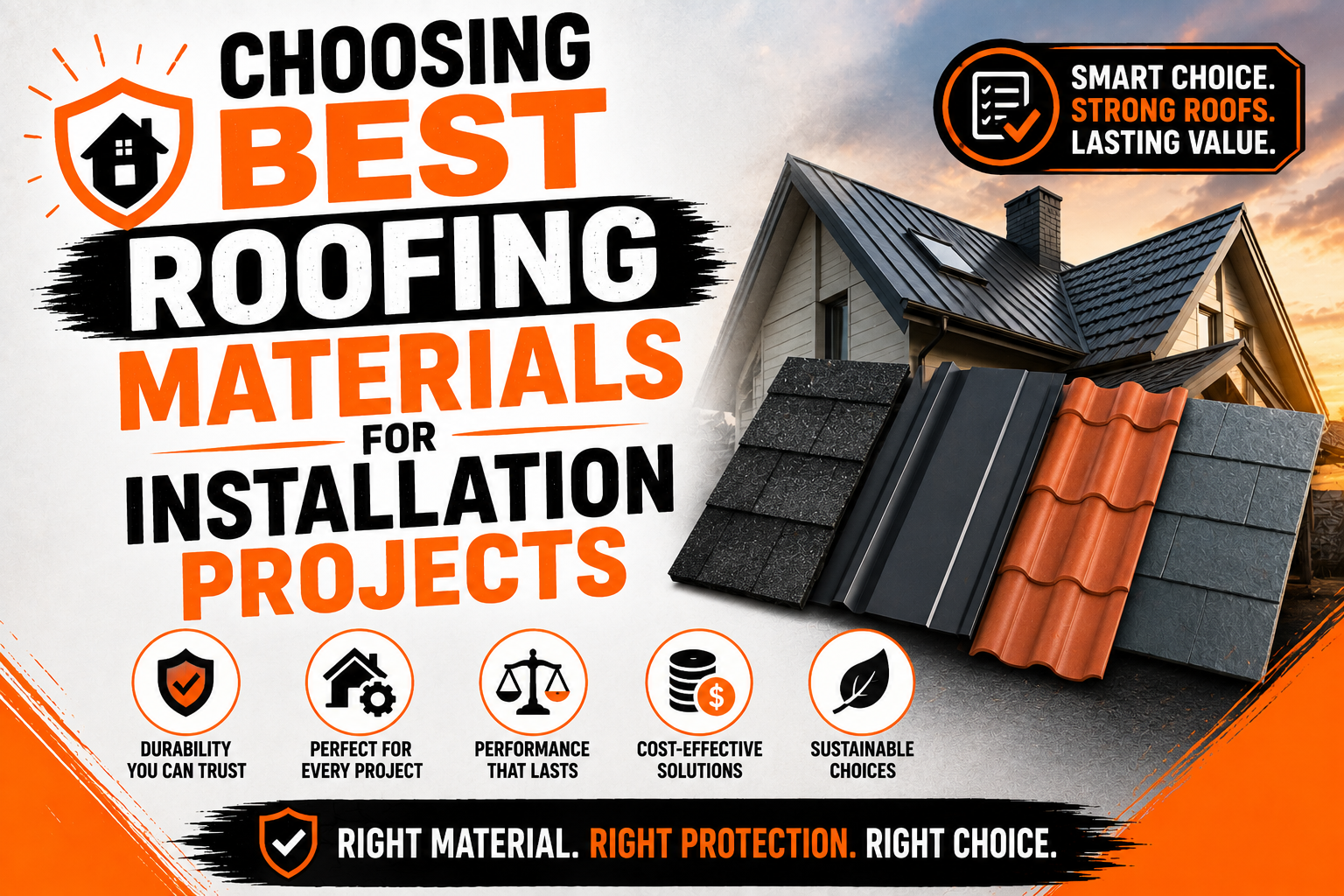
Choosing Best Roofing Materials for Installation Projects
Introduction
Choosing the right roofing material is one of the most important decisions in any roof installation project. A roof is much more than the top covering of a building because it protects the structure from rain, wind, sunlight, snow, and changing temperatures throughout the year. The material selected during installation influences not only the appearance of the property but also its durability, maintenance requirements, energy efficiency, and long term value.
Modern property owners have access to a wide variety of roofing materials, each offering unique advantages and limitations. Asphalt shingles remain a popular option because of their affordability, while metal roofing is known for its exceptional lifespan and strength. Clay tiles, slate, wood, and synthetic materials provide additional choices for different architectural styles, climates, and budgets.
Selecting the best roofing material is not simply about choosing the most attractive product. Every building has different structural requirements, environmental conditions, and performance expectations. A material that performs exceptionally well in one location may not be the best choice in another because factors such as rainfall, wind, humidity, and temperature significantly affect roofing performance.
Professional roof installation begins with understanding these factors before materials are purchased. Contractors evaluate the building, local weather patterns, structural capacity, and long term maintenance goals to recommend roofing systems that provide reliable protection for many years. Careful planning at this stage helps avoid unnecessary repairs, premature replacement, and unexpected expenses later.
This guide explores the key considerations involved in choosing the best roofing materials for installation projects. By understanding how different materials perform under various conditions, property owners can make informed decisions that balance cost, durability, appearance, and long term value.
Why Choosing the Right Roofing Material Matters
The roofing material installed today will influence the building’s performance for decades. Unlike many home improvements that can be upgraded easily, replacing an entire roof requires significant time, labor, and financial investment. Selecting the right material from the beginning reduces the need for major changes in the future.
Roofing materials directly affect how well a building resists harsh weather conditions. Heavy rain, strong winds, hail, snow, and prolonged sunlight place continuous stress on the roof. Materials designed for these conditions provide better protection and reduce the likelihood of leaks or structural damage.
Energy efficiency is another important consideration. Certain roofing materials reflect sunlight more effectively, reducing heat absorption during hot weather. Others provide better insulation that helps maintain comfortable indoor temperatures throughout the year. Improved energy performance often leads to lower heating and cooling costs.
The appearance of a roof also contributes significantly to a property’s curb appeal. Roofing materials are available in numerous colors, textures, and profiles that complement different architectural styles. Choosing a material that matches the overall design enhances both visual appeal and property value.
Maintenance requirements vary considerably among roofing materials. Some systems require only occasional inspections, while others benefit from regular cleaning or protective treatments. Understanding these maintenance expectations helps property owners select materials that fit their lifestyle and maintenance budget.
Insurance costs and resale value may also be influenced by roofing material selection. Durable materials with proven weather resistance are often viewed more favorably because they reduce future repair risks. As a result, investing in the right roofing material can provide financial benefits beyond the installation itself.
Factors That Influence Roofing Material Selection
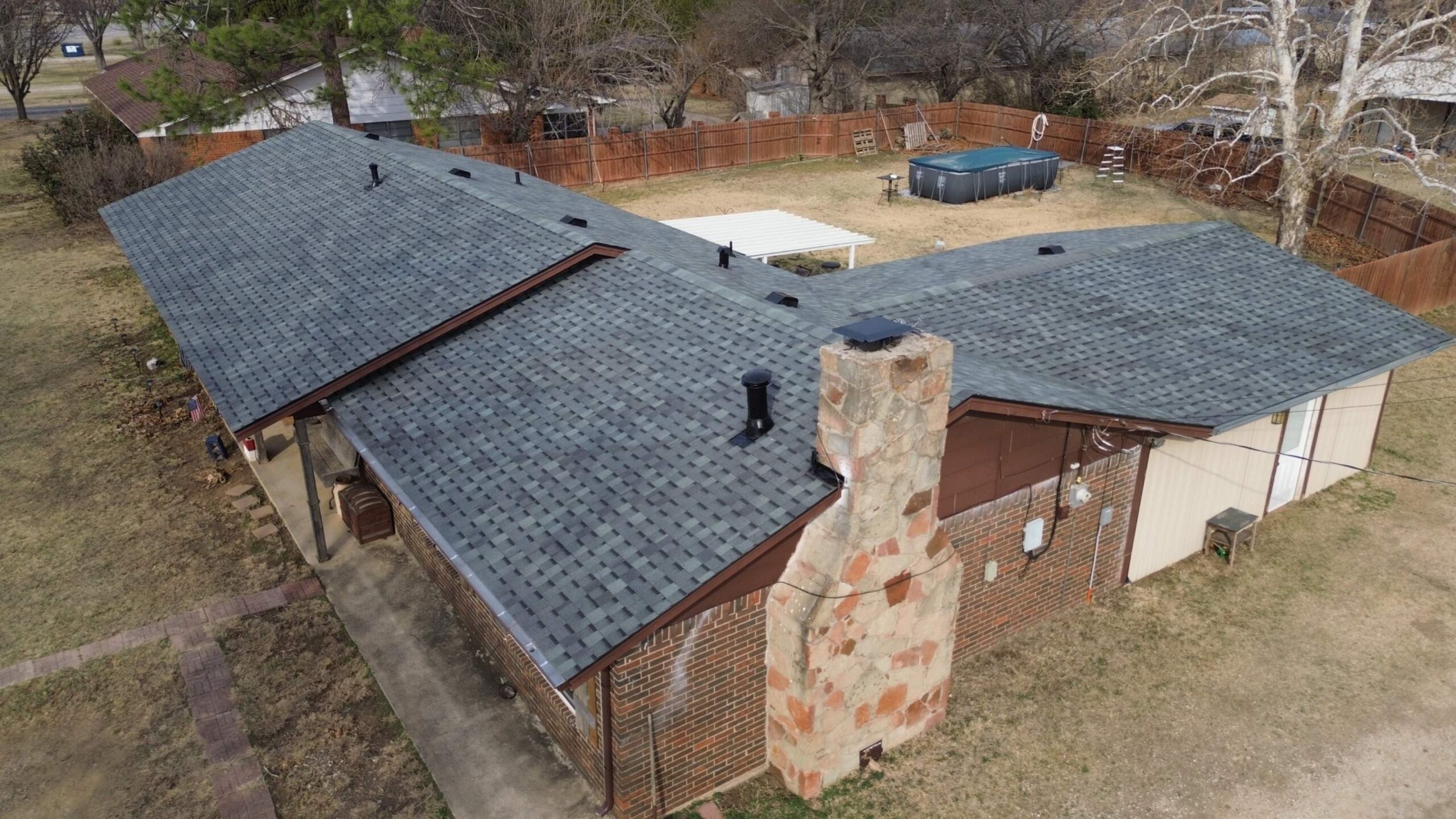
Choosing roofing materials involves evaluating multiple factors rather than focusing on a single feature. Every property presents different requirements, making it important to consider how each material performs under specific conditions.
Climate is often the first factor considered. Buildings located in areas with frequent storms require roofing materials capable of resisting strong winds and heavy rainfall. Regions with intense sunlight may benefit from reflective roofing systems that reduce heat absorption and improve energy efficiency.
Building structure also influences material selection. Heavy roofing materials such as slate or concrete tiles require stronger structural support than lightweight materials like asphalt shingles or metal panels. Contractors evaluate the building’s load capacity before recommending certain roofing systems.
Budget naturally plays a major role in decision making. Initial installation costs vary widely among roofing materials, but long term maintenance and replacement expenses should also be considered. A more expensive material with a longer lifespan may provide greater value over several decades.
Local building codes sometimes establish minimum performance requirements for roofing materials. Fire resistance, wind ratings, and impact resistance may all influence which materials are suitable for a specific location. Professional contractors ensure selected products comply with applicable regulations.
Aesthetic preferences should not be overlooked. Roofing materials contribute significantly to the overall appearance of the property, making it worthwhile to select products that complement the building’s architecture while still meeting performance requirements.
Environmental impact has become increasingly important as well. Many property owners now prefer recyclable materials or roofing systems that improve energy efficiency and reduce environmental impact over the roof’s lifetime.
Balancing all of these considerations helps ensure the selected roofing material delivers reliable performance while meeting both practical and aesthetic goals.
Understanding Climate and Weather Considerations
Weather conditions have a direct influence on how roofing materials perform over time. Choosing a material suited to the local climate helps maximize durability while reducing maintenance and repair requirements.
In regions with frequent rainfall, waterproof performance becomes especially important. Roofing materials must resist continuous moisture exposure while allowing water to drain efficiently. Proper installation combined with moisture resistant materials helps prevent leaks and structural damage.
High wind areas require roofing systems with strong fastening methods and excellent wind resistance. Materials that perform well under normal conditions may become vulnerable if they are not designed to withstand severe storms. Wind ratings should therefore be reviewed before selecting roofing products.
Snow and ice create additional challenges in colder climates. Heavy snow increases structural loads while repeated freezing and thawing cycles place stress on roofing materials. Durable systems capable of handling these conditions provide better long term reliability.
Hot climates present different concerns. Continuous exposure to ultraviolet radiation and high temperatures gradually affects many roofing materials. Reflective roofing products reduce heat absorption while maintaining their protective properties despite prolonged sunlight.
Humidity can also influence roofing performance. Moist environments encourage algae, mold, and mildew growth on certain materials. Choosing products with moisture resistant properties helps preserve both appearance and structural integrity.
Coastal locations introduce additional challenges because salt carried by ocean air accelerates corrosion of some roofing components. Corrosion resistant materials and fasteners are often recommended for buildings located near the shoreline.
Understanding these environmental influences allows property owners to select roofing materials specifically suited to local conditions instead of relying solely on cost or appearance.
Budget Versus Long Term Value
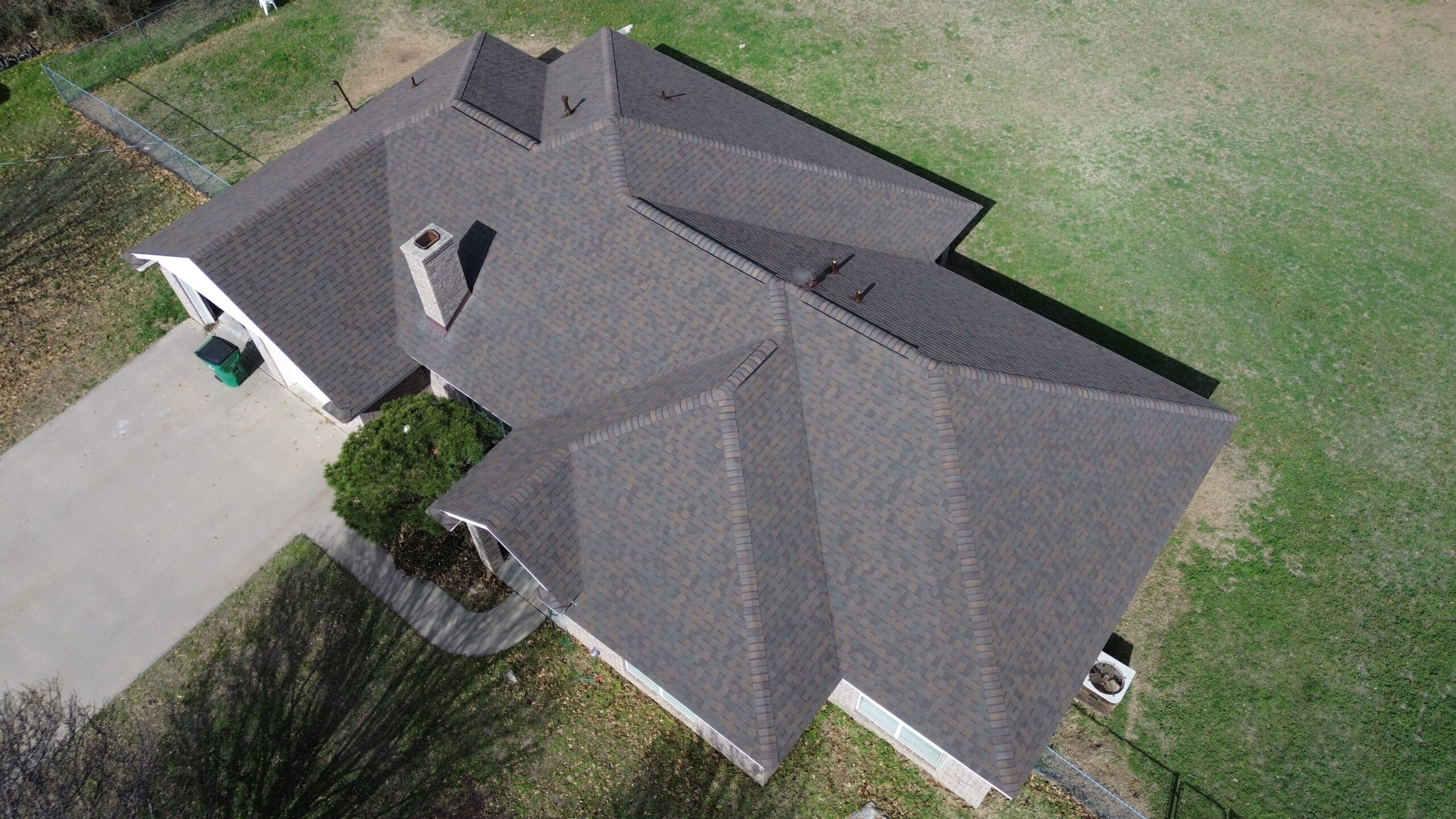
Roof installation represents a significant investment, making budget an important part of the decision making process. However, focusing only on the initial purchase price may overlook long term savings provided by higher quality roofing materials.
Less expensive roofing materials often reduce installation costs, making them attractive for projects with limited budgets. These products may still provide reliable performance when installed correctly, particularly in areas with moderate weather conditions. However, they may require replacement sooner than premium materials.
Higher quality roofing systems generally involve greater upfront investment but often deliver longer service lives. Reduced maintenance requirements, fewer repairs, and improved durability help offset the higher initial cost over time. Many property owners find that lifetime ownership costs are lower despite paying more during installation.
Energy efficiency also contributes to long term value. Reflective roofing materials lower cooling expenses during warm weather, while well insulated roofing systems reduce heating costs during colder months. These savings accumulate gradually throughout the roof’s lifespan.
Warranty coverage varies among manufacturers and roofing materials. Longer warranties often indicate greater confidence in product durability, although proper installation remains essential for maintaining warranty protection. Reviewing warranty terms helps property owners better understand long term expectations.
Maintenance expenses should also be included when comparing roofing materials. A material requiring frequent inspections or specialized treatments may cost more throughout its lifetime than a slightly more expensive option requiring minimal maintenance.
Considering total ownership costs instead of installation price alone provides a more accurate picture of each roofing material’s true value.
Comparing Residential and Commercial Roofing Needs
Residential and commercial buildings often have different roofing requirements because they serve different purposes and have different structural designs. Understanding these differences helps ensure appropriate material selection for each project.
Residential roofs typically emphasize appearance alongside durability. Homeowners often choose roofing materials that complement architectural styles while providing dependable weather protection. Asphalt shingles, metal roofing, clay tiles, and wood products are common choices for residential properties.
Commercial buildings usually prioritize performance, durability, and maintenance efficiency. Large roof areas require materials capable of handling significant weather exposure while remaining economical to maintain. Flat or low slope roofing systems often use membranes such as TPO, PVC, EPDM, or modified bitumen.
Roof accessibility also differs. Commercial roofs frequently support heating and cooling equipment, solar panels, or maintenance personnel. Roofing materials must therefore withstand regular foot traffic without compromising waterproof performance.
Drainage requirements vary as well. Residential pitched roofs naturally shed water through gravity, while commercial flat roofs depend on carefully designed drainage systems. Material compatibility with these drainage designs influences long term performance.
Installation methods are often different depending on building type. Residential roofing projects typically involve smaller sections completed over shorter time periods. Commercial installations usually require more extensive planning, specialized equipment, and larger installation teams.
Maintenance expectations also differ between residential and commercial properties. Businesses often schedule routine professional inspections to protect valuable assets and minimize operational disruptions. Homeowners may perform simpler visual inspections while arranging professional maintenance as needed.
Understanding these differences ensures roofing materials are selected according to the specific demands of each building rather than applying the same solution to every project.
Overview of Popular Roofing Materials
Modern roofing technology provides property owners with numerous material options, each designed to address different performance requirements, budgets, and architectural preferences. Becoming familiar with these materials helps simplify the selection process before installation begins.
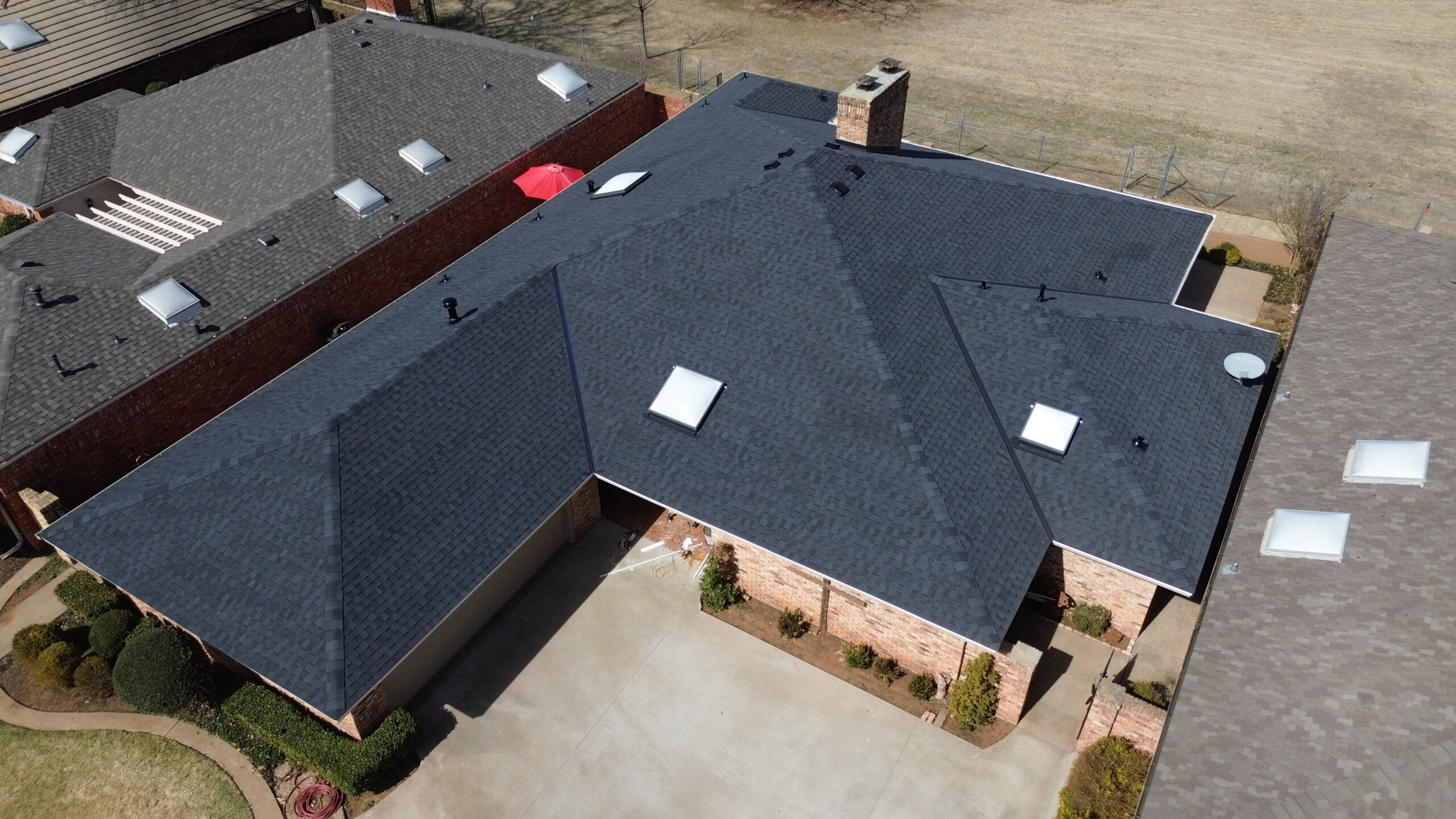
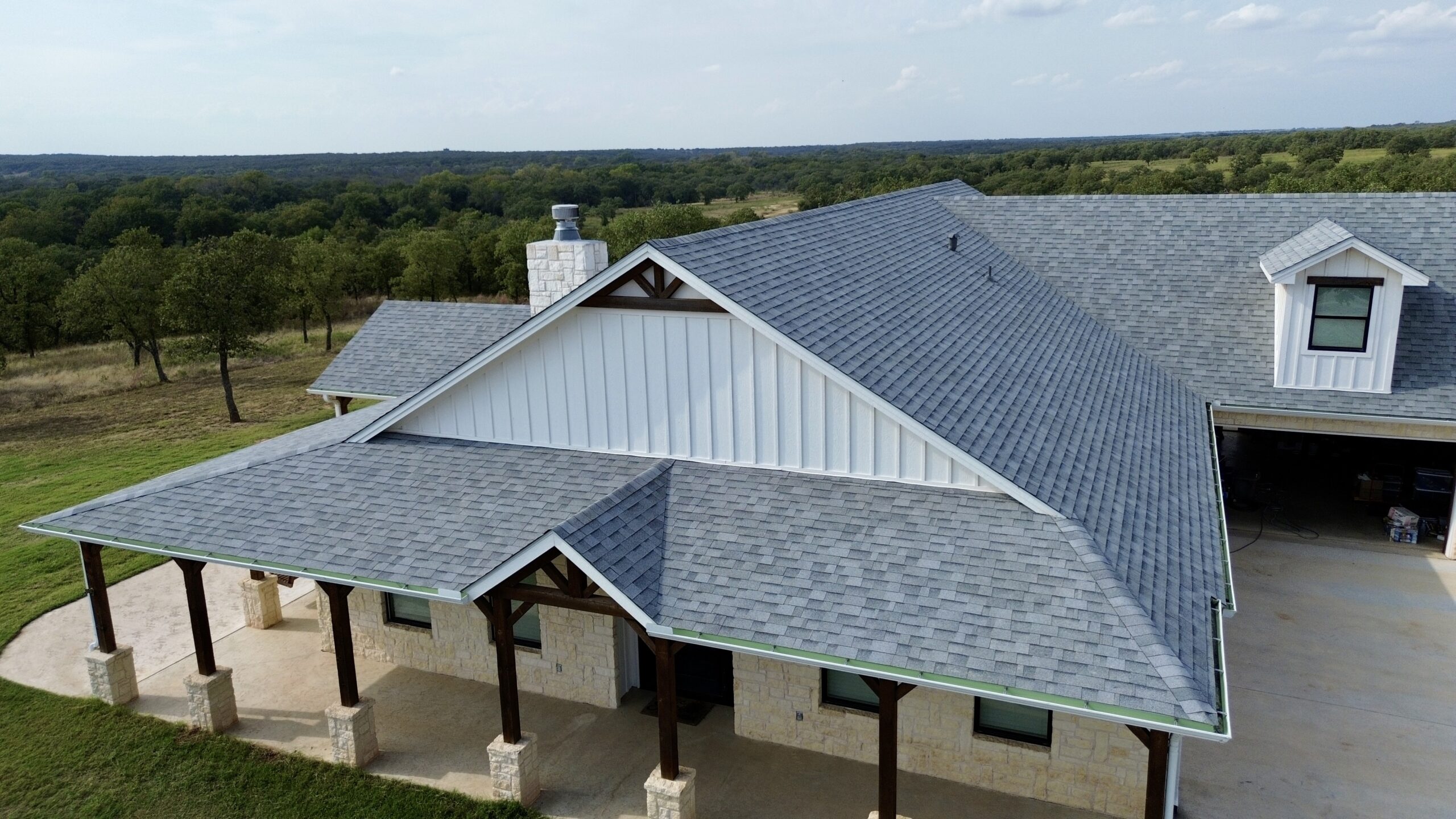
Asphalt shingles remain the most widely used residential roofing material because they combine affordability, reliable weather protection, and attractive appearance. Available in many colors and styles, they suit a wide range of architectural designs while providing dependable performance when professionally installed.
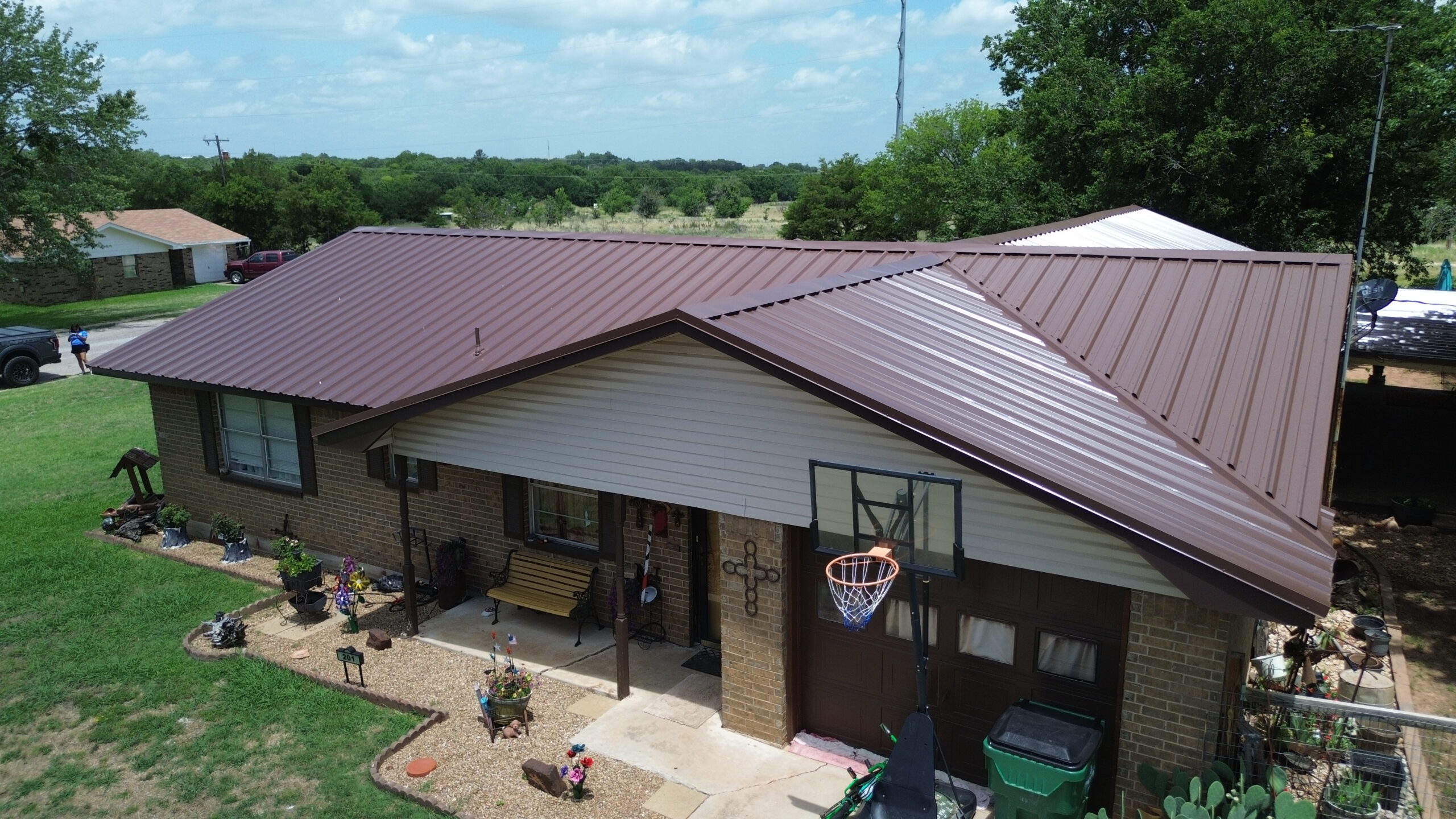
Metal roofing has grown increasingly popular due to its impressive durability, long lifespan, and resistance to severe weather. Steel, aluminum, copper, and zinc roofing systems offer excellent protection while requiring relatively little maintenance. Many metal roofs also improve energy efficiency through reflective coatings.
Clay and concrete tiles provide a timeless appearance often associated with Mediterranean and Spanish style architecture. Their excellent durability and resistance to fire make them attractive choices for certain climates, although they require adequate structural support because of their weight.
Slate roofing represents one of the most durable premium roofing options available. Natural stone provides exceptional longevity, elegant appearance, and outstanding weather resistance. While installation costs are higher, slate roofs often remain functional for generations when properly maintained.
Wood shingles and wood shakes create a natural appearance that complements traditional and rustic architectural styles. Their distinctive texture adds character to residential properties, although they generally require more maintenance than many modern roofing materials.
Synthetic roofing materials continue gaining popularity by combining the appearance of natural products with improved durability and lower maintenance requirements. Many synthetic products are designed to resemble slate, wood, or tile while offering lighter weight and increased impact resistance.
Asphalt Shingles for Affordable Roofing
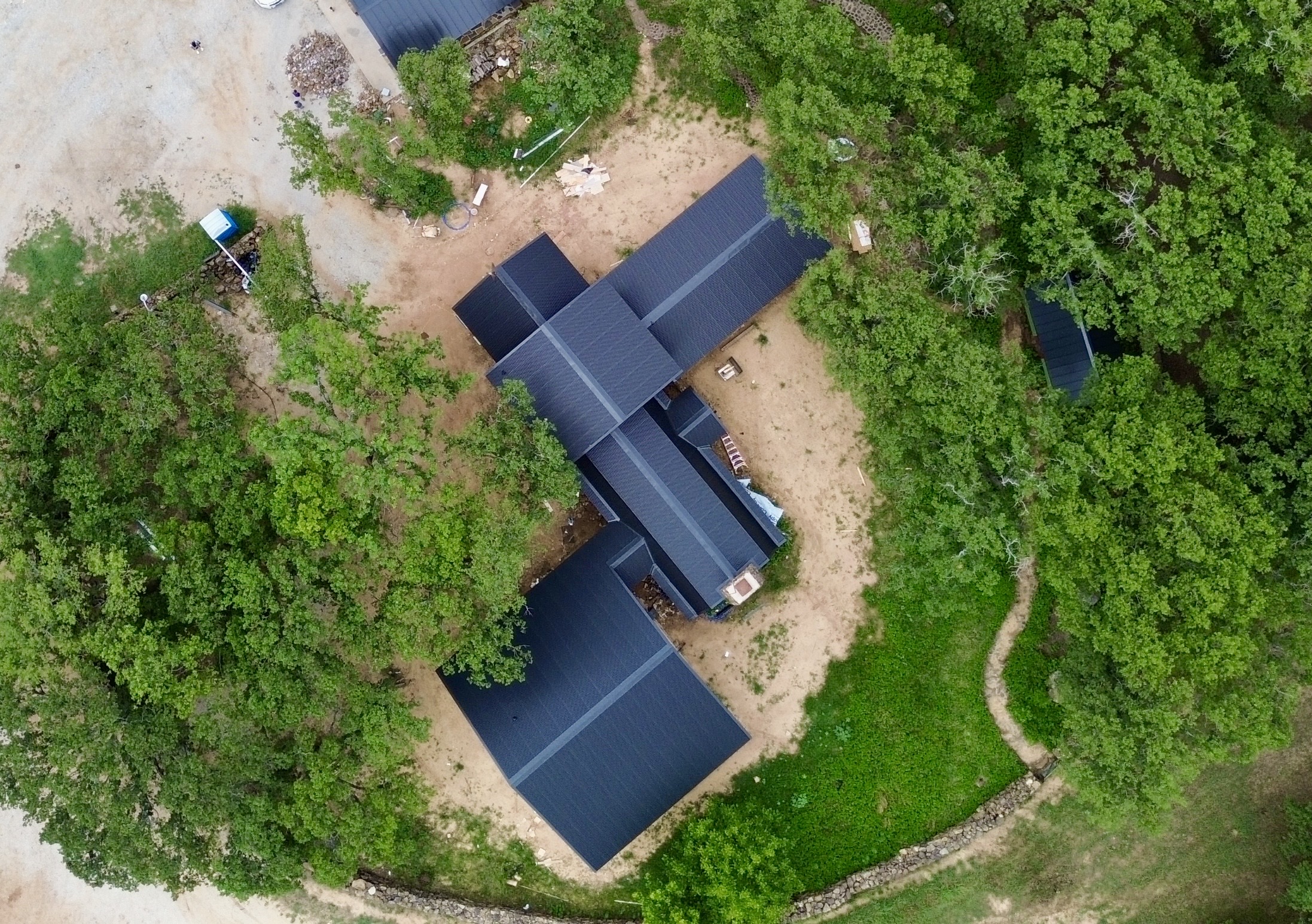
Asphalt shingles remain the most widely used roofing material for residential installation projects because they provide an excellent balance between affordability, durability, and appearance. Homeowners appreciate their relatively low installation cost while still receiving dependable weather protection. Their versatility also allows them to complement a wide range of architectural styles, from traditional homes to modern suburban designs.
Modern asphalt shingles are manufactured with multiple layers that improve strength and weather resistance. Fiberglass reinforcement, waterproof asphalt coatings, and protective mineral granules work together to protect the roof from rain, sunlight, and moderate wind conditions. These improvements have significantly increased the lifespan of today’s asphalt roofing systems compared to earlier generations.
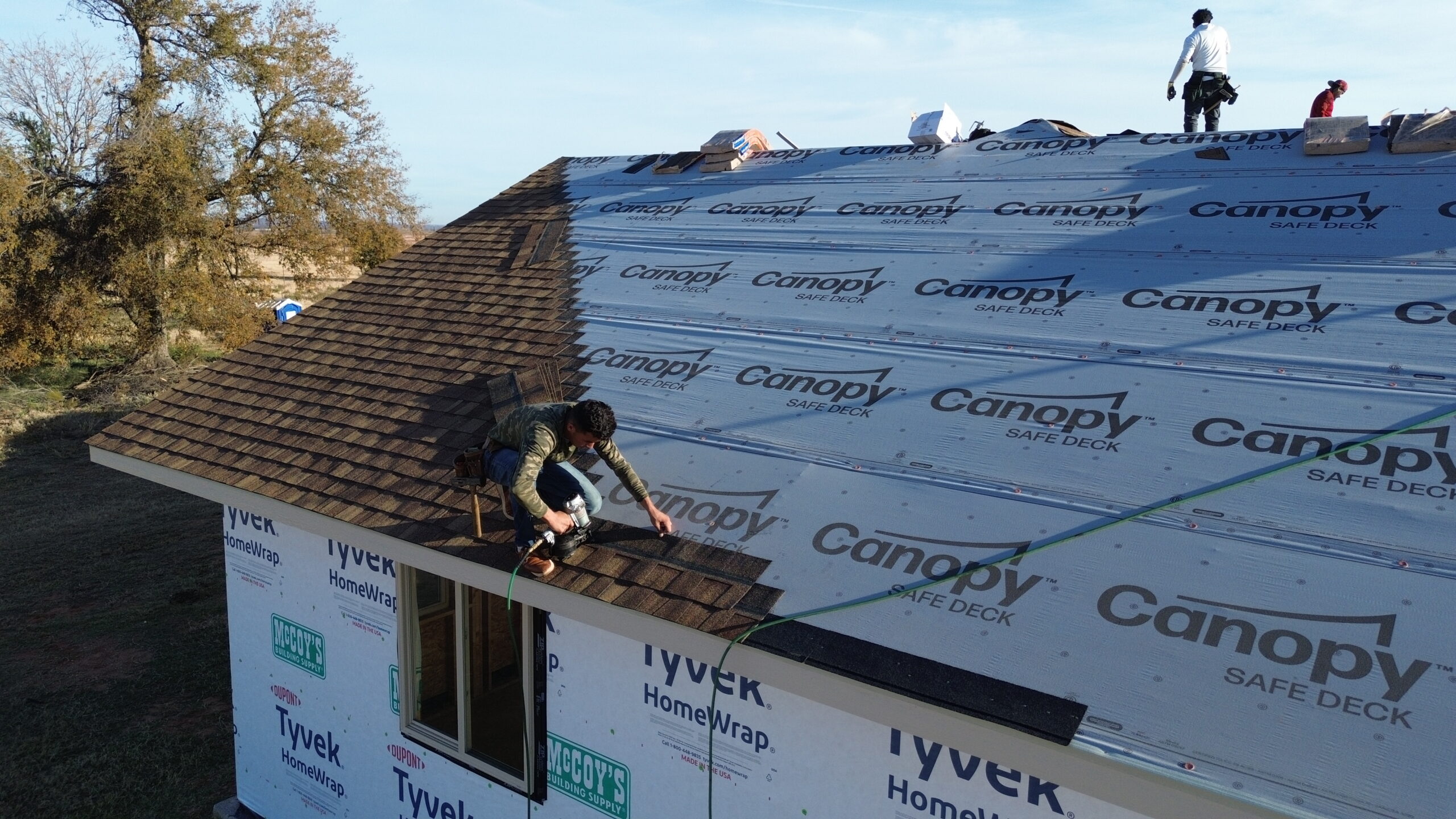
Installation is generally faster than many other roofing materials because shingles are lightweight and easy to handle. Experienced roofing contractors can complete many residential projects within a few days, reducing labor costs and minimizing disruption for homeowners. Proper installation techniques, including correct underlayment placement and secure fastening, play a major role in achieving long lasting performance.
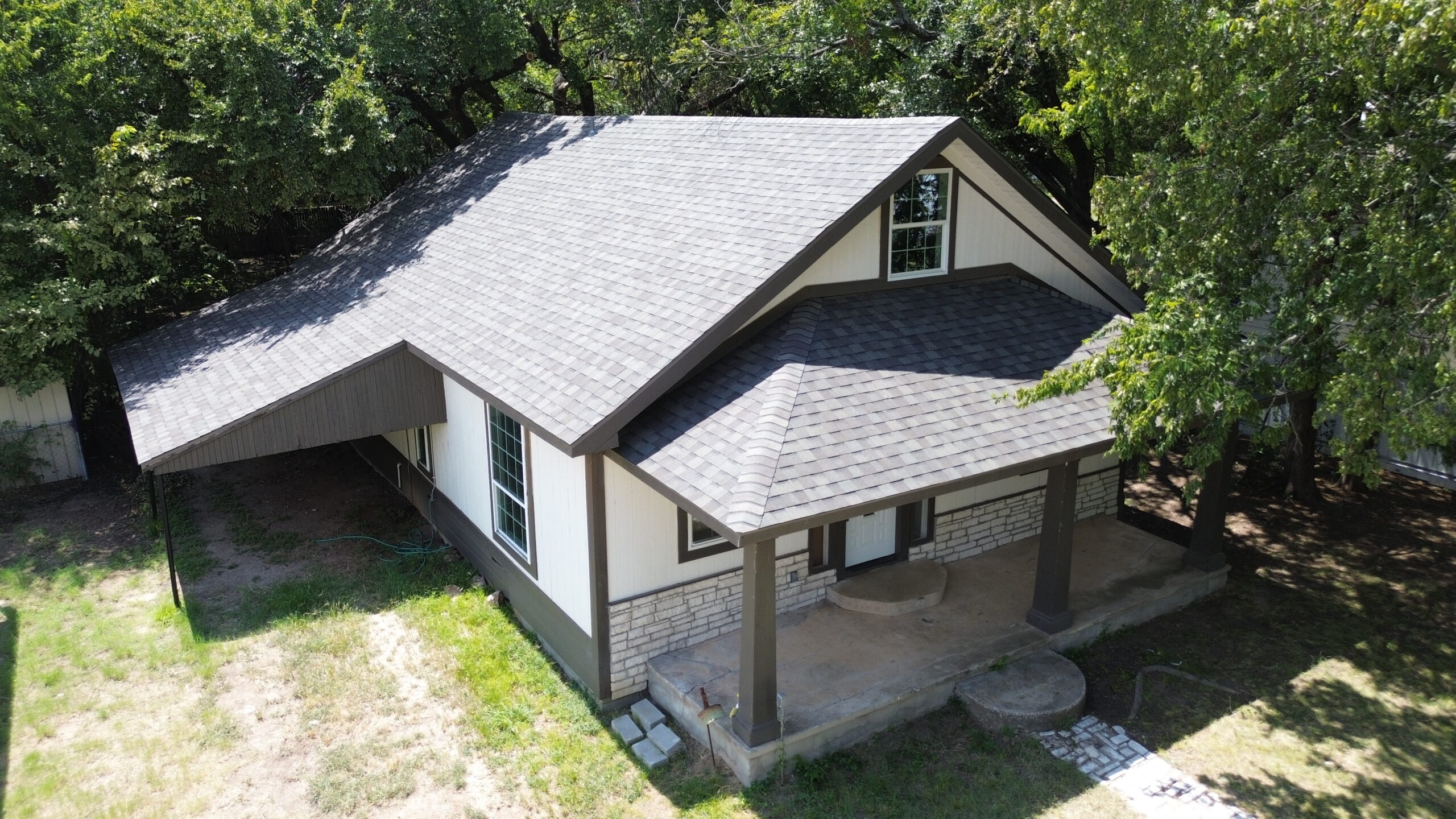
Asphalt shingles are available in numerous colors, textures, and profiles. Architectural shingles provide greater thickness and a more dimensional appearance than traditional three tab shingles, making them a popular choice for homeowners seeking improved curb appeal. Premium designer shingles even imitate the appearance of slate or wood while maintaining the affordability associated with asphalt roofing.
Maintenance requirements are generally low, although regular inspections remain important. Damaged or missing shingles should be replaced promptly to prevent water infiltration beneath the roofing system. Cleaning debris from gutters and roof valleys also helps maintain proper drainage and extends roof life.
While asphalt shingles perform well in most climates, extremely high temperatures, frequent hailstorms, or severe hurricanes may shorten their service life compared to more durable roofing materials. Property owners living in areas with harsh weather should consider local climate conditions before making a final decision.
Overall, asphalt shingles continue to provide excellent value for many installation projects. Their combination of affordability, attractive appearance, and reliable performance explains why they remain one of the most common roofing materials used around the world.
Metal Roofing for Strength and Longevity
Metal roofing has become one of the fastest growing choices for both residential and commercial buildings because it offers exceptional durability and a remarkably long service life. Advances in manufacturing have produced metal roofing systems that combine modern aesthetics with outstanding structural performance, making them suitable for many different property types.
Several metals are commonly used for roofing, including steel, aluminum, copper, and zinc. Each material offers unique advantages depending on environmental conditions and budget. Steel provides outstanding strength, aluminum resists corrosion particularly well in coastal environments, while copper develops an attractive natural patina as it ages.
One of the greatest advantages of metal roofing is its ability to withstand severe weather. Properly installed metal roofs resist strong winds, heavy rainfall, hail, and snow more effectively than many traditional roofing materials. Their durability makes them particularly attractive in regions that regularly experience extreme weather conditions.
Energy efficiency is another significant benefit. Many metal roofing products include reflective coatings that reduce solar heat absorption during hot weather. By reflecting more sunlight away from the building, these roofs help lower cooling costs while improving indoor comfort throughout the summer months.
Metal roofing is also lightweight compared to clay tile or natural slate. The lower structural load makes installation possible on many existing buildings without requiring major structural reinforcement. Despite their lighter weight, metal panels maintain impressive strength and long term reliability.
Maintenance requirements remain relatively minimal. Periodic inspections help identify loose fasteners, damaged sealants, or accumulated debris before they develop into larger issues. Protective coatings applied during manufacturing also help reduce corrosion and maintain the roof’s appearance for many years.
Although the initial installation cost is higher than asphalt shingles, the extended lifespan often makes metal roofing a cost effective long term investment. Many metal roofing systems continue performing reliably for several decades with only routine maintenance.
Clay and Concrete Tiles for Traditional Durability
Clay and concrete tiles have been used for centuries because of their impressive durability, attractive appearance, and excellent weather resistance. These roofing materials remain popular today, especially for Mediterranean, Spanish, and Southwestern architectural styles where their distinctive profiles complement the building’s design.
Clay tiles are manufactured from natural clay that is shaped and fired at high temperatures. This process produces an extremely durable material capable of resisting moisture, ultraviolet radiation, and fire. Concrete tiles achieve similar performance using cement, sand, and water molded into various profiles before curing to full strength.
One of the major advantages of tile roofing is its exceptional lifespan. Properly installed tile roofs can provide reliable protection for many decades while maintaining their structural integrity and visual appeal. Their durability often offsets the higher initial installation cost over the roof’s lifetime.
Tile roofs also provide excellent thermal performance. The natural air space beneath each tile improves ventilation while reducing heat transfer into the building. This characteristic contributes to improved energy efficiency, particularly in warm climates with prolonged sunlight exposure.
Installation requires experienced professionals because tile roofing demands precise alignment and secure attachment. Individual tiles must be positioned carefully to ensure proper water shedding while maintaining consistent spacing across the roof. Incorrect installation may increase the risk of broken tiles or water intrusion.
Weight is an important consideration when selecting tile roofing. Clay and concrete tiles are significantly heavier than asphalt shingles or metal roofing. Contractors must verify that the building structure can safely support the additional load before installation begins.
Routine maintenance typically involves replacing occasional damaged tiles and keeping roof valleys free of debris. Individual tiles can usually be replaced without disturbing large sections of the roof, making repairs relatively straightforward when performed promptly.
For property owners seeking timeless appearance combined with exceptional longevity, clay and concrete tiles continue to represent one of the most dependable roofing choices available.
Slate Roofing for Premium Performance
Natural slate is widely recognized as one of the highest quality roofing materials available. Quarried directly from stone deposits, slate combines outstanding durability with an elegant appearance that has remained desirable for generations. Many historic buildings continue using their original slate roofs after more than a century of service.
Slate’s greatest advantage is its extraordinary lifespan. Under favorable conditions and with professional installation, natural slate roofing may continue protecting a building for well over one hundred years. This remarkable longevity makes it one of the most durable roofing materials available.
The material naturally resists moisture, fire, mold, insects, and ultraviolet radiation without requiring chemical treatments. Unlike manufactured roofing products that gradually deteriorate through weather exposure, natural slate maintains its structural properties for many decades with relatively little change.
Each slate tile displays unique natural variations in texture and color, giving every roof a distinctive appearance. Available colors include gray, black, green, purple, and other natural shades depending on the quarry from which the stone originated. This visual character contributes significantly to the property’s architectural appeal.
Installation requires specialized expertise because slate is both heavy and brittle. Individual tiles must be handled carefully to avoid cracking while ensuring secure attachment to the roof deck. Contractors experienced in slate roofing understand the specialized techniques necessary to maximize its lifespan.
The primary disadvantage is cost. Natural slate represents one of the most expensive roofing materials both in terms of material purchase and installation labor. Buildings may also require structural reinforcement to support its considerable weight.
Despite the higher investment, many property owners view slate roofing as a lifetime solution that combines exceptional beauty, durability, and prestige. Its unmatched longevity often justifies the additional expense for those planning long term property ownership.
Wood Shingles and Shakes for Natural Beauty
Wood roofing continues attracting homeowners who appreciate its warm, natural appearance and traditional craftsmanship. Cedar remains the most commonly used wood because it naturally resists insects, decay, and moisture better than many other wood species. Wood roofing complements cottages, cabins, historic homes, and other properties seeking a classic architectural style.
Wood shingles and wood shakes differ slightly in their manufacturing process. Shingles are machine cut to create a smooth, uniform appearance, while shakes are typically split by hand or mechanically to produce a thicker, more textured surface. Both provide distinctive visual character that many synthetic materials attempt to replicate.
Proper ventilation plays an important role in wood roof performance. Adequate airflow beneath the roofing material helps reduce moisture accumulation, minimizing the risk of decay and extending roof life. Professional installation ensures ventilation systems function effectively alongside the roofing material.
Wood roofing also offers good insulating properties because natural wood slows heat transfer better than many inorganic materials. This contributes to improved indoor comfort while supporting overall energy efficiency throughout the year.
Regular maintenance is more important for wood roofing than for many other materials. Periodic cleaning removes moss, algae, and accumulated debris that retain moisture against the wood surface. Protective treatments may also be recommended depending on climate conditions and local building regulations.
Fire resistance should be carefully considered when selecting wood roofing. Many modern wood products receive fire retardant treatments that improve safety while meeting applicable building codes. Property owners should verify local code requirements before choosing this material.
Although wood roofing requires greater maintenance than asphalt or metal systems, its distinctive appearance continues making it a desirable choice for homeowners seeking natural beauty and architectural authenticity.
Synthetic Roofing Materials for Modern Buildings
Synthetic roofing materials have become increasingly popular because they combine the attractive appearance of traditional products with modern manufacturing technology. These materials are designed to imitate slate, wood shakes, clay tiles, or other premium roofing products while offering reduced weight and improved durability.
Most synthetic roofing products are manufactured using engineered polymers, recycled plastics, rubber compounds, or composite materials. These materials are molded into highly realistic profiles that closely resemble natural roofing products without many of their traditional limitations.
One significant advantage is reduced weight. Synthetic materials often weigh considerably less than natural slate or clay tile, allowing installation on buildings that cannot support heavier roofing systems. This expands design possibilities while reducing structural requirements.
Many synthetic roofing products also demonstrate excellent impact resistance. They withstand hail, falling branches, and other physical impacts better than certain natural materials. This durability contributes to lower maintenance requirements and fewer replacement costs throughout the roof’s service life.
Weather resistance is another major strength. Synthetic roofing materials typically resist moisture absorption, insect damage, mold growth, and ultraviolet deterioration. These characteristics help preserve both appearance and structural performance under a wide range of environmental conditions.
Installation procedures are generally less complicated than those required for heavy natural materials. Contractors familiar with synthetic roofing systems can often complete projects efficiently while maintaining high quality workmanship. Proper installation remains essential for achieving expected performance and warranty protection.
Environmental sustainability has also contributed to the popularity of synthetic roofing. Many products incorporate recycled materials while remaining recyclable at the end of their useful life. Combined with long service life and reduced maintenance, this makes synthetic roofing an attractive option for environmentally conscious property owners.
As manufacturing technology continues advancing, synthetic roofing materials increasingly offer a compelling balance of appearance, durability, affordability, and performance for modern installation projects.
Roofing Material Comparison Table
The following comparison highlights the major characteristics of commonly used roofing materials. Actual performance depends on installation quality, maintenance, and local environmental conditions.
| Roofing Material | Average Lifespan | Initial Cost | Maintenance Level | Weather Resistance | Best Suited For |
|---|---|---|---|---|---|
| Asphalt Shingles | 20 to 30 years | Low | Low | Good | Budget friendly residential homes |
| Metal Roofing | 40 to 70 years | Medium to High | Low | Excellent | Residential and commercial buildings |
| Clay Tile | 50 to 100 years | High | Low | Excellent | Warm climates and traditional architecture |
| Concrete Tile | 50+ years | Medium to High | Low | Excellent | Residential properties |
| Slate | 75 to 150+ years | Very High | Very Low | Outstanding | Premium homes and historic buildings |
| Wood Shingles and Shakes | 25 to 40 years | Medium | Moderate | Good | Rustic and traditional homes |
| Synthetic Roofing | 40 to 60 years | Medium | Low | Excellent | Modern residential and commercial projects |
This comparison demonstrates that no single roofing material is perfect for every installation project. Each option offers its own balance of cost, appearance, maintenance, and durability depending on the property’s specific needs.
Matching Roofing Materials to Different Building Types
Selecting the best roofing material becomes easier when considering how the building will be used. Residential homes, commercial facilities, agricultural buildings, and public structures each present different performance requirements that influence material selection.
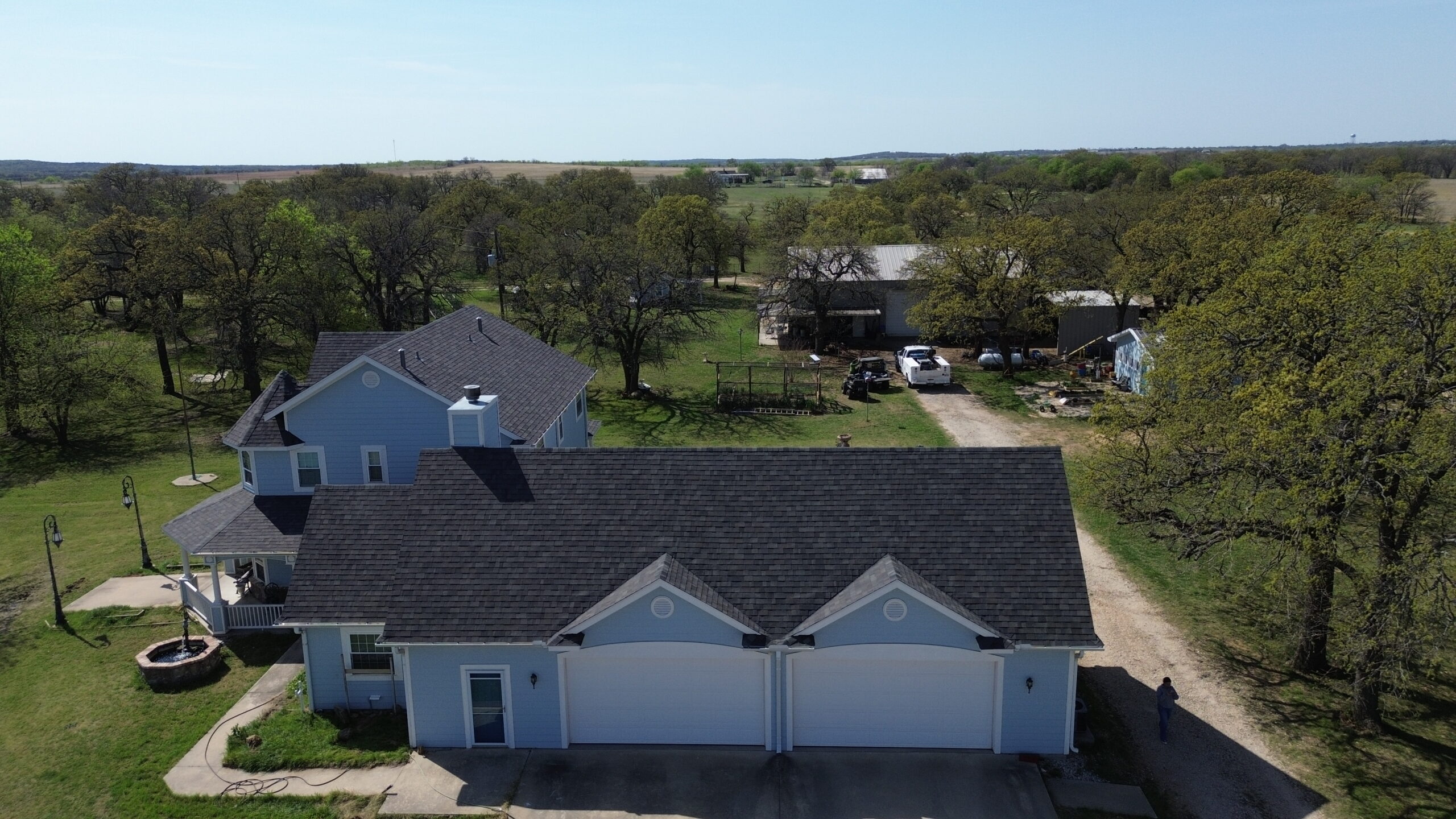
Single family homes often prioritize curb appeal alongside long term reliability. Asphalt shingles remain a common choice because they provide attractive appearance at an affordable price, while metal and synthetic roofing have become increasingly popular among homeowners seeking greater durability and lower maintenance.
Luxury homes frequently incorporate slate, clay tile, or premium metal roofing to enhance architectural character while maximizing lifespan. These materials complement high end construction where long term value often outweighs initial installation cost.
Commercial buildings usually emphasize durability, energy efficiency, and maintenance simplicity. Metal roofing performs exceptionally well for many commercial applications because it combines long service life with excellent weather resistance and low maintenance requirements.
Agricultural buildings often benefit from metal roofing due to its strength, corrosion resistance, and ability to span large roof areas efficiently. Warehouses, storage facilities, and industrial buildings frequently use similar systems for comparable reasons.
Educational institutions, healthcare facilities, and government buildings generally prioritize durability, fire resistance, and lifecycle costs. Roofing materials selected for these buildings are expected to provide dependable performance over many decades while minimizing maintenance interruptions.
Energy Efficiency and Environmental Impact
Energy efficiency has become one of the most important considerations when selecting roofing materials for installation projects. A roof covers a large portion of the building, making it one of the primary surfaces exposed to sunlight throughout the day. The material chosen directly influences indoor temperatures, heating and cooling costs, and overall energy consumption.
Reflective roofing materials help reduce heat absorption by bouncing a greater percentage of sunlight away from the building. Metal roofing, reflective asphalt shingles, and many synthetic roofing products are designed with coatings that improve solar reflectance. These materials help maintain cooler indoor temperatures during hot weather, reducing the demand on air conditioning systems.
Insulating performance is another important factor. Some roofing systems naturally slow heat transfer more effectively than others, while certain installation methods create ventilation spaces that improve thermal efficiency. Proper attic ventilation combined with quality underlayment further enhances the roof’s ability to regulate indoor temperatures.
Environmental sustainability is also influencing roofing decisions. Many manufacturers now produce roofing materials using recycled content, reducing the demand for new raw materials. Some products can also be recycled after reaching the end of their service life, helping minimize construction waste.
Long lasting roofing materials contribute to sustainability as well. A roof that lasts seventy years produces far less waste than one requiring replacement every twenty years. Longer service life reduces manufacturing demand, transportation emissions, and disposal costs over time.
Property owners interested in environmentally responsible construction should also consider roofing materials compatible with solar panel installations. Metal roofs and several synthetic systems provide stable mounting surfaces that support renewable energy systems without requiring significant modifications.
Choosing energy efficient roofing materials benefits both the environment and the property owner. Lower utility costs, improved indoor comfort, and reduced environmental impact make energy performance an important part of modern roof installation planning.
Installation Requirements for Different Materials
Every roofing material has specific installation requirements that influence project cost, construction time, and long term performance. Even the highest quality roofing products cannot deliver their expected lifespan if they are installed incorrectly. Professional installation remains one of the most important factors affecting roof durability.
Asphalt shingles require a solid roof deck, quality underlayment, and proper fastening patterns. Contractors must also ensure correct overlap between shingles to create an effective waterproof barrier. Small installation mistakes may allow wind driven rain to penetrate beneath the roofing system.
Metal roofing demands precise panel alignment and careful fastening techniques. Expansion and contraction caused by temperature changes must be considered during installation to prevent stress on fasteners and seams. Proper flashing around roof penetrations is equally important for maintaining waterproof performance.
Clay tiles, concrete tiles, and slate require stronger roof structures because of their weight. Contractors verify structural capacity before installation begins and use specialized fastening methods to secure individual tiles or stone pieces safely. Proper spacing ensures effective drainage while maintaining the roof’s visual appearance.
Wood shingles and shakes require adequate ventilation to minimize moisture buildup beneath the roofing material. Proper spacing and installation techniques help preserve the wood while reducing the risk of premature deterioration.
Synthetic roofing materials often simplify installation because they are lighter than natural alternatives. However, manufacturers provide specific installation guidelines that must be followed carefully to maintain product warranties and achieve maximum performance.
Weather conditions during installation should also be considered. Rain, strong winds, or extremely high temperatures may affect installation quality or material performance. Experienced contractors schedule roofing work under suitable weather conditions whenever possible.
Hiring qualified roofing professionals ensures installation follows manufacturer specifications, local building codes, and industry best practices. Proper workmanship protects the investment and helps every roofing material perform according to its intended design.
Maintenance Expectations After Installation
Roof installation marks the beginning of the roofing system’s service life rather than the end of the project. Regular maintenance helps preserve the roof’s appearance, waterproof performance, and structural integrity regardless of the material selected. Understanding maintenance expectations allows property owners to plan appropriately for long term care.
Asphalt shingles generally require periodic inspections to identify cracked, curled, or missing shingles. Prompt replacement of damaged sections prevents water from reaching the roof deck beneath. Keeping gutters clean also improves drainage and reduces moisture exposure.
Metal roofing requires relatively little maintenance compared to many other materials. Property owners should inspect fasteners, sealants, and flashing periodically while removing accumulated debris that could trap moisture. Protective coatings should also be examined during routine inspections.
Tile roofing benefits from occasional inspections to identify broken or displaced tiles. Individual damaged tiles should be replaced promptly because gaps may expose the underlayment to weather. Walking on tile roofs should be minimized to reduce accidental breakage.
Slate roofs generally require very little maintenance, although periodic inspections help identify loose fasteners or damaged flashing. Because slate is a premium roofing material, repairs should be completed by contractors experienced with natural stone roofing systems.
Wood roofing demands more attention than most alternatives. Cleaning away moss, algae, and debris helps preserve the wood while maintaining proper drainage. Depending on local climate conditions, protective treatments may also be recommended to improve durability.
Synthetic roofing materials are designed to minimize maintenance requirements. Routine inspections and basic cleaning are usually sufficient to maintain their appearance and performance throughout many years of service.
Regardless of roofing material, annual inspections and post storm evaluations remain valuable. Detecting small problems early reduces repair costs while extending the overall lifespan of the roofing system.
Common Mistakes When Choosing Roofing Materials
Selecting roofing materials without careful planning often leads to disappointment, unnecessary expenses, or reduced roof performance. Understanding common mistakes helps property owners make more informed decisions before installation begins.
One frequent mistake is focusing only on the lowest purchase price. While budget is important, cheaper materials may require earlier replacement or more frequent maintenance. Evaluating total lifetime costs provides a more accurate comparison between roofing options.
Ignoring local climate conditions is another common error. Roofing materials that perform exceptionally well in dry regions may not provide the same durability in areas with frequent storms, heavy snowfall, or coastal salt exposure. Climate compatibility should always influence material selection.
Some property owners choose roofing materials based entirely on appearance. Although aesthetics contribute to curb appeal, appearance should never outweigh structural performance, durability, or maintenance requirements. A beautiful roof provides little value if it fails prematurely.
Failing to verify structural capacity can also create serious problems. Heavy roofing materials such as slate or clay tile require adequate structural support. Installing these products without proper engineering evaluation may overload the building.
Hiring inexperienced contractors represents another costly mistake. High quality materials cannot compensate for poor workmanship. Choosing qualified professionals with experience installing the selected roofing system significantly improves long term performance.
Ignoring manufacturer warranties and maintenance recommendations may also reduce roof lifespan. Understanding warranty requirements helps ensure proper installation and continued coverage throughout the roof’s service life.
Avoiding these common mistakes allows property owners to choose roofing materials that provide dependable protection, attractive appearance, and lasting value.
Questions to Ask Before Selecting a Roofing Material
Before making a final roofing decision, property owners should gather as much information as possible. Asking the right questions helps clarify expectations while ensuring the selected material meets both current and future needs.
Important questions include:
- Which roofing material performs best in the local climate?
- What is the expected lifespan of each recommended roofing system?
- Does the building structure support heavier roofing materials if desired?
- What maintenance will be required throughout the roof’s lifetime?
- How energy efficient is the roofing material?
- What manufacturer warranty is provided?
- How long will installation take?
- Are replacement materials likely to remain available in the future?
- Does the roofing material comply with local building codes?
- What are the estimated lifetime ownership costs rather than only the installation price?
These questions encourage productive discussions with roofing contractors while helping property owners compare different roofing systems objectively. Careful evaluation before installation often prevents unexpected surprises later.
Frequently Asked Questions
Which roofing material lasts the longest?
Natural slate generally offers the longest lifespan, often lasting well over one hundred years with proper installation and maintenance. Metal roofing, clay tiles, and concrete tiles also provide excellent long term durability.
Which roofing material is the most affordable?
Asphalt shingles remain one of the most affordable roofing materials for residential installation projects. They provide dependable performance while keeping installation costs relatively low.
Is metal roofing noisy during rain?
Modern metal roofs are installed over solid roof decking and insulation, which significantly reduces noise. In most properly constructed buildings, rain noise is not substantially different from other roofing materials.
Which roofing material requires the least maintenance?
Metal roofing, slate, and many synthetic roofing materials generally require minimal maintenance beyond routine inspections and occasional cleaning.
Are synthetic roofing materials durable?
Yes. High quality synthetic roofing products are engineered to resist moisture, impact, ultraviolet radiation, and weather exposure while providing long service life with relatively low maintenance requirements.
Does a more expensive roofing material always provide better value?
Not necessarily. The best value depends on climate, maintenance expectations, building design, and long term ownership plans. A material with a higher initial cost may provide better lifetime value if it lasts significantly longer and requires fewer repairs.
Conclusion
Choosing the best roofing materials for installation projects requires balancing appearance, durability, budget, climate, maintenance requirements, and long term performance. Every roofing material offers unique strengths, making it important to evaluate each option according to the specific needs of the building rather than relying on cost or appearance alone.
Asphalt shingles continue to provide excellent value for many homeowners because they combine affordability with dependable protection. Metal roofing delivers outstanding durability, energy efficiency, and long service life, making it suitable for both residential and commercial properties. Clay tiles, concrete tiles, slate, wood, and synthetic materials each provide specialized advantages that suit different architectural styles and environmental conditions.
Successful roof installation depends on much more than selecting quality materials. Proper design, professional workmanship, adequate ventilation, correct underlayment, and routine maintenance all contribute to the roof’s long term performance. Even premium roofing products require skilled installation to achieve their full lifespan and maintain warranty protection.
Property owners should also consider total lifetime costs rather than focusing solely on the initial installation price. Investing in durable materials, experienced contractors, and regular maintenance often results in lower repair expenses and greater value over many decades.
By carefully evaluating climate conditions, structural requirements, energy efficiency goals, maintenance expectations, and long term ownership plans, property owners can confidently select roofing materials that provide lasting protection and attractive appearance. A well chosen roofing system becomes more than a building component because it serves as a long term investment that protects the property, enhances its value, and delivers reliable performance for many years to come.