
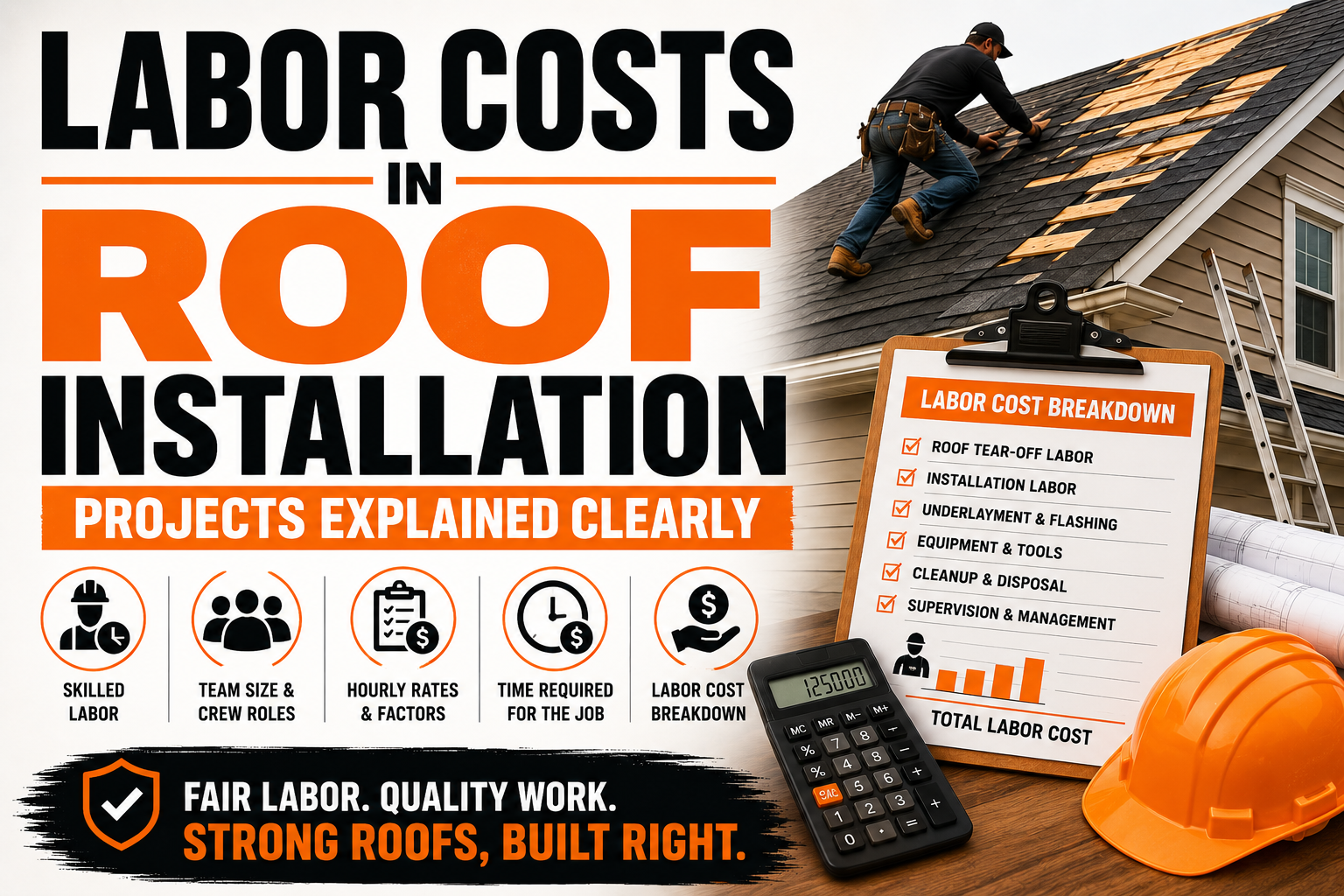
Labor Costs in Roof Installation Projects Explained Clearly
Introduction
Labor is one of the most important components of a roof installation budget, yet it is often less understood than the cost of shingles, metal panels, tiles, or other roofing materials. Homeowners may receive a roofing estimate with one large labor figure and wonder what that amount actually covers. Understanding how roofing labor is calculated can make it easier to compare estimates, identify legitimate cost differences, and plan a realistic budget.
Roofing labor involves much more than placing new material on top of a house. Professional crews may inspect the existing system, prepare the work area, remove old roofing, repair damaged surfaces, install underlayment and flashing, place the new roofing material, manage ventilation details, clean the property, and complete final inspections. The amount of time and skill required can vary considerably from one project to another.
Labor costs can also change based on the size and design of the roof, its slope, accessibility, existing condition, material selection, local wage rates, weather conditions, and project requirements. A simple roof with easy access may require significantly less labor than a steep or highly detailed roof. For homeowners, understanding these factors provides a clearer picture of why two projects with similar material costs can have very different final prices.
Understanding Roofing Labor Costs
Roofing labor costs represent the amount charged for the work required to prepare, install, and complete a roofing project. Contractors may calculate labor in different ways depending on their business model, local market, project size, and type of roofing system. Some estimates may use a price per roofing square, while others may calculate labor based on hours, crew size, project scope, or a combination of factors.
A roofing square generally represents an industry measurement of 100 square feet of roof surface. Contractors often use this measurement when estimating materials and labor because it provides a standardized way to discuss roofing quantities. However, the labor cost per square is not necessarily identical for every project because roof complexity and working conditions can change the amount of time required.
Labor pricing usually accounts for more than the wages paid directly to workers. A professional roofing company may also need to cover supervision, insurance, equipment, transportation, safety measures, administrative expenses, and other business costs. These expenses are incorporated into the contractor’s overall pricing structure.
Homeowners should therefore avoid assuming that a labor charge is simply a worker’s hourly wage multiplied by the number of hours worked. The contractor’s price needs to support the complete operation required to deliver a properly installed roofing system.
What Roofing Labor Usually Includes
The exact scope of labor depends on the project, but a complete roof installation can involve several stages. Each stage requires time, planning, and appropriate skills, which can influence the total labor charge.
Common labor activities may include:
- Preparing the property and protecting landscaping, walls, windows, and other areas
- Removing existing roofing materials when tear-off is required
- Inspecting and preparing the roof deck
- Replacing damaged decking or other unsuitable materials
- Installing underlayment, flashing, and related components
- Installing the selected roofing material
- Completing edges, valleys, ridges, penetrations, and other details
- Cleaning the work area and removing roofing debris
Not every project will require every activity on this list. However, homeowners should understand that the visible installation is only one part of the work performed by a professional roofing crew.
Preparation and cleanup can also require considerable effort. Crews may need to protect areas around the home before work begins and carefully collect debris afterward. These activities may not remain visible once the project is finished, but they contribute to the overall labor required.
Roof Size and Labor Pricing
The size of a roof has a direct effect on the amount of labor required. Larger roofs generally contain more surface area, meaning workers must install more material and spend more time completing the project. A larger roof may also require additional handling, staging, and cleanup.
However, labor does not always increase in a perfectly proportional way. Some tasks are required regardless of roof size, such as setting up equipment, preparing the work area, transporting materials, and completing certain administrative or inspection requirements.
Smaller roofing projects can therefore sometimes have a higher effective labor cost per square than larger projects. Fixed preparation and mobilization expenses are spread across a smaller area, while larger projects may distribute those expenses across more roofing squares.
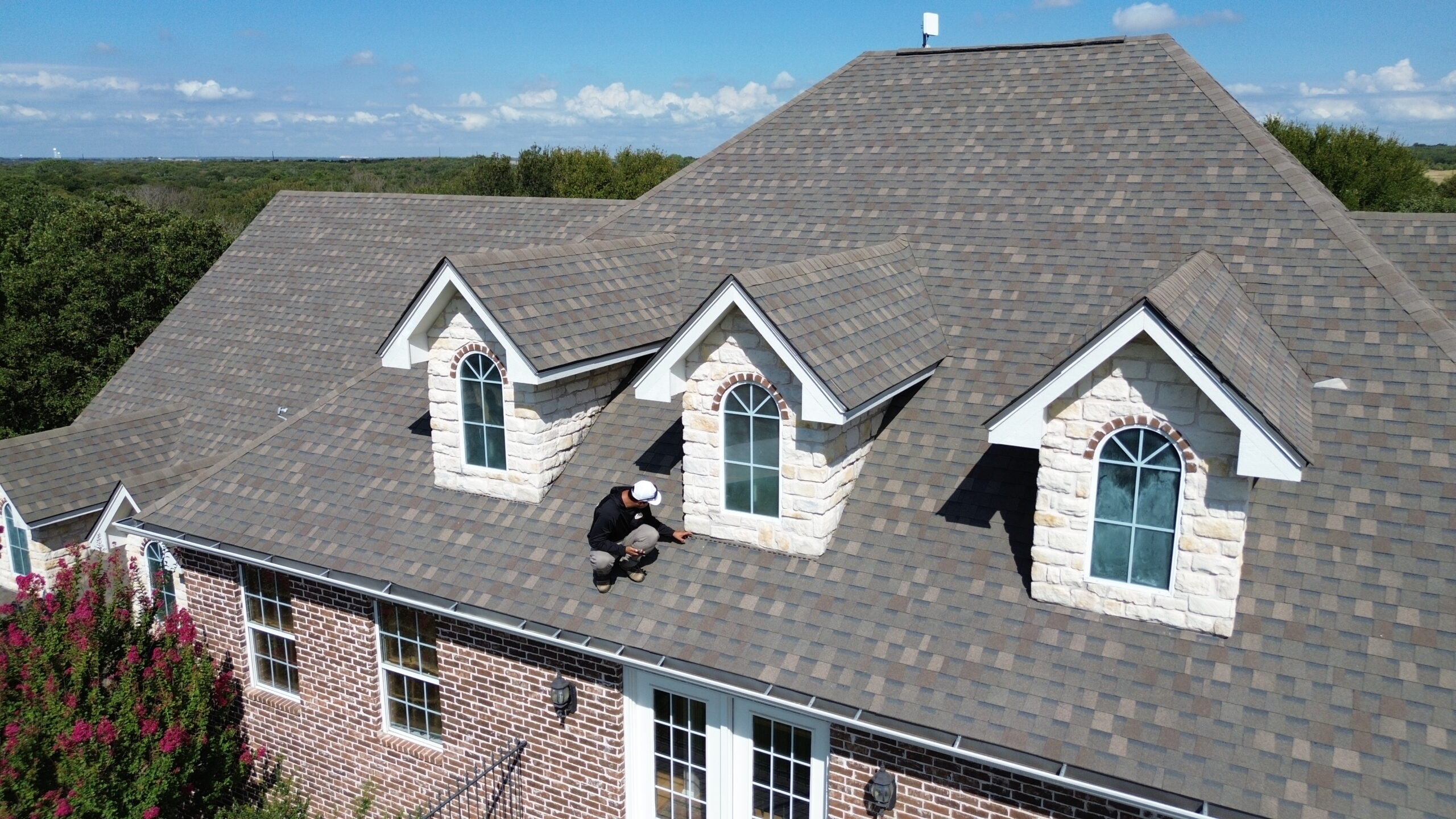
The number of roof sections also matters. A large but simple roof may be easier to install than a smaller roof containing numerous slopes, valleys, dormers, skylights, or other features. Contractors generally consider the actual work involved rather than relying solely on roof area.
Roof Pitch and Labor Costs
Roof pitch is one of the most significant factors affecting roofing labor. A steep roof can require additional safety equipment, specialized procedures, and slower movement compared with a low-slope roof. Workers may need harnesses, roof brackets, scaffolding, specialized ladders, or other equipment depending on the property and applicable safety requirements.
Working on a steep roof can also increase physical demands on the crew. Carrying materials, positioning roofing components, and maintaining safe footing require additional care. This can increase the amount of time needed to complete the installation.
A steep roof does not necessarily mean that the contractor is charging more simply because the property is difficult. Additional labor and safety requirements can legitimately increase the cost of completing the project safely and correctly.
Homeowners comparing estimates should ask contractors how the roof’s pitch affects their pricing. A professional contractor should be able to explain why additional labor or safety measures are required rather than simply providing an unexplained surcharge.
Roof Complexity and Detailed Work
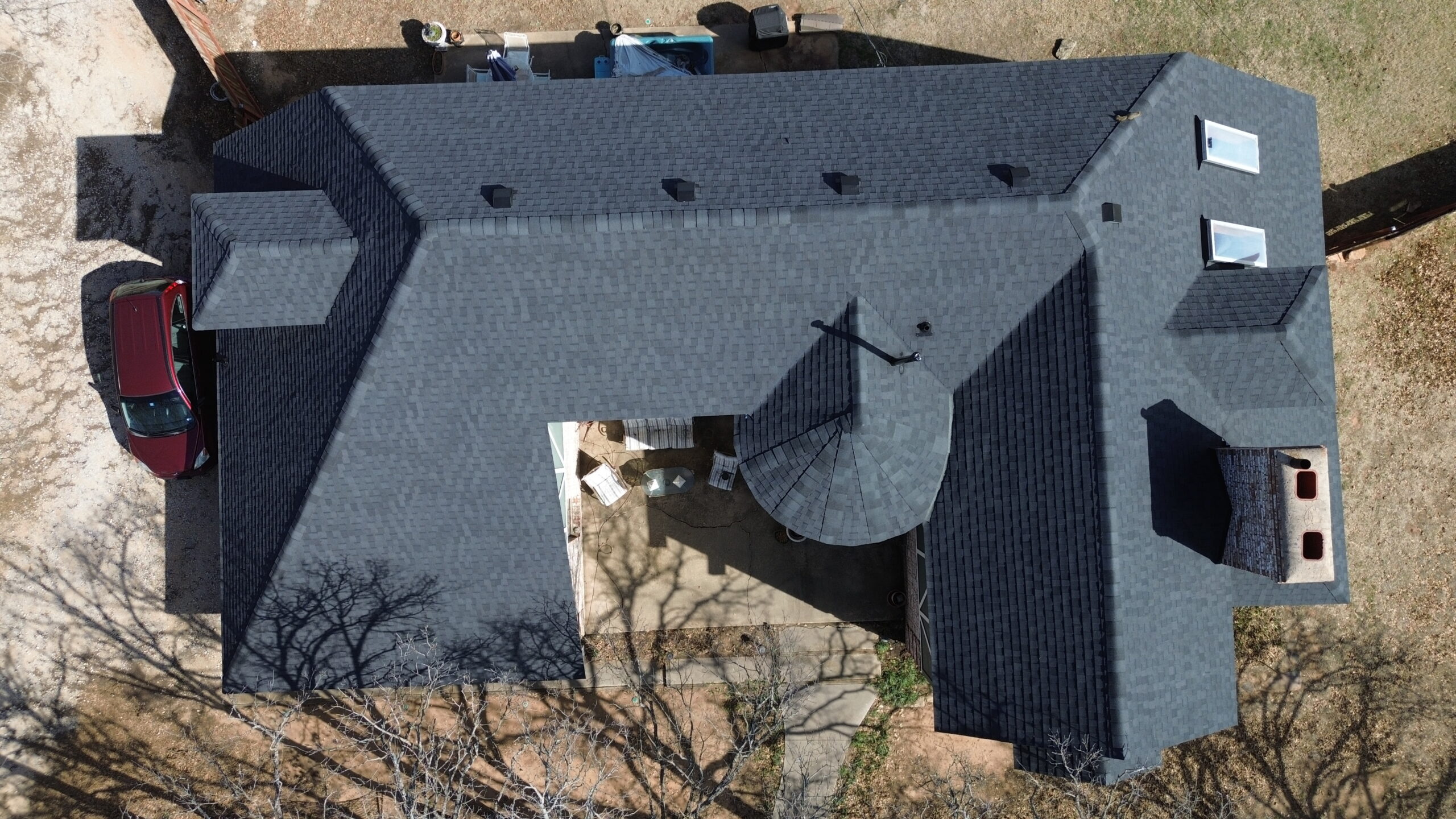
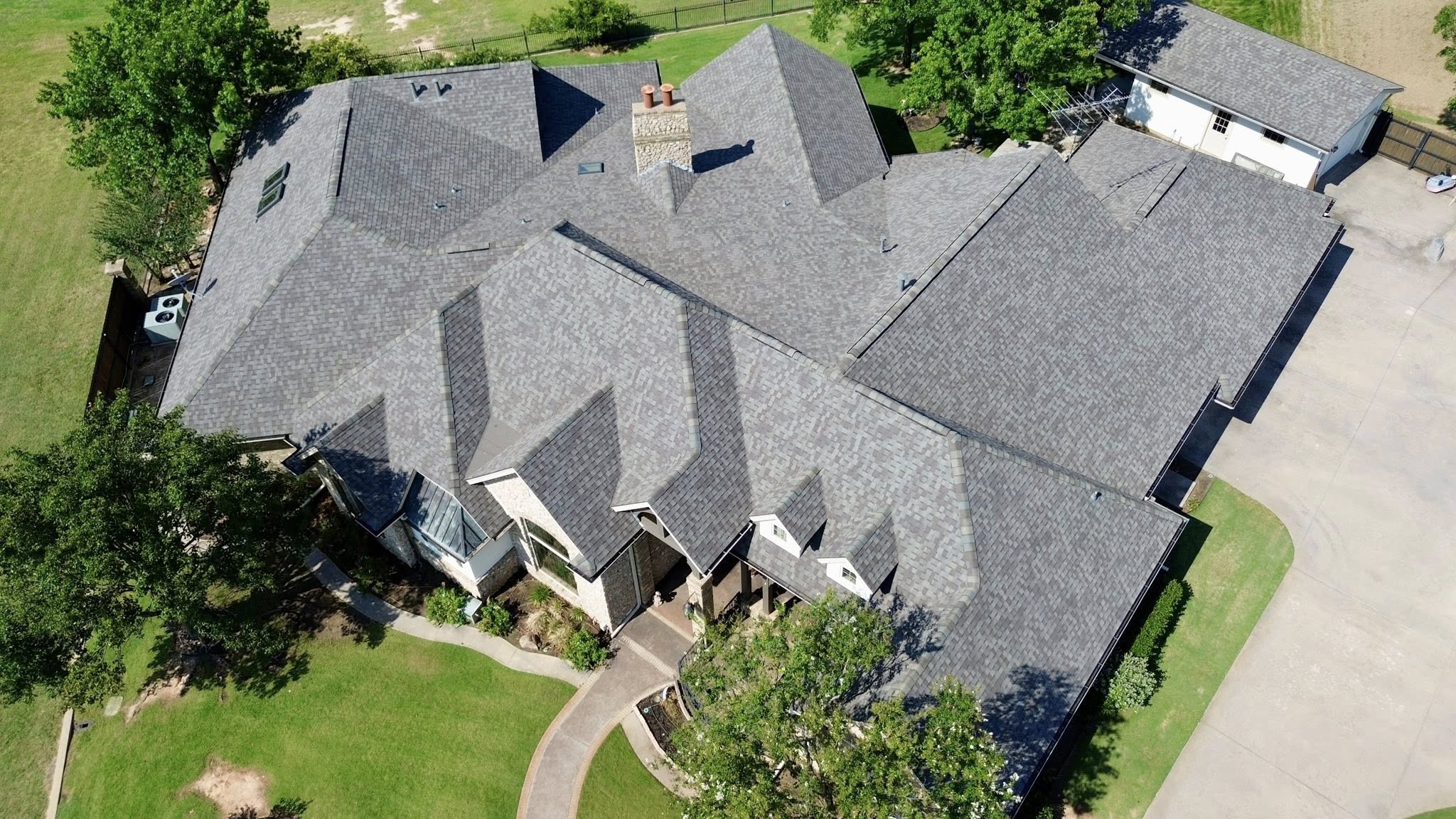
The design of a roof can significantly affect labor costs. A simple roof with broad, uninterrupted slopes allows crews to work more efficiently, while a complex roof can require extensive cutting, fitting, flashing, and detailing.
Features such as chimneys, skylights, dormers, valleys, roof intersections, vents, and multiple levels create additional work. Each penetration or transition may require careful flashing and waterproofing to reduce the risk of leaks.
Valleys can require particular attention because they collect and direct water from different roof sections. Proper installation in these areas can involve additional materials and detailed labor. Similarly, roof edges and ridge areas require appropriate finishing techniques that vary depending on the roofing system.
Complexity also affects material handling. Workers may need to move materials between different roof sections or use additional equipment to access difficult areas. These factors can extend the installation schedule and increase the labor component of the project.
Existing Roof Removal and Tear-Off Labor
Removing the existing roofing system can be one of the most labor-intensive parts of a replacement project. Workers may need to remove shingles, underlayment, flashing, fasteners, and other components before the new roof can be installed. The amount of work depends on the material and the number of existing layers.
Asphalt shingles can often be removed using established tear-off methods, but other materials may require different procedures. Heavy tile, slate, or multiple layers of roofing can require additional handling and safety considerations.
Tear-off also creates a large amount of debris that must be collected and transported away from the property. Workers need to keep the site organized and protect surrounding areas from falling materials during the process.
Some roofing systems may be installed over existing materials under certain conditions, but this depends on local requirements, manufacturer specifications, and the condition of the existing roof. When tear-off is necessary, homeowners should make sure the labor estimate clearly states whether removal and disposal are included.
Roofing Material and Its Effect on Labor
Different roofing materials require different installation techniques, and these differences can have a major effect on labor costs. Asphalt shingles are generally familiar to many roofing crews and can often be installed efficiently, while materials such as slate, tile, and specialized metal systems may require more specialized knowledge.
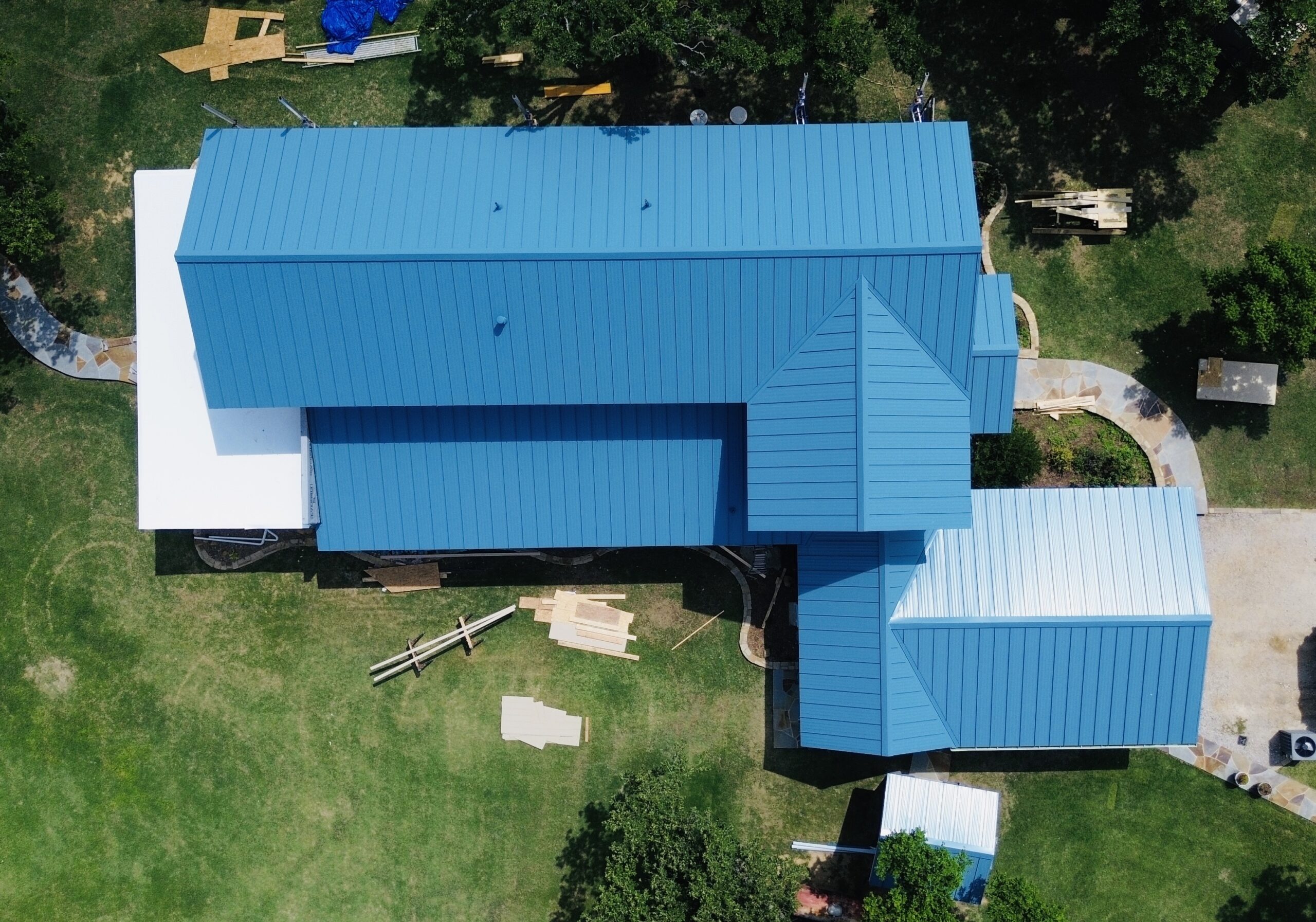
Metal roofing can involve precise measurements, panel alignment, fastening, flashing, and detailing around penetrations. Some systems also require specialized tools and installation methods. The complexity of the specific metal roofing system can therefore influence the labor price.
Tile installation involves handling individual pieces and maintaining proper alignment across the roof. The weight and fragility of some tile products can also require additional care during transportation and installation.
Natural slate is another example of a material that can require specialized labor. Slate pieces must be handled carefully, and proper fastening and layout are essential. Contractors with experience in slate installation may charge more for their specialized skills, but that expertise can be important for achieving the expected performance of the roof.
Wood shingles and shakes can also require careful installation because spacing, ventilation, moisture management, and detailing can affect performance. The labor cost should therefore be evaluated in relation to the installation requirements of the selected material rather than compared against another material solely on the basis of surface area.
Labor Rates and Local Market Conditions
Roofing labor costs can vary significantly between regions. Local wage levels, cost of living, demand for roofing services, competition, transportation expenses, and seasonal conditions can all influence contractor pricing.
Areas with a high demand for roofing work may experience increased labor prices, particularly during periods following major storms. When many properties require repairs or replacement at the same time, contractors may have limited availability and higher operating costs.
Local regulations can also affect labor requirements. Building codes, safety standards, permit requirements, and inspection procedures may require contractors to spend additional time on certain projects.
Material availability can have an indirect effect as well. If roofing products need to be transported from outside the local area, the additional logistics can affect scheduling and overall project costs. Contractors may also need to coordinate deliveries carefully to keep the crew productive.
Because of these differences, homeowners should be cautious about using a labor price from another city or region as a benchmark for their own project. Local estimates provide a more meaningful picture of what professional roofing labor is likely to cost.
Crew Size and Project Duration
The size of the roofing crew can influence how quickly a project is completed, but a larger crew does not automatically mean a lower or higher labor cost. Contractors determine crew size based on the scope of work, roofing material, property conditions, scheduling requirements, and their preferred installation methods.
A larger crew may complete a straightforward roof more quickly, while a smaller specialized crew may be better suited to a detailed or premium roofing system. The number of workers is therefore only one part of the labor calculation.
Project duration can also be affected by weather. Rain, strong winds, extreme temperatures, or other unsafe conditions can prevent crews from working. Delays may extend the overall project schedule and require additional planning, although responsible contractors generally prioritize worker safety and proper installation conditions over speed.
Homeowners should ask for an expected project timeline but understand that roofing schedules can change when unexpected conditions are discovered. A contractor who allows appropriate time for preparation and quality installation may provide better long-term value than one who promises an unrealistically short completion time.
Why Professional Roofing Skills Matter
Roof installation is a skilled trade that requires knowledge of materials, installation procedures, building requirements, safety practices, and weatherproofing details. The quality of labor can directly affect how well the roofing system performs after installation.
Incorrect fastening, poor flashing, inadequate ventilation, improper material placement, or weak detailing can create problems even when high-quality roofing materials are used. Water intrusion and premature deterioration may result from installation issues that are not immediately visible after the project is completed.
Experienced roofing professionals understand how different materials should be handled and installed. They can also identify potential problems during the project, such as damaged decking or inadequate drainage, and address those issues before they become larger concerns.
For homeowners, labor should therefore be viewed as part of the roofing system rather than simply an additional expense. Paying for appropriate skills, safety practices, preparation, and workmanship can contribute significantly to the roof’s overall performance and expected service life.
Roof Accessibility and Labor Requirements
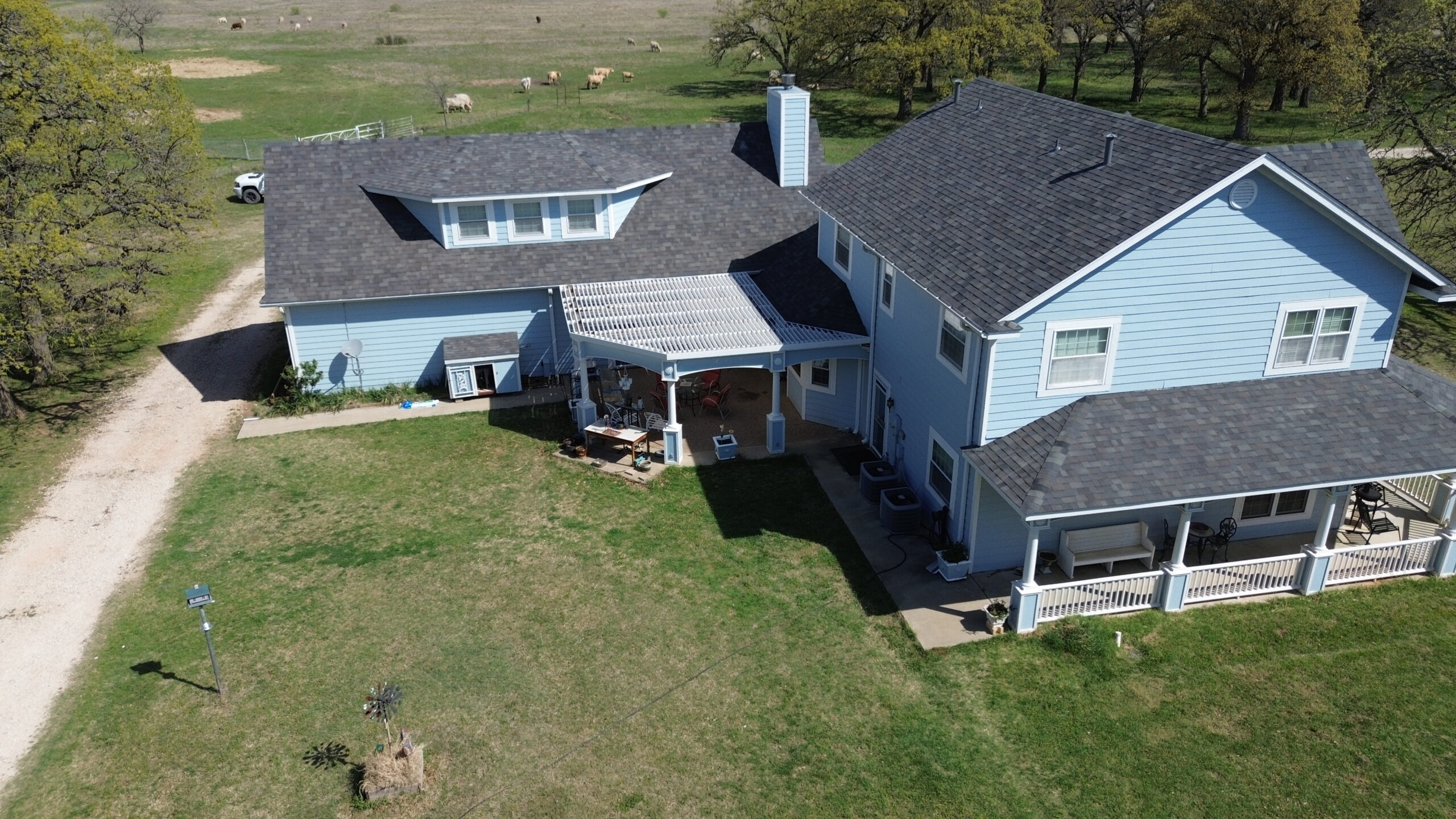
Accessibility can have a noticeable effect on roofing labor costs because crews need to move people, tools, and materials safely around the property. A home with a wide driveway, open yard, and straightforward roof access may allow workers to operate efficiently, while a property surrounded by fences, landscaping, narrow passages, or nearby structures can require additional planning.
Material delivery is another consideration. Roofing products can be heavy and may need to be moved from the delivery area to the roof using specialized equipment or manual handling. When access is restricted, additional time may be needed to stage materials in safe locations before installation begins.
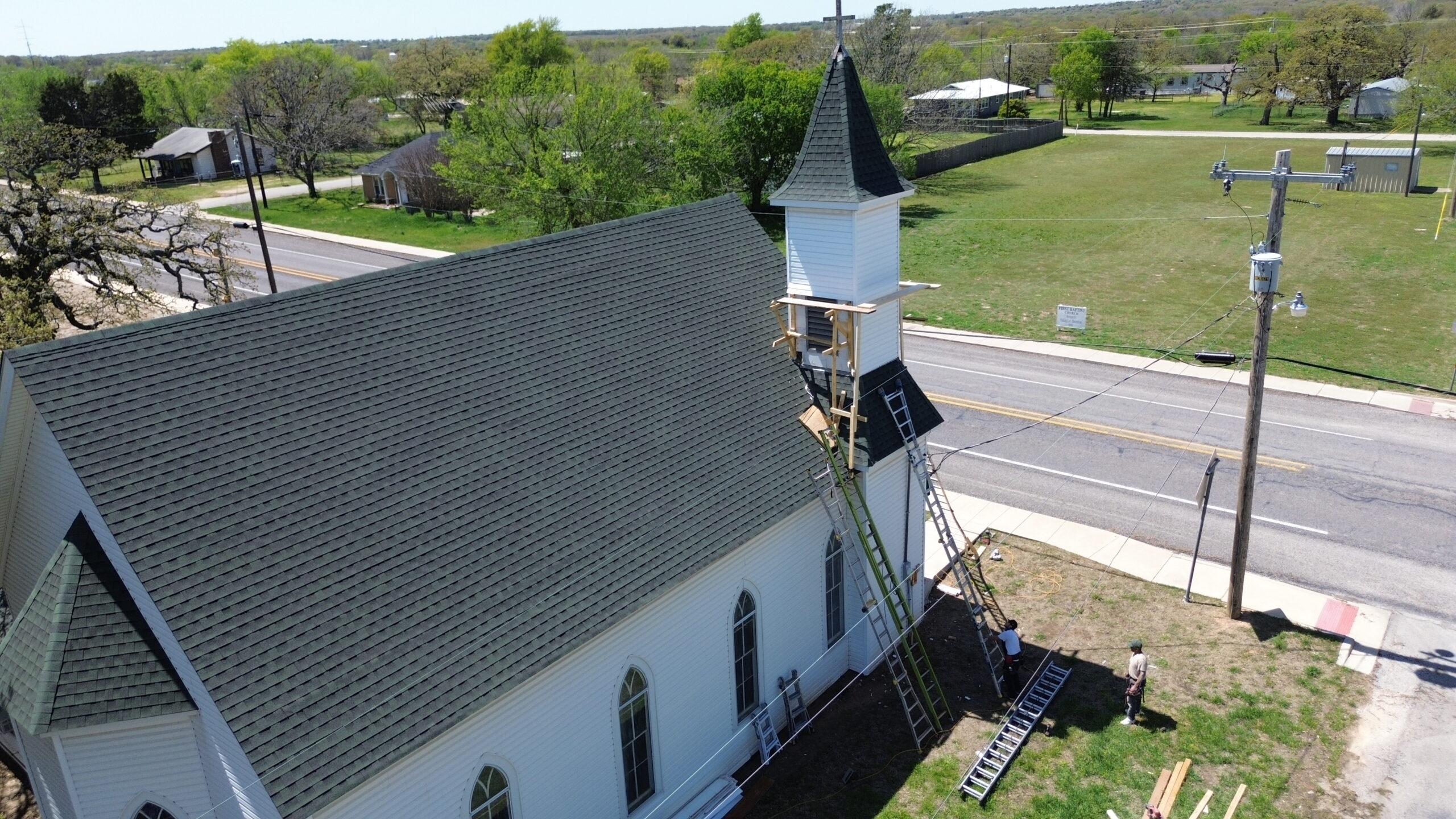
The height of the home can also influence labor requirements. A two-story or multi-level property may require longer ladders, scaffolding, lifts, or additional safety equipment compared with a single-story structure. These requirements can increase both setup time and the overall cost of labor.
Homeowners should not assume that accessibility charges are unnecessary simply because the roof itself appears straightforward. The contractor must account for the actual conditions workers will face throughout the project, including safe movement, material handling, equipment placement, and property protection.
Safety Requirements and Roofing Labor
Roofing is physically demanding work performed at elevation, so safety is an important part of professional labor costs. Contractors may need to provide fall protection, ladders, scaffolding, harnesses, warning systems, protective equipment, and other safety measures depending on the project.
Safety requirements can become more demanding when a roof is particularly steep, high, or difficult to access. Additional precautions may increase preparation time and require specialized equipment, but they are intended to reduce the risk of injuries and accidents during the installation.
A contractor’s labor price may therefore include expenses that homeowners never see directly. Safety training, equipment maintenance, insurance, and compliance with applicable requirements can all contribute to the cost of operating a professional roofing crew.
Homeowners should be cautious about selecting a contractor solely because the labor quote is dramatically lower than competing estimates. A very low price may not necessarily mean the contractor has found a more efficient method, and it can be important to understand whether appropriate safety practices and insurance are included.
Weather Conditions and Labor Costs
Weather can affect both the productivity and scheduling of roofing crews. Rain, strong winds, storms, extreme heat, and other unsuitable conditions may prevent workers from safely installing certain roofing materials. Delays caused by weather can change the expected project timeline.
Hot weather can be particularly demanding for workers because roofing surfaces can become significantly warmer than the surrounding air. Crews may need additional breaks, adjusted working hours, or other precautions to maintain safe working conditions.
Cold temperatures can also affect certain roofing materials and installation procedures. Some products may have manufacturer requirements regarding temperature, adhesives, sealants, or fastening methods. Contractors need to follow those requirements rather than rushing the installation simply to meet a schedule.
Weather-related delays do not necessarily mean that a contractor is inefficient. In many cases, postponing work during unsafe conditions is a sign of responsible project management. Homeowners should discuss how weather delays are handled and whether the contract explains potential schedule changes.
Repairs Discovered During Installation
One of the most common reasons labor costs change during a roof replacement is the discovery of problems beneath the existing roofing system. The roof deck may appear acceptable before tear-off but reveal damaged, weakened, or moisture-affected areas once the old material has been removed.
Replacing damaged decking requires additional labor because workers must remove the affected sections, prepare the area, install replacement material, and make sure the surface is suitable for the new roof. The amount of additional work depends on the extent and location of the damage.
Other unexpected conditions may include deteriorated flashing, damaged ventilation components, structural concerns, or improperly installed sections of the existing roof. These issues can require specialized work before the new roofing material is installed.
Homeowners should ask contractors how additional repairs will be approved and priced. A clear agreement can help prevent confusion when unexpected work becomes necessary, particularly on older properties where hidden damage may be more likely.
Flashing and Detail Work
Flashing is one of the areas where skilled labor can have a major effect on roofing performance. Flashing helps direct water away from vulnerable areas such as chimneys, skylights, walls, valleys, vents, and other roof penetrations. Installing or replacing these components requires careful measurements and proper integration with the surrounding roofing material.
A roof with numerous penetrations and transitions may therefore require more labor than a simple roof with broad uninterrupted slopes. Each detail can involve additional cutting, fitting, fastening, sealing, and inspection.
Poorly completed flashing work can contribute to water intrusion even when the primary roofing material has been installed correctly. For this reason, homeowners should pay attention to whether flashing work is included in the estimate rather than focusing entirely on the main roofing material.
A detailed estimate should explain whether existing flashing will remain, be repaired, or be replaced. If replacement is recommended, homeowners should understand why the work is necessary and how it affects the total labor and material cost.
Ventilation and Labor Considerations
Roof ventilation is another part of a roofing project that can involve additional labor. Proper ventilation can help manage heat and moisture in the attic space and may contribute to the overall performance of the roofing system.
If an existing ventilation system is inadequate, a contractor may recommend adding or modifying vents. This can require cutting, framing, flashing, installation, and other work that is separate from simply placing the primary roofing material.
Different roofing systems can also have different ventilation requirements. Contractors need to consider the roof design, attic configuration, existing vents, and applicable installation specifications before determining the appropriate solution.
Homeowners should ask whether ventilation improvements are included in the estimate. Removing old roofing and installing new materials without addressing known ventilation problems may leave an underlying issue unresolved.
Contractor Experience and Labor Pricing
Experience can influence roofing labor costs because specialized skills have value. A contractor who has extensive experience with a particular roofing material may be able to install it according to manufacturer specifications and handle complicated details more effectively.
Premium roofing systems can require specialized knowledge that is not necessary for basic asphalt shingle installation. Slate, tile, complex metal systems, and certain specialty products may require contractors who have worked with those materials regularly.
An experienced contractor may also identify potential problems before they become expensive complications. Proper planning can reduce mistakes, improve material usage, and help the crew complete the project efficiently.
However, a higher labor price should not automatically be treated as proof of superior workmanship. Homeowners should evaluate experience alongside licensing where applicable, insurance, references, warranties, project scope, and the quality of the written estimate.
Labor Costs and Roofing Warranties
Warranties can also be connected to labor considerations. Roofing manufacturers may provide product warranties, while contractors may provide separate workmanship warranties covering installation-related problems. These warranties can differ significantly in duration, coverage, exclusions, and conditions.
Some roofing systems require installation by appropriately trained or approved contractors to qualify for certain manufacturer warranty benefits. Homeowners should understand these requirements before selecting a contractor.
A workmanship warranty can provide additional confidence that the contractor stands behind the installation. However, homeowners should read the actual warranty terms rather than assuming that every future roofing problem will automatically be covered.
The cost of providing warranty support can also be reflected in professional labor pricing. A contractor who maintains insurance, employs trained crews, follows installation specifications, and provides documented workmanship coverage may have higher operating costs than an informal installer.
Regional Labor Rates
Labor rates differ across cities and regions because roofing businesses operate within different economic environments. Local wages, insurance costs, business expenses, demand, competition, transportation, and seasonal conditions can all influence what contractors charge.
After a major storm, demand for roofing services can rise rapidly. Contractors may face increased scheduling pressure, material shortages, and additional operating expenses. These conditions can temporarily influence labor pricing.
Urban areas can also have different labor costs from rural locations. Parking restrictions, traffic, limited access, building density, and local regulations may increase the time required to complete a project in some locations.
This is why homeowners should compare local estimates instead of relying heavily on national averages. General online figures can provide background information, but they cannot account for the specific conditions of a particular property.
Comparing Labor Quotes Fairly
When homeowners receive multiple roofing estimates, comparing the labor line alone may not provide an accurate picture. Contractors may structure their estimates differently, with some combining labor and materials into one figure while others separate every component.
A fair comparison should examine the complete scope of work. Homeowners should confirm that each estimate addresses similar preparation, tear-off, installation, flashing, ventilation, cleanup, disposal, warranties, and potential repairs.
| Labor Cost Factor | Why It Matters | Possible Effect on Project |
|---|---|---|
| Roof size | Larger areas generally require more installation time | More labor hours |
| Roof pitch | Steeper roofs require additional safety measures | Higher labor requirements |
| Roof complexity | Valleys, dormers, skylights, and penetrations require detail work | More installation time |
| Material type | Different systems require different skills and techniques | Varies by material |
| Accessibility | Difficult access increases setup and material handling | Additional labor |
| Tear-off | Removing existing materials requires physical work and disposal | Higher replacement labor |
| Repairs | Damaged decking or other problems require additional preparation | Potential additional charges |
| Weather | Unsafe conditions can delay work | Longer project schedule |
This comparison can reveal why one contractor’s labor charge is higher than another’s. A higher price may be justified if the contractor is providing a more comprehensive scope or dealing with significantly more complex conditions.
Homeowners should ask questions when there is a major difference between estimates. Instead of immediately rejecting the higher quote, they should find out what additional work or services it includes.
Avoiding Extremely Low Labor Estimates
A very low labor estimate can be tempting, particularly when homeowners are trying to control a major home improvement expense. However, an unusually low price deserves careful examination before a contract is signed.
The estimate may exclude important tasks such as tear-off, disposal, flashing replacement, ventilation improvements, or cleanup. It may also assume that no hidden repairs will be necessary, leaving the homeowner exposed to additional charges later.
Low labor costs can sometimes reflect differences in business overhead or crew structure, so a low price is not automatically a warning sign. The important issue is whether the contractor can clearly explain the scope of work and demonstrate that the project will be completed professionally.
Homeowners should also verify relevant insurance and credentials where applicable. A contractor who cannot provide basic documentation or a clear written agreement may present greater risk, even if the initial labor quote looks attractive.
Labor Costs for Repairs Versus Full Replacement
Labor pricing can differ significantly between a roof repair and a complete replacement. A repair may require fewer materials and less total work, but small jobs can still involve considerable time for inspection, diagnosis, setup, access, and travel.
Some repairs require specialized troubleshooting. Finding the source of a leak can be more difficult than simply replacing visible damaged material because water can travel beneath the roofing system before entering the interior of the home.
A full replacement generally involves a broader sequence of tasks, including preparation, tear-off, surface inspection, installation, detailing, and cleanup. Because the project is larger, the total labor cost is usually higher, although the effective labor cost per roofing square may differ from a small repair.
Homeowners should therefore avoid comparing a repair quote directly with a replacement estimate without considering the scope of each project. The appropriate choice depends on the roof’s condition, age, damage, expected remaining service life, and professional assessment.
Planning for Labor Costs in a Roofing Budget
Homeowners can prepare more effectively by treating labor as a major part of the roofing budget rather than an afterthought. A complete estimate should show how much of the project relates to labor and what activities are included.
It is also wise to maintain some financial flexibility for unexpected conditions. Roofing projects can reveal problems that were not visible during the initial inspection, and having a contingency amount can reduce stress if additional labor becomes necessary.
The goal should not be to find the cheapest possible labor. Instead, homeowners should look for a fair price that reflects appropriate skills, safety practices, project scope, insurance, preparation, and workmanship.
A realistic labor budget can also make financing decisions easier. When the homeowner understands the full project cost, including labor, it becomes easier to determine how much can be paid from savings and whether additional financing is necessary.
Evaluating Whether a Roofing Labor Charge Is Reasonable
Determining whether a roofing labor charge is reasonable requires more than comparing one number with another. Homeowners should consider the size of the roof, its pitch, design complexity, accessibility, selected material, tear-off requirements, and any preparation or repair work included in the estimate.
A higher labor price can be justified when a project involves difficult working conditions or specialized installation requirements. On the other hand, an unusually low quote may deserve additional questions if important services have been excluded.
The best comparison is between estimates that cover essentially the same scope of work. When contractors provide detailed proposals, homeowners can identify what they are actually paying for instead of assuming that the lowest total represents the best value.
Signs of Quality Roofing Workmanship
Quality workmanship should be an important consideration when evaluating labor costs. Proper installation involves accurate material placement, secure fastening, appropriate flashing, suitable underlayment, effective ventilation, and careful attention to roof edges, valleys, ridges, and penetrations.
A professional crew should also maintain an organized work area and take reasonable steps to protect the property during installation. Proper cleanup at the end of the project is another indication that the contractor has planned for the complete job rather than focusing only on the visible roof installation.
Homeowners can ask contractors about their experience with the specific roofing material being considered. They can also request references or examples of similar projects where appropriate, particularly when the selected material requires specialized installation skills.
Understanding Labor-Related Contracts
A written roofing contract can help prevent misunderstandings about labor charges. The agreement should explain the scope of work, materials, payment schedule, project responsibilities, warranties, and how unexpected conditions will be handled.
Homeowners should pay attention to language concerning additional labor. If damaged decking or other hidden problems are discovered, the contract should explain how the additional work will be approved and priced.
Payment terms should also be clearly defined. Many contractors structure payments around project milestones, but homeowners should understand exactly when payments are due and what portion of the project is covered by each payment.
A clear contract benefits both parties because it establishes expectations before work begins. Homeowners should avoid relying solely on verbal promises when important labor or project details can be documented in writing.
Labor Costs and Payment Schedules
Roofing labor is often connected to the overall payment schedule rather than being paid separately from materials. Contractors may request an initial payment followed by additional payments as specific stages of the project are completed.
The payment structure should be reasonable and clearly explained before the project begins. Homeowners should understand how much is required upfront, what work must be completed before additional payments are due, and when the final balance becomes payable.
A homeowner should also avoid making assumptions about payment requirements based on another roofing project. Contractors may use different structures depending on project size, material costs, financing arrangements, and local business practices.
Keeping records of invoices, receipts, contracts, and payments can make the project easier to manage. These documents may also be useful if questions arise about the work or financial agreement later.
Balancing Labor Costs With Long-Term Roof Value
Labor should not be viewed as a cost that homeowners should minimize at all times. Skilled installation can directly influence the performance and service life of the roofing system, making labor an important part of the property’s long-term investment.
An inexpensive roofing material installed incorrectly can develop problems that require repairs sooner than expected. Conversely, appropriate materials installed by an experienced crew can provide better protection and potentially reduce avoidable maintenance issues.
This does not mean that the highest labor quote is automatically the best choice. Homeowners should look for a reasonable combination of experience, project scope, safety, workmanship, warranty support, and price.
The objective is to pay a fair amount for the work necessary to install the roofing system correctly. A balanced decision can help homeowners avoid both unnecessary expenses and the risks associated with cutting essential installation services.
Questions to Ask About Roofing Labor
Before hiring a roofing contractor, homeowners can ask several practical questions to better understand the labor portion of the project:
- What specific labor tasks are included in the estimate?
- Is removal and disposal of the existing roof included?
- How will damaged decking or unexpected repairs be handled?
- Does the labor price include flashing and ventilation work?
- How experienced is the crew with the selected roofing material?
- What workmanship warranty is provided?
- How are weather delays or schedule changes handled?
The answers can provide useful insight into the contractor’s approach. A professional contractor should be able to explain the major labor requirements without making the homeowner feel pressured to accept the estimate immediately.
Homeowners should also ask whether subcontractors will be used and who will supervise the work when applicable. Understanding who is actually performing the installation can help clarify responsibility for workmanship and communication throughout the project.
Getting Multiple Labor Estimates
Obtaining multiple estimates is one of the most effective ways to understand local roofing labor costs. Ideally, homeowners should request proposals from several qualified contractors and provide each contractor with the same information about the project.
The estimates should be compared based on scope rather than price alone. If one contractor includes tear-off, disposal, flashing, ventilation, cleanup, and warranty support while another does not, the two labor figures are not directly comparable.
Significant differences should be investigated rather than immediately treated as evidence that one contractor is overcharging. A contractor may have identified structural repairs or difficult access conditions that another contractor overlooked.
At the same time, homeowners should be cautious if an estimate is substantially higher without a clear explanation. Asking for a detailed breakdown can help determine whether the additional cost reflects legitimate project requirements.
Avoiding Labor-Related Roofing Problems
Some roofing problems can be prevented by making careful decisions before work begins. Homeowners should choose contractors based on qualifications, experience, written scope, insurance, communication, and overall value rather than simply selecting the lowest labor price.
It is also important to avoid making major changes after work has started unless they are necessary. Changes to materials, installation details, or project scope can affect labor requirements and increase costs.
Clear communication can reduce misunderstandings. Homeowners should discuss concerns before signing the contract and ask for written documentation when additional work or pricing changes become necessary.
Regular communication during the project can also help identify unexpected issues early. A contractor who explains what is happening and why additional work is needed gives the homeowner an opportunity to make an informed decision.
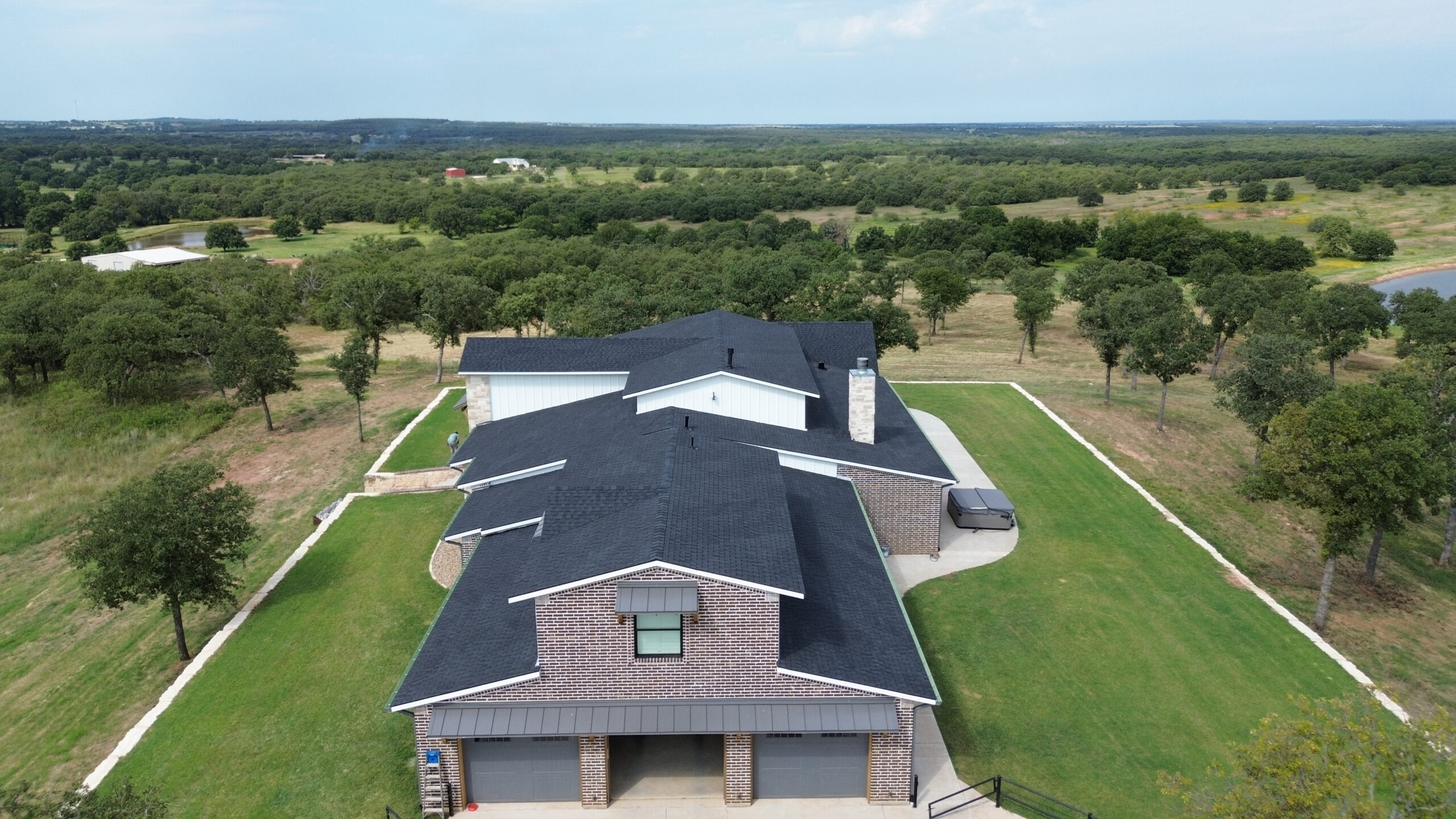
How Labor Fits Into the Complete Roofing Budget
Labor is only one part of a complete roofing project, but it can have a substantial influence on the final price. Materials, tear-off, disposal, underlayment, flashing, ventilation, permits, structural repairs, equipment, and other expenses can all contribute to the total.
A homeowner should therefore evaluate the complete project rather than trying to reduce the labor figure in isolation. Cutting necessary labor may reduce the initial price but can increase the risk of installation problems and future repair expenses.
The most useful approach is to establish a complete project budget and then compare how different contractors allocate costs within that budget. This creates a more accurate picture of what each proposal actually provides.
When financing is required, understanding labor costs becomes even more important. The labor portion is part of the amount being financed, meaning unnecessary or poorly understood charges can increase both the project price and the long-term cost of borrowing.
Making an Informed Decision About Roofing Labor
Choosing a roofing contractor involves evaluating both price and workmanship. Homeowners should look for a contractor who can clearly explain the labor requirements, provide a detailed estimate, demonstrate relevant experience, and establish reasonable expectations about the project schedule.
The selected contractor should also understand the specific roofing material being installed. Different systems require different techniques, and experienced installation can help ensure that the roof performs as intended.
A fair labor price should reflect the actual difficulty of the project. Roof size, pitch, accessibility, material, tear-off, preparation, safety requirements, and detailed installation work can all legitimately affect the amount charged.
Homeowners who understand these factors are better positioned to recognize the difference between a competitive estimate and an unrealistically low quote. Rather than searching for the lowest possible labor cost, they can focus on obtaining dependable workmanship at a fair and transparent price.
Conclusion
Labor costs are a major part of roof installation projects and can vary significantly depending on the property’s characteristics and the roofing system being installed. Roof size, pitch, complexity, accessibility, material type, tear-off requirements, safety measures, weather, repairs, and regional market conditions can all influence the final labor charge.
Understanding what roofing labor includes makes it easier for homeowners to evaluate estimates accurately. Professional labor may cover preparation, removal, installation, flashing, ventilation, repairs, material handling, safety procedures, cleanup, and other tasks that are essential to completing the project properly.
Homeowners should avoid choosing a contractor based solely on the lowest labor price. A low estimate may exclude important services, while a higher estimate may reflect specialized skills, additional preparation, or more comprehensive workmanship. Comparing detailed proposals with similar scopes of work provides a much better basis for making a decision.
The quality of installation can have a lasting effect on the performance and service life of a roof. Even high-quality materials can experience problems when they are improperly installed, which is why skilled labor should be viewed as an important investment rather than simply another project expense.
Before signing a contract, homeowners should ask about labor inclusions, tear-off, repairs, flashing, ventilation, warranties, payment schedules, and the contractor’s experience with the selected material. Written documentation can help prevent misunderstandings and provide a clear record of what the project includes.
Ultimately, the goal is not to find the cheapest roofing labor available but to find a qualified contractor offering a fair and transparent price for the required work. By understanding how labor costs are calculated and what influences them, homeowners can compare estimates more confidently, protect their investment, and choose professional installation that supports the long-term performance of their roof.