
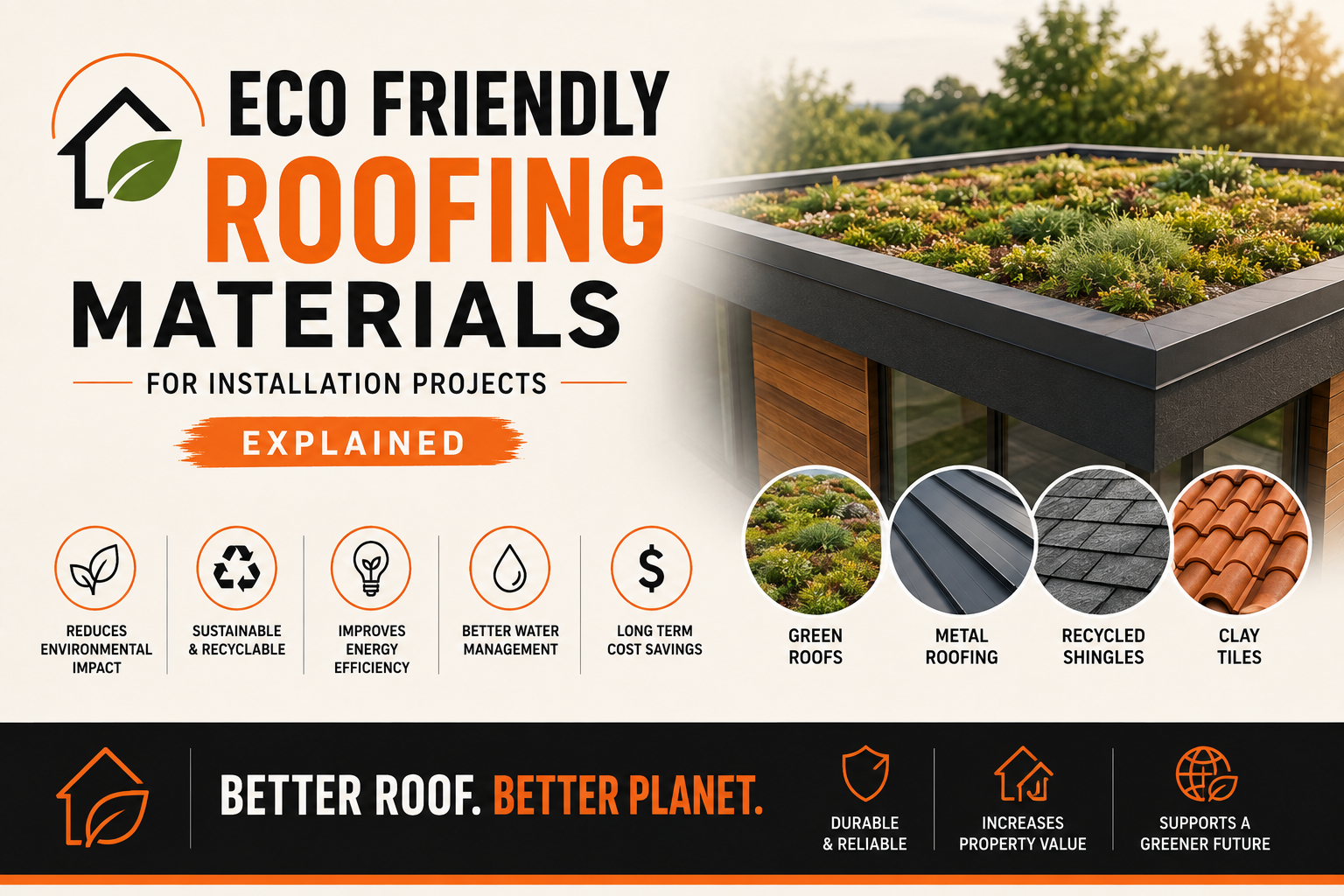
Eco Friendly Roofing Materials for Installation Projects Explained
Introduction
Sustainability has become an important consideration in modern construction, and roofing plays a significant role in creating environmentally responsible buildings. A roof is one of the largest components of any structure, making the choice of roofing material an opportunity to improve energy efficiency, reduce environmental impact, and increase long term value. Property owners today are looking beyond appearance and cost to select roofing materials that provide reliable protection while supporting sustainable building practices.
Eco friendly roofing materials are designed to minimize environmental impact throughout their lifecycle. Some products are manufactured using recycled materials, while others are valued for their exceptional durability, energy efficiency, or recyclability at the end of their service life. Choosing the right material allows property owners to reduce waste, conserve natural resources, and lower energy consumption without sacrificing performance.
Modern roofing technology has expanded the range of sustainable options available for both residential and commercial buildings. Metal roofing, recycled shingles, clay tiles, concrete tiles, sustainably sourced wood, and advanced synthetic products all offer environmental advantages when selected and installed appropriately. Each material provides different benefits depending on climate, building design, and maintenance expectations.
The environmental impact of a roof extends beyond the material itself. Proper installation, adequate insulation, effective ventilation, and quality workmanship all contribute to improved energy performance and longer roof lifespan. A durable roof that lasts for many decades generally has a smaller environmental footprint than one requiring frequent replacement.
Understanding eco friendly roofing materials helps property owners make informed decisions that benefit both their buildings and the environment. This guide explains what makes roofing materials sustainable, why they matter, and how to select the best environmentally responsible roofing solution for different installation projects.
What Makes a Roofing Material Eco Friendly
A roofing material is considered eco friendly when it reduces environmental impact while providing dependable long term performance. Sustainability is determined by several factors rather than a single characteristic, making it important to evaluate the complete lifecycle of the roofing product.
One important factor is the use of recycled or renewable materials during manufacturing. Roofing products made from recycled metal, reclaimed rubber, recycled plastics, or responsibly harvested wood reduce the demand for new raw materials. This helps conserve natural resources while reducing manufacturing waste.
Durability is another key characteristic of sustainable roofing. Materials that remain functional for several decades require fewer replacements over time. Longer service life reduces material consumption, transportation requirements, and landfill waste associated with repeated roof replacement.
Energy efficiency also contributes significantly to environmental performance. Roofing materials that reflect sunlight or improve insulation reduce heating and cooling demands throughout the year. Lower energy consumption decreases utility costs while reducing greenhouse gas emissions associated with electricity generation.
Recyclability at the end of the roof’s service life is equally important. Some roofing materials can be recycled into new construction products instead of being discarded in landfills. This supports a circular economy where valuable materials remain in use for longer periods.
Manufacturing practices influence sustainability as well. Companies that reduce energy consumption, minimize emissions, and conserve water during production further improve the environmental performance of their roofing products. Many manufacturers now publish environmental certifications that help property owners compare sustainable options.
An eco friendly roof therefore represents more than just an environmentally conscious material. It is a complete roofing system that combines durability, efficiency, responsible manufacturing, and long term performance to reduce environmental impact throughout its entire lifespan.
Why Sustainable Roofing Matters Today
Growing environmental awareness has increased interest in sustainable building practices across the construction industry. Roofing systems occupy a significant portion of every building, making them an important opportunity to improve environmental performance without compromising structural protection.
Buildings consume substantial amounts of energy for heating and cooling. Roofing materials influence how much solar heat enters the building and how effectively indoor temperatures remain stable. Energy efficient roofing systems reduce electricity consumption while improving occupant comfort throughout the year.
Landfill waste has also become a major concern. Millions of tons of discarded roofing materials are removed during replacement projects every year. Choosing durable products with longer lifespans reduces the frequency of roof replacement and lowers the amount of waste entering disposal sites.
Natural resource conservation is another important reason sustainable roofing matters. Traditional manufacturing often requires large quantities of raw materials extracted from the environment. Recycled and renewable roofing products help reduce demand for newly harvested resources while encouraging more responsible production methods.
Climate change has further highlighted the importance of environmentally responsible construction. Reducing energy consumption, improving building efficiency, and selecting recyclable materials all contribute to lowering the overall environmental footprint of residential and commercial properties.
Property owners also benefit financially from sustainable roofing choices. Many environmentally friendly materials require less maintenance, last longer, and improve energy efficiency. These advantages often reduce lifetime ownership costs despite higher initial installation expenses.
Increasing property value represents another benefit. Buyers and tenants increasingly appreciate buildings incorporating sustainable features because they often provide lower operating costs and improved environmental performance. Eco friendly roofing therefore supports both financial and environmental goals.
Key Factors to Consider Before Choosing Eco Friendly Roofing
Selecting an environmentally responsible roofing material requires evaluating several practical factors rather than simply choosing the product labeled as sustainable. Every building has unique structural, environmental, and financial requirements that influence the most suitable roofing system.
Climate should be considered first because weather conditions significantly affect roofing performance. Materials that perform exceptionally well in dry climates may not be ideal for regions experiencing heavy rainfall, snow, or high humidity. Choosing products suited to local weather helps maximize lifespan and reduce future replacement needs.
Building structure is equally important. Heavy materials such as clay tiles or concrete tiles require stronger structural support than lightweight metal or composite roofing. Contractors should verify structural capacity before recommending specific roofing products.
Expected lifespan should also influence material selection. A roofing product lasting sixty years generally produces less environmental impact than one requiring replacement after twenty years. Long service life often outweighs slightly higher manufacturing impacts when evaluating overall sustainability.
Maintenance requirements deserve careful attention as well. Roofing materials requiring extensive maintenance, frequent chemical treatments, or repeated repairs may generate greater environmental impact over time. Low maintenance systems often provide both environmental and financial advantages.
Energy performance should be evaluated according to regional climate conditions. Reflective roofing materials are particularly valuable in hot climates where reducing solar heat gain lowers cooling costs. In colder regions, insulation performance may become a higher priority.
Budget remains an important practical consideration. Although sustainable roofing materials sometimes involve higher installation costs, lower maintenance expenses and improved energy efficiency frequently offset the initial investment during the roof’s lifetime.
Finally, compatibility with future building improvements should also be considered. Some roofing systems more easily accommodate solar panels, rainwater collection systems, or other sustainable technologies that further improve environmental performance.
Carefully evaluating these factors helps ensure the selected roofing material delivers meaningful environmental benefits while meeting the practical needs of the building.
How Climate Influences Sustainable Roofing Choices
Climate is one of the most important factors affecting the environmental performance of roofing materials. The same roofing product may perform very differently depending on local weather conditions, making regional climate an essential consideration during material selection.
Hot climates benefit greatly from reflective roofing materials that reduce solar heat absorption. Metal roofing with reflective coatings, cool roof systems, and light colored roofing products help lower indoor temperatures by reflecting more sunlight away from the building. Reduced cooling demand lowers electricity consumption throughout the summer.
Regions experiencing frequent rainfall require roofing materials with excellent moisture resistance. Standing water, repeated wetting, and high humidity accelerate deterioration in some materials while leaving others largely unaffected. Moisture resistant products help maintain long term durability while reducing repair frequency.
Cold climates present different challenges because heavy snow and repeated freeze thaw cycles place significant stress on roofing systems. Durable materials capable of resisting cracking and moisture penetration perform better under these conditions while maintaining reliable insulation performance.
High wind areas require roofing systems specifically engineered to resist uplift forces. Roofing materials with excellent wind ratings reduce storm damage and minimize the need for replacement following severe weather events. Greater durability contributes directly to improved sustainability.
Coastal environments introduce salt exposure that accelerates corrosion in certain roofing materials. Corrosion resistant metals such as aluminum perform particularly well in these locations because they maintain structural integrity despite continuous exposure to salty air.
Humid climates often encourage moss, algae, and mold growth. Roofing materials resistant to biological growth require fewer cleaning treatments while maintaining their appearance and waterproof performance for longer periods.
Selecting eco friendly roofing therefore involves matching material characteristics with local environmental conditions. A roofing system that performs efficiently within its intended climate will generally deliver greater sustainability than one used under unsuitable conditions.
Benefits of Installing Eco Friendly Roofing Materials
Environmentally responsible roofing materials provide numerous advantages beyond simply reducing environmental impact. Many of these benefits directly improve building performance while lowering ownership costs throughout the roof’s service life.
Improved energy efficiency is among the most noticeable advantages. Reflective roofing surfaces reduce heat absorption during warm weather, lowering indoor temperatures and decreasing reliance on air conditioning systems. Better insulation also helps retain warmth during colder months, reducing heating expenses.
Longer service life represents another significant benefit. Many sustainable roofing materials are designed for exceptional durability, allowing them to remain functional for several decades. Reduced replacement frequency lowers material consumption while minimizing disruption associated with future roofing projects.
Lower maintenance requirements further improve long term value. Durable materials resist weather damage, moisture penetration, and ultraviolet deterioration more effectively than less resilient alternatives. Fewer repairs translate into reduced maintenance costs and less environmental impact from replacement materials.
Improved indoor comfort also results from better thermal performance. Buildings remain more comfortable throughout changing weather conditions because high quality roofing systems help stabilize indoor temperatures. Occupants benefit from consistent comfort while energy systems operate more efficiently.
Many eco friendly roofing products contribute to improved air quality by reducing heat island effects in urban areas. Reflective roofs lower surrounding temperatures while decreasing overall cooling demand across densely populated communities.
Environmental certifications may also increase property appeal. Buildings incorporating recognized sustainable materials often attract environmentally conscious buyers, tenants, and investors seeking energy efficient properties with lower operating costs.
Installing eco friendly roofing therefore creates value in multiple ways by improving efficiency, reducing maintenance, supporting sustainability, and increasing long term building performance.
Overview of Popular Eco Friendly Roofing Materials
Modern roofing technology offers a wide range of environmentally responsible materials suitable for different building types, climates, and budgets. Understanding these options provides a foundation for selecting the most appropriate roofing system during installation projects.
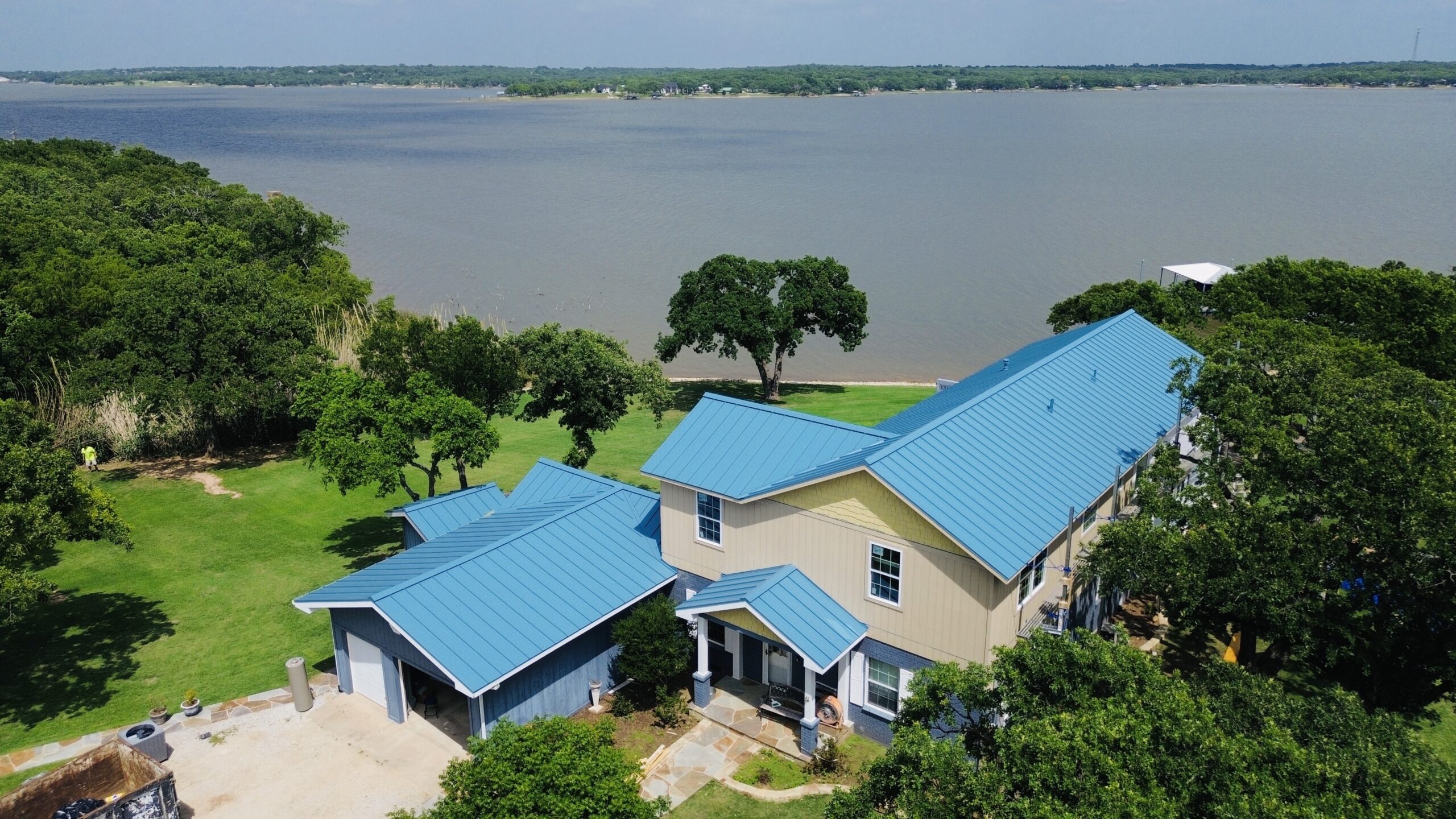
Metal roofing remains one of the most sustainable choices because it combines exceptional durability with high recyclability. Many metal roofs are manufactured using recycled materials and can be fully recycled after decades of service. Their reflective surfaces also improve energy efficiency by reducing solar heat gain.
Recycled asphalt shingles have become increasingly popular as manufacturers incorporate reclaimed materials into production. These products reduce landfill waste while maintaining the familiar appearance and dependable performance associated with traditional asphalt roofing.
Clay and concrete tiles provide outstanding longevity, often remaining functional for many decades. Their long service life significantly reduces replacement frequency, making them environmentally beneficial despite requiring more energy during manufacturing.
Responsibly sourced wood shingles and shakes offer renewable roofing solutions when harvested from sustainably managed forests. Certified forestry practices ensure harvested trees are replaced while protecting long term ecosystem health.
Synthetic roofing materials manufactured from recycled plastics, rubber, or composite materials continue gaining popularity. These products imitate the appearance of slate, wood, or tile while providing lower weight, excellent durability, and minimal maintenance requirements.
Vegetative roofing systems, commonly known as green roofs, represent another innovative sustainable solution. Although more common on commercial buildings, they improve insulation, absorb rainwater, reduce urban heat, and create valuable green space within densely developed areas.
Metal Roofing as a Sustainable Choice
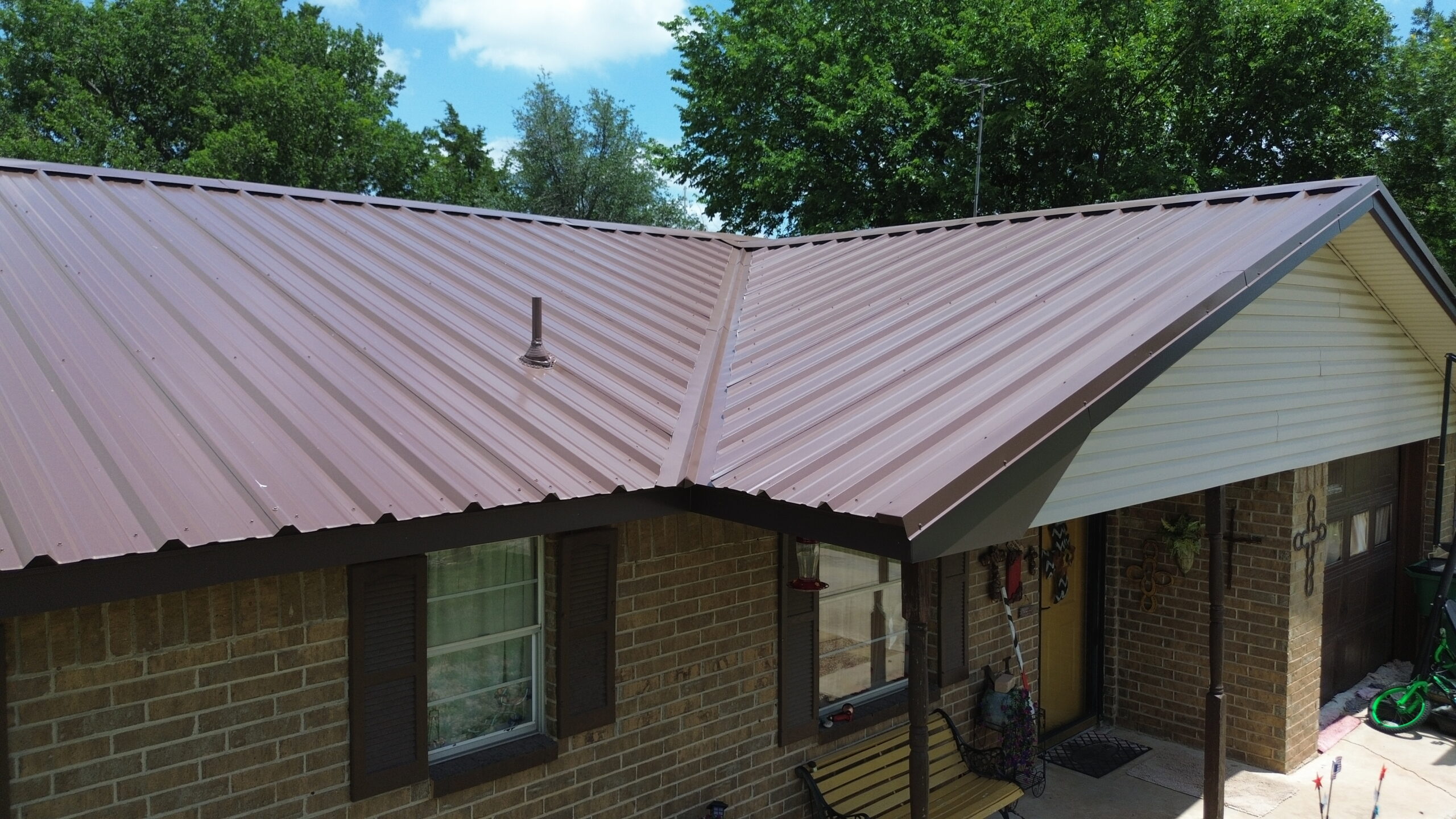
Metal roofing has earned a strong reputation as one of the most environmentally responsible roofing materials available today. Its combination of durability, recyclability, and energy efficiency makes it an excellent choice for both residential and commercial installation projects. Many modern metal roofs remain in service for several decades, significantly reducing the need for replacement materials over the life of a building.
One of the greatest environmental advantages of metal roofing is its recycled content. Many manufacturers produce steel and aluminum roofing panels using recycled materials collected from previous construction projects and industrial processes. This reduces the demand for newly mined raw materials while conserving natural resources.
Metal roofing is also fully recyclable when it eventually reaches the end of its service life. Instead of being sent to a landfill, old metal panels can be processed and transformed into new construction products. This circular use of materials helps reduce waste while supporting more sustainable manufacturing practices.
Energy efficiency further improves the environmental value of metal roofing. Reflective coatings reduce the amount of solar heat absorbed by the roof, helping maintain cooler indoor temperatures during warm weather. Lower cooling demands decrease electricity consumption and reduce long term operating costs for the building.
Metal roofs also perform exceptionally well in severe weather conditions. They resist heavy rainfall, high winds, hail, and snow more effectively than many conventional roofing materials. Their durability minimizes repair needs and extends the overall lifespan of the roofing system.
Installation quality remains essential for maximizing sustainability. Proper fastening, ventilation, and flashing ensure the roof performs efficiently for decades without unnecessary maintenance. Professional installation also preserves manufacturer warranties and protects long term performance.
Although the initial investment is often higher than asphalt shingles, the combination of longevity, recyclability, and energy savings makes metal roofing one of the most sustainable roofing options available.
Recycled Asphalt Shingles and Composite Roofing
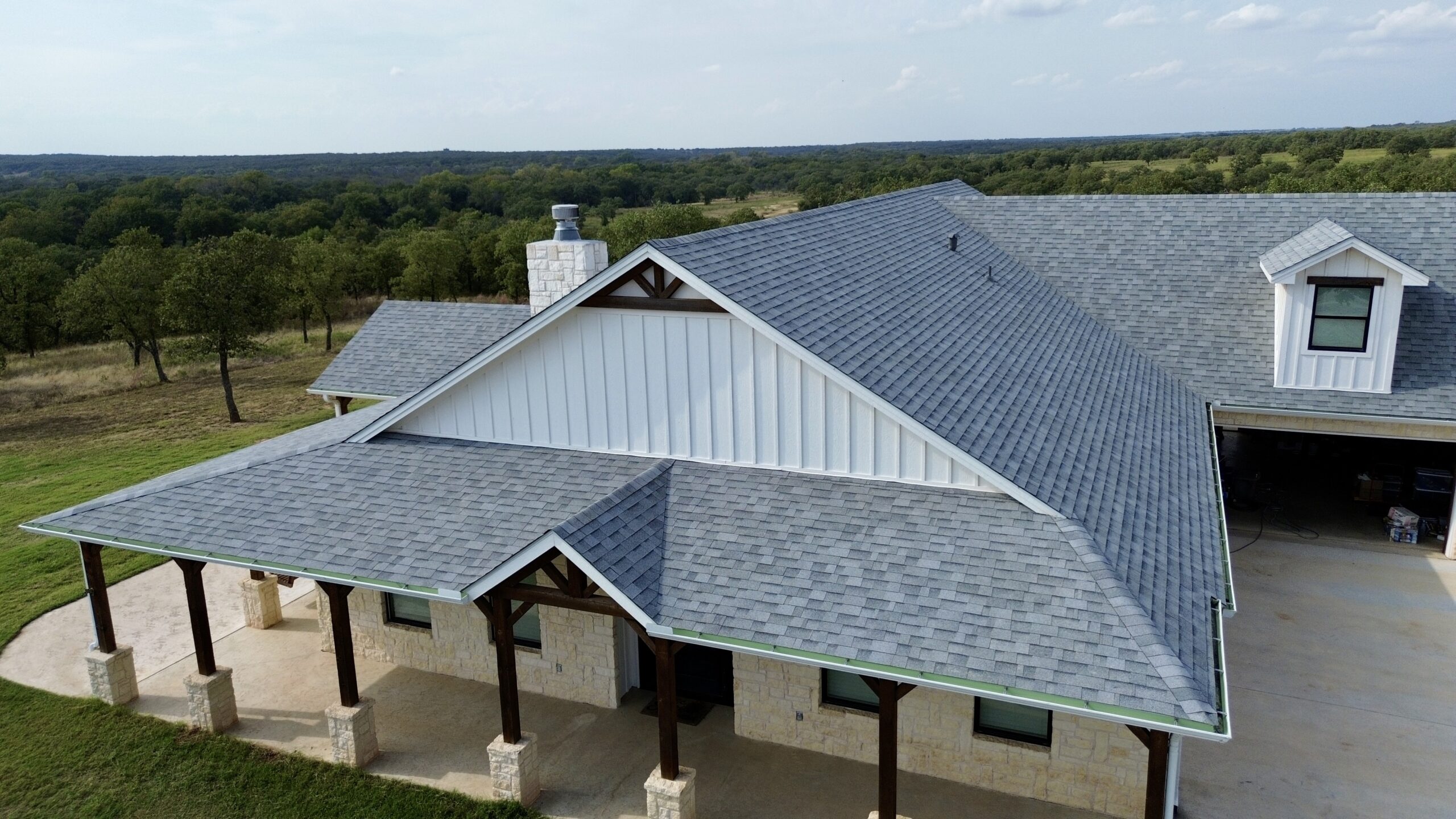
Asphalt shingles continue to be among the most widely used roofing materials, and recent manufacturing improvements have made them more environmentally responsible than ever before. Recycled asphalt shingles incorporate reclaimed roofing materials, reducing landfill waste while maintaining reliable performance for residential buildings.
Manufacturers now recover asphalt from old roofing systems and process it into new roofing products. This recycling process conserves raw materials while reducing the environmental impact associated with manufacturing entirely new asphalt shingles. Many modern products also include recycled paper, fiberglass, or other reclaimed components.
Composite roofing represents another important advancement in sustainable construction. These products are manufactured using combinations of recycled plastics, rubber, and engineered polymers to create durable roofing materials that imitate natural slate, wood, or tile. Their appearance closely resembles premium roofing products while offering lower maintenance requirements.
One advantage of recycled composite roofing is its reduced weight. Lightweight materials simplify transportation and installation while lowering structural demands on the building. This allows many existing structures to benefit from premium roofing appearances without requiring additional structural reinforcement.
Composite roofing products are also engineered for durability. Many resist impact, moisture, insects, and ultraviolet radiation more effectively than traditional materials. Their long service life contributes directly to improved sustainability by reducing replacement frequency.
Maintenance requirements are generally minimal. Property owners typically need only routine inspections and basic cleaning to maintain appearance and waterproof performance. Lower maintenance demands reduce long term costs while minimizing the environmental impact associated with repeated repairs.
Recycled asphalt shingles and composite roofing provide practical solutions for property owners seeking environmentally responsible roofing without significantly increasing installation costs. They combine familiar performance with modern manufacturing practices that support more sustainable construction.
Clay and Concrete Tiles for Long Term Sustainability
Clay and concrete tiles have remained popular roofing materials for centuries because of their durability and timeless appearance. Their exceptional lifespan contributes significantly to environmental sustainability by reducing the frequency of roof replacement throughout the building’s life.
Clay tiles are manufactured from natural clay that is shaped and fired at high temperatures. Although the production process requires considerable energy, the resulting roofing material often remains functional for many decades. This extended lifespan helps offset the environmental impact of manufacturing because replacement occurs far less frequently.
Concrete tiles offer similar advantages while using cement, sand, and water to create strong, weather resistant roofing products. Advances in manufacturing have improved both appearance and performance, making concrete tiles an attractive alternative for many residential projects.
Both clay and concrete roofing provide excellent thermal performance. The natural air space beneath individual tiles improves ventilation while reducing heat transfer into the building. Better temperature regulation lowers energy consumption during both hot and cool weather.
Fire resistance is another important environmental benefit. Noncombustible roofing materials improve building safety while reducing the risk of fire related property loss and reconstruction. Their resistance to insects, moisture, and ultraviolet radiation further extends service life with relatively little maintenance.
Because of their weight, clay and concrete tiles require adequate structural support before installation. Professional contractors evaluate the building carefully to ensure it can safely support the roofing system throughout its lifespan.
Although installation costs are generally higher than asphalt roofing, their exceptional longevity often provides lower lifetime ownership costs. Fewer replacements, reduced maintenance, and dependable weather protection make clay and concrete tiles environmentally responsible choices for suitable buildings.
Wood Shingles and Responsibly Sourced Timber Roofing
Wood roofing remains an attractive sustainable option when materials are obtained through responsible forestry practices. Unlike many manufactured roofing products, wood is a renewable natural resource that can be replenished through carefully managed forest conservation programs.
Cedar is the most common species used for wood shingles and shakes because of its natural resistance to insects, moisture, and decay. Responsibly harvested cedar forests replace harvested trees through ongoing replanting efforts that maintain long term ecosystem health while ensuring continued timber availability.
Certification programs help property owners identify wood products obtained from sustainably managed forests. These certifications demonstrate that timber harvesting follows environmental standards designed to protect wildlife habitats, water resources, and forest biodiversity.
Wood roofing also stores carbon throughout its service life. Trees absorb carbon dioxide while growing, and much of that carbon remains stored within the finished roofing material. This characteristic contributes to reducing greenhouse gas concentrations compared to certain energy intensive construction materials.
Natural insulating properties provide another environmental advantage. Wood slows heat transfer more effectively than many inorganic roofing materials, helping regulate indoor temperatures while reducing heating and cooling demands. Improved energy efficiency contributes to lower utility costs throughout the roof’s service life.
Maintenance requirements are greater than for some other sustainable roofing materials. Periodic cleaning removes moss, leaves, and debris while preserving proper drainage. Depending on local climate conditions, protective treatments may also be recommended to maximize durability.
Despite requiring additional maintenance, responsibly sourced wood roofing remains an environmentally valuable choice for homeowners seeking renewable materials with natural beauty and traditional architectural appeal.
Synthetic Eco Friendly Roofing Materials
Synthetic roofing materials have become one of the fastest growing segments of the roofing industry because they combine modern manufacturing technology with impressive environmental performance. Many products incorporate recycled plastics, reclaimed rubber, and engineered composite materials that would otherwise become landfill waste.
Manufacturers carefully engineer synthetic roofing to imitate the appearance of natural slate, cedar shakes, or clay tiles. The resulting products provide the aesthetic appeal of premium roofing materials while offering lighter weight and greater impact resistance.
Durability represents one of the strongest environmental advantages of synthetic roofing. These materials resist cracking, moisture absorption, insect damage, mold growth, and ultraviolet deterioration more effectively than many traditional roofing products. Longer service life reduces replacement frequency and conserves natural resources.
Lightweight construction simplifies transportation and installation while reducing structural loading. Buildings that cannot safely support heavy natural slate or tile often accommodate synthetic alternatives without requiring structural modifications. This flexibility expands sustainable design options for a wider range of properties.
Many synthetic roofing products also improve energy efficiency through reflective surfaces and advanced material engineering. Reduced heat absorption lowers cooling demands during warm weather while maintaining attractive appearance for many years.
Maintenance remains relatively simple because synthetic materials resist weather related deterioration and biological growth. Routine inspections and occasional cleaning generally provide sufficient care throughout the roof’s service life.
As manufacturing technology continues advancing, synthetic roofing materials increasingly offer an attractive combination of sustainability, durability, appearance, and affordability for environmentally conscious property owners.
Green Roofing Systems for Commercial and Urban Buildings
Green roofs represent one of the most innovative sustainable roofing solutions available today. Unlike conventional roofing systems, green roofs support living vegetation installed over specially designed waterproof membranes and drainage layers. These systems are becoming increasingly common on commercial buildings, educational facilities, and urban developments.
One major advantage of green roofs is improved stormwater management. Vegetation absorbs rainfall and slows runoff, reducing pressure on municipal drainage systems during heavy storms. This natural water management helps minimize flooding while improving water quality.
Green roofs also improve insulation by creating an additional protective layer above the building. Plants and growing media reduce heat transfer, helping maintain more consistent indoor temperatures throughout the year. Lower heating and cooling demands contribute to reduced energy consumption.
Urban heat island reduction represents another significant environmental benefit. Traditional roofing materials often absorb large amounts of heat, raising temperatures in densely developed areas. Green roofs help cool surrounding environments by replacing heat absorbing surfaces with living vegetation.
Biodiversity also benefits from vegetative roofing systems. Carefully selected plants create habitats for birds, butterflies, bees, and other pollinators that may struggle to find suitable environments within urban settings. These ecological benefits support healthier urban ecosystems.
Green roofs require specialized design and installation because they involve waterproof membranes, drainage systems, root barriers, irrigation considerations, and structural evaluations. Buildings must be capable of supporting the additional weight associated with soil, plants, and retained moisture.
Although installation costs are generally higher than conventional roofing, the long term environmental benefits often justify the investment. Improved insulation, stormwater management, extended membrane lifespan, and enhanced urban biodiversity make green roofs an important component of sustainable construction.
Eco Friendly Roofing Material Comparison Table
The following comparison summarizes the environmental characteristics of common sustainable roofing materials. Actual performance depends on installation quality, local climate, and maintenance practices.
| Roofing Material | Sustainability Level | Average Lifespan | Recyclable | Energy Efficiency | Maintenance Level |
|---|---|---|---|---|---|
| Metal Roofing | Excellent | 40 to 70 years | Yes | Excellent | Low |
| Recycled Asphalt Shingles | Good | 20 to 30 years | Partial | Good | Low |
| Clay Tiles | Excellent | 50 to 100 years | Yes | Very Good | Low |
| Concrete Tiles | Very Good | 50+ years | Yes | Very Good | Low |
| Responsibly Sourced Wood | Good | 25 to 40 years | Biodegradable | Good | Moderate |
| Synthetic Roofing | Excellent | 40 to 60 years | Often Yes | Excellent | Low |
| Green Roof Systems | Outstanding | 40+ years with maintenance | Partially | Outstanding | Moderate |
This comparison demonstrates that different roofing materials achieve sustainability through different strengths. Some emphasize recyclability, others focus on longevity, while certain systems excel in energy efficiency or renewable resource use.
Choosing the Right Sustainable Material for Different Property Types
Selecting the best eco friendly roofing material depends largely on the type of building involved. Residential homes, commercial facilities, public institutions, and industrial structures all have different priorities that influence roofing decisions.
Single family homes often balance appearance, affordability, and energy efficiency. Metal roofing, recycled asphalt shingles, and synthetic composite materials frequently provide excellent solutions because they combine attractive appearance with dependable long term performance.
Luxury homes may benefit from slate alternatives, clay tiles, or premium metal roofing systems that emphasize durability and architectural character. These materials support sustainable construction while enhancing property value.
Commercial buildings often prioritize lifecycle costs, maintenance efficiency, and energy savings. Metal roofing and green roof systems are popular choices because they reduce operating expenses while supporting environmental certification programs for commercial properties.
Educational facilities, hospitals, and government buildings frequently select roofing systems based on long term durability and environmental performance. Sustainable materials that minimize maintenance interruptions while improving energy efficiency provide significant value for these public buildings.
Industrial facilities often require roofing capable of covering large areas economically while resisting harsh environmental conditions. Metal roofing continues to perform exceptionally well in these applications because of its strength, recyclability, and low maintenance requirements.
Energy Efficiency and Long Term Cost Savings
One of the greatest advantages of eco friendly roofing materials is their ability to improve energy efficiency while reducing long term operating costs. Although sustainable roofing products sometimes require a larger initial investment, they often generate savings through lower utility bills, reduced maintenance, and extended service life. Looking beyond the installation cost helps property owners understand the true financial value of environmentally responsible roofing.
Energy efficient roofing materials reduce the amount of heat transferred into the building. Reflective surfaces bounce a significant portion of solar radiation away from the roof, helping maintain cooler indoor temperatures during warm weather. This reduces the workload placed on air conditioning systems and lowers electricity consumption throughout the summer.
During colder months, properly installed roofing systems work together with insulation and ventilation to reduce heat loss. A roof that maintains stable indoor temperatures helps heating systems operate more efficiently, creating savings throughout the winter season. These energy improvements benefit both homeowners and commercial property owners.
The lifespan of eco friendly roofing materials also contributes to long term savings. Metal roofing, clay tiles, concrete tiles, and synthetic roofing products often remain functional for several decades with minimal maintenance. Fewer replacement projects mean lower labor costs, reduced material purchases, and less disruption over the life of the building.
Insurance companies may also recognize the durability of certain sustainable roofing materials. Roofs that demonstrate strong resistance to wind, fire, or impact damage may qualify for lower insurance premiums depending on local regulations and individual insurance providers. While savings vary, durable roofing systems often reduce long term financial risk.
Maintenance costs are another important consideration. Sustainable roofing materials are frequently designed to resist weather damage, ultraviolet exposure, moisture, and biological growth. Reduced maintenance requirements help property owners spend less on repairs while preserving the roof’s appearance and performance.
Environmental savings should also be considered alongside financial benefits. Lower energy consumption reduces greenhouse gas emissions while decreasing demand on power generation systems. Over many years, these reductions contribute to both environmental protection and lower operating expenses.
When evaluating roofing materials, property owners should compare total ownership costs rather than installation price alone. A roof that lasts twice as long while consuming less energy often provides much greater value than a cheaper alternative requiring earlier replacement.
Installation Best Practices for Eco Friendly Roofing
Even the most environmentally responsible roofing material cannot perform effectively without proper installation. Sustainable roofing depends not only on the materials selected but also on the quality of workmanship during construction. Professional installation ensures the roof delivers its intended environmental and financial benefits throughout its lifespan.
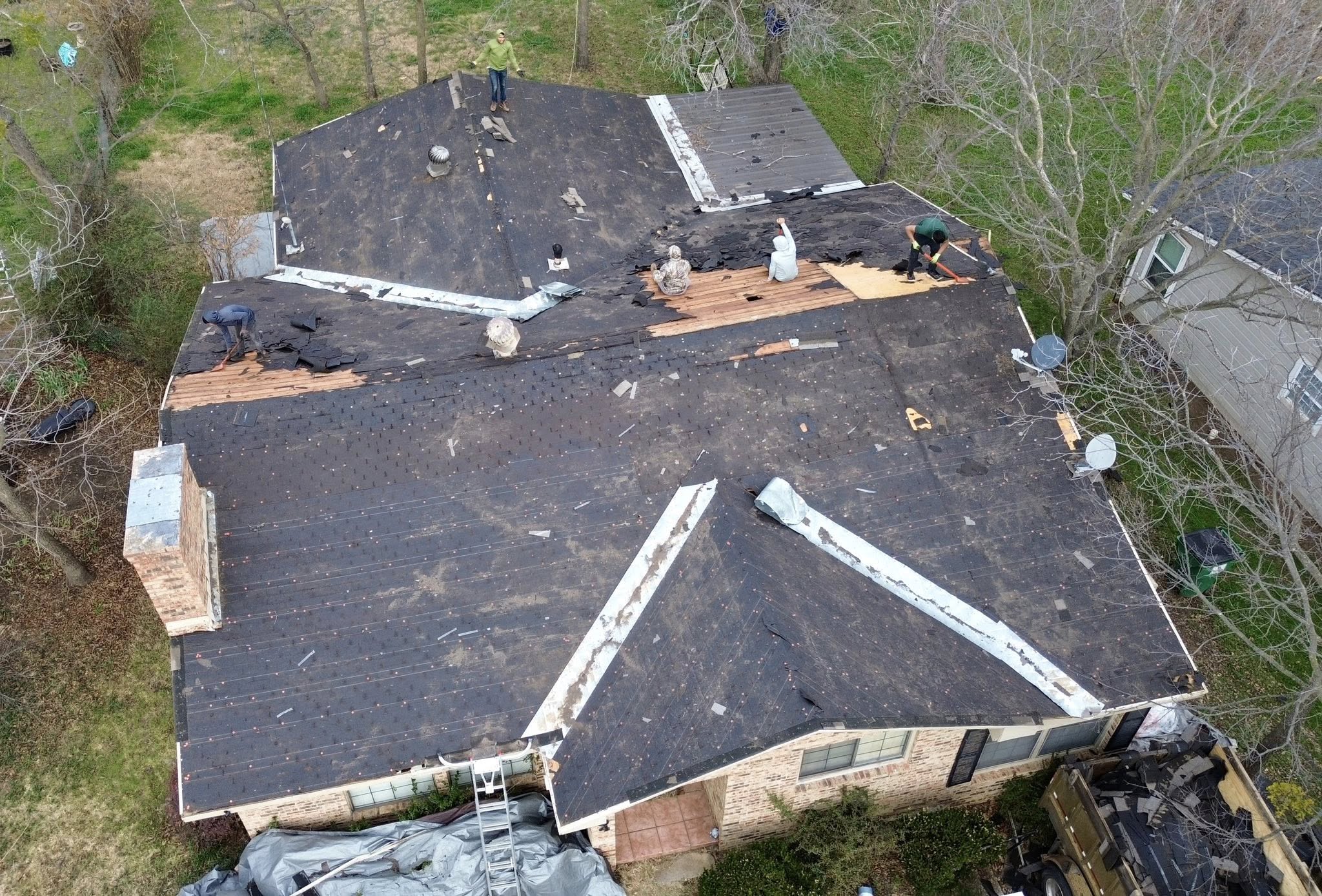
The installation process begins with a thorough inspection of the building structure. Contractors verify that the roof deck is stable, dry, and capable of supporting the selected roofing material. Any damaged structural components should be repaired before new roofing materials are installed to provide a strong and reliable foundation.
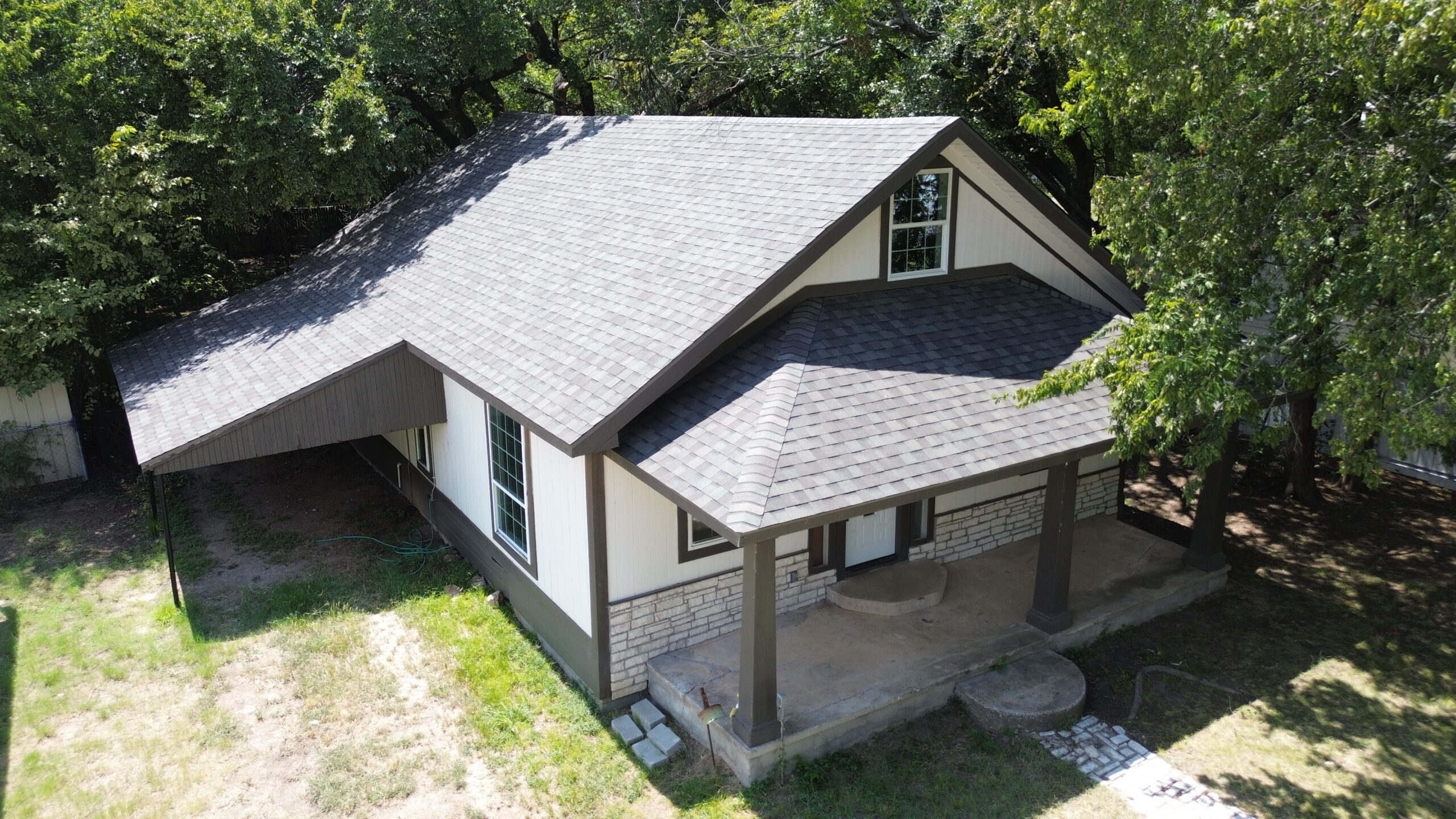
Proper underlayment installation plays a critical role in protecting the building from moisture. High quality underlayment creates an additional waterproof barrier beneath the visible roofing material. This extra layer improves long term durability while reducing the risk of leaks caused by severe weather.
Ventilation is another essential element of sustainable roofing. Adequate airflow beneath the roof helps regulate temperature, reduce moisture buildup, and improve insulation performance. Proper ventilation extends the lifespan of roofing materials while improving overall energy efficiency.
Fastening methods must follow manufacturer recommendations carefully. Incorrect fastening can reduce wind resistance, allow water infiltration, or void product warranties. Professional roofing contractors understand the installation requirements for different materials and ensure each component is secured properly.
Roof penetrations such as vents, chimneys, skylights, and solar panel mounts require special attention. Flashing around these areas must be installed precisely to prevent moisture intrusion. Well installed flashing protects both the roofing material and the structural components beneath it.
Waste management during installation also contributes to sustainability. Many contractors now separate recyclable roofing materials from general construction waste. Metal, cardboard packaging, and certain roofing products can often be recycled instead of being sent to landfill sites.
Choosing experienced roofing professionals remains one of the most important decisions in any installation project. Skilled contractors combine quality workmanship with proper planning, ensuring eco friendly roofing materials achieve their maximum performance and expected service life.
Maintenance Requirements for Sustainable Roofing Materials
Regular maintenance helps preserve the environmental and financial benefits of eco friendly roofing materials. While many sustainable roofing products require less maintenance than traditional alternatives, no roofing system is completely maintenance free. Routine care prevents small issues from developing into expensive repairs or premature replacement.
Visual roof inspections should be performed at least twice each year and after major storms. These inspections help identify loose components, damaged flashing, clogged drainage systems, or other developing concerns before they affect the roof’s performance. Early detection reduces repair costs while extending roof lifespan.
Cleaning the roof surface also supports long term performance. Leaves, branches, dirt, and other debris can trap moisture against roofing materials and interfere with drainage. Removing accumulated debris helps preserve waterproof performance while maintaining the roof’s appearance.
Metal roofing generally requires only basic maintenance. Property owners should inspect protective coatings, sealants, and fasteners periodically while ensuring drainage systems remain clear. Properly maintained metal roofs often provide decades of dependable service with minimal repairs.
Clay and concrete tile roofs should be inspected for cracked or displaced tiles following severe weather. Individual damaged tiles can usually be replaced without affecting surrounding sections of the roof. Walking on tile roofs should be limited because unnecessary foot traffic increases the risk of accidental breakage.
Wood roofing requires additional care compared to other sustainable materials. Moss, algae, and accumulated debris should be removed regularly to reduce moisture retention. Depending on local climate conditions, protective treatments may also be recommended to preserve the wood.
Synthetic roofing materials typically require routine inspections and occasional cleaning. Their resistance to moisture, insects, and ultraviolet exposure helps reduce maintenance requirements while maintaining long term durability.
Green roof systems involve specialized maintenance that includes caring for vegetation, monitoring irrigation systems, and inspecting drainage layers. Healthy plant growth contributes directly to the environmental performance of the roofing system, making routine maintenance particularly important.
Professional roof inspections every few years provide additional assurance that all roofing components continue functioning properly. Contractors can identify hidden issues before they become visible, helping property owners maximize the lifespan of their sustainable roofing investment.
Common Mistakes When Selecting Eco Friendly Roofing
Many property owners want environmentally responsible roofing but make decisions based on incomplete information. Avoiding common mistakes helps ensure the selected roofing system delivers genuine environmental benefits while meeting practical building requirements.
One common mistake is assuming every product labeled as environmentally friendly offers the same level of sustainability. Roofing materials differ significantly in recycled content, manufacturing processes, lifespan, recyclability, and energy efficiency. Evaluating the complete lifecycle provides a more accurate comparison than marketing claims alone.
Another mistake is focusing exclusively on initial purchase price. Less expensive roofing materials may require earlier replacement, increasing both long term costs and environmental impact. Considering maintenance expenses, expected lifespan, and energy savings often changes the overall value comparison.
Ignoring local climate conditions can reduce roofing performance substantially. Materials suitable for dry environments may not perform as effectively in humid regions or areas experiencing severe storms. Selecting roofing products based on regional weather patterns improves durability and sustainability.
Some property owners overlook structural requirements before selecting heavy roofing materials such as clay tile or slate. Professional structural evaluation should always be completed before installation begins to ensure the building safely supports the selected roofing system.
Hiring inexperienced contractors also creates unnecessary risks. Sustainable roofing materials require correct installation techniques to achieve expected energy performance and durability. Poor workmanship may shorten roof lifespan regardless of material quality.
Neglecting maintenance after installation is another common error. Even durable roofing materials benefit from regular inspections and cleaning. Small maintenance tasks performed consistently help preserve the environmental and financial advantages of sustainable roofing.
Finally, choosing roofing materials based only on appearance may lead to disappointment. Attractive products should also provide appropriate weather resistance, maintenance characteristics, and energy performance for the building’s specific needs.
Avoiding these mistakes helps property owners make informed decisions that maximize both environmental responsibility and long term building performance.
Frequently Asked Questions
Which eco friendly roofing material is the most sustainable?
There is no single answer because sustainability depends on climate, building type, and project goals. Metal roofing, green roofs, clay tiles, and high quality synthetic roofing materials all provide excellent environmental benefits when properly installed.
Are eco friendly roofing materials more expensive?
Some sustainable roofing materials have higher installation costs than conventional products. However, many provide lower lifetime ownership costs through improved durability, reduced maintenance, and greater energy efficiency.
Can sustainable roofing improve home value?
Yes. Energy efficient and durable roofing systems often increase property appeal because buyers appreciate lower operating costs and reduced future maintenance requirements. Sustainable building features have become increasingly desirable in many real estate markets.
Do eco friendly roofs require special maintenance?
Maintenance depends on the roofing material rather than whether it is environmentally friendly. Most sustainable roofing systems require routine inspections and cleaning, while green roofs and wood roofing generally require more specialized maintenance.
Can solar panels be installed on eco friendly roofs?
Yes. Many sustainable roofing systems, particularly metal roofing, provide excellent support for solar panel installations. Proper planning during roof installation simplifies future renewable energy upgrades.
How long do eco friendly roofing materials last?
Service life varies by material. Asphalt shingles may last twenty to thirty years, while metal roofing often lasts forty to seventy years. Clay tiles, concrete tiles, and natural slate may remain functional for several decades or even longer with proper maintenance.
Conclusion
Eco friendly roofing materials have transformed modern roof installation by demonstrating that environmental responsibility and outstanding performance can work together. Rather than focusing solely on reducing environmental impact, sustainable roofing systems also improve energy efficiency, enhance durability, lower maintenance requirements, and provide significant long term financial value.
Every roofing material offers different environmental strengths. Metal roofing provides excellent recyclability and exceptional longevity, while recycled asphalt shingles reduce landfill waste through responsible manufacturing. Clay and concrete tiles deliver decades of reliable service, responsibly sourced wood supports renewable forestry practices, synthetic roofing utilizes recycled materials, and green roofs create living environments that improve urban sustainability.
Selecting the right roofing material requires careful evaluation of climate, building structure, maintenance expectations, energy goals, and long term ownership plans. No single roofing product is ideal for every installation project. The best choice is one that matches the building’s specific requirements while delivering dependable performance throughout its service life.
Professional installation remains just as important as material selection. Proper structural preparation, ventilation, flashing, waterproofing, and quality workmanship ensure sustainable roofing materials perform according to manufacturer expectations. Regular maintenance then preserves these benefits by preventing small issues from developing into major repairs.
As sustainable construction continues gaining importance around the world, eco friendly roofing materials will play an increasingly significant role in reducing environmental impact while improving building performance. Property owners who invest in high quality sustainable roofing today benefit from lower energy consumption, reduced maintenance expenses, longer roof lifespan, and improved property value for many years to come.
Choosing environmentally responsible roofing is ultimately an investment in both the future of the building and the future of the environment. With careful planning, professional installation, and consistent maintenance, eco friendly roofing materials provide lasting protection while supporting more sustainable construction practices for generations ahead.