
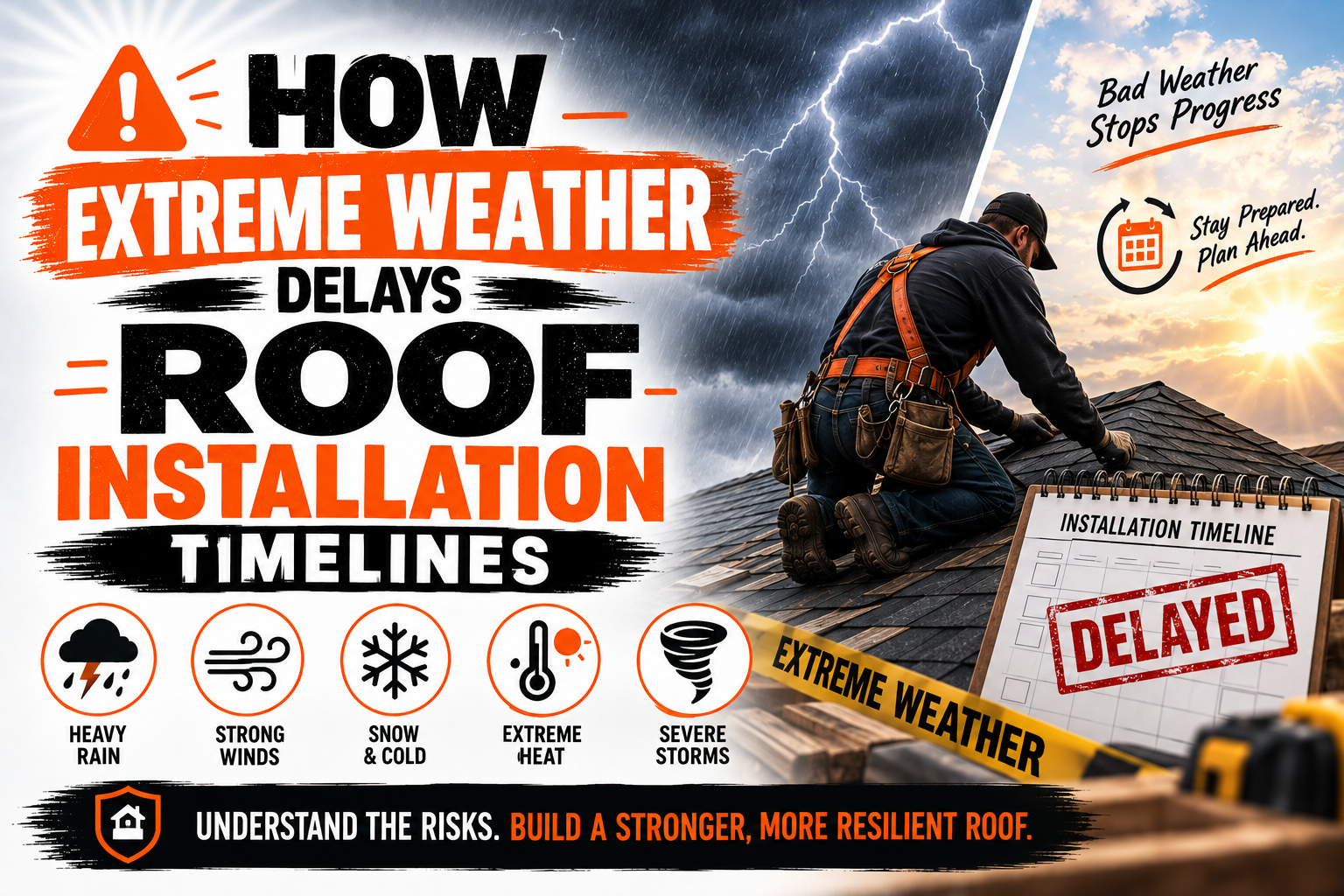
How Extreme Weather Delays Roof Installation Timelines
Introduction
Roof installation is highly dependent on weather conditions because much of the work takes place outdoors and on an exposed surface. Roofing crews need suitable conditions to remove old materials, prepare the roof deck, install protective layers, and secure the final roofing system. When extreme weather develops, continuing the work may become unsafe or could affect the quality and performance of the finished roof.
Weather delays can occur for many reasons. Heavy rain can make roof surfaces slippery and leave the deck too wet for installation, while strong winds can make it difficult to control roofing materials and equipment. Extreme heat can increase worker fatigue and affect certain roofing products, while unusually cold conditions may interfere with adhesives, sealants, and other installation processes.
A weather delay does not necessarily indicate poor project planning. In many cases, postponing work is a necessary step to protect workers, materials, and the property. A contractor may need to wait for suitable conditions before starting a new stage of installation, particularly when the roof is exposed to the elements.
The length of a weather delay can vary significantly. A short rain shower may only interrupt work for a few hours, while a severe storm system, prolonged rainfall, heat wave, or extended period of strong winds can affect the schedule for several days. The impact depends on the type of roofing project, the stage of construction, local conditions, and the contractor’s ability to protect unfinished areas.
Understanding how extreme weather affects roofing timelines helps homeowners set realistic expectations. Instead of viewing every delay as unnecessary, it is useful to understand why certain weather conditions make roofing work unsafe or unsuitable. Proper planning and communication can help keep the project organized while protecting the quality of the final installation.
Why Extreme Weather Can Delay Roof Installation
Extreme weather can affect nearly every part of a roofing project, from worker safety to material performance. Roofing requires workers to move across sloped surfaces, handle materials at elevated heights, and perform detailed installation tasks. Weather conditions that interfere with any of these activities can require the work to be postponed.
One of the most important concerns is safety. Rain can make surfaces slippery, strong wind can affect worker balance, lightning can create serious hazards, and extreme temperatures can increase heat or cold stress. Workers may also have difficulty maintaining concentration when environmental conditions become severe.
Weather can also affect the condition of the roof itself. An exposed roof deck can absorb moisture during rainfall, while strong winds can move temporary coverings or loose materials. Snow, ice, and freezing temperatures can create additional surface hazards and may prevent certain materials from being installed correctly.
Roofing materials can have weather-specific installation requirements as well. Adhesives, sealants, coatings, membranes, and other products may require certain temperature or surface conditions. Asphalt-based products may behave differently in extreme heat or cold, while some materials cannot be installed properly when moisture is present.
Several weather conditions can interrupt roofing work:
- Heavy rain and prolonged wet weather
- Strong winds and severe gusts
- Lightning and thunderstorms
- Extreme heat and high humidity
- Freezing temperatures, snow, or ice
- Severe storms and rapidly changing conditions
The timing of the weather event also matters. A storm before the project begins may simply lead to a schedule adjustment, while a storm after the existing roof has been removed can create an urgent need for temporary protection. Contractors must therefore consider the current condition of the property as well as the forecast.
Weather delays can also have a chain reaction. If the roofing crew cannot complete one stage of work, later activities may need to be postponed. Material deliveries, inspections, equipment rentals, subcontractors, and other scheduled tasks can all be affected.
For these reasons, contractors should build some flexibility into roofing schedules. A realistic timeline recognizes that outdoor construction cannot always proceed according to an exact calendar. Planning for possible weather interruptions can reduce pressure to rush the installation when conditions become unsuitable.
How Heavy Rain Affects Roofing Schedules
Rain is one of the most common causes of roofing delays. Even moderate rainfall can make roof surfaces slippery and reduce the ability of workers to move safely. Heavy rain creates additional concerns because water can enter exposed sections of the building and make the roof deck unsuitable for certain installation activities.
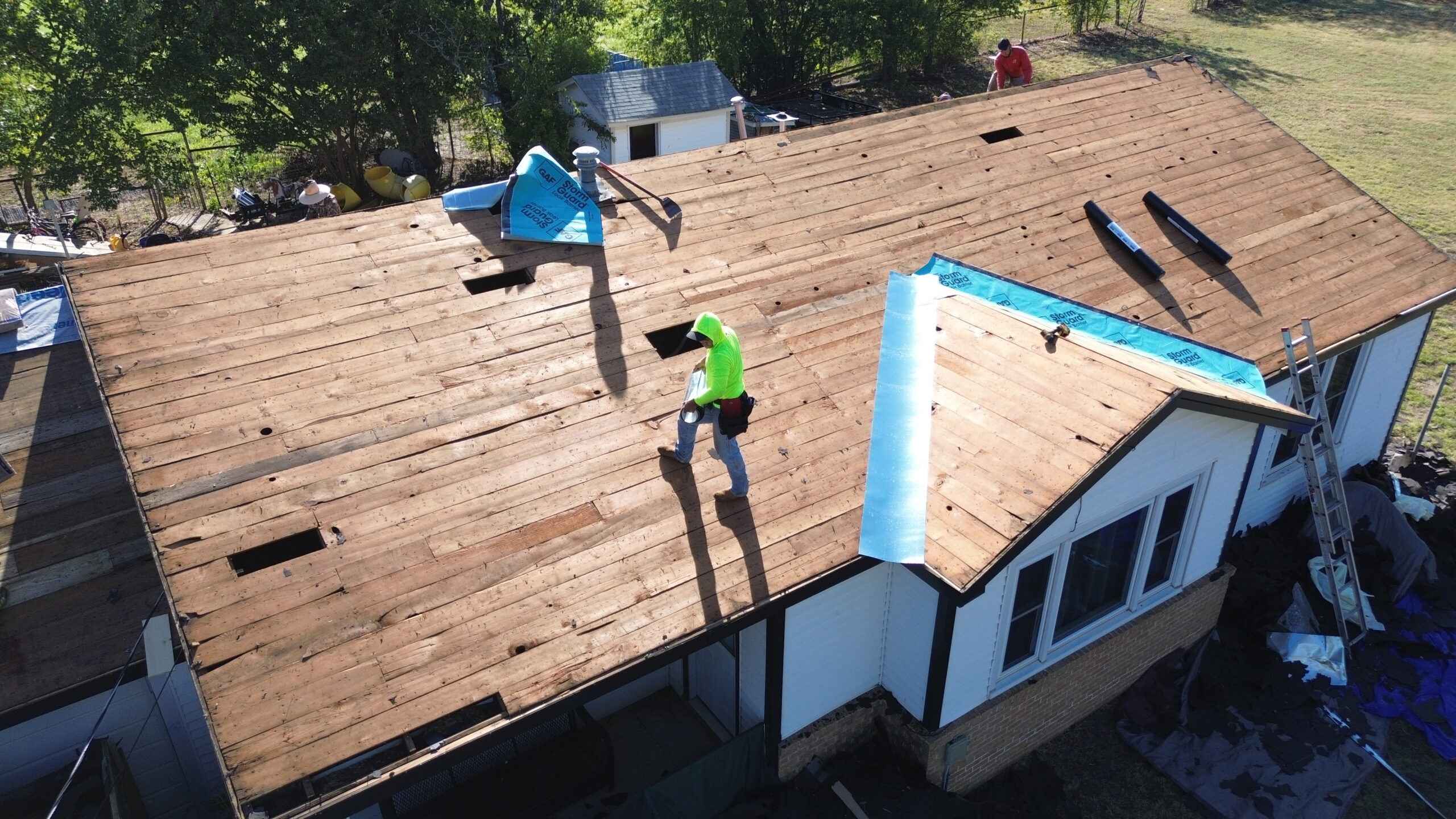
When an old roof has been removed, the risk becomes more significant. The roof deck may be directly exposed to rainfall, and temporary protection may be required to reduce the possibility of water intrusion. Contractors may need to stop work before the rain arrives if they cannot safely complete and protect the exposed area.
Rain can also affect materials already delivered to the property. Underlayment, insulation, adhesives, sealants, and other products may have specific requirements for storage and moisture exposure. Materials that have been exposed to excessive water may need to be inspected before they are used.
After rainfall stops, the roof may still require additional drying time. The surface may appear dry from the ground while retaining moisture in lower areas, seams, valleys, or other sections. Contractors need to determine whether the roof deck and other surfaces are suitable before continuing with installation.
The amount of delay depends on the severity of the weather. A short shower followed by dry and favorable conditions may create only a minor interruption. Continuous rain over several days can create a larger delay because the contractor may not have a sufficient dry period to complete the next stage safely.
Rain can also affect inspections. If a particular stage of roofing work needs to be inspected before it is covered, wet weather may require the appointment to be rescheduled. The contractor may need to wait until the work can be completed and the appropriate inspection conditions are available.
Homeowners should understand that a contractor may postpone work even when the rain appears relatively light. The decision can depend on the roof slope, materials, work stage, surface condition, and expected duration of the weather. Continuing under unsuitable conditions can create greater problems than waiting for the roof to dry.
Temporary protection can reduce the impact of rainfall, but it does not necessarily allow all roofing work to continue. Contractors still need to inspect the roof after the weather event and confirm that the underlying surfaces and materials remain suitable.
Wind Conditions That Interrupt Roof Installation
Wind can create significant safety and material-handling problems during roof installation. Roofing workers operate at elevated heights and may need to carry shingles, underlayment, metal panels, insulation, tools, and other materials. Strong gusts can make these tasks difficult or unsafe.
Lightweight materials are especially vulnerable. Underlayment, protective sheets, packaging, and loose roofing components can catch the wind and become difficult to control. Large metal panels can be even more challenging because their broad surfaces can act like sails during strong gusts.
Wind can also affect temporary roof protection. Covers and other protective materials need to be secured carefully because strong gusts can move or tear them. If protection becomes damaged during a storm, the contractor may need to inspect the exposed roof before work resumes.
Worker stability is another major concern. A strong gust can affect balance, especially when a worker is carrying a large object or working near a roof edge. The combination of wind, elevation, and a sloped surface can create conditions where continuing work is not appropriate.
Wind conditions may also vary across the property. A roof can experience stronger gusts than the ground-level area, particularly when the building is tall or exposed. Roof corners and edges may experience different airflow patterns from more sheltered sections.
Forecast information can help contractors plan around windy conditions, but actual site conditions should also be considered. A forecast may indicate moderate wind while stronger gusts develop during the day. Contractors should remain prepared to stop work if conditions become unsafe.
A wind-related delay may affect the schedule even when no materials are damaged. The contractor may need to wait until workers can safely access the roof and handle materials. If the weather forecast shows several days of strong winds, the installation may need to be rescheduled further into the future.
Homeowners should not interpret a wind delay as a sign that the contractor is unwilling to work. Roofing in unsuitable wind conditions can create risks for workers and nearby property. Waiting for safer conditions is generally a responsible part of managing an outdoor construction project.
Extreme Heat and Cold Weather Delays
Extreme temperatures can also affect roofing timelines, although the specific problems differ between hot and cold conditions. High temperatures can increase worker fatigue and make roof surfaces extremely hot, while low temperatures can affect material flexibility, adhesion, and safe movement.
During extreme heat, workers may need additional breaks and hydration opportunities. Roof surfaces can become significantly hotter than the surrounding air, particularly when exposed to direct sunlight. Contractors may adjust working hours to complete demanding tasks during cooler parts of the day.
Heat can also affect certain roofing products. Asphalt-based materials may become softer, while adhesives and sealants can behave differently when exposed to high temperatures. Manufacturers may specify temperature ranges for installation, and contractors should follow those requirements.
Cold weather can create different challenges. Some roofing materials become less flexible at low temperatures, making them more difficult to handle without damage. Adhesives, sealants, coatings, and other products may also require specific minimum temperatures for proper application or curing.
Snow and ice can create additional safety concerns. A roof covered with snow or ice can be extremely slippery, making elevated work dangerous. Removing the existing roof or installing new materials may need to wait until the surface is suitable for safe work.
Freezing conditions can also affect the roof deck. Moisture may freeze in cracks, joints, or other areas and later create problems as temperatures change. Contractors should evaluate the condition of the roof before covering it with new materials.
Temperature-related delays can sometimes be shorter than storm-related delays because weather conditions may improve during the same day. However, an extended heat wave or cold spell can significantly affect the schedule if the roofing system requires more moderate conditions.
Homeowners should discuss temperature-related requirements with their contractor before work begins. Understanding why certain products cannot be installed outside their recommended range can make schedule changes easier to understand.
Storms, Lightning, and Severe Weather Risks
Severe storms can create some of the most serious interruptions to roof installation. Thunderstorms may combine heavy rain, strong winds, lightning, hail, and rapidly changing conditions. When these hazards occur together, roofing work may need to stop until the storm has completely passed and the job site can be inspected.
Lightning is particularly important because roofing workers are exposed at an elevated location. Workers may need to leave the roof and move to an appropriate safe area when lightning is present. Even if rain is light, electrical storm activity can make roof work unsafe.
Hail can damage roofing materials that have already been installed. If a storm occurs during construction, the contractor may need to inspect shingles, panels, flashing, and other components before continuing. Any damaged material should be evaluated rather than covered by additional roofing layers.
Severe winds associated with storms can also move tools, materials, and temporary protection. Contractors may need to secure the job site before the storm arrives and inspect it afterward. This can add time to the project even if the actual rainfall period is relatively short.
Storms can also affect the surrounding property. Fallen branches, standing water, damaged access routes, and other conditions may prevent the roofing crew from safely returning to the site. The contractor may need to address or wait for these conditions before work can resume.
A severe weather event may therefore create several types of delays at once. The roofing crew may need to stop work, protect the roof, wait for conditions to improve, inspect the property, replace damaged materials, and reschedule inspections or deliveries.
The priority during severe weather should always be protecting people and the property. Attempting to complete a roofing task while lightning, dangerous winds, or other severe conditions are present can create unnecessary risks.
How Contractors Plan Around Extreme Weather
Professional contractors can reduce the impact of extreme weather by planning the roofing project around forecast conditions and maintaining flexibility in the schedule. Weather monitoring should begin before installation and continue throughout the project because conditions can change quickly.
The installation sequence can also be adjusted based on the forecast. Contractors may avoid exposing large sections of the roof when severe weather is expected and focus on work that can be completed and protected within the available weather window. This can reduce the amount of unfinished roofing vulnerable to the elements.
Material deliveries can be coordinated with expected conditions as well. Bringing large quantities of weather-sensitive materials to the property before a storm may create unnecessary storage challenges. Contractors can schedule deliveries closer to the time the materials will be installed when practical.
Temporary protection should be planned before the existing roof is removed. Having appropriate materials and procedures available can help the contractor respond quickly if weather changes unexpectedly. Waiting until rain or strong winds have already arrived can make protection more difficult.
Communication with homeowners is also part of weather planning. Contractors should explain when a weather delay is necessary and provide updates as the situation changes. Homeowners should understand that a new installation date may depend on the forecast and the condition of the roof after the weather event.
A flexible schedule does not mean that a project lacks organization. Instead, it recognizes that weather is an external factor that cannot always be controlled. Proper planning allows contractors to adjust the timeline while maintaining installation standards.
How Weather Delays Affect Different Roofing Materials
Extreme weather can affect roofing materials in different ways, so the impact of a delay depends partly on the type of roof being installed. Asphalt shingles, metal panels, tiles, membranes, underlayment, insulation, adhesives, and sealants all have their own handling and installation requirements. Contractors need to consider these differences when deciding whether work can continue or must be postponed.
Asphalt shingles can be affected by both high and low temperatures. In hot weather, shingles may become softer and more flexible, which can make handling more difficult and increase the possibility of surface damage if workers walk carelessly across them. In cold conditions, some asphalt products may become less flexible and require additional care during installation.
Rain can also interrupt shingle installation when the roof deck or underlying layers become wet. Even if the shingles themselves are not significantly damaged, the surface beneath them may not be suitable for continued work. Contractors may need to wait for appropriate drying conditions before proceeding.
Metal roofing presents different challenges during extreme weather. Large metal panels can be difficult to control during strong winds because their broad surfaces can catch air. Workers may need to postpone panel installation until wind conditions are suitable for safe handling and accurate positioning.
Cold temperatures can also affect some metal roofing components and associated sealants. The contractor should follow the manufacturer’s installation requirements for the particular system. Temperature limits, surface conditions, fastening requirements, and other product-specific instructions can influence the installation schedule.
Tile roofing can be affected by rain, wind, freezing conditions, and extreme temperature changes. Wet surfaces can increase slip hazards, while strong winds can make individual tiles or large material loads more difficult to handle. Contractors may need to delay work until the roof and access areas are safe.
Single-ply membranes and other roofing membranes can be particularly sensitive to wind because large sheets can be difficult to control before they are properly secured. Rain may also affect the surfaces where adhesives or seams need to be installed. A delay may therefore be necessary to maintain proper bonding and installation quality.
Adhesives and sealants often have specific temperature and moisture requirements. Extreme heat may cause some products to become more fluid or cure faster, while cold temperatures can slow curing or affect application. Rain can prevent products designed for dry surfaces from being used properly.
The contractor should never assume that weather conditions suitable for one roofing component are automatically suitable for every component. A project may need to pause one activity while another can continue. Following the requirements for the complete roofing system helps prevent weather-related installation defects.
Protecting an Exposed Roof During Weather Delays
One of the most important responsibilities during a weather delay is protecting any exposed portion of the building. This becomes particularly urgent when the existing roof has already been removed and the permanent roofing system has not yet been completed. Without suitable protection, rain, wind, and other weather can reach vulnerable areas of the structure.
Contractors should plan temporary protection before beginning major tear-off work. The appropriate method depends on the roof design, the amount of area exposed, the expected weather, and the materials being installed. Having a plan in advance allows the crew to respond more quickly when weather conditions change.
Temporary coverings need to be secured carefully, especially when strong winds are expected. A loose covering can shift, tear, or allow water to enter underneath it. Wind can also turn a large temporary sheet into a hazard if it is not properly controlled.
Water drainage should be considered when temporary protection is installed. Rainwater should be directed away from vulnerable areas rather than being allowed to collect in low sections. Standing water can add weight and may create additional problems if the temporary covering is not designed to handle it.
The contractor should also inspect temporary protection after significant weather. A covering that was secure before a storm may have moved during strong winds or developed damage from repeated exposure. The protected area should be checked before permanent installation resumes.
Homeowners should not attempt to adjust temporary roof coverings themselves. Working on an exposed roof during or immediately after extreme weather can create serious safety risks. If the homeowner notices water entering the building or visible damage to temporary protection, contacting the roofing contractor is the safer approach.
Interior areas may also need monitoring during extended delays. Water stains, damp ceilings, dripping water, or moisture around walls can indicate that water has entered the building. These signs should be reported quickly so the contractor can determine whether additional protection is necessary.
Temporary protection is not intended to replace the permanent roof. It is a short-term measure that allows the building to remain protected while conditions prevent normal installation. Once weather improves, the contractor should inspect the exposed areas before continuing.
Roof Deck Moisture and Drying Requirements
Roof deck moisture is a major consideration after rainfall or other wet weather. The deck provides the foundation for the roofing system, so its condition needs to be suitable before new materials are installed. Covering a wet or damaged deck too quickly can create problems within the roof assembly.
The amount of drying time required depends on the conditions at the property. Temperature, humidity, sunlight, airflow, roof construction, and the amount of moisture present can all influence drying. A contractor should evaluate the actual condition of the roof rather than assuming that a certain number of hours is always sufficient.
Some areas may dry more quickly than others. Valleys, low sections, roof penetrations, joints, and shaded areas can retain moisture after exposed surfaces appear dry. These locations should be checked carefully before they are covered.
Rain can also reveal existing roof deck problems. Once old roofing materials are removed, contractors may discover deteriorated decking, previous water damage, or structural issues. If severe weather occurs during this stage, the contractor may need additional time to protect and evaluate these areas.
Moisture can be especially concerning when it becomes trapped beneath roofing materials. Depending on the roof assembly, trapped moisture can contribute to deterioration or affect other components. Contractors should therefore follow the requirements of the roofing system before covering a damp surface.
The roof deck should also be inspected for physical damage after severe weather. Strong winds can move temporary protection or debris across the surface, potentially causing damage. Any concerns should be addressed before underlayment or permanent roofing materials are installed.
Drying requirements can extend a weather delay even after the rain has stopped. Homeowners may see clear skies and expect workers to return immediately, but the roof may still require preparation before installation can continue. Allowing sufficient time for drying can help protect the long-term performance of the roofing system.
Contractors may use appropriate inspection methods to determine whether the surface is ready for the next installation stage. The exact method depends on the roofing materials and project requirements. The key principle is that work should resume only when the roof deck meets the conditions required for the planned installation.
How Extreme Weather Affects Roofing Workers
Worker safety is one of the main reasons extreme weather can extend a roofing timeline. Roofing professionals already work at height, on sloped surfaces, while handling tools and heavy materials. Extreme weather can make these conditions considerably more difficult to manage.
Rain can make roof surfaces slippery and reduce visibility. Workers may struggle to maintain stable footing while carrying materials or moving near roof edges. Even moderate rainfall can therefore make certain tasks unsuitable for continued work.
Strong winds create different risks. Workers may have difficulty controlling underlayment, metal panels, shingles, tools, or other materials. Sudden gusts can also affect balance, particularly when workers are positioned near exposed roof edges.
Extreme heat can cause fatigue and increase the risk of heat-related illness. Roof surfaces exposed to direct sunlight can become considerably hotter than the surrounding air. Workers may require additional hydration, rest periods, shade, and schedule adjustments during periods of severe heat.
Cold weather can also create problems. Low temperatures can reduce dexterity and make tools or materials more difficult to handle. Snow and ice can create slippery surfaces, while freezing conditions may affect certain roofing products.
Severe thunderstorms and lightning require even greater caution. Workers may need to leave exposed roof areas and wait until the storm has passed. Continuing elevated work during dangerous electrical or storm conditions can create unnecessary risks.
A contractor should not treat worker safety as something that can be overcome by simply working faster. Rushing through difficult weather can increase the likelihood of falls, material damage, and installation mistakes. A responsible schedule allows work to stop when conditions become unsafe.
Weather delays can therefore protect more than the project timeline. They protect the people performing the work. When homeowners understand this connection, it becomes easier to see why a contractor may postpone installation even when the delay affects the expected completion date.
Rescheduling Labor, Materials, and Equipment
Extreme weather can affect more than the roofing crew’s workday. When installation is postponed, labor schedules may need to be reorganized, material deliveries may need to move, and equipment rentals may need to be extended or rescheduled. These changes can have a wider effect on the overall project timeline.
Roofing companies often schedule crews across multiple projects. If one project is delayed by several days of rain or strong winds, the contractor may need to adjust the schedule for other properties as well. This can make it difficult to provide an immediate replacement date.
Material deliveries may also need to be changed. Delivering roofing products too early can expose them to unsuitable storage conditions, particularly during severe weather. Contractors may prefer to move the delivery until there is a reasonable opportunity to protect and install the materials.
Large equipment can create another scheduling concern. Lifts, dumpsters, scaffolding, and other equipment may remain at the property during a delay. Depending on the agreement and rental arrangements, extending the use of this equipment may affect project costs or availability.
Inspections can also need to be rescheduled. If a particular stage of roofing work cannot be completed because of weather, the related inspection may need to move to a later date. The contractor may have to coordinate with the appropriate authority before continuing to the next stage.
A well-organized contractor communicates these changes as early as possible. Homeowners should receive updates when weather affects the schedule, particularly when the expected completion date changes significantly. Early communication gives the homeowner an opportunity to adjust their own plans.
Contractors can reduce scheduling problems by monitoring weather forecasts before major work begins. They may choose to schedule weather-sensitive tasks during periods when conditions are more likely to remain stable. However, no forecast can eliminate the possibility of unexpected weather.
Flexibility remains essential. Even a carefully planned project can experience delays when extreme weather arrives unexpectedly. The goal is to reorganize the work without compromising safety or installation quality.
Weather Delays and Roof Installation Inspections
Inspections are an important part of many roofing projects, and extreme weather can affect when they can be performed. An inspection may require the roof to be accessible, safe, and at a particular stage of completion. Rain, strong wind, snow, or other severe conditions can make those requirements difficult to meet.
A wet or slippery roof may not be suitable for an inspector to access safely. Even if the roofing work itself is complete, the inspection may need to wait until conditions improve. This can extend the timeline beyond the period when the roofing crew has finished its physical work.
Weather can also affect what an inspector needs to evaluate. If a section of the roof has been exposed to rain or strong winds before the inspection, the contractor may need to check the area and correct any problems first. The inspection should reflect the actual condition of the completed work.
After a severe weather event, the contractor may perform an internal quality check before requesting an inspection. This can identify displaced materials, damaged flashing, loose components, or other issues. Correcting these problems before the inspection can reduce the possibility of additional delays.
Homeowners should understand that an inspection delay does not necessarily mean there is a problem with the roof. It may simply mean that the weather does not provide suitable conditions for the inspection to occur. The contractor should explain the situation and provide updated scheduling information.
Weather-related inspection delays can become more noticeable when local authorities or inspectors already have busy schedules. A missed appointment may not always be replaceable immediately. Planning ahead and communicating promptly can help reduce unnecessary scheduling gaps.
Once weather conditions improve, the contractor should ensure that the roof is safe and ready for the inspection. Temporary protection should be removed or adjusted as appropriate, exposed areas should be checked, and the relevant work should be completed according to the project’s requirements.
Extreme weather can therefore affect a roofing project even after the primary installation work has been completed. Final inspections, documentation, and closeout activities may still depend on suitable conditions. Treating these steps as part of the overall timeline helps homeowners understand why the project may remain open after the crew has left the roof.
How Weather Delays Affect Project Completion Dates
Extreme weather can change the expected completion date of a roof installation, especially when several unsuitable weather days occur close together. Roofing projects usually follow a sequence in which one stage depends on the successful completion of another. When rain, wind, storms, extreme temperatures, or other conditions interrupt an early stage, later activities may also need to move.
A short weather interruption may have only a minor effect on the final schedule. However, prolonged rainfall or repeated storms can create a larger delay because the contractor may need to wait for safe working conditions, dry roof surfaces, material deliveries, and inspections. The actual impact depends on the project size and how much work had already been completed.
Weather can also create delays after the main storm has passed. A roof deck may require additional drying, temporary protection may need inspection, or damaged materials may need replacement. This means the weather event itself may last only a few hours while its effect on the project continues for several days.
Contractors can reduce these effects by building reasonable flexibility into the original schedule. They may also plan weather-sensitive activities during periods when conditions are expected to be more stable. However, no schedule can completely eliminate the possibility of an unexpected weather interruption.
Homeowners should understand that a revised completion date does not automatically mean the contractor has failed to manage the project. Outdoor construction is naturally affected by environmental conditions, and forcing the crew to work during unsafe weather can create more serious problems. A carefully managed delay can ultimately protect the quality and safety of the installation.
Understanding Weather-Related Cost Changes
Extreme weather can sometimes affect the cost of a roofing project, although the exact financial impact depends on the contract and circumstances. Additional temporary protection, extended equipment rentals, replacement materials, extra labor, or rescheduled deliveries may create expenses when a project experiences prolonged delays.
Not every weather delay results in additional charges. A short interruption may simply require the contractor to move the crew’s schedule. If the weather causes significant changes to the work or requires additional services, the contractor should explain those changes clearly before proceeding whenever possible.
Homeowners should review the roofing agreement before work begins to understand how weather-related delays are handled. Some contracts may include provisions addressing schedule extensions, unavoidable delays, material storage, or other circumstances outside the contractor’s control. Understanding these terms can reduce confusion if extreme weather affects the project.
Contractors should also keep records of significant weather interruptions. Documentation may include dates, weather conditions, photographs, temporary protection measures, material issues, and schedule changes. These records can help explain why the project timeline changed and support clear communication between the parties.
The best approach is to focus on preventing unnecessary costs while protecting the roof. Contractors can limit exposure by using temporary protection, scheduling material deliveries carefully, and avoiding unnecessary tear-off when severe weather is approaching. These practices cannot prevent every delay, but they can reduce its financial and practical impact.
Common Mistakes When Managing Weather Delays
One common mistake is trying to eliminate every weather delay by continuing work under unsuitable conditions. A contractor may feel pressure to meet the original deadline, but working during dangerous wind, heavy rain, lightning, or extreme temperatures can increase the likelihood of injuries and installation defects.
Another mistake is failing to protect an exposed roof properly. When an existing roof has been removed, the building can become vulnerable to rainfall and other weather. Temporary protection should be planned and secured carefully rather than being treated as an afterthought.
Rushing to install materials immediately after rainfall is another potential problem. The roof deck may still contain moisture even when the weather has cleared. Contractors should inspect the surface and allow appropriate drying time before continuing with materials that require suitable conditions.
Poor material storage can also create unnecessary problems. Roofing products left exposed to heavy rain, extreme temperatures, or strong winds may become damaged. Materials should be stored according to manufacturer requirements and inspected before installation.
Ignoring updated weather forecasts is another mistake. Conditions can change quickly, and a forecast from several days earlier may no longer reflect what will happen during the planned work period. Contractors should continue monitoring conditions throughout the project.
Finally, poor communication can make a manageable delay feel much worse. Homeowners should not have to guess whether work will continue, whether the roof is protected, or why the completion date has changed. Regular and honest updates can prevent many misunderstandings.
Communication Between Homeowners and Roofing Contractors
Clear communication is essential whenever extreme weather changes a roofing schedule. Contractors should explain what weather condition caused the delay, which parts of the project are affected, and what needs to happen before work can safely resume. This gives homeowners a realistic understanding of the situation.
Homeowners should also ask how unfinished areas are being protected. If the roof has been partially removed, understanding the temporary protection plan can provide reassurance that the building remains protected while the project is paused.
The contractor may not always be able to provide an exact restart date immediately. Weather forecasts can change, and additional drying or inspection time may be required. In these situations, it is better to provide a realistic estimated window than to promise a date that may need to change again.
Written updates can be useful when weather creates significant schedule changes. Emails or messages can record revised dates, agreed actions, material concerns, and other important information. This helps both the contractor and homeowner maintain a clear record of the project.
Homeowners should also report any visible signs of water intrusion or property damage as soon as they are noticed. They should not climb onto an exposed roof to investigate these problems themselves. The contractor can assess the roof safely and determine what action is required.
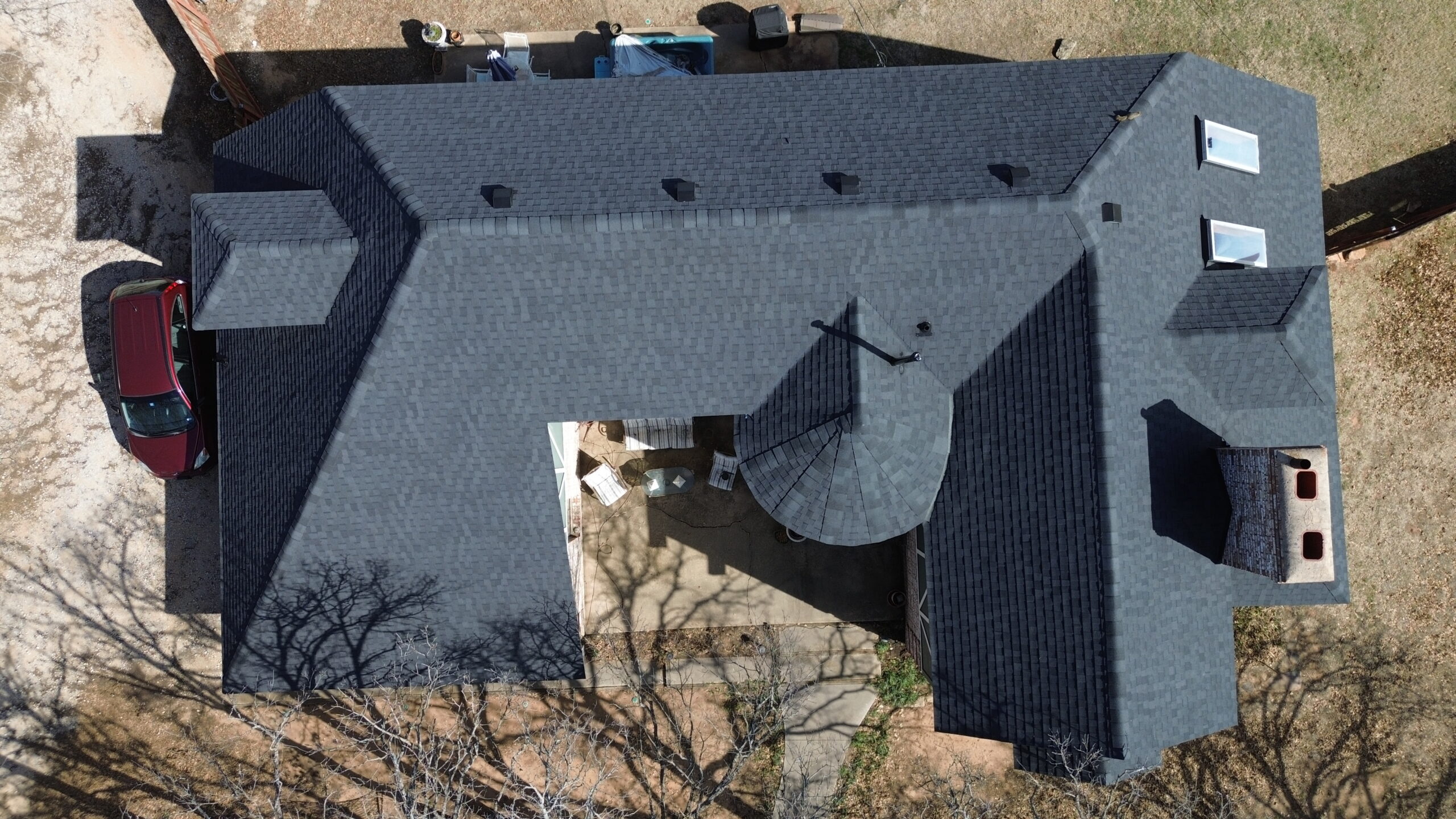
How Professional Contractors Reduce Weather Delays
Professional contractors cannot control extreme weather, but they can prepare for it. Weather monitoring, realistic scheduling, material planning, temporary protection, and clear communication can reduce the effect of environmental interruptions on a roofing project.
Before starting major work, contractors can review the forecast and identify weather-sensitive stages. They may avoid removing large sections of roofing immediately before an expected storm and instead organize the work so exposed areas can be protected quickly.
Material and equipment planning can also reduce delays. Weather-sensitive products should be stored appropriately, while equipment should be available when suitable working conditions return. Coordinating deliveries and inspections can help prevent unnecessary gaps in the schedule.
After extreme weather, professional contractors should inspect the roof before restarting work. They can check the roof deck, temporary protection, roofing materials, access equipment, and partially completed areas for damage or moisture. This helps ensure that the next installation stage begins under appropriate conditions.
The contractor should also follow manufacturer requirements for roofing products. Temperature limits, moisture requirements, curing conditions, storage instructions, and installation procedures can all affect whether work can continue after a weather event.
Conclusion
Extreme weather can significantly affect roof installation timelines, but weather-related delays are often a necessary part of responsible construction. Rain, wind, storms, extreme heat, cold temperatures, snow, and other severe conditions can create safety hazards and prevent roofing materials from being installed correctly.
The effects of a weather event can continue after the conditions improve. Roof decks may need to dry, temporary protection may require inspection, damaged materials may need replacement, and inspections or deliveries may need to be rescheduled. These additional steps can extend the project timeline even when the actual storm was relatively short.
Homeowners can reduce frustration by maintaining clear communication with their roofing contractor and understanding the reasons behind schedule changes. Contractors can reduce the impact of delays by monitoring forecasts, planning the installation sequence carefully, protecting exposed areas, storing materials correctly, and inspecting the roof before work resumes.
The goal should never be to complete a roofing project as quickly as possible at the expense of safety or quality. A properly managed weather delay protects workers, materials, the building, and the long-term performance of the roof. With realistic scheduling and professional weather management, roofing projects can successfully navigate extreme conditions while maintaining a high standard of installation.