


Tile Residential Roofing Benefits and Installation Overview
Introduction
Tile roofing has been used on residential buildings for centuries because of its distinctive appearance, durability, and ability to withstand demanding weather conditions. Today, homeowners can choose from clay tiles, concrete tiles, and several specialty tile products designed for different architectural styles and climates. Although tile roofing can require a higher initial investment than some other materials, its long service life and visual appeal make it an attractive option for many properties.
A residential roof performs several important functions beyond covering the top of the house. It helps protect interior spaces from rain, wind, sunlight, temperature changes, and debris while also contributing to the building’s overall appearance. Tile roofing can provide strong protection when the material, roof structure, and installation methods are properly matched to the property.
One of the main advantages of tile roofing is its durability. Properly installed tiles can remain functional for many decades, although individual tiles may occasionally crack or break and require replacement. The supporting components beneath the tiles also need regular inspection because the visible tile surface is only one part of the complete roofing system.
Tile roofing can also improve the architectural character of a home. Its curved profiles, flat designs, colors, and textures can complement Mediterranean, Spanish, Southwestern, traditional, contemporary, and other residential styles. Homeowners can therefore select a tile profile that provides both practical protection and a desired exterior appearance.
However, tile roofing is not suitable for every property. Tiles can be heavier than many alternative roofing materials, so the roof structure must be capable of supporting the added load. Installation also requires attention to underlayment, flashing, drainage, fastening, and other details.
Understanding the benefits and installation requirements before choosing tile roofing can help homeowners make a more informed decision. The goal should be to select a complete roofing system that fits the building, climate, budget, and long-term maintenance expectations.
Understanding Tile Residential Roofing Systems
Tile residential roofing consists of individual roofing units installed in overlapping patterns across a prepared roof surface. The tiles form the visible weather-resistant layer, while underlayment and other components provide additional protection against moisture. Depending on the roof design and tile type, installation methods can include mechanical fastening, clips, battens, mortar, adhesives, or combinations of these systems.
Clay and concrete are two of the most common materials used for residential tile roofing. Clay tiles are produced from natural clay that is shaped and fired, while concrete tiles are manufactured using cement-based mixtures and can be formed into different profiles and finishes. Both materials can provide long-lasting performance when correctly selected and installed.
Tile profiles vary considerably. Some tiles have curved shapes that create a traditional appearance, while others are relatively flat and provide a cleaner architectural style. Interlocking designs can also improve installation efficiency and help manage water movement across the roof.
The complete roofing system includes much more than the tiles. Underlayment is positioned beneath the tiles to provide an additional moisture barrier. Flashing is installed around areas such as chimneys, walls, valleys, skylights, and vents where water could otherwise enter vulnerable transitions.
Roof edges and drainage systems are equally important. Gutters and downspouts must be capable of handling water runoff, while valleys need proper detailing because they collect water from multiple roof surfaces. Poor drainage can create problems even when the tile itself remains in good condition.
The roof structure is another critical consideration. Tile can place a greater load on the building than lighter roofing products, so structural capacity should be evaluated before installation. A contractor or qualified professional can determine whether reinforcement or other structural preparation is necessary.
Tile roofing can also require specialized installation knowledge. The correct spacing, alignment, fastening, and flashing details depend on the selected product and roof design. Improper installation may reduce durability and create water-entry problems.
Homeowners should therefore think of tile roofing as a complete system rather than simply a collection of decorative tiles. The tiles, supporting structure, waterproofing layers, drainage components, and installation methods must work together to achieve reliable performance.
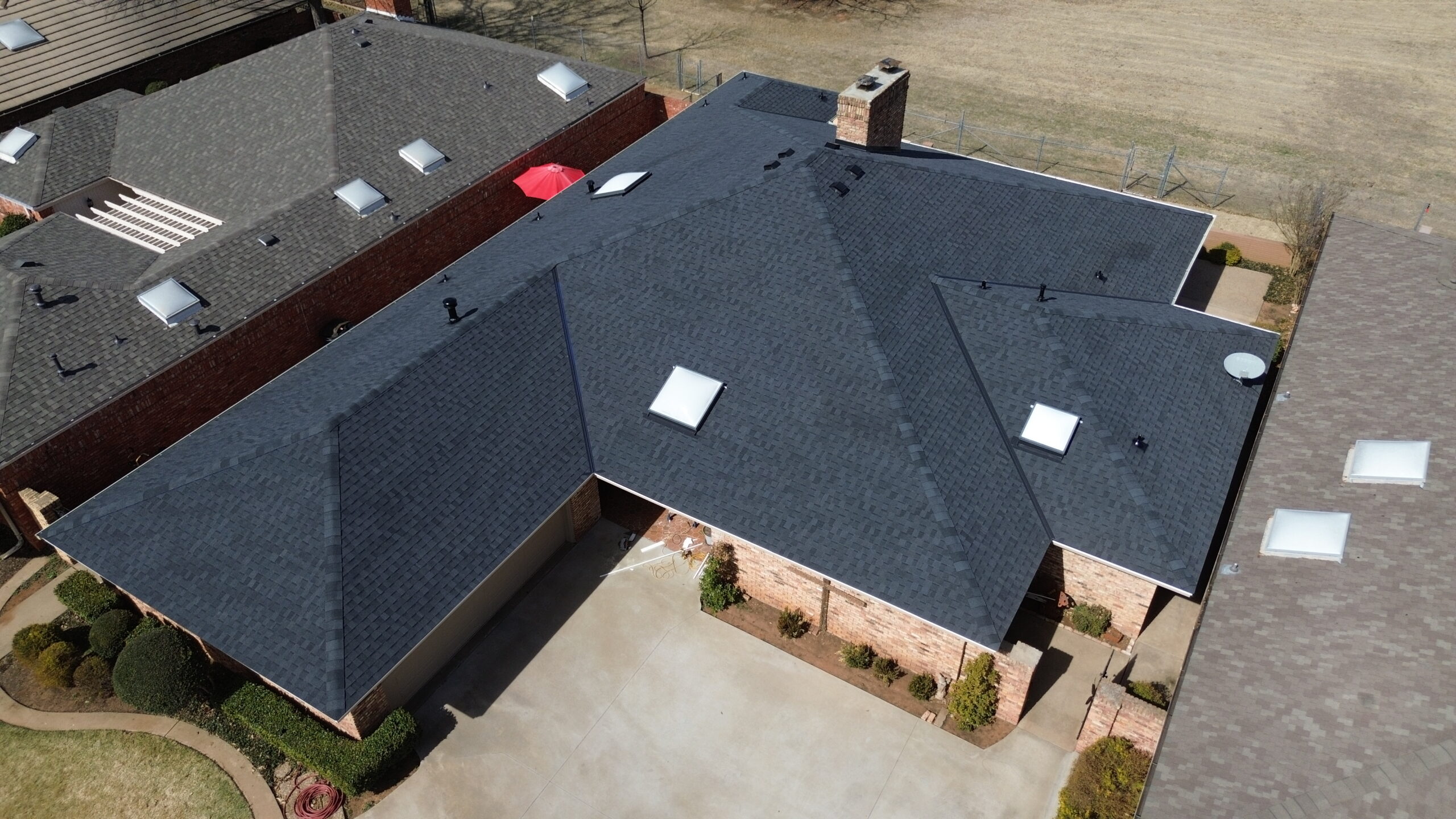
Major Types of Residential Roofing Tiles
The two most common tile materials for residential roofing are clay and concrete. Each has different characteristics that can influence cost, appearance, weight, durability, and maintenance requirements.
Clay tiles are manufactured by shaping natural clay and firing it at high temperatures. This process creates a durable roofing product that can retain its appearance for many years. Clay tiles are available in traditional curved profiles as well as flatter designs, allowing homeowners to achieve different architectural effects.
One advantage of clay is its resistance to many environmental conditions. Properly manufactured and installed clay tiles can withstand sunlight, rain, and temperature changes for long periods. Their natural appearance can also make them appealing for homeowners seeking a traditional or premium exterior design.
Concrete tiles provide another widely used option. They can be manufactured in many shapes and colors, and modern production methods allow concrete products to imitate the appearance of other roofing materials. Concrete tiles can therefore offer considerable design flexibility.
Concrete is generally heavier than many lighter roofing materials, so structural considerations are important. The roof structure should be evaluated before installation to confirm that it can safely support the selected system.
Some tile products are designed to interlock, helping create a more organized installation pattern. Interlocking systems can improve resistance to water movement and wind when installed according to the manufacturer’s requirements.
Color and surface treatments can vary significantly between products. Homeowners may find tiles in natural earthy tones, darker shades, blended colors, and finishes designed to complement different exterior materials.
There are also specialty tile products made for specific architectural or performance requirements. Some are designed to replicate historic styles, while others focus on lighter weight or enhanced weather characteristics.
The choice between clay and concrete should not be based on appearance alone. Homeowners should compare weight, expected service life, climate suitability, maintenance requirements, installation needs, and overall project cost.
A professional roofing contractor can help determine which tile type is appropriate for the property’s structure and local conditions. The selected material should also comply with applicable building requirements and manufacturer installation instructions.
Key Benefits of Tile Roofing
Tile roofing offers several advantages that make it attractive to homeowners seeking long-term performance. Durability is one of the strongest benefits because properly installed tile systems can remain functional for many decades.
Tiles are resistant to many forms of weather exposure. They can withstand regular sunlight and rainfall while providing a strong protective surface over the home. Depending on the product and installation, tile roofs can also perform well in areas exposed to strong winds.
Another benefit is resistance to fire. Many clay and concrete tile products are noncombustible, which can provide an important advantage in areas where fire exposure is a concern. However, the fire performance of the complete roofing assembly depends on more than the tile alone.
Tile can also contribute to energy performance. The air space and overlapping arrangement beneath many tile profiles can help reduce direct heat transfer. When combined with appropriate insulation and ventilation, the roofing system can contribute to more comfortable indoor conditions.
Longevity is another major advantage. While individual tiles can crack from impacts or improper handling, the overall tile material can remain durable for a very long period. This can reduce the frequency of complete roof replacement compared with some shorter-lived roofing materials.
Tile roofing also offers strong aesthetic flexibility. Homeowners can select different shapes, colors, textures, and profiles to create a distinctive appearance. A well-designed tile roof can add character to the property and complement architectural features.
Maintenance can also be manageable when the system is properly installed. Damaged individual tiles can often be replaced without removing the entire roof. This allows localized repairs when the underlying roofing system remains sound.
Tile is also relatively resistant to deterioration from sunlight compared with some materials that can fade or degrade more quickly. The exact performance depends on the specific product and finish.
These benefits explain why tile roofing is often considered a long-term investment. However, homeowners should balance these advantages against higher installation costs, structural requirements, and the possibility of individual tile damage.
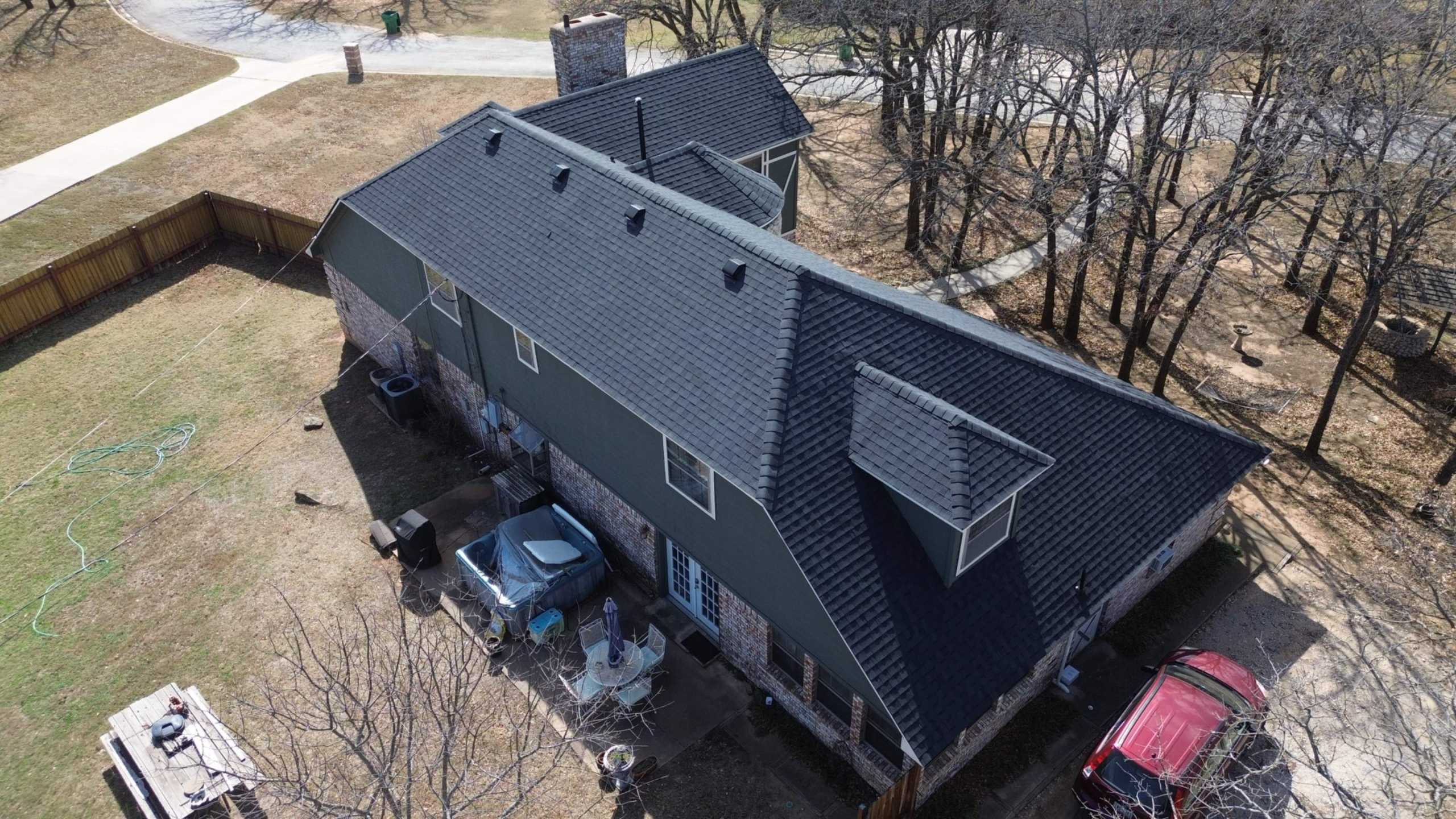
Durability and Weather Resistance
Durability is one of the primary reasons homeowners consider tile roofing. Clay and concrete tiles can provide long-term protection when the roofing system is properly designed, installed, and maintained. Their performance can be particularly valuable in climates with strong sunlight and regular exposure to weather.
Tile materials generally resist ultraviolet exposure well. Continuous sunlight can gradually age many roofing materials, but properly manufactured tile can maintain its physical properties for extended periods. This contributes to the long service life associated with many tile roofs.
Rain resistance depends heavily on roof design and installation. Tiles overlap to guide water toward the lower edge of the roof, while underlayment provides an additional layer of protection. Flashing around penetrations and transitions is especially important because these areas can remain vulnerable even when the tile surface is intact.
Wind resistance is influenced by tile design, roof slope, fastening methods, and local conditions. Strong winds can move or break tiles if they are not properly secured. Following manufacturer requirements and applicable installation standards is therefore essential.
Hail and falling debris can cause localized damage. Although tiles can be durable, a strong impact may crack or break an individual unit. Fortunately, localized damage can often be repaired by replacing affected tiles when suitable materials are available.
Temperature changes can also affect roofing systems. Proper installation allows the materials and supporting components to perform under changing conditions. Poor installation or inadequate attention to roof movement can create stress and premature problems.
Tile roofs can also be suitable for hot climates because the tile profile may create an air space above the underlayment. This design can contribute to reduced direct heat transfer, particularly when the attic and ventilation system are properly designed.
Despite their durability, tiles should not be treated as indestructible. Walking directly on them without appropriate techniques can cause cracking, and falling objects can create damage. Maintenance and inspection should therefore be performed carefully.
Overall, tile roofing can provide excellent weather performance when every part of the system is properly selected and installed. The material’s durability is a major advantage, but long-term performance still depends on quality workmanship and appropriate maintenance.
Energy Efficiency and Climate Performance
Tile roofing can contribute to residential energy performance, particularly when the roof is designed to work with proper insulation and ventilation. The physical shape and installation pattern of many tiles create a space between the outer roofing surface and the underlayment, which can help reduce direct heat transfer.
In hot climates, this characteristic can be beneficial. Solar heat reaches the tile surface first, while the space beneath the tiles can provide an additional buffer before heat reaches the roof deck. Proper attic ventilation can further help manage accumulated heat.
Tile color can also influence thermal performance. Lighter-colored surfaces generally absorb less solar energy than darker surfaces, although the actual effect depends on the specific tile, roof design, insulation, ventilation, and climate.
Clay and concrete tiles are available in different finishes and colors, giving homeowners opportunities to balance appearance with climate considerations. In areas with strong sunlight, selecting a suitable finish may support the overall energy strategy of the home.
However, roofing material alone does not determine energy efficiency. Insulation is essential because it limits heat transfer between the attic and living spaces. A poorly insulated home may experience significant heat gain even with a well-designed tile roof.
Ventilation is equally important. A properly designed ventilation system can help manage attic temperature and moisture. Homeowners should avoid making ventilation changes without understanding how the existing roof assembly functions.
Climate also affects maintenance and durability. Hot, sunny environments may require attention to roof details exposed to intense sunlight, while wet climates may require careful management of drainage and moisture. Areas with frequent storms may place greater emphasis on fastening and wind resistance.
Tile can therefore be an effective choice for many climates, but it should be selected according to local conditions. A professional roofing assessment can help determine whether a particular tile profile, material, and installation method is suitable for the property.
When tile roofing is combined with proper insulation, ventilation, waterproofing, and drainage, it can provide both durable weather protection and useful thermal performance. This complete-system approach is essential for homeowners who want to gain the full benefits of residential tile roofing.
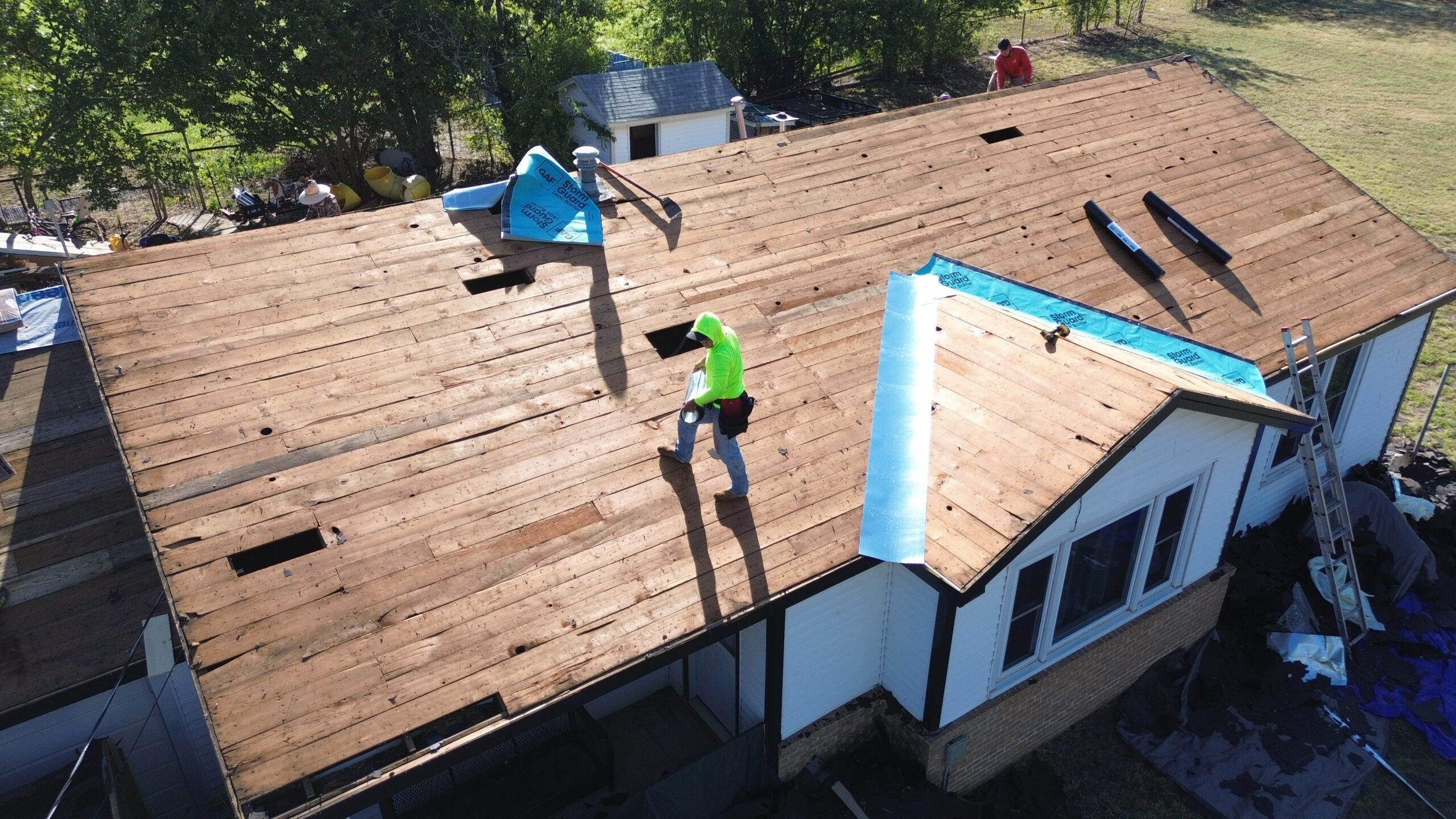
Tile Roofing Installation Process
Installing a tile roof requires careful planning because the tiles are only one part of the complete roofing system. Before installation begins, the existing roof should be inspected to identify damaged decking, structural concerns, drainage problems, and areas that may require repair. The roof structure must also be evaluated because tile can weigh considerably more than some other roofing materials.
Once the roof structure is confirmed to be suitable, the roof deck is prepared. Any deteriorated or weakened decking should be repaired or replaced before the new roofing system is installed. A clean, stable, and properly prepared surface provides a stronger foundation for the underlayment and other components.
Underlayment is then installed over the roof deck according to the requirements of the selected tile system. This layer provides additional protection against water that may pass beneath the tiles. The exact underlayment method can vary depending on climate, roof slope, tile type, and applicable building requirements.
Flashing is installed around vulnerable areas such as chimneys, skylights, walls, valleys, vents, and roof edges. These locations require careful detailing because changes in direction or interruptions in the roof surface can create potential pathways for water. Proper flashing helps direct moisture away from these areas and toward the drainage system.
The tiles are then positioned according to the manufacturer’s installation instructions. Their spacing and alignment must be consistent to create a properly functioning roof surface. Depending on the tile and roof design, tiles may be attached using fasteners, clips, battens, mortar, adhesives, or approved combinations of these methods.
Special attention is required around valleys and roof penetrations. These areas receive concentrated water flow and must be designed to prevent moisture from entering the roof assembly. Incorrect tile placement in these locations can create leaks even when the rest of the roof appears properly installed.
Roof edges also need careful treatment. Edge tiles and related components should be secured appropriately to reduce movement during strong winds. The installation method may vary depending on the roof’s location, slope, tile design, and local weather conditions.
After the tiles are installed, the roof should be inspected for alignment, damaged tiles, exposed fasteners, flashing conditions, and drainage performance. Any cracked or incorrectly positioned tiles should be corrected before the project is considered complete.
A professional installation is particularly important for tile roofing because improper handling can damage the tiles themselves. Walking on tile without appropriate techniques can cause cracks or breakage, while incorrect fastening can reduce resistance to wind.
The installation process should therefore be treated as a complete roofing project rather than simply placing tiles over an existing surface. Proper preparation, waterproofing, flashing, fastening, drainage, and final inspection all contribute to the roof’s long-term performance.
Roof Structure and Weight Considerations
One of the most important considerations before installing tile roofing is the weight of the complete roofing system. Clay and concrete tiles can be considerably heavier than asphalt shingles and certain lightweight roofing materials. As a result, the existing roof structure must be evaluated before tile installation begins.
A roof is supported by a combination of structural components that transfer the roofing load into the walls and foundation. These components must be capable of safely carrying both permanent and temporary loads. The roofing material is one part of that overall load.
Older homes may require particular attention because their original roof structures may have been designed for a lighter roofing material. Installing tile without evaluating structural capacity can create unnecessary risks and may not comply with applicable requirements.
The condition of the roof deck is also important. A roof deck weakened by moisture, age, insects, or previous damage may require repairs before a new tile system is installed. Adding a heavier roofing material over an already compromised structure is not an appropriate solution.
Professional evaluation can determine whether reinforcement is necessary. In some cases, structural improvements may be possible, while in other situations a lighter roofing material may be more suitable for the property.
The weight of the tiles also affects installation and transportation. Roofing professionals must handle tiles carefully because individual pieces can be heavy and fragile. Proper storage and movement around the job site can reduce breakage before installation.
Roof slope can influence the structural and installation requirements as well. Different tile profiles are designed for different applications, and manufacturers typically provide requirements for minimum slopes, fastening, underlayment, and installation methods.
Homeowners should not assume that an existing roof can automatically support tile simply because the roof is structurally sound under its current material. The existing roofing load and the proposed tile system are different considerations.
Additional factors such as wind, maintenance workers, rain, and other temporary loads may also need to be considered during design. Local requirements can determine how these factors should be addressed.
A structural assessment before installation can prevent expensive changes later. It allows homeowners to understand whether the property is suitable for tile roofing and whether additional preparation will affect the overall project budget.
The weight issue does not make tile unsuitable for residential use. Many homes are designed specifically for tile systems, and properly engineered structures can support them effectively. The important point is that structural suitability should be confirmed before materials are purchased and installation begins.
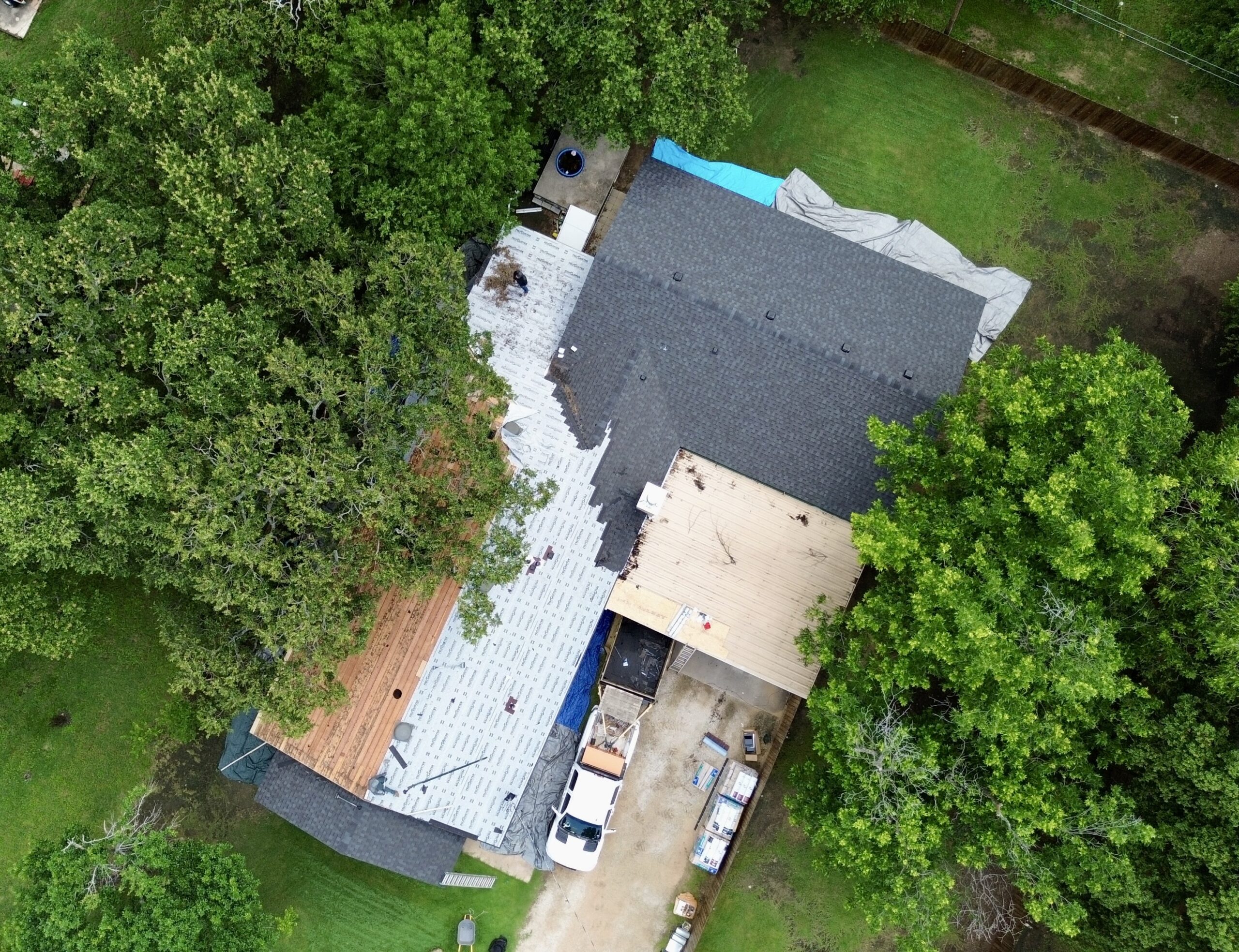
Proper Underlayment and Waterproofing
The tile surface provides important weather protection, but the underlying waterproofing system is equally important. Tiles are installed with joints and overlaps, so a properly designed underlayment helps protect the roof deck from moisture that may pass beneath the outer surface.
Underlayment is installed over the roof deck before the tiles are placed. Its purpose is to provide an additional barrier against water and protect the underlying structure. The selected material and installation method should be appropriate for the roofing system and local conditions.
Waterproofing becomes particularly important in areas where water flow is concentrated. Valleys, roof edges, penetrations, and transitions require careful attention because water may accumulate or change direction in these locations.
Modern roofing systems may use different types of underlayment depending on project requirements. The appropriate choice can depend on climate, roof slope, tile type, manufacturer instructions, and applicable building standards.
Fastening the underlayment correctly is also important. Loose, poorly positioned, or damaged material can reduce its effectiveness. Overlaps and transitions should be installed according to the roofing system requirements.
Underlayment should not be considered a replacement for proper tile installation. If tiles are incorrectly positioned or flashing is poorly detailed, the underlayment may eventually be exposed to excessive moisture. The complete system must work together.
Waterproofing details around chimneys and skylights deserve special attention. These structures interrupt the roof surface and create areas where water could enter if flashing and underlayment are not properly integrated.
Roof valleys also require careful design because they receive runoff from multiple sections of the roof. The valley system should provide a clear path for water while protecting the underlying roof assembly.
Homeowners should ask contractors what type of underlayment will be used and how vulnerable areas will be protected. A detailed proposal should identify the major components rather than focusing exclusively on the visible tile.
Proper waterproofing can significantly influence the durability of the entire roof. A tile may remain intact for decades, but water can still damage the roof if the layers beneath it are poorly installed.
This is why experienced installation is valuable. A contractor familiar with tile roofing can understand how the visible tiles, underlayment, flashing, and drainage components need to interact.
Flashing, Valleys, and Drainage Details
Flashing is one of the most important components of a tile roofing system because it protects locations where the roof intersects with other structures. These areas include chimneys, walls, skylights, vents, valleys, and roof edges. Water naturally seeks pathways through these transitions, so proper flashing helps control its movement.
A tile roof can appear perfectly installed while still developing leaks if flashing is inadequate. Water may enter behind the tiles and travel beneath the roofing system before becoming visible inside the home.
Chimney flashing requires particularly careful attention. The connection between masonry and roofing materials can create multiple areas where water needs to be redirected. Proper flashing should work with the tile layout rather than simply being placed over the finished surface.
Wall intersections require similar consideration. Where a sloped roof meets a vertical wall, flashing should direct water away from the joint and toward an appropriate drainage path.
Skylights and roof vents also need properly integrated flashing. These penetrations interrupt the continuous roof surface and can become vulnerable if surrounding materials are not installed correctly.
Valleys require special attention because they collect water from two or more roof sections. The valley must allow water to flow freely without becoming blocked by tiles, debris, or improperly positioned materials.
Drainage systems should also be considered during installation. Gutters and downspouts need to accommodate the amount of runoff generated by the roof. Poorly designed drainage can result in overflow near roof edges and contribute to moisture problems.
Tile placement near gutters must be precise. The lower edge of the tile should direct water appropriately without causing excessive splash or allowing water to bypass the drainage system.
Debris management is another consideration. Leaves and branches can accumulate around valleys and gutters, particularly on properties surrounded by trees. Regular maintenance can help preserve proper water flow.
The roof’s slope also affects drainage performance. Tile systems should be selected and installed according to the minimum slope requirements of the specific product. Using an unsuitable tile profile on a roof with inadequate slope can increase water-management problems.
Proper flashing and drainage are therefore essential parts of tile roof installation. They may not be as visually noticeable as the tiles themselves, but they have a major influence on whether the roofing system remains dry and functional.
Tile Roofing Maintenance and Repairs
Tile roofing is known for durability, but it still requires regular maintenance. Homeowners should not assume that long-lasting tiles mean the entire roof is maintenance-free. Individual tiles can crack, shift, or break, while underlayment, flashing, and drainage components can deteriorate over time.
Visual inspections can help identify obvious problems. Homeowners can safely check the roof from the ground for missing or displaced tiles, accumulated debris, damaged gutters, and visible changes around roof edges.
After strong storms, the roof should be checked for possible damage. Wind can move tiles, while hail or falling branches can crack individual pieces. If damage is suspected, homeowners should avoid walking across the roof unless they have the appropriate experience and equipment.
Broken tiles can often be replaced individually. This is one of the practical advantages of tile roofing because localized damage does not necessarily require complete roof replacement.
However, replacing a tile does not always solve the entire problem. If a broken tile resulted from underlying movement, poor fastening, or deteriorated components, those conditions should also be investigated.
Flashing should be inspected periodically, especially around chimneys, skylights, vents, walls, and valleys. Deteriorated flashing can allow water to enter even when the surrounding tiles remain intact.
Gutters and downspouts should remain clear so water can move away from the roof efficiently. Blocked drainage can cause water to accumulate around roof edges and valleys.
Tiles should also be kept reasonably free from excessive debris. Accumulated leaves and branches can retain moisture and interfere with drainage. However, homeowners should avoid climbing onto the roof simply to clean difficult areas.
Professional maintenance is especially valuable for older tile roofs. An experienced contractor can inspect not only the tiles but also the underlayment, flashing, fasteners, and supporting components.
Keeping records of repairs and inspections can help homeowners understand the roof’s condition over time. Photographs, invoices, and material information can be useful when planning future maintenance.
With appropriate care, a tile roofing system can provide long-lasting performance. The key is to address small problems before they allow moisture to reach the underlying roof structure or develop into larger repairs.
Common Tile Roofing Installation Problems
Tile roofing can provide excellent long-term performance, but installation mistakes can reduce its durability and create problems that may be expensive to correct. Because tile systems contain multiple components, errors in one area can affect the performance of the entire roof. Careful installation and proper planning are therefore essential.
One common problem is failing to evaluate the roof structure before installation. Tile can be considerably heavier than many other roofing materials, particularly concrete tile. If the existing structure is not suitable for the added load, reinforcement or an alternative roofing material may be necessary.
Incorrect tile fastening is another concern. Tiles that are not secured according to manufacturer requirements may shift during strong winds or other severe weather. Loose tiles can also damage surrounding materials when they move repeatedly.
Poor underlayment installation can create water-related problems. Although tiles provide the primary visible covering, the underlayment offers an additional layer of protection beneath them. Gaps, improper overlaps, damaged sections, or unsuitable materials can reduce the roof’s resistance to moisture.
Flashing errors are particularly serious around chimneys, skylights, vents, walls, and valleys. These areas require precise detailing because water naturally concentrates or changes direction around them. Poorly installed flashing can allow leaks to develop even when the tile surface appears intact.
Incorrect tile alignment can also affect the roof’s appearance and performance. Uneven spacing may interfere with water flow and create an inconsistent appearance. Following the manufacturer’s layout requirements helps maintain proper coverage.
Another issue is using tiles that are not appropriate for the roof slope. Different tile profiles have specific installation requirements, and selecting an unsuitable product can increase the possibility of water penetration.
Walking carelessly on tile can cause cracking during installation or maintenance. Roofing professionals should use appropriate techniques and access methods to reduce damage to installed materials.
Ignoring ventilation and drainage can also contribute to long-term problems. A well-installed tile surface cannot compensate for poor attic moisture management or blocked water pathways.
Homeowners should therefore select contractors with relevant tile roofing experience. A contractor should understand structural requirements, waterproofing, flashing, fastening, and tile-specific installation methods.
Identifying potential installation problems before work begins can save considerable time and expense. Proper planning helps ensure that the tile system performs as intended and remains attractive for many years.
Tile Roofing Costs and Long-Term Value
Tile roofing generally requires a larger initial investment than many basic roofing materials, but its long service life can make it a valuable long-term option. The total project cost depends on the tile material, roof size, design complexity, labor, structural preparation, underlayment, flashing, removal requirements, and other components.
Clay and concrete tiles can have different pricing structures. Specialty profiles, premium finishes, custom colors, and complex designs may increase material costs. Concrete may provide a different balance of cost and appearance compared with clay.
Labor is also important because tile installation requires careful handling and specialized knowledge. Complex roof designs containing multiple slopes, valleys, dormers, chimneys, or skylights generally require more work than simple roof shapes.
Structural preparation can affect the budget as well. If the existing structure needs reinforcement to support the tile system, those improvements should be included in the overall project planning.
Underlayment and flashing should not be treated as optional expenses. These components provide important protection and can strongly influence the long-term performance of the roof.
Tile’s long service life can help offset its higher initial cost. A roof that remains functional for several decades may require fewer complete replacements over the life of the home compared with materials that have shorter expected service periods.
Maintenance costs should also be considered. Individual cracked tiles can often be replaced without replacing the entire roof, allowing homeowners to address localized problems more efficiently.
Long-term value depends heavily on installation quality. A poorly installed tile roof may require repairs sooner than expected, reducing the financial benefit of choosing a durable material.
Homeowners should obtain detailed estimates that explain the complete roofing system. Comparing only the price per tile or the basic installation price may overlook important components.
The best value comes from balancing initial cost, expected lifespan, maintenance, appearance, and performance. Tile can be a strong investment for homeowners who plan to remain in the property for many years and value long-lasting roofing.
Choosing the Right Tile for Your Home
Choosing the appropriate tile requires consideration of the property’s architecture, climate, roof structure, budget, and maintenance expectations. Homeowners should begin by determining whether the existing structure can safely support the selected roofing system.
Clay tiles can provide a traditional appearance and long service life, while concrete tiles offer a wide variety of profiles and finishes. The choice should reflect both performance requirements and aesthetic preferences.
Roof slope is another important factor. Tile products have specific slope requirements, and the selected system must be appropriate for the roof’s design. A contractor can help confirm compatibility before materials are purchased.
Local weather conditions should also influence the selection. Homes exposed to strong winds may require particular fastening methods, while areas with frequent heavy rain may require careful attention to underlayment and drainage.
Color can affect the home’s appearance and may also influence solar heat absorption. Lighter finishes can be useful in some hot climates, although insulation and ventilation remain essential for overall energy performance.
Homeowners should also consider the availability of replacement tiles. Some specialized products may be difficult to match if individual tiles become damaged years later. Selecting a product with reliable local availability can simplify future repairs.
Manufacturer recommendations should be reviewed carefully. They provide information about installation, slope, fastening, underlayment, and other requirements that affect product performance.
Professional advice is valuable when comparing materials. A qualified roofing contractor can assess the existing structure and explain which products are practical for the property.
Choosing a tile based only on appearance can lead to problems if the material is unsuitable for the roof. Performance requirements should always be considered alongside design preferences.
Tile Roofing Design and Curb Appeal
Tile roofing can significantly influence the appearance of a residential property. Its shapes, textures, colors, and patterns allow homeowners to create distinctive exterior designs that complement many architectural styles.
Curved tiles can create a traditional appearance commonly associated with Mediterranean and Spanish-inspired homes. Flat tiles can provide a cleaner and more contemporary look while still offering the durability associated with tile roofing.
Color selection provides additional flexibility. Natural clay tones, earth-inspired colors, blended finishes, and darker shades can complement different siding and exterior materials.
Tile can also add visual depth because individual pieces create texture across the roof. This can make the roof a prominent architectural feature rather than simply a protective covering.
However, design should remain consistent with the home’s structure and surrounding environment. A highly decorative roof may not suit every architectural style, and certain communities may have requirements regarding exterior materials.
The roof’s shape also affects appearance. Complex roof designs can create interesting patterns but may require more flashing, cutting, and installation work.
Color and texture should also be considered in relation to long-term maintenance. Some surfaces may show dirt, algae, or weathering more noticeably than others.
When selecting tile, homeowners should request samples and consider how the material looks under different lighting conditions. Roof color can appear different depending on sunlight and surrounding exterior finishes.
A professional designer or experienced roofing contractor can help coordinate tile selection with the home’s architectural features. The objective should be to create a roof that looks attractive while meeting practical performance requirements.
A well-designed tile roof can improve curb appeal and contribute to the property’s overall character. This aesthetic benefit can be an important part of the long-term value of tile roofing.
Environmental and Sustainability Considerations
Tile roofing can offer several sustainability-related advantages, particularly because clay and concrete tiles can remain functional for long periods. A long-lasting roof may require fewer complete replacements, reducing the frequency of material disposal.
Clay tiles are made primarily from natural clay and are fired during manufacturing. Concrete tiles use mineral-based materials and can be produced in many forms. The environmental impact of manufacturing varies depending on production methods, transportation, energy use, and other factors.
Durability is an important part of the sustainability discussion. When a roofing system remains functional for decades, fewer materials may be required for replacement over the building’s life.
Tile can also contribute to thermal performance. The profile of many tile systems creates an air space between the tiles and the underlying roof surface. Combined with proper insulation and ventilation, this can support more effective temperature management.
At the end of its service life, tile may have potential for reuse or recycling depending on its condition and local facilities. Homeowners should ask contractors how removed tiles and other roofing materials will be handled.
Transportation is another consideration because tile is heavier than many alternative roofing materials. Moving heavier materials can require more transportation resources, which may contribute to the overall environmental footprint.
The most sustainable choice depends on the complete life cycle of the roofing system. Homeowners should consider manufacturing, transportation, installation, maintenance, lifespan, and end-of-life disposal rather than focusing on one factor.
Proper maintenance can also support sustainability by extending the roof’s useful life. Replacing a few damaged tiles instead of removing an otherwise functional roof can avoid unnecessary material waste.
Tile can therefore be a durable and visually appealing option for homeowners who value long-term roofing performance. Its environmental benefits should be considered alongside its weight, manufacturing requirements, and project-specific conditions.
Conclusion
Tile residential roofing can provide a combination of durability, weather resistance, energy performance, and distinctive appearance. Clay and concrete tiles can remain functional for many decades when they are correctly selected, installed, and maintained.
Successful tile roofing begins before the tiles reach the roof. The structure must be evaluated to confirm that it can support the roofing system, while the roof deck, underlayment, flashing, drainage, and ventilation should all be properly prepared.
Installation quality is particularly important because mistakes can lead to cracked tiles, water intrusion, poor wind performance, and premature deterioration. Homeowners should work with professionals who understand tile-specific installation requirements and can follow manufacturer specifications.
The higher initial cost of tile can be balanced by its long service life and repairability. Individual damaged tiles can often be replaced without removing the entire roof, while regular maintenance can help protect the underlying roofing system.
Choosing the right tile also requires attention to climate, roof slope, structural capacity, architectural style, color, and future maintenance. The most attractive product is not necessarily the most suitable one for every property.
Homeowners should also consider environmental factors, including material durability, transportation, energy performance, and end-of-life disposal. A long-lasting roof can reduce the frequency of complete replacements and help limit material waste.
Ultimately, tile roofing is best viewed as a complete system rather than simply a collection of individual tiles. With proper structural planning, quality installation, effective waterproofing, appropriate drainage, and regular maintenance, a tile roof can provide reliable protection and lasting curb appeal for a residential property.
Leave A Comment