
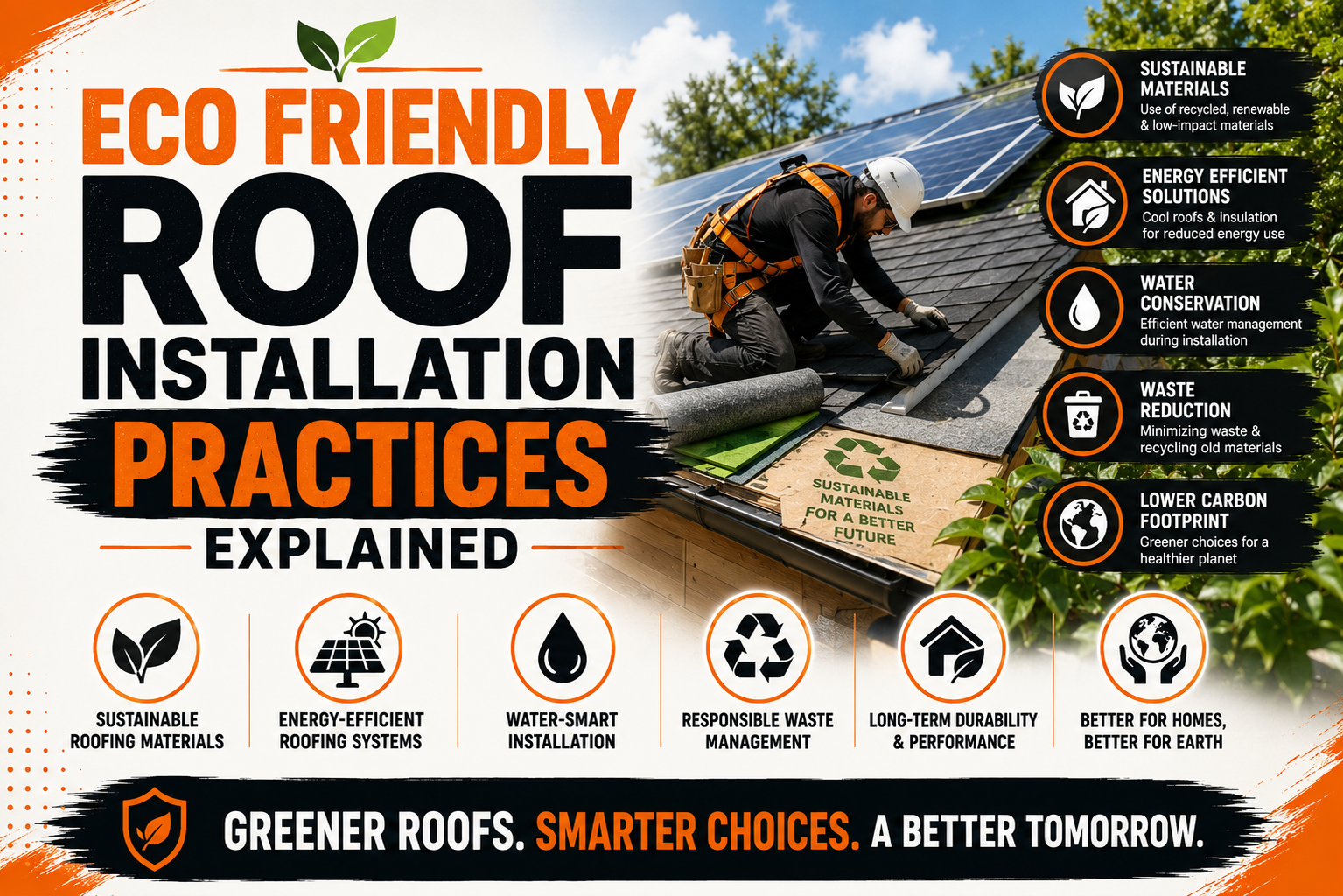
Eco Friendly Roof Installation Practices Explained
Introduction
Roof installation plays an important role in the environmental performance of a building because roofing materials, transportation, construction waste, energy use, and long-term maintenance all contribute to a property’s overall impact. An eco-friendly roof installation focuses on reducing unnecessary resource consumption while creating a durable roofing system that protects the building from weather. This approach considers what happens before, during, and after the installation rather than focusing only on the finished roof.
Traditional roofing projects can generate considerable amounts of discarded materials, packaging, and construction waste. Older roofing materials may also be removed and sent directly to landfills even when some components could have been reused or recycled. Modern sustainable installation practices aim to reduce this waste by improving measurements, selecting recyclable materials, and planning responsible disposal methods.
Energy efficiency is another important part of environmentally conscious roofing. A properly designed roof can help control heat transfer between the exterior and interior of a building, reducing the demand for heating and cooling. Reflective roofing, adequate insulation, suitable ventilation, and solar-ready planning can all contribute to better building performance when they are properly integrated.
Material selection also affects sustainability. A roof made from durable materials that remains functional for many years may require fewer replacements than a shorter-lived system. Recycled, recyclable, reclaimed, or responsibly manufactured materials can further reduce environmental impact when they are suitable for the building and local climate.
Eco-friendly roofing does not mean choosing one specific material or installation method. Different buildings require different solutions depending on their structure, location, weather exposure, roof design, budget, and intended service life. The most sustainable option is often the system that provides reliable protection, efficient performance, manageable maintenance, and a long useful lifespan.
Professional planning is essential because environmental goals should never compromise structural safety or weather protection. A sustainable roof still needs proper flashing, drainage, ventilation, fastening, waterproofing, and installation according to applicable requirements. When these elements are combined with responsible material and waste practices, roofing can become an important part of a more sustainable building strategy.
Understanding Eco-Friendly Roof Installation
Eco-friendly roof installation refers to roofing practices that aim to reduce environmental impact while maintaining reliable building protection and long-term performance. The approach can involve material selection, waste reduction, energy efficiency, transportation planning, installation methods, and maintenance. Instead of considering sustainability as a separate feature, the entire roof project is evaluated as a system.
One major difference between conventional and environmentally conscious installation is the attention given to the life cycle of materials. A roofing product may require resources to manufacture, transport, install, maintain, and eventually replace. Considering these stages can help property owners choose materials that provide useful performance over a longer period.
Durability is therefore an important part of sustainability. A roof that lasts longer may reduce the need for repeated manufacturing, transportation, installation, and disposal. Choosing a durable material that is appropriate for the local environment can sometimes provide greater environmental value than selecting a product simply because it contains recycled content.
Material efficiency also matters during installation. Accurate measurements can help contractors order closer to the quantity actually required for the project. Better planning can reduce unused materials, unnecessary deliveries, and avoidable construction waste.
The condition of an existing roof should also be assessed before complete replacement is automatically recommended. In some cases, certain components may be repairable or reusable, depending on their condition and the roofing system. A professional assessment can determine whether replacement, restoration, or another approach is appropriate.
Waste management is another essential part of eco-friendly installation. Roofing materials removed during replacement should be separated when practical so that recyclable materials can be directed toward appropriate recovery facilities. Metal roofing components, for example, may have recycling opportunities, while some other roofing materials may require specialized handling.
Energy performance should also be included in the planning process. A roof that helps reduce heating and cooling demand can lower operational energy consumption over its service life. This can make energy-efficient design an important part of the environmental benefits associated with a roofing project.
Water management also deserves attention. Proper drainage helps prevent water damage and protects the building structure, while certain sustainable roof designs can provide additional stormwater management benefits. Green roofs and other specialized systems may temporarily retain rainfall and reduce the amount of runoff entering drainage infrastructure.
An eco-friendly roof should therefore be judged by its overall performance rather than a single environmental feature. A system using recycled materials but requiring frequent replacement may not provide the same long-term benefits as a durable system with a longer service life. Similarly, a highly energy-efficient roof may lose some of its advantages if poor installation leads to premature failure.
Sustainable Roofing Materials
Selecting sustainable roofing materials is one of the most visible parts of an eco-friendly installation project. However, material selection should consider several factors, including durability, recyclability, manufacturing impact, transportation, maintenance, and suitability for the local climate. No single roofing material is automatically the most sustainable for every building.
Recycled roofing materials can reduce demand for newly extracted resources. Some roofing products incorporate recycled content from manufacturing waste or recovered materials. When properly engineered and suitable for the building, these products can provide useful performance while supporting resource conservation.
Reclaimed materials can also be considered in appropriate projects. Certain roofing components may be salvaged and reused when their condition, specifications, and installation requirements allow it. Reuse can reduce the need for new materials, although every component must be carefully evaluated for safety and suitability before being incorporated into a new roof.
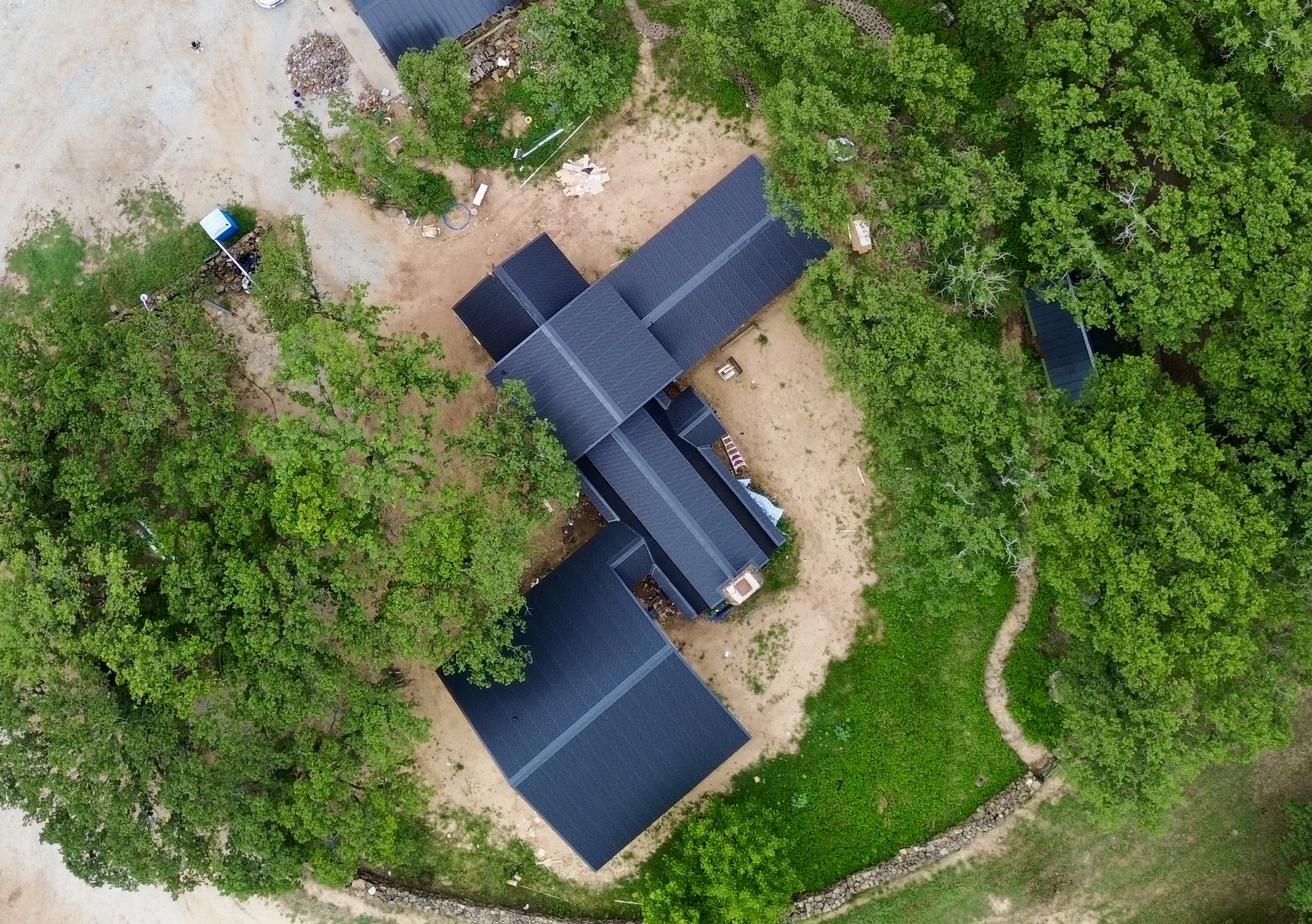
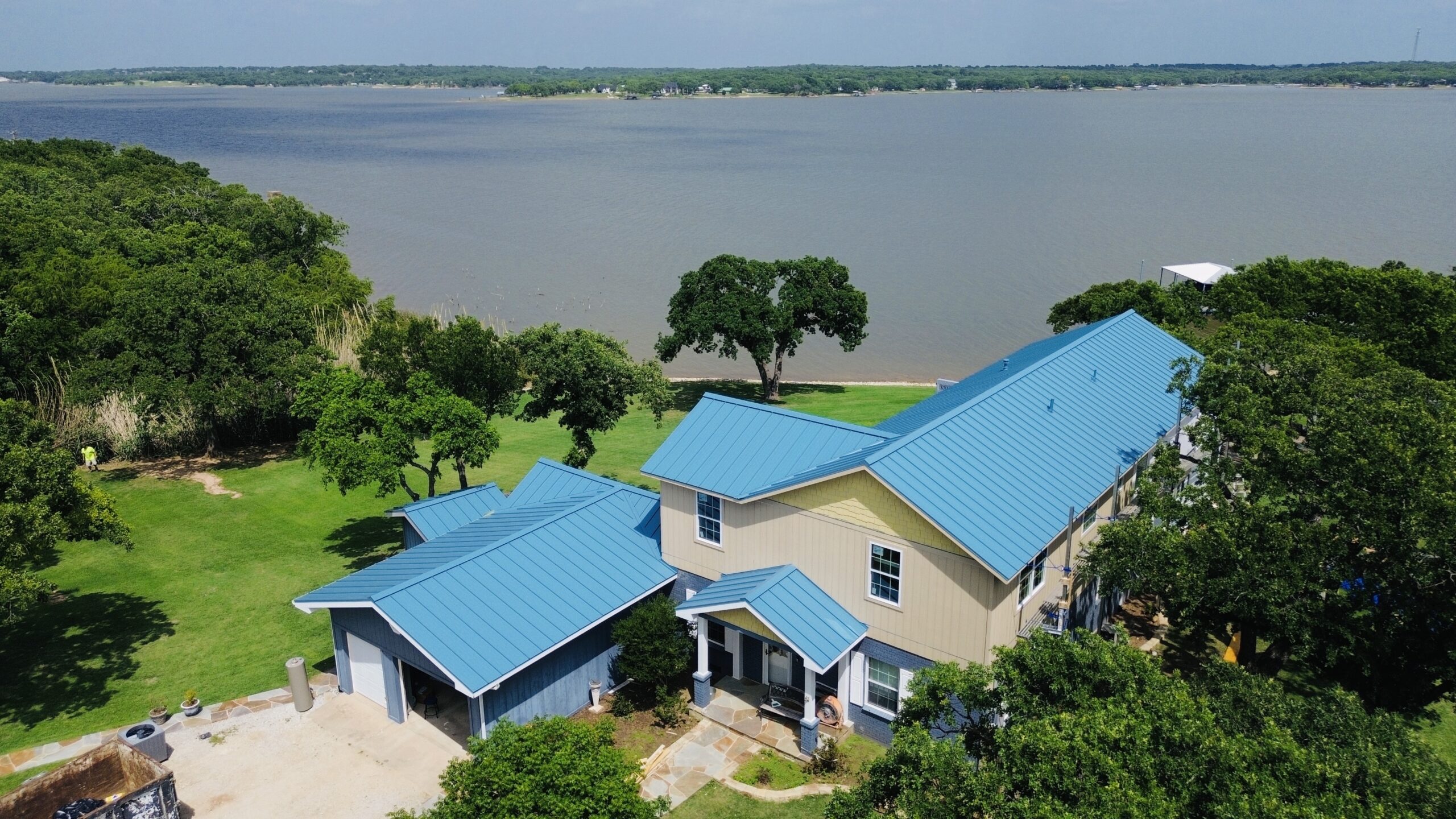
Metal roofing is another option often considered for sustainable projects. Metal can provide a long service life when properly installed and maintained, and many metal roofing products can be recycled at the end of their useful life. Its durability can reduce the frequency of replacement, while reflective finishes may also help manage solar heat in suitable climates.
Some asphalt shingles are manufactured with recycled content or designed with improved durability characteristics. Asphalt roofing can also have recycling opportunities in certain locations, although availability depends on local recycling infrastructure. Homeowners should investigate local recovery options rather than assuming that every roofing material can be recycled through the same process.
Clay and concrete tiles can also provide long-lasting roofing solutions when the building structure is designed to support their weight. Their durability can reduce replacement frequency, and some tile systems may remain functional for many years with appropriate maintenance. However, transportation, manufacturing, structural requirements, and climate suitability should all be considered.
Roof membranes and coatings can contribute to sustainability in specific applications. A suitable coating may extend the useful life of an existing roof rather than requiring complete replacement, reducing the amount of material removed from the building. Reflective coatings can also help reduce solar heat absorption when they are properly selected and applied.
Bio-based or lower-impact roofing products are another developing area. These materials may use renewable or alternative resources during manufacturing. Their suitability should still be evaluated according to durability, weather resistance, installation requirements, and long-term performance rather than environmental claims alone.
Material selection should also consider transportation distance. Products manufactured far from the project site may require more transportation, although transportation is only one factor in the overall environmental impact. A local product is not automatically more sustainable if it has significantly shorter service life or requires frequent replacement.
The best material choice balances environmental considerations with practical roofing requirements. A sustainable roof must still resist rain, wind, sunlight, temperature changes, and other local conditions. Choosing a durable material that performs reliably can reduce the environmental impact associated with future repairs and replacement.
Energy Efficient Roofing Installation
Energy efficiency is an important part of sustainable roof installation because a building’s roof can influence how much energy is required to maintain comfortable indoor temperatures. During hot weather, the roof can absorb solar energy and transfer heat toward the interior. During cold weather, inadequate insulation can allow indoor heat to escape through the roof assembly.
Reflective roofing materials can help reduce solar heat absorption in suitable climates. These surfaces reflect a greater portion of incoming sunlight, helping limit roof surface temperatures during strong solar exposure. This can reduce the amount of heat available to move into the attic and conditioned spaces.
Roof insulation provides another important layer of protection. Adequate insulation slows heat transfer through the roof assembly, helping maintain more stable indoor temperatures. Insulation should be installed correctly and continuously because gaps, compression, or moisture damage can reduce its effectiveness.
Air sealing should also be considered during an energy-efficient roof project. Gaps around pipes, ducts, electrical fixtures, attic access points, and other penetrations can allow uncontrolled air movement. Addressing these areas can help the insulation perform more effectively and reduce unnecessary energy loss.
Attic ventilation can complement insulation in roof systems designed for ventilation. Properly positioned intake and exhaust openings can help manage heat and moisture within the attic. Ventilation must be planned carefully because blocked or poorly balanced airflow can reduce its effectiveness.
Solar-ready planning can further increase the long-term energy potential of a roof. A roof replacement can provide an opportunity to consider future solar panel installation, including structural capacity, usable roof space, orientation, shading, and mounting requirements. Preparing for renewable energy during roof design can reduce complications later.
Energy-efficient roofing should be selected according to the local climate. A roofing strategy that is highly effective in a hot region may require different considerations in a colder climate. Heating needs, cooling demand, humidity, rainfall, snow where applicable, and seasonal temperature changes should all influence the design.
A sustainable roof can therefore reduce environmental impact through both material choices and operational performance. Reducing the amount of energy a building needs over many years can be an important part of the roof’s overall environmental value.
Reducing Roofing Waste During Installation
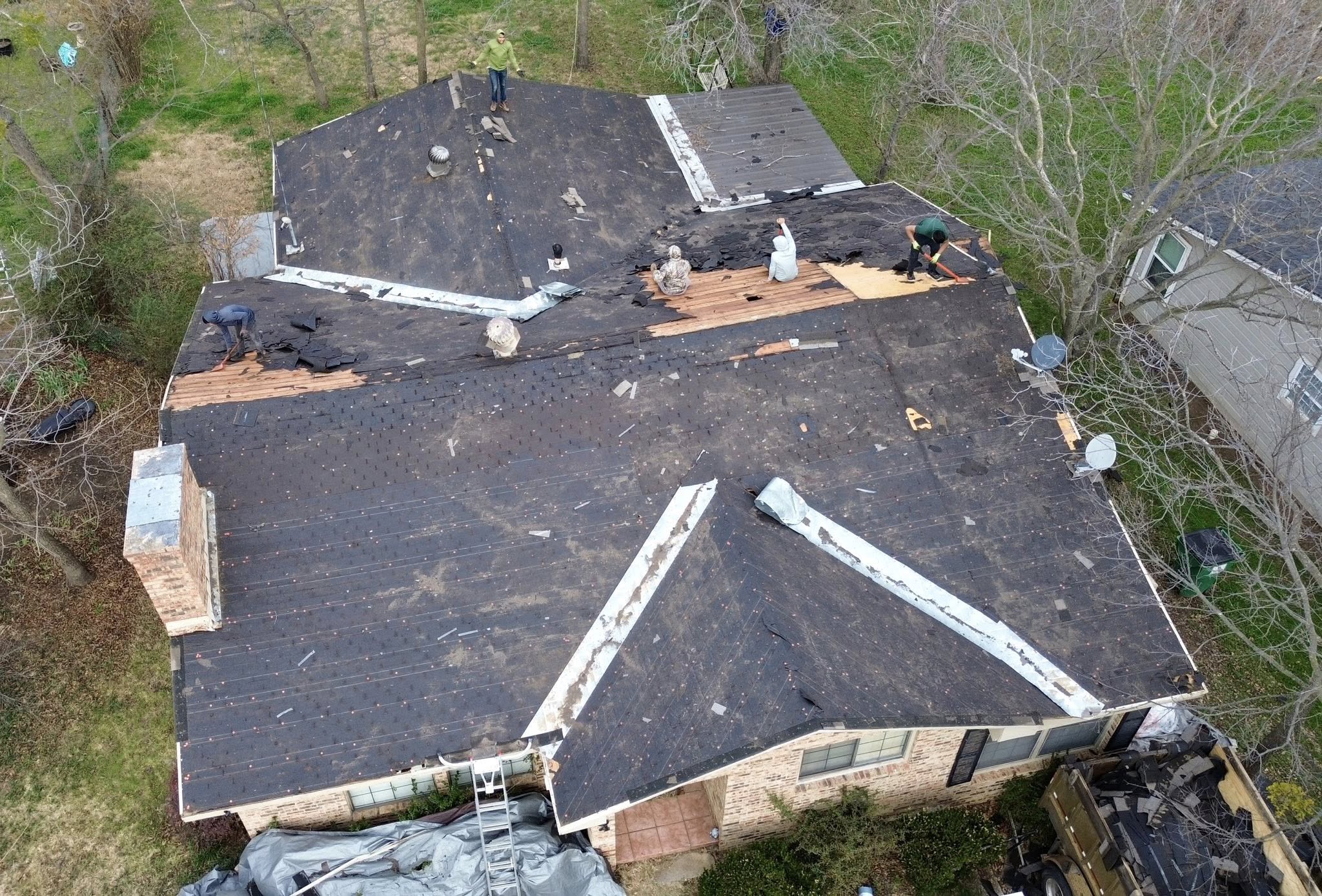
Roofing installation can generate significant amounts of waste if materials are poorly measured, damaged during handling, or discarded without considering recovery options. Reducing waste begins before construction starts with accurate measurements and careful project planning. Better estimates can help contractors purchase appropriate quantities and reduce unnecessary leftover materials.
Existing roofing materials should be assessed before removal. Some materials may be unsuitable for reuse because of age, deterioration, contamination, or damage, but others may have recycling or recovery options. Contractors can determine appropriate handling based on the material type and local facilities.
Recycling is particularly useful when suitable infrastructure is available. Materials such as metal may have established recycling pathways, while certain roofing products can sometimes be processed into materials for other applications. Local recycling requirements vary, so contractors should confirm what facilities accept before assuming that a material can be recovered.
Waste separation can improve recycling efficiency. Mixing different materials together can make recovery more difficult, while separating metal, packaging, roofing materials, and other waste streams can help direct them to appropriate facilities. Organized disposal can also make the job site cleaner and safer.
Accurate cutting can reduce material waste during installation. Experienced contractors can plan layouts to use materials efficiently while still following manufacturer requirements. However, reducing waste should never mean compromising required overlaps, fastening patterns, flashing details, or other installation standards.
Packaging should also be managed responsibly. Roofing products may arrive with plastic wrapping, cardboard, pallets, or other packaging materials. Where recycling or reuse programs are available, separating these materials can reduce the amount sent to general waste.
The most effective approach combines accurate planning, responsible material handling, recycling, reuse where appropriate, and proper disposal. These practices can reduce the amount of waste associated with roof installation while supporting a cleaner and more resource-conscious construction process.
Roof Replacement and Material Reuse
Roof replacement can generate a substantial amount of construction waste, particularly when an entire roofing system is removed before a new one is installed. An eco-friendly approach begins by assessing the existing roof carefully and determining which materials must be removed, which may be recyclable, and whether any components can remain in place. This evaluation can reduce unnecessary disposal while ensuring that the new roof is installed over a suitable foundation.
Not every roofing material can be reused, especially when it has suffered from extensive weathering, moisture damage, structural deterioration, or contamination. However, materials that remain in suitable condition may have opportunities for recovery or reuse depending on their type and local requirements. Professional assessment is important because environmental goals should never compromise the safety or reliability of the finished roof.
Metal roofing can often provide useful recycling opportunities because metal materials can be recovered and processed into new products. Certain roofing components, flashing pieces, and other metal elements may also be separated from general construction waste. Proper sorting makes it easier for recycling facilities to handle these materials efficiently.
Old asphalt roofing materials may also have recycling opportunities in some locations. Recovered asphalt shingles can potentially be processed for use in other applications, although local infrastructure and material condition determine whether recycling is available. Contractors should check local requirements before sending roofing waste to a particular facility.
Reuse can extend beyond the primary roofing material. Some components, such as certain metal flashing, accessories, or construction materials, may be reusable when they remain in good condition and meet the requirements of the new installation. Reusing suitable components can reduce demand for replacement materials and minimize waste.
Material recovery should be planned before the roof is removed. Contractors can identify waste streams, arrange appropriate containers, and determine where recyclable materials will be taken. Waiting until the project is underway can make waste separation more difficult and may result in recyclable materials being mixed with general debris.
Protecting materials during removal is also important. Rough handling can damage components that might otherwise have been reusable or recyclable. Careful removal can improve recovery rates while creating a more organized and safer worksite.
Eco-friendly roof replacement should therefore focus on the entire removal process rather than only the new materials. Recovering useful resources, separating waste, reducing unnecessary disposal, and selecting durable replacement materials can make the project more environmentally responsible.
Sustainable Roof Insulation Practices
Roof insulation has a major influence on the long-term energy performance of a building. A well-insulated roof can reduce unwanted heat transfer, helping maintain comfortable indoor temperatures with less reliance on heating and cooling equipment. Because insulation can remain in place for many years, selecting and installing it responsibly can contribute to the overall sustainability of the roof.
Several types of insulation may be suitable for roofing applications, including products that incorporate recycled or recovered materials. Some insulation products are manufactured using recycled fibers or other materials that would otherwise require disposal. However, environmental credentials should be considered alongside thermal performance, moisture resistance, durability, and compatibility with the building.
The correct insulation depends on the roof design and climate. An attic floor, cathedral ceiling, and insulated roof deck each require different approaches. Installing a product without considering the complete roof assembly can create ventilation or moisture problems even if the material itself has good thermal characteristics.
Proper installation is just as important as material selection. Gaps, compression, poor fitting, and inconsistent coverage can reduce insulation performance. A sustainable insulation product cannot provide its intended energy benefits if it is installed incorrectly or damaged during construction.
Moisture management should also be considered. Insulation exposed to persistent moisture may lose performance and can contribute to deterioration of nearby materials. The roof’s waterproofing, flashing, drainage, and ventilation systems should work together to protect the insulation from unwanted water exposure.
Air sealing is another important component of sustainable insulation work. Small openings around pipes, ducts, electrical fixtures, and attic access points can allow conditioned air to escape and outdoor air to enter. Sealing appropriate gaps can improve the effectiveness of the insulation and reduce unnecessary energy consumption.
Roof replacement can provide an opportunity to improve insulation when existing conditions are inadequate. Contractors can inspect accessible areas and identify missing, compressed, or damaged insulation. Addressing these weaknesses during a larger roofing project may be more efficient than waiting for a separate improvement project.
Sustainable insulation should therefore be considered as part of the complete building envelope. The objective is to reduce energy waste while maintaining appropriate moisture control and roof ventilation. A properly designed system can continue providing energy benefits throughout the life of the roof.
Eco-Friendly Roof Coatings and Reflective Systems
Roof coatings can provide an environmentally conscious option in situations where an existing roof remains structurally sound but requires improved surface protection or energy performance. Instead of immediately removing and replacing the entire roof, a suitable coating may extend the service life of the existing system. This can reduce the amount of roofing material sent to disposal facilities.
Reflective coatings can also reduce solar heat absorption. By reflecting more sunlight away from the roof surface, they can help limit roof temperatures during strong solar exposure. This may reduce heat transfer into the building and potentially lower cooling demand in appropriate climates.
The environmental benefits of a coating depend heavily on correct preparation and application. The existing roof must be compatible with the coating, and damaged areas should be repaired before application. Dirt, loose material, moisture, and other surface problems can interfere with adhesion and reduce the coating’s useful life.
Different roofing systems require different coating products. A coating suitable for one membrane or roof material may not be appropriate for another. Manufacturers’ requirements should be followed carefully to ensure compatibility and maintain the protective qualities of the roof.
Reflective coatings can also help reduce the frequency of complete roof replacement when properly maintained. Extending the useful life of an existing roof means fewer raw materials may be required over time and less waste may be generated during replacement. However, coating should not be used to conceal a roof that has serious structural or moisture problems.
Application methods can influence environmental performance as well. Contractors should use the appropriate equipment and application rates while minimizing unnecessary material waste. Leftover coating should be managed according to product requirements rather than being discarded carelessly.
A coating project should also include regular inspection after installation. Cracking, peeling, punctures, or deterioration can reduce the coating’s effectiveness and may expose the underlying roofing material. Prompt maintenance can help preserve both weather protection and reflective performance.
When the existing roof is suitable, a properly selected coating can provide a practical way to improve performance without generating the waste associated with full replacement. The decision should always be based on roof condition, expected service life, climate, coating compatibility, and long-term maintenance requirements.
Green Roofing Systems
Green roofing systems provide another approach to environmentally conscious roof installation by incorporating vegetation and growing media into the roof assembly. These systems can provide several environmental functions while also protecting portions of the roof surface from direct exposure. However, green roofs require specialized design and cannot simply be added to every existing roof.
A typical green roof may include several layers, such as a waterproofing membrane, root barrier, drainage layer, growing medium, and vegetation. Each layer has a specific purpose and must work with the others to protect the building while supporting plant growth.
One benefit of a green roof is its ability to retain a portion of rainfall. Instead of allowing all precipitation to immediately flow into drainage systems, the vegetation and growing medium can temporarily hold water. This can help manage stormwater runoff when the system is properly designed.
Vegetated roofs can also provide thermal benefits. The growing medium and plants can help shield portions of the roof from direct solar exposure, while evaporation from vegetation can influence surface temperatures. The exact performance depends on the type of green roof, climate, vegetation, and building design.
Green roofs may also provide habitat for certain insects and other organisms, particularly when appropriate plant species are selected. Their environmental value can extend beyond the building itself, although the ecological benefits vary according to location and design.
Structural capacity is one of the most important considerations. A green roof can be substantially heavier than a conventional roof, especially when the growing medium is saturated with water. The roof structure must be evaluated before installation to ensure that it can safely support the complete system.
Waterproofing is equally critical. Vegetation and growing media should not be installed over an unsuitable or deteriorated roof membrane. A reliable waterproofing layer and appropriate root protection are necessary to reduce the risk of moisture reaching the structure.
Drainage must also be carefully planned. Excess water needs to move away from the roof without damaging the vegetation system or building. Blocked drainage can create excessive weight and moisture, making maintenance and inspection particularly important.
Green roofs can provide meaningful environmental benefits, but they require more specialized planning and maintenance than many conventional roofing systems. They are most successful when structural, waterproofing, drainage, plant selection, and maintenance requirements are addressed before installation begins.
Solar Ready and Renewable Energy Roofing
Preparing a roof for renewable energy can make a roofing project more environmentally beneficial over the long term. Solar panels can generate electricity from sunlight, while the roof provides the structural and weather-protective foundation needed to support the system. Planning both systems together can reduce complications and improve overall project coordination.
The condition of the roof should be evaluated before solar equipment is installed. Installing solar panels on a roof that is already near the end of its useful life may create future problems because the panels and mounting equipment could need to be removed when the roof is eventually replaced.
Structural capacity is another important consideration. Solar panels and mounting systems add loads to the roof and can experience additional forces from wind and other weather conditions. A qualified professional should determine whether the existing structure is suitable or whether modifications are required.
Roof orientation and shading should also be evaluated. A roof section with good sunlight exposure may provide better conditions for solar generation than a heavily shaded area. Trees and surrounding structures should be considered because they can influence solar performance throughout the year.
Solar mounting requires careful attention to waterproofing. Where penetrations are necessary, flashing and sealing must be properly integrated with the roofing system. Poorly installed mounting points can create leaks, making coordination between roofing and solar professionals particularly important.
Solar-ready planning can also be incorporated into a new roof installation. Homeowners may choose durable roofing materials that are expected to remain serviceable throughout much of the solar system’s operating period. This can reduce the likelihood of needing major roofing work while solar equipment is already installed.
Solar-integrated roofing products provide another option. Some systems combine photovoltaic technology with roofing functions, creating a more integrated appearance than conventional panels. These products require specialized installation and should be evaluated for durability, cost, energy performance, and compatibility with the building.
Renewable energy and sustainable roofing can therefore complement each other. The roof reduces environmental impact through durable and efficient construction, while solar technology can reduce dependence on electricity generated from conventional energy sources.
Sustainable Roofing Installation Methods
Eco-friendly installation also depends on how contractors organize and carry out the work. Efficient project planning can reduce unnecessary transportation, material waste, equipment use, and delays. These improvements may have environmental benefits while also making the installation process more organized.
Material delivery should be planned carefully. Ordering materials in appropriate quantities and scheduling deliveries according to the construction sequence can reduce unnecessary trips and handling. Where practical, sourcing suitable materials from closer suppliers may also reduce transportation requirements.
Efficient equipment use can contribute to cleaner installation practices. Contractors can organize tools and machinery to reduce unnecessary operating time while still maintaining safe working conditions. Equipment should never be used less than necessary if doing so would compromise installation quality or worker safety.
Job-site organization is another important consideration. Clearly separated waste containers can make recycling and disposal easier, while organized material storage can reduce damage caused by poor handling. A cleaner site can also improve worker safety and reduce unnecessary material loss.
Responsible installation practices should always remain consistent with roofing requirements. Reducing environmental impact should not involve skipping fasteners, using insufficient materials, ignoring flashing details, or compromising drainage. Sustainable construction is successful only when the completed roof remains safe, durable, and weather-resistant.
Contractors can also document sustainable practices throughout the project. Records of recycled materials, waste recovery, insulation upgrades, and energy-efficient components can provide homeowners with a clearer understanding of the environmental measures used during installation.
A successful eco-friendly roofing project combines responsible materials with efficient planning and careful workmanship. By reducing waste, improving energy performance, selecting durable products, and using resources responsibly, roofing professionals can create systems that protect buildings while supporting broader environmental goals.
Water Management in Eco-Friendly Roofing
Water management is an important part of sustainable roof installation because uncontrolled rainwater can damage roofing materials, building structures, landscaping, and drainage systems. An eco-friendly roof should be designed to move water safely away from vulnerable areas while, where appropriate, reducing the amount of runoff entering surrounding drainage infrastructure. Proper slopes, flashing, gutters, drains, and waterproofing all contribute to responsible water management.
Green roofs can provide additional stormwater benefits because vegetation and growing media can temporarily retain rainfall. This can slow the movement of water from the roof and reduce peak runoff during certain weather conditions. However, green roofing requires specialized drainage and waterproofing systems to prevent excessive moisture from reaching the building structure.
Rainwater harvesting can also be considered when designing suitable roofing systems. Roof runoff can potentially be collected for appropriate non-potable uses when local regulations and system requirements permit. The roofing material should be evaluated carefully because not every roof surface is suitable for every type of water collection system.
Drainage systems must remain clear after installation. Gutters, valleys, downspouts, drains, and other water pathways should be inspected regularly to prevent leaves, debris, and other obstructions from causing water to accumulate. Good drainage protects the roof while reducing the likelihood of premature repairs or material replacement.
Choosing Durable Roofing Materials
Durability is one of the most important principles of sustainable roofing. A material that lasts for many years can reduce the frequency of replacement, which means fewer manufacturing processes, transportation trips, installation activities, and disposal requirements over the building’s lifetime. Long service life should therefore be considered alongside recycled content and other environmental characteristics.
The appropriate material depends on the local climate and building design. Roofing must withstand sunlight, rain, wind, temperature changes, and other environmental conditions without premature deterioration. Choosing a material that is poorly suited to local conditions can lead to frequent repairs and replacement, reducing its overall environmental value.
Maintenance requirements should also be considered. A durable roof that requires simple and manageable maintenance may provide better long-term value than a system requiring frequent specialized repairs. Homeowners should understand the manufacturer’s maintenance recommendations before selecting a roofing material.
Weather resistance is equally important. Strong winds, heavy rainfall, hail, extreme heat, or other local conditions can place significant stress on roofing systems. Sustainable installation should prioritize materials capable of providing reliable protection under the conditions expected at the property.
A durable roofing system can also protect other building components. When the roof remains watertight and structurally sound, insulation, decking, framing, and interior finishes are less likely to experience moisture-related damage. Preventing secondary damage can reduce the need for additional materials and repairs.
Eco-Friendly Roof Maintenance
Sustainable roofing does not end when installation is complete. Regular maintenance can extend the useful life of a roof and prevent small problems from becoming major failures. Routine inspections can identify damaged roofing materials, deteriorated flashing, blocked drainage, and other conditions that require attention.
Cleaning should be performed according to the roofing manufacturer’s recommendations. Leaves, branches, dirt, and other debris can accumulate on roof surfaces and drainage systems, particularly on properties surrounded by vegetation. Removing debris appropriately can help maintain drainage and reduce unnecessary moisture exposure.
Reflective roofing surfaces may also require maintenance to preserve their intended performance. Dirt and biological growth can affect the appearance and surface characteristics of some materials. Suitable cleaning methods should be used to avoid damaging coatings or roofing surfaces.
Green roofs require additional care because vegetation is part of the roofing system. Plants may need watering, trimming, replacement, or seasonal management depending on the design and climate. Drainage pathways must remain clear so that excess water can leave the roof effectively.
Solar-ready or solar-equipped roofs also require attention around mounting areas and penetrations. Flashing, seals, drainage, and surrounding roofing materials should be inspected periodically. Any roof repair involving solar equipment may require coordination with the solar installer.
Preventive maintenance supports sustainability by extending service life. Repairing a small damaged area can prevent more extensive deterioration that would otherwise require additional materials and labor. This makes maintenance an important part of reducing the environmental impact of the roof over time.

Costs and Benefits of Sustainable Roof Installation
Eco-friendly roofing can sometimes require a higher initial investment because sustainable materials, advanced insulation, green roof systems, reflective coatings, or renewable energy preparation may cost more than basic alternatives. However, initial price does not represent the entire value of a roofing system. Long-term energy performance, durability, maintenance, and waste reduction should also be considered.
Energy-efficient roofing may help reduce heating or cooling demand by controlling heat transfer through the building envelope. Reflective materials can reduce solar heat gain in appropriate climates, while effective insulation can limit heat movement in both hot and cold conditions. These improvements may contribute to lower operating costs over the life of the roof.
Durable materials can provide another financial advantage. A longer-lasting roof may reduce the frequency of major replacement projects, saving future labor and material expenses. Fewer replacements can also reduce the environmental impact associated with manufacturing and disposing of roofing products.
Waste reduction can provide practical benefits as well. Accurate measurements and material planning can reduce unused products, while recycling and responsible disposal can minimize landfill waste. Organized waste management may also create a cleaner and safer construction site.
Homeowners should compare roofing options according to the complete life cycle of the system. A lower-cost roof may require more frequent repairs or replacement, while a more durable and efficient system may provide greater value over time. Professional estimates can help property owners compare these factors before making a decision.
Common Mistakes in Eco-Friendly Roof Installation
One common mistake is choosing roofing materials based only on environmental claims. A product may contain recycled content but still be unsuitable for the local climate or roof structure. Sustainable selection should consider durability, energy performance, maintenance, recyclability, and overall suitability.
Ignoring structural requirements is another important problem, especially when installing green roofs, solar equipment, or heavier roofing materials. The roof structure must be capable of supporting the complete system under expected conditions. Structural evaluation should be completed before installation begins.
Poor waste management can also reduce the environmental benefits of an otherwise sustainable project. Recyclable materials may end up mixed with general waste when contractors do not plan separation in advance. Waste recovery should therefore be incorporated into the project from the beginning.
Inadequate insulation is another common weakness. A reflective or sustainable roof material cannot compensate fully for major thermal deficiencies beneath the roof. Insulation and air sealing should be evaluated as part of the complete energy-efficiency strategy.
Improper green roof installation can create serious moisture and structural problems. Drainage, waterproofing, root protection, vegetation, and structural capacity all need careful planning. Green roofing should be installed by professionals familiar with these specialized requirements.
Failing to consider the local climate can also undermine sustainability. Roofing materials and systems should be selected according to regional temperatures, rainfall, wind, humidity, and other environmental conditions. A material that performs well in one area may not provide the same results elsewhere.
Future of Sustainable Roof Installation
The future of eco-friendly roofing is likely to involve greater use of recycled materials, energy-efficient surfaces, solar-integrated systems, advanced insulation, green roofs, and improved recycling methods. Manufacturers are continuing to develop products that aim to provide reliable performance while reducing resource consumption.
Smart roofing technology may also support sustainability by monitoring temperature, moisture, and other conditions. Early detection of developing problems can allow property owners to perform targeted maintenance rather than waiting for major damage. This can extend roof life and reduce unnecessary material consumption.
Solar-integrated roofing is another area with significant potential. Combining roof protection with renewable electricity generation can allow buildings to use roof space for more than weather protection. Proper structural and electrical planning remains essential for these systems.
Improved recycling infrastructure may also make it easier to recover roofing materials at the end of their useful lives. Better separation and processing methods can reduce the amount of construction material sent to landfills and support greater reuse of recovered resources.
Frequently Asked Questions About Eco-Friendly Roof Installation
What makes a roof environmentally friendly?
An eco-friendly roof uses sustainable practices throughout its life cycle, including responsible material selection, energy efficiency, waste reduction, durability, water management, and appropriate maintenance.
Which roofing materials are most sustainable?
There is no single best material for every property. Durable, recyclable, recycled-content, or responsibly manufactured materials can be sustainable when they are suitable for the building and local climate.
Can old roofing materials be recycled?
Some roofing materials can be recycled or recovered, depending on their type, condition, and local facilities. Contractors should check available recycling programs before disposal.
Does an eco-friendly roof reduce energy bills?
It can potentially reduce energy use when energy-efficient materials, insulation, reflective surfaces, and appropriate ventilation are incorporated. Actual savings depend on climate, building design, and household energy use.
Are green roofs suitable for every building?
No. Green roofs require adequate structural capacity, waterproofing, drainage, and ongoing maintenance. A professional assessment is necessary before installation.
Conclusion
Eco-friendly roof installation is about creating a roofing system that performs reliably while using resources responsibly. Sustainable materials, accurate installation, waste reduction, energy efficiency, water management, durability, and preventive maintenance all contribute to the environmental performance of a roof.
The most effective approach is to consider sustainability throughout the entire roofing life cycle. Selecting durable materials, improving insulation, reducing construction waste, planning for solar energy, managing rainwater, and maintaining the finished roof can reduce both environmental impact and long-term operating costs.
Professional planning remains essential because every building has different structural, climatic, and roofing requirements. Sustainable practices should always work alongside proper waterproofing, drainage, ventilation, structural support, and safe installation methods.
When these elements are carefully combined, an eco-friendly roof can provide dependable protection while reducing waste, supporting energy efficiency, and extending the useful life of the building. This makes sustainable roofing a practical long-term investment rather than simply an environmentally focused construction choice.