
Reflective Materials in Residential Roofing Explained
Introduction
Reflective roofing materials are designed to reduce the amount of solar energy absorbed by a residential roof. Instead of allowing a large portion of sunlight to become heat at the roof surface, reflective materials redirect more of that energy away from the building. This approach can be especially useful for homes located in warm, sunny climates where roof temperatures can rise significantly during the day.
Traditional roofing materials can absorb substantial amounts of sunlight, particularly when they have dark surfaces. As the roof becomes hotter, some of that heat can move through the roof assembly and increase temperatures in the attic or upper rooms. A reflective roofing material can reduce this heat gain and work alongside insulation and ventilation to improve the home’s overall thermal performance.
Reflective roofing is not limited to one specific product or roof style. Homeowners can find reflective options among asphalt shingles, metal panels, coatings, tiles, membranes, and synthetic roofing materials. Each product has different characteristics, installation requirements, costs, and expected service life, so selecting the right material requires more than choosing the most reflective surface.
The performance of a reflective roof also depends on the complete building system. Insulation, attic ventilation, roof orientation, shading, roof slope, and air sealing can all affect how much benefit the homeowner experiences. A highly reflective material can be useful, but it should be considered as one part of a broader approach to residential energy efficiency.
Homeowners may also choose reflective materials for reasons beyond energy performance. Modern products can provide attractive colors, textures, and profiles that complement different architectural styles. This means energy-conscious roofing does not necessarily require homeowners to sacrifice appearance or design preferences.
How Reflective Roofing Materials Work
Reflective roofing materials work by controlling how the roof interacts with incoming solar radiation. When sunlight reaches a conventional roof, some energy is reflected, some passes through the surface, and a significant portion can be absorbed and converted into heat. The more solar energy a roof absorbs, the hotter its surface can become under direct sunlight.
A reflective roof is designed to increase the amount of solar radiation sent away from the surface. This can lower the amount of heat generated at the roof itself. Depending on the roofing material and the building assembly, this reduction in surface heat can help lower attic temperatures and decrease the amount of heat transferred toward conditioned spaces.
Two properties are especially important when evaluating reflective roofing: solar reflectance and thermal emittance. Solar reflectance describes how much incoming sunlight the roof reflects, while thermal emittance describes how effectively the surface releases heat that it has absorbed. Considering both properties provides a better understanding of roof performance than looking at color alone.
Reflective performance can be improved through different manufacturing techniques. Some roofing products use specially engineered pigments that reflect portions of the solar spectrum that are not easily visible to the human eye. As a result, a roof can appear relatively dark while still reflecting more solar energy than a conventional dark surface.
Roof orientation and surrounding conditions also influence performance. A roof that receives strong sunlight for most of the day has greater exposure to solar heat gain than a roof that is heavily shaded by trees or nearby structures. Similarly, a large roof area facing direct afternoon sun may experience more heat accumulation than a smaller or more shaded surface.
Reflective roofing does not eliminate the need for insulation. The reflective surface reduces heat absorption at the exterior, while insulation slows the movement of heat through the roof assembly. Together, these components can create a stronger barrier against unwanted heat transfer.
Ventilation can also complement reflective roofing. In a properly designed vented attic, airflow can help remove accumulated heat and moisture. When the reflective surface, insulation, air sealing, and ventilation strategy are properly coordinated, the roof can provide more consistent thermal performance.
Solar Reflectance and Thermal Emittance Explained
Understanding solar reflectance and thermal emittance can help homeowners make better roofing decisions. Solar reflectance refers to the fraction of sunlight that a roofing surface reflects rather than absorbs. A surface with greater reflectance generally absorbs less solar energy, which can help limit the increase in roof temperature during sunny conditions.
Thermal emittance is a different but equally important characteristic. Even a roof that absorbs some solar energy can release part of that heat back toward the environment. A material with strong thermal emittance can release absorbed heat efficiently rather than retaining it at the surface.
The two properties work together to influence the temperature of a roofing material. A surface with high solar reflectance and high thermal emittance is generally well suited to reducing solar heat gain. However, the appropriate balance depends on the material, climate, roof assembly, and building design.
Color is often used as a simple visual indicator, but it can be misleading. White and light-colored roofs can have strong solar reflectance, but modern roofing technology can also improve the reflectance of darker materials. Special pigments and coatings can be incorporated into roofing products to create improved solar performance without changing the appearance dramatically.
Homeowners should therefore look for product performance information instead of relying on appearance alone. Manufacturers may provide technical specifications that indicate how a material performs under standardized conditions. Comparing these characteristics can help homeowners distinguish between products that look similar but have different thermal properties.
Reflectance can also change over time. Dirt, dust, biological growth, weathering, and surface aging can affect the condition of the roofing material. Some products may maintain their reflective characteristics well over their service life, while others may require cleaning or maintenance to preserve surface performance.
A reflective roofing material should be selected with the rest of the roof system in mind. For example, increasing solar reflectance may help reduce heat gain, but poor attic insulation can still allow significant heat transfer into the home. Similarly, insufficient ventilation or uncontrolled air leakage can reduce the overall benefit of an otherwise efficient roof.
Reflective Asphalt Shingles
Asphalt shingles remain one of the most common roofing choices for residential homes, and manufacturers have developed reflective versions to help homeowners improve solar performance. These products are designed to maintain the familiar appearance of asphalt shingles while using specialized surface materials or reflective granules to redirect more solar energy.
Traditional dark asphalt shingles can become very hot during direct sunlight because their surfaces absorb substantial solar radiation. Reflective asphalt shingles are designed to reduce this absorption. Depending on the product, they may use specially formulated granules or coatings that improve the surface’s ability to reflect solar energy.
One advantage of reflective shingles is their compatibility with common residential roof designs. They can often be installed on sloped roofs in a similar manner to standard asphalt shingles, although all installation requirements must follow the manufacturer’s specifications. This makes them an appealing option for homeowners who want improved energy performance without dramatically changing the appearance of the property.
Color selection is another benefit. Reflective asphalt shingles are available in a range of shades, allowing homeowners to coordinate their roofs with siding, brick, stone, windows, and other exterior features. Darker-looking options may still provide improved reflective performance when they use specialized pigments.
The quality of installation has a major influence on the final result. Shingles must be correctly aligned, fastened, flashed, and integrated with roof penetrations and drainage components. Poor workmanship can reduce the service life of the roof and may create water intrusion problems regardless of how reflective the shingles are.
Maintenance should also be considered. Homeowners should inspect asphalt shingles periodically for cracked, missing, lifted, or deteriorated sections. Keeping the roof in good condition helps preserve its protective function and supports the overall performance of the roofing assembly.
Reflective shingles may be especially attractive when homeowners are already planning a roof replacement. Rather than replacing a conventional roof with another standard product, they can evaluate whether a reflective option provides better long-term value. The decision should consider local climate, roof orientation, insulation levels, material cost, and expected service life.
Reflective Metal Roofing
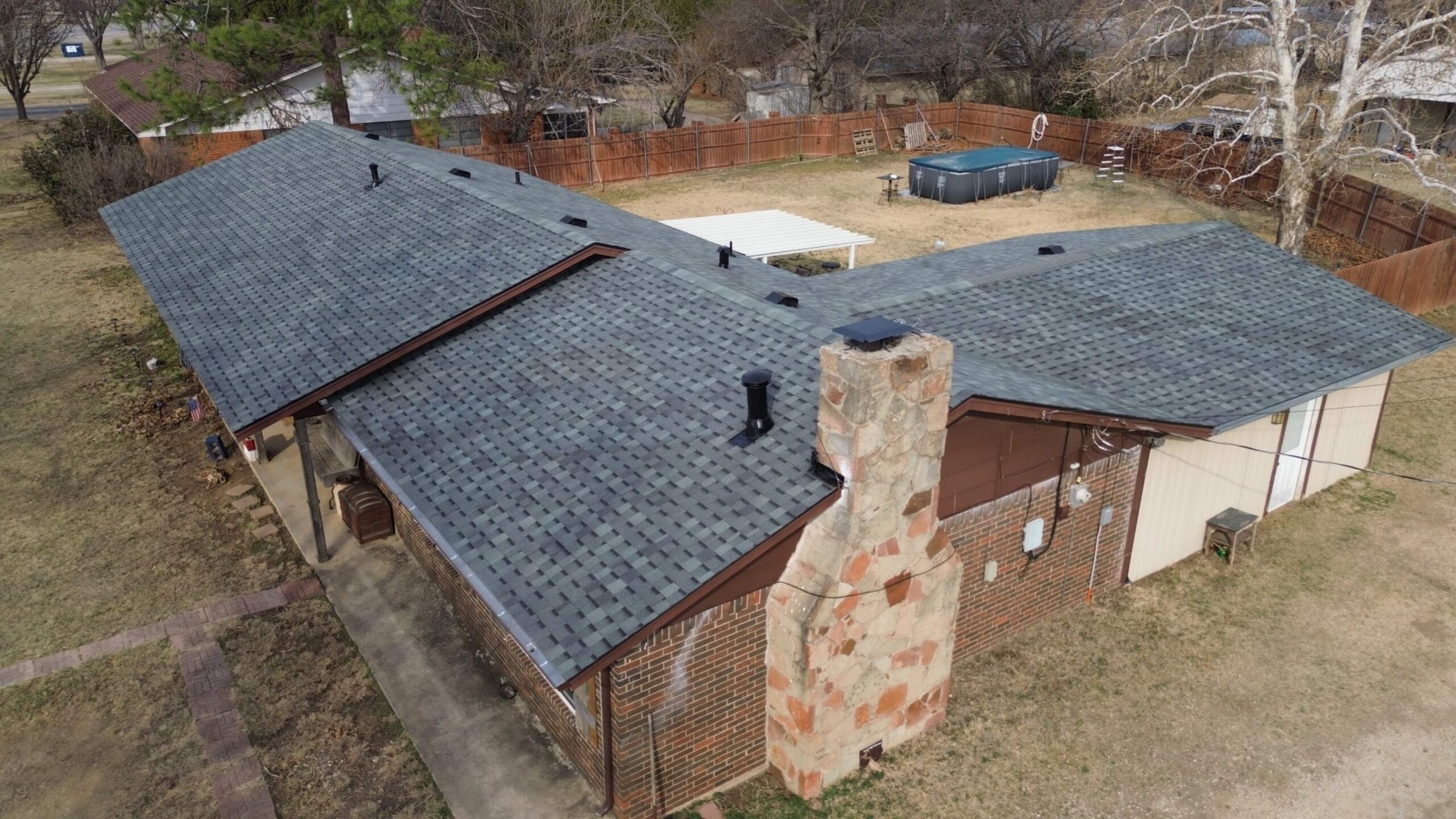
Metal roofing is another important category of reflective residential roofing. Metal surfaces can reflect a meaningful portion of solar radiation, and specialized finishes can further improve their solar performance. Reflective metal roofing is available in numerous profiles, colors, and coating systems, making it suitable for both modern and traditional home designs.
One of the main advantages of metal roofing is the ability to combine durability with reflective performance. Properly manufactured and installed metal roofing can provide long service while resisting many common forms of weather exposure. The specific durability, however, depends on the metal type, coating, installation quality, climate, and maintenance.
Coatings play an important role in reflective metal roofs. Factory-applied finishes can be formulated to improve solar reflectance while protecting the underlying metal from weather exposure. Some products use pigments designed to reflect solar energy even when the roof has a medium or darker appearance.
The roof’s finish and color should therefore be evaluated together. A dark metal roof with a specialized reflective coating may perform differently from an untreated dark surface. Homeowners should review product specifications rather than assuming that every metal roof offers the same thermal benefits.
Metal roofing also has distinctive installation requirements. Panels need appropriate fastening, flashing, seams, and allowances for movement caused by temperature changes. Correct installation is essential for preventing leaks and maintaining long-term performance.
Reflective metal roofing can work particularly well as part of a complete energy-efficient roof assembly. When paired with adequate insulation and properly designed ventilation, it can reduce heat absorption while limiting the amount of heat transferred toward the home’s interior.
Before choosing metal roofing, homeowners should also consider acoustic performance, appearance, structural requirements, and cost. The initial installation price may be higher than some conventional asphalt products, but the longer service life and low-maintenance characteristics can influence the overall value.
Reflective metal roofs are especially useful for homeowners who want a durable roofing material with strong design flexibility. With the right coating, installation, insulation, and ventilation strategy, metal roofing can become an important part of an energy-conscious residential roof system.
Reflective Membrane Roofing for Residential Applications
Reflective membrane roofing is another option for managing solar heat on residential structures, particularly on homes with low-slope or flat roof sections. These roofing systems use flexible membrane materials designed to create a water-resistant surface while also providing specific thermal characteristics. Some membranes are manufactured with highly reflective surfaces that can redirect a substantial amount of incoming solar energy.
Common membrane materials include products based on thermoplastic and synthetic rubber formulations, with different versions offering different levels of reflectance, durability, flexibility, and weather resistance. The suitability of a membrane depends on the roof design and the manufacturer’s requirements. Homeowners should avoid assuming that one membrane type is appropriate for every residential application.
Light-colored membrane surfaces are often used because they can provide strong solar reflectance. White membranes are particularly common on reflective roofing systems because their surfaces can redirect much of the sunlight reaching the roof. Some manufacturers also produce membranes in other colors with enhanced reflective characteristics for homeowners who want different aesthetic options.
One benefit of membrane roofing is that the reflective surface and waterproofing layer can be incorporated into one roofing system. This can be useful for appropriately designed low-slope roofs where drainage and water resistance are major considerations. However, seams, penetrations, edges, and flashing details must be installed carefully to maintain the system’s protective performance.
Maintenance is also important for reflective membranes. Surface dirt, debris, algae, and other contaminants can affect appearance and may influence the surface’s ability to reflect sunlight. Periodic inspection and appropriate cleaning methods can help preserve the condition of the membrane without damaging its protective layer.
Reflective membranes can be especially useful when homeowners are renovating additions, garages, porches, or other residential structures with low-slope roof areas. The material should be chosen based on the roof’s slope, drainage design, local weather conditions, and expected service life. Professional installation is recommended because membrane systems require precise detailing to remain watertight.
When evaluating a reflective membrane, homeowners should consider more than the initial appearance. Important characteristics include solar performance, flexibility, puncture resistance, seam strength, expected lifespan, maintenance requirements, and compatibility with the existing roof assembly. A product that performs well across these factors can provide both energy and weather-protection benefits.
Light-Colored and Cool Roofing Materials
Light-colored roofing materials are widely associated with reflective roofing because they generally absorb less solar energy than very dark surfaces. White, light gray, beige, and other pale roofing finishes can reflect more incoming sunlight and help reduce the amount of heat generated at the roof surface. This can be especially valuable in homes exposed to strong summer sunlight.
However, visible color is not the only factor determining reflective performance. Modern roofing materials can use specialized pigments and surface technologies to improve solar reflectance even when the roof is not extremely light in appearance. This allows homeowners to consider a broader range of colors while still seeking energy-conscious roofing performance.
Light-colored options are available across several material categories. Homeowners may find reflective versions of shingles, metal panels, membranes, coatings, tiles, and synthetic products. This variety makes it possible to select a reflective roof while still matching the architectural style of the home.
The climate should influence how much emphasis is placed on light-colored roofing. In hot and sunny environments, reducing solar heat absorption can be especially useful because cooling demand can rise substantially during peak summer conditions. In cooler or mixed climates, the homeowner should evaluate the roof’s performance throughout the year rather than concentrating exclusively on summer conditions.
Surrounding shade also matters. A home with large trees or nearby buildings may receive less direct solar radiation than a fully exposed property. In a heavily shaded location, the difference between reflective and conventional materials may be less significant than it would be on a roof that receives strong sunlight for most of the day.
Light-colored roofing can also affect exterior design. Some homeowners prefer the clean appearance of a bright roof, while others may want a softer neutral tone that blends with the rest of the property. Manufacturers now provide numerous reflective finishes, which gives homeowners more freedom to balance appearance and energy performance.
It is also important to consider how the roof will be maintained. Dust, pollution, biological growth, and general weathering can accumulate on exposed surfaces. Maintaining the roof according to the material manufacturer’s recommendations can help preserve its appearance and functional properties over time.
Reflective Tiles and Synthetic Roofing
Reflective tiles provide another option for homeowners who want the appearance and durability associated with tile roofing while also improving solar performance. Roofing tiles can be manufactured from materials such as concrete or clay, and their surfaces may be treated or finished to increase solar reflectance.
Tile roofs can have excellent visual appeal and are often associated with Mediterranean, Spanish, Southwestern, and other architectural styles. Reflective finishes allow homeowners to retain these design characteristics while considering energy performance. Light-colored tile surfaces can reflect a meaningful portion of incoming solar energy.
The performance of tile roofing depends on more than the visible surface. The tile profile, underlayment, roof assembly, installation method, and ventilation strategy all influence the complete thermal and weather performance of the system. The space beneath some tile systems can also affect airflow, depending on the design.
Weight is another important consideration. Tile roofing can be heavier than some other residential roofing materials, so the supporting structure must be capable of carrying the intended load. When replacing a lighter roofing system with tile, a professional should evaluate the structure before installation.
Synthetic roofing products provide another flexible alternative. These materials can be manufactured to imitate the appearance of slate, wood, tile, or other traditional roofing styles while incorporating modern performance characteristics. Some products are available with reflective surfaces or pigments designed to improve solar performance.
Synthetic materials may appeal to homeowners who want a particular architectural appearance without the weight or maintenance requirements associated with certain natural materials. Their performance can vary considerably by manufacturer and product line, so technical specifications should be reviewed carefully.
Reflective tiles and synthetic products can also differ in how they respond to long-term weather exposure. Ultraviolet radiation, temperature changes, moisture, wind, and airborne debris can gradually affect roofing surfaces. Selecting products designed for the property’s local conditions can help support longer service life.
Homeowners should consider the complete system when choosing between reflective tiles and synthetic roofing. Factors such as structural requirements, installation complexity, maintenance, expected lifespan, solar reflectance, and appearance all influence whether the material provides good long-term value.
Benefits of Reflective Roofing for Energy Efficiency
Reflective roofing can contribute to residential energy efficiency by reducing how much solar heat is absorbed at the roof surface. When less heat is generated at the exterior, there may be less heat available to move into the attic and conditioned areas. This can help reduce the thermal load on the home during periods of strong solar exposure.
The greatest potential benefit is often seen in warm climates where cooling represents a significant portion of household energy use. During hot weather, air conditioning systems must remove heat continuously to maintain comfortable indoor temperatures. Reducing roof-related heat gain can support that process and may reduce cooling demand under suitable conditions.
Reflective roofing can also work together with insulation. The roof surface reduces solar absorption, while insulation slows the heat that does reach the roof assembly. This combination can be more effective than relying on either feature alone.
Ventilation provides another supporting layer. In a properly designed attic, ventilation can help remove excess heat and moisture. When reflective roofing, insulation, air sealing, and ventilation are coordinated, they can create a more effective thermal system for the home.
Reflective roofing may also contribute to more stable indoor temperatures. Rooms directly under the roof can be particularly sensitive to heat gain during sunny weather. Reducing the amount of solar energy absorbed above these spaces may help moderate temperature changes, especially when insulation is also adequate.
The environmental benefits of reflective roofing can extend beyond individual homes. When many buildings in a community use surfaces that absorb less solar energy, less heat may be released into the surrounding environment. In densely developed areas, this can support broader efforts to manage elevated outdoor temperatures.
However, homeowners should keep expectations realistic. Reflective roofing does not guarantee a specific reduction in energy costs for every property. Actual results depend on climate, roof orientation, insulation levels, HVAC efficiency, building size, shading, window performance, occupancy patterns, and other factors.
The energy benefits of reflective roofing can therefore be viewed as part of a broader strategy. Combining a reflective surface with other building-envelope improvements can provide a stronger approach to residential energy efficiency than treating the roof as an isolated component.
Reflective Roofing and Indoor Home Comfort
Roof temperature can have a direct influence on comfort, particularly in homes with rooms immediately beneath the roof. During summer, a roof exposed to intense sunlight can absorb large amounts of solar energy and become significantly warmer than the surrounding outdoor air. Heat can then move through the roofing assembly and increase temperatures in upper-level rooms.
A reflective surface can reduce the amount of solar energy absorbed by the roof. This can limit the amount of heat that needs to be managed by the insulation and interior cooling system. The improvement may be especially noticeable in rooms that already experience excessive heat compared with other parts of the home.
Attic conditions are important in this process. Even with a reflective roof, an attic can still become warm during sunny weather. Proper insulation and ventilation are therefore necessary to limit heat transfer and help control the attic environment.
Reflective roofing can also support HVAC performance. When the interior receives less heat from above, cooling equipment may not need to operate as intensively to maintain the thermostat setting. This can contribute to a more stable indoor environment, although HVAC equipment condition and efficiency remain important.
Comfort benefits can vary throughout the home. A property with strong insulation, substantial shade, and efficient windows may already have relatively low heat gain. In contrast, a home with poor insulation and high roof exposure may experience a more noticeable improvement after reflective roofing is installed.
Homeowners should also consider glare and appearance. Some highly reflective surfaces can produce stronger visual reflections under certain conditions, so roof orientation and surrounding properties may be relevant. Materials should be selected to achieve the desired thermal performance while remaining appropriate for the home’s location and visual setting.
For the strongest comfort improvement, reflective roofing should be combined with other building-envelope strategies. Adequate insulation, properly sealed ceiling penetrations, controlled attic ventilation, efficient windows, and appropriate shading can all work together to limit unwanted heat transfer.
The result is not simply a cooler roof surface but a more controlled indoor environment. When the different layers of the home work together, occupants may experience fewer extreme temperature differences and less dependence on constant air conditioning during hot weather.
Choosing Reflective Materials Based on Climate
Climate should be one of the first considerations when selecting reflective roofing materials. A roof that works exceptionally well in a hot, sunny region may have a different cost-benefit profile in a location with mild summers and substantial heating needs. Understanding local weather patterns helps homeowners choose materials based on actual conditions.
Hot climates usually provide the strongest case for highly reflective roofing. Homes exposed to intense sunlight can absorb large amounts of solar energy through the roof, increasing cooling requirements. Reflective shingles, coated metal, light-colored membranes, reflective tiles, and suitable roof coatings can all be considered depending on the building design.
Humid climates require additional moisture attention. Reflective performance is valuable, but the roofing system must also manage rain, condensation, drainage, and ventilation effectively. A material that reflects sunlight well but is poorly suited to the area’s moisture conditions may not be an appropriate long-term choice.
Mixed climates require a more balanced approach. Homeowners may experience hot summers and cold winters, making year-round thermal behavior important. Insulation becomes particularly valuable in these locations because reflective roofing can reduce summer heat gain while insulation helps limit both summer heat transfer and winter heat loss.
Cold climates should not automatically rule out reflective roofing, but homeowners should assess the complete annual energy picture. Roof reflectance, insulation, solar exposure, heating demand, and building orientation all influence the overall result. A roofing professional can help determine whether a reflective material provides enough warm-season benefit to justify the investment.
Local weather exposure also affects material selection. Strong winds, hail, heavy rainfall, snow, ultraviolet radiation, and frequent temperature changes can all influence roof durability. A reflective product should therefore be evaluated for both solar performance and its ability to withstand the specific conditions of the location.
Homeowners should also consider whether the property is shaded or exposed. A roof surrounded by mature trees may receive significantly less direct sunlight than an unobstructed roof. In an exposed location, reflective characteristics may provide a greater opportunity to reduce solar heat gain.
The final selection should balance climate suitability, roof design, material performance, durability, maintenance, appearance, and budget. Reflective roofing can offer meaningful benefits when these factors are considered together, but the best result comes from choosing a material that fits the specific needs of the home rather than simply selecting the most reflective option available.
Comparing Reflective Roofing Materials
Homeowners have several options when choosing reflective roofing materials, and each one offers a different combination of energy performance, durability, appearance, maintenance, and cost. Asphalt shingles are familiar and widely used on sloped residential roofs, while reflective metal roofing can provide long service life with a variety of finishes. Coatings, membranes, tiles, and synthetic products provide additional choices for homeowners with different roof designs and performance goals.
Reflective asphalt shingles can be a practical option for homeowners who want to retain a conventional residential appearance. They are available in many colors and styles, and specialized granules or pigments can improve their ability to reflect solar energy. Their relatively familiar installation methods can also make them easier to incorporate into common sloped roofing systems.
Metal roofing offers another combination of reflective performance and durability. Factory-applied finishes can be designed to increase solar reflectance while protecting the metal surface from weather exposure. Metal panels can also be manufactured in different profiles and colors, allowing homeowners to select a design that complements the property.
Reflective coatings may be suitable when an existing roof remains structurally sound but needs improved surface performance. A coating can create a reflective outer layer without requiring complete roof removal in appropriate situations. However, coatings should only be used when the underlying roof is compatible and free from problems that would require more extensive repair or replacement.
Membrane roofing can be valuable on low-slope sections of residential buildings. Reflective membranes can combine weather protection with a surface designed to reduce solar heat absorption. Their performance depends heavily on correct seam installation, drainage, flashing, and protection from damage.
Reflective tiles and synthetic roofing offer more design flexibility. Tile can provide a distinctive architectural appearance, while synthetic products can imitate slate, wood, or tile without necessarily carrying the same weight. Homeowners should compare the complete system rather than focusing on one feature because reflective performance is only one part of a successful roof.
The best material is usually the one that matches the home’s structure, climate, appearance, maintenance expectations, and long-term plans. A roof that is highly reflective but poorly suited to the building may create more problems than benefits. Careful comparison helps homeowners balance energy performance with practical roofing requirements.
Maintenance and Long-Term Performance
Reflective roofing materials can gradually change as they are exposed to sunlight, rain, wind, dust, and temperature changes. Keeping the roof in good condition helps preserve its protective function and may also help maintain the intended reflective characteristics of the surface. Regular inspections can reveal small problems before they develop into larger and more expensive repairs.
Accumulated dirt is an important consideration for some reflective surfaces. Dust, leaves, pollution, algae, and other contaminants can change the condition of the roof and affect its appearance. The impact on solar performance depends on the material and the amount of accumulation, but maintaining a reasonably clean surface is generally beneficial.
Cleaning methods should always be appropriate for the roofing material. Aggressive pressure washing, harsh chemicals, or unsuitable equipment can damage coatings, granules, membranes, or protective finishes. Homeowners should follow manufacturer recommendations or use a qualified professional when a cleaning project requires specialized treatment.
Reflective coatings may require more attention than some conventional roofing materials because the coating itself can weather over time. Changes in surface appearance, cracking, peeling, or reduced coverage may indicate that maintenance or recoating is necessary. The expected renewal period varies according to product type, installation quality, climate, and roof exposure.
Metal roofing typically requires inspection of fasteners, seams, flashing, penetrations, and surface finishes. Damage from severe weather or corrosion should be addressed promptly. Maintaining protective coatings can help preserve both the appearance and performance of the metal system.
Asphalt shingles should be checked for cracking, curling, missing sections, granule loss, and deterioration around roof edges and penetrations. Reflective shingles still perform the basic protective role of roofing, so water resistance and structural condition remain more important than solar performance alone.
A long-term maintenance approach should include several practical actions:
- Inspect the roof regularly for visible damage, water entry, or deteriorated materials.
- Keep gutters, valleys, and drainage pathways clear so water can move away efficiently.
- Check flashing and penetrations for signs of wear or failure.
- Address damaged surfaces promptly instead of allowing small defects to spread.
- Follow the manufacturer’s maintenance recommendations for cleaning and surface care.
Regular attention can extend the useful life of a roofing system while helping homeowners protect the investment made in reflective materials. Good maintenance also makes it easier to identify when replacement or professional repair is becoming necessary.
Common Mistakes When Choosing Reflective Roofing
One of the most common mistakes is assuming that the lightest-colored roof is automatically the best reflective option. While light surfaces can provide strong solar reflectance, modern materials can use specialized pigments and coatings to achieve useful reflective performance in a wider range of colors. Homeowners should compare actual product information instead of relying only on visual appearance.
Another mistake is ignoring the condition of the existing roof. Installing a reflective coating or upgrading the surface does not solve major structural problems, widespread leaks, damaged decking, or advanced material deterioration. When the existing roof is near the end of its service life, complete replacement may be more appropriate than a surface-only improvement.
Homeowners sometimes focus heavily on roof reflectance while overlooking insulation. A reflective material can reduce the amount of solar heat absorbed at the roof surface, but poor insulation can still allow heat to move into the home. Combining reflective roofing with appropriate insulation can create a stronger thermal barrier.
Ventilation is another frequently overlooked factor. A reflective roof does not eliminate the need for a properly designed attic ventilation system where ventilation is part of the roof assembly. Poor airflow can allow heat and moisture to remain trapped in the attic, reducing the effectiveness of the overall roofing system.
Cost can also lead to poor decisions. Choosing the cheapest available reflective product may appear attractive initially, but a lower price may come with shorter service life, higher maintenance requirements, or poor compatibility with the existing roof. Long-term value should be considered alongside upfront cost.
Another mistake is choosing materials without considering local weather conditions. A roof exposed to strong winds, heavy rain, hail, ultraviolet radiation, or frequent temperature changes needs to perform under those specific stresses. Solar reflectance should be considered together with durability and weather resistance.
Finally, homeowners may underestimate installation quality. Even a highly reflective material can fail prematurely when flashing, seams, fasteners, drainage, or roof penetrations are handled incorrectly. Good material selection and professional workmanship must work together to achieve reliable long-term performance.
Installation Factors That Affect Reflective Performance
Correct installation is essential because roofing performance depends on more than the physical material itself. The roof must be installed in a way that maintains its water resistance, structural integrity, ventilation strategy, and intended surface coverage. Installation details can also influence how effectively the reflective material performs after the project is completed.
The roof deck should be inspected before new materials are installed. Damaged, deteriorated, or wet decking can create problems that should be corrected first. Installing reflective materials over an unstable base may shorten the life of the new roof and make future repairs more complicated.
Underlayment and flashing are also important. These components help protect vulnerable areas from water penetration, particularly around roof edges, valleys, chimneys, skylights, vents, and other penetrations. Proper detailing reduces the risk that a focus on reflective performance will come at the expense of basic weather protection.
Ventilation pathways should remain clear where the roof design requires them. During installation, insulation, underlayment, or other materials should not unintentionally block intended airflow. Proper coordination between the roofing contractor and any insulation work can help preserve the performance of the complete system.
Reflective coatings require especially careful preparation. The roof surface may need cleaning, repairs, priming, and treatment of seams before the coating can be applied. Applying a coating over a dirty, wet, or damaged surface can lead to poor adhesion and premature failure.
Metal roofing has its own installation considerations. Panels need appropriate fasteners and allowance for expansion and contraction caused by temperature changes. Seams, penetrations, edges, and flashing need careful detailing to maintain both weather resistance and long-term durability.
Tile and synthetic roofing systems also require installation methods suited to their specific materials. Weight, spacing, underlayment, fastening, drainage, and roof pitch must all be evaluated. In complex residential roofs, professional installation becomes particularly important because several systems may intersect.
Homeowners should ask contractors about product specifications, installation procedures, expected maintenance, and warranty requirements before work begins. Good communication can help ensure that the material is installed as intended and that the homeowner understands how the roof should be maintained after completion.
Cost, Durability, and Long-Term Value
The cost of reflective roofing varies widely depending on material, roof size, labor, complexity, existing roof condition, and regional pricing. Basic reflective shingles may require a different investment from a high-end metal system or specialized membrane. Homeowners should therefore compare complete project costs rather than focusing only on the price per roofing unit.
Durability can significantly influence long-term value. A roofing system with a higher initial cost may provide better value when it offers a longer service life and lower maintenance demands. However, expected lifespan depends on installation, weather exposure, material quality, and regular maintenance, so no product should be evaluated on price alone.
Energy performance may also contribute to long-term value. A reflective roof can potentially reduce solar heat gain during warm conditions, particularly when the home has significant cooling demand. The actual savings will vary based on climate, insulation, shading, HVAC efficiency, roof orientation, and other building characteristics.
Homeowners should also consider how long they expect to remain in the property. Someone planning to stay for many years may place greater value on durability and long-term operating performance. A homeowner with shorter ownership plans may place greater emphasis on reasonable installation cost and immediate practical benefits.
Maintenance requirements should be included in the comparison. A roof that requires frequent cleaning, recoating, or specialized repairs may have higher long-term costs even when its initial installation price is attractive. Conversely, a durable system with straightforward maintenance may provide better overall value over time.
The complete roofing assembly matters as much as the reflective surface. A high-performance roof can still provide disappointing results when attic insulation is inadequate, air leakage is significant, or ventilation is poorly designed. Improvements to several related components may produce greater overall value than spending the entire budget on the most expensive roofing material.
Before choosing a product, homeowners should compare several factors rather than making a decision from one specification. Solar performance, durability, weather resistance, maintenance, appearance, installation requirements, warranty terms, and cost should all be considered together.
A professional roofing assessment can help turn these comparisons into a practical decision. The contractor can evaluate the existing roof, identify necessary repairs, explain suitable materials, and estimate the complete project cost. This information allows homeowners to select a reflective roofing system based on realistic expectations.
Conclusion
Reflective roofing materials can play an important role in improving residential roof performance, particularly in homes exposed to strong sunlight and high summer temperatures. By reflecting more solar energy and limiting heat absorption, these materials can help reduce roof surface temperatures and support better thermal management. Reflective shingles, metal roofing, coatings, membranes, tiles, and synthetic products each provide different ways to achieve these goals.
The best choice depends on much more than reflectance alone. Climate, roof slope, existing roof condition, insulation, attic ventilation, structural requirements, appearance, maintenance, durability, and budget all influence which material is appropriate. A successful roofing project balances energy performance with the fundamental need for dependable weather protection.
Homeowners should also understand that reflective roofing works best as part of a complete building strategy. Adequate insulation can slow heat transfer, while air sealing can reduce uncontrolled airflow and proper ventilation can help manage heat and moisture in suitable attic designs. Combining these elements can create a more effective and comfortable residential roofing system.
Regular maintenance is equally important. Dirt, weathering, damaged materials, coating deterioration, and drainage problems can gradually affect roof performance. Routine inspections and timely repairs help protect the roof’s expected service life and allow homeowners to maintain the benefits of their investment.
Most importantly, homeowners should avoid choosing a reflective roof based solely on color, price, or a single performance claim. Comparing verified product characteristics and considering the home’s specific conditions provides a more reliable path to a successful decision. Professional assessment can also help identify whether the best solution is a new roof, a reflective coating, improved insulation, or a combination of improvements.
A carefully selected reflective roofing system can provide meaningful benefits for energy efficiency, indoor comfort, and long-term roof value. When the material is appropriate for the climate, installed correctly, and supported by sound insulation and ventilation practices, reflective roofing can become an important part of a more efficient and durable residential home.